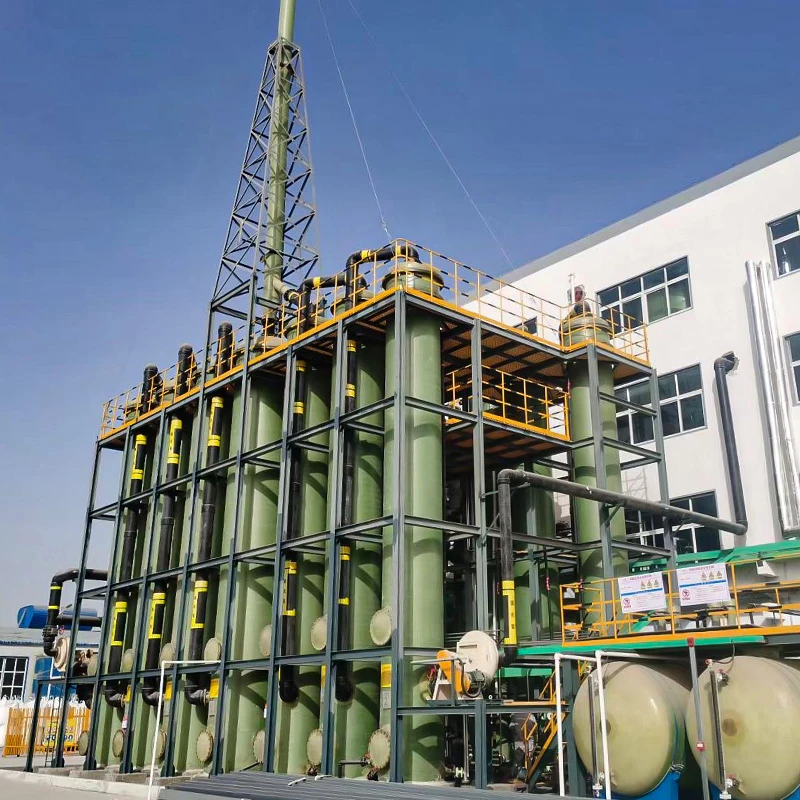
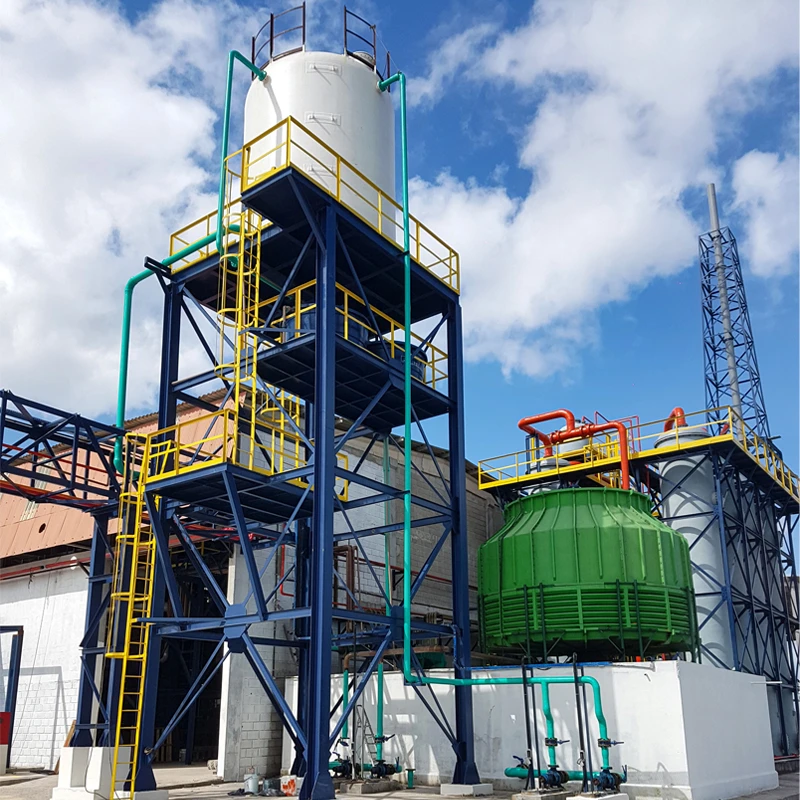
Oil Tank Fiberglass: Durable, Cost-Effective Fuel Storage Solutions Worldwide
Oil Tank Fiberglass: What It Is and Why It Matters Globally
When you think about oil storage, your mind might jump to big steel tanks or underground caverns. But oil tank fiberglass is quietly transforming the industry, offering a lightweight, durable, and corrosion-resistant alternative. Globally, this technology matters more than ever because oil storage plays a critical role in energy infrastructure, safety, and environmental protection. Understanding fiberglass oil tanks helps industries, governments, and organizations make smarter, more sustainable choices.
Introduction: The Global Importance of Oil Tank Fiberglass
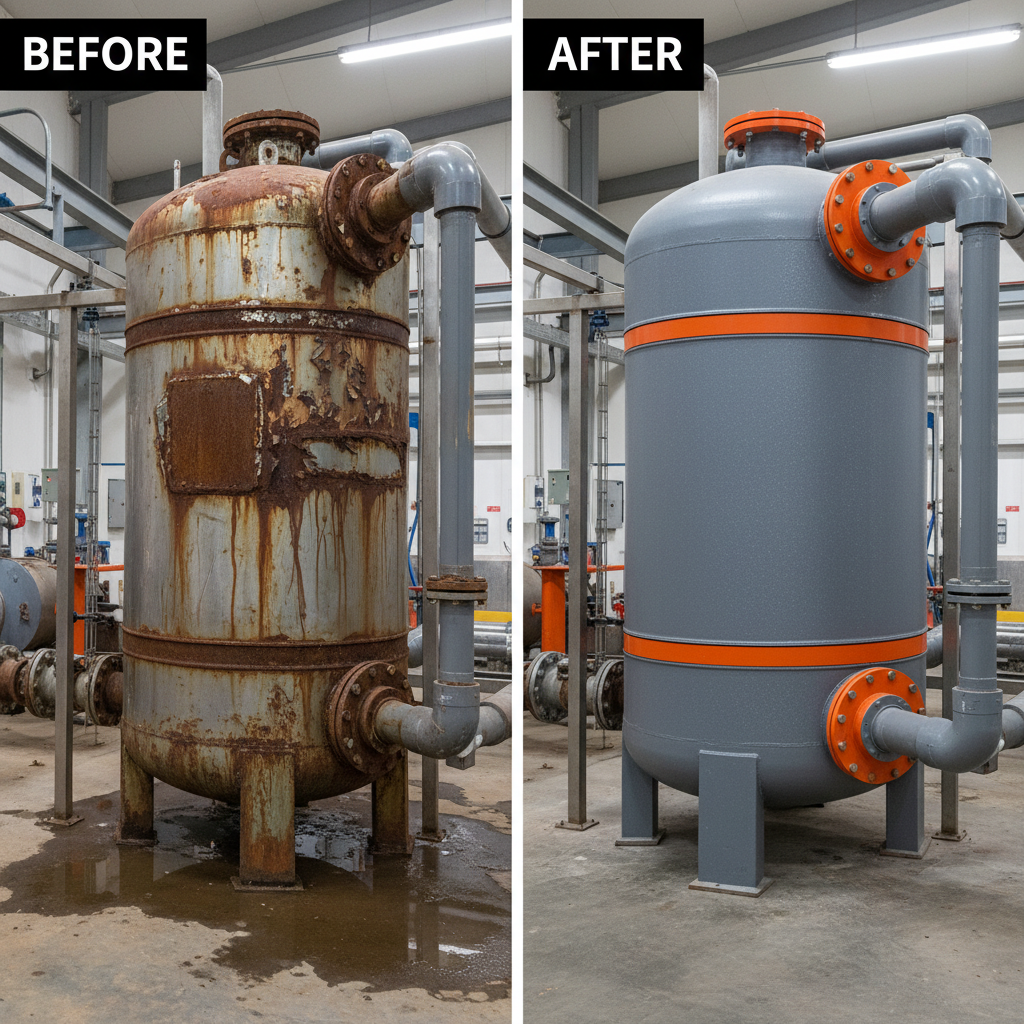
According to the International Energy Agency (IEA), worldwide oil demand remains robust, despite rapid shifts to green energy sources. The safe and efficient storage of petroleum products is essential to maintain energy supply chains and prevent environmental hazards. One key challenge has been the corrosion and degradation of traditional storage tanks, which leads to costly maintenance and leaks.
Enter fiberglass-reinforced plastic (FRP) tanks. These tanks resist corrosion unlike steel, can be customized easily, and often reduce lifecycle costs. Frankly, their global adoption is growing, particularly in regions with harsh climates or corrosive soil conditions. Oil tank fiberglass systems provide practical solutions to longtime industry headaches.
What Are Oil Tank Fiberglass Tanks?
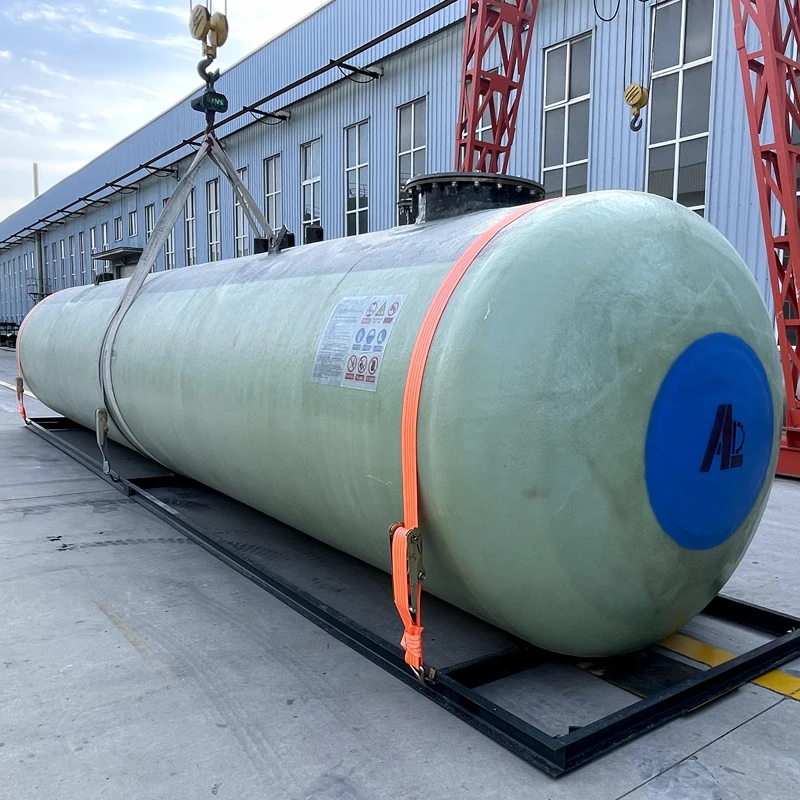
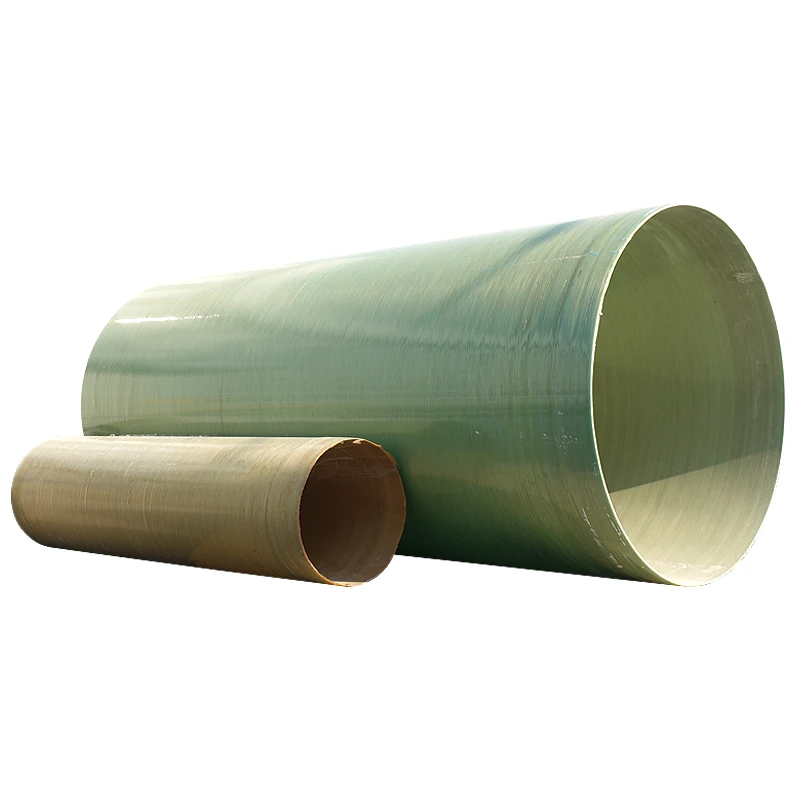
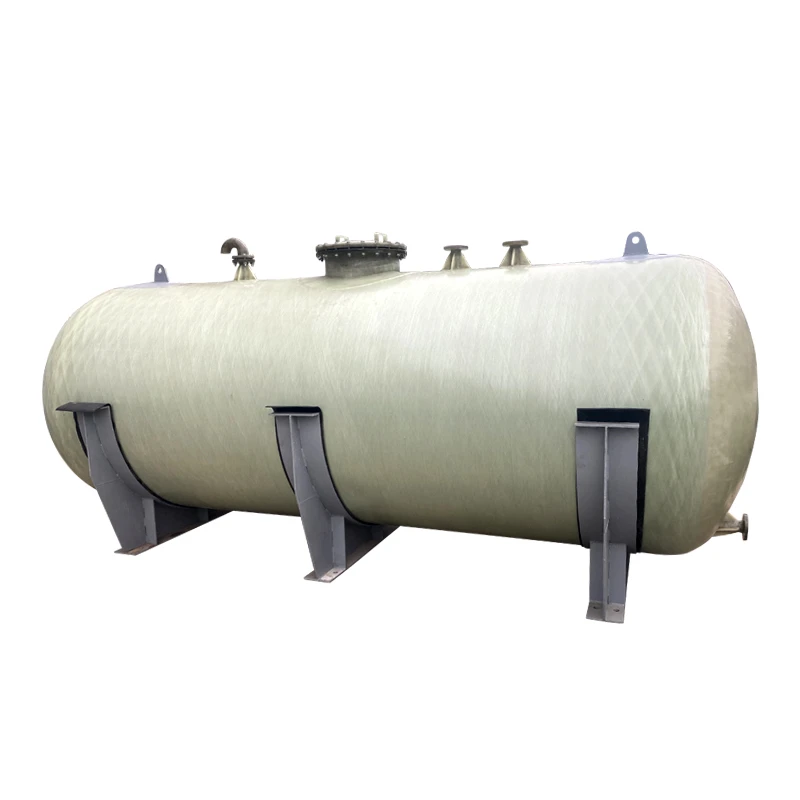
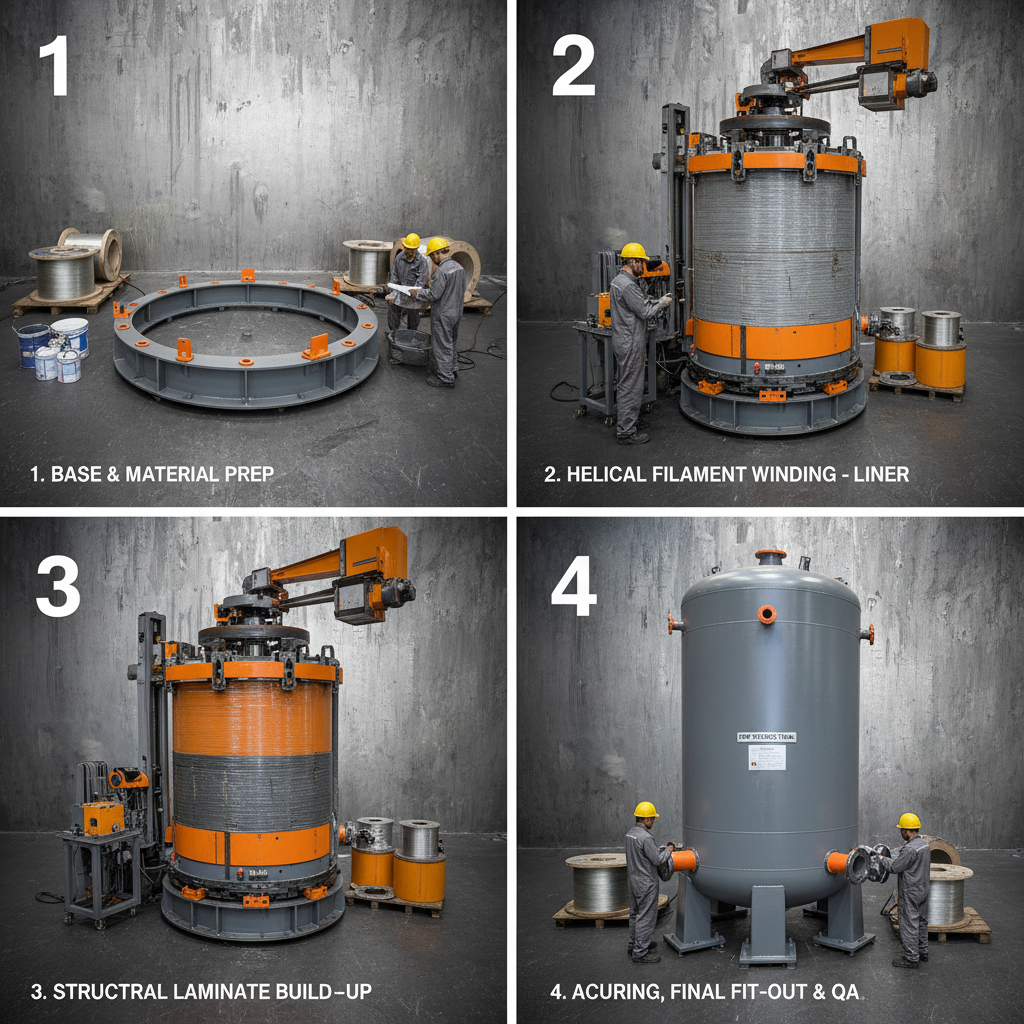
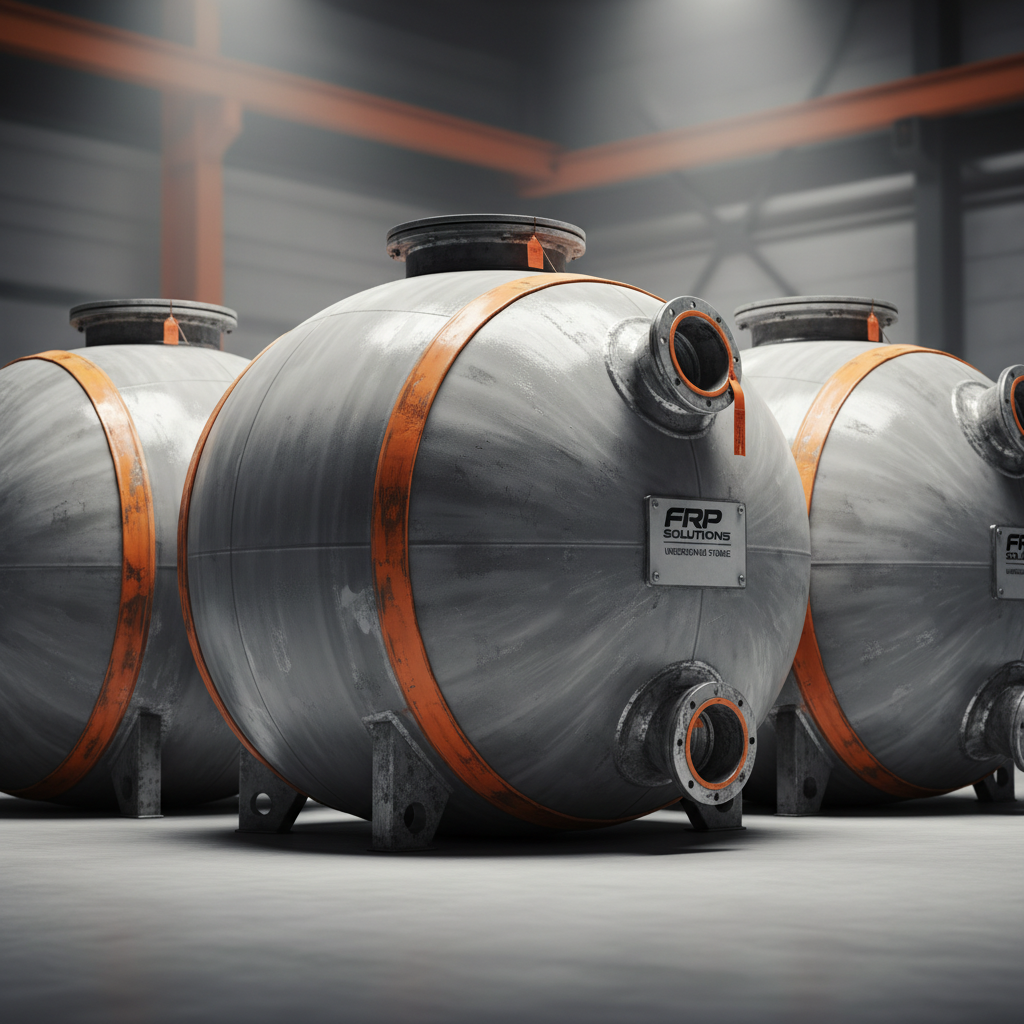
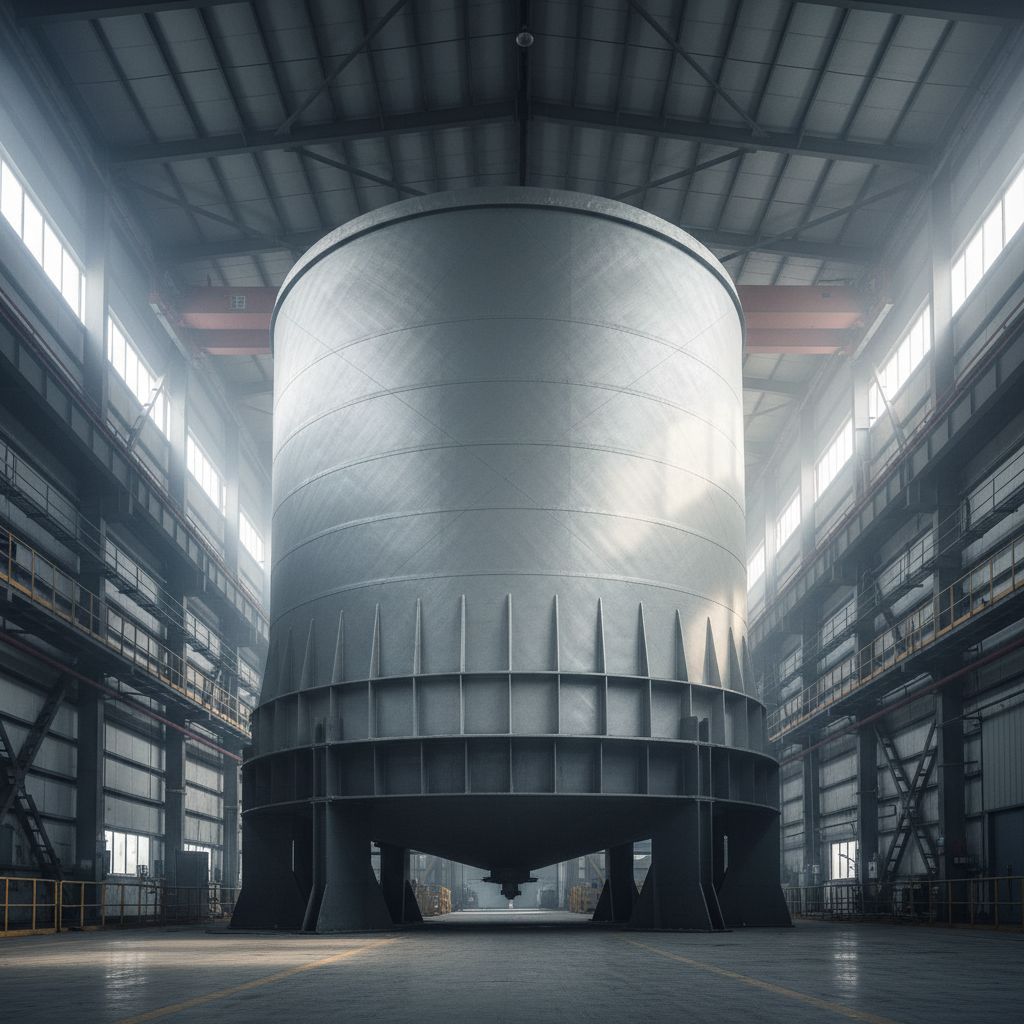
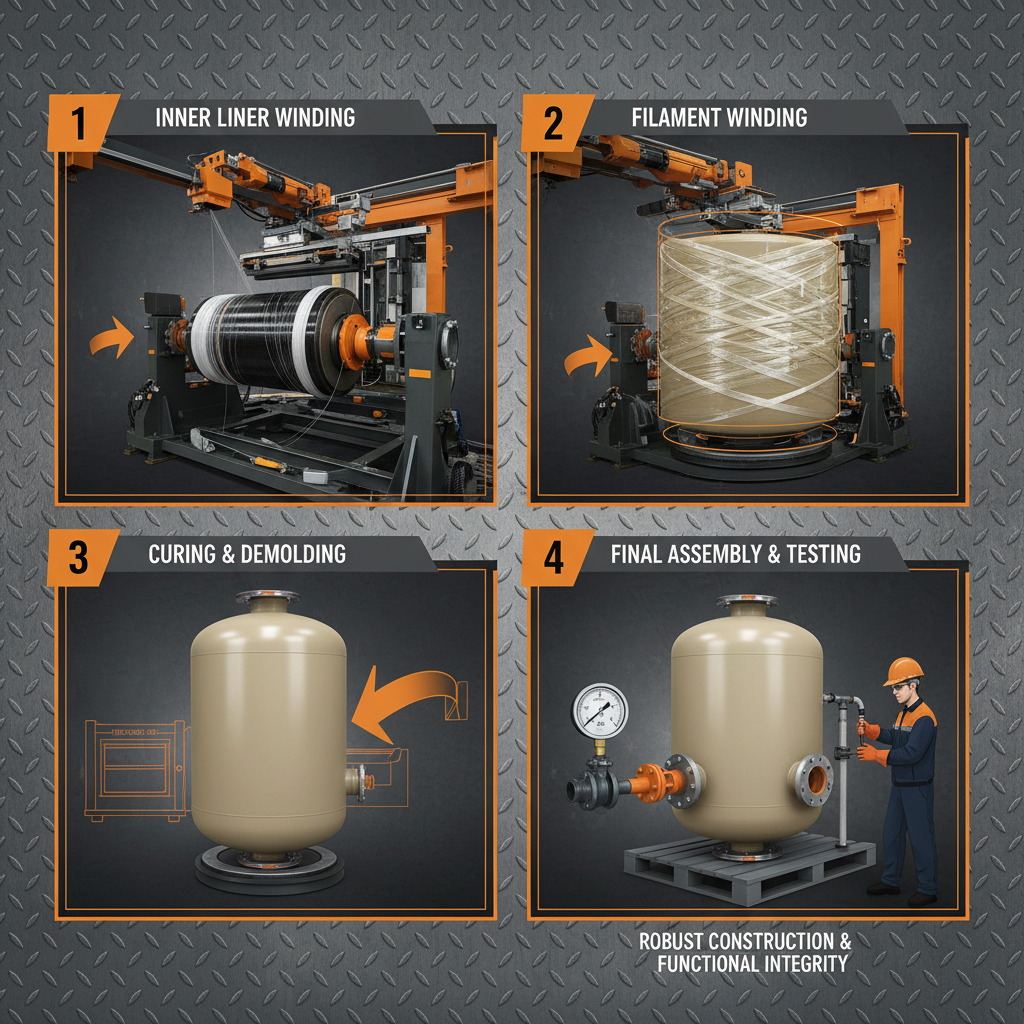
Simply put, fiberglass oil tanks are storage containers constructed using fiberglass-reinforced plastic. This composite material blends glass fibers with resin to create a strong, lightweight, and chemically resistant structure. Originally popularized in water and chemical storage, fiberglass tanks have increasingly been engineered for hydrocarbon storage.
They connect to modern industry needs by combining durability with adaptability—making them invaluable in sectors ranging from oil & gas production sites to emergency relief operations where quick, safe fuel storage is vital.
Key Features and Core Components of Oil Tank Fiberglass
1. Durability and Corrosion Resistance
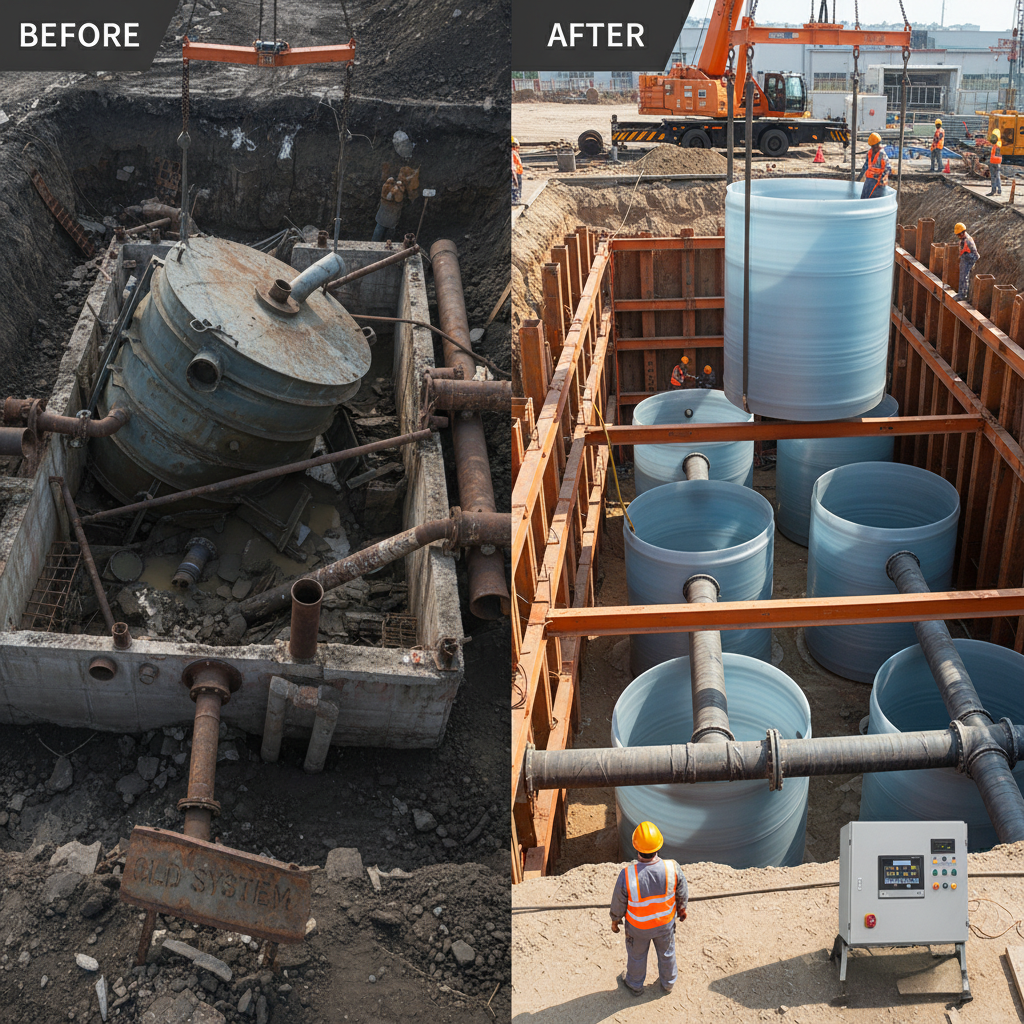
Unlike steel, fiberglass doesn’t rust or corrode when exposed to water, salt, or chemicals. This dramatically extends tank life and helps avoid leaks that can damage the environment or risk safety.
2. Lightweight and Easy Handling
Fiberglass tanks weigh significantly less than steel, simplifying transport and installation costs, especially in remote or hard-to-reach areas.
3. Cost Efficiency Over Time
While the upfront cost can be higher than basic steel tanks, their low maintenance and long life offer better total cost of ownership.
4. Customization and Scalability
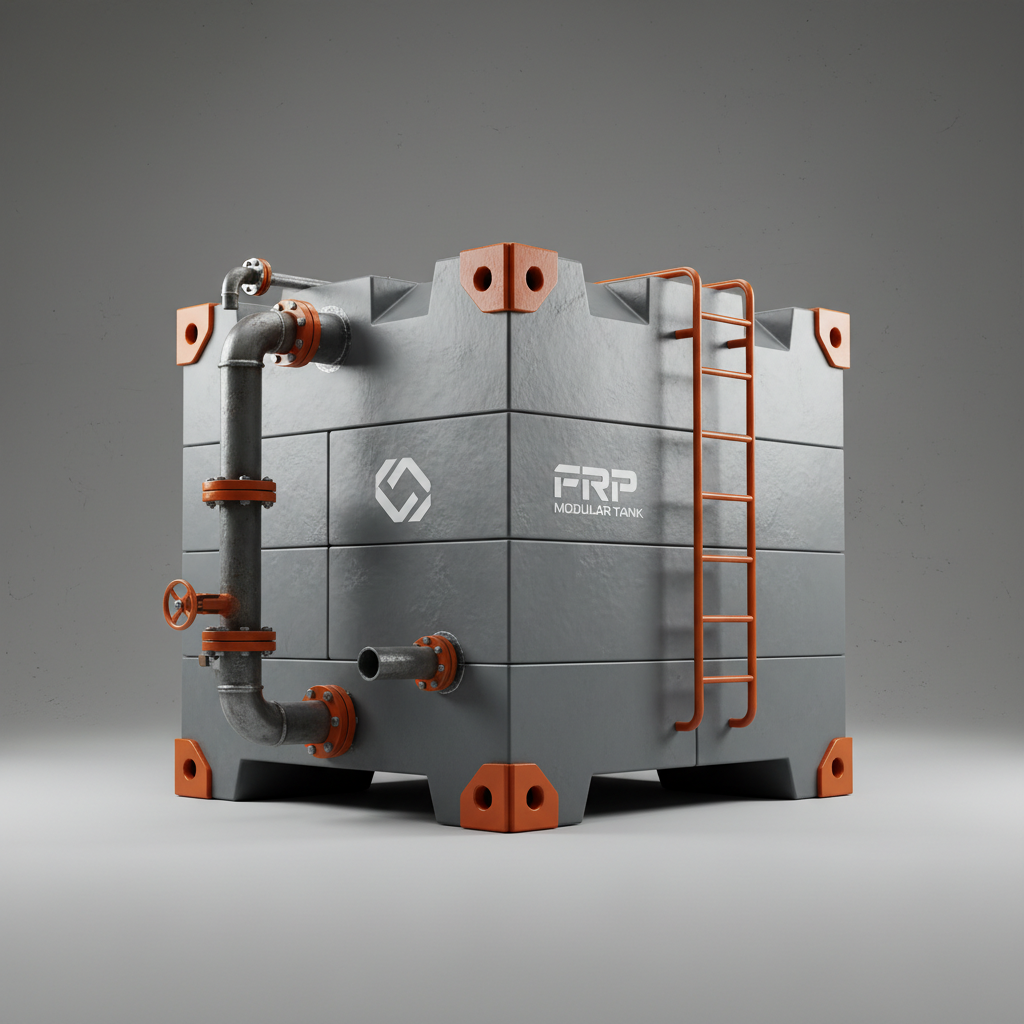
They can be fabricated in a variety of sizes and shapes tailored to specific site needs, helping companies optimize space and workflow.
5. Environmental Safety
The material is non-toxic and fully recyclable in some cases, aligning with rising global standards for environmentally responsible storage.
Technical Specifications of a Typical Oil Tank Fiberglass Model
| Specification | Standard Model | Heavy-Duty Model |
|---|---|---|
| Material | Fiberglass Reinforced Plastic (FRP) | FRP with Additional Gel-Coat Layer |
| Capacity | 5,000 liters (Approx. 1,300 gallons) | 10,000 liters (Approx. 2,600 gallons) |
| Corrosion Resistance | Excellent | Superior – Extra Protective Layer |
| Weight | ~350 kg | ~600 kg |
| Typical Lifespan | 20–30 years | 25–35 years |
Global Applications and Use Cases
Fiberglass oil tanks have proven essential in various sectors worldwide. For example:
- Remote Industrial Zones: Mining operations in Australia rely heavily on these tanks because they can withstand corrosive soils and tough climates without constant corrosion maintenance.
- Disaster Relief Efforts: NGOs use oil tank fiberglass units to set up safe, temporary fuel storage after hurricanes or earthquakes when infrastructure is compromised.
- Marine and Coastal Installations: Due to their corrosion resistance against salty air, fiberglass tanks are a go-to choice in ports along the Mediterranean and Southeast Asia.
- Urban Fuel Stations: In cities with strict environmental codes, the non-leaching quality of fiberglass helps stations meet tough regulations.
Mini takeaway: The broad versatility makes fiberglass oil tanks a kind of global "workhorse" for fuel storage, adaptable to many tough environments.
Advantages and Long-Term Value
Choosing fiberglass tanks isn't just about technical specs—it’s about securing safety, trust, and sustainability. Here’s what stands out:
- Cost Savings: Less maintenance, fewer leaks, lower replacement rates — all translate to fewer headaches and expenses.
- Environmental Impact: Fiber-reinforced tanks help prevent contamination risks common with rusted steel. Their recyclable nature adds a sustainability bonus.
- Social Responsibility: Safe storage means safer communities, fewer accidents, and preserved local ecologies.
- Reliability & Innovation: Fiberglass tanks evolve with new resins and composites, keeping pace with industry demands.
Many engineers say using fiberglass tanks feels like an insurance policy: you don’t often see the benefit until something goes wrong with steel alternatives.
Vendor Comparison: Leading Oil Tank Fiberglass Suppliers
| Supplier | Product Range | Customization | Warranty | Regional Availability |
|---|---|---|---|---|
| FibraTanks Inc. | 1,000–50,000 liters | Yes, extensive | 10 years | North America, Europe |
| Global FRP Solutions | 5,000–20,000 liters | Moderate | 8 years | Asia, Middle East |
| EcoTank Systems | 2,000–30,000 liters | Yes, focused on eco-design | 12 years | Worldwide |
Future Trends and Innovations
Manufacturers are tinkering with new resin formulas that improve UV resistance and impact toughness, meaning oil tank fiberglass products will last even longer in harsh conditions. Also, digital monitoring technologies—like IoT sensors embedded during manufacturing—are starting to appear, offering real-time condition tracking to avoid costly failures. Oddly enough, this mix of old durable materials with smart tech signals a bright future.
Green energy plays a role too. As biofuels and alternative petrochemicals gain traction, the chemical resistance specs of fiberglass tanks are tweaked for compatibility. This means fiberglass could become a central player, not just in oil but in next-gen energy storage solutions.
Challenges and Solutions in Oil Tank Fiberglass Deployment
Nothing is perfect. Sometimes fiberglass tanks suffer from stress cracks or impact damage if handled roughly. Plus, the initial price point can deter budget-conscious operators. However, experts suggest rigorous quality assurance during fabrication and training for installation can mitigate damage risks.
Moreover, as the technology becomes more mainstream, economies of scale help reduce prices steadily. Partnerships between vendors and regulators to standardize certifications are also improving confidence in these tanks.
FAQ: Frequently Asked Questions About Oil Tank Fiberglass
- Q: How does fiberglass compare to steel in oil tank corrosion resistance?
- A: Fiberglass is inherently resistant to corrosion because it doesn't rust or oxidize, unlike steel. This makes fiberglass tanks more durable in damp or corrosive environments, reducing maintenance needs considerably.
- Q: Can oil tank fiberglass withstand extreme temperatures?
- A: Yes, fiberglass tanks can tolerate a wide temperature range. They perform well in hot climates and resist freezing damage. However, the resin type used in manufacturing plays a role, so choose accordingly.
- Q: Are fiberglass oil tanks environmentally friendly?
- A: Generally, yes. They prevent leaks that damage soil and water, and many fiberglass composites are recyclable or can be safely disposed of. Their long lifespan also reduces waste over time.
- Q: What is the typical installation timeline for fiberglass tanks?
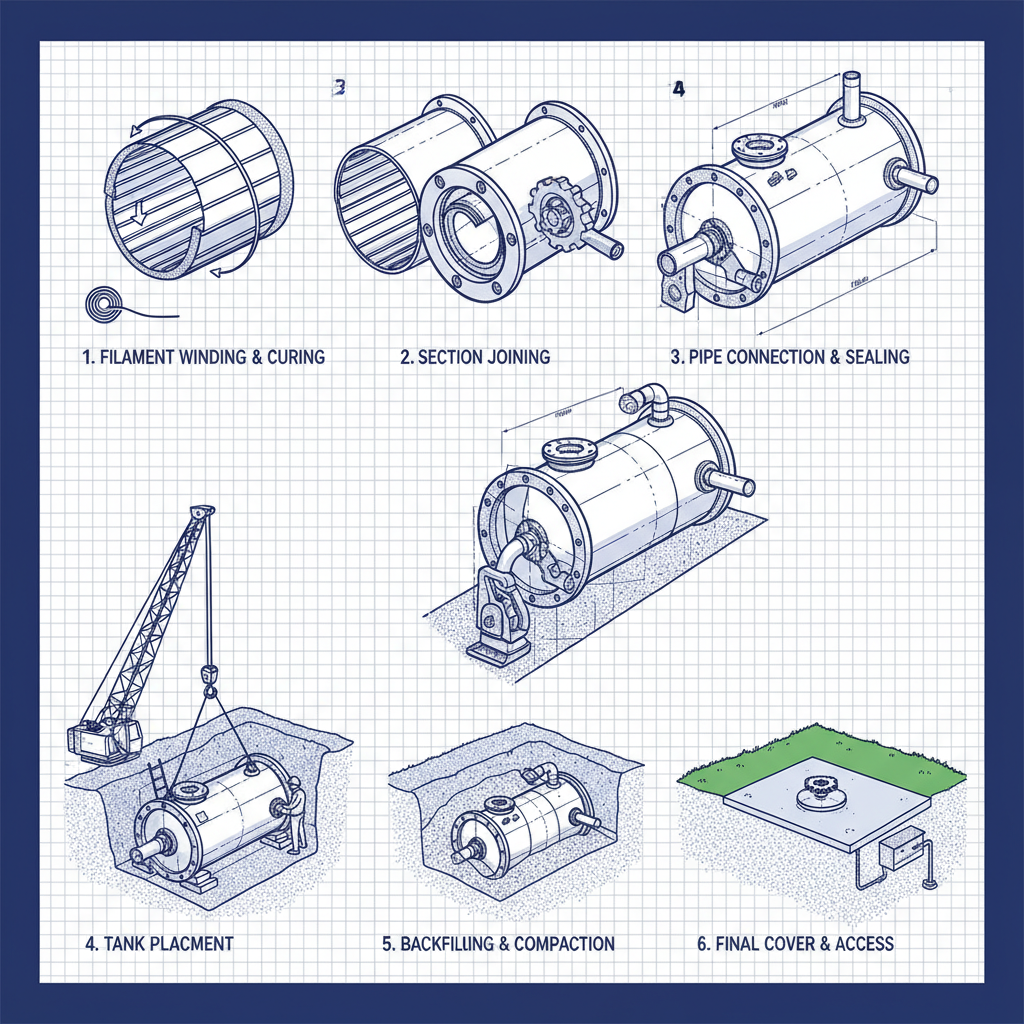
- A: Installation is relatively quick—often days instead of weeks—thanks to their light weight and modular construction, which also minimizes site disruption.
Conclusion: Why Oil Tank Fiberglass Is a Smart Long-Term Choice
Looking ahead, oil tank fiberglass stands out as a durable, efficient, and environmentally sound solution for fuel storage worldwide. Its blend of resilience and adaptability suits diverse climates, industries, and evolving regulatory landscapes. If maintaining integrity and safety in your oil storage is a priority, frankly, fiberglass tanks are worth serious consideration.
To explore a range of fiberglass oil tanks suited to your needs, visit our website and discover how this technology can work for you.
Sometimes the best solutions are the ones quietly working behind the scenes — keeping fuel safe and industries moving forward.