Comprehensive Guide to lfm Fiberglass Tanks: Durability, Applications & Benefits
Understanding lfm fiberglass tanks: durable solutions for water and chemical storage
On the surface, lfm fiberglass tanks might sound like an arcane industrial detail, but in reality, these storage solutions address critical worldwide needs—from clean water access in remote areas to industrial chemical containment. Understanding these tanks means appreciating their durability, versatility, and cost effectiveness, all essential as global industries and humanitarian efforts steadily evolve in complexity and scale.
Global Context: Why lfm fiberglass tanks matter today
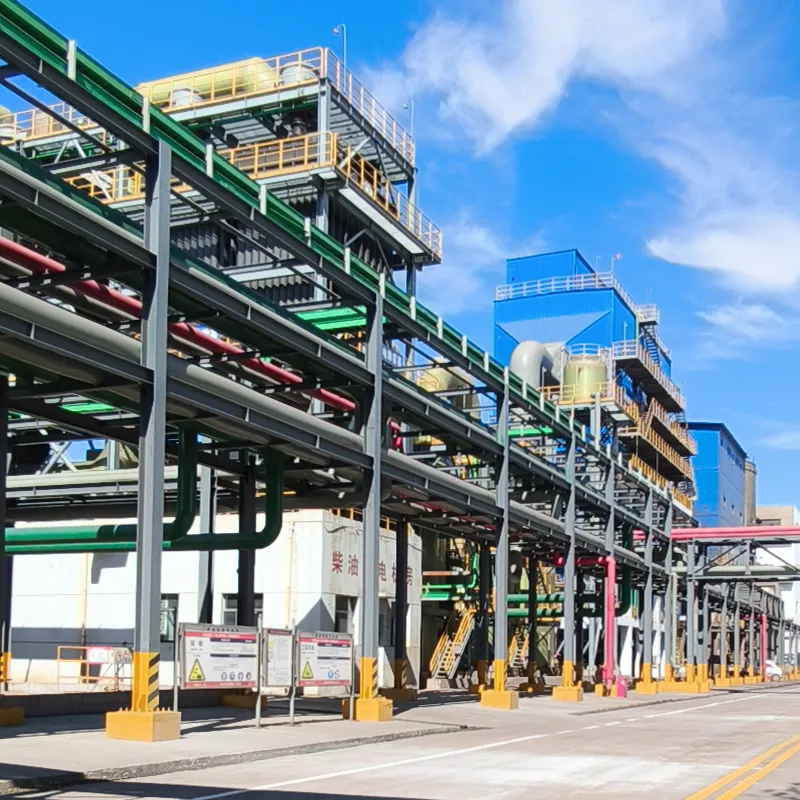
The United Nations estimates that over 2 billion people lack safe drinking water at home, while the World Bank stresses that sustainable industrial water storage solutions are critical for economic growth. lfm fiberglass tanks step into this gap with a solution that is both durable and scalable. Unfortunately, many traditional storage tanks—steel, concrete—face issues: corrosion, hefty maintenance costs, and logistical challenges. Lfm fiberglass tanks tackle many such obstacles head-on, becoming crucial in sectors ranging from agriculture and wastewater treatment to oil & gas.
What exactly are lfm fiberglass tanks?
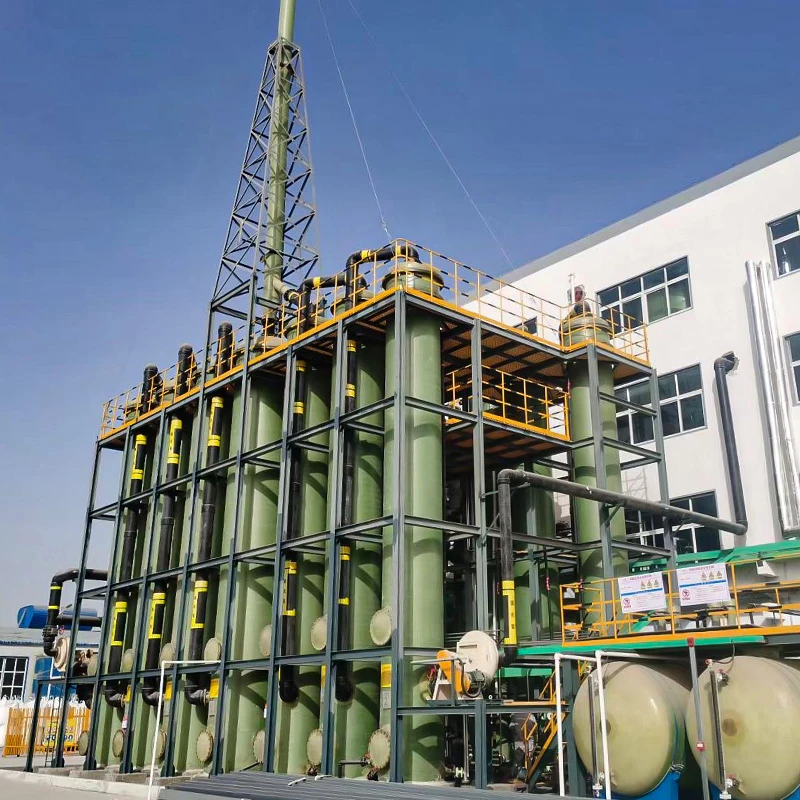
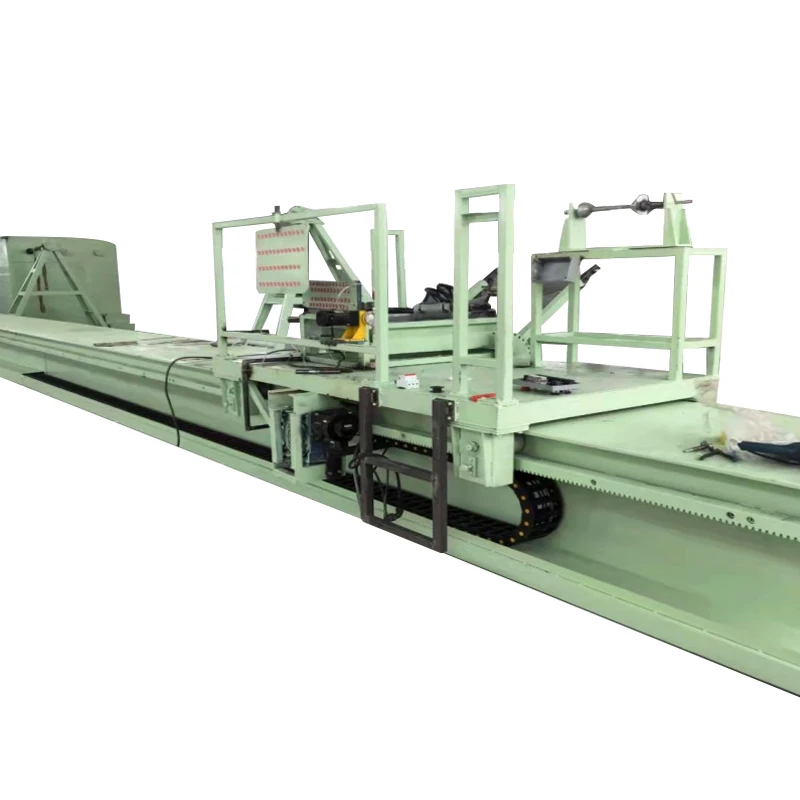
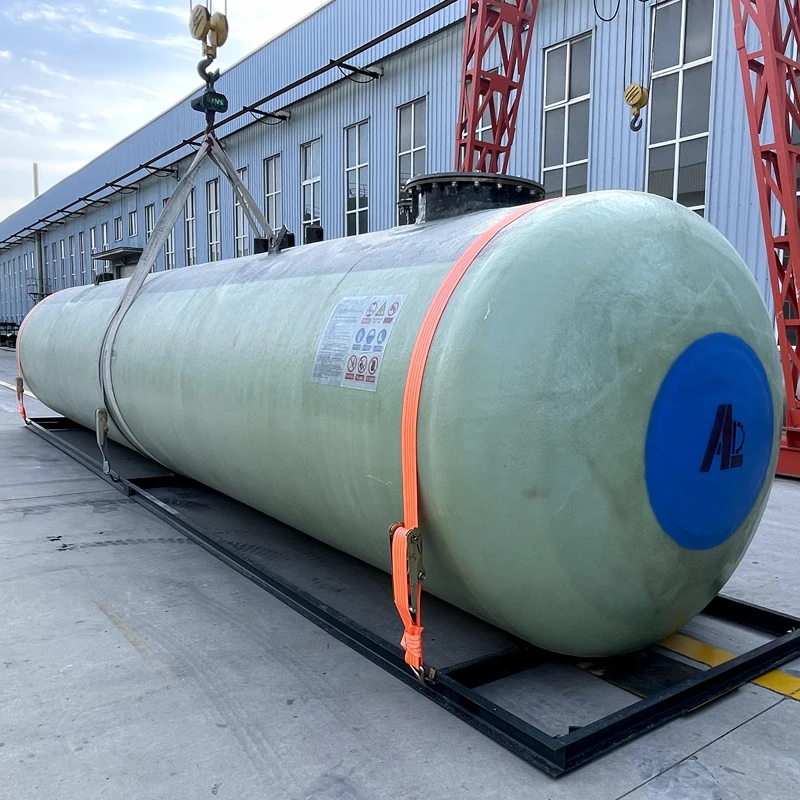
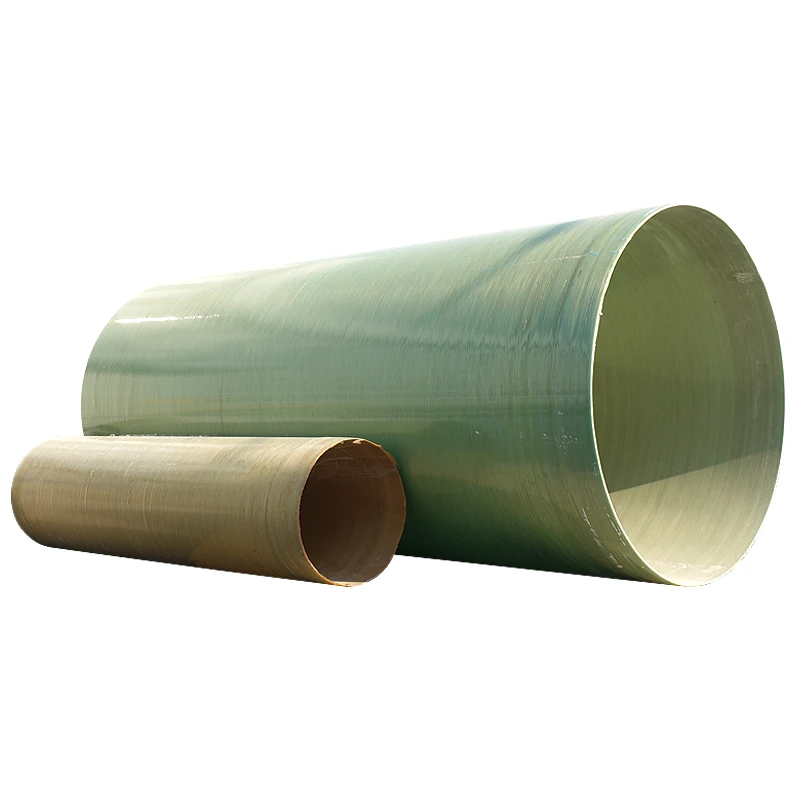
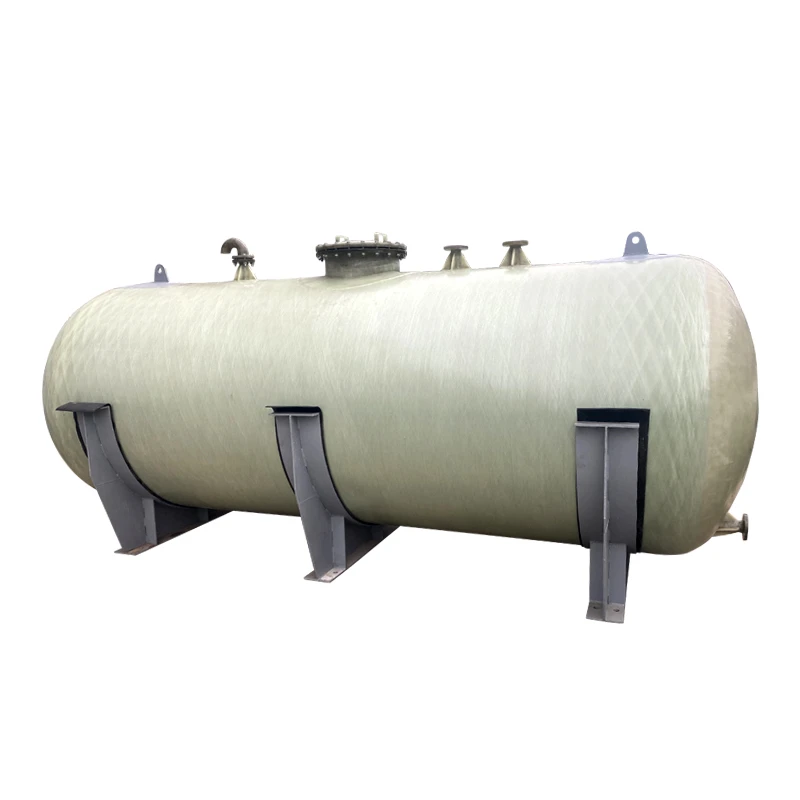
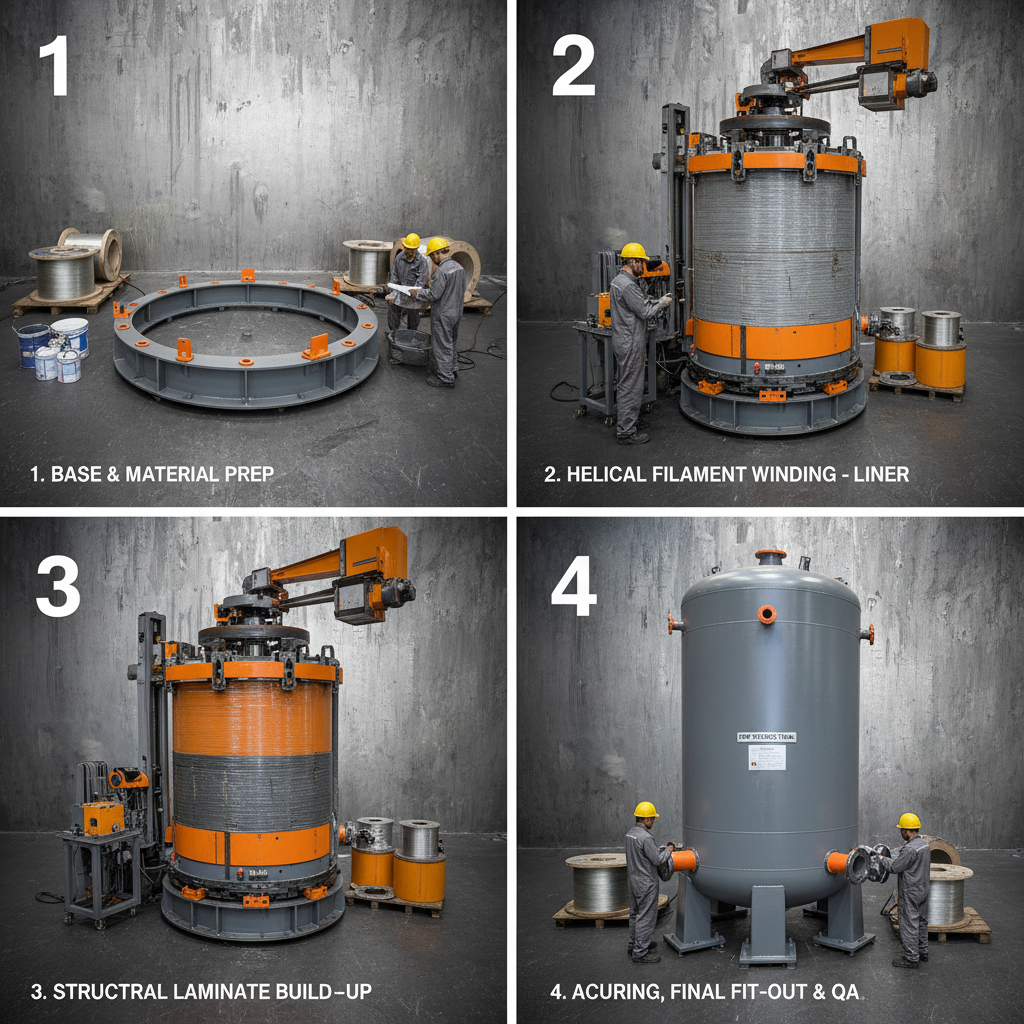
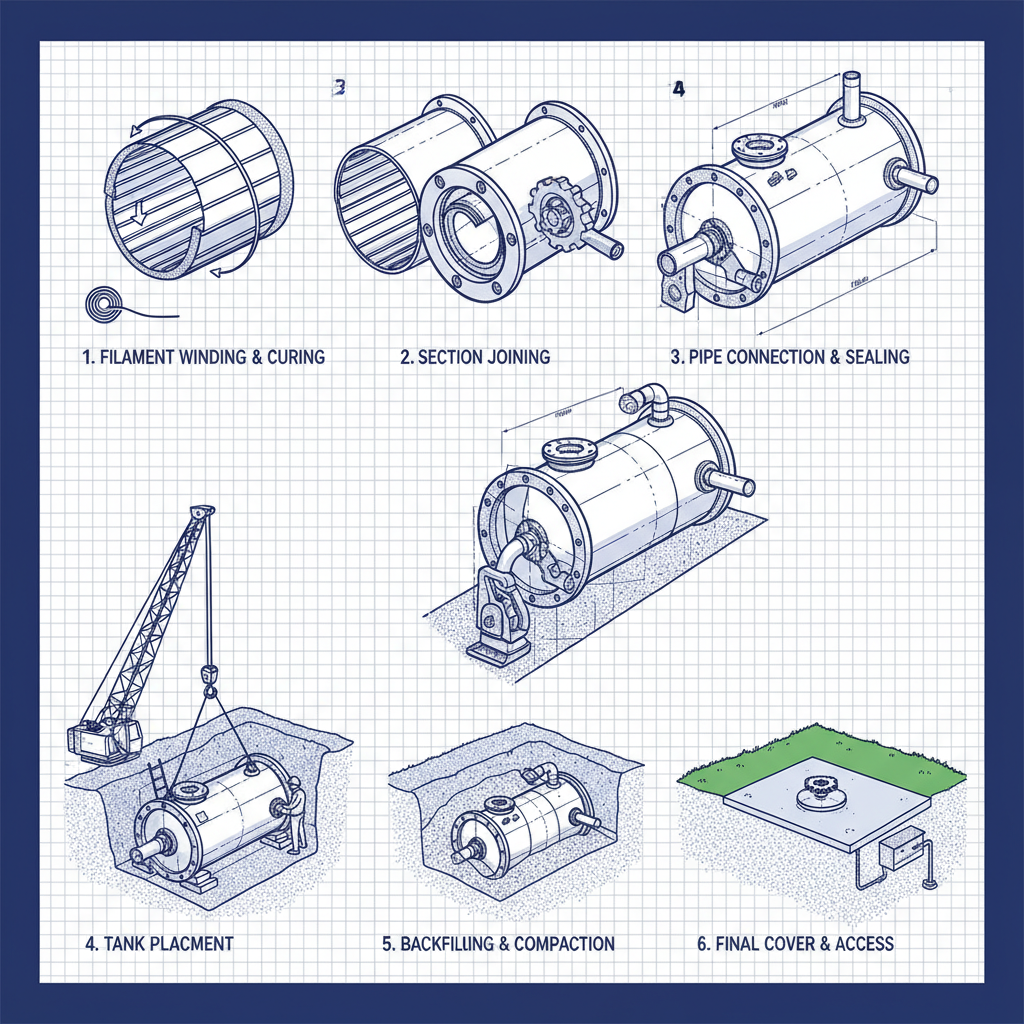
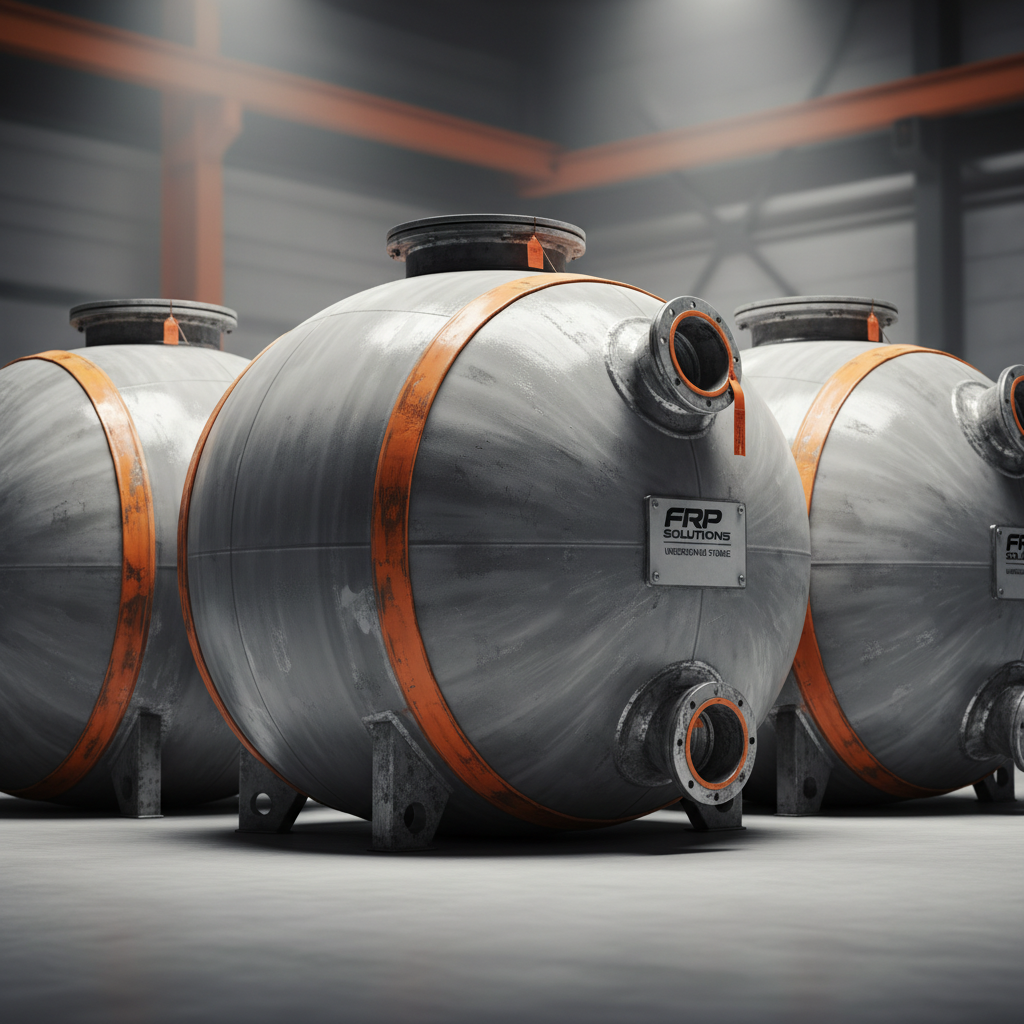
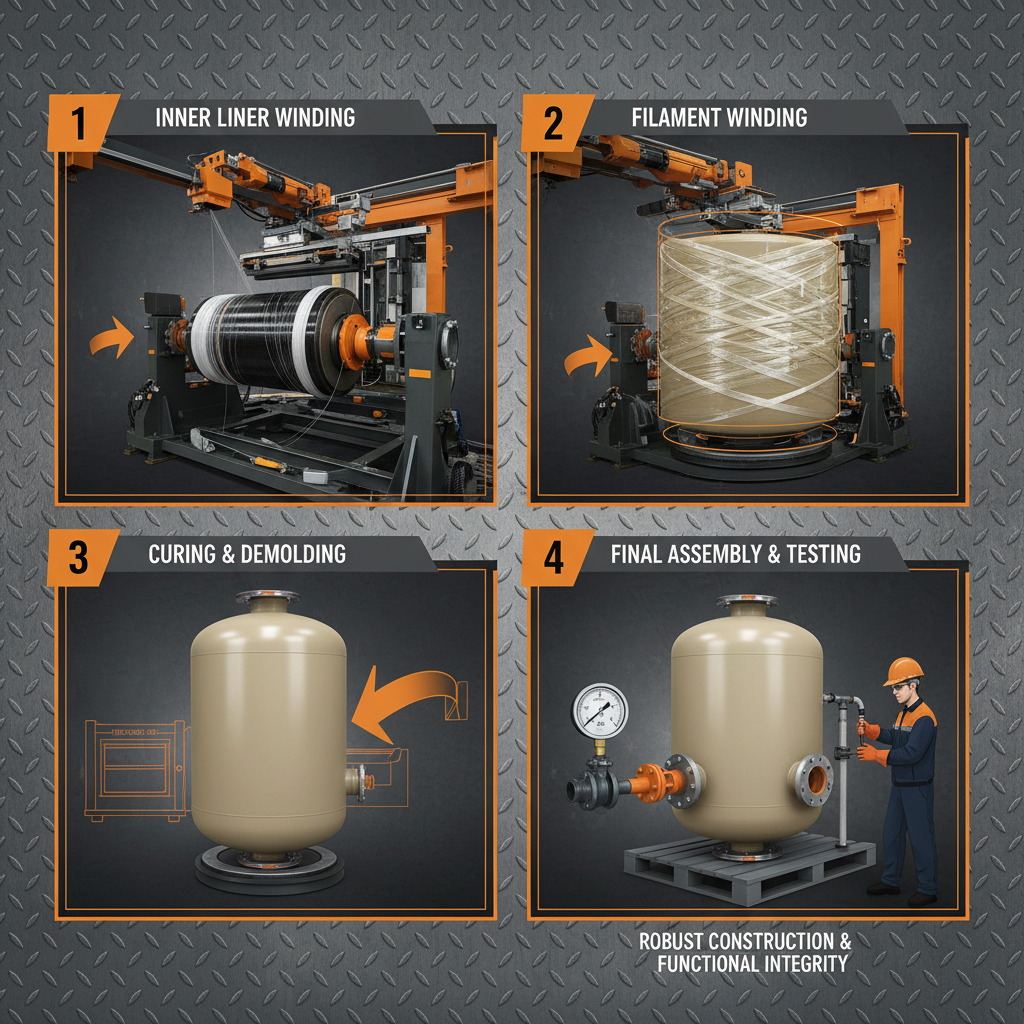
Put simply, lfm fiberglass tanks are storage containers crafted from liquid filament mat (LFM) fiberglass composite—a specialized layering of resin and matt glass fibers—resulting in a strong, corrosion-resistant vessel. This composite material is prized in modern industry for its lightweight yet tough nature. The “lfm” process involves layering mats of fiberglass soaked in resin into molds, producing a seamless tank structure.
Today, these tanks are integral to secure storage in applications that demand resistance to chemicals, UV exposure, and harsh climates—making them invaluable for humanitarian supply chains in disaster zones or industrial sites in extreme environments.
Core Components and Factors Behind lfm Fiberglass Tanks’ Effectiveness
Durability and Corrosion Resistance
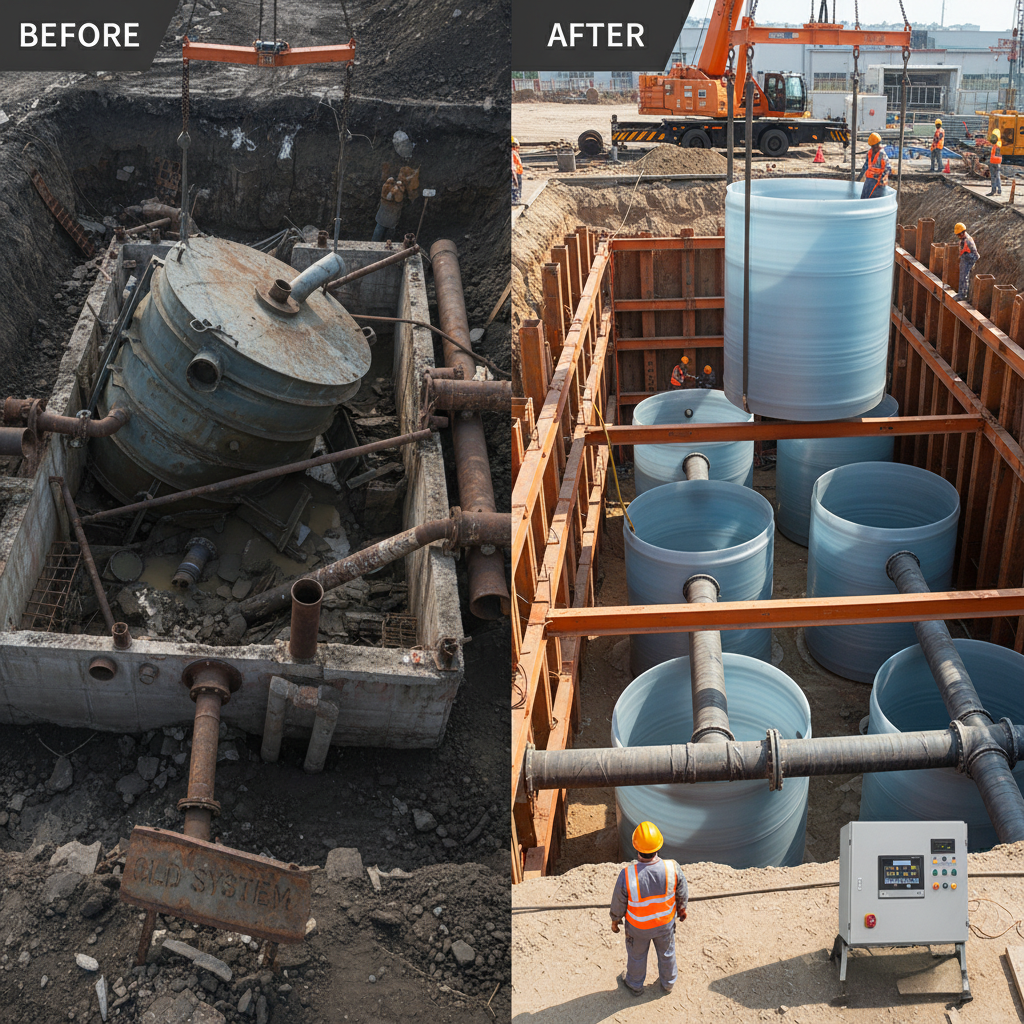
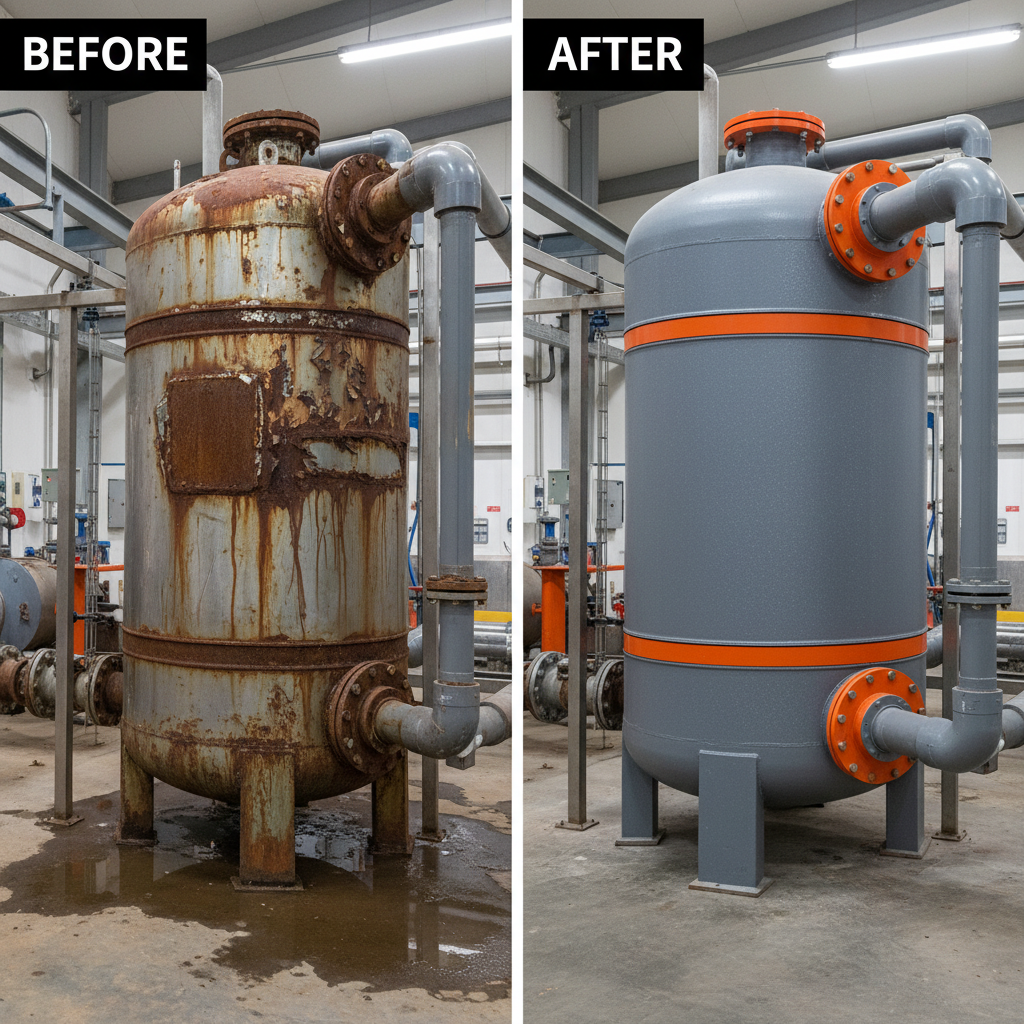
One big selling point? Their resistance to corrosion from acids, alkaline solutions, and salty water. This makes them ideal for storing chemicals or potable water without fear of rust contamination. Fiberglass composites last decades, whereas steel tanks often need costly coatings or replacements.
Lightweight and Portability
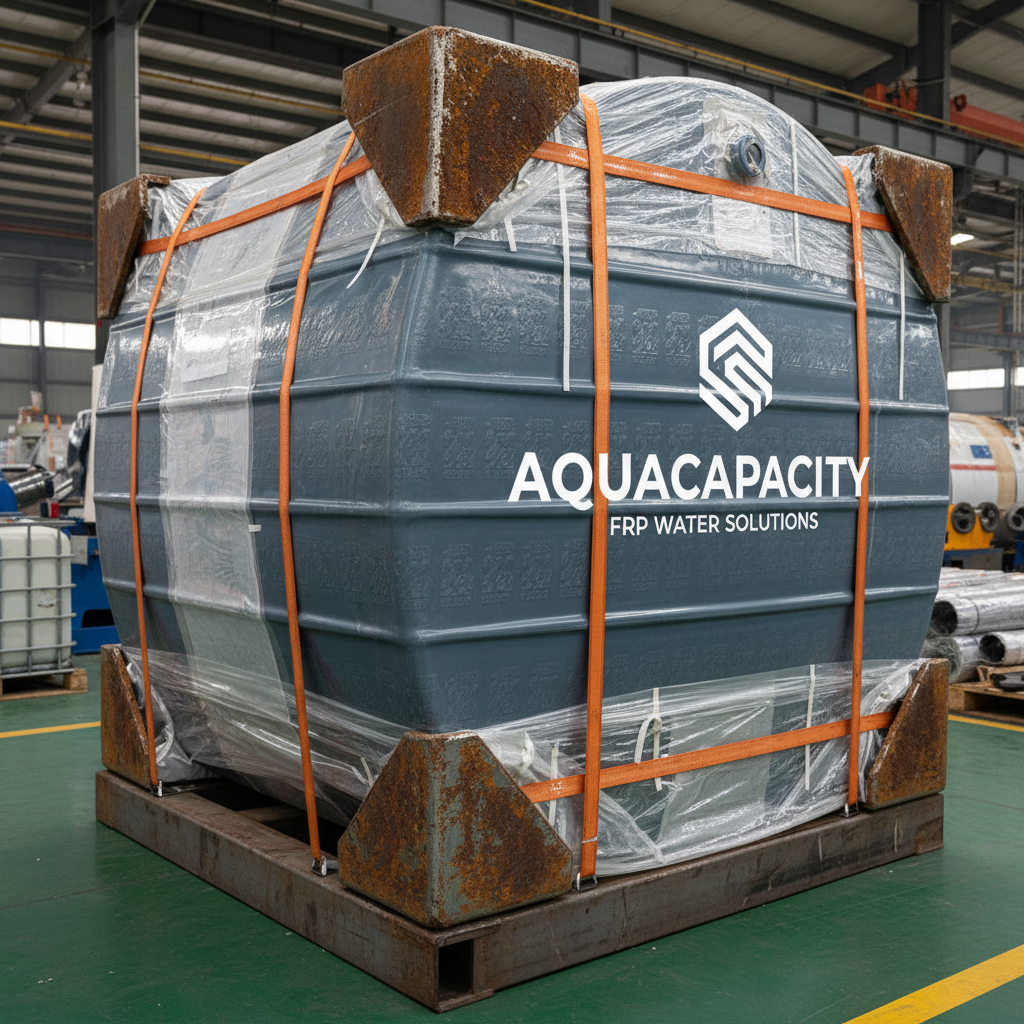
Frankly, moving these tanks around is far easier than steel or concrete variants. For field use—say, setting up a remote water system or emergency relief operation—lightweight designs reduce transportation costs and speed installation.
Customization and Scalability
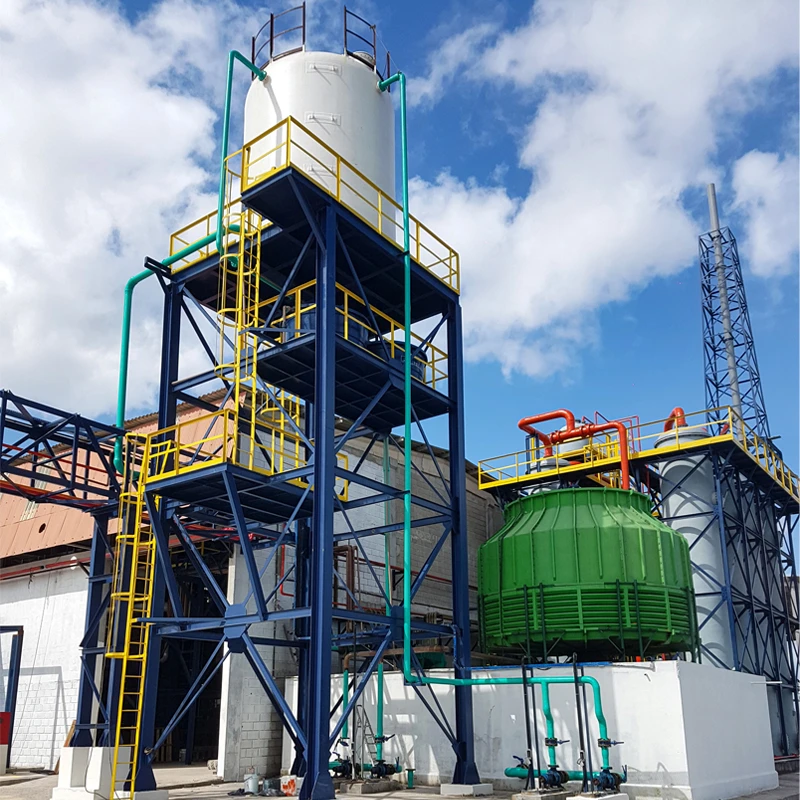
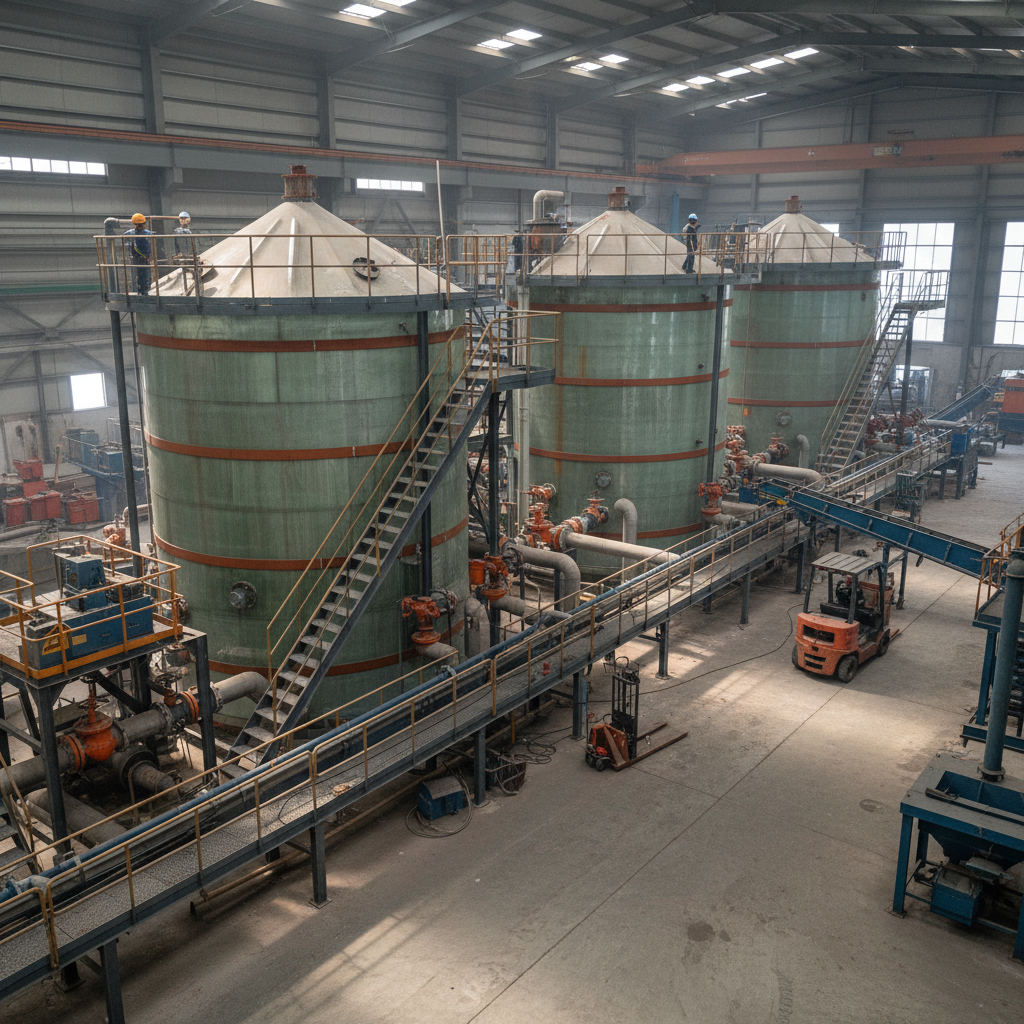
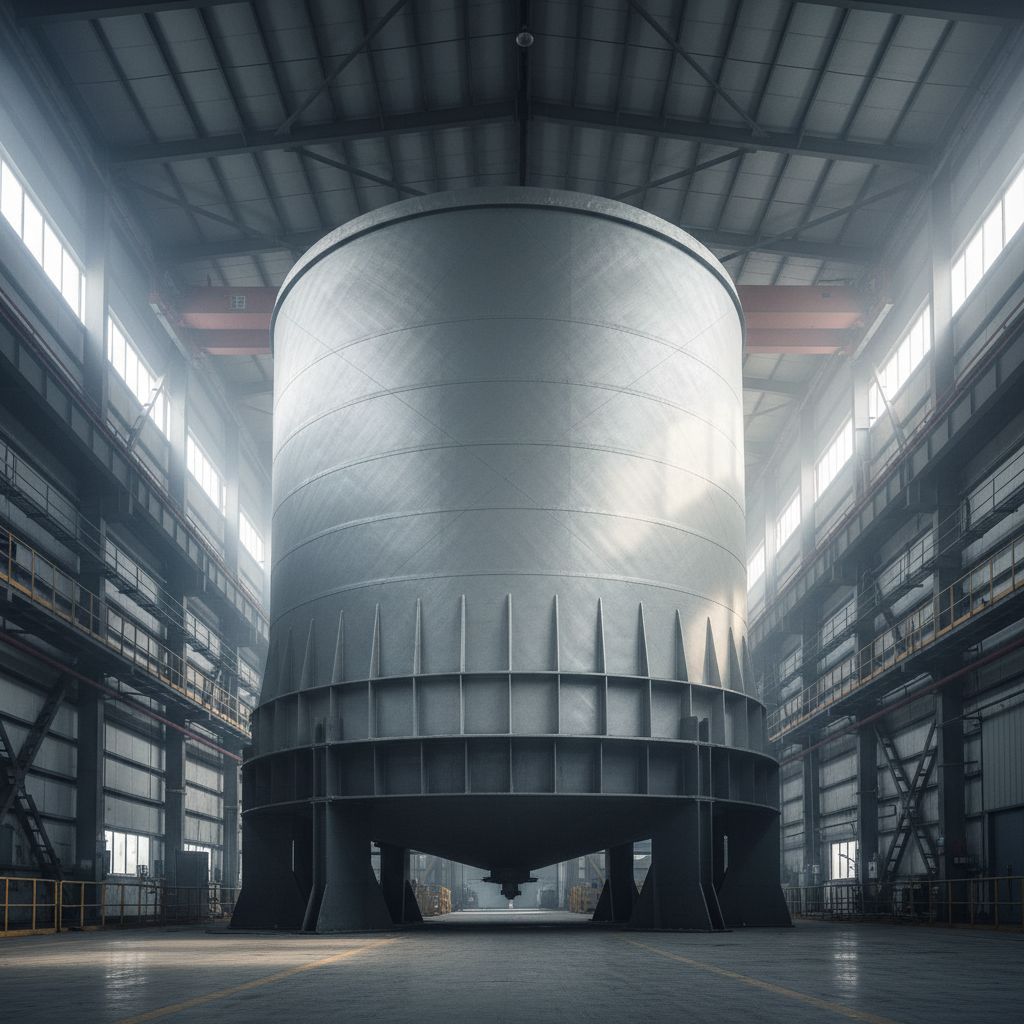
Lfm fiberglass tanks come in various sizes, shapes, and with options like insulation or internal linings. Industries can tailor solutions from modest 500-gallon tanks to massive 50,000-gallon reservoirs, ensuring fit-for-purpose use.
Cost Efficiency Over Life Cycle
Though initial prices may seem higher than some metal tanks, the low maintenance and long lifespan often bring savings in the long run. No need for frequent repainting or rust fixes adds up.
Real-World Applications and Global Use Cases
- Disaster Relief & Humanitarian Aid: Rapid deployment of lfm fiberglass tanks ensures safe water storage after floods or earthquakes.
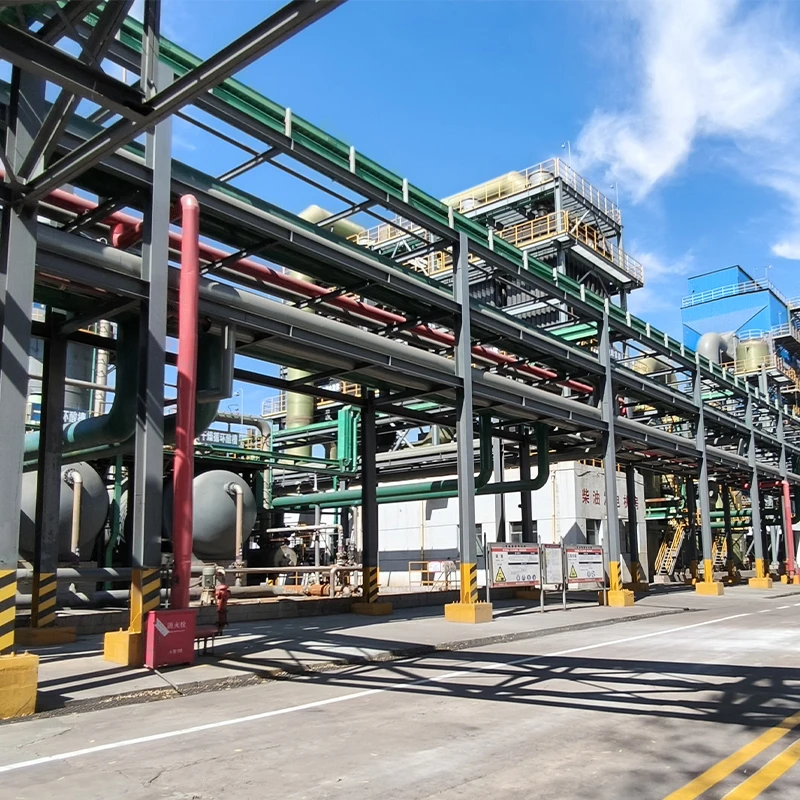
- Industrial Chemical Storage: Refining, mining, and manufacturing use these tanks to hold corrosive liquids, abiding by strict safety standards.
- Agricultural Irrigation: In arid regions, fiberglass tanks store and regulate scarce water resources efficiently.
- Remote Communities & Off-Grid Solutions: Areas without stable infrastructure benefit from lightweight, low-maintenance storage.
In places like East Africa and Southeast Asia, NGOs frequently rely on fiberglass tanks because they simplify logistics and guarantee safety. Oddly enough, even offshore oil rigs use fiberglass tanks to manage water due to the material’s corrosion resistance.
Advantages and Long-Term Value of Using lfm Fiberglass Tanks
Beyond durability and cost-effectiveness, these tanks promote sustainability: they help reduce hazardous leaks and minimize material waste during production. There's an emotional payoff too—safe, reliable water storage instills community trust, dignity, and promotes health, a vital social impact often overlooked. Plus, innovation in manufacturing has only made these tanks more recyclable and environmentally friendly over recent years.
Future Trends and Innovations in Fiberglass Storage Solutions
Looking ahead, we’ll likely see more integration of smart sensor systems allowing real-time monitoring of tank conditions—levels, structural integrity, potential leaks—supporting automation and predictive maintenance. Materials science improvements aim for even lighter composites with enhanced strength, hopefully reducing carbon footprints during production. Green certifications and ISO standards related to sustainability will increasingly shape product requirements too.
Challenges and Leading Solutions
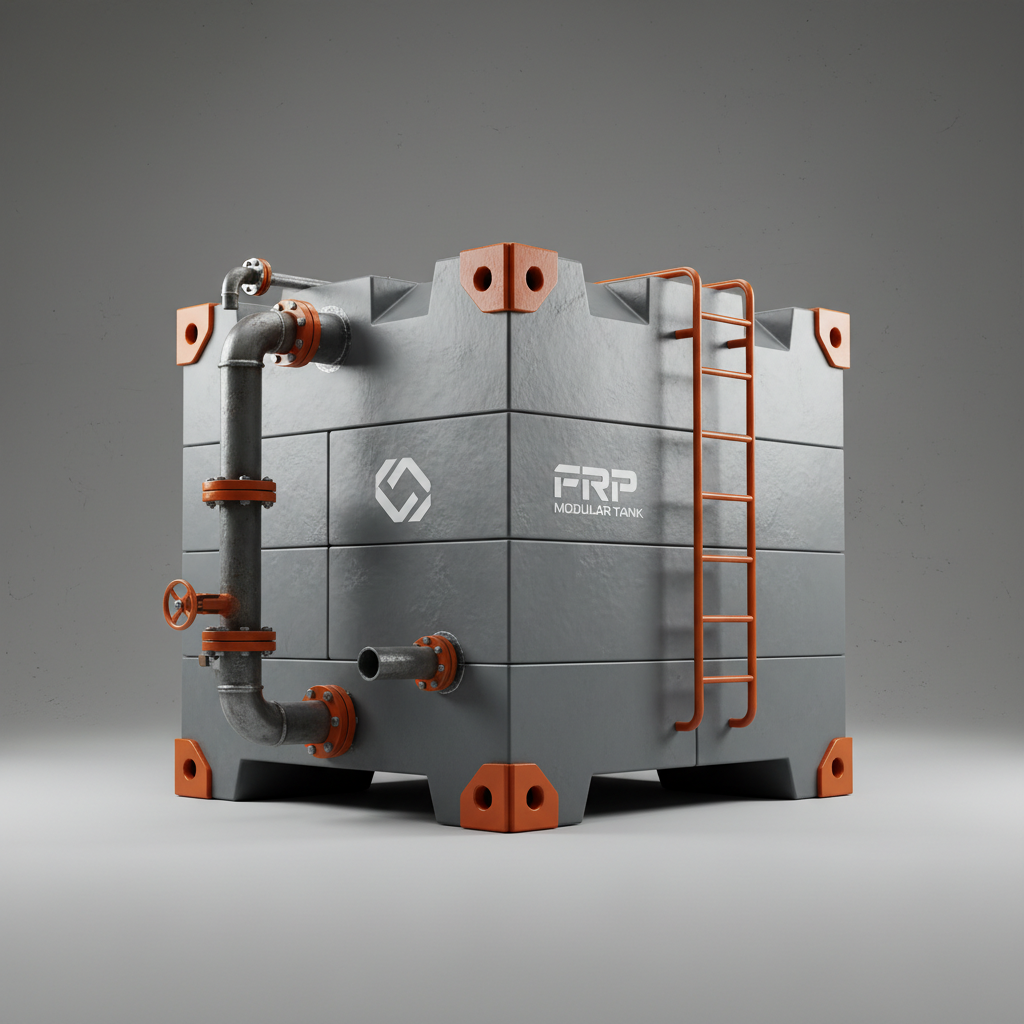
Some engineers point out challenges including UV degradation over time and damage from extreme impacts, though improved resin formulations and protective coatings mitigate this. Also, initial investment can discourage some small users despite long-term savings. But a surge in modular designs and financing options is helping overcome these limitations.
| Specification | Typical Value | Notes |
|---|---|---|
| Material | LFM Composite Fiberglass | Corrosion resistant |
| Capacity Range | 500 gal – 50,000 gal | Custom sizes available |
| Weight | 200-5000 lbs (depending on size) | Much lighter than steel |
| Temperature Tolerance | -40°C to 120°C | Good for most climates |
| UV Resistance | Enhanced with coatings | Important for outdoor use |
Vendor Comparison: Top lfm Fiberglass Tank Manufacturers
| Company | Product Range | Customization | Lead Time | Key Markets |
|---|---|---|---|---|
| Fiberglass Solutions Inc. | 500 gal – 30,000 gal | High; custom shapes | 4–8 weeks | North America, Europe |
| Global Composite Tanks | 1,000 gal – 50,000 gal | Medium; standard finishes | 6–10 weeks | Asia, Africa |
| EcoTanks Ltd. | 500 gal – 20,000 gal | High; eco-friendly options | 5–7 weeks | Europe, Middle East |
Frequently Asked Questions About lfm Fiberglass Tanks
- Q: How long do lfm fiberglass tanks typically last?
- A: When properly maintained, these tanks often last 20 to 30 years or more, thanks to their corrosion resistance and sturdy composite construction.
- Q: Are lfm fiberglass tanks suitable for storing potable water?
- A: Yes, they meet industry health standards and do not leach harmful substances, making them safe for drinking water storage when manufactured to NSF or equivalent certifications.
- Q: Can these tanks be installed outdoors in extreme climates?
- A: Absolutely. With UV protective coatings and temperature-resistant resin formulations, lfm fiberglass tanks handle extremes from freezing cold to hot deserts effectively.
- Q: What maintenance do these tanks require over time?
- Regular inspections for cracks or damage and cleaning are advised. However, unlike steel tanks, they don't require frequent painting or anti-rust treatments.
- Q: How quickly can lfm fiberglass tanks be deployed in emergency situations?
- The lightweight design and modular sizes allow for transport and installation within days, ideal for disaster relief or remote operations.
Wrapping Up: The Long-Term Promise of lfm Fiberglass Tanks
In real terms, lfm fiberglass tanks represent a promising blend of engineering innovation and practical utility, spanning water security to industrial efficiency. Their durability, adaptability, and cost-effectiveness position them as a robust answer to many modern industry problems—and humanitarian needs. For those curious to explore models or request a quote, check out lfm fiberglass tanks for trusted options.
So, whether you’re managing a large-scale chemical plant or facilitating water aid, these composite tanks offer peace of mind backed by decades of proven performance—and, frankly, that’s a dependable foundation in a sometimes uncertain world.
Mini takeaway: The fusion of advanced materials and practical design in lfm fiberglass tanks creates solutions that are lightweight, corrosion-resistant, and highly customizable, fitting a spectrum of global applications in sustainable water and chemical storage.