Reliable 1000 Gallon Fiberglass Water Tanks for Sustainable Storage Solutions
Understanding the Role of a 1000 Gallon Fiberglass Water Tank in Today’s World
Water storage sometimes feels mundane, right? But when you zoom out and consider the global picture—growing urban populations, climate change, occasional natural disasters—having reliable, durable water tanks isn’t just handy; it’s essential. A 1000 gallon fiberglass water tank is an increasingly popular choice worldwide, bridging industrial needs, agricultural demands, and humanitarian efforts.
Why does this matter globally? Well, according to the United Nations, over 2 billion people experience water scarcity at least one month per year. Proper storage solutions mitigate waste and contamination risks, helping communities maintain safe and consistent water supplies. Plus, these tanks are often the unsung heroes behind remote construction projects, irrigation systems, and emergency response units.
The Global Importance of Fiberglass Water Tanks
It’s interesting how a seemingly simple product like a fiberglass water tank stands at the intersection of multiple global concerns. ISO standards and the World Bank’s water infrastructure initiatives emphasize not just availability, but safe storage and distribution. As climate volatility increases, demand for resilient water tanks echoes around the world.
Many regions, such as parts of Africa, South Asia, and Latin America, face infrastructure gaps making centralized water utilities unreliable. Here, tanks like the 1000 gallon fiberglass varieties become indispensable for rainwater harvesting or temporary water supply during emergencies.
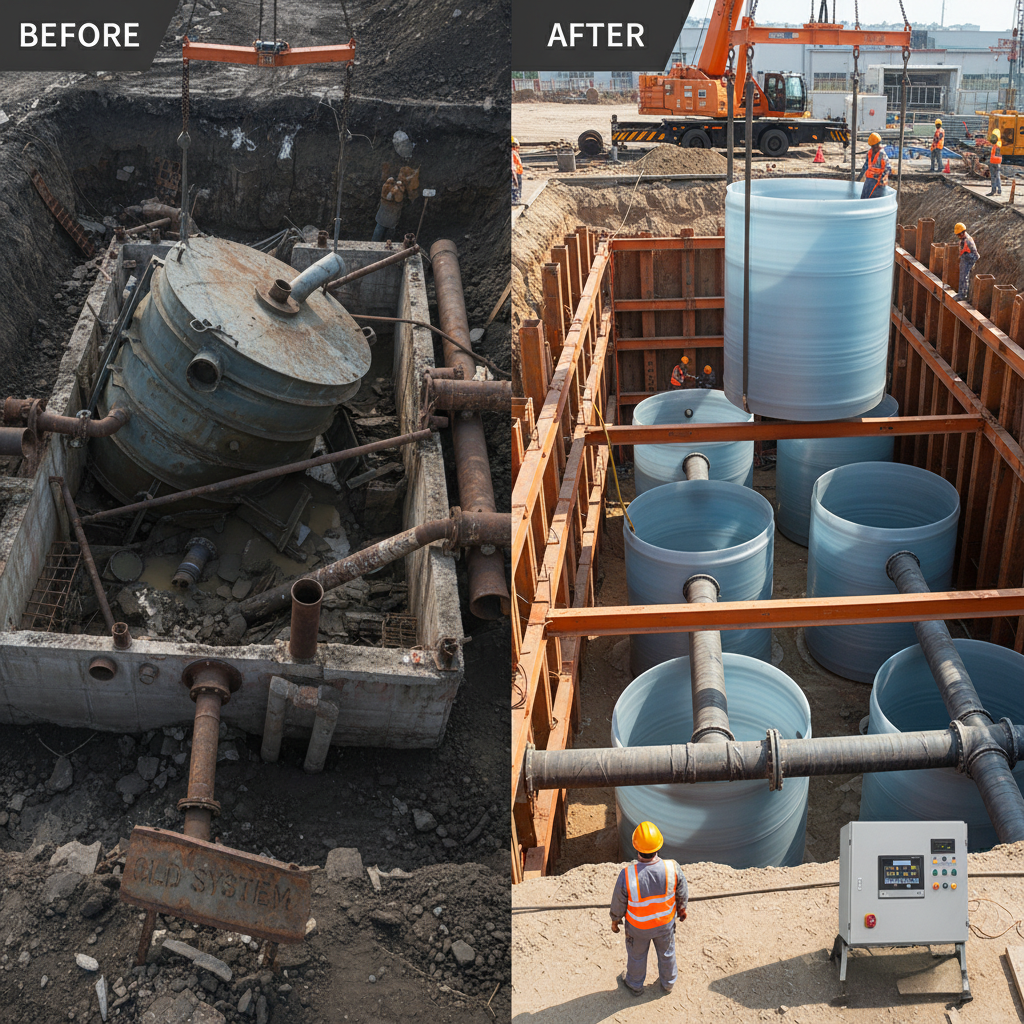
Still, there’s a snag: traditional metal or concrete tanks often corrode or are too heavy and expensive to deploy rapidly. Fiberglass tanks, with their lightweight but sturdy profile, aim to solve this conundrum.
What Exactly Is a 1000 Gallon Fiberglass Water Tank?
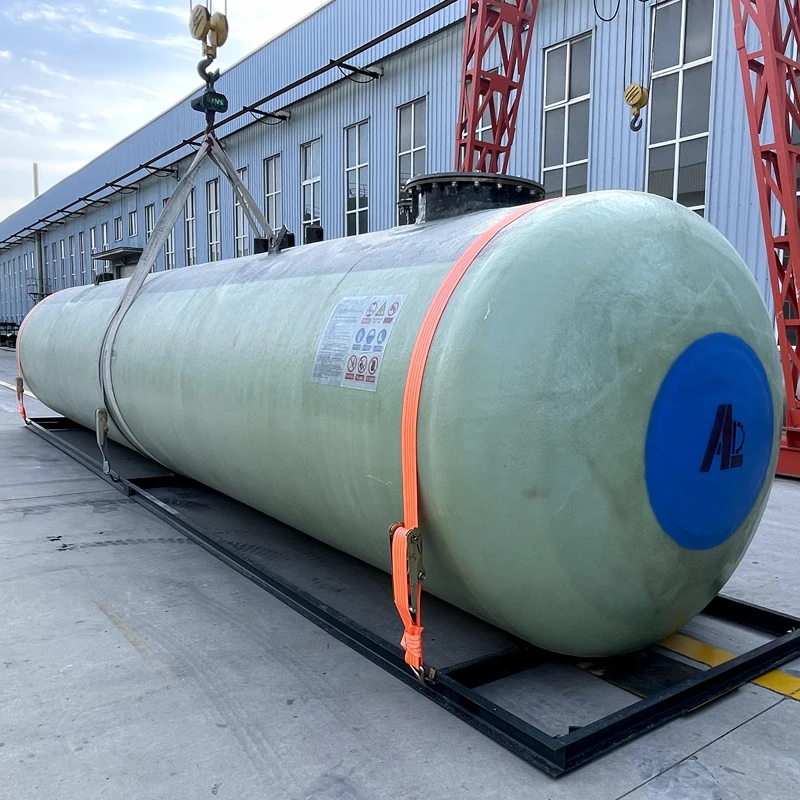
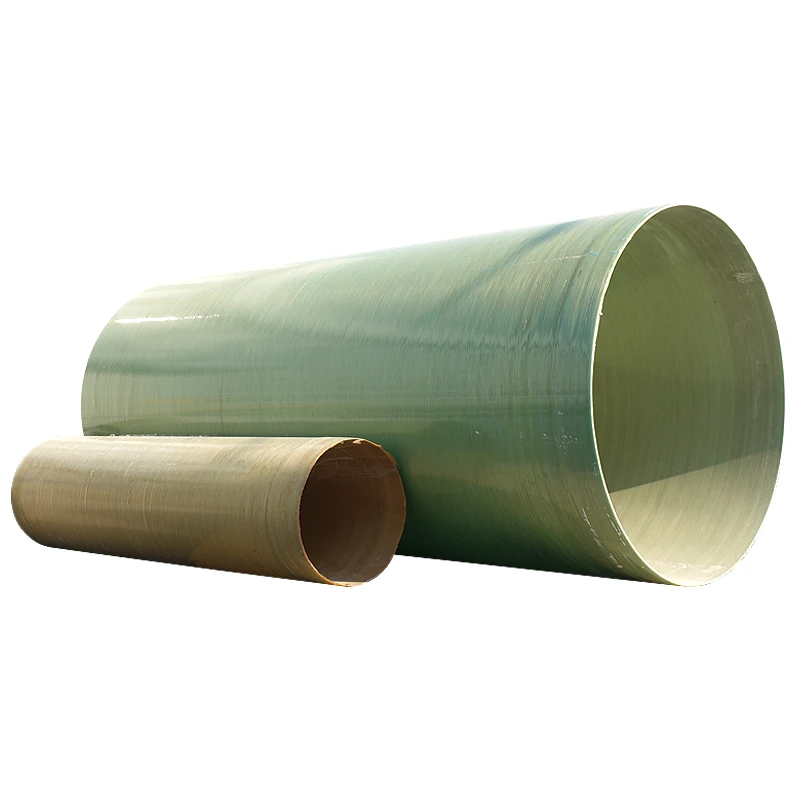
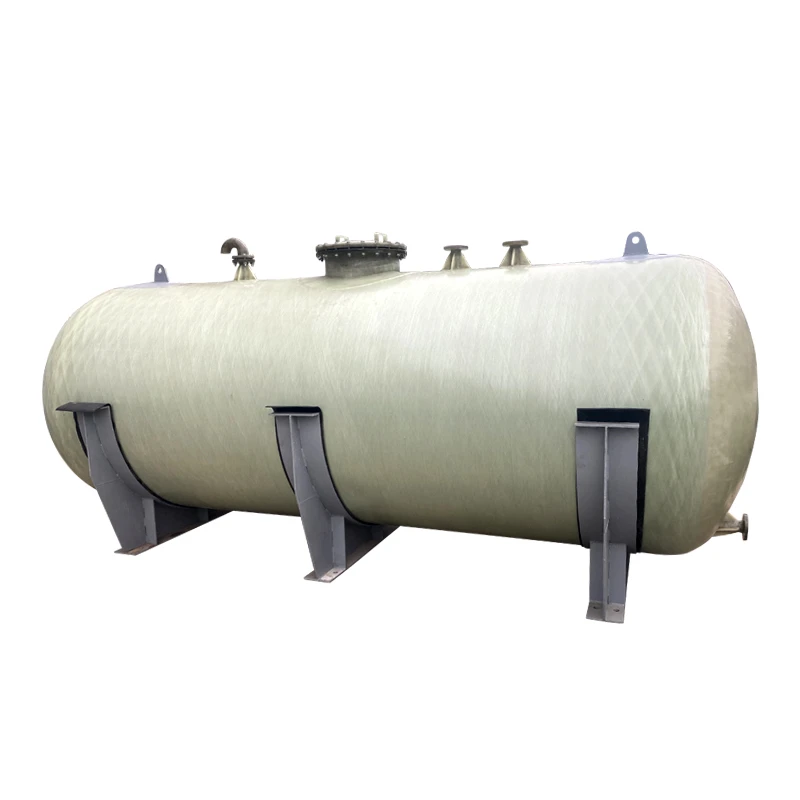
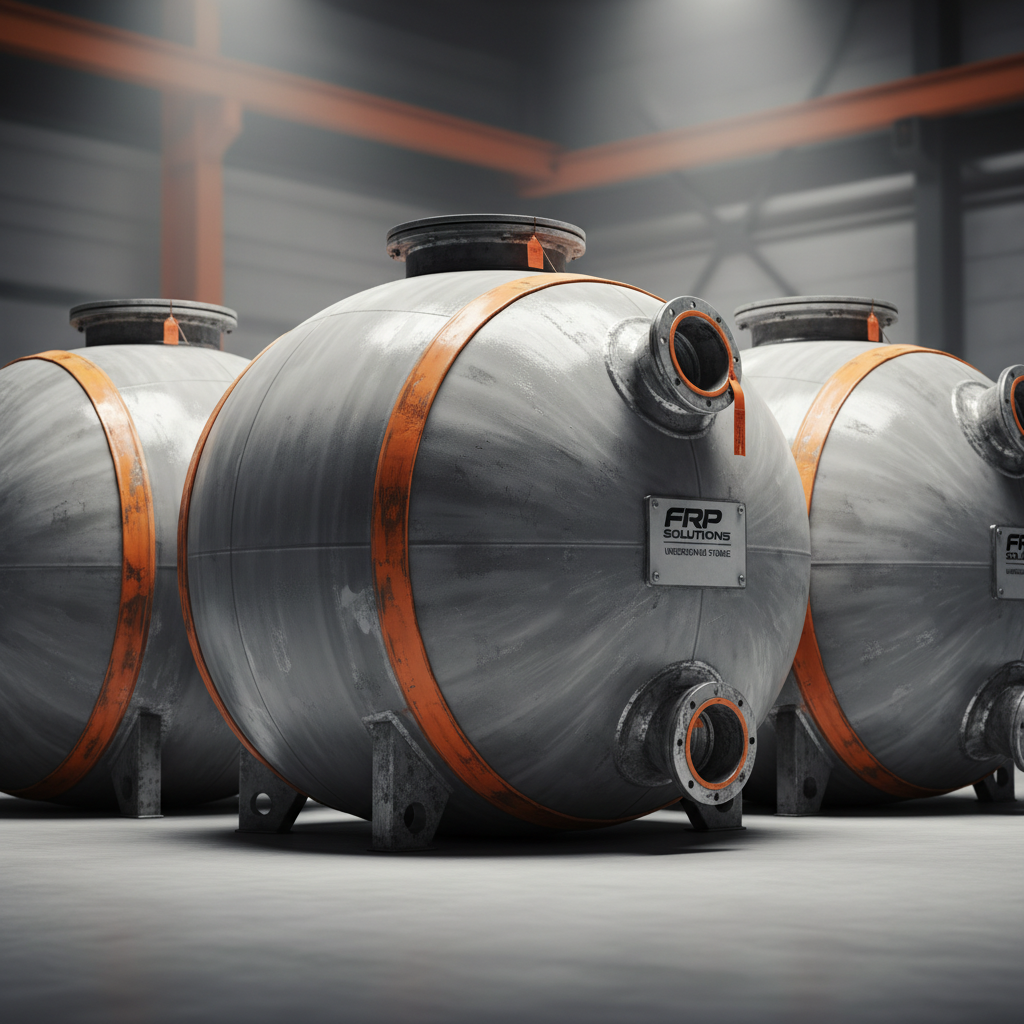
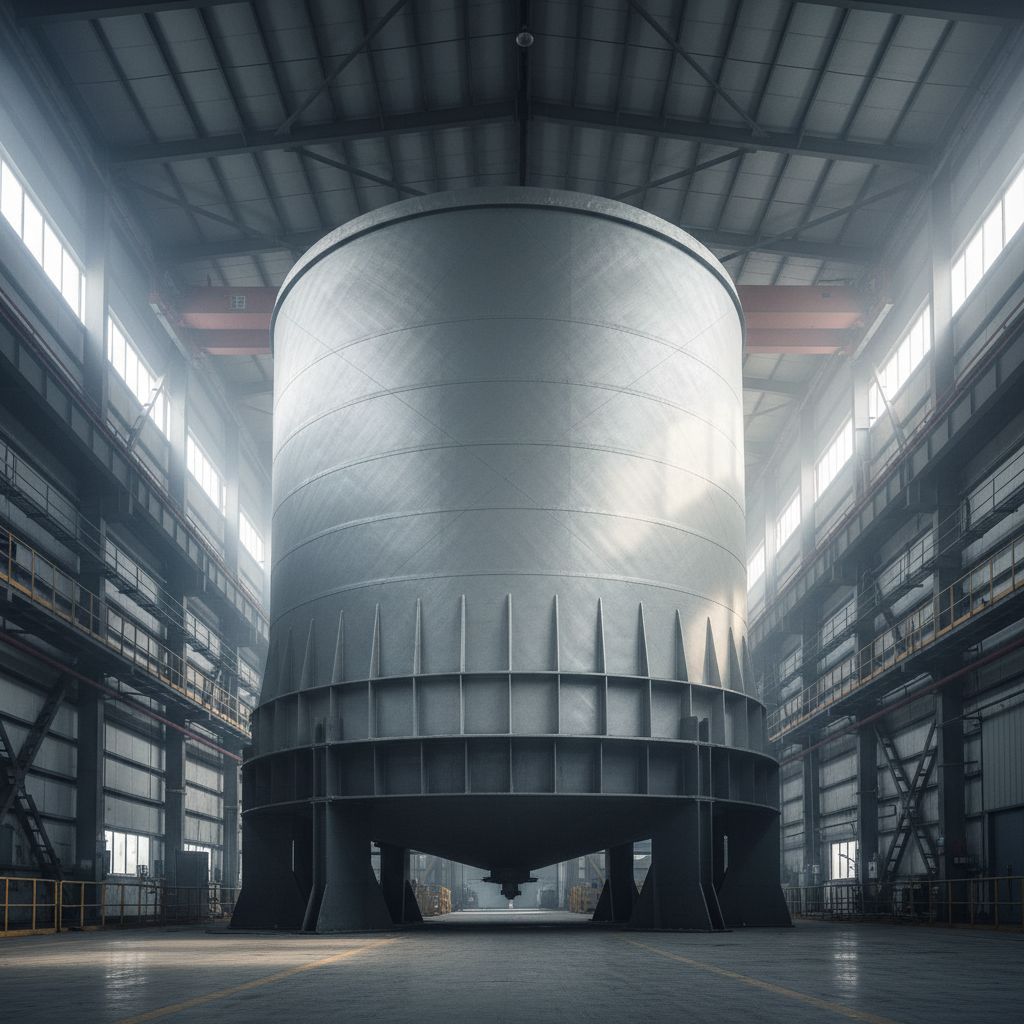
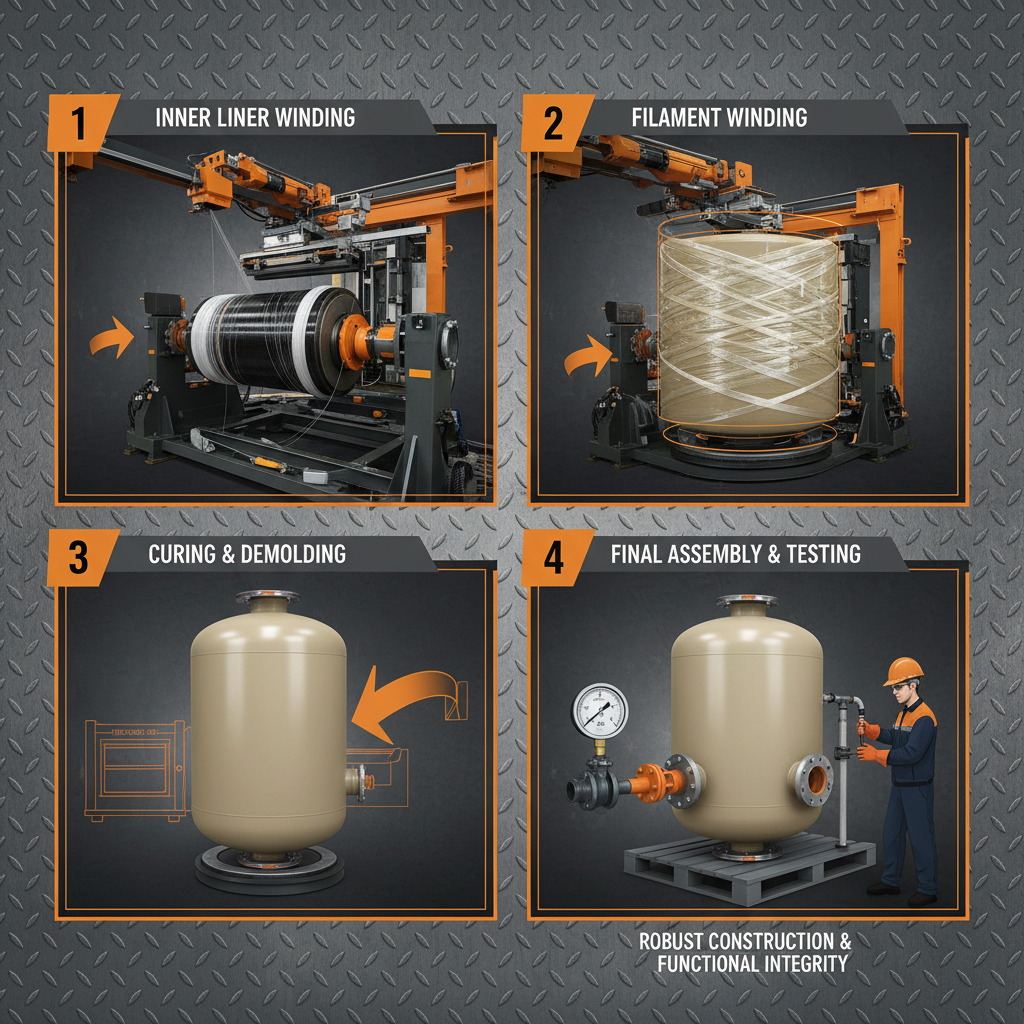
Simply put, it’s a water storage tank made primarily from fiberglass-reinforced plastic (FRP), designed to hold roughly 1000 gallons of liquid. Fiberglass, as you may know, combines glass fibers with a polymer matrix, producing a light but extremely durable composite. This property makes it particularly resistant to corrosion, UV damage, earthquakes, and many chemical interactions.
Such tanks are used across sectors: agriculture for irrigation, industry for process water, communities for drinking water storage, and humanitarian aid groups for disaster relief. They’re frequently chosen where quick deployment or mobility is needed, or where traditional materials just wouldn’t cut it.
Key Factors That Make These Tanks Work
Durability and Longevity
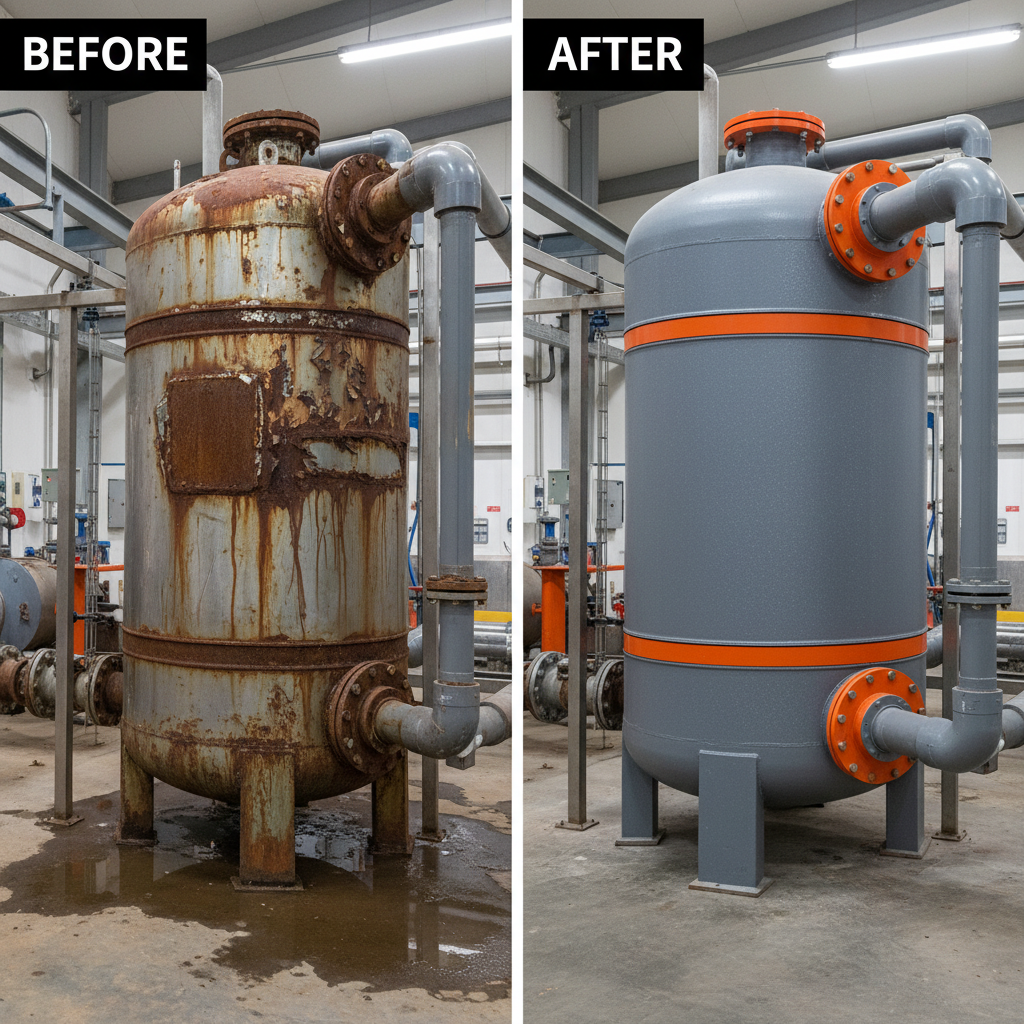
Fiberglass’s extraordinary resistance to rust and UV radiation can translate into a lifespan exceeding 20 years under normal conditions. This robust nature reduces long-term maintenance costs and replacement frequency, making it a smart investment.
Lightweight and Easy Installation
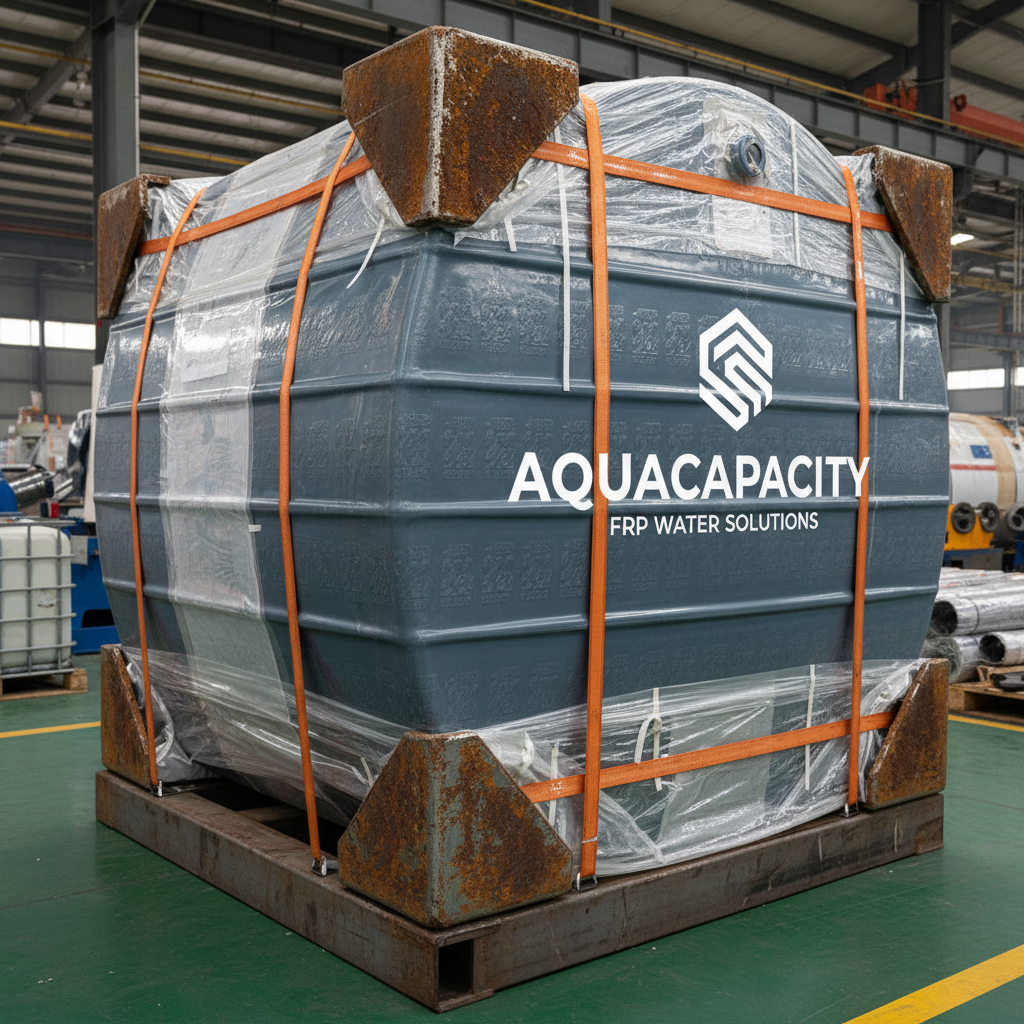
Unlike steel or concrete tanks, their lighter weight means easier transportation and assembly on-site, which especially matters in rugged terrains or disaster zones.
Cost Efficiency Over Time
Though initial costs may be slightly higher than some plastic tanks, the savings from durability and minimal upkeep balance out—and then some.
Customizable Shapes and Sizes
Tanks can be molded or constructed in multiple shapes to fit specific site constraints, industrial setups, or transport needs. A 1000 gallon size hits a sweet spot between portability and sufficient capacity.
Environmental Resistance
Besides resisting corrosion, these tanks handle freeze-thaw cycles and can be fitted with insulation or liners to maintain water quality.
| Specification | Detail |
|---|---|
| Capacity | 1000 gallons (approx. 3785 liters) |
| Material | Fiberglass Reinforced Plastic (FRP) |
| Dimensions (HxD) | Approx. 58" height x 48" diameter |
| Weight (empty) | ~250 lbs (113 kg) |
| Operating Temperature | -40°F to 140°F (-40°C to 60°C) |
| UV Resistance | High (UV-stabilized resin) |
Where Are These Tanks Commonly Used?
Quite literally almost everywhere water storage is crucial. In the United States, many farms rely on these tanks for irrigation water. Around the Indian subcontinent and parts of Africa, NGOs use them extensively for clean drinking water storage in rural and post-disaster relief areas.
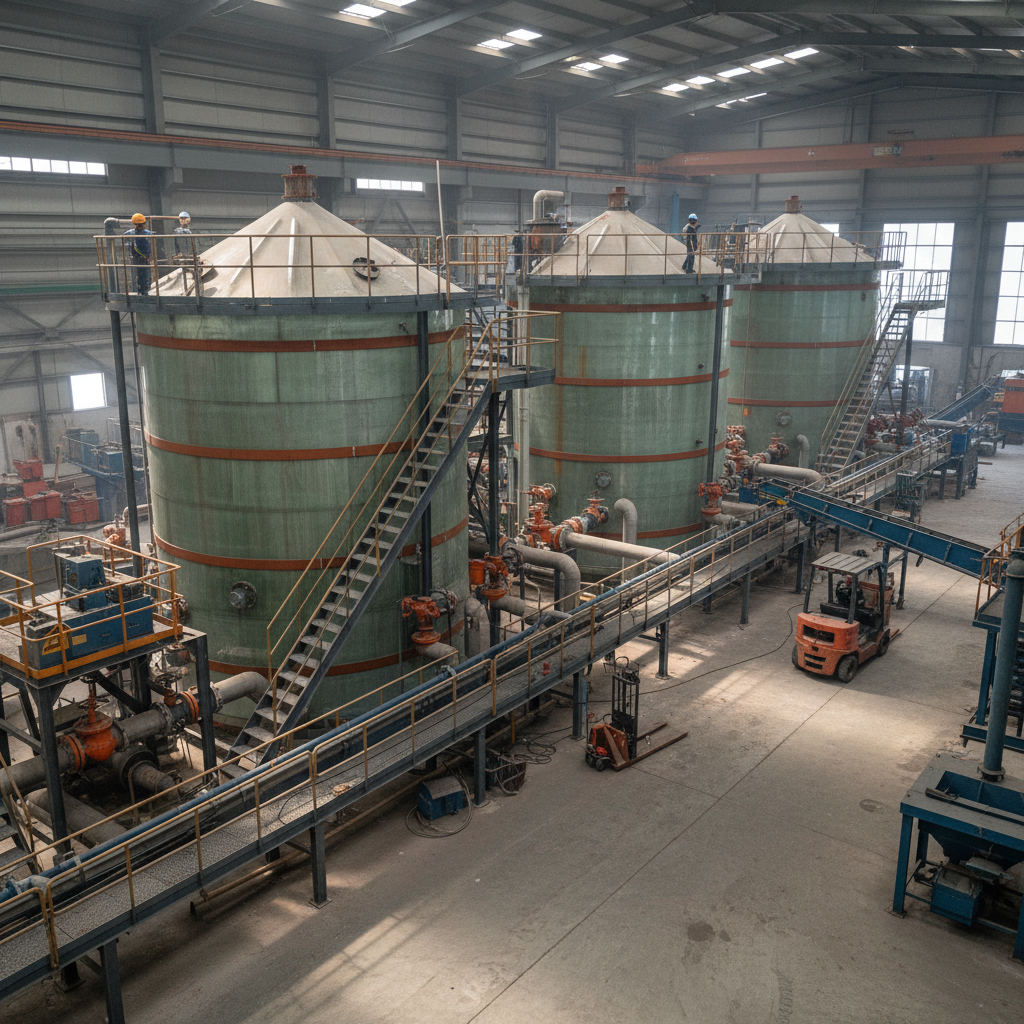
Oddly enough, you’ll also spot them on offshore platforms and industrial sites where resistance to corrosive chemicals and weather is a must. Even remote mining operations in Australia often prefer fiberglass tanks for their portability and reliability.
In fact, organizations like the Red Cross or Médecins Sans Frontières (Doctors Without Borders) often specify fiberglass tanks when delivering emergency water infrastructure because they weigh less and avoid rust-related contamination—issues that can literally mean life or death in vulnerable situations.
Advantages Beyond the Specs
- Sustainability: Many manufacturers now emphasize eco-friendly resin formulations, aligning with global green initiatives.
- Safety and Hygiene: Non-corrosive surfaces reduce biofilm buildup and contamination risks.
- Cost Savings: Over a tank’s lifetime, reduced repairs and replacements save significant money.
- Rapid Deployment: Lightweight and modular designs speed up installation.
- Social Impact: Reliable water storage enhances dignity and health in underserved communities.
Frankly, a reliable water tank intersects technical specs with emotional peace of mind. It’s a silent promise that water—life’s most essential element—is there when you need it. Something to keep in mind next time you think about infrastructure.
Looking Ahead: Trends and Innovations in Fiberglass Water Tanks
There's a quiet revolution going on in composites technology. Manufacturers are integrating sensors inside tanks that remotely monitor water levels, temperature, and contamination. This digital transformation means managers can automate refills or maintenance — a significant leap for off-grid sites.
Also, advances in resin chemistry are making tanks even more eco-friendly and recyclable. Some R&D projects explore bio-based polymers combined with fiberglass composites, aiming for a tank that’s lighter, stronger, and greener, simultaneously.
Policy-wise, international standards are beginning to reflect the importance of non-metallic tanks in disaster response and urban development, encouraging broader adoption.
Challenges & Practical Solutions
However, it’s not all rosy. Some users report challenges with welding or repairs if tanks are damaged, since working with composites requires special skills. Also, UV degradation can occur if low-quality resins are used, shortening lifespan.
To counter these, choosing reputable vendors and ensuring proper installation is key. Periodic inspections coupled with protective coatings can extend service. Meanwhile, training local technicians is becoming a priority for NGO projects to ensure tanks stay functional long-term.
| Vendor | Quality Rating | Price per 1000 Gallon Tank | Warranty | Additional Features |
|---|---|---|---|---|
| Fiberglass Pro Corp | 9/10 | $1,450 | 10 years | UV coating, sensor-ready |
| AquaSafe Tanks | 8.5/10 | $1,380 | 7 years | Custom sizes, modular lids |
| Global FRP Solutions | 8/10 | $1,500 | 8 years | Reinforced shell, fast install kit |
Frequently Asked Questions About 1000 Gallon Fiberglass Water Tanks
How long does a typical 1000 gallon fiberglass water tank last?
With proper installation and maintenance, these tanks can last 20+ years. Quality of resin and environmental exposure are big factors, but UV-resistant coatings and routine checks significantly extend lifespan.
Are fiberglass tanks safe for drinking water storage?
Yes. Most fiberglass tanks are made with food-grade resins and liners that meet NSF/ANSI standards for potable water. Always verify certifications when selecting a tank for drinking water.
Can a fiberglass water tank be repaired if it cracks?
Minor cracks can often be repaired using composite patch kits or professional FRP repair services. However, repair requires expertise to maintain tank integrity and should be handled promptly.
Is the 1000 gallon size suitable for household use?
Absolutely. For larger households, small farms, or small community centers, 1000 gallons provide a good balance of volume without the handling challenges of bigger tanks.
How does fiberglass compare to other materials like polyethylene or steel?
Fiberglass tanks generally offer better corrosion resistance and durability than steel, and they are more robust and longer-lasting than many plastic tanks. They also handle temperature fluctuations better than most plastics.
Wrapping It Up: Why a 1000 Gallon Fiberglass Water Tank Makes Sense
To put it plainly—if you’re looking for reliable, versatile, and long-lasting water storage, fiberglass tanks have earned their spot in the global spotlight. They blend engineering ingenuity with practical resilience, fitting industrial, agricultural, and humanitarian niches alike.
Whether you’re setting up an off-grid farm, a disaster relief site, or upgrading your municipality’s infrastructure, investing in a 1000 gallon fiberglass water tank often pays dividends over years—sometimes decades.
If you want to explore options, find detailed specs, or get custom solutions, visit our website. Trust me, water storage isn’t glamorous until you see the difference it makes.