Nov 30,2025
Reliable Fiberglass Bladder Pressure Tanks for Sustainable Water and Industrial Solutions
Why Fiberglass Bladder Pressure Tanks Matter Globally
If you haven’t encountered the term fiberglass bladder pressure tank before, you’re not alone. These tanks, while sounding a bit technical and industrial, hold a surprisingly essential place in many sectors worldwide—especially water management, renewable energy, and emergency services. In a nutshell, understanding fiberglass bladder pressure tanks helps us appreciate how modern infrastructure handles pressure, fluid storage, and delivery without the bulky, rust-prone problems of traditional metal tanks. From clean water distribution in remote villages to industrial fluid handling, their impact quietly spans the globe. ---The Global Context: Why We Need Reliable Pressure Tanks Today
Around the globe, infrastructure faces increasing pressure—both literally and figuratively—as populations grow and environmental challenges intensify. According to the United Nations, around 2.2 billion people lack safely managed drinking water services, making the storage and pressurization of potable water critical (UN-Water, 2023). Here's where fiberglass bladder pressure tanks come in: these tanks offer corrosion resistance and durability that metal tanks simply can’t match under certain conditions. The World Bank’s data on rural water systems highlights the importance of durable tank solutions in places prone to rust, contaminants, or complex logistics. On an industrial scale, ISO standards support fiberglass tanks for their long life cycle and operational safety. The pressing question: How do we maintain affordable, high-quality fluid systems when traditional tanks succumb to corrosion, leaks, or high maintenance? Bladder pressure tanks, especially those constructed from fiberglass, answer that issue with a mix of smart design and material science. ---Defining the Fiberglass Bladder Pressure Tank
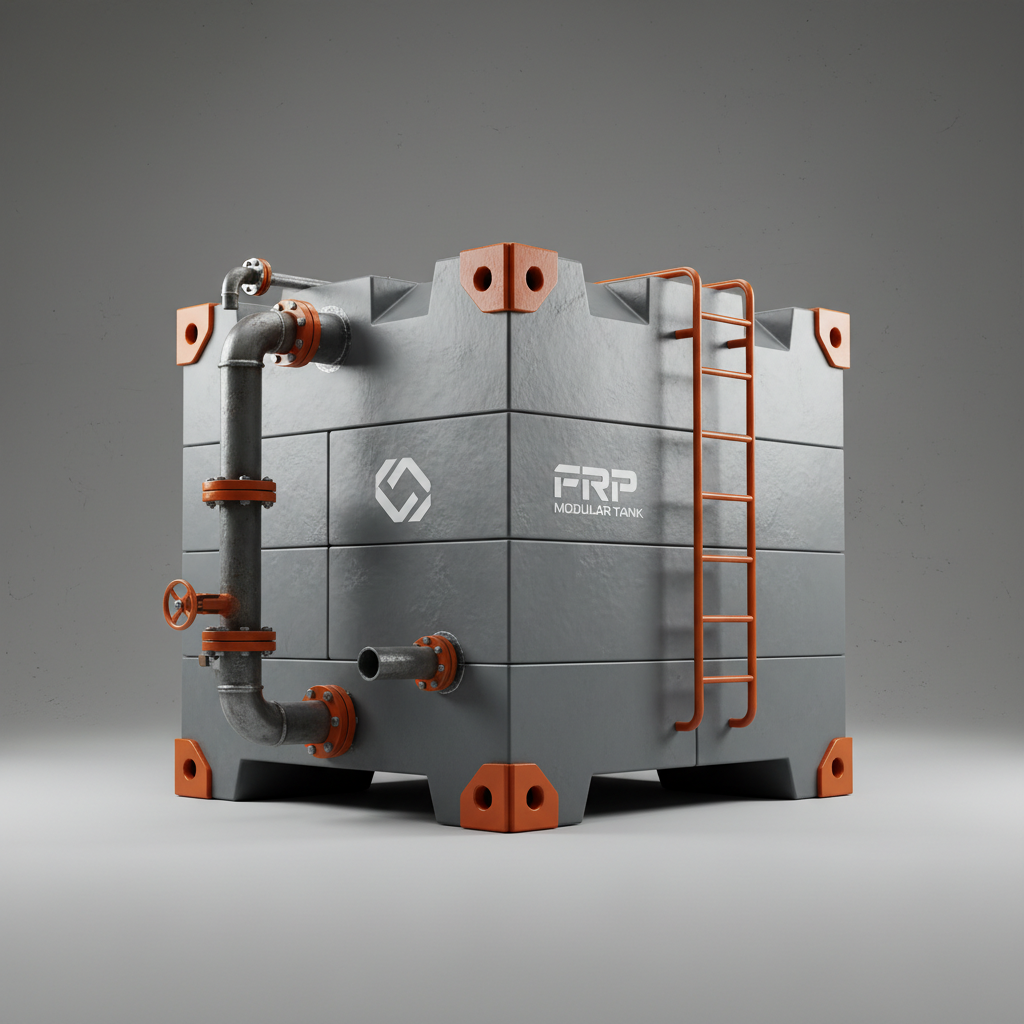
In the simplest terms: a fiberglass bladder pressure tank is a vessel designed to hold and regulate fluids, typically water, by using a flexible internal bladder housed inside a rigid fiberglass shell. The bladder expands or contracts, managing pressure and volume changes in the system while keeping the fluid isolated from air, which prevents corrosion or contamination. Imagine a kind of armored balloon inside a fiberglass shell, bouncing with pressure changes but never letting the fluid touch the tank surface. That separation is what makes them so valuable in hazardous or demanding environments, from desalination plants to firefighting systems. ---Core Components That Make a Difference
- Fiberglass Shell: Lightweight yet incredibly strong, resistant to rust and UV damage.
- The Bladder: Flexible and chemical-resistant, maintaining pressure equilibrium and preventing fluid-air contact.
- Pressure Control Valve: Usually equipped to maintain system integrity and prevent overpressure.
- Mounting & Connectivity: Designed for easy installation and integration into existing piping systems, often customizable.
- Protective Coatings: Additional layers may be applied for UV, abrasion, or chemical resistance, depending on the use case.
Real-World Applications: Where Fiberglass Bladder Pressure Tanks Shine
Industries and regions worldwide have embraced fiberglass bladder tanks for their unique advantages.- Water Supply Networks: In rural sub-Saharan Africa, NGOs use these tanks for clean water delivery, leveraging their rust-proof features for longevity in humid, hard-water conditions.
- Fire Suppression Systems: Critical for industrial plants in the U.S. and Europe, providing stable pressure reserves without metal corrosion worries.
- Renewable Energy: In solar thermal plants, bladder tanks accommodate variable pressure heat transfer fluids, enhancing efficiency.
- Remote Industrial Sites: Mining operations in Australia and South America use fiberglass bladder pressure tanks because they’re easy to transport and resist chemical exposure.
- Disaster Relief Efforts: Quick deployment water storage that’s light and corrosion-resistant is a life-saver in post-disaster zones.
Advantages That Last: Why Invest in Fiberglass Bladder Pressure Tanks?
So, why go fiberglass? It boils down to several convincing benefits: - Durability & Corrosion Resistance: Unlike steel, fiberglass doesn’t rust or pit, meaning fewer replacements and less downtime. - Lightweight Construction: Makes transport, installation, and maintenance easier—often a game-changer for remote locations. - Cost Efficiency Over Time: Though upfront may be a bit pricier, the lifespan and lower maintenance costs make them more affordable long-term. - Environmental Sustainability: Fiberglass tanks are recyclable and often integrate with green energy projects, aligning with growing sustainability policies. - Reliability & Safety: The bladder design reduces bacterial growth and contamination risks, promoting safer water systems. Beyond facts and figures, I guess what most users notice is peace of mind. It feels a bit like trusting a piece of technology that quietly works behind the scenes, day after day — no fuss, just steady performance. ---Product Specification Table
| Specification | Typical Range / Feature |
|---|---|
| Capacity | 100 - 10,000 gallons |
| Operating Pressure | 20 - 150 psi (customizable) |
| Material | Fiberglass shell with EPDM or NBR bladder |
| Temperature Range | -20°C to 80°C |
| Lifespan | 15-25 years (depending on use) |
How Vendors Stack Up: A Quick Comparison
| Vendor | Product Range | Customization | Warranty | Lead Time |
|---|---|---|---|---|
| FibraTech Co. | 100 - 5,000 gallons | Yes, bladder & pressure options | 10 years | 4-6 weeks |
| PureFlow Tanks | 250 - 10,000 gallons | Extensive options | 15 years | 6-8 weeks |
| GreenTanks Ltd. | 50 - 3,000 gallons | Limited but eco-focused | 8 years | 3-5 weeks |
Looking Ahead: What’s Next for Fiberglass Bladder Pressure Tanks?
Innovation doesn’t sleep. In fact, many engineers and manufacturers are exploring next-gen materials like enhanced UV-resistant resins, biodegradable bladders, and smart sensors to monitor pressure and integrity in real-time. Automation and IoT (Internet of Things) integration mean these tanks can soon self-report leaks or pressure losses—kind of like a health monitor for your water system. That future sounds promising for utilities, especially in vulnerable or remote places where routine maintenance is challenging. Also, sustainability initiatives push manufacturers towards recyclable and lower-carbon-footprint fiberglass composites, aligning these tanks with growing corporate social responsibility targets. ---Common Challenges (and Smart Fixes)
Even with all their merits, fiberglass bladder pressure tanks sometimes face issues like: - Bladder wear out and punctures if incompatible fluids are used. - Initial cost hurdle for some community water projects. - Sensitivity to extreme temperature swings in certain climates. Solutions come in the form of tailored bladder materials, modular tank designs for phased investment, and enhanced insulation coatings. Many experts suggest proper user training and ongoing technical support as a simple but effective way to get maximum lifespan out of these systems. ---FAQ: Answers to Your Top Questions
Q1: How long does a fiberglass bladder pressure tank typically last? A: Most tanks last between 15 and 25 years, depending on usage, maintenance, and environment. Regular inspections and proper fluid compatibility extend lifespan significantly. Q2: Can these tanks be used for potable water storage? A: Absolutely. The bladder keeps water isolated from the shell, reducing contamination risk. Many tanks meet NSF and other potable water standards. Q3: How do fiberglass bladder pressure tanks handle freezing temperatures? A: They can be equipped with insulation or heat tracing for freezing climates. The bladder’s flexibility helps resist damage from expansion, but care is necessary to prevent ice build-up. Q4: Are fiberglass pressure tanks more expensive than metal ones? A: Upfront, fiberglass costs more; however, their longevity and minimal maintenance often make them more cost-effective over the long term. Q5: Where can I find a reliable supplier for these tanks? A: Check vendors like FibraTech, PureFlow Tanks, or GreenTanks Ltd. You can also explore specialized sites such as fiberglass bladder pressure tank manufacturers for custom solutions. ---Summary & Next Steps
In real terms, fiberglass bladder pressure tanks are quietly transforming the way industries and communities manage pressure and fluid storage. With their resilience, lightweight design, and scalability, these tanks provide a sustainable, long-term solution that’s particularly vital given global water challenges and increasing industrial pressure demands. So if you’re involved in water infrastructure, emergency relief, or industrial fluid management, now’s a good time to explore how these tanks might fit your needs. Think of it as investing in peace of mind and better system performance — the kind that keeps running without constant repairs or worry. For deeper insights and sourcing, visit our website. ---References: 1. UN-Water, “Water and Sanitation Statistics,” 2023.
2. World Bank, “Rural Water Infrastructure Data,” 2022.
3. ISO 9001 and related standards for fluid storage tanks.