Fiberglass Bladder Water Pressure Tanks – Durable, Hygienic, and Efficient Water Solutions
Fiberglass Bladder Water Pressure Tanks: Why They Matter on a Global Scale
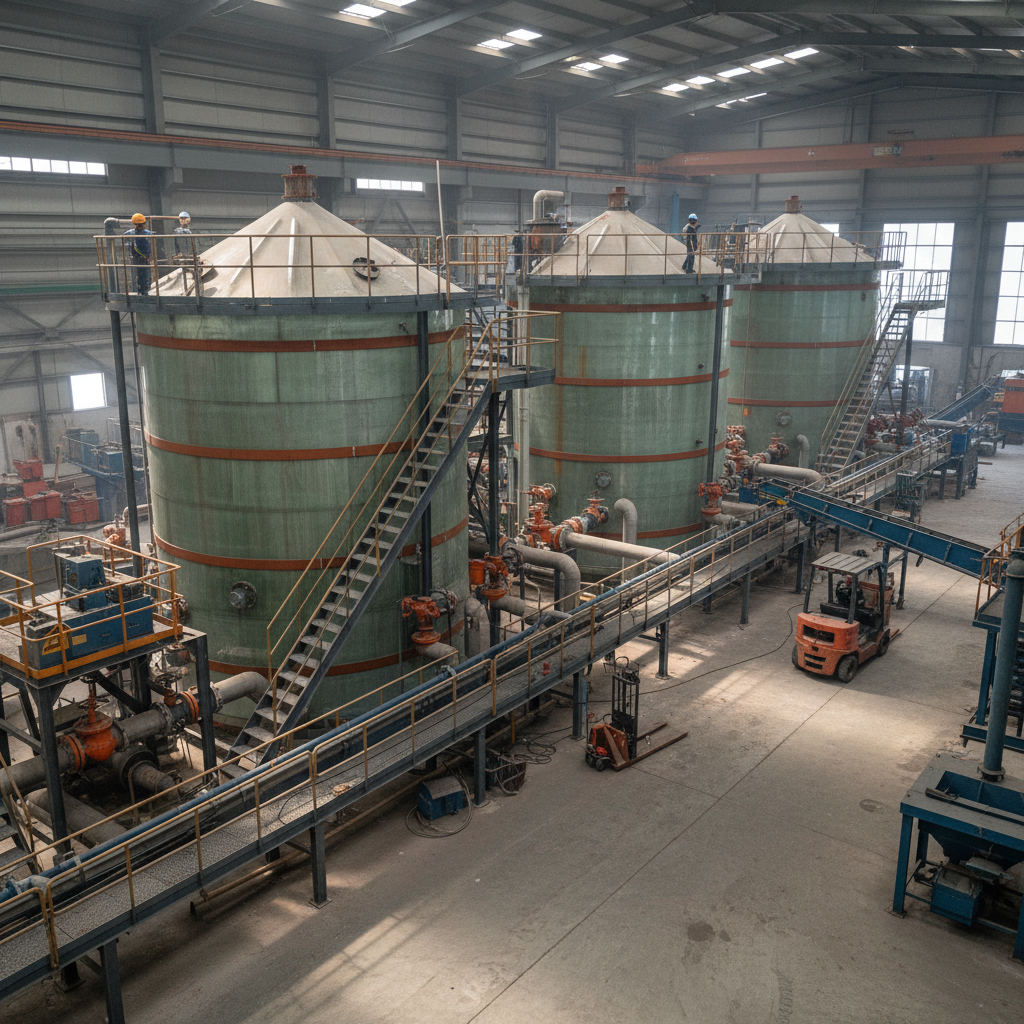
Water storage and pressure regulation are fundamental challenges in water management, especially for industries, utilities, and humanitarian operations worldwide. Enter fiberglass bladder water pressure tanks — specialized vessels designed to maintain stable water pressure while protecting water quality. These tanks aren’t just industry jargon; they address critical issues in water supply systems from urban centers to remote disaster relief zones.
Understanding the benefits and technology behind fiberglass bladder tanks can mean more efficient, durable, and affordable water pressure management solutions, which in turn impact health, infrastructure resilience, and sustainability. Globally, with billions relying on safe water delivery systems, innovations like these help address both supply challenges and environmental concerns.
The Global Context: Why Fiberglass Bladder Water Pressure Tanks Are More Relevant Than Ever
Globally, water infrastructure is under unprecedented pressure. According to the UN Water Scarcity Reports, over 2 billion people live in countries experiencing high water stress. Urbanization, climate change, and aging infrastructure add layers of complexity.
Pressure tanks with fiberglass bladders offer a reliable way to maintain consistent water flow and pressure while resisting corrosion and contamination. The ISO standards for drinking water safety highlight the need for materials that don’t leach harmful substances — a perfect match for fiberglass technology.
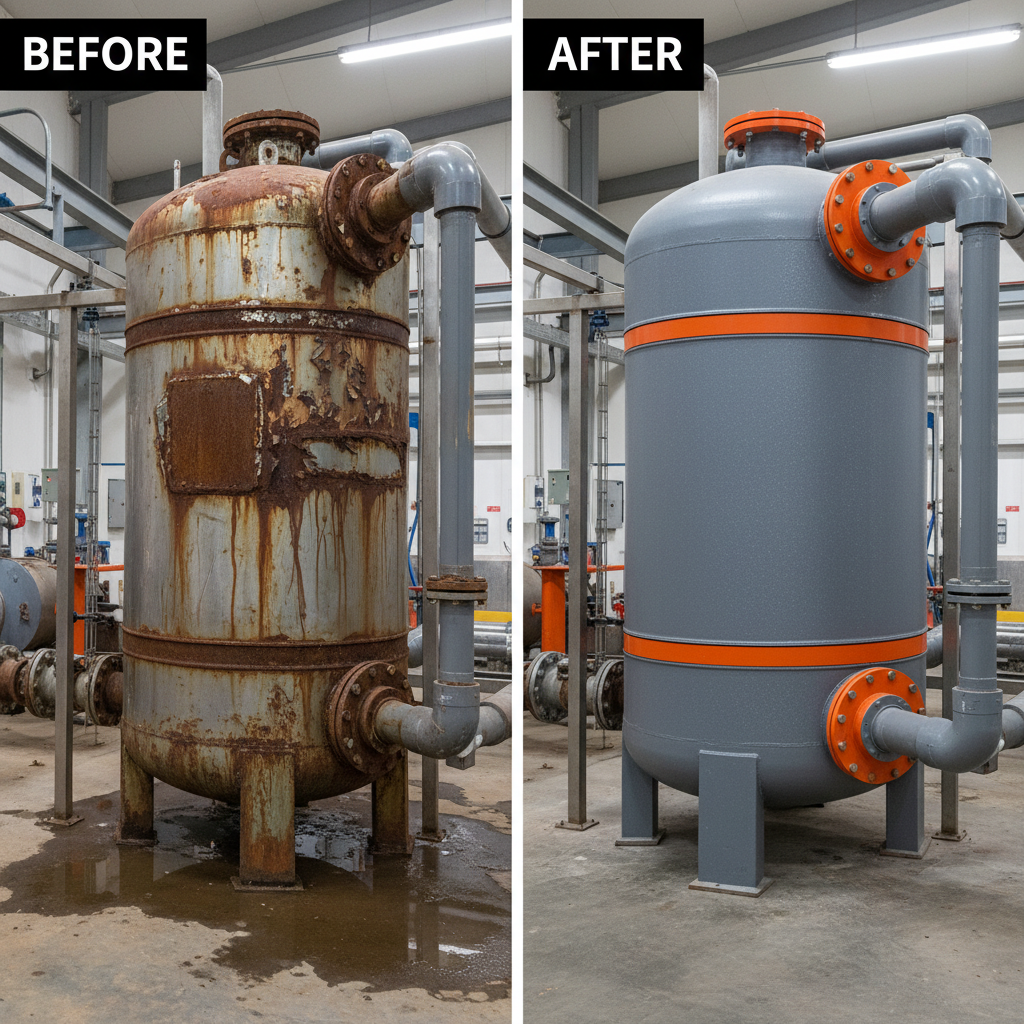
If you think about it, the challenge is not just storing water but maintaining its quality under pressure and over time. Many municipal systems and industrial applications struggle with rust, leaks, or contamination. Fiberglass bladder tanks solve these by combining durability with hygienic design.
What Exactly Are Fiberglass Bladder Water Pressure Tanks?
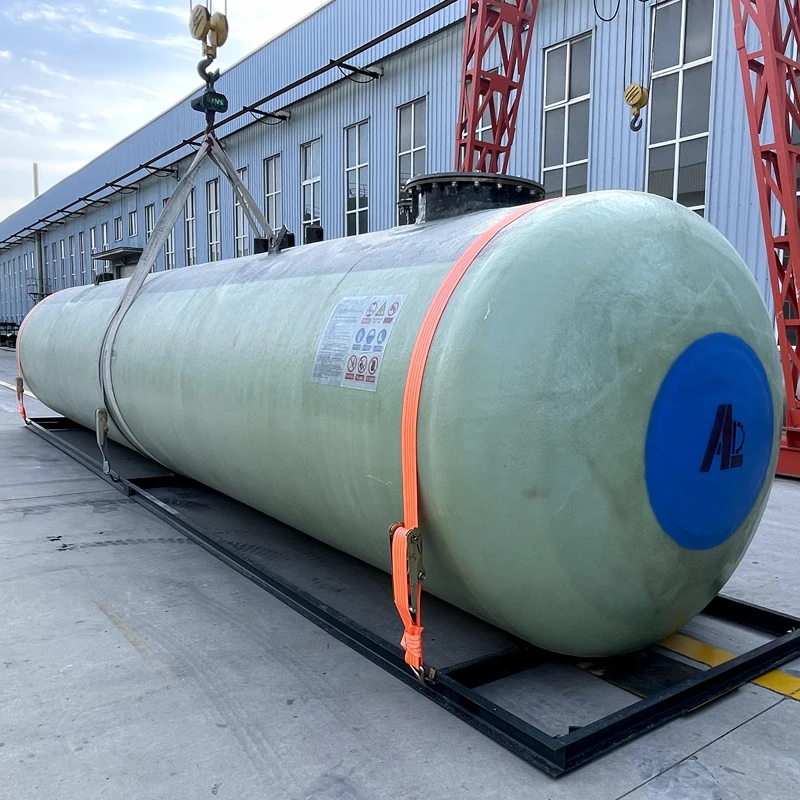
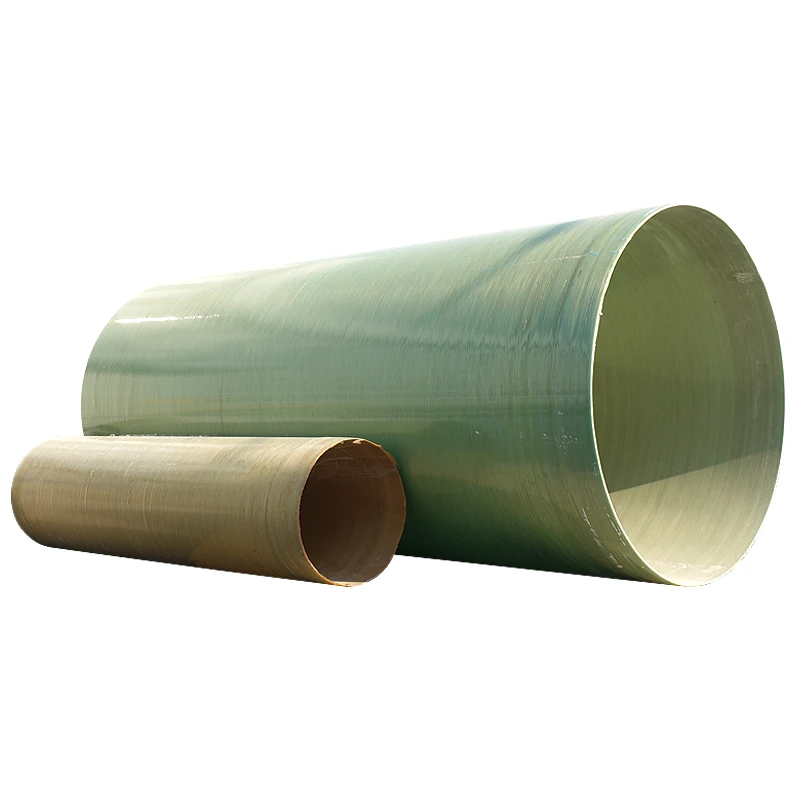
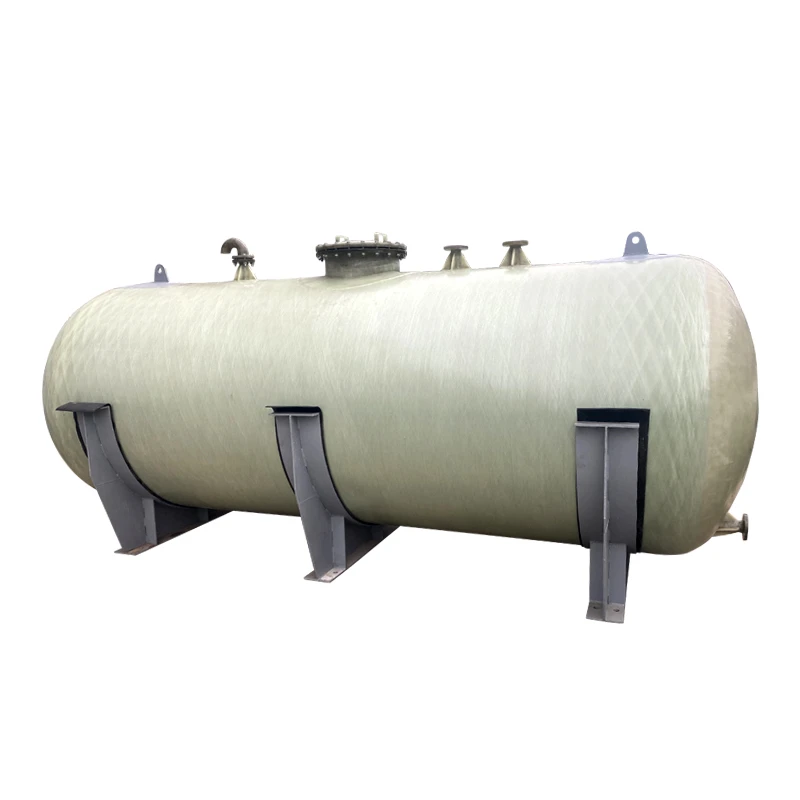
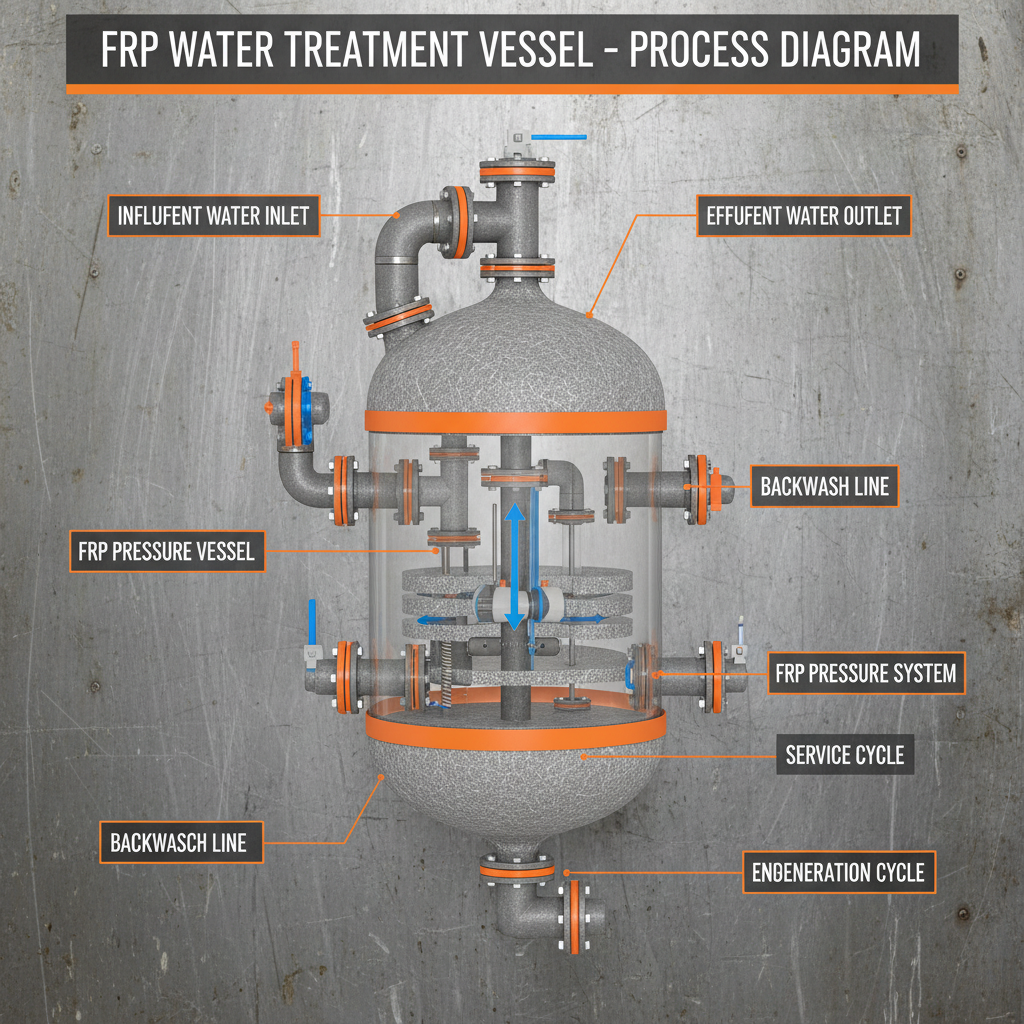
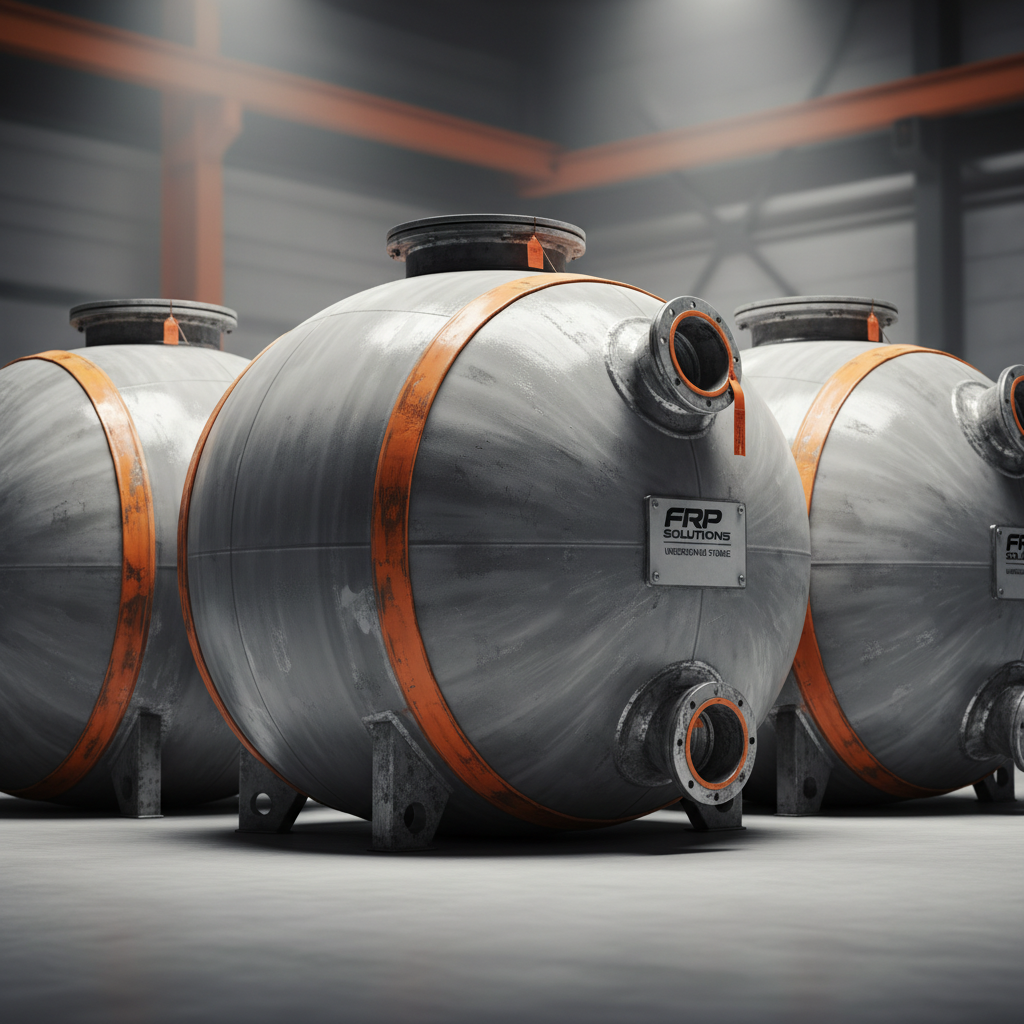
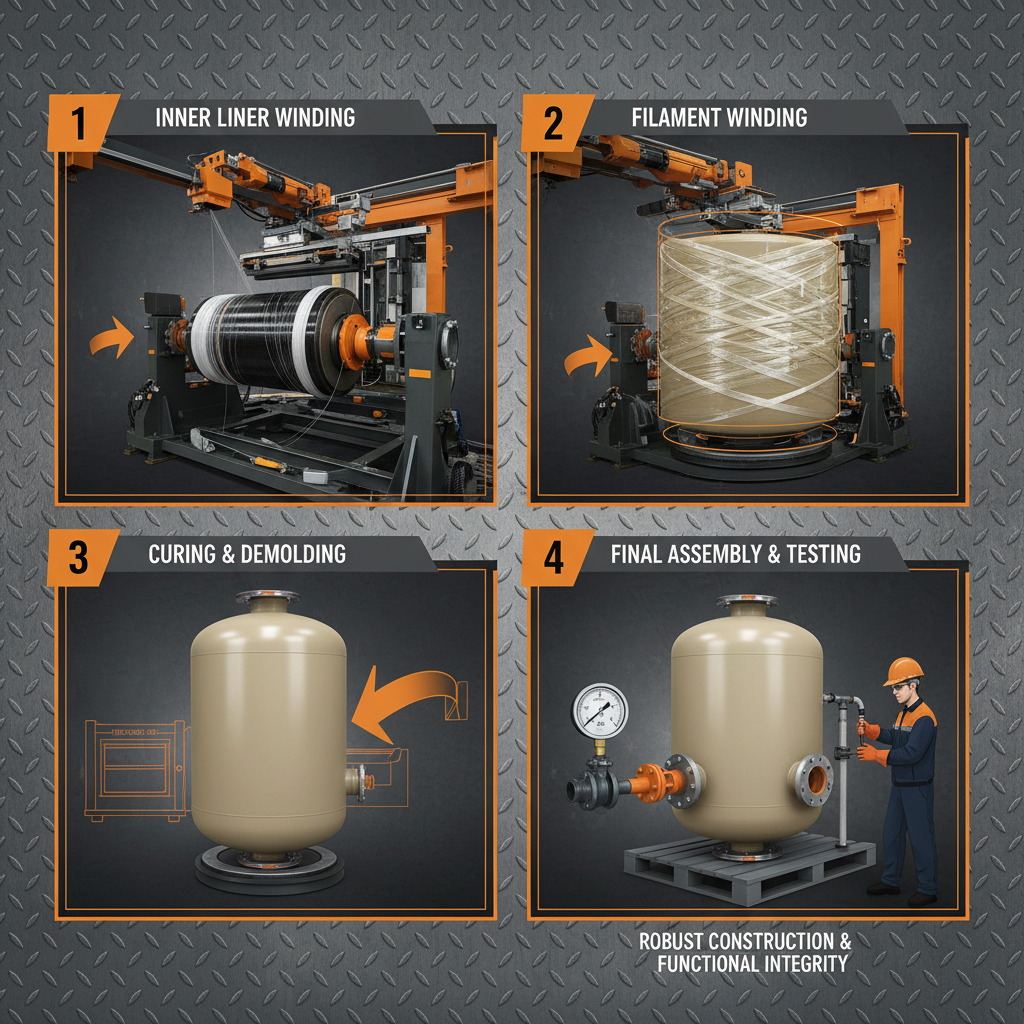
At their core, fiberglass bladder water pressure tanks are composite tanks that use a flexible bladder inside a rigid fiberglass shell. The bladder separates the water from the compressed air, maintaining pressure without allowing air to dissolve into the water. This design prevents corrosion and contamination that otherwise plague steel tanks.
They’re kind of like a high-tech water bubble in a tough outer shell — engineered to handle changing pressures smoothly. Industries ranging from municipal water supply, agriculture irrigation, to firefighting systems rely on them.
More than just equipment, these tanks represent the marriage of materials science with practical engineering to enhance water system reliability, preserve water quality, and reduce overall maintenance costs.
Key Features That Make Fiberglass Bladder Water Pressure Tanks Stand Out
1. Durability & Corrosion Resistance
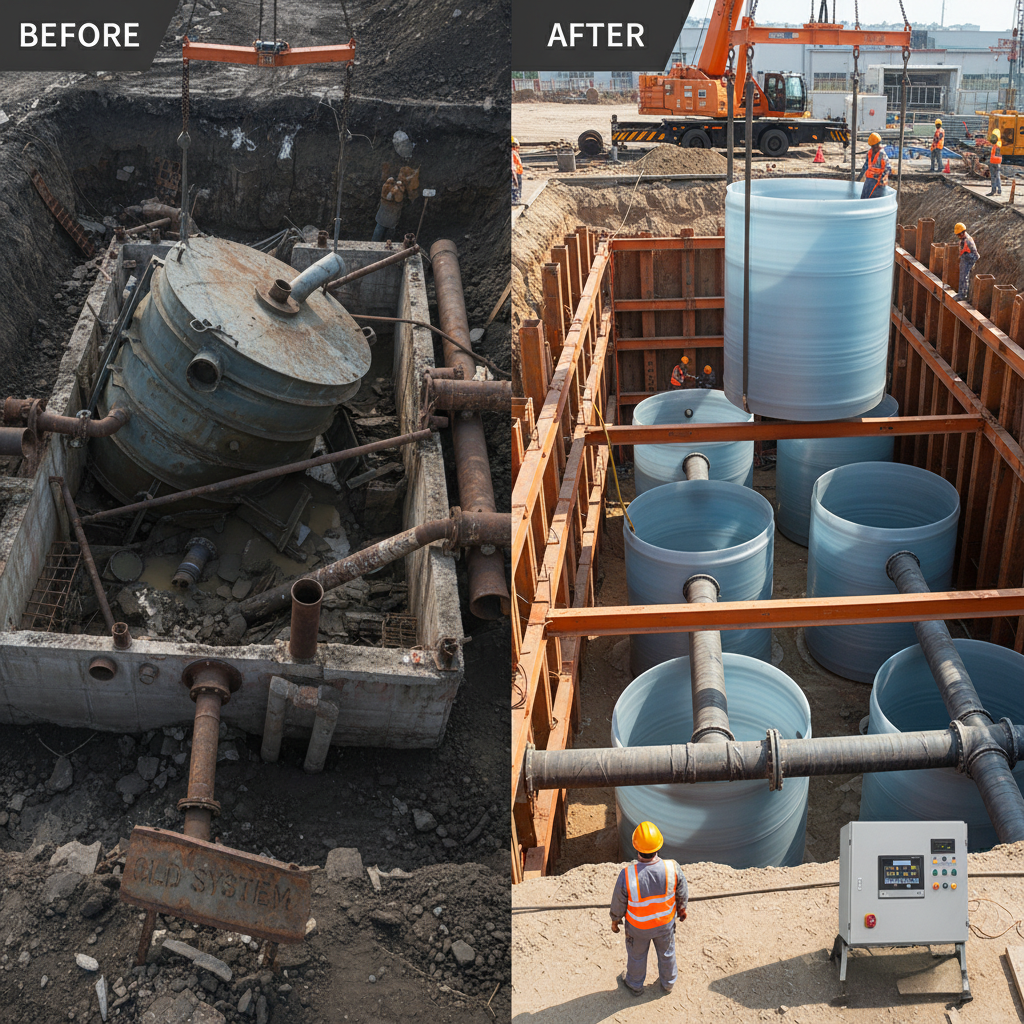
Fiberglass resists rust and chemical degradation far better than steel tanks. This longevity means fewer replacements and less downtime — critical for remote or industrial sites where maintenance is tough.
2. Hygienic Water Storage
The bladder design keeps the water isolated from air and tank surfaces, preventing contamination and bacterial growth. For drinking water systems and sensitive industrial processes, this is a decisive advantage.
3. Pressure Stability
These tanks efficiently balance fluctuating water demand by storing pressurized water, thereby reducing pump cycling and energy use.
4. Lightweight and Versatile
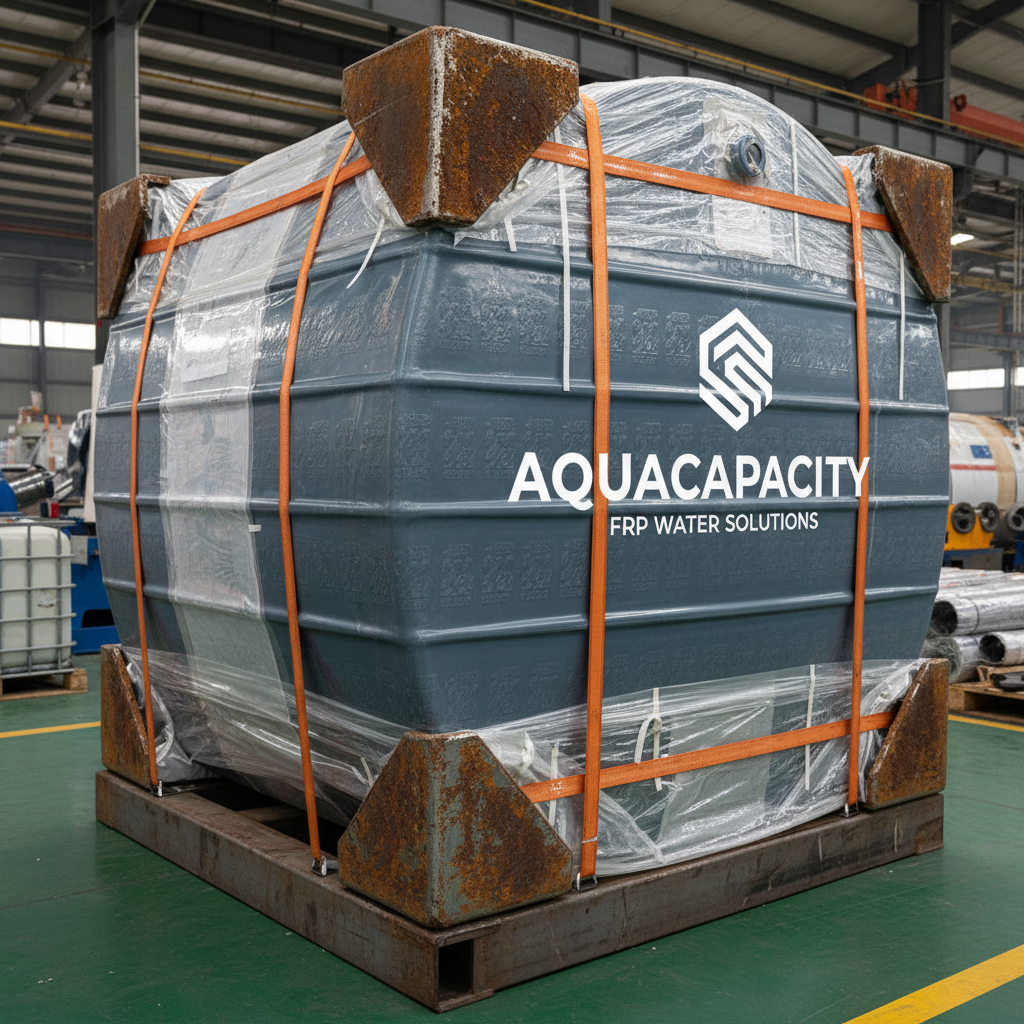
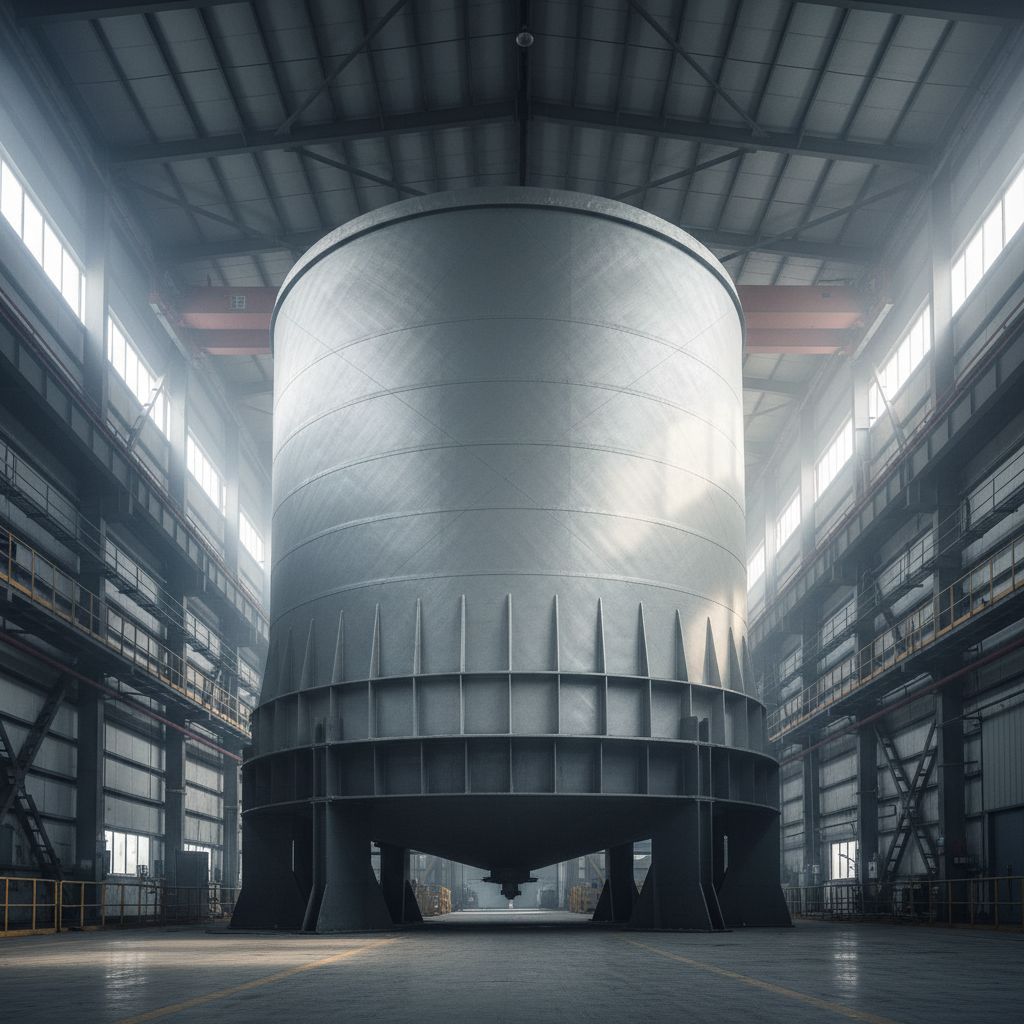
Fiberglass tanks weigh much less than steel equivalents. This eases transport, installation, and integration in modular systems or mobile water setups.
5. Cost Efficiency Over Time
Though upfront costs may be slightly higher, the reduced maintenance, longer lifespan, and energy savings make fiberglass bladder tanks cost-effective in the long run.
Product Specification Snapshot
| Specification | Description |
|---|---|
| Tank Volume Range | 50 to 5000 gallons (190 to 18,927 liters) |
| Maximum Operating Pressure | 150 psi (10.3 bar) |
| Material | Fiberglass reinforced plastic shell, NR (natural rubber) or EPDM bladder |
| Operating Temperature | 35°F to 140°F (2°C to 60°C) |
| Connections | Standard threaded or flanged inlets/outlets |
| Certifications | NSF/ANSI 61, UL 142, ISO 9001 Compliant |
How Are These Tanks Used Around the World?
You’ll find fiberglass bladder water pressure tanks in some pretty diverse environments:
- Municipal Water Systems: Maintaining stable pressure in city water distribution networks.
- Agriculture and Irrigation: Ensuring low-maintenance water supply for fields in regions like the Central Valley in California or parts of India’s farmland.
- Disaster Relief & Humanitarian Operations: Rapidly deployed water systems after floods or earthquakes rely on these tanks for reliable pressure management.
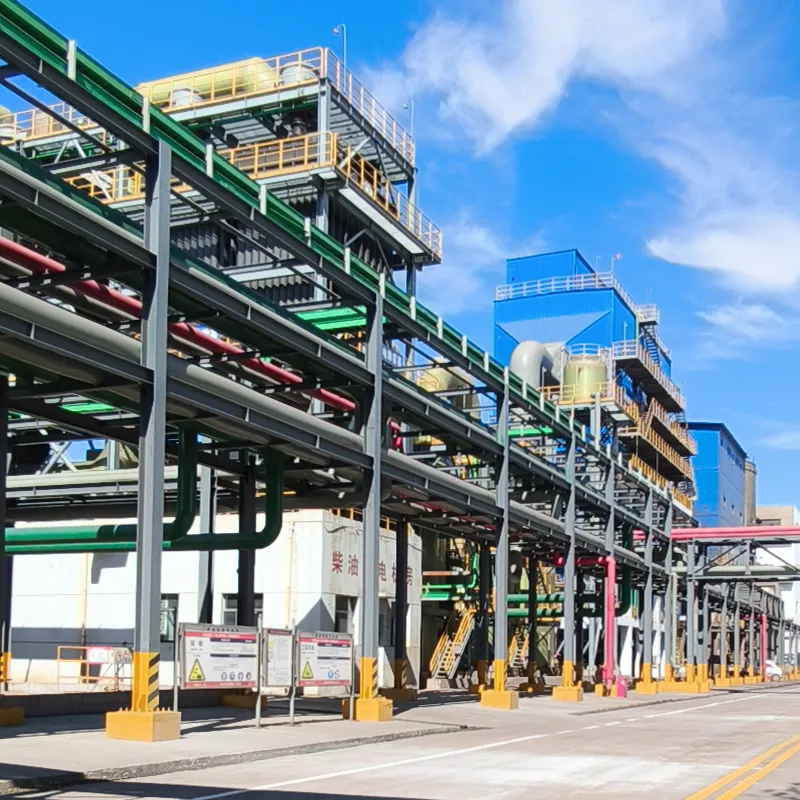
- Industrial Applications: Factories with water-cooled machinery or boiler feed systems use bladder tanks to reduce pump stress.
- Remote Locations: Mining sites or rural communities benefit from their lightweight and corrosion resistance, as replacement infrastructure is costly.
For example, in post-disaster relief efforts in Southeast Asia, NGOs have depended on these tanks to maintain water quality and pressure under challenging conditions. Similarly, in oilfields positions in Canada’s north, fiberglass bladder tanks stand up to the cold climate better than steel.
Comparing Popular Fiberglass Bladder Tank Vendors
| Vendor | Volume Range (Gallons) | Material Quality | Warranty | Price Range |
|---|---|---|---|---|
| FibraTech Corp. | 100 - 4,000 | High-grade FRP with EPDM bladder | 5 years | $$$ |
| SafeFlow Tanks | 50 - 2,500 | Standard FRP with natural rubber bladder | 3 years | $$ |
| AquaPure Solutions | 200 - 5,000 | Custom FRP composite, various bladder options | 7 years | $$$$ |
Why Choose Fiberglass Bladder Tanks? The Real Advantages
Let’s be frank — nobody wants unexpected failures in their water system. Fiberglass bladder tanks offer peace of mind through:
- Reduced Corrosion & Maintenance: Less rust means longer life and fewer costly repairs.
- Improved Water Quality: Bladder isolation helps prevent bacterial contamination.
- Energy Savings: By reducing pump cycling, energy use drops, benefiting both bills and emissions.
- Environmental Impact: Fiberglass is recyclable, and longer lifespan means less waste.
- Safety & Trust: Reliable water pressure and quality contributes to community health, especially in vulnerable regions.
From a social perspective, having reliable, safe water improves dignity and quality of life — something to remember when evaluating such technical gear.
Looking Ahead: Future Trends & Innovation in Fiberglass Bladder Tanks
The technology is evolving, mostly around smart monitoring and sustainable materials. Expect embedded sensors tracking pressure and water quality in real-time, integrated with IoT platforms for predictive maintenance.
Emerging greener resins and bio-based fibers are already making fiberglass production less carbon-intensive. Plus, modular tank designs improve shipping and scalability in remote areas.
Incorporating solar-powered pumps or integrating with renewable water treatment methods will likely broaden applications, aligning bladder water pressure tanks with the circular economy ideals.
Facing Challenges & How to Overcome Them
Admittedly, not all is perfect. Some issues include:
- Initial Cost Barrier: Some organizations balk at upfront price, though TCO (total cost of ownership) tells a different story.
- Bladder Maintenance: Though durable, bladders can degrade and need inspection or replacement.
- Installation Expertise: Improper setup results in performance loss, so trained personnel are crucial.
Innovations like longer-lasting bladder materials, standardized training programs, and leasing models may ease these barriers.
FAQ: Your Questions About Fiberglass Bladder Water Pressure Tanks
Q1: How long do fiberglass bladder water pressure tanks typically last?
A: With proper maintenance, these tanks generally last 15-20 years or more. The fiberglass shell is highly durable, while the bladder may require replacement every 7-10 years depending on usage.
Q2: Are these tanks safe for drinking water applications?
A: Absolutely. Certified to NSF/ANSI 61 and other standards, the materials prevent contamination and leaching, maintaining water quality.
Q3: Can fiberglass bladder tanks be used in freezing climates?
A: Yes, but additional freeze protection or installation in insulated enclosures is recommended to prevent damage.
Q4: How do these tanks compare with steel pressure tanks?
A: Fiberglass tanks resist corrosion much better and are lighter, but typically cost more upfront. However, lifecycle savings often offset initial costs.
Q5: Is installation complicated?
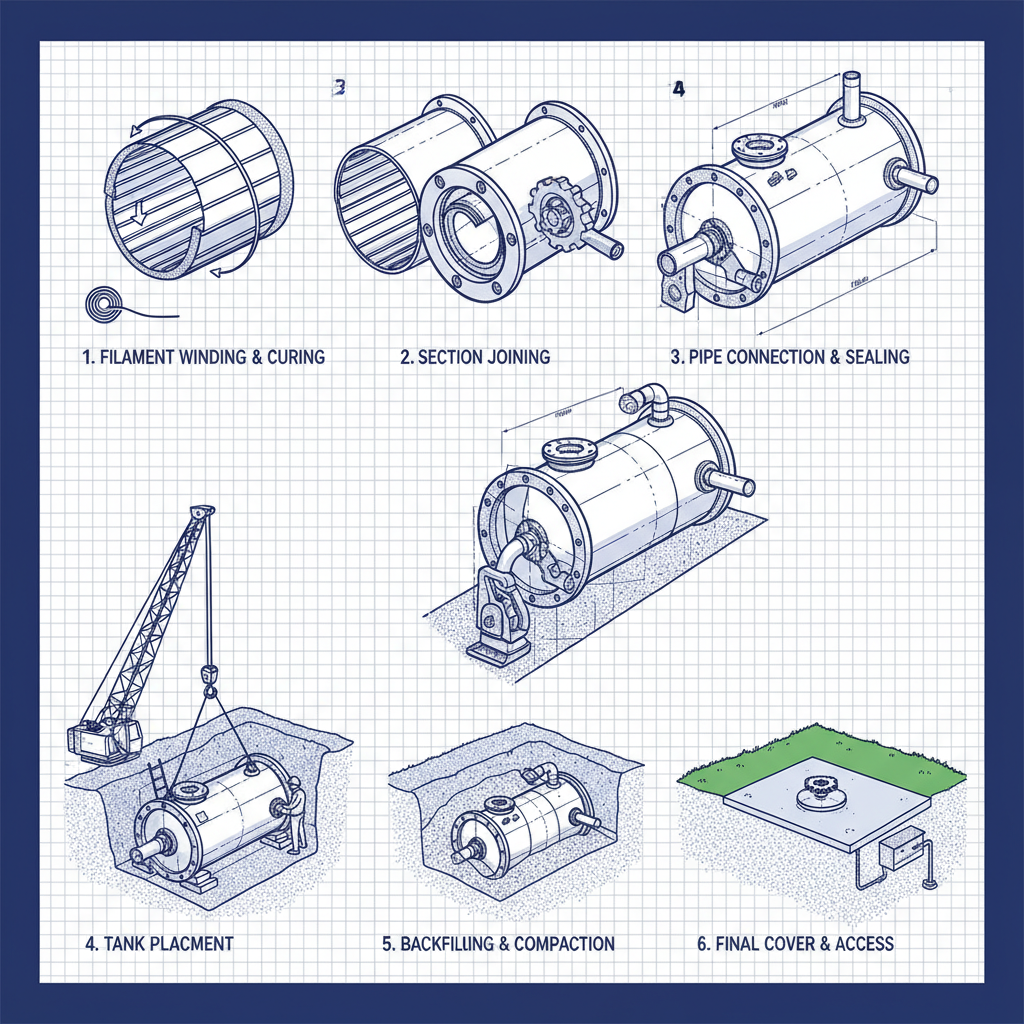
A: Installation is straightforward when handled by trained technicians. Proper air pre-charge, mounting, and piping connections are essential for optimal function.
Wrapping Up: The Long-Term Value of Fiberglass Bladder Water Pressure Tanks
In real terms, investing in fiberglass bladder water pressure tanks means investing in reliability, water safety, and sustainability. Whether managing municipal systems, supporting farmers, or enabling disaster relief, these tanks help ensure stable water pressure and quality — often quietly, behind the scenes but fundamentally essential.
If you’re exploring durable, hygienic, and efficient pressure tank solutions, consider the latest in fiberglass bladder technology. And since the world is always thirsty for better water infrastructure, these tanks remain a smart bet for future-ready systems.
To learn more about top-rated fiberglass bladder pressure tanks, visit fiberglass bladder water pressure tanks.