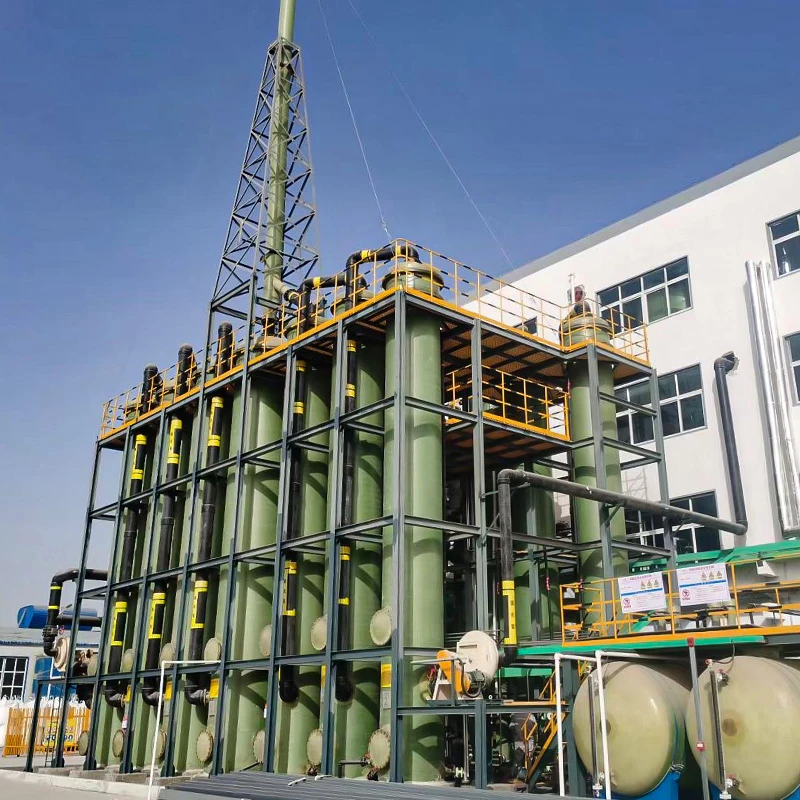
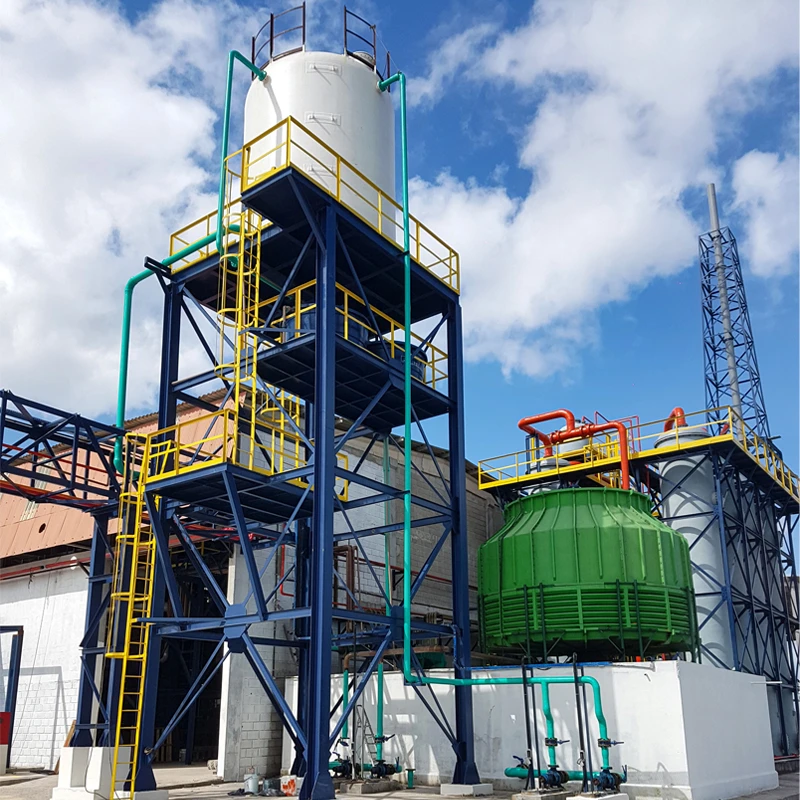
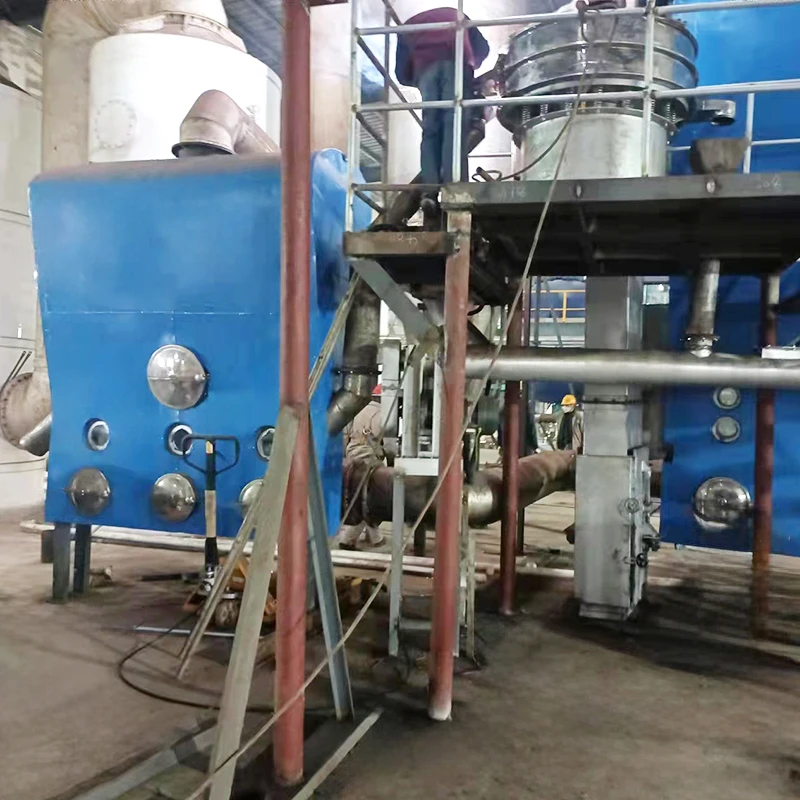
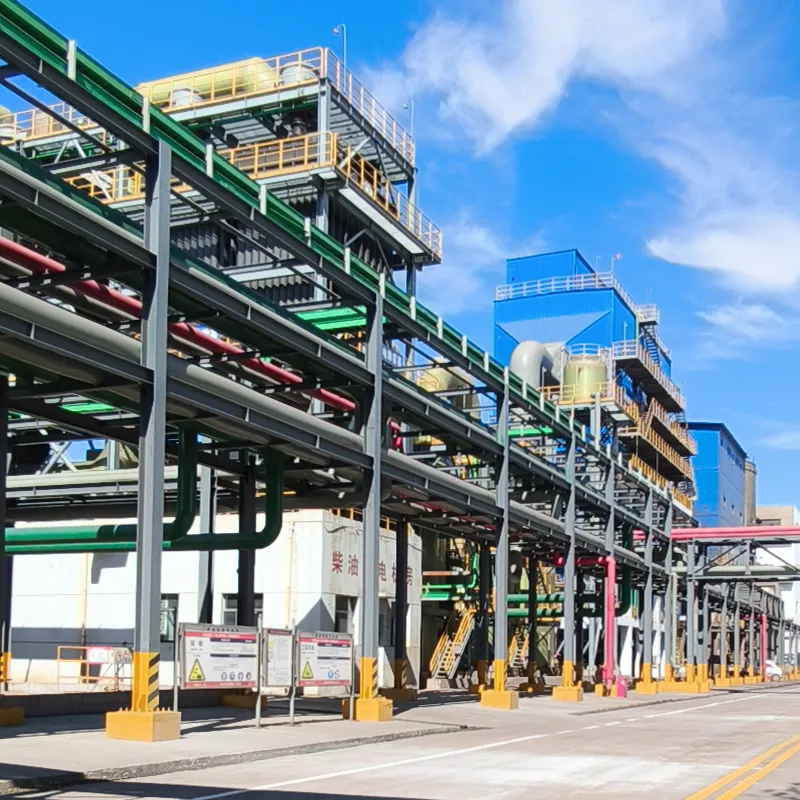
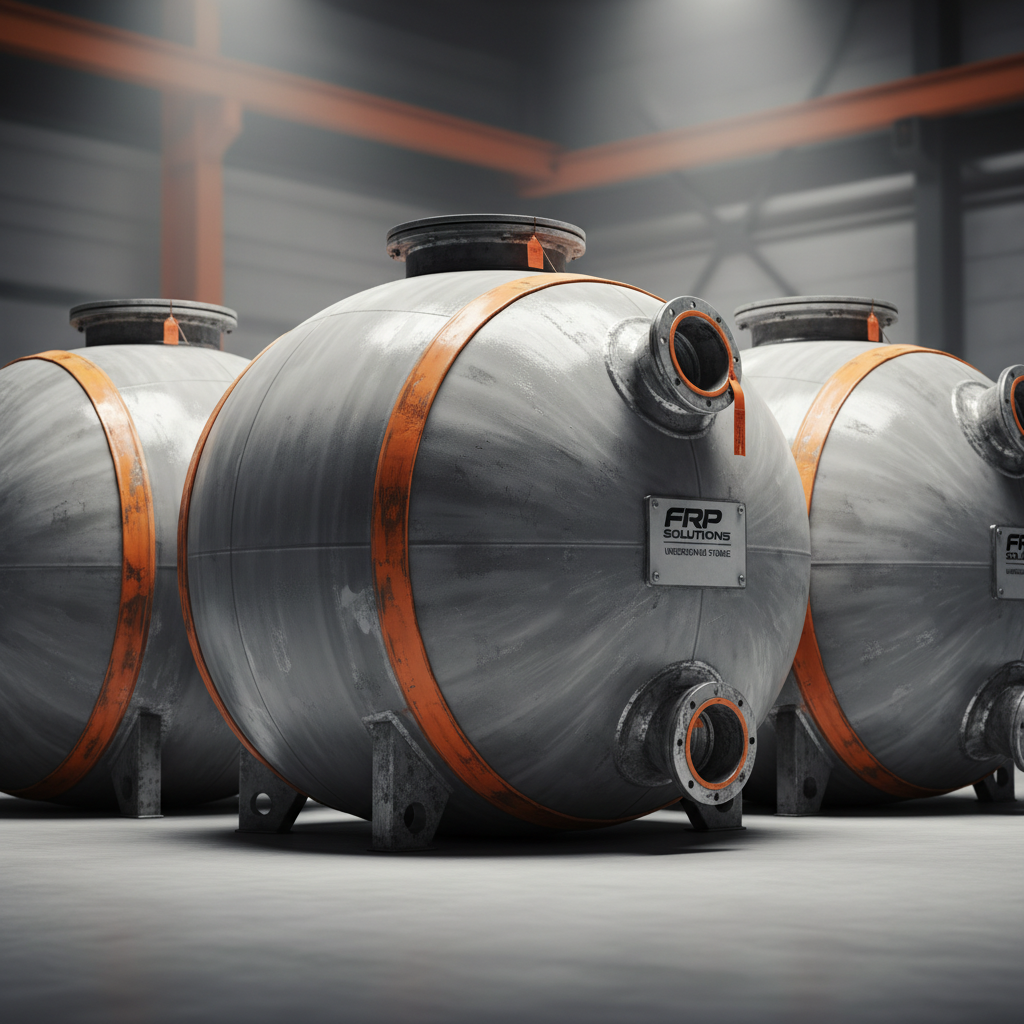
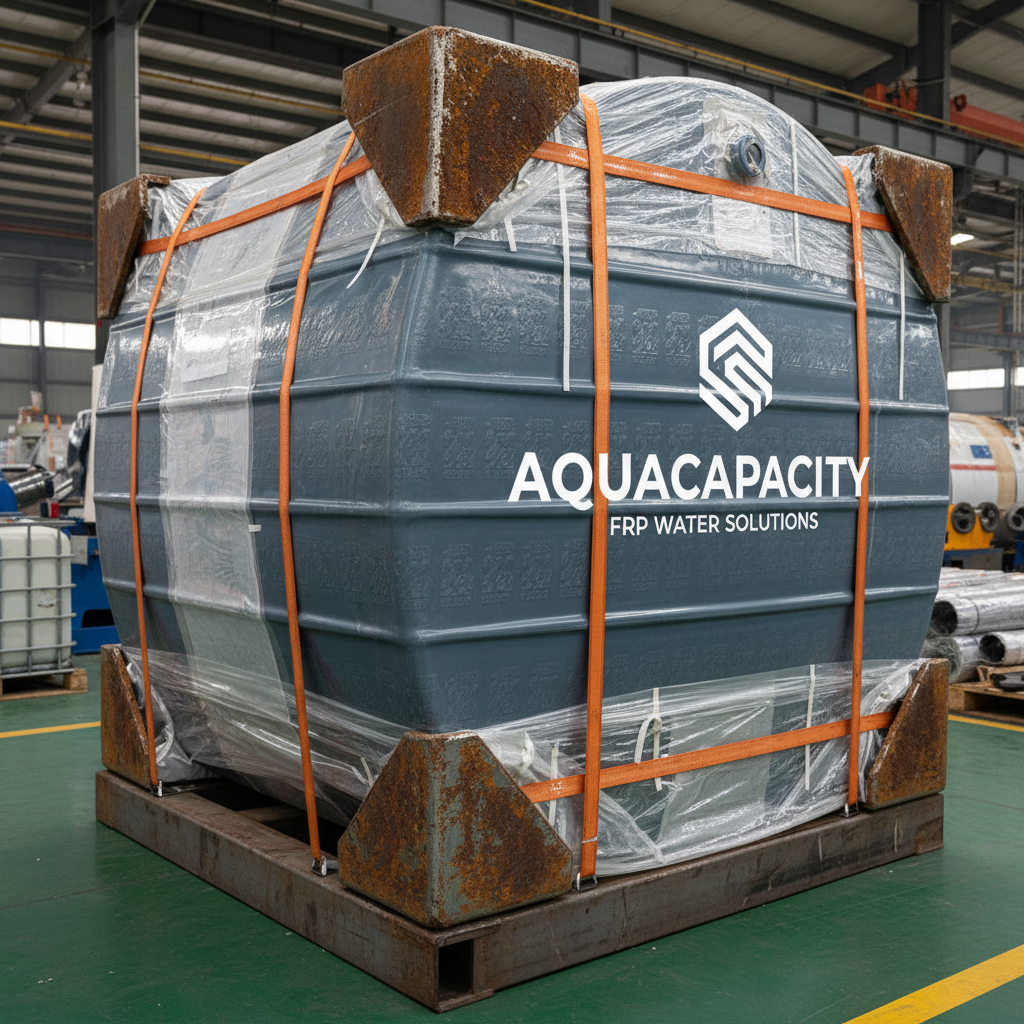
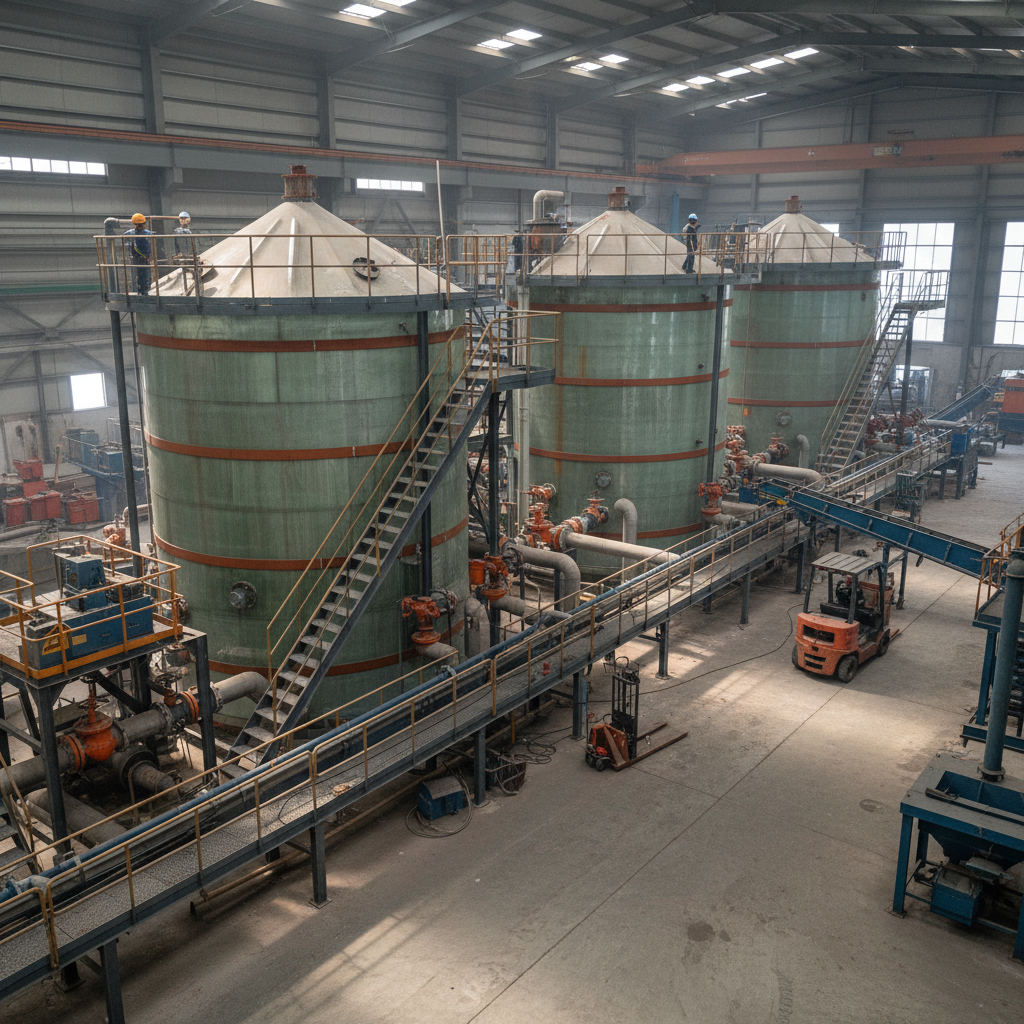
Reliable HCL Storage Tanks – Safe & Durable Solutions for Industrial Hydrochloric Acid Storage
The Growing Importance of HCL Storage Tanks in a Changing Industry
Imagine a storage vessel that safely holds one of the most corrosive substances used in manufacturing, pharmaceuticals, and water treatment — hydrochloric acid (HCL). That’s the essence of an HCL storage tank. As industries grow and environmental standards tighten, the way we store and handle corrosive liquids like hydrochloric acid increasingly matters—not just for protecting equipment but also for safeguarding workers and ecosystems worldwide.
Globally, hydrochloric acid is a staple chemical, with production estimated at over 20 million tons per year according to industry reports. Whether it’s in steel pickling, pH regulation, or recycling processes, the need for reliable storage solutions is undeniable. But the challenge remains: how to store highly corrosive HCL safely, efficiently, and with minimum environmental risk?
Understanding HCL Storage Tanks and Their Role Today
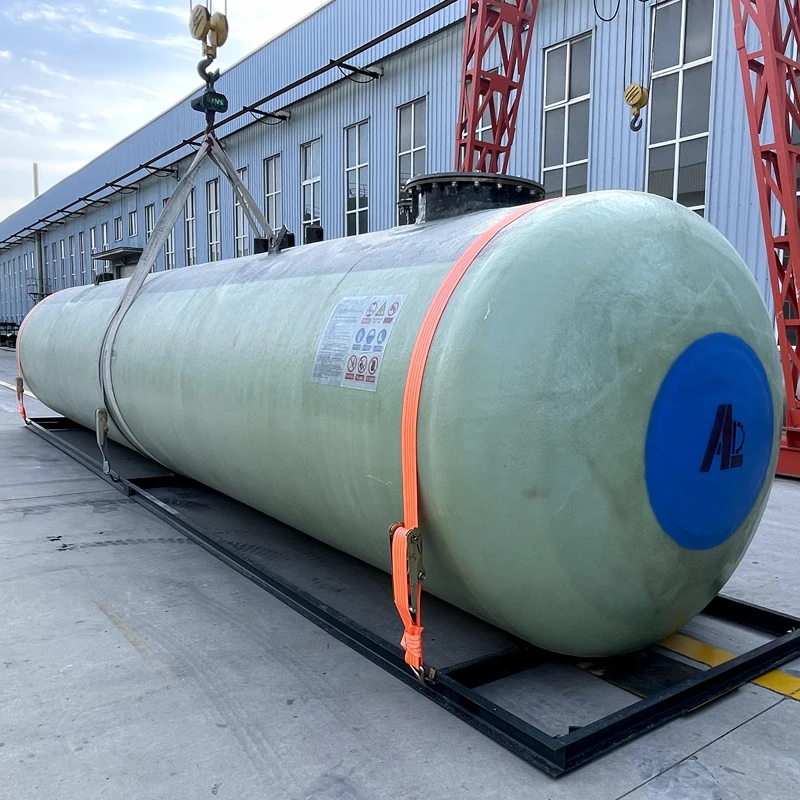
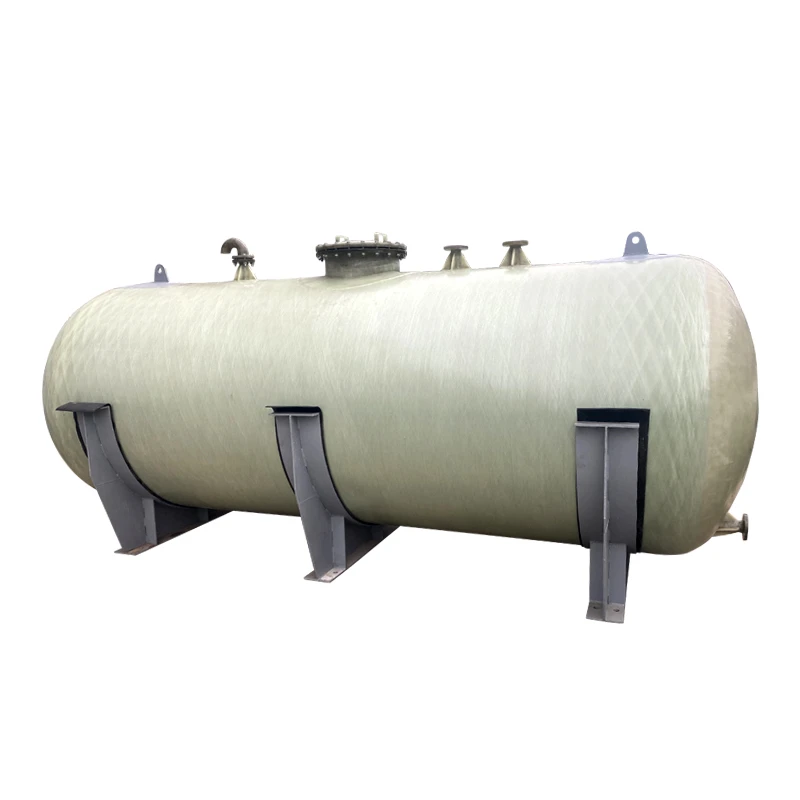
At its core, an hcl storage tank is a container specifically designed to hold hydrochloric acid safely. It can vary in size and material depending on the concentration and volume of acid stored, as well as the application environment.
Why is this so important? Hydrochloric acid is an aggressive chemical that can corrode metals, degrade concrete, and cause serious harm upon direct contact. Thus, the storage tank’s design governs the safety of workers, nearby communities, and infrastructure. It also connects tightly to modern industrial trends emphasizing better waste management, sustainability, and automation.
Key Factors Shaping Effective HCL Storage Tanks
Durability and Corrosion Resistance
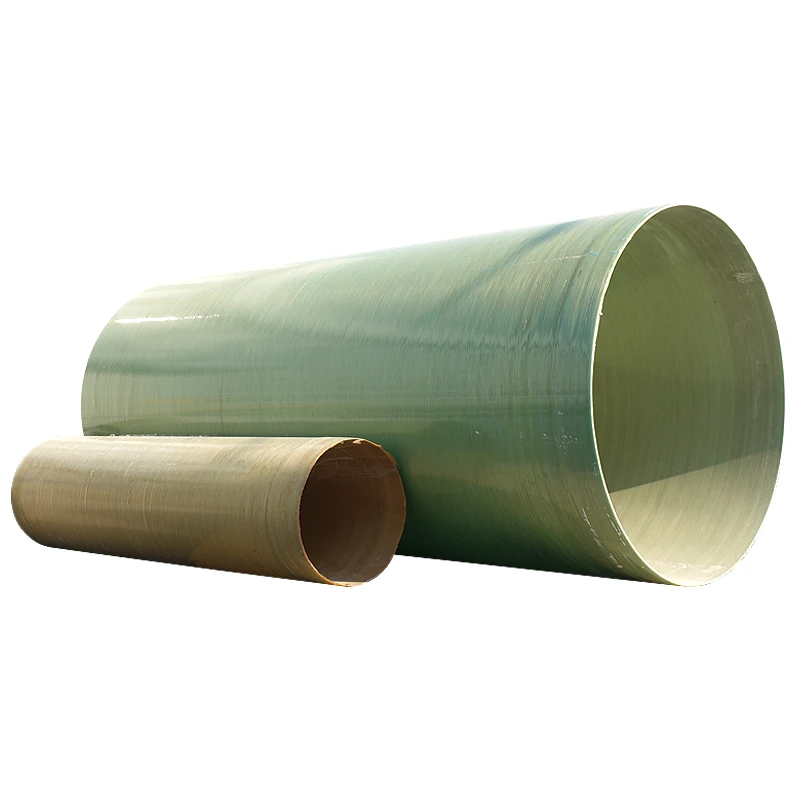
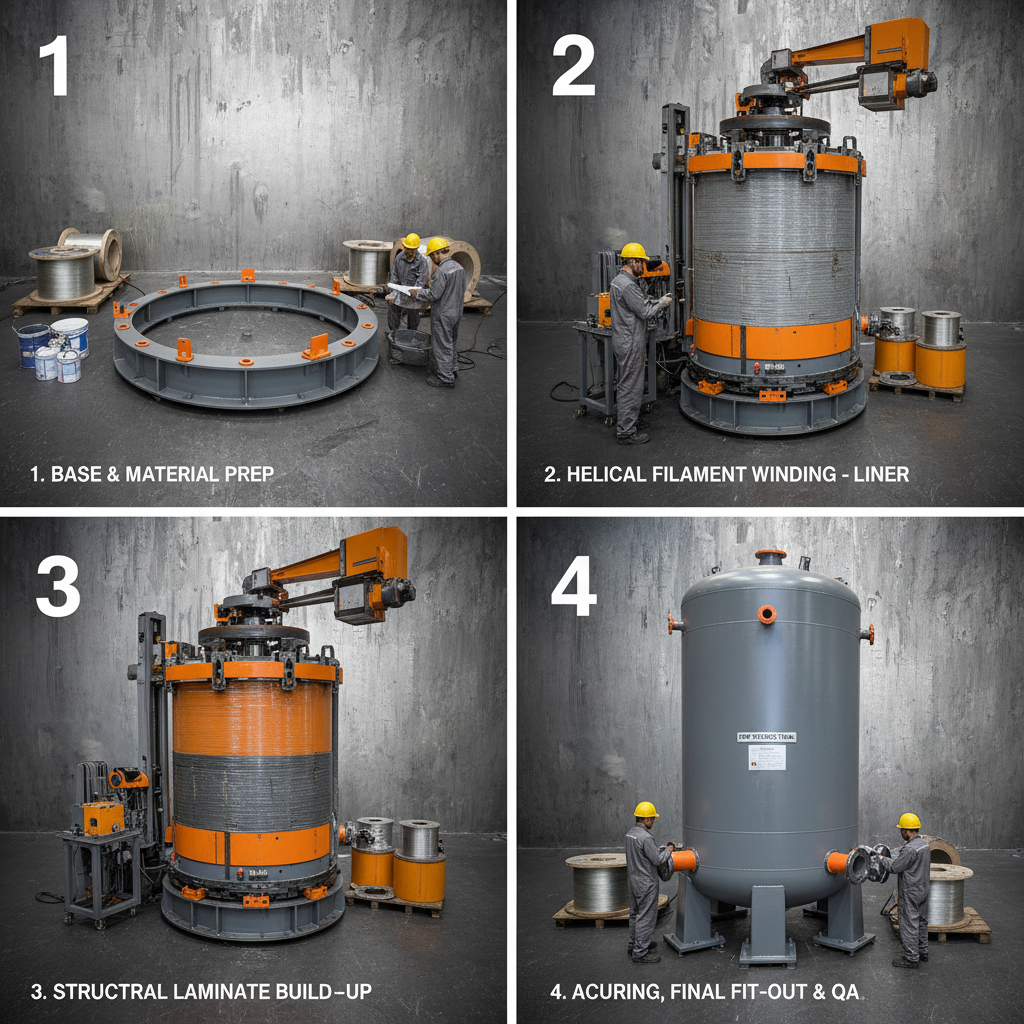
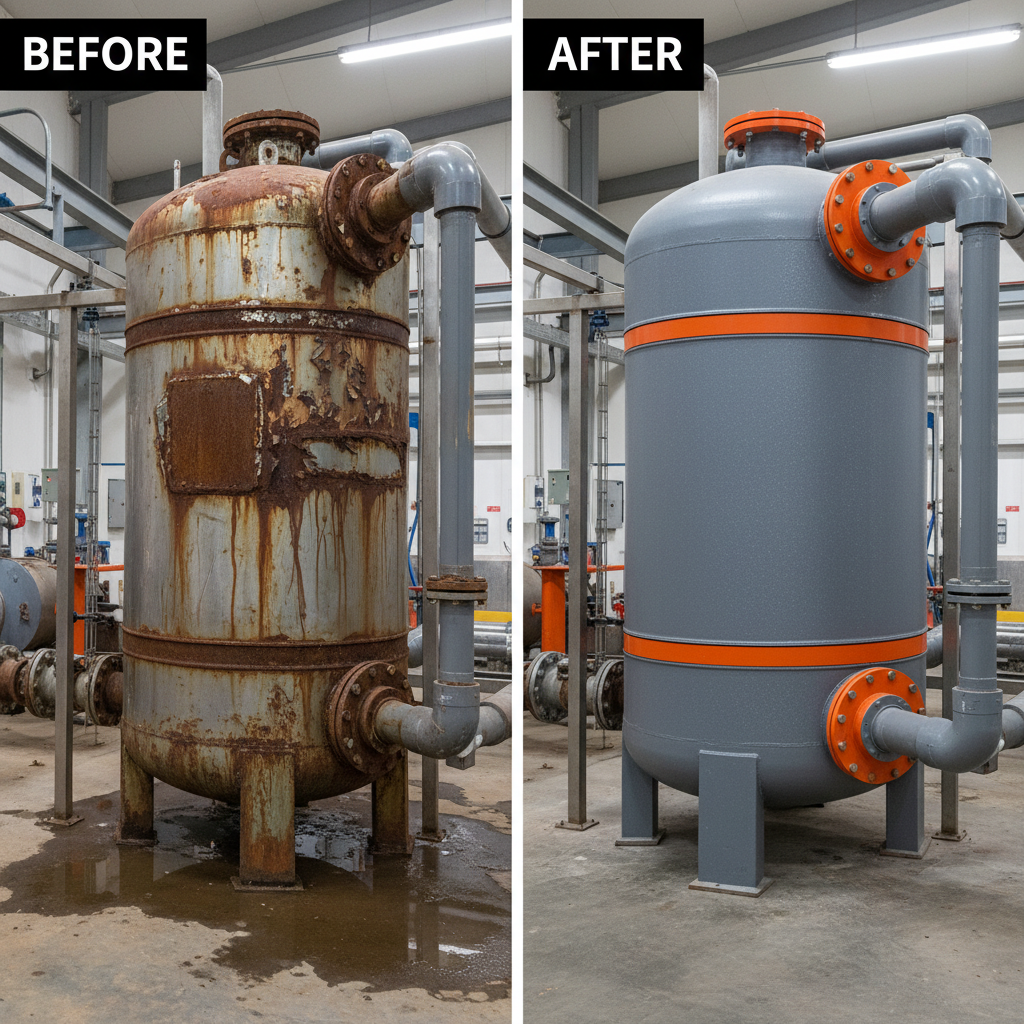
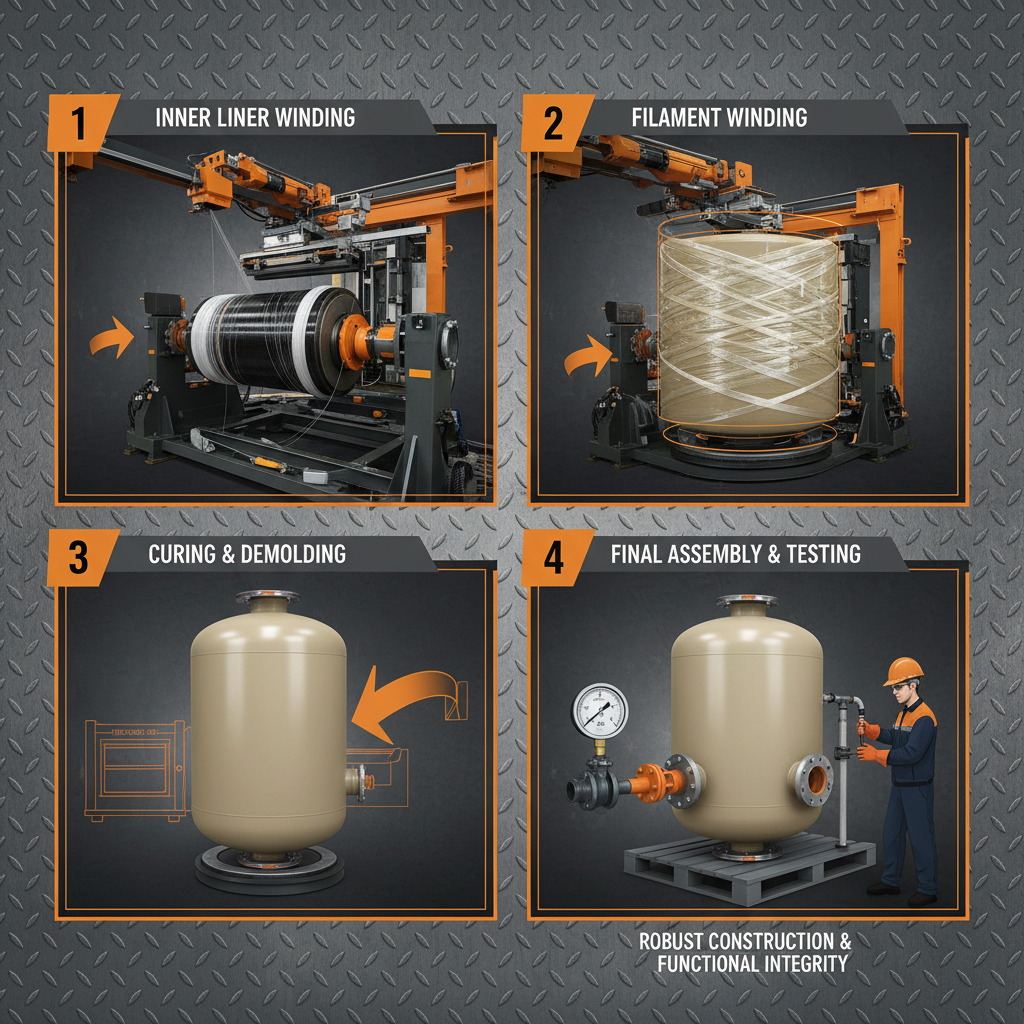
Durability is the first thing engineers eye. Because hydrochloric acid is highly corrosive, tanks must use materials or coatings resistant to chemical attack. Common choices include high-density polyethylene (HDPE), fiberglass reinforced plastic (FRP), or titanium linings. These materials ensure the tank lasts years without degrading or leaking, which can be catastrophic.
Capacity & Scalability
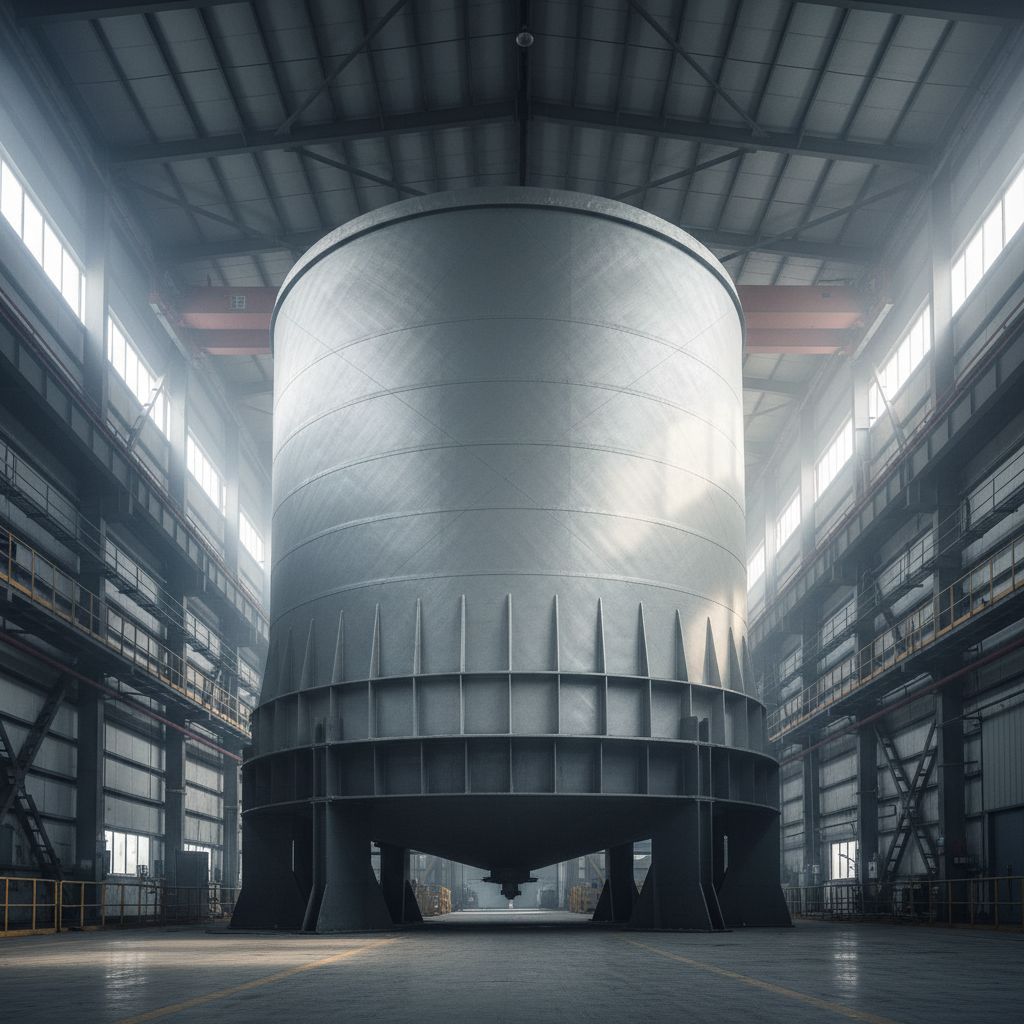
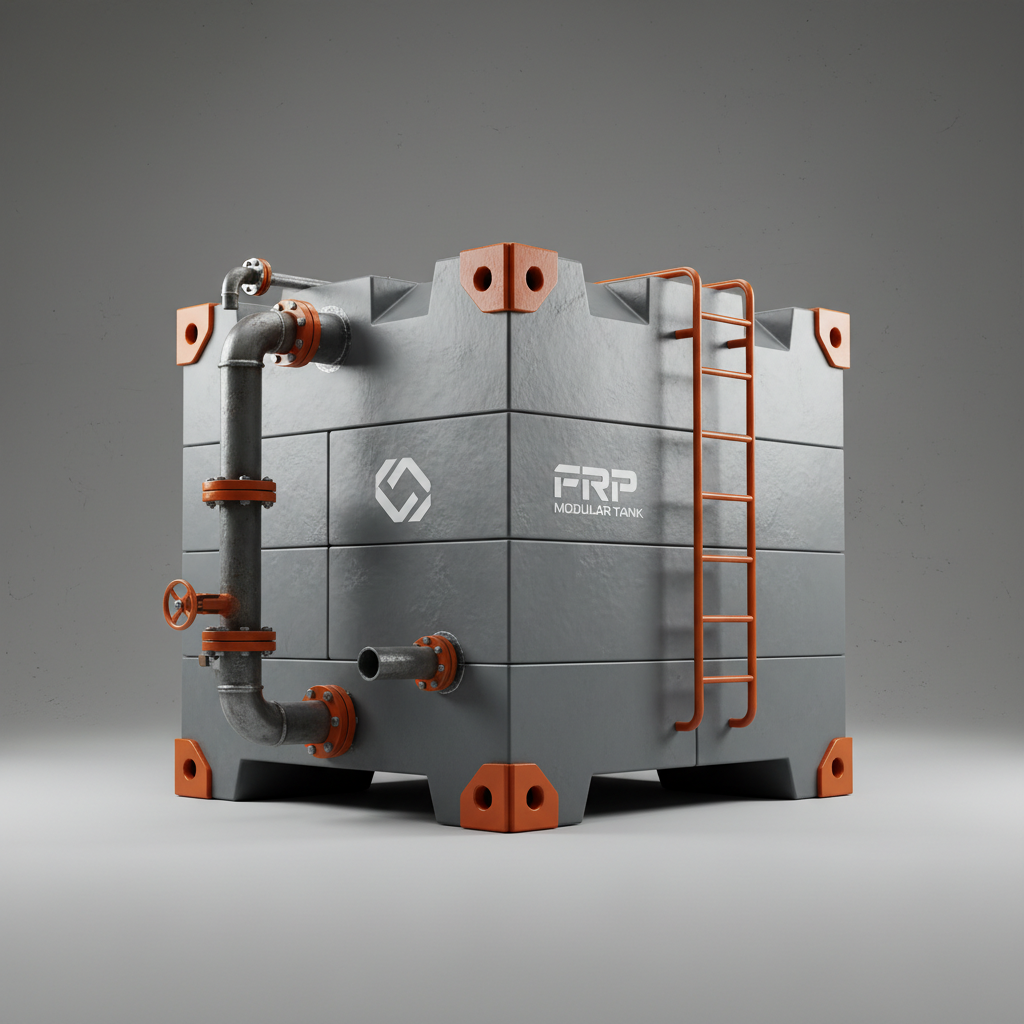
No two industrial setups are alike. Some plants need small tanks for dilute acid, whereas others require massive units for storage and continuous production. Scalable tank designs allow flexibility by either modular construction or customizable volumes.
Safety and Compliance
Storing hydrochloric acid doesn’t start and end with materials. Regulatory standards, such as those from ISO 9001 or OSHA in the U.S., specify ventilation, secondary containment, spill control, and emergency response features. Advanced tanks often integrate leak detection sensors and automatic shutoff valves to reduce human error risks.
Cost Efficiency and Maintenance
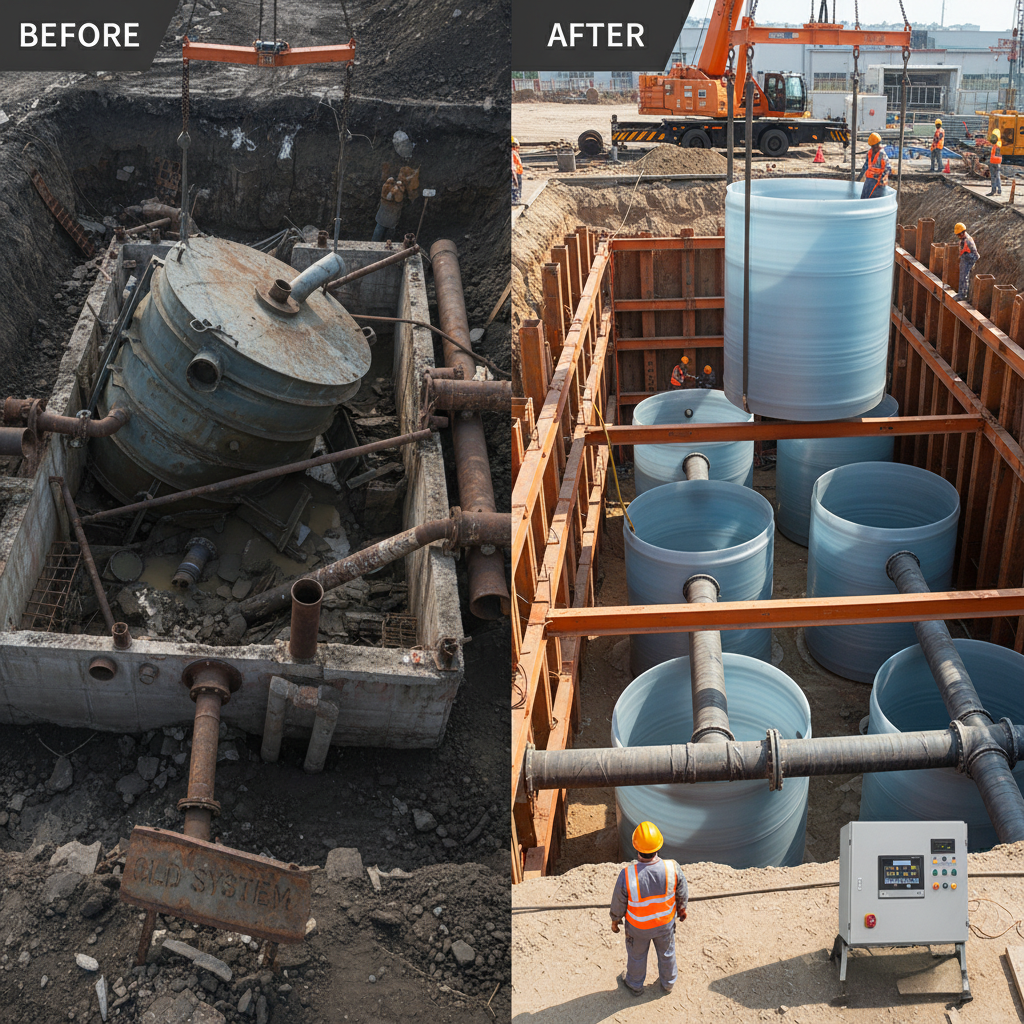
While cost is always a factor, many companies find upfront investment in quality tanks pays off. Less frequent maintenance, fewer replacement parts, and reduced risk of accidents justify higher initial prices.
Environmental Sustainability
Oddly enough, with growing attention on green chemistry, some modern HCL storage tanks now incorporate eco-friendly features such as recyclable materials or designs that minimize acid vapor emissions into the atmosphere.
Mini Takeaway:
Choosing the right HCL storage tank boils down to balancing durability, safety, cost, and environmental impact. Skimp on one and the rest can crumble...
Where Do HCL Storage Tanks Fit in the Global Industrial Puzzle?
Across Asia, Europe, and North America, hydrochloric acid finds uses in sectors like chemical manufacturing, steel production, and water treatment. In China, for example, the booming steel industry drives massive demand for hcl storage tanks. Similarly, municipal water plants worldwide utilize acid storage to adjust pH levels, ensuring safe drinking water.
In post-disaster scenarios—where water contamination can exacerbate health crises—these tanks can serve as reliable hubs for controlled acid dosing to purify supplies. Likewise, remote mining operations rely on durable tanks to handle acid safely in challenging environments.
Advantages & Long-Term Value
- Safety: Reduces accidents and chemical exposure risks for workers.
- Cost Savings: Longevity and minimal maintenance cut total costs over time.
- Environmental Protection: Prevents leaks and emissions that can damage ecosystems.
- Operational Reliability: Consistent, efficient storage supports continuous manufacturing.
Innovations and Future Trends in HCL Storage Solutions
Materials science has moved fast—new composite materials promise even better resistance with lighter weight. Digital transformation is also reshaping storage, with IoT sensors allowing real-time monitoring of tank health and acid levels from anywhere in the world.
Plus, automated control systems are beginning to limit human exposure during filling and extraction processes. Sustainability efforts are pushing manufacturers to reduce environmental footprints not only via design but embedded lifecycle tracking.
Frequently Encountered Challenges & Expert Fixes
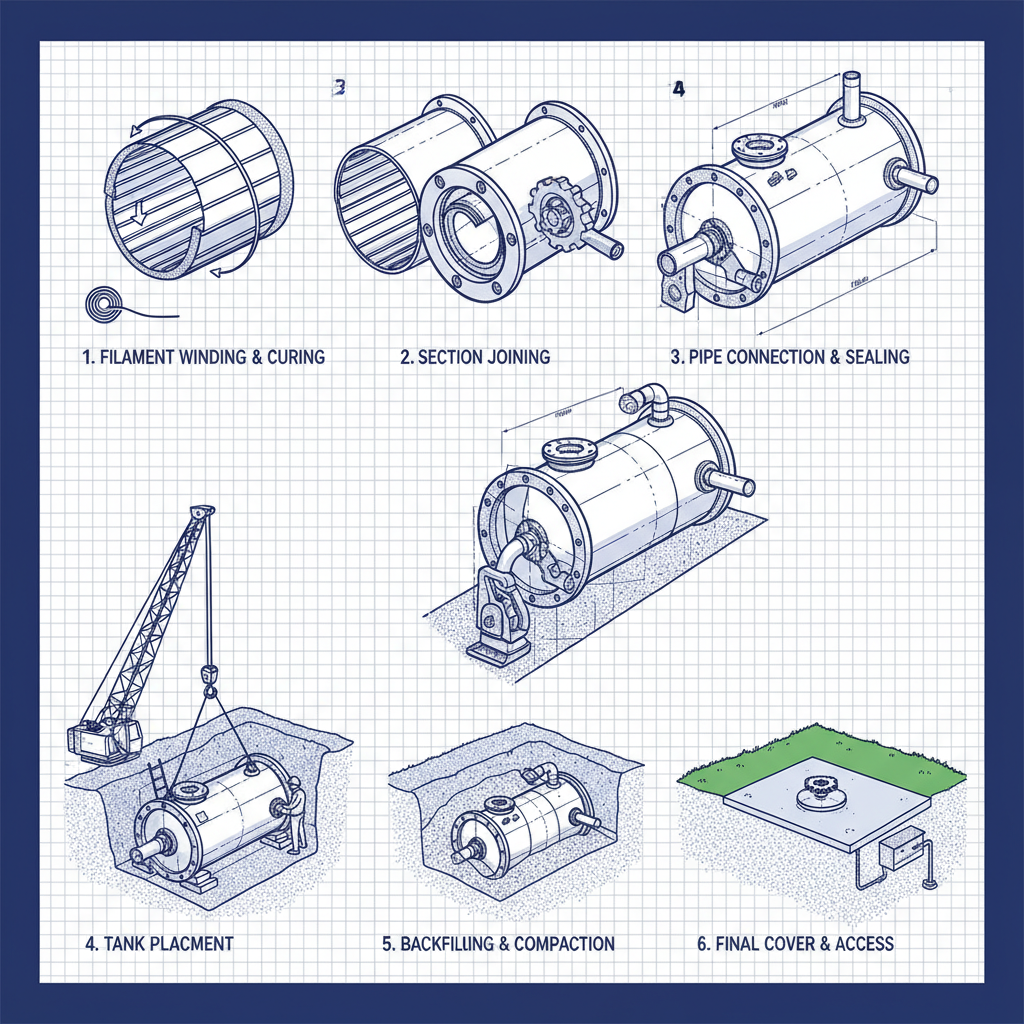
Despite advances, tanks sometimes suffer from unexpected corrosion spots or seal failures, mostly from incorrect maintenance or installation. Experts recommend strict adherence to guidelines, regular integrity testing (ultrasonic or hydrostatic), and staff training to keep everything airtight.
| Specification | Details |
|---|---|
| Material | Fiberglass Reinforced Plastic (FRP) with vinyl ester resin |
| Capacity Range | 500 to 20,000 Liters |
| Operating Temperature | -10°C to 60°C |
| Design Pressure | Atmospheric (Non-pressurized) |
| Features | Leak detection, secondary containment, UV protection |
Vendor Comparison Highlights
| Manufacturer | Materials Used | Price Range (USD) | Warranty | Custom Options |
|---|---|---|---|---|
| ChemSafe Tanks | FRP, HDPE lining | $3,000 – $25,000 | 5 years | Yes (size, sensor integration) |
| AcidGuard Solutions | Titanium-lined steel | $5,000 – $40,000 | 7 years | Limited |
| GlobalChem Storage | Polypropylene with additive UV protection | $2,500 – $22,000 | 3 years | Yes (color, fittings) |
FAQ: Your Top Questions on HCL Storage Tanks
- What materials best resist corrosion in HCL storage tanks?
- Materials like fiberglass reinforced plastic (FRP) with vinyl ester resin linings, high-density polyethylene (HDPE), and titanium are commonly used because they effectively resist chemical degradation from hydrochloric acid.
- How often should HCL storage tanks be inspected?
- Routine inspections are recommended at least annually, including checking for leaks, corrosion, and instrumentation function. Some high-risk facilities may inspect quarterly or use continuous monitoring systems.
- Can these tanks be used for concentrated hydrochloric acid?
- Yes, but the tank material and design must be specifically rated for the acid concentration. Concentrated HCL (above 30-35%) requires higher-grade materials and often additional safety features.
- Are there environmental regulations influencing tank design?
- Definitely. International standards like ISO 9001 and local regulations (e.g., EPA in the US) govern containment, spill prevention, and emissions control, driving modern safer designs.
- How customizable are HCL storage tanks?
- Very customizable. Vendors typically offer tailored capacities, additional safety sensors, and integration with automation systems to suit diverse industrial needs.
Wrapping It Up: Why Investing in Quality HCL Storage Tanks Pays Off
When you think about it, an HCL storage tank isn’t just a container — it’s a frontline protector for people, plants, and profits. From the steel mills of Asia to the water treatment plants in Europe, having a reliable tank designed for hydrochloric acid translates into smoother operations and peace of mind.
So, whether you’re scaling a chemical plant or upgrading your facility, don't cut corners on your storage solutions. For more detailed specs or to find a custom-fit solution, why not visit our website and explore what’s available?