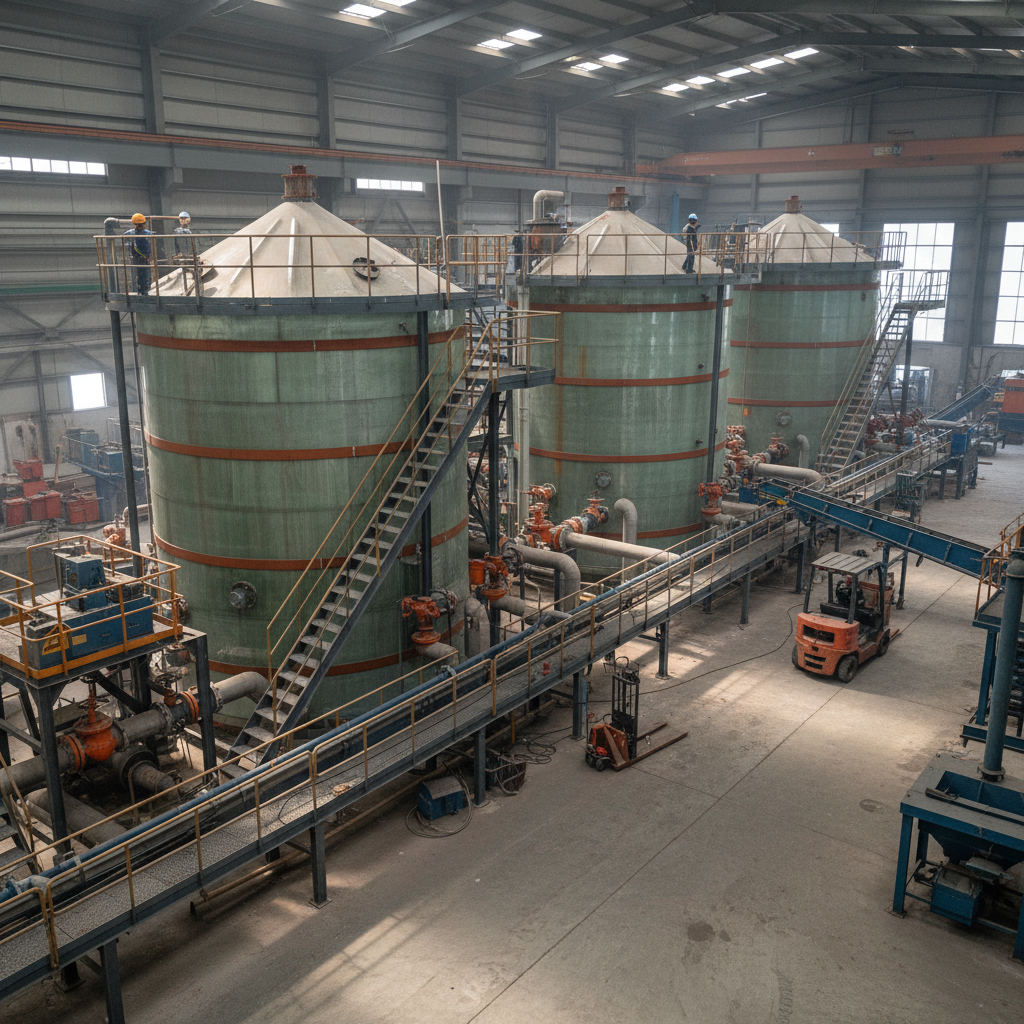
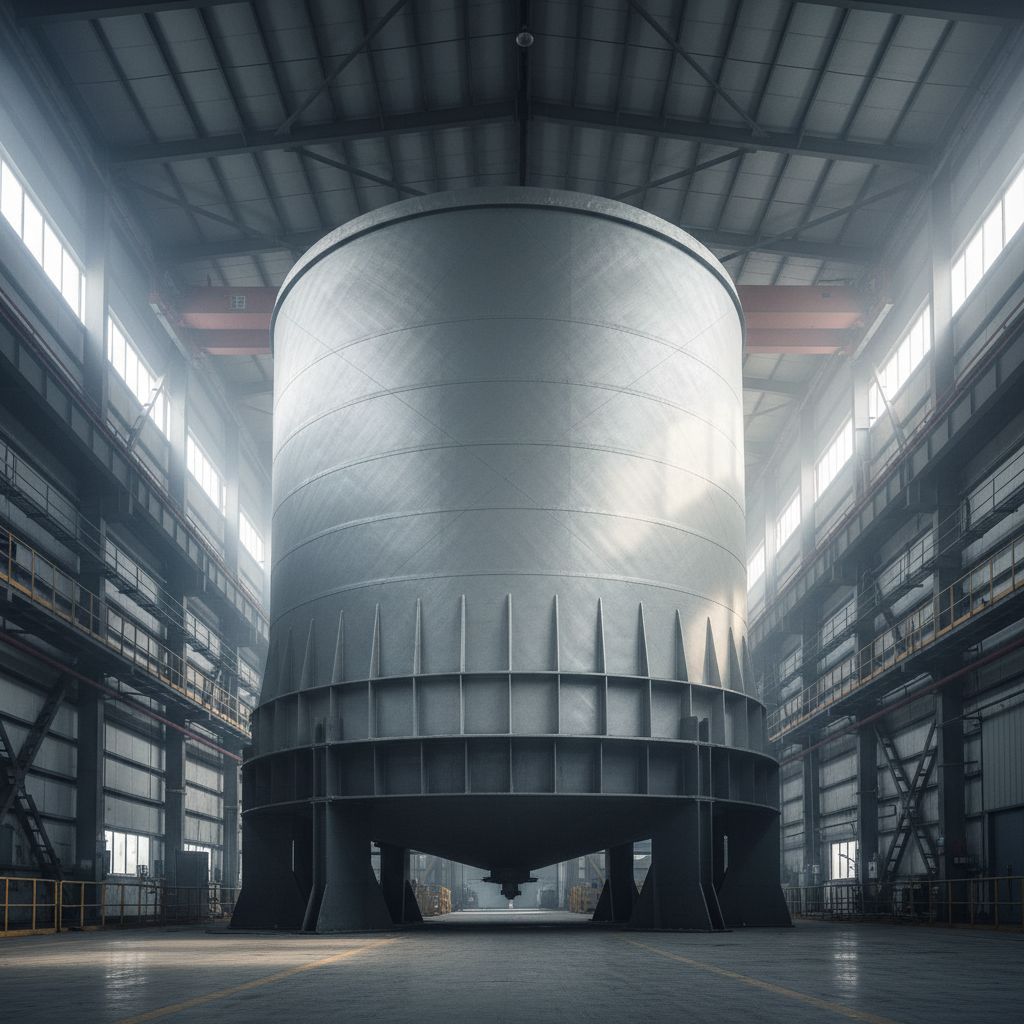
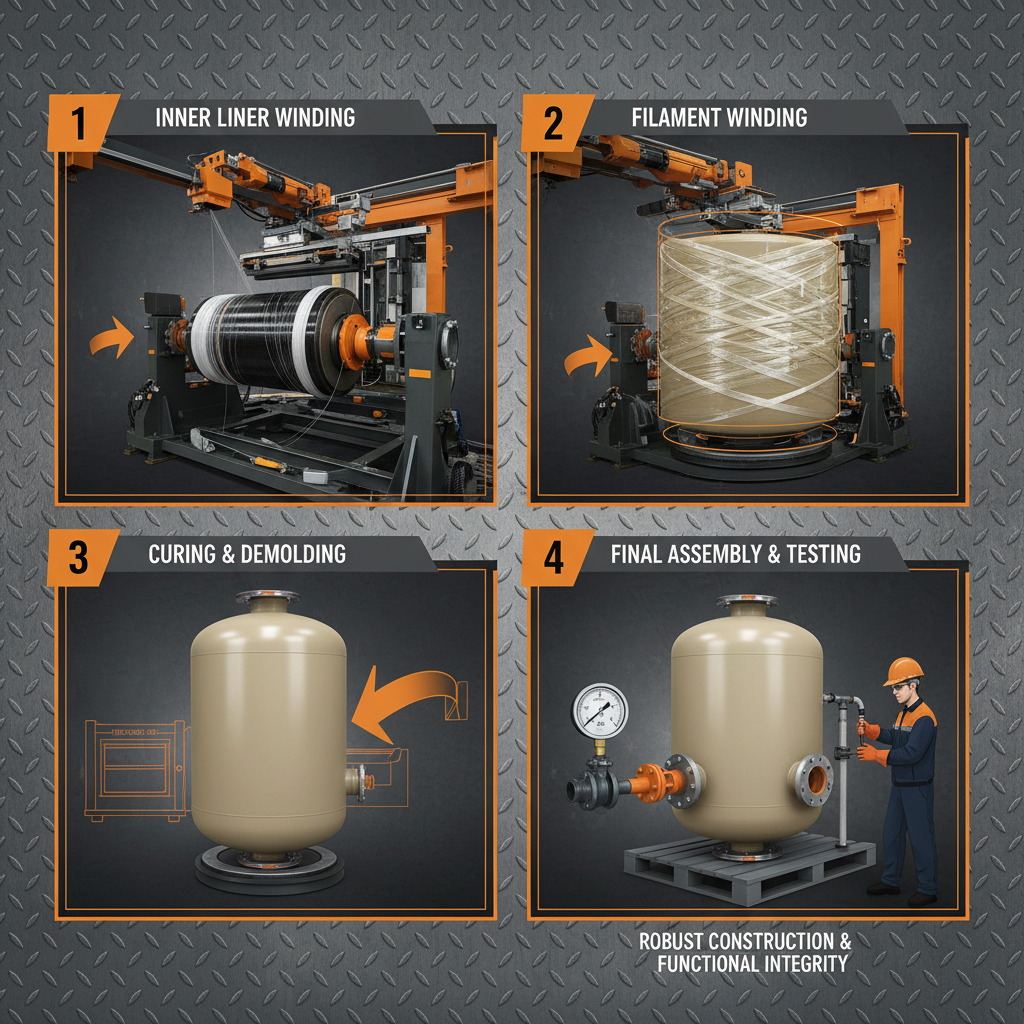
Sodium Sulfate Production: High-Purity, Low-Cost, Scalable
Inside a Modern Sodium Sulfate Production Line: What Buyers Really Ask (and What Engineers Actually Build)
If you’ve been pricing sodium sulfate production equipment lately, you already know the market’s spirited. Energy prices wobble, emissions rules tighten, and yet customers still want stable Na2SO4 purity with low operating cost. I spent a week on site in Hebei—No. Room 211,706 Xinghua North Street, Jizhou District, Hengshui City, to be exact—where this line is built, and it’s fair to say the Mannheim technology has grown up a lot.
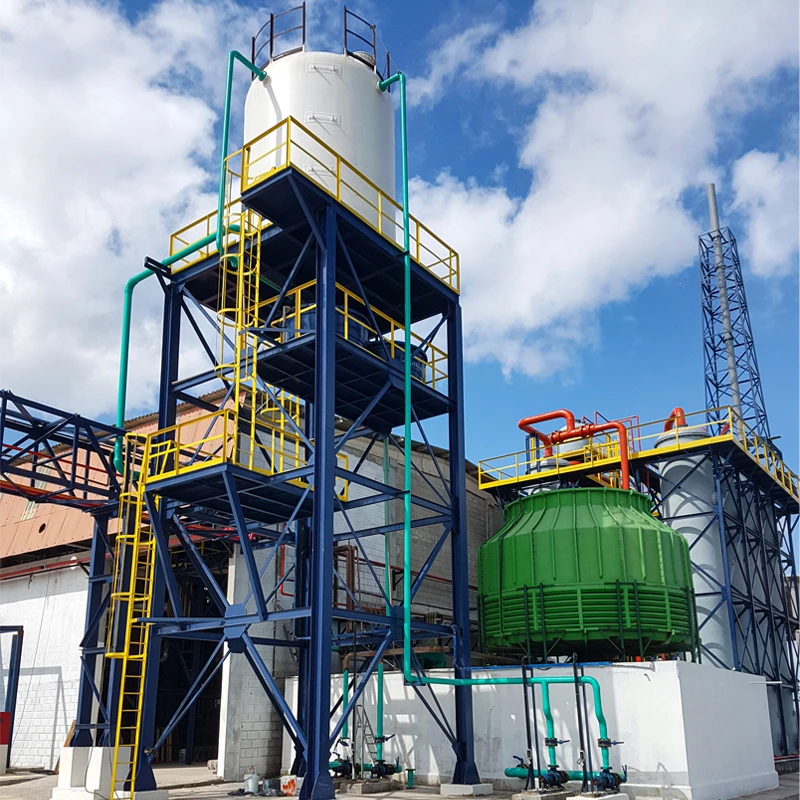
Industry pulse, briefly
-
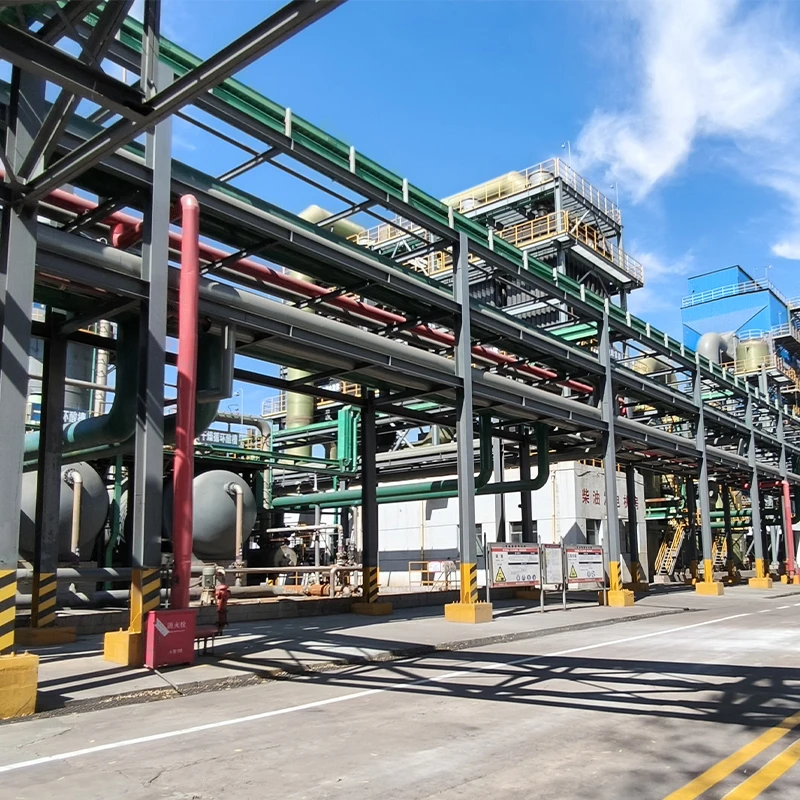
- Tight air permits push better HCl capture from Mannheim furnaces; closed-loop absorption is standard now.
- Buyers want flexible fuels (natural gas or fuel oil) and digital combustion control. Actually, even small plants ask for PLC–SCADA.
- Trend to higher automation: fewer operators per shift, predictive maintenance on bearings and refractory health.
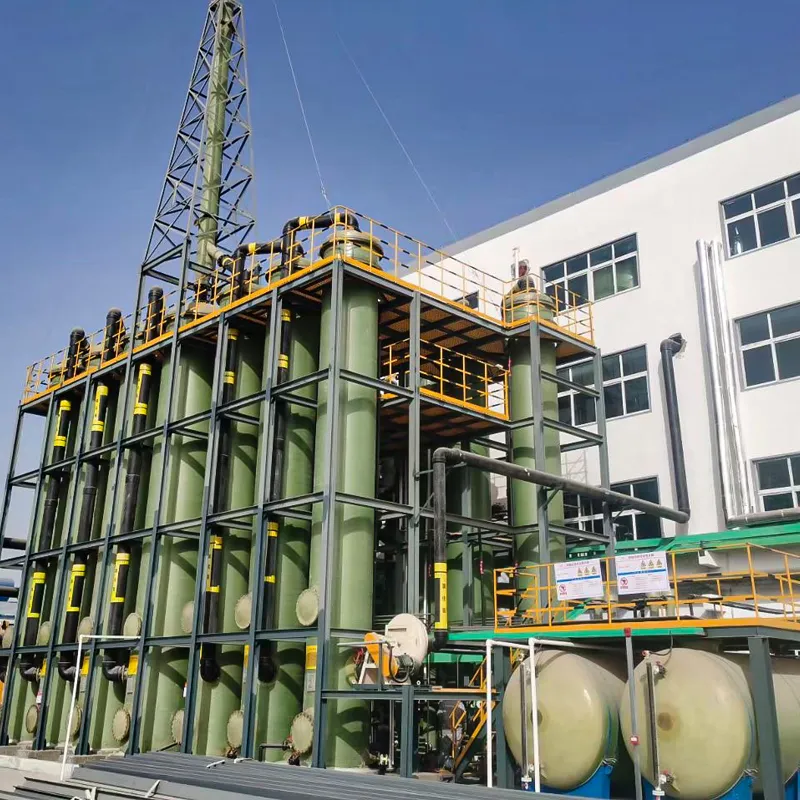
How the line works (process flow in the real world)
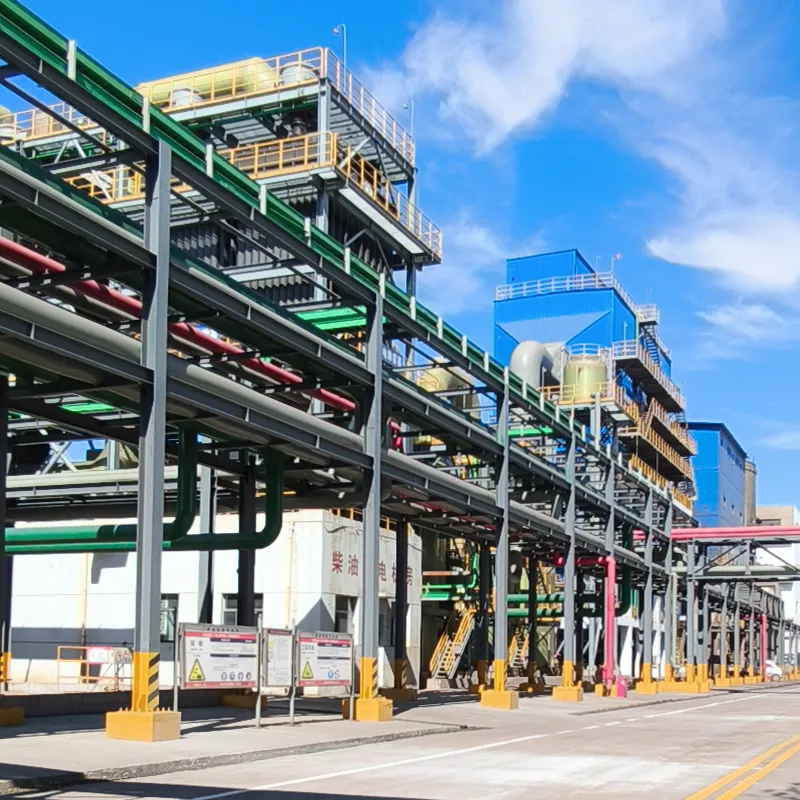
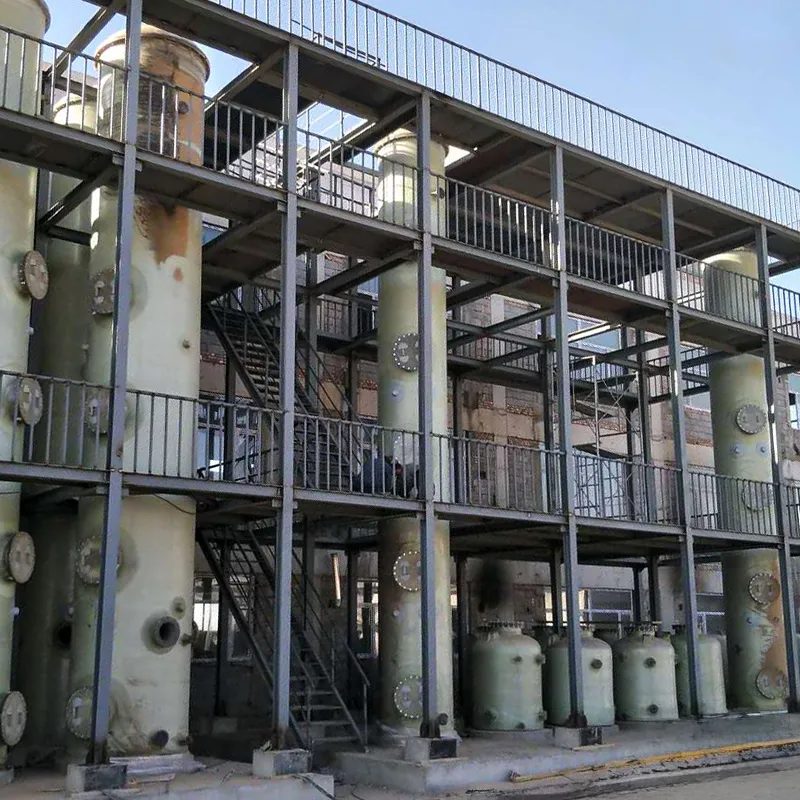
Mannheim furnace, improved paddles, even heating—yes, that’s still the heart. Feed is dry NaCl and 98% H2SO4; reaction: 2NaCl + H2SO4 → Na2SO4 + 2HCl. The HCl is routed to an absorber to get 28–33% acid, depending on your utilities. Downstream, the Na2SO4 cake is finished in dryer/cooler and screened.
- Raw materials: vacuum salt (or solar salt with pretreatment), 98% sulfuric acid.
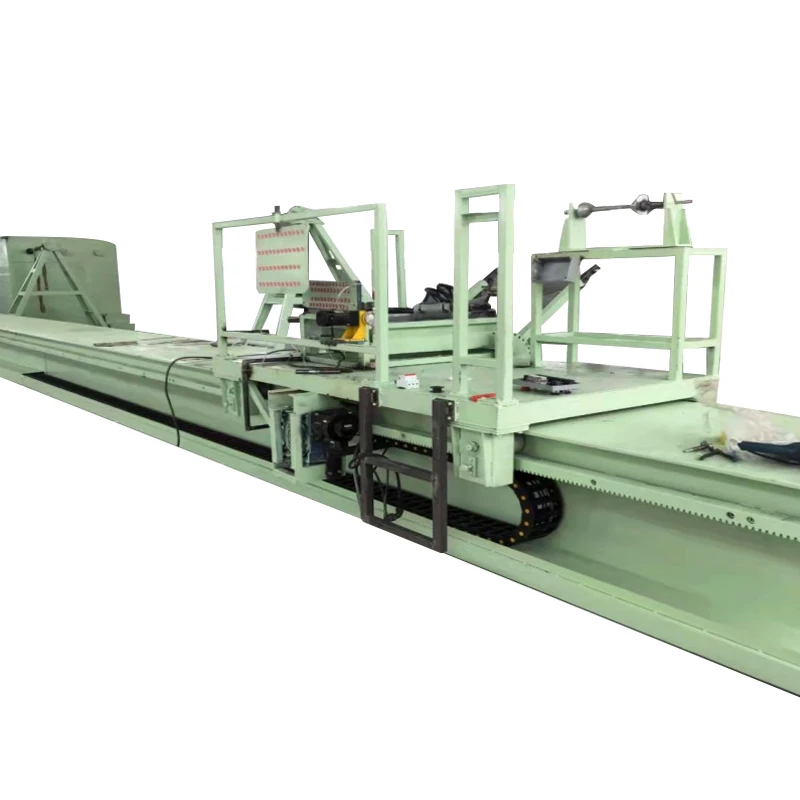
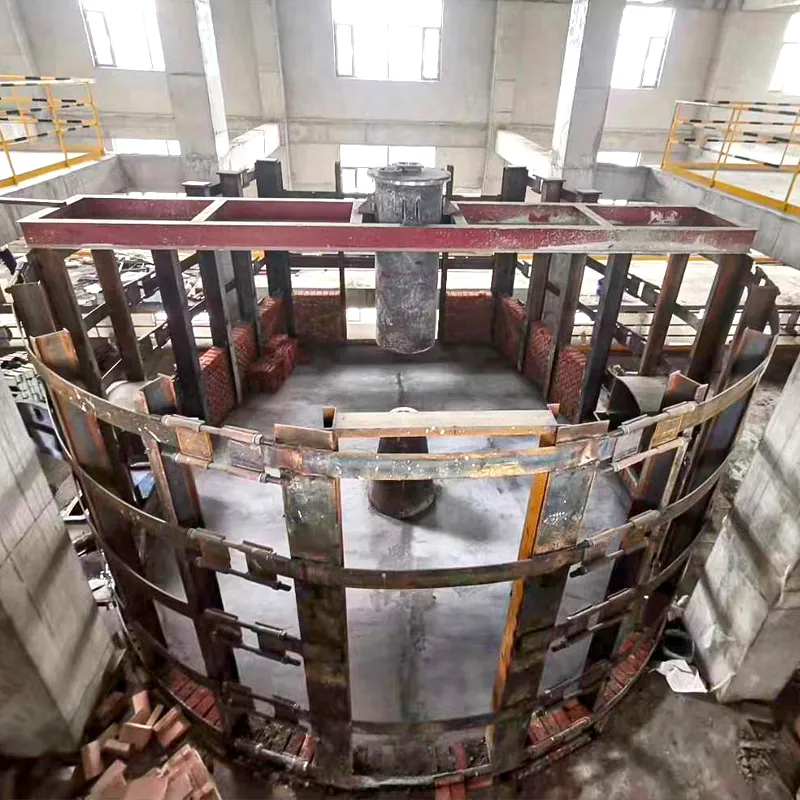
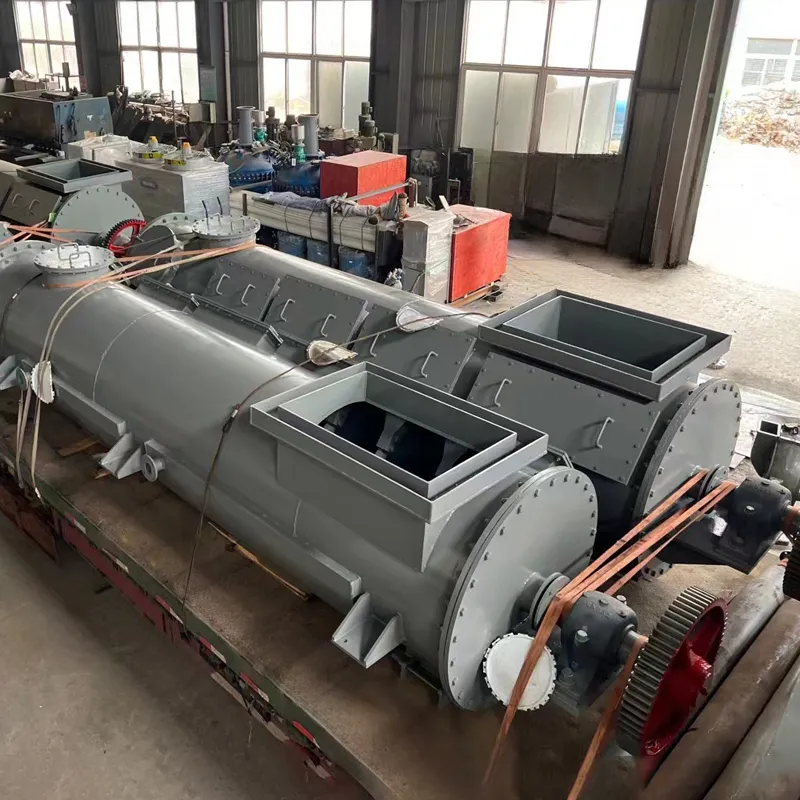
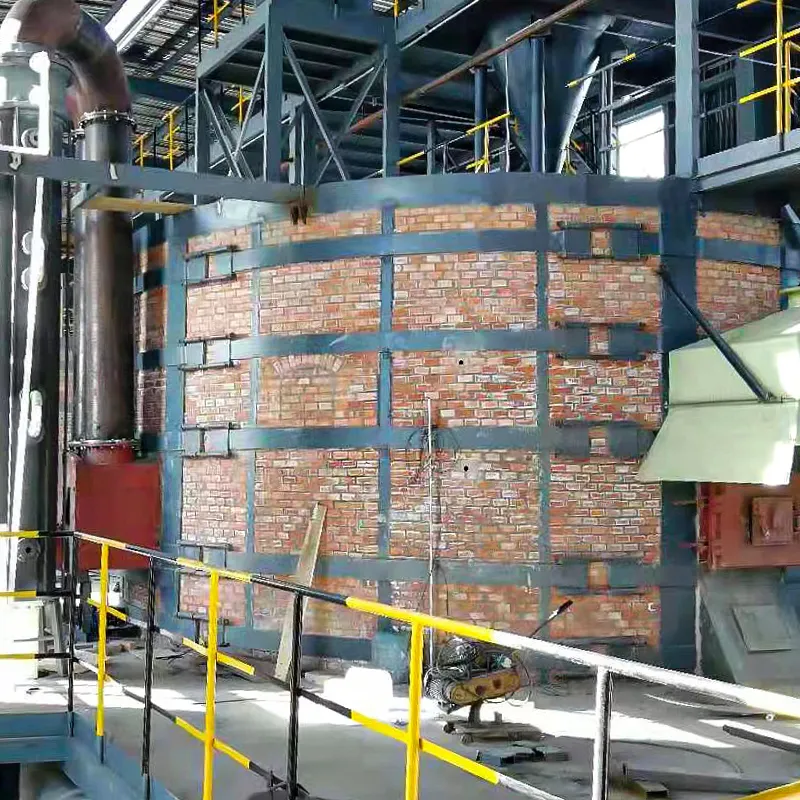
- Mannheim furnace: cast-iron pot, upgraded refractory, drive with VFD; aim for complete conversion and even heat.
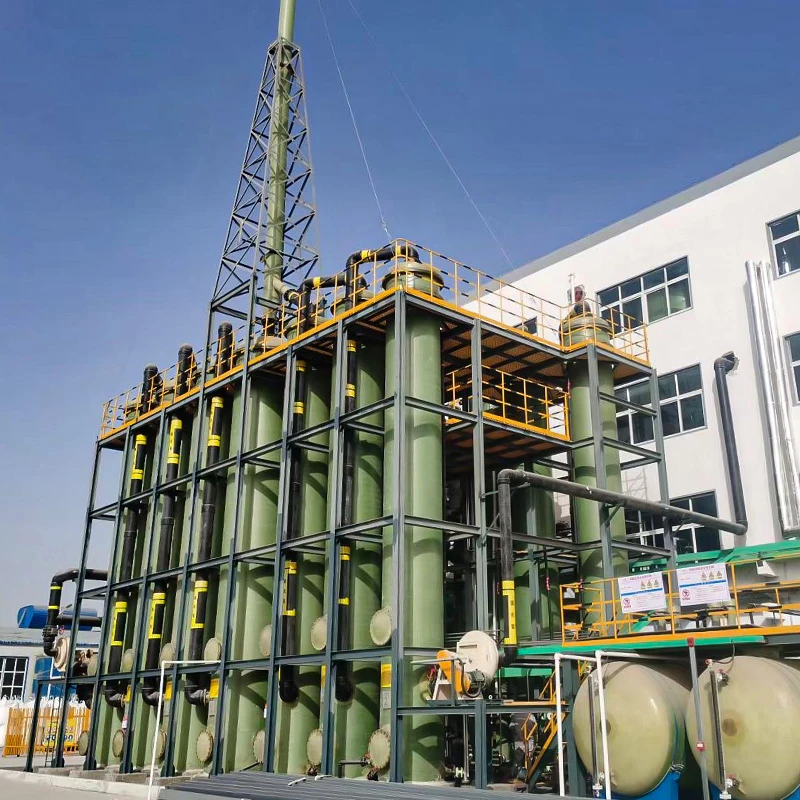
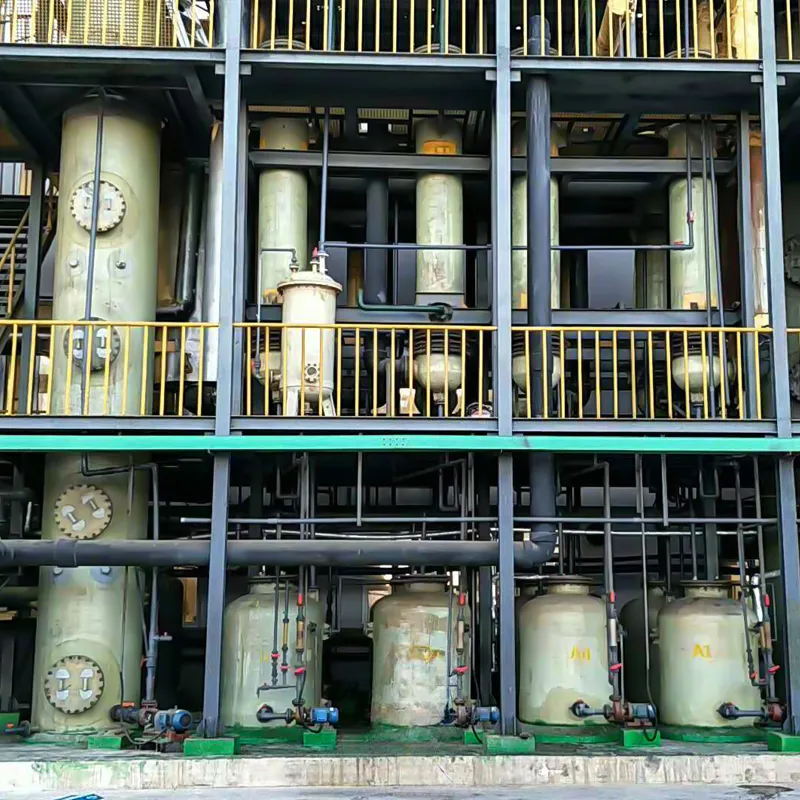
- Gas handling: HCl off-gas → packed-bed absorber → 31% HCl (≈).
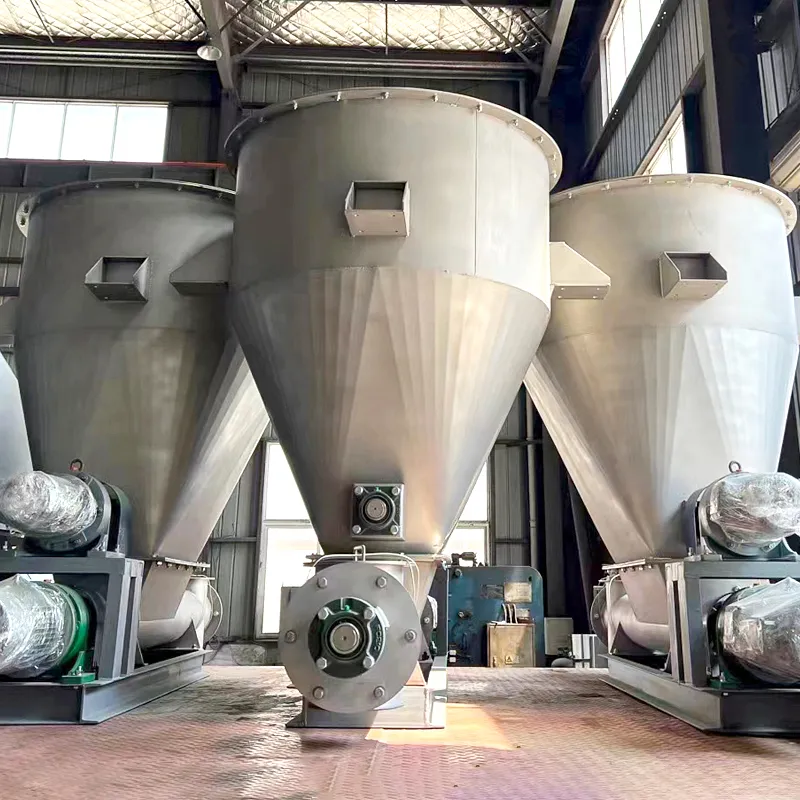
- Solid handling: discharge → cooler → mill (if needed) → dryer → screen → silo.
- QC & packing: on-line moisture, periodic ICP for metals, 25 kg bags or bulk.
Product specification (typical)
| Parameter | Typical Value | Notes |
|---|---|---|
| Na2SO4 purity | ≥ 99.0% | Per GB/T 6009 (lab results vary ≈ ±0.2%) |
| Cl− | ≤ 0.5% | Ion chromatography |
| Fe | ≤ 10 ppm | ICP-OES |
| Moisture | ≤ 0.2% | 105°C loss on drying |
| Bulk density | ≈ 1.5 g/cm³ | Real-world use may vary |
Where it’s used (and why it matters)
-
- Detergents and powder soaps (low moisture, stable granulation).
- Pulp and paper (kraft process aid).
- Glass and ceramics (fluxing agent).
- Textile dyeing, and some pharma intermediates.
Customers tell me the big win is consistent grain size—less dust in pneumatic transfer and fewer filter complaints downstream. In fact, operators like that the absorber gives revenue-grade HCl, not just a waste stream.
Advantages and customization
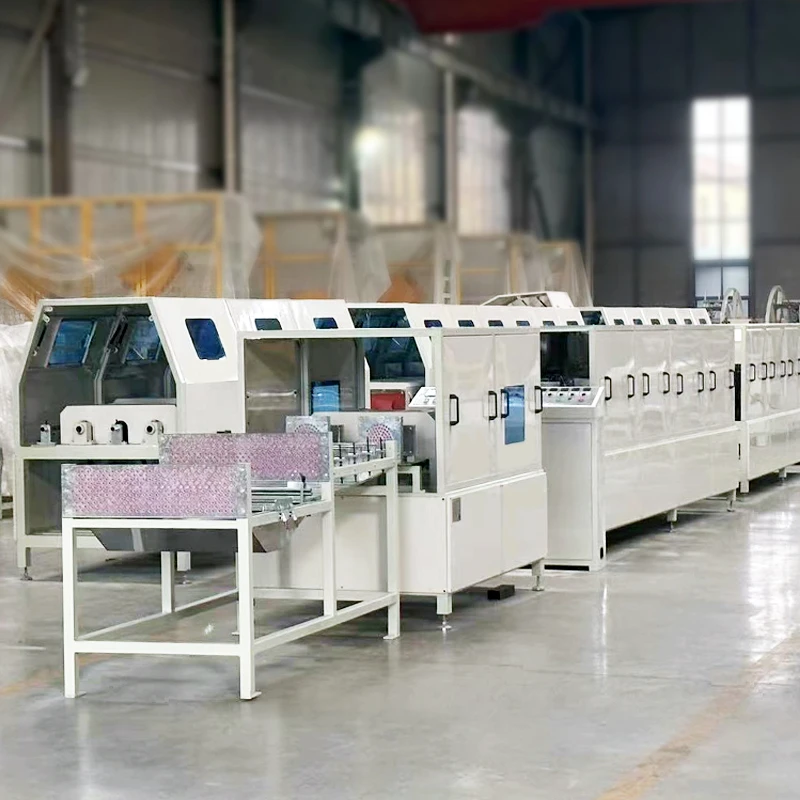
This line’s tweaks—better furnace shell cooling, improved paddles, and smarter burner control—aim at even heating, complete reaction, and low energy consumption. Custom options: 20–120 t/day capacity, gas or fuel-oil firing, bag or bulk loading, PLC/SCADA, corrosion-resistant alloys on acid contact points, and dust control up to EU BAT benchmarks.
Vendor snapshot (what buyers compare)
| Vendor | Core Strength | Lead Time (≈) | Notes |
|---|---|---|---|
| FRPGRP Machine (Hebei) | Optimized Mannheim + HCl recovery, strong after-sales | 4–6 months | Local spares, flexible automation |
| Local fab shop | Lower capex | 3–5 months | May lack process guarantees |
| European OEM | High-efficiency burners, digital twins | 6–10 months | Premium cost, tight specs |
Testing, standards, and service life (the unglamorous bits)
-
- Product testing: per GB/T 6009; metals via ICP, chlorides via IC; moisture at 105°C. Data logs retained 3–5 years.
- Certifications: ISO 9001:2015, ISO 14001:2015; worker safety per ISO 45001:2018; REACH registration support for EU shipments.
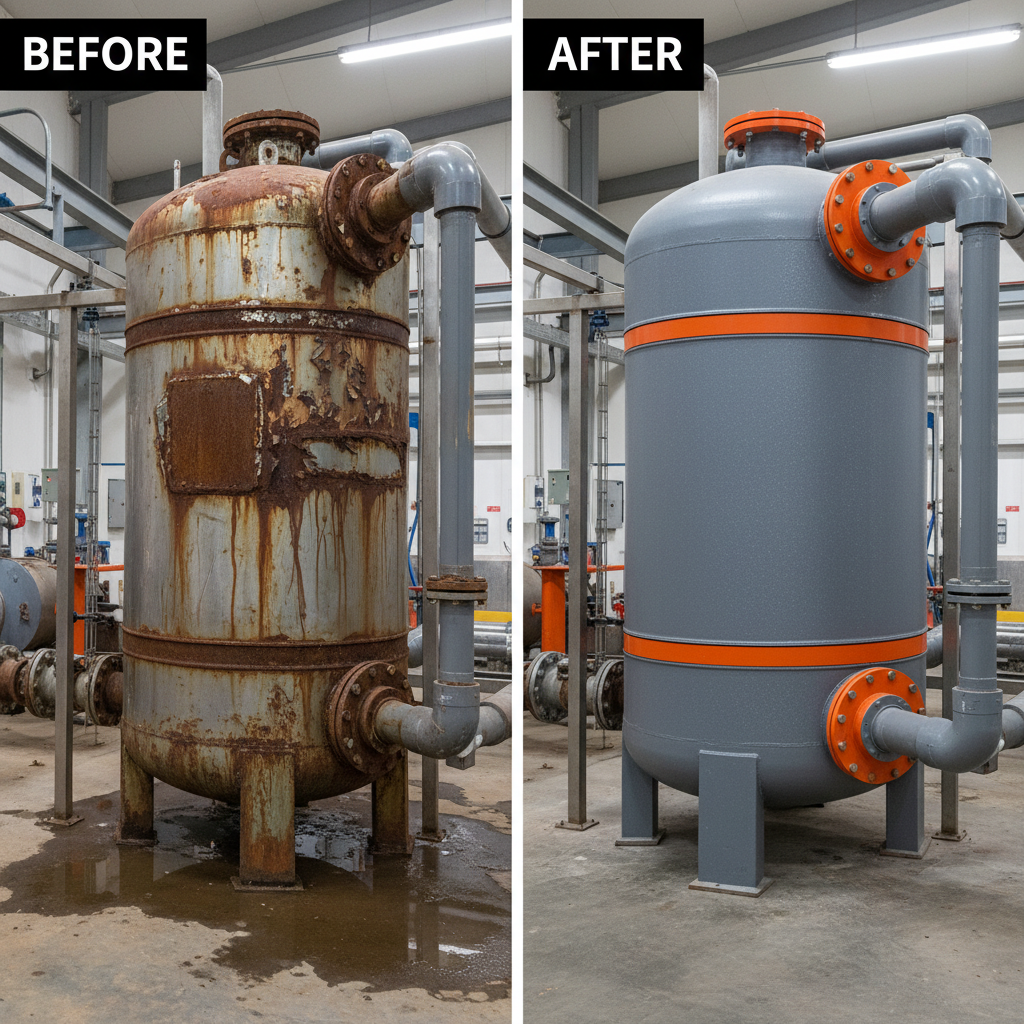
- Emissions: designed toward EU LVIC-S BAT guidelines; stack HCl - Service life: refractory 3–5 years; pot rebuild ≈ 5–7 years; bearings 2–3 years with proper lubrication.
Quick case notes
sodium sulfate production plant, 60 t/day, Southeast Asia: fuel switched from oil to gas; energy down ≈ 11%, HCl acid strength stabilized at 31%. Operator feedback: “Less crusting, easier startups.” Another client in the Middle East reported fewer baghouse alarms after installing the upgraded cooler seal—small fix, big impact.
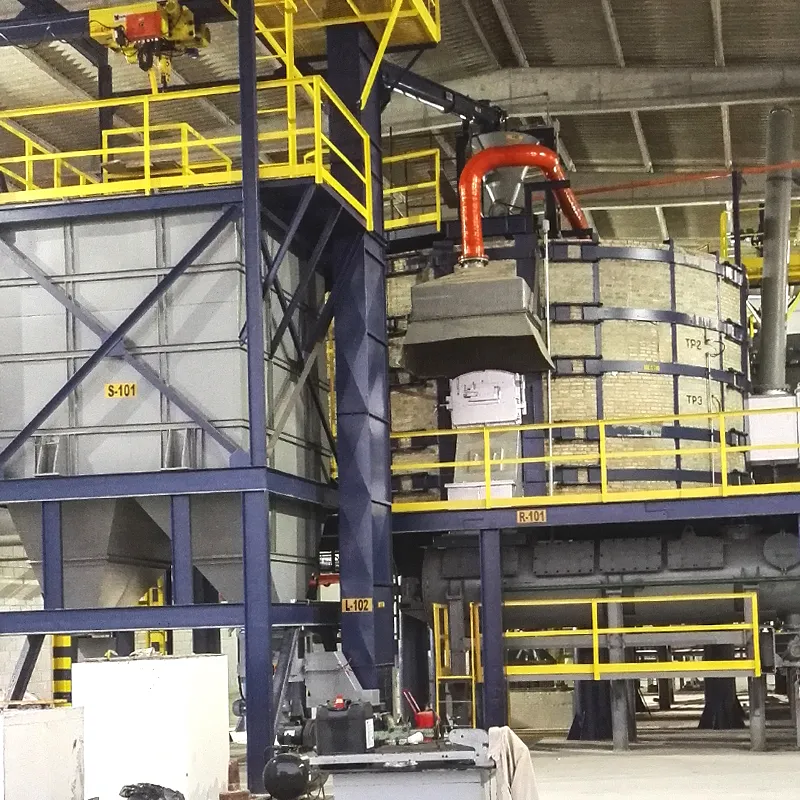
If you’re scoping a new line or retrofit, ask for heat-balance simulations, absorber sizing proof, and a guarantee envelope covering purity, moisture, and specific fuel use. To be honest, those three decide your payback more than shiny brochures ever will.
Authoritative references
- Ullmann’s Encyclopedia of Industrial Chemistry, “Sodium Sulfate” and “Hydrochloric Acid (Mannheim)” entries.
- GB/T 6009-2014: Sodium sulfate—Industrial grade specifications and test methods.
- European IPPC Bureau, Best Available Techniques (BAT) Reference Document for the Production of Large Volume Inorganic Chemicals—Solids and Others (LVIC-S), latest edition.
- ECHA Substance Information: Sodium sulfate (EC 231-820-9) and Hydrochloric acid (EC 231-595-7).