Sulfuric Acid Production | High-Purity, Reliable Supply
Inside the Modern H2SO4 Plant: What Really Matters in sulfuric acid production
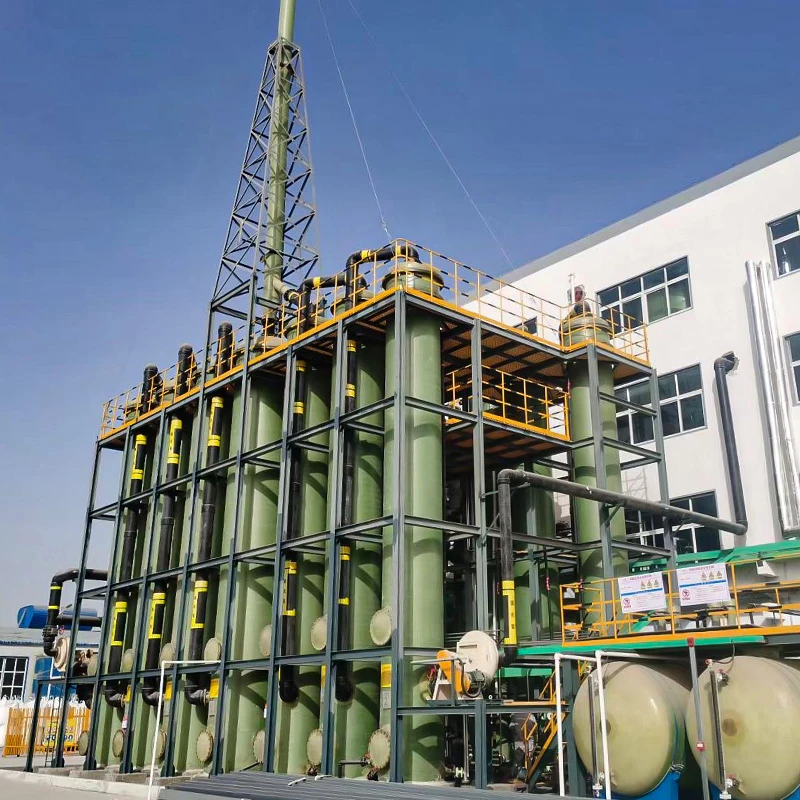
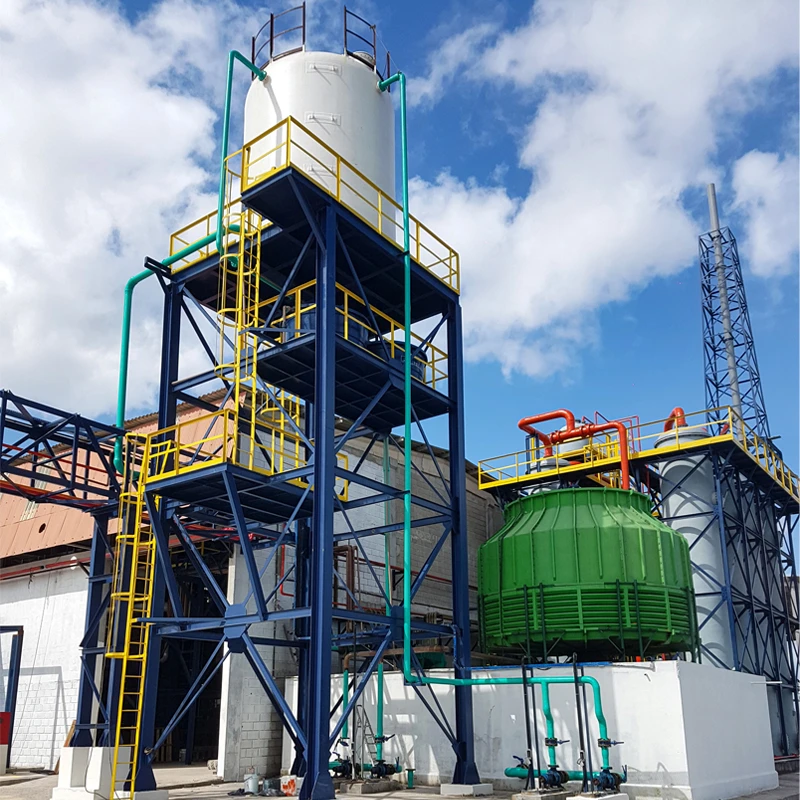
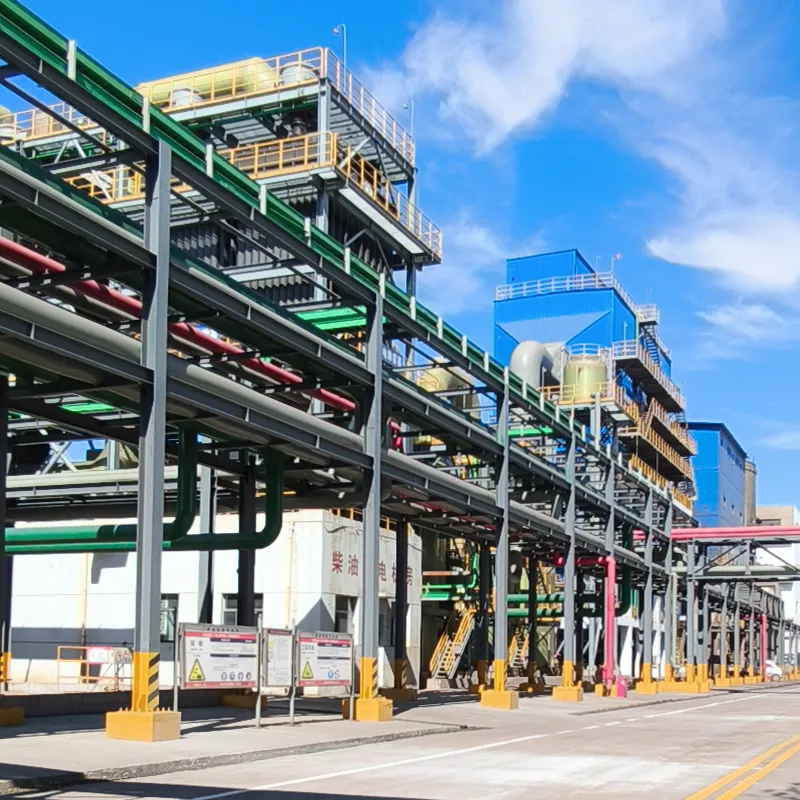
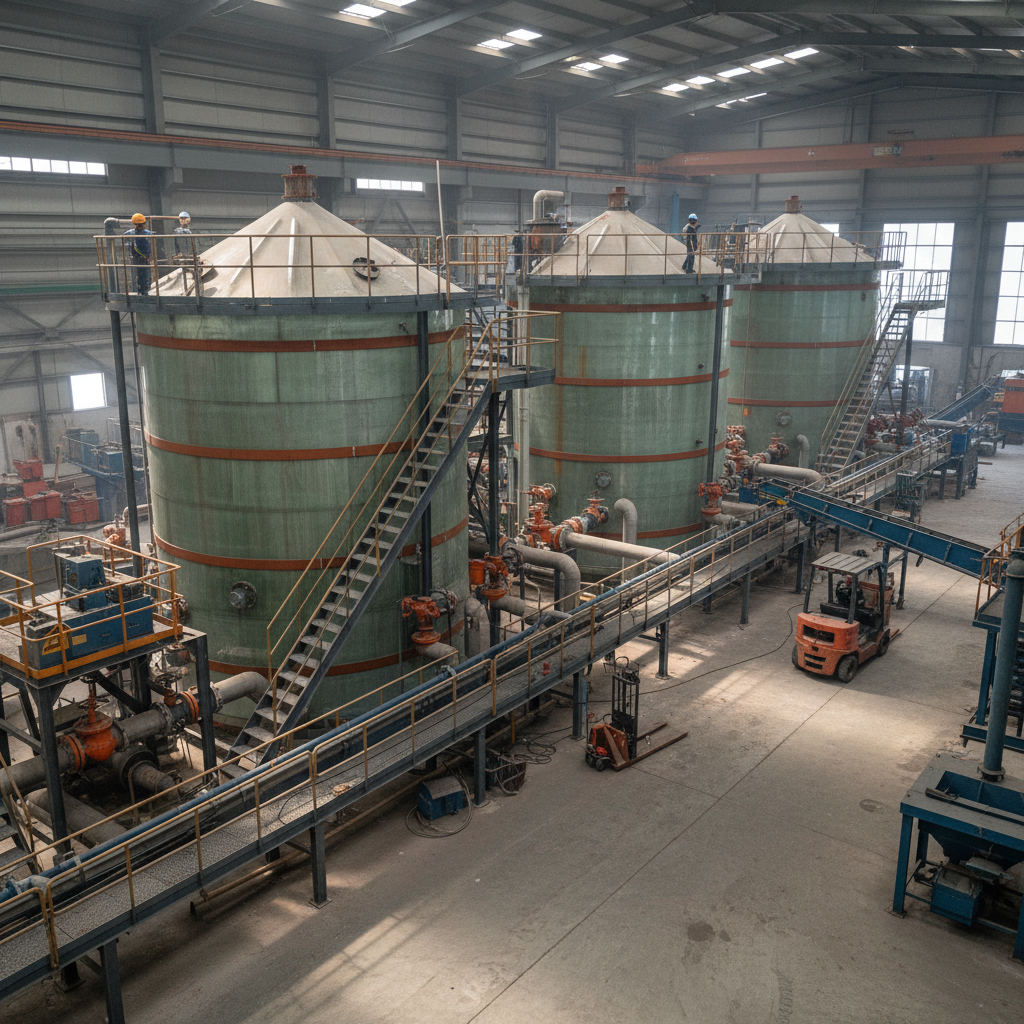
I’ve walked through enough acid plants to know two truths: the market keeps tightening specs, and operators just want stable runs. The Sulfuric Acid Production Line For H2so4 Plant coming out of Hebei (No. Room 211,706 Xinghua North Street, Jizhou District, Hengshui City) leans into that reality—actually, it’s the little engineering choices that add up: even heating, complete reaction, lower energy draw.
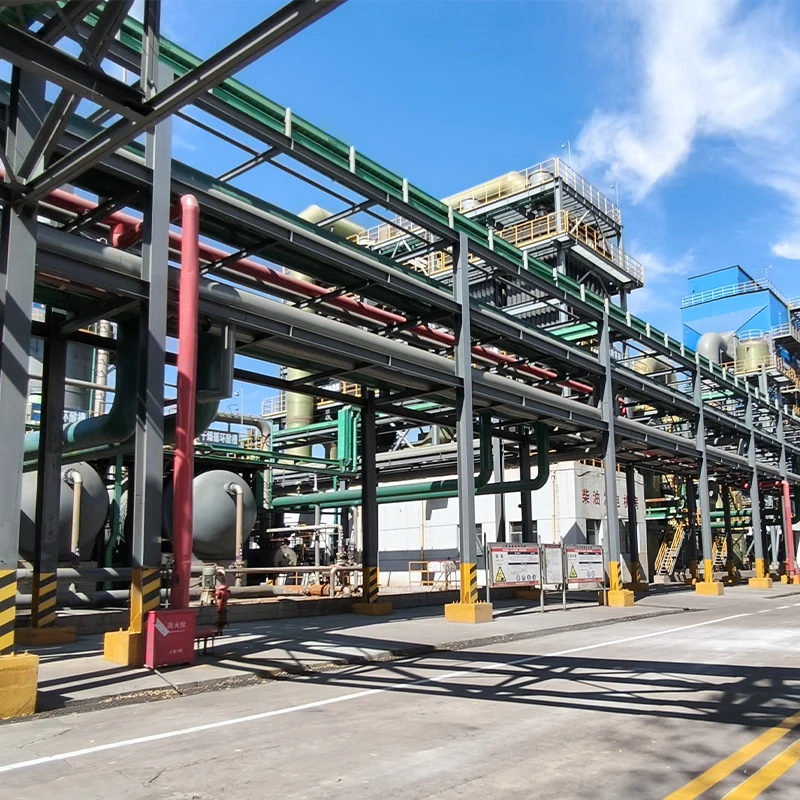
Industry snapshot and trends
Global demand is steady; battery-grade acid and mining leach circuits are still the big pullers. Plants are shifting to double absorption, tighter SO2/SO3 capture, and heat recovery that actually pays back. To be honest, buyers also ask more about corrosion-proof materials and spare-part lead times than anything else.
Process flow in practice
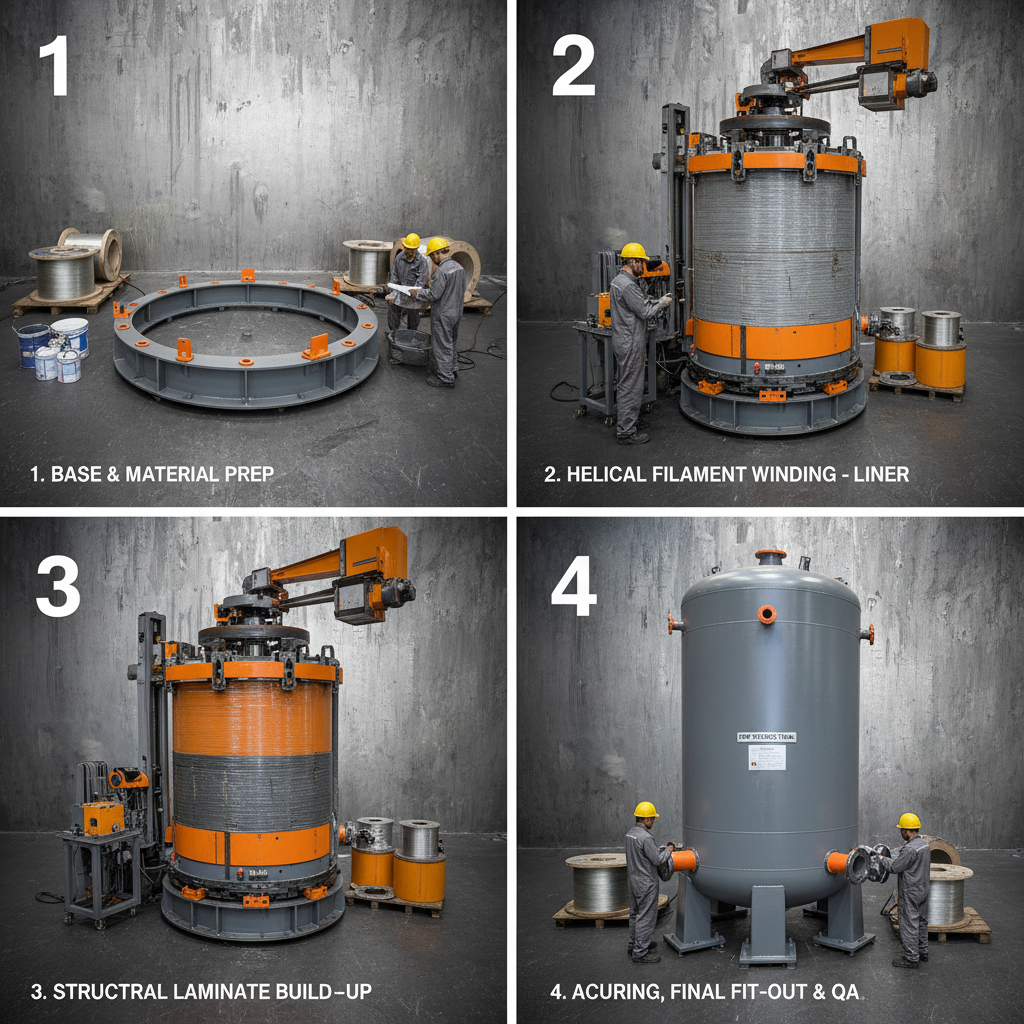
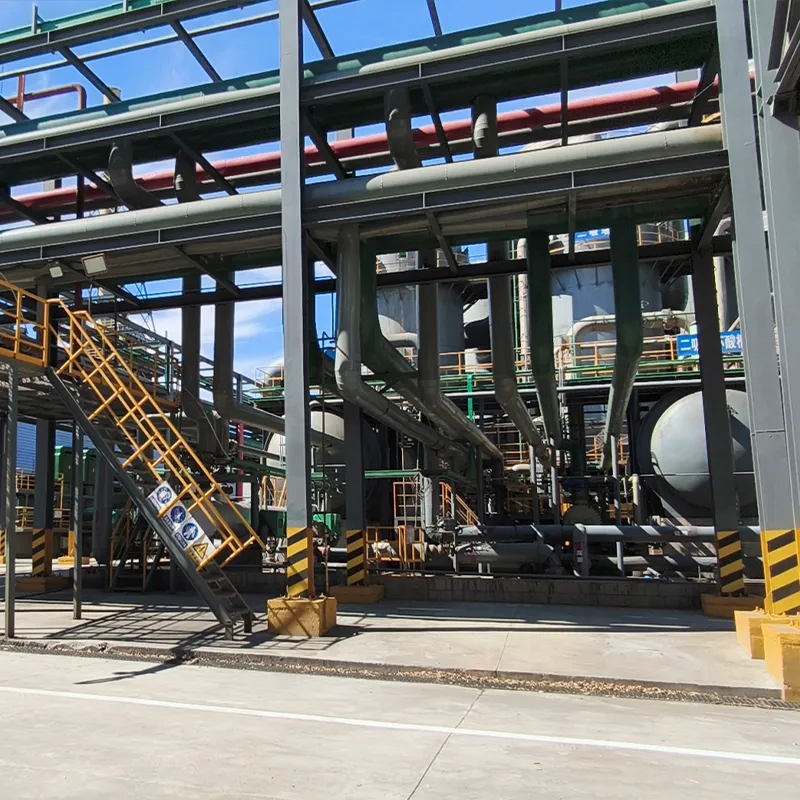
Feedstocks: elemental sulfur or off-gas, oleum balancing, and—where specified—improved furnace sections informed by Mannheim-style thermal distribution to get that even heat profile. Methods: sulfur melting and filtration, sulfur combustion to SO2, catalytic conversion (V2O5, often cesium-promoted) to SO3, drying/absorption to 98–99 wt% H2SO4, optional oleum loop. Control: ΔT across beds, tail-gas polishing, and heat recovery (economizers, WHB).
Testing, standards, and service life
- Typical acid: 98.0–98.5 wt% (online density/temperature compensation).
- Tail gas: SO2 ≈ 50–200 mg/Nm³ (real-world may vary with sulfur quality).
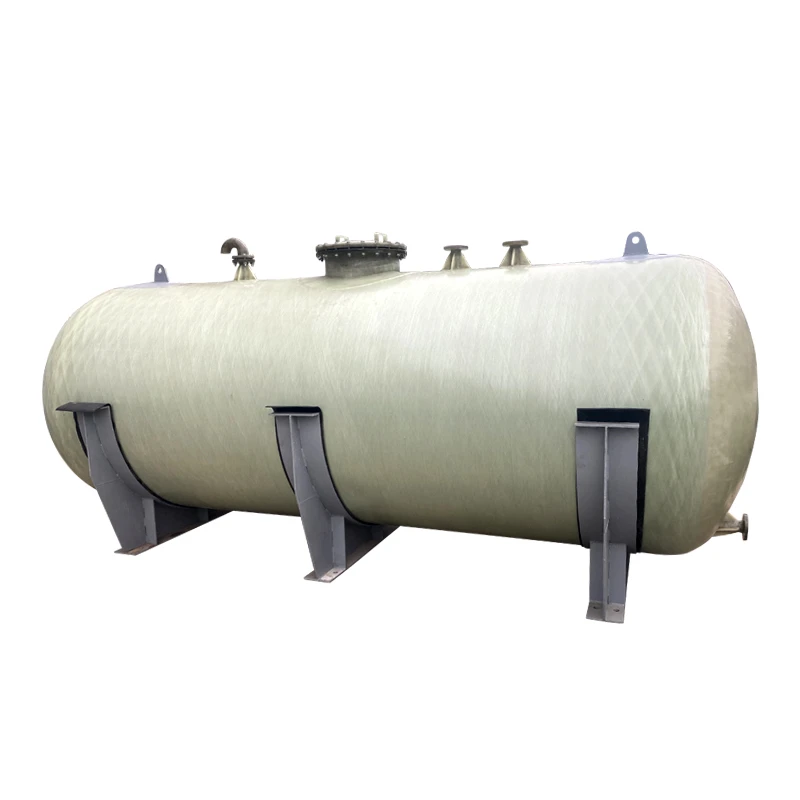
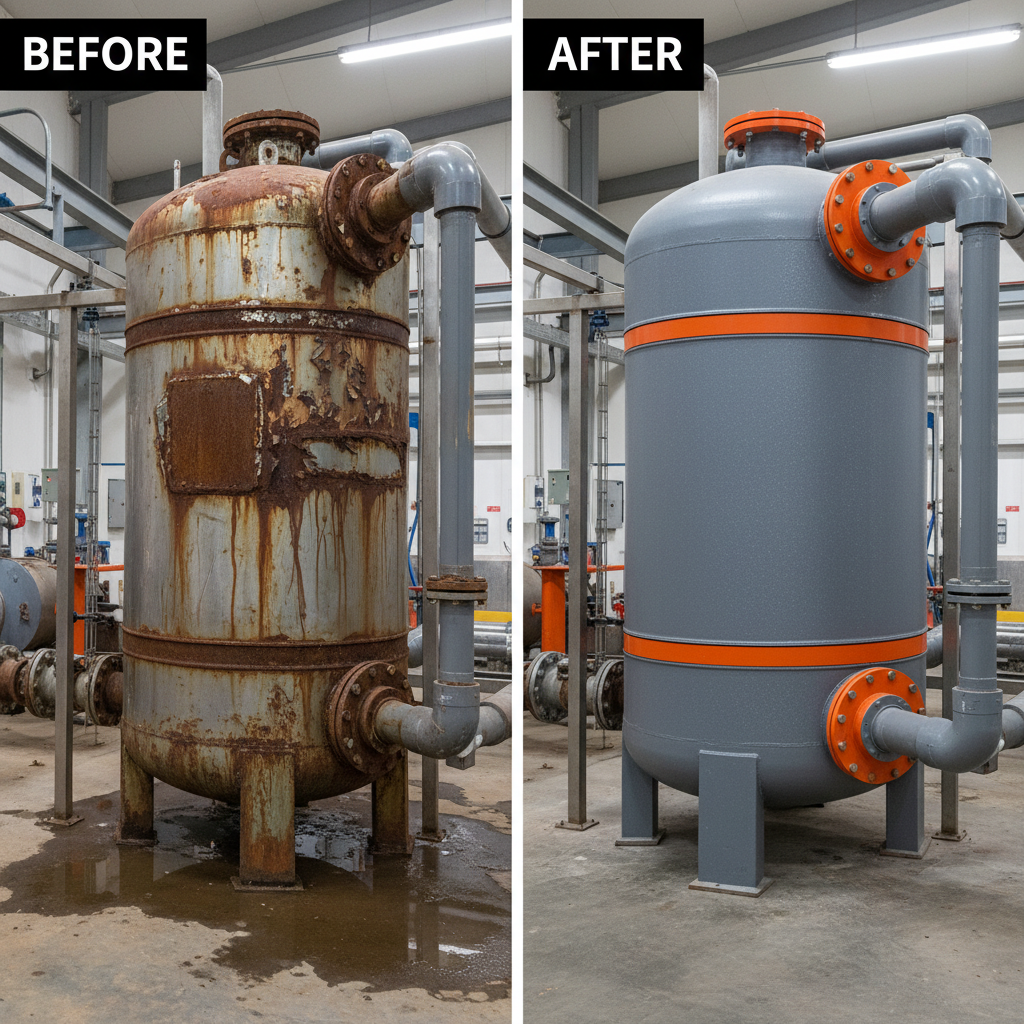
- Materials: acid-resistant brick, PTFE-lined duct, 316L/904L in wet zones; expected service life 10–15 years with planned relining.
- Standards referenced: EN 899 (chemicals for water treatment—sulfuric acid), relevant BAT/BREF for LVIC-AAF, ISO 9001 for QMS.
Product specs at a glance
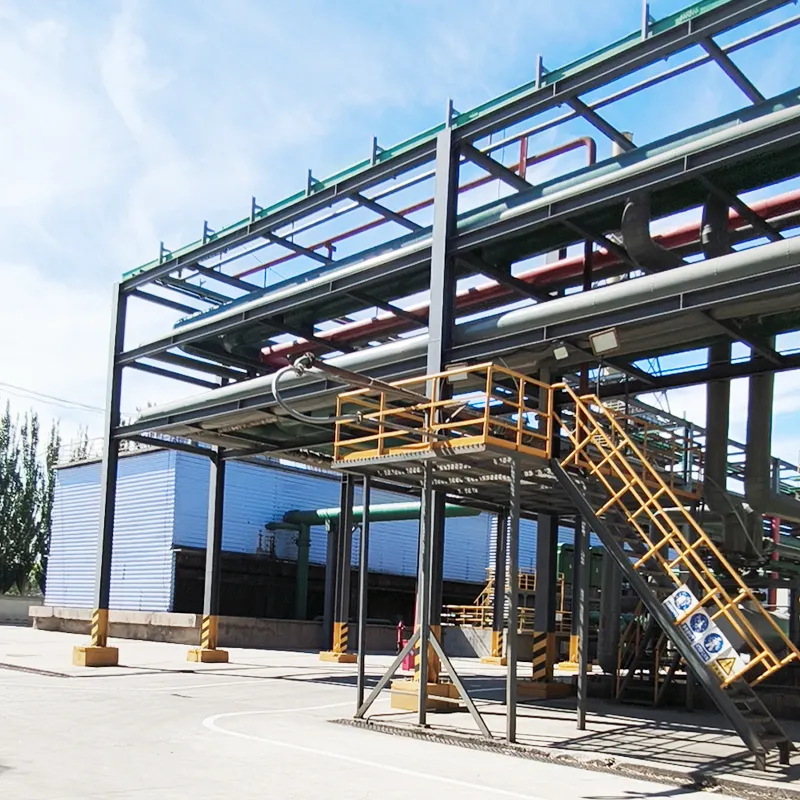
| Product Name | Sulfuric Acid Production Line For H2so4 Plant |
| Capacity (t/d) | 20–800 t/d (custom, ≈ based on feed sulfur and absorption design) |
| Target Acid | 98–99 wt% H2SO4; oleum up to 25% optional |
| Energy Use | ≤ 1.0–1.2 GJ/t acid (with WHB + heat recovery, site dependent) |
| Emissions | SO2 |
| Certifications | ISO 9001, CE for machinery where applicable |
Applications
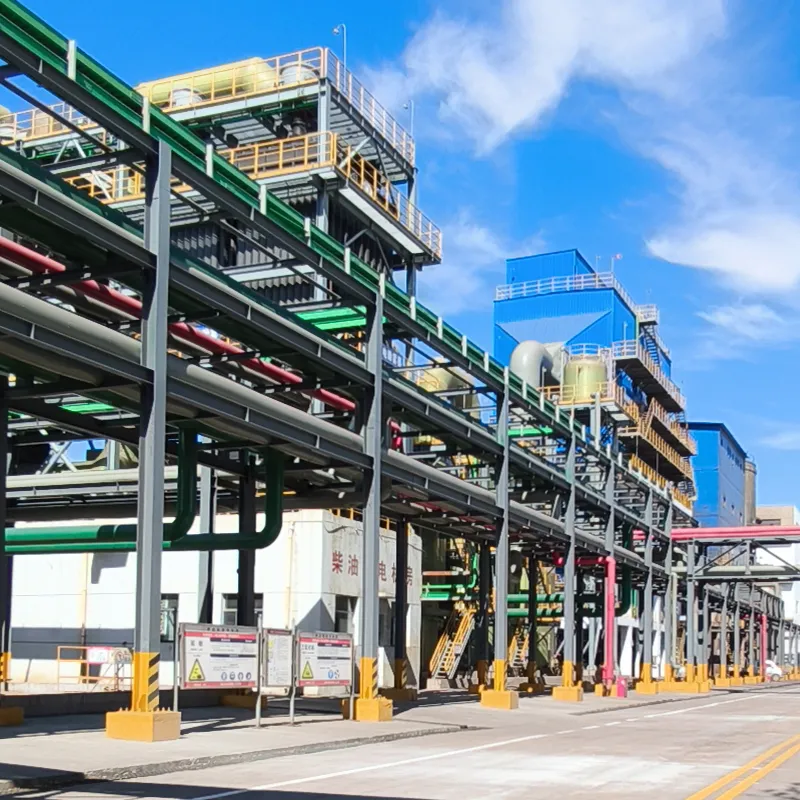
Fertilizers (DAP/MAP), copper and uranium leaching, battery electrolytes, alkylation units, titanium dioxide, and general chemicals. In battery plants, the ask is consistent 98.5 wt% and very low mist; in mining, uptime and tail-gas robustness trump everything.
Vendor comparison (real-world talking points)
| Feature | This Line | Vendor A | Vendor B |
|---|---|---|---|
| Catalyst System | V2O5, Cs-promoted (low T startup) | Standard V2O5 | Mixed beds, higher ΔP |
| Energy (≈ GJ/t) | 1.0–1.2 | 1.2–1.4 | 1.3–1.5 |
| SO2 (mg/Nm³) | ≤ 200 with double absorption | 250–350 | ≈ 300 |
| After-Sales | 24/7 remote + on-site within SLA | Business hours | Regional only |
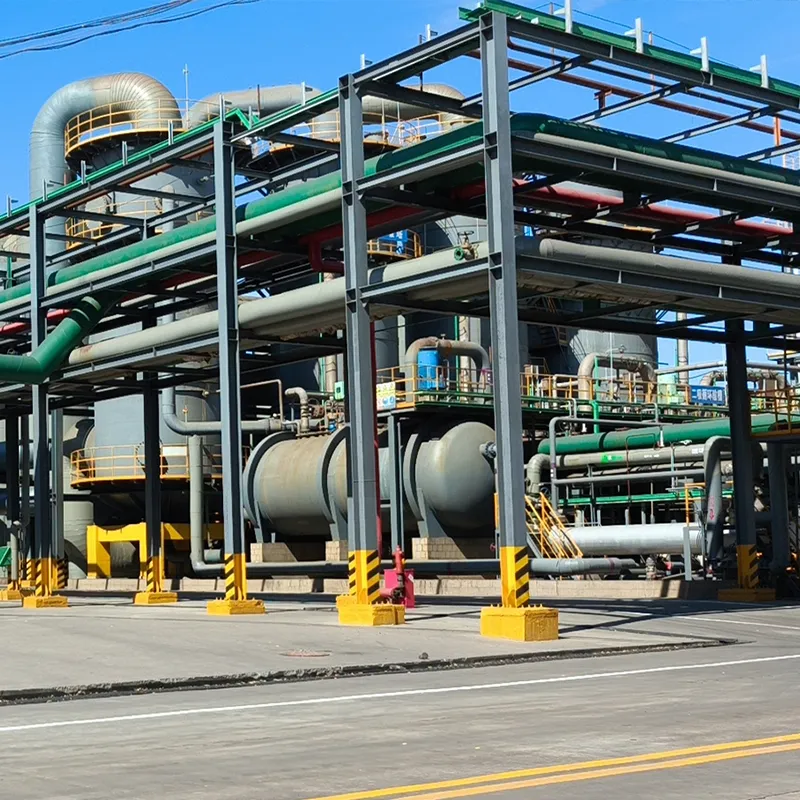
Customization and build details
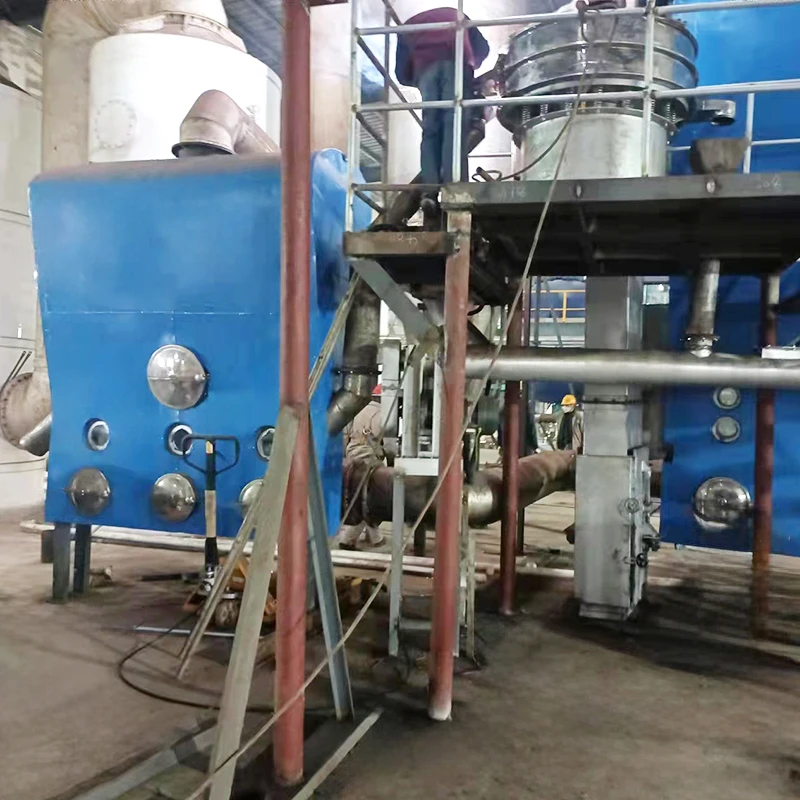
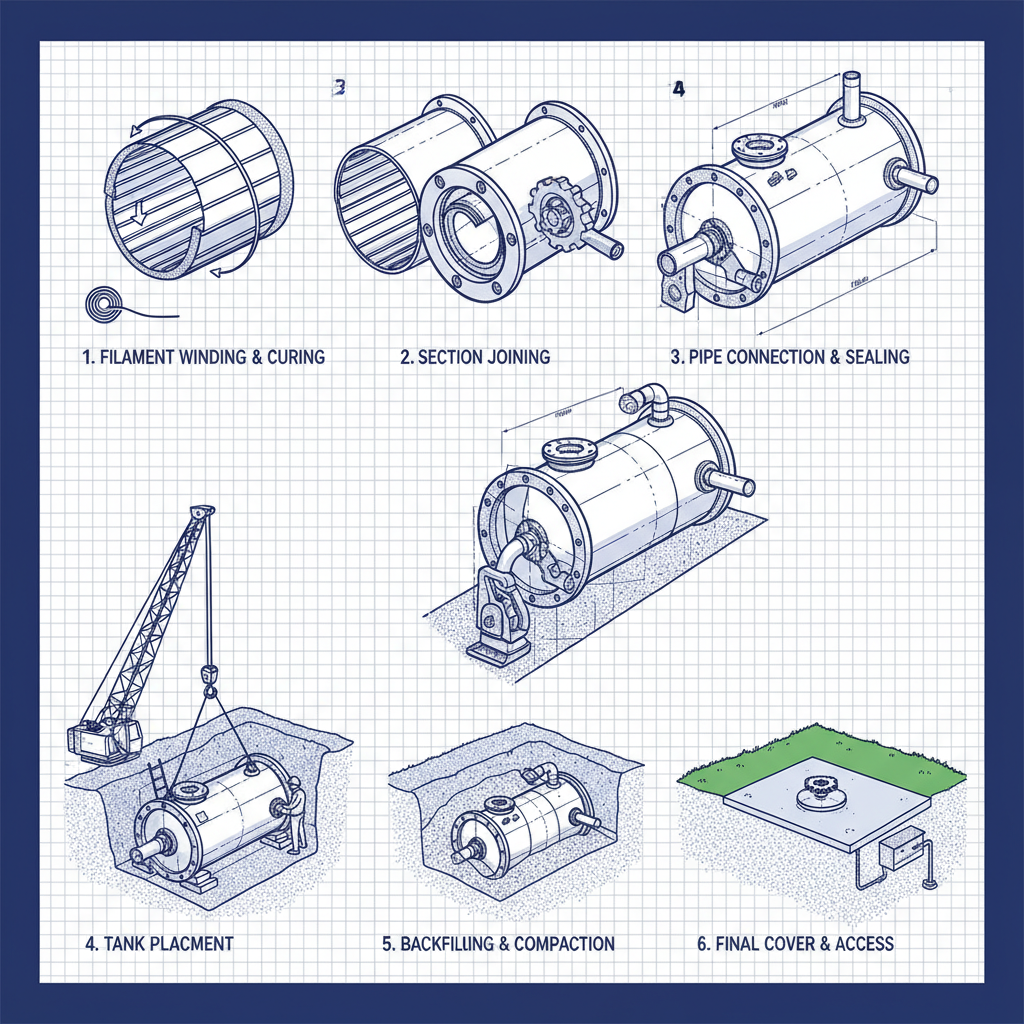
Options include gas cleaning trains sized for high-ash sulfur, WHB to turbine integration, and upgraded furnace construction for even heat (yes, that matters for conversion stability). Maintenance windows are designed around annual relining; spares kit is frankly generous—operators like that.
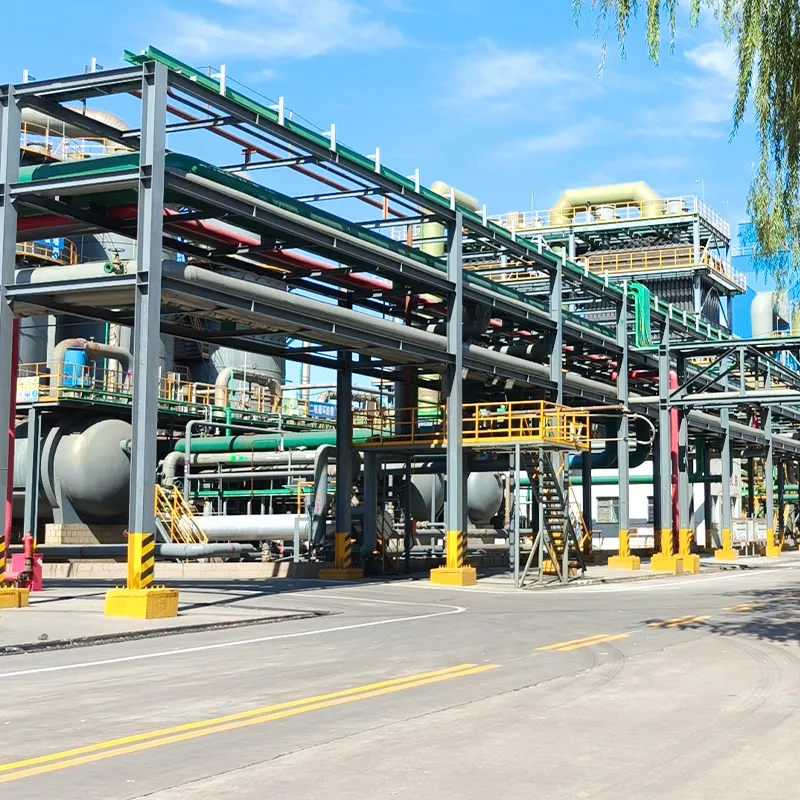
Case notes and feedback
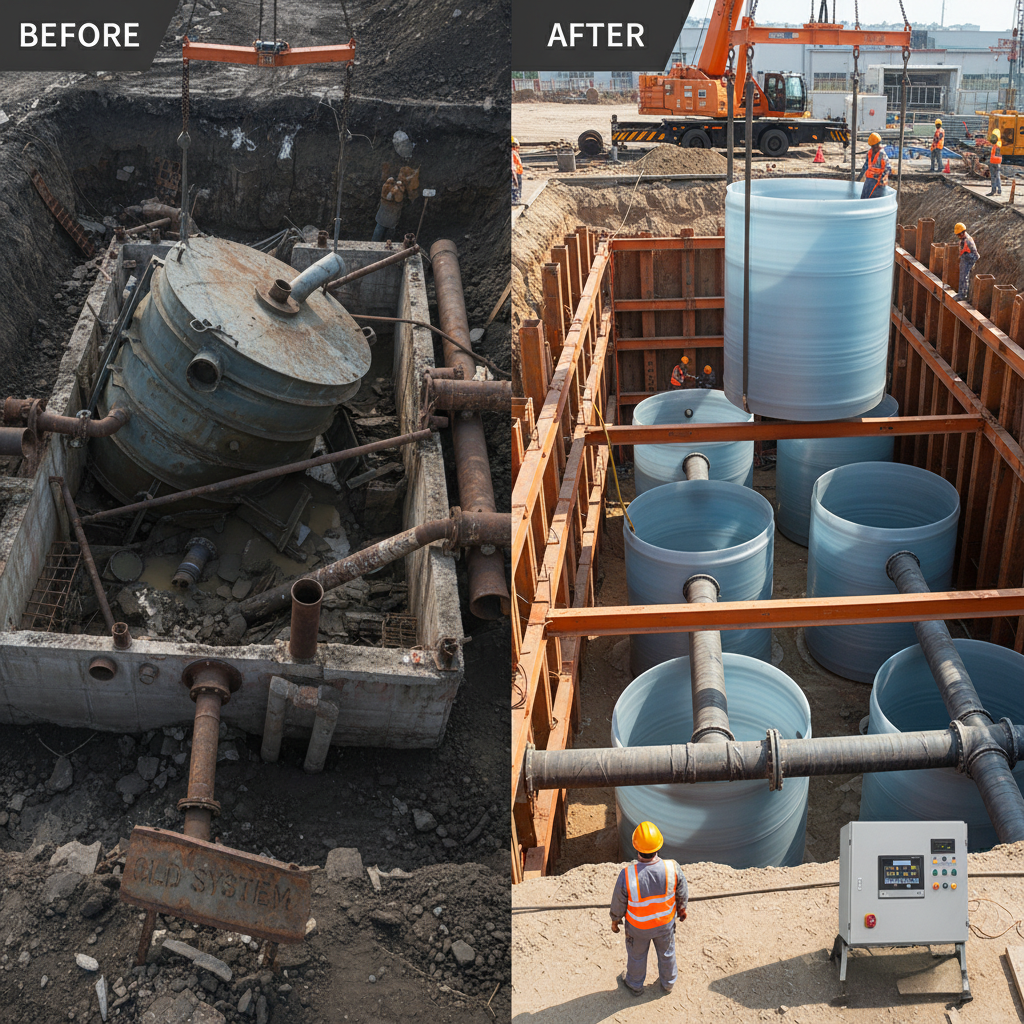
A 200 t/d installation in a phosphate complex reported first-month numbers: acid 98.4 ± 0.2 wt%, tail SO2 at 120–160 mg/Nm³, and 2–3% lower steam losses vs. their older unit. “Startup felt boring—in a good way,” the plant engineer said. It seems that’s the point.
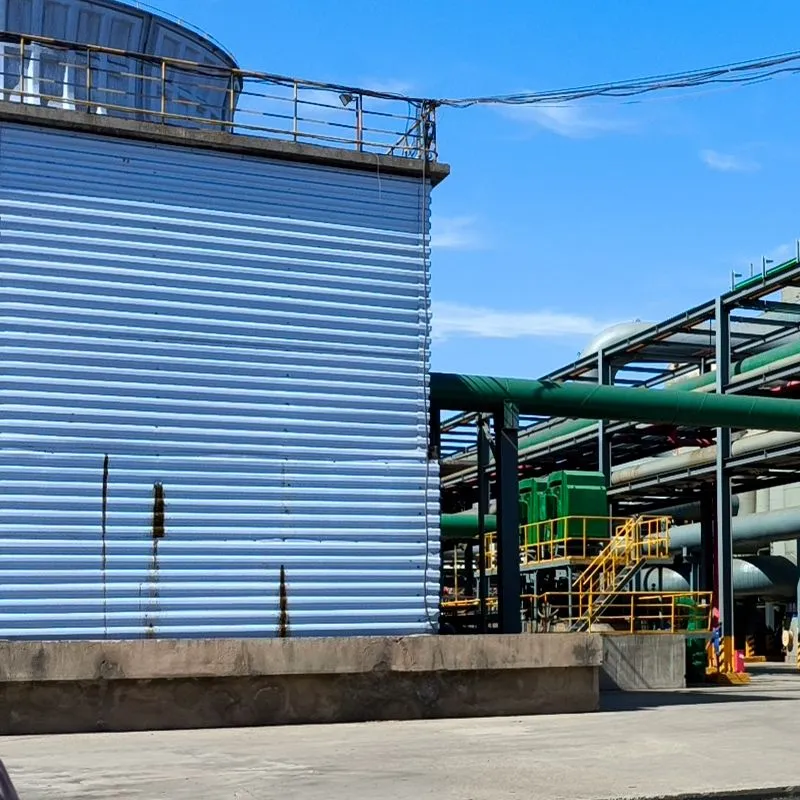
sulfuric acid production is unforgiving—thermal balance, mist control, and materials determine your weekends. If you want fewer surprises, the mix of improved furnace design and conservative materials here is, surprisingly, what moves the needle.
Authoritative citations
- US EPA AP-42, Chapter 8.10, Sulfuric Acid Manufacture: https://www.epa.gov/air-emissions-factors-and-quantification/ap-42-compilation-air-emissions-factors
- EU BAT Reference Document for LVIC-AAF (Ammonia, Acids & Fertilisers): https://eippcb.jrc.ec.europa.eu
- EN 899: Chemicals used for treatment of water intended for human consumption – Sulfuric acid.
- ISO 9001:2015 Quality management systems—Requirements.