Sulfuric Acid Production Line - Hebei Aoliande|Efficient Sulfuric Acid Manufacturing
Sulfuric acid (H₂SO₄) is one of the most critical chemicals in industrial applications, used in fertilizer production, chemical manufacturing, and wastewater treatment. The sulfuric acid production line offered by Hebei Aoliande Chemical Equipment Co., Ltd. represents a cutting-edge solution for efficiently and sustainably producing sulfuric acid. This article provides a comprehensive overview of the product's features, technical advantages, and its role in modern chemical manufacturing.
Product Specification
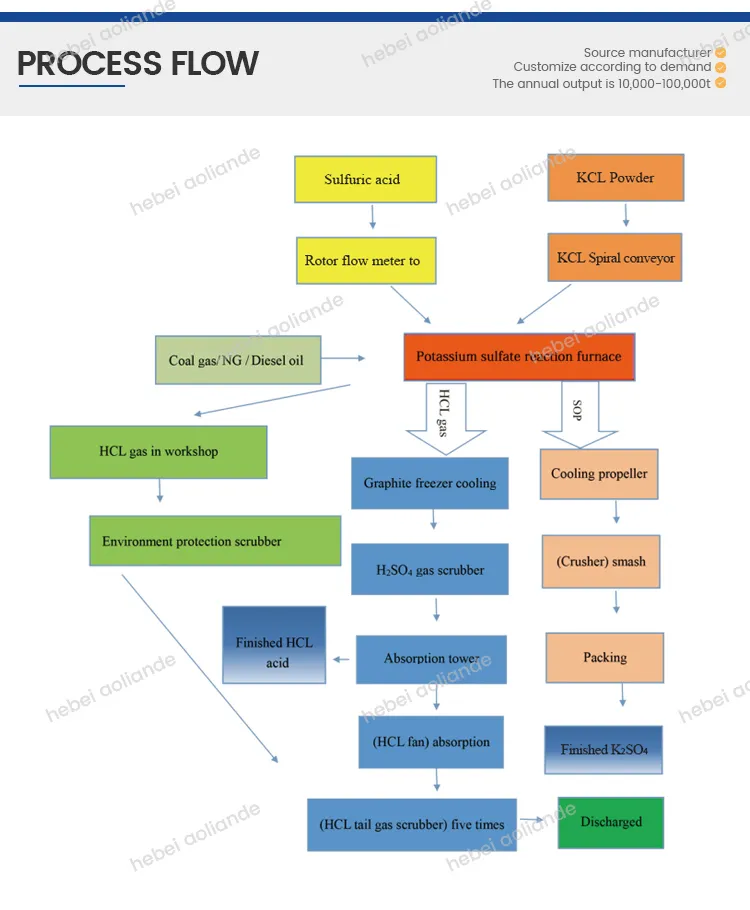
The sulfuric acid production line utilizes the Mannheim process, a widely adopted method for sulfuric acid synthesis. This process involves the reaction of potassium chloride (KCl) with sulfuric acid (H₂SO₄) at high temperatures, yielding potassium sulfate (K₂SO₄) and hydrochloric acid (HCl). The production line incorporates advanced improvements to address traditional challenges such as energy consumption, reaction efficiency, and environmental impact.
| Parameter | Details |
|---|---|
| Process Type | Mannheim Furnace Process |
| Raw Materials | Potassium Chloride (KCl), Sulfuric Acid (H₂SO₄) |
| Key Improvements | Corrosion-resistant materials, waste recovery system, energy-efficient design |
| Output Capacity | High throughput with low coal consumption |
| Environmental Compliance | Hydrochloric acid recycling, reduced emissions |
Mannheim Process: A Historical and Technical Overview
The Mannheim process is the most common method for sulfuric acid production, accounting for 50–60% of global supply. This process involves heating potassium chloride in a muffle furnace above 600°C, where it reacts with sulfuric acid to produce potassium sulfate and hydrochloric acid. Despite its widespread use, the Mannheim process has faced challenges such as high energy costs and environmental concerns.
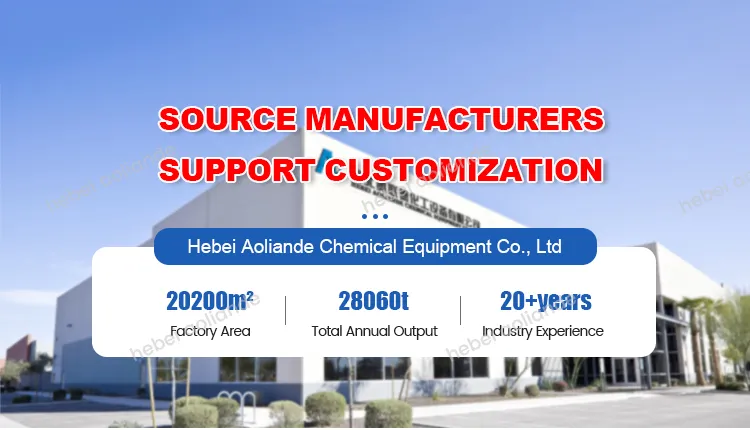
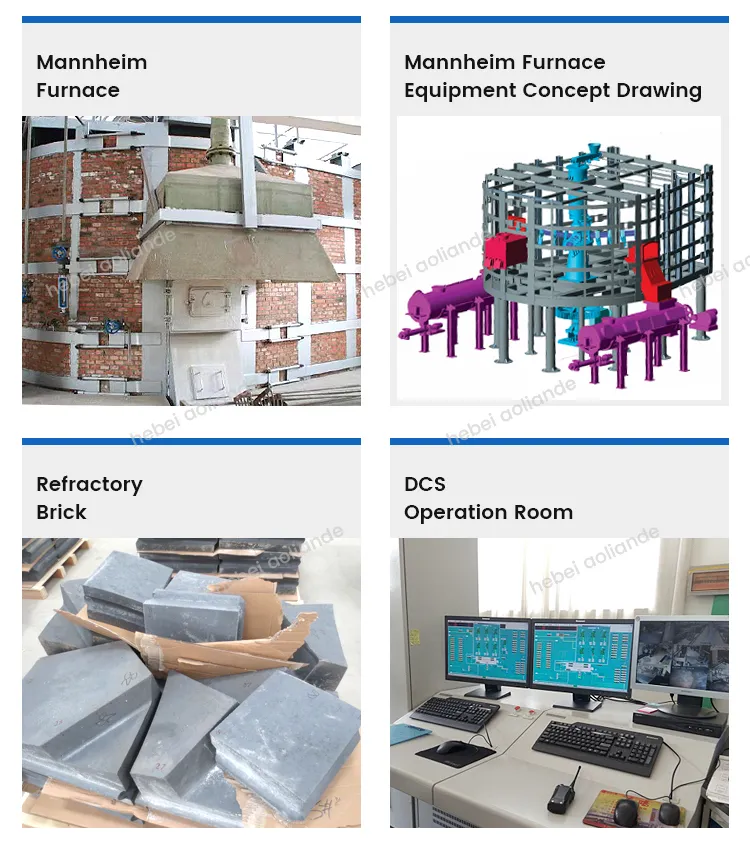
Hebei Aoliande Chemical Equipment Co., Ltd. has addressed these challenges by optimizing the production equipment and process. The company's innovations include improved furnace construction, advanced material selection, and enhanced hydrochloric acid absorption systems. These upgrades ensure even heating, complete chemical reactions, and reduced energy consumption, making the sulfuric acid production line more efficient and environmentally friendly.
Technical Advantages of the Sulfuric Acid Production Line
The sulfuric acid production line offers several technical advantages that set it apart from traditional methods:
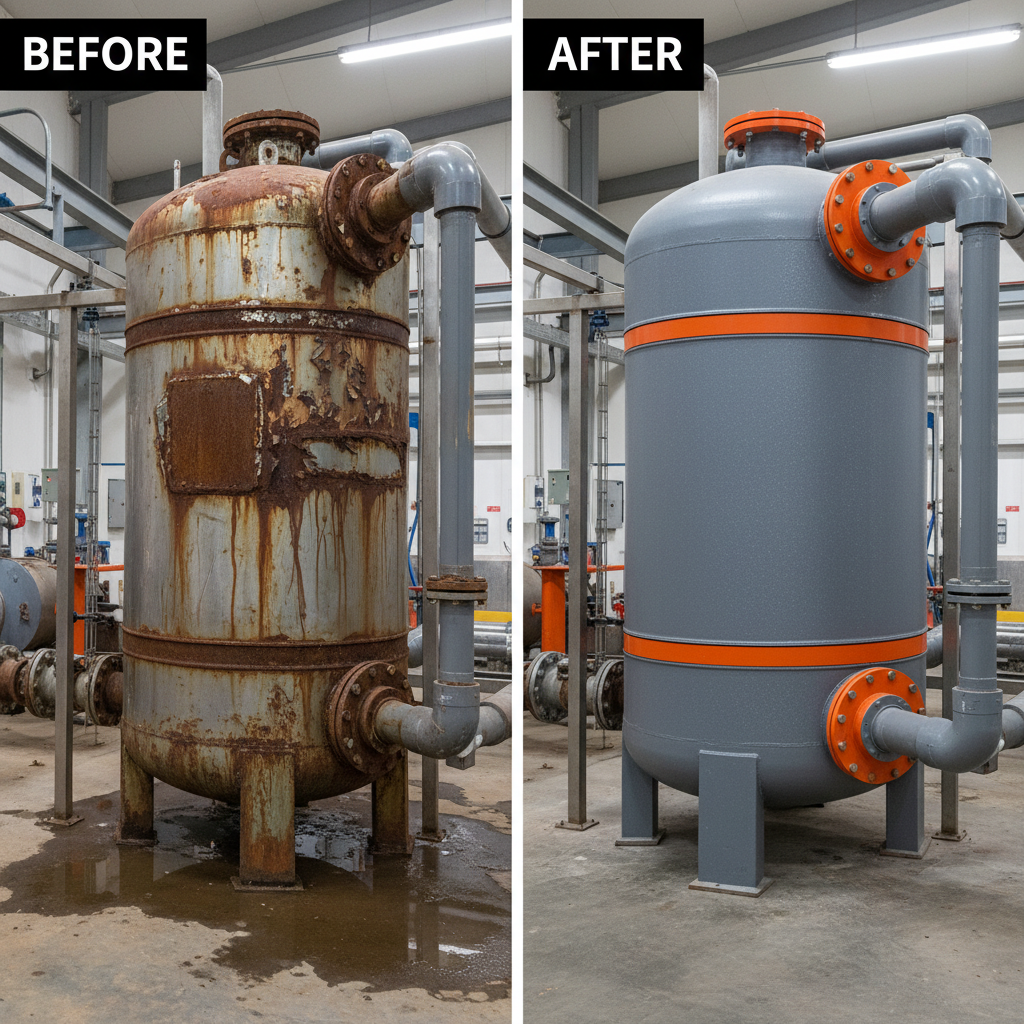
- Corrosion-Resistant Components: Key parts of the equipment are made from specialized materials that resist corrosion, ensuring a long service life.
- Waste Recovery System: The system recycles hydrochloric acid (HCl), minimizing waste and meeting environmental regulations.
- Enhanced HCl Absorption: The improved absorption system boosts the quality of the final product and reduces environmental impact.
- Energy Efficiency: Optimized flue design and the use of a gas generator reduce energy consumption.
- Automation: A PLC (Programmable Logic Controller) system automates production, adjusting feedstock ratios and reducing labor costs.
- Stable Operation: The design ensures consistent performance and ease of use, even under demanding conditions.
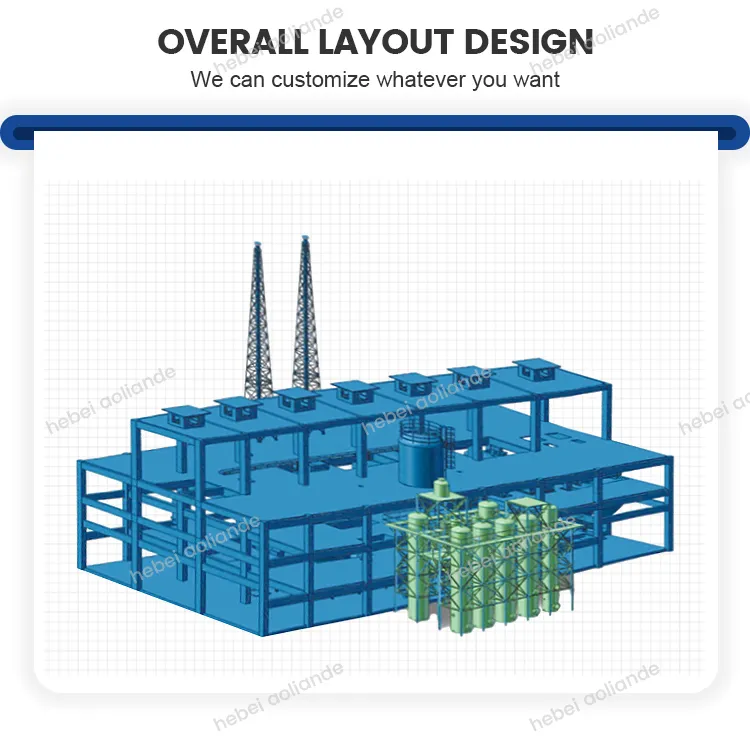
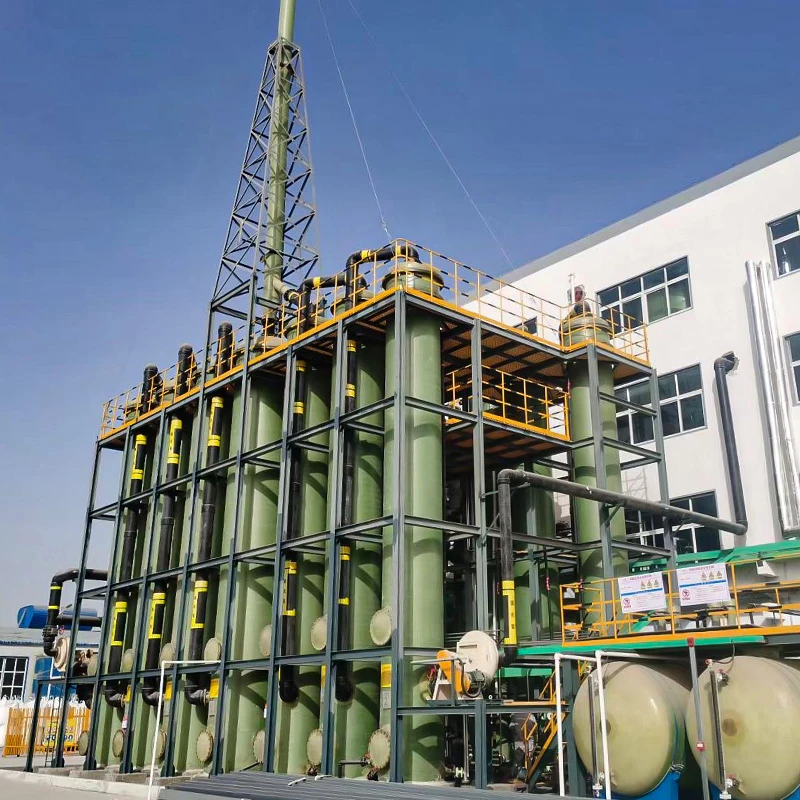
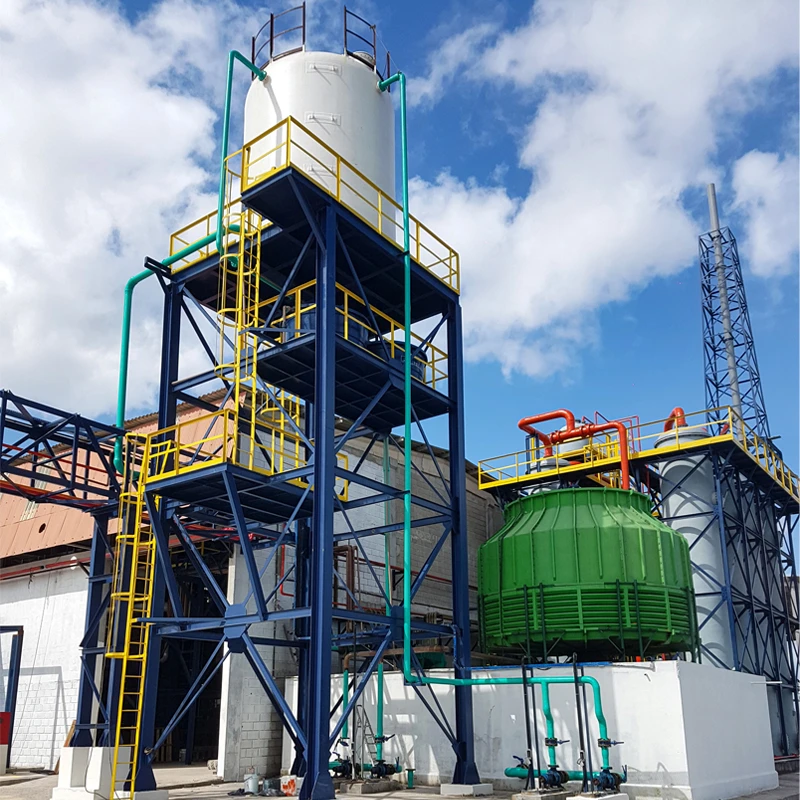
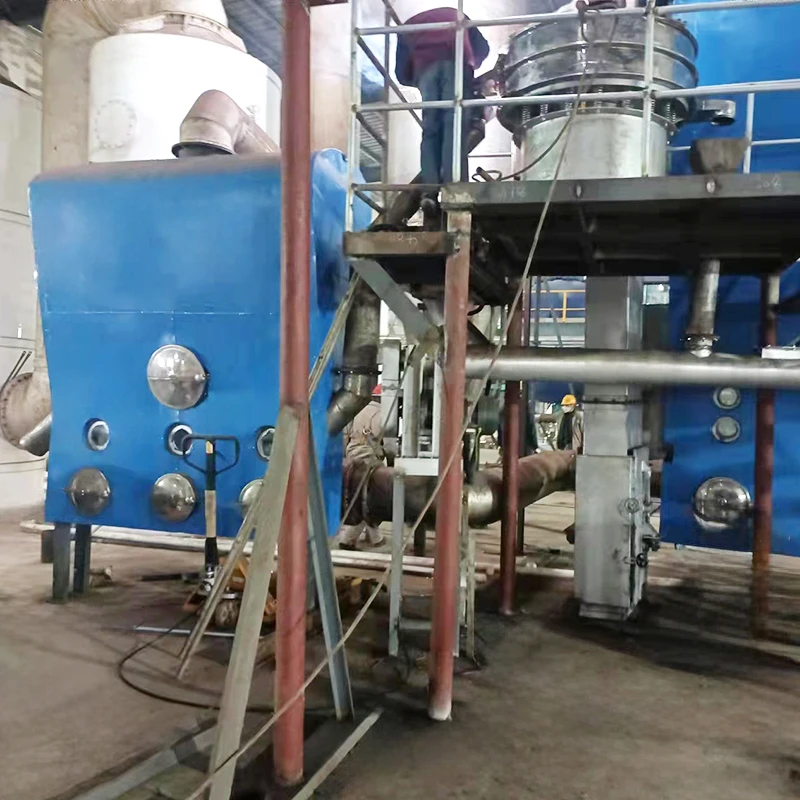
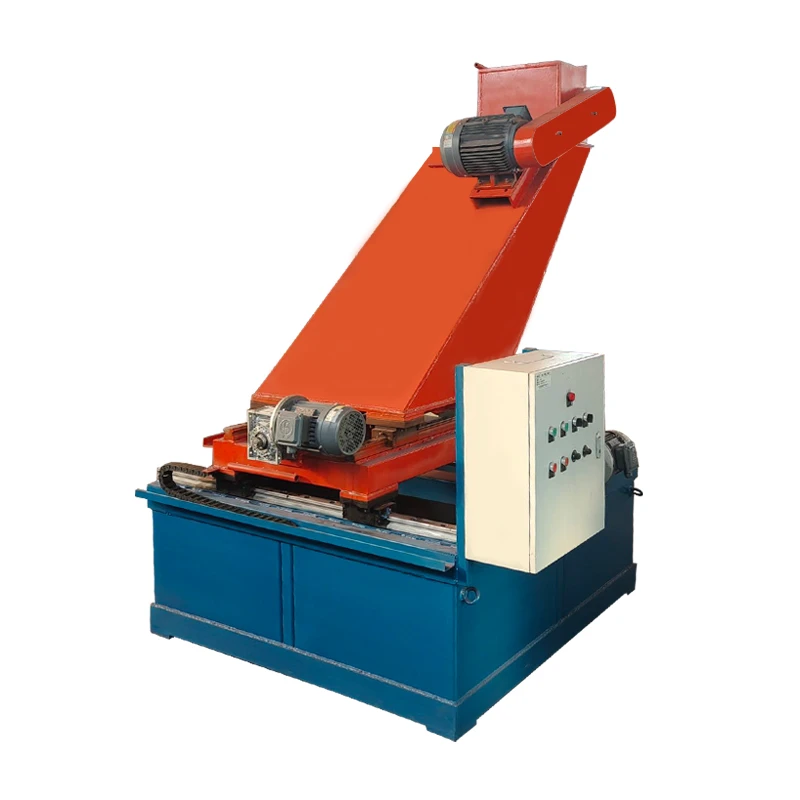
Product Details and Visuals
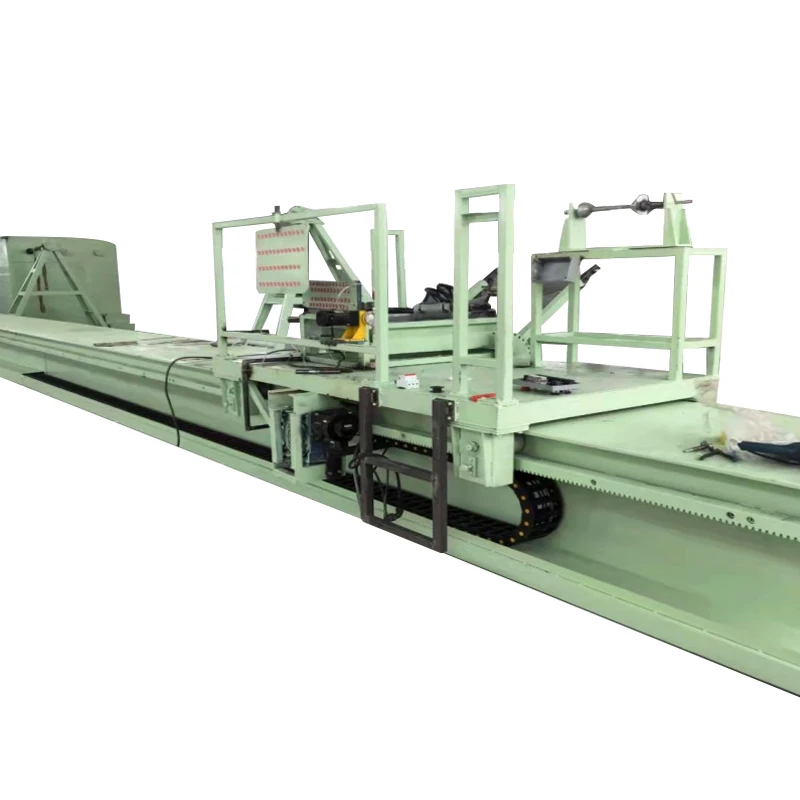
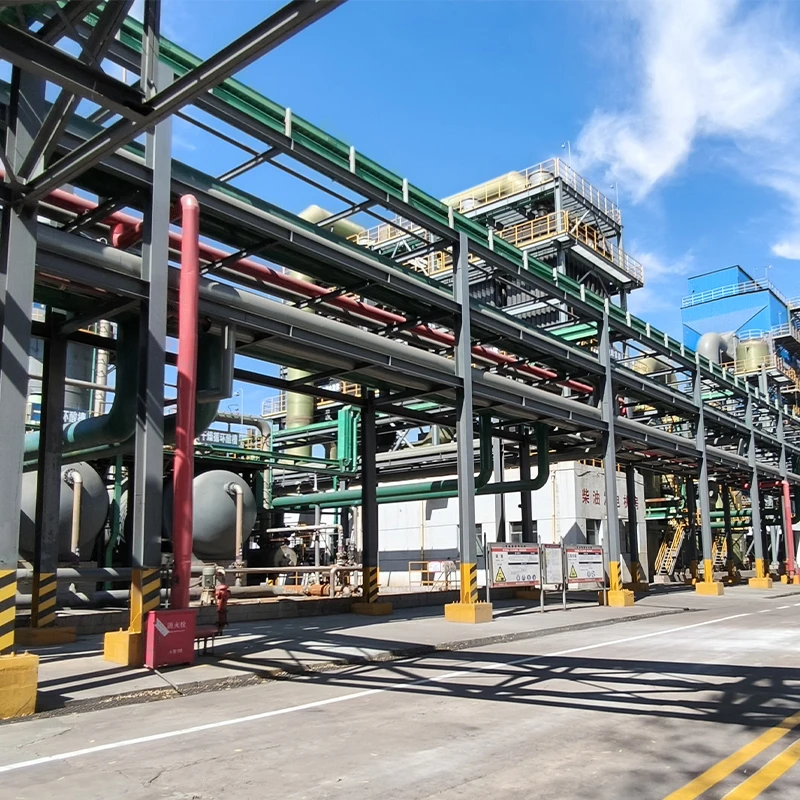
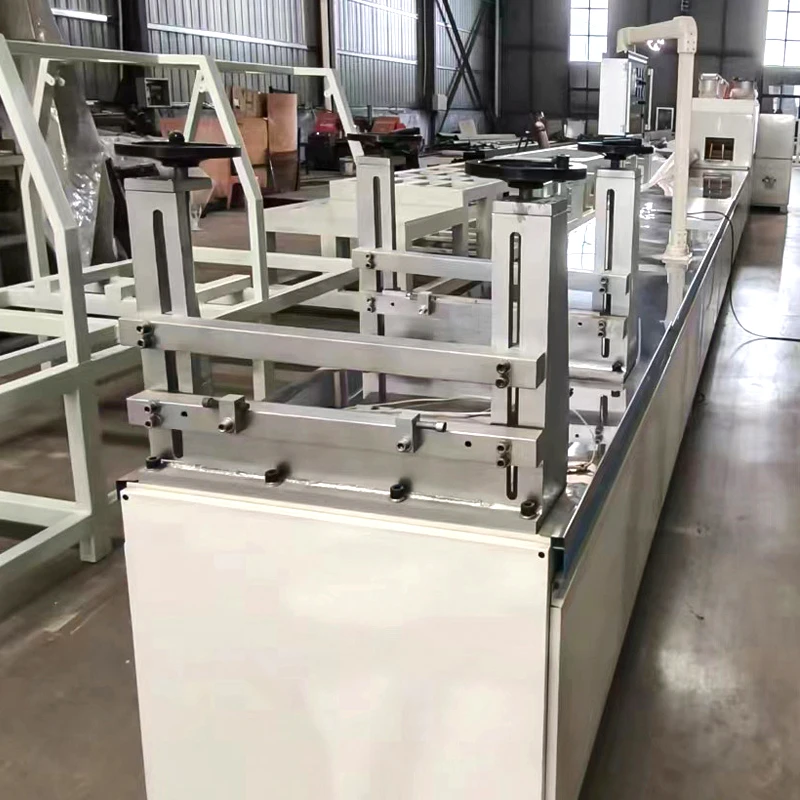
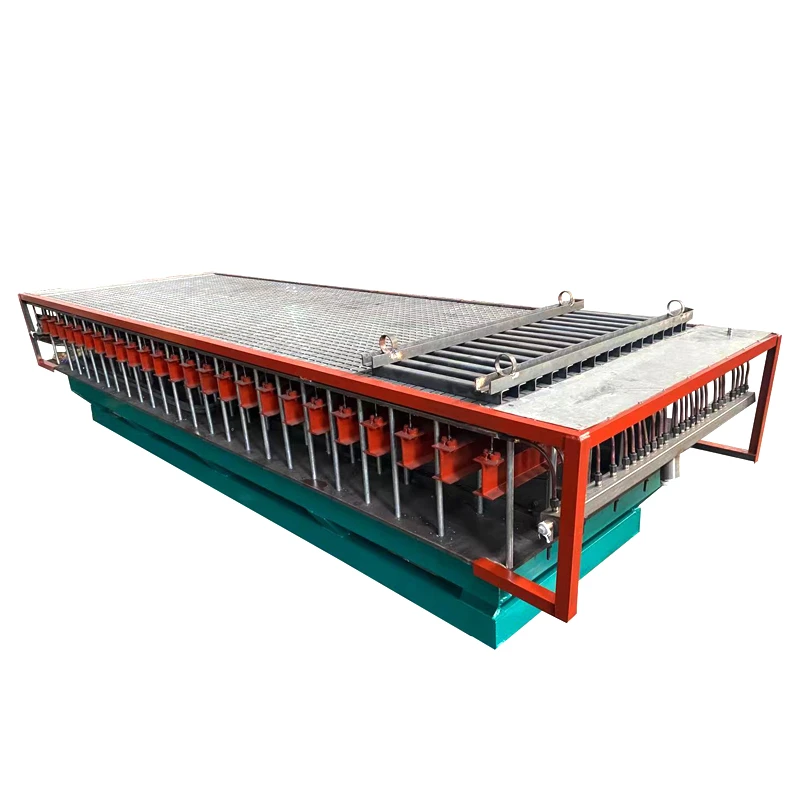
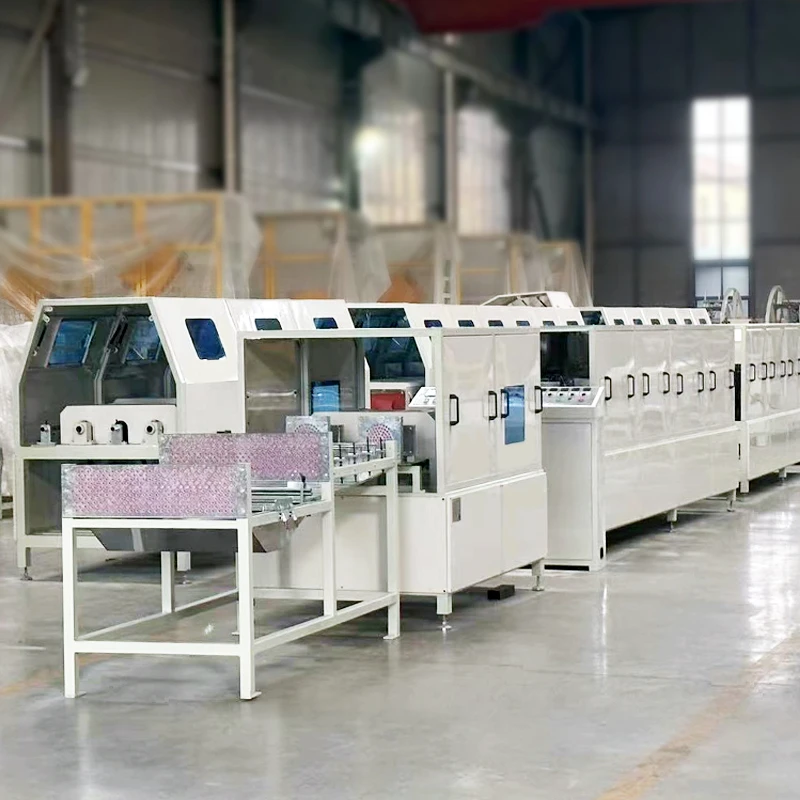
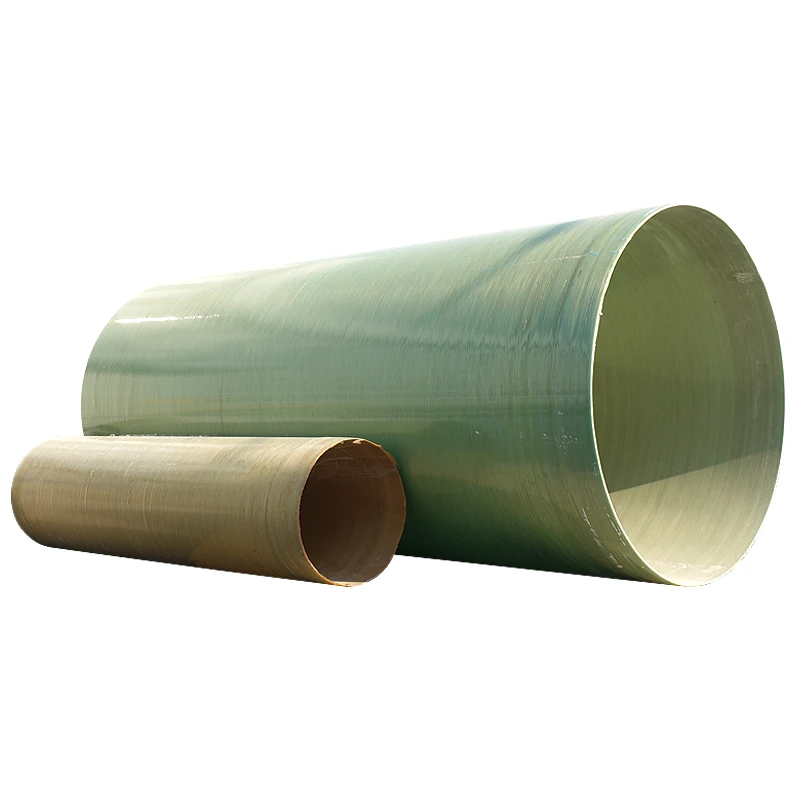
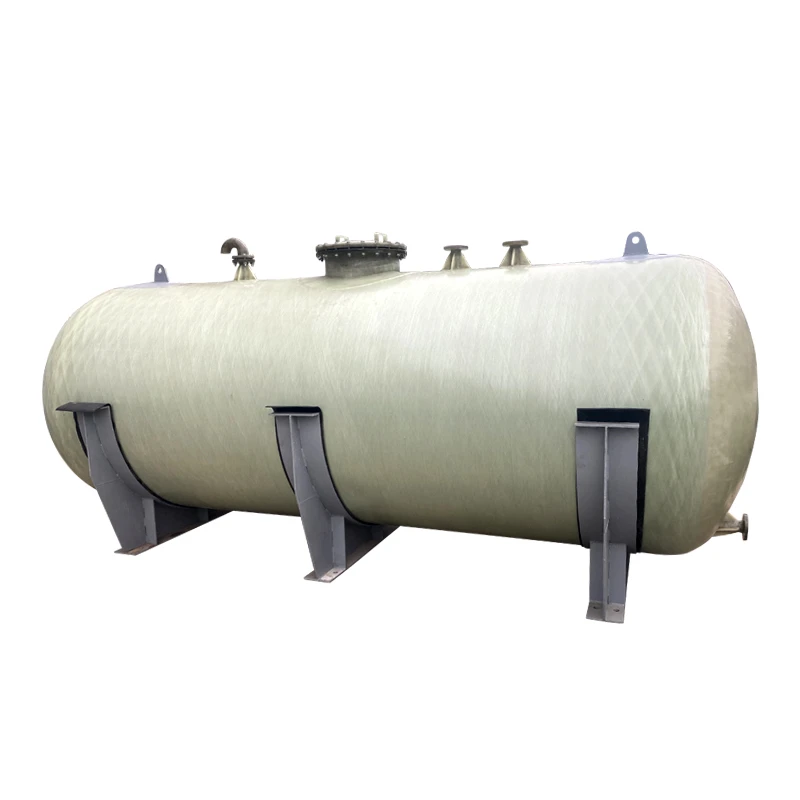
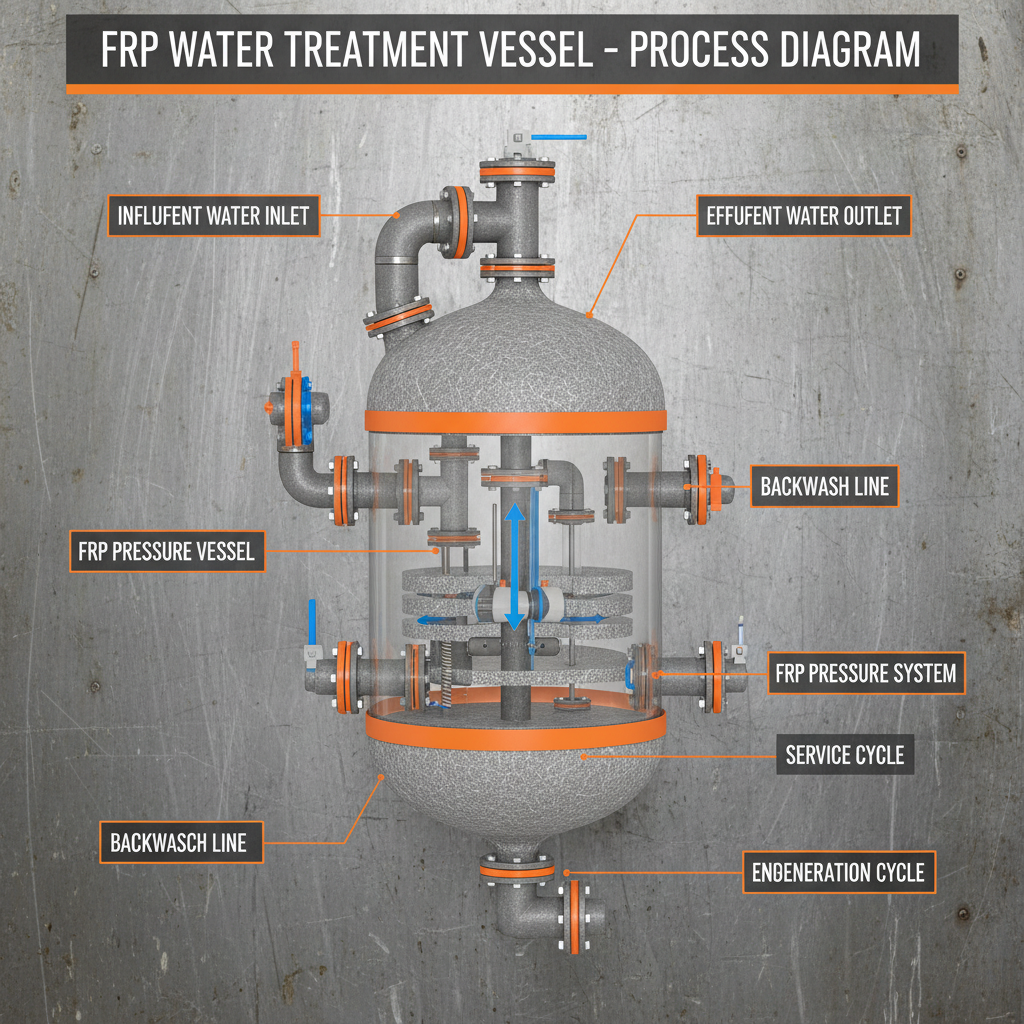
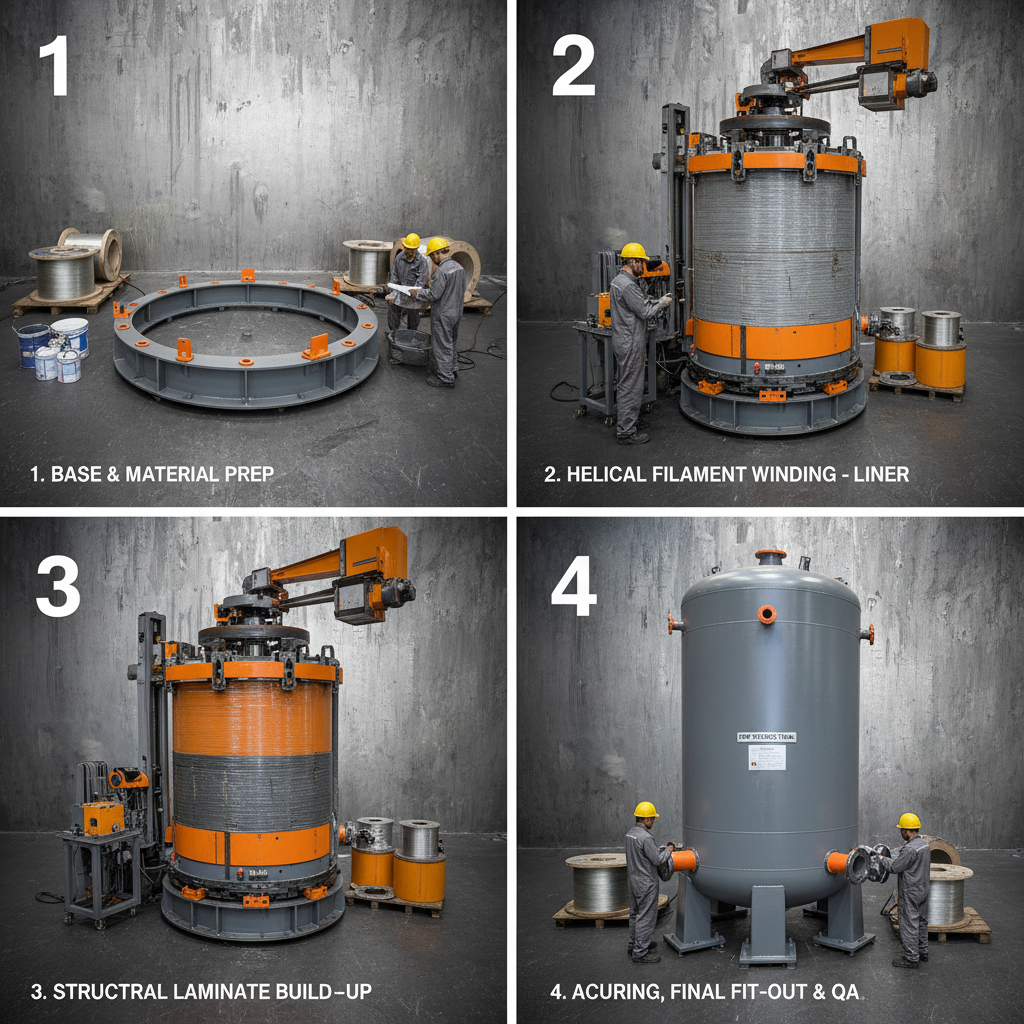
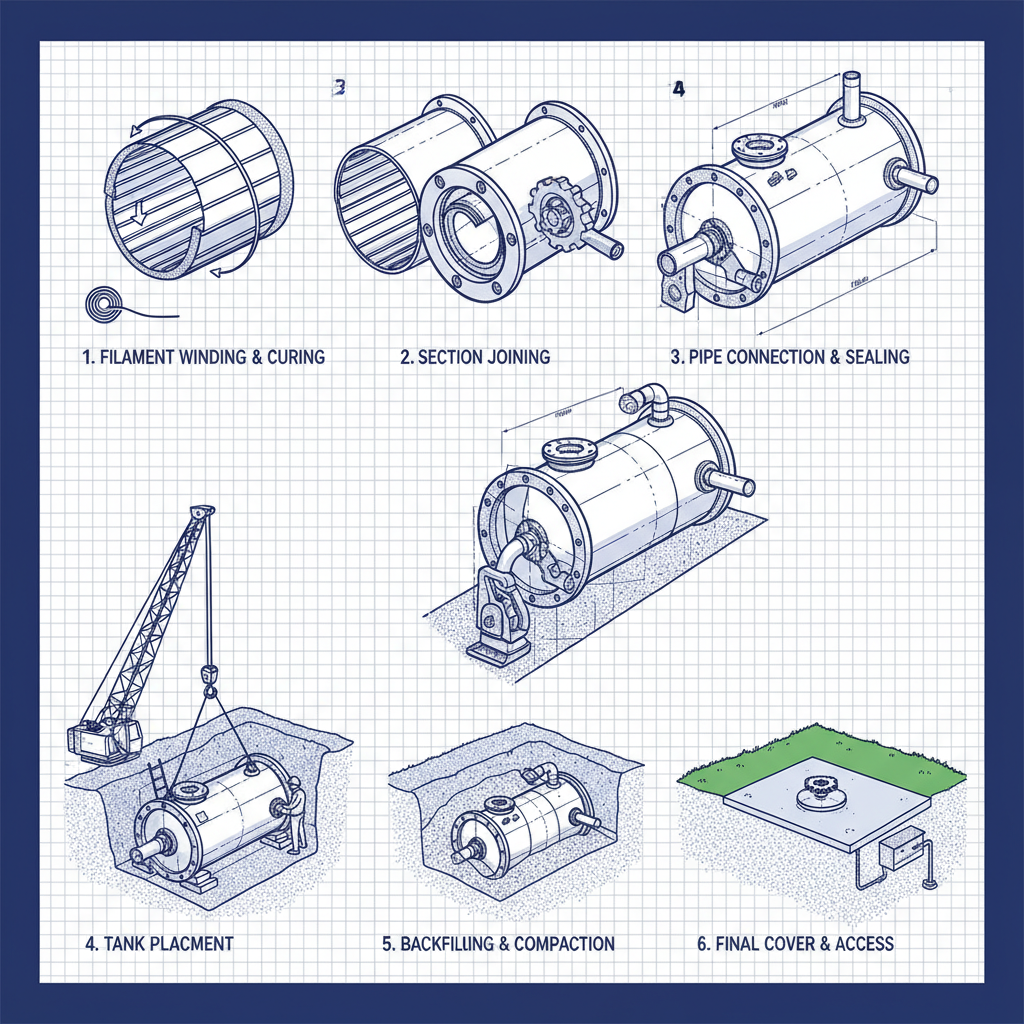
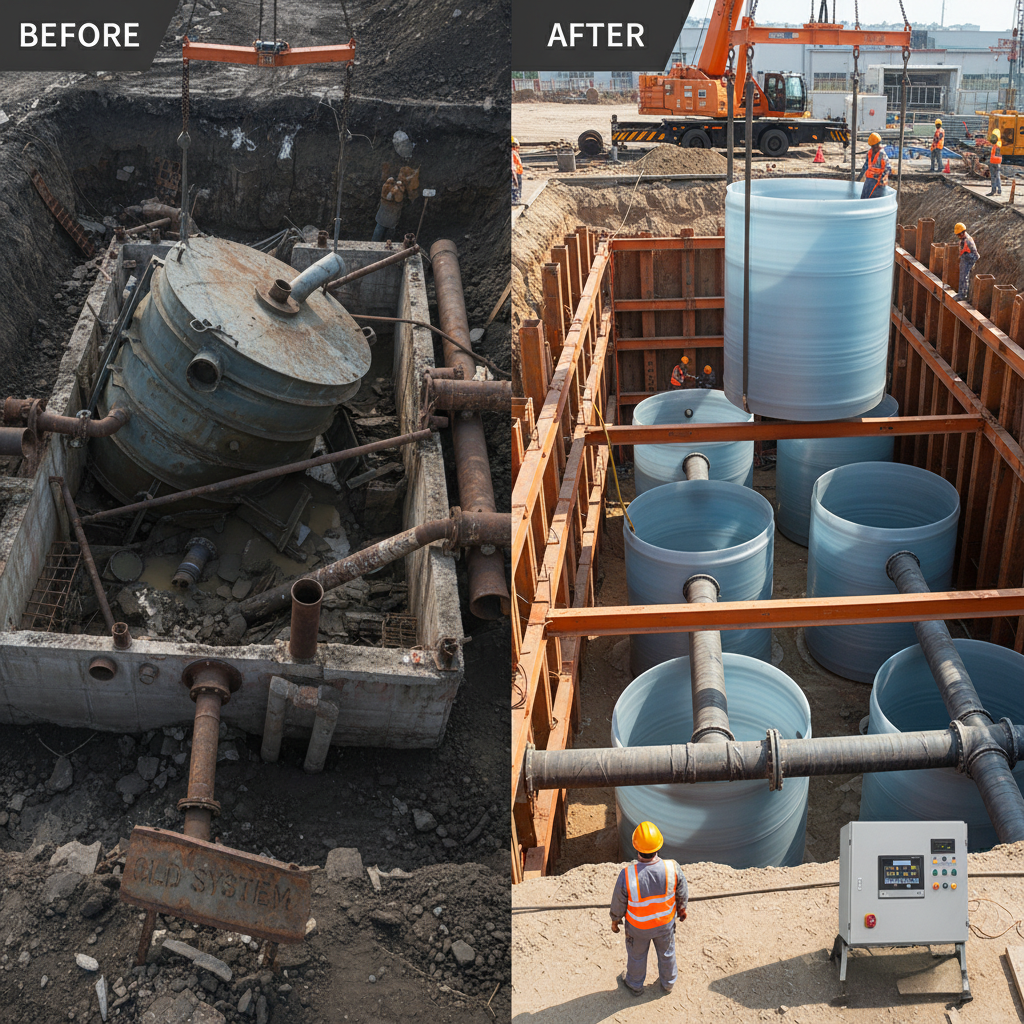
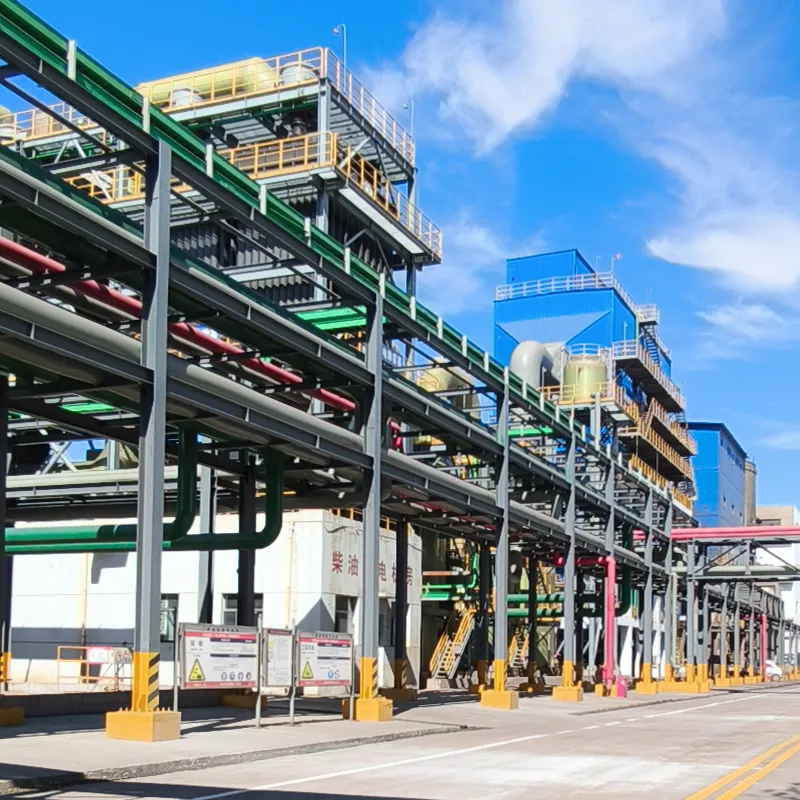
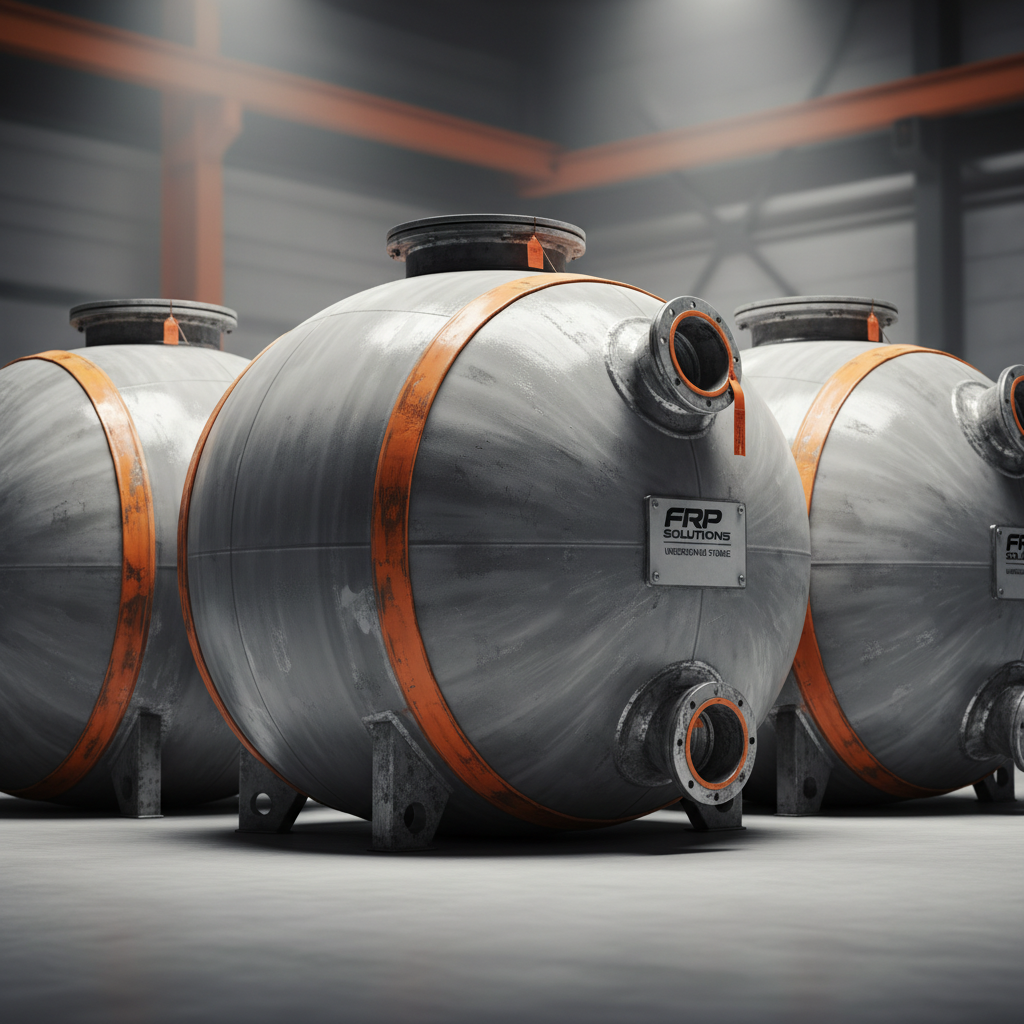
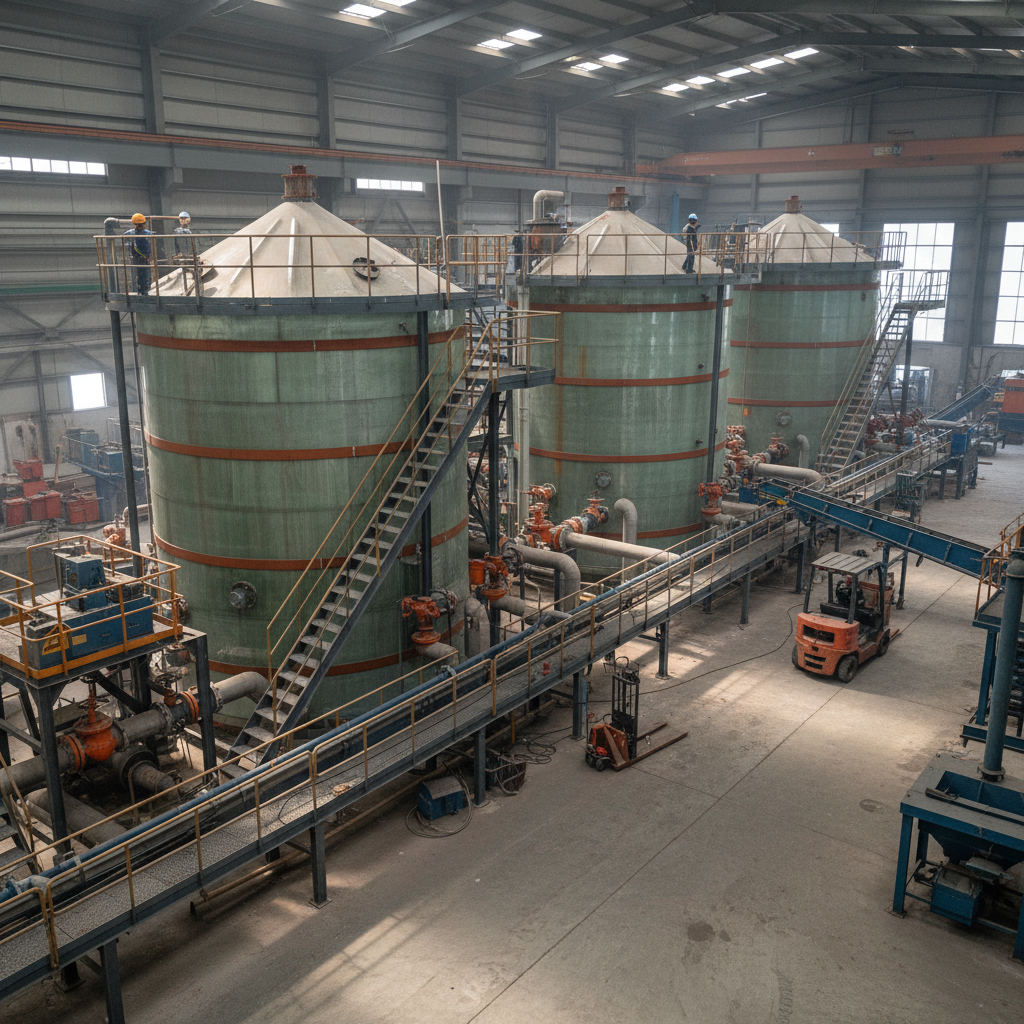
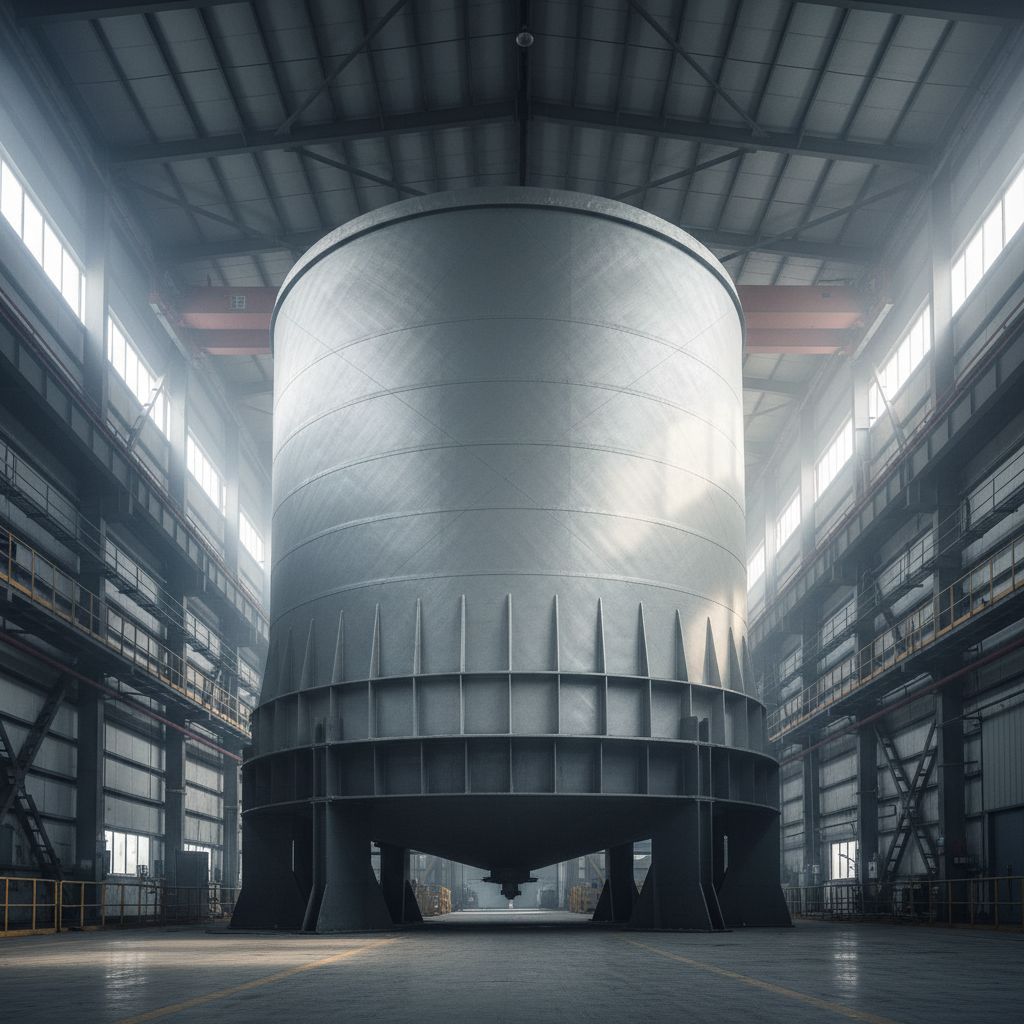
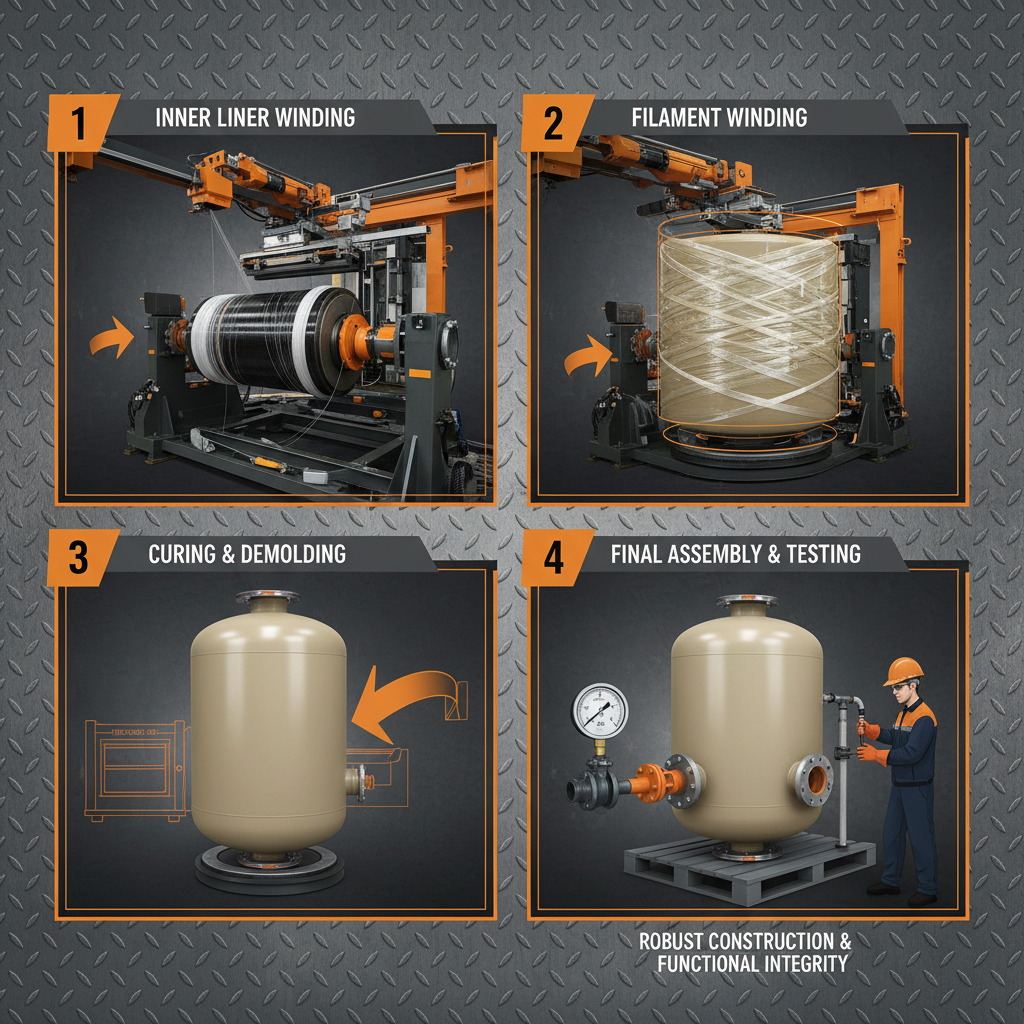
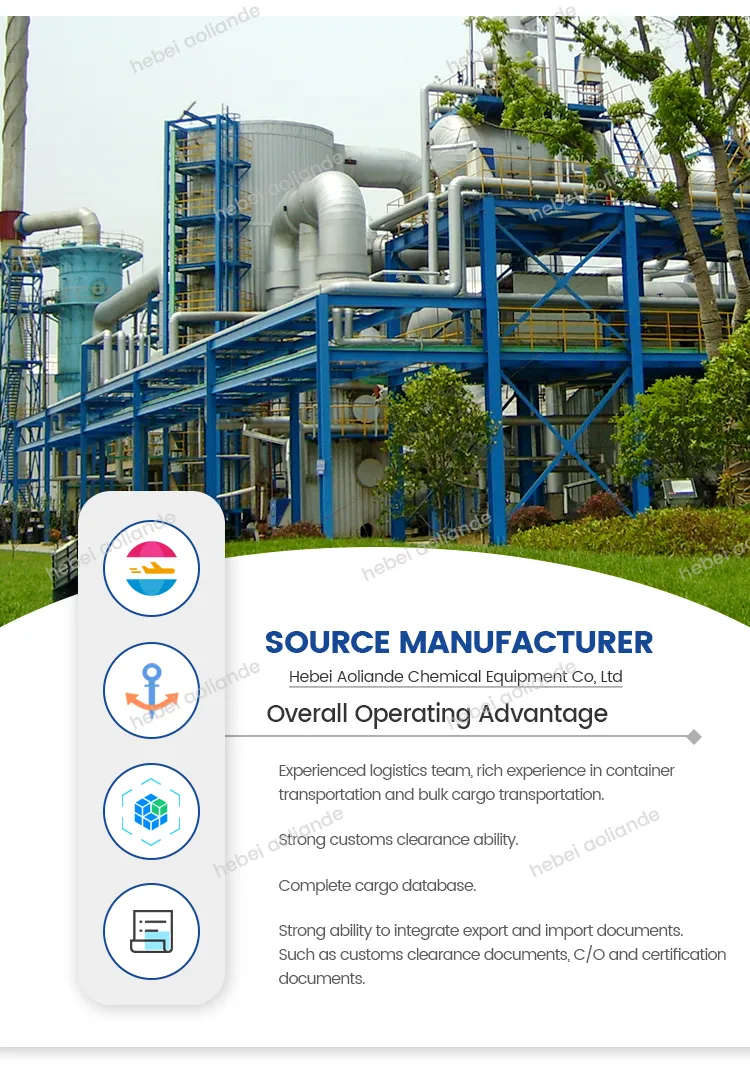
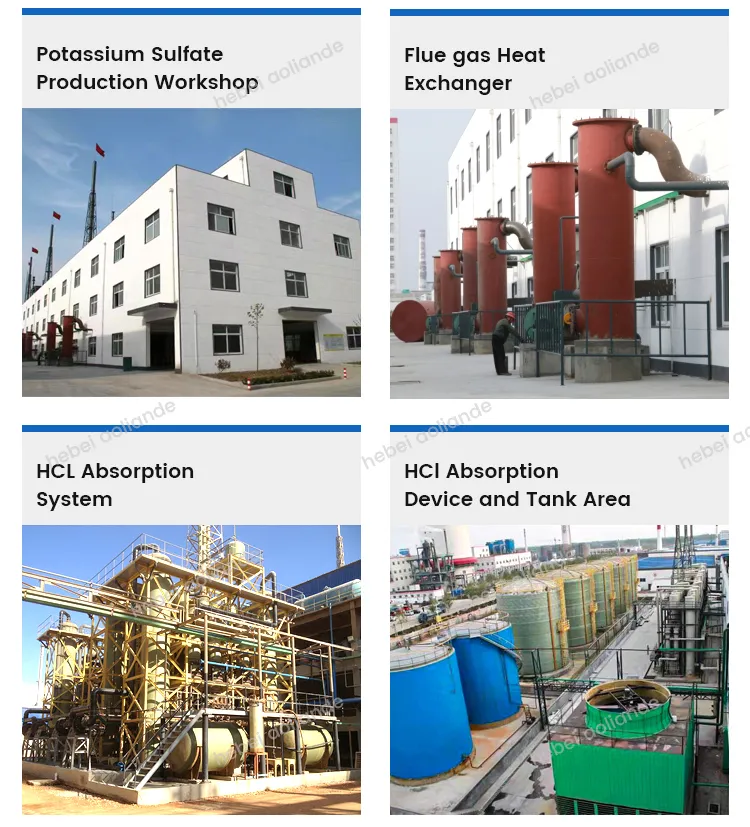
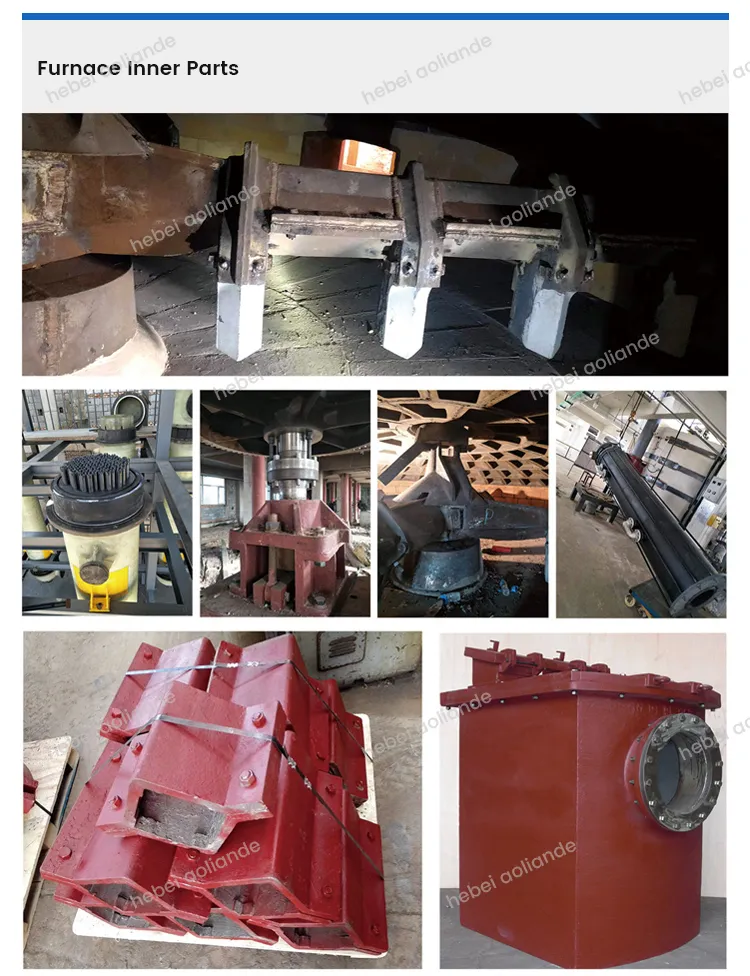
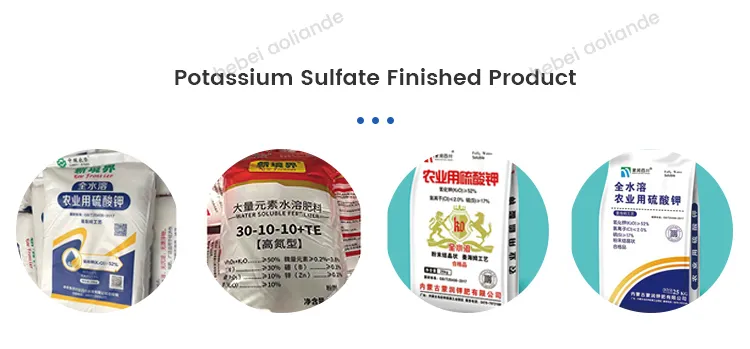
The sulfuric acid production line is supported by a series of high-quality images that illustrate its design and functionality:
Packaging and Transportation
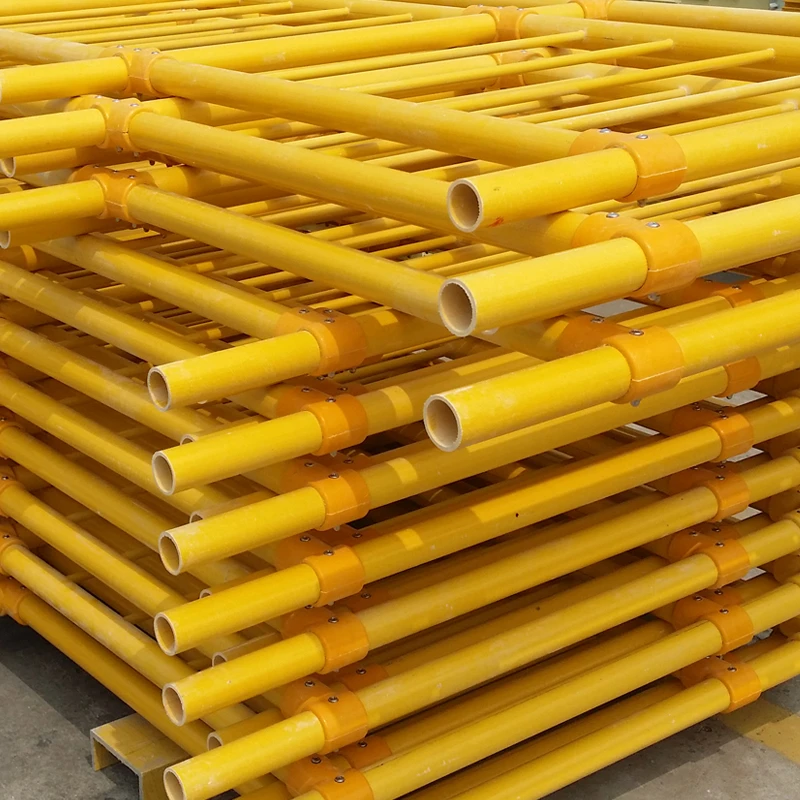
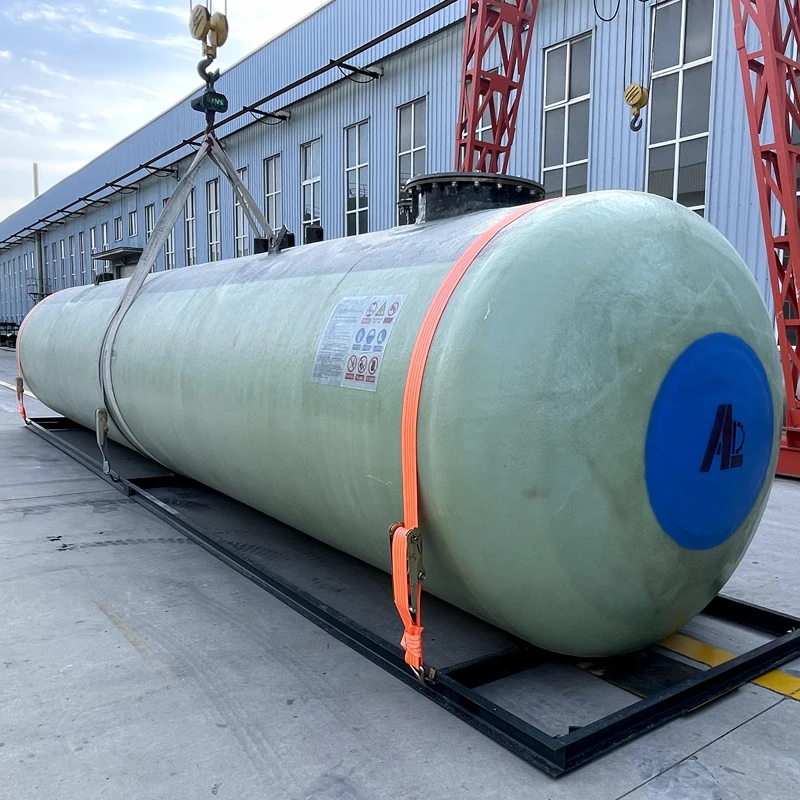
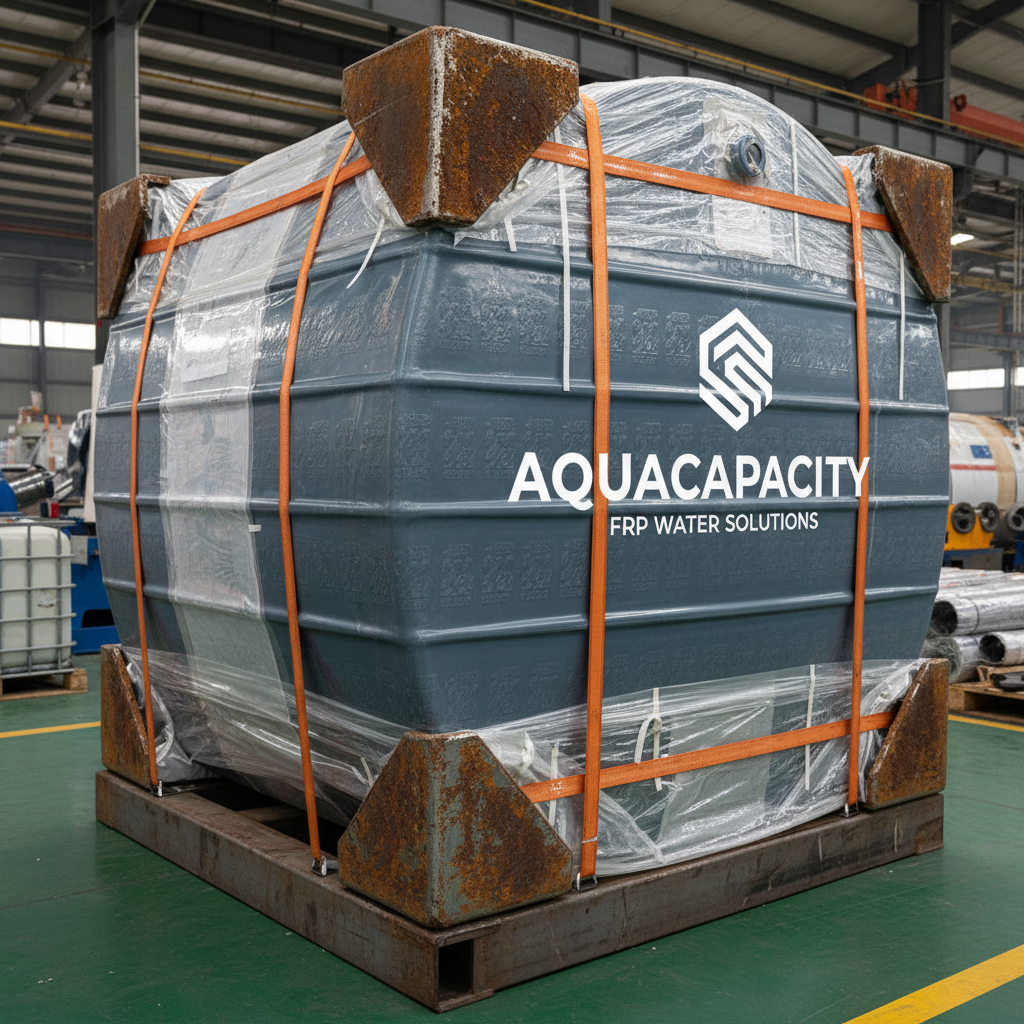
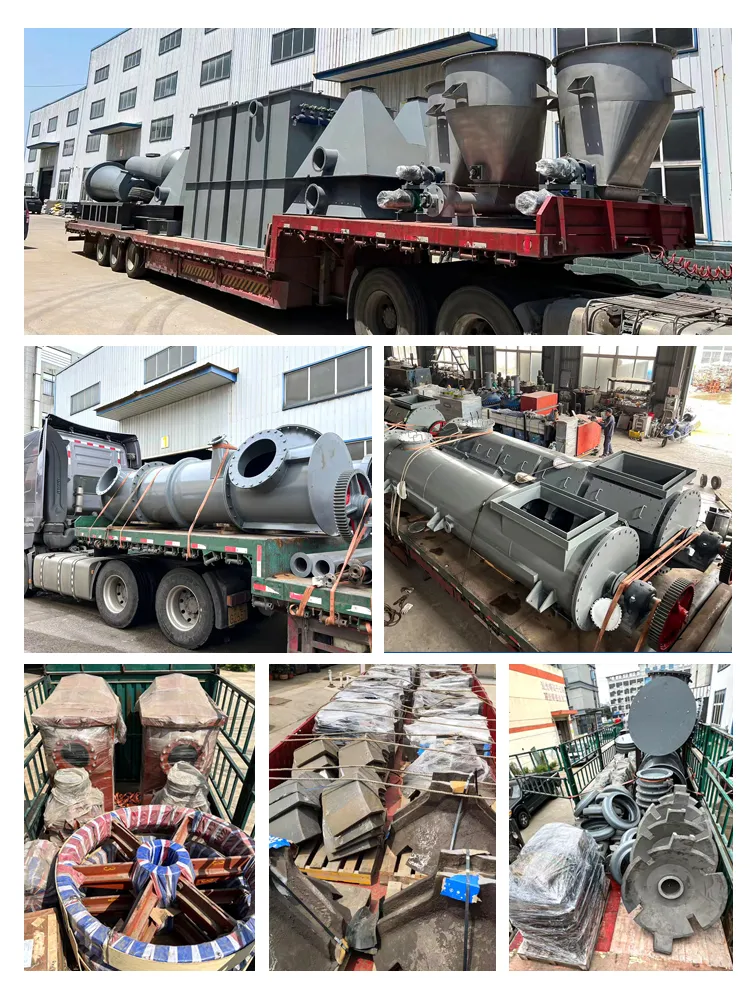
The sulfuric acid production line is designed for easy packaging and transportation. The equipment is modular, allowing for efficient assembly and disassembly. The company ensures that all components are securely packaged to prevent damage during transit:

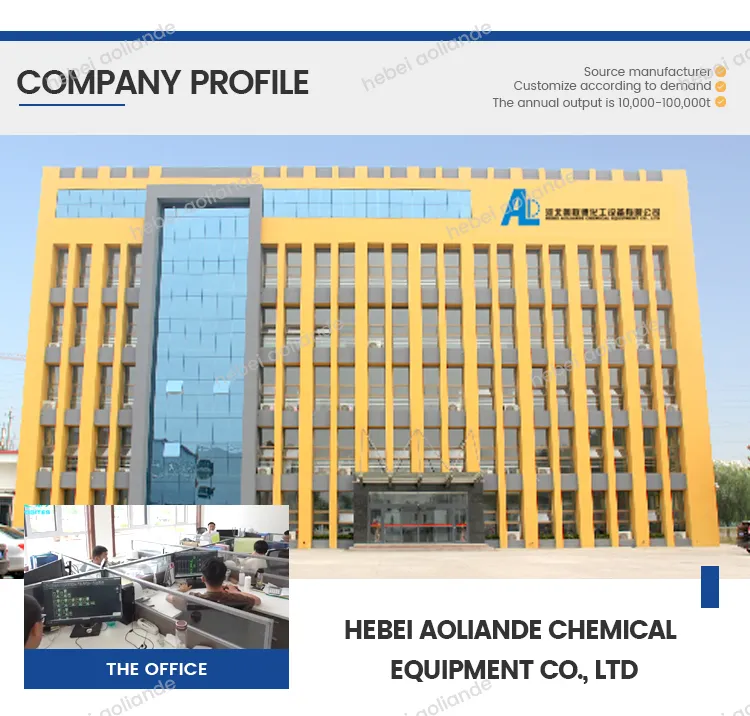
Company Profile: Hebei Aoliande Chemical Equipment Co., Ltd.
Hebei Aoliande Chemical Equipment Co., Ltd. is a leading manufacturer of FRP (Fiberglass Reinforced Plastic) pipes, storage tanks, and production machinery. The company has been dedicated to providing high-quality chemical equipment since its establishment. With over 50 employees and annual sales exceeding $5 million, Hebei Aoliande serves clients in the United States, Brazil, Japan, Germany, India, Malaysia, and Egypt.
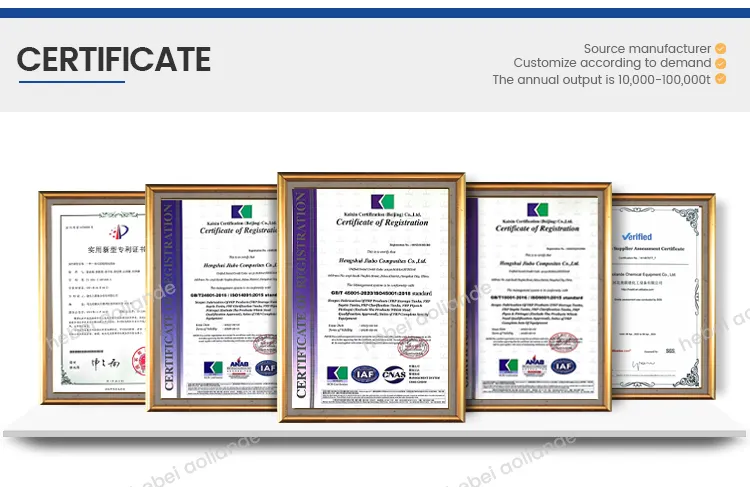
Hebei Aoliande has achieved ISO 9001 and ISO 14001 certifications, demonstrating its commitment to quality management and environmental sustainability. The company's expertise in advanced technology and reliable service has earned it a strong reputation in the global market.
Applications of the Sulfuric Acid Production Line
The sulfuric acid production line is widely used in various industries, including:
- Fertilizer Production: Sulfuric acid is a key component in the production of potassium sulfate, a common fertilizer.
- Chemical Manufacturing: It serves as a reactant in the synthesis of other chemicals and industrial compounds.
- Wastewater Treatment: Sulfuric acid is used to adjust pH levels and remove impurities from wastewater.
- Metallurgy: It is employed in the processing of ores and metals.
Environmental and Economic Benefits
The sulfuric acid production line by Hebei Aoliande addresses critical environmental and economic challenges. By incorporating a waste recovery system, the line minimizes hydrochloric acid emissions, reducing its ecological footprint. Additionally, the energy-efficient design lowers operational costs, making the production process more economically viable for manufacturers.
Conclusion
The sulfuric acid production line offered by Hebei Aoliande Chemical Equipment Co., Ltd. represents a significant advancement in sulfuric acid manufacturing. With its innovative design, technical advantages, and commitment to sustainability, this production line is well-suited for modern industrial applications. For more information, visit the sulfuric acid production line page or contact the company directly.
References
Authoritative Source: National Institute of Standards and Technology (NIST) provides guidelines and standards for chemical manufacturing processes, ensuring the reliability and safety of industrial equipment. The technical specifications and safety protocols referenced in this article align with NIST's best practices for chemical production.