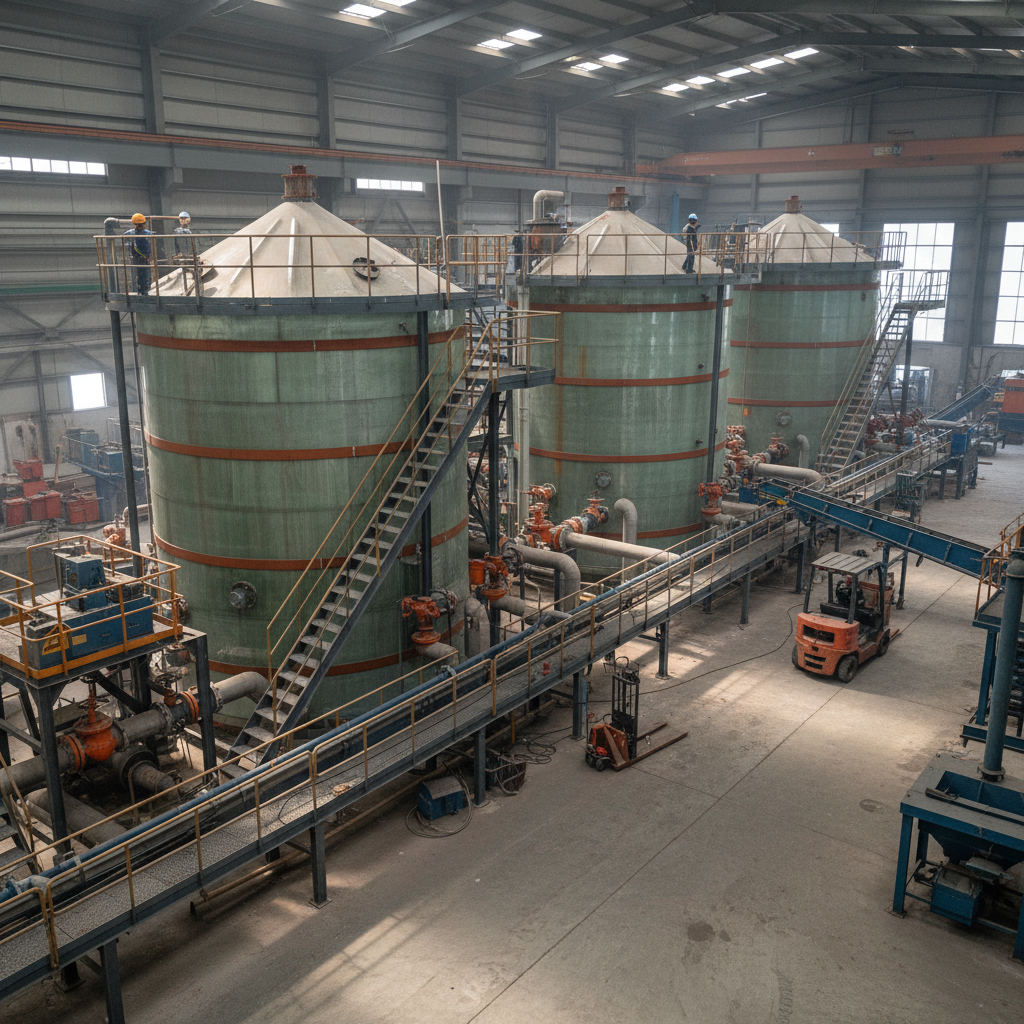
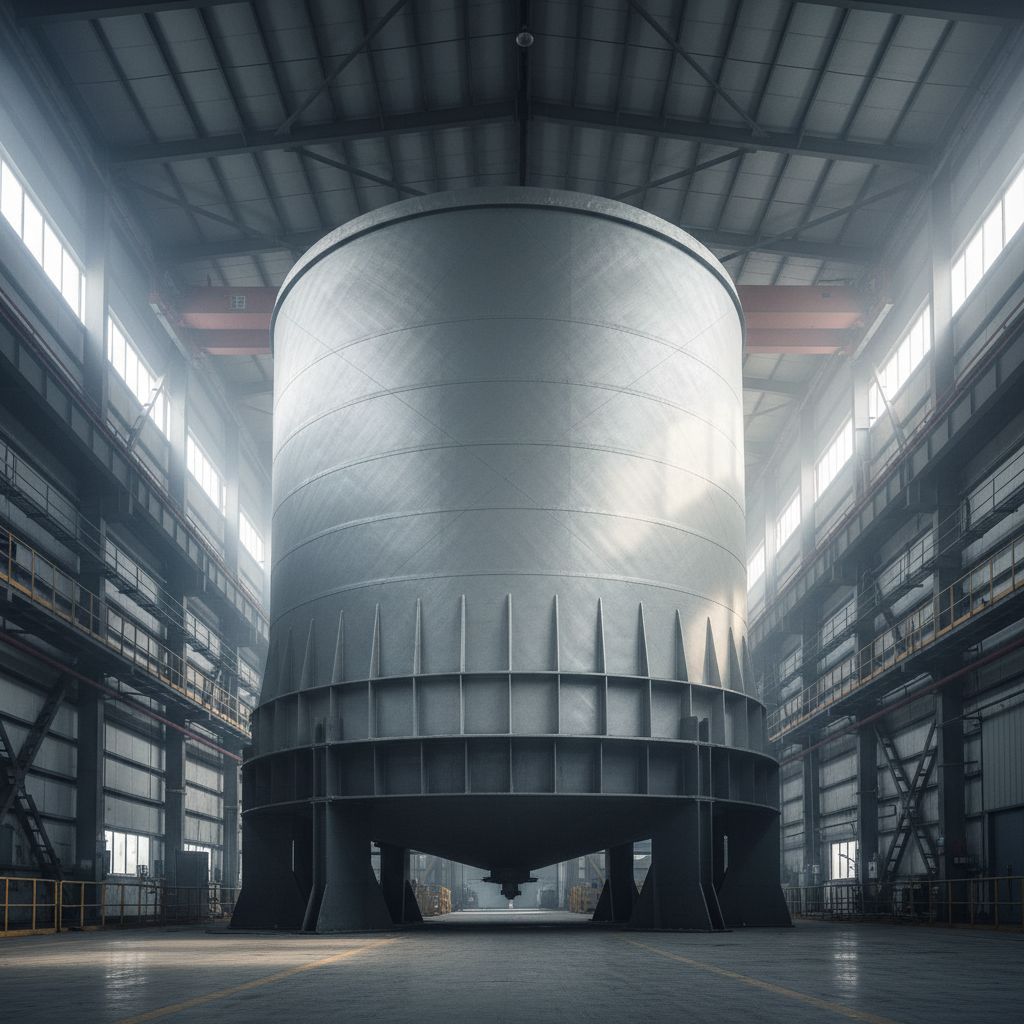
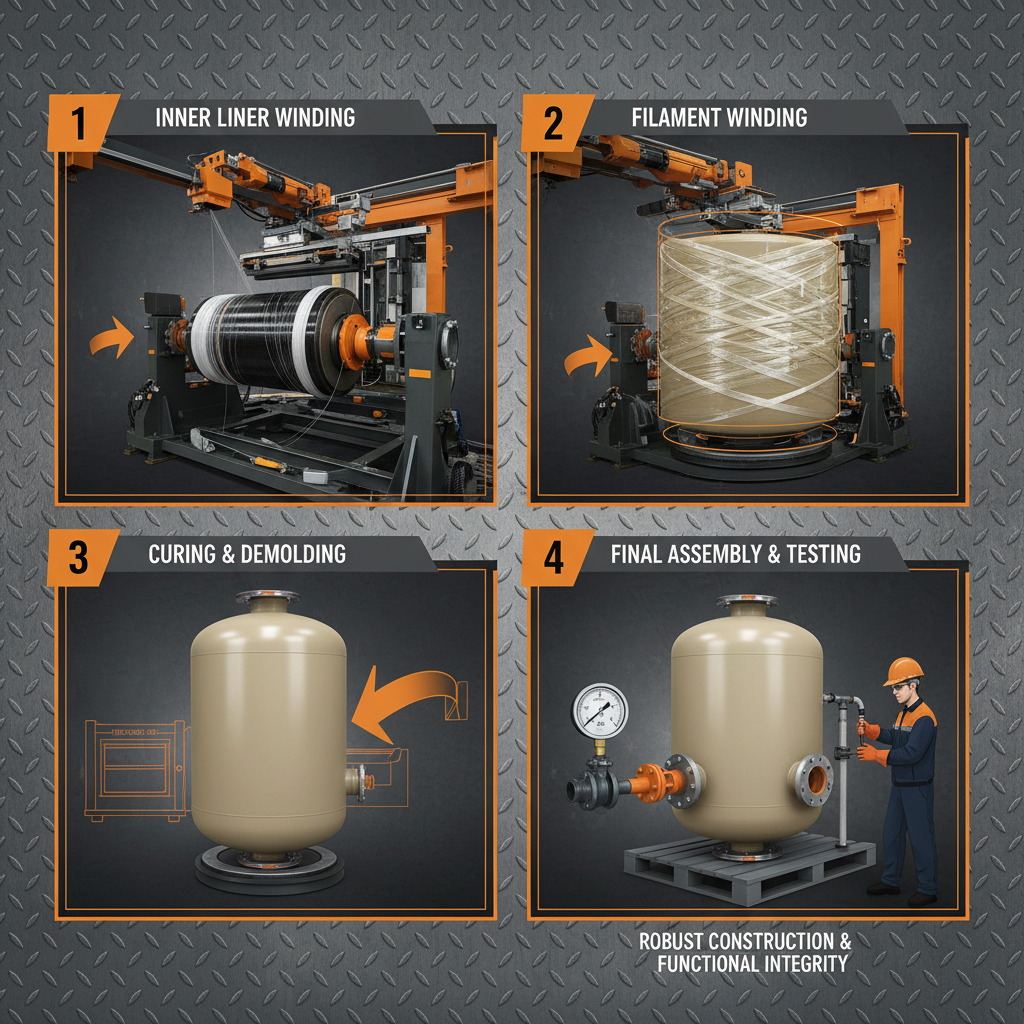
Sulfuric Acid Production Line - Hebei Aoliande | Energy Efficiency & HCl Recovery
Introduction
Sulfuric acid (H₂SO₄) is a cornerstone of modern industrial chemistry, essential for manufacturing fertilizers, chemicals, and various industrial products. The sulfuric acid production process has evolved significantly, with the Mannheim process standing out as a key method. Hebei Aoliande Chemical Equipment Co., Ltd. has pioneered advancements in this technology, offering a sulfuric acid plant that combines efficiency, sustainability, and reliability. This article explores the technical specifications, advantages, and applications of this cutting-edge production line, supported by insights from the National Institute of Standards and Technology (NIST) on industrial process optimization.
Product Specification
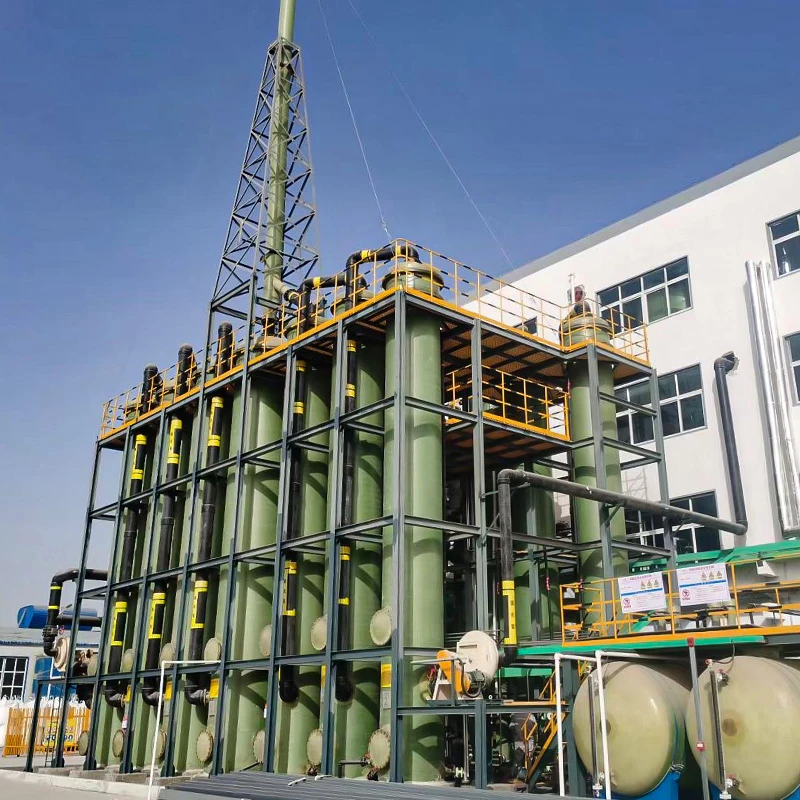
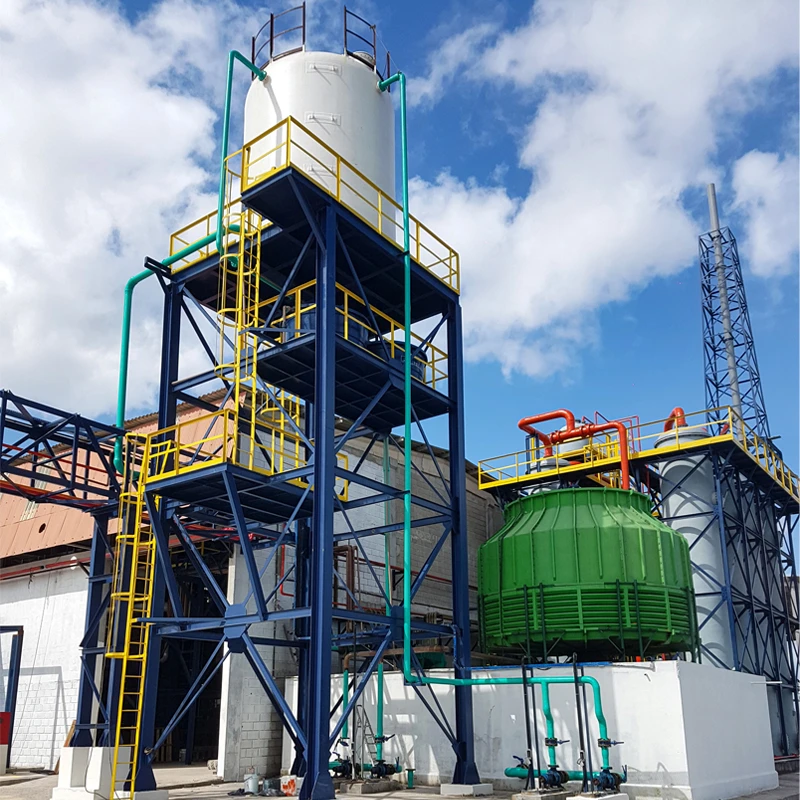
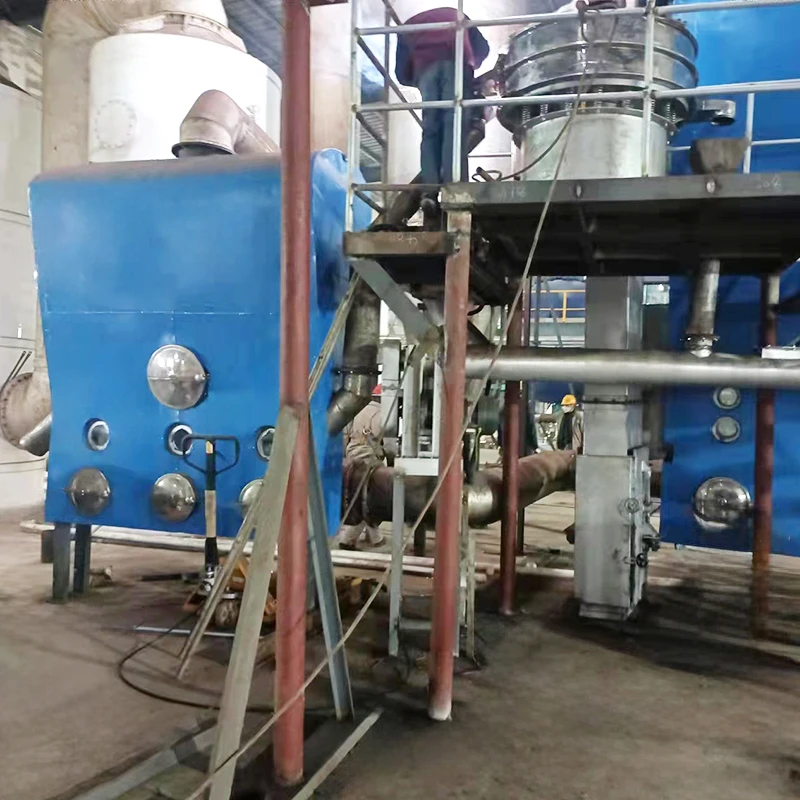
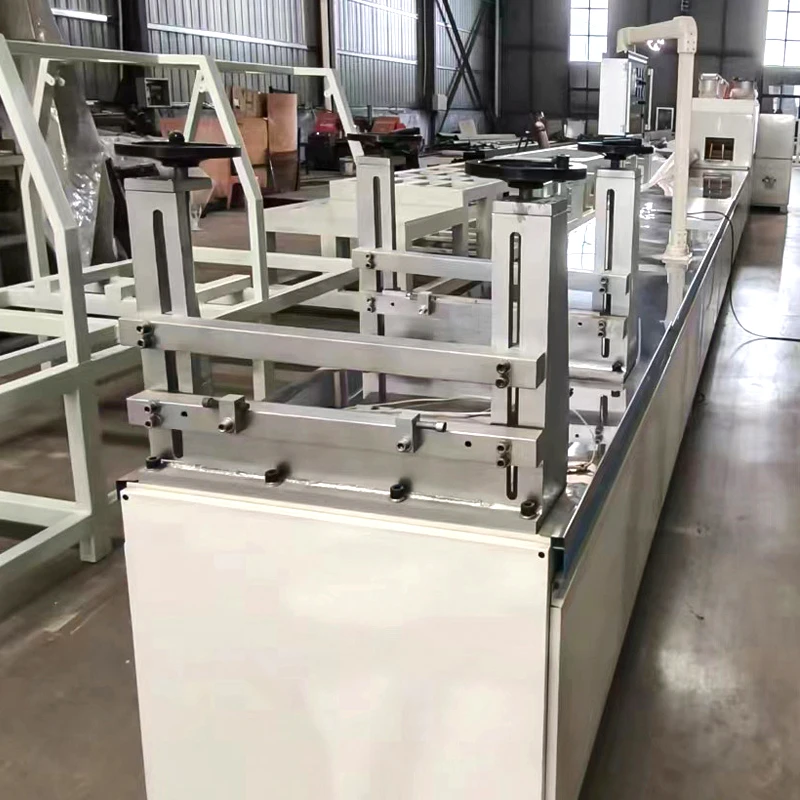
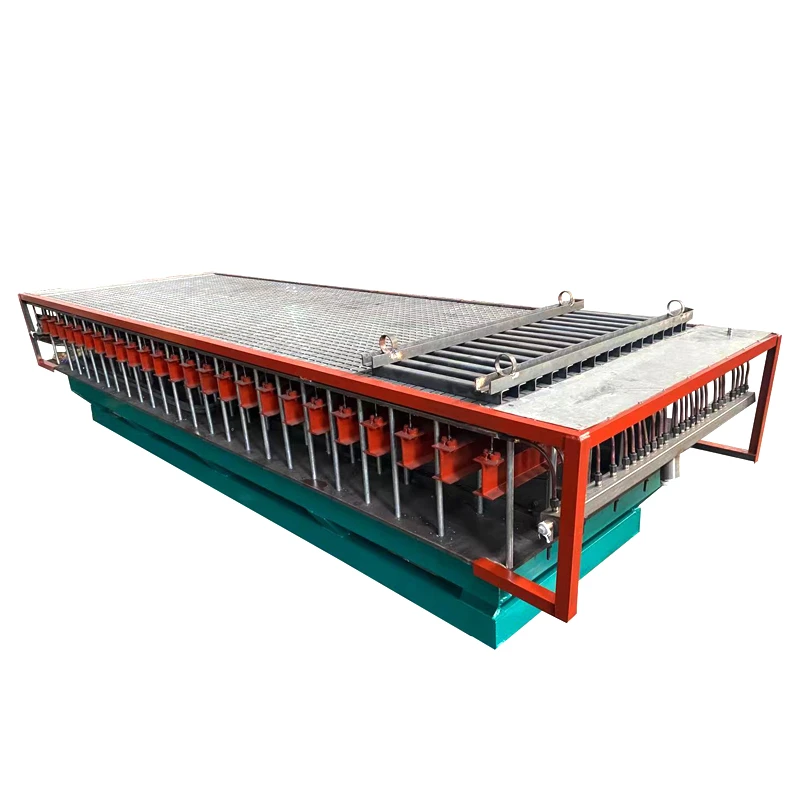
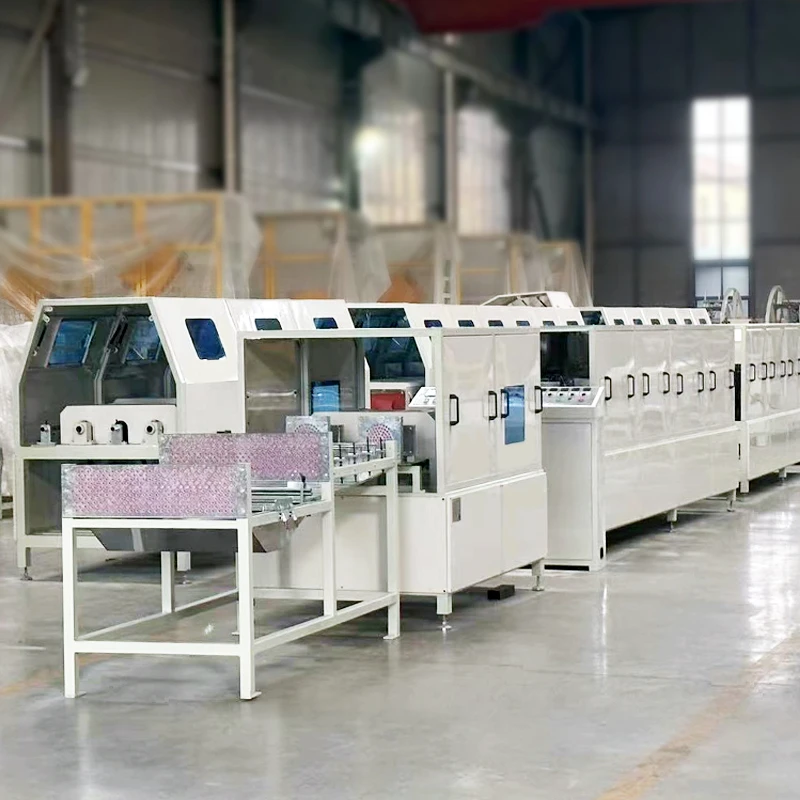
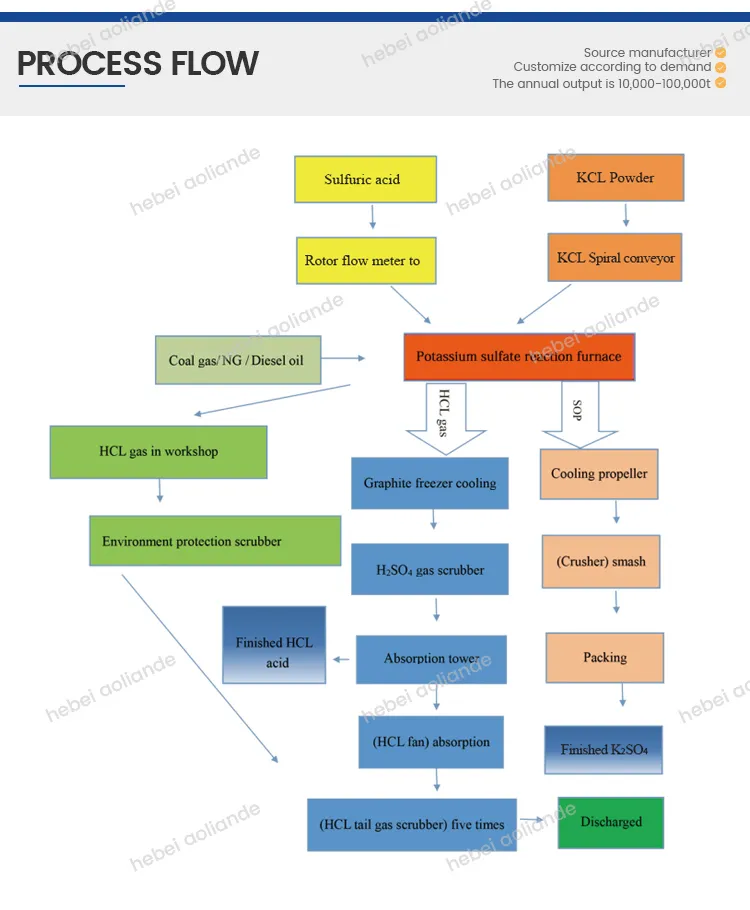
The sulfuric acid production line developed by Hebei Aoliande is designed to enhance the Mannheim process, a widely used method for producing sulfuric acid. This process involves the reaction of potassium chloride with sulfuric acid at high temperatures (above 600°C) in a muffle furnace. The resulting byproduct, hydrochloric acid (HCl), is captured and recycled, ensuring minimal environmental impact.
Technical Specifications Table
| Parameter | Details |
|---|---|
| Production Method | Mannheim Process |
| Raw Materials | Potassium Chloride (KCl), Sulfuric Acid (H₂SO₄) |
| Operating Temperature | 600°C+ |
| Energy Consumption | Low (improved furnace design) |
| Hydrochloric Acid Recovery | 95%+ efficiency |
| Automation | PLC Control System |
| Environmental Compliance | Waste recycling and emission control |
The Mannheim Process: A Historical and Technical Overview
The Mannheim process, named after its inventor, is a two-step reaction that produces potassium sulfate (K₂SO₄) and hydrochloric acid (HCl). The first step involves the reaction of potassium chloride with sulfuric acid to form potassium bisulfate (KHSO₄) and hydrochloric acid. In the second step, the potassium bisulfate is further heated to produce potassium sulfate and additional hydrochloric acid. This method accounts for 50-60% of global sulfuric acid production, as noted by NIST in its research on industrial chemical processes (NIST).
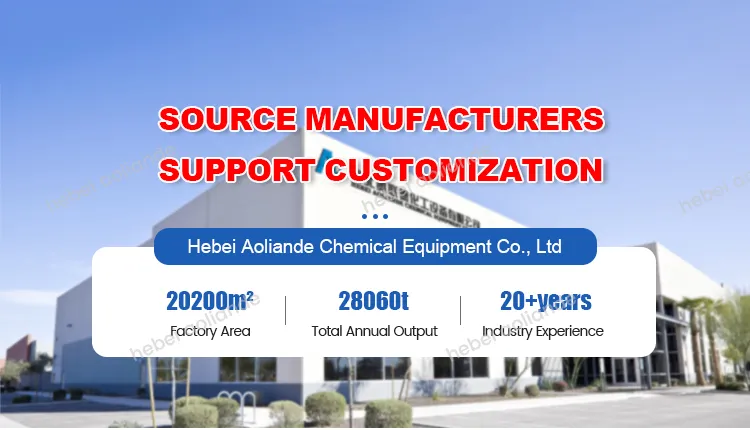
Despite its widespread use, the Mannheim process has faced challenges, including high energy consumption and environmental concerns. Hebei Aoliande has addressed these issues through innovative improvements, such as enhanced furnace construction and advanced HCl absorption systems.
Technical Advantages of the Sulfuric Acid Production Line
Hebei Aoliande’s sulfuric acid plant incorporates several technical advancements that set it apart from traditional systems:
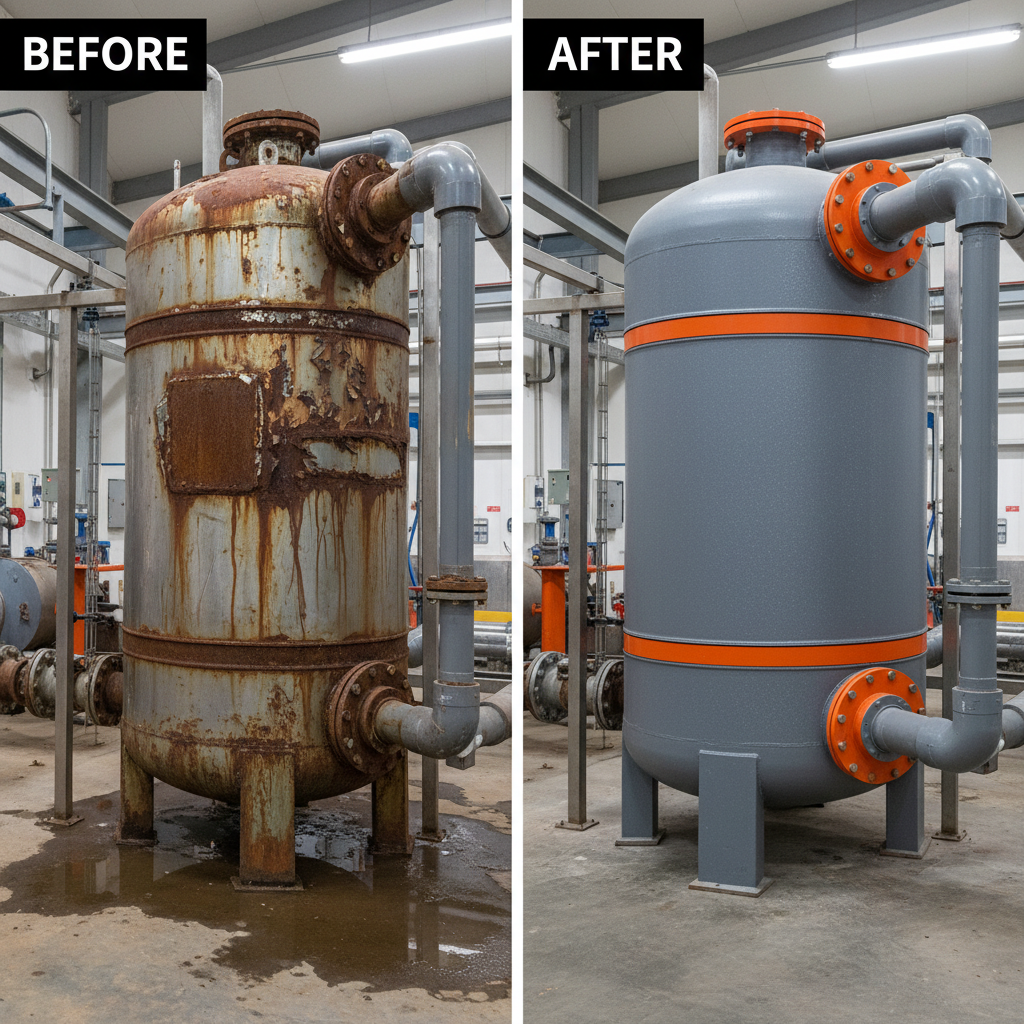
- Corrosion-Resistant Materials: Key components are made from specialized materials that resist corrosion, ensuring a long service life.
- Waste Recovery System: Hydrochloric acid (HCl) is efficiently recycled, reducing environmental impact and adhering to NIST’s guidelines for sustainable industrial practices (NIST).
- Enhanced HCl Absorption: The upgraded absorption system improves product quality and reduces emissions.
- Energy-Efficient Design: Improved flue design maximizes energy use, lowering coal consumption by up to 30%.
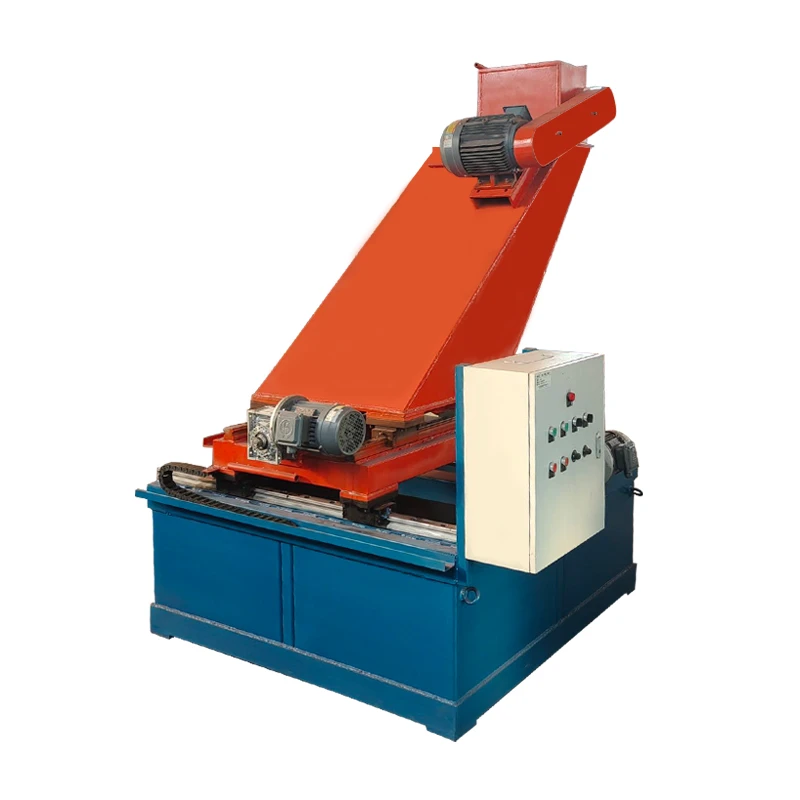
- Automation: PLC control systems optimize feedstock ratios and reduce labor costs.
- Gas Generator Heating: Replacing traditional heating methods with gas generators ensures stable production.
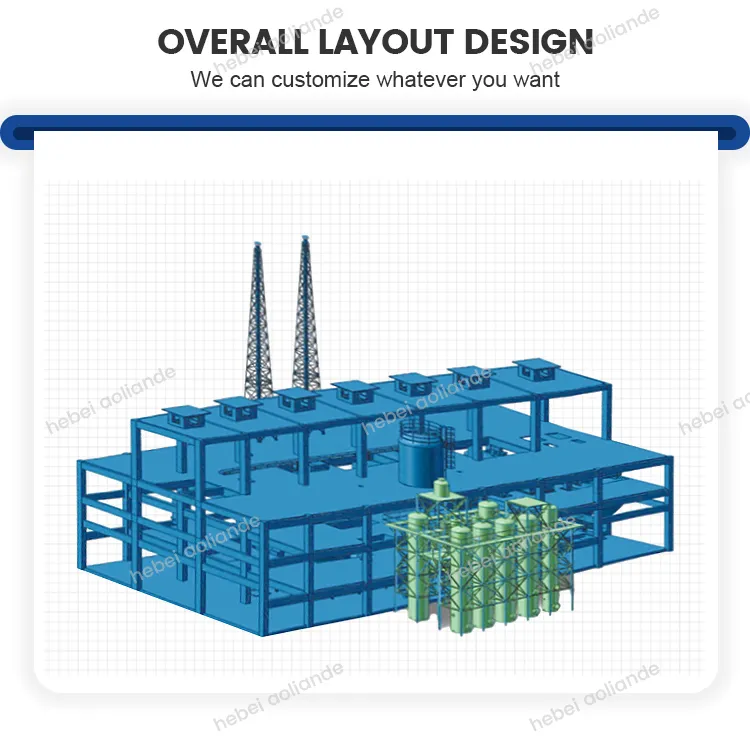
These innovations align with NIST’s emphasis on energy efficiency and environmental stewardship in industrial processes (NIST).
Product Details and Applications
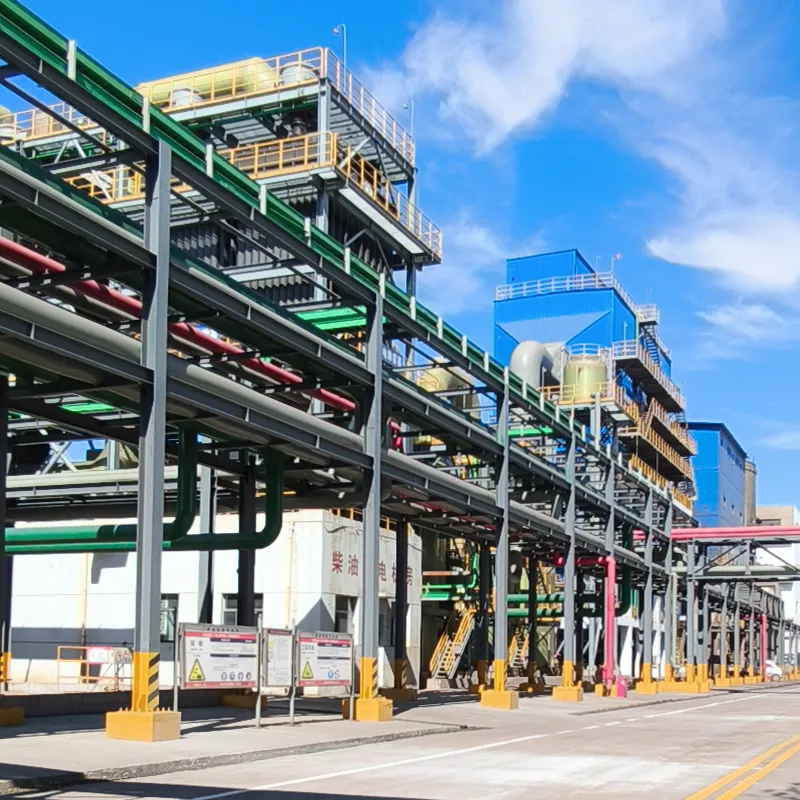
The sulfuric acid production line is tailored for large-scale industrial use, with applications in agriculture, chemical manufacturing, and metallurgy. Its high output and low energy consumption make it ideal for facilities requiring consistent sulfuric acid supply.
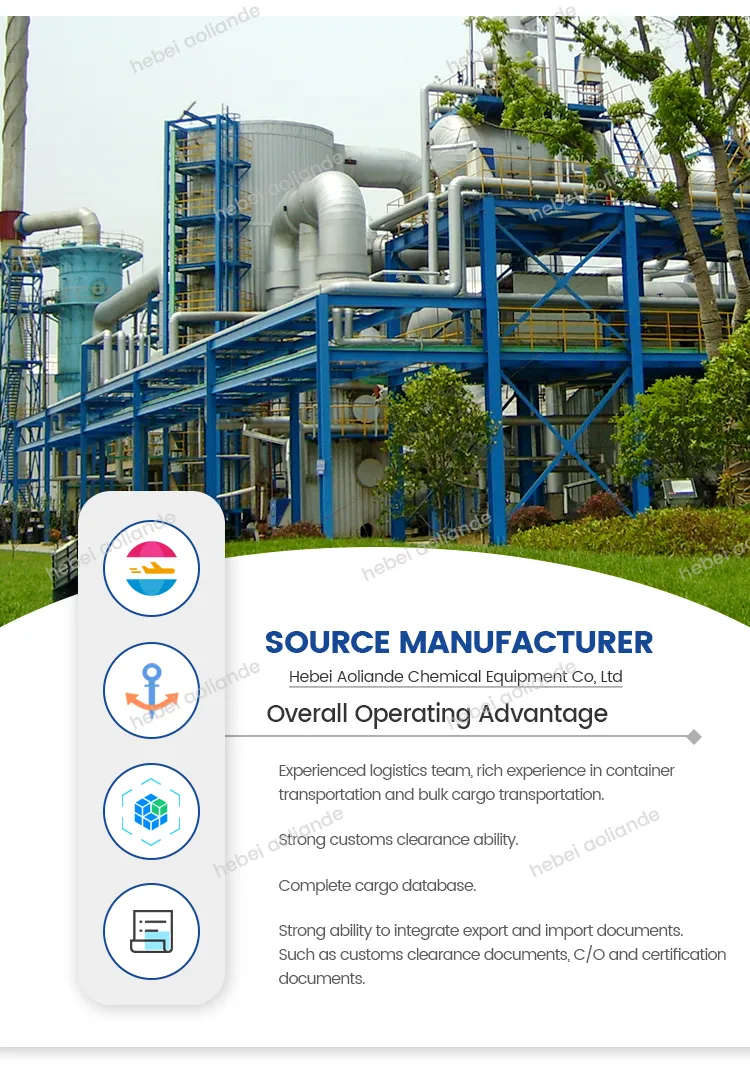
Key applications include:
- Fertilizer Production: Sulfuric acid is a critical component in producing potassium sulfate, a widely used fertilizer.
- Chemical Synthesis: Used in the production of dyes, pigments, and other chemicals.
- Metallurgy: Essential for leaching metals from ores and refining processes.
Packaging and Delivery
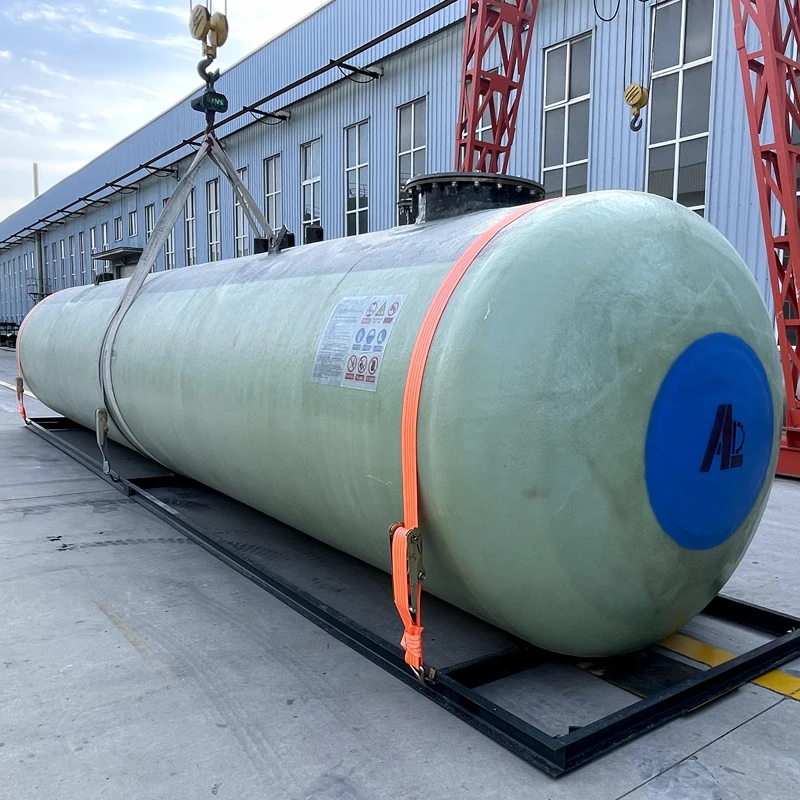
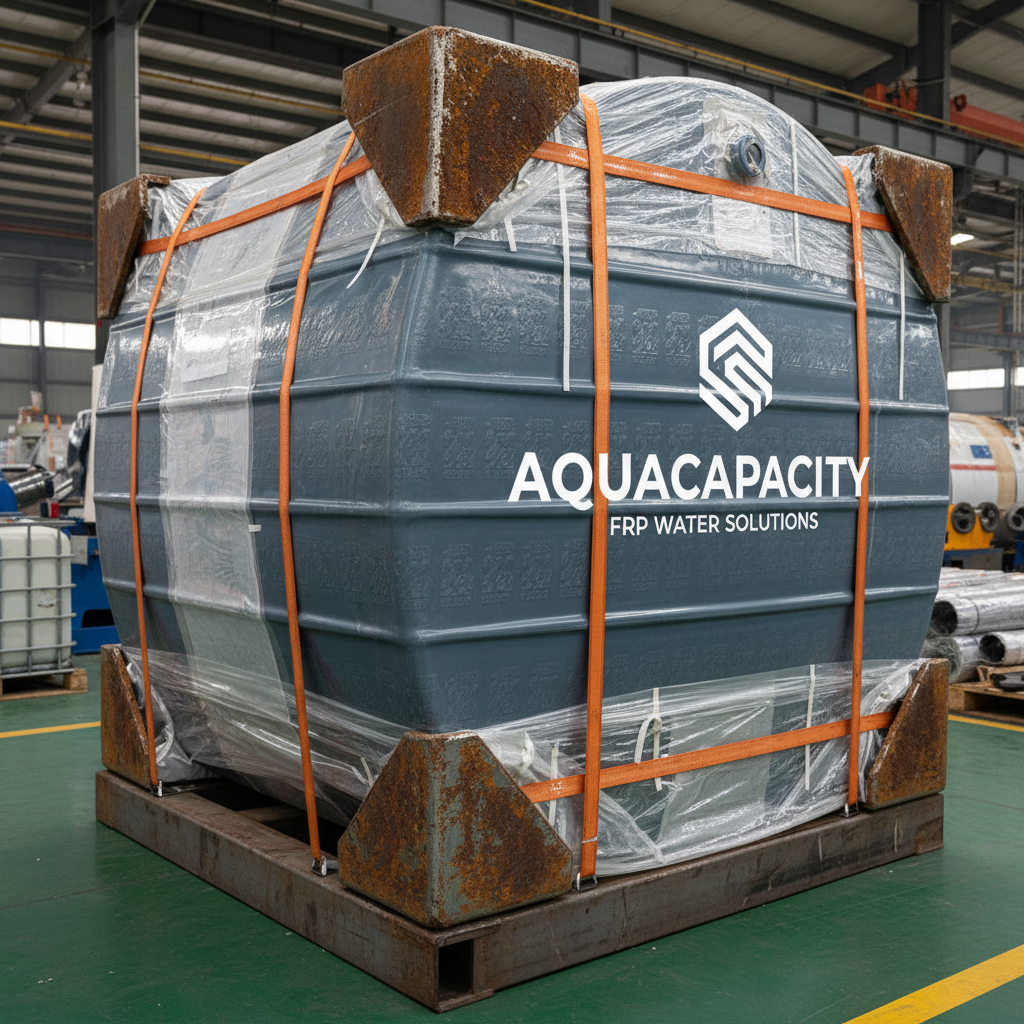
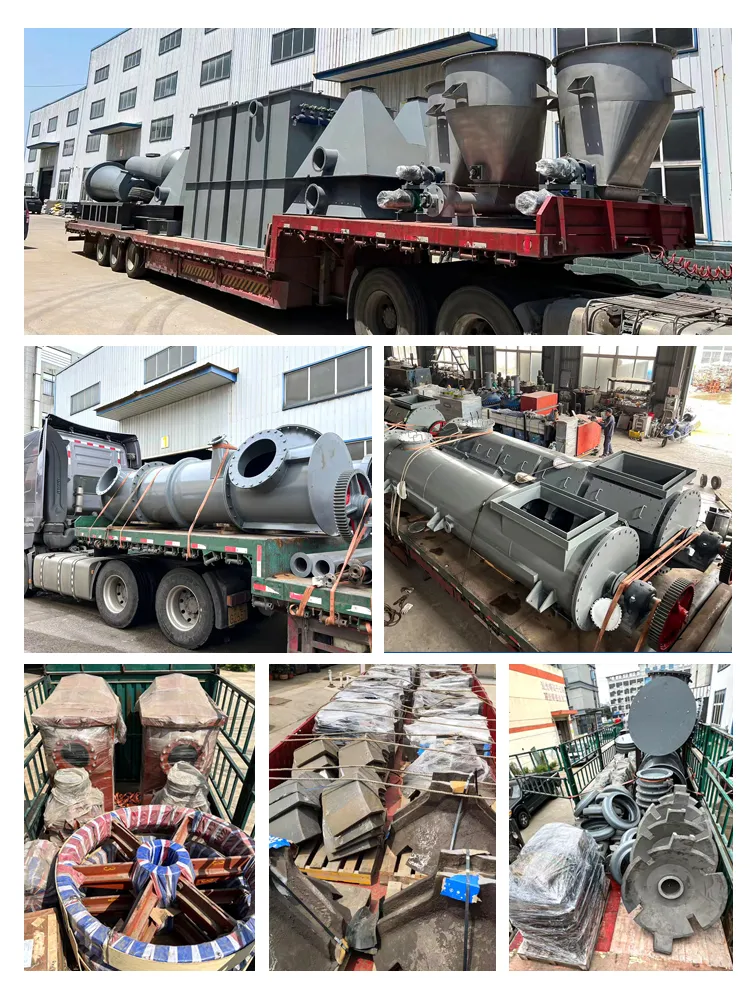
The sulfuric acid plant is designed for easy transportation and installation. Components are packaged to withstand long-distance shipping, ensuring minimal damage. Hebei Aoliande’s global distribution network guarantees timely delivery to clients in the United States, Brazil, Japan, Germany, India, Malaysia, and Egypt.

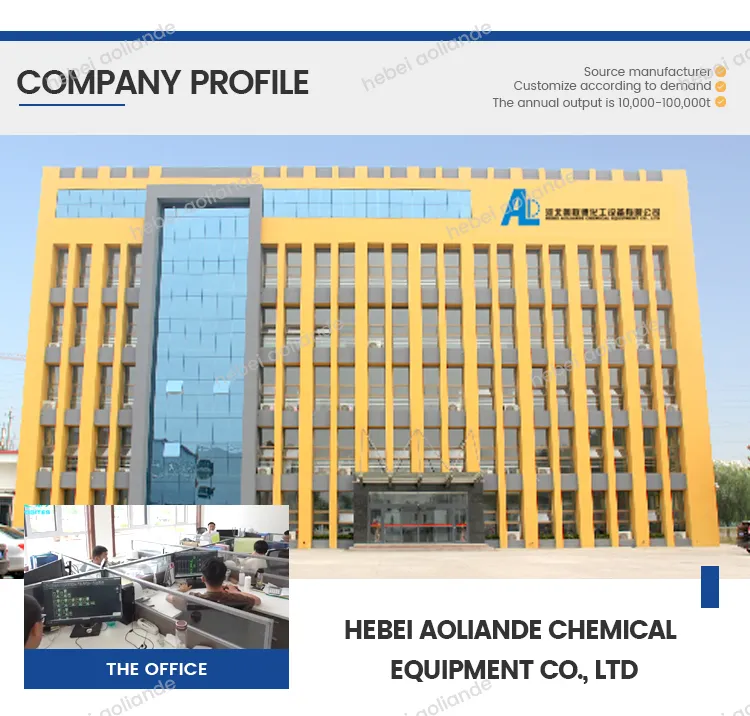
Company Profile: Hebei Aoliande Chemical Equipment Co., Ltd.
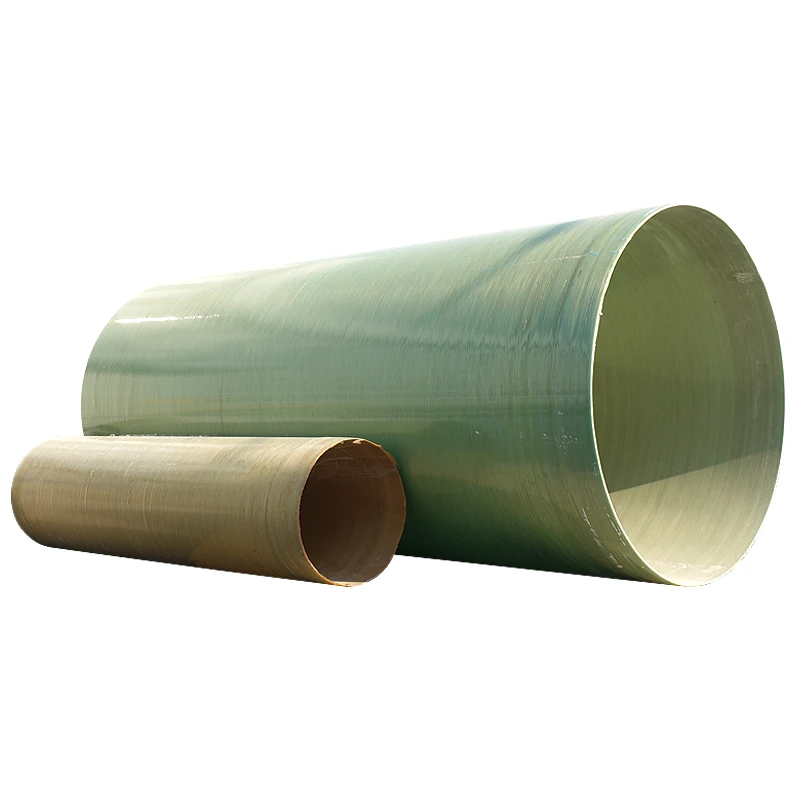
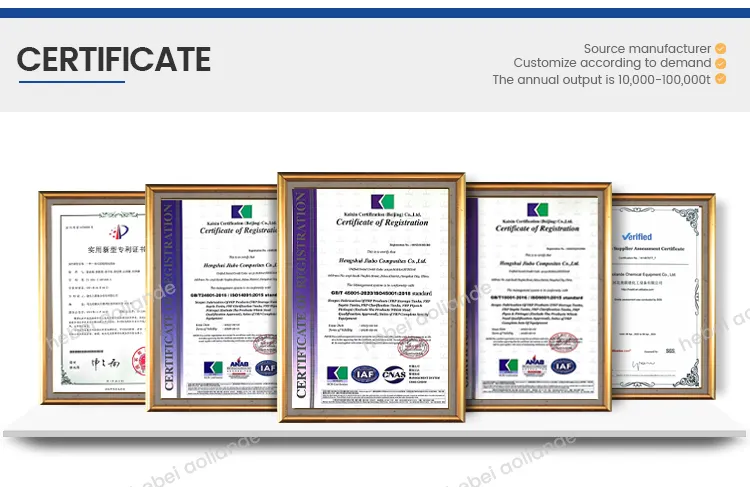
Hebei Aoliande Chemical Equipment Co., Ltd. is a leading manufacturer of FRP pipes, FRP storage tanks, and FRP production machinery. With over 50 employees and annual sales exceeding $5 million, the company has established a global presence, supplying products to markets worldwide. Hebei Aoliande’s commitment to quality and innovation is reflected in its ISO 9001 and ISO 14001 certifications, ensuring compliance with international standards.
As highlighted by NIST’s research on industrial standards, Hebei Aoliande’s adherence to quality management systems ensures reliable performance and environmental responsibility (NIST).
Conclusion
The sulfuric acid production line by Hebei Aoliande Chemical Equipment Co., Ltd. represents a significant advancement in industrial chemical processing. By optimizing the Mannheim process, the company offers a solution that is both economically viable and environmentally sustainable. With its technical innovations, global reach, and commitment to quality, Hebei Aoliande is poised to lead the future of sulfuric acid production.
For more information about this sulfuric acid plant or other industrial equipment, visit FRPGRPMachine.com.
References
NIST (National Institute of Standards and Technology). "Industrial Process Optimization and Environmental Compliance." Retrieved from https://www.nist.gov.