Sulfuric Acid Production Line - Hebei Aoliande|Sustainable Solutions
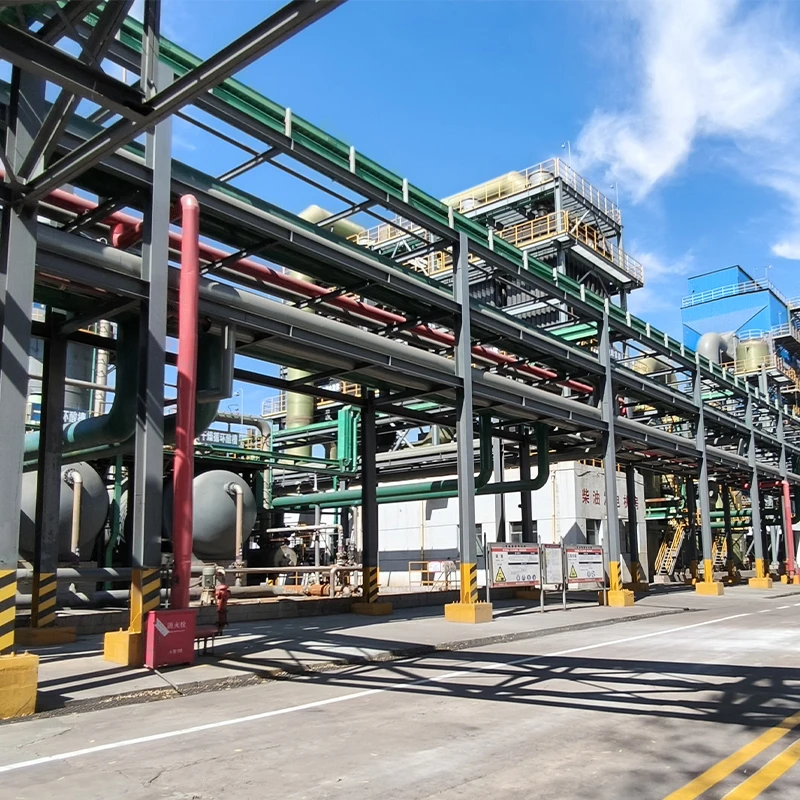
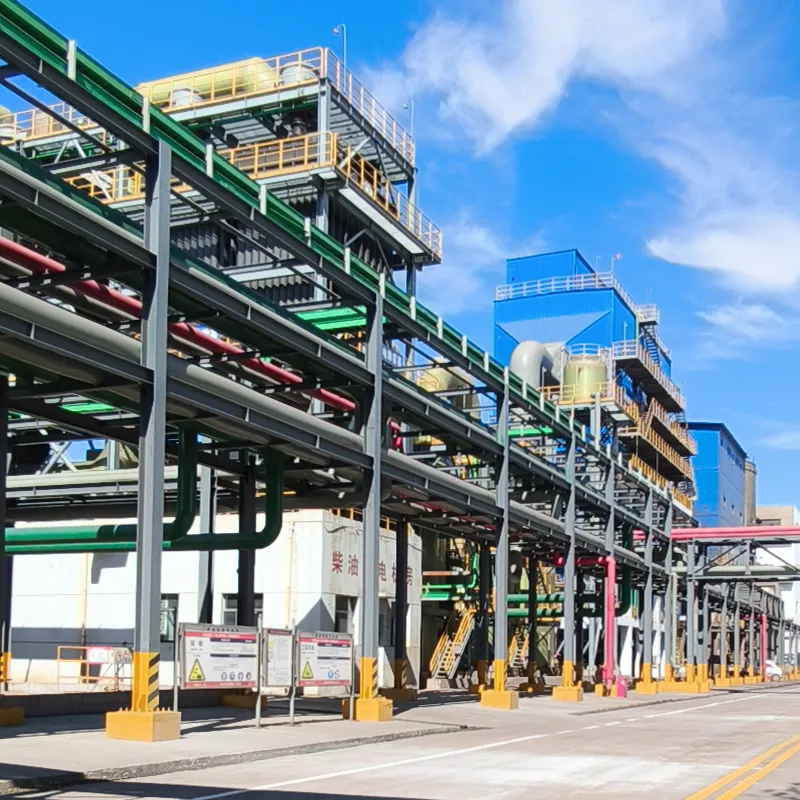
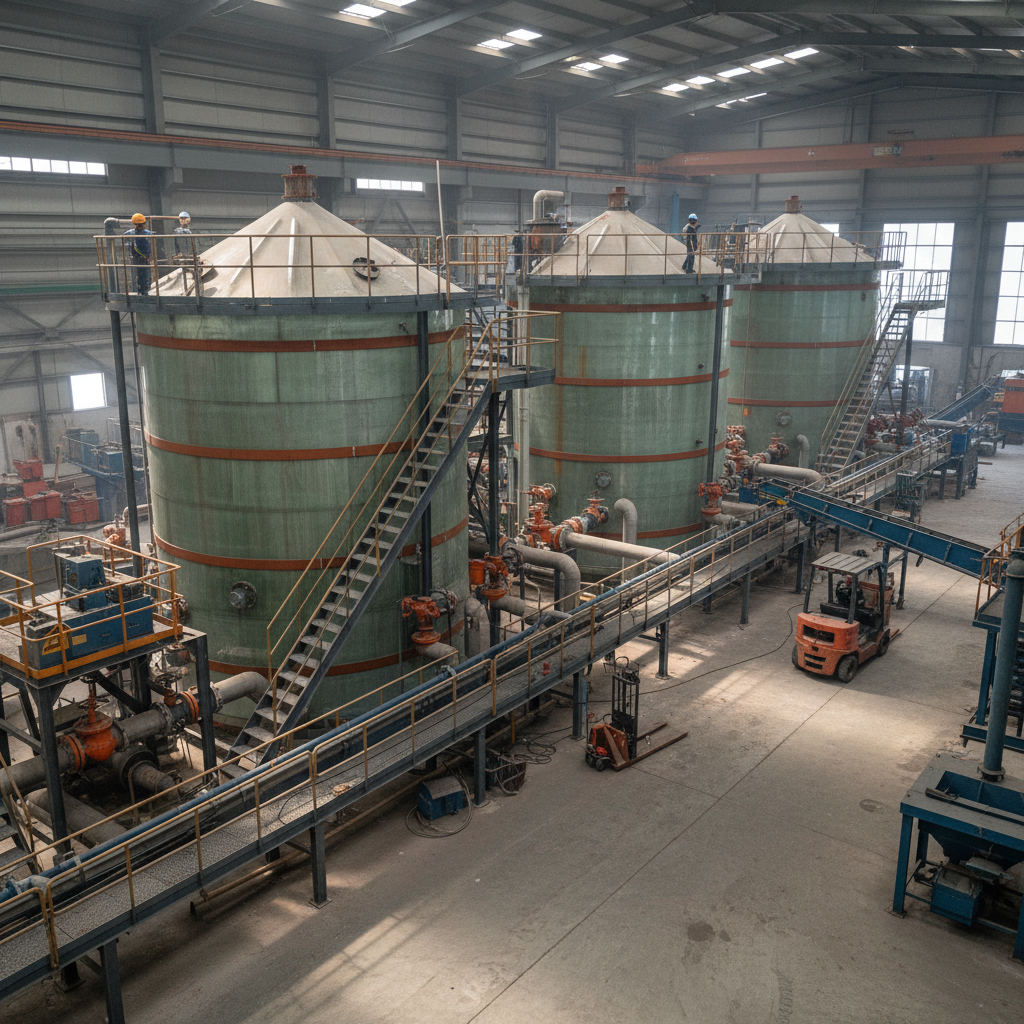
Sulfuric acid (H₂SO₄) is one of the most critical chemicals in modern industrial processes, used in fertilizer production, metal processing, and chemical manufacturing. The Mannheim process remains a cornerstone of sulfuric acid production, but advancements in technology have significantly enhanced its efficiency and environmental sustainability. This article explores the sulfuric acid production line offered by Hebei Aoliande Chemical Equipment Co., Ltd., a leading sulfuric acid manufacturer specializing in sulfuric acid plant solutions. The article also highlights the technical advantages, product specifications, and company background of this cutting-edge production system.
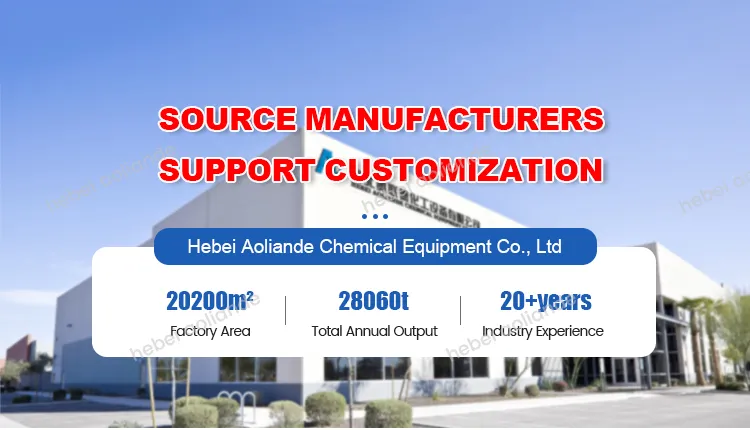
Product Specification
| Parameter | Details |
|---|---|
| Production Method | Mannheim Process |
| Raw Materials | Potassium chloride (KCl), sulfuric acid (H₂SO₄) |
| Reaction Temperature | 600°C+ |
| Key Components | Corrosion-resistant materials, PLC automation system |
| Energy Efficiency | Low coal consumption, optimized flue design |
| Output Capacity | Large-scale production |
| Environmental Compliance | Waste recovery system for HCl recycling |
The Mannheim Process: A Historical and Technological Overview
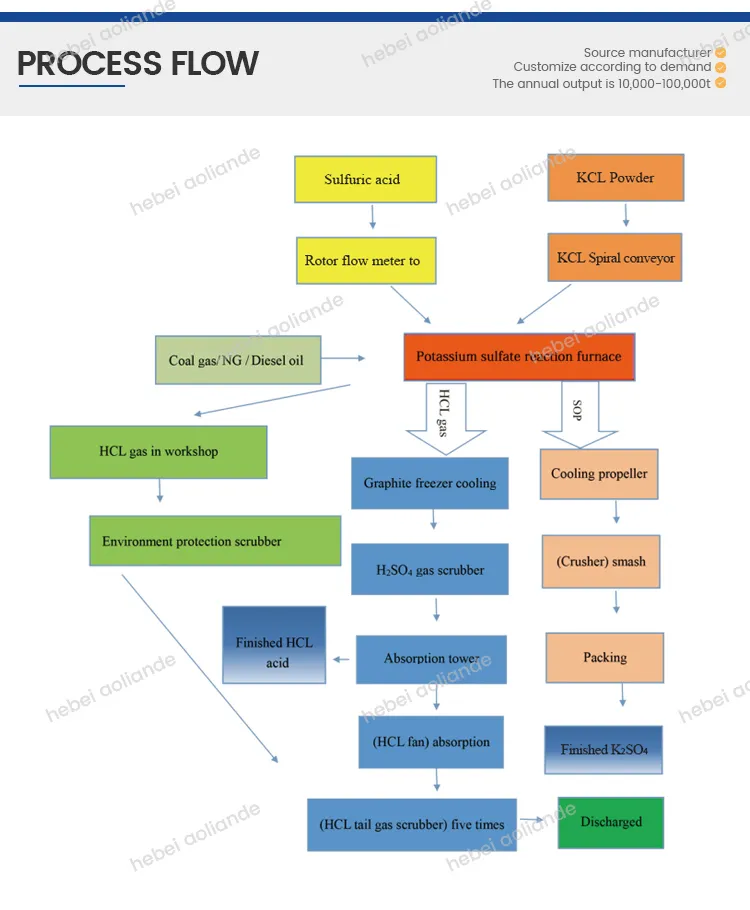
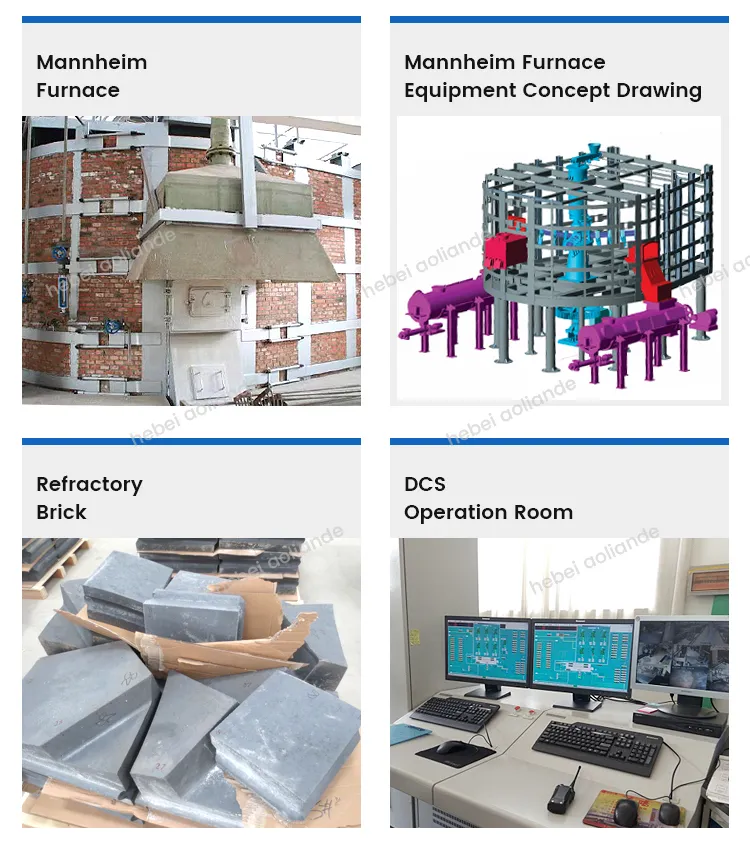
The Mannheim process is the most widely used method for producing sulfuric acid, accounting for 50-60% of global supply. This process involves the reaction of potassium chloride (KCl) with sulfuric acid (H₂SO₄) at high temperatures (above 600°C). The reaction occurs in a muffle furnace, where potassium sulfate (K₂SO₄) and hydrochloric acid (HCl) are produced in a two-step reaction via potassium bisulfate (KHSO₄). Despite its prevalence, the Mannheim process has faced challenges, including high energy costs and environmental concerns related to HCl emissions.
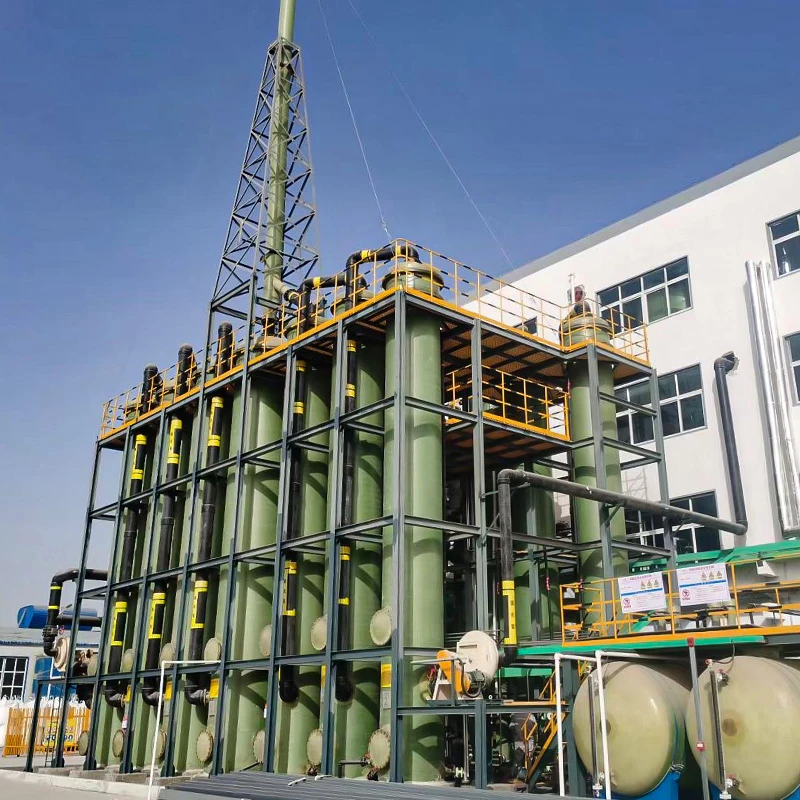
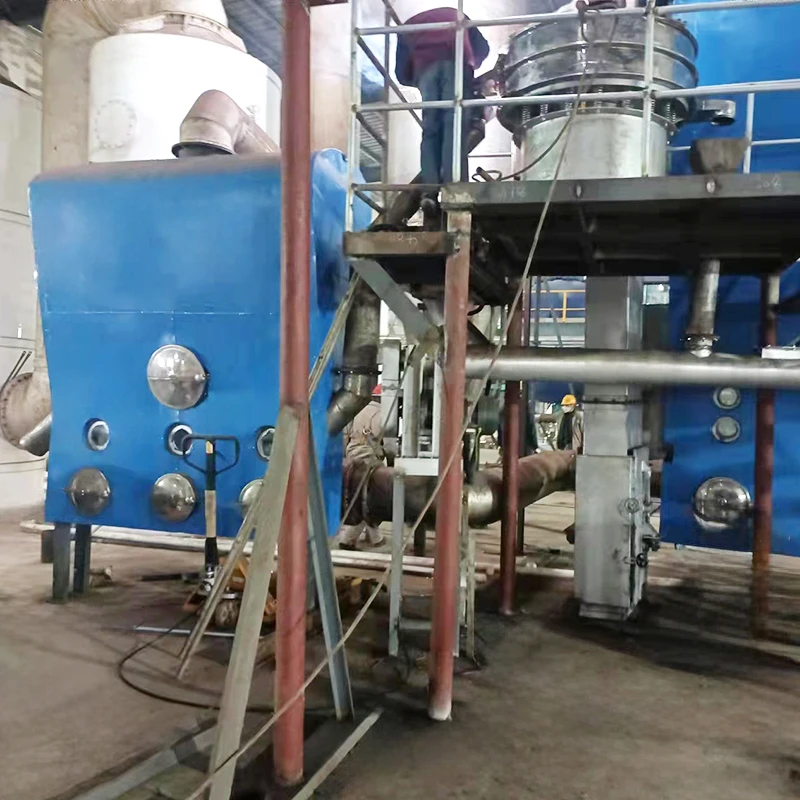
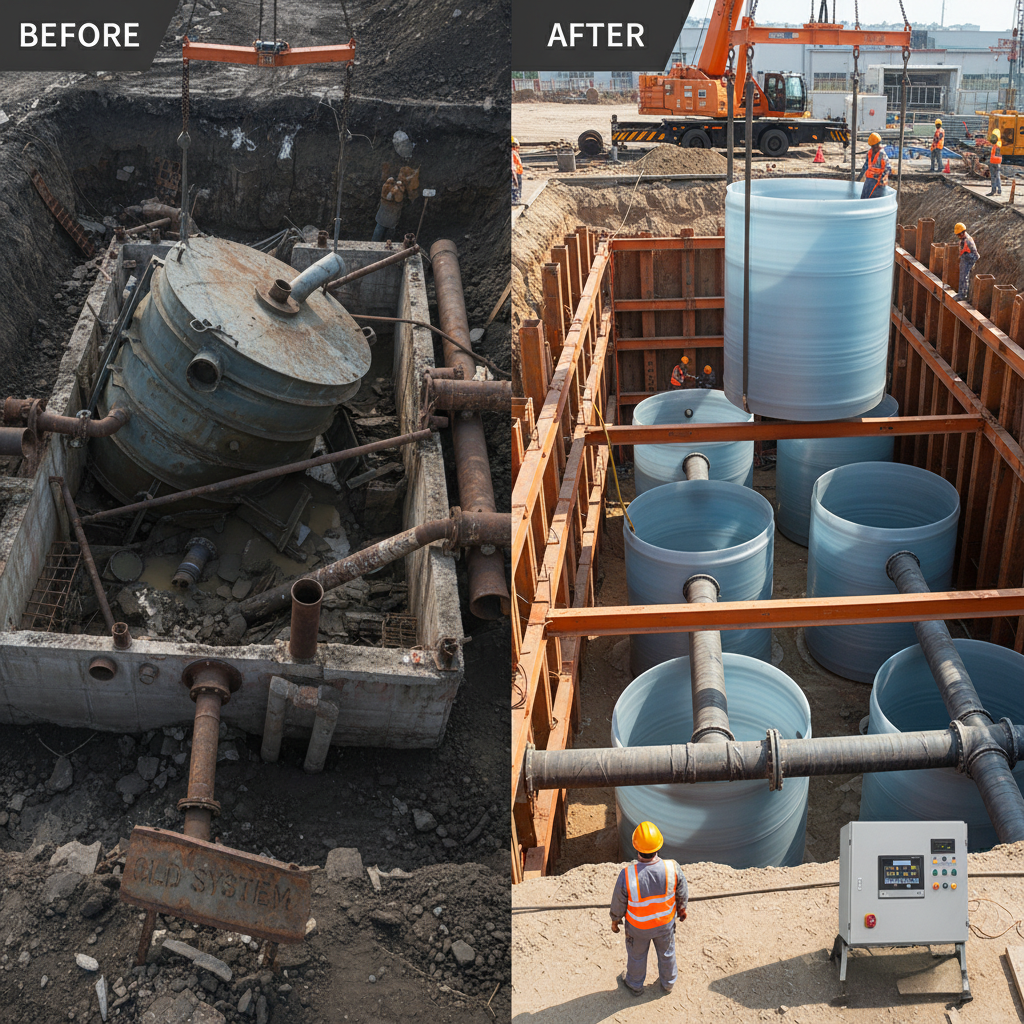
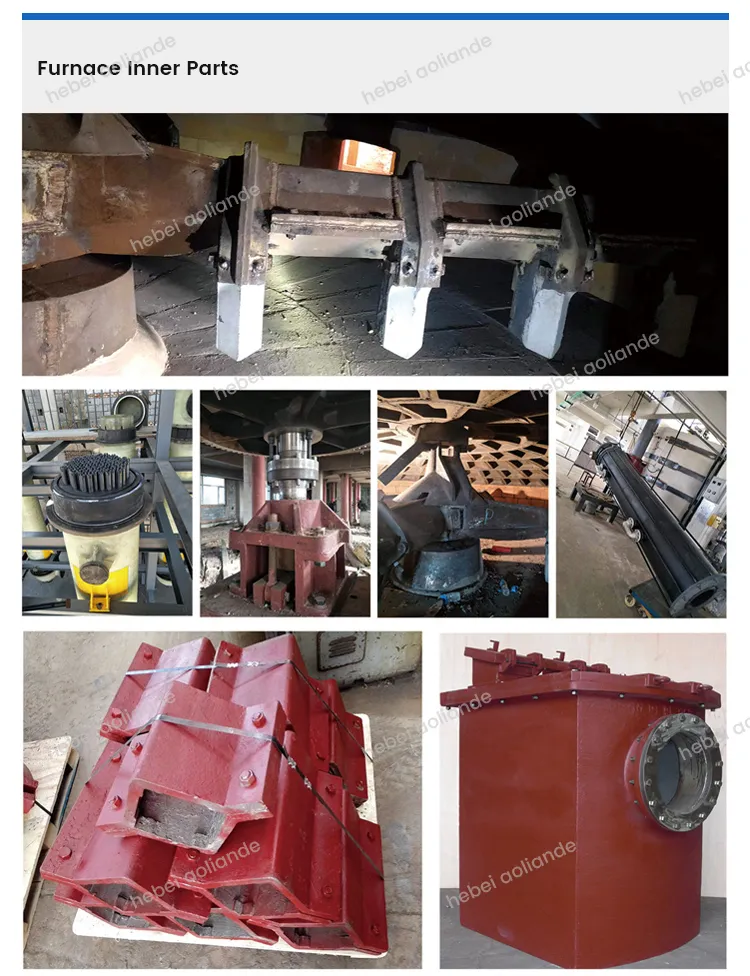
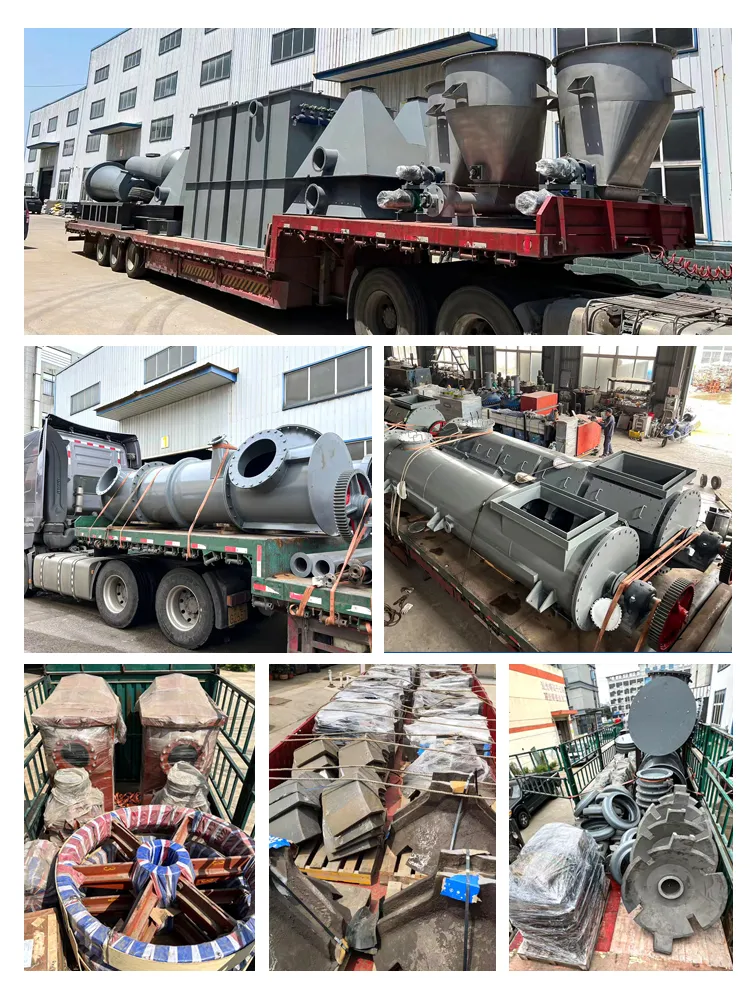
Hebei Aoliande Chemical Equipment Co., Ltd. has addressed these challenges through innovative improvements to the Mannheim furnace. By optimizing the furnace construction and material selection, the company has achieved even heating, complete reaction, and reduced energy consumption. These advancements are critical for modern sulfuric acid plant operations, where efficiency and sustainability are paramount.
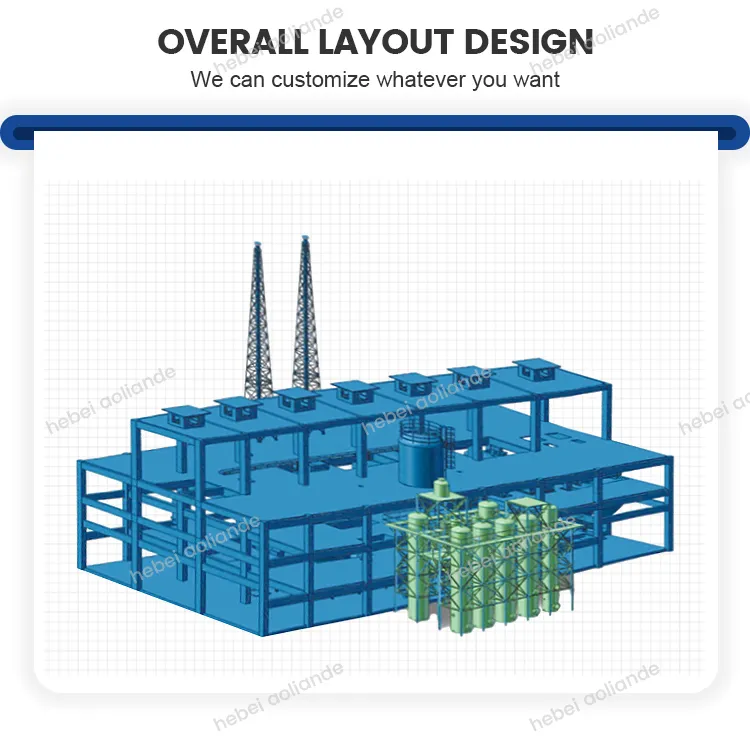
Technical Advantages of the Sulfuric Acid Production Line
The sulfuric acid production line developed by Hebei Aoliande offers a range of technical advantages that set it apart from traditional methods. These include:
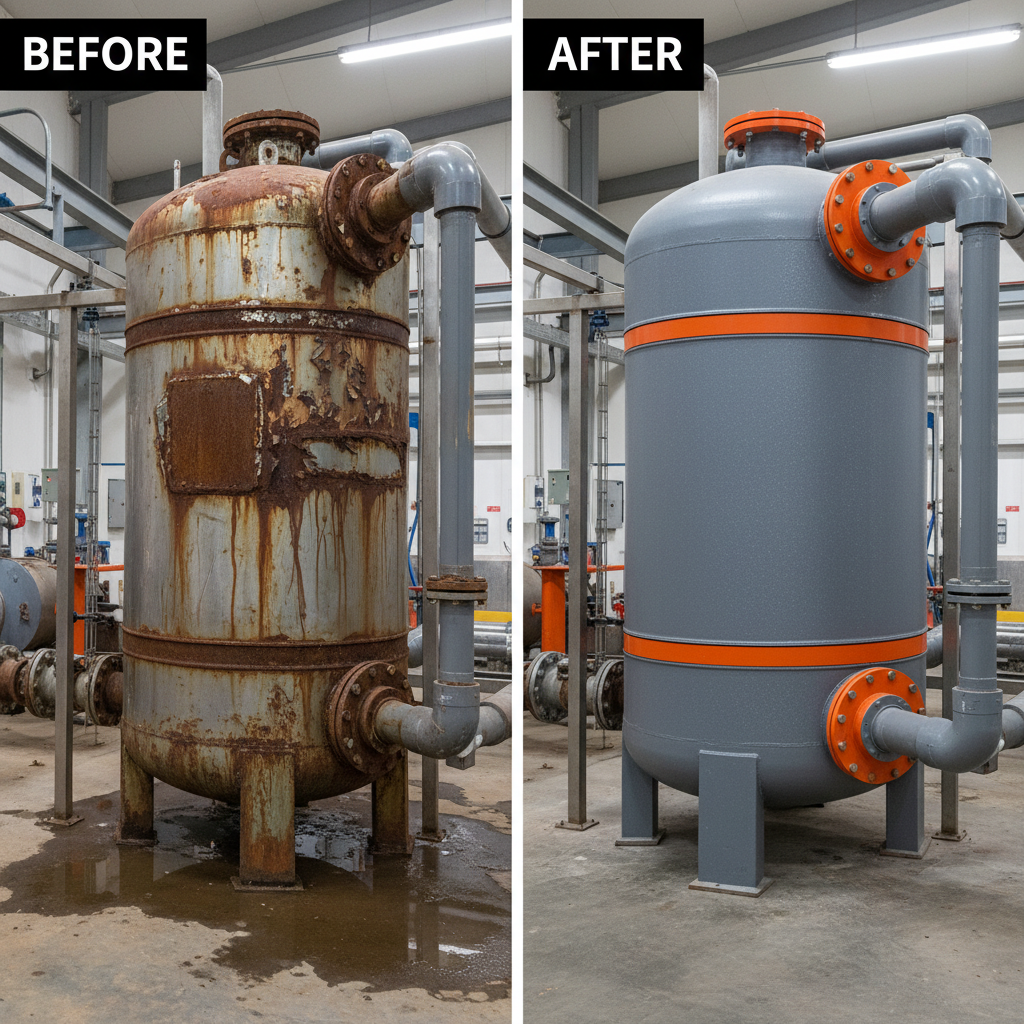
- Corrosion-Resistant Materials: Key components are made from special materials that resist corrosion, ensuring a long service life for the equipment.
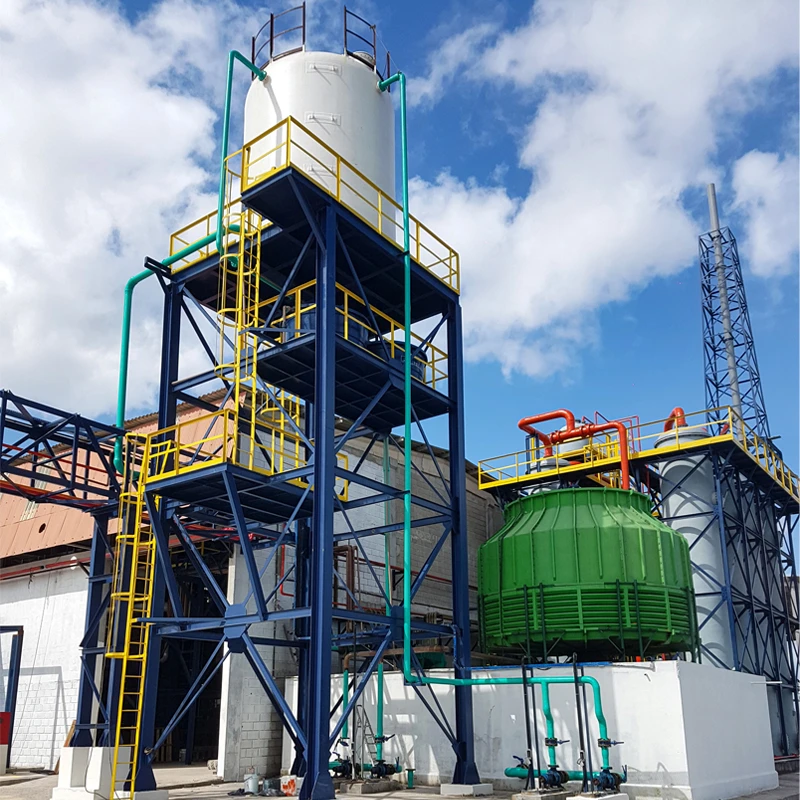
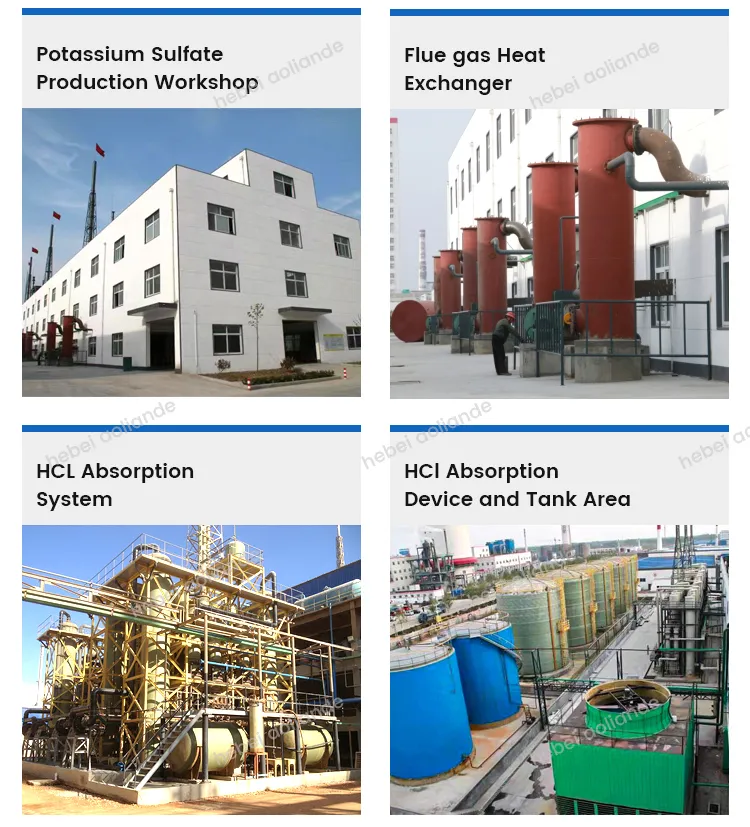
- Waste Recovery System: A hydrochloric acid (HCl) recovery system recycles waste HCl, reducing environmental impact and aligning with NIST standards for industrial waste management [1].
- Improved HCl Absorption: Adjusted absorption systems enhance the quality of the final product and reduce emissions.
- Energy-Efficient Design: The flue design in the furnace maximizes energy use, lowering coal consumption and operational costs.
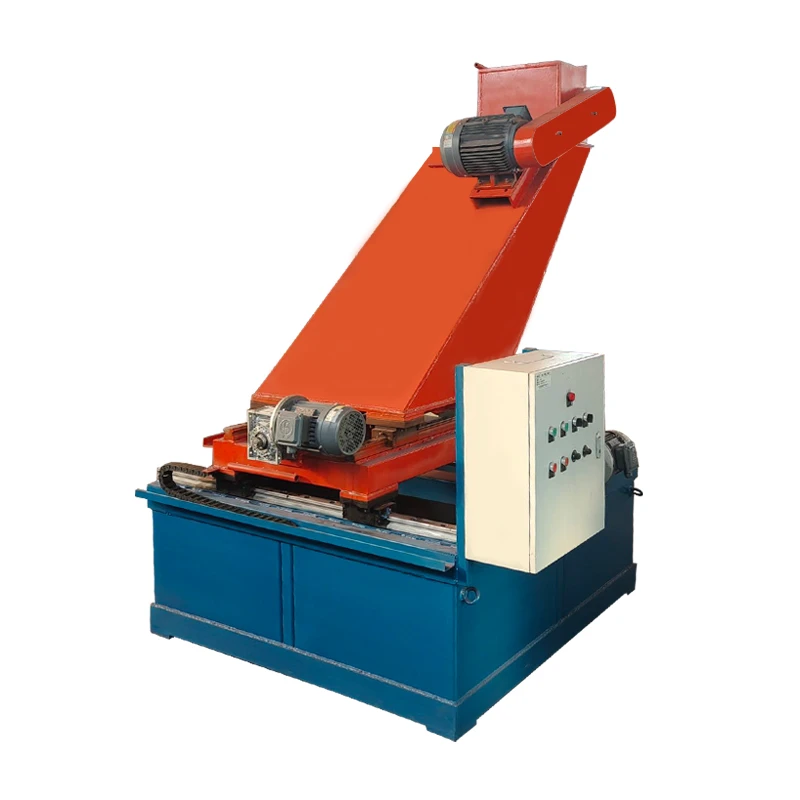
- PLC Automation: A programmable logic controller (PLC) system ensures precise control over feedstock ratios, reducing labor costs and improving consistency.
- Alternative Heating Method: The use of a gas generator instead of traditional heating methods further enhances efficiency.
- Stable Operation: The system is designed for stable production and easy operation, making it suitable for large-scale sulfuric acid plant applications.
These innovations reflect the company's commitment to sustainable industrial practices and technological excellence, as highlighted in the NIST guidelines for chemical manufacturing [2].
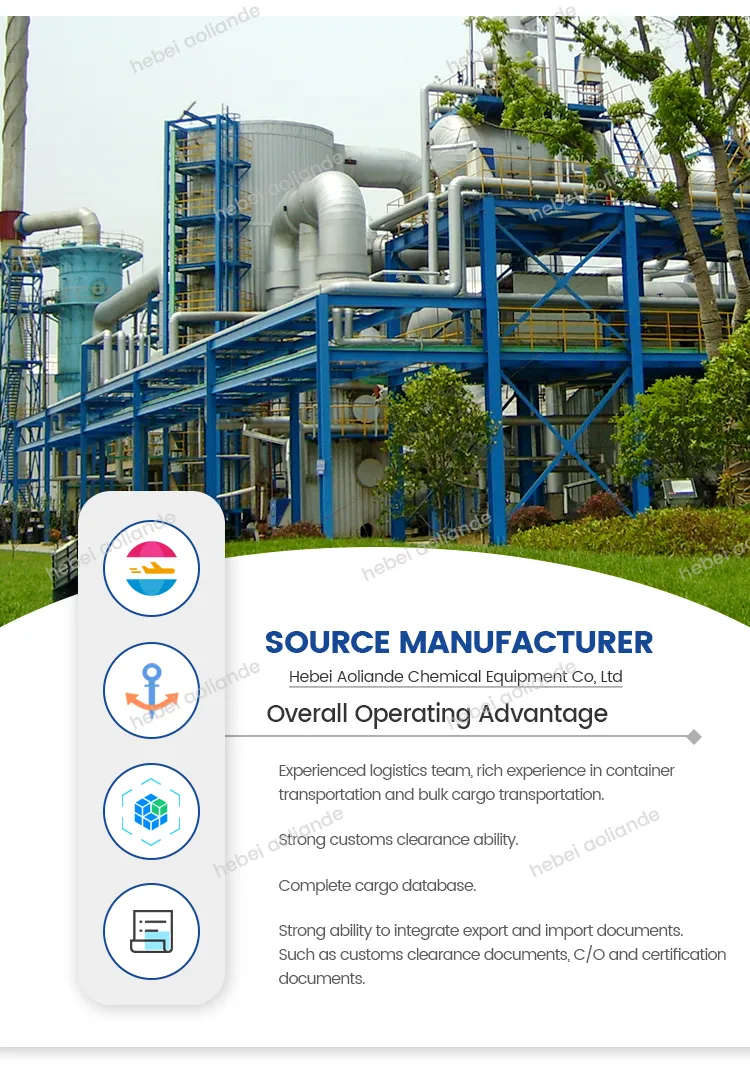
Product Details and Applications
The sulfuric acid production line is designed for commercial production of sulphuric acid, with applications in various industries. Key features include:
- High Output: The system supports large-scale production, meeting the demands of sulfuric acid plant operators.
- Low Energy Consumption: Advanced design minimizes energy use, reducing operational costs and environmental impact.
- Environmental Compliance: The waste recovery system ensures adherence to global environmental regulations, such as those outlined by the NIST [3].
For more information on sulfuric acid production, visit the official product page here.

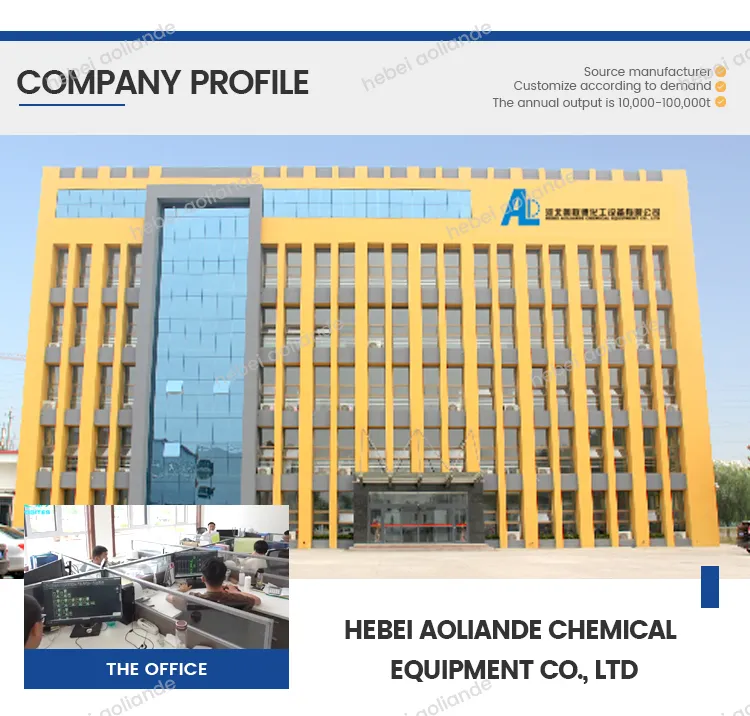
Company Profile: Hebei Aoliande Chemical Equipment Co., Ltd.
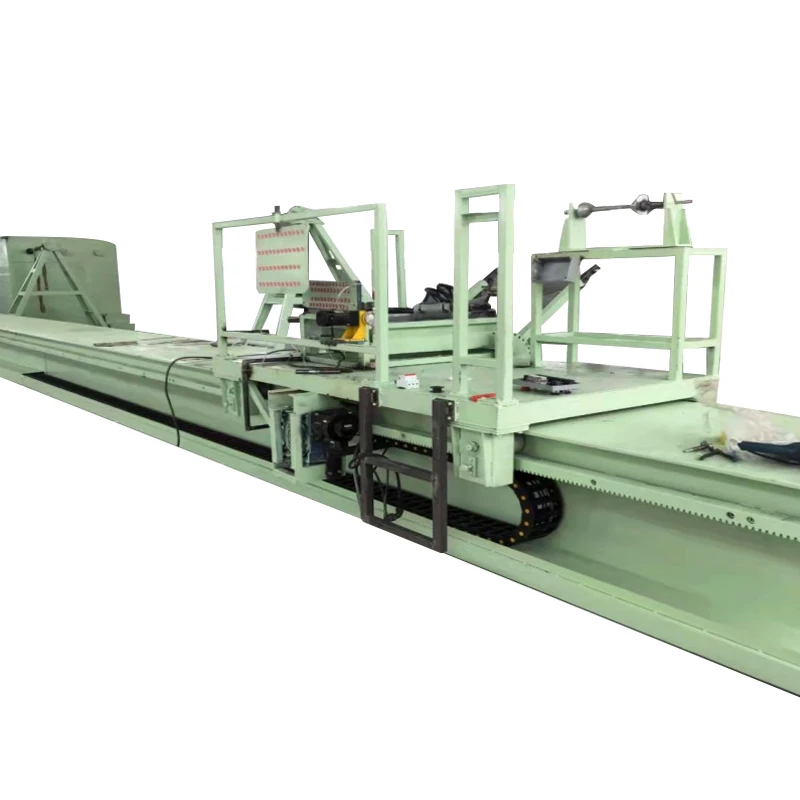
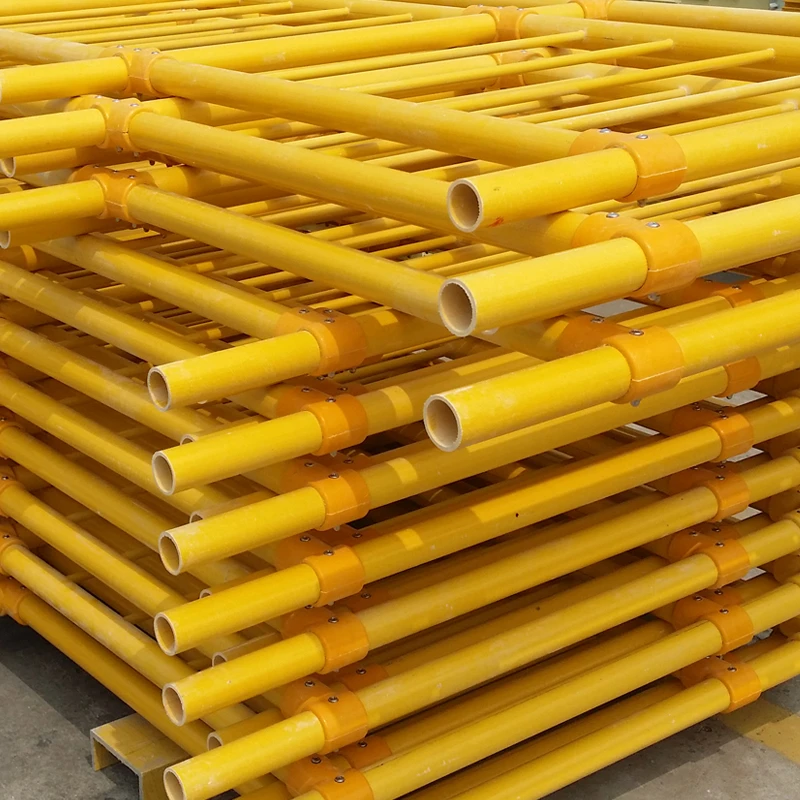
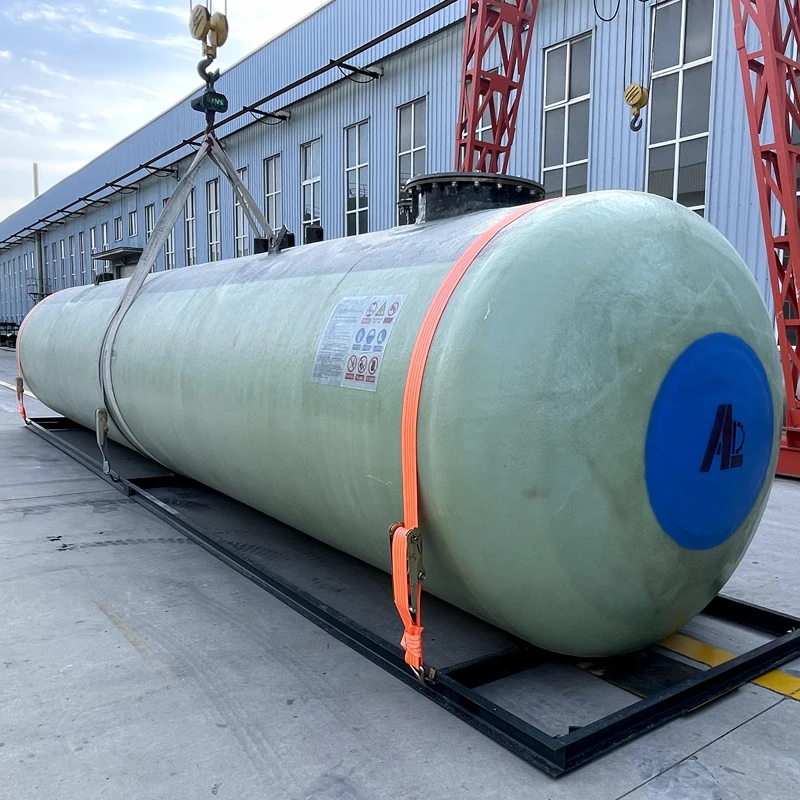
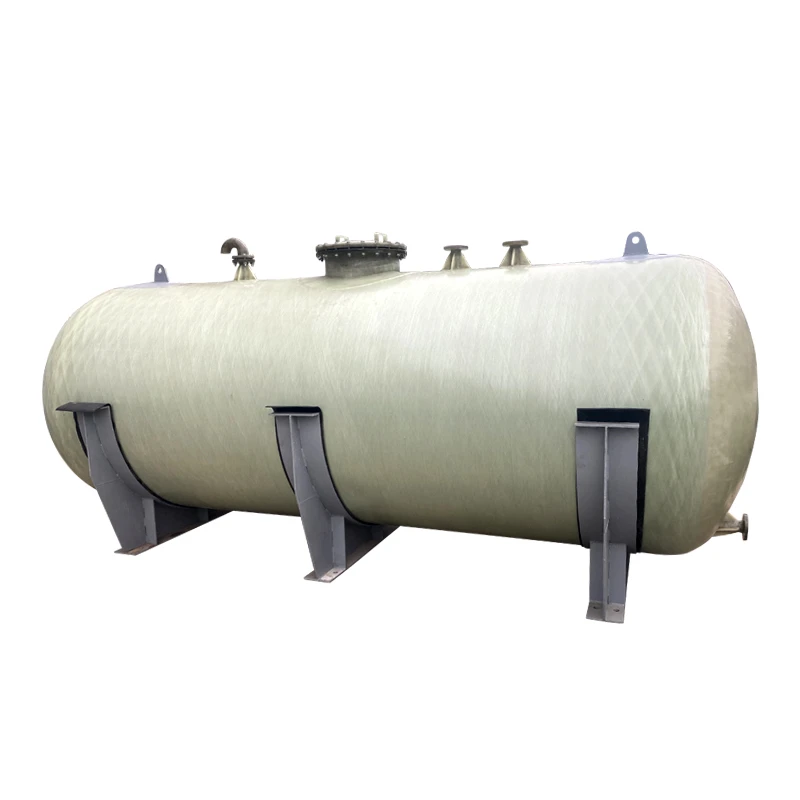
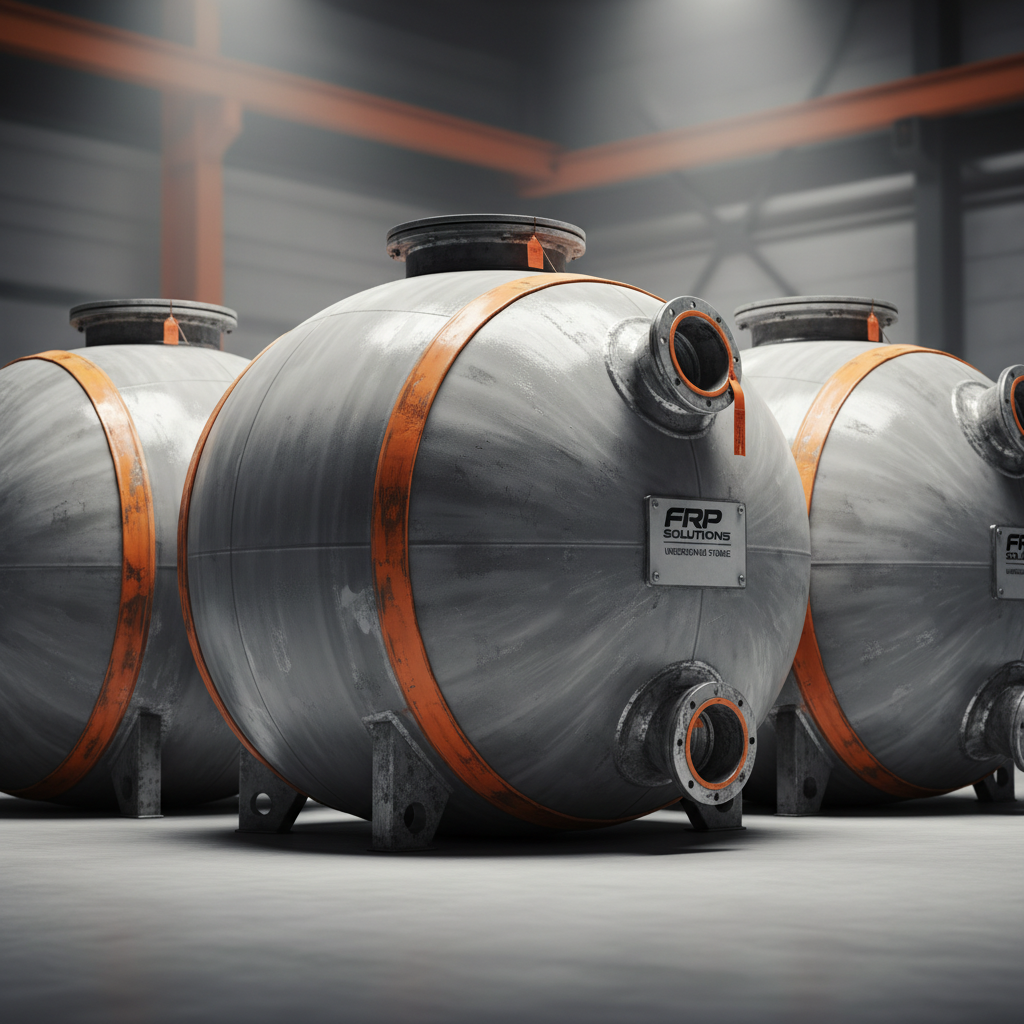
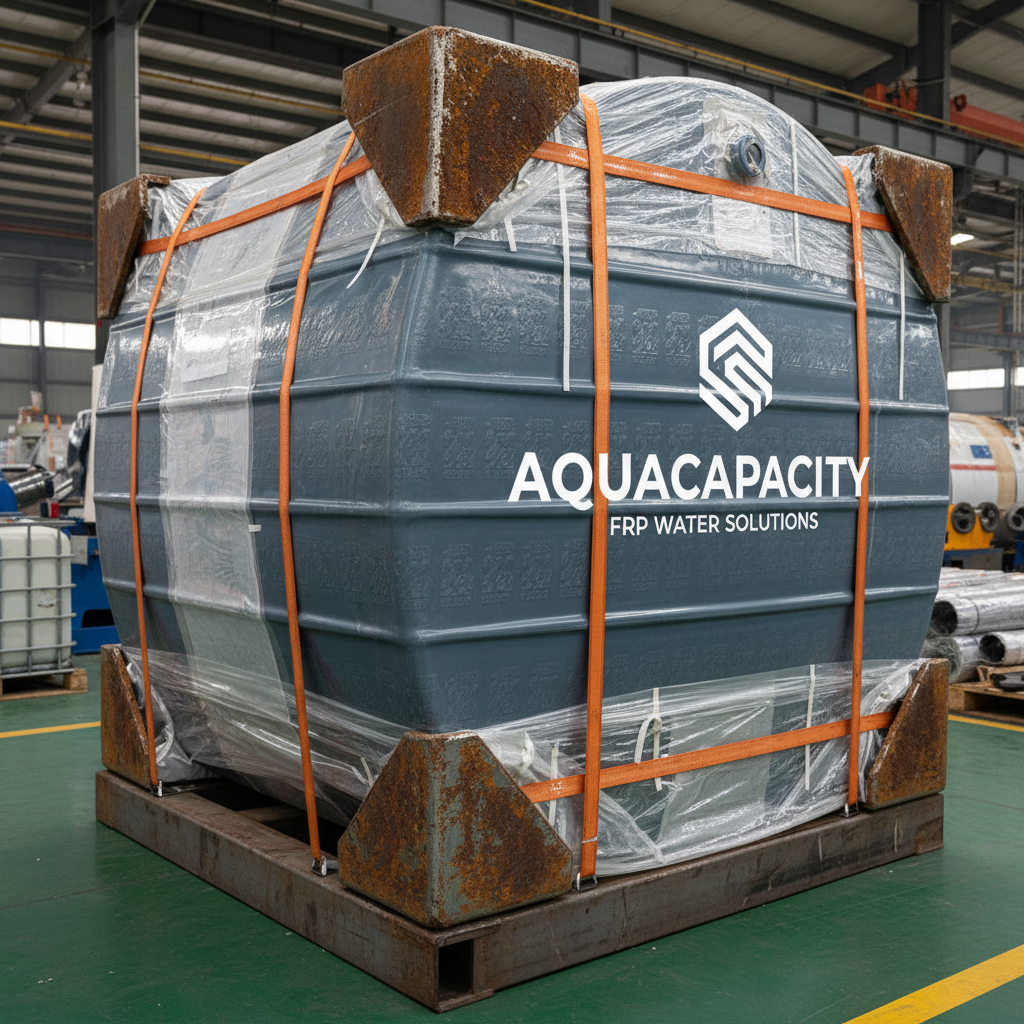
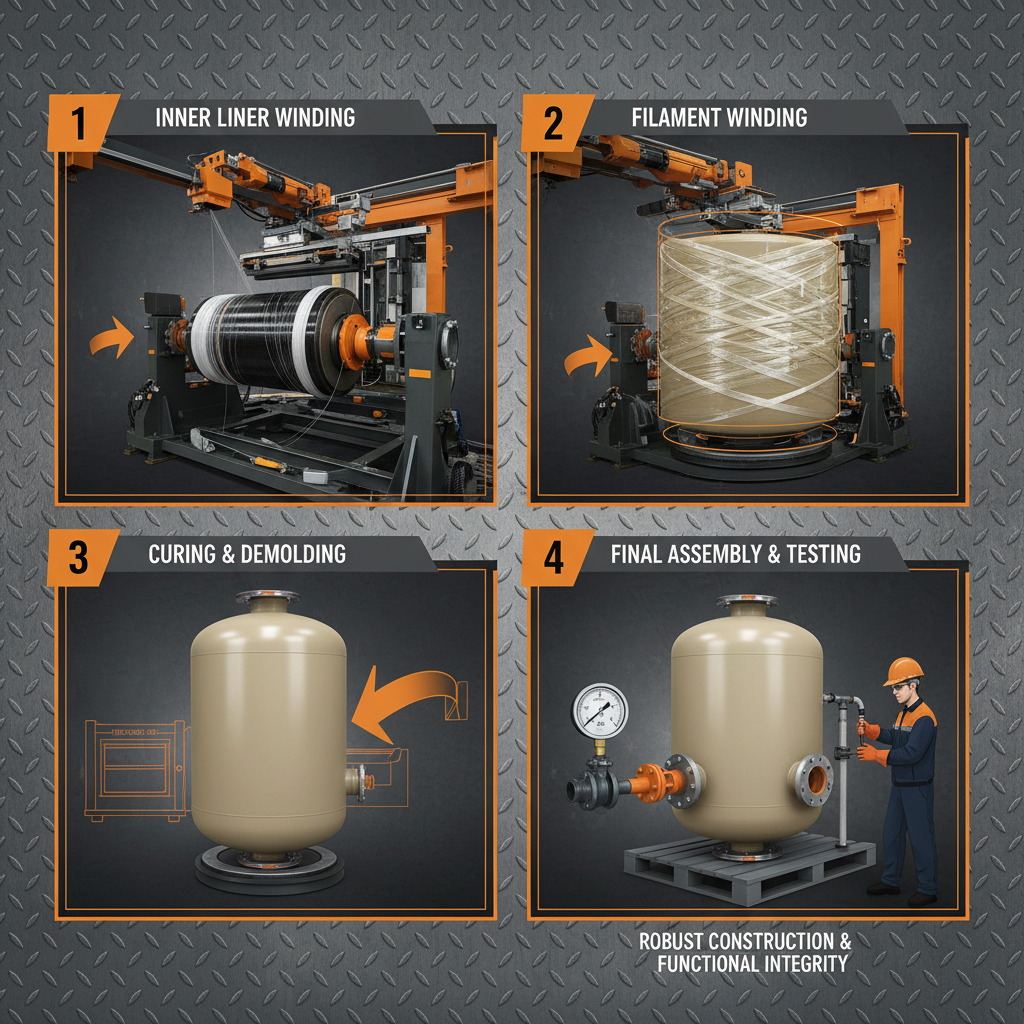
Hebei Aoliande Chemical Equipment Co., Ltd. is a leading provider of FRP (Fiberglass Reinforced Plastic) products, including FRP pipes, FRP storage tanks, and FRP production machinery. The company has established itself as a sulfuric acid manufacturer through its commitment to advanced technology, excellent craftsmanship, and environmental responsibility.
Key highlights of the company include:
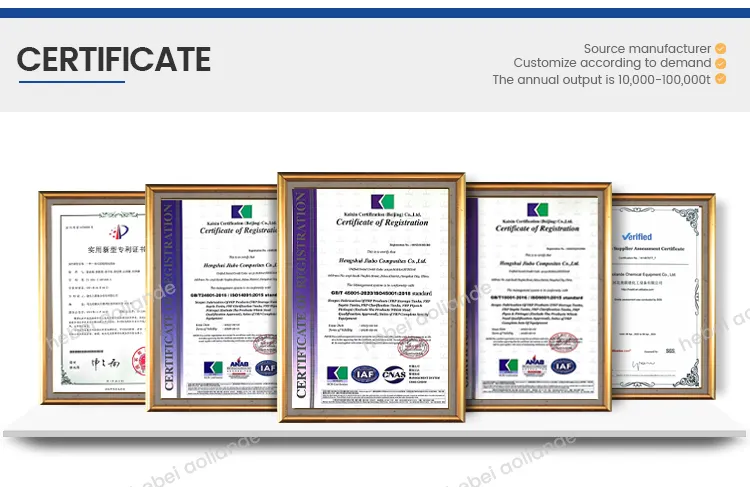
- ISO Certifications: The company has passed ISO 9001 (quality management) and ISO 14001 (environmental management) certifications, ensuring compliance with international standards.
- Global Reach: Products are exported to countries such as the United States, Brazil, Japan, Germany, India, Malaysia, and Egypt, demonstrating the company's global reputation.
- Workforce: With over 50 employees, the company maintains a strong focus on innovation and customer satisfaction.
- Annual Sales: The company's FRP series products generate over $5 million in annual sales, reflecting its market leadership.
For more details about the company, visit the company profile here.
Conclusion
The sulfuric acid production line developed by Hebei Aoliande Chemical Equipment Co., Ltd. represents a significant advancement in sulfuric acid plant technology. By integrating corrosion-resistant materials, energy-efficient designs, and environmental compliance systems, the company has set a new standard for sulfuric acid production. As the demand for sulfuric acid continues to grow, this production line offers a sustainable, cost-effective, and technologically advanced solution for industrial applications.
For more information on sulfuric acid production, visit the product page here.
References
[1] National Institute of Standards and Technology (NIST) – Environmental Standards for Industrial Waste Management.
[2] NIST – Guidelines for Chemical Manufacturing Processes.
[3] NIST – Energy Efficiency in Industrial Applications.