Sulfuric Acid Production: Turnkey, Low-Emission, High ROI?
Sulfuric Acid Production Line For H2SO4 Plant: Field Notes, Specs, and Buying Realities
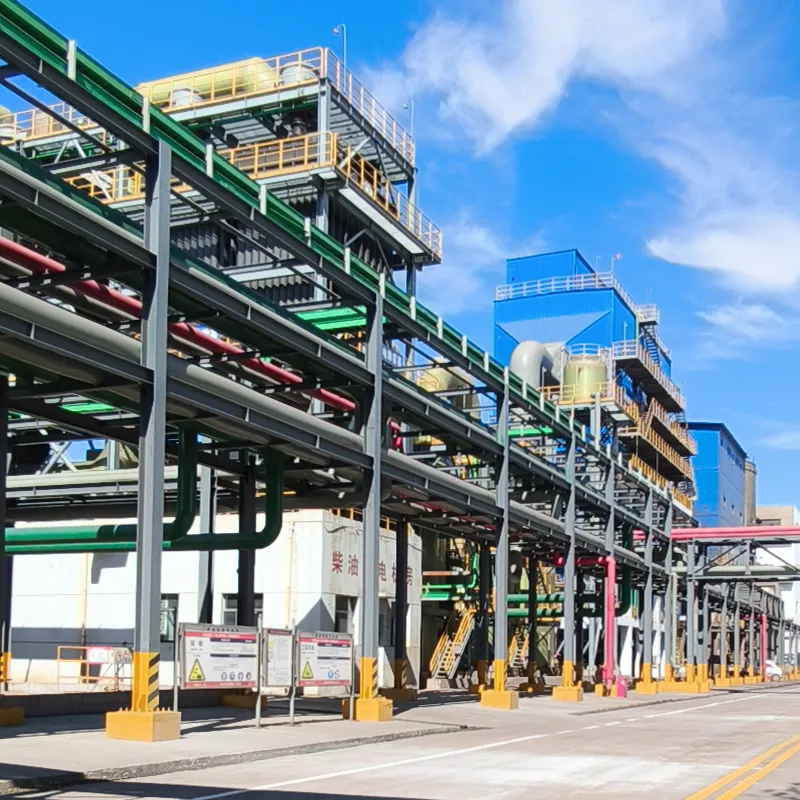
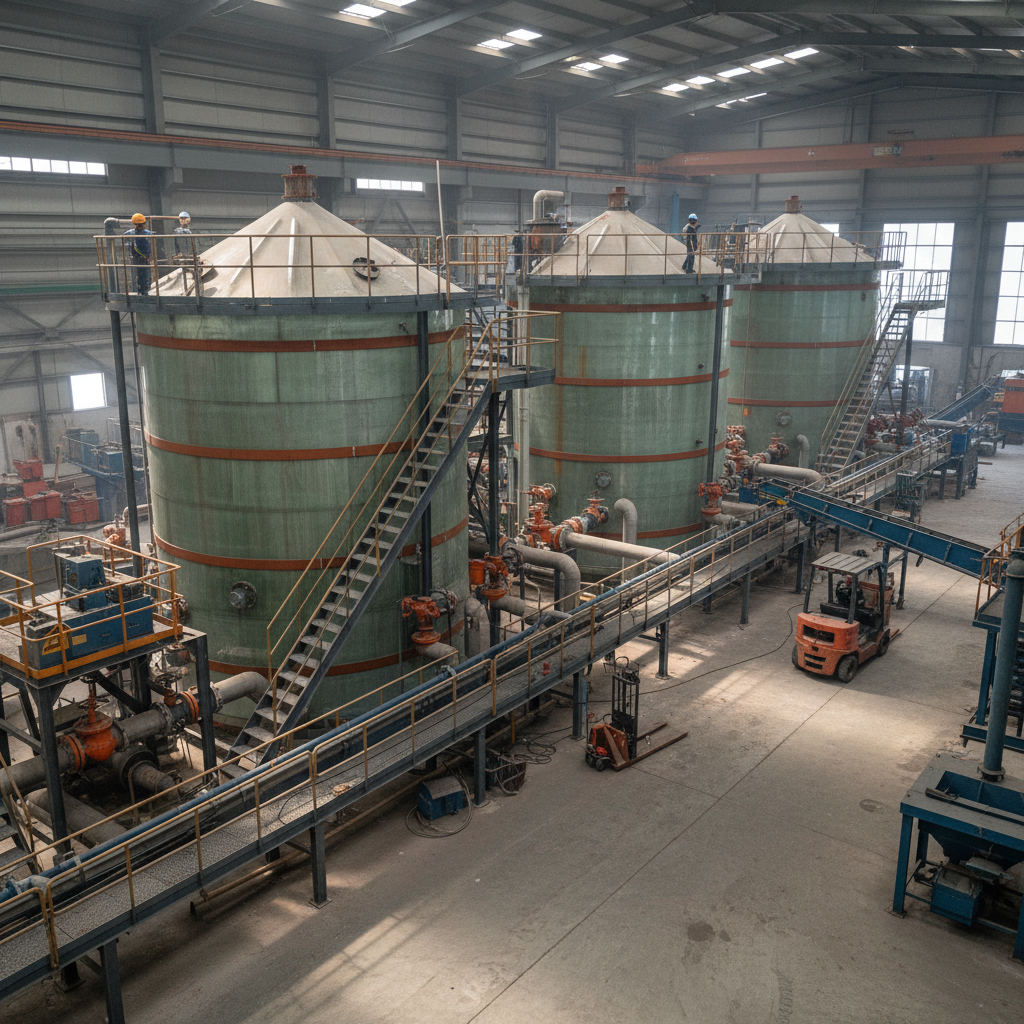
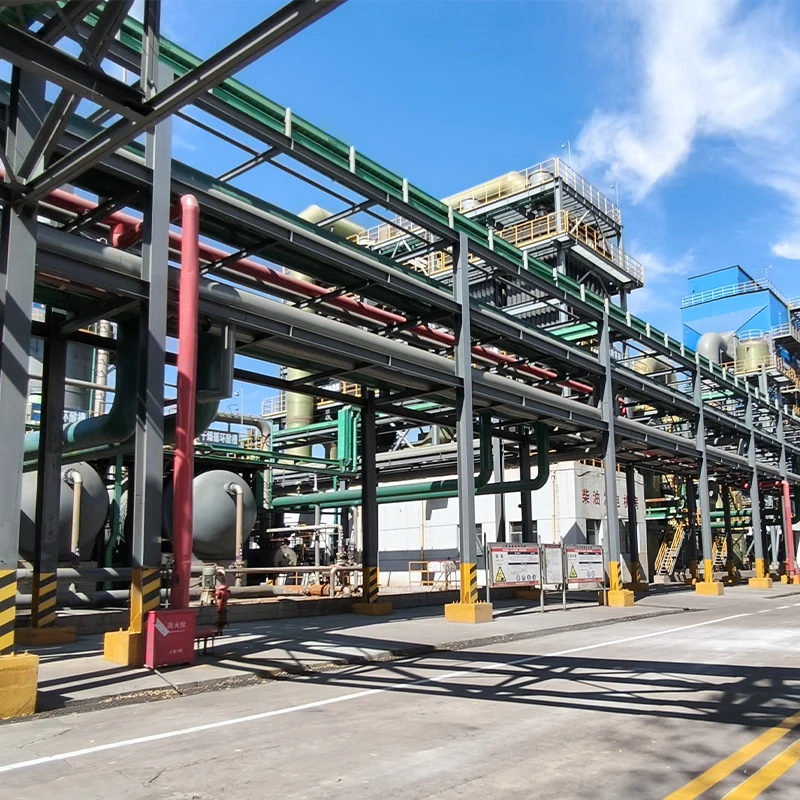
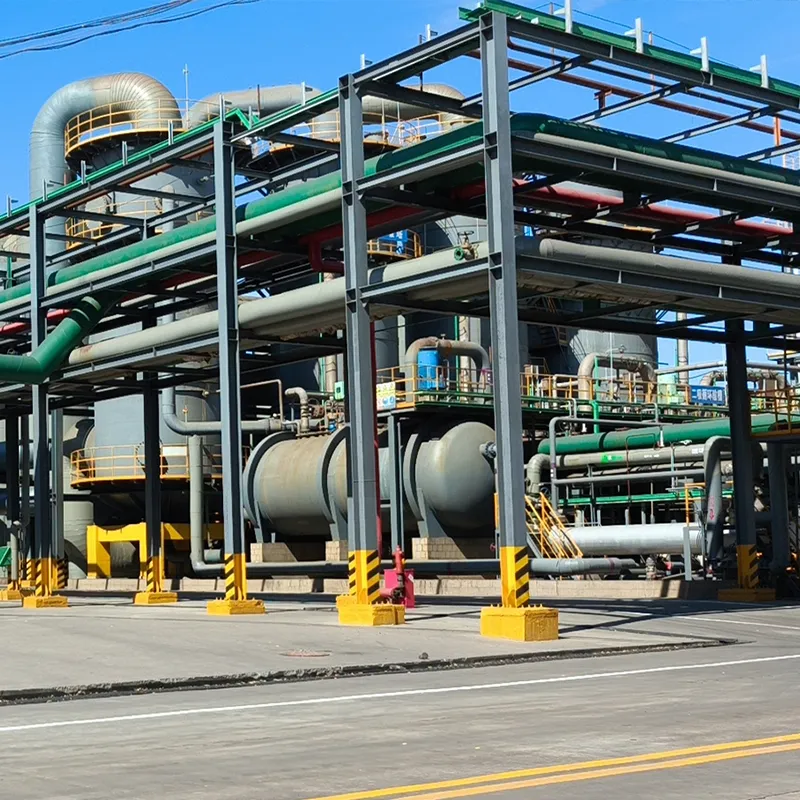
If you’ve ever walked a hot, humming acid plant at shift change, you know the difference between a line that “runs” and a line that runs clean, efficient, and safe. Our latest pass through Hebei’s manufacturing belt took me to No. Room 211,706 Xinghua North Street, Jizhou District, Hengshui City—where a team is quietly refining the craft of sulfuric acid production hardware. And, to be honest, I was expecting textbook gear; what I saw was a bit more pragmatic than that.
Industry Trends I’m Seeing
- Ultra-low SO2 emissions with tail-gas polishing (≤150 mg/Nm³ is becoming normal in new builds).
- Heat-integration that actually exports steam (≈0.8–1.2 t steam per t H2SO4 in real plants).
- Hybrid lines: fresh acid plus spent-acid regeneration for refineries and nitration loops.
- Mannheim-style furnace modules appearing where even heating and stable throughput are critical—more on that in a second.
Process Flow (Contact Process, Plus Practical Tweaks)
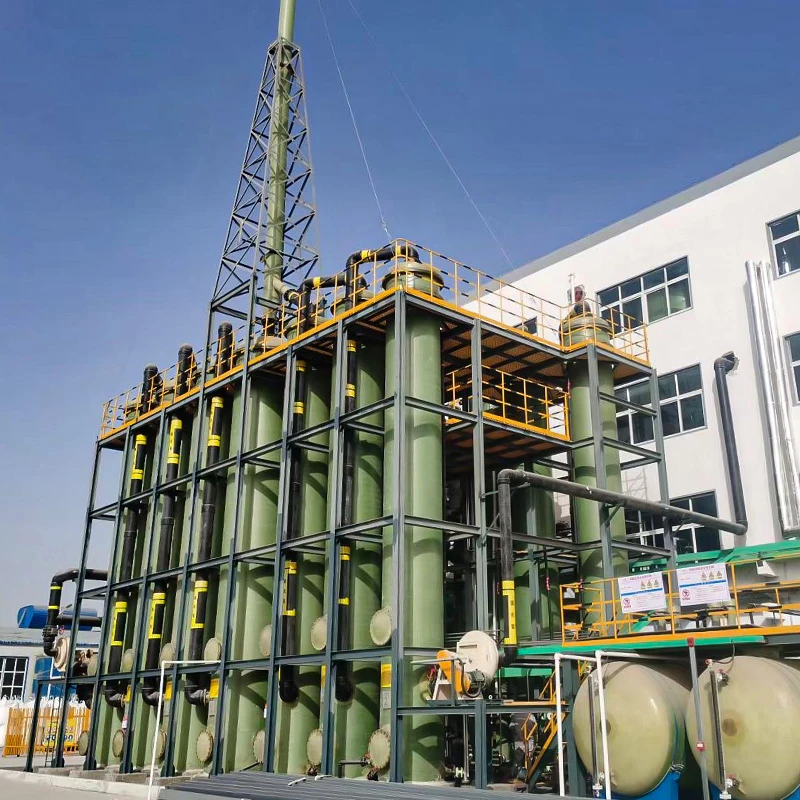
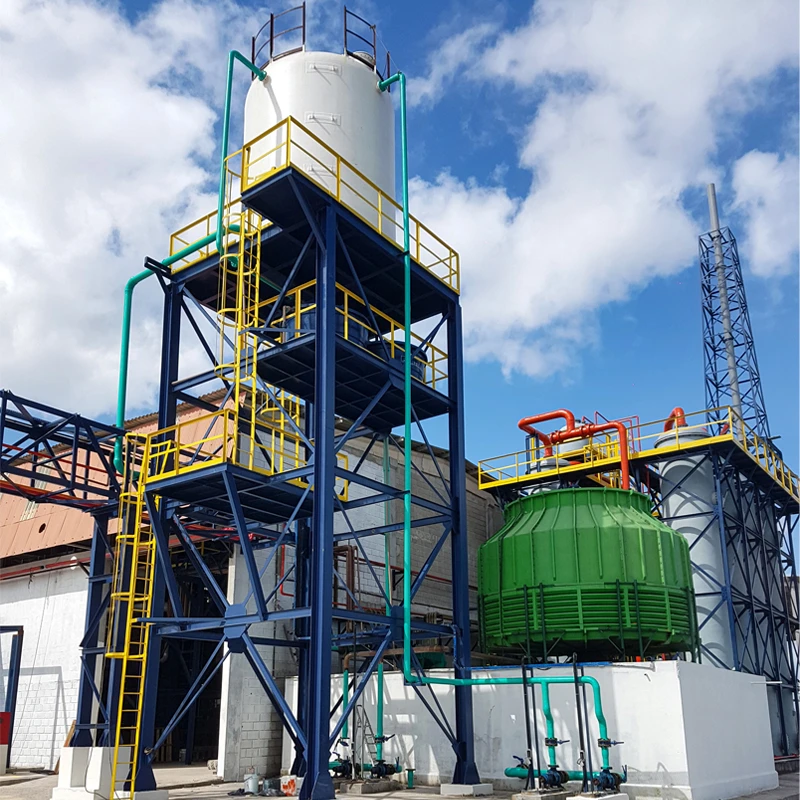
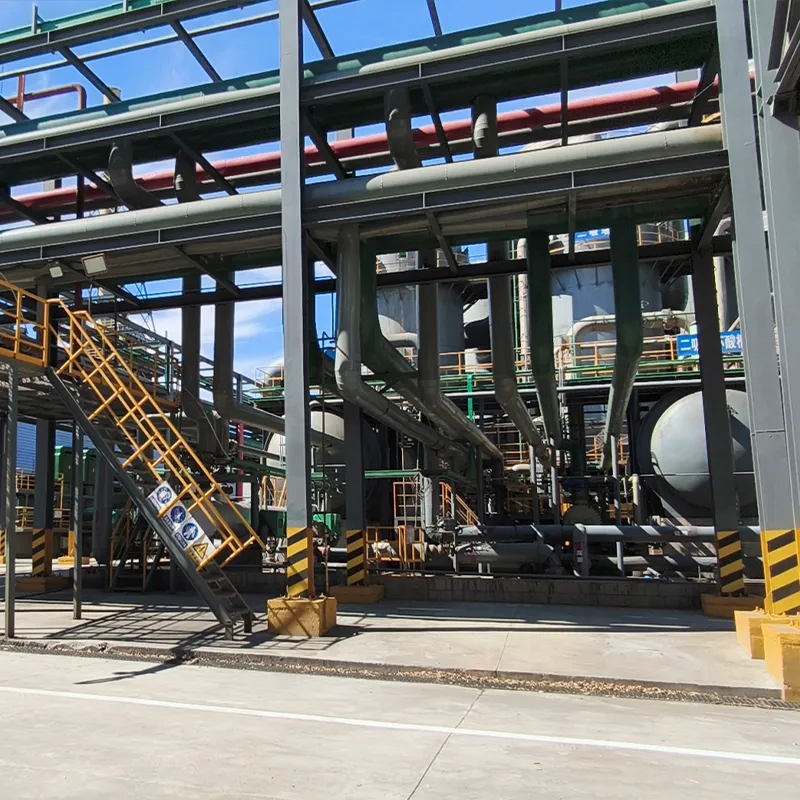
Materials: sulfur (or acid gas), dry air, V2O5/TiO2 catalyst, demin water. Methods: sulfur burning to SO2, catalytic conversion to SO3 in multi-bed converter with interpass absorption, final absorption to 98–99.5% acid, plus tail-gas cleanup. Many customers say they want “stable acid strength without baby-sitting the tower”—that’s about smart heat recovery, decent packing, and tight control loops.
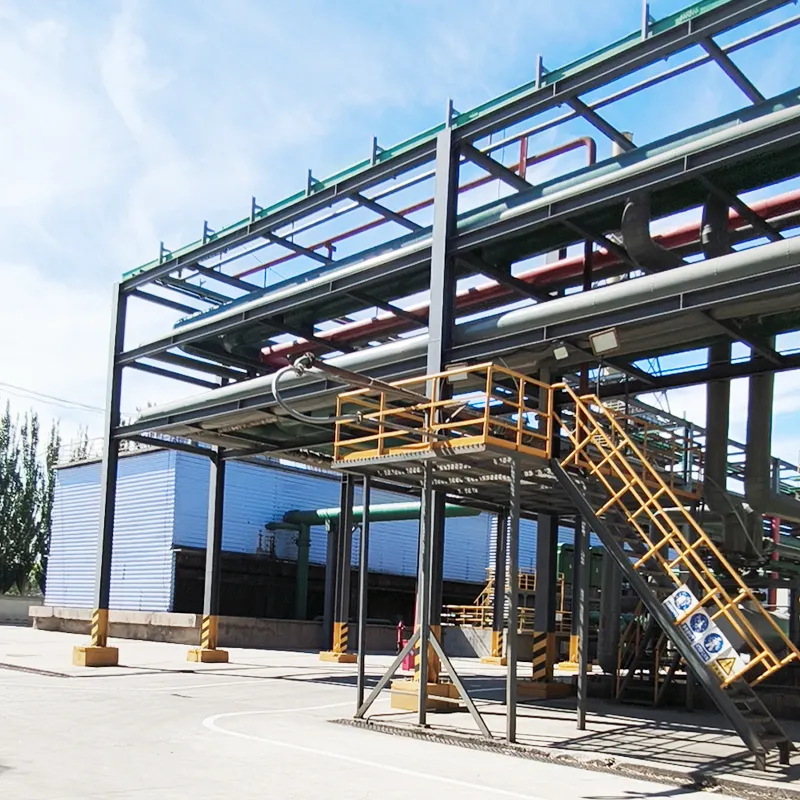
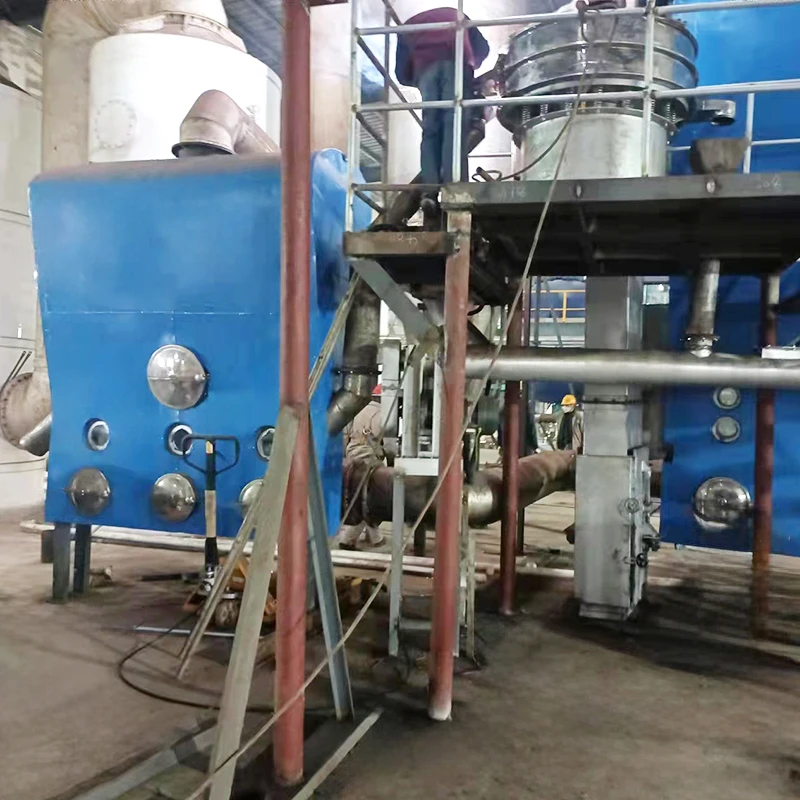
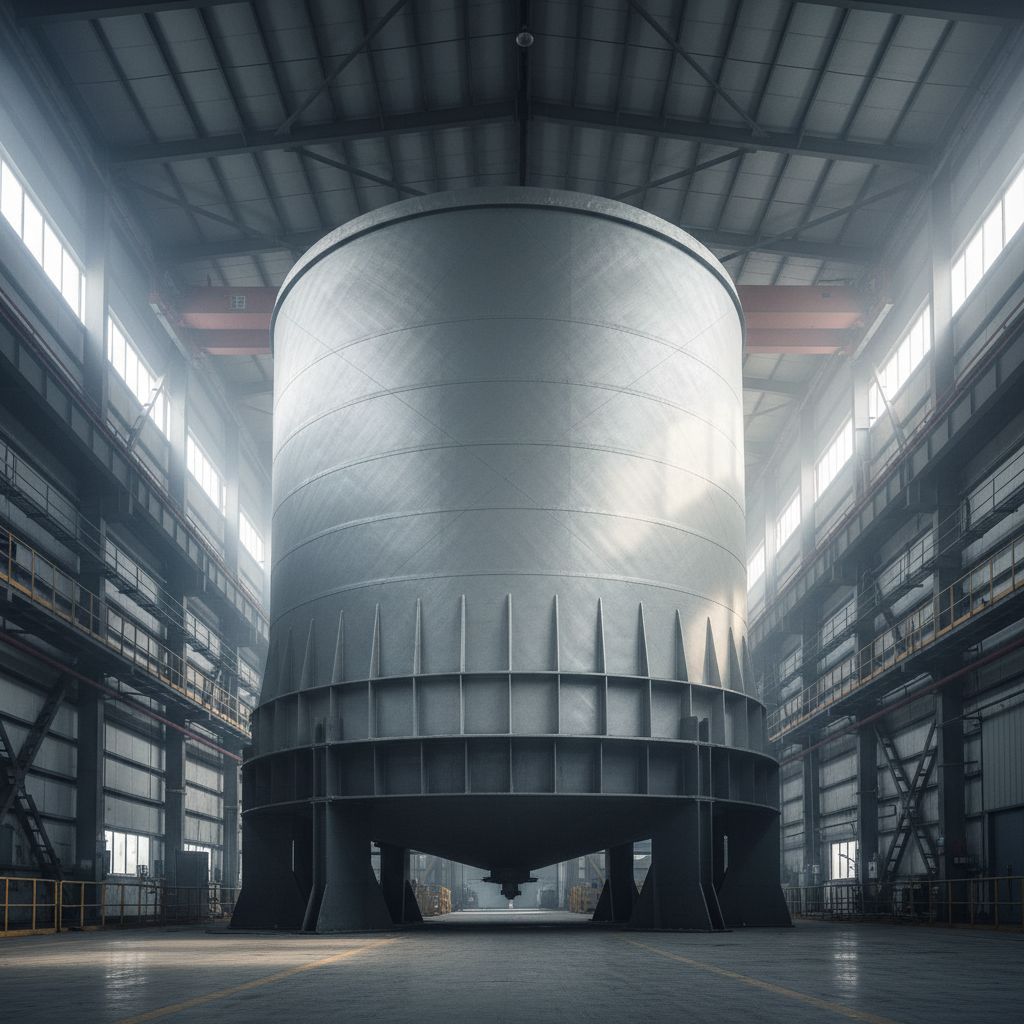
Where the Mannheim furnace shows up: this supplier uses a Mannheim-furnace-derived heating and reaction design for certain sub-steps and derivative sulfate projects—improved refractory, better mixing, more uniform heat flux. The result is even heating and complete reaction with lower energy draw. It’s not replacing the contact process; it’s the even-heat backbone for stages that really hate hot spots.
Product Specs (Representative)
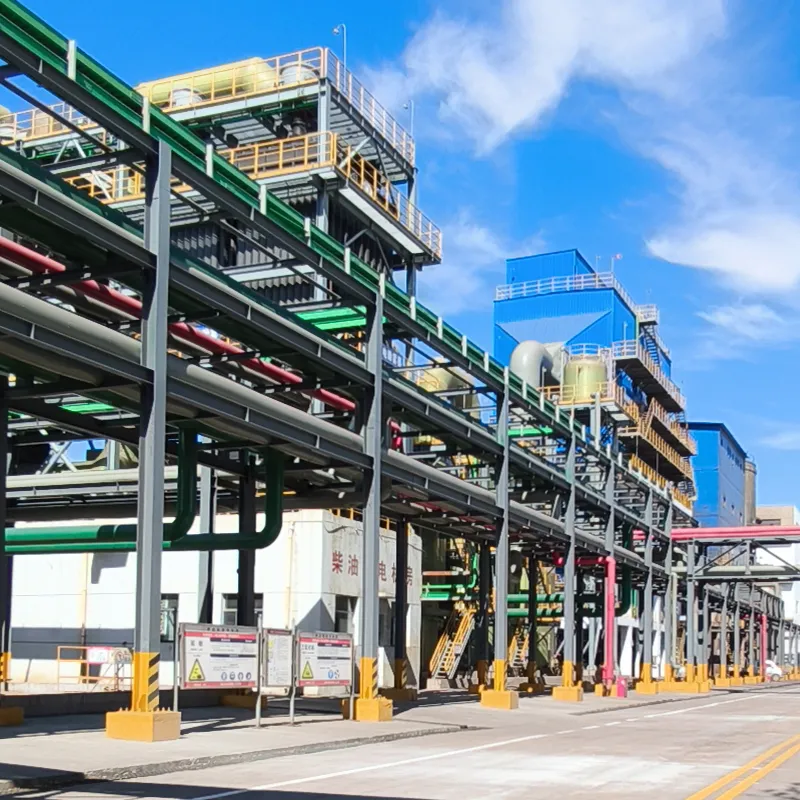
| Model | Sulfuric Acid Production Line For H2SO4 Plant |
| Capacity | 30–400 kt/a (custom; ≈±10% turndown) |
| Acid Strength | 98.0–99.5 wt% (oleum optional 20–65%) |
| Catalyst | V2O5-based, low-pressure drop, multi-bed |
| Energy | Steam export ≈0.9 t/t acid; real-world may vary |
| Emissions | SO2 ≤150 mg/Nm³ with tail-gas polishing; NOx trace |
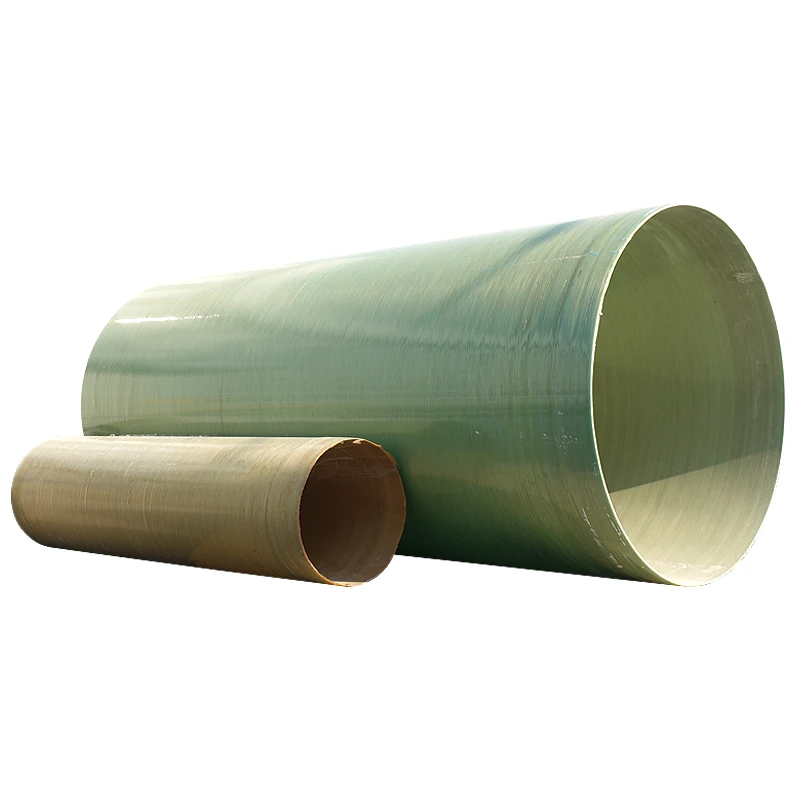
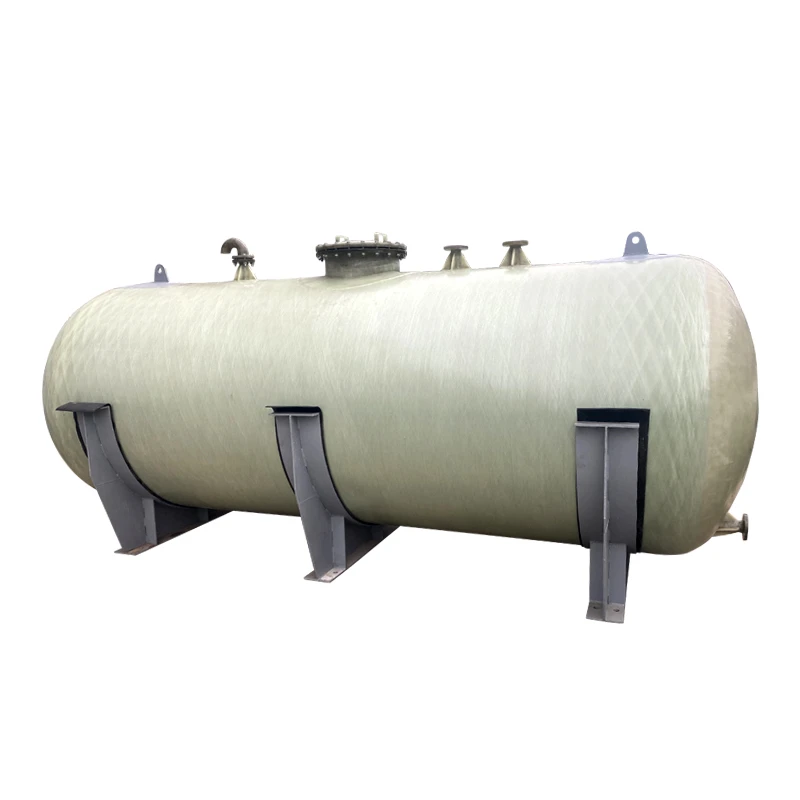
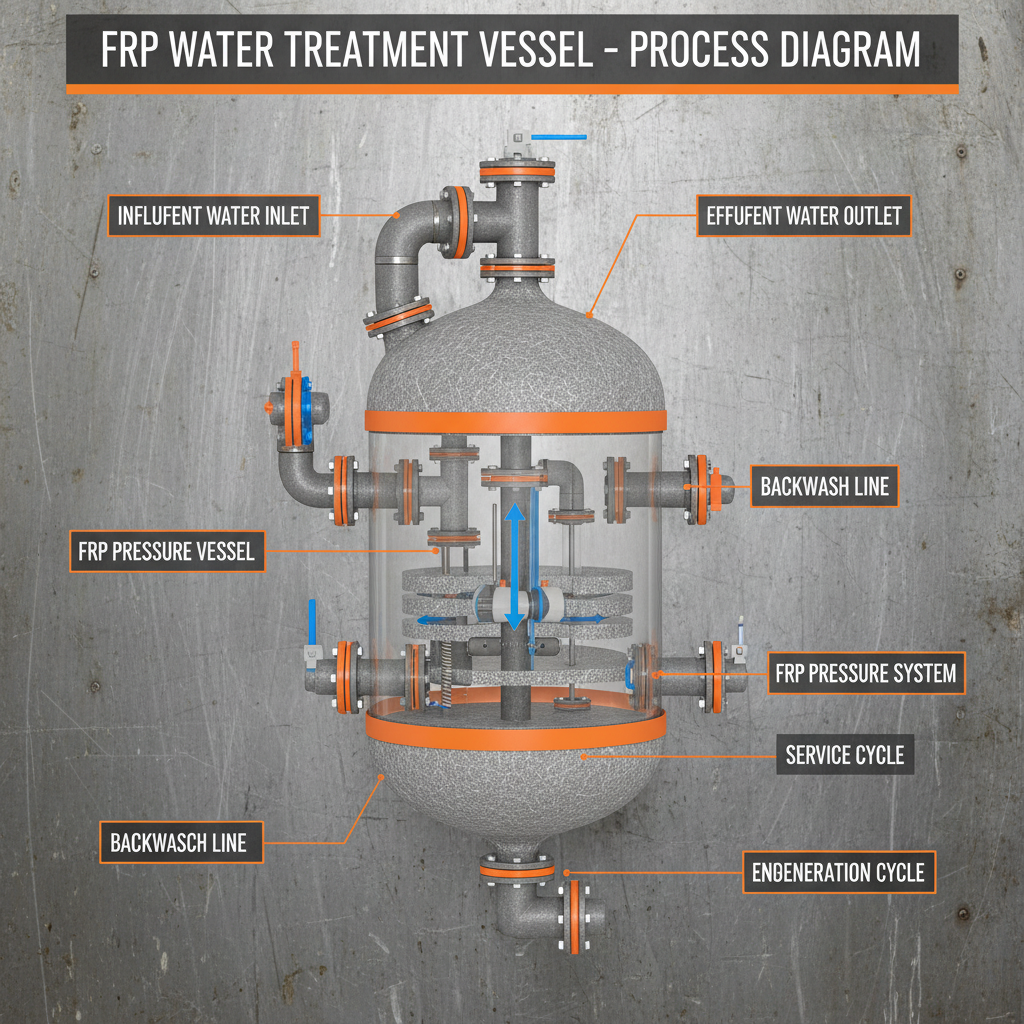
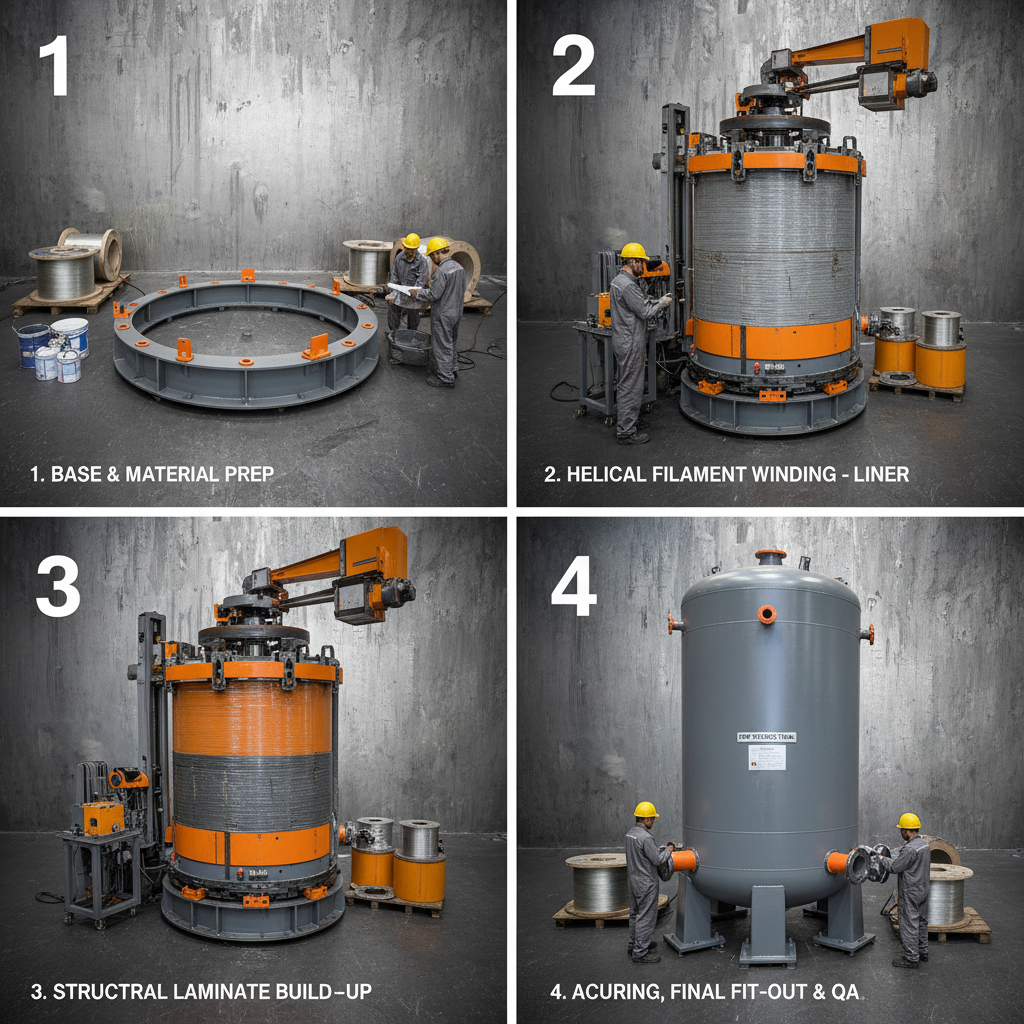
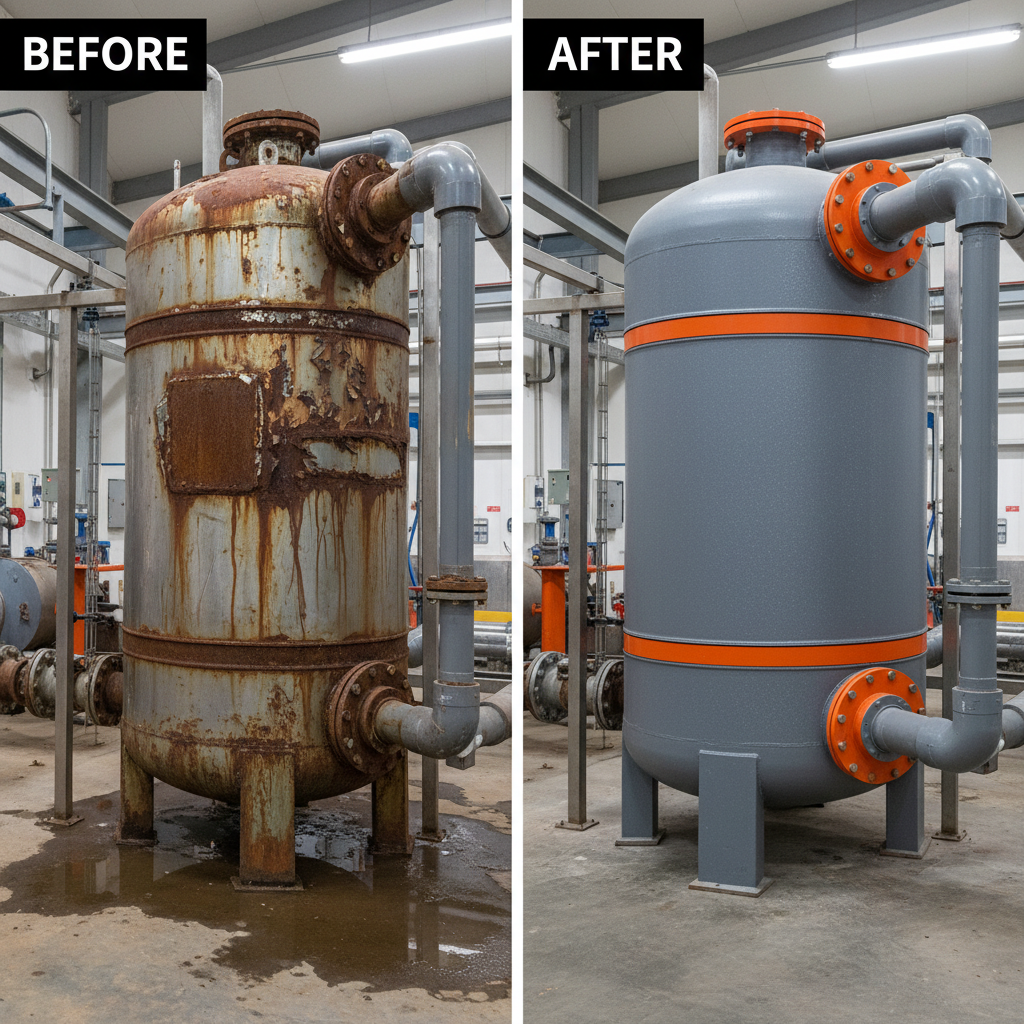
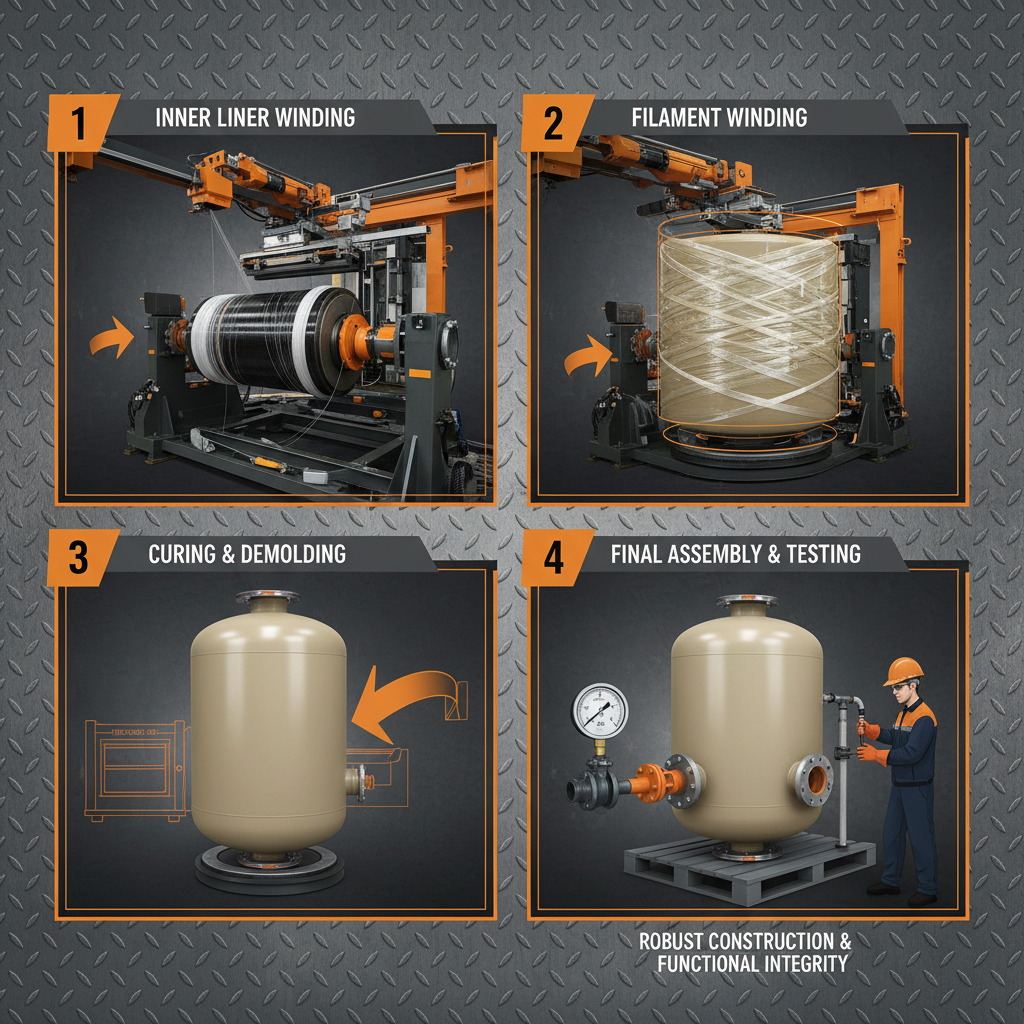
| Materials | Acid-proof brick, SiC, FRP, 316L/904L, PTFE-lined zones |
| Service Life | 20+ years main vessels; 4–6 years typical catalyst cycle |
| Certifications | ISO 9001, ISO 14001, ISO 45001; CE where applicable |
Testing Standards and Data
- Acid strength: titration per ISO 24598; density spot-checks at 20°C.
- Packing/linings: ASTM C279/C410 for acid-resistant brick; FRP per ASTM D543 corrosion tests.
- Emissions: ISO 7935/EN 14791; stack tests quarterly (many operators do monthly in Year 1).
- Heat-exchangers: API 660 compliance; pressure testing ASME VIII Div. 1.
Recent FAT data we saw: SO2 at stack 112–138 mg/Nm³; acid haze non-detect; converter ΔP stable. Not lab-perfect, but solid.
Use Cases and Industries
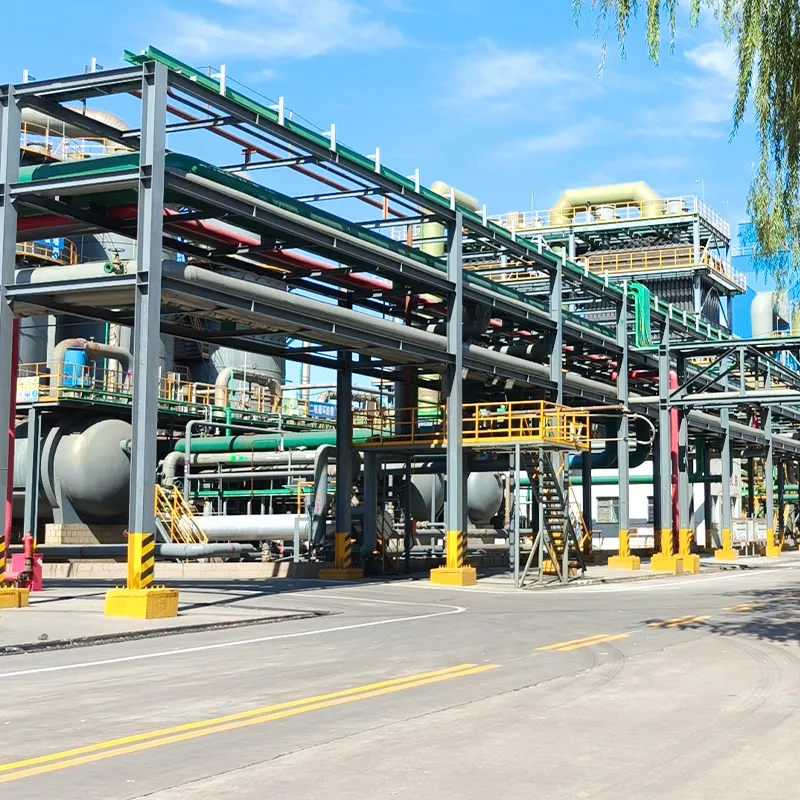
Fertilizers (DAP/MAP/TSP), titanium dioxide, caprolactam, battery-grade acid, metallurgy leaching, refinery alkylation (spent-acid regeneration). In a North Africa installation, the line’s steady steam export cut the site’s boiler gas by around 14%—surprisingly high given their uneven load.
Vendor Comparison (What Buyers Ask Me Off the Record)
| Vendor | Strengths | Watch-outs |
|---|---|---|
| Our Line (Hebei) | Cost/performance, tailored Mannheim-style heating where needed, good emissions control | Requires clear specs on FRP/brick interfaces to avoid under-installation |
| European EPC | Premium catalyst and controls, turnkey training | Capex ≈+20–35%; longer lead times |
| Local Fabricator | Fast delivery, low upfront | Variable QA; emissions performance may drift over time |
Customization, Feedback, and Service
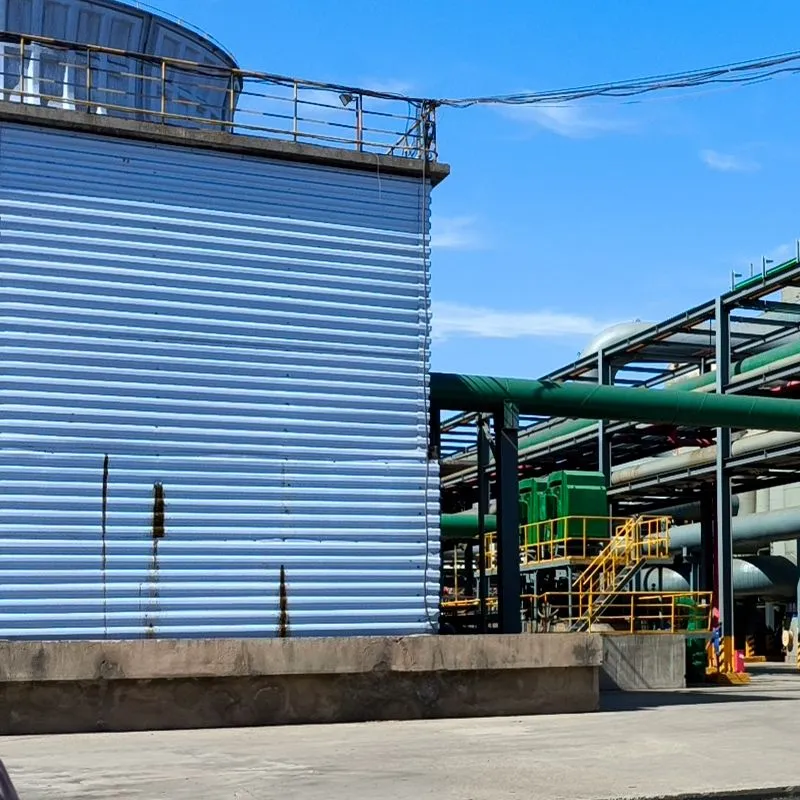
- Customization: converter bed count, oleum loop, tail-gas SCR, online mist eliminator washing, anti-corrosion material mix.
- Customer feedback: “startup curve was smooth,” “steam export matched the heat balance,” and, yes, “spares list was realistic.”
- Support: 24/7 remote commissioning in the first 30 days; annual shutdown planning templates (surprisingly helpful for smaller teams).
If you’re benchmarking sulfuric acid production lines, ask vendors for verified stack data, catalyst age at test, and any derates used in the heat balance. And insist on brickwork QA photos—minor, but it’s where lifetime’s earned.
Applications Snapshot
Case A: 200 kt/a fertilizer complex—sulfuric acid production tied to phosphoric acid unit; steam powers granulation, SO2 steady ≤120 mg/Nm³. Case B: 80 kt/a SAR for a refinery—spent acid feed swings tamed with improved furnace heating uniformity; operators say daily adjustments dropped by half.
Authoritative Standards and References
- U.S. EPA AP-42, Chapter 8.10: Sulfuric Acid Manufacture. https://www.epa.gov/air-emissions-factors-and-quantification/ap-42-compilation-air-emission-factors
- BAT Reference Document for Large Volume Inorganic Chemicals—Acids and Fertilisers (LVIC-AAF). https://eippcb.jrc.ec.europa.eu/
- ISO 9001/14001/45001 Standards Overview. https://www.iso.org/
- ASTM C279/C410: Acid-Resistant Materials Specs. https://www.astm.org/