The Complete Guide to GRP Tanking: Durable Industrial & Water Storage Solutions
Understanding GRP Tanking: Durable Solutions for a Global Need
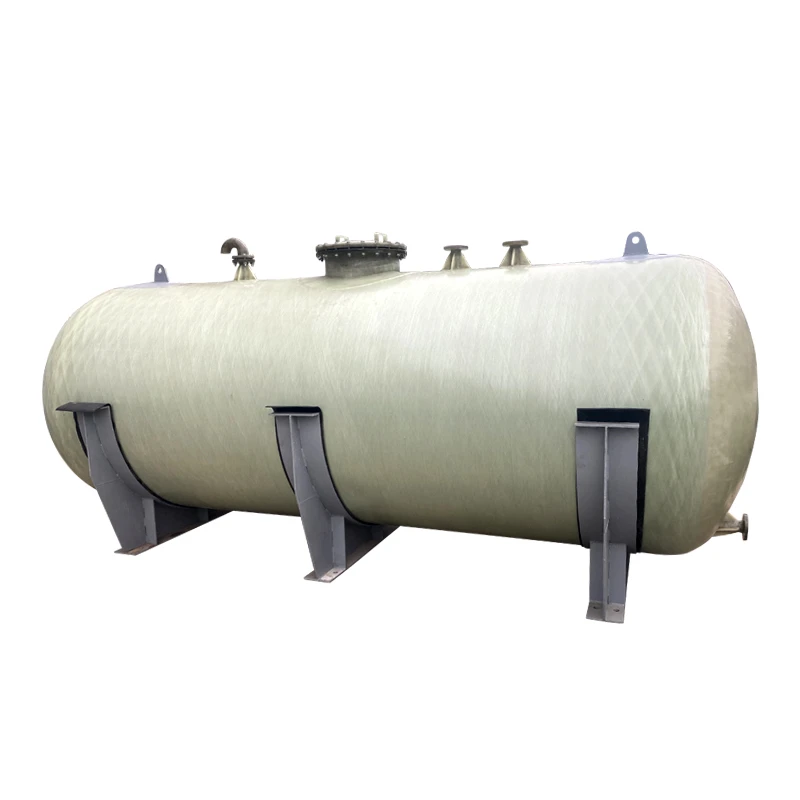
GRP tanking, while sounding a bit technical, is actually a fascinating and increasingly vital technology in industries spanning water storage, chemical processing, and humanitarian aid. Its global importance is growing, and frankly, it might be the unsung hero of modern containment systems. The essence? Glass Reinforced Plastic (GRP) tanking offers robust, corrosion-resistant tanks and liners that solve critical durability and environmental challenges worldwide.
Given global challenges such as water scarcity, industrial safety regulations, and sustainable infrastructure demands, understanding GRP tanking isn’t just for industry insiders. Its applications in clean water storage, wastewater treatment, and chemical containment directly impact millions of lives, especially in areas with harsh environmental conditions. So why does it matter? Because a reliable tank system can mean the difference between contamination and clean water, between longevity and constant costly repairs.
Introduction: The Global Context of GRP Tanking
Look, water and chemical storage failures cause significant economic losses and environmental damage, especially in developing countries or regions with extreme climates. According to the United Nations Water Scarcity facts, over 2 billion people live in water-stressed countries. Add to that the stringent standards from organizations like ISO for safe containment, and you’ve got a clear problem: we need tanks that won’t crack under pressure (literally) or rot away within a few years.
This is precisely where GRP tanking comes in. It addresses the challenge by combining lightweight strength with excellent resistance to chemical corrosion and environmental wear. Not to mention, it’s less prone to leaks than traditional metal or concrete tanks, reducing environmental contamination risks. Globally, industries and governments are increasingly turning toward GRP solutions as a practical approach to infrastructure resilience.
What Is GRP Tanking?
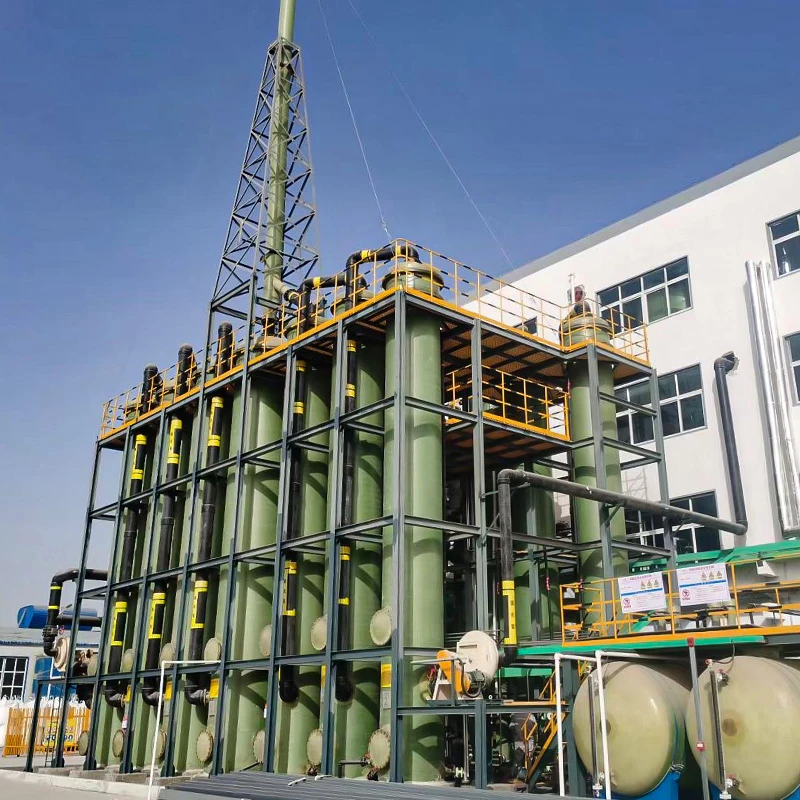
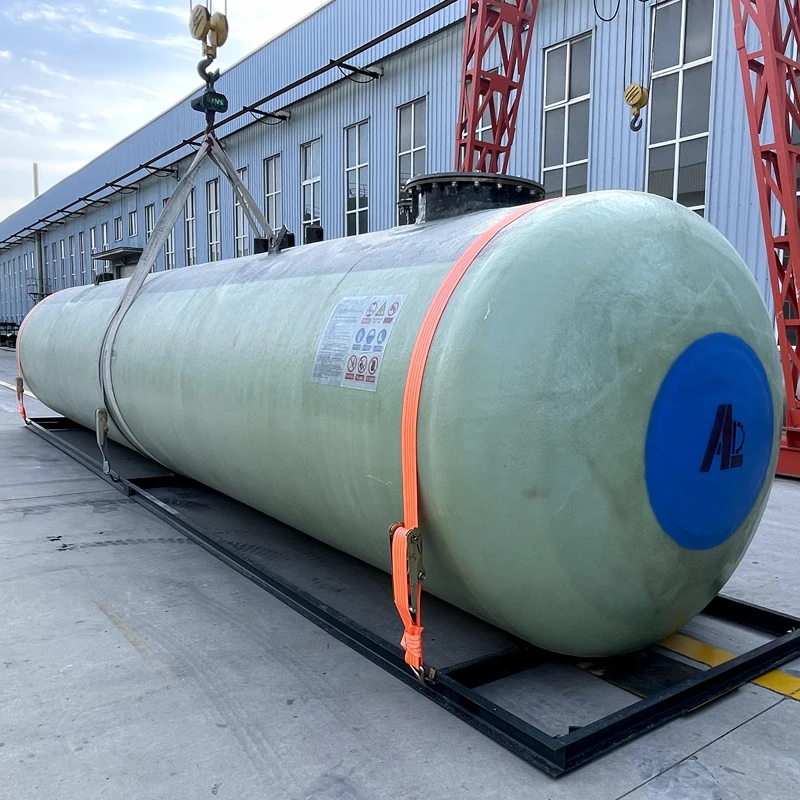
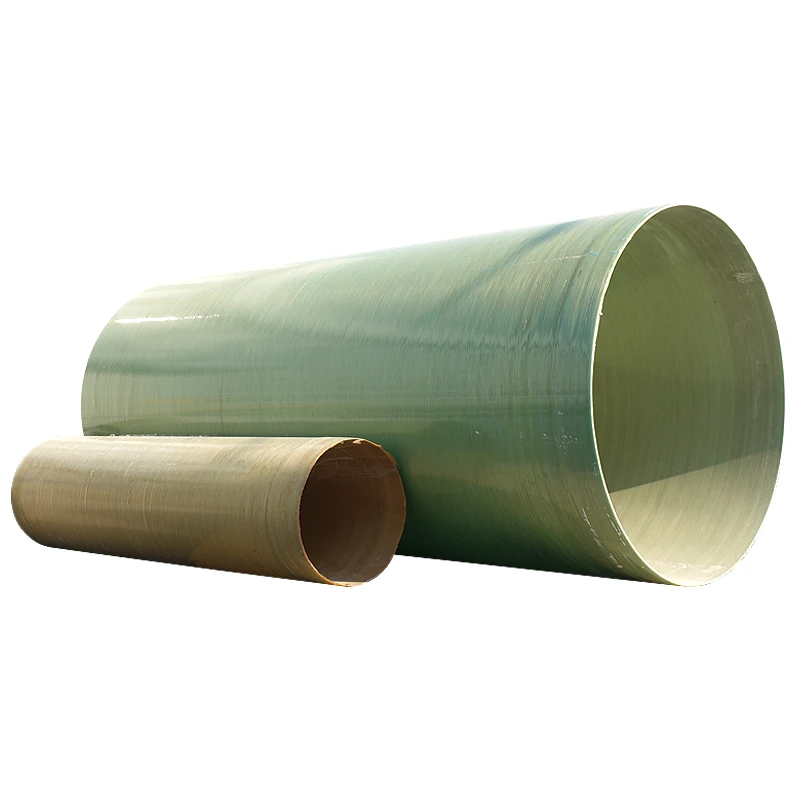
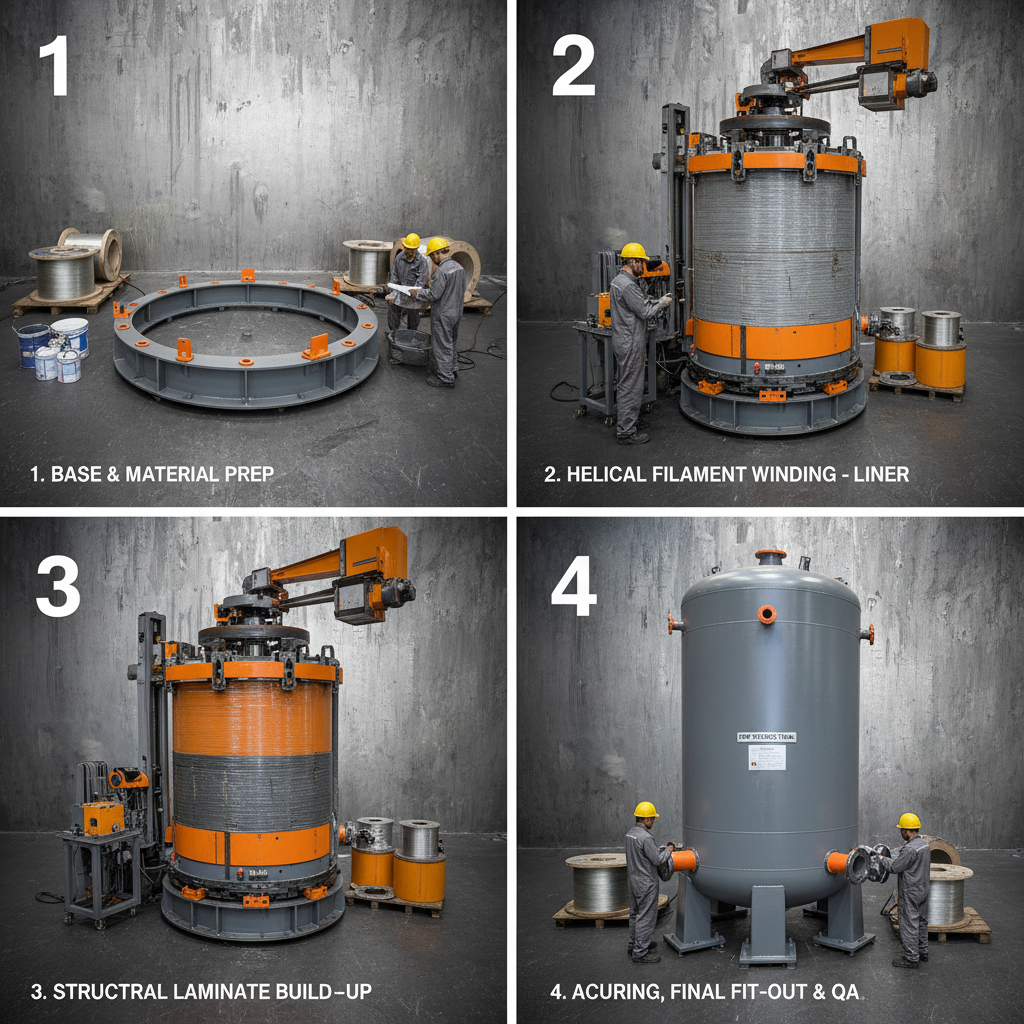
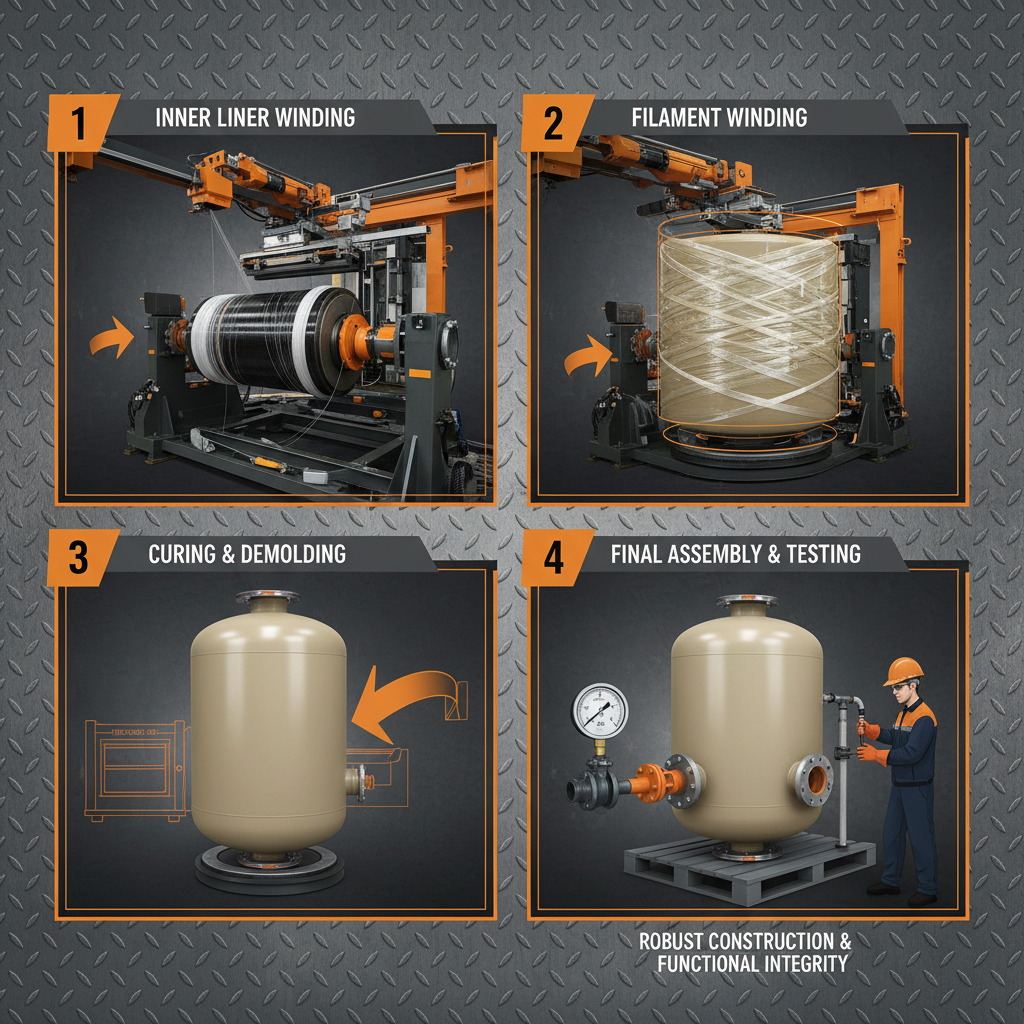
In simple terms, GRP tanking refers to tanks and liners made of Glass Reinforced Plastic — a composite material consisting of a plastic matrix reinforced by fine glass fibers. Think of it as fiberglass taken from boat hulls and aerospace, repurposed for industrial tank lining or fluid storage. This combination offers strength, flexibility, and chemical stability.
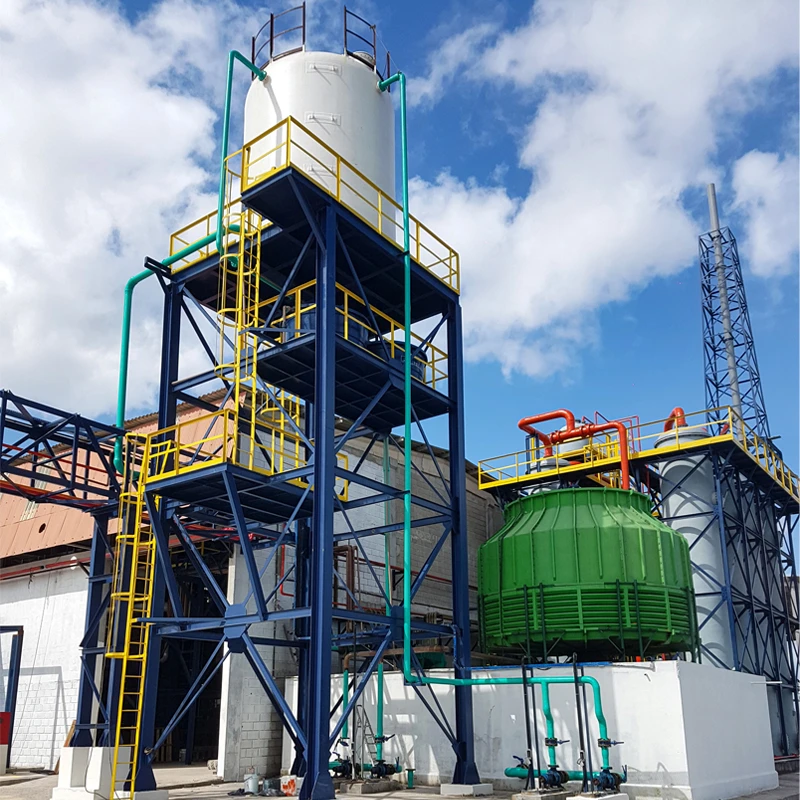
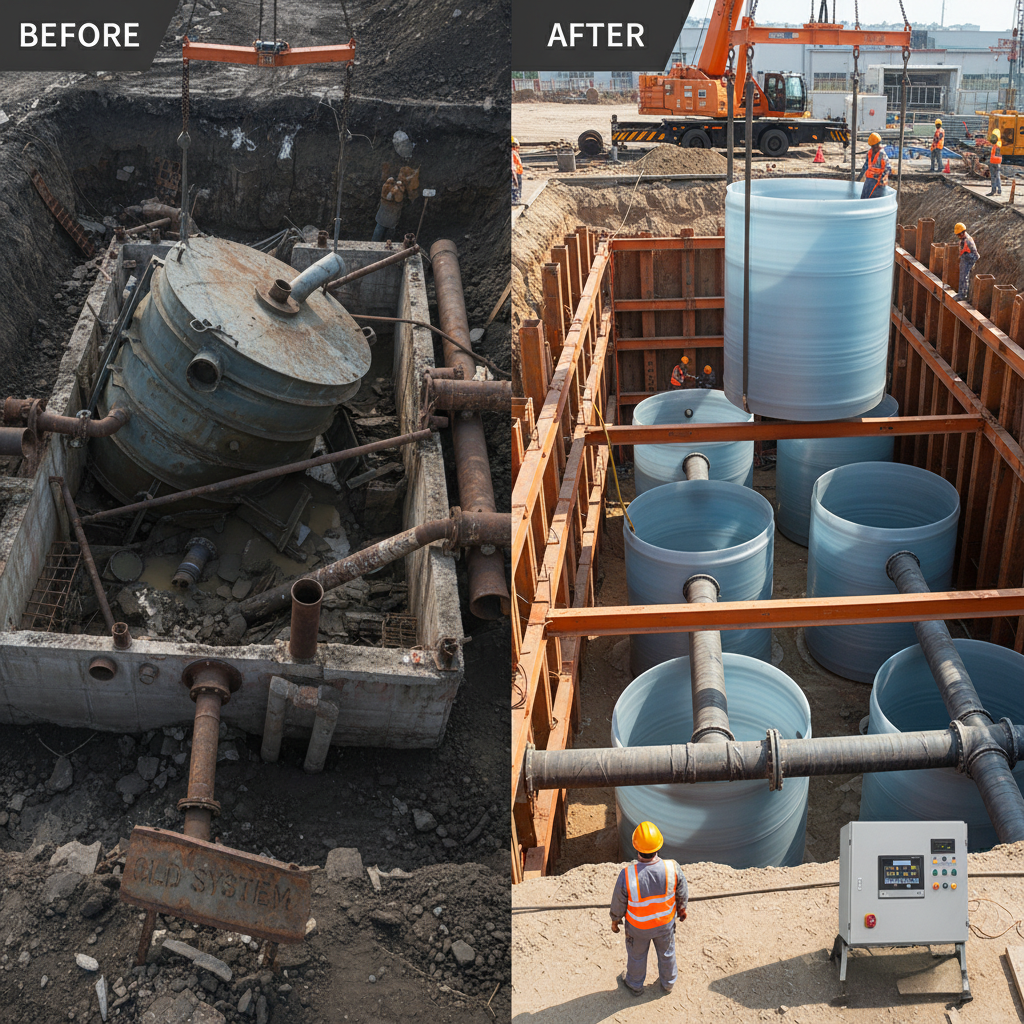
GRP tanking systems come in various shapes and sizes, but their core purpose is consistent: create a sealed, secure enclosure for liquids (water, chemicals, fuels) that is durable and safe for long-term use. These tanks or linings often replace older materials vulnerable to corrosion, like bare steel or concrete, especially in corrosive or toxic environments.
Core Components and Features of GRP Tanking
Durability
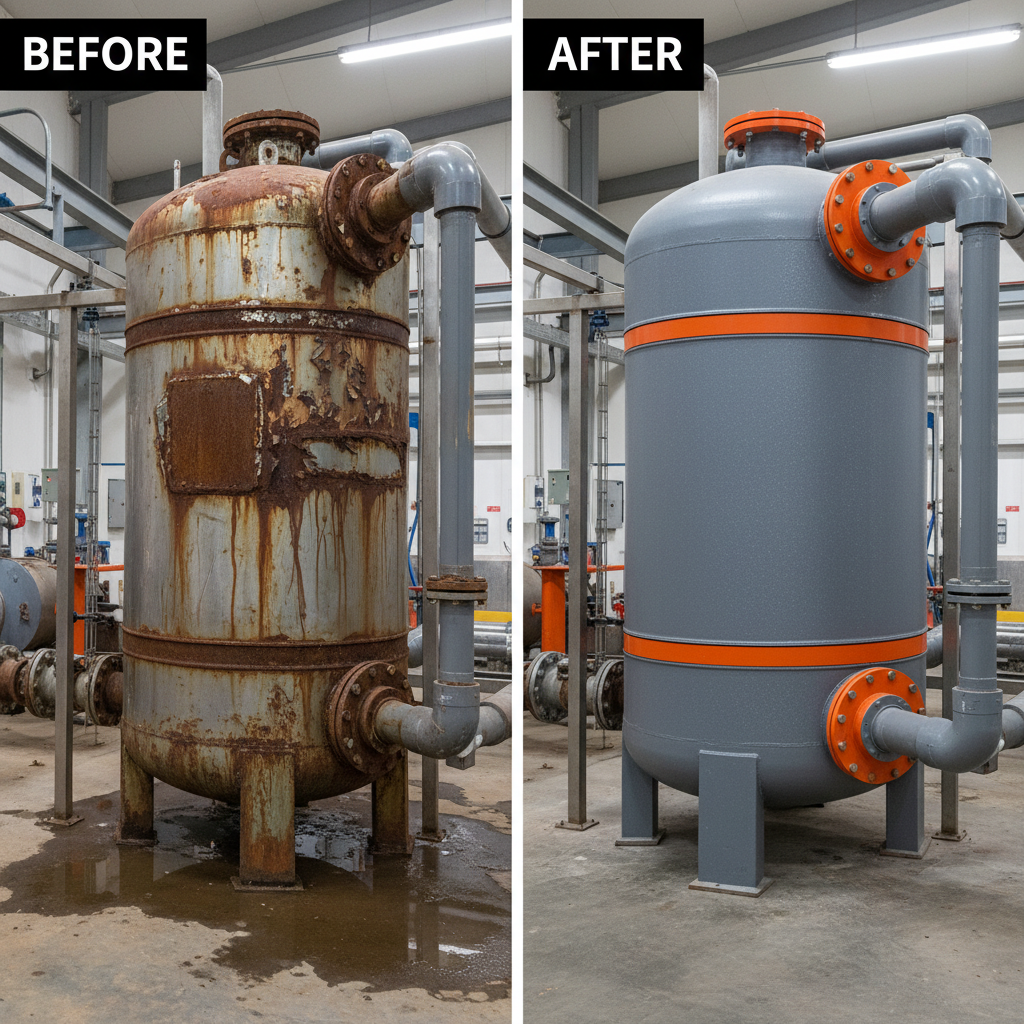
GRP boasts high tensile strength and corrosion resistance. Unlike steel, which rusts, and concrete, which cracks, GRP can endure harsh chemicals, UV radiation, and extreme temperatures. Many engineers highlight its lifespan exceeding 30 years under typical industrial conditions.
Lightweight and Easy Installation
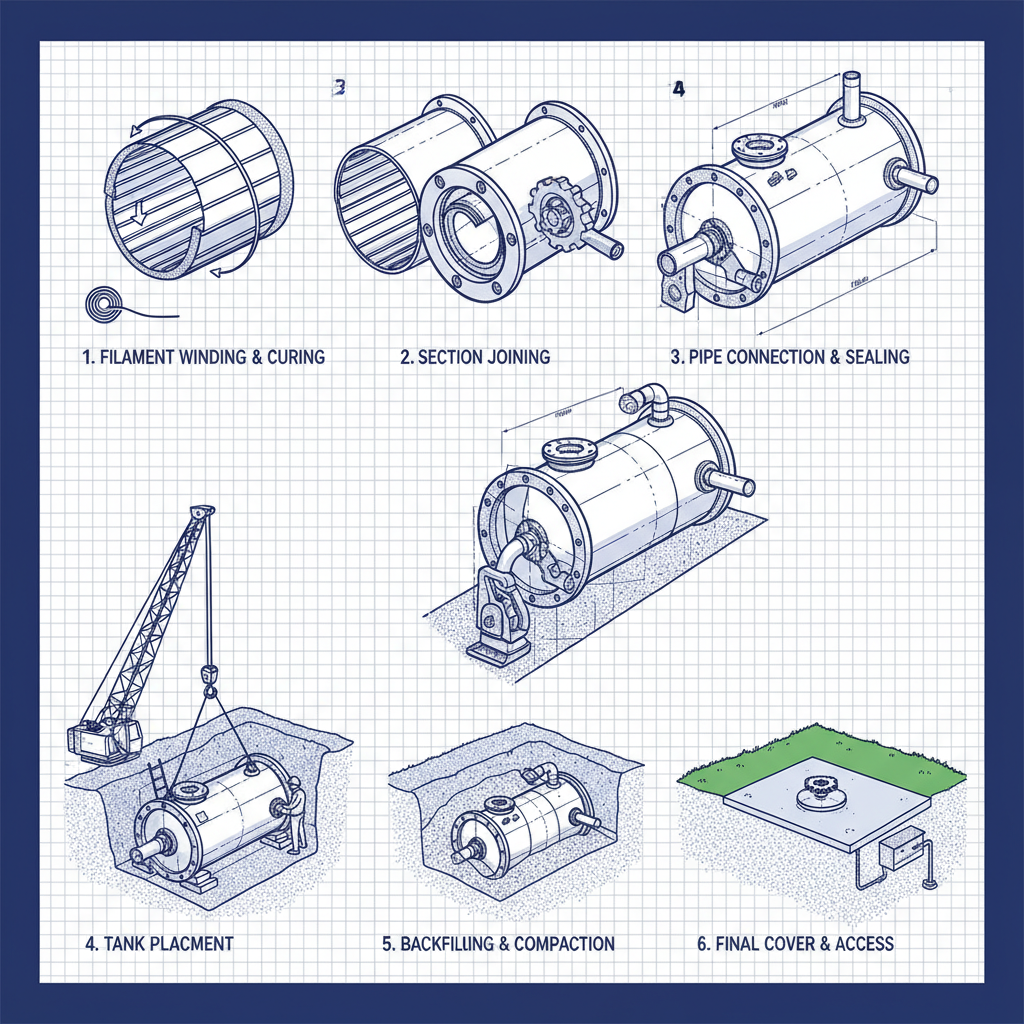
Not only is it tough, but it’s also light compared to metal tanks. This means easier transport and faster onsite assembly, saving real money in labor and logistics — a big deal in remote industrial sites or emergency water projects.
Cost Efficiency
Initial costs might be a bit higher than some plastics, but when you factor in reduced maintenance, longer service life, and lower failure rates, GRP tanking is often a sound investment.
Corrosion Resistance
This is a showstopper feature. Chemical industries dealing with acids or solvents often rely on GRP tanking because it doesn’t degrade like metal does. It’s also valued in wastewater treatment, where corrosive bacteria can eat away at traditional materials.
Customization
GRP is versatile — tanks can be molded in various sizes, shapes, and even colors. You get tailor-made solutions that fit unique operational constraints, such as specific volume requirements or fitting into tight spaces.
GRP Tanking Product Specifications
| Specification | Description |
|---|---|
| Material Composition | Vinylester/Polyester Resin + E-glass Fibers |
| Tensile Strength | 70–90 MPa |
| Chemical Resistance | Resistant to acids, alkalis, solvents |
| Typical Service Life | 25–35 years |
| Temperature Range | -40°C to +80°C |
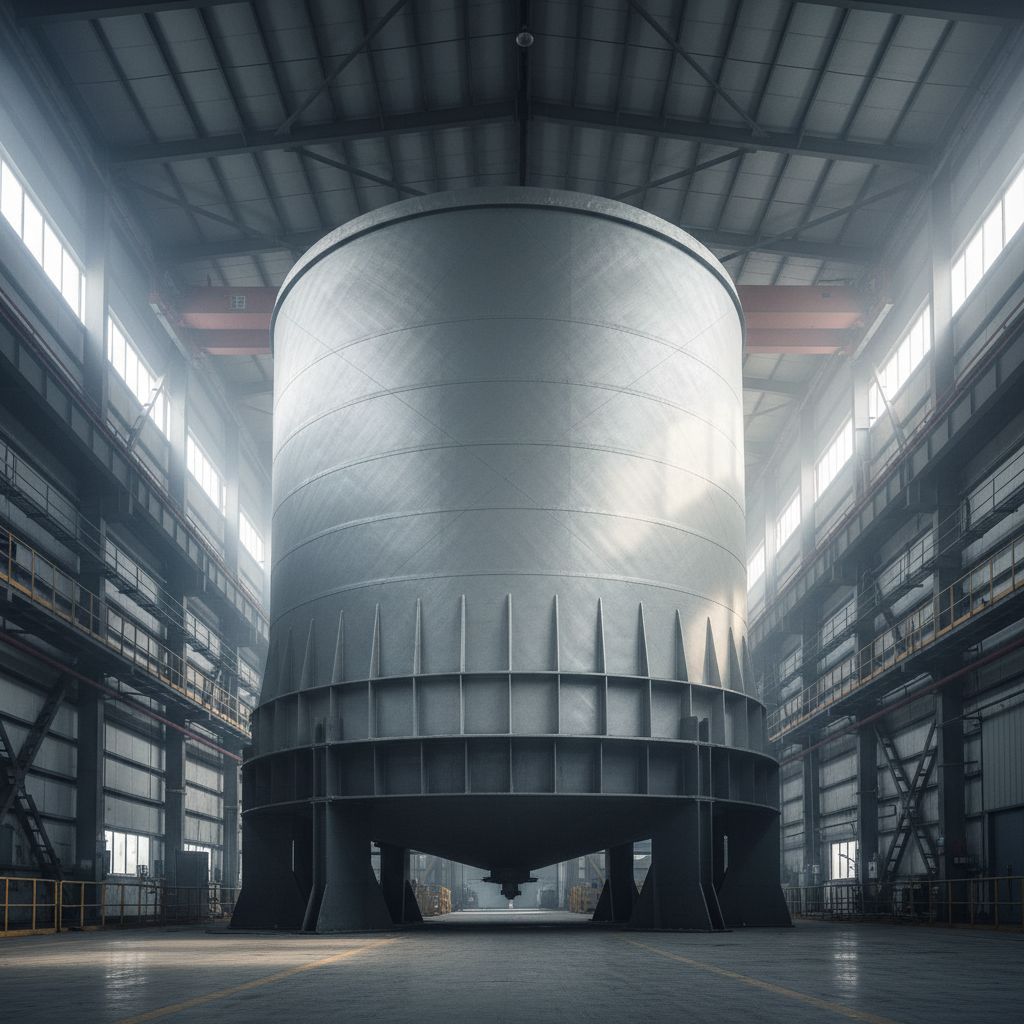
| Typical Dimensions | Customizable, up to 10m diameter tanks |
Global Applications and Real-World Use Cases
Globally, grp tanking solutions appear everywhere you wouldn’t expect—urban water systems in Europe, chemical refineries in Asia, to rural water projects in Africa. For instance:
- Post-disaster relief zones: Emergency clean water storage requires tanks quickly deployable, durable enough to last months or years, and resistant to contamination. GRP fits perfectly.
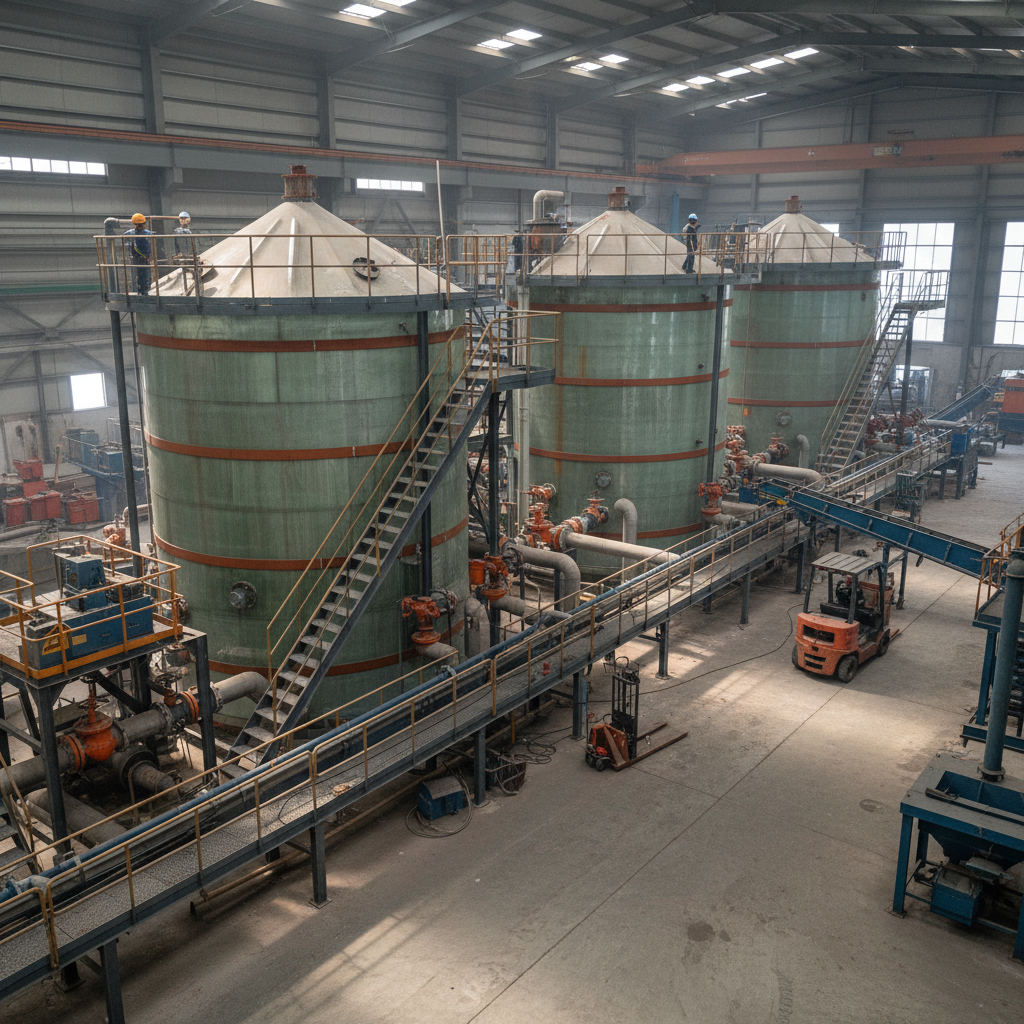
- Remote mining operations: Harsh environments rich in chemicals degrade most tanks fast. GRP tanks hold chemicals safely and avoid costly downtime caused by tank failures.
- Wastewater management plants: Municipalities count on GRP tank liners to resist corrosive biological agents — traditional materials just don’t hold up.
- Agricultural irrigation systems: Lightweight GRP tanks facilitate mobile storage where farming terrain is uneven or hard to access.
Among industries, petrochemical and pharmaceuticals prize GRP tanking's chemical inertness and hygienic properties. You’ll find these tanks working quietly behind the scenes in factories ensuring safety compliance and environmental protection.
Mini Takeaway: GRP tanking crosses sectors and continents because it solves a universal problem—how to store liquids safely, sustainably, and cost-effectively in tough conditions.
Advantages and Long-Term Value
There’s something reassuring about a tank that will outlast the contract length, resist damage, and protect the water or chemicals inside. GRP tanking offers all this plus these perks:
- Lower lifecycle costs: Maintenance dips, repair frequency decreases, so budgets stretch further.
- Environmental benefits: Less leakage means less soil and groundwater contamination.
- Social impact: In developing regions, safe water storage tanks contribute to health and dignity improvements.
- Technological trust: The material’s long-standing use in aerospace and marine sectors inspires confidence even in critical infrastructure.
It’s worth noting the emotional side here. Having reliable storage tanks isn’t just a business decision, sometimes — it’s a reassurance for communities, workers, and policymakers that resources are protected.
Vendor Comparison Table: GRP Tanking Providers
| Vendor | Specialty | Typical Lead Time | Warranty | Custom Solutions |
|---|---|---|---|---|
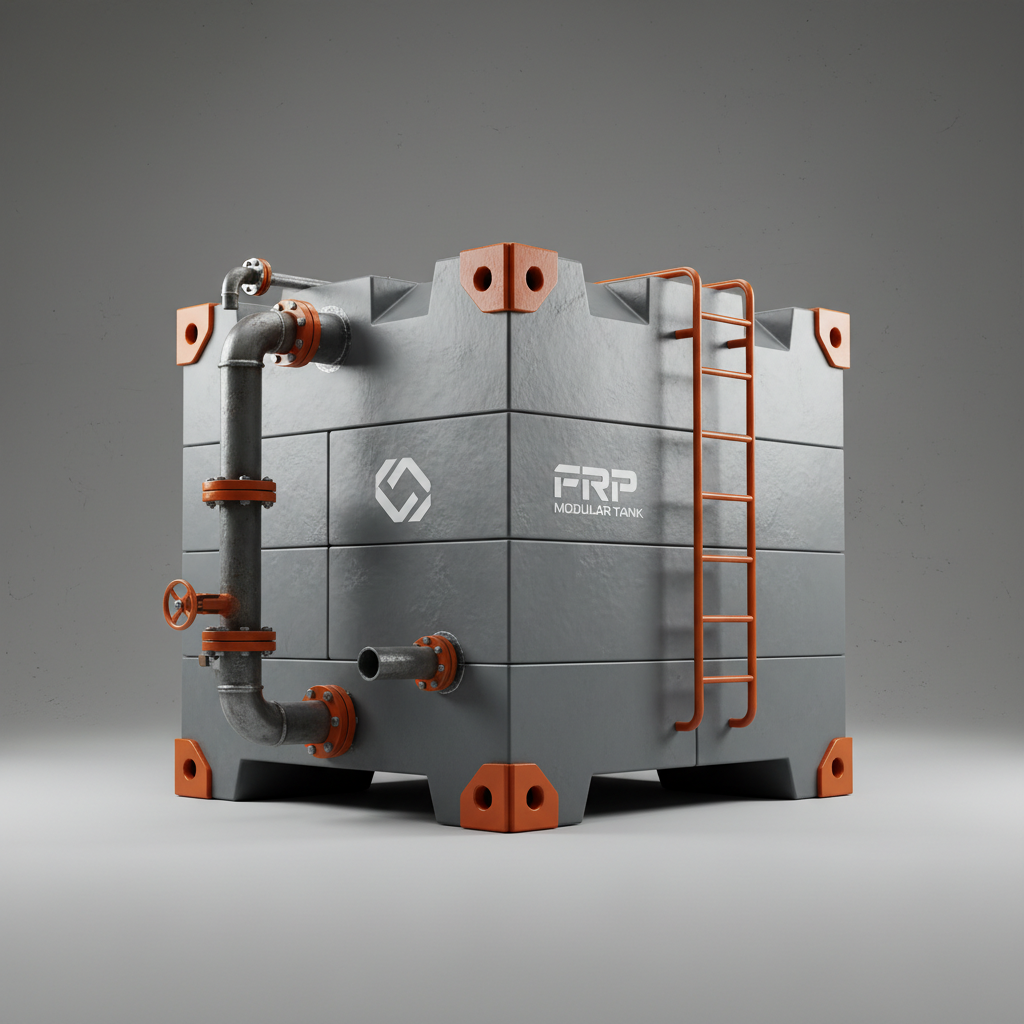
| FRPGRPMachine | Modular water & chemical tanks | 4-6 weeks | 10 years | Yes, flexible sizing |
| GlassTech Industries | High chemical resistance tanks | 6-8 weeks | 7 years | Standard sizes, limited customization |
| AquaFiberglass Ltd. | Water storage & irrigation tanks | 3-5 weeks | 8 years | Good customization options |
Emerging Trends and Innovations
Frankly, the GRP tanking industry feels on the cusp of exciting developments. We’re seeing better resin formulations that broaden temperature ranges and increase environmental friendliness by using bio-based resins. Digital transformation also plays a role — some companies now integrate IoT sensors inside GRP tanks for real-time monitoring of fluid levels and tank integrity, improving maintenance regimes.
Moreover, combining GRP tanking with renewable energy storage makes sense in remote or off-grid locations. There’s ongoing research into GRP composites with enhanced fire resistance, which could open new applications in industrial safety.
Challenges & Solutions
However, GRP tanking isn’t perfect. Challenges include:
- UV degradation: Extended sun exposure can weaken resins over time unless UV-protective coatings are applied.
- Mechanical damage risk: While tough, GRP can crack under sharp impacts, so installation protections are necessary.
- Recycling difficulties: The composite nature complicates end-of-life disposal or recycling.
Solutions? Many manufacturers add UV inhibitors and design protective shell casings. Industry leaders push for circular economy approaches to GRP materials. Plus, ongoing material research may yield easier-to-recycle composites in coming years.
FAQ: Frequently Asked Questions About GRP Tanking
- Q: How long do GRP tanks typically last?
A: Most GRP tanks have an expected service life of 25–35 years with proper maintenance, depending on environmental exposure and chemical load. - Q: Are GRP tanks suitable for potable water storage?
A: Yes, provided they use FDA-approved resins and proper internal linings, GRP tanks are widely used for safe drinking water storage. - Q: Can GRP tank systems be customized for unique site requirements?
A: Absolutely. GRP’s molding flexibility allows tanks of various sizes and shapes to fit specific project needs, including modular assembly for large volumes. - Q: What maintenance do GRP tanks require?
A: Regular inspections for cracks or UV damage, surface cleaning, and occasional recoating with UV-protective paints help prolong tank life. - Q: How does GRP compare with steel tanks cost-wise?
A: GRP may have a higher upfront cost, but lower maintenance and longer lifespan often make it more cost-effective in the long run.
Conclusion
To wrap it up, grp tanking embodies a modern, reliable, and increasingly essential solution for fluid containment. With strong durability, environmental resistance, and adaptability, it addresses pressing global needs where other materials fall short. By investing in quality GRP tanking, industries, municipalities, and relief organizations alike gain peace of mind—they’re protecting what matters: water, chemicals, and the environment.
If you’re considering durable tanking solutions, why not explore more at our partner GRP tanking solutions site? That’s how you ensure your project stands strong for decades.
Sometimes the best technology isn’t flashy—it’s quietly reliable.