Comprehensive Guide to GRP Tank Material: Benefits, Applications & Trends
Understanding GRP Tank Material: What Makes It So Essential?
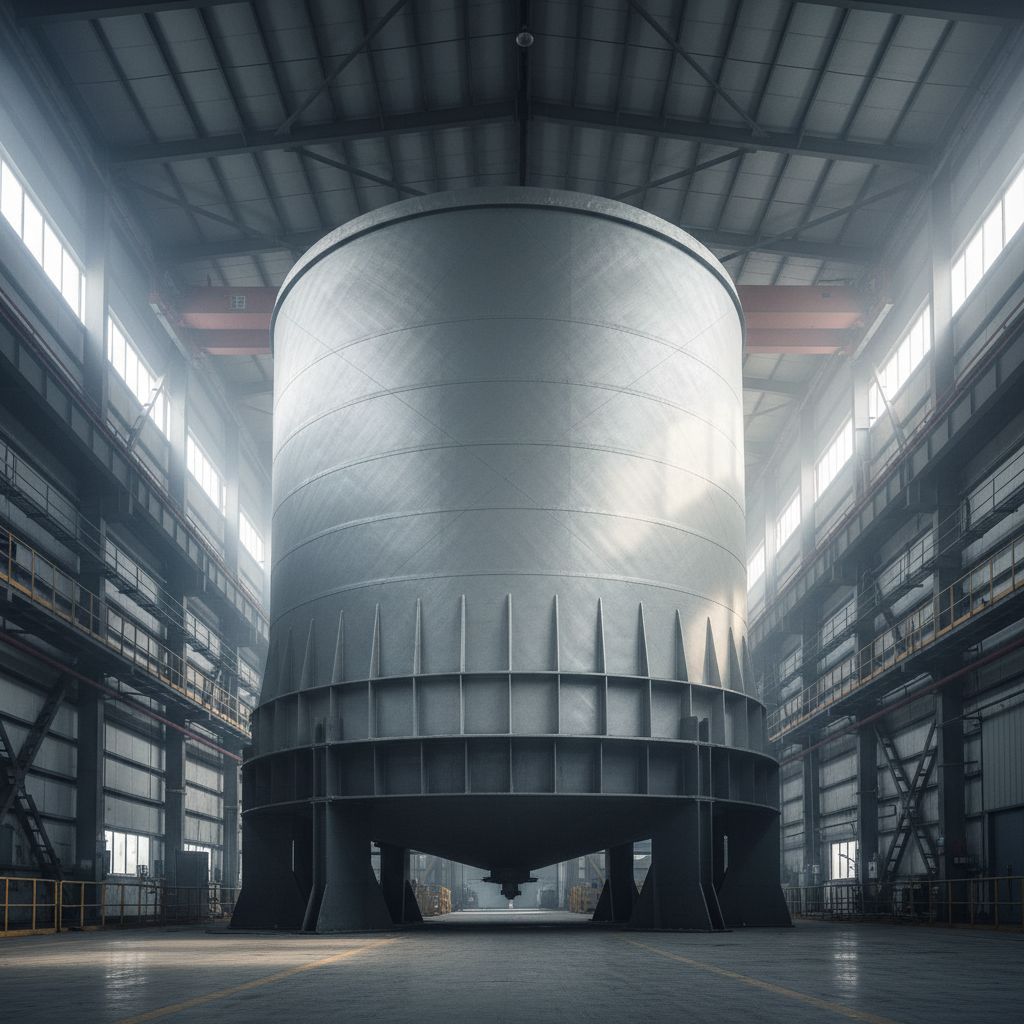
At first glance, “grp tank material” might sound like just another technical jargon, but it’s actually a cornerstone in modern storage solutions worldwide. In plain speak, GRP (Glass Reinforced Plastic) tanks are those massive, sturdy containers you see everywhere—from municipal water plants to remote industrial sites. Why does this matter? Well, globally, access to safe and sustainable liquid storage systems underpins everything from clean drinking water to chemical processing. Knowing what goes into grp tank material helps businesses and NGOs select the right tech, ensuring durability and cost-efficiency for years—sometimes decades. So, let’s dive in together and unpick what makes this material tick.
Global Context: Why grp tank material Matters on a Big Scale
According to the World Bank, around 2.2 billion people globally lack access to safely managed drinking water, underscoring the importance of resilient storage infrastructure. GRP tanks increasingly fill that niche because they offer a mix of strength and resistance unmatched by traditional steel or concrete options. For industries and humanitarian efforts alike, this means fewer leaks, less contamination, and longer-lasting water security—especially in areas vulnerable to corrosion or natural disasters. Oddly enough, despite its widespread use, many still underestimate the complexity of grp tank material and how it solves a range of global challenges.
Defining grp tank material: What Exactly Is It?
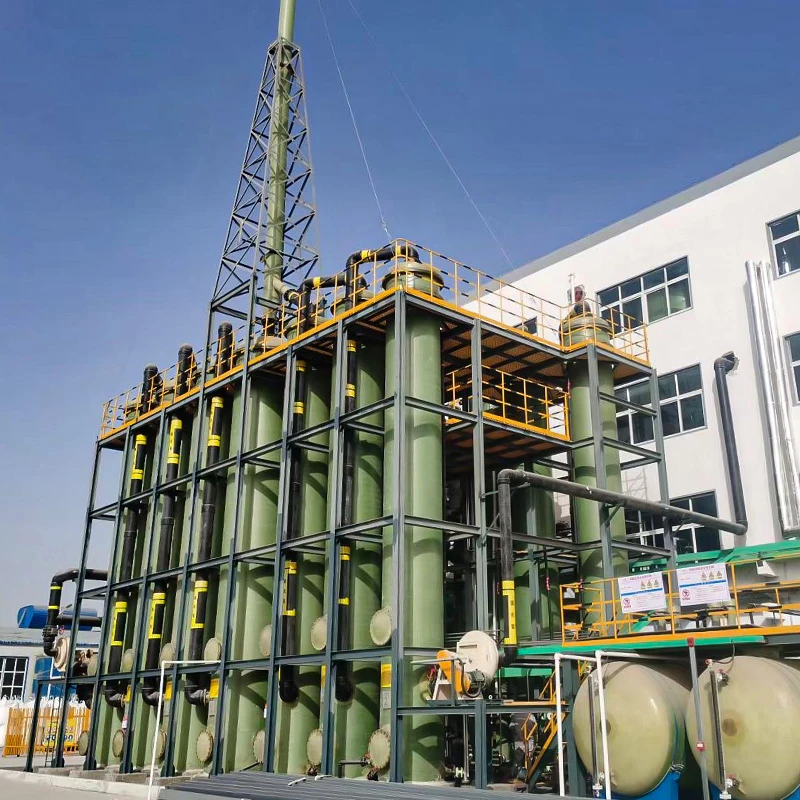
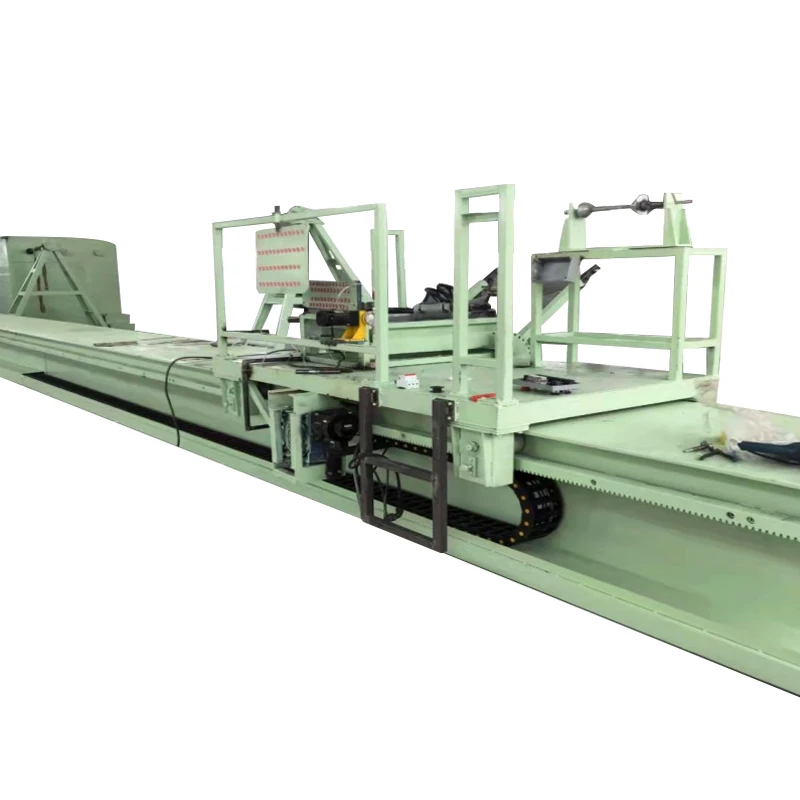
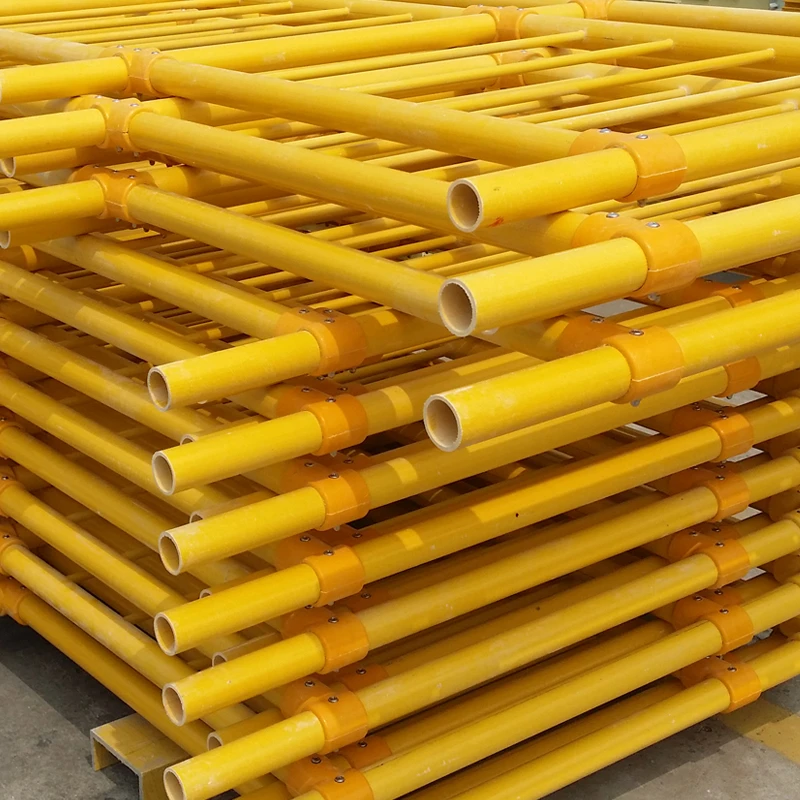
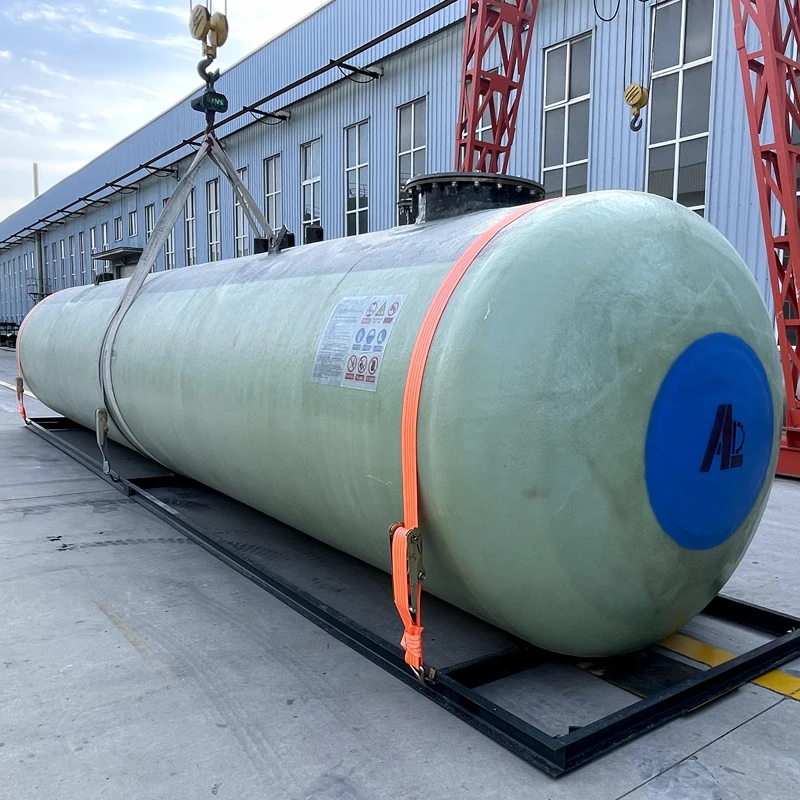
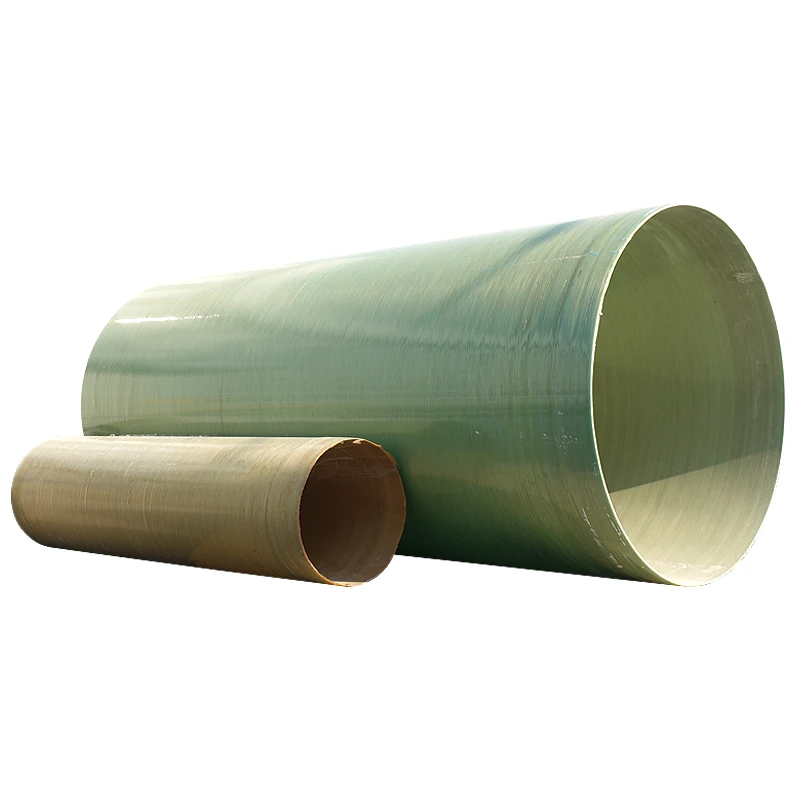
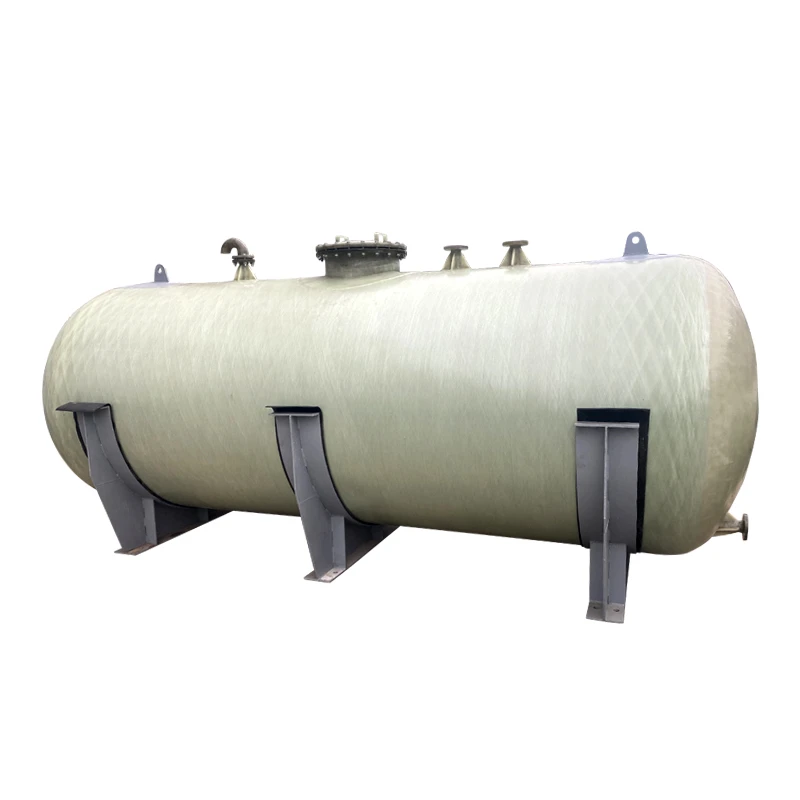
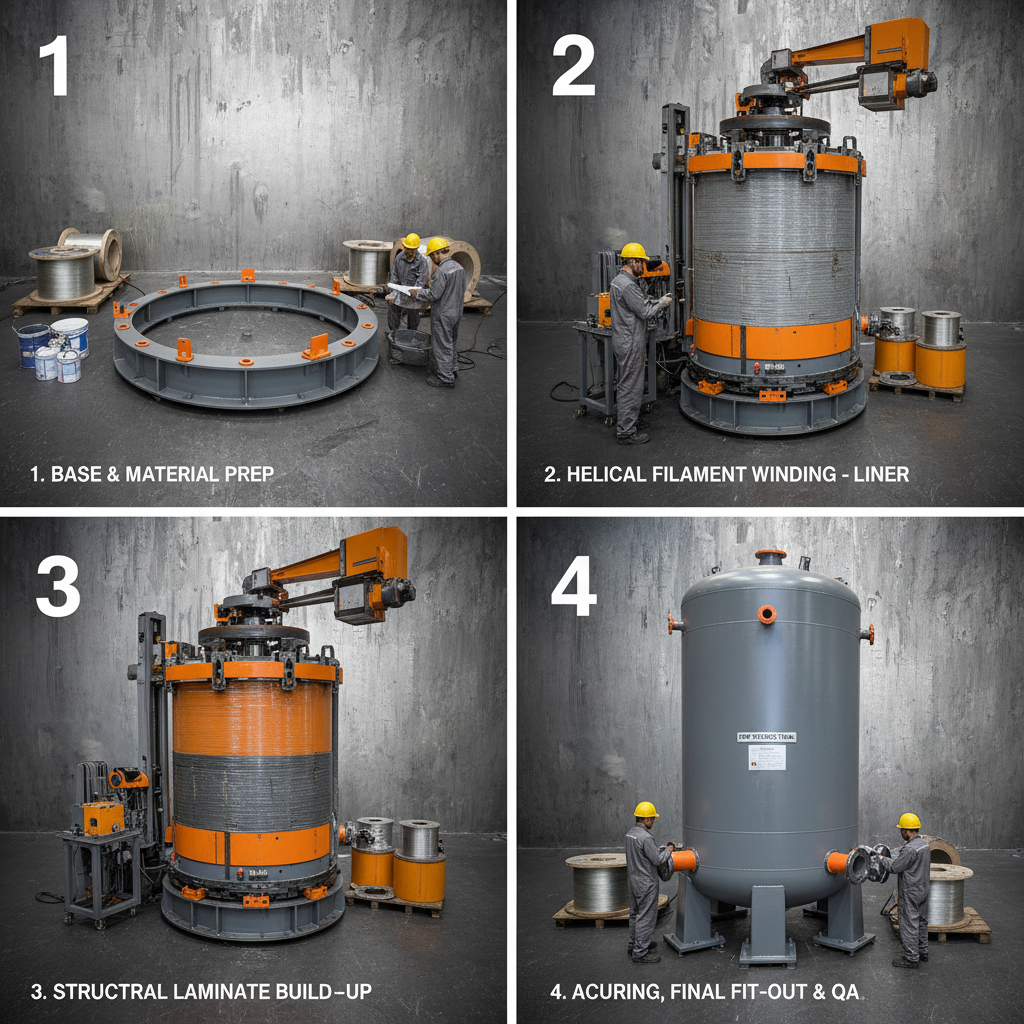
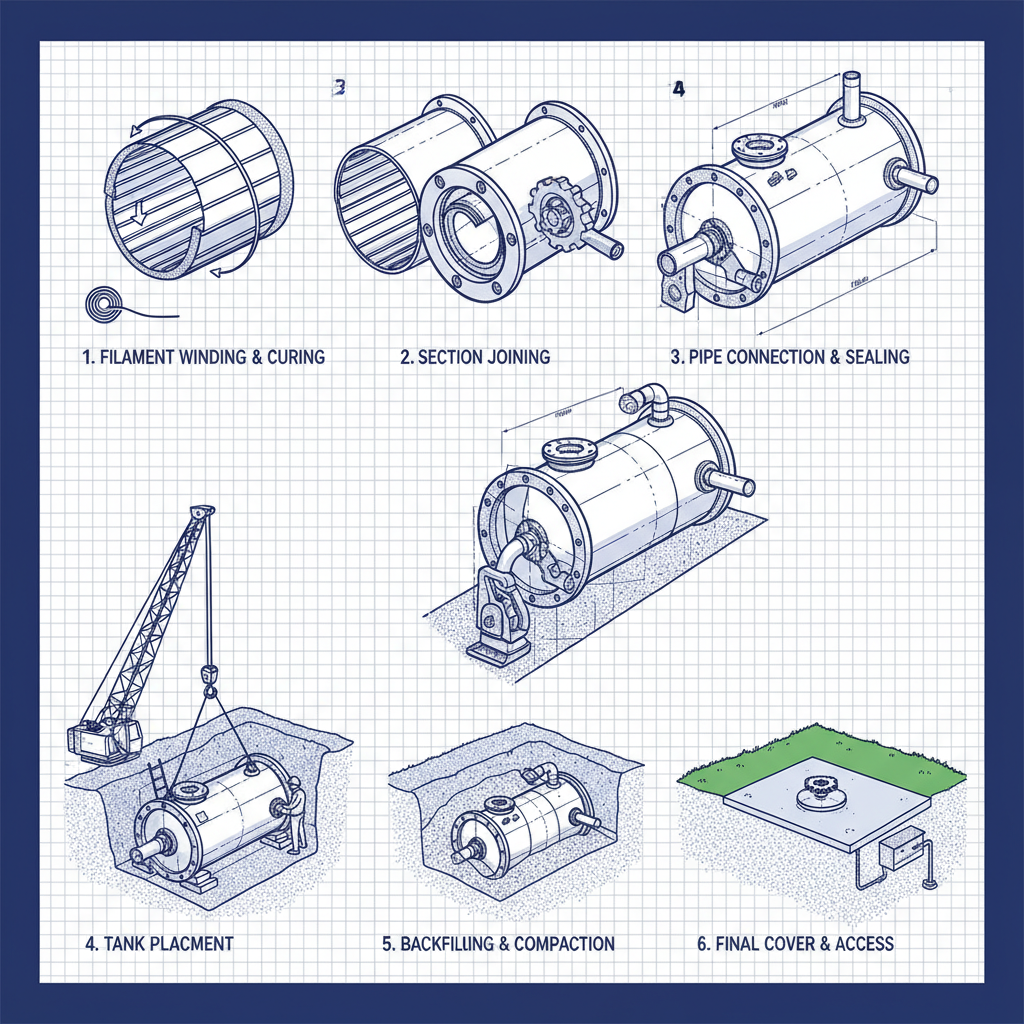
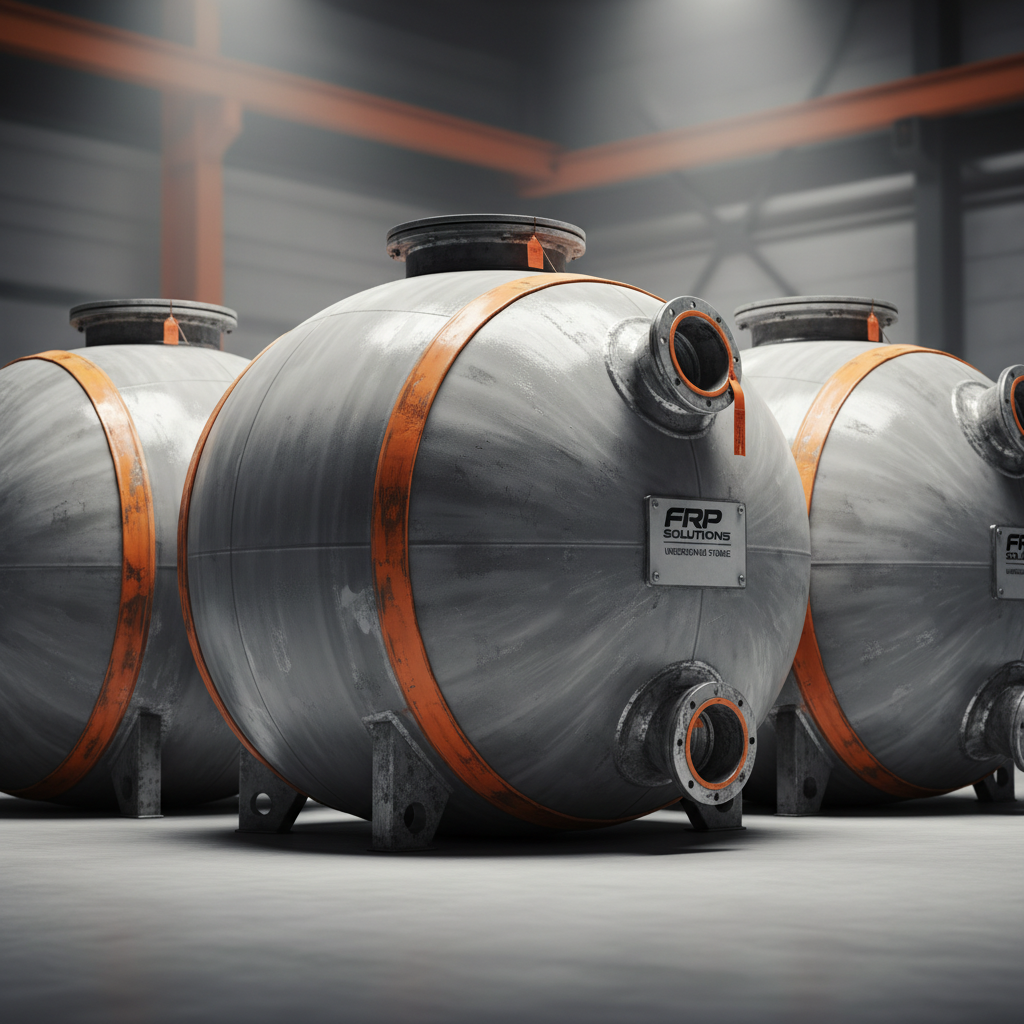
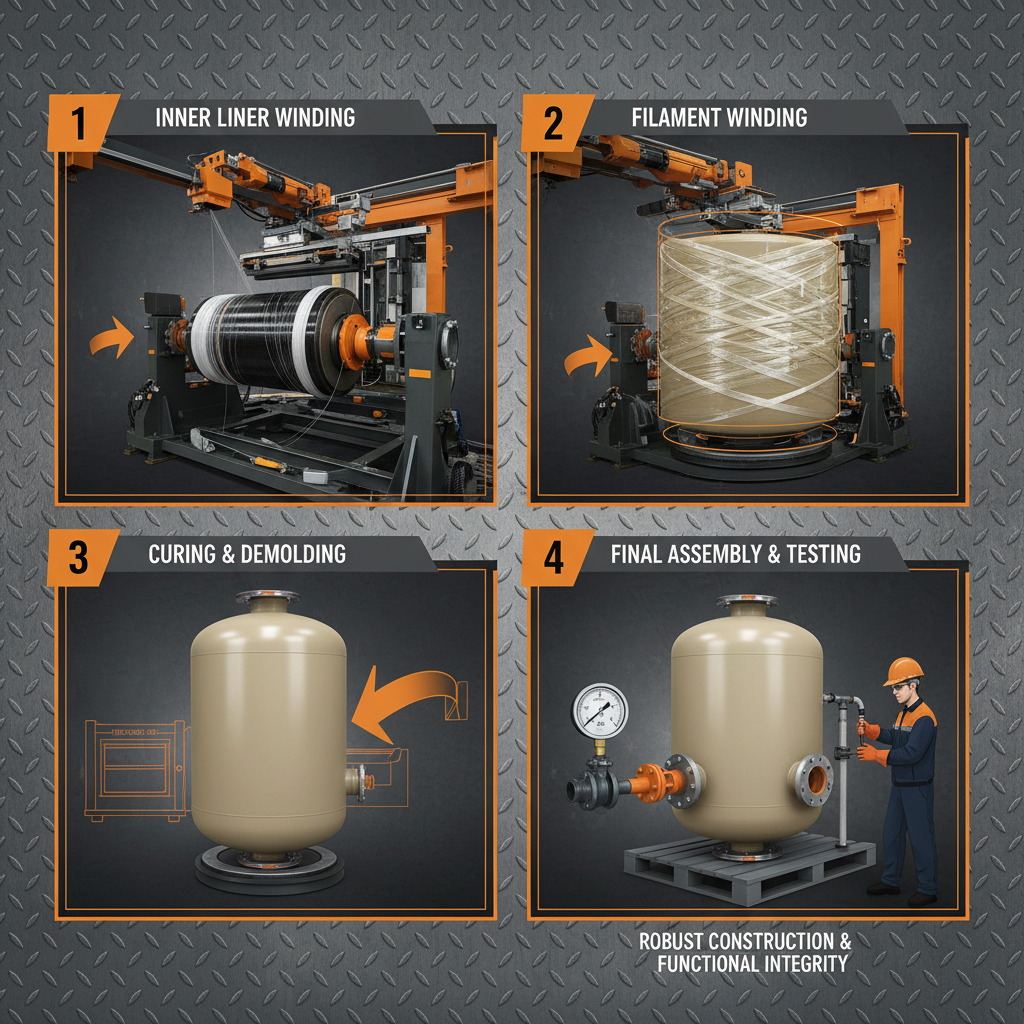
Simply put, grp tank material is a composite made from plastic resin reinforced by glass fibers. The “glass reinforced” part boosts strength without adding heavy weight. These tanks are fabricated by layering fiberglass mats and saturating them with polymer resins, then curing until solid. This process results in a product that is not only robust but also non-corrosive, lightweight, and adaptable to various shapes. It’s a far cry from bulky metal tanks that rust or concrete tanks that crack. GRP tanks play critical roles in industries like agriculture, chemical storage, water treatment, and emergency relief, thanks to their adaptability and safety.
Key Attributes of grp tank material
Durability
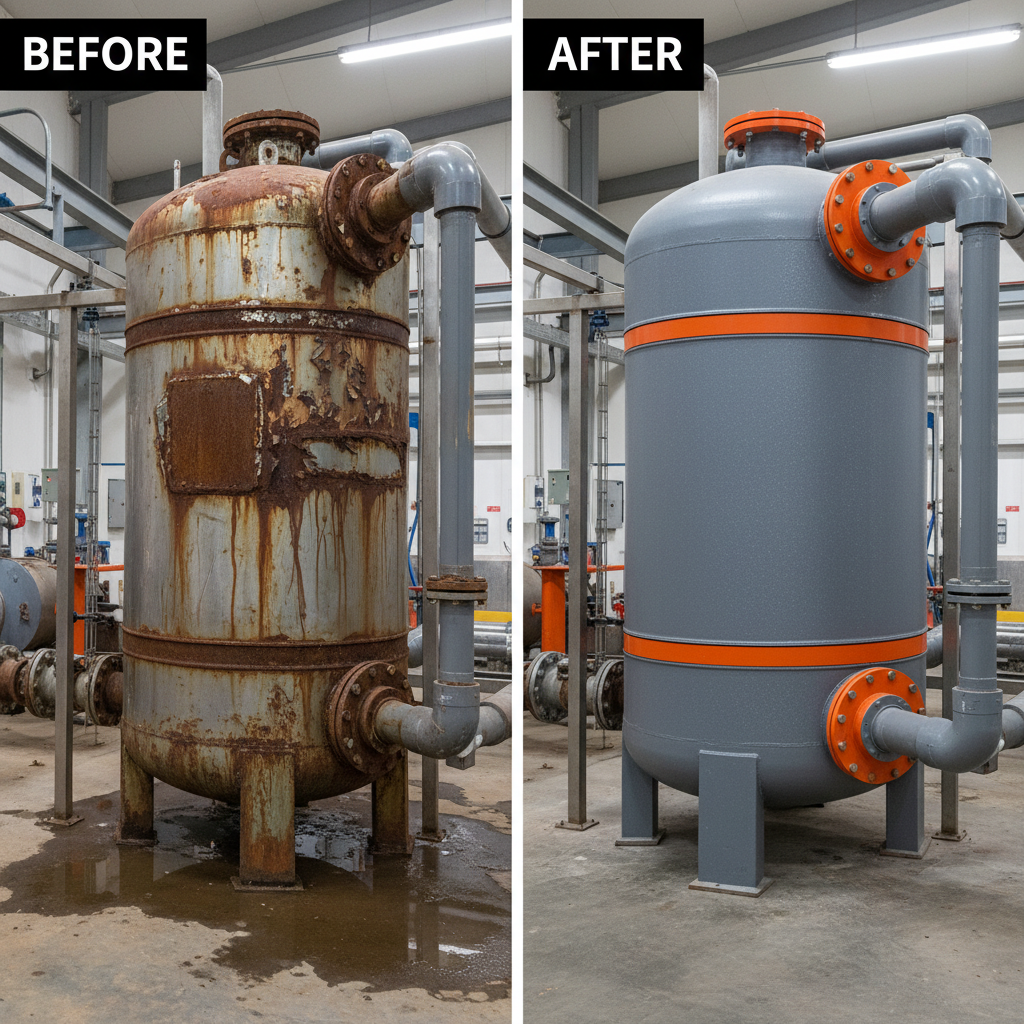
Glass fibers add tensile strength, making grp tanks practically resistant to impacts and abrasion. They don’t corrode, so they last much longer in aggressive environments—salty seawater, industrial chemicals, or harsh weather.
Lightweight & Scalability
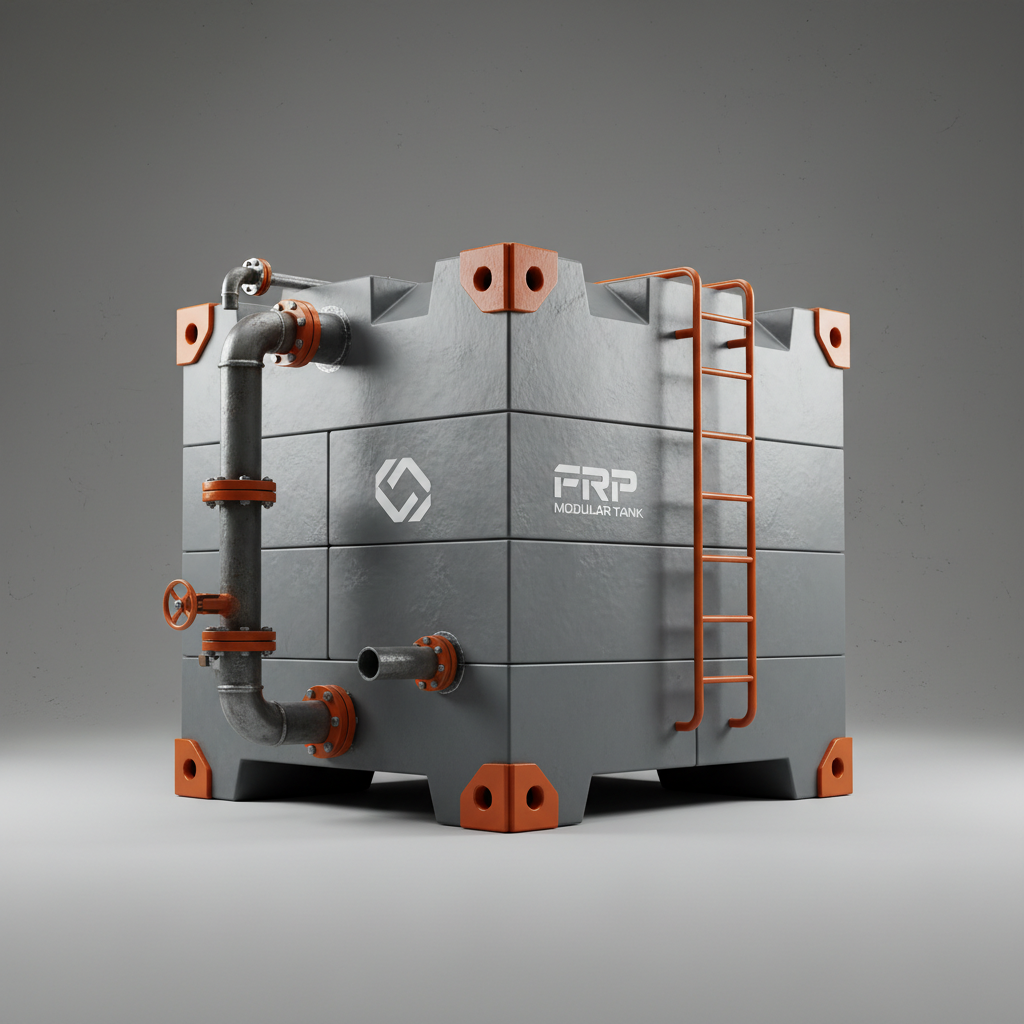
This is a material that feels paradoxical: it’s strong but light. The result? Easier transport and installation—particularly vital in remote or disaster-hit areas. With modular designs, companies can scale tanks as needed without retooling manufacturing.
Cost Efficiency
Though the upfront cost may surpass some metals, the savings compound over time. Less maintenance, a longer lifespan, and fewer replacements mean grp tank material often wins on lifecycle cost analysis.
Corrosion & Chemical Resistance
GRP tanks can store aggressive chemicals that would destroy steel tanks quickly. For industries handling acids, oils, or seawater, this resistance is a game changer.
Customizability
Because they’re molded, tanks can come in various shapes, sizes, and thicknesses for specific applications. Internal coatings or UV resistant layers can also be applied, tailoring the product to clients’ precise needs.
Mini Takeaway: GRP tank materials combine strength, flexibility, and resilience, making them ideal in sectors where reliability means everything.
Real-World Applications of grp tank material
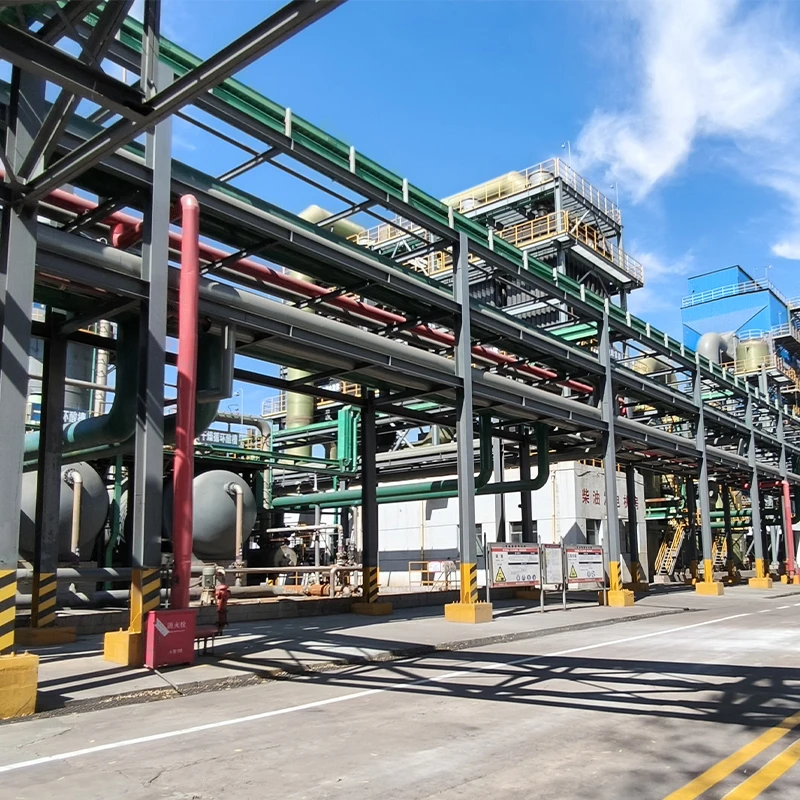
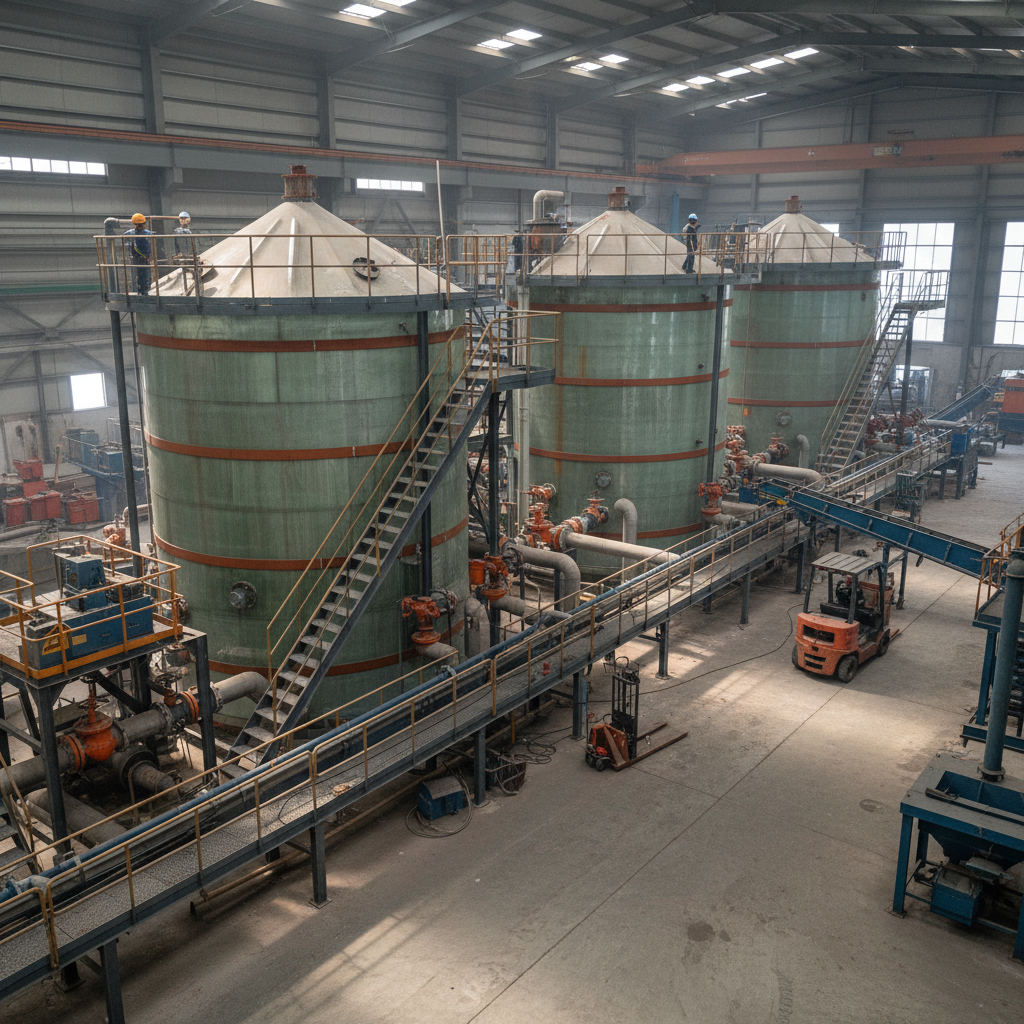
- Water storage and treatment plants: Often deployed in municipal and industrial water systems, grp tanks ensure safe water containment without corrosion issues.
- Agriculture: Storage of fertilizers, pesticides, and irrigation water in durable, lightweight tanks.
- Oil & Gas Industry: For storing chemical additives or even oil derivatives safely and cost-effectively.
- Disaster Relief Efforts: In post-disaster zones where portability and fast deployment are crucial, grp tanks provide vital water storage without the traditional infrastructure.
- Remote Industrial Sites: Mining and manufacturing facilities often rely on GRP tanks due to their low maintenance needs in harsh environments.
For instance, NGOs working after floods in Southeast Asia have praised grp tanks for their quick assembly and trouble-free maintenance, helping to restore clean water supply to thousands.
Product Specification Table
| Property | Typical Value | Unit |
|---|---|---|
| Tensile Strength | 120 - 140 | MPa |
| Density | 1.5 - 2.0 | g/cm³ |
| Chemical Resistance | Excellent (pH 3-11) | - |
| Service Temperature Range | -40 to +120 | °C |
| UV Resistance (with coating) | High | - |
Comparing Top GRP Tank Vendors
| Feature | Vendor A | Vendor B | Vendor C |
|---|---|---|---|
| Tank Sizes (Max Capacity) | 50,000 L | 35,000 L | 60,000 L |
| Customization Options | High (custom shapes/coatings) | Medium (standard shapes, some coatings) | High (modular designs) |
| Lead Time | 4-6 weeks | 3-5 weeks | 5-7 weeks |
| Price Range (per unit) | $$$ | $$ | $$$$ |
| Warranty Period | 10 years | 7 years | 12 years |
Why Choose GRP Tanks? Advantages & Long-Term Value
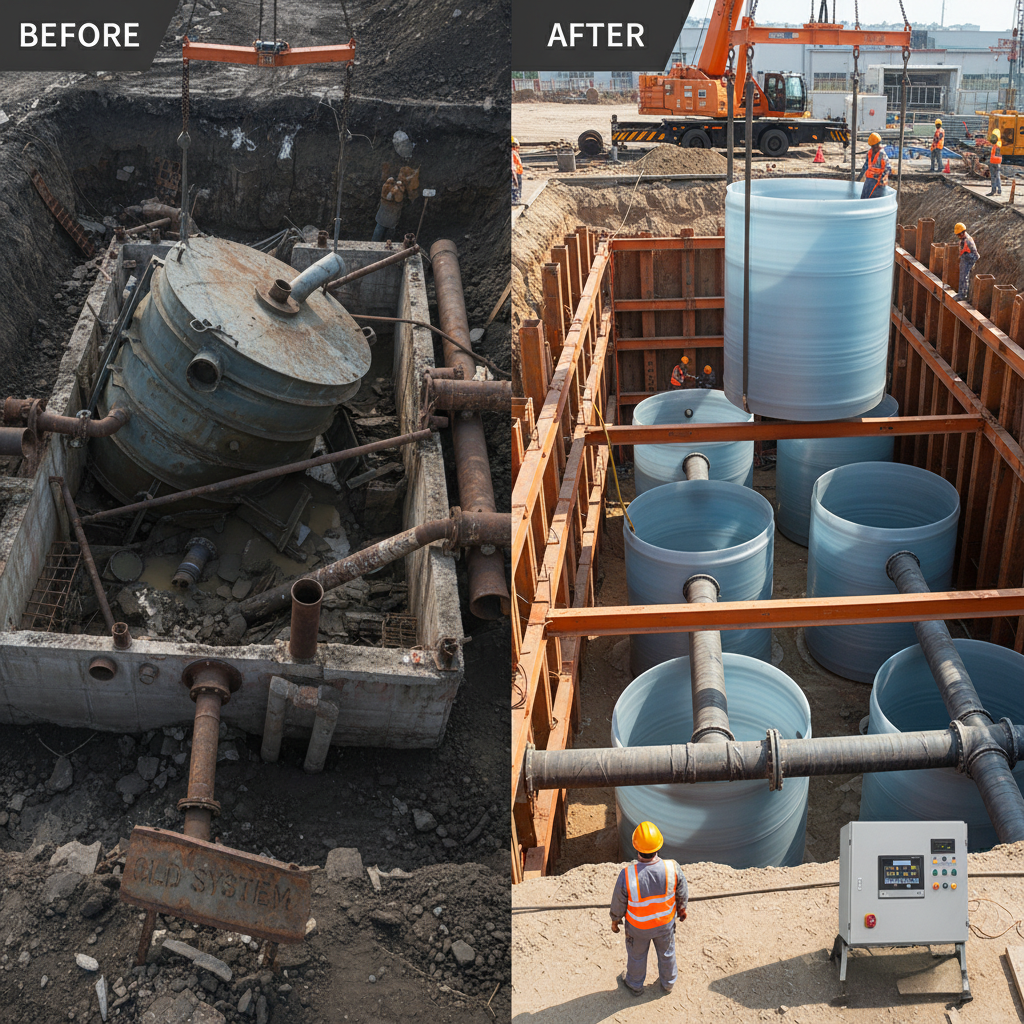
From a practical standpoint, grp tank materials deliver real savings over their lifespan. Imagine fewer repairs and replacements, minimizing downtime — that increasingly matters in sectors where downtime costs big money.
On an emotional level, there’s reassurance in knowing your water or chemicals are stored safely, preserving health and dignity, especially in humanitarian contexts. Technological innovations have made grp tanks not just tougher but smarter, sometimes equipped with sensors for real-time monitoring – something many engineers swear by.
Future Trends: What’s Next for grp tank material?
Looking ahead, sustainability dominates the conversation. We’re seeing a push toward bio-based resins to reduce carbon footprints and innovations in digital monitoring for smarter maintenance. Automation in manufacturing GRP tanks is improving quality and scalability. Additionally, new fire-resistant composites are being explored for safer industrial storage. It’s a quiet revolution that largely flies under the radar but holds huge promise.
Challenges & Emerging Solutions
No material is perfect. GRP tanks can face issues like UV degradation if not properly coated, or damage from extreme impact despite their toughness. Supply chain disruptions sometimes hike costs or cause delays. But smart coatings, better quality control, and flexible manufacturing models mitigate many challenges. Plus, modern design software helps avoid over-engineering or under-sizing—saving money and increasing reliability.
Frequently Asked Questions About GRP Tank Material
- What makes GRP tanks better than traditional steel tanks?
- GRP tanks resist corrosion and chemical damage better, are lighter for easier transport and installation, and need less maintenance over time — making them more durable and cost-effective in many environments.
- How long can a typical GRP tank last?
- With proper cleaning and coatings, GRP tanks usually last 15-30 years, sometimes longer depending on usage and environment.
- Are GRP tanks environmentally friendly?
- They are recyclable and increasingly use bio-based resins, lowering environmental impact compared to metal tanks that require mining and heavy processing.
- Can GRP tanks be used for potable water storage?
- Yes, they are widely used for drinking water because their smooth surfaces prevent contamination, and they pass rigorous safety standards.
- How do organizations import GRP tanks internationally?
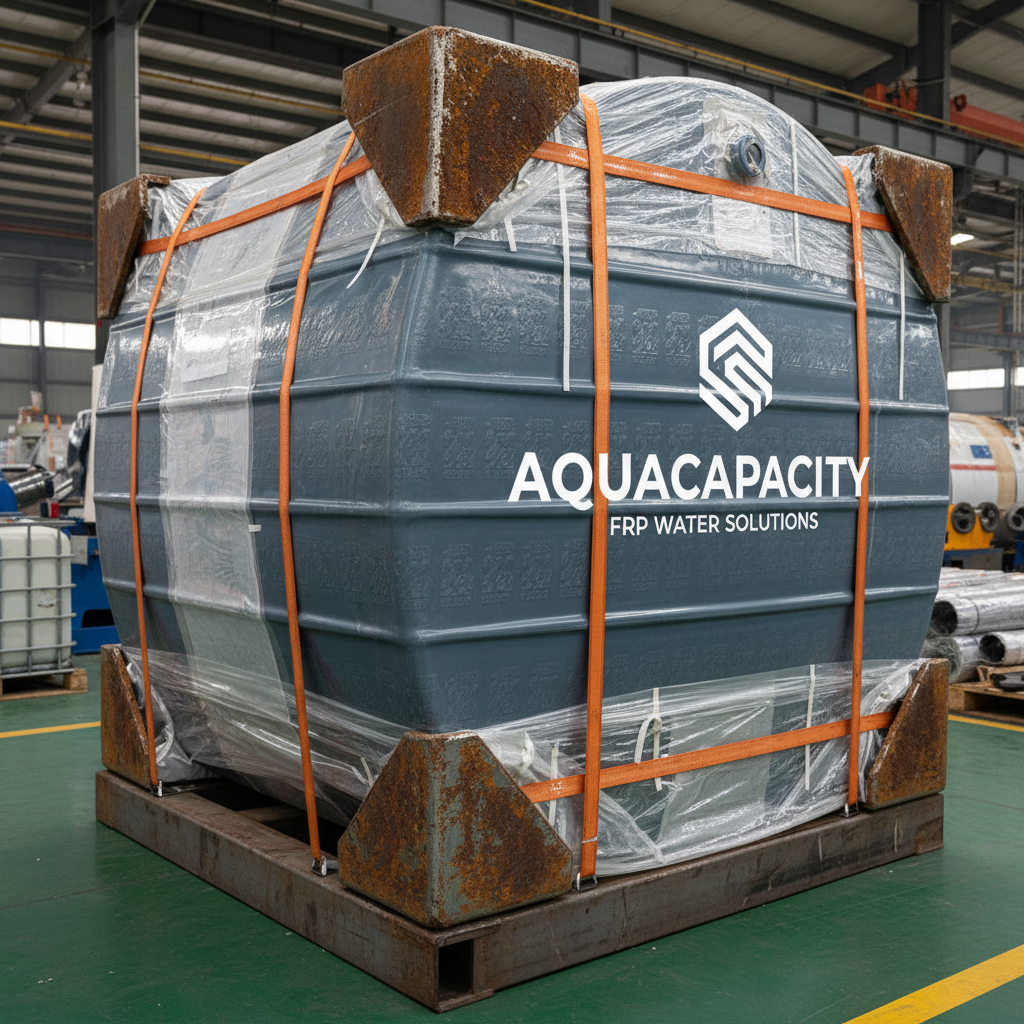
- Most vendors offer export-ready packaging and comply with international shipping regulations. It’s always best to engage vendors with global supply experience and understand local standards.
Conclusion: Making the Right Choice With GRP Tank Material
In real terms, GRP tank material mixes technical excellence with cost savings and sustainability — which is why it’s edging out older materials in many sectors. It’s more than just plastic and glass; it’s a strategic choice for future-proof liquid storage worldwide. If you want to explore innovative grp tank solutions tailored to your needs, I’d suggest checking out the latest offerings at grp tank material specialists. Their deep industry knowledge ensures you get quality products built to perform.
Overall, grp tanks are quietly shaping how clean water, chemicals, and fuels are safely stored — a small but vital step toward a more secure and sustainable future.
Quick takeaway: Whether it’s durability, cost-effectiveness, or adaptability, grp tank material stands out — and it’s smart to keep it on your radar.
- World Bank Water Statistics: Safe Drinking Water Access
- ISO 14692:2017 - Glass-reinforced plastics (GRP) piping (ISO.org)
- Wikipedia on Composite Materials: Composite Material