Understanding Chemical Reservoirs: Essential Systems for Safe Chemical Storage and Global Impact
The Crucial Role of a Chemical Reservoir in Modern Industry and Beyond
It’s funny how some components, like the chemical reservoir, quietly do their work behind the scenes but are absolutely pivotal in so many sectors worldwide. Whether it’s manufacturing, environmental management, or emergency response, understanding what these reservoirs are and why they matter can unlock a whole new appreciation for how industries keep running smoothly while safeguarding people and the planet.
Globally, chemical reservoirs help manage critical fluids and materials essential for industrial processes, water treatment, and soil preservation. They’re not just about storage — they’re about control, safety, and sustainability. Let’s dive into what makes them so vital.
Global Context: Why Chemical Reservoirs Matter More Than Ever
The world is grappling with challenges like chemical pollution, climate change, and water scarcity, making the chemical reservoir’s role even more relevant. According to the United Nations Sustainable Development Goals, responsible water and waste management align with several objectives (UN SDGs 6, 12).
Industrially, the ISO 9001 quality standards and environmental management systems often specify robust chemical storage solutions to prevent leaks, contamination, or hazardous exposures. Yet, one huge problem persists: improper containment of chemicals can lead to devastating environmental damage and costly shutdowns.
So, reservoirs that are well-designed and maintained can effectively mitigate risks associated with chemical storage — from acid solutions in factories to nutrient reservoirs for agriculture.
Defining the Chemical Reservoir
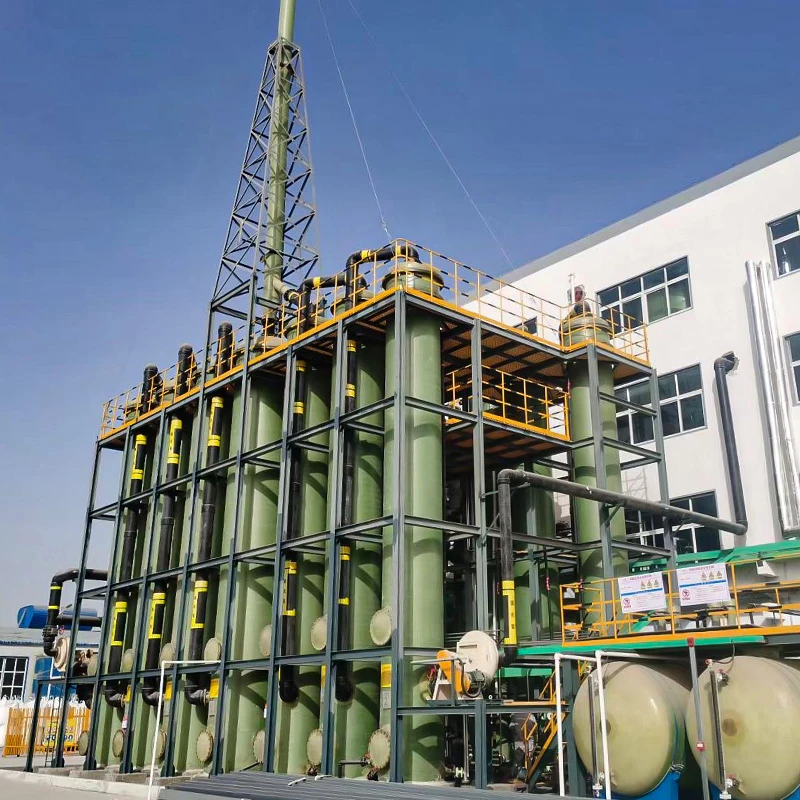
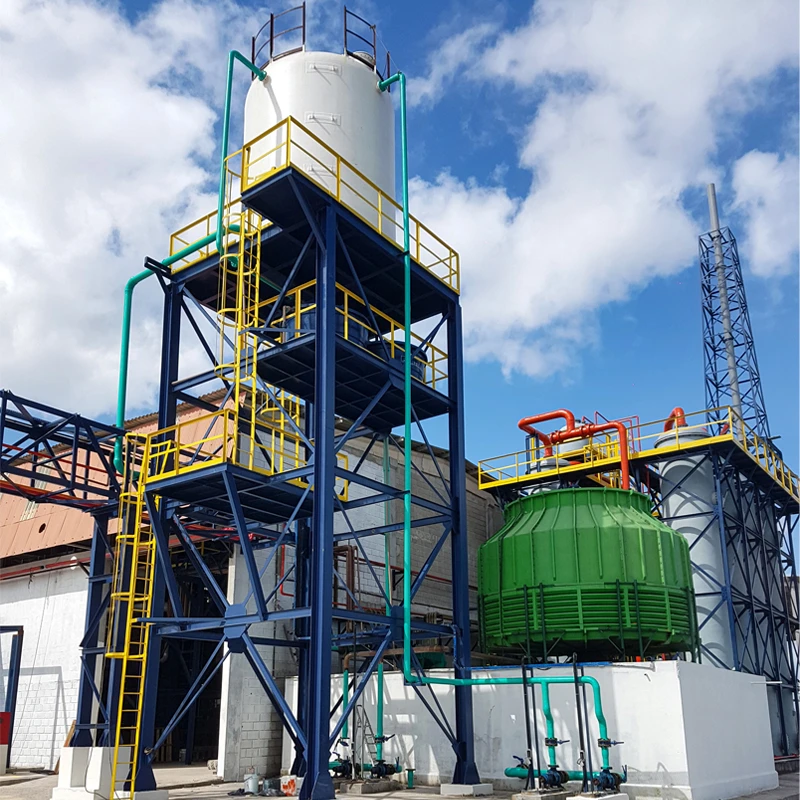
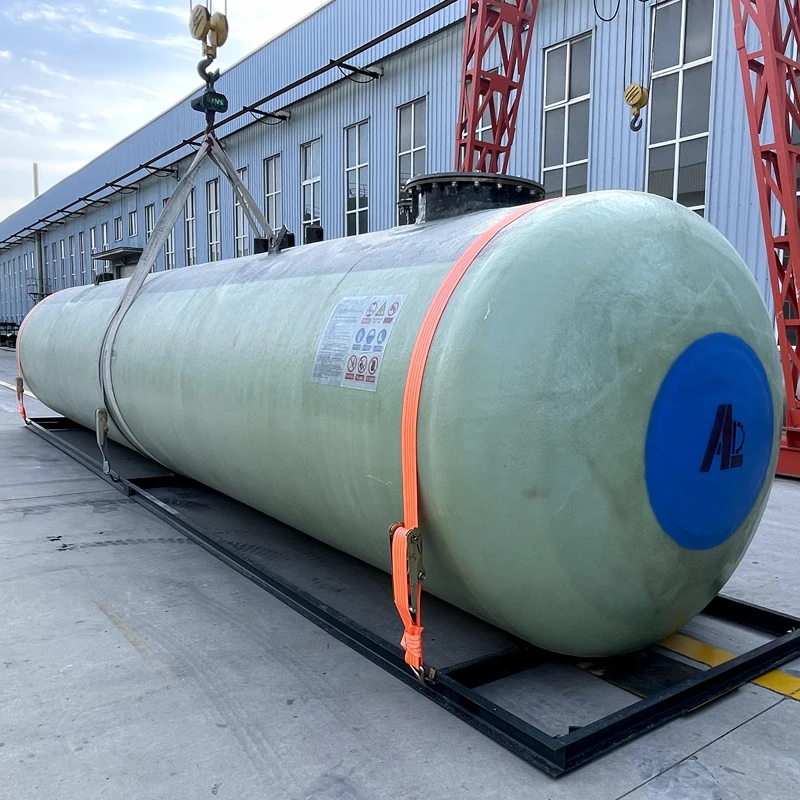
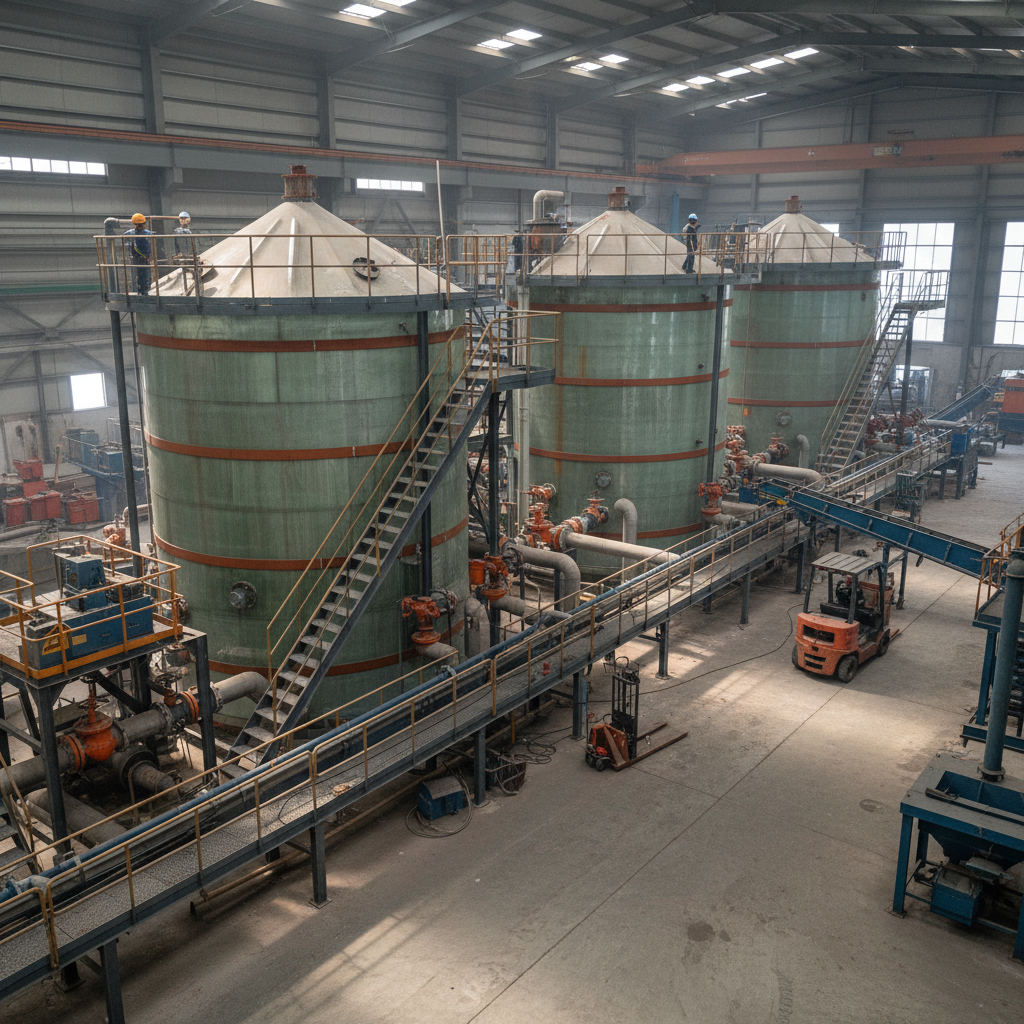
At its core, a chemical reservoir is a container or system designed for storing chemicals safely under controlled conditions. It’s more than just a tank — it includes monitoring devices, materials resistant to corrosion or reactions, and sometimes cooling or agitation mechanisms.
In industries ranging from pharmaceuticals to agriculture, and even humanitarian aid, these reservoirs ensure chemicals are kept stable and accessible when needed. For example, in disaster zones, mobile chemical reservoirs can deliver clean water or treat contaminated supplies quickly — saving lives.
Core Components and Key Aspects of Chemical Reservoirs
Durability and Material Compatibility
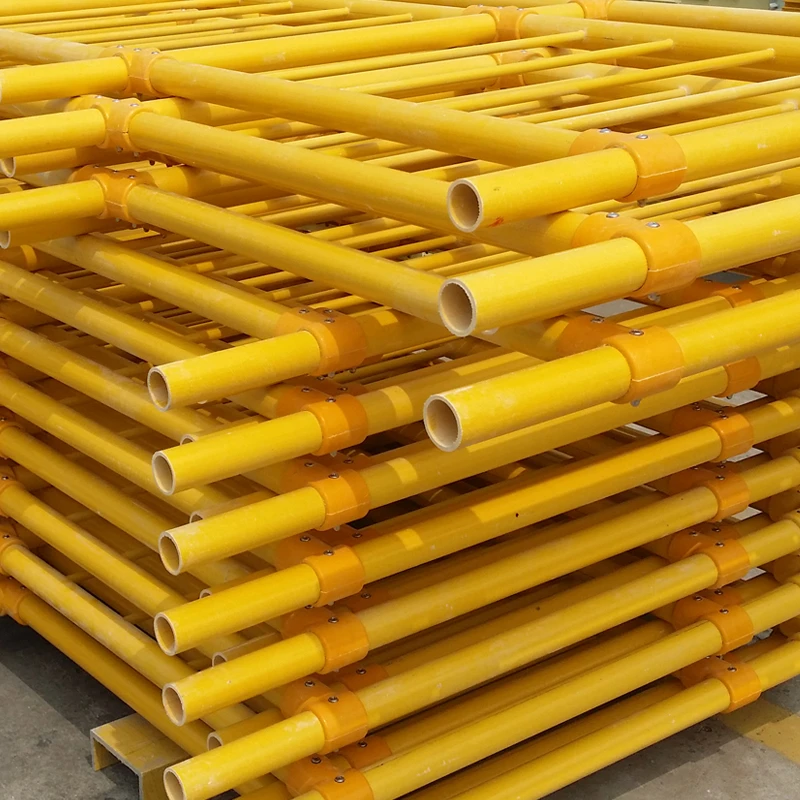
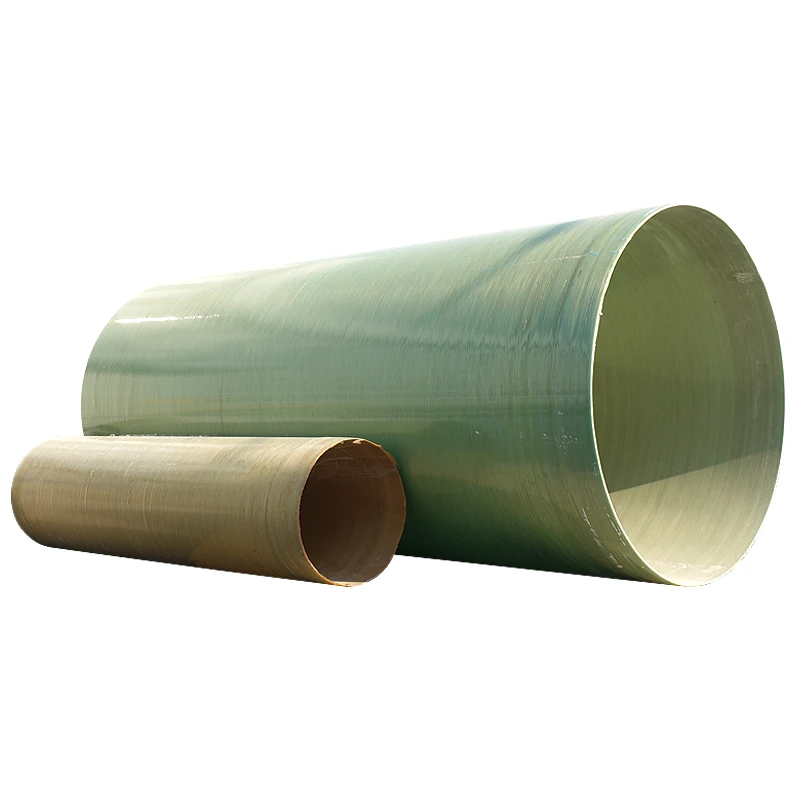
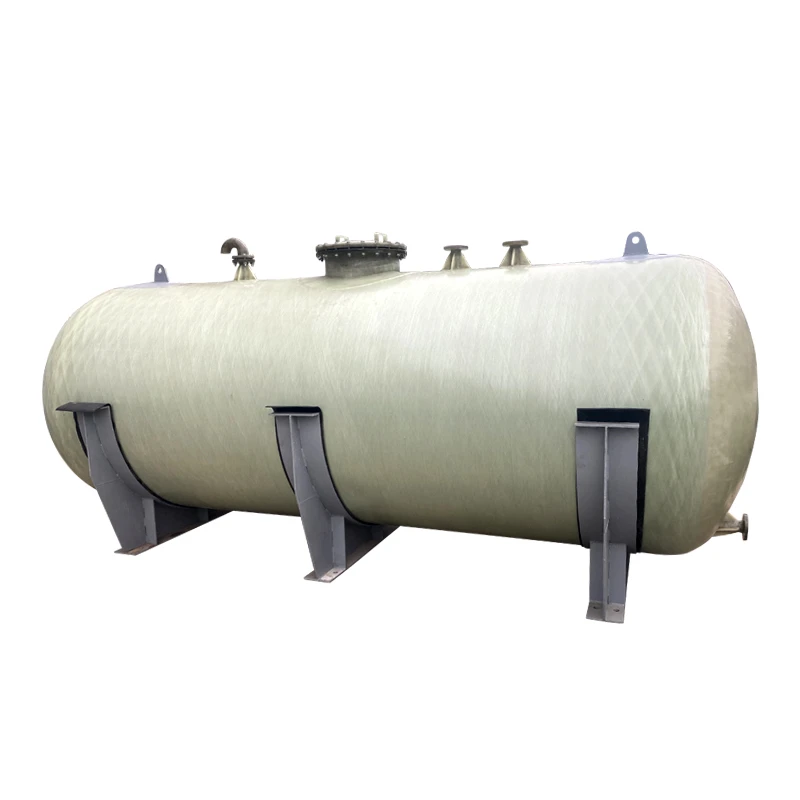
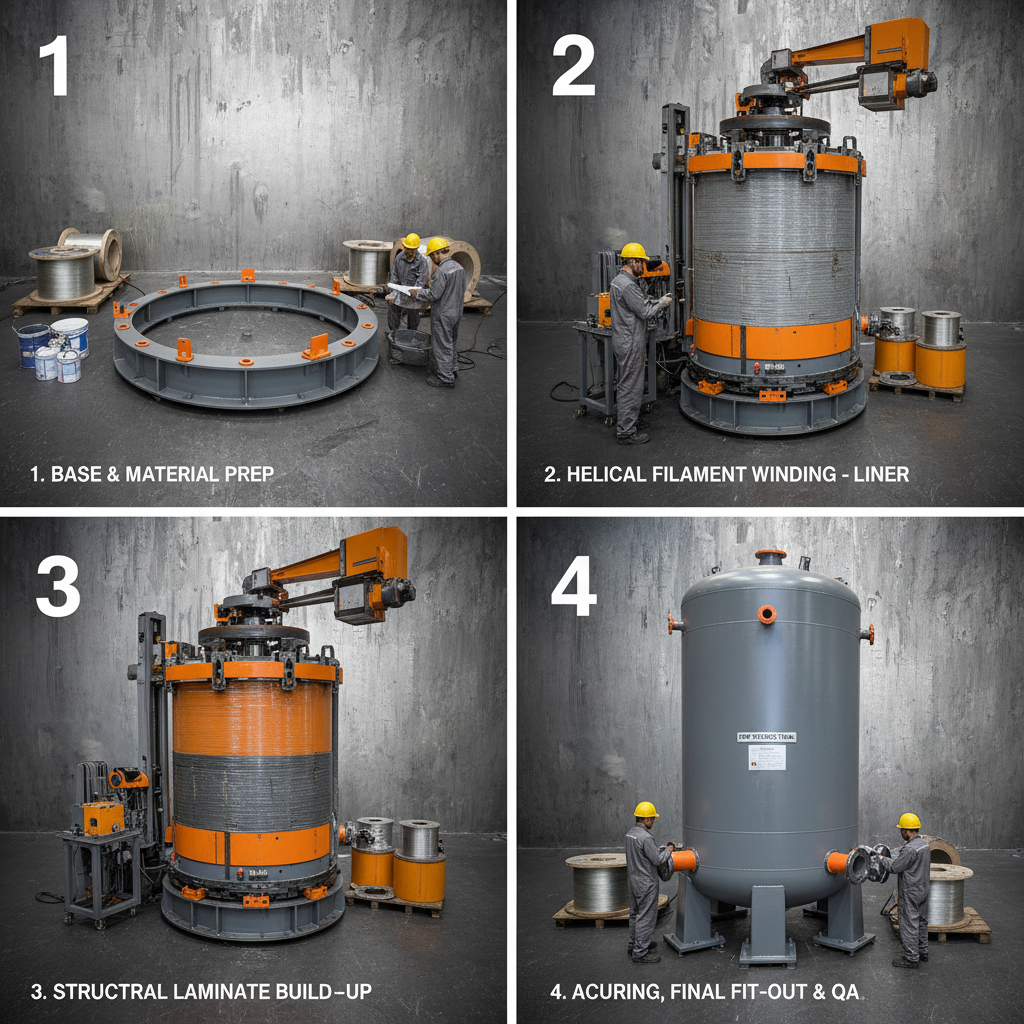
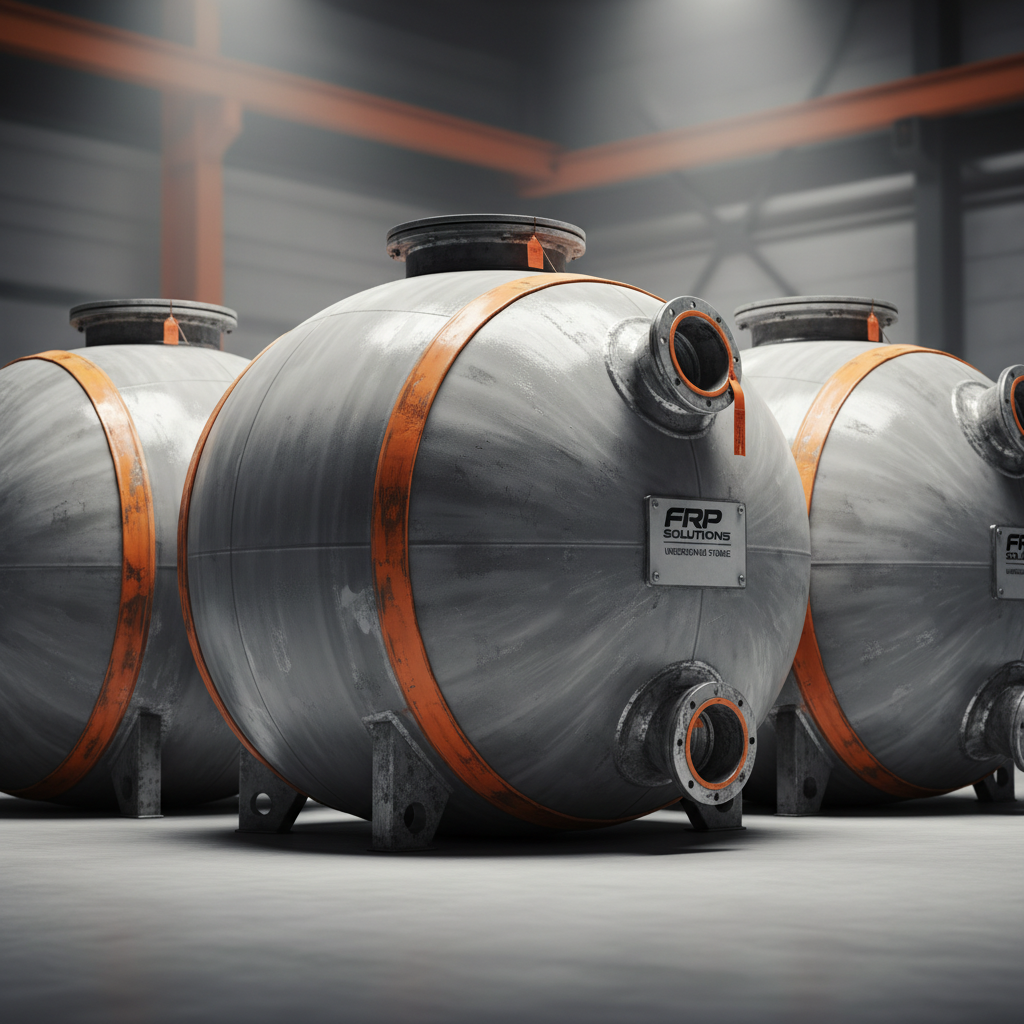
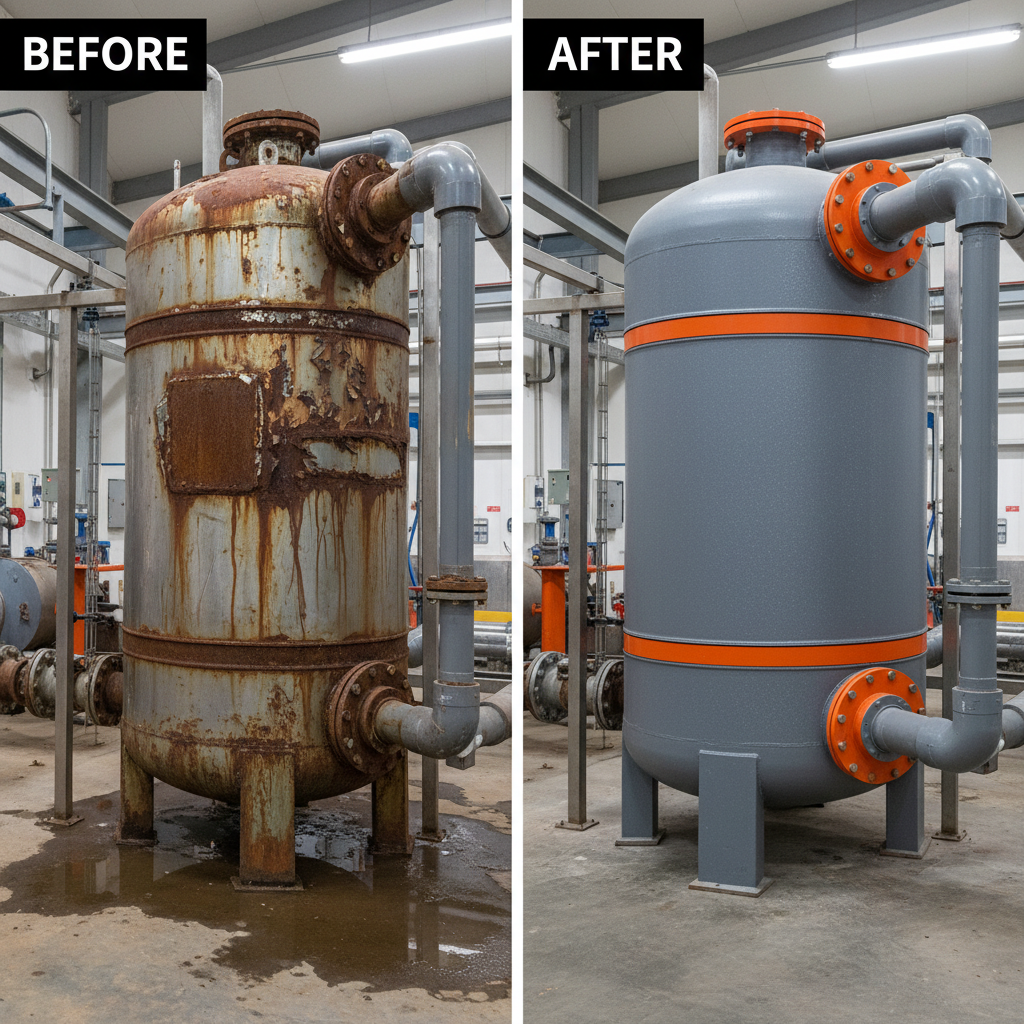
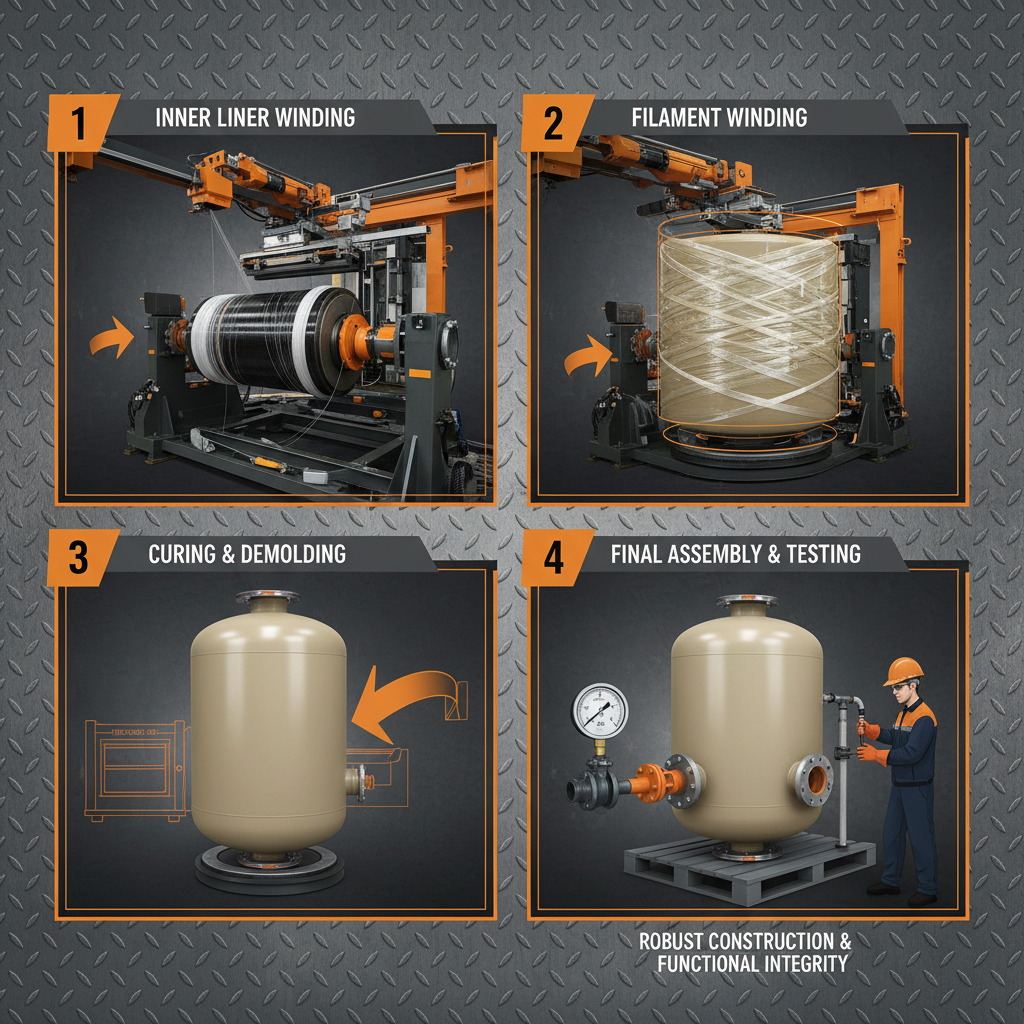
The choice of materials is critical — stainless steel, HDPE, fiberglass-reinforced plastic (FRP), and specialty coatings prevent corrosion or unwanted chemical reactions. Many engineers I’ve talked to swear by FRP for its balance of strength and cost efficiency, especially when handling acids or solvents.
Capacity and Scalability
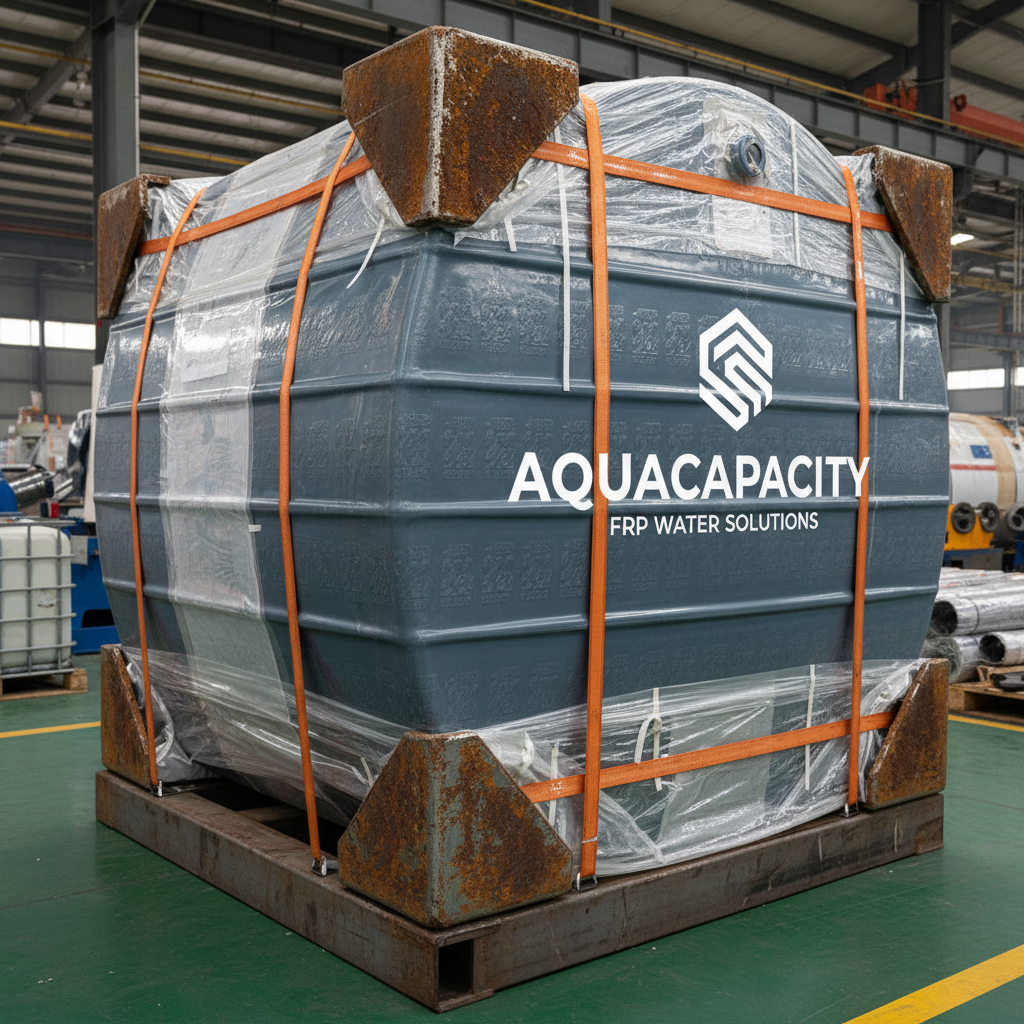
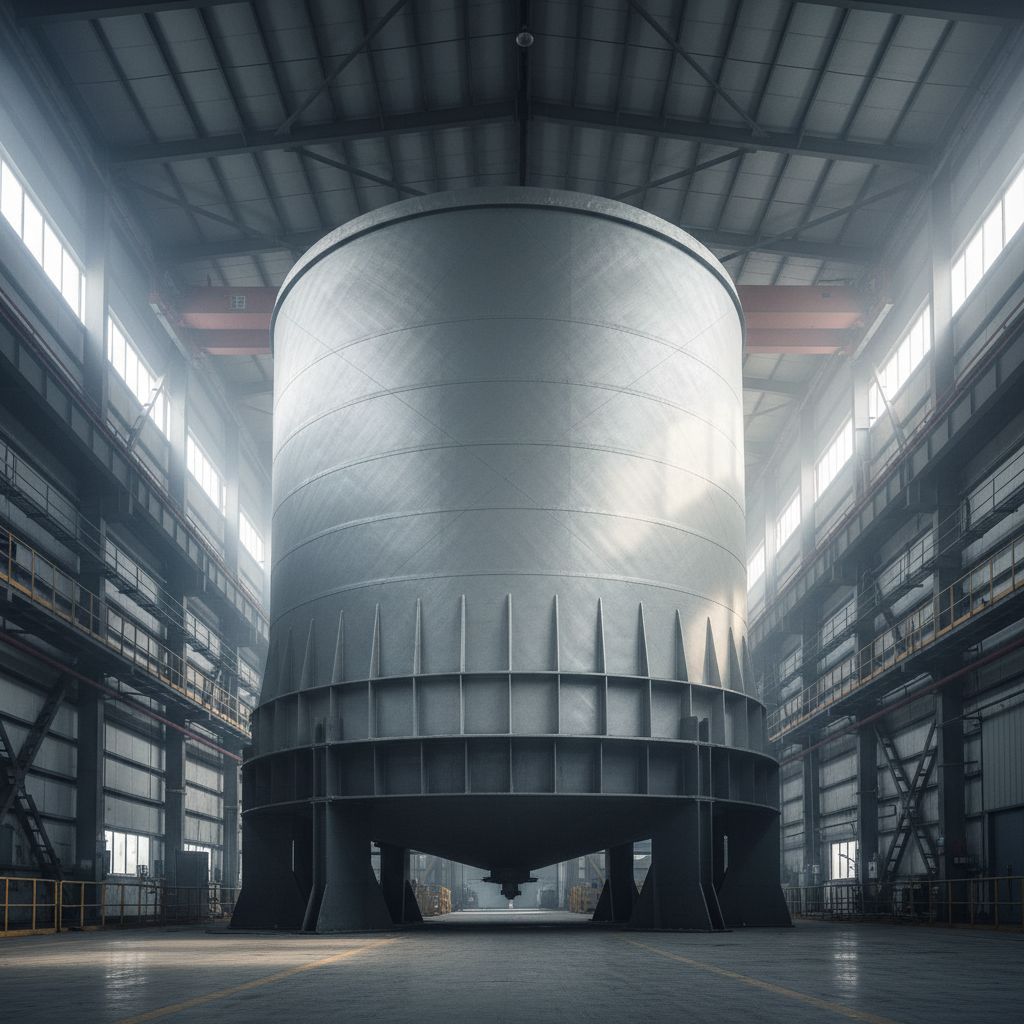
Reservoir sizes vary dramatically. From small portable containers to massive industrial tanks holding thousands of liters, scalability is key. Systems must adapt as demands grow without compromising safety or accessibility.
Cost Efficiency
It’s not just the upfront price; lifecycle costs — including maintenance, repair, and compliance — factor heavily. A cheaper tank made from incompatible material might quickly become a liability.
Safety and Environmental Compliance
Modern chemical reservoirs often integrate leak detection, pressure relief valves, and secondary containment to meet strict regulations such as OSHA or EPA standards. It’s a good reminder that a reservoir isn’t just storage; it’s a critical safety device.
Monitoring and Automation
New trends include embedded sensors for temperature, pH, or chemical concentration, allowing remote monitoring. This tech leap not only enhances safety but also optimizes chemical usage and reduces waste.
Mini Takeaway:
Choosing the right chemical reservoir means balancing physical properties, capacity needs, safety features, and long-term costs. It’s kind of like picking a car: you want reliability, efficiency, and a dash of future-readiness.
Where Chemical Reservoirs Make a Real-World Impact
It’s one thing to know what a chemical reservoir is, but seeing it in action is another. Across continents, industries rely on these systems:
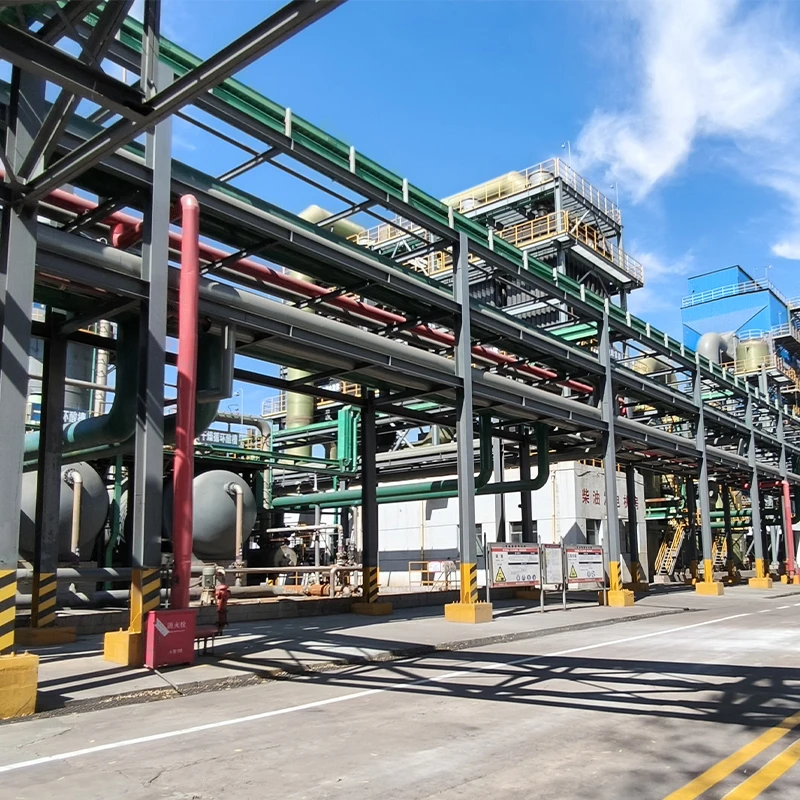
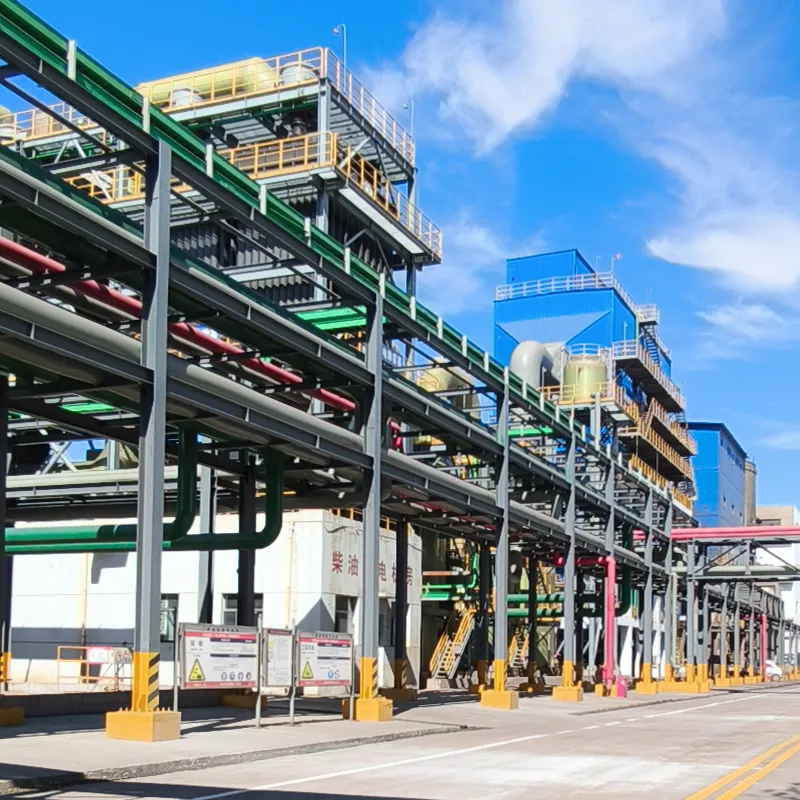
- Industrial Manufacturing: Chemical reservoirs hold solvents, acids, and other materials tightly regulated to protect workers and the environment.
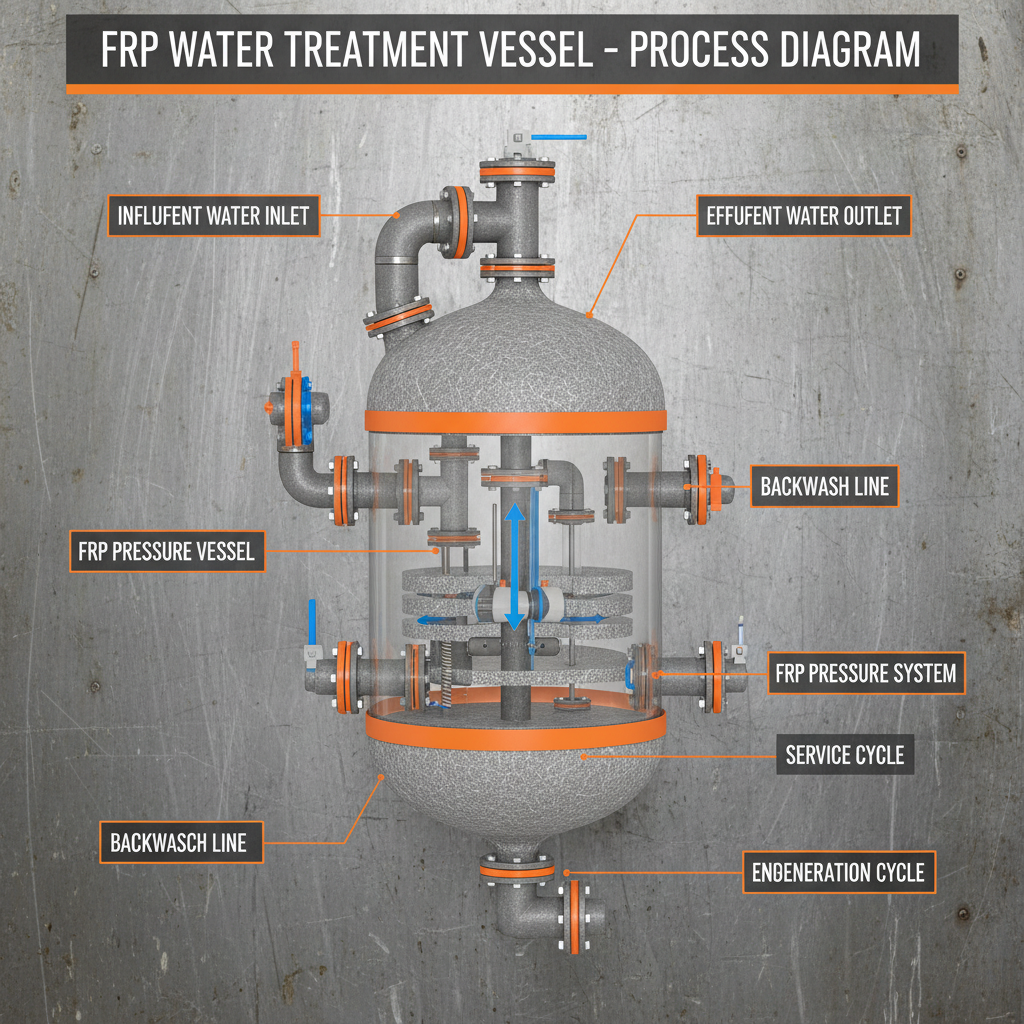
- Water Treatment Plants: They store disinfectants and treatment chemicals, ensuring safe drinking water at scale.
- Agriculture: Nutrient reservoirs for fertilizers support vast farming regions, particularly in places like California and the Netherlands, helping yield food sustainably.
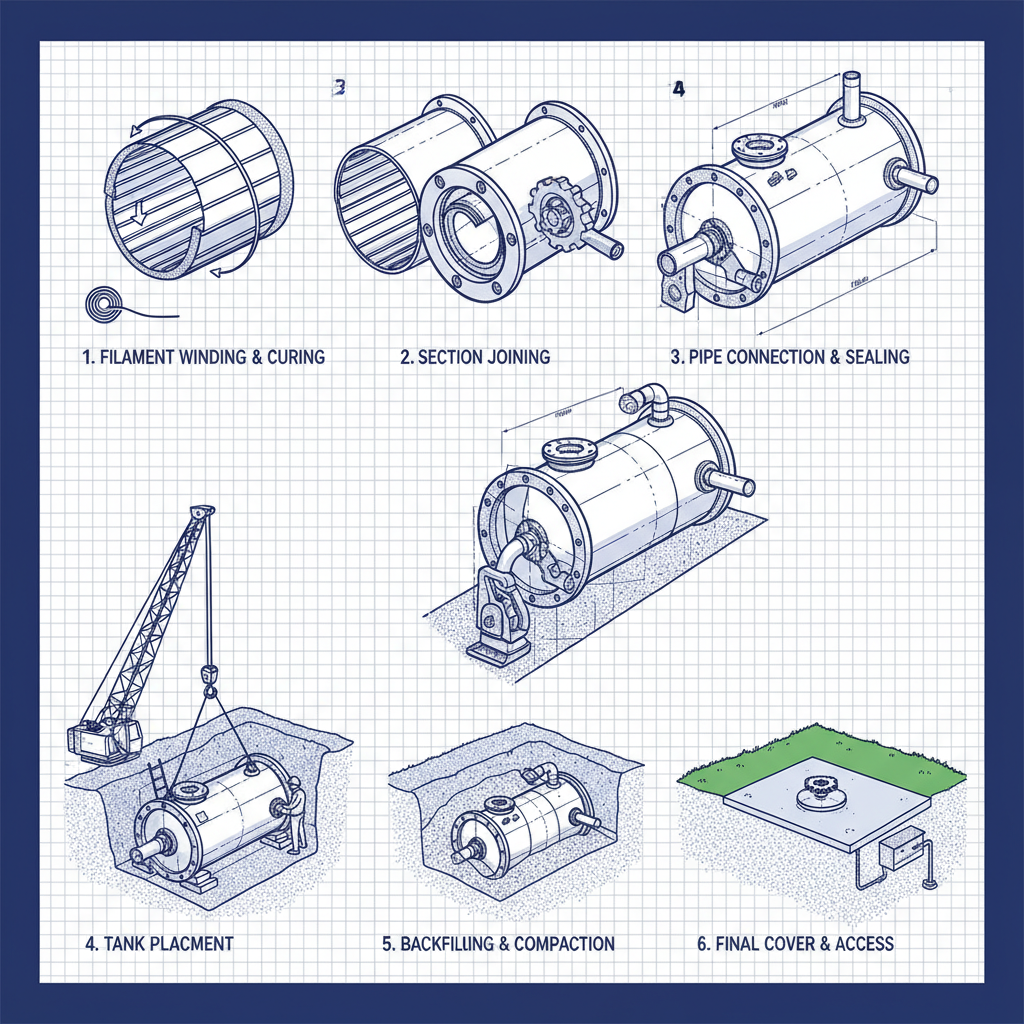
- Disaster Relief & Humanitarian Aid: Mobile reservoirs provide clean water or chemical treatment compounds in crisis zones — think earthquake aftermaths or flood response in Asia or Africa.
For example, in post-hurricane Puerto Rico, temporary chemical reservoirs played a crucial role in restoring potable water supplies quickly after municipal systems failed. That kind of use underscores how these reservoirs aren’t just industrial props — they are human lifelines.
The Long-Term Value of Investing in Chemical Reservoirs
Why put so much thought into reservoirs? Because they bring several measurable benefits:
- Cost Savings: Fewer chemical losses, less downtime, and fewer environmental fines.
- Safety & Trust: Workers and communities feel safer with proper containment and monitoring.
- Sustainability: Controlled chemical use reduces waste and pollution.
- Innovation: Smart reservoirs enabled by IoT bring efficiency gains and better resource management.
And on an emotional note, when you know harmful chemicals are effectively contained and monitored, there’s peace of mind that protects both humans and nature — a kind of dignity that’s often overlooked in industrial decisions.
What’s Next? Trends Emerging in Chemical Reservoir Design
Oddly enough, the future looks greener and smarter:
- Eco-friendly Materials: Bioplastics and recycled composites reduce the environmental footprint.
- Digital Twins and AI-Driven Monitoring: Predictive maintenance avoids failures before they happen.
- Integration with Renewable Energy: Reservoirs paired with solar-powered sensors or cooling systems.
This isn’t just science fiction; many pilot projects in Europe and Asia already demonstrate these innovations making reservoirs more reliable and sustainable.
Challenges and How Industry is Responding
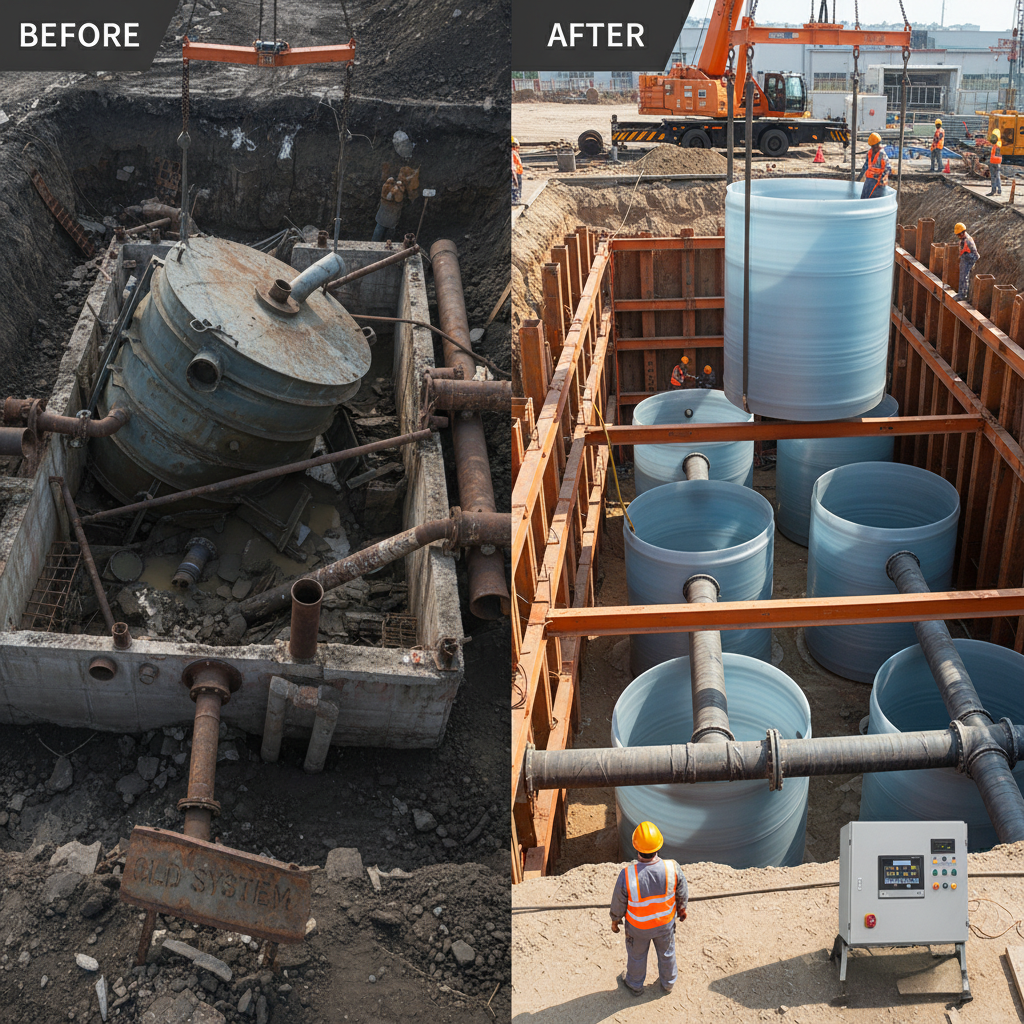
Of course, there are challenges: leaks due to material fatigue, costs of upgrading old tanks, and regulatory hurdles, to name a few. But experts advocate for:
- Regular inspections using non-destructive testing.
- Modular designs that simplify replacement.
- Better training for operators and first responders.
Plus, many companies now partner with vendors offering end-to-end solutions — from design to end-of-life recycling — tackling lifecycle challenges head-on.
Practical FAQs About Chemical Reservoirs
- What materials are best for chemical reservoirs handling acids?
- Materials like fiberglass-reinforced plastic (FRP) and certain stainless steels are preferred because they're highly resistant to corrosion and chemical breakdown. Each chemical calls for specific compatibility checks to ensure safety and durability.
- How long can a chemical reservoir typically last in industrial use?
- With proper maintenance, many reservoirs last 20+ years. Routine inspections and early replacement of worn parts help extend lifespan significantly.
- Are mobile chemical reservoirs suitable for emergency relief scenarios?
- Absolutely, mobile reservoirs are designed for quick deployment and stability, supplying safe chemicals or treated water in disaster zones where infrastructure is damaged or non-existent.
- What regulatory standards govern chemical reservoir designs?
- Common frameworks include OSHA for workplace safety, EPA for environmental impact, and international standards like ISO 9001 for quality and ISO 14001 for environmental management.
- Can we integrate chemical reservoirs with smart sensors?
- Yes, the trend is toward smart reservoirs equipped with IoT sensors for real-time monitoring of levels, temperature, and potential leaks — improving safety and operational efficiency.
Product Specifications: A Typical Chemical Reservoir
| Specification | Details |
|---|---|
| Material | Fiberglass Reinforced Plastic (FRP) |
| Capacity | 5,000 liters |
| Temperature Range | -10°C to 60°C |
| Accessories | Level sensors, leak detection, agitation system |
| Compliance Certifications | ISO 9001, EPA-approved containment |
Vendor Comparison
| Vendor | Material Options | Customization | Price Range | Lead Time |
|---|---|---|---|---|
| ResTech Solutions | FRP, HDPE, Stainless Steel | High – custom sizes & fittings | $$$ | 6–8 weeks |
| ChemStore Inc. | HDPE, Carbon Steel | Medium – standard sizes | $$ | 4–6 weeks |
| Global ContainTech | FRP only | Low – fixed product range | $ | 2–3 weeks |
Final Thoughts on Chemical Reservoirs
After walking through the ins and outs of chemical reservoirs, it’s clear they’re much more than just tanks — they’re essential systems supporting safety, sustainability, and operational efficiency worldwide. They quietly underpin some of the toughest challenges industries face, from hazardous chemical management to enabling disaster relief.
For anyone looking at long-term solutions, investing in advanced, adaptable reservoirs isn’t just smart — it's almost inevitable, given the direction of environmental demands and technology. Frankly, it feels like every industry that touches chemicals could use a smart, durable reservoir in their toolkit.
To explore options or learn more, be sure to visit our website — there’s a lot happening in this space and staying informed is the best bet.