Comprehensive Guide to 4 Axis Filament Winding Machine for Industrial Use
4 Axis Filament Winding Machine is a key solution in the industry, specifically within composite manufacturing and industrial production sectors. This article explores how https://www.frpgrpmachine.com supports professionals with durable, high-performance products and explains why this product is an ideal choice for businesses in these sectors.
Table of Contents
- 4 Axis Filament Winding Machine Overview
- Benefits & Use Cases of 4 Axis Filament Winding Machine
- Cost, Maintenance & User Experience
- Sustainability & Market Trends
4 Axis Filament Winding Machine Overview
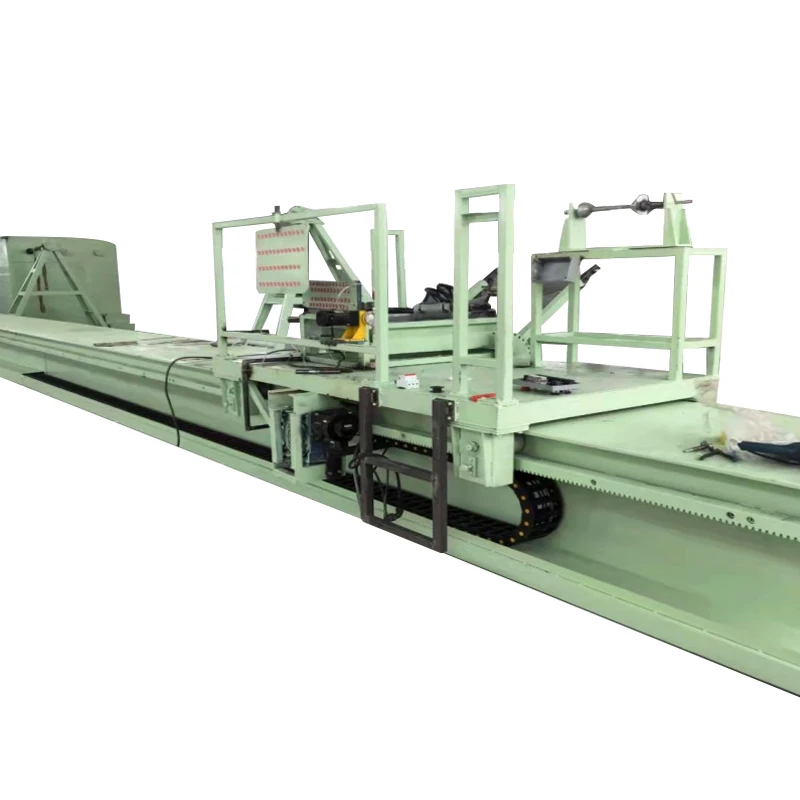
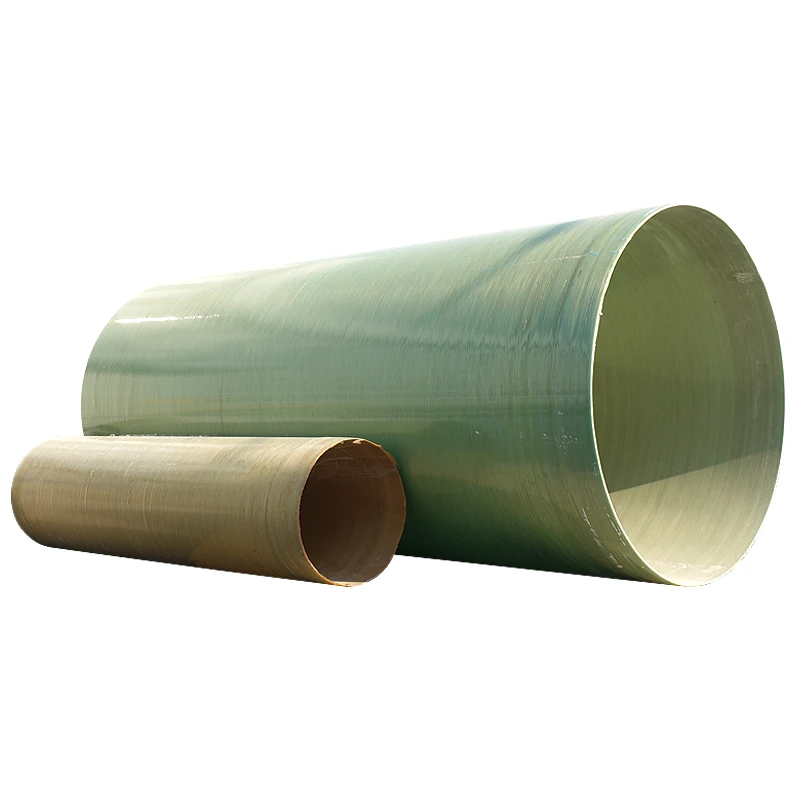
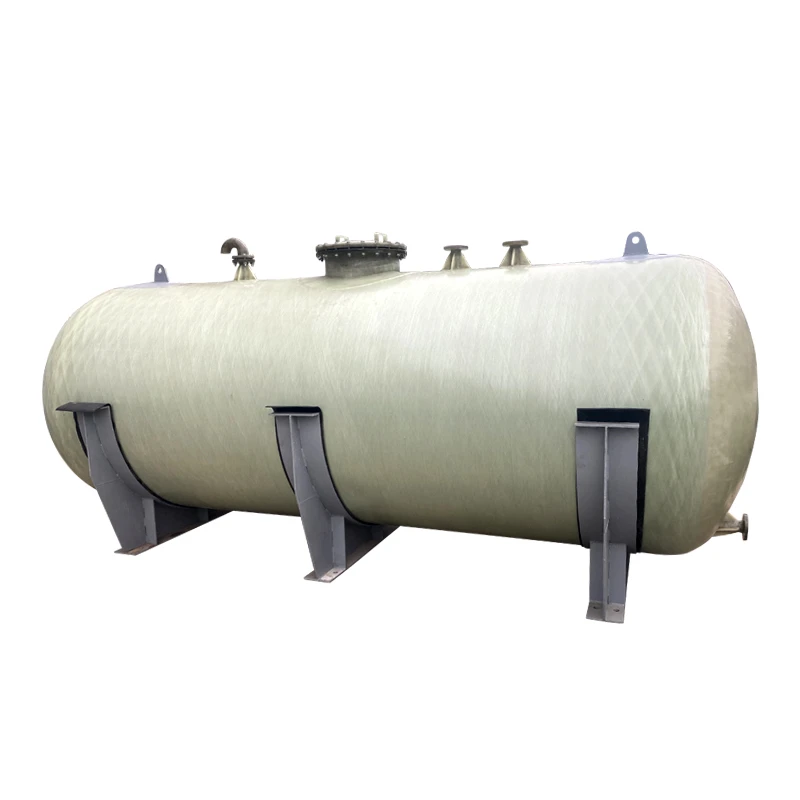
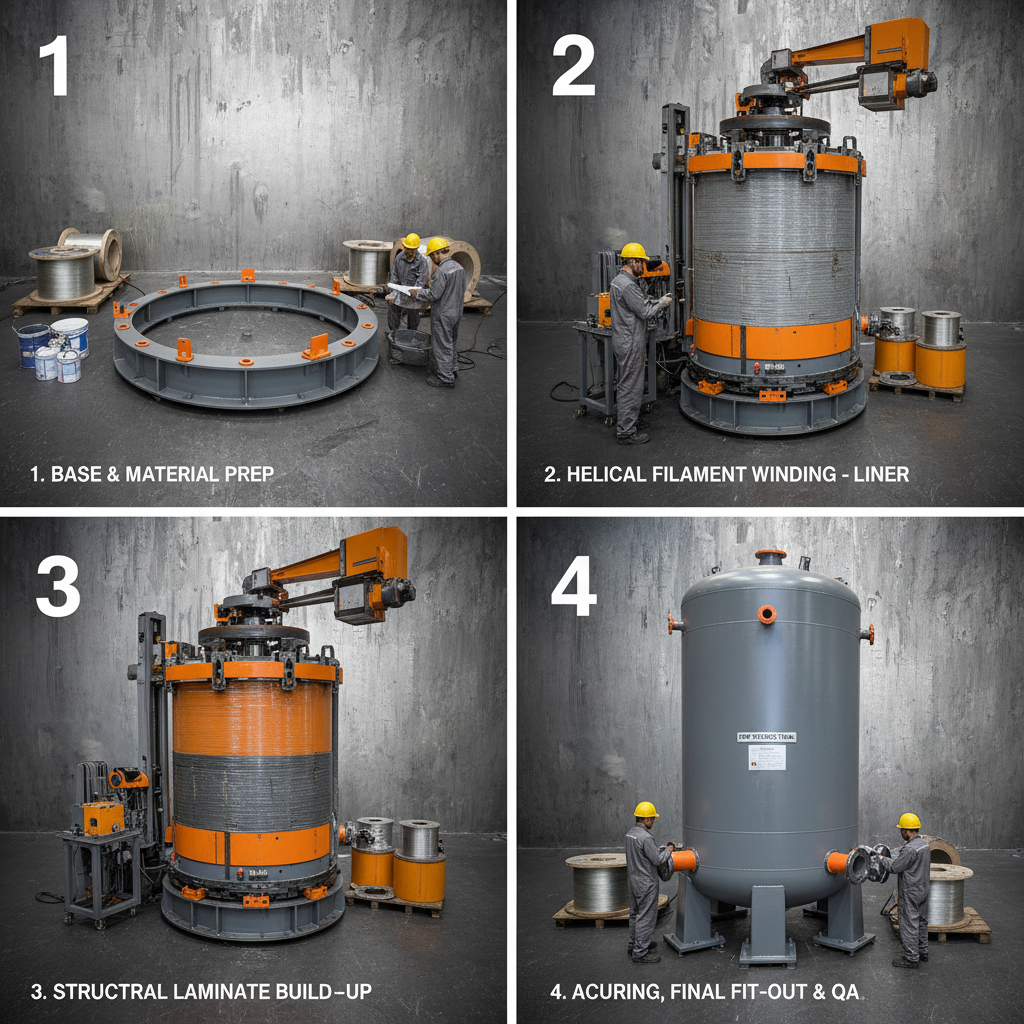
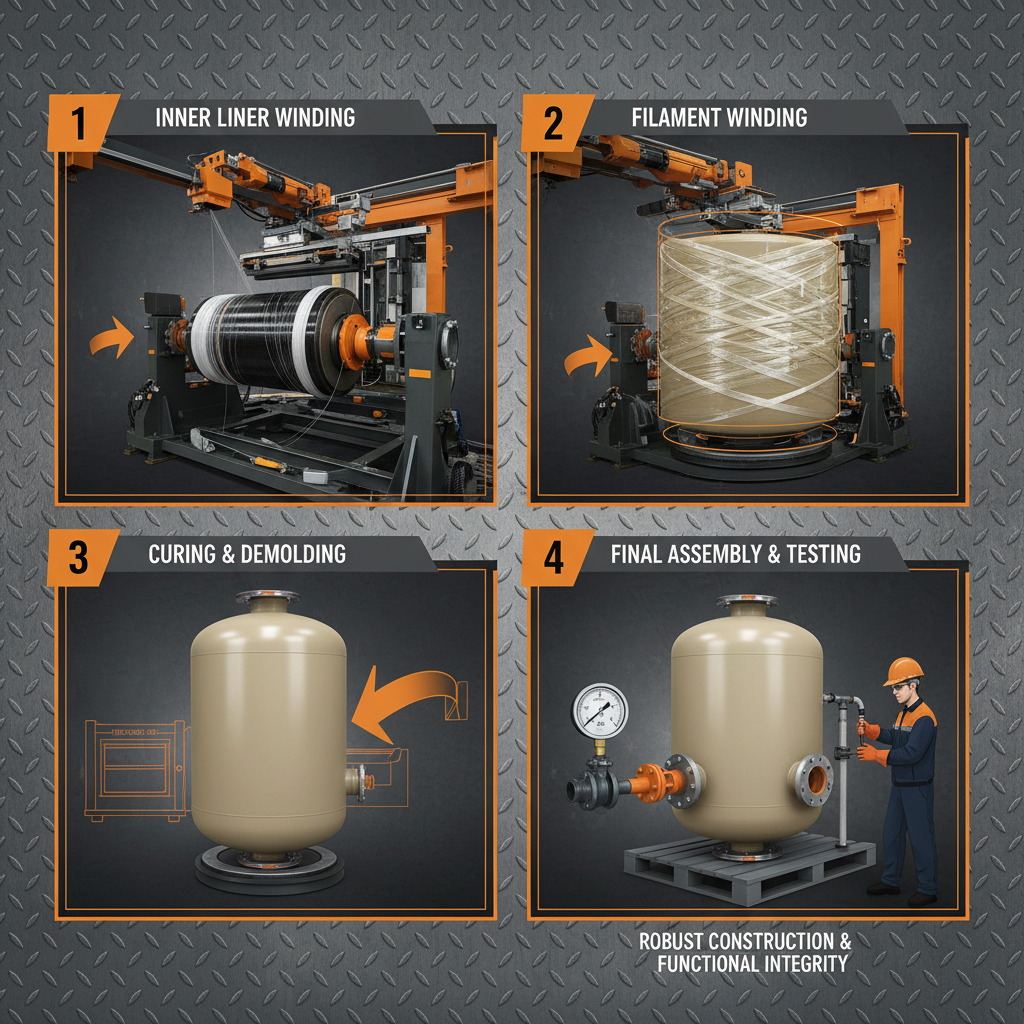
Simply put, a 4 Axis Filament Winding Machine is specialized equipment designed to wind composite materials, such as carbon or glass fibers, onto a rotating mandrel precisely and efficiently. The '4 axis' designation refers to the machine's capability to manipulate fiber positioning across four different movements: the mandrel rotation, fiber payout, carriage travel, and traverse axis. This multi-axis control allows for intricate winding patterns, improving the mechanical performance of finished cylindrical parts like pipes, tanks, pressure vessels, and rotor blades.
Technically, these machines integrate servo motors with advanced computerized controls to ensure tensions and angles are set accurately, resulting in optimized fiber placement. A case in point: manufacturers using this equipment often report consistent product quality and cycle time reductions. Frankly, this kind of automation shifts what used to be manual labor into precision engineering. It’s also versatile enough to handle thermoset and thermoplastic resins.
| Specification | Details |
|---|---|
| Number of Axes | 4 (Mandrel, Fiber Payoff, Carriage Travel, Traverse) |
| Mandrel Diameter Range | 100mm – 1500mm (customizable) |
| Control System | PC-based CNC with offline programming |
| Max Fiber Tension | Up to 500N |
| Winding Speed | Adjustable up to 120 m/min |
| Applicable Materials | Carbon fiber, glass fiber, aramid fibers |
Benefits & Use Cases of 4 Axis Filament Winding Machine
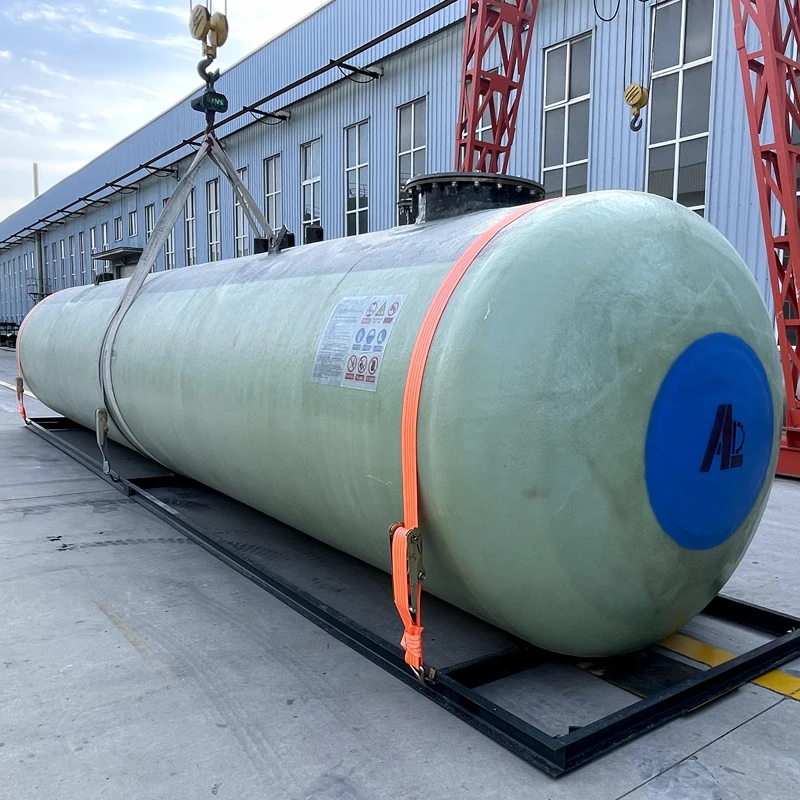
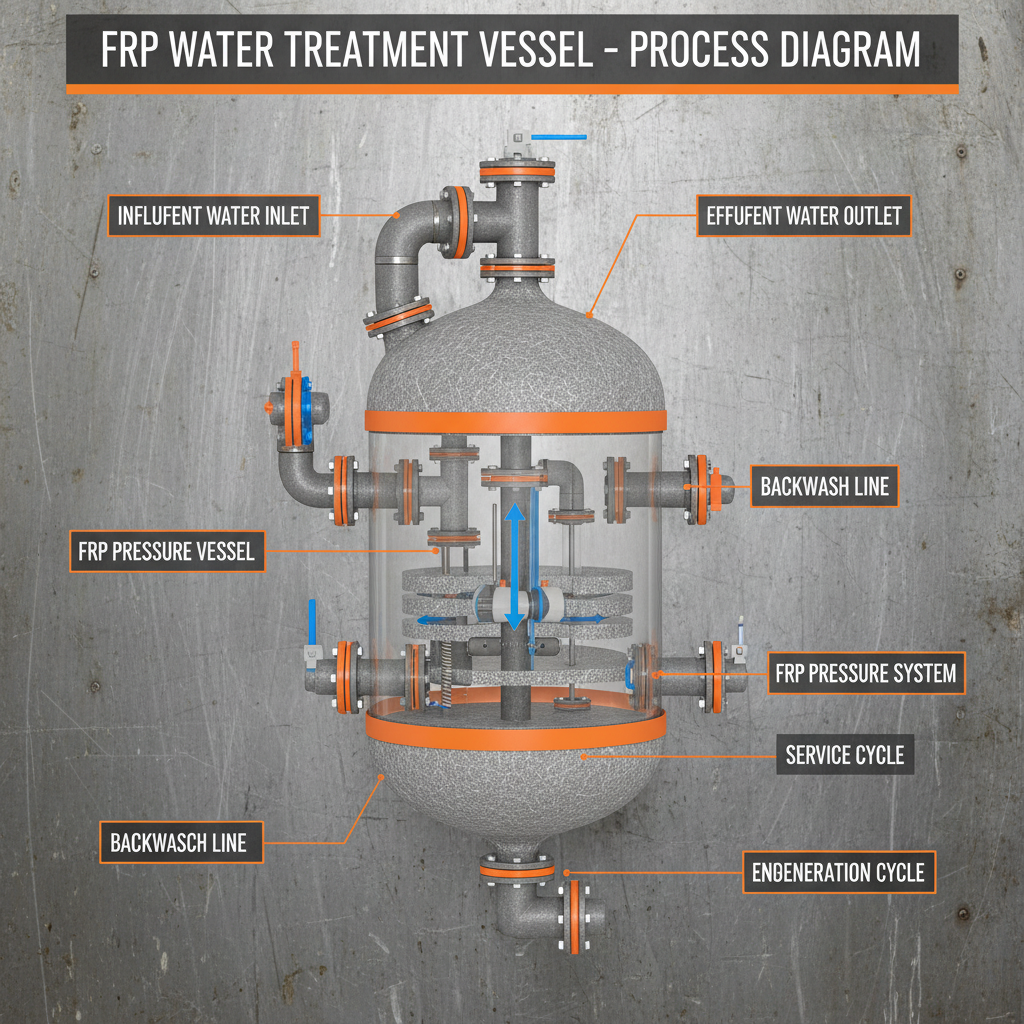
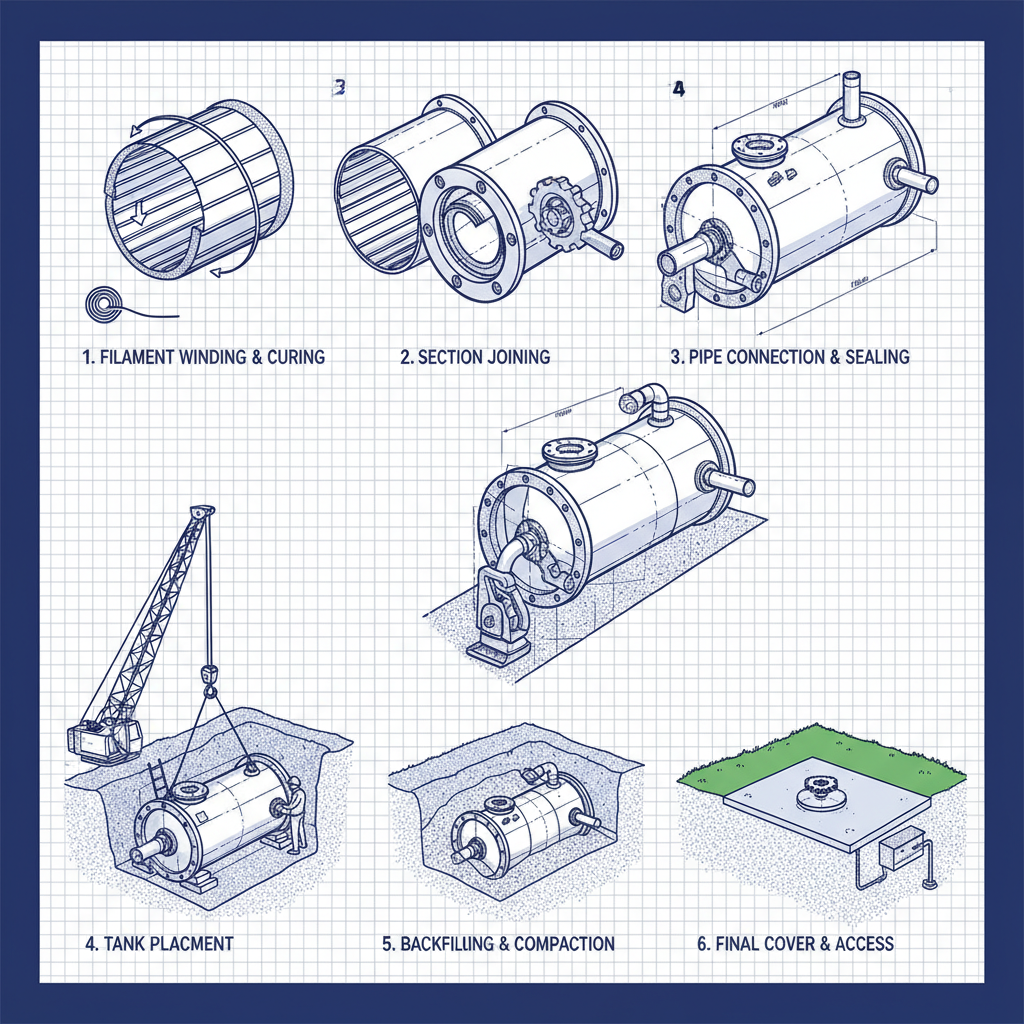
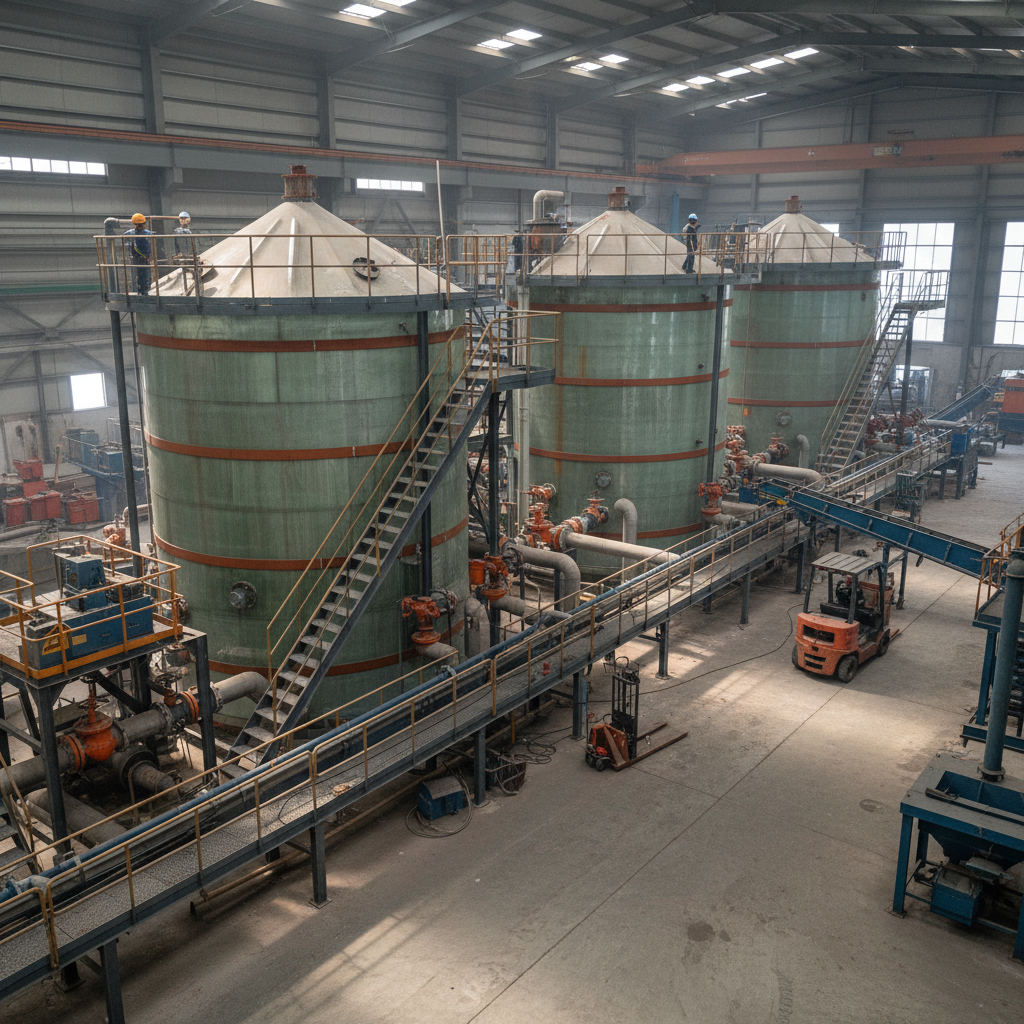
In real terms, the biggest draw of the 4 Axis Filament Winding Machine is its ability to produce highly uniform composite components with excellent structural integrity. Industries like aerospace, automotive, wind energy, and water treatment rely heavily on these machines to fabricate lightweight but strong parts — think pressure vessels, composite pipes, or turbine blades. The precision winding enhances mechanical performance, reduces material waste and allows for varied fiber orientations.
Oddly enough, despite its advanced capabilities, the machine is user-friendly enough to enable customization on the fly through software controls. Features such as real-time tension monitoring, programmable winding patterns, and quick mandrel changes make it a practical choice for dynamic production lines. Plus, the automation equals reduced labor costs and enhanced repeatability — a boon for manufacturers balancing quality and profitability.
Cost, Maintenance & User Experience
Now, talking money, such machines usually represent a significant upfront investment. Yet, when you factor in durability, low downtime, and energy-efficient operation, the total cost of ownership becomes attractive quickly. Many users I’ve spoken with note that ROI appears within the first couple of years, especially with higher production volumes. Spare parts availability and local support also matter—areas where companies like FRP Group Machine shine.
Maintenance tends to be straightforward, often limited to lubrication, tension calibration, and software updates. User feedback often points to intuitive controls and helpful training resources. Cottoning onto new tech can be daunting, but the interface design and technical support make the transition relatively smooth. Plus, the reduction in scrap rates and improved product consistency really help ease any initial reluctance.
| Vendor | Price Range (USD) | Lead Time | Support & Warranty | Notable Strength |
|---|---|---|---|---|
| FRP Group Machine | $120,000 - $180,000 | 4-6 weeks | 12 months warranty, 24/7 technical support | Highly customizable & reliable parts sourcing |
| Competitor A | $100,000 - $160,000 | 6-8 weeks | 6 months warranty, business hours support | Lower initial cost but longer downtime risk |
| Competitor B | $140,000 - $200,000 | 3-5 weeks | 18 months warranty, limited support hours | Advanced software but less flexible hardware |
Sustainability & Market Trends
The sustainability angle is becoming impossible to ignore. Composite manufacturing is traditionally energy-intensive, but advances in filament winding help reduce waste and energy use significantly. The 4 Axis Filament Winding Machine offers precise control that minimizes raw material excess and improves part consistency, reducing scrap in the process.
Regulatory pressures in Europe, North America, and increasingly Asia drive demand for eco-friendlier processes, encouraging adoption of machines with energy-efficient motors and closed-loop tension controls. Forecasts indicate the market for such machinery will grow steadily, fueled by expanding applications in electric vehicles, wind energy, and infrastructure. It feels like we’re at a turning point where tech innovation truly meets environmental responsibility.
Frequently Asked Questions about 4 Axis Filament Winding Machine
- What is 4 Axis Filament Winding Machine and how does it work?
- It’s essentially a machine that winds fibers onto a rotating form with precise multi-directional movement—4 axes manage rotation, fiber payout, carriage motion, and traverse across the mandrel. This coordinated control forms intricate composite layers, resulting in sturdy, lightweight parts.
- What are the main benefits of using 4 Axis Filament Winding Machine in industrial applications?
- Beyond consistent quality and precision, benefits include lower material waste, faster production speeds, enhanced fiber alignment for strength, and easier customization—translating to improved efficiency and profitability.
- How does 4 Axis Filament Winding Machine compare to traditional alternatives?
- Compared to older manual or 2-axis machines, the 4 axis version offers more intricate winding patterns, higher automation, improved accuracy, and better integration with modern software—resulting in less human error and higher throughput.
- What industries can benefit most from 4 Axis Filament Winding Machine implementation?
- Key beneficiaries include aerospace for lightweight structures, energy sectors like wind turbine blades, water and gas pipeline manufacturers, and automotive for composite drive shafts or pressure vessels.
Conclusion on 4 Axis Filament Winding Machine from china
To sum it up, the 4 Axis Filament Winding Machine is an indispensable tool for businesses aiming to push the boundaries of composite manufacturing with precision, efficiency, and sustainability. The blend of advanced mechanics and smart controls makes it a smart investment for sectors focused on quality and innovation.
- Robust build and dynamic adaptability help accommodate evolving industrial demands.
- Visit our website: https://www.frpgrpmachine.com for further details and inquiries.
A quick reflection: It’s fascinating to see how a seemingly niche machine like this quietly reshapes heavy industry workflows. As we move towards smarter, greener manufacturing, having reliable, technologically advanced equipment like the 4 Axis Filament Winding Machine really matters.
- FRPGRPMachine.com Product Literature
- Industry Reports on Composite Manufacturing Tech, 2023
- Customer Testimonials and Case Studies from FRP Group Machine