Comprehensive Guide to GRP Hot Press Panel Tanks: Benefits, Applications, and Innovations
Understanding the Importance of GRP Hot Press Panel Tanks in Modern Infrastructure
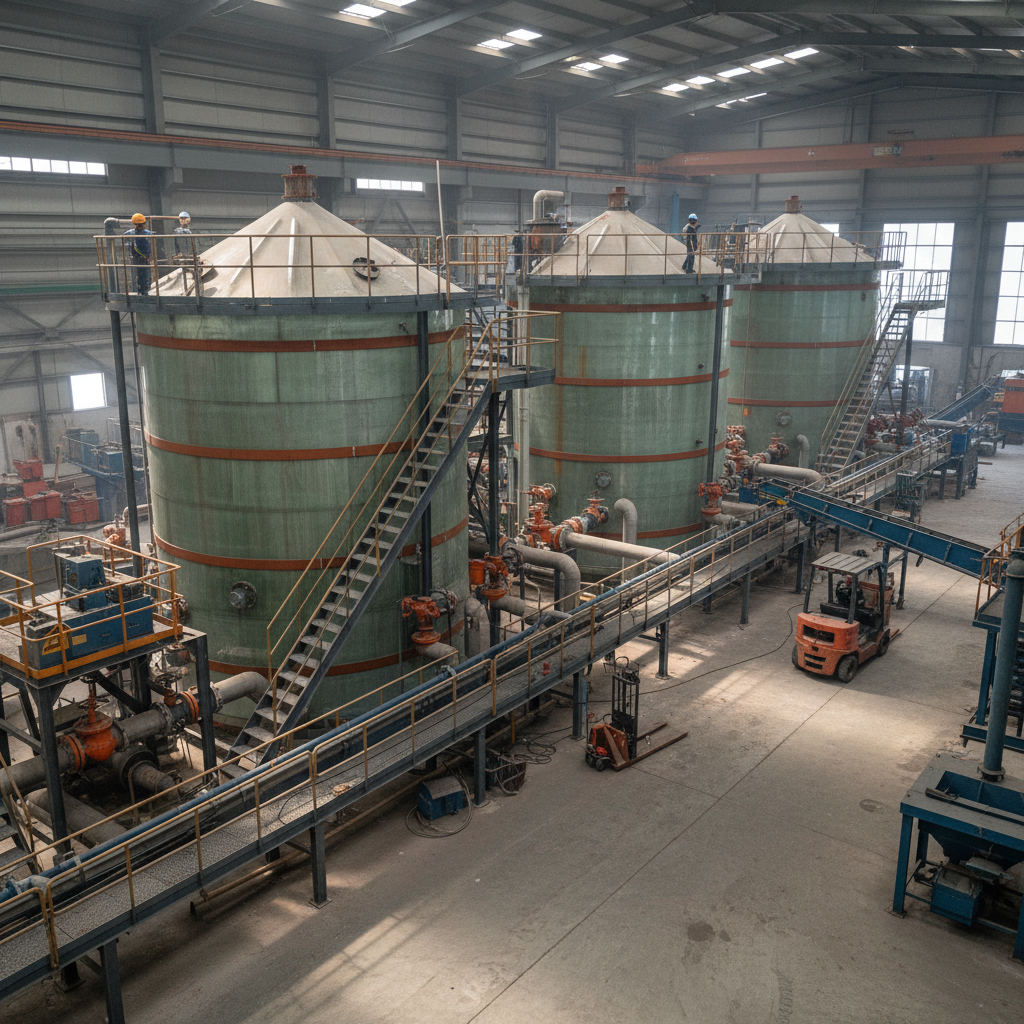
Globally, water storage and management are critical challenges, especially with urbanization and industrial growth surging worldwide. This is where the grp hot press panel tank comes into play. Oddly enough, despite being a bit of a niche product, these tanks offer significant advantages that many aren't fully aware of. They're key to cost-effective, durable, and scalable liquid storage solutions across various industries and geographies.
In a nutshell, understanding how grp hot press panel tanks work and why they matter is like unlocking a small but important piece in the global puzzle of sustainable infrastructure.
Introduction: Global Context for GRP Hot Press Panel Tanks
The global demand for resilient water and chemical storage solutions continues to escalate. According to the UN, by 2050, over 68% of the world's population is projected to live in urban areas, intensifying the pressure on water infrastructure. Similarly, the World Bank highlights that industrial growth, especially in emerging economies, demands flexible and robust storage options.
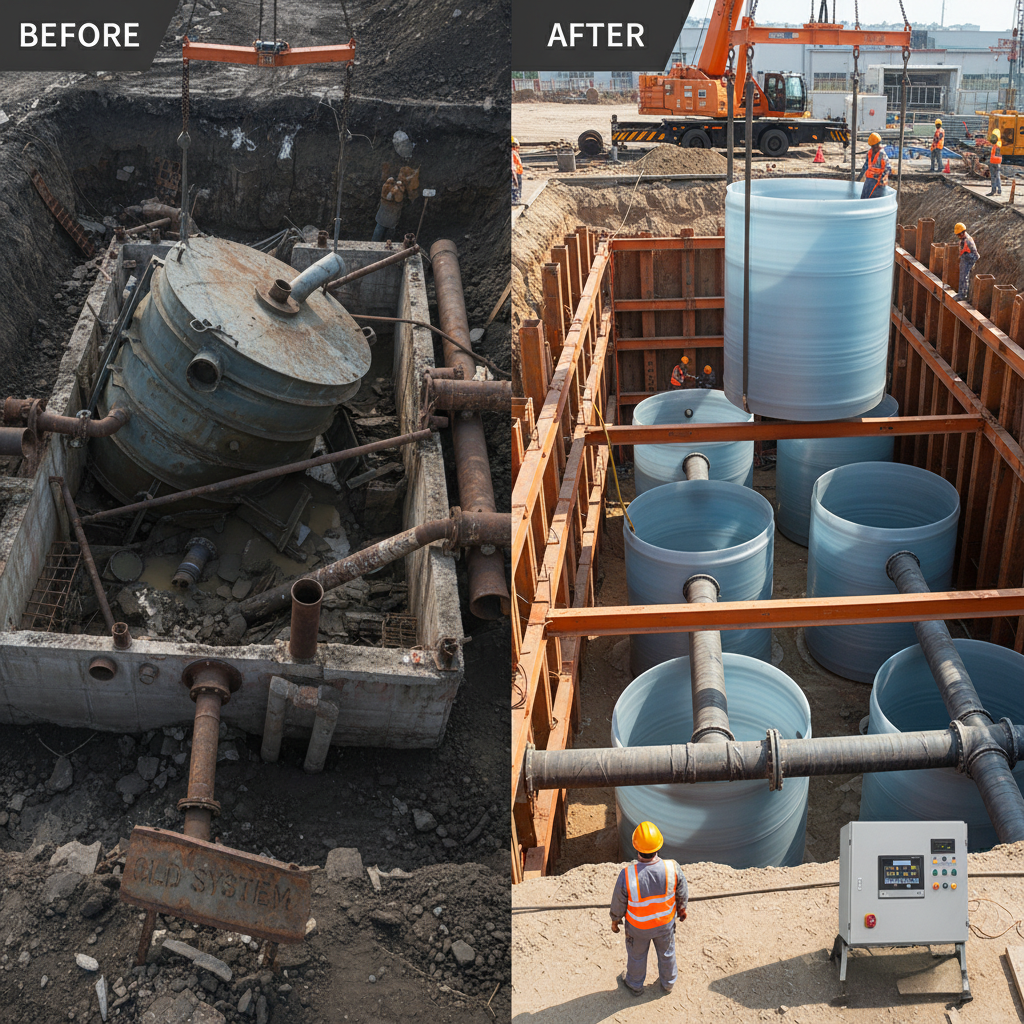
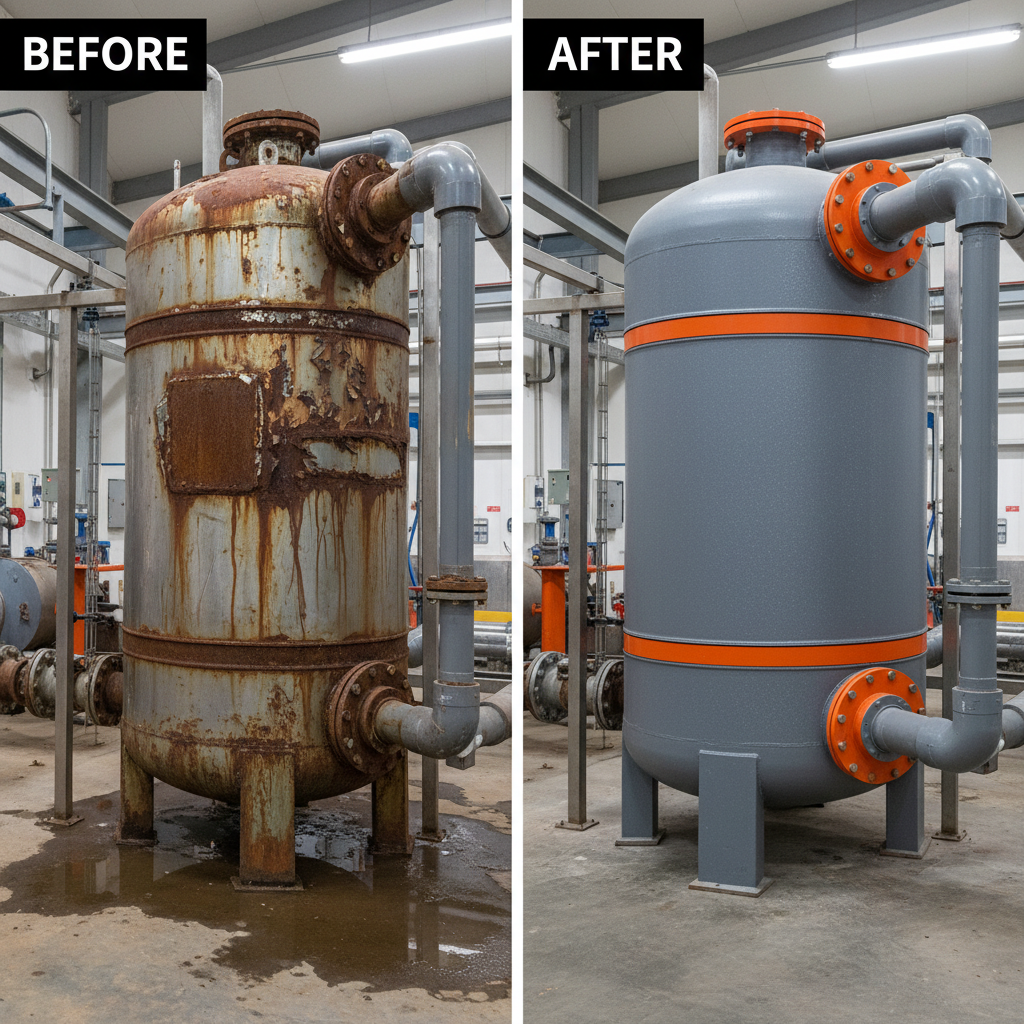
Conventional storage tanks often fail due to corrosion or complex installation requirements. This raises a problem that grp hot press panel tanks are uniquely positioned to solve: rapid deployment of strong, lightweight, corrosion-resistant tanks that suit a variety of environments.
What Is a GRP Hot Press Panel Tank?
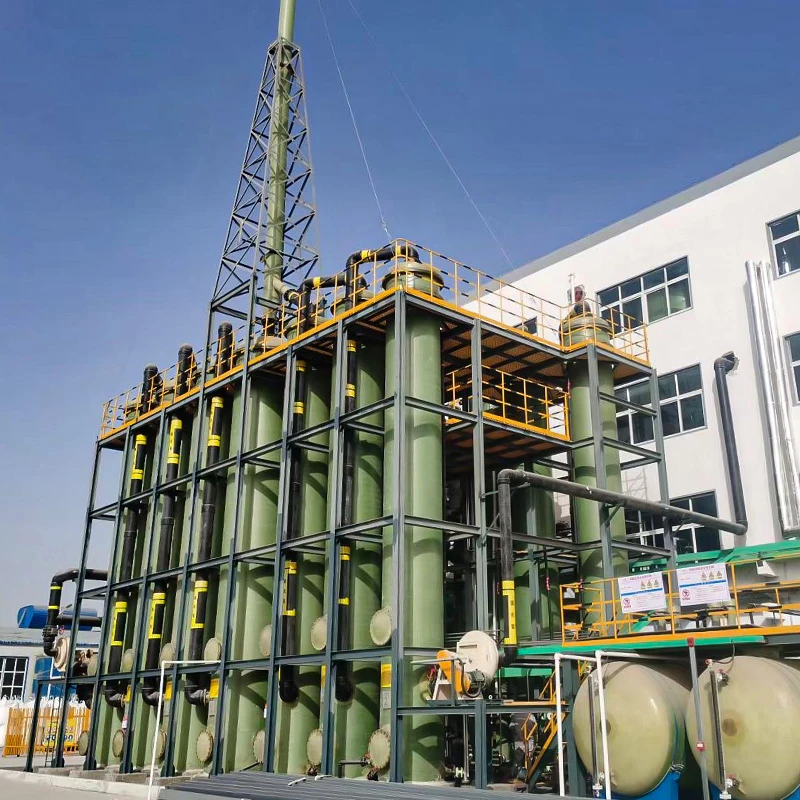
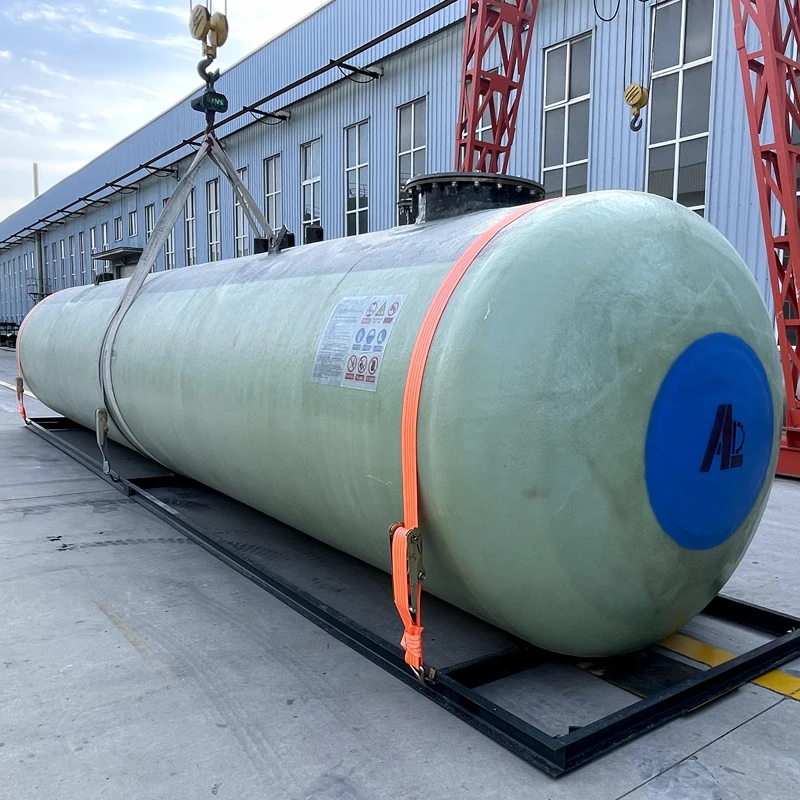
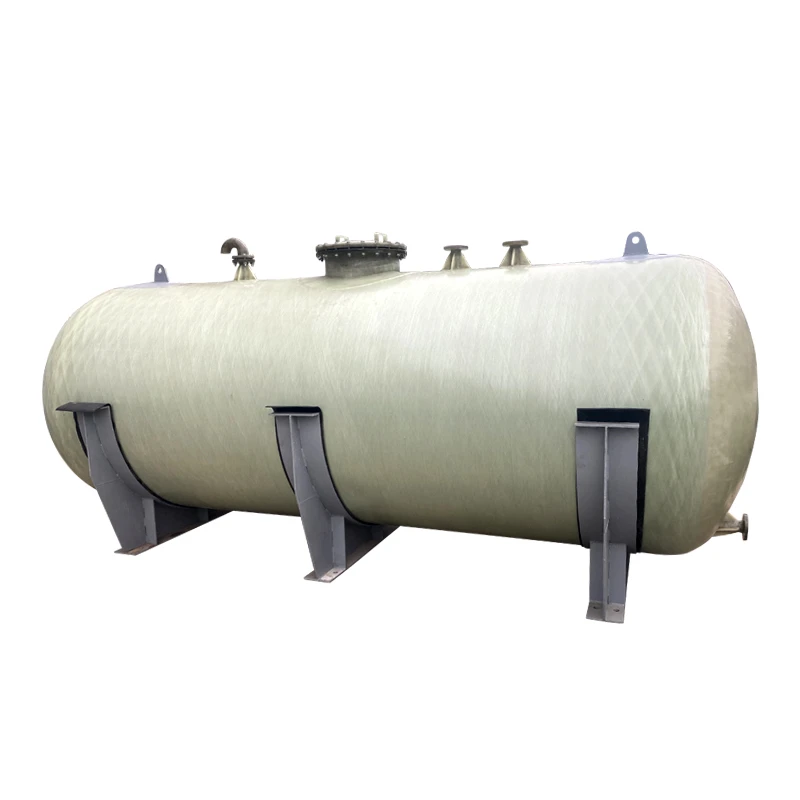
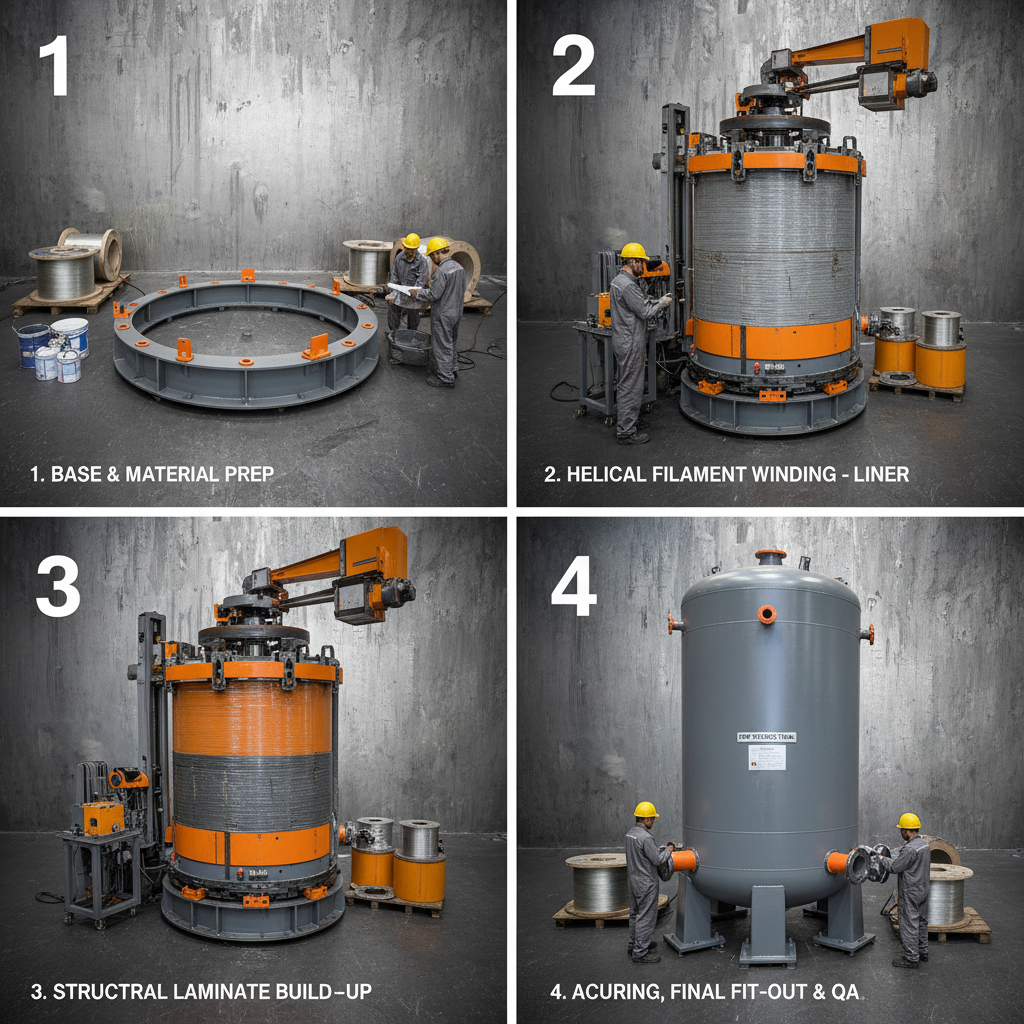
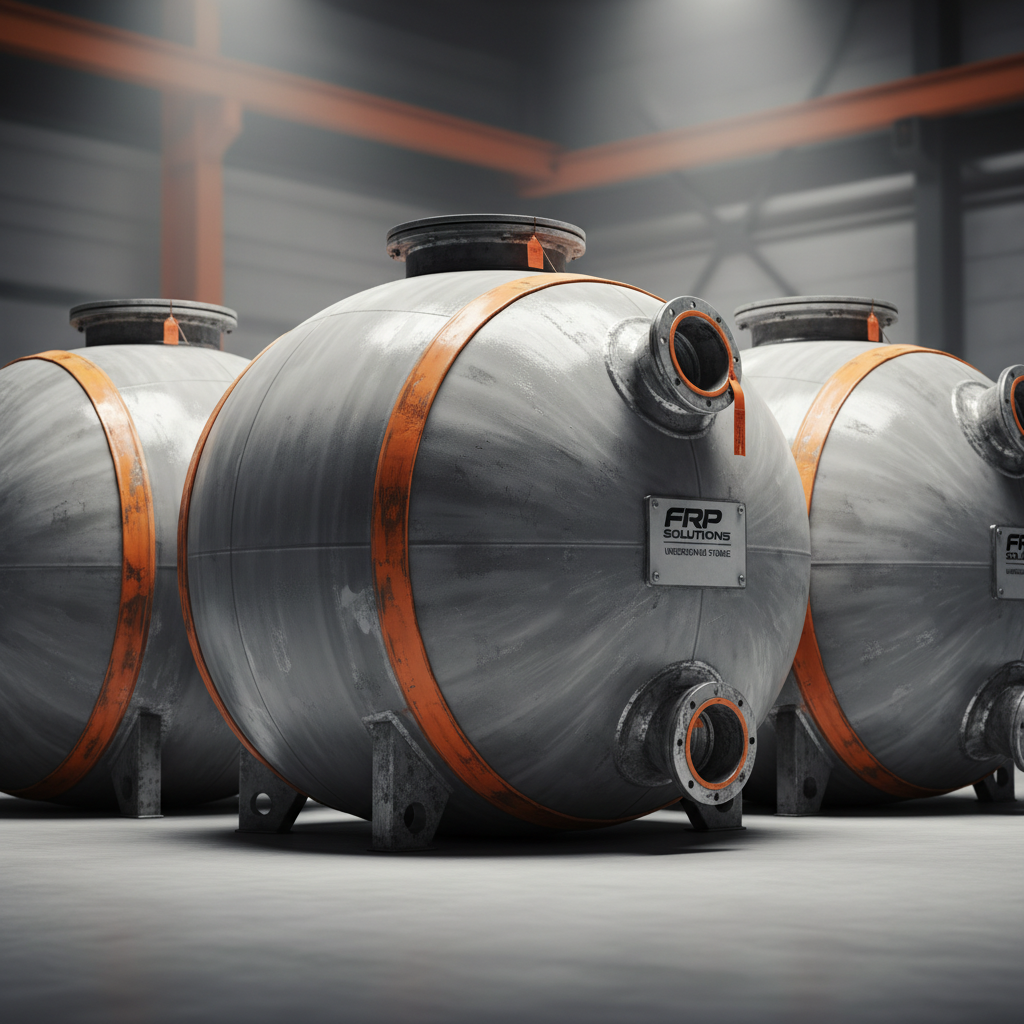
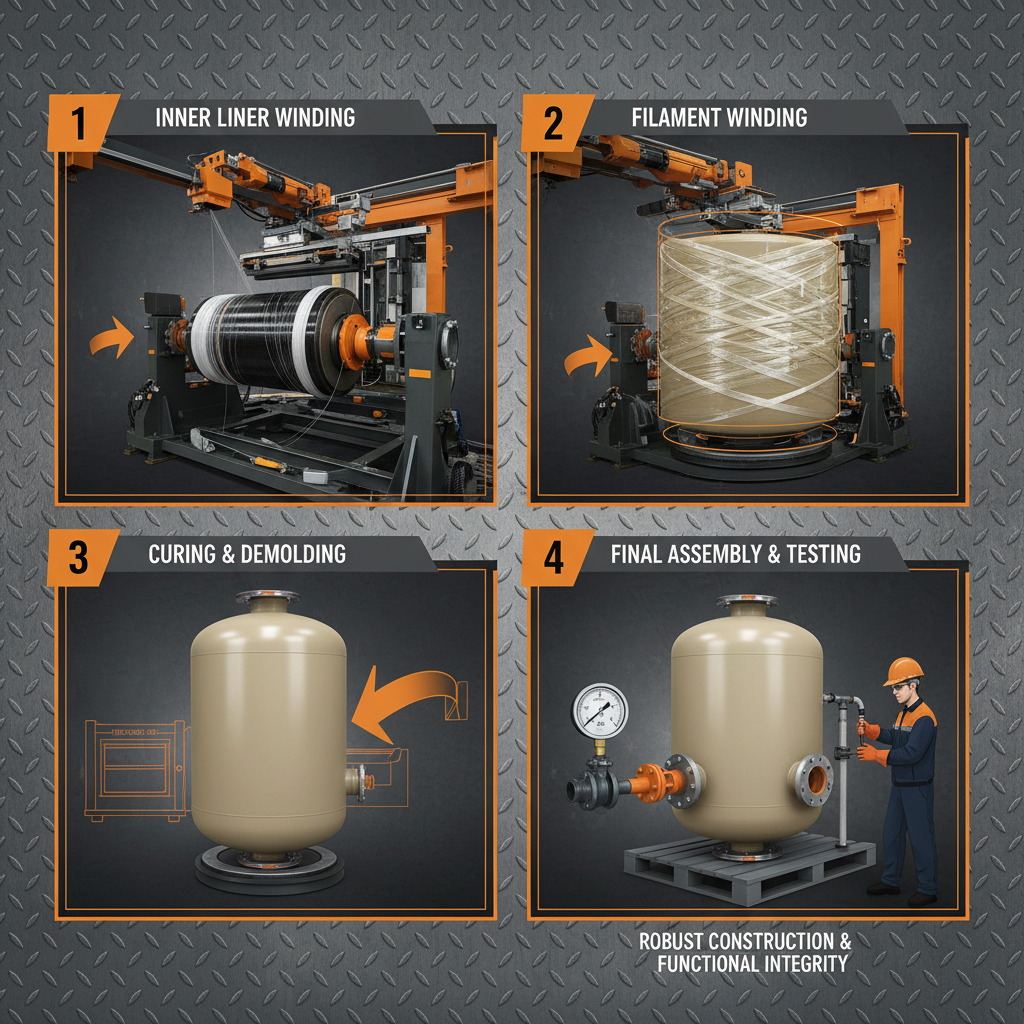
Simply put, a GRP (Glass Reinforced Plastic) hot press panel tank is a modular, prefabricated storage tank made of glass fiber reinforced plastic panels bonded under heat and pressure. This process ensures excellent bonding that results in highly durable panels, which can then be assembled onsite.
These tanks are connected to modern industry needs, humanitarian relief efforts, and water management projects where rapid installation, durability, and chemical resistance are paramount. In other words, they’re not just “tanks” but solutions that support everything from factory processes to emergency water supply in disaster zones.
Key Factors of GRP Hot Press Panel Tanks
Durability
GRP materials resist corrosion from chemicals and environmental factors far better than steel tanks. This means less maintenance and longer operational life, especially in harsh industrial or coastal settings.
Modularity & Scalability
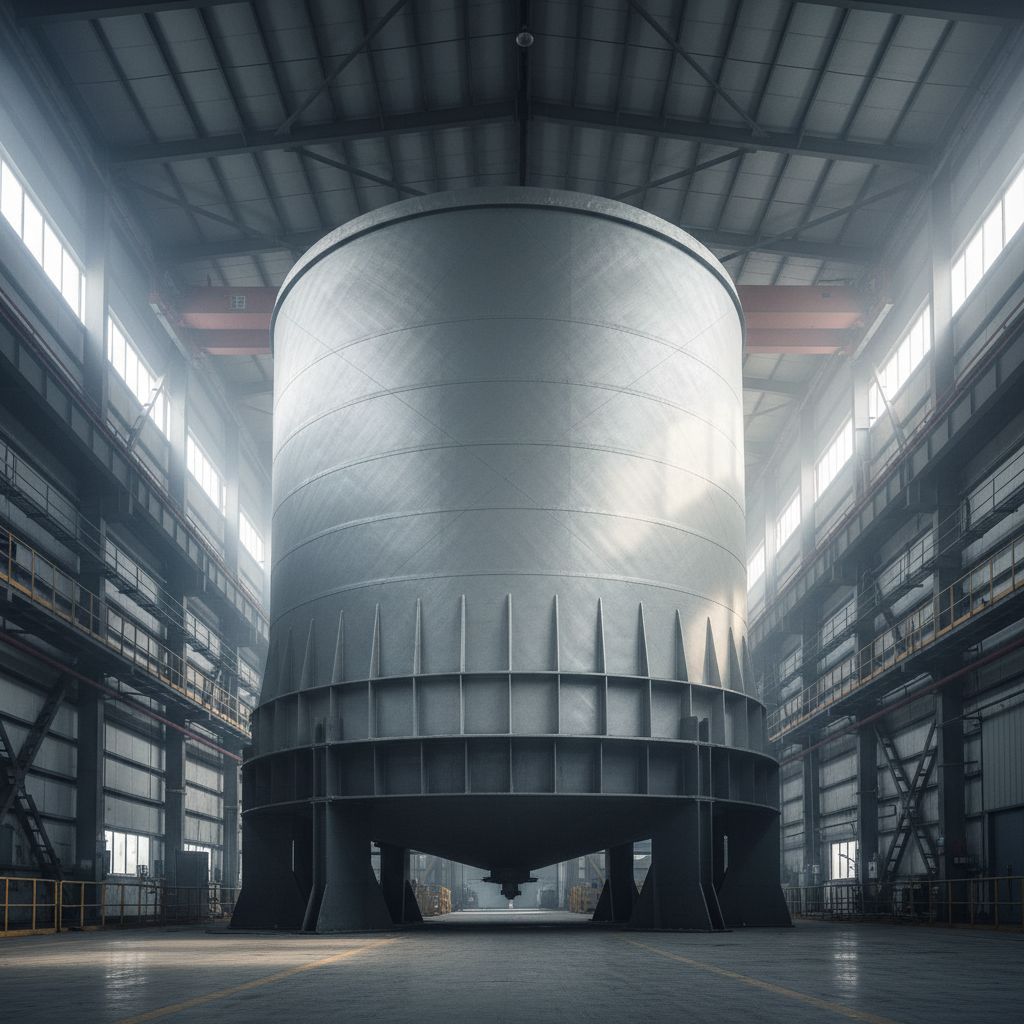
The panel-based design allows scalability. Need a larger tank next year? Just add more panels. It’s flexible — a nice contrast to bulky, welded steel tanks.
Cost Efficiency
The manufacturing and installation costs are often lower due to prefabrication and smaller transport volumes. Plus, the lightweight nature reduces foundation costs.
Ease of Installation
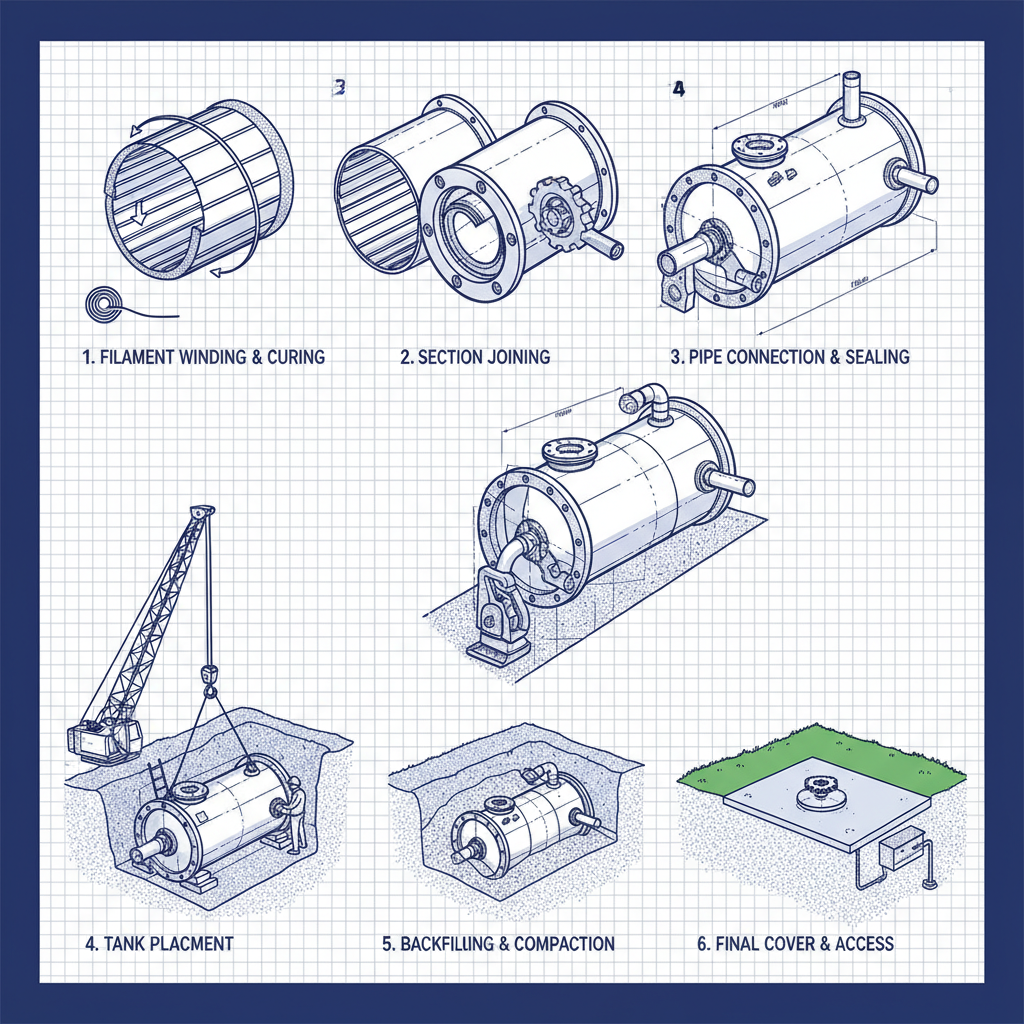
GRP hot press panels can be installed quickly onsite without heavy machinery. This rapid deployment is a lifesaver, especially in remote or disaster-stricken regions.
Environmental Impact
GRP tanks often use recyclable materials and generally have better life-cycle sustainability metrics than traditional tanks, aligning with international environment standards.
Product Specification Table
| Specification | Typical Value | Unit |
|---|---|---|
| Panel Thickness | 8 - 12 | mm |
| Operating Temperature | -40 to +80 | °C |
| Panel Material | Glass Fiber Reinforced Plastic | - |
| Maximum Tank Size | 100,000+ | Liters |
| Installation Time | 2 - 5 | Days |
Global Applications & Use Cases of GRP Hot Press Panel Tanks
These tanks have found their way across continents — from post-disaster zones in Southeast Asia to chemical plants in Europe and mining operations in Australia. Their adaptability is frankly impressive. For example:
- Humanitarian Relief: NGOs use these tanks to provide clean water rapidly where infrastructure is damaged.
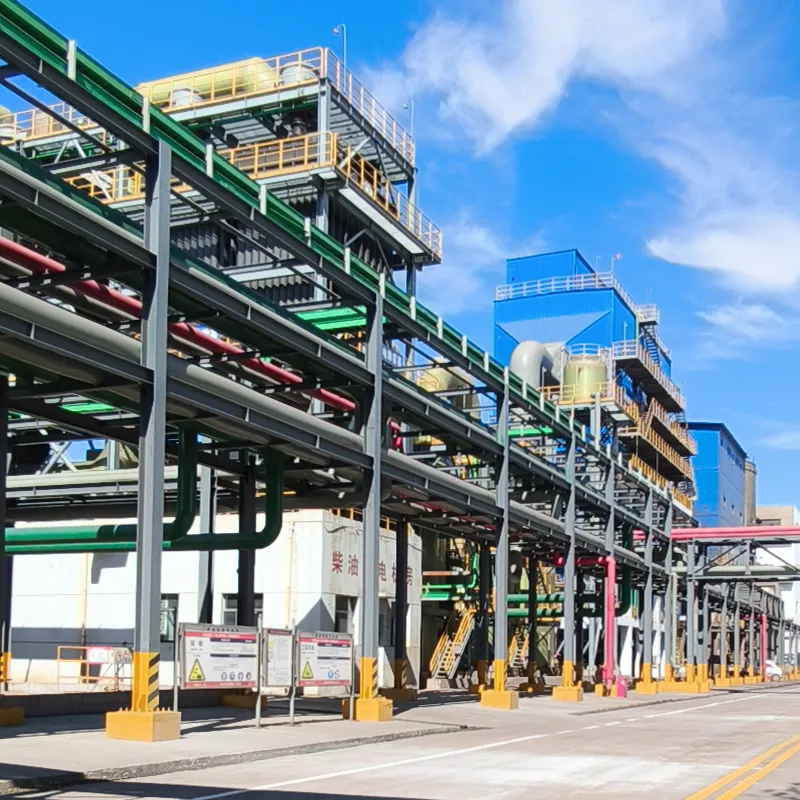
- Industrial Storage: Chemical and food-processing plants benefit from their corrosion resistance and scalability.
- Agricultural Irrigation: Remote farming communities rely on modular tanks for water management.
Such diverse applications prove GRP hot press panel tanks are more than just storage units; they’re enablers of safety and operational continuity.
Vendor Comparison Table
| Vendor | Panel Thickness (mm) | Max Tank Capacity (L) | Lead Time (Days) | Warranty |
|---|---|---|---|---|
| FRPGRP Machine Co. | 8–12 | 150,000 | 15 | 5 years |
| TechTank Ltd. | 10 | 100,000 | 20 | 3 years |
| Global Panels Inc. | 6–10 | 120,000 | 18 | 4 years |
Advantages & Long-Term Value of GRP Hot Press Panel Tanks
Besides the obvious logistical and environmental advantages, there’s a deeper value here for organizations and communities. The reliability and low maintenance reduce downtime and worry. When investing in infrastructure, especially in developing regions, peace of mind counts as much as price.
On a more emotional note, providing safe water storage isn’t just about functionality — it’s about dignity, health, and sustainability. Organizations that use GRP tanks often comment on how these solutions foster trust and resilience in the communities they serve.
Future Trends & Innovations
Looking ahead, I noticed a growing trend in integrating smart sensors with these tanks for real-time monitoring of liquid levels and quality — a leap towards digital transformation.
Additionally, innovations in greener resin materials and automation in manufacturing promise to reduce costs and environmental footprints even further. It’s also worth watching tighter global regulations on sustainability, which will push adoption of eco-friendly storage technologies like GRP panels.
Challenges & Solutions
Of course, it’s not all sunshine. A few challenges persist, such as potential UV degradation if not properly coated, and transport limitations for very large panel sizes in some regions.
To overcome these, manufacturers are developing enhanced UV-stabilized coatings and modular designs that break bigger tanks into manageable segments for assembly. There are also ongoing efforts to optimize supply chains for faster delivery.
FAQ: Frequently Asked Questions About GRP Hot Press Panel Tanks
- How resistant are GRP hot press panel tanks to chemicals?
- GRP tanks are highly resistant to a wide range of chemicals, including acids and alkalis. The glass fiber reinforcement and resin matrix prevent corrosion and degradation, making them suitable for industrial and agricultural applications.
- What is the typical installation time for a medium-sized GRP tank?
- Installation usually takes between 2 to 5 days, depending on the size of the tank and onsite conditions. The prefabricated panels allow for quick assembly without heavy equipment.
- Can these tanks be customized for special applications?
- Yes, manufacturers often offer customization options including special coatings, sizing, and fittings tailored to chemical compatibility or site-specific needs.
- Are GRP hot press panel tanks eco-friendly?
- They have a lower environmental footprint than steel tanks due to durability, recyclability, and reduced maintenance. Emerging greener resins are enhancing this even more.
- How do I source these tanks internationally?
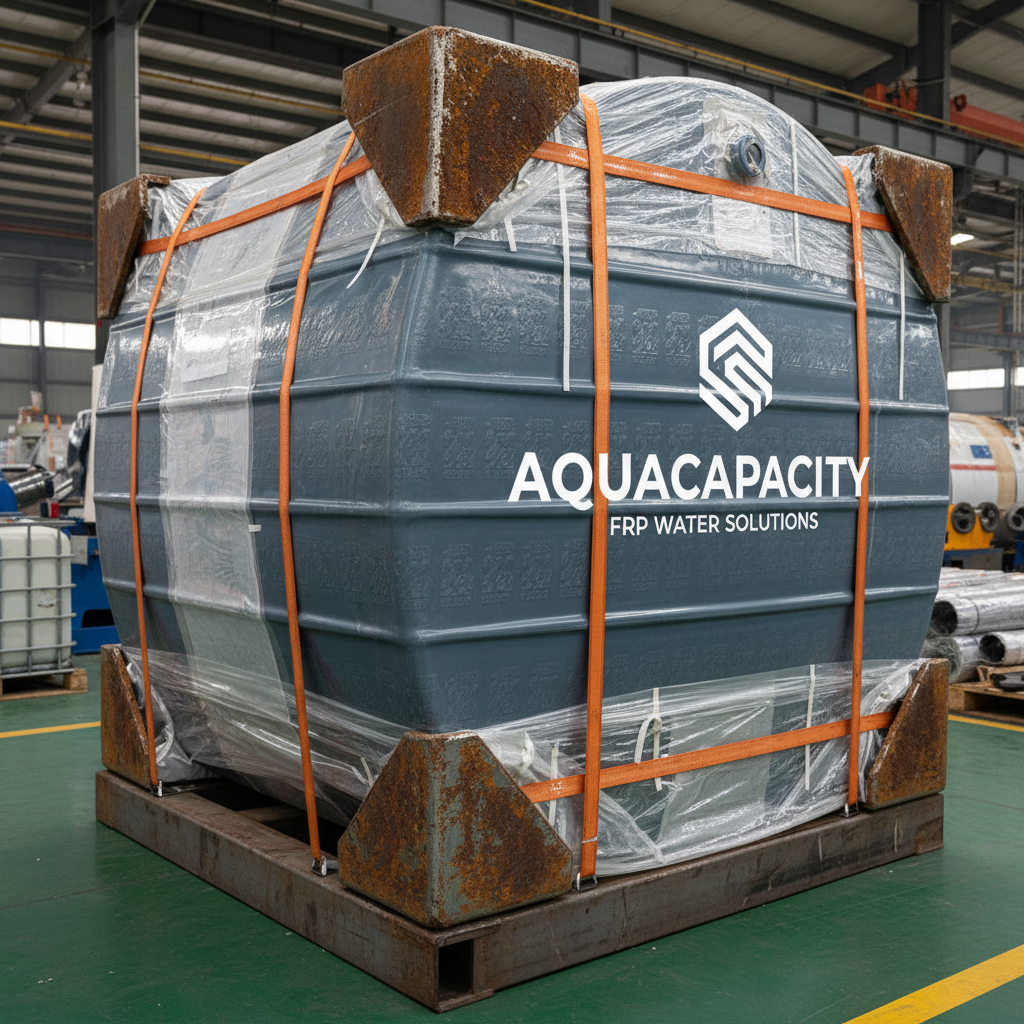
- Leading suppliers provide international shipping and can assist with customs documentation and installation support. It's best to contact vendors experienced in global logistics like FRPGRP Machine.
Conclusion
So, to wrap up: GRP hot press panel tanks combine strength, flexibility, and sustainability in a way that addresses many of today’s industrial and humanitarian challenges. They’re more than storage—they’re enablers of better infrastructure and community wellbeing.
If this sounds like a fit for your project or organization, do check out FRPGRP Machine for a closer look at high-quality tank solutions, expert advice, and customizable options that scale.
Feel free to explore more and see how these remarkable panels can become part of your next project!
Mini Takeaway: Reliability and sustainability make GRP hot press panel tanks a smart choice across industries — marrying technology with practical, real-world needs.
References: