Understanding GRP Sectional Panel Tanks - Modular & Durable Water Storage Solutions
Understanding the GRP Sectional Panel Tank: A Modern Solution for Water Storage
Water storage may not be the first thing that springs to mind when we talk about global infrastructure challenges, but it’s absolutely crucial. Enter the GRP sectional panel tank — a solution increasingly used worldwide in industries, humanitarian projects, and even municipal water systems. These modular tanks offer flexibility, reliability, and cost-effectiveness in storing potable water and other liquids in ways traditional methods sometimes can’t.
Knowing what a GRP sectional panel tank is, and why it’s becoming a global favorite, helps engineers, planners, and NGOs make smarter choices. It’s a topic that blends materials science, civil engineering, and sustainability, with clear practical benefits.
Global Context: Why the GRP Sectional Panel Tank Matters
Around 2.2 billion people worldwide still lack safely managed drinking water services (UN, 2023). In addition to expanding urban populations, climate instability and humanitarian crises have put new pressures on water storage infrastructure. Traditional steel or concrete tanks can be expensive, slow to install, and prone to corrosion or leakage—especially in remote or disaster-prone areas.
This is where the innovation behind grp sectional panel tank comes in. Their modular, corrosion-resistant design enables quick deployment and scalability and bridges gaps in water security — literally and figuratively — from East Asia to Africa’s arid regions.
Defining the GRP Sectional Panel Tank
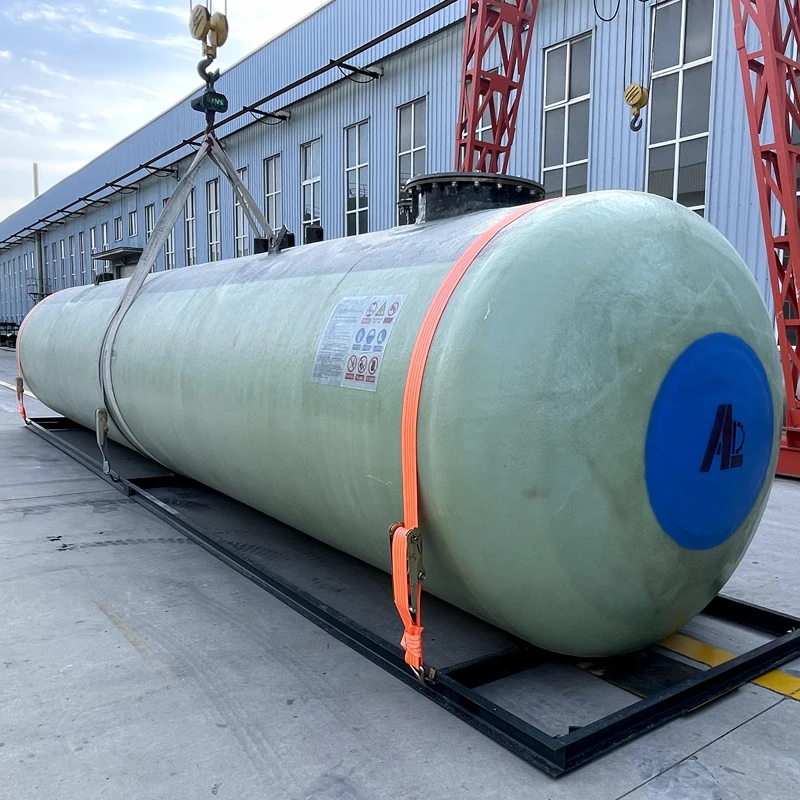
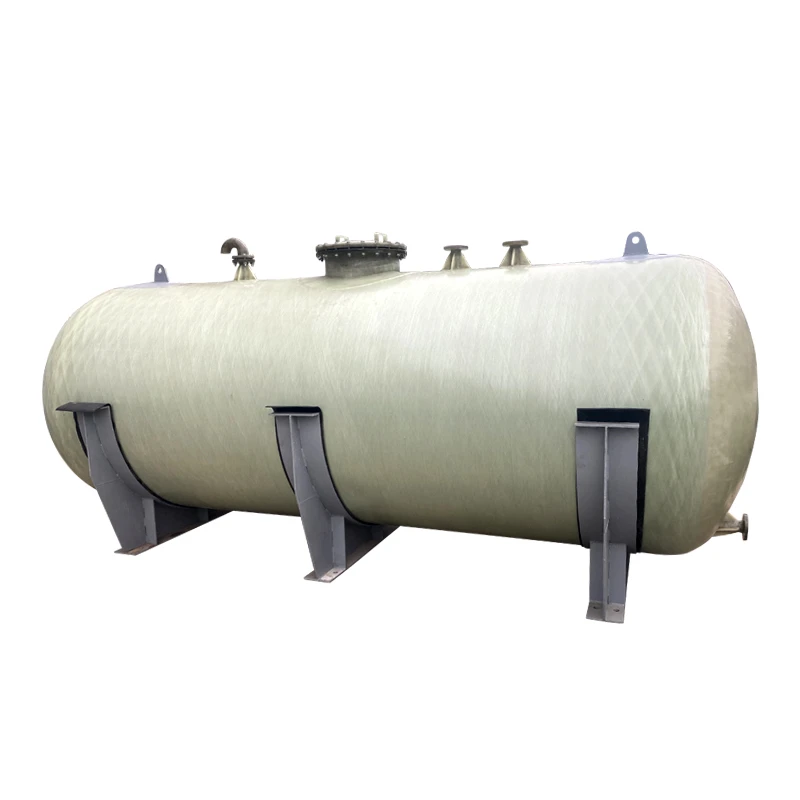
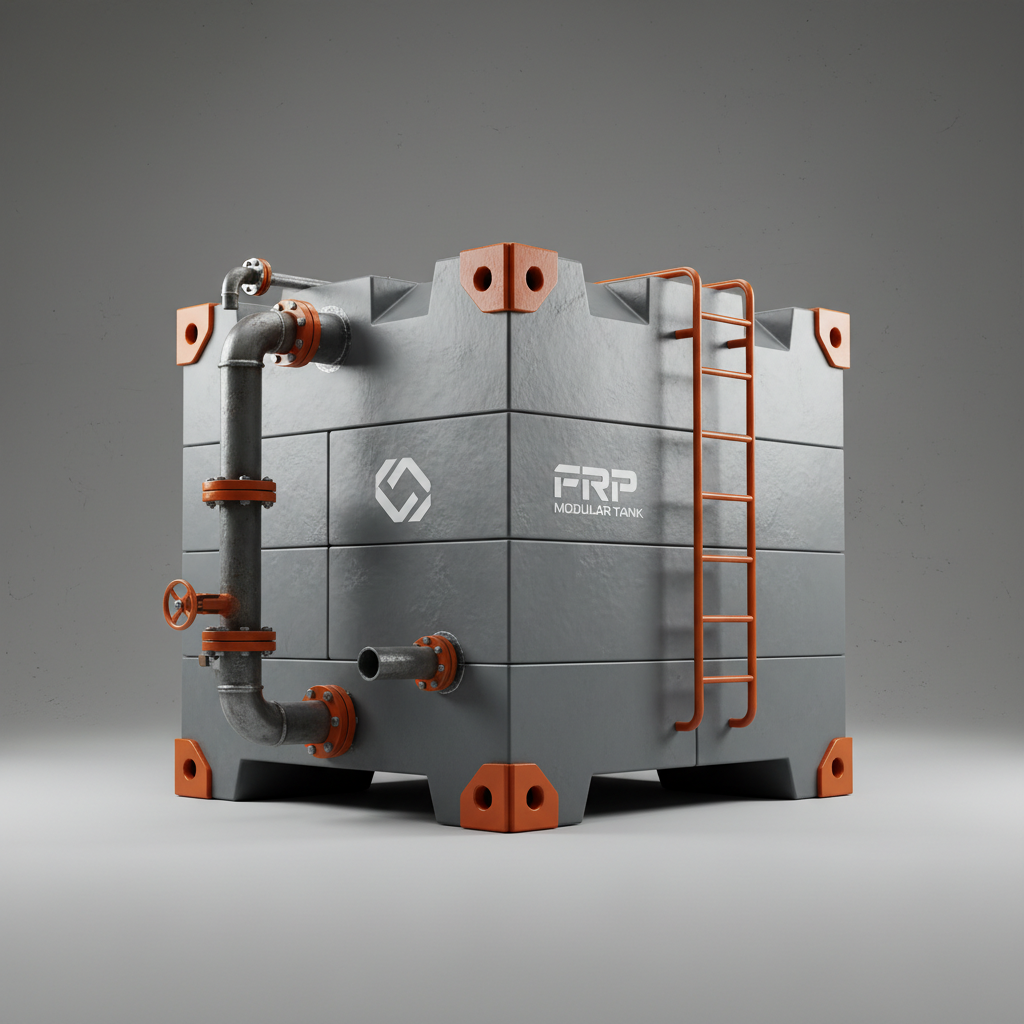
Simply put: a GRP sectional panel tank is a water storage system constructed from glass-reinforced plastic (GRP) panels. These panels fit together like building blocks to create a tank of any size or shape, right on-site. This modularity is key because it means less dependency on heavy equipment or large logistics chains.
GRP is known for its strength-to-weight ratio, corrosion resistance, and durability against UV rays and chemicals — important in many industrial and humanitarian settings. So really, this tank design is a marriage of practical engineering with smart materials.
Key Aspects of GRP Sectional Panel Tanks
1. Durability
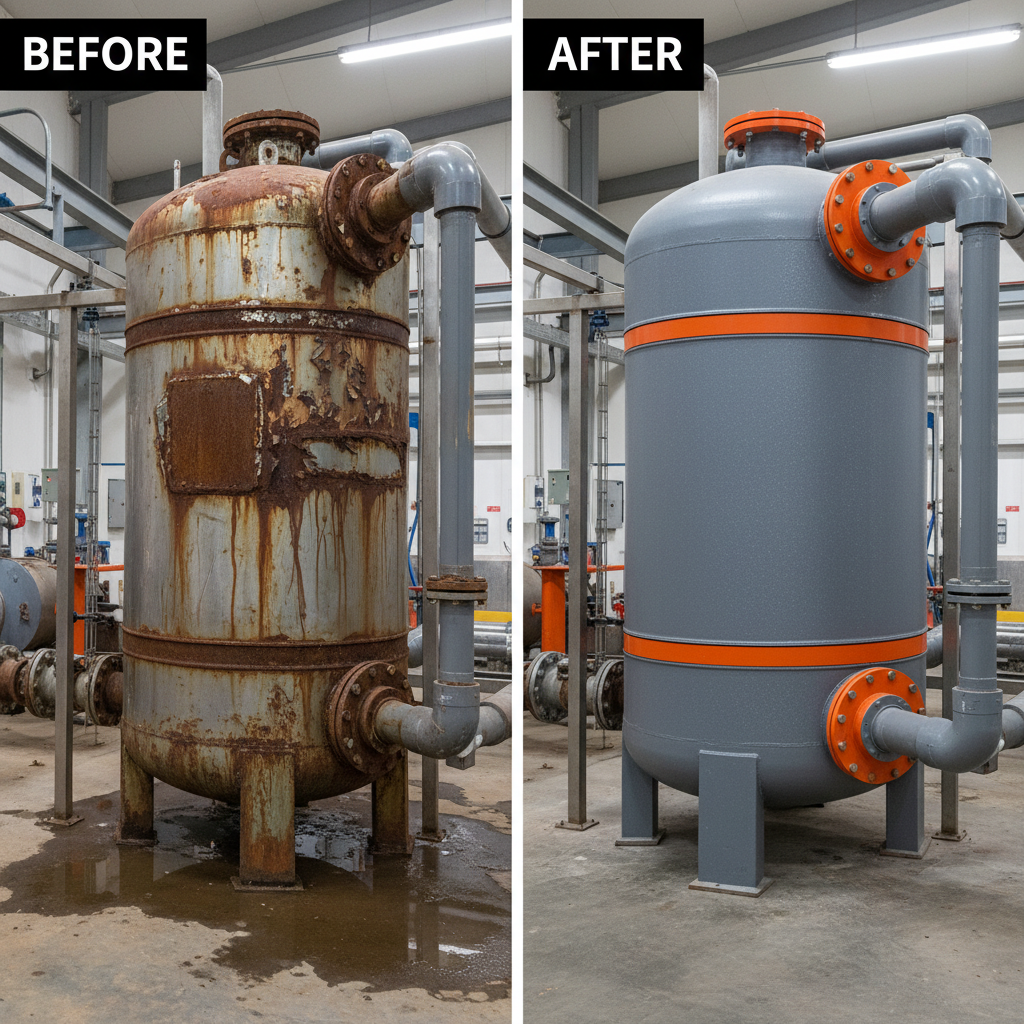
Unlike steel tanks that rust over time, GRP tanks resist corrosion. They hold up well in aggressive environments — including seawater or chemical storage.
2. Scalability & Modular Design
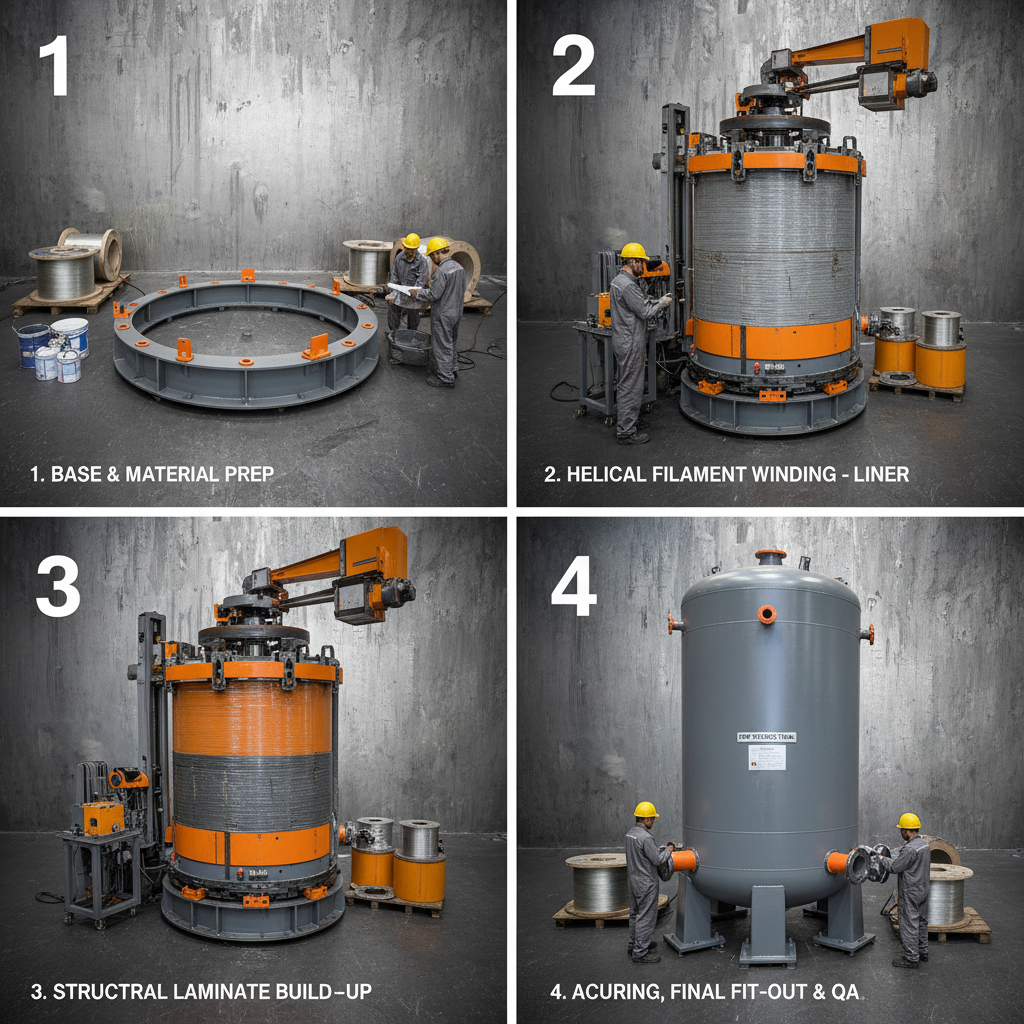
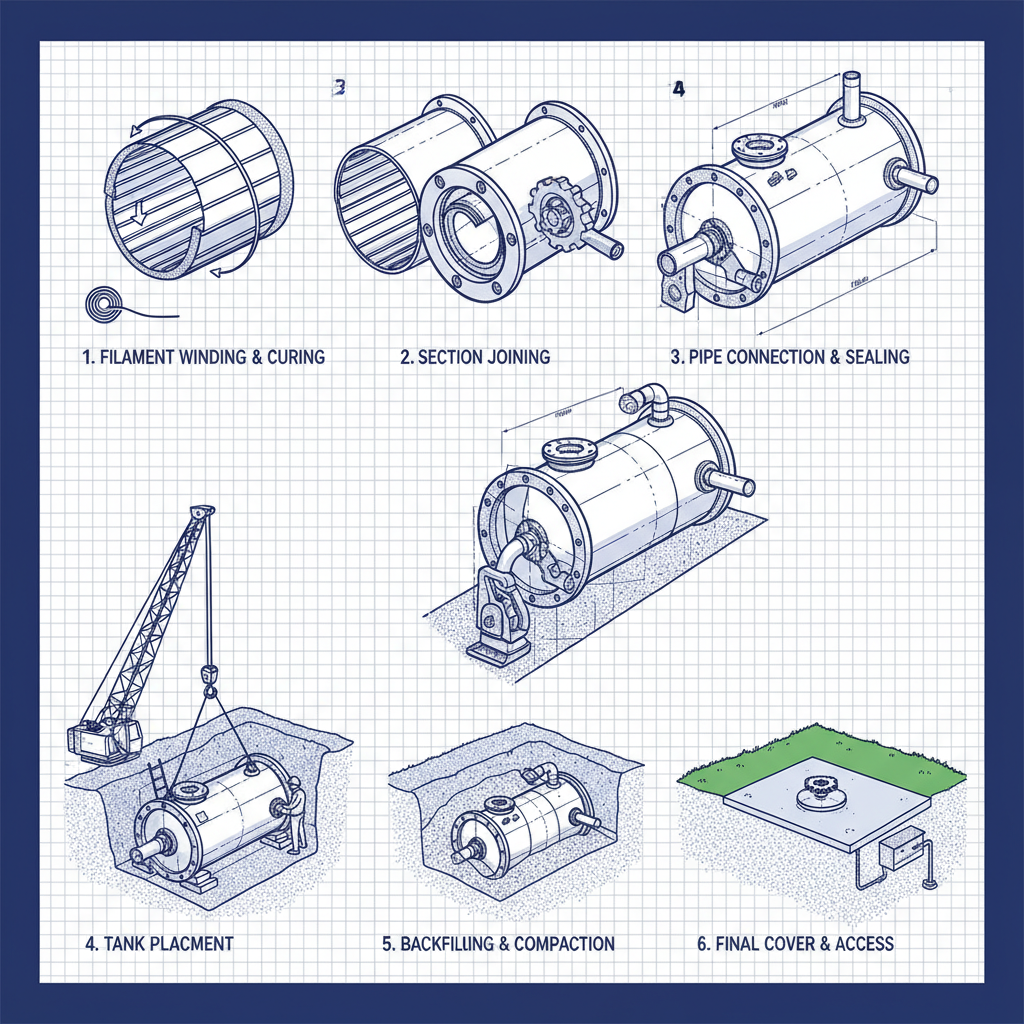
The sectional panels are factory-made with precision, then assembled onsite. This means tanks can be expanded or relocated if needs change, a big plus for evolving projects.
3. Cost Efficiency
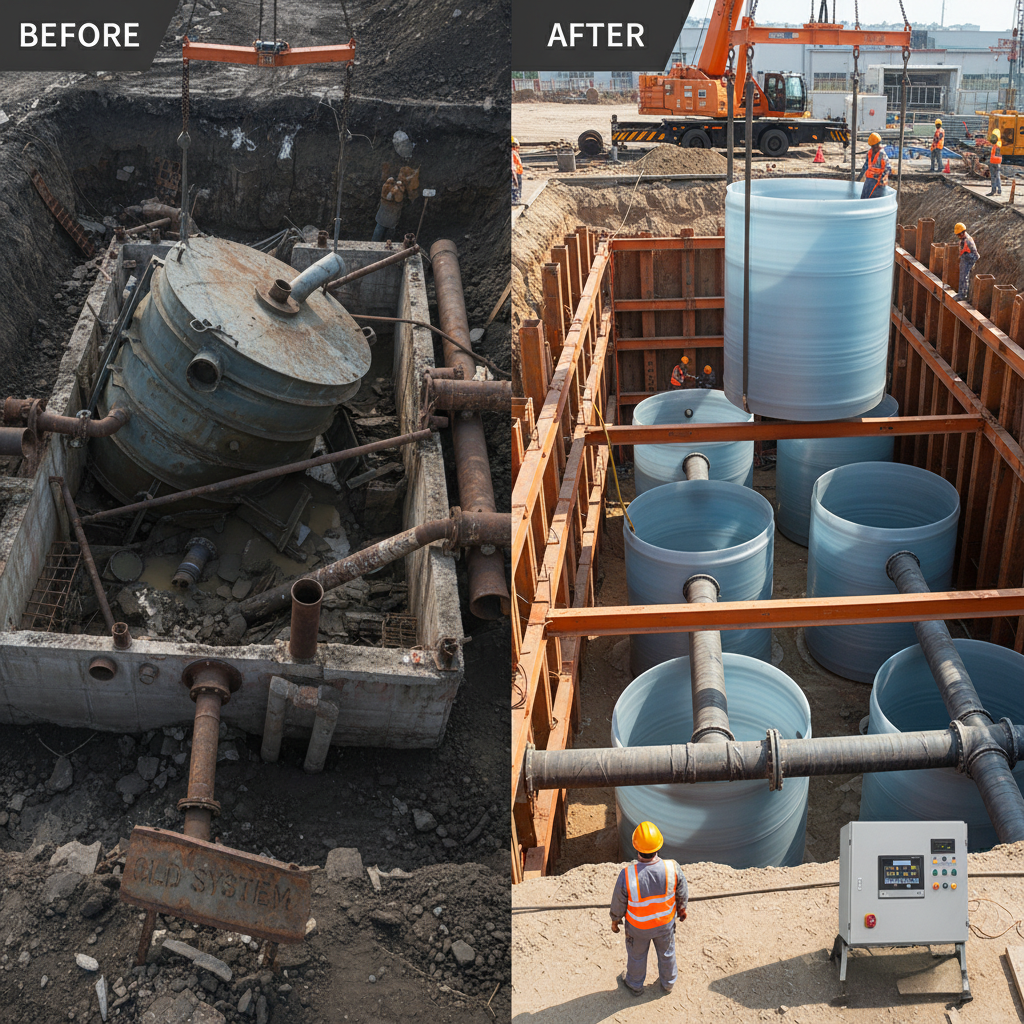
Typically, installation costs are lower since heavy cranes or welding aren’t needed. Plus, maintenance costs are minimized thanks to ease of repair and the material’s longevity.
4. Lightweight Construction
GRP panels weigh much less than steel or concrete, which makes them easier to transport to remote or difficult-to-access locations.
5. Environmental Resistance
These tanks withstand UV exposure and various chemicals, ideal for harsh climatic zones or industrial use.
Mini takeaway: The combination of modular assembly, durability, and light weight makes grp sectional panel tanks a practical choice for diverse water storage demands worldwide.
Technical Specifications of a Typical GRP Sectional Panel Tank
| Specification | Details |
|---|---|
| Material | Glass-Reinforced Plastic (GRP) |
| Panel Thickness | 20 - 40 mm (varies by size) |
| Typical Tank Capacity | 5,000 - 500,000 liters+ |
| Assembly Method | Bolted connection with neoprene gaskets |
| Lifespan | 25+ years (depending on conditions) |
| UV & Chemical Resistance | Excellent |
Global Applications & Use Cases
These panels have found homes all over — sort of like water storage’s Swiss army knife. In arid regions of Africa, NGOs install grp sectional panel tanks rapidly to provide clean water for communities devastated by drought. They’re also used in Southeast Asia’s flood-prone areas, where quickly erecting tanks can be a lifesaver.
Industrial sectors, including food and beverage and pharmaceuticals, rely on these tanks for their hygienic properties. Remote mining operations like those in Australia or Canada value them for the ease of transport and rapid assembly. Even urban municipalities use GRP tanks as secondary or emergency water reservoirs.
Vendor Comparison Table: GRP Sectional Panel Tank Providers
| Vendor | Standard Capacities | Customization | Lead Time | Typical Applications |
|---|---|---|---|---|
| FRPGRP Machine Co. | 10,000 - 500,000 L | High (shape & size) | 3-6 weeks | Industrial, Municipal, Humanitarian |
| AquaMod Solutions | 5,000 - 250,000 L | Medium (standard panels) | 4-8 weeks | Agriculture, Municipal |
| Global Tank Systems | 50,000 - 1,000,000+ L | Limited (large scale) | 6-10 weeks | Municipal & Industrial Projects |
Advantages & Long-Term Value of GRP Panel Tanks
- Cost Savings: Less installation labor and maintenance.
- Sustainability: Longevity reduces waste and replacement frequency.
- Social Impact: Rapid deployment enhances community access to clean water, improving health and dignity.
- Reliability: Resistant to weather extremes and chemicals.
Frankly, it’s not just about dollars; there’s an emotional comfort in knowing clean water is stored safely and accessibly. It feels like a step toward resilient infrastructure for communities that need it most.
Future Trends & Innovations
Looking ahead, manufacturers are experimenting with bio-based resins to make panels even greener. Digital assembly guides using augmented reality are simplifying onsite installation. Some companies integrate sensors for real-time monitoring of tank levels and water quality, bridging industrial IoT with traditional hardware.
Environmental regulations are pushing for even less chemical leaching and better recyclability. Those are promising developments for anyone concerned about sustainability in water storage.
Challenges & Solutions
Of course, nothing is perfect. GRP panels can be prone to damage from sharp impacts. Sealing between panels requires precision to prevent leaks. Plus, skilled labor for assembly can be scarce in remote areas.
Solutions? Training programs for local workers, improved gasket materials, and modular design tweaks help reduce these issues. Sometimes, integrating pre-assembled sections shipped via container helps speed deployment.
FAQ: Frequently Asked Questions About GRP Sectional Panel Tanks
- How long does it take to assemble a typical GRP sectional panel tank?
- Most tanks between 50,000 and 100,000 liters can be assembled in about one to two weeks by a trained crew. Smaller tanks usually take only a few days.
- Are GRP sectional tanks suitable for potable water?
- Yes, GRP panels can be made with food-grade resin and coatings to comply with potable water standards, making them safe for drinking water storage.
- Can these tanks be relocated once assembled?
- The modular nature allows disassembly and relocation, though it requires care and professional handling to avoid damage to panels and seals.
- How do GRP sectional tanks compare to concrete tanks in cost?
- Though initial material costs might be higher, overall installation and maintenance costs are usually lower, leading to better cost efficiency over the tank’s lifespan.
- Are there size limits for sectional panel tanks?
- While very large volumes are possible by expanding panels, practical limits exist based on site conditions and transportation restrictions.
Conclusion & Call to Action
In summary, grp sectional panel tanks blend modular design, advanced composite materials, and practical engineering to deliver an accessible, adaptable water storage solution that meets modern global challenges. Their growing adoption confirms they’re more than just a niche product — they’re a sustainable, reliable option supporting humanitarian, industrial, and municipal needs worldwide.
To explore more about these innovative tanks and how they might fit your project requirements, visit https://www.frpgrpmachine.com. Whether you’re planning a new installation or upgrading existing infrastructure, the right information can make all the difference.
Just one more thing to keep in mind — technology keeps evolving, so staying updated with the latest certifications and innovations is a smart move for industry professionals.
- United Nations, “Water and Sanitation,” 2023. https://www.un.org/waterforlifedecade/
- ISO 14692 - Fiberglass Reinforced Plastic (FRP) tanks and piping – Guidelines and standards.
- World Bank Water Sector Reports, 2022. https://www.worldbank.org/en/topic/water