Comprehensive Guide to Large Fiberglass Water Tanks: Benefits, Applications, and Innovations
Understanding the Large Fiberglass Water Tank: Global Importance & Practical Insights
When you think about storing water—especially on a large scale—few things come to mind as quickly as massive concrete or steel tanks. Yet, large fiberglass water tanks have been quietly reshaping how industries, municipalities, and humanitarian efforts approach water storage worldwide. This topic matters globally because water is an increasingly precious resource, and durable, efficient storage solutions directly influence public health, agriculture, and disaster recovery. Frankly, getting familiar with these modern tanks unlocks understanding of sustainability, cost savings, and innovation.
Introduction: The Global Context of Large Fiberglass Water Tanks
Did you know that according to the UN, over 2 billion people live in water-stressed areas? Storage infrastructure, especially versatile solutions like fiberglass tanks, is critical to ensure consistent access. The World Bank further highlights that water infrastructure investments can boost economies and improve living standards dramatically. However, challenges such as climate change, rapid urbanization, and emergency needs call for reliable, scalable water storage systems. That’s precisely where large fiberglass water tanks fit in — they are lightweight yet strong, corrosion-resistant, and adaptable to various environments.
What Exactly is a Large Fiberglass Water Tank?
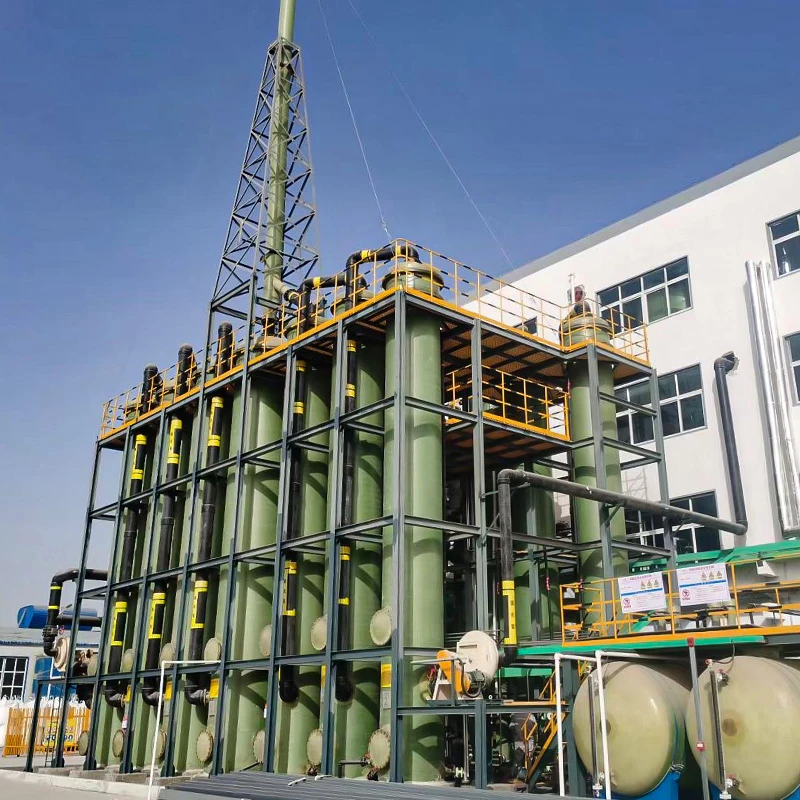
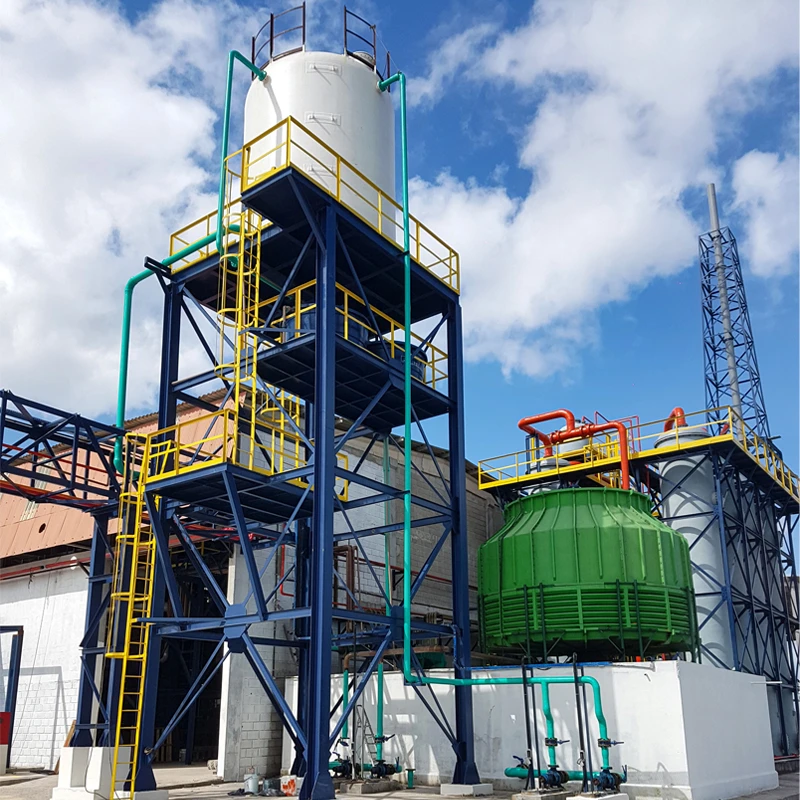
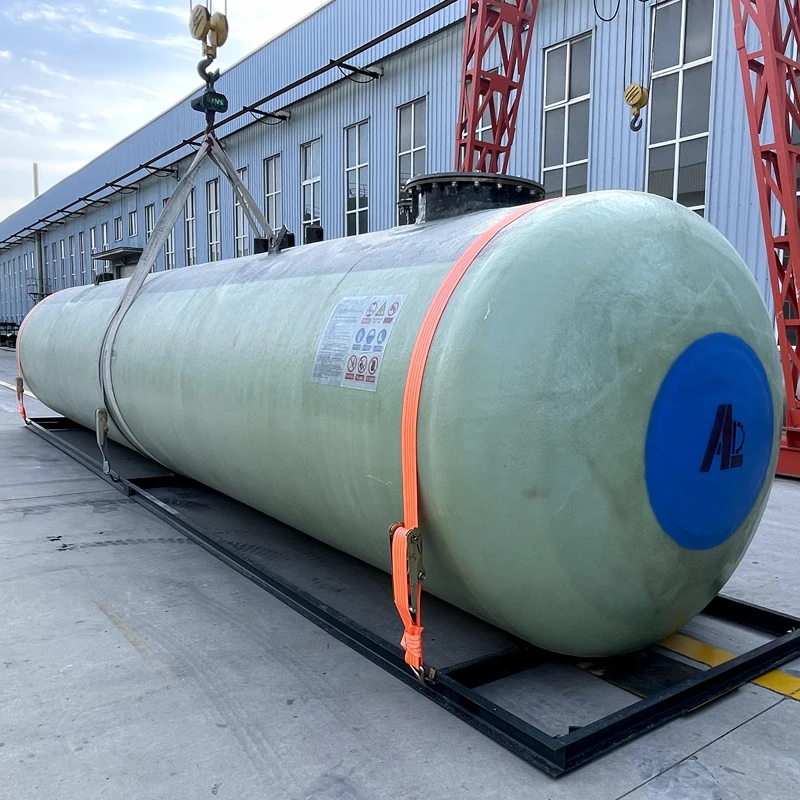
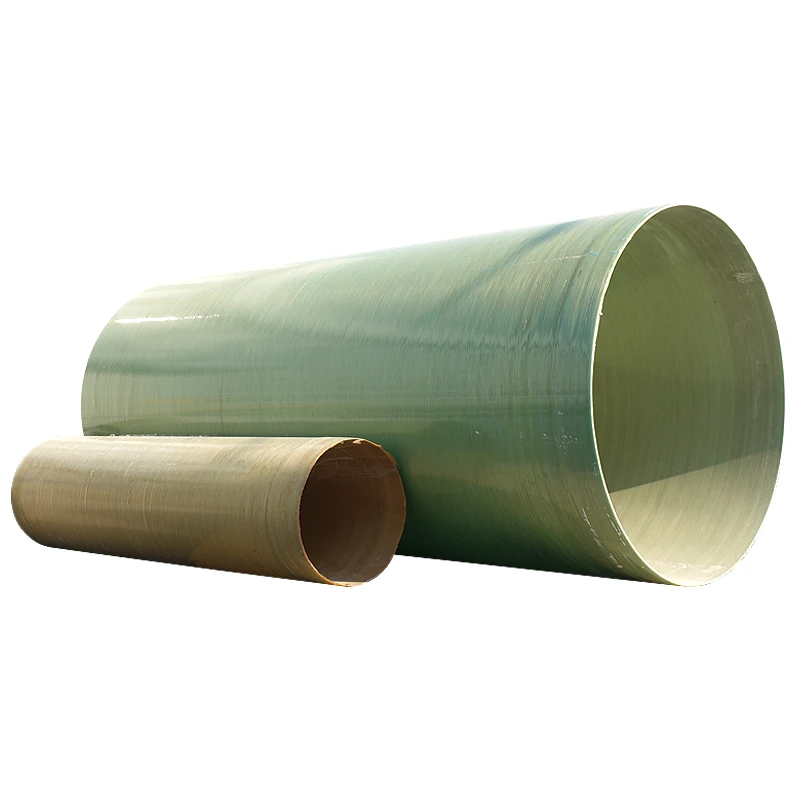
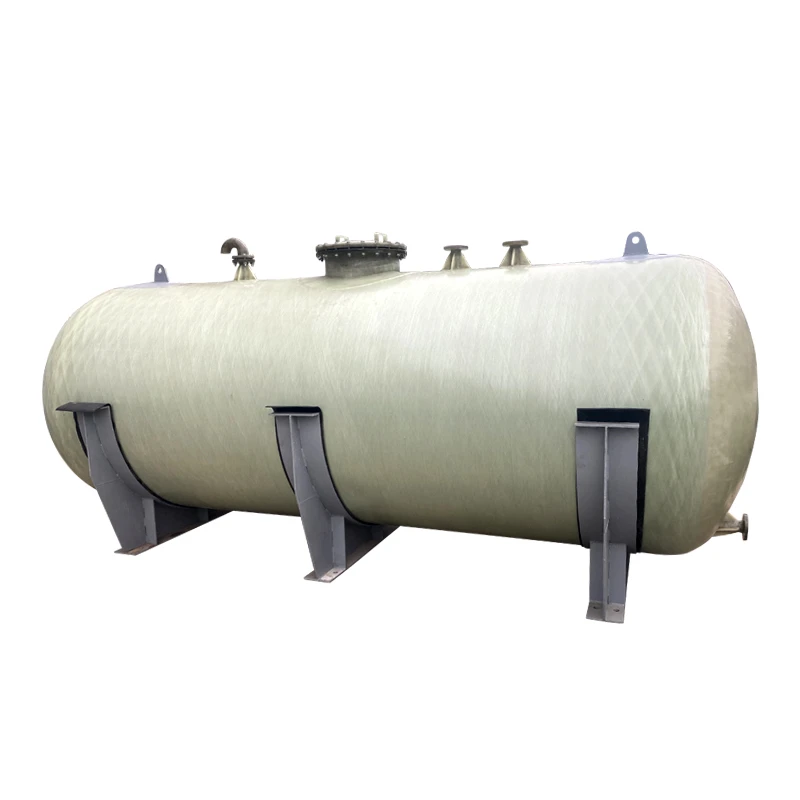
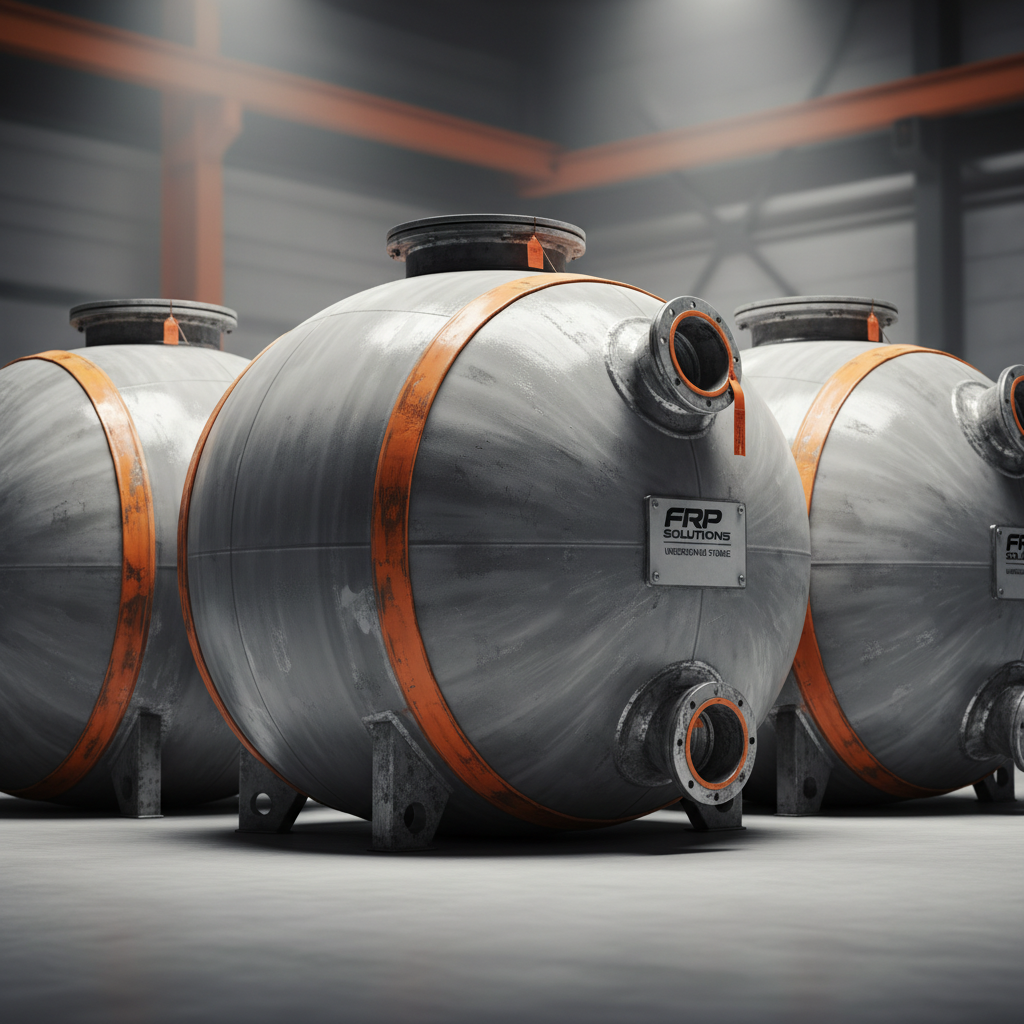
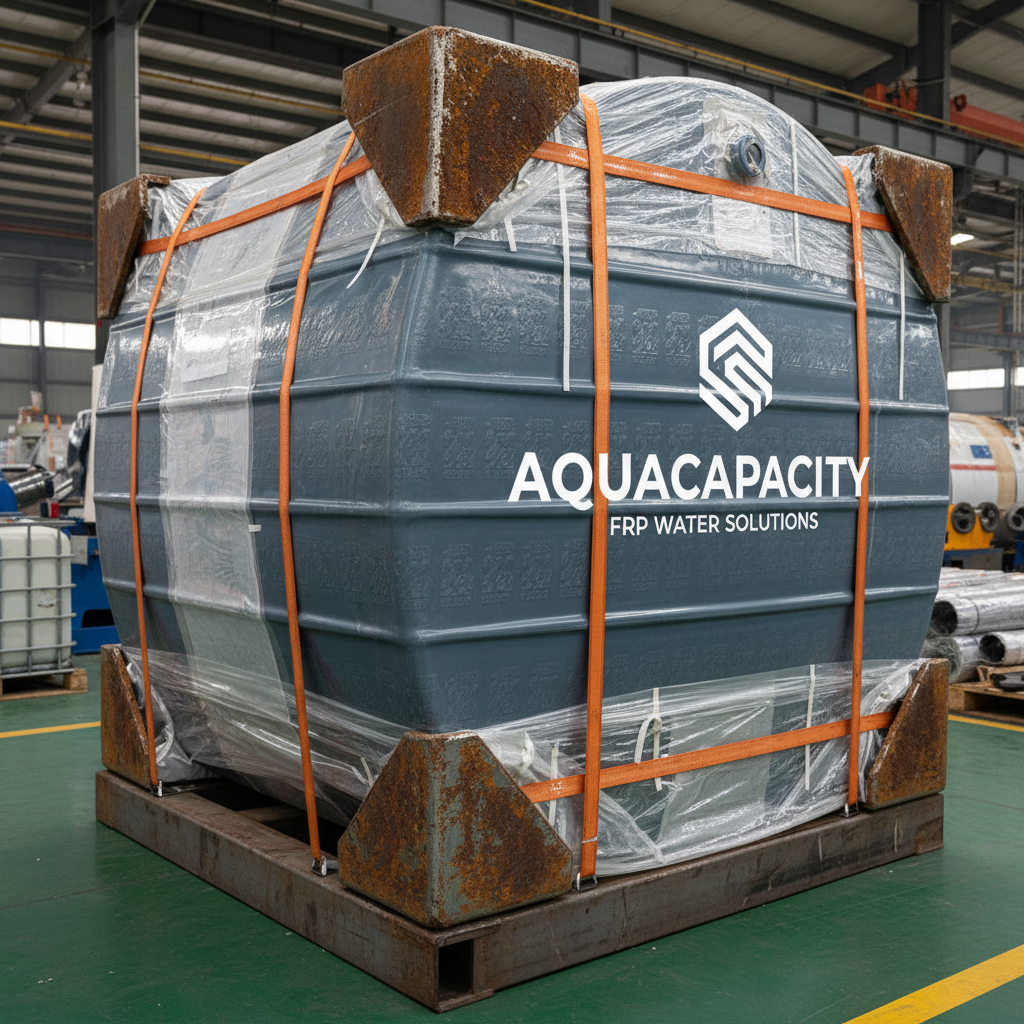
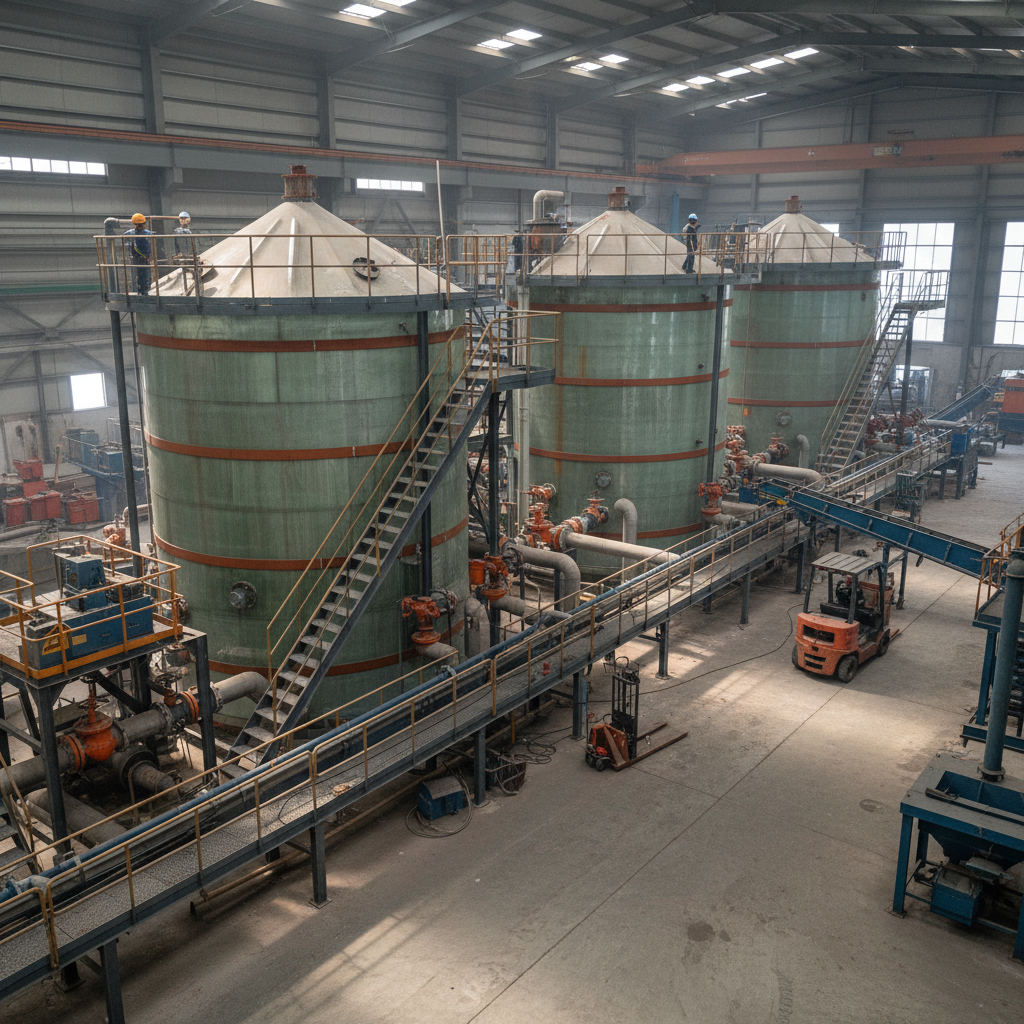
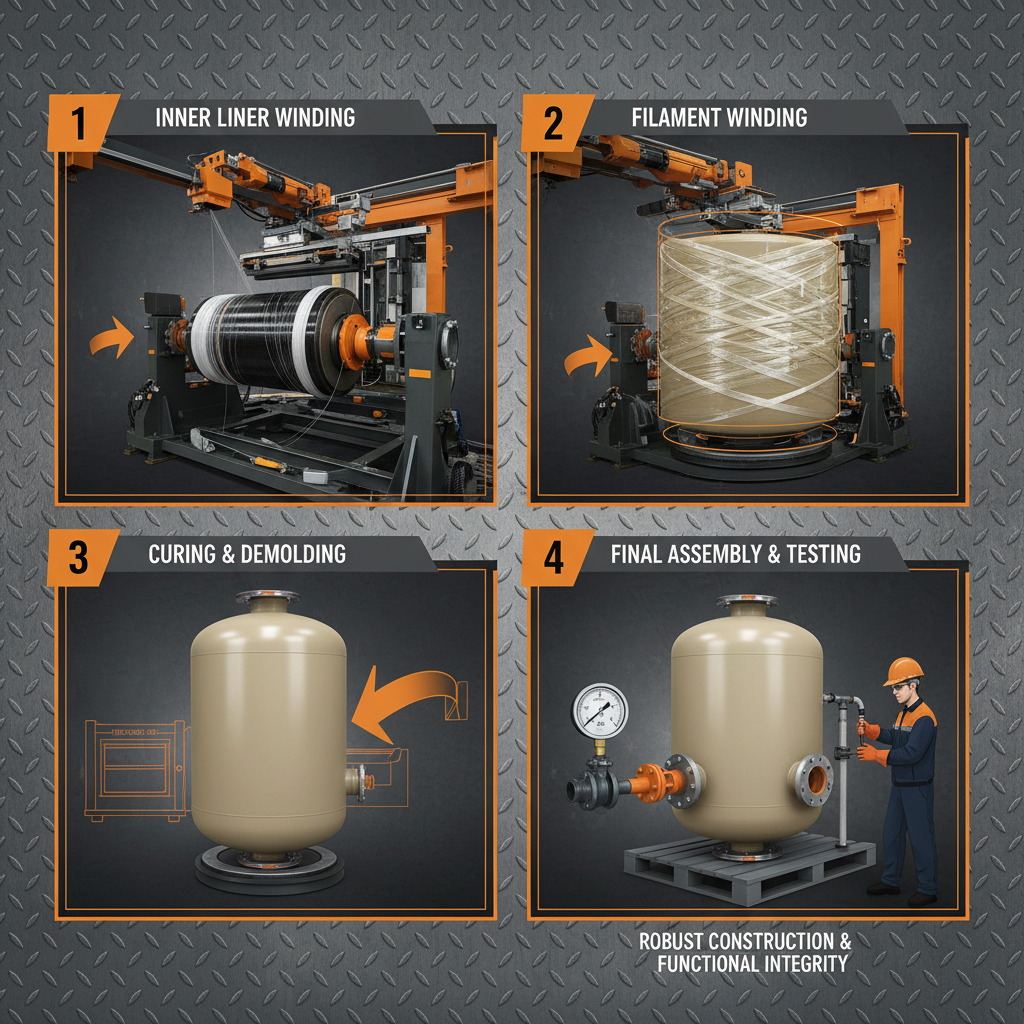
At its core, a large fiberglass water tank is a water storage container made primarily from fiber-reinforced plastic—commonly fiberglass-reinforced resin. Unlike traditional metal or concrete tanks, these tanks blend strength with flexibility. In simple terms, they are designed to safely hold thousands to millions of liters of water without rusting or cracking. Connected to industries like agriculture, manufacturing, and even disaster relief agencies, these tanks meet the growing demand for durable and mobile water storage.
Key Factors Shaping Large Fiberglass Water Tanks
Durability and Corrosion Resistance
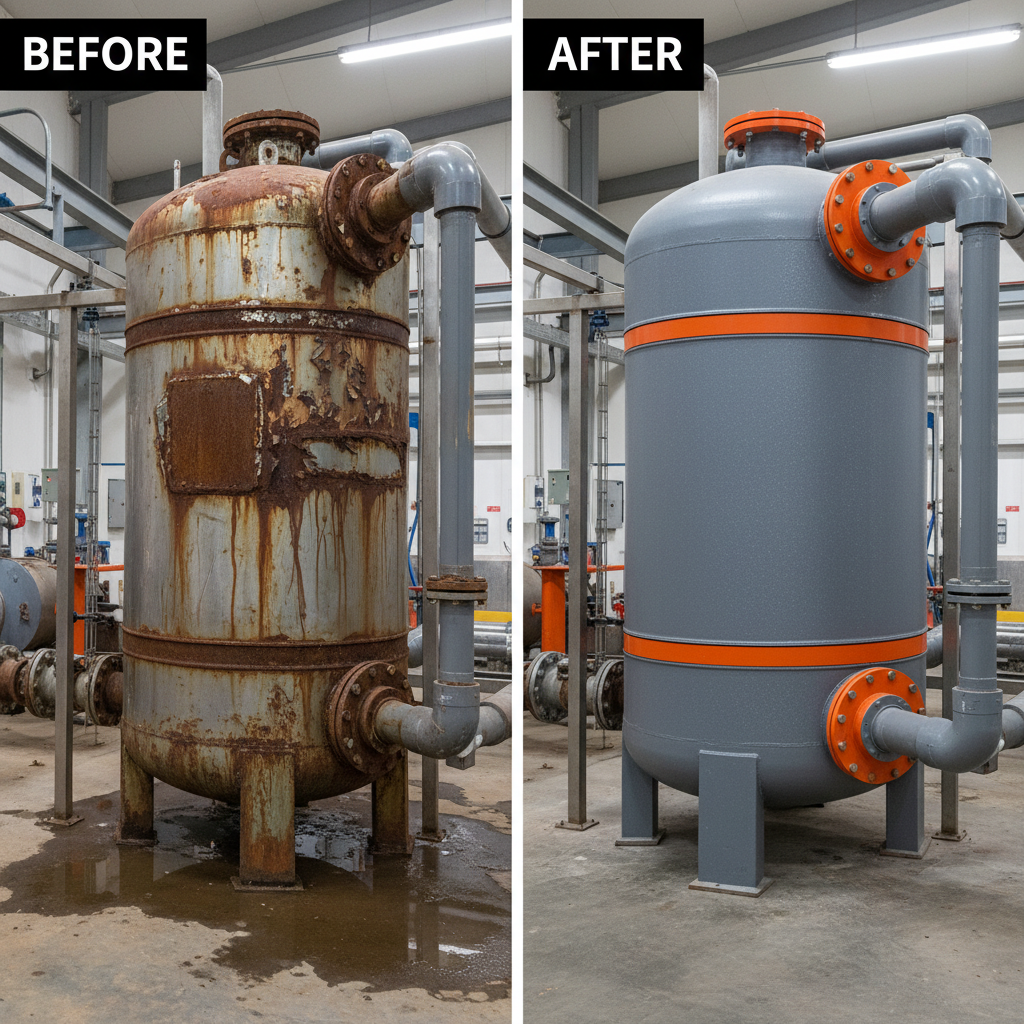
One big advantage of fiberglass tanks is their ability to resist corrosion caused by chemicals, saltwater, or harsh weather. Unlike steel, fiberglass doesn’t rust, meaning these tanks can last 20-30 years or more with minimal maintenance.
Scalability & Customization
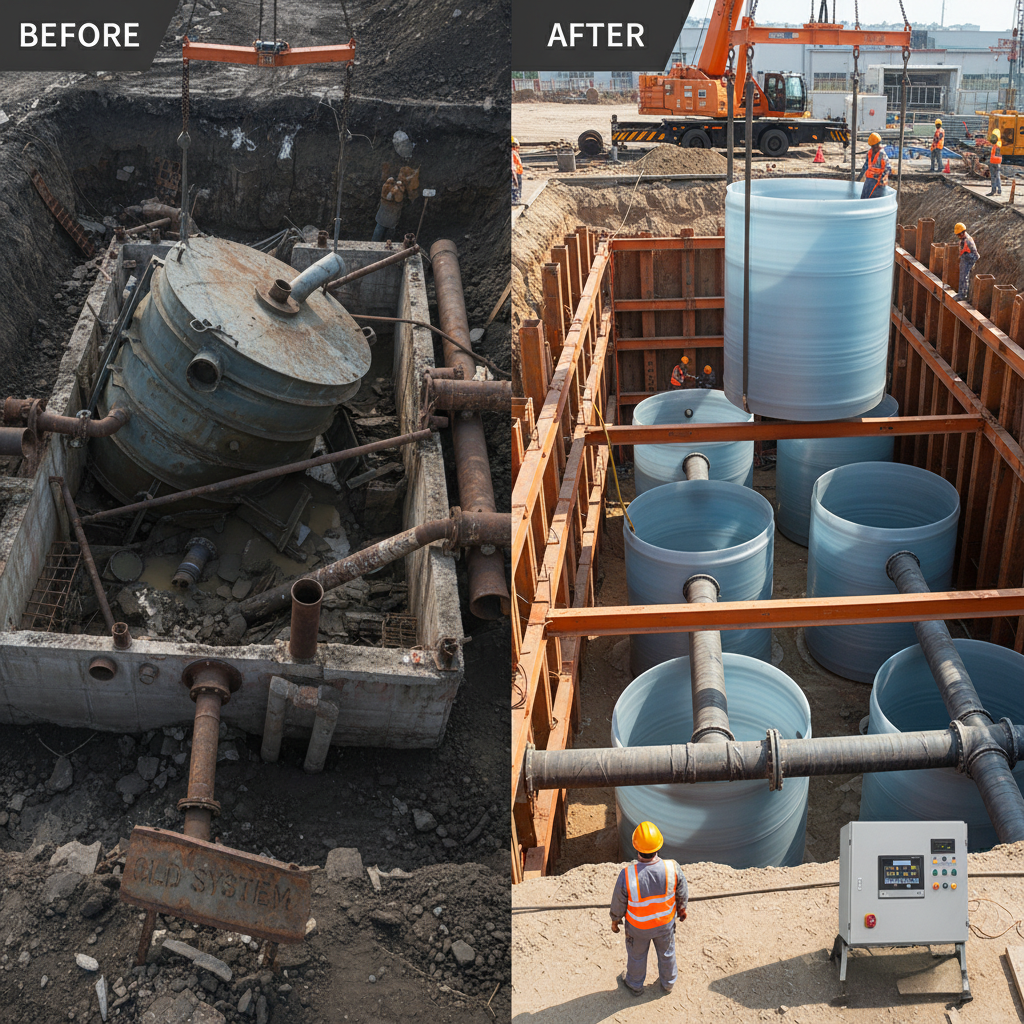
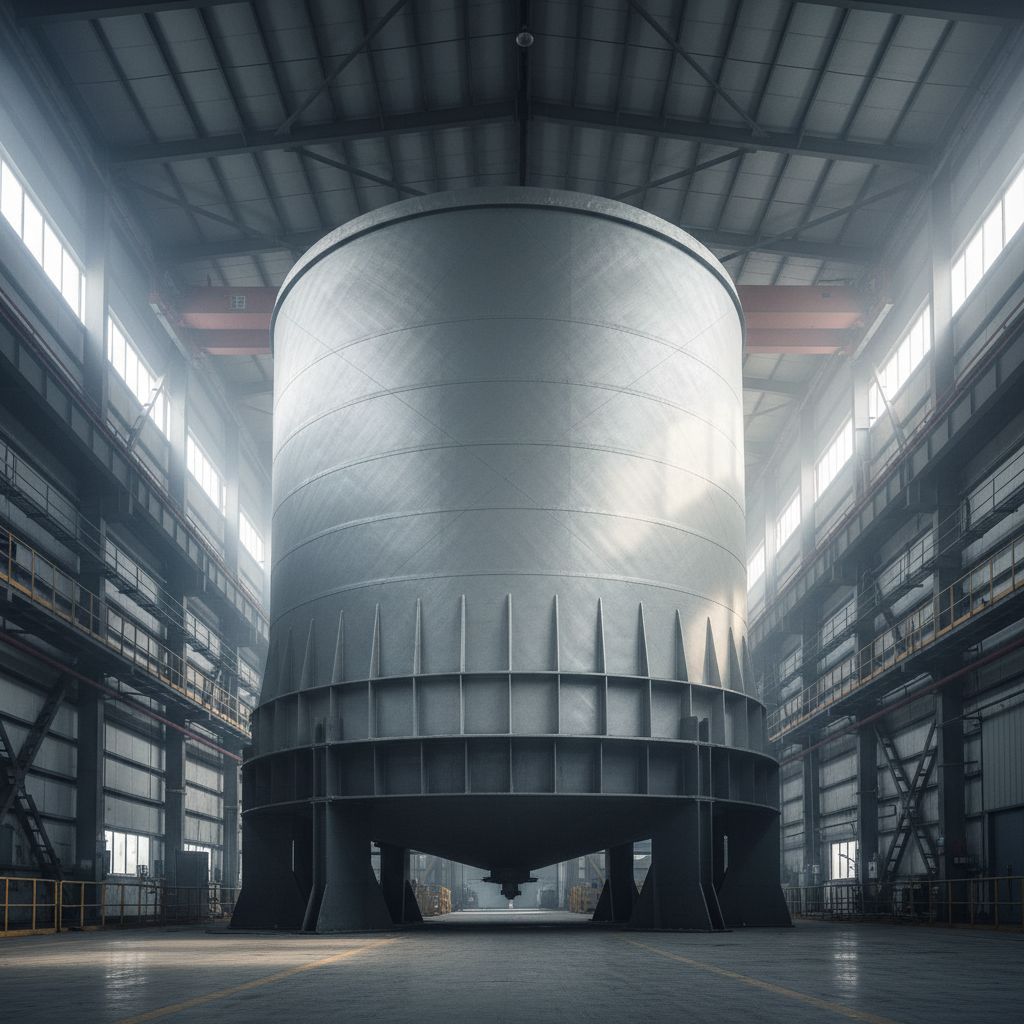
These tanks come in all sorts of shapes and sizes, making them easy to tailor for different capacities. Whether you need a 10,000-liter tank for a small farm or a massive 1-million-liter reservoir for municipal use, fiberglass composites can be molded accordingly.
Cost Efficiency
While initial costs might be slightly higher than some options, the long-term savings from minimal upkeep, lightweight transport, and easy installation often make fiberglass tanks more economically attractive.
Environmental Footprint
Fiberglass tanks, being lighter, tend to require less energy in manufacturing and shipping compared to concrete or steel tanks. Some manufacturers even use recycled resins or green production methods to shrink the carbon footprint.
Portability & Installation Flexibility
Oddly enough, the lightweight nature of fiberglass means these water tanks can be installed where heavy equipment access is limited — remote mining sites, rural villages, or disaster zones.
| Specification | Typical Range | Notes |
|---|---|---|
| Capacity | 10,000L - 1,000,000L+ | Highly customizable by volume |
| Material Thickness | 6mm - 20mm | Varies with tank size and pressure needs |
| Temperature Resistance | -40°C to 100°C | Suitable for most climates |
| Lifespan | 20 - 30 years+ | Depends on maintenance and environment |
| Installation Time | 1 day to 2 weeks | Faster than conventional tanks |
Global Applications & Use Cases
In practical terms, large fiberglass water tanks serve a wide range of industries and regions:
- Agriculture: In drought-prone areas of Australia and Africa, farmers depend on these tanks to store rainwater and irrigation supplies efficiently.
- Municipal Water Storage: Cities in Southeast Asia install fiberglass tanks for emergency water storage, ensuring reliability during infrastructure upgrades or shortages.
- Disaster Relief: In post-disaster scenarios, such as earthquakes in Nepal or floods in Louisiana, portable and lightweight fiberglass tanks are deployed rapidly to supply safe drinking water.
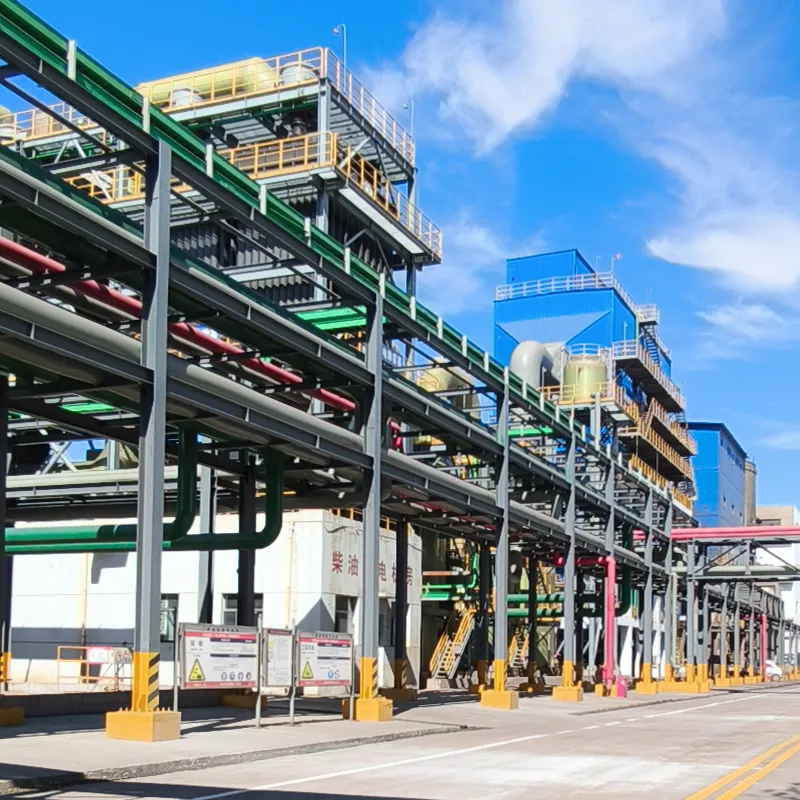
- Industrial Facilities: Remote mining sites in Canada and oil platforms in the North Sea rely on corrosion-resistant tanks to store process water securely.
One interesting case was a drought emergency in California where local authorities installed large fiberglass tanks within days, restoring water access for thousands while avoiding environmental disruption that traditional tank installation would have caused.
Advantages & Long-Term Value Of Fiberglass Water Tanks
These tanks combine both logical and emotional benefits. Logically, they provide cost savings through longevity and ease of maintenance. Emotionally, providing safe, reliable water storage promotes dignity and health in communities—something quite powerful. You might say they represent a quiet but vital innovation throughout water infrastructure worldwide.
Emerging Trends & Innovations
The future is bright for large fiberglass water tanks. Innovations include integration with smart sensors for real-time water level monitoring and leak detection, boosting automation. Additionally, newer composites using bio-resins are reducing environmental impacts further. With increased focus on sustainability, some manufacturers are exploring solar-powered water treatment packaged alongside tanks — an elegant green solution.
Challenges & How Experts Are Addressing Them
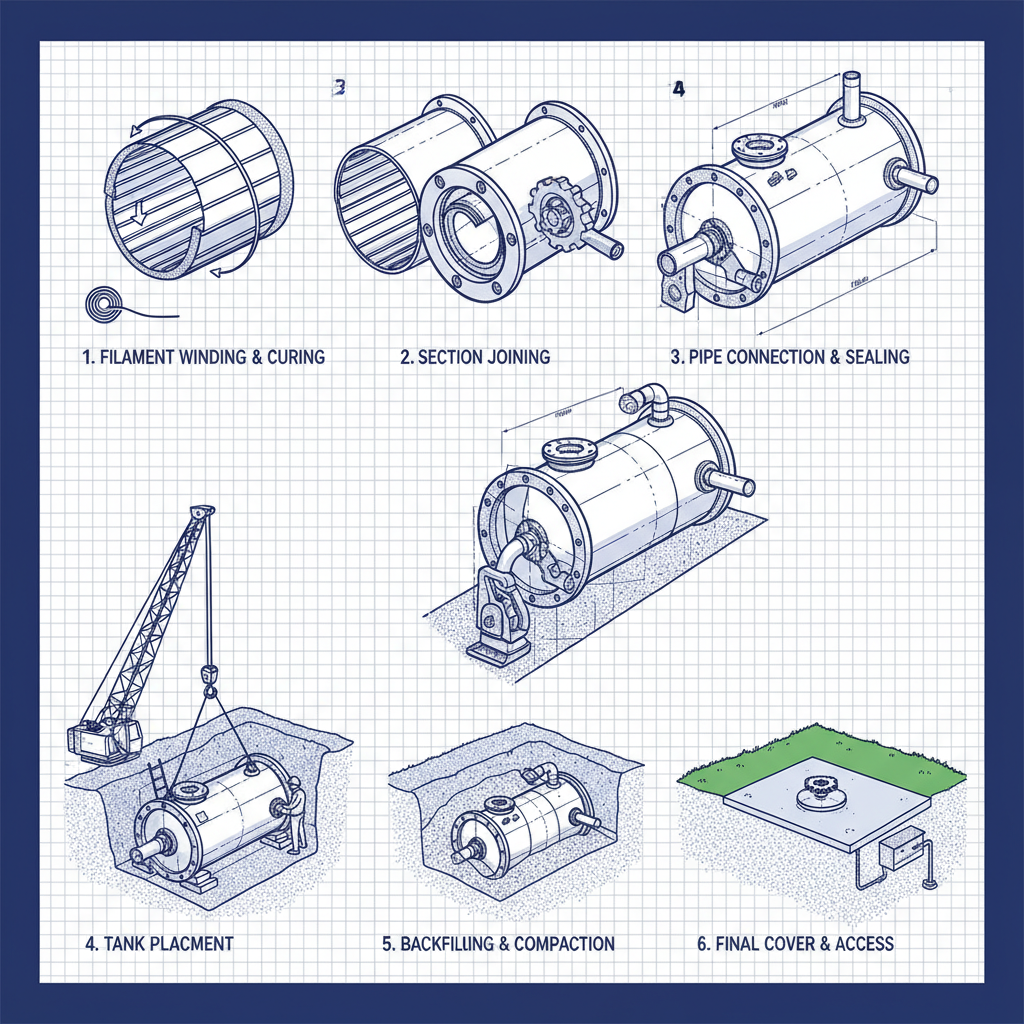
Sure, fiberglass tanks aren’t perfect. One challenge is brittleness under extreme impact; manufacturers often counter this with layered laminates or protective coatings. Another hurdle is the occasionally high upfront price, which some businesses solve via leasing or financing models. Importantly, ensuring proper installation is key since poor site prep can undermine tank longevity.
| Vendor | Price Range | Lead Time | Customization Options | Warranty |
|---|---|---|---|---|
| FibraTank Solutions | $10,000–$150,000 | 4-8 weeks | Full-size & shape options | 15 years |
| AquaFiberglass Inc. | $12,000–$130,000 | 3-6 weeks | Color & fittings customization | 20 years |
| Global FRP Tanks | $9,000–$180,000 | 5-10 weeks | Modular & retrofit options | 10-15 years |
FAQ: Common Questions About Large Fiberglass Water Tanks
- How long does a large fiberglass water tank typically last?
- With proper maintenance, fiberglass tanks usually last between 20 and 30 years. Factors such as environmental exposure and installation quality play a role. Regular inspections can extend their service life.
- Are fiberglass water tanks safe for drinking water?
- Yes. Fiberglass tanks designed for potable water storage follow strict industry standards to ensure they do not leach harmful substances. Verify food-grade certifications before purchase.
- Can these tanks be relocated after installation?
- While fiberglass tanks are lighter than concrete or steel, moving them after installation is challenging and not typically recommended. They are best placed where intended to minimize handling.
- How do fiberglass tanks compare cost-wise with steel tanks?
- Fiberglass tanks often have higher upfront costs but lower lifetime expenses due to reduced maintenance and corrosion issues, making them more cost-effective over the long term.
Conclusion: Why Large Fiberglass Water Tanks Are Worth Considering
All things considered, large fiberglass water tanks offer a compelling blend of durability, flexibility, and sustainability for water storage needs globally. Whether you’re in agriculture, emergency response, or industrial operations, these tanks provide peace of mind and efficiency that are hard to beat. If you want to explore options or need a custom solution, I highly recommend visiting large fiberglass water tank suppliers and manufacturers—they’re a solid place to start.
Mini Takeaway: Fiberglass water tanks are quietly revolutionizing water storage by blending strength and sustainability. Keep an eye on the innovations—they could redefine resource management.
References:
Ready to upgrade your water storage? Visit https://www.frpgrpmachine.com today.