Comprehensive Guide to Underground Fiberglass Water Tanks: Durability, Applications & Trends
Why Underground Fiberglass Water Tanks Matter Globally
If you've ever wondered what keeps our water supplies safe, particularly in challenging environments, underground fiberglass water tanks are a key player. These storage units aren't just about hiding water away, they're about secure, reliable, and sustainable access to a vital resource. In a world increasingly concerned with water scarcity, contamination, and infrastructure resilience, understanding these tanks is more than a technical curiosity—it's a necessity.
The planet's population is growing, urban areas swell, and extreme weather events strain water infrastructure. According to the United Nations, water demand is expected to outpace supply by 40% by 2030. Underground fiberglass water tanks help bridge that gap by providing robust, efficient storage options immune to many surface hazards.
Setting the Stage: The Global Role of Underground Fiberglass Water Tanks
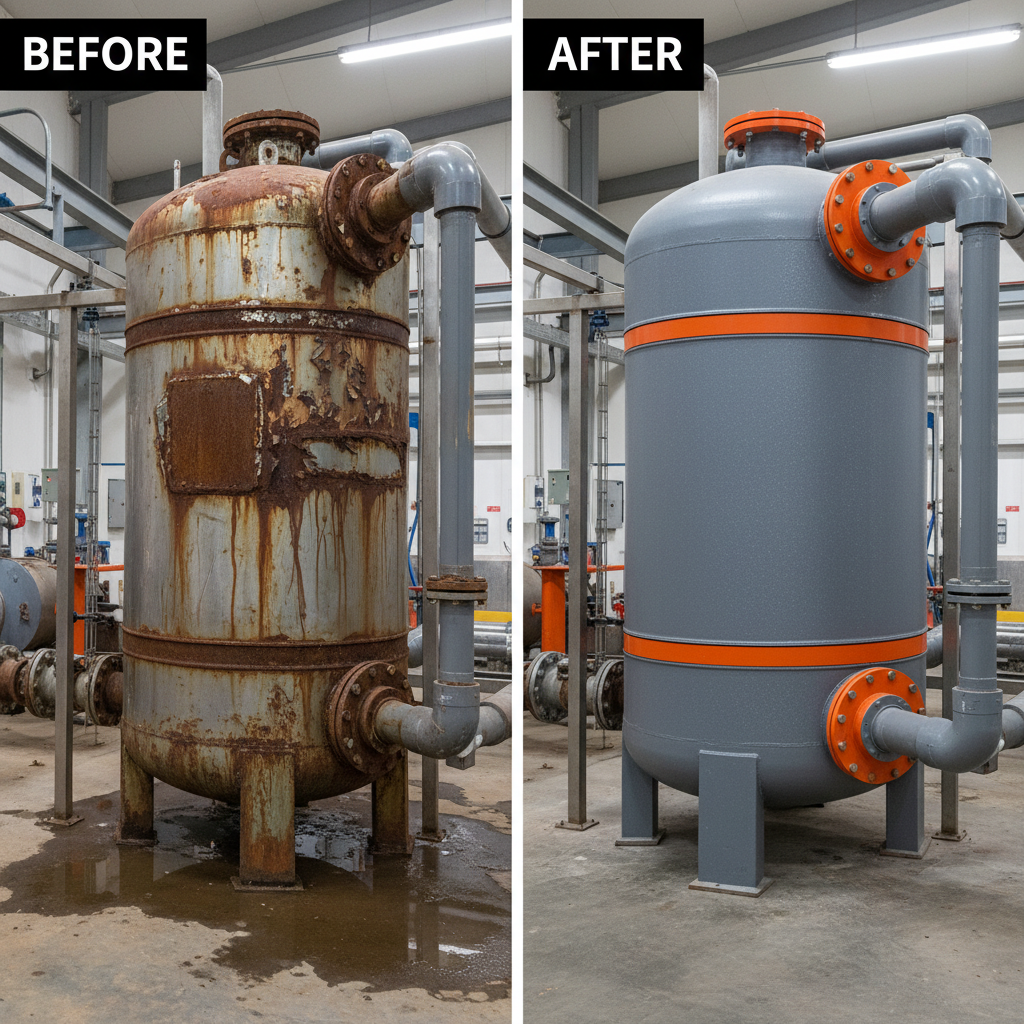
Globally, water storage solutions must handle a myriad of challenges: contamination risks, space constraints, climate impacts, and expanding urban footprints. Tanks made from fiberglass reinforced plastic (FRP) are increasingly popular in industries and municipalities around the world for their strength and durability. Just consider: fiberglass tanks resist corrosion that plagues traditional steel or concrete tanks, a problem notably acute in coastal or industrial zones.
For many communities, especially those in flood-prone or drought-affected regions, underground tanks mitigate risks associated with environmental exposure. According to the World Bank, resilient water infrastructure is essential for sustainable development — and these tanks help make that possible. Yet, challenges remain, like installation costs and regulations, which we'll unpack later.
What Exactly Are Underground Fiberglass Water Tanks?
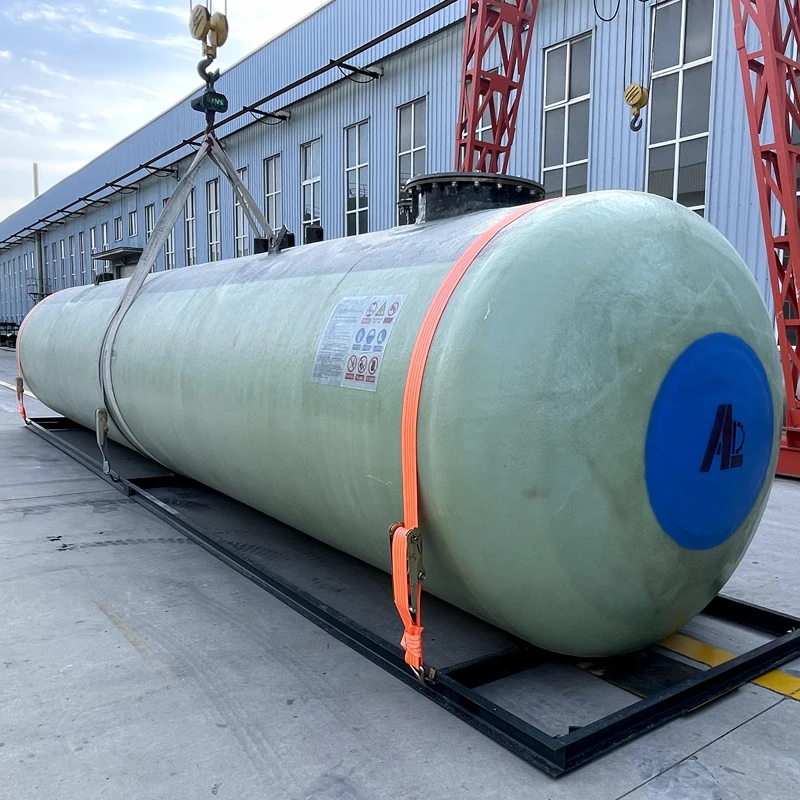
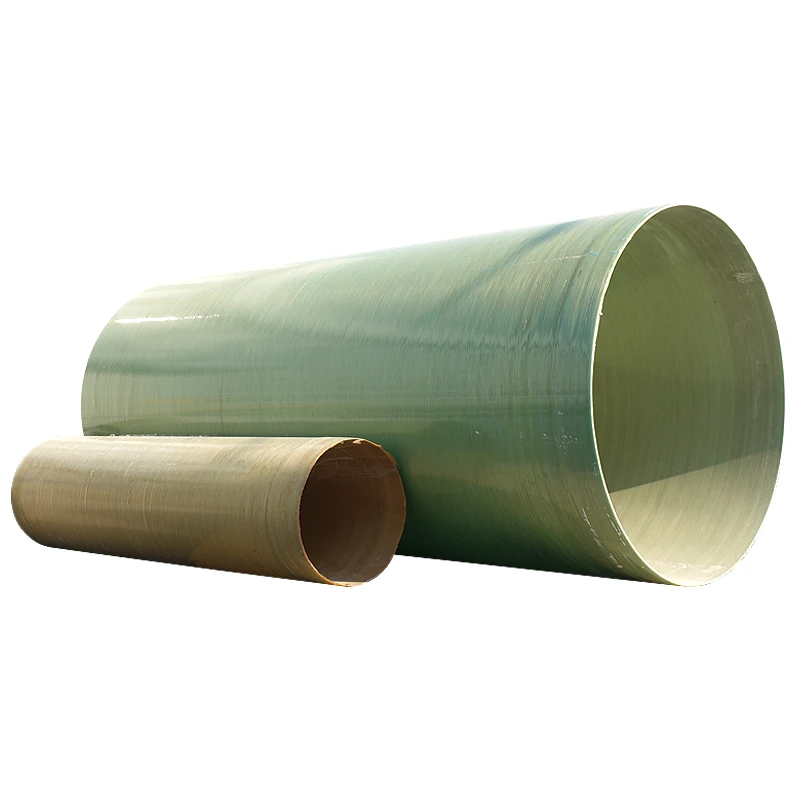
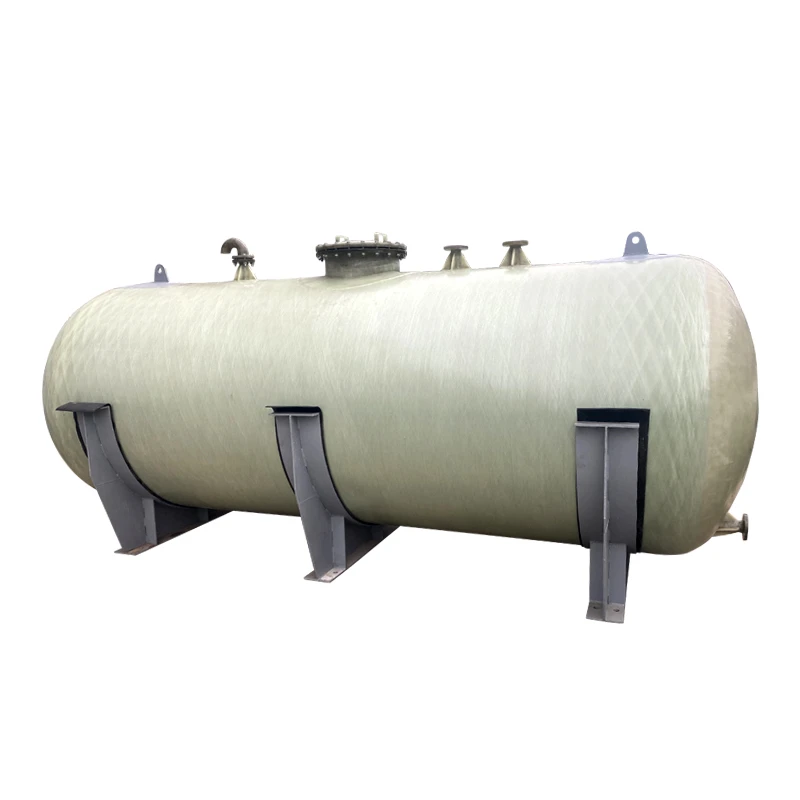
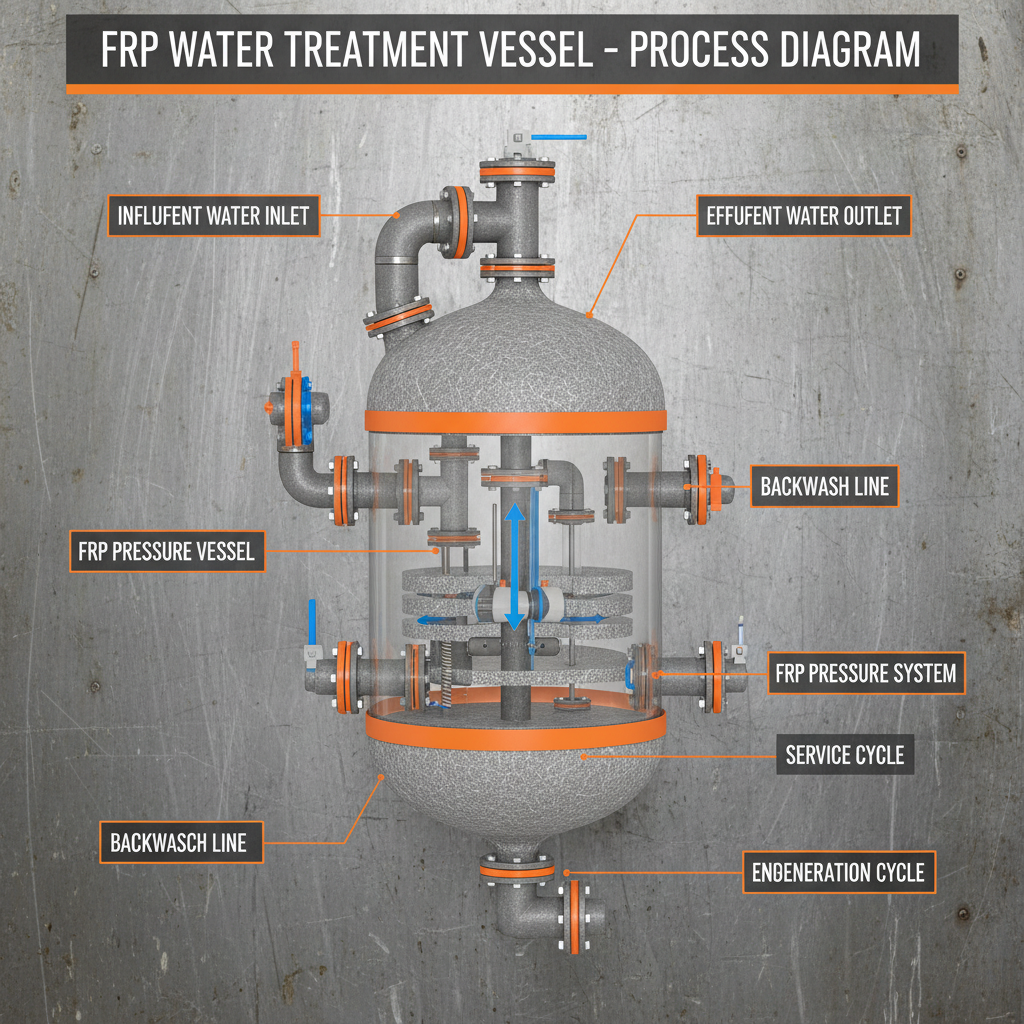
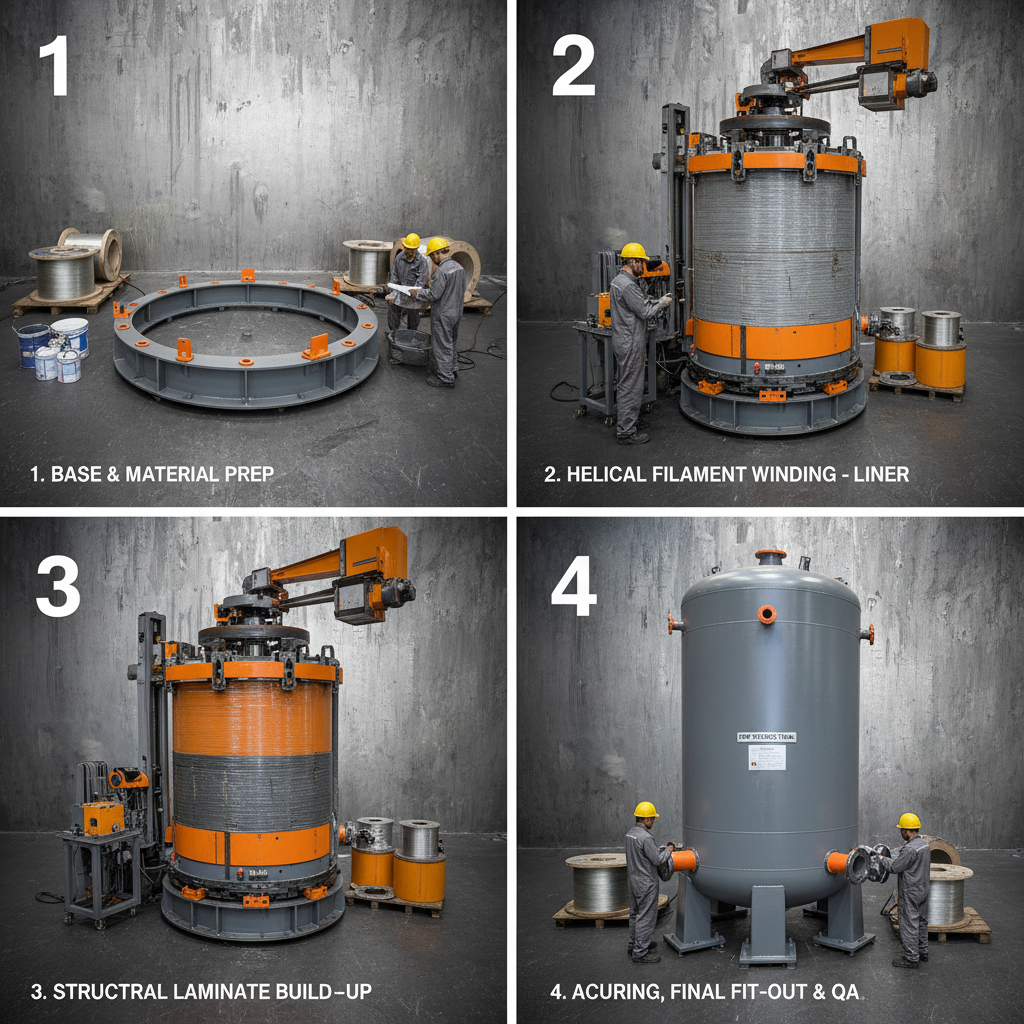
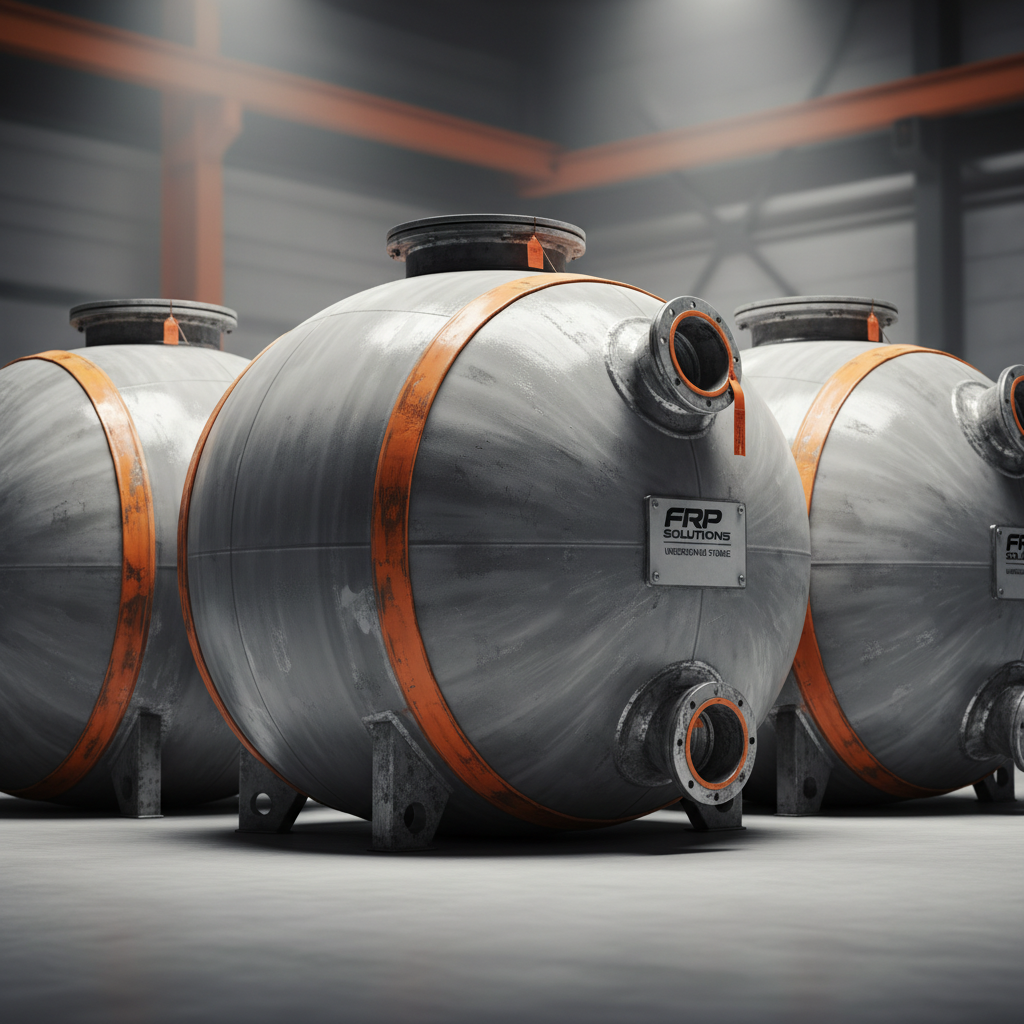
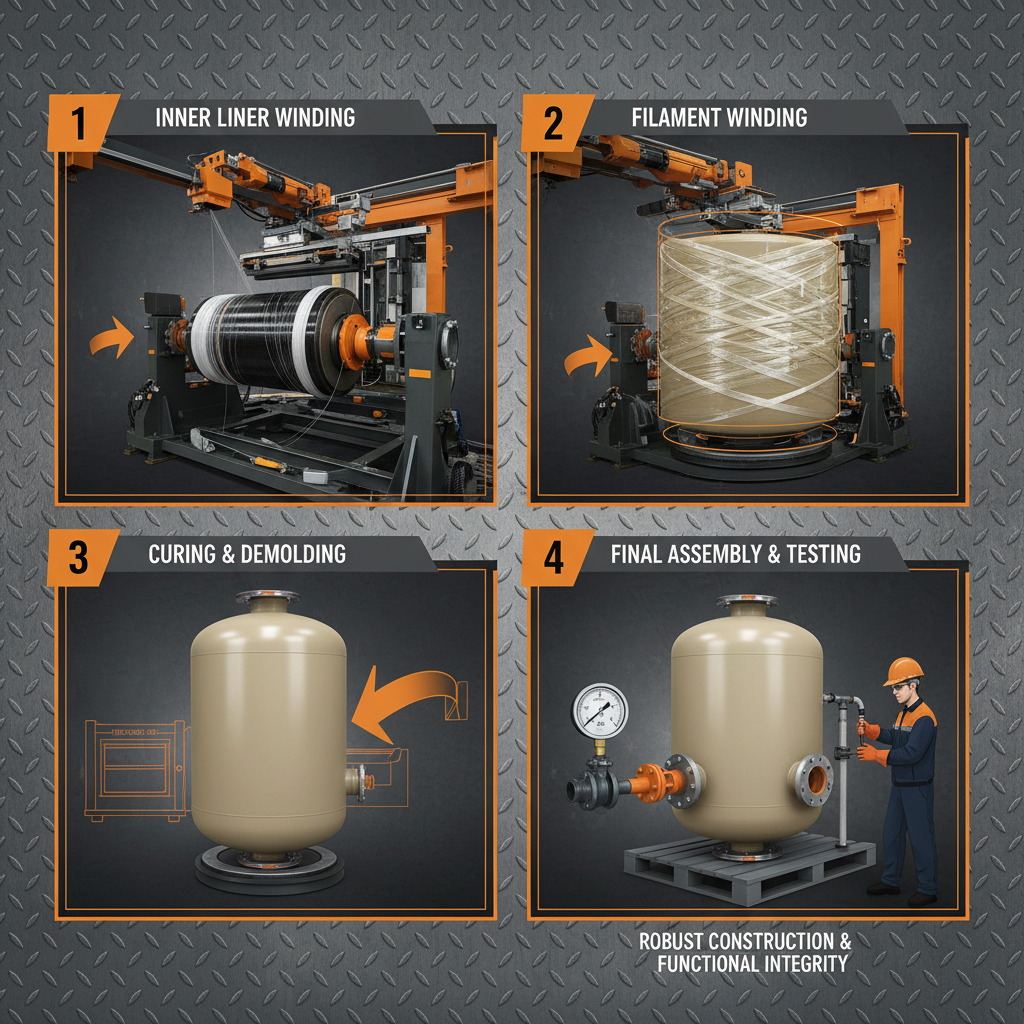
At their core, underground fiberglass water tanks are storage containers installed below ground level, constructed primarily from fiberglass reinforced plastic (FRP). This composite material, combining a polymer matrix and strong glass fibers, yields a tank that’s lightweight yet exceptionally durable.
The design is meant to withstand soil pressure, resist chemical and biological corrosion, and maintain water quality over long periods. These tanks are used in drinking water systems, irrigation, firefighting reserves, and even industrial process water setups. They’re a modern answer to the age-old problem of safe water storage—blending engineering innovation with material science.
Mini Takeaway:
Underground fiberglass tanks offer a clever fusion of resilience and practicality, making them integral to modern water management and infrastructure.
Core Components and Key Considerations
Durability
FRP tanks excel because fiberglass does not rust or suffer from electrochemical corrosion, unlike metal tanks. It handles harsh underground conditions, such as fluctuating moisture and temperature, with minimal maintenance. The resin matrix protects the glass fibers, enhancing longevity that can easily exceed 30 years, especially when properly installed.
Scalability
These tanks come in sizes ranging from a few hundred gallons to tens of thousands, suiting anything from small rural communities to large-scale industrial sites. Modular designs mean multiple tanks can be connected or arranged for customized storage volumes.
Cost Efficiency
Although upfront costs of fiberglass tanks may be higher than plastic or concrete, their longer lifespan and reduced repair needs often offset initial investment. Plus, installation tends to be faster since they’re lighter than concrete and easier to handle.
Environmental Resistance
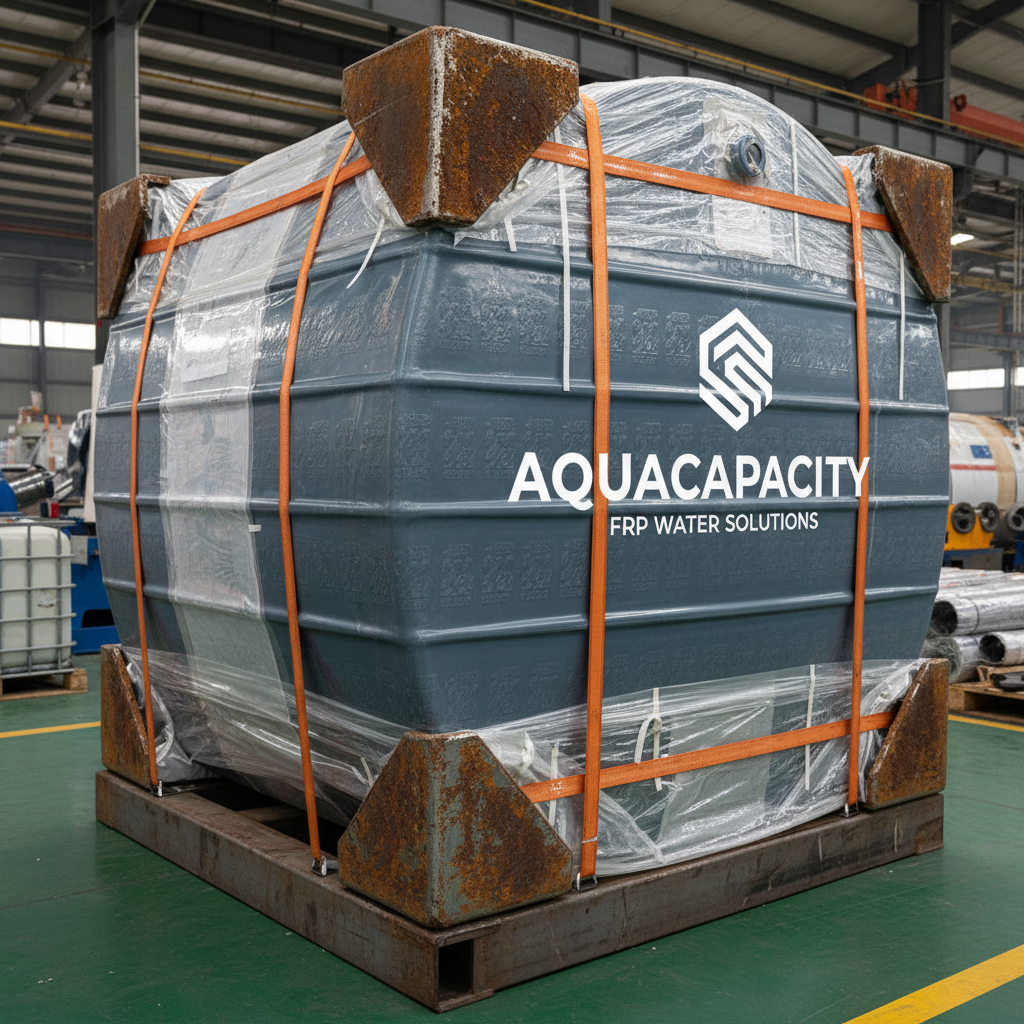
The material’s chemical inertness means no leaching into the water, ensuring safe drinking quality. Resistance to microbial growth and UV damage (important during transport or pre-installation) also adds to reliability.
Design Flexibility
Fiberglass tanks can be molded into a variety of shapes and sizes, including custom fittings for pipes, manholes, and vents, helping engineers tailor them to specific site requirements.
Maintenance and Inspection
Though corrosion is not an issue, routine checks for structural cracks or defects caused by installation damage remain advisable. Many operators employ remote sensing or IoT-enabled monitoring for early warning of tank failures.
Mini Takeaway:
The blend of durability, flexibility, and cost-effectiveness makes underground fiberglass water tanks a must-consider for many water storage projects.
Global Applications and Real-World Use Cases
From the deserts of Australia to the floodplains of Southeast Asia, underground fiberglass water tanks help communities and industries alike. For example:
- Post-disaster Relief: After events like hurricanes or earthquakes, NGOs deploy these tanks to store clean water safely underground, shielding supplies from contamination and damage.
- Remote Industrial Zones: Mining sites in Chile or oil fields in the Middle East rely on sturdy underground tanks to maintain steady water inventories away from harsh surface conditions.
- Agriculture: In drought-affected regions, farms use underground storage to harvest and preserve rainwater efficiently for irrigation.
- Urban Infrastructure: Cities, especially those facing land scarcity, install compact underground fiberglass tanks for fire suppression water or potable reserves.
Regulatory agencies and water utilities increasingly specify underground fiberglass water tanks to ensure infrastructure meets modern standards, whether for safety or sustainability.
Mini Takeaway:
These tanks’ versatility translates to broad, global adoption across humanitarian aid, industry, agriculture, and urban utilities.
Advantages and Long-Term Value
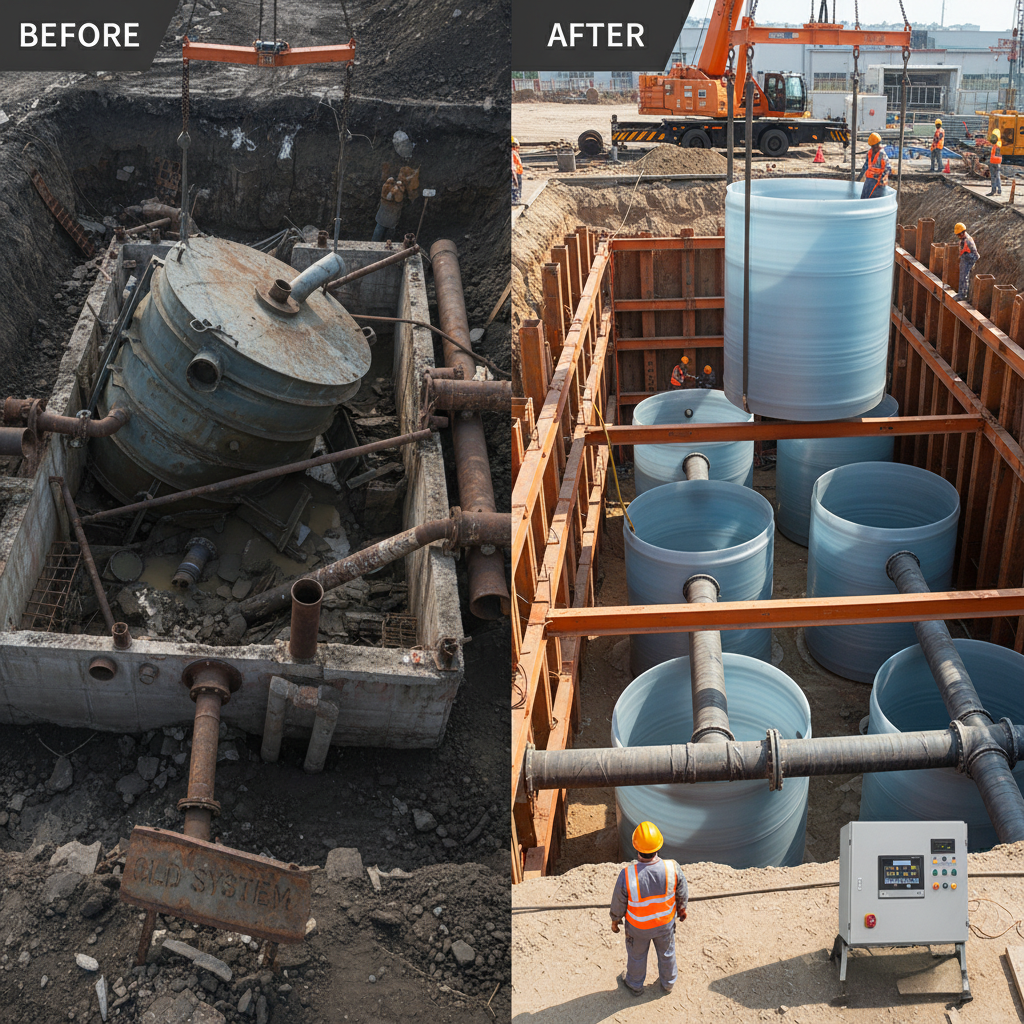
The benefits go beyond the obvious. Economically, underground fiberglass tanks reduce costly leakages and contamination problems so common with older systems. Socially, they contribute to public health by ensuring water remains clean and plentiful. Environmentally, their lightweight design decreases transportation-related carbon emissions compared to concrete alternatives.
On the intangible side, there’s a reassuring sense of security—knowing water is stored safely beneath the ground, out of reach from accidental spills, vandalism, or wildlife. Many engineers talk about the trust these tanks inspire after years of dependable service. There's also a dignity factor in making safe water accessible no matter where you live.
Underground Fiberglass Water Tanks: Product Specification Overview
| Specification | Details |
|---|---|
| Material | Fiberglass Reinforced Plastic (FRP) |
| Capacity Range | 500 to 50,000 gallons |
| Installation Depth | Up to 20 feet underground |
| Weight | Approx. 70% lighter than concrete tanks |
| Lifespan | 30+ years with proper maintenance |
| Resistance | Corrosion, UV, microbial, chemical |
How Leading Vendors Stack Up
| Vendor | Advantages | Typical Applications | Global Reach |
|---|---|---|---|
| FibroTank Corp | Custom shapes, rapid delivery | Municipal water, agriculture | North America, Europe |
| GlobalFRP Inc. | High chemical resistance, IoT monitoring options | Industry, mining, disaster relief | Worldwide |
| EcoStor Tanks | Environmentally friendly resins, modular systems | Urban fire suppression, irrigation | Asia, Australia |
The Road Ahead: Innovations and Trends
Oddly enough, the field of underground fiberglass water tanks is buzzing with innovation. New resin formulations aim to be less carbon-heavy and fully recyclable, answering environmental critics. There’s also a push toward integrating sensors and automation so tank status can be tracked remotely, reducing manual inspection needs.
IoT-enabled tanks can alert operators to leaks or contamination early, a game-changer for large utilities or remote sites. Meanwhile, advances in 3D printing and modular assembly could soon allow in-field tank construction customized to unique landscapes.
Challenges & How the Industry Is Tackling Them
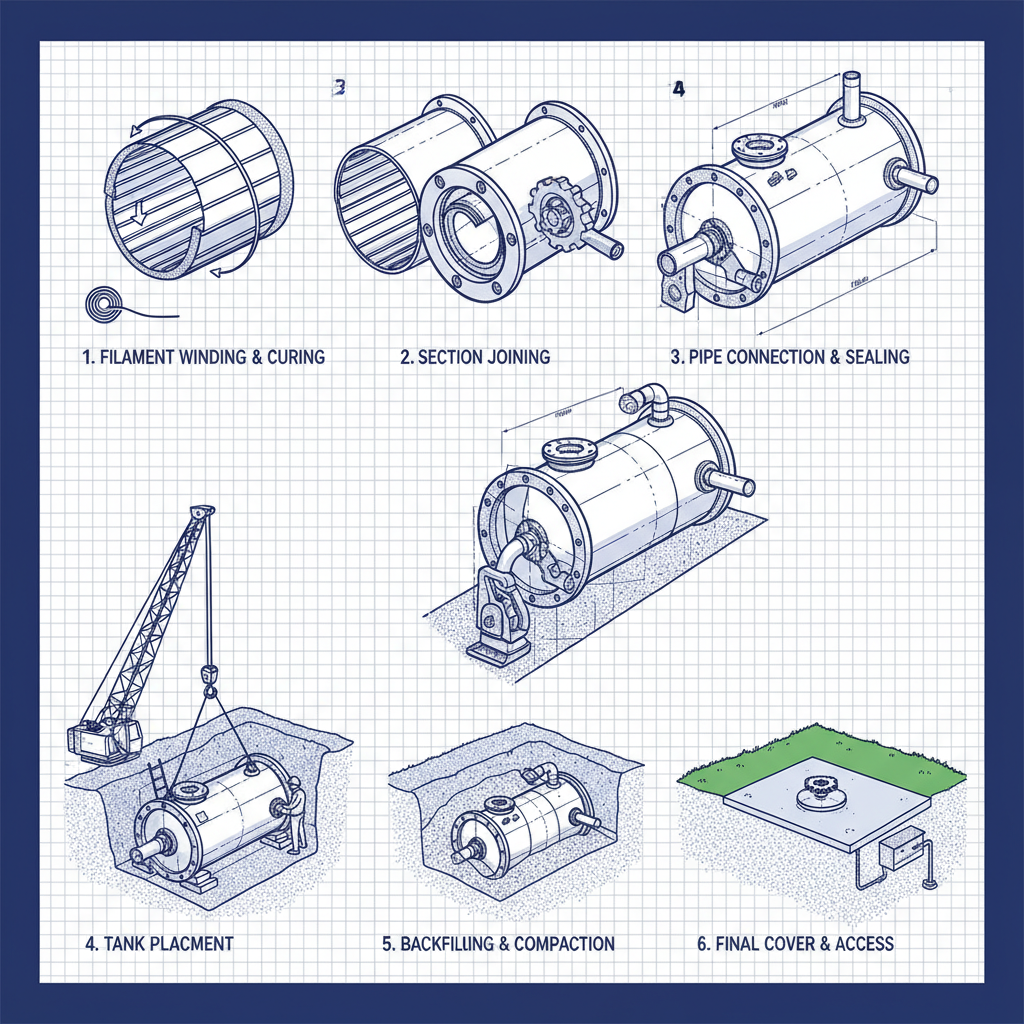
Installation logistics remain tricky—despite being lighter than concrete, tanks still require careful backfilling and protection to prevent damage. Regulatory hurdles vary, with some regions demanding certifications that slow projects down.
Cost, too, is a barrier, especially in developing countries where concrete or metal tanks are entrenched. However, many governments and NGOs now recognize that lifecycle savings justify investing up front in fiberglass solutions.
FAQ: Practical Insights on Underground Fiberglass Water Tanks
- Q: How resistant are fiberglass tanks to flooding and soil movement?
A: Fiberglass tanks are designed to withstand moderate soil shifts and hydrostatic pressures from floods. Proper installation with drainage and anchoring reduces risk of flotation or damage. - Q: Can underground fiberglass water tanks store potable water safely?
A: Absolutely. FRP tanks do not leach harmful chemicals and resist microbial growth, making them safe for drinking water when properly certified and maintained. - Q: What's the typical lifespan of these tanks underground?
A: With appropriate installation and maintenance, fiberglass tanks last 30+ years, often outlasting steel or concrete counterparts. - Q: Are these tanks easy to repair if damaged?
A: Yes. Minor cracks or surface damage can be repaired with fiberglass patches, though major structural issues require professional assessment. - Q: How do I import underground fiberglass water tanks internationally?
A: Many vendors, including those with online platforms like underground fiberglass water tanks, offer turnkey logistics support. Be sure to check customs regulations and certifications required in your country.
Wrapping Up: The Long-Term Promise of Underground Fiberglass Water Tanks
Ultimately, investing in underground fiberglass water tanks feels like planting seeds in infrastructure—you might not see the benefits immediately, but the rewards over decades are clear. Resilience, sustainability, safety, and cost-effectiveness come together in a package that suits a world grappling with unpredictable climate and growing water demand.
For anyone considering modern water storage, these tanks bring a blend of innovation and trusted engineering. Interested in exploring them further? Visit our website to discover how underground fiberglass water tanks can be tailored for your projects.