Durable and Efficient GRP Cylindrical Water Tanks for Modern Water Storage Needs
GRP Cylindrical Water Tanks: Why They Matter in Today’s Water Storage Landscape
Water — it’s such a basic necessity, yet globally we still face enormous challenges in storing and distributing it efficiently and safely. Among the many innovations, the GRP cylindrical water tank has quietly become a cornerstone in industries and communities worldwide. Why? Because these tanks blend durability, lightweight design, and cost-effectiveness in a way that traditional water storage solutions often can’t.
Understanding these tanks’ benefits is essential for anyone in water management, construction, or humanitarian aid sectors. Whether it’s storing clean water in drought-prone regions or providing emergency supplies in disaster zones, GRP tanks are often the unsung heroes.
The Global Context: Water Storage Challenges and GRP Solutions
Water demand is projected to grow by 20–30% by 2050, according to World Bank analyses. Meanwhile, current infrastructure suffers from leakage, contamination, and rigid materials prone to corrosion. Problems like urbanization, climate change, and aging pipes mean reliable storage solutions are more critical than ever.
GRP (Glass Reinforced Plastic) cylindrical tanks address many of these problems. These tanks are widely adopted in industrial zones, agricultural sectors, and emergency operations across Asia, Africa, and the Americas. In post-disaster relief efforts — like after floods or earthquakes — the quick deployment and resilience of GRP tanks have made them invaluable.
Mini takeaway: GRP cylindrical water tanks are a global response to evolving water storage needs, combining modern materials with proven design to tackle 21st-century challenges.
What Exactly is a GRP Cylindrical Water Tank?
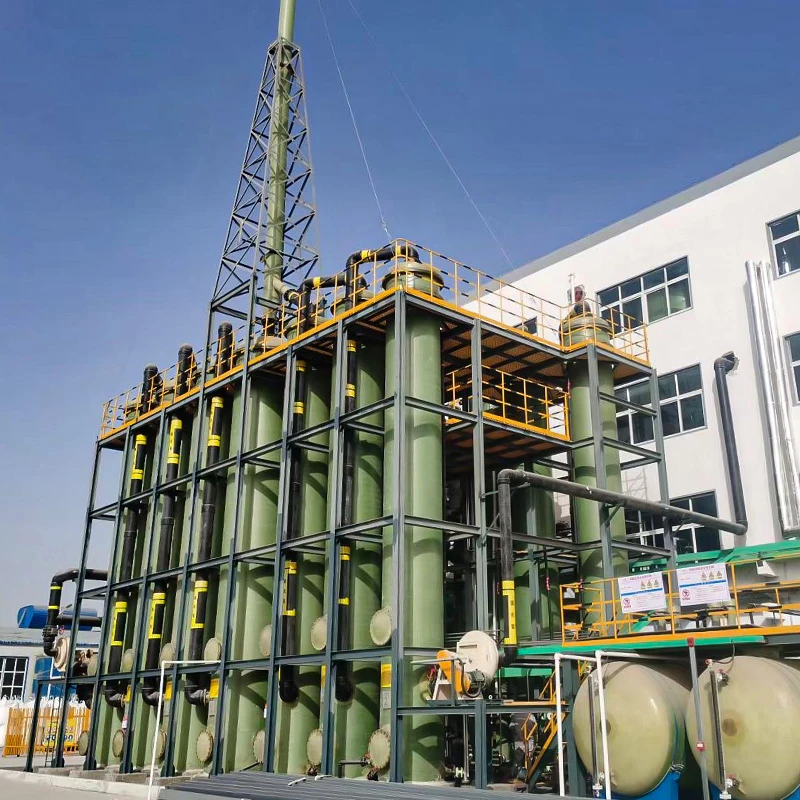
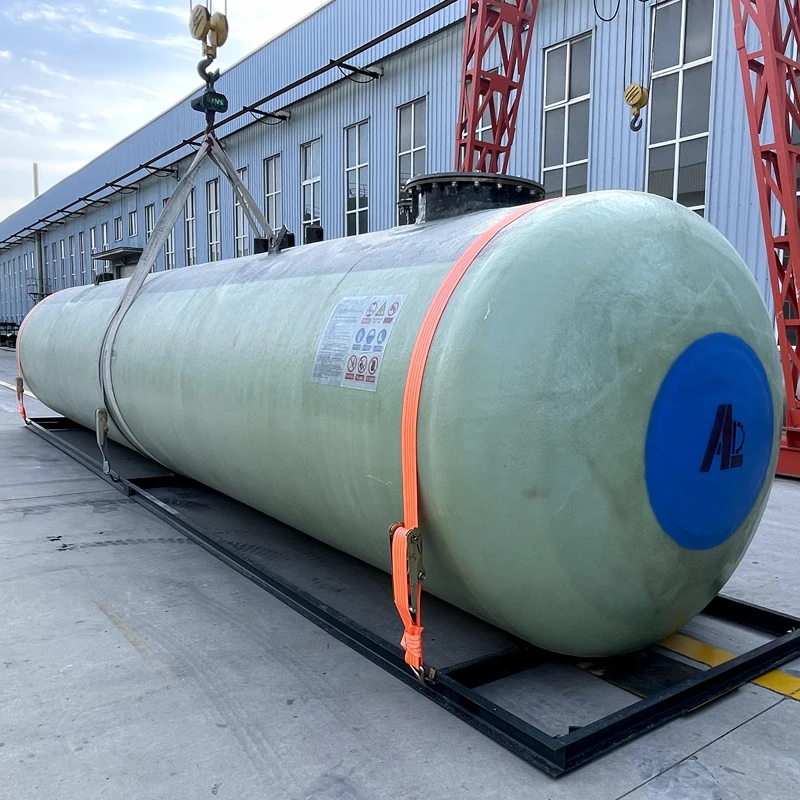
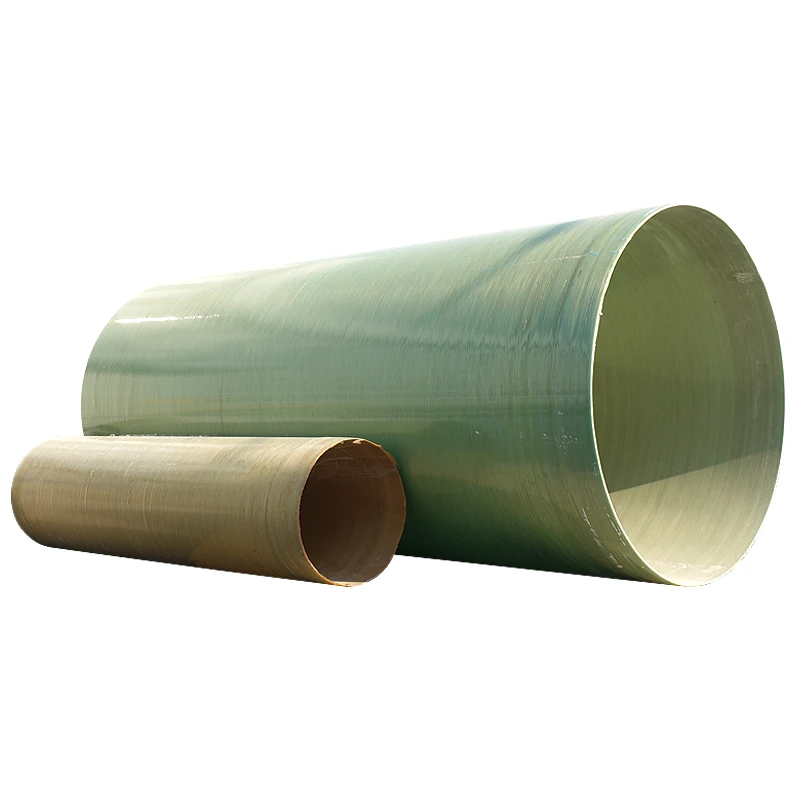
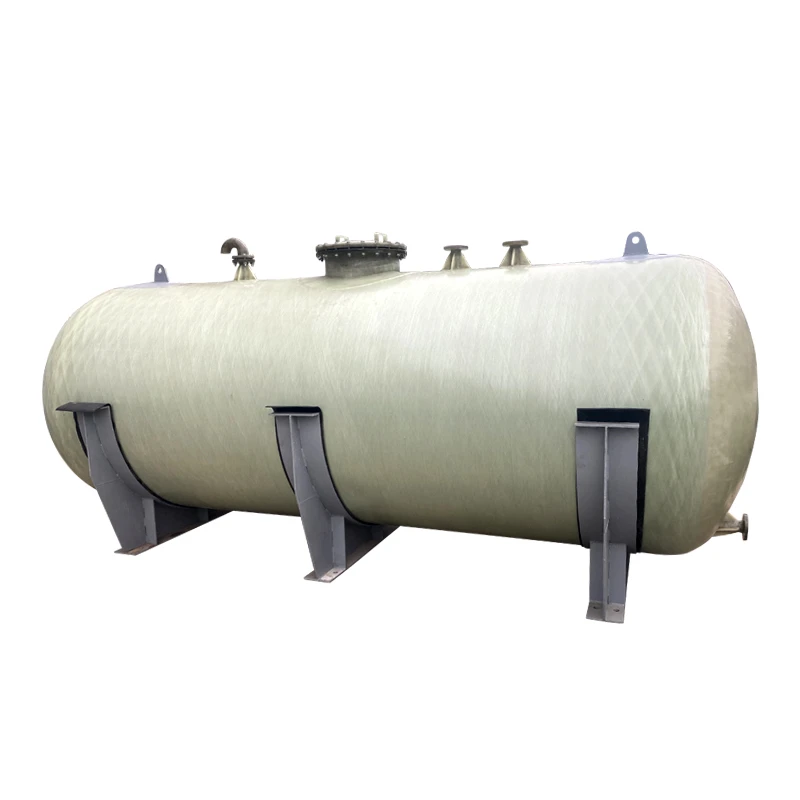
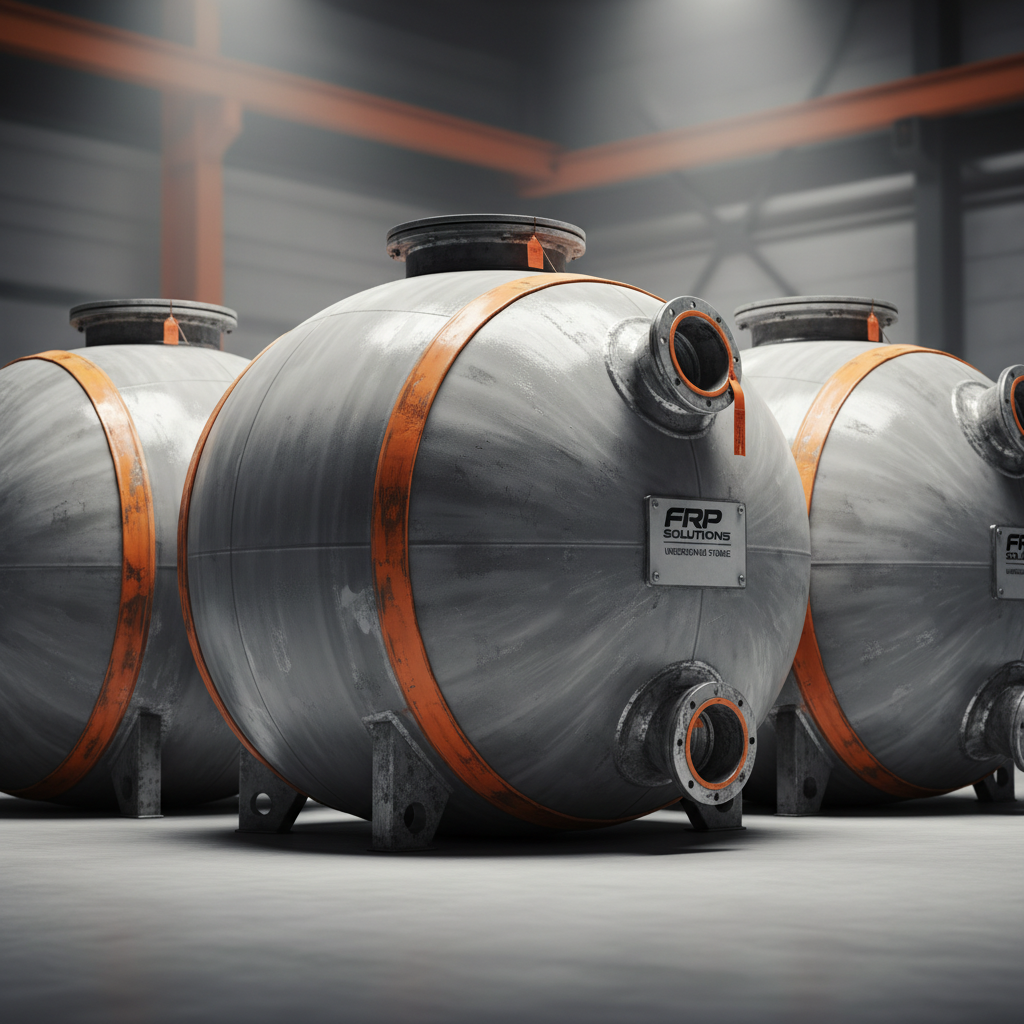
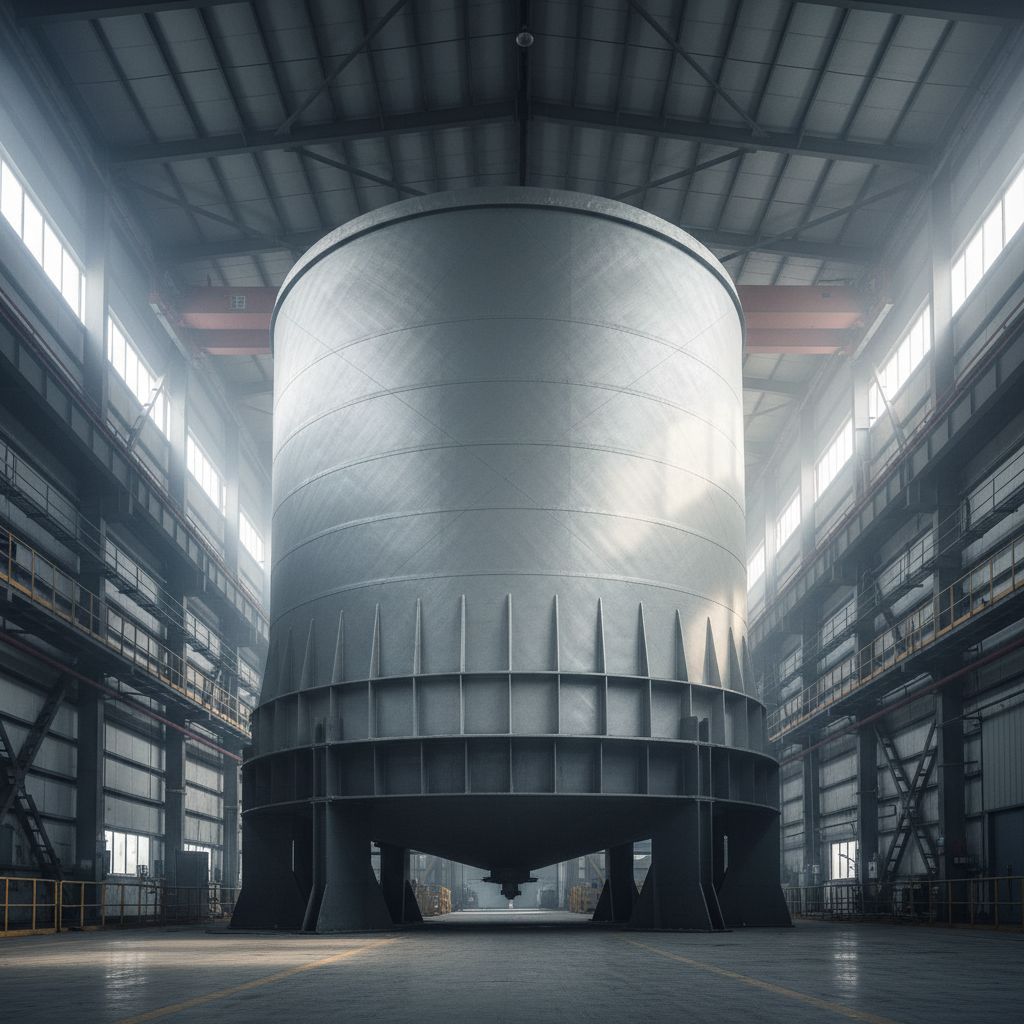
Simply put, a GRP cylindrical water tank is a storage container made from glass fiber reinforced plastic shaped into a cylinder. The cylindrical form offers structural strength and even pressure distribution, while the GRP material is corrosion-resistant and relatively lightweight.
They’re used for storing freshwater, wastewater, chemicals, and even fire-fighting reserves. This versatility links industrial manufacturing, municipal water systems, and humanitarian water projects.
Core Components and Key Factors of GRP Cylindrical Water Tanks
1. Durability and Corrosion Resistance
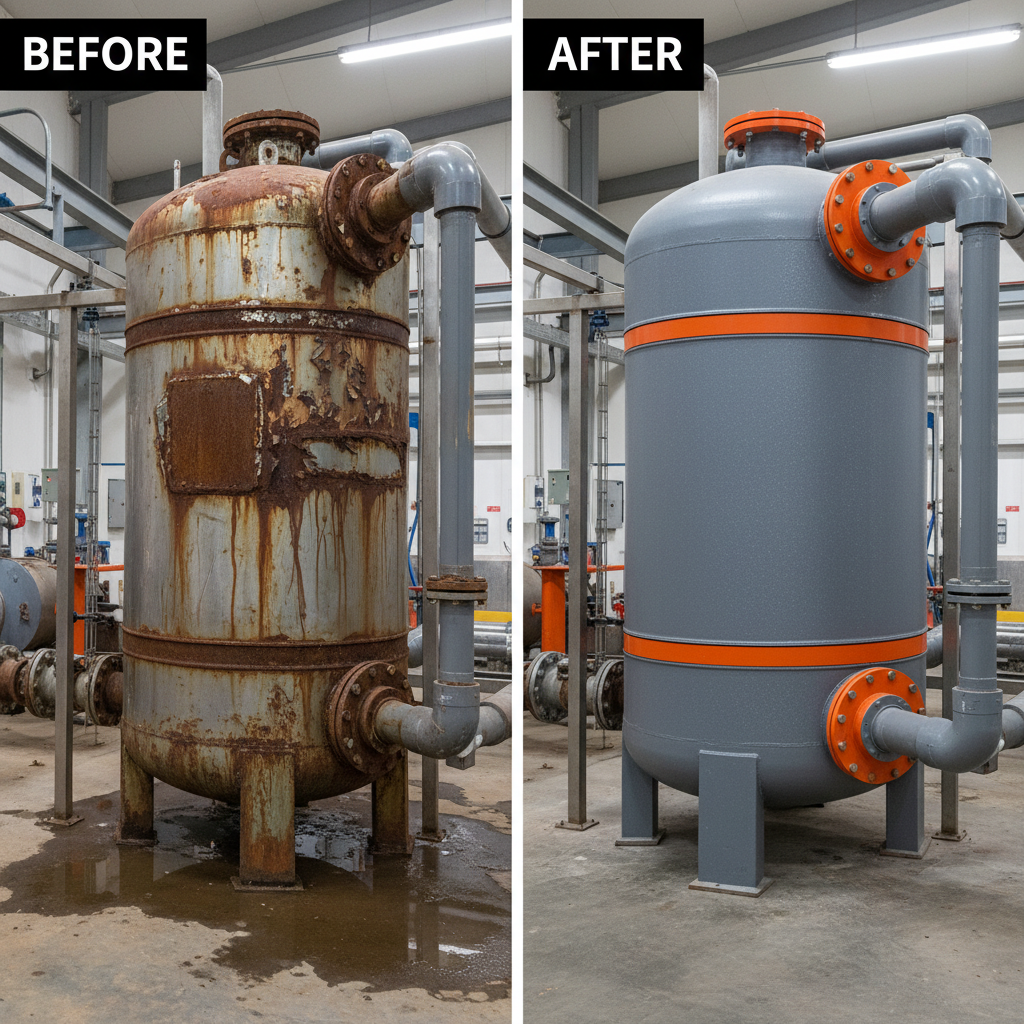
GRP is inherently resistant to rust and chemical corrosion, unlike steel tanks that require extensive coatings and regular maintenance. This makes them ideal for storing potable water and harsh chemicals.
2. Lightweight Design and Easy Installation
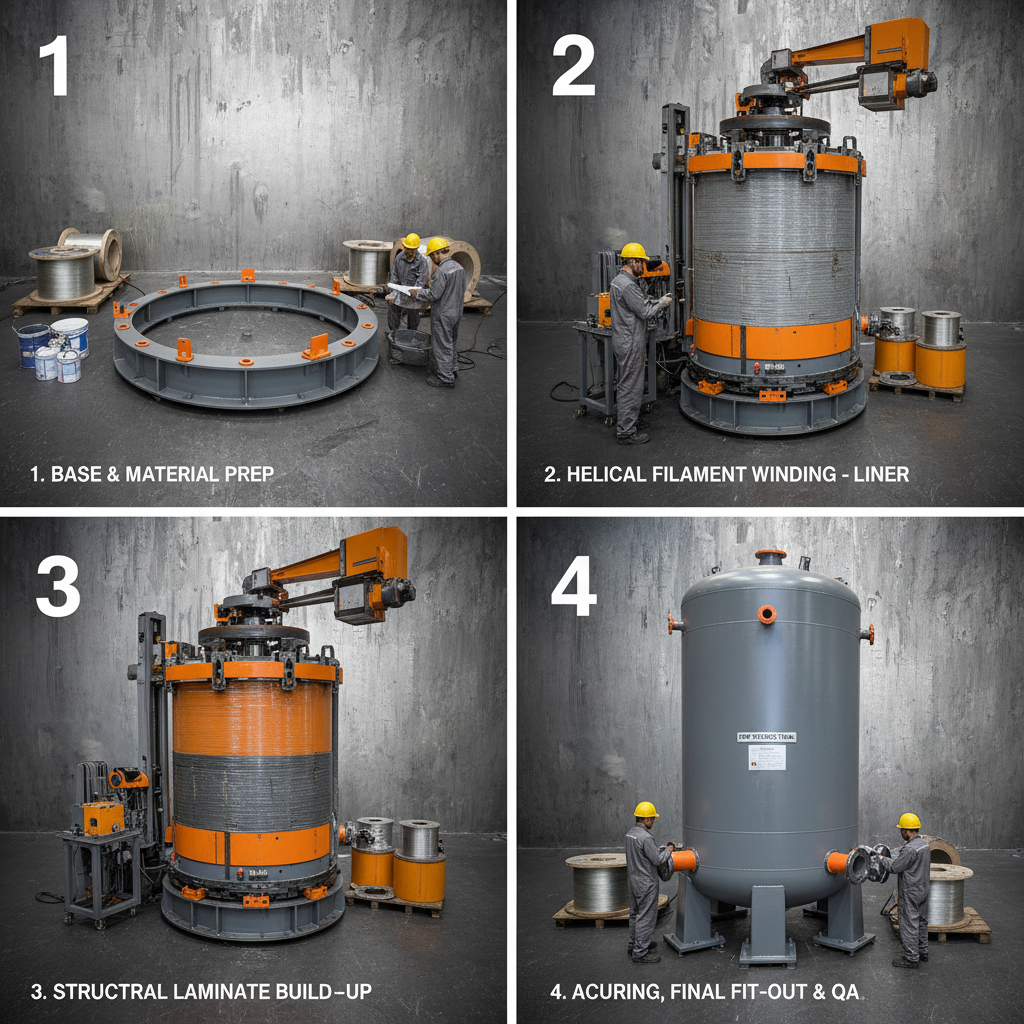
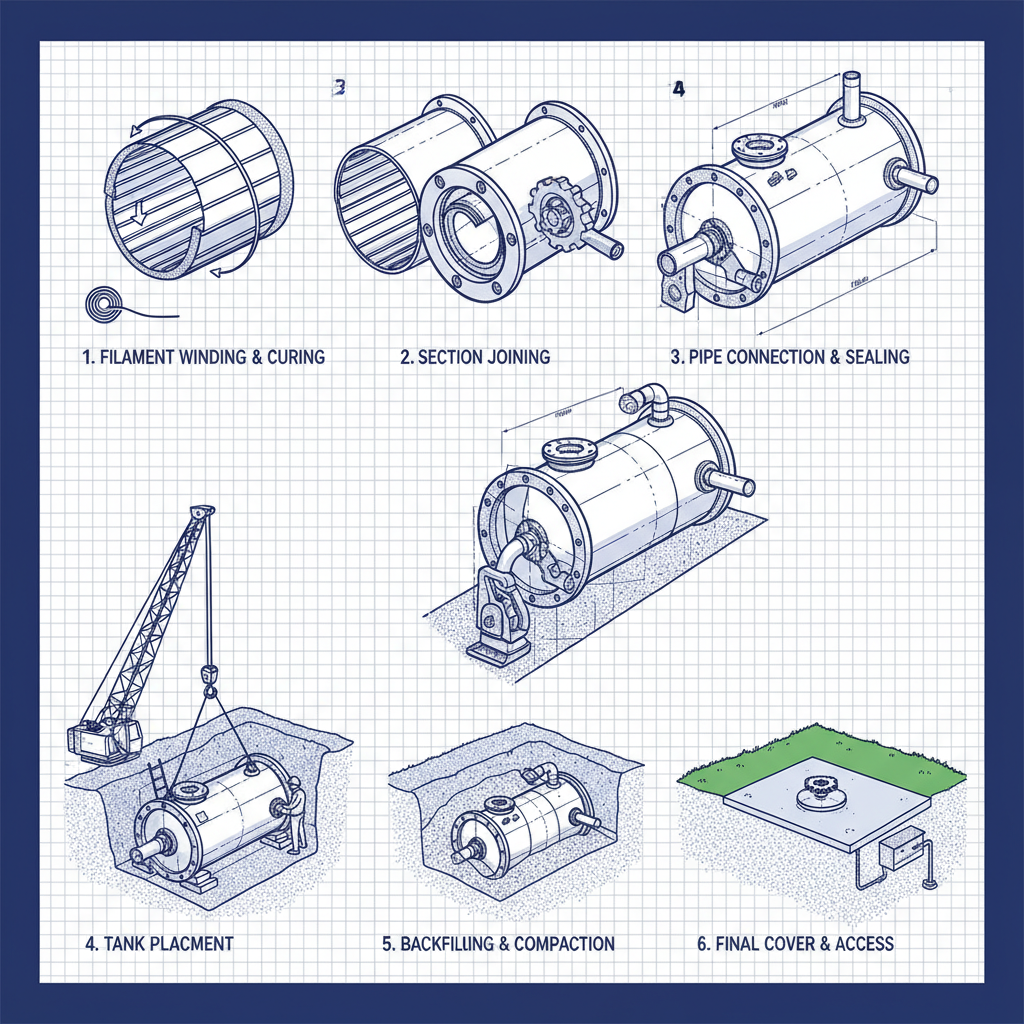
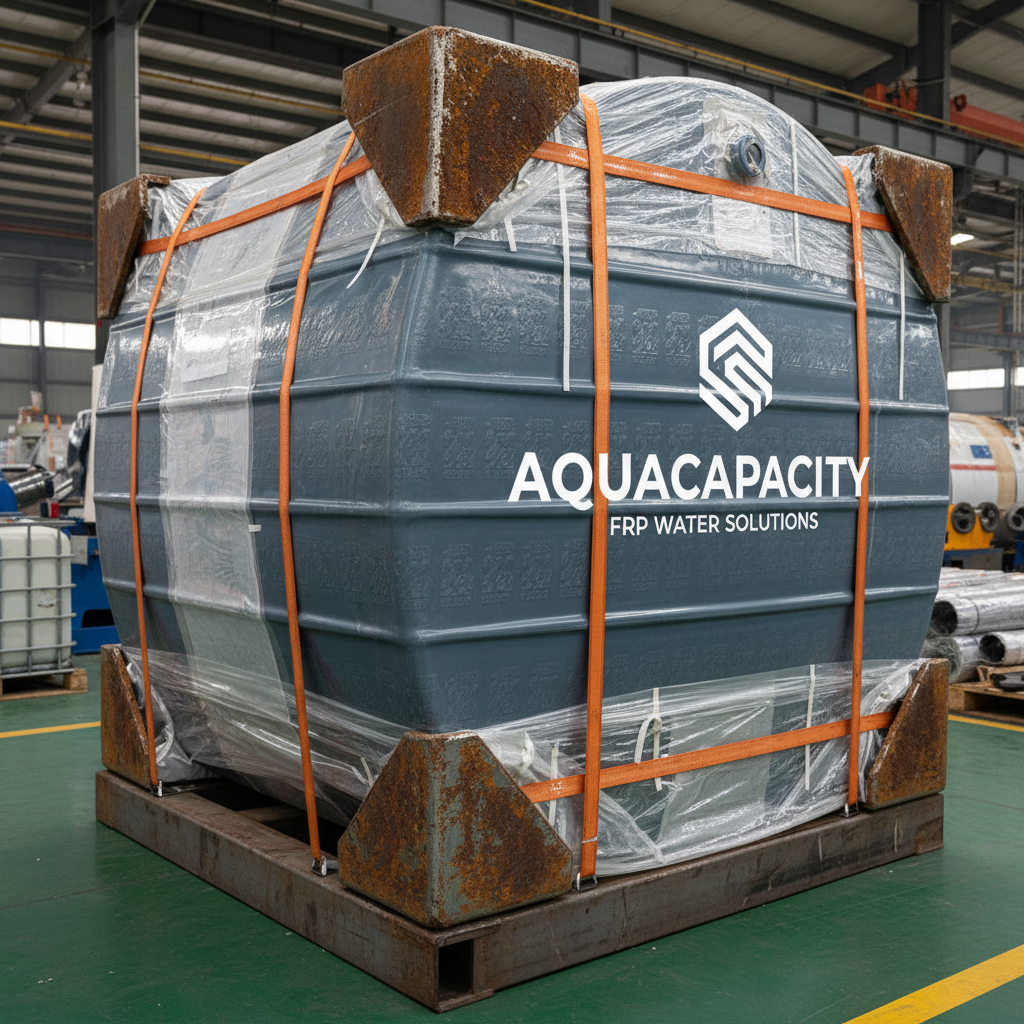
Thanks to the composite structure, GRP tanks are much lighter than concrete or steel counterparts, meaning faster transport and simpler assembly – sometimes with just a small team and minimal equipment.
3. Scalability and Size Options
These tanks come in a range of sizes, from small 500-liter units to massive 100,000-liter or more industrial tanks. Their modular nature allows tailoring capacity to project needs.
4. Cost Effectiveness and Maintenance
While initial prices might be slightly above plastic tanks, over time GRP cylinders save money through lower maintenance, longer lifespan, and fewer replacements.
5. Environmental Sustainability
GRP materials can be recycled and maintain low thermal conductivity, reducing heat gain and minimizing evaporation — all important for conserving resources.
6. Safety and Hygiene Compliance
GRP tanks meet stringent standards (often ISO 9001 and NSF certifications) ensuring the water remains clean and safe for consumption.
Mini takeaway: The composite advantages of GRP cylindrical tanks make them practical for a wide variety of environments, balancing performance and economy cleverly.
Applications Around the Globe: Who Uses GRP Cylindrical Water Tanks and Why?
Across continents, these tanks serve:
- Agricultural Irrigation: Farmers in arid regions like sub-Saharan Africa rely on GRP tanks for water storage between rainy seasons.
- Urban Infrastructure: Municipalities worldwide integrate these tanks into water treatment and fire suppression systems.
- Disaster Relief: NGOs and UN agencies deploy GRP tanks quickly after natural disasters to restore clean water access.
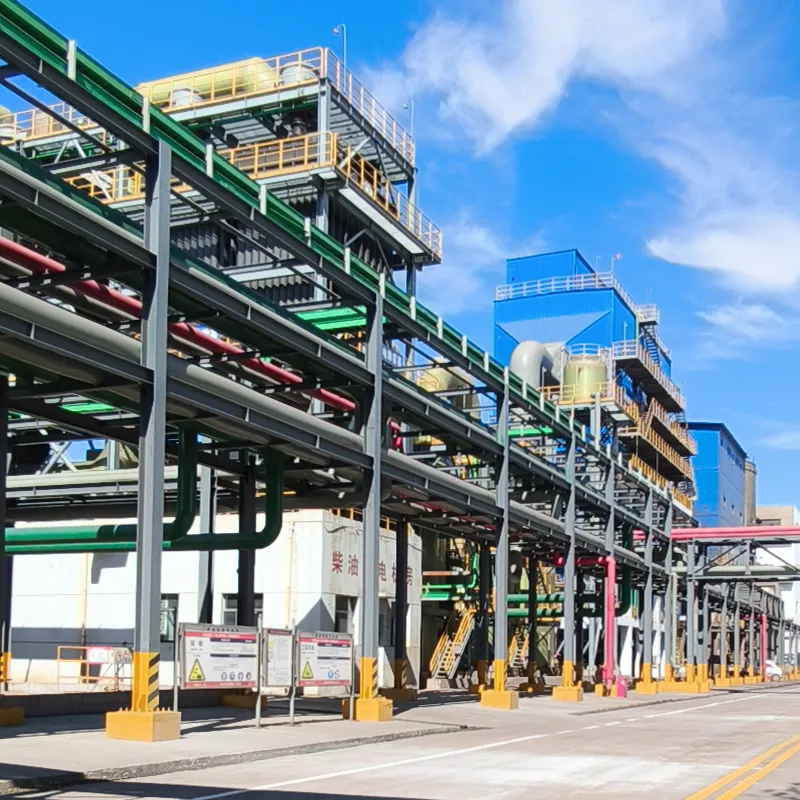
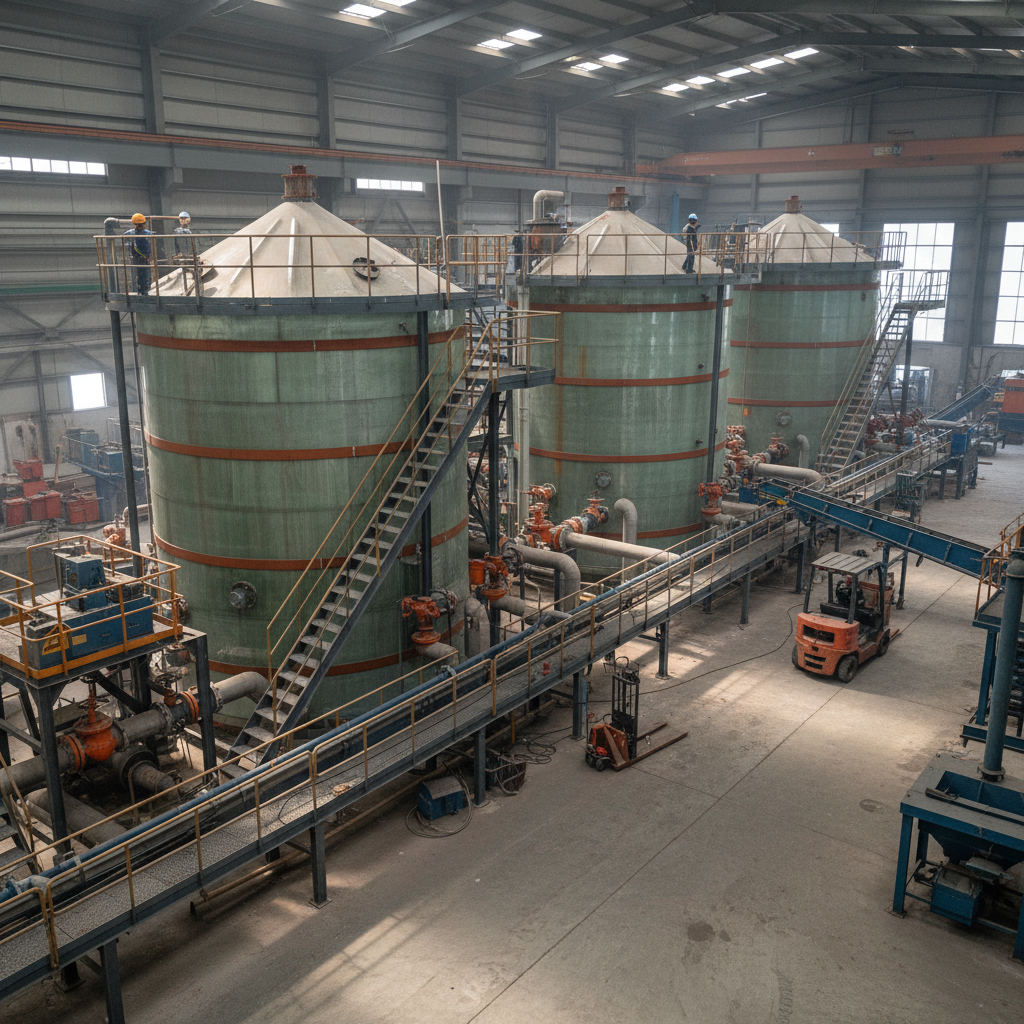
- Industrial Uses: Chemical plants and manufacturing facilities trust GRP tanks for reliable storage of liquids that might corrode metal containers.
Take, for instance, a remote Australian mining operation where these tanks are installed to store potable water, a lifeline for workers miles from any city — the resilience and ease of maintenance prove crucial.
Advantages and Long-Term Value
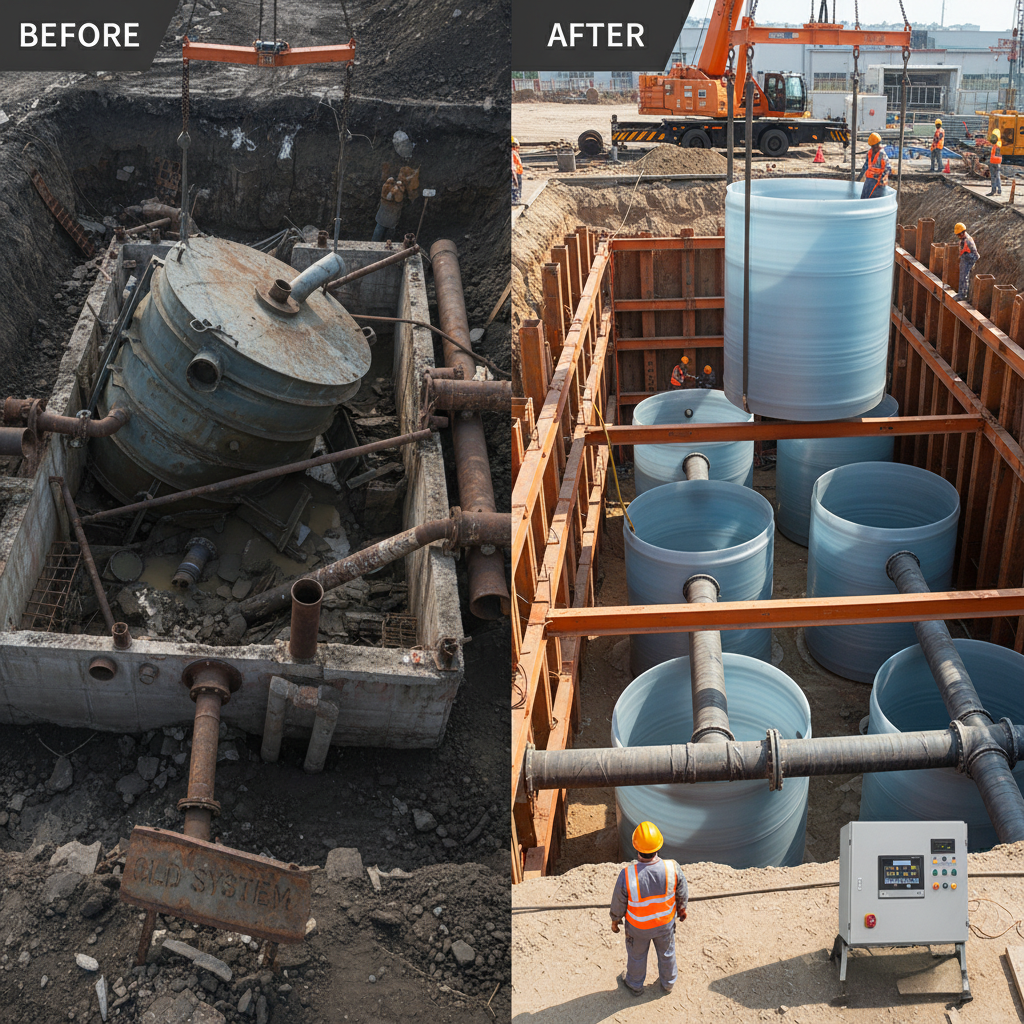
Looking beyond initial specs, the true value lies in sustainability and reliability. GRP tanks not only reduce leakage and contamination risks but also instill confidence that water supplies won’t fail unexpectedly.
The emotional value of safe water — especially in rural or disaster-hit areas — is immense. It preserves community dignity and public health, while supporting innovation in water management.
Product Specification Table
| Specification | Details |
|---|---|
| Material | Glass Reinforced Plastic (GRP) |
| Capacity Range | 500 to 100,000+ liters |
| Shape | Cylindrical |
| Average Weight | Varies by size; approx. 20% lighter than steel equivalent |
| Lifespan | Typically 20-30 years with proper maintenance |
| Certifications | ISO 9001, NSF/ANSI Standard 61 (drinking water safety) |
Leading Vendors Compared: What You Should Know Before Buying
| Vendor | Range (Liters) | Warranty | Unique Features | Lead Time |
|---|---|---|---|---|
| HydroSafe Tanks | 1,000 - 50,000 | 10 years | UV resistant coating + custom fittings | 4-6 weeks |
| AquaPro GRP | 500 - 100,000 | 15 years | Modular panel design for onsite assembly | 6-8 weeks |
| SafeHold Industries | 2,000 - 75,000 | 12 years | Anti-bacterial liner tech + remote monitoring options | 5 weeks |
Emerging Trends & Innovations in GRP Cylindrical Water Tank Technology
The landscape isn’t static. A few exciting developments include:
- Smart Monitoring: Integration of IoT sensors for real-time water level, quality, and structural health monitoring.
- Eco-Friendly Resins: Use of bio-based resins reducing carbon footprint during production.
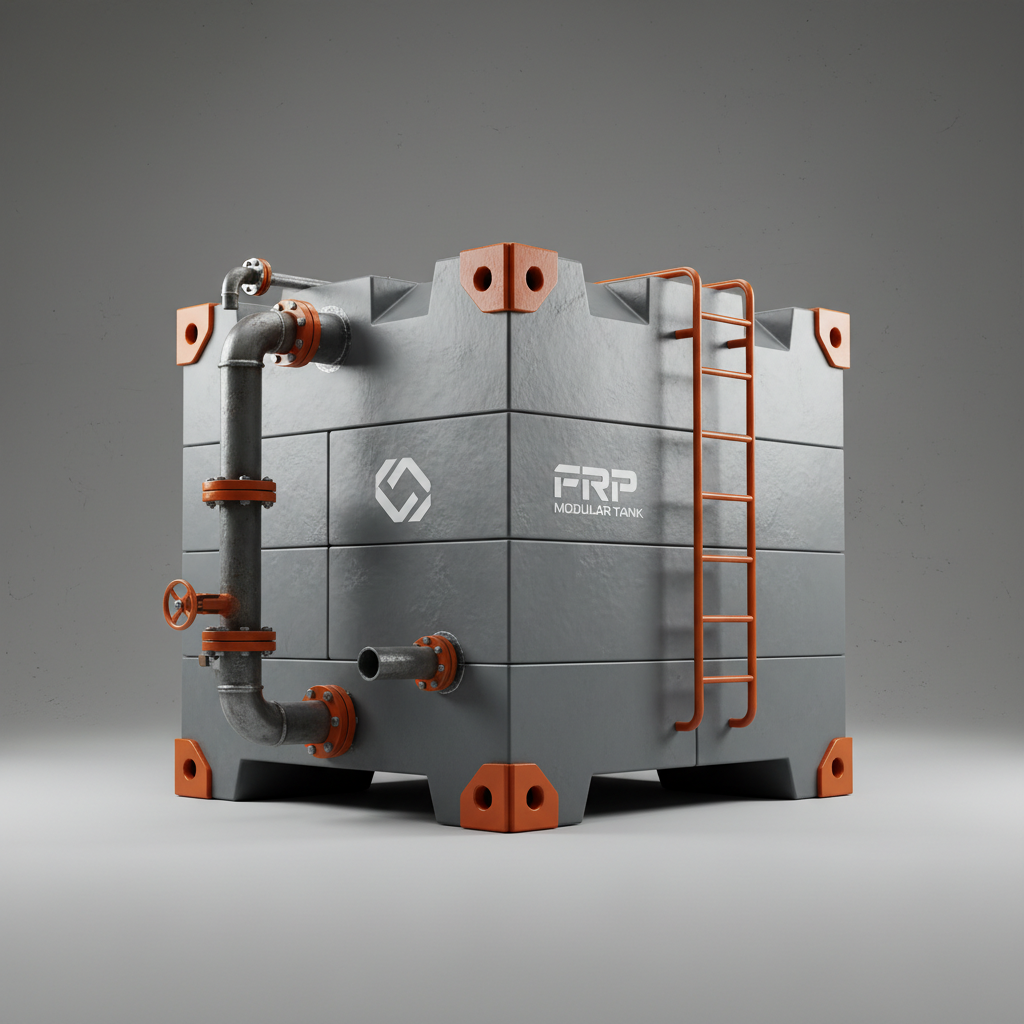
- Modular Designs: Faster shipping and onsite customization through modular panel systems.
- Thermal Insulation Improvements: Minimizing temperature fluctuations to prevent algae and evaporation.
Challenges and Practical Solutions
To be honest, some hurdles remain. For example, GRP tanks can be vulnerable to damage from impact if not properly protected, and incorrect installation can cause stress points leading to leaks.
But many vendors now offer reinforced frameworks and detailed installation manuals. There’s also a growing trend to combine GRP tanks with digital checks to quickly identify and address early wear and tear.
FAQs About GRP Cylindrical Water Tanks
Q1: How long does a typical GRP cylindrical water tank last?
A: With standard maintenance and proper installation, these tanks generally last 20 to 30 years. Factors like climate and usage impact lifespan, but their corrosion resistance largely ensures longevity.
Q2: Can GRP tanks be used for drinking water storage?
A: Absolutely. Most GRP tanks meet NSF/ANSI 61 standards which certify them for potable water storage. The smooth, non-corrosive surface resists bacteria buildup, maintaining water quality.
Q3: Are GRP cylindrical water tanks difficult to transport and install?
A: Not really. Their lightweight and sometimes modular design makes transportation and installation quicker and less costly than heavy steel or concrete tanks.
Q4: How do GRP tanks compare in cost to steel or concrete tanks?
A: While the upfront cost may be higher than some plastic tanks, GRP tanks tend to be cheaper over the long run because they require less maintenance and have a longer life.
Q5: Can these tanks be customized?
A: Yes, many manufacturers offer bespoke options tailored to capacity, connections, and coatings depending on your needs.
Wrapping Up: Why the GRP Cylindrical Water Tank is a Wise Choice
Considering their durability, adaptability, and global application success stories, it’s clear why grp cylindrical water tanks are fast becoming the go-to option for reliable water storage. Whether you’re a municipality, an NGO, or an industrial operation, investing in these tanks means investing in water security and sustainability for years to come. If you want to explore solutions tailored precisely to your project, feel free to visit our website and get in touch.
Final mini takeaway: Smart, resilient, and trusted worldwide — GRP cylindrical tanks have quietly transformed how we think about storing water.
References: