Nov 29,2025

Durable and Efficient 200 Gallon Fiberglass Oil Tank for Reliable Fuel Storage

Understanding the 200 Gallon Fiberglass Oil Tank: Why It Matters Today

When you think about storing oil safely and efficiently, the 200 gallon fiberglass oil tank plays an unexpectedly critical role in countless industries worldwide. It’s not just a container — it’s a small but sturdy piece of infrastructure that ensures fuel is stored securely, transported safely, and used responsibly. From powering emergency generators in remote villages to supporting industrial sites thousands of miles away, these tanks form an unassuming backbone of energy solutions that impact global development, environmental safety, and economic stability.

To really appreciate why fiberglass tanks have gathered such global relevance, consider how the United Nations’ sustainable energy programs emphasize safe fuel handling in off-grid locations. According to the International Energy Agency, nearly 770 million people still lack reliable electricity access, and efficient fuel storage is key to bridging that gap. So, understanding these 200-gallon fiberglass tanks isn’t just an engineer’s concern — it’s about better fuel management, environmental protection, and ultimately, global progress.

A Global Snapshot: The Industry Context of Fiberglass Oil Storage

The global market for fiberglass tanks, especially those sized around 200 gallons, has grown steadily in line with rising fuel consumption and stricter environmental regulations. Reports from ISO suggest that composite materials like fiberglass are favored for their resistance to corrosion and environmental degradation, drastically reducing maintenance and leakage risks compared to conventional steel tanks. These tanks address a chronic issue: storing petroleum products safely in harsh climates or vulnerable locations.

But here’s the crux — many rural or industrial regions contend with diesel or heating oil spills due to outdated storage methods. The 200 gallon fiberglass oil tank offers a compact, robust solution that not only minimizes leaks but also fits local-scale needs where larger tanks would be impractical or prohibitively expensive.

Defining the 200 Gallon Fiberglass Oil Tank

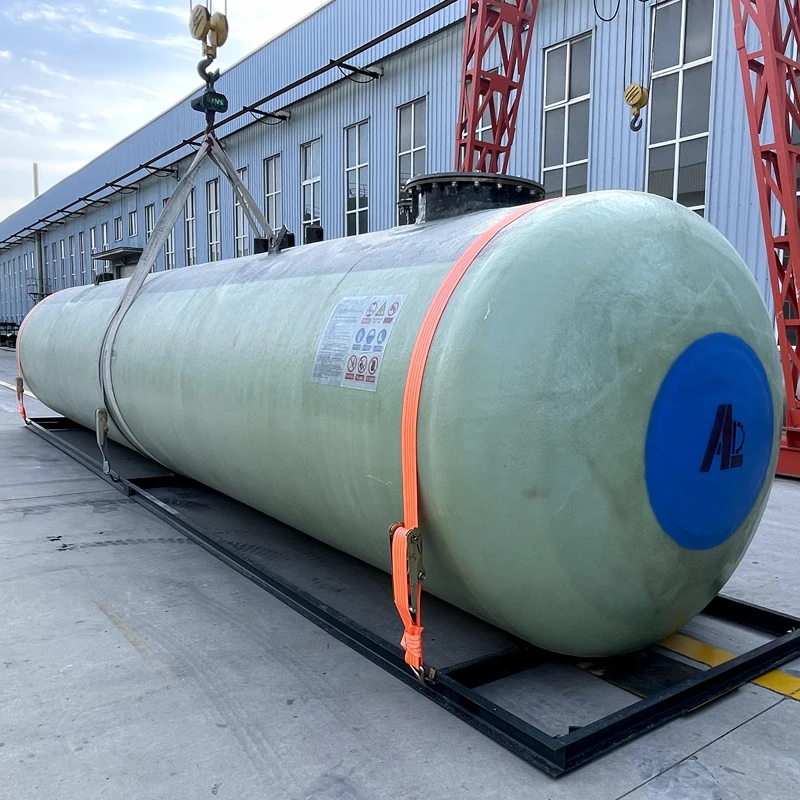
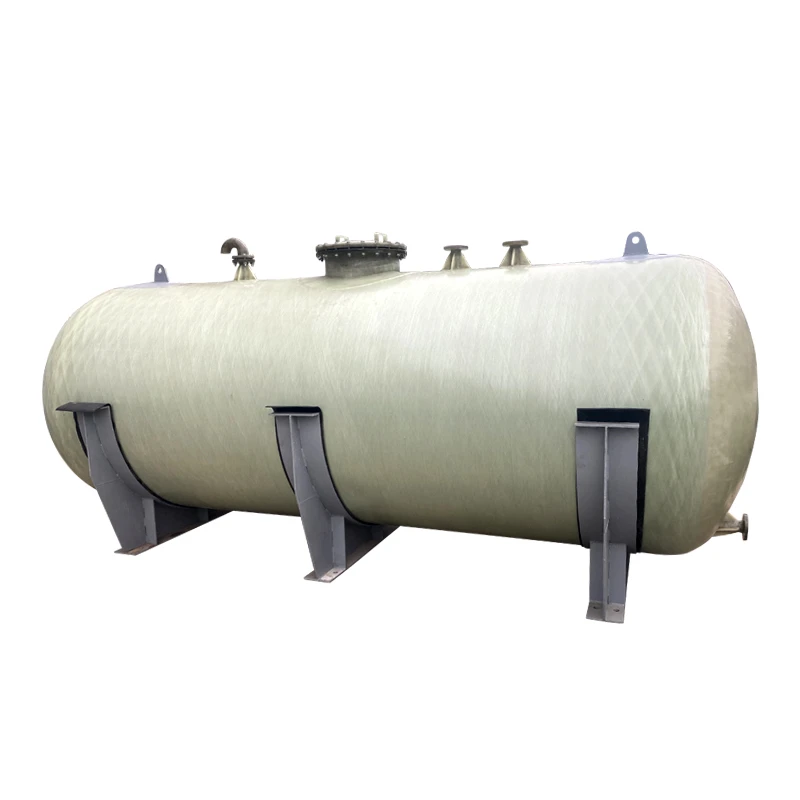
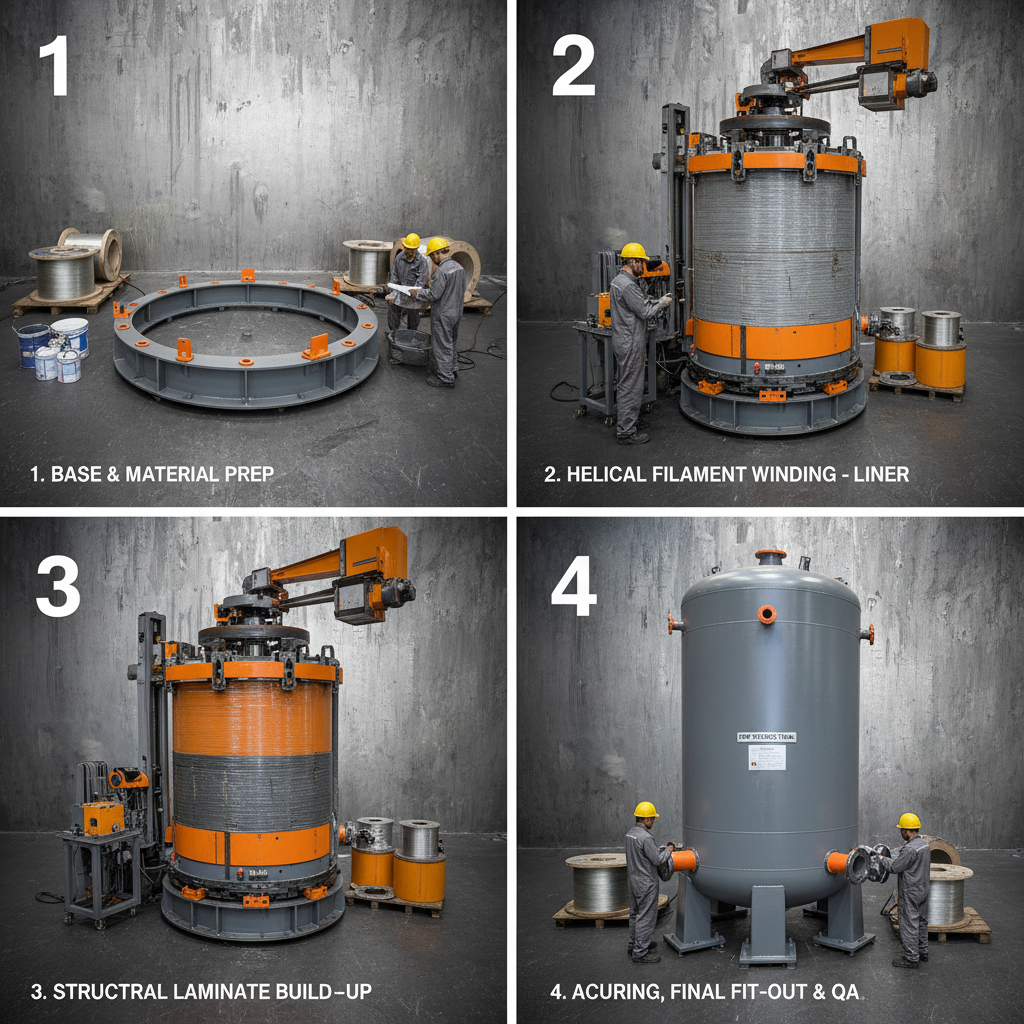
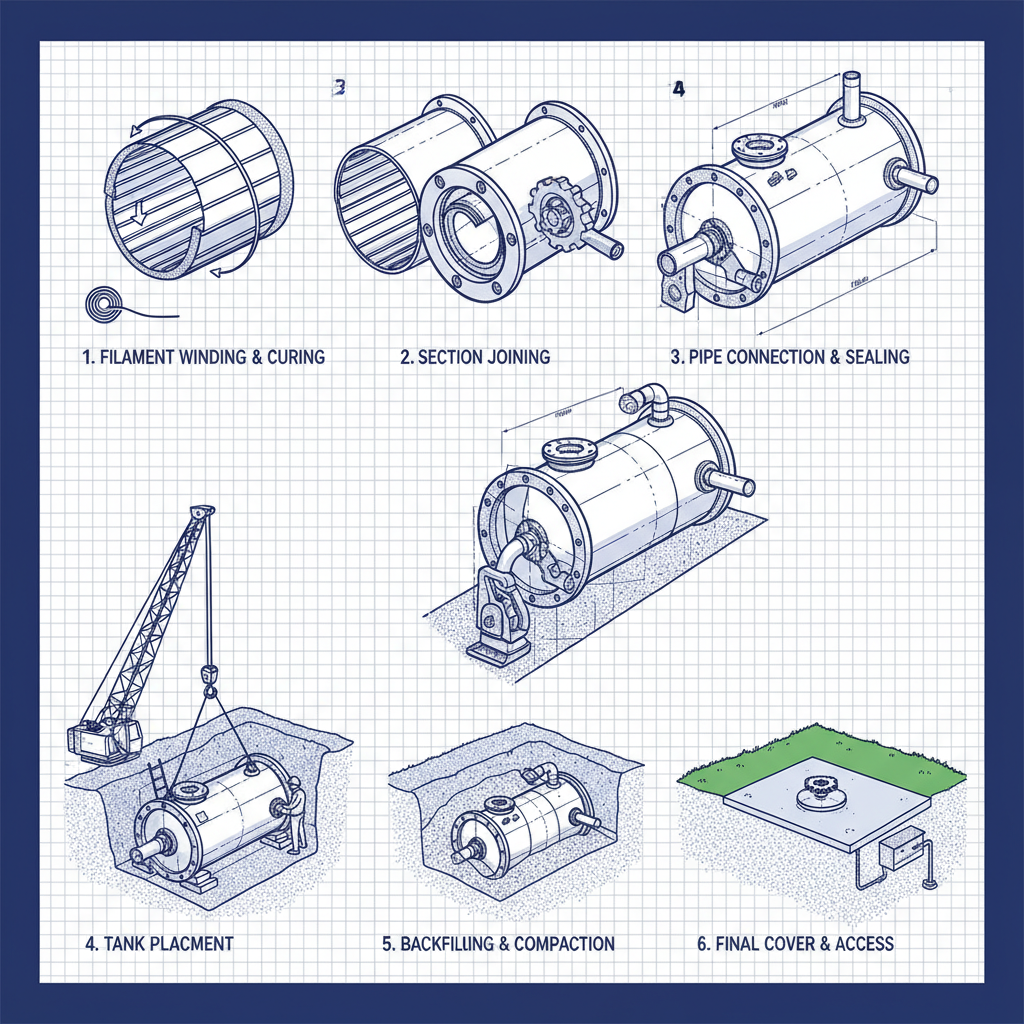
At its core, a 200 gallon fiberglass oil tank is a composite container designed to store oil products, typically heating oil or diesel fuel, with a capacity of roughly 756 liters (or 200 gallons). The tank’s exterior is made from layered fiberglass reinforced plastic (FRP), a material prized for toughness and resistance to corrosion. Inside, the tank can be lined or treated to ensure compatibility with various fuel grades.

Modern industry relies on these tanks for their lightweight build and durability — qualities that steel tanks can’t always guarantee especially in remote or mobile scenarios. You’ll find them not only powering construction sites but also supporting humanitarian operations where fuel access determines the success or failure of critical missions.

Core Aspects of the 200 Gallon Fiberglass Oil Tank

Durability

Fiberglass tanks resist corrosion from weather and chemicals better than traditional metal tanks. This longevity means less frequent replacement — a big factor where transport costs are high or environmental impact is a concern.

Lightweight Portability

At around a quarter the weight of equivalent steel tanks, fiberglass models significantly reduce logistics headaches. Moving a full 200 gallon tank through rough terrain or installing it inside confined spaces feels far more manageable.

Cost Efficiency

Though the upfront price can be slightly more than steel, the savings on maintenance and environmental compliance often tip the scale in fiberglass tank’s favor. Over time, companies see better total cost of ownership.

Safety Features

Incorporating materials that resist sparks and chemical reactions, these tanks offer a safer storage option, especially in settings where personnel safety and environmental protection are paramount.

Customization Options

Sizes, fittings, and valve configurations can often be tailored to specific user needs — from individual home heating applications to fully integrated industrial fuel systems.

Mini Takeaway:

Fiberglass oil tanks offer a sophisticated balance of durability, safety, and cost-effectiveness — making them a dependable choice across diverse uses.

Where Does the 200 Gallon Fiberglass Oil Tank Shine Globally?

The diversity of applications is wider than most imagine. For example, in northern Europe, 200 gallon fiberglass oil tanks store heating oil for remote households, reducing freeze damage and leaks. In Africa and Asia, NGOs rely on these tanks to power diesel generators that keep clinics and schools running off the grid.

Industrial sites as far-flung as Latin America deploy them onsite to store fuel for mining equipment, where corrosion and rough environments would quickly ravage steel tanks. Even disaster relief efforts, say after hurricanes or earthquakes, depend on durable, portable tanks to secure enough fuel for emergency power systems, communications, and transport.

Global Use Table

Region Primary Use Industry/Organization Key Benefit
Northern Europe Residential heating oil storage Homeowners, utilities Freeze resistance and leak prevention
Sub-Saharan Africa Portable diesel storage for generators NGOs, medical clinics Reliable power supply in off-grid areas
South America Fuel storage for mining equipment Mining companies Corrosion resistance in harsh environments
United States Emergency fuel storage for disaster response Government agencies, relief organizations Portability and durability in crisis zones

Product Specifications of a Typical 200 Gallon Fiberglass Oil Tank

Specification Detail
Capacity Approximately 200 gallons / 756 liters
Material Fiberglass Reinforced Plastic (FRP) with resin liner
Dimensions (approx.) Height: 40-45 inches; Diameter: 24-28 inches
Weight (empty) ~75-90 lbs (34-41 kg)
Resistance Corrosion, UV radiation, chemical exposure
Typical fittings Fill ports, vent valves, level gauges, locking caps

Top Vendors Compared: Choosing Your 200 Gallon Fiberglass Oil Tank

Vendor Key Features Warranty Price Range (USD)
FibroTank Solutions Customizable fittings, high UV resistance, lightweight design 10 years $700 - $900
EcoFuel Tanks Inc. Eco-friendly resins, enhanced corrosion protection 8 years $650 - $850
SafeStor Fiberglass Integrated safety valves, easy portability features 12 years $750 - $950

Why Choose a 200 Gallon Fiberglass Oil Tank? Advantages & Long-Term Value

Frankly, the choice boils down to reliability and peace of mind. Fiberglass oil tanks reduce the risk of leaks that damage soil and water — a concern gaining attention worldwide with increasingly rigorous environmental laws. On the economic front, the lower maintenance needs reduce lifetime costs, and the tank’s light weight means easier installation without requiring heavy equipment.

But there’s also an emotional side to this: knowing that critical equipment — essential for heating a home in winter or powering a field hospital in a disaster zone — rests safely inside a robust vessel is reassuring. Many operators I've talked to say they trust fiberglass tanks for that reason alone.

Innovations and What the Future Holds

The industry is buzzing with new coatings and monitoring technologies. Smart sensors embedded within fiberglass tanks now can monitor fuel levels remotely, reducing guesswork and theft risks. Additionally, research into green resin alternatives could make future tanks even more sustainable, aligning with the global push for greener energy infrastructures.

Oddly enough, as digital transformation sweeps through industries, even something as “simple” as a fiberglass tank is becoming a platform for innovation — especially in remote monitoring and automated fuel management.

Common Challenges & How the Industry Tackles Them

While fiberglass resists corrosion, extreme UV exposure or improper installation can cause damage. Also, not all tanks on the market meet strict certification standards, which sometimes leads to product inconsistencies. The solution? Relying on trusted manufacturers with industry certifications and conducting regular inspections.

In some remote locations, refurbishing or replacing tanks can also be challenging, but modular frames and lightweight designs help ease transportation. It really comes down to choosing the right tank for your environment and usage patterns.

FAQ: What People Ask About 200 Gallon Fiberglass Oil Tanks

  • How long does a typical 200 gallon fiberglass oil tank last?
    With proper care and installation, these tanks usually last 15-20 years, sometimes longer. Durability depends on exposure, maintenance, and usage. Routine inspections greatly enhance lifespan.
  • Can fiberglass tanks handle all types of heating oil?
    Yes, they’re designed to accommodate most standard heating oils and diesel fuels. Always check manufacturer specs to ensure compatibility with specific fuel types or additives.
  • Are fiberglass tanks safe in cold climates?
    Absolutely. Their corrosion resistance and thermal properties make them ideal for freezing or damp environments. Plus, their lightweight makes installation easier in snowy areas.
  • Is it easy to transport a full 200 gallon fiberglass tank?
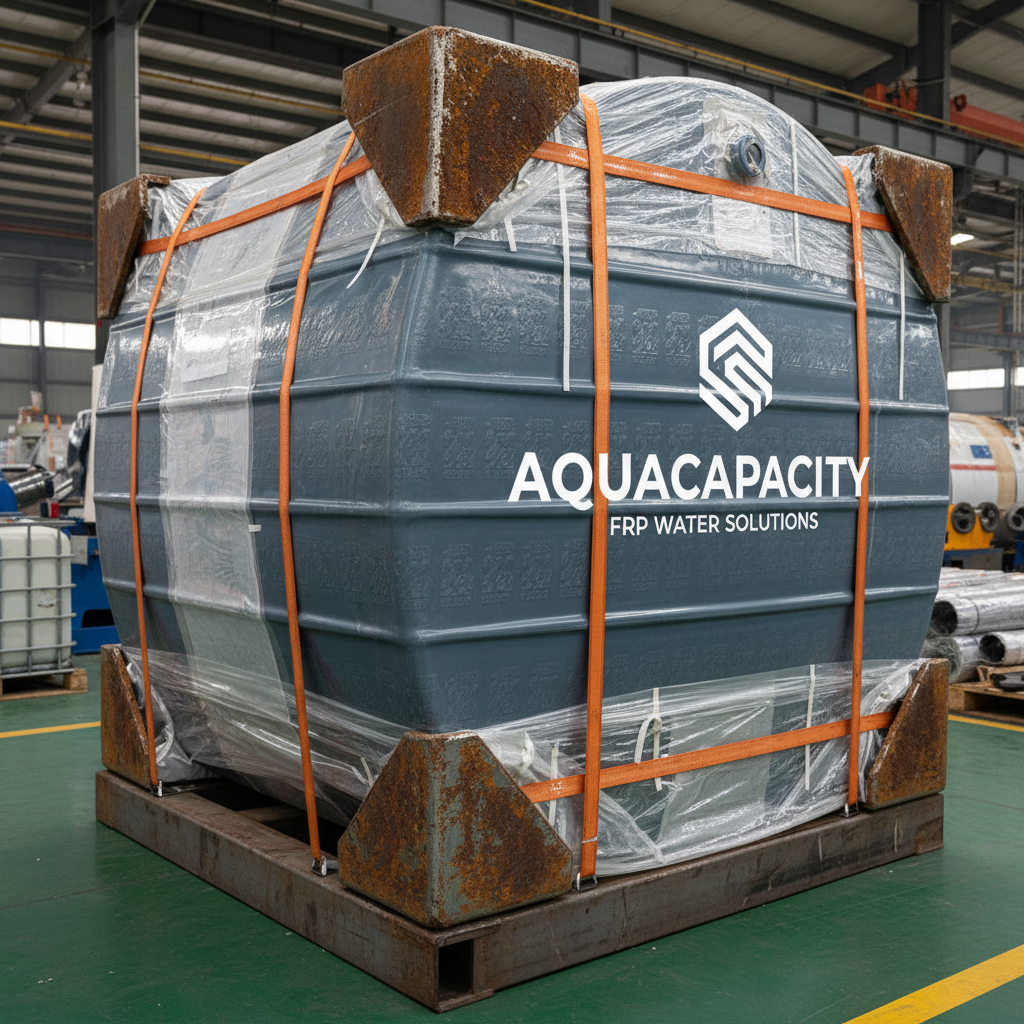
    They’re much lighter than steel alternatives, but transporting a full tank requires caution and proper securing. Many vendors offer specialized pallet or frame options for safer moves.
  • Can NGOs or organizations import these tanks internationally?
    Yes. Many manufacturers support international shipping and provide certifications needed for customs clearance. It’s best to ask vendors about export support early in the procurement process.

Wrapping Up: Long-Term Benefits & Next Steps

Embracing a 200 gallon fiberglass oil tank means investing in a solution that balances cost, durability, and safety — factors that really come into play over years and across geographies. Whether you’re powering a rural clinic in an emerging region, managing fuel at a construction site, or securing backup heating oil at home, these tanks simplify logistics and build resilience.

Interested in exploring your options? Visit our website https://www.frpgrpmachine.com for a detailed catalogue and expert consultation — because when it comes to storing fuel, the right tank makes all the difference.
References

  1. International Energy Agency – Access to Electricity Report
  2. Fiberglass - Wikipedia
  3. ISO Standards — Fiberglass Products
Upsell Products
Upsell News
Durable FRP Vessel for Water Treatment and Industrial Filtration
Apr 16,2026
Durable FRP Vessel for Water Treatment and Industrial Filtration
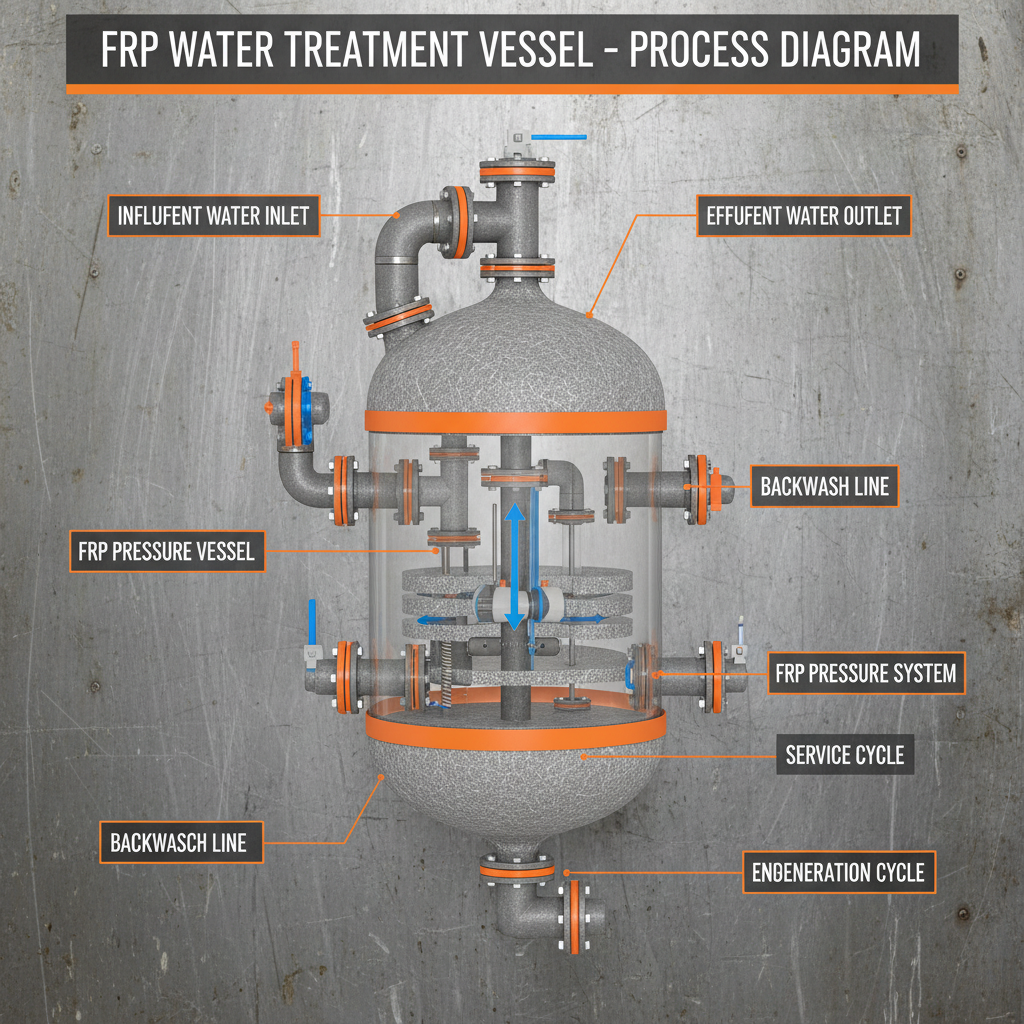
In the modern era of industrial and residential water purification, the choice of containment materials is critical for efficiency and longevity. An frp vessel for water treatment has emerged as the gold standard, replacing traditional steel tanks due to its superior corrosion resistance and lightweight properties. Whether you are dealing with desalination, softening, or filtration, using Fiber Reinforced Plastic (FRP) ensures that your system remains leak-proof and durable against aggressive chemicals. In this comprehensive guide, we will explore why FRP is the preferred choice for water treatment professionals worldwide and how to select the right vessel for your specific application.
Industrial Guide for Choosing the Right FRP Vertical Tank
Apr 09,2026
Industrial Guide for Choosing the Right FRP Vertical Tank
In today's industrial landscape, the storage of corrosive chemicals and aggressive liquids requires materials that can withstand extreme conditions without degrading. The frp vertical tank has emerged as a premier solution, offering an exceptional balance of strength, lightweight properties, and unmatched chemical resistance. Whether you are managing a water treatment plant or a chemical processing facility, understanding the nuances of Fiber Reinforced Plastic (FRP) is essential for ensuring operational safety and longevity. In this comprehensive guide, we will explore why vertical configurations are preferred and how these tanks outperform traditional metal alternatives.
Comprehensive Guide to FRP Underground Water Tank Solutions and Applications
Apr 07,2026
Comprehensive Guide to FRP Underground Water Tank Solutions and Applications
Fiberglass Reinforced Polymer (FRP) underground water tanks are becoming increasingly popular for a wide range of applications, from potable water storage to industrial wastewater containment. Their superior corrosion resistance, lightweight nature, and design flexibility make them an excellent alternative to traditional materials like concrete or steel. This article will delve into the benefits, applications, construction, and considerations for implementing FRP underground water tanks, providing a comprehensive overview for engineers, contractors, and project managers.
Comprehensive Guide to Frp Underground Water Storage Tanks and Their Applications
Apr 04,2026
Comprehensive Guide to Frp Underground Water Storage Tanks and Their Applications
When considering water storage solutions, particularly for industrial, agricultural, or municipal applications, frp underground water storage tanks stand out as a durable, cost-effective, and environmentally friendly option. These tanks are increasingly favored over traditional materials like concrete or steel due to their superior corrosion resistance, lighter weight, and ease of installation. This article delves into the benefits, applications, construction, and considerations when choosing an FRP tank, providing a detailed overview for potential buyers and project planners.
Sulfuric Acid Production Line - Hebei Aoliande|Efficient H2SO4 Plant Technology
Apr 01,2026
Sulfuric Acid Production Line - Hebei Aoliande|Efficient H2SO4 Plant Technology
Discover efficient H2SO4 plant technology and advanced sulfuric acid production solutions. Hebei Aoliande combines energy-saving furnace design and eco-friendly HCl recovery systems for sustainable industrial applications. Explore now: https://www.frpgrpmachine.com/sulfuric-acid-production-line-for-h2so4-plant.html
Sulfuric Acid Production Line - Hebei Aoliande|Efficient H2SO4 Plant Technology
Apr 01,2026
Sulfuric Acid Production Line - Hebei Aoliande|Efficient H2SO4 Plant Technology
Discover efficient H2SO4 plant technology and advanced sulfuric acid production solutions. Hebei Aoliande combines energy-saving furnace design and eco-friendly HCl recovery systems for sustainable industrial applications. Explore now: https://www.frpgrpmachine.com/sulfuric-acid-production-line-for-h2so4-plant.html
Sulfuric Acid Production Line - Hebei Aoliande|Efficient H2SO4 Plant Technology
Apr 01,2026
Sulfuric Acid Production Line - Hebei Aoliande|Efficient H2SO4 Plant Technology
Discover efficient H2SO4 plant technology and advanced sulfuric acid production solutions. Hebei Aoliande combines energy-saving furnace design and eco-friendly HCl recovery systems for sustainable industrial applications. Explore now: https://www.frpgrpmachine.com/sulfuric-acid-production-line-for-h2so4-plant.html
Sulfuric Acid Production Line - Hebei Aoliande|Efficient H2SO4 Plant Technology
Apr 01,2026
Sulfuric Acid Production Line - Hebei Aoliande|Efficient H2SO4 Plant Technology
Discover efficient H2SO4 plant technology and advanced sulfuric acid production solutions. Hebei Aoliande combines energy-saving furnace design and eco-friendly HCl recovery systems for sustainable industrial applications. Explore now: https://www.frpgrpmachine.com/sulfuric-acid-production-line-for-h2so4-plant.html
Sulfuric Acid Production Line - Hebei Aoliande|Efficient H2SO4 Plant Technology
Apr 01,2026
Sulfuric Acid Production Line - Hebei Aoliande|Efficient H2SO4 Plant Technology
Discover efficient H2SO4 plant technology and advanced sulfuric acid production solutions. Hebei Aoliande combines energy-saving furnace design and eco-friendly HCl recovery systems for sustainable industrial applications. Explore now: https://www.frpgrpmachine.com/sulfuric-acid-production-line-for-h2so4-plant.html
Sulfuric Acid Production Line - Hebei Aoliande|Efficient H2SO4 Plant Technology
Apr 01,2026
Sulfuric Acid Production Line - Hebei Aoliande|Efficient H2SO4 Plant Technology
Discover efficient H2SO4 plant technology and advanced sulfuric acid production solutions. Hebei Aoliande combines energy-saving furnace design and eco-friendly HCl recovery systems for sustainable industrial applications. Explore now: https://www.frpgrpmachine.com/sulfuric-acid-production-line-for-h2so4-plant.html
Comprehensive Guide to Frp Underground Storage Tanks for Reliable Storage Solutions
Mar 31,2026
Comprehensive Guide to Frp Underground Storage Tanks for Reliable Storage Solutions
Fiberglass Reinforced Polymer (FRP) underground storage tanks are becoming increasingly popular for a wide range of applications, from fuel storage to wastewater management. Their corrosion resistance, lightweight nature, and durability offer significant advantages over traditional materials like steel. This article will provide an in-depth look at FRP underground storage tanks, covering their benefits, applications, installation, and maintenance. Understanding these aspects is crucial for making informed decisions about long-term storage solutions.
Comprehensive Guide to Selecting the Ideal FRP Tank for Water Storage Solutions
Mar 28,2026
Comprehensive Guide to Selecting the Ideal FRP Tank for Water Storage Solutions
When it comes to reliable and durable water storage, FRP tanks for water are increasingly becoming the preferred solution for a wide range of applications. These tanks, constructed from Fiber Reinforced Polymer (FRP) materials, offer significant advantages over traditional storage options like steel or concrete. This article delves into the benefits, applications, and considerations when selecting an FRP tank for your water storage needs, providing a detailed overview for businesses and individuals alike.
Comprehensive Guide to Frp Tank and Vessel Applications and Manufacturing
Mar 26,2026
Comprehensive Guide to Frp Tank and Vessel Applications and Manufacturing
Fiber Reinforced Polymer (FRP) tanks and vessels are increasingly becoming the preferred choice for storage and processing across a multitude of industries. Their lightweight nature, corrosion resistance, and design flexibility offer significant advantages over traditional materials like steel. This article will delve into the intricacies of FRP tanks and vessels, exploring their applications, manufacturing processes, benefits, and considerations for selecting the right solution for your specific needs. We’ll also highlight why FRP tanks are a cost-effective and reliable long-term investment. FRP tanks and vessels are constructed from a combination of reinforcing fibers (such as fiberglass, carbon fiber, or aramid fiber) embedded in a polymer matrix (typically polyester, vinyl ester, or epoxy resin). This combination creates a composite material that boasts high strength-to-weight ratio, exceptional corrosion resistance, and the ability to be molded into complex shapes. They’re designed to safely contain a wide variety of liquids and gases, ranging from corrosive chemicals and water to food products and pharmaceuticals.
Optimizing Water Filtration with Durable FRP Sand Filter Vessels
Mar 24,2026
Optimizing Water Filtration with Durable FRP Sand Filter Vessels
In water treatment and filtration systems, the choice of filter vessel material is paramount. Fiber Reinforced Plastic (FRP), also known as Glass Reinforced Polymer (GRP), sand filter vessels are increasingly popular due to their superior corrosion resistance, lightweight nature, and cost-effectiveness. This article delves into the benefits, applications, design considerations, and factors to consider when selecting an FRP sand filter vessel. Whether you are involved in municipal water treatment, industrial wastewater management, or recreational water filtration, understanding FRP technology is essential for optimizing your filtration process. An FRP sand filter vessel is a containment unit designed to house filtration media, typically sand, gravel, and anthracite. These vessels are integral components in sand filtration systems used for removing suspended solids, turbidity, and other particulate matter from water. FRP construction involves layering glass fibers within a resin matrix (typically polyester or vinyl ester) to create a strong, durable, and chemically resistant shell. The strength and rigidity of the vessel are crucial for withstanding the pressure from the filtration media and the water flow.
Comprehensive Guide to FRP Round Tanks Applications and Benefits
Mar 21,2026
Comprehensive Guide to FRP Round Tanks Applications and Benefits
Fiber Reinforced Polymer (FRP) round tanks are increasingly becoming the preferred choice for storage solutions across a variety of industries. Their lightweight nature, corrosion resistance, and design flexibility offer significant advantages over traditional materials like steel. This article provides an in-depth look at FRP round tanks, exploring their applications, benefits, manufacturing processes, and key considerations when choosing the right tank for your needs. Whether you're in chemical processing, water treatment, or agriculture, understanding FRP round tanks is crucial for optimizing your storage infrastructure. FRP round tanks are constructed from a combination of reinforcing fibers (typically fiberglass, carbon fiber, or a blend) embedded in a polymer matrix (often polyester, vinyl ester, or epoxy resin). The round shape inherently provides excellent structural strength, distributing pressure evenly across the tank’s surface.
Comprehensive Guide to FRP Pressure Tanks Benefits and Applications
Mar 19,2026
Comprehensive Guide to FRP Pressure Tanks Benefits and Applications
Fiber Reinforced Polymer (FRP) pressure tanks are becoming increasingly popular in a wide range of industrial applications, offering a compelling alternative to traditional steel tanks. Known for their lightweight nature, corrosion resistance, and high strength-to-weight ratio, FRP tanks provide efficient and durable solutions for storing liquids and gases under pressure. This article will delve into the benefits, applications, construction, and key considerations when selecting an FRP pressure tank, helping you make an informed decision for your specific needs. Understanding the advantages of FRP technology can lead to significant cost savings and improved operational efficiency. Compared to steel, FRP pressure tanks offer several key advantages. The most significant is their superior corrosion resistance. Unlike steel, which is susceptible to rust and corrosion when exposed to various chemicals, FRP materials are inherently resistant to a wide range of corrosive substances. This translates to a longer lifespan, reduced maintenance costs, and increased safety. Furthermore, FRP is significantly lighter than steel, making installation easier and reducing transportation costs.
For More Details Pls Contact Us
Thank you for your interest in our gloves! We offer high-quality, durable, and comfortable gloves with fast delivery and competitive prices. For any questions or customization, feel free to contact us. We look forward to working with you!

If you are interested in our products, you can choose to leave your information here, and we will be in touch with you shortly.