Durable and Efficient Boiler Chemical Feed Tanks for Safe Industrial Operation
Understanding Boiler Chemical Feed Tanks: Why They Matter Globally
If you’ve ever thought about what keeps massive steam boilers running safely and efficiently, the humble boiler chemical feed tank probably doesn’t come to mind — until something goes wrong. But these tanks, which store and deliver carefully measured chemicals into boiler systems, play a critical role worldwide. They ensure the water inside boilers stays corrosion-free, scale-free, and ready to churn out steam reliably for everything from power plants to manufacturing lines.
Globally, managing boiler water chemistry is no niche concern. According to the International Energy Agency, nearly 40% of the world’s electricity comes from steam turbines powered by boilers, so optimizing the chemicals that regulate these systems isn't just about equipment — it’s about energy security, safety, and environmental impact. Getting to know how a boiler chemical feed tank functions can make a surprising difference whether you design, operate, or maintain industrial boilers.
Mini takeaway: Boiler chemical feed tanks are small but mighty — crucial for maintaining boiler health and, quietly, supporting global energy and industry sectors.
Global Context: Why Boiler Chemical Feed Tanks Are Critical Today
Boilers are everywhere: in power stations powering cities, refineries turning crude into fuels, paper mills making things we use daily, and even in the food and pharma industries. Yet despite their ubiquity, the need to carefully dose chemicals that protect boilers is sometimes overlooked. The United Nations Industrial Development Organization (UNIDO) reports that improper boiler water treatment causes up to 25% efficiency loss in many industries worldwide — a staggering figure.
Moreover, poor water chemistry management leads to corrosion, scale buildup, and even safety hazards like boiler explosions. Here’s where the boiler chemical feed tank steps up — by precisely storing and dosing additives like oxygen scavengers, pH adjusters, and anti-scalants. In regions with aging infrastructure or water quality challenges—think parts of South Asia, Africa, and Eastern Europe—this technology can be a game changer in preventing downtime and costly repairs.
Mini takeaway: On a global scale, chemical feed tanks help cut energy waste, improve industrial safety, and extend the lifespan of vital equipment.
What Exactly Is a Boiler Chemical Feed Tank?
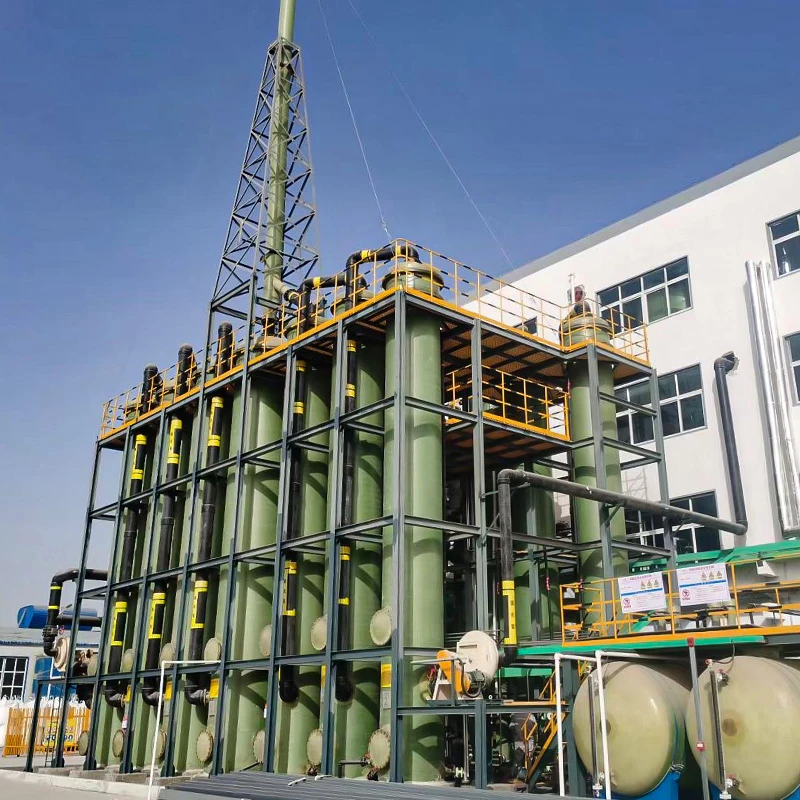
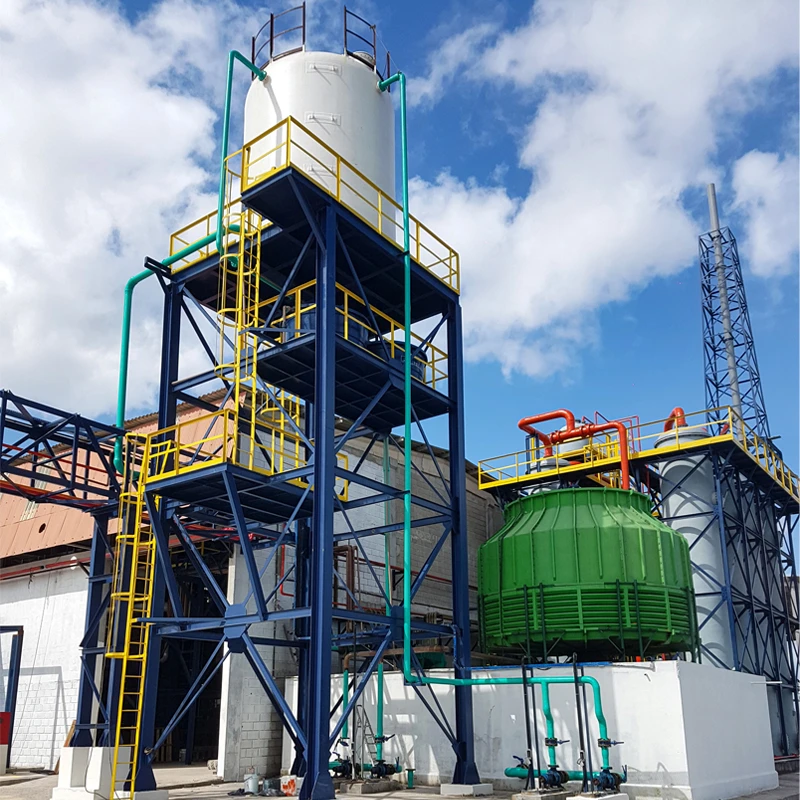
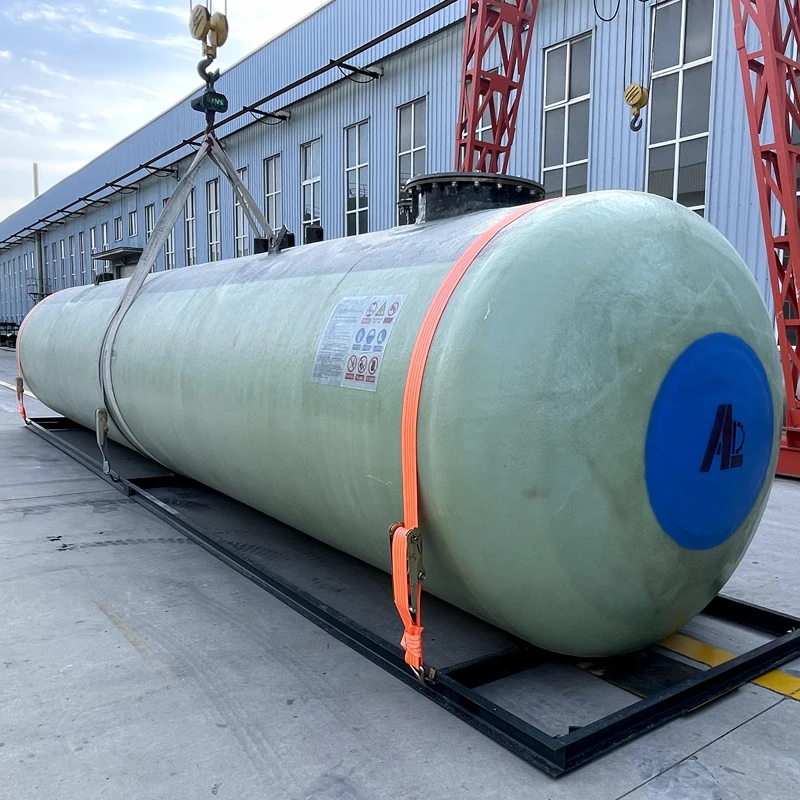
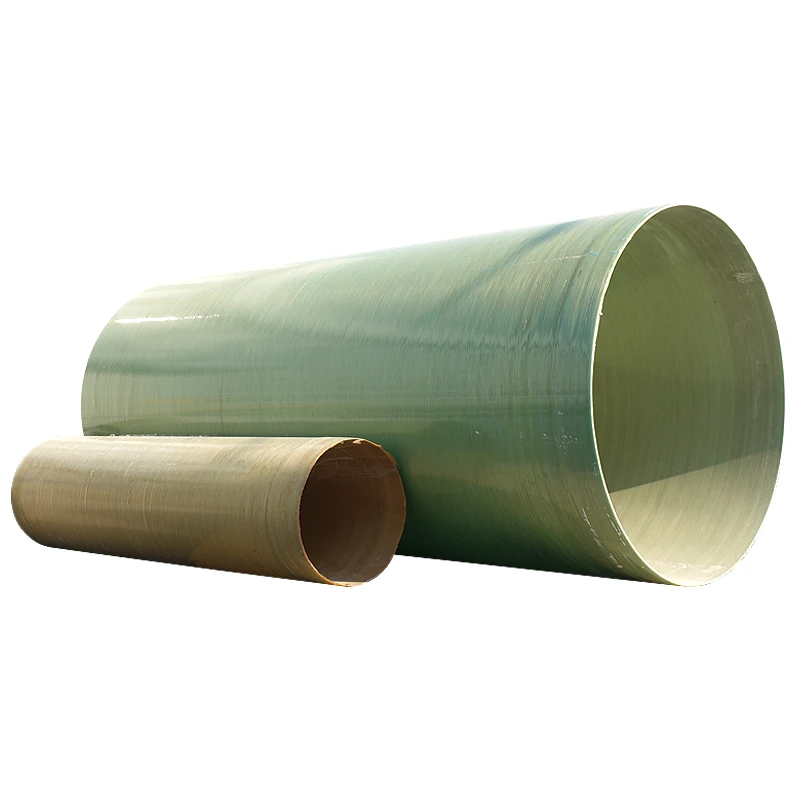
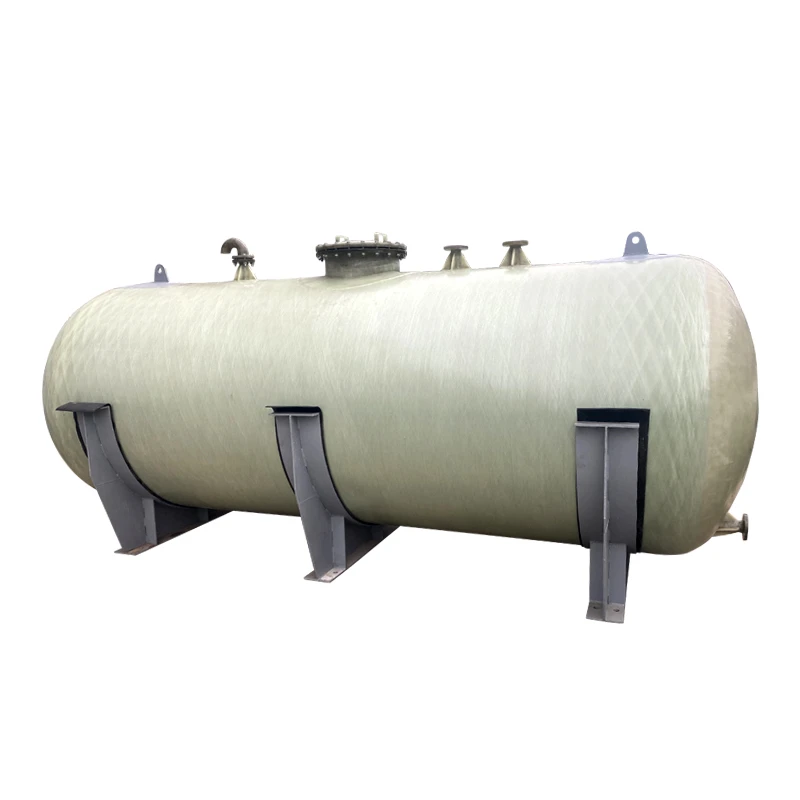
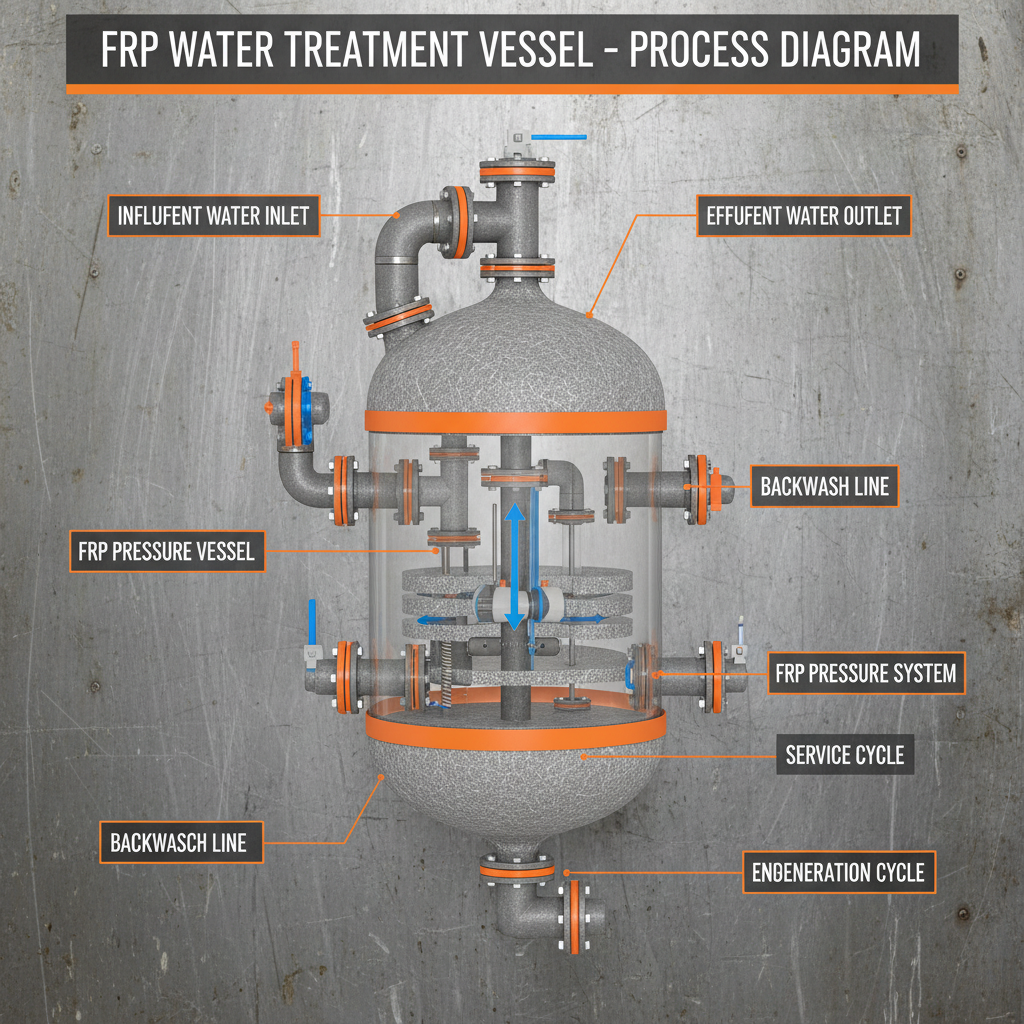
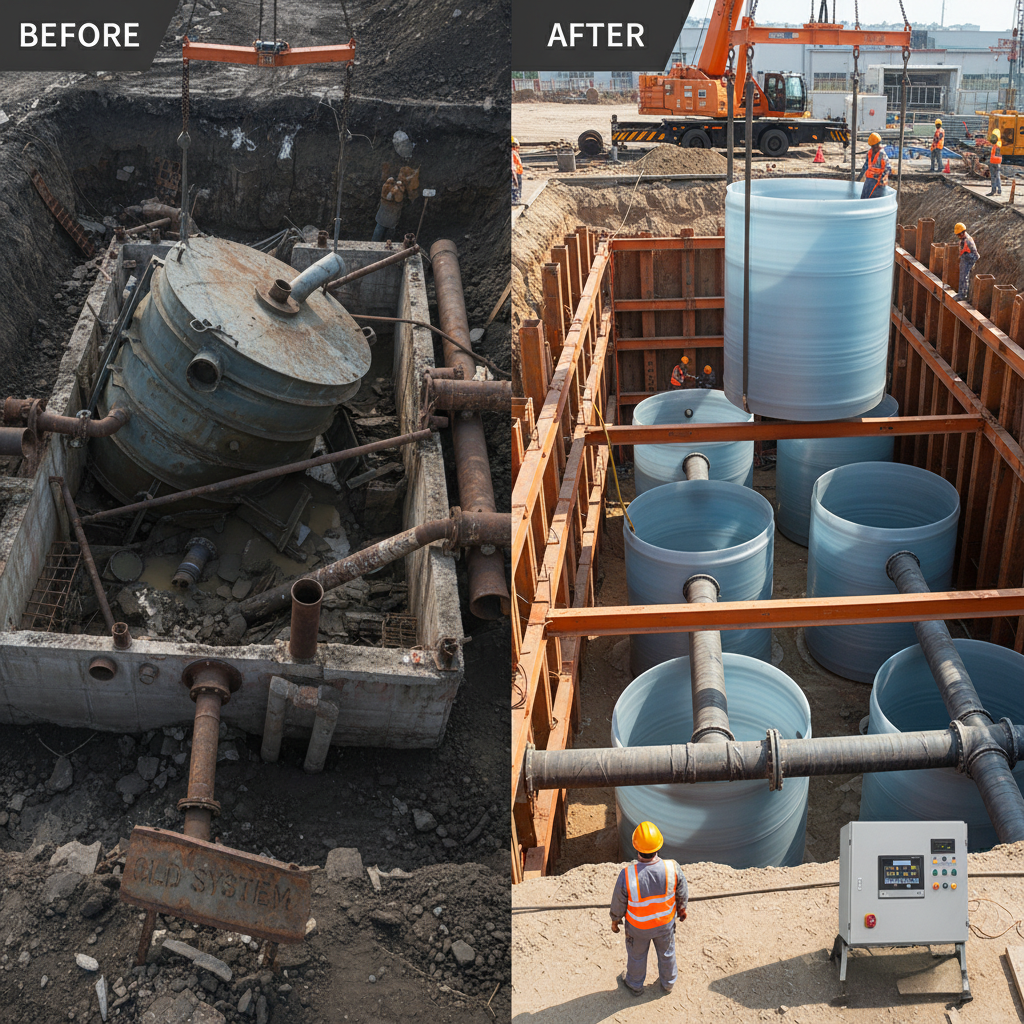
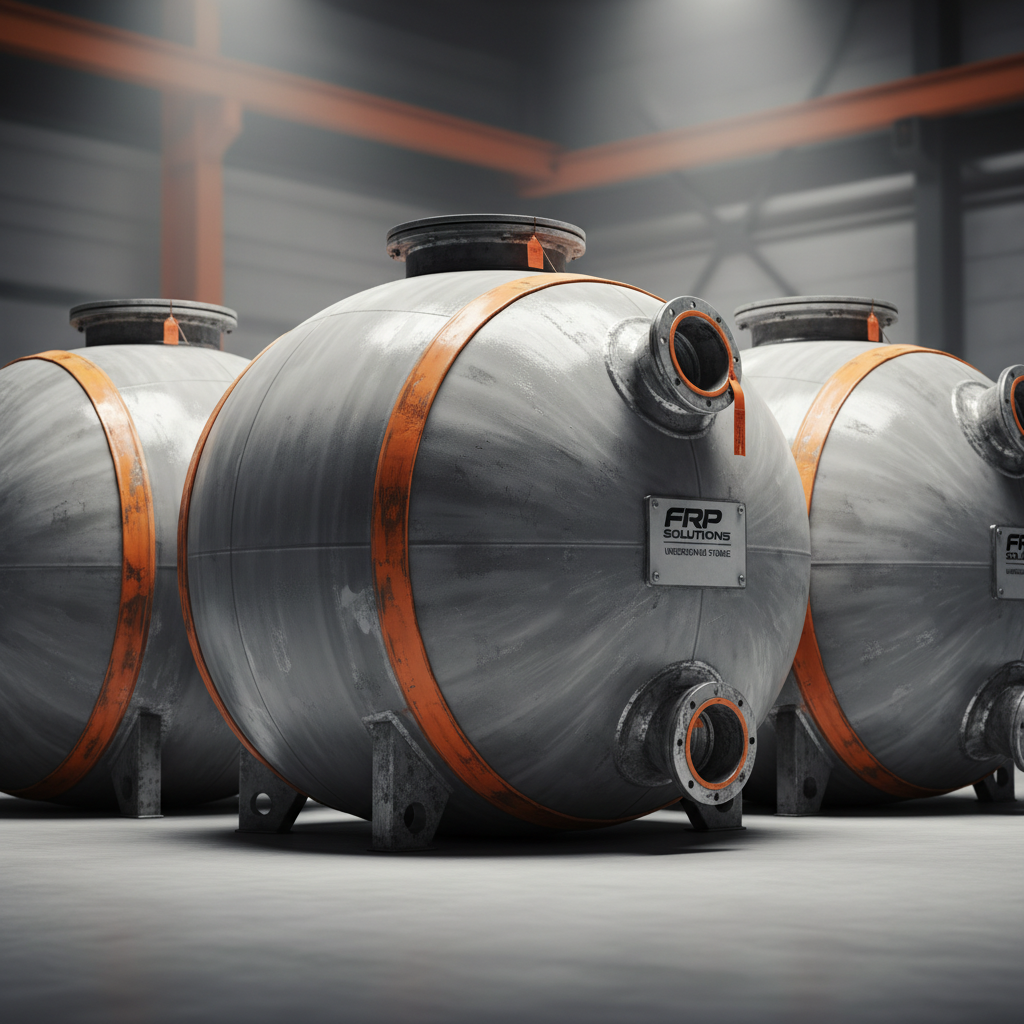
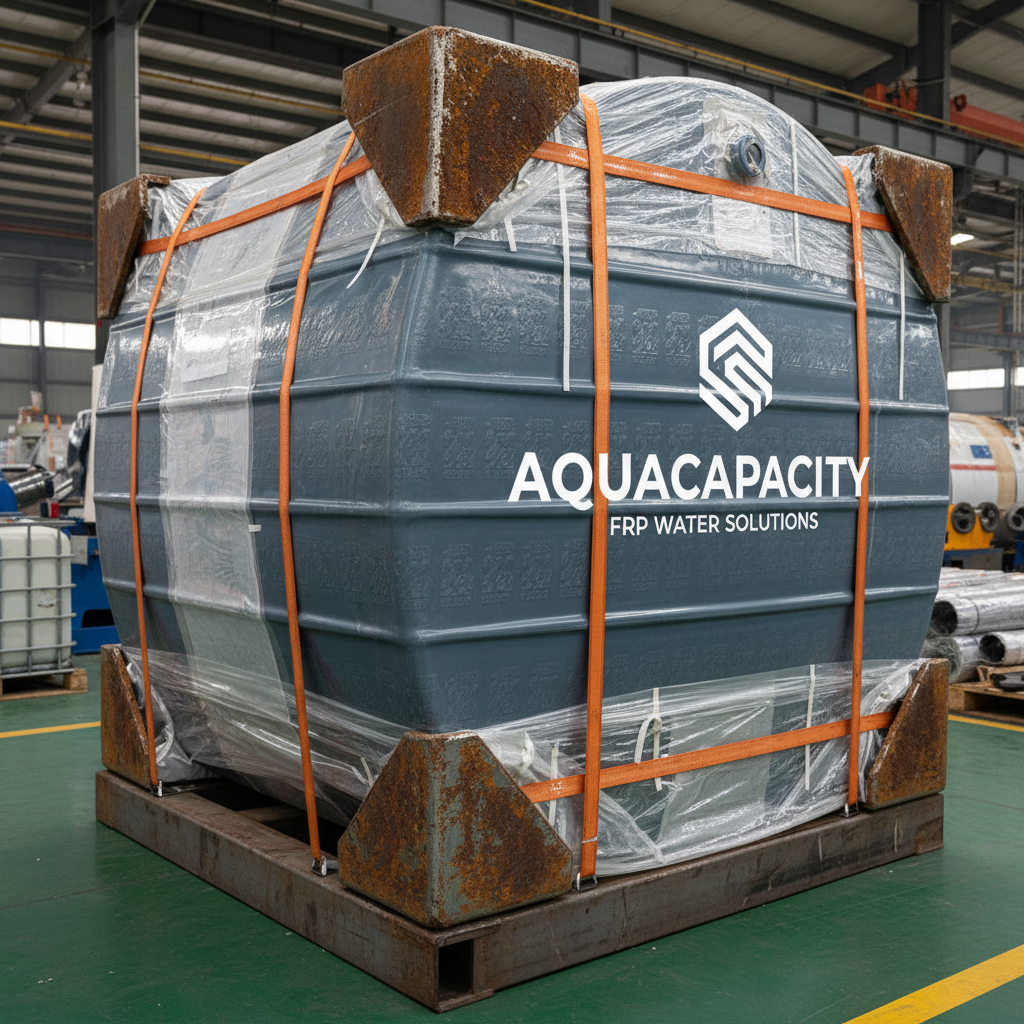
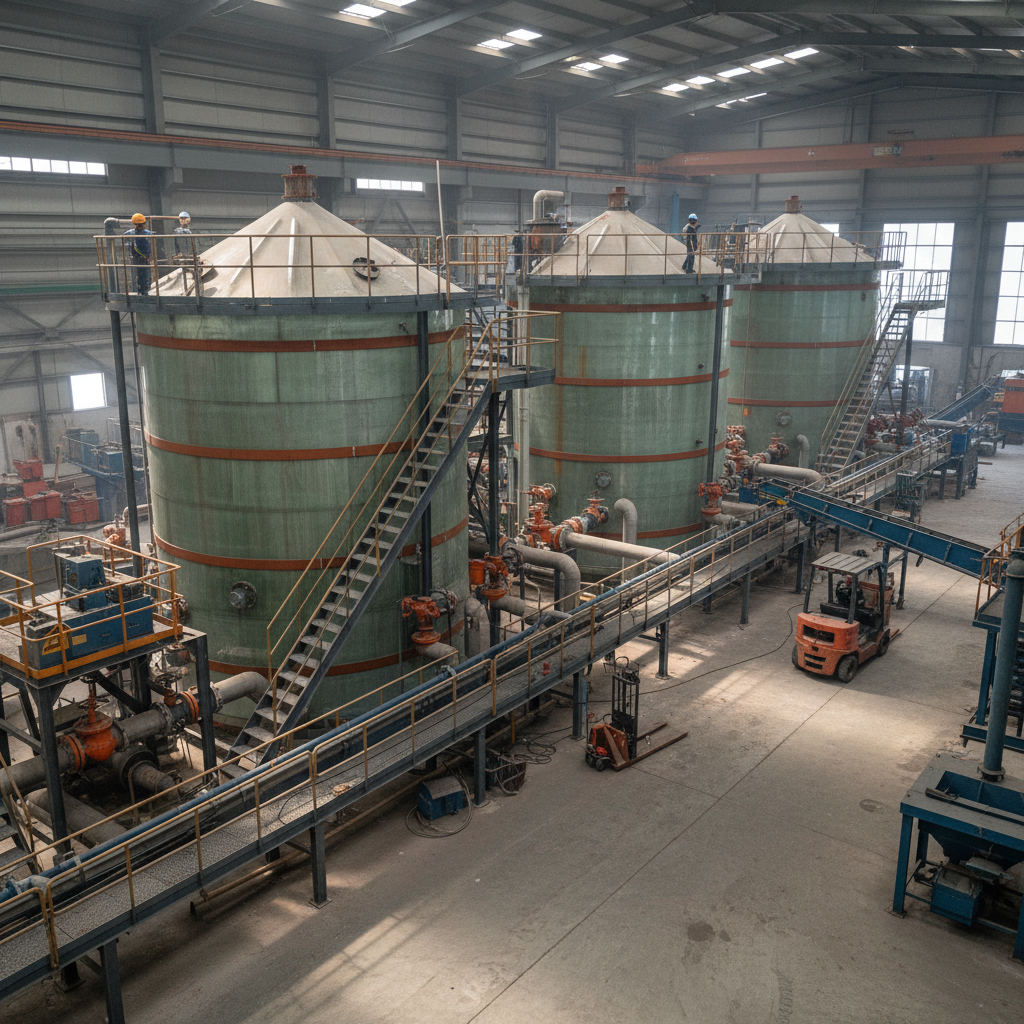
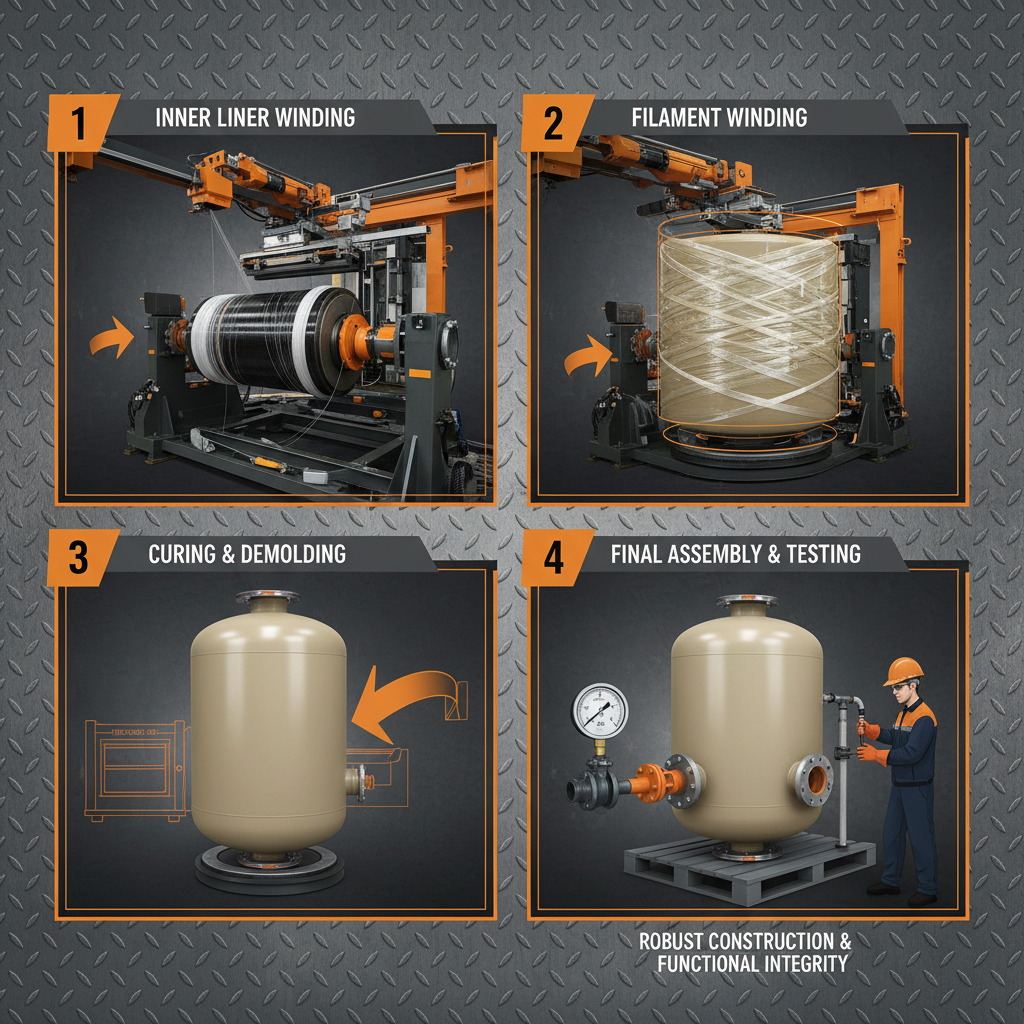
Simply put, a boiler chemical feed tank is a container designed to store and facilitate the controlled release of chemical additives into boilers. It’s typically made from corrosion-resistant materials such as fiberglass-reinforced plastic (FRP), stainless steel, or polyethylene. Its role isn’t flashy, but it’s fundamental: to hold chemicals safely and deliver them—usually through pumps—into the boiler feedwater system at regulated doses.
Boiler chemical feed tanks link chemical science to heavy industry. In humanitarian and industrial settings alike, ensuring water meets strict chemical standards is part of delivering safe steam and hot water reliably. Without this, boilers suffer from corrosion, deposits, or sudden failures, which isn’t just an equipment headache — it can be a safety nightmare.
Mini takeaway: Think of the boiler chemical feed tank as the guardian of healthy boiler water chemistry — mostly unseen, but absolutely vital to smooth operation.
Key Features That Define a Boiler Chemical Feed Tank
1. Durability and Corrosion Resistance
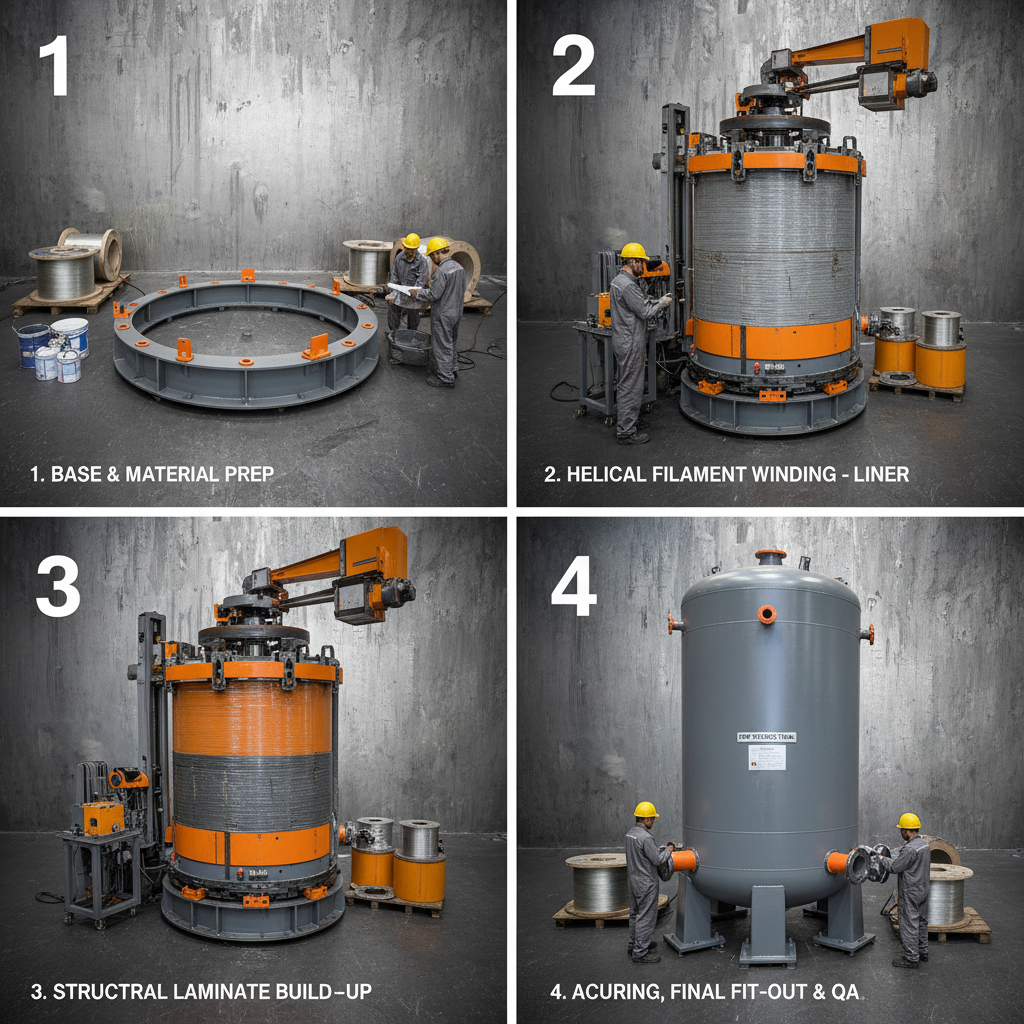
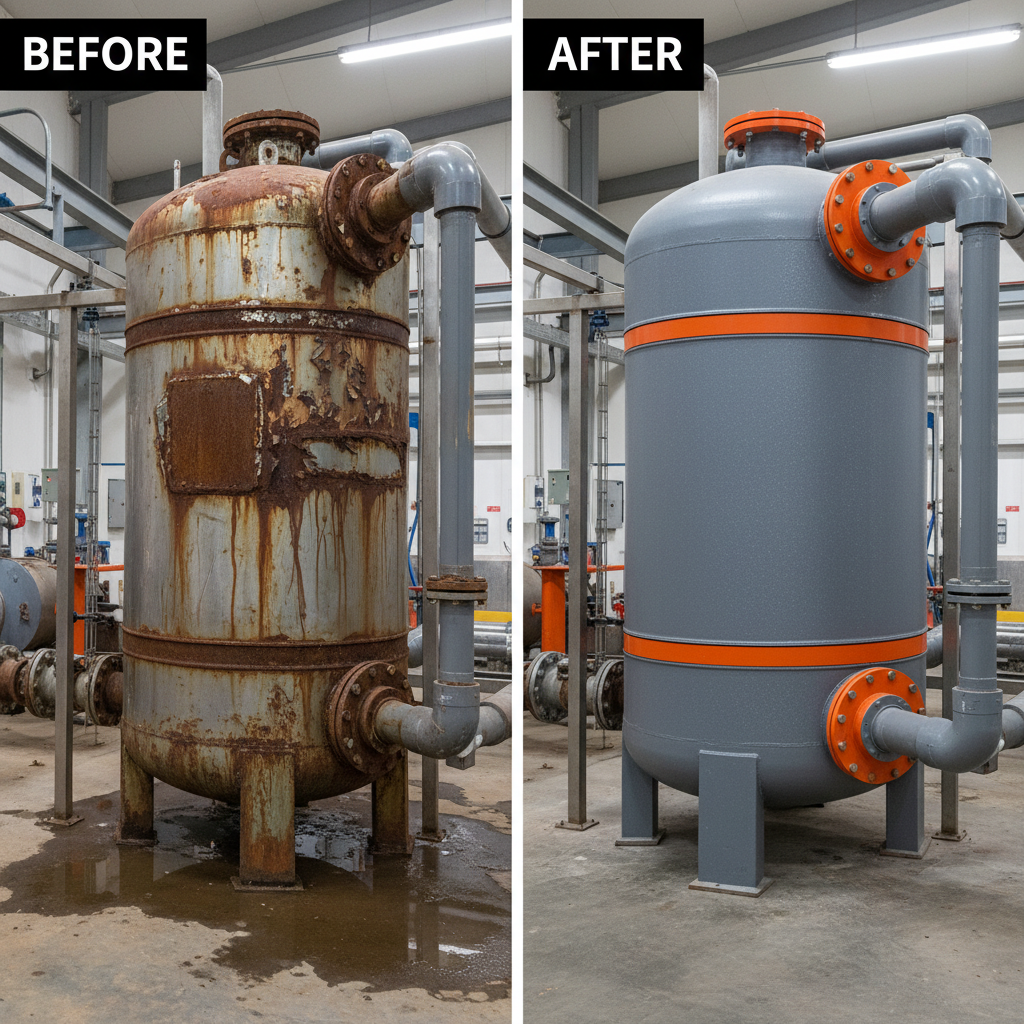
Given that these tanks store aggressive chemicals like caustics, sulfites, and phosphate blends, material choice matters. Many operators prefer FRP lining or 316 stainless steel — both resist corrosion and reduce maintenance headaches. Longevity isn’t just a cost factor; a leaking chemical tank can pose environmental and safety risks.
2. Scalability and Capacity Options
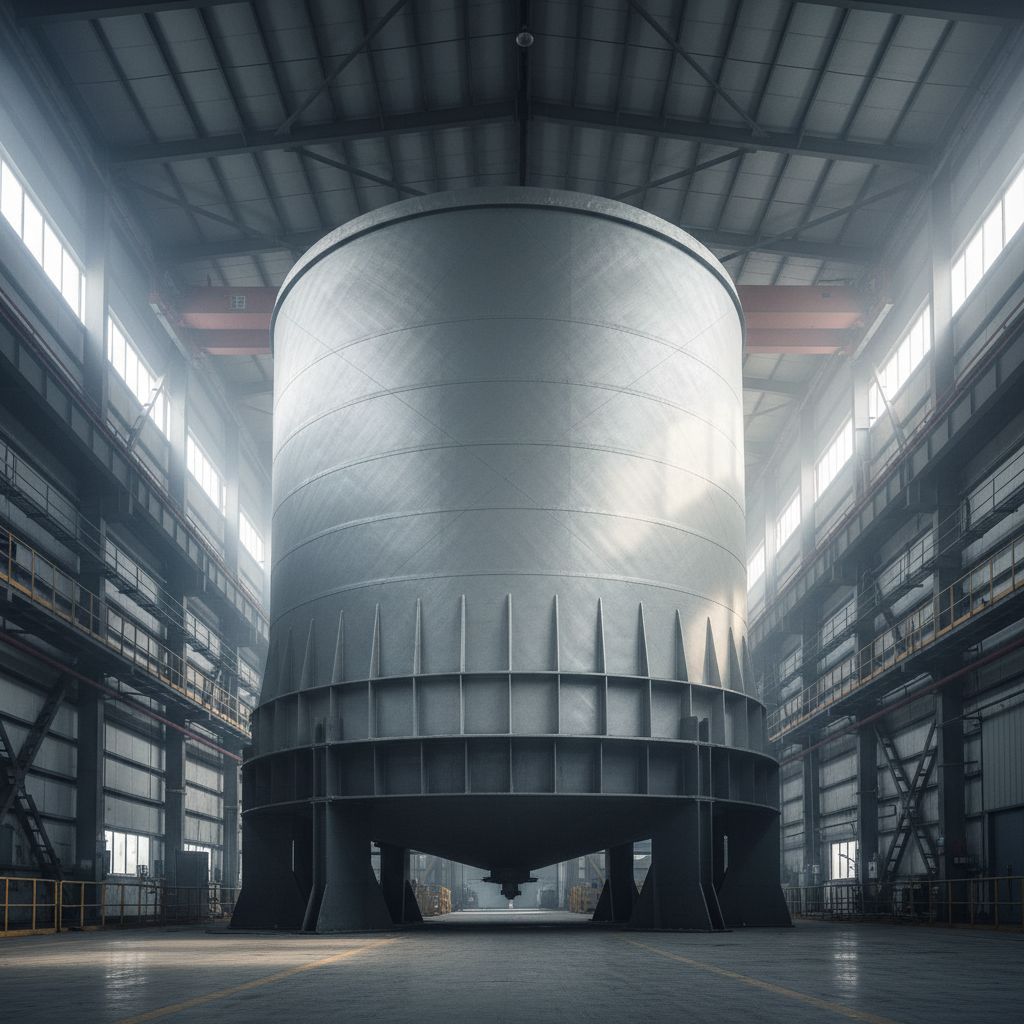
Boilers vary in size, so chemical tanks come in all shapes and capacities, typically ranging from a few hundred liters for small operations to several thousand liters for large industrial plants. Modular designs allow easy expansion without massive upfront costs.
3. Cost Efficiency and Easy Maintenance
Fueling boilers efficiently means balancing the cost of chemicals, feed systems, and downtime. Tanks designed for straightforward access — removable covers, sight glasses, and simple pump integration — save operators time and money. Automated dosing systems, often paired with tanks, help avoid human error and chemical waste.
4. Safety and Regulatory Compliance
Because many chemicals are hazardous, tanks must comply with local and international safety standards — OSHA rules, ISO 9001 certification for quality, and environmental regulations about chemical handling and storage.
5. Monitoring and Automation Compatibility
Modern feed tanks sometimes feature sensors and connectivity for remote monitoring and automatic chemical dosing, linking to centralized plant control systems. This trend is pushing the category into Industry 4.0 territory.
Mini takeaway: Durability, safety, scalable sizing, and ease of maintenance all make boiler chemical feed tanks practical and trusted workhorses in industry.
Product Specification Table
| Specification | Typical Range | Comments |
|---|---|---|
| Material | FRP / Stainless Steel / Polyethylene | Material chosen based on chemical compatibility |
| Capacity | Up to 20,000 Liters | Modular sizes available |
| Operating Temperature | -10°C to 60°C | Suitable for standard boiler chemical storage |
| Pump Type | Diaphragm / Peristaltic / Gear | Integrated or optional external |
| Automation Features | Level sensors, Remote monitoring | Supports Industry 4.0 integration |
Where Boiler Chemical Feed Tanks Make a Real Difference
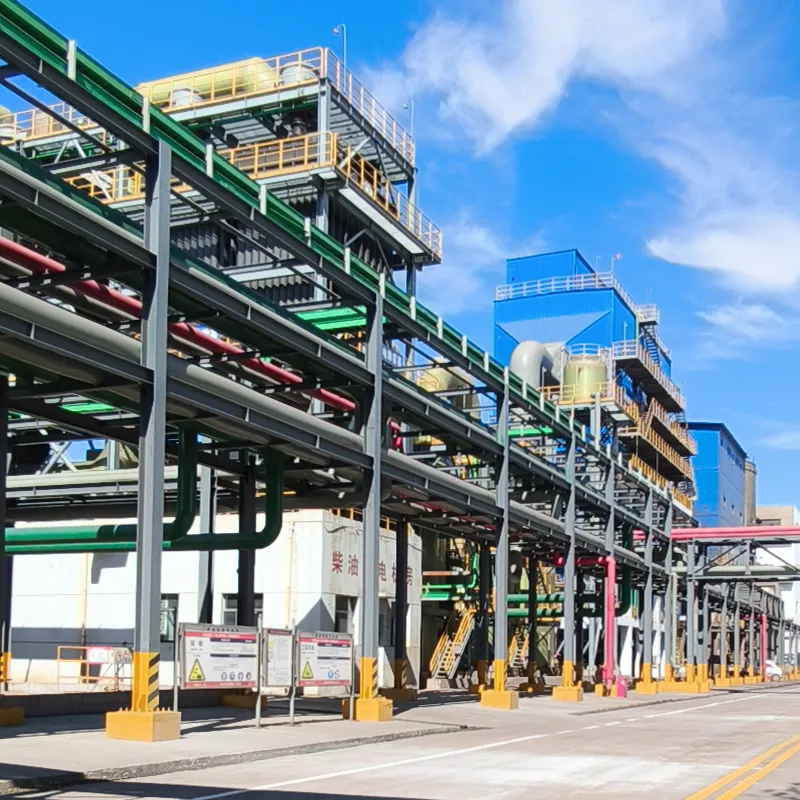
It’s interesting how this component quietly enables critical operations worldwide. In the power sector, utilities across Europe and North America employ sophisticated boiler chemical feed tanks to keep turbines humming efficiently. Meanwhile, in the Middle East’s vast petrochemical plants, tanks designed for harsh environments act as chemical delivery hubs under extreme heat and dust.
In developing economies, NGOs and industrial operators leverage durable chemical feed tanks to extend equipment life where maintenance resources are thin. For example, paper mills in Southeast Asia often rely on automated chemical feed solutions for precise dosing, reducing manual errors and chemical waste.
Then there are the remote mining operations in Australia and Canada, where water chemistry varies and on-site chemical feeding tanks help maintain operational uptime without waiting days for costly external interventions.
Mini takeaway: Whether powering cities, refining fuel, or supporting remote industries, boiler chemical feed tanks are unsung heroes fed by thoughtful design and adaptability.
Advantages That Last: Why Invest in Quality Chemical Feed Tanks
- Cost savings: Avoid frequent boiler repairs by preventing corrosion and scaling.
- Safety: Controlled chemical dosing reduces operator exposure to hazardous substances.
- Sustainability: Efficient chemical usage cuts waste and environmental impact.
- Reliability: Automated systems tied to feed tanks minimize human errors and downtime.
- Innovation: Integration with digital monitoring fosters smarter plant management.
It's more than just dollars and cents; operators talk about the peace of mind that comes from knowing their boiler water chemistry is under control — essential for worker safety and product quality alike.
Looking Ahead: Trends Shaping the Future of Boiler Chemical Feed Tanks
Industry watchers note a few exciting innovations. First, greener chemicals and biodegradable additives mean tanks must be compatible with new formulations. Second, smart sensor technologies embedded in tanks allow real-time analytics on chemical levels, sending alerts before issues arise. Some manufacturers are experimenting with self-cleaning coatings inside tanks, reducing manual maintenance further.
Policy-wise, heightened environmental regulations worldwide will push for closed-loop chemical systems and minimal emissions, directly influencing tank design. Digital twins — virtual replicas of tanks and their chemical dosing performance — are another futuristic tool helping engineers optimize operations remotely.
Common Challenges and Clever Solutions
No system is perfect, and boiler chemical feed tanks face hurdles like chemical residue buildup, equipment wear, and the occasional pump failure. Also, uneven chemical mixing inside tanks can reduce dosing accuracy.
Innovative solutions range from adding internal mixers or agitators to deploying diagnostics that predict pump maintenance needs. Regular staff training complements these technical fixes by ensuring proper chemical handling and tank maintenance. Collaborating with vendors for tailored tank designs can also preempt many operational challenges.
FAQ: Brief Guide on Boiler Chemical Feed Tanks
- Q: How often should I inspect a boiler chemical feed tank?
- A: It's best practice to inspect tanks monthly for signs of corrosion, leaks, and pump function, with more thorough checks every 6-12 months depending on usage intensity and chemical aggressiveness.
- Q: Can I retrofit an existing boiler system with automated chemical feed tanks?
- A: Yes, many modern chemical feed tanks are designed to integrate with older boiler systems, offering automation kits that improve dosing precision without major overhauls.
- Q: Are all chemical feed tanks suitable for any boiler chemical?
- A: No, compatibility depends on the tank material and chemical type. For example, strong caustics usually need FRP or certain plastics, while acids require specific linings or stainless steel.
- Q: What are the signs of improper chemical dosing in boilers?
- A: You might notice increased scale buildup, corrosion, foaming, or unexpected shutdowns — all warning signals to check your chemical feed system.
- Q: How does automation improve chemical feed tank operation?
- A: Automation enables precise dosing, remote monitoring, and alerts for refilling or equipment faults, reducing human error and improving overall efficiency.
Summary and Next Steps
The boiler chemical feed tank might not get much airtime, but for anyone involved with industrial boilers or water treatment, understanding its role opens doors to safer, more efficient, and sustainable operations. It’s a practical, sometimes overlooked solution that impacts everything from energy output to environmental compliance.
Want to dive deeper or explore the latest models? Visit our website for detailed specs and expert advice on boiler chemical feed tanks. Because in the world of boilers, chemistry truly is king.
Vendor Comparison Table
| Vendor | Material Options | Automation Features | Typical Capacity | Price Range |
|---|---|---|---|---|
| FRPGRP Machine | FRP, PE, Stainless Steel | Level sensors, remote monitoring | 500 - 20,000 L | $$ |
| Global Tanks Inc. | Stainless Steel, Carbon Steel | Basic manual dosing interface | 1000 - 15,000 L | $$$ |
| EcoChem Solutions | Biodegradable plastic | Full automation, AI dosing optimization | 300 - 10,000 L | $$$$ |