Understanding Chemical Bypass Feeder Tanks – Key Features & Global Applications
The Chemical Bypass Feeder Tank: A Practical Overview
The chemical bypass feeder tank might not be a household phrase, but if you work in water treatment, chemical processing, or even disaster relief logistics, it’s the unsung hero that keeps systems flowing smoothly. As industries push for safer, more efficient methods of chemical handling, understanding what a chemical bypass feeder tank is — why it matters globally, and how it benefits operations — is vital. So pour yourself a coffee, and let’s demystify this piece of equipment that quietly supports some of the world’s most critical industrial and humanitarian efforts.
Why the Chemical Bypass Feeder Tank Matters on a Global Scale
Chemical bypass feeder tanks are a key component in continuous chemical dosing systems, a critical process in water treatment plants, manufacturing, and environmental management. The United Nations reports that over 2 billion people worldwide lack access to safely managed drinking water, driving urgent innovation in chemical dosing and treatment technologies (1). Meanwhile, ISO regulations increasingly push industries to reduce chemical waste and emissions.
In this context, chemical bypass feeder tanks provide precise, safe chemical storage and delivery, reducing waste, improving plant safety, and ensuring continuous operation even during maintenance or emergency bypass conditions. With global industries expanding — especially in regions like Southeast Asia, Latin America, and parts of Africa — demand for reliable chemical handling solutions is skyrocketing.
Mini takeaway: The chemical bypass feeder tank isn't just a container — it’s a vital system component helping industries meet global water safety and environmental standards.
What Exactly Is a Chemical Bypass Feeder Tank?
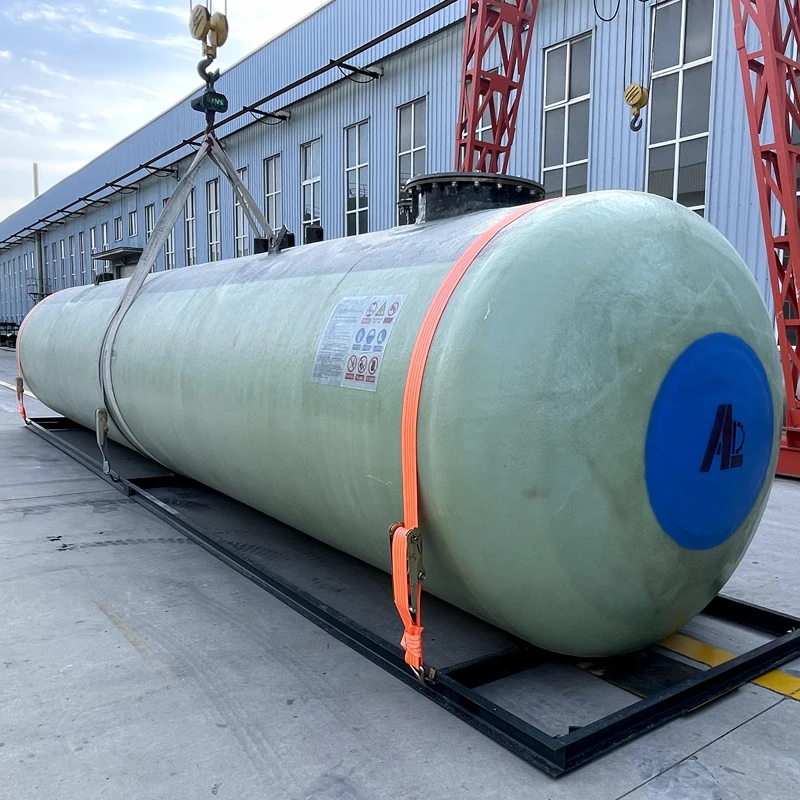
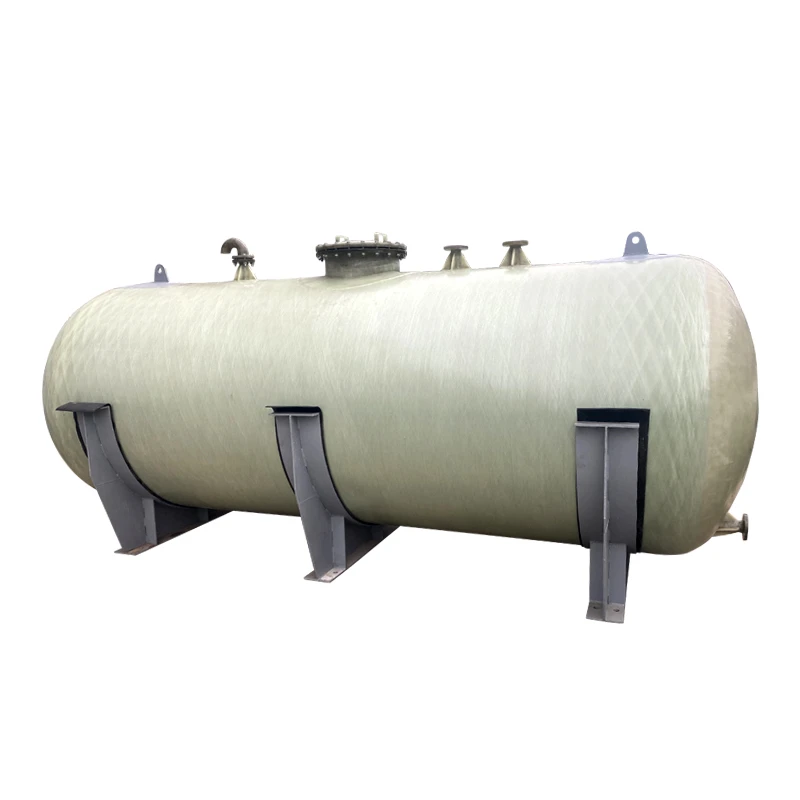
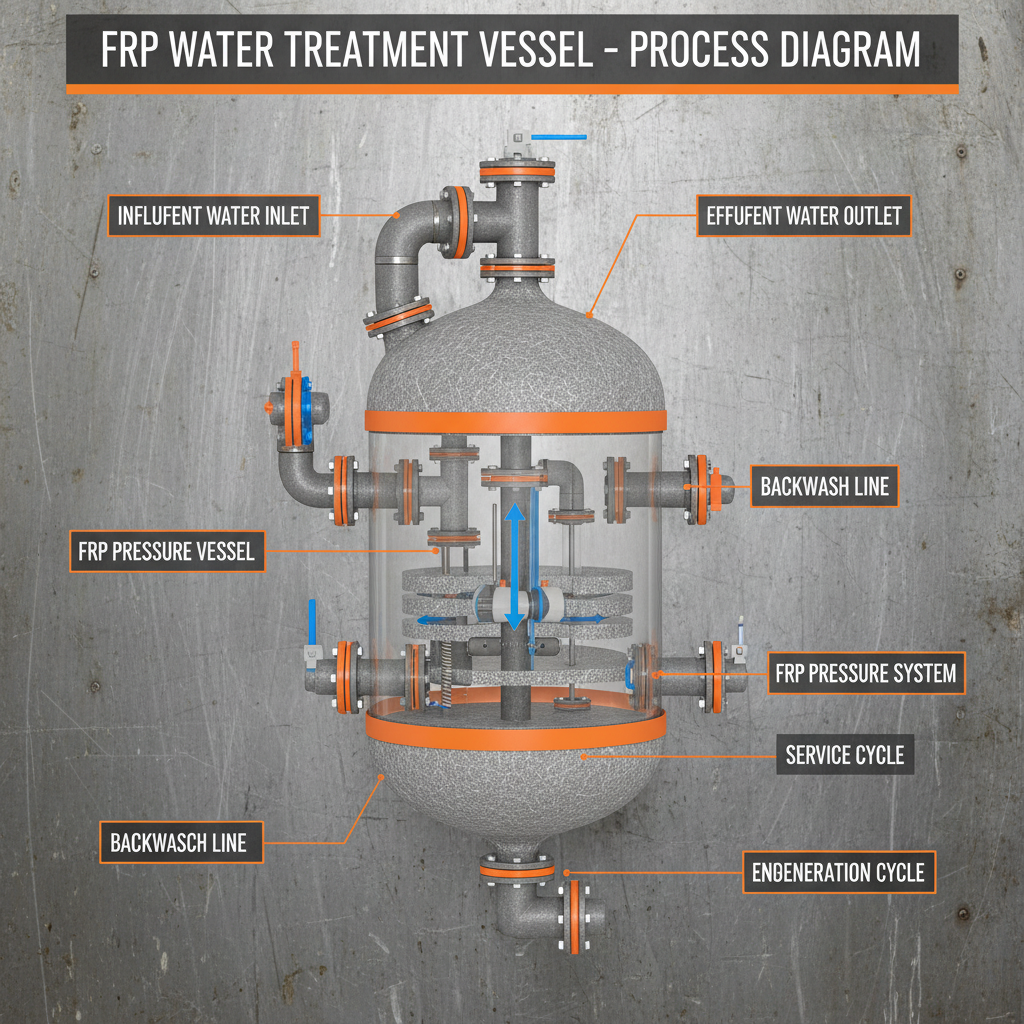
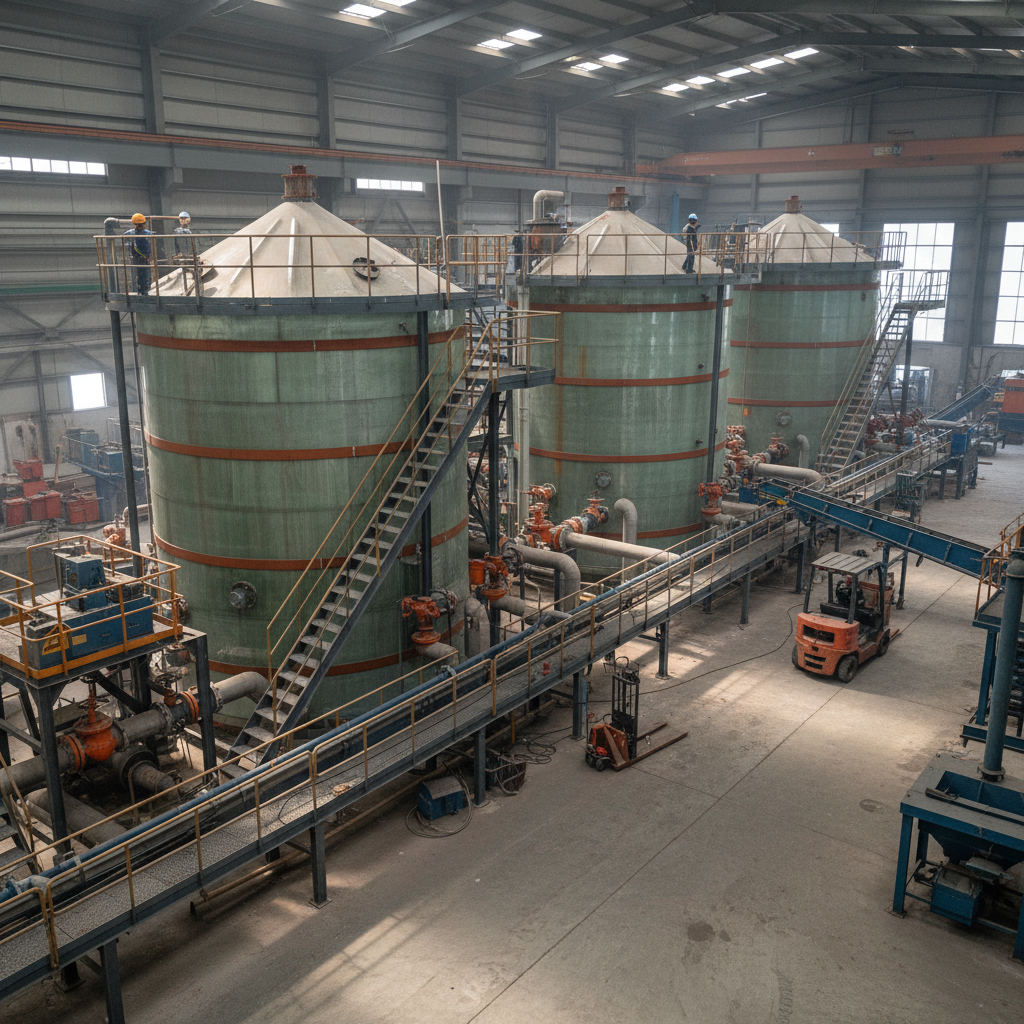
In plain terms, a chemical bypass feeder tank is a specially designed tank that stores and supplies chemicals through a bypass line, often to a process stream, without interrupting the flow or treatment process. Think of it as a chemical “pit stop” — allowing operators to safely add or divert chemical feed into water or process streams continuously or as needed, especially during maintenance or system adjustments.
These tanks are integral in modern industries like wastewater treatment, mining, and even humanitarian water purification in remote areas. They ensure that chemical dosing happens smoothly, efficiently, and with minimal risk of contamination or downtime.
Key Features Behind a Quality Chemical Bypass Feeder Tank
1. Durability and Chemical Resistance
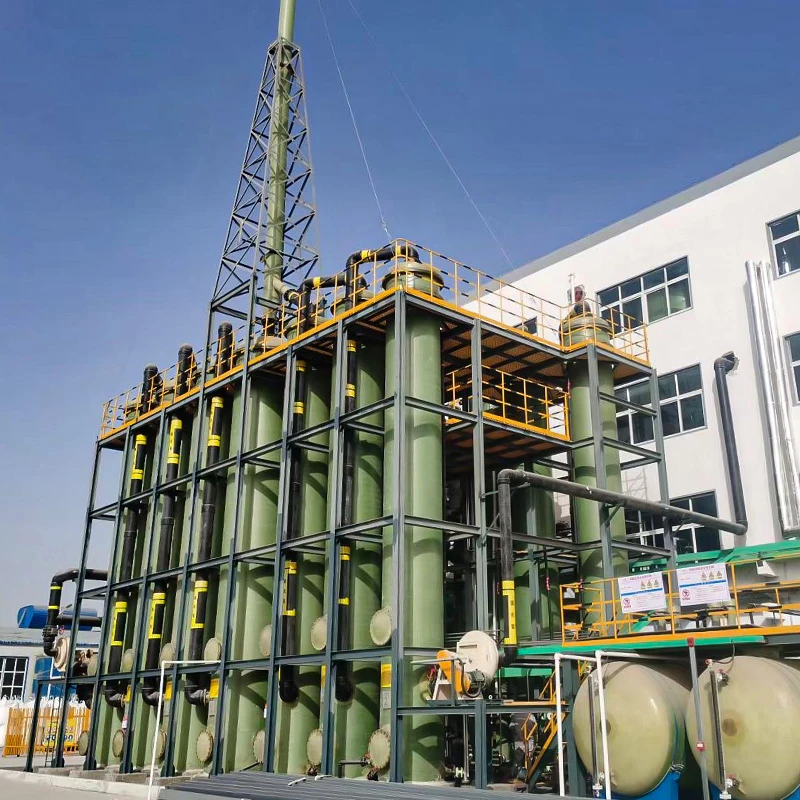
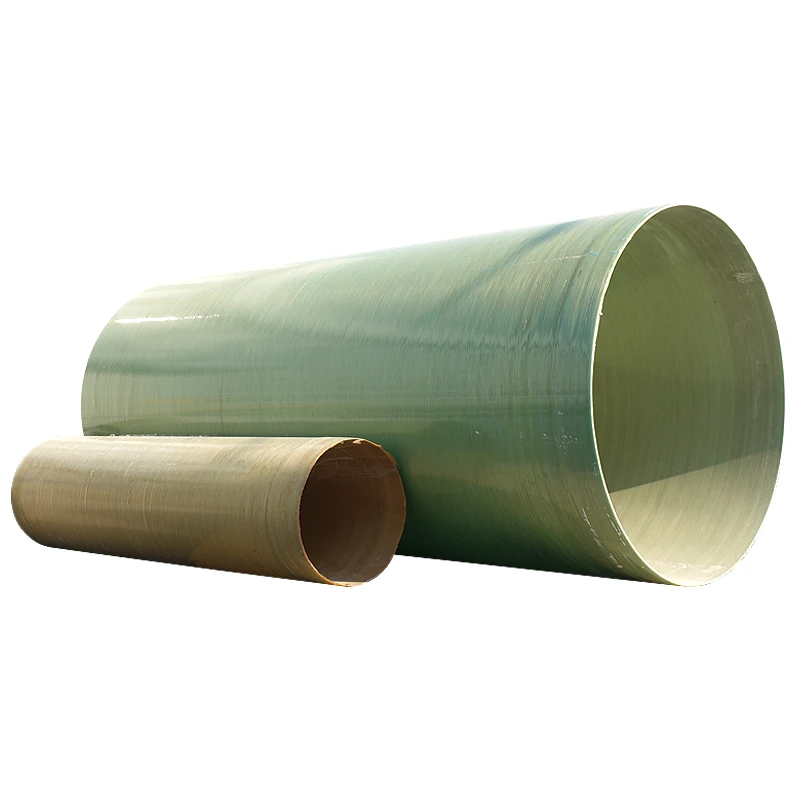
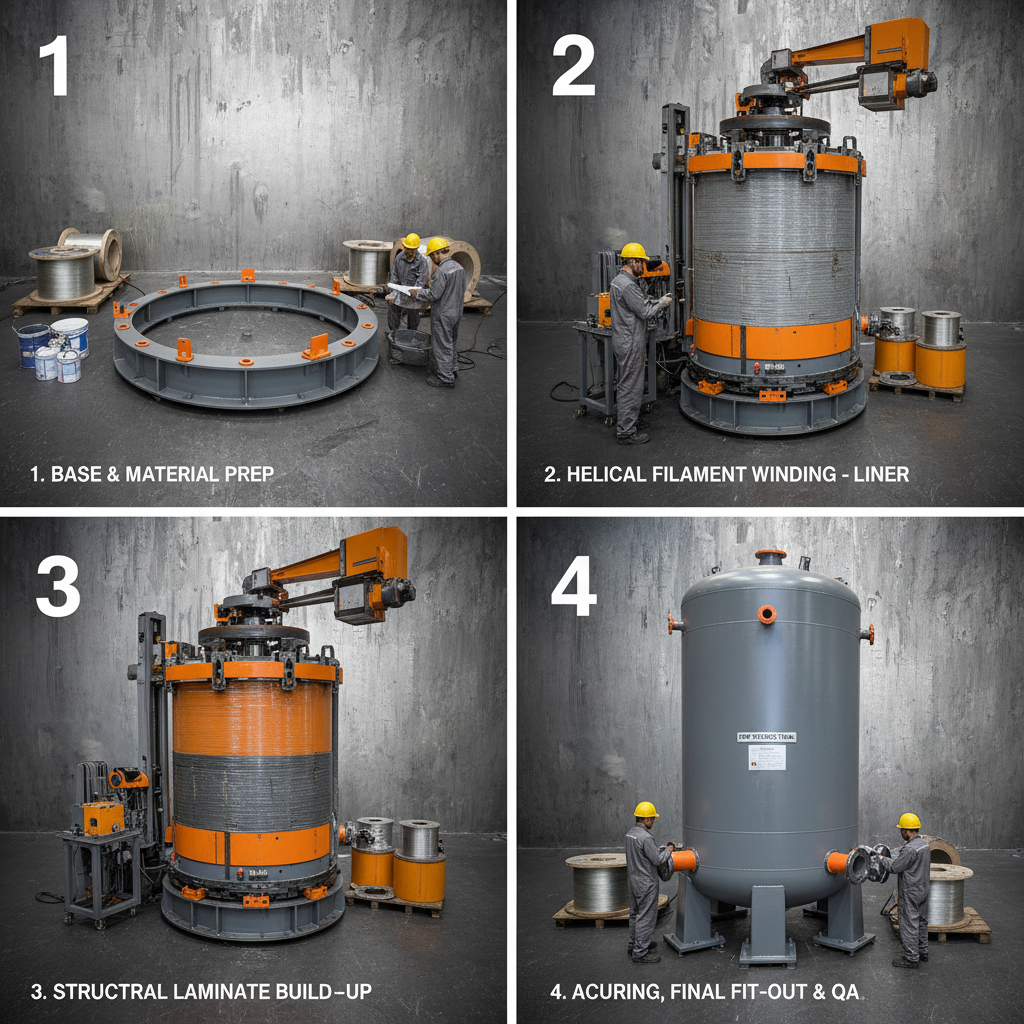
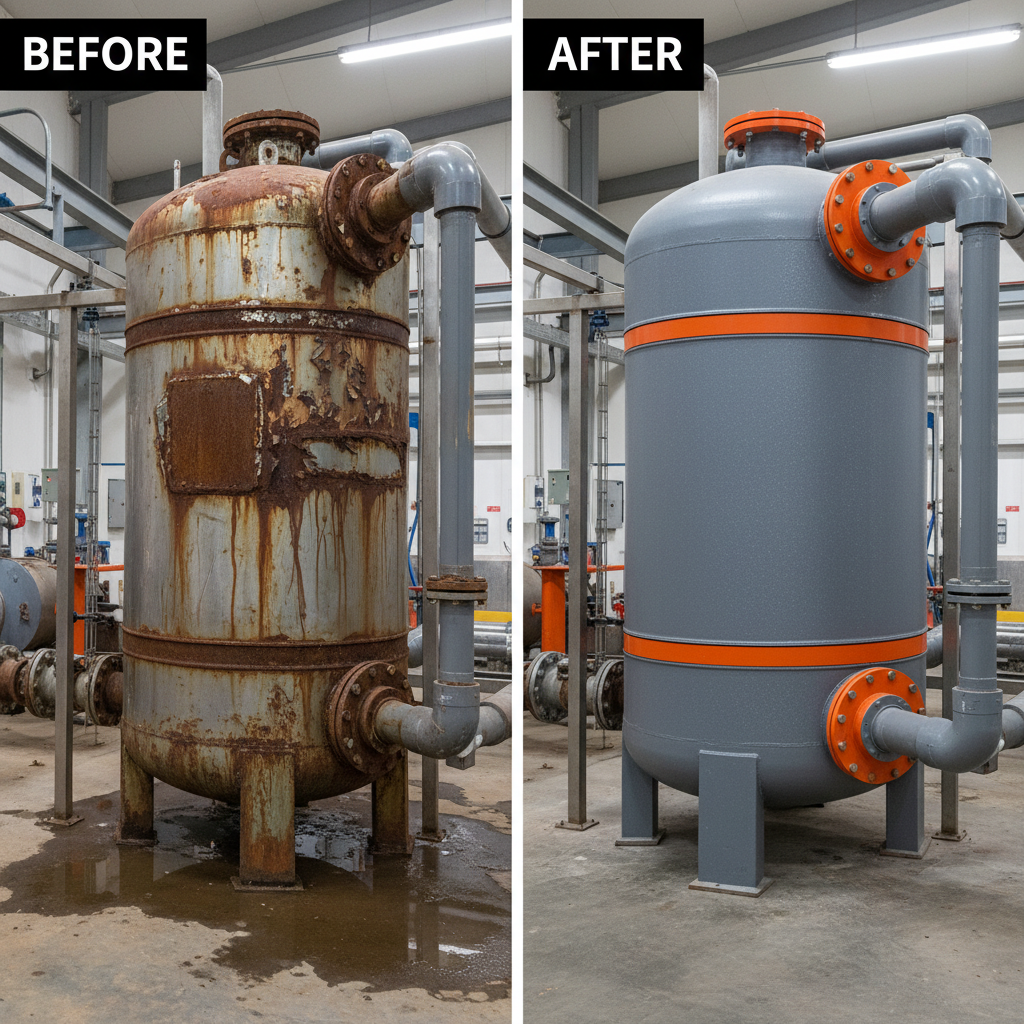
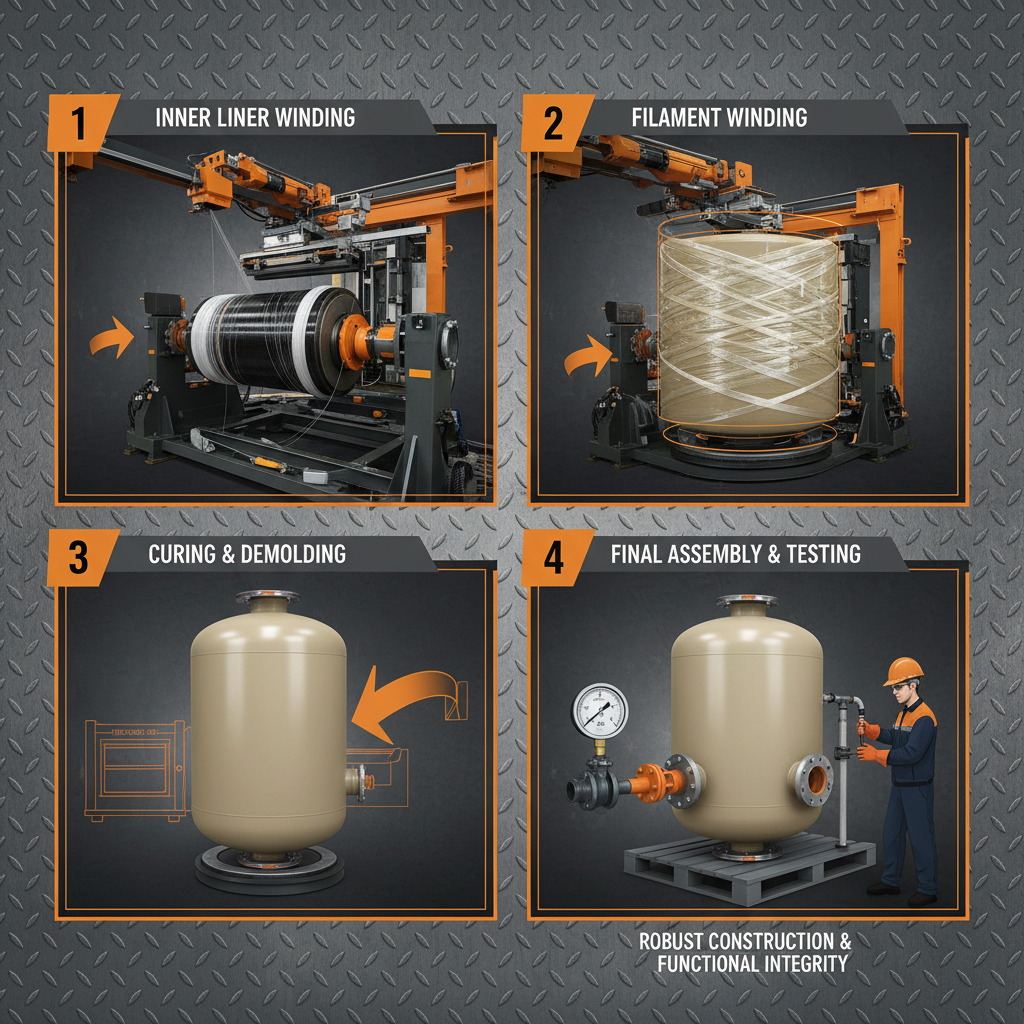
Since these tanks handle aggressive chemicals like acids or chlorines, materials like high-density polyethylene (HDPE), fiberglass-reinforced plastic (FRP), or specially lined carbon steel are common. Durability isn’t just about lasting years — it’s about resisting corrosion and chemical intrusion that could spell disaster if unchecked.
2. Scalability and Capacity
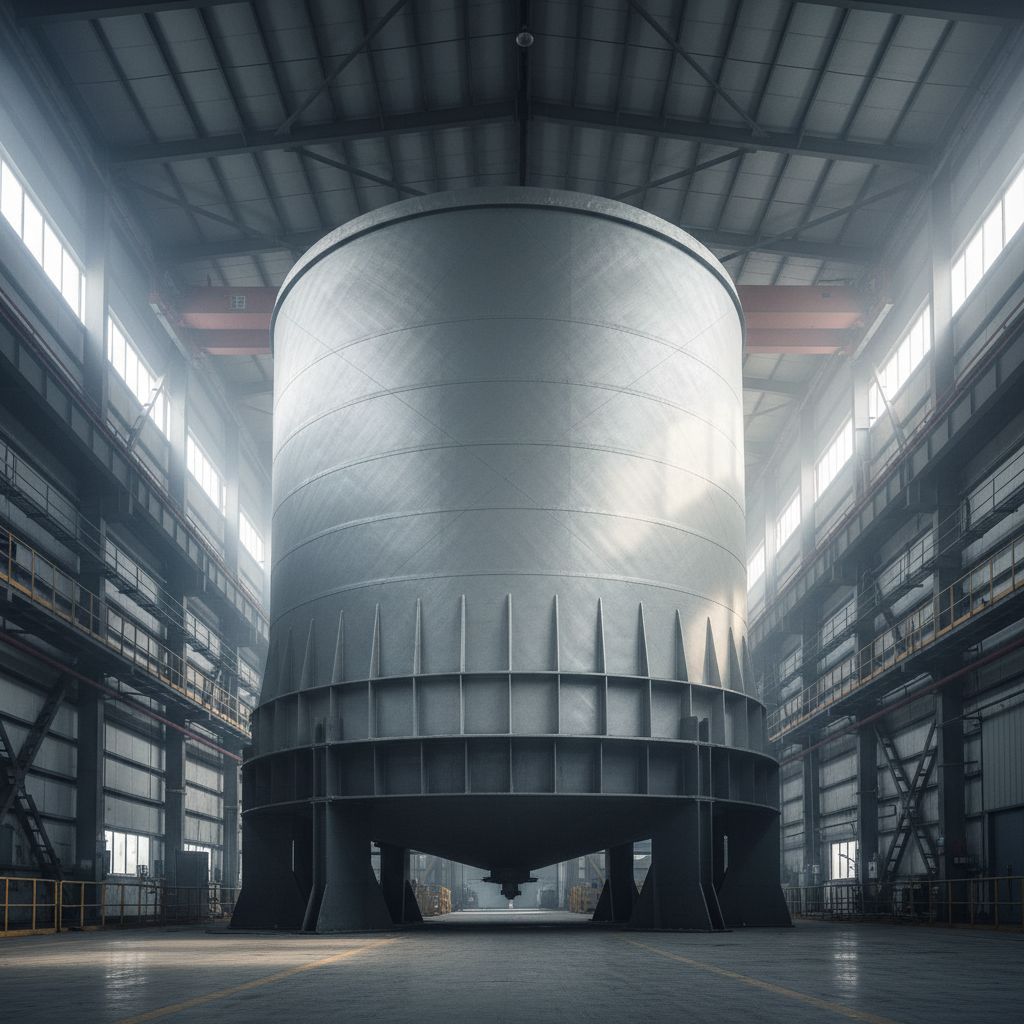
Available in various sizes depending on the application — from compact models for small municipal setups to large industrial-scale tanks holding thousands of liters. The design must accommodate flow rates and chemical residence times to maintain dosing precision.
3. Safety and Compliance
Integrated safety features like venting systems, leak detection, and compliance with OSHA or local hazardous materials regulations give peace of mind. Many tanks have secondary containment or bunds to handle spills.
4. Ease of Maintenance
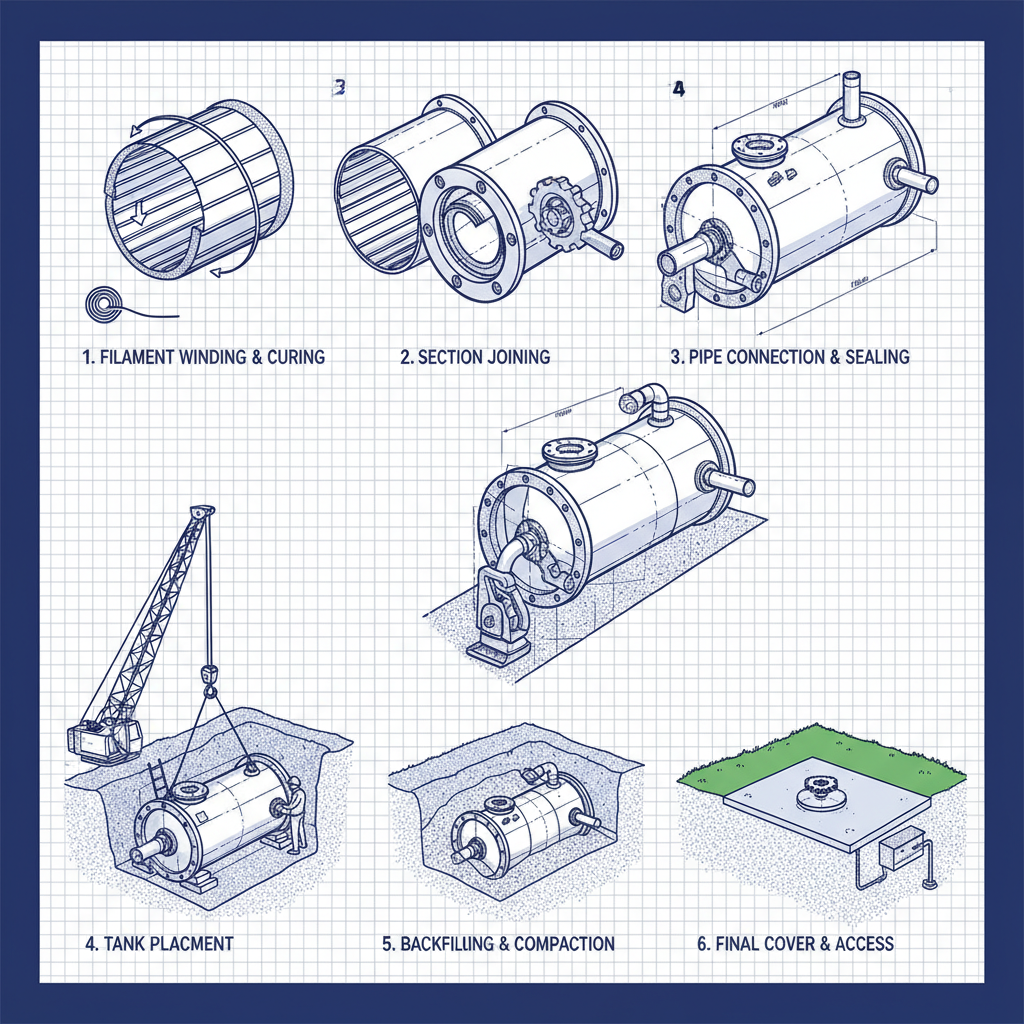
Access ports and modular designs help operators inspect, clean, or repair tanks without shutting down entire systems — a huge operational advantage, especially in high-demand setups.
5. Cost Efficiency
While upfront costs vary, the longevity, reduced downtime, and optimized chemical usage often lead to significant savings over a tank’s lifecycle.
Quick specs overview
| Specification | Details |
|---|---|
| Material | Fiberglass Reinforced Plastic (FRP) or HDPE |
| Capacity | 500 L to 5,000 L (custom sizes available) |
| Operating Temperature | -10°C to 60°C |
| Pressure Rating | Up to 2 bar (30 psi) |
| Compliance | OSHA, EPA, ISO 9001 Certified |
Global Applications: From Industry Giants to Remote Sites
The chemical bypass feeder tank is anything but niche. Here’s how it’s showing up across the globe:
- Municipal Water Treatment Plants: Cities in Europe and North America use these tanks to precisely dose disinfectants, helping meet WHO-sanctioned water safety targets.
- Mining Operations: In Australia and South America, mining sites use chemical bypass feeder tanks to manage toxic chemical neutralization and flotation agent dosing — crucial for environmental compliance.
- Humanitarian Relief: NGOs working in drought-prone East Africa employ chemical bypass feeder tank systems integrated with portable water purification units — ensuring clean water even when infrastructure is damaged.
Oddly enough, one small South Asian textile factory told me it cut chemical waste by nearly 20% just by upgrading their feeder tanks. Practical, tangible impact.
Mini takeaway: The adaptability of these tanks across radically different environments — harsh mines, bustling cities, disaster zones — shows just how essential their design is for global resource management.
Comparing Industry Leaders: What Makes the Difference?
| Vendor | Material Options | Customization | Price Range | After-Sales Support |
|---|---|---|---|---|
| ChemTec Solutions | FRP, HDPE, Lined Steel | Full customization available | $$$ (premium) | 24/7 technical support |
| AquaFlow Tanks | HDPE only | Standard sizes with minor tweaks | $ - $$ | Business hours support |
| GlobalTank Inc. | FRP and stainless steel | Custom fabrication offered | $$ | Full training packages |
Advantages & Long-Term Benefits
So, why invest in a chemical bypass feeder tank? Beyond the obvious operational needs, the benefits trickle down to cost savings, environmental stewardship, and social accountability.
- Safety First: Minimizes operator exposure and chemical spill risks.
- Operational Reliability: Continuous dosing reduces downtime — critical when every minute counts.
- Environmental Impact: Precision dosing means less chemical waste, fewer emissions, and better compliance.
- Cost Savings: Longer equipment lifespan and optimized chemical usage deliver ROI over time.
- Social Responsibility: Supports cleaner water and safer workplaces — a win-win for communities and companies alike.
Emerging Trends in Chemical Bypass Feeder Tanks
The market is evolving fast. In particular:
- Smart Monitoring: IoT sensors now track chemical levels and conditions in real-time, allowing predictive maintenance.
- Eco-Friendly Materials: Biopolymer linings and recycled composites are gaining traction to reduce carbon footprint.
- Energy Integration: Solar-powered pumps and automation reduce energy consumption and reliance on fossil fuels.
- Modular Designs: For faster deployment in humanitarian emergencies or remote sites where time is critical.
Challenges & Smart Solutions
Let’s not pretend everything’s perfect. Common issues? Scaling and corrosion, chemical compatibility mismatches, and sometimes hefty upfront costs.
Innovators tackle these by:
- Using advanced coatings and materials to extend tank life
- Integrating digital leak detection and remote monitoring
- Offering leasing programs or modular rentals to reduce upfront investment barriers
FAQ: Common Questions on Chemical Bypass Feeder Tanks
Q1: How does the chemical bypass feature improve operational safety?
A1: It allows chemical feed lines to be isolated or diverted without stopping operations, reducing exposure risks and chance of spills during maintenance.
Q2: What chemicals are typically stored in these tanks?
A2: Common chemicals include chlorine solutions, acids like sulfuric acid, caustic soda, and specialty treatment chemicals depending on the process.
Q3: Are chemical bypass feeder tanks suitable for mobile or temporary installations?
A3: Yes, modular and portable versions exist, especially tailored for emergency water treatment or remote industrial work.
Q4: How can I ensure my chemical bypass feeder tank complies with environmental regulations?
A4: Choose tanks certified to international standards (ISO, EPA), with secondary containment, and follow local chemical handling laws.
Mini takeaway: These questions highlight the practical concerns operators face — and the solutions modern chemical bypass feeder tanks offer.
Wrapping Up: Why This Tank Is More Than Just a Container
In a nutshell, the chemical bypass feeder tank is a smart, practical solution that supports the continuous, safe, and precise chemical dosing required in various industries worldwide. Its role is quietly huge — ensuring water is safe to drink, processes stay uninterrupted, and hazardous chemicals are handled with respect and efficiency. Industries are noticing, governments are regulating, and innovators are pushing the design frontier.
If you want to explore reliable, customizable options for your operation or project, check out our offerings at chemical bypass feeder tank. It could be the upgrade your facility deserves.