Durable & Efficient Fiberglass Cisterns for Global Water Storage Solutions
Understanding Fiberglass Cisterns: Why They Matter Globally
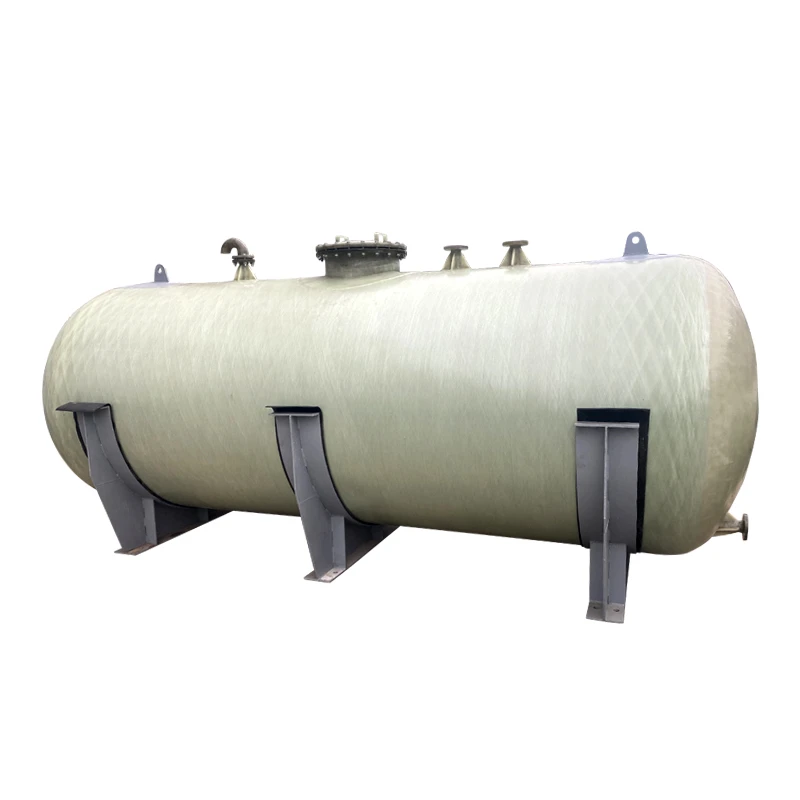
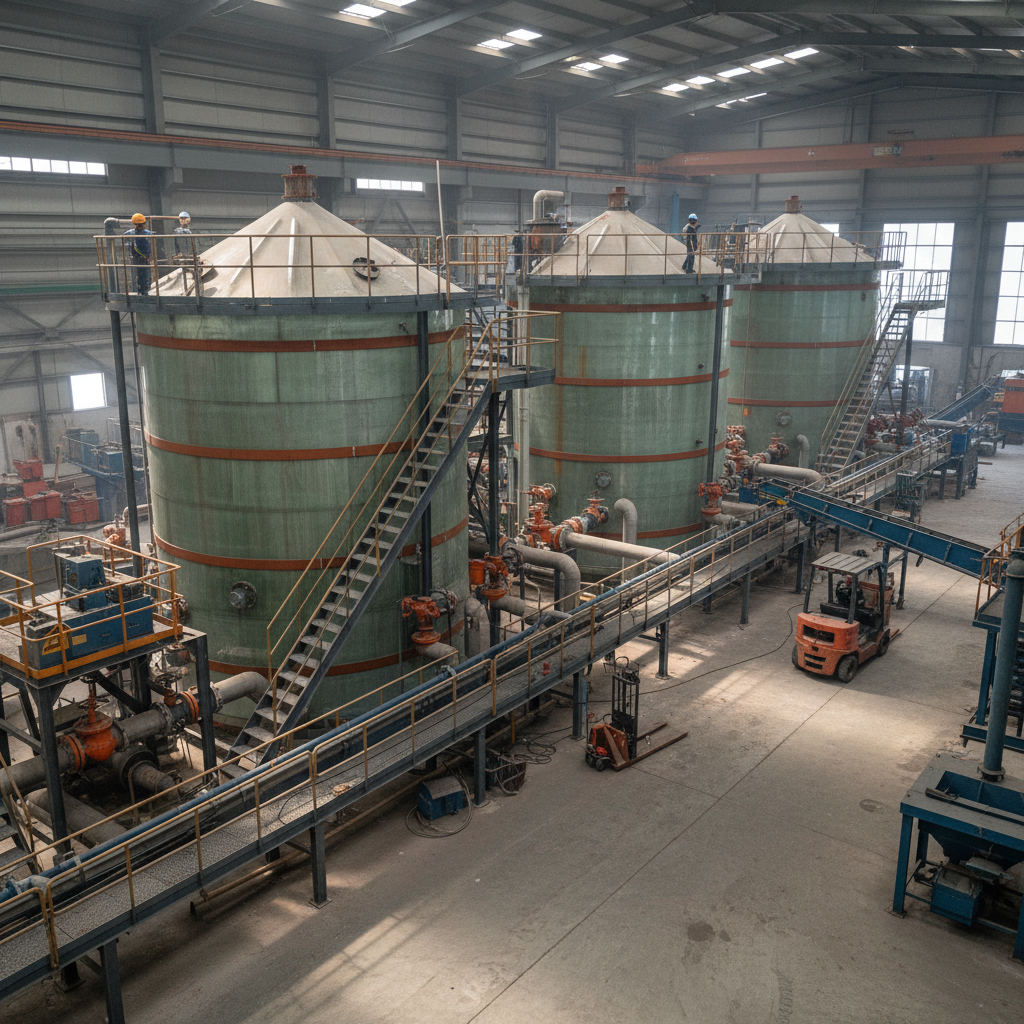
Fiberglass cisterns might sound niche at first glance, but they're quietly emerging as game-changers in water storage worldwide. Essentially, these are durable, lightweight tanks made from fiberglass-reinforced plastic (FRP), designed to store water or other liquids safely and efficiently. Why should you care? Water scarcity and quality concerns are among the top challenges facing industries, communities, and governments alike. Fiberglass cisterns help address these challenges by providing resilient, corrosion-resistant storage solutions. They combine modern engineering with practical benefits that resonate from industrial zones to humanitarian relief efforts.
Mini takeaway: Fiberglass cisterns blend innovation, practicality, and sustainability—making them an increasingly important tool globally.
Global Context: Water Storage Challenges and Where Fiberglass Cisterns Fit In
Water management is critical, especially in regions experiencing drought, urbanization, or industrial growth. According to UN-Water, nearly 2 billion people globally lack access to safely managed drinking water services.[1] Meanwhile, industries require vast quantities of water for manufacturing or cooling, often demanding reliable storage systems.
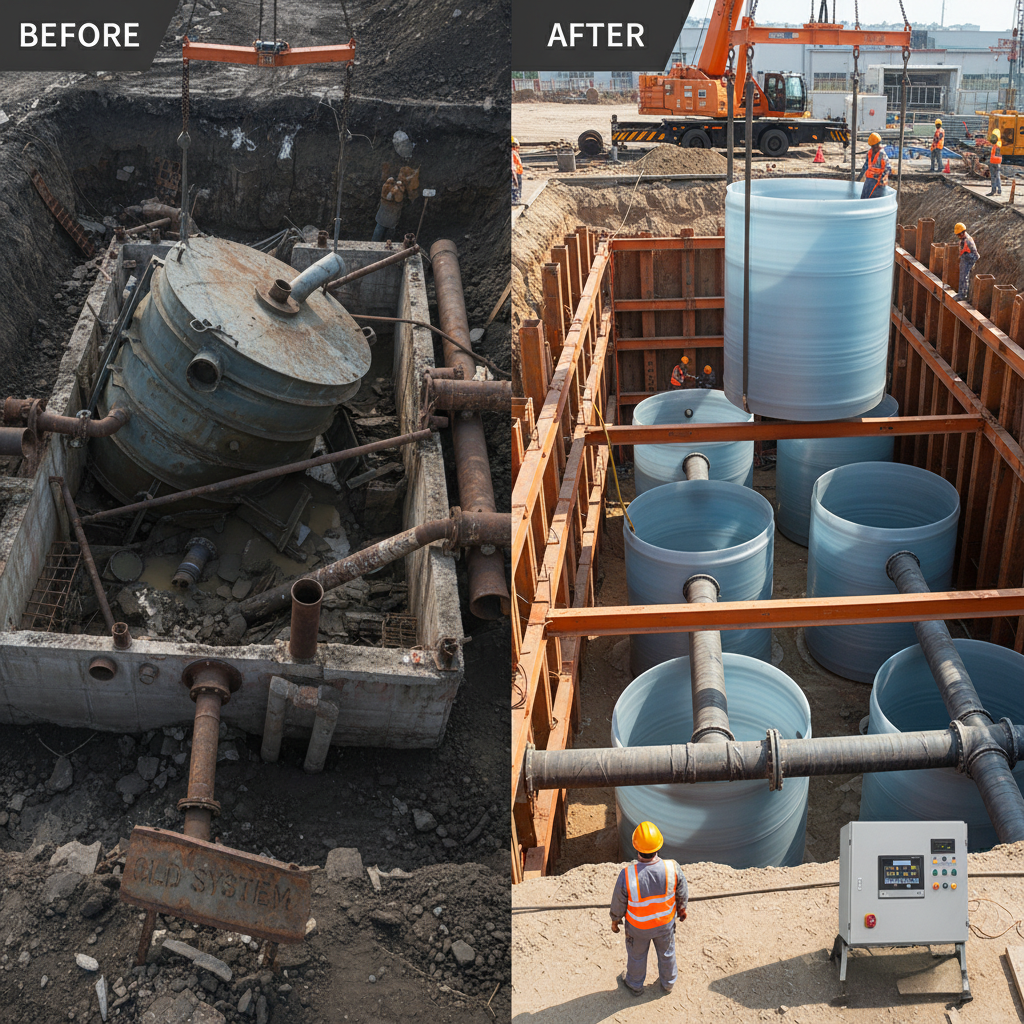
This is where fiberglass cisterns enter the picture. Unlike traditional concrete or steel tanks, fiberglass cisterns resist corrosion, last longer, and are easier to install and maintain. They help overcome issues like water contamination and infrastructure degradation.
Globally, Fiberglass cisterns are increasingly chosen for their adaptability and performance in extreme climates—be it arid deserts, tropical rain zones, or cold industrial sites.
Mini takeaway: In a world where every drop counts, fiberglass cisterns help protect and manage precious water resources efficiently across diverse environments.
What Exactly Is a Fiberglass Cistern?
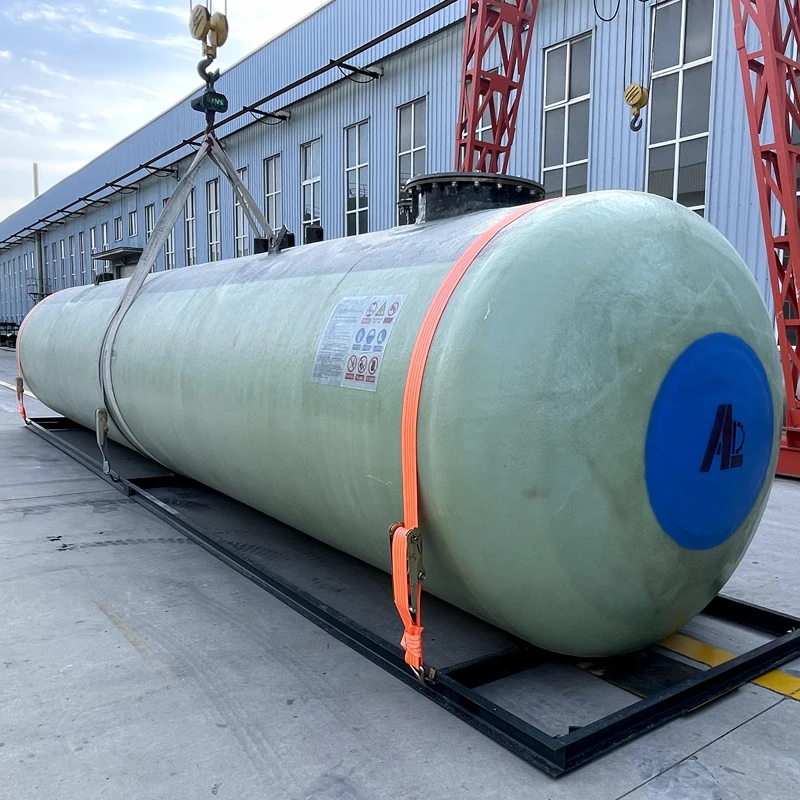
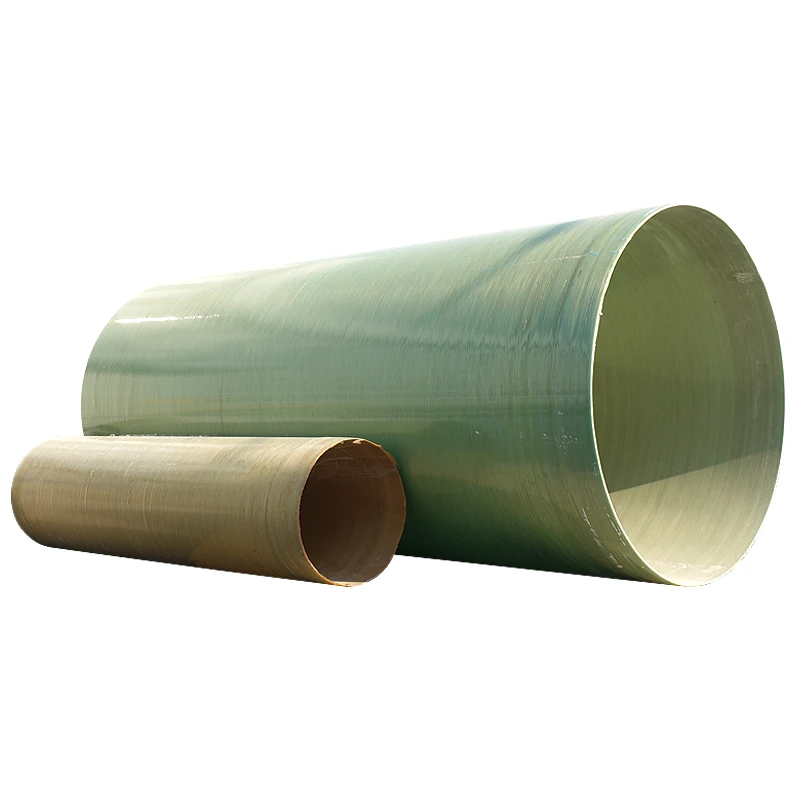
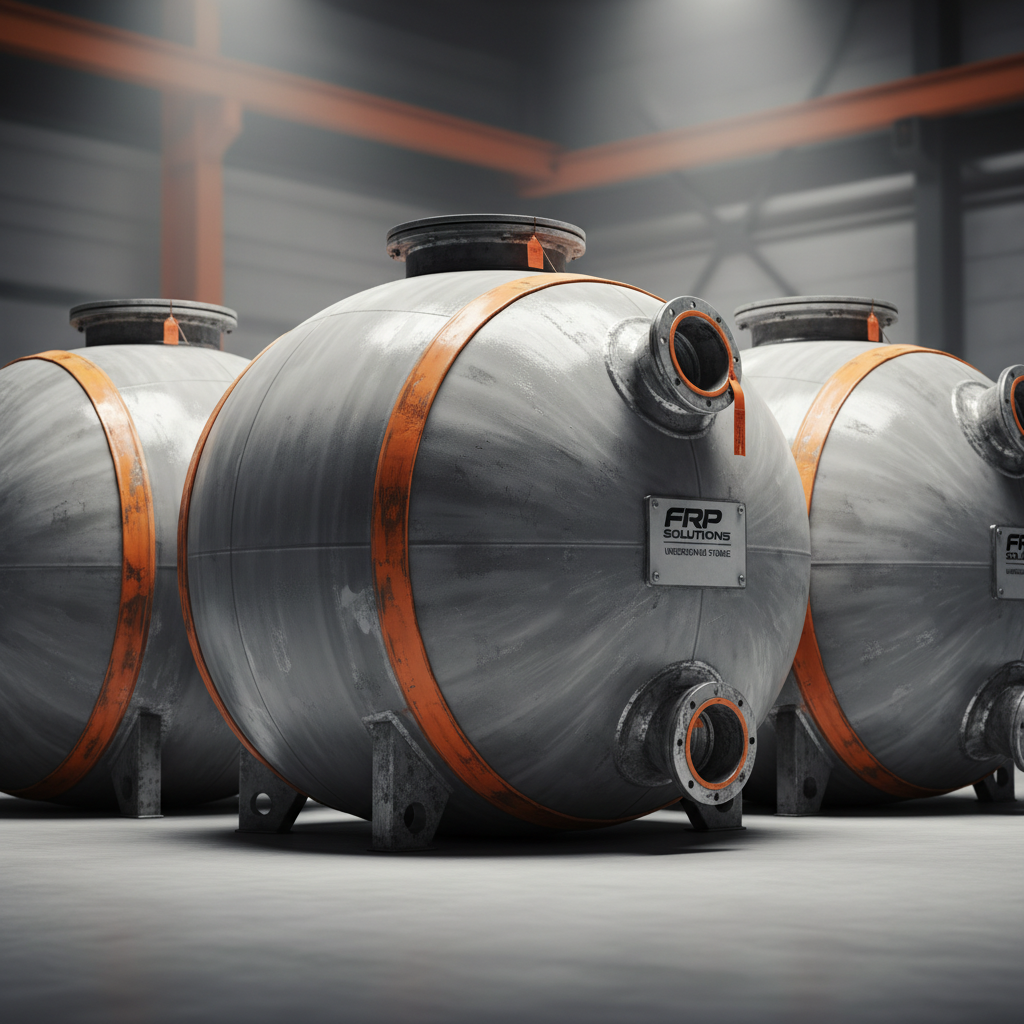
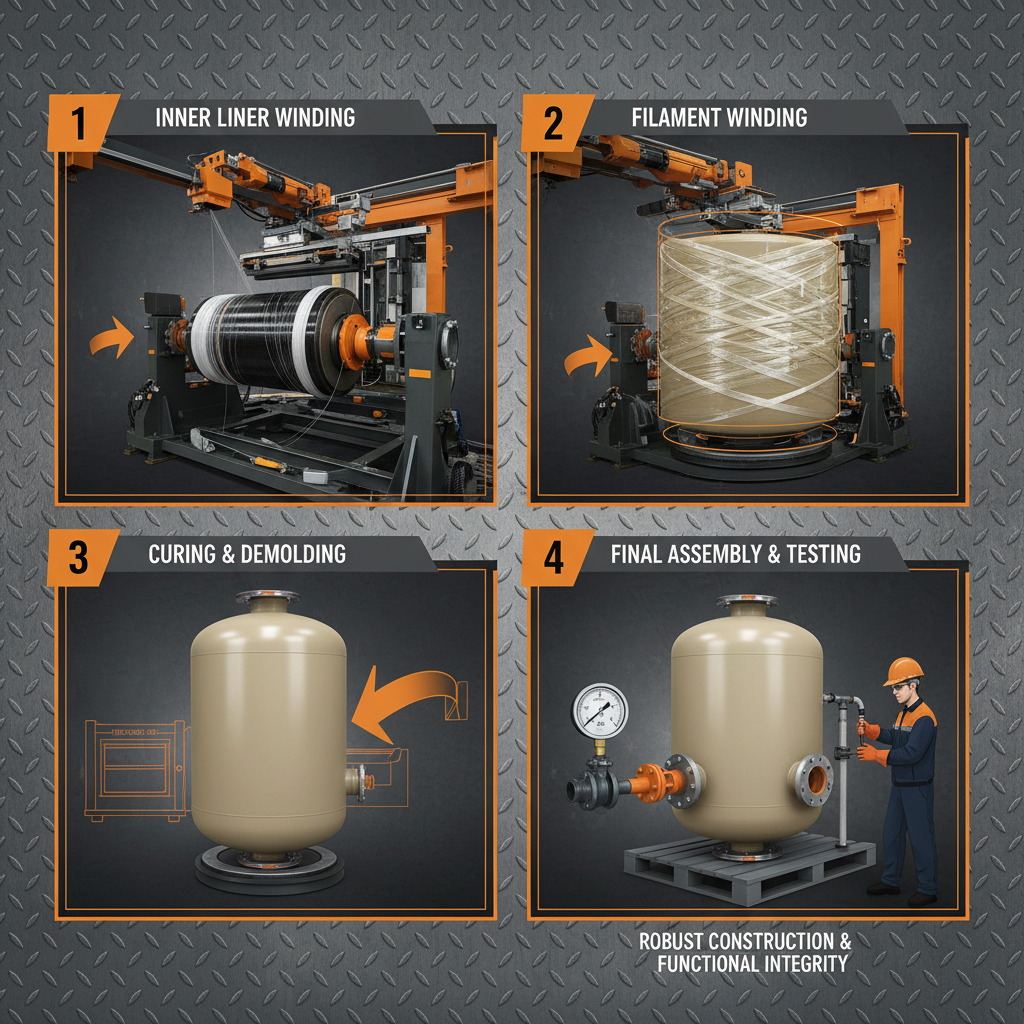
Put simply, a fiberglass cistern is a large storage container constructed primarily from fiberglass-reinforced plastic (FRP). This composite material combines a plastic resin matrix with glass fibers to achieve exceptional strength-to-weight ratios. Unlike conventional metal tanks that can rust or concrete that might crack, these cisterns remain impervious to many common issues.
Fiberglass cisterns typically store potable water, rainwater, industrial liquids, or wastewater. Their versatility extends from rural rainwater harvesting systems to massive industrial setups requiring chemical resistance.
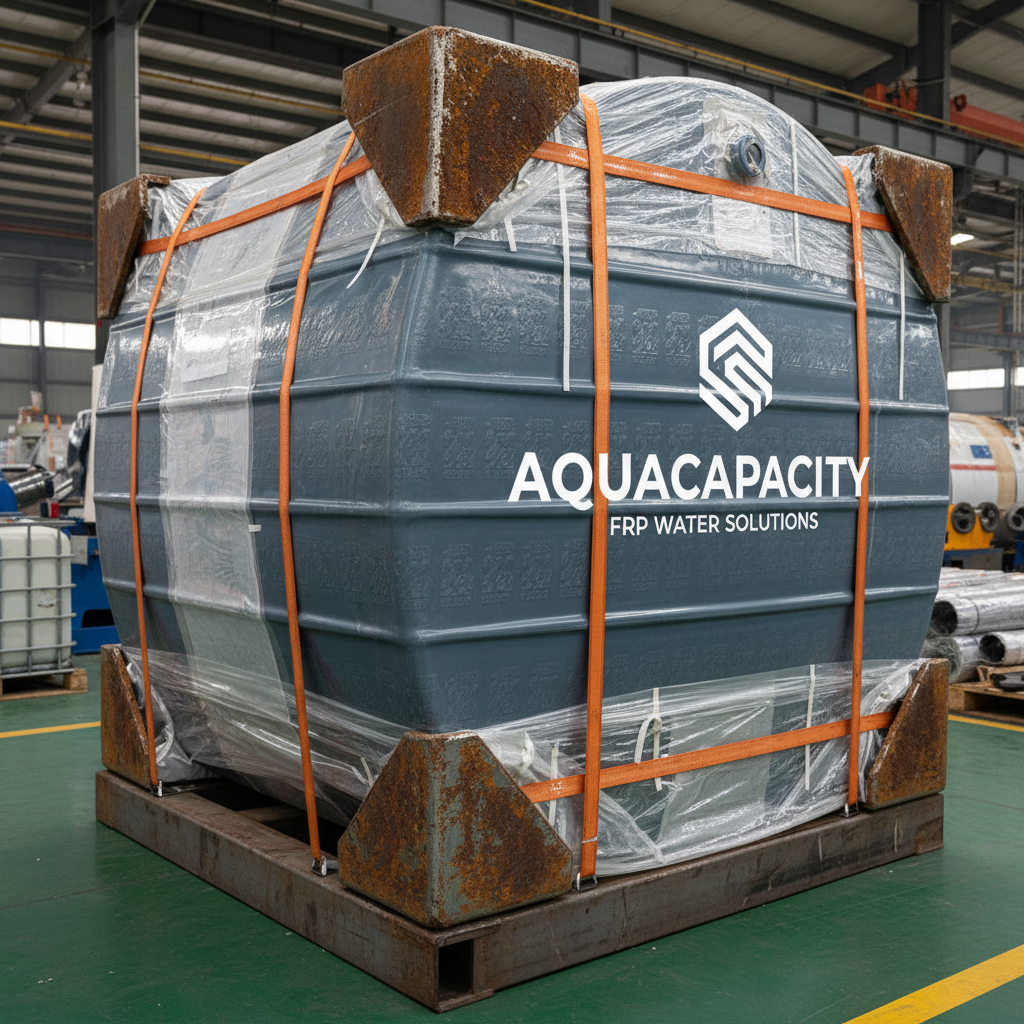
Importantly, they often come pre-fabricated or modular, meaning they can be shipped and assembled with relative ease — a vital advantage in remote or disaster-affected areas.
Core Features of Fiberglass Cisterns and Why They Matter
1. Durability and Resistance
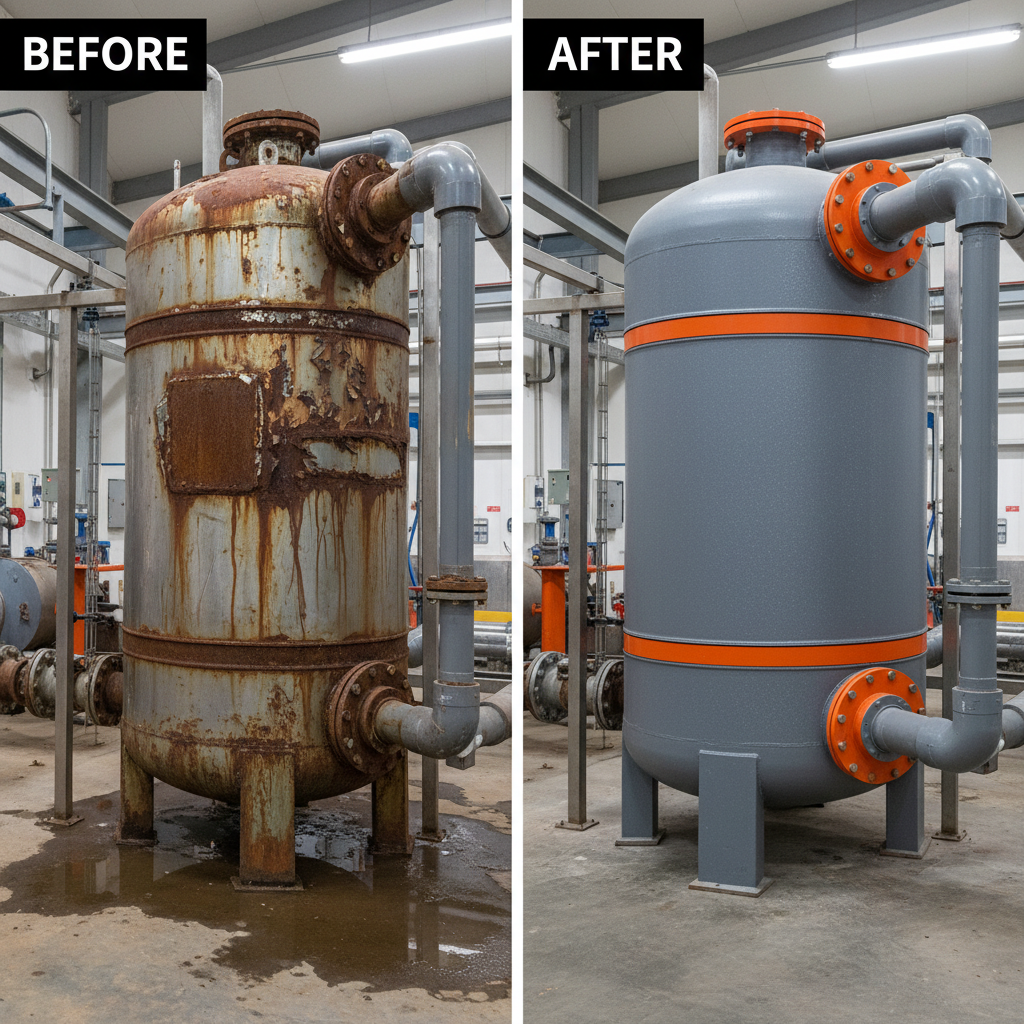
Fiberglass resists corrosion from chemicals, salts, and even UV exposure. Unlike steel, which can rust underground or in humid environments, fiberglass cisterns remain intact, often lasting 30+ years with minimal maintenance.
2. Lightweight and Ease of Transportation
Fiberglass cisterns weigh roughly 60% less than steel counterparts. This dramatically cuts down on shipping costs and installation time, especially in difficult terrains.
3. Scalability and Customization
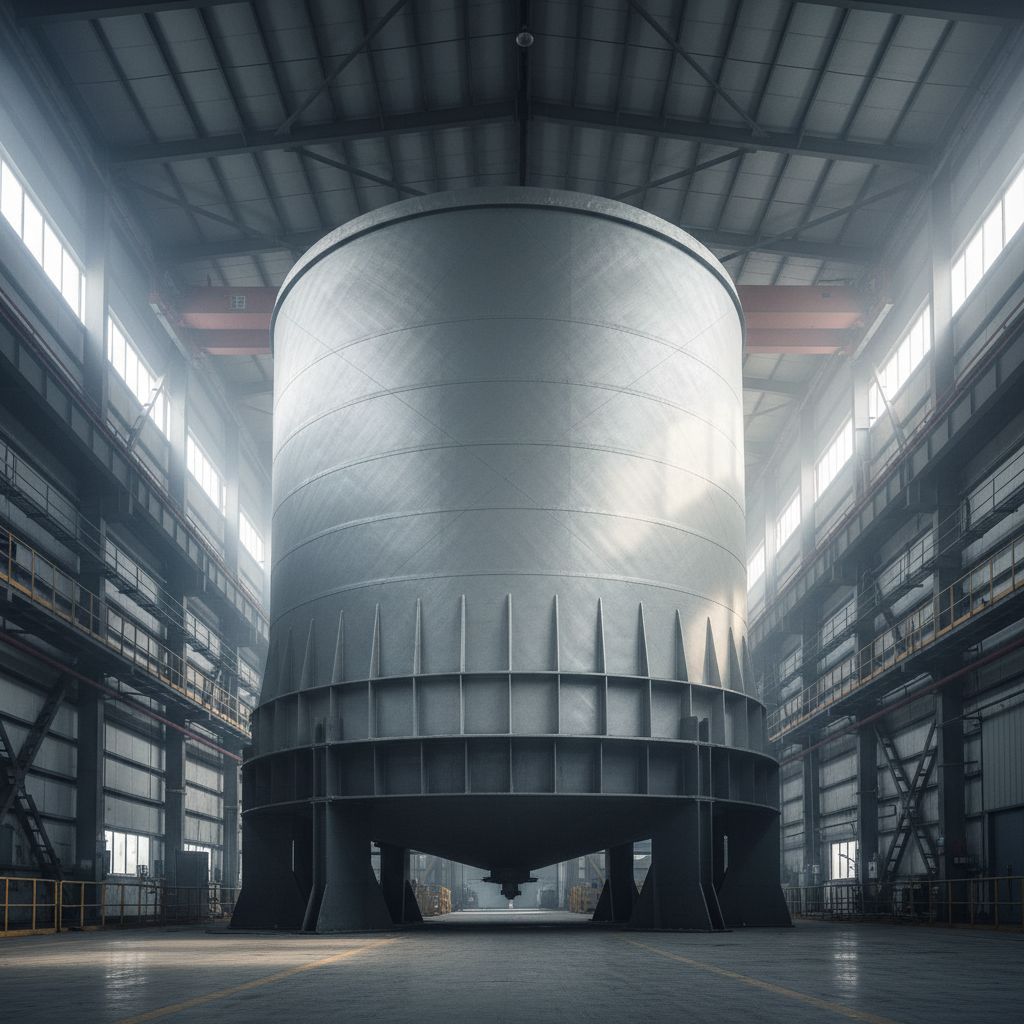
They come in many sizes, from a few hundred gallons to tens of thousands of gallons. Many manufacturers design bespoke systems tailored to specific needs — including shapes, colors, and access points.
4. Cost-Efficiency Over Time
While upfront costs may be slightly higher than plastic tanks, the extended lifespan and low maintenance routinely tip the scales favorably.
5. Environmental Impact
Fiberglass requires less energy to maintain than steel or concrete, and its longevity means fewer replacements and waste over time. Some companies also reuse or recycle FRP materials now, which is encouraging.
| Specification | Typical Range/Value |
|---|---|
| Material | Fiberglass-Reinforced Plastic (FRP) |
| Capacity | 500 to 50,000+ gallons |
| Lifespan | 30–50 years |
| Weight | Up to 60% lighter than steel |
| UV Resistance | Excellent, suitable for outdoor use |
| Maintenance | Low; periodic inspection recommended |
Mini takeaway: Fiberglass cisterns combine lightweight, durability, and adaptable sizing for cost-effective, long-lasting storage solutions.
Real-World Applications of Fiberglass Cisterns
These cisterns are wildly diverse in where they show up.
- Post-Disaster Relief: In hurricane or earthquake-affected zones, quick installation of fiberglass cisterns provides clean water storage, reducing waterborne diseases.
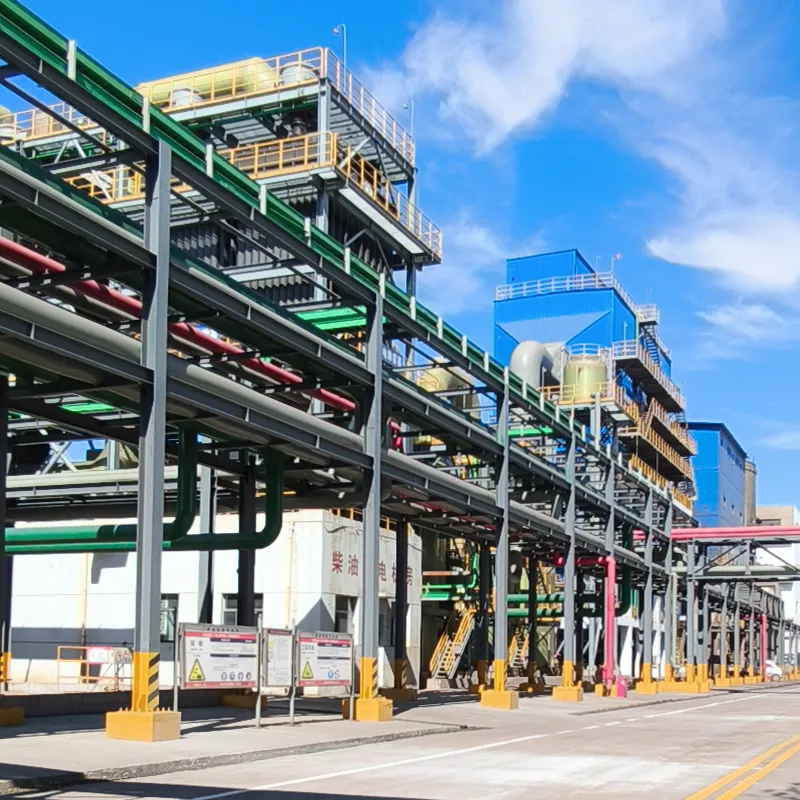
- Remote Industrial Sites: Mining operations and oil fields often rely on fiberglass tanks because they're easy to transport and withstand harsh chemicals.
- Rural Water Harvesting: Farmers and communities in drought-prone areas use fiberglass cistern units to capture rainwater efficiently.
- Municipal Water Plants: Large-scale water utilities employ these cisterns for buffering supply or emergency reserves.
- Food & Beverage Industry: Their chemical inertness makes them suitable for storing process water or food-grade liquids.
Oddly enough, even luxury resorts use fiberglass tanks to store potable or gray water owing to their odorless, rust-free nature.
Advantages and Long-Term Benefits of Choosing Fiberglass Cisterns
Beyond the technical specs lies why many engineers and decision-makers prefer fiberglass cisterns:
- Reliability: You don’t worry about rust or structural failure for decades, essential for critical water supply.
- Cost Savings: Less downtime, fewer repairs, and minimal cleaning translate to real financial benefits over time.
- Sustainability: Reduced reliance on concrete reduces carbon footprints; longer lifespan means less waste.
- Health and Safety: The non-toxic composite material helps maintain water purity and protects public health.
- Peace of Mind: For communities and industries, this trustworthiness translates into dignity and security, something that’s often overlooked but valuable.
Emerging Trends and Innovations Shaping Fiberglass Cisterns
The fiberglass cistern world isn’t static. A few curious trends have caught my eye:
- Integration of IoT Sensors: Smart monitoring of water levels and quality remotely helps optimize usage and detect leaks early.
- Green Materials: New eco-friendly resins and recycling programs aim to reduce environmental impacts.
- Modular Designs: Systems that snap together allow scalability on demand, useful for rapidly evolving sites.
- Hybrid Tanks: Combining fiberglass with other materials like carbon fiber or advanced polymers for enhanced strength.
Looking ahead, policy support for water security is likely to boost adoption in developing economies, where infrastructure needs are pressing.
Common Challenges and How Industry Experts Address Them
Despite their many benefits, fiberglass cisterns face hurdles:
- Initial Investment: Upfront costs are higher than some plastic tanks; still, the tradeoff in longevity often justifies it.
- Repair Complexity: Fiberglass damage requires specialized repair techniques, not simply patching.
- UV Degradation Over Decades: Though resistant, long term UV exposure can weaken surface layers if not properly protected.
Experts suggest thorough site assessment, protective coatings and scheduled maintenance to extend lifespan. Plus, training technicians on FRP repair is now more common.
FAQ: Frequently Asked Questions About Fiberglass Cisterns
Q1: How long do fiberglass cisterns typically last in outdoor conditions?
A: Properly manufactured and maintained fiberglass cisterns often last between 30 to 50 years, even in harsh environments. Their corrosion resistance and UV protection make them durable compared to metal or concrete tanks.
Q2: Are fiberglass cisterns safe for storing drinking water?
A: Yes, they are made using food-grade resins that prevent contamination. Their non-corrosive nature helps maintain water purity, making them a safe choice for potable water storage.
Q3: Can fiberglass cisterns be customized for different sizes and shapes?
A: Absolutely. Manufacturers often offer bespoke designs tailored to specific capacities, footprint constraints, and access requirements, which makes them highly versatile.
Q4: What maintenance is required for a fiberglass cistern?
A: Minimal maintenance includes periodic visual inspections, cleaning the interior annually, and checking for surface damage or leaks to ensure long-term performance.
Q5: How do fiberglass cisterns compare cost-wise over their lifecycle?
A: While initial purchase costs are higher than basic plastic tanks, their longer lifespan and low upkeep typically lead to lower overall costs across decades.
In Closing: Why Fiberglass Cisterns Are Worth Considering
All things considered, fiberglass cisterns offer a compelling mix of durability, flexibility, and sustainability—the kind of trifecta that modern water storage desperately needs. From remote farms to sprawling industrial parks, their practical advantages ripple far beyond just technical specs.
If water reliability and long-term savings are priorities for you or your organization, exploring the options available in fiberglass cisterns is definitely worthwhile. Curious to see what’s available? Visit our website: https://www.frpgrpmachine.com to discover a range of top-quality fiberglass cisterns tailored for diverse needs.
Vendor Comparison: Leading Fiberglass Cistern Suppliers
| Vendor | Typical Capacity | Customization | Lead Times | Warranty |
|---|---|---|---|---|
| FRP Global Inc. | 1,000 - 50,000 gal | High - bespoke designs | 4-6 weeks | 10 years structural |
| AquaFibro Solutions | 500 - 25,000 gal | Moderate | 3-5 weeks | 7 years |
| ClearWater Tanks Ltd. | 750 - 40,000 gal | Standard models, custom on request | 5-7 weeks | 8 years |
Each supplier brings slightly different strengths to the table, so your choice would depend on your project timeline, capacity needs, and customization desires. These lead times and warranties are fairly representative of industry norms.