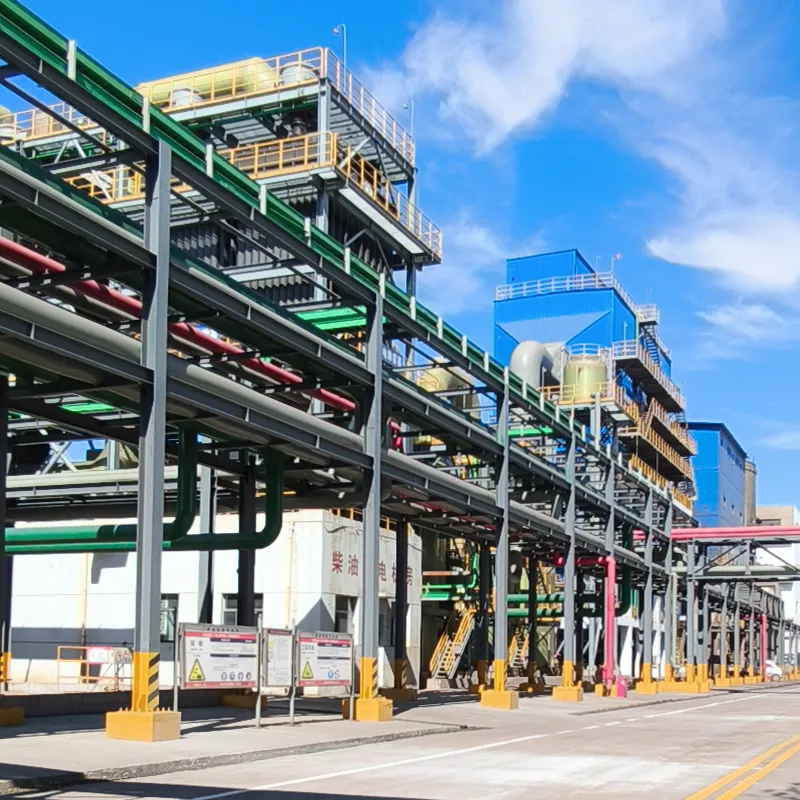
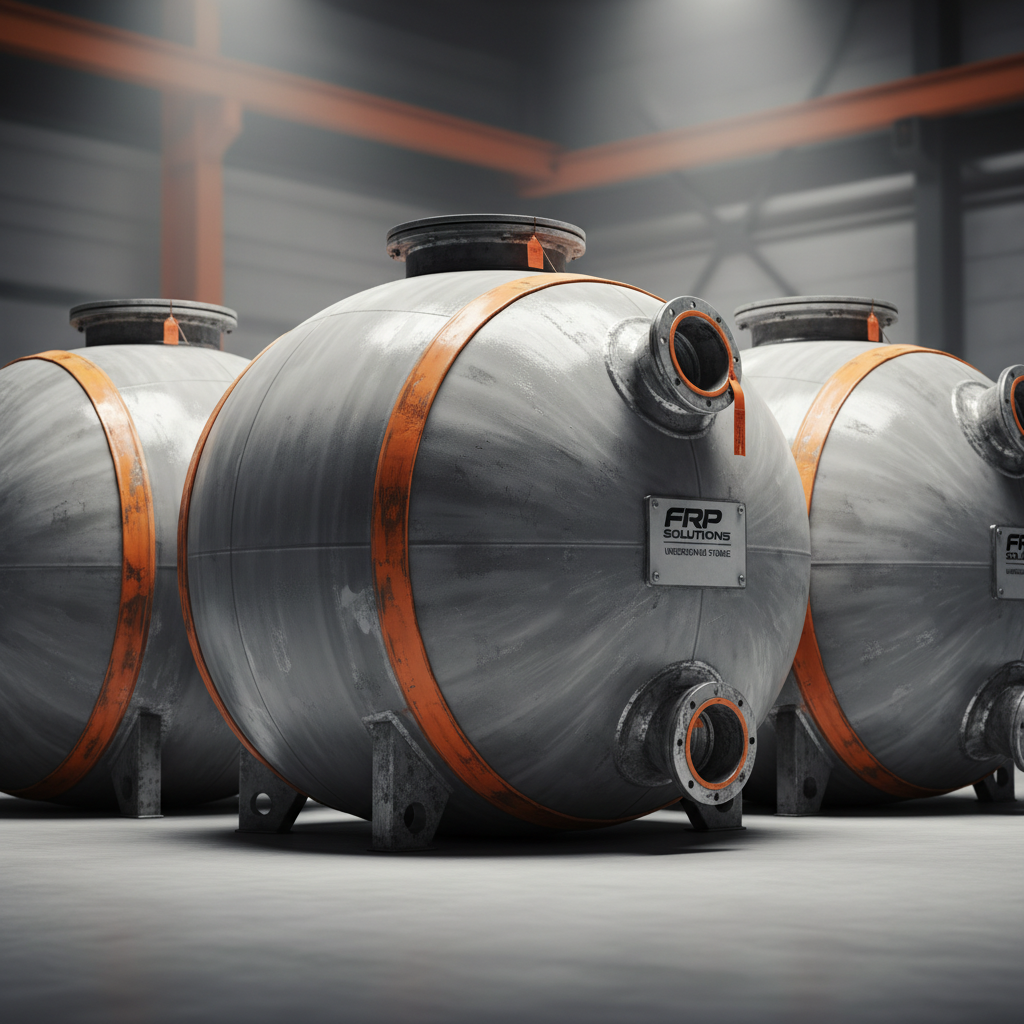
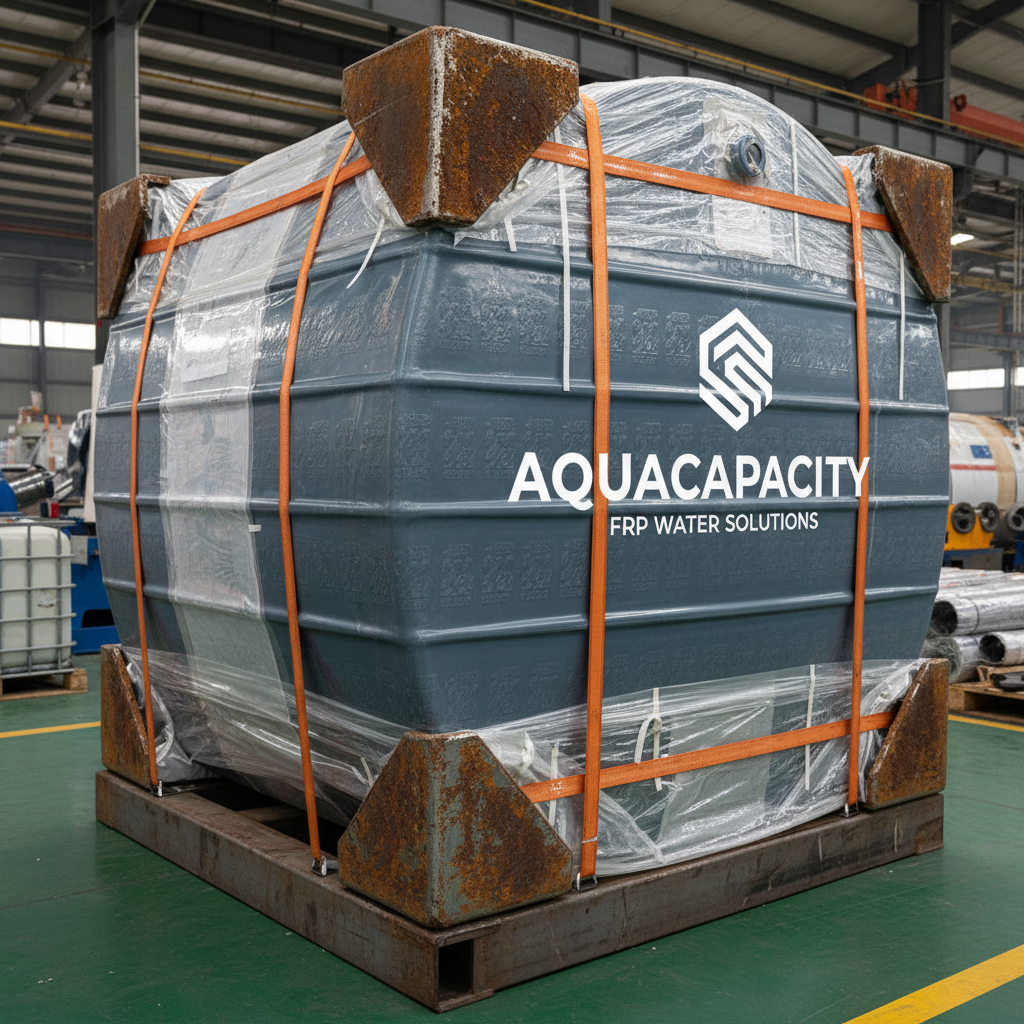
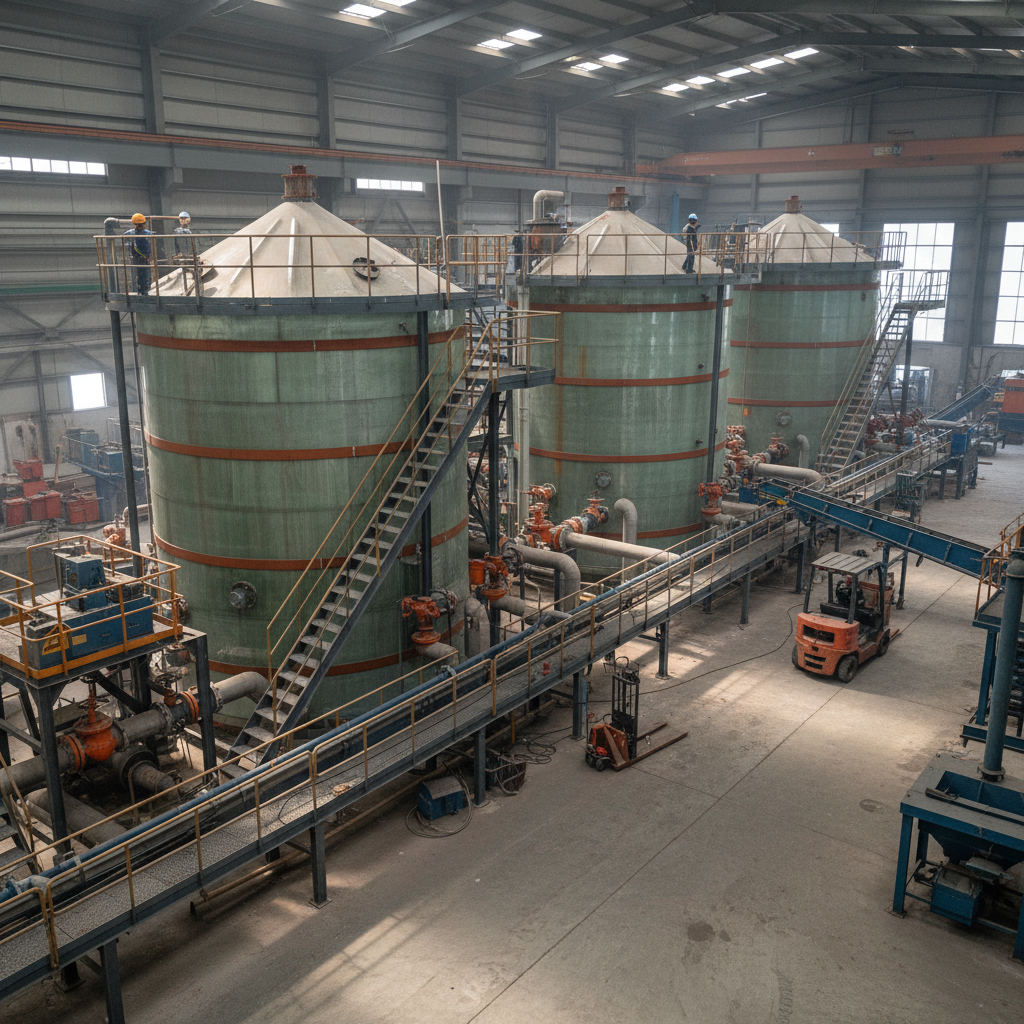
Durable Fiberglass Fuel Storage Tanks for Efficient and Safe Fuel Management
Fiberglass Fuel Storage Tanks: A Modern Solution to Age-Old Challenges
Imagine a storage tank that resists corrosion, weighs less than its steel counterparts, and endures harsh weather conditions without fuss. That’s essentially what fiberglass fuel storage tanks bring to the table in energy storage and transport worldwide. As industries expand and the demand for reliable fuel storage escalates, understanding these tanks — their benefits, applications, and future — becomes crucial for engineers, businesses, and policymakers alike.
Why Fiberglass Fuel Storage Tanks Matter Globally
Globally, fuel storage is a logistics backbone, keeping transport, power generation, and industry humming. According to the United Nations Industrial Development Organization (UNIDO), efficient and safe storage systems directly impact energy security and environmental protection [1]. Steel tanks have dominated historically, but rust, weight, and maintenance costs have posed constant headaches — especially in corrosive or remote environments. Fiberglass fuel storage tanks address this with innovative materials and design. They literally reshape how we handle flammable liquids, reducing risks and long-term costs.
Mini takeaway: In a world eager for sustainable, durable infrastructure, fiberglass offers an elegant fix to old problems of corrosion and weight in fuel storage.
Defining Fiberglass Fuel Storage Tanks and Their Industrial Place
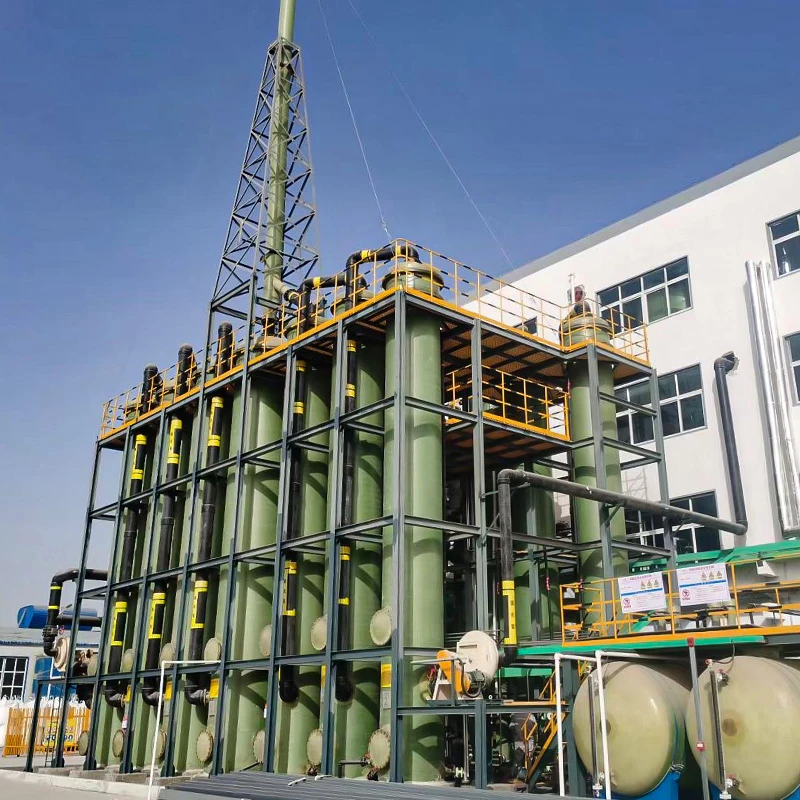
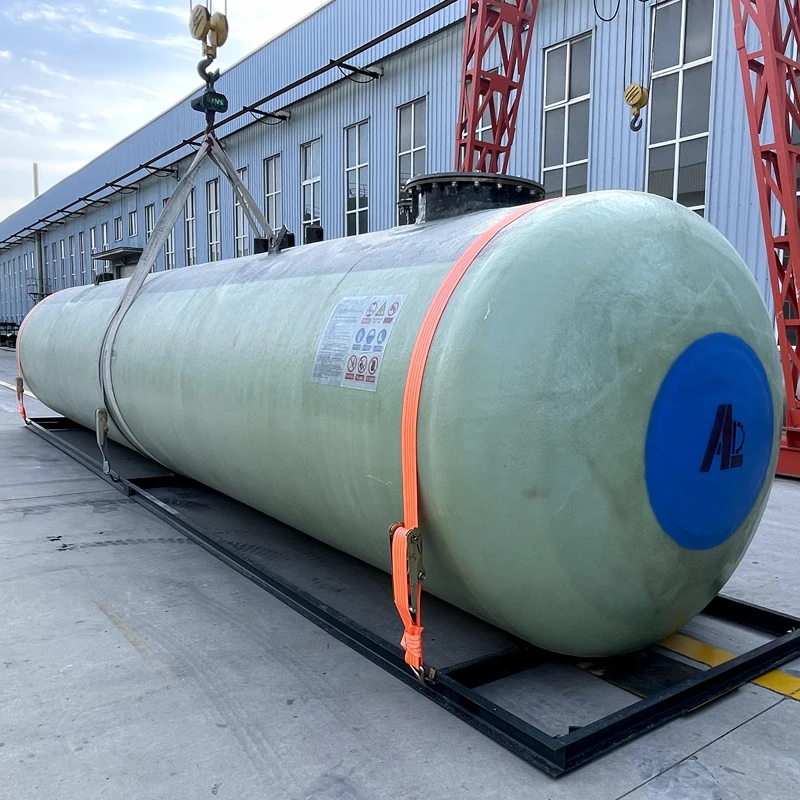
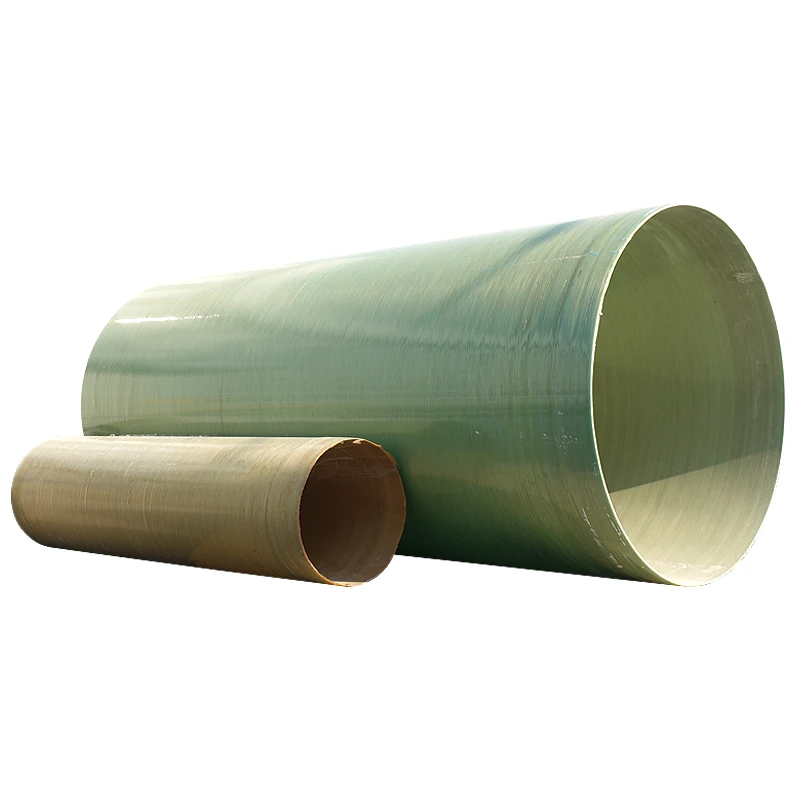
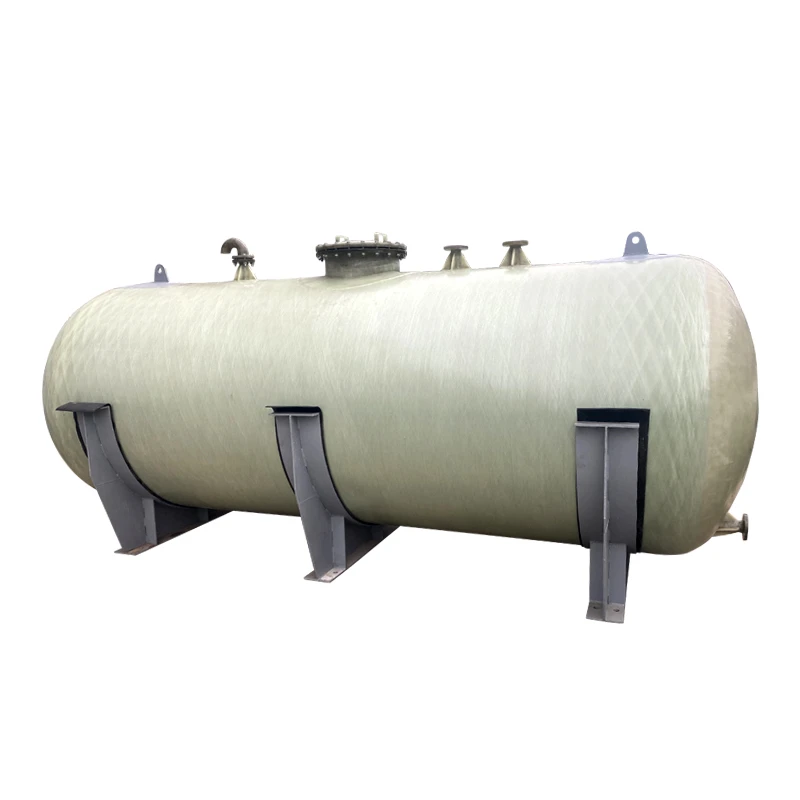
At its core, a fiberglass fuel storage tank is a container crafted primarily from glass fiber reinforced plastic (GRP) or fiberglass, designed to hold gasoline, diesel, kerosene, or other fuels safely. Its composite materials offer superior resistance to corrosion, chemical degradation, and mechanical stress — all while remaining lightweight. These tanks are easier to install and maintain than traditional steel or concrete tanks.
Beyond just industrial uses, these tanks are critical in humanitarian contexts. Think post-disaster zones where quick setup and reliability matter for storing emergency fuel supplies — fiberglass’s portability and longevity make it indispensable.
Key Properties That Set Fiberglass Tanks Apart
1. Durability and Corrosion Resistance
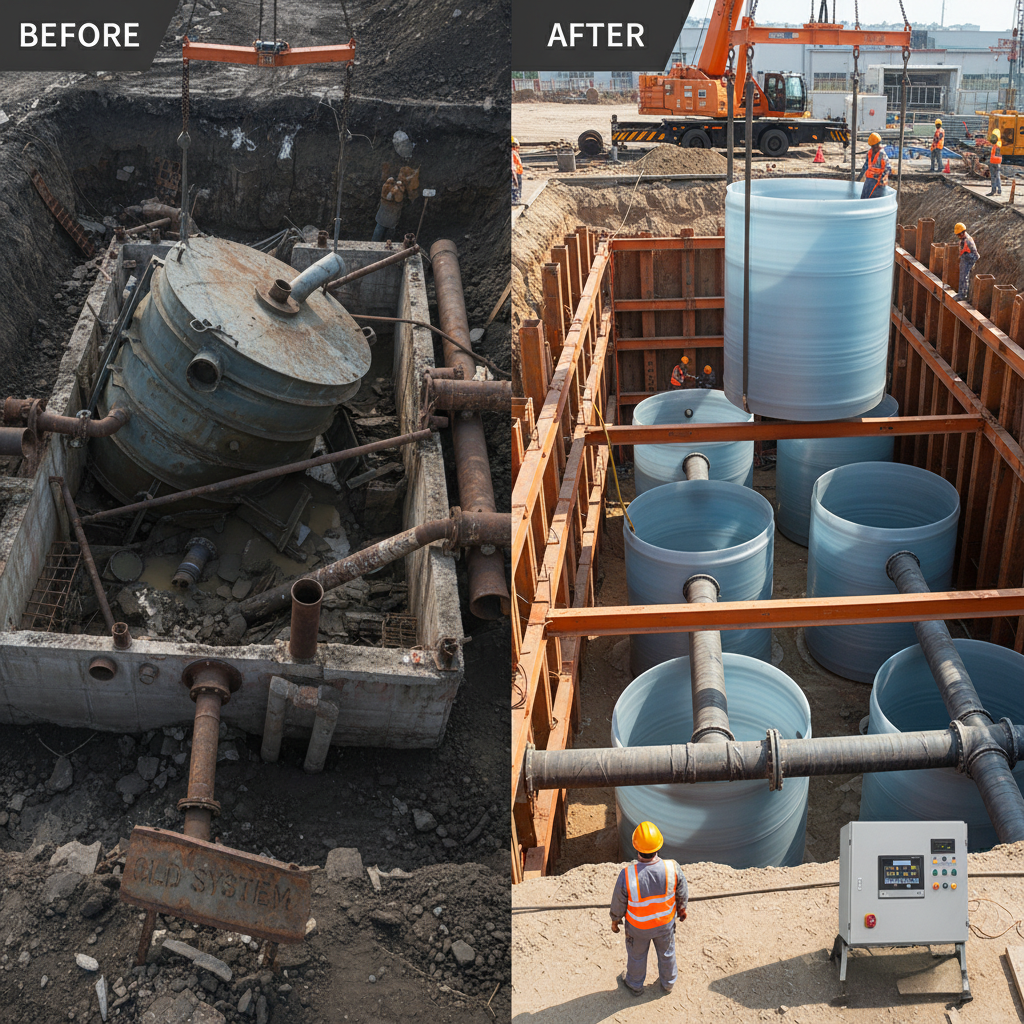
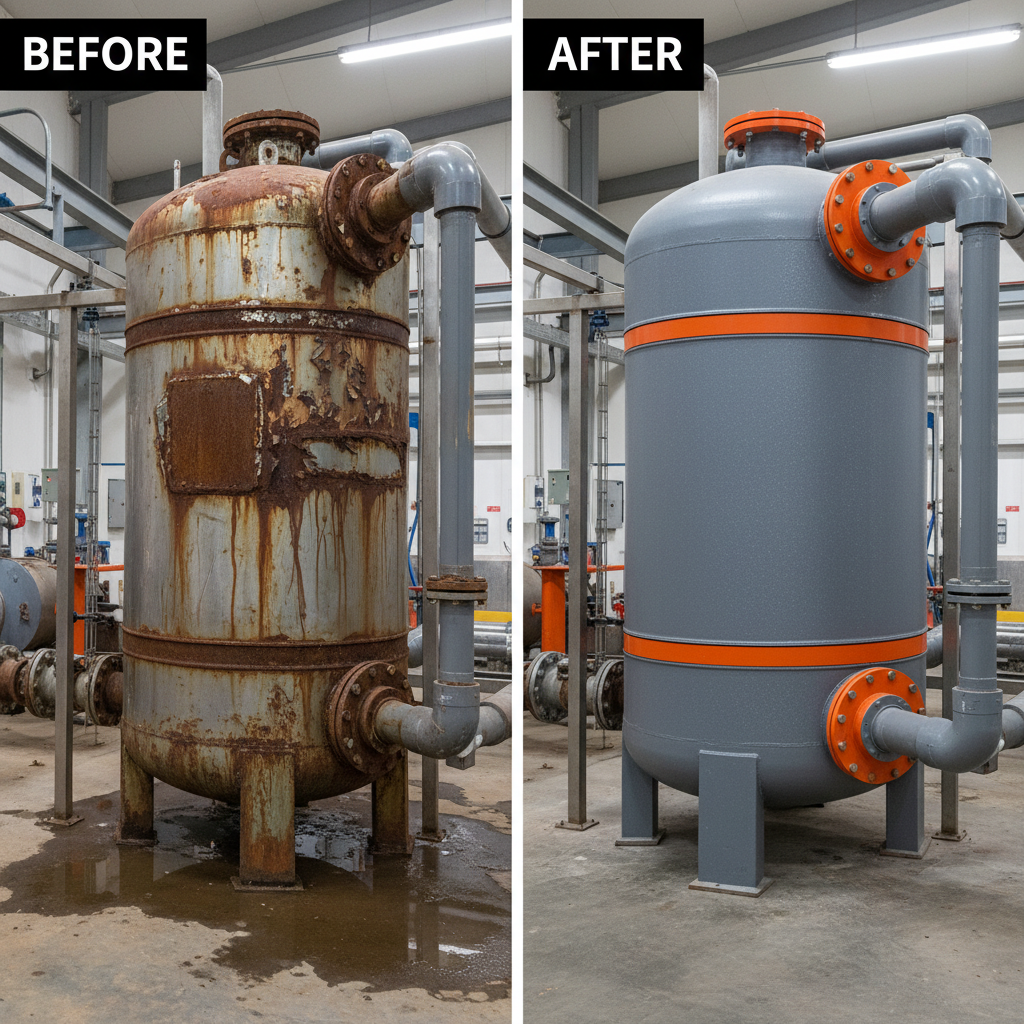
One of the main reasons fiberglass tanks outshine steel is their immunity to rust. Steel tanks, especially underground, deteriorate over time, risking leaks and contamination. Fiberglass composites withstand acids, alkalis, salts, and the elements without degradation, vastly improving longevity — something engineers appreciate when planning decades-long projects.
2. Lightweight and Easy Installation
Weighing roughly 40-60% less than steel tanks of the same capacity, fiberglass tanks allow quicker, less costly transport and installation. This is especially valuable in remote industrial zones or developing regions where heavy equipment is scarce.
3. Scalability and Customization
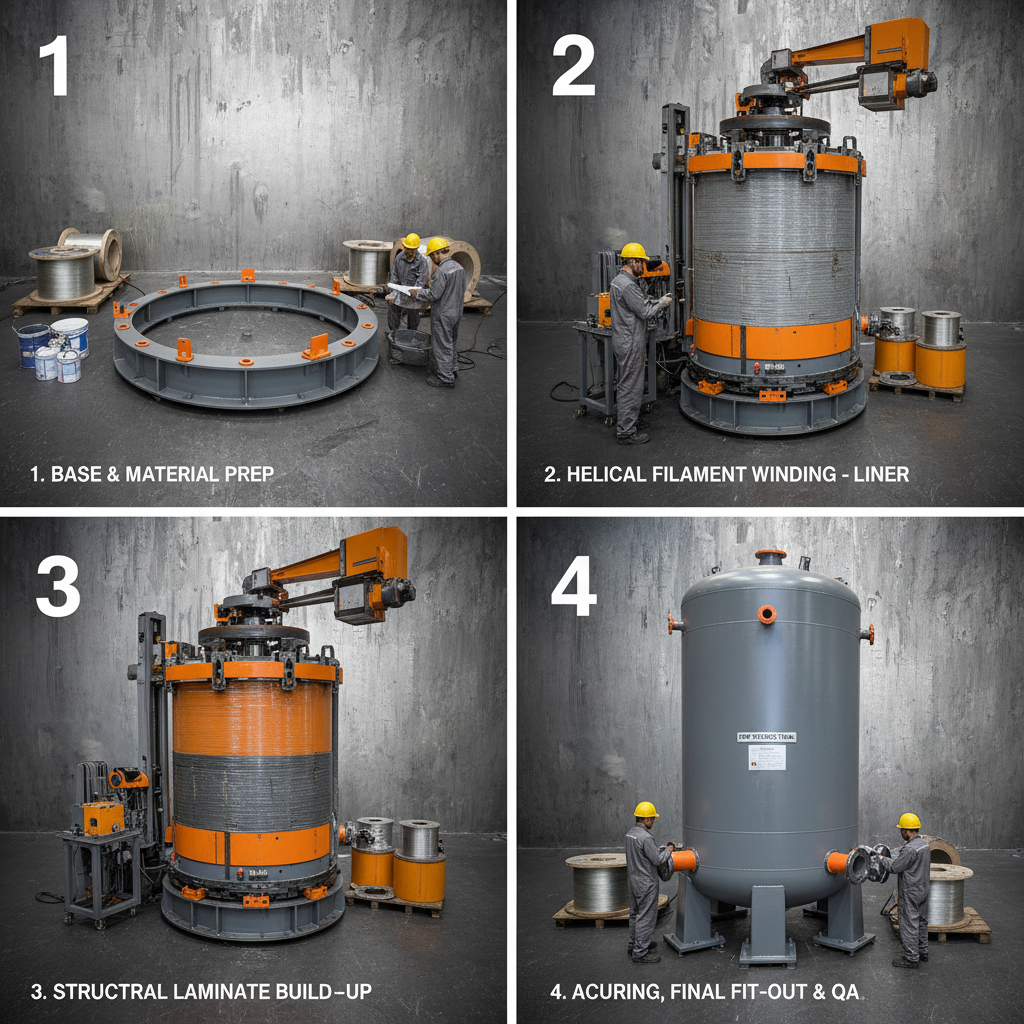
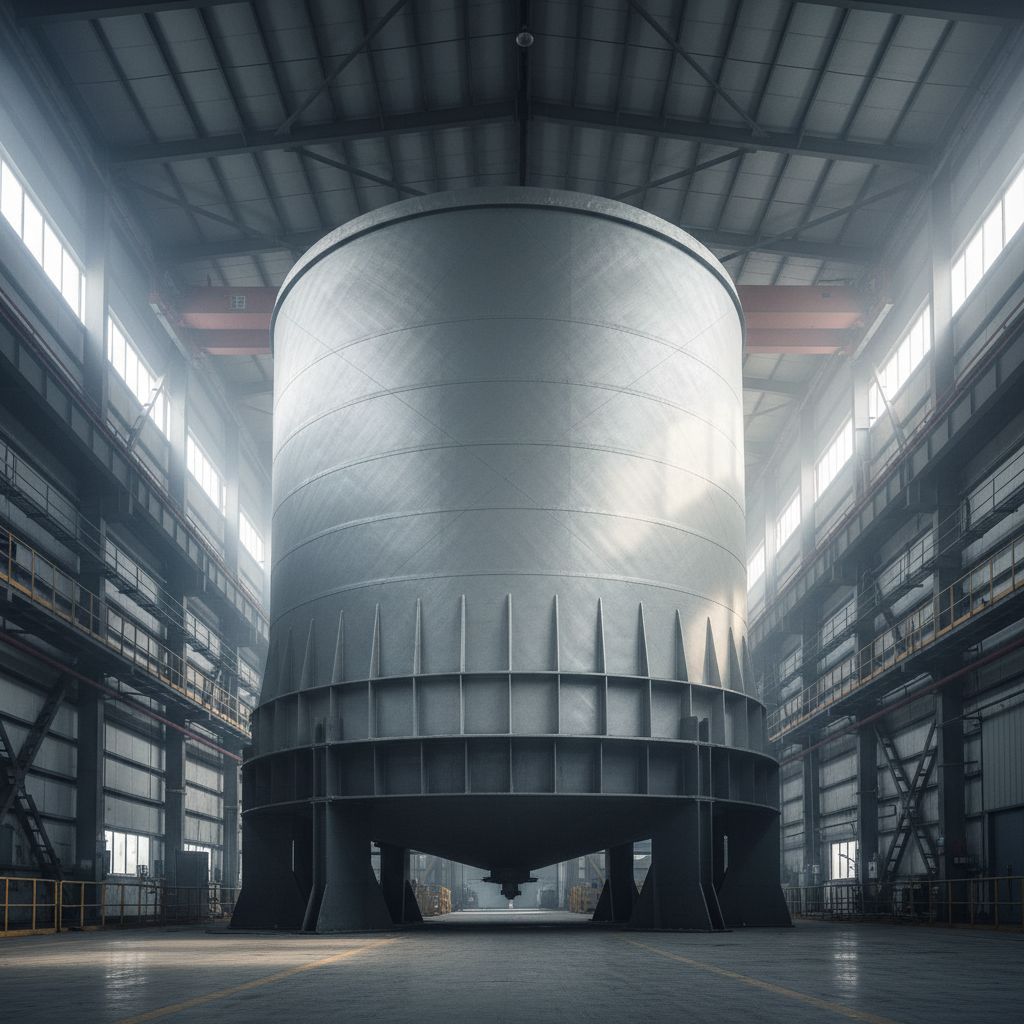
Fiberglass manufacturing enables flexible shapes and sizes — from small portable tanks to massive storage units exceeding 100,000 liters. Custom fittings, access ports, and reinforced layers mean these tanks conform to specific industrial or environmental needs.
4. Low Maintenance Costs
No frequent painting or cathodic protection is needed, which reduces ongoing operational costs dramatically. A clean visual appeal is an added bonus, especially for commercial installations.
5. Safety Advantage
Because fiberglass is non-conductive and chemically inert, it lowers the chances of sparks or electrostatic discharge, making it safer in volatile settings — a subtle yet crucial point.
Mini takeaway: The combined traits of strength, lightness, and chemical resistance make fiberglass fuel storage tanks a practical and often preferable choice.
How Industries and Regions Use Fiberglass Fuel Storage Tanks
Across continents and sectors, fiberglass fuel storage tanks have been game-changers:
- Remote energy projects: In places like sub-Saharan Africa, where infrastructure is fragile, fiberglass tanks store diesel for generators reliably.
- Maritime operations: Saltwater environments accelerate steel corrosion, so coastal ports increasingly rely on fiberglass tanks.
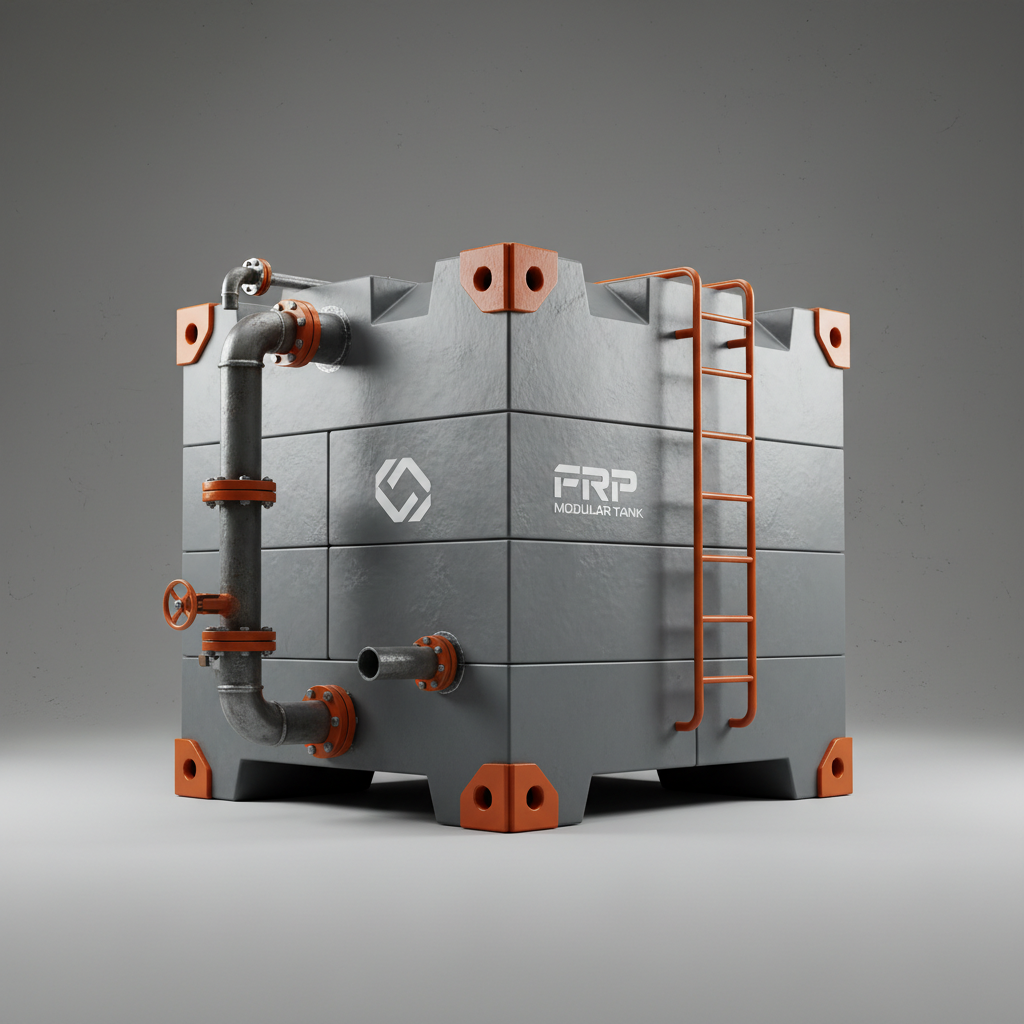
- Disaster relief: Agencies deploy modular fiberglass tanks for quick fuel storage to support emergency vehicles and equipment.
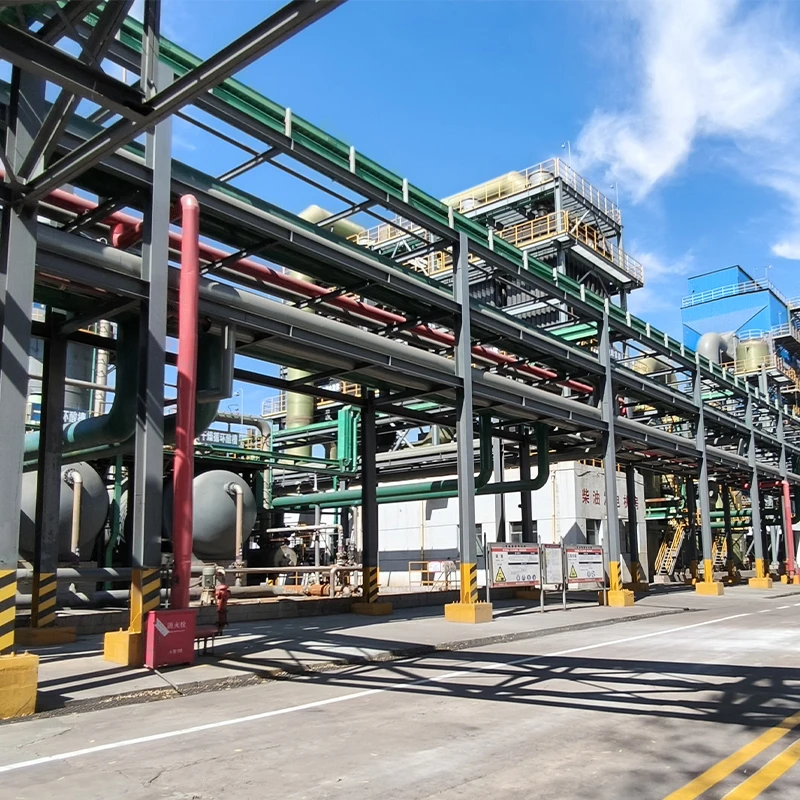
- Oil & gas fields: Onshore drilling sites use them for safe temporary storage, reducing spill risk and environmental impact.
Regions with aggressive environmental codes, such as the European Union and parts of Asia, promote fiberglass tanks as part of sustainable industrial policies.
Typical Fiberglass Fuel Storage Tank Specs
| Specification | Value / Range |
|---|---|
| Material | Glass fiber reinforced plastic (GRP) |
| Capacity | 5,000 – 100,000+ liters |
| Operating Temperature | -40°C to 90°C |
| Density | ~1.8 – 2.0 g/cm³ |
| Corrosion Resistance | Excellent against acids, alkalis, saltwater |
| Installation Time | 1-3 days (typical, site dependent) |
Comparing Leading Fiberglass Fuel Tank Providers
| Provider | Typical Capacities | Customization | Delivery Time | Unique Selling Point |
|---|---|---|---|---|
| FRPG Group Machine | 5,000 – 80,000 liters | High; tailored designs & fittings | 2-4 weeks | Advanced corrosion technology, fiberglass fuel storage tanks |
| TankCo Solutions | 10,000 – 100,000 liters | Moderate; standard models & extras | 3-6 weeks | Rapid modular tank assembly |
| EcoTank Asia | 5,000 – 50,000 liters | Low; standardized units | 4-8 weeks | Eco-friendly resin materials |
Advantages And Long-Term Benefits
In real terms, choosing fiberglass fuel storage tanks often boils down to long-term investment. For one, you get less downtime and fewer repairs — meaning smoother operations and a lower total cost of ownership. Beyond money, there’s the emotional comfort engineers and site managers cite: reduced risks of leaks or failures, and less environmental guilt.
In an era when sustainability isn't just a buzzword, the recyclability of certain fiberglass components and their longevity help reduce waste. Plus, their resistance to contamination safeguards fuel quality — a subtle but crucial point impacting machine performance and emissions.
Bottom line: fiberglass tanks offer financial savings, operational security, and environmental goodwill rolled into one package.
Emerging Trends & Innovations
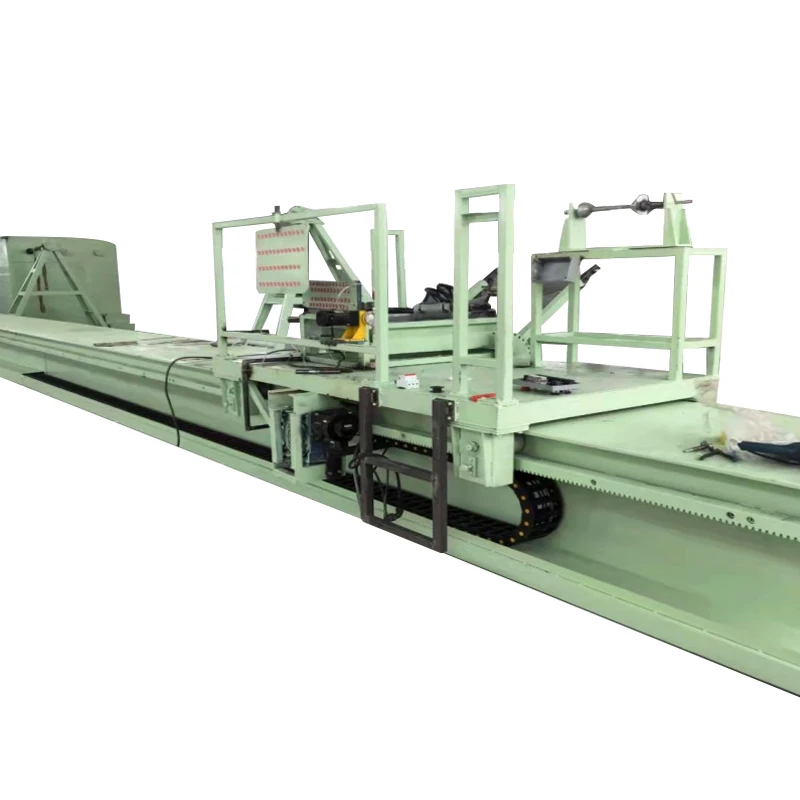
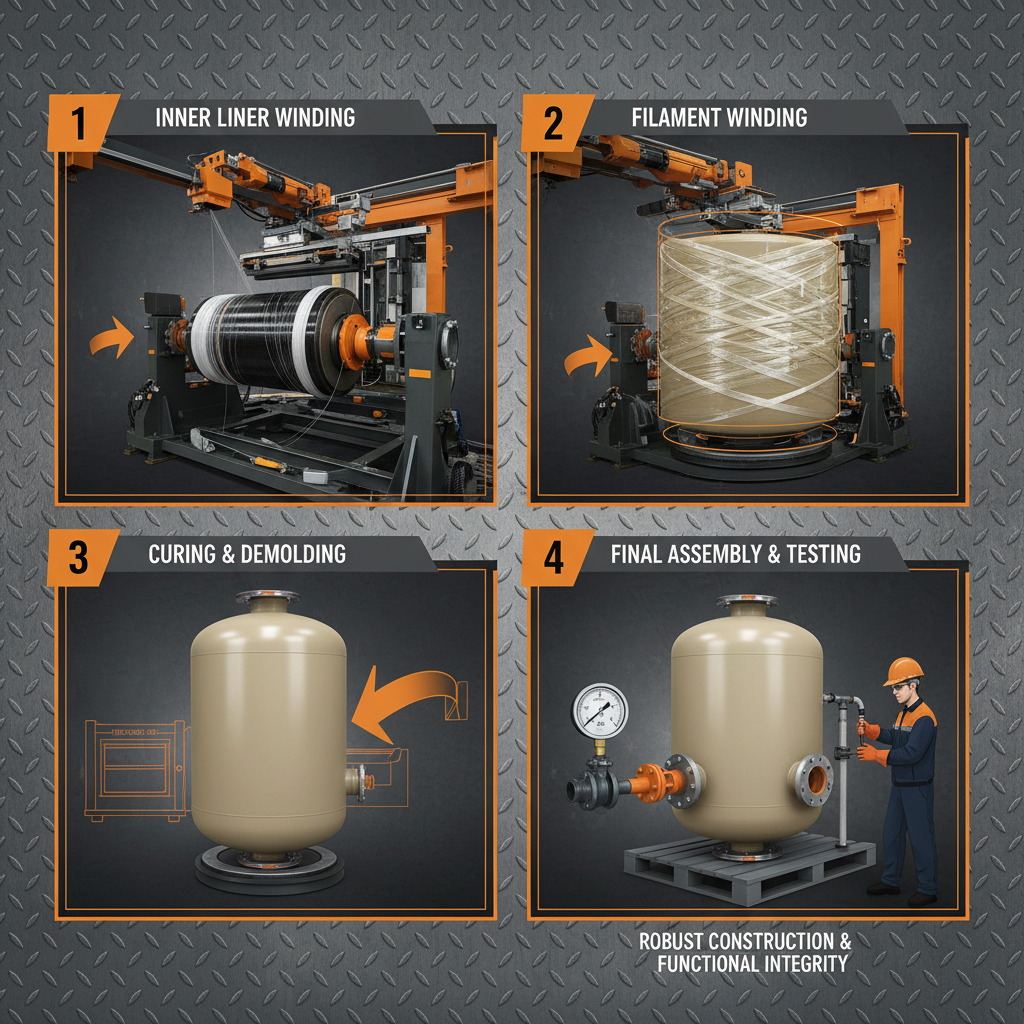
The world of fiberglass fuel storage tanks isn’t static. New resin formulations improve UV and temperature resistance, extending lifespan further. Integrating digital monitoring systems allows real-time leakage detection and inventory management, a real leap forward for industrial clients. Automation in manufacturing is also driving down costs and improving quality control.
Interestingly, some vendors experiment with bio-based resins, making tanks more sustainable from cradle to grave — a sign the sector is responding to broader green energy concerns.
Common Challenges and Solutions
Of course, no solution is perfect. Fiberglass tanks can be vulnerable to impact damage if not adequately protected, and UV exposure might degrade some materials over extended periods without proper additives. Transportation logistics can be tricky for very large tanks, and skilled installers are essential for safe deployment.
Experts recommend composite reinforcement techniques and coupling fiberglass tanks with protective outer shells or underground burial in controlled conditions to mitigate risks. Training programs and certification for installers also improve outcomes dramatically.
FAQ: Practical Questions About Fiberglass Fuel Storage Tanks
Q1: How long do fiberglass fuel storage tanks typically last?
A: Most fiberglass tanks have an operational lifespan of 25-40 years, depending on environmental conditions and maintenance. Proper UV protection and routine inspections can help maximize longevity.
Q2: Are fiberglass tanks suitable for underground installation?
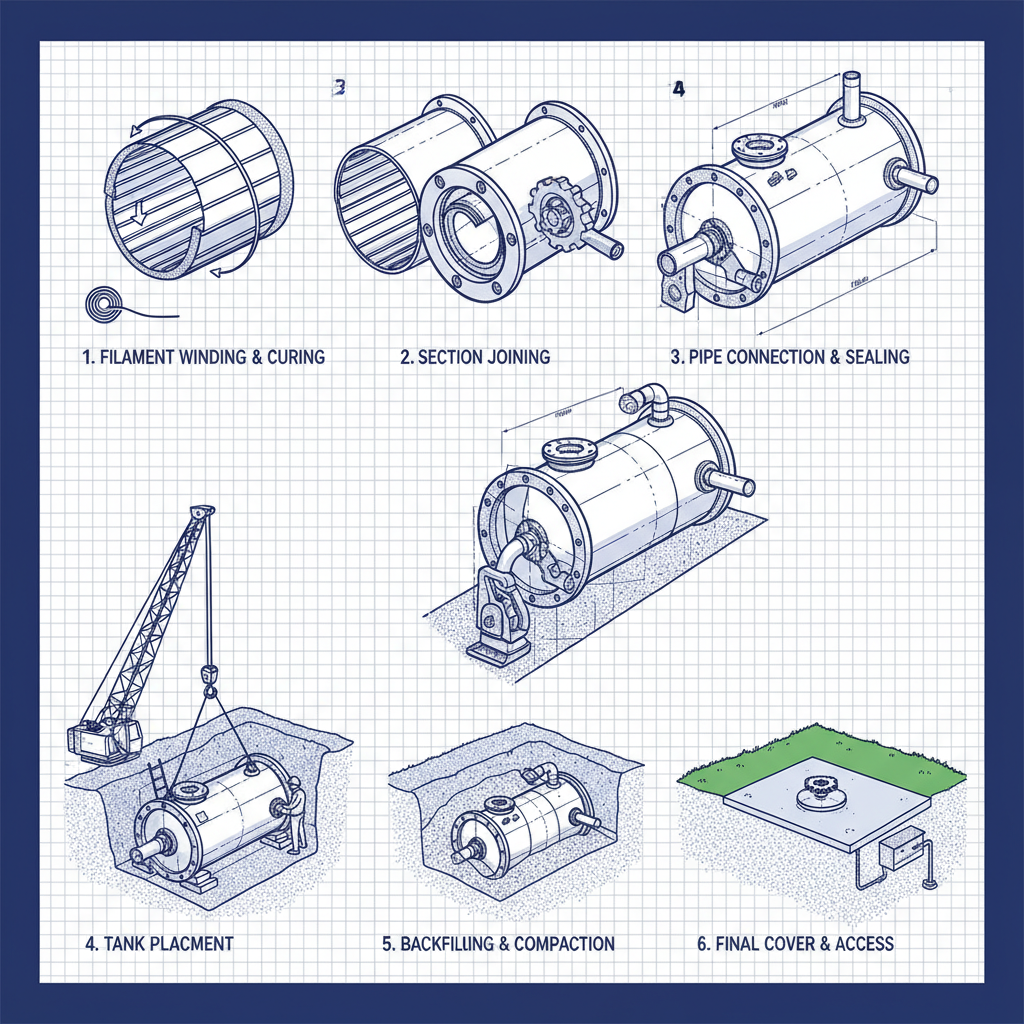
A: Yes, fiberglass tanks can be designed and reinforced for underground use; they resist corrosion unlike traditional steel tanks, which often rust and leak underground.
Q3: How does temperature affect fiberglass fuel storage tanks?
A: Fiberglass tanks generally operate safely between -40°C to 90°C. Extreme temperatures above or below this range may require specialized materials or insulation.
Q4: Can these tanks store different types of fuels safely?
A: Yes, fiberglass tanks are compatible with gasoline, diesel, kerosene, and many other petroleum products, due to their chemical-resistant resin matrix.
Q5: What about maintenance requirements? Are fiberglass tanks high-maintenance?
A: Actually, fiberglass fuel storage tanks require minimal maintenance compared to metal tanks. No painting, cathodic protection, or anti-corrosion coatings are necessary; mainly periodic checks for cracks or impact damage.
Conclusion: Embracing Fiberglass for a Sustainable Fuel Future
Fiberglass fuel storage tanks represent a mature but evolving technology that elegantly blends durability, safety, and efficiency. Their global adoption is steadily increasing as industries seek lower costs, easier installation, and sustainable solutions that answer modern challenges. If you’re considering upgrading or investing in storage solutions, these composite tanks deserve a close look.
Ready to see what fiberglass tanks can do for your project? Discover more reliable options at fiberglass fuel storage tanks.
Reflecting on a visit to a remote solar farm installation last year, it was striking how the fiberglass tanks quietly ensured uninterrupted fuel supply to backup generators — a quiet hero in the energy ecosystem...
References
- United Nations Industrial Development Organization (UNIDO), Energy Efficiency and Environment Report, 2022.
- International Organization for Standardization (ISO) standards on composite materials, 2021.
- Wikipedia contributors. "Fiberglass." Wikipedia, The Free Encyclopedia. https://en.wikipedia.org/wiki/Fiberglass (accessed 2024).