Durable & Sustainable Fiberglass Heating Oil Tanks | Global Solutions
Understanding Fiberglass Heating Oil Tanks: Why They Matter Globally
Fiberglass heating oil tanks might not be a kitchen table topic for most people, but they quietly play a huge role in heating homes and facilities worldwide. As energy needs grow and environmental standards tighten, these tanks have become a practical solution — offering durability, safety, and sustainability. By understanding their importance, we can appreciate how they shape energy distribution, protect the environment, and support industries globally.
Global Context: The Growing Need for Durable Heating Oil Storage
Heating oil remains a backbone energy source, especially across North America, Europe, and parts of Asia. According to the International Energy Agency (IEA), around 15% of residential energy consumption in cold regions still comes from oil heating. The need for reliable storage has never been higher, especially with increased regulatory scrutiny on emissions and leaks.
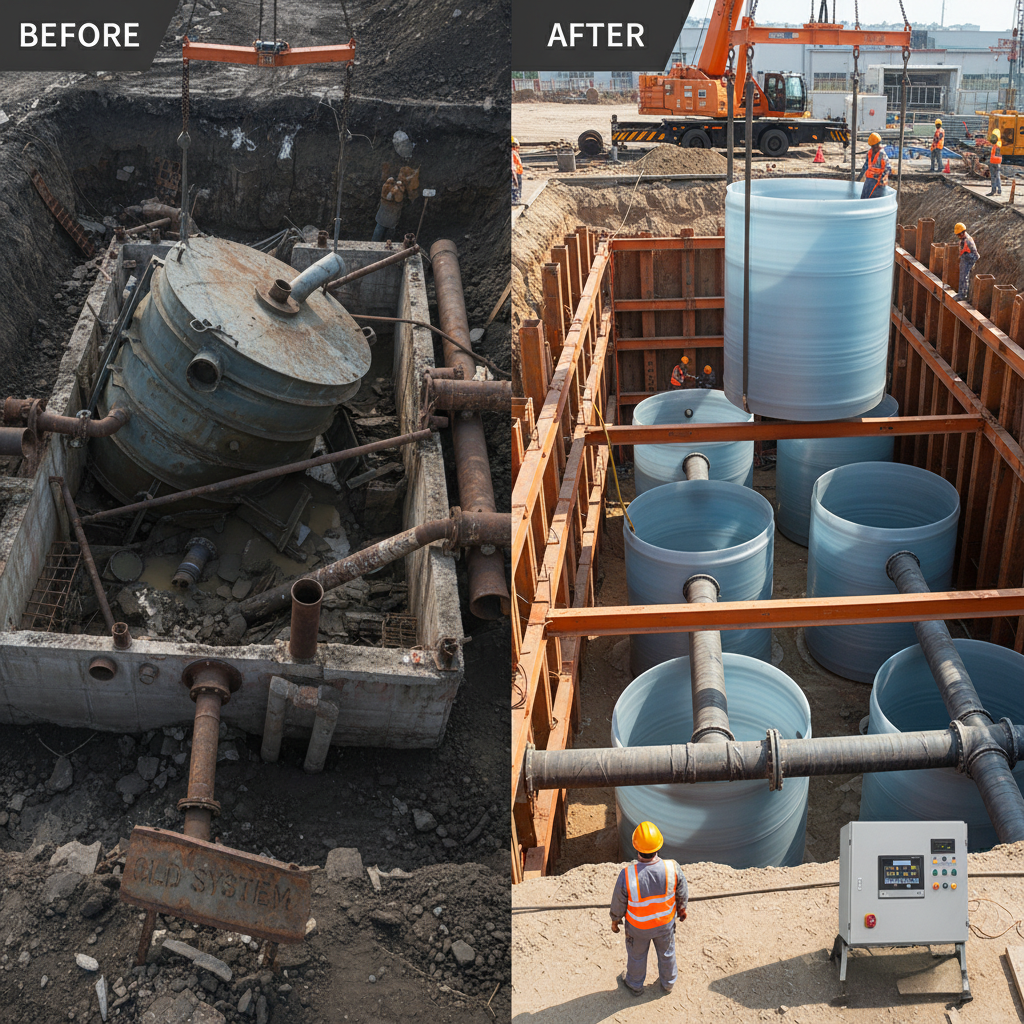
Fiberglass heating oil tanks address several challenges—corrosion damage, environmental contamination, and aging infrastructure. The World Bank has even highlighted proper fuel storage as critical in rural electrification and heating projects in emerging economies, showing their real-world impact beyond just industrialized countries.
Mini takeaway: As global energy systems evolve, fiberglass tanks answer the call for safer, longer-lasting heating oil storage solutions across climates and sectors.
What Exactly Is a Fiberglass Heating Oil Tank?
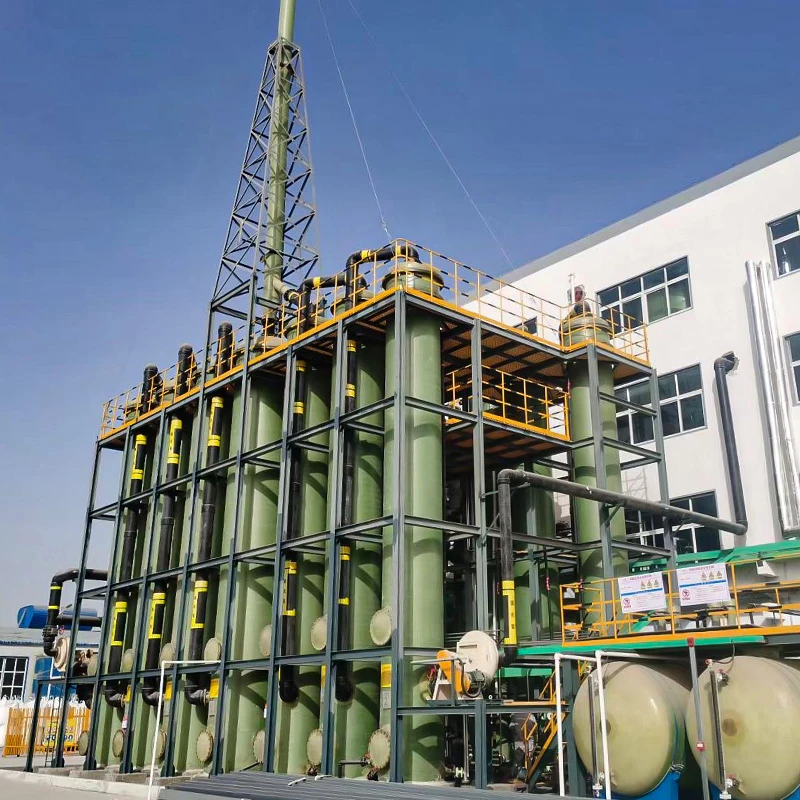
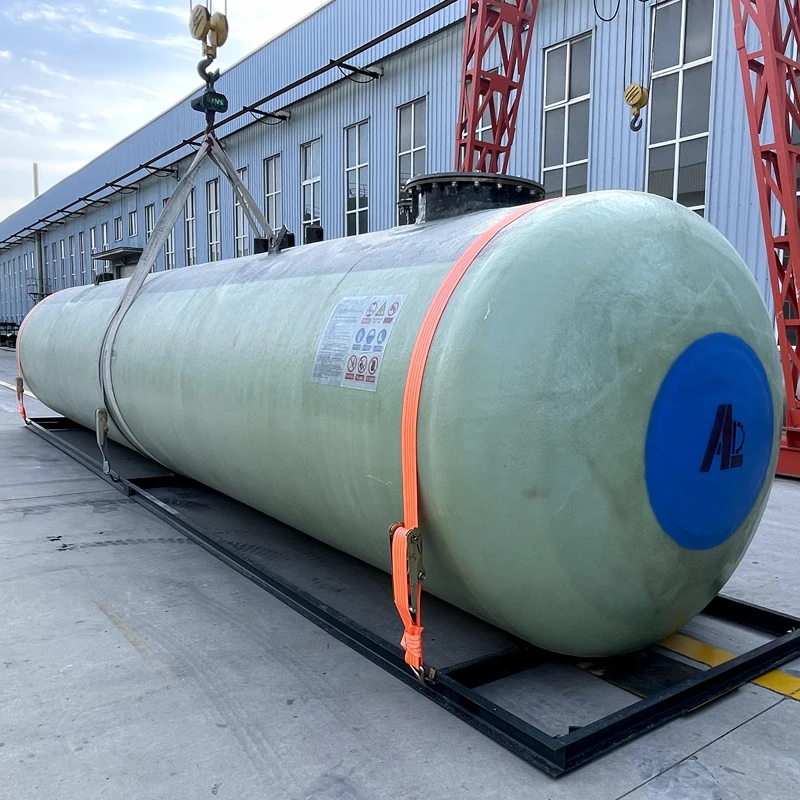
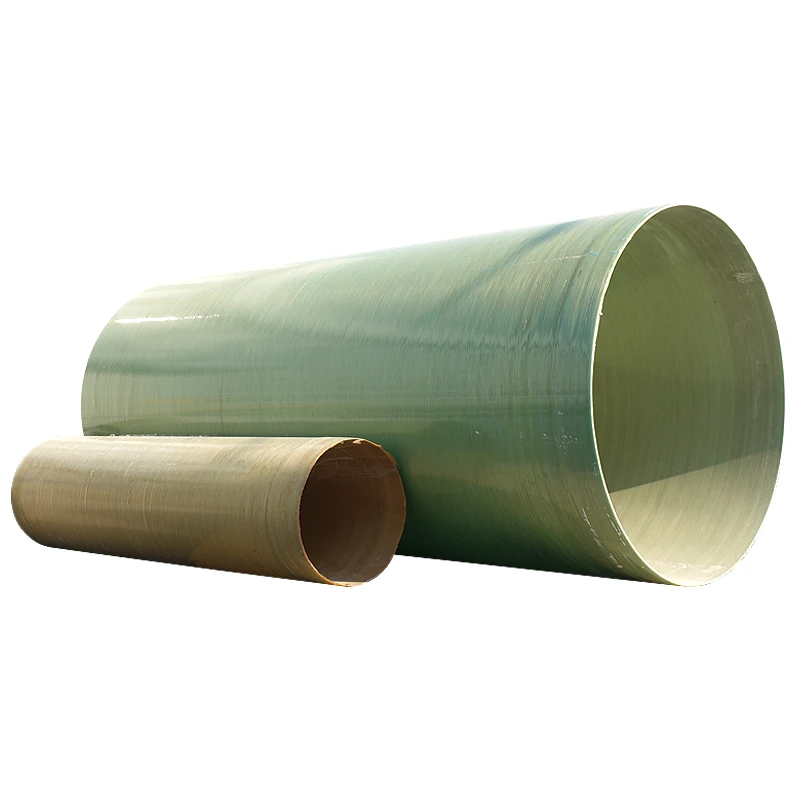
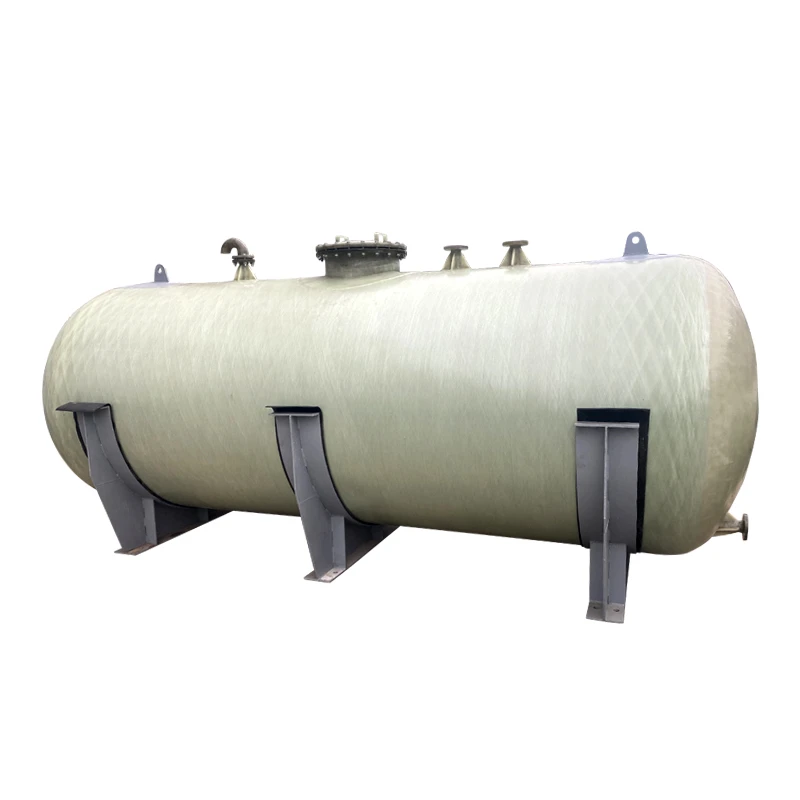
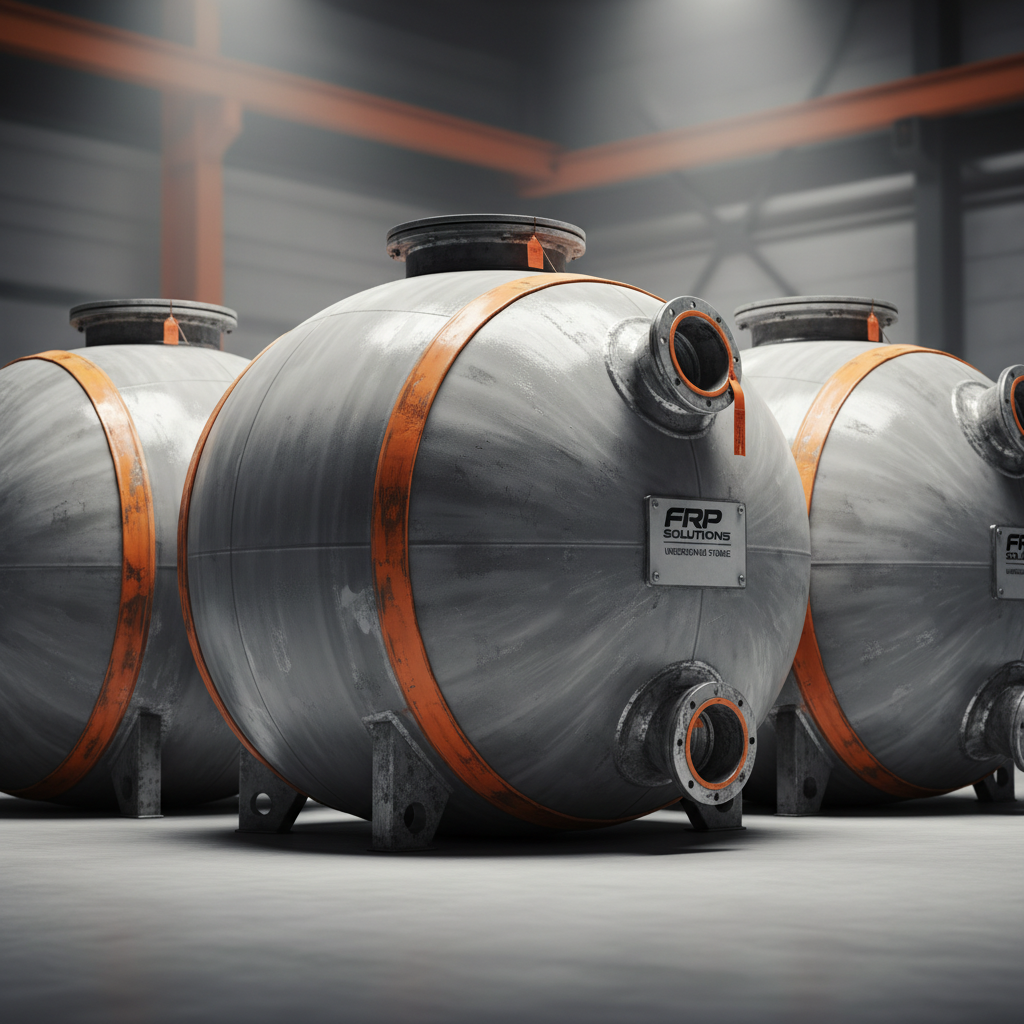
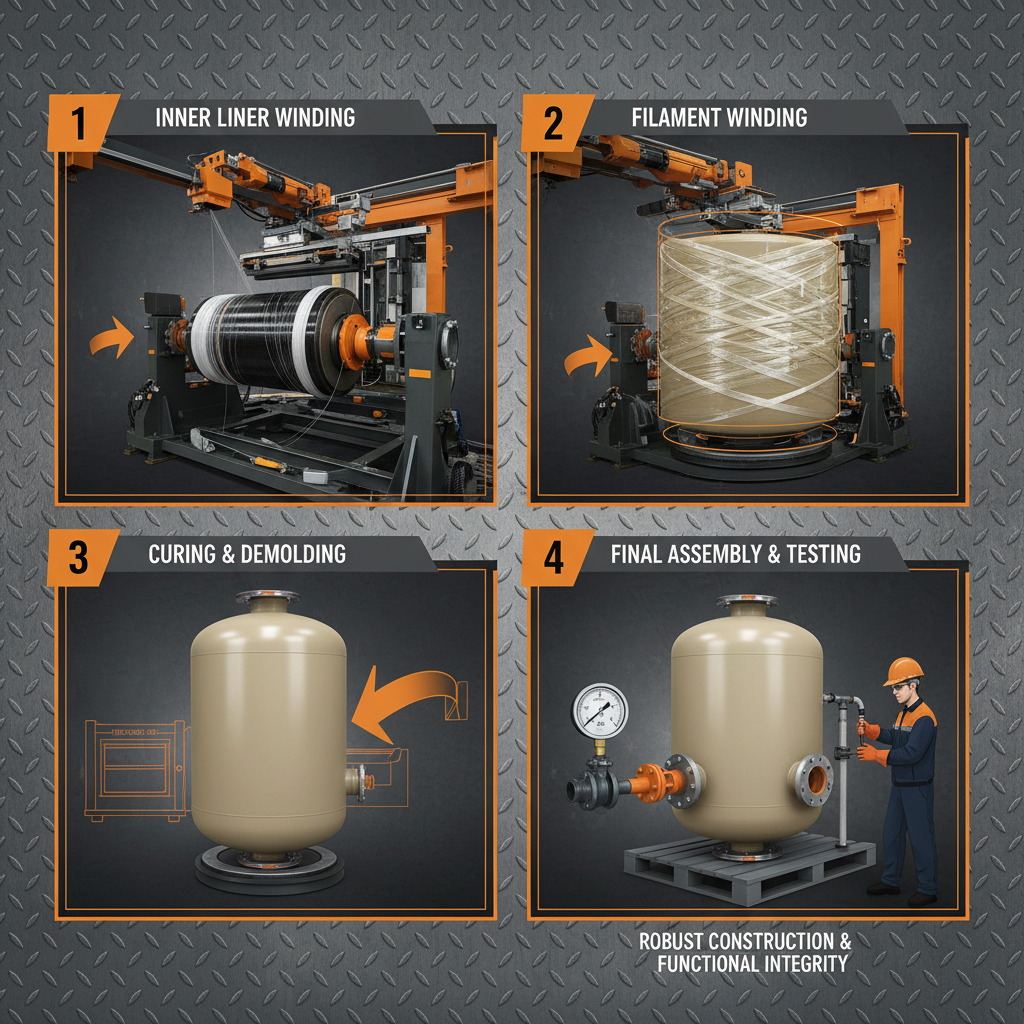
In essence, a fiberglass heating oil tank is a container designed to securely hold heating oil, made primarily from fiberglass-reinforced plastic (FRP). Their composite construction makes them resistant to rust, leaks, and chemical breakdown — key factors in storing flammable liquids safely. Unlike steel tanks, which corrode over time, fiberglass tanks stand up well to moisture and various environmental pressures.
These tanks serve not only residential heating but also support industrial and humanitarian efforts where reliable fuel storage is key — think of remote villages relying on oil heating or disaster zones needing clean, secure fuel supply.
Key Attributes That Make Fiberglass Heating Oil Tanks So Valuable
Durability & Corrosion Resistance
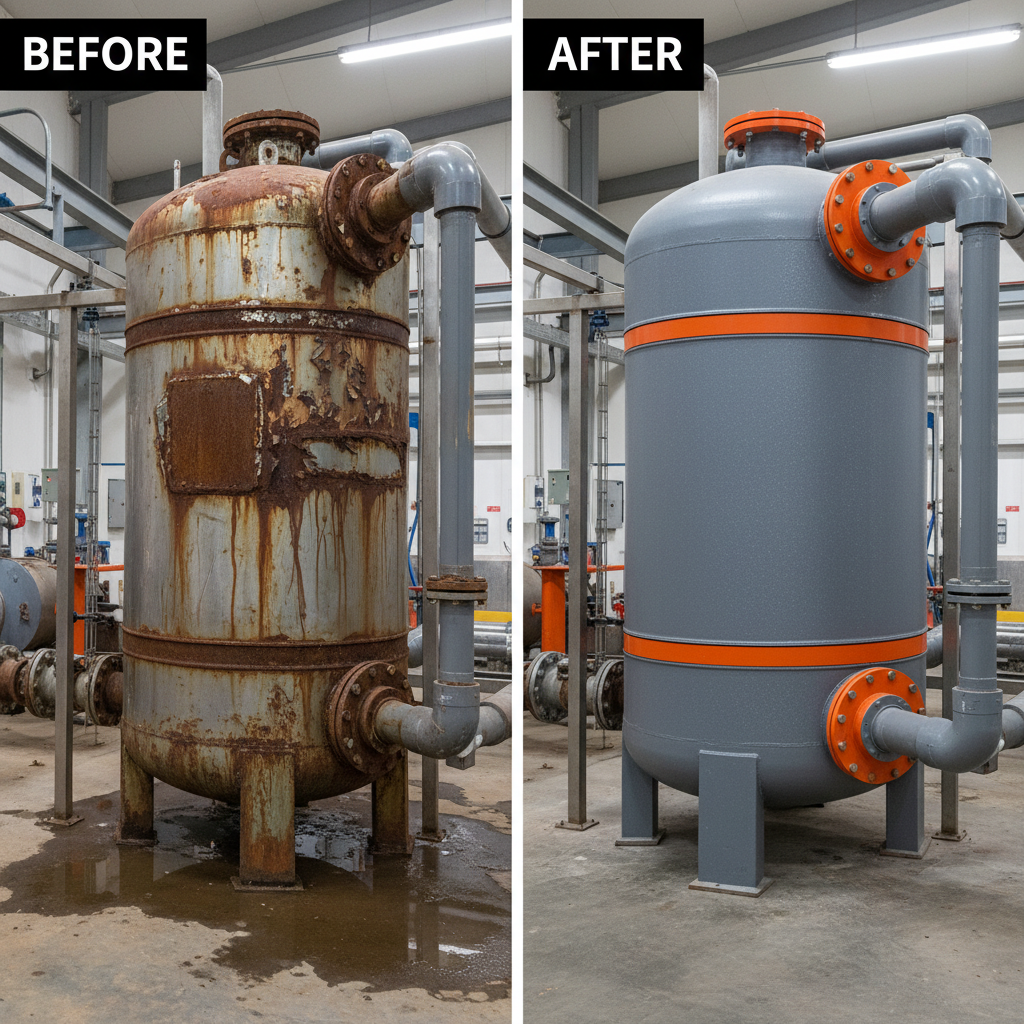
Steel tanks need constant maintenance to prevent rust, but fiberglass tanks shrug off corrosion. Engineers often highlight that their lifespan approaches 30-40 years with minimal upkeep — quite a leap forward. This durability means fewer replacements and less hazardous waste.
Safety and Leak Prevention
Fiberglass's non-metallic nature prevents electrochemical reactions that cause leaks. Plus, many models come with double-wall designs to contain spills—critical in environmentally sensitive sites.
Cost Efficiency Over Time
While fiberglass tanks generally have a higher initial price than basic steel options, their long-term savings on repairs, environmental liabilities, and downtime add up. Some operators say it’s like investing for peace of mind.
Versatility in Design & Customization
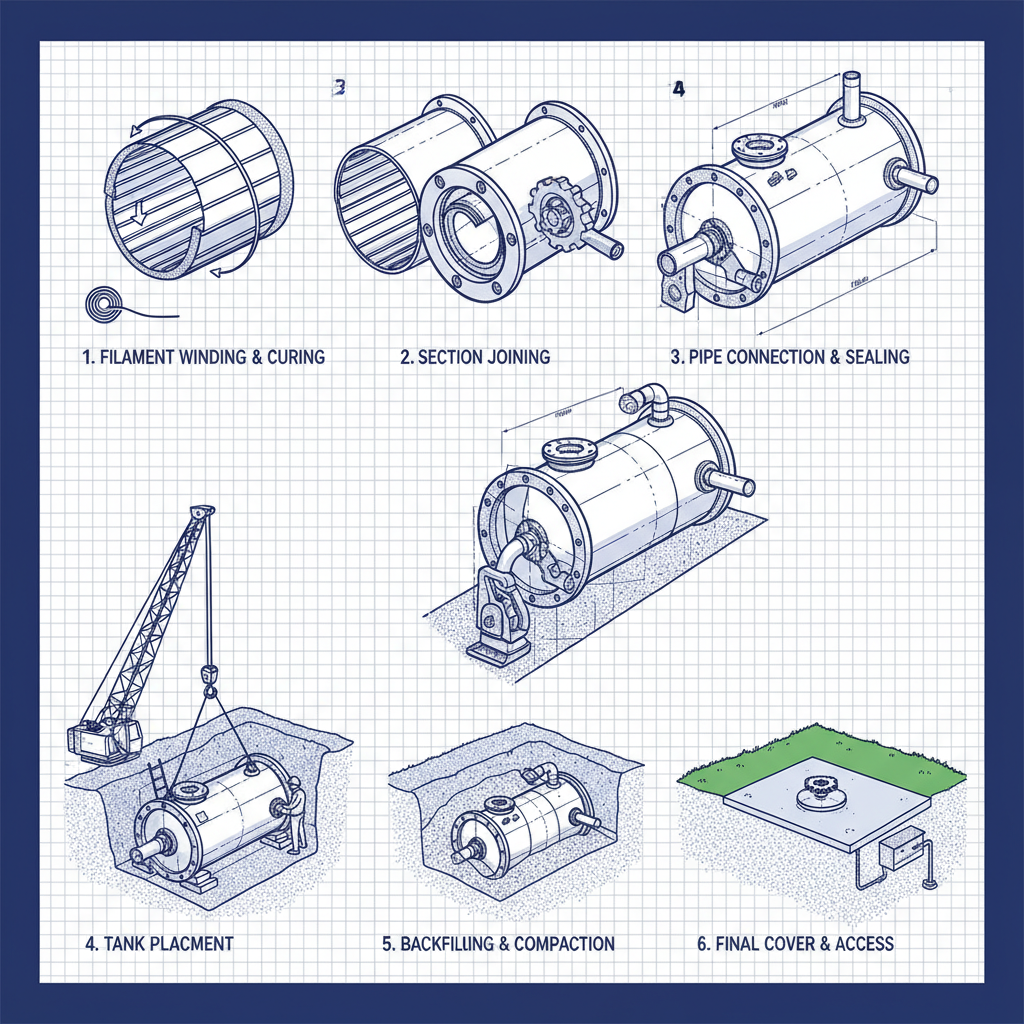
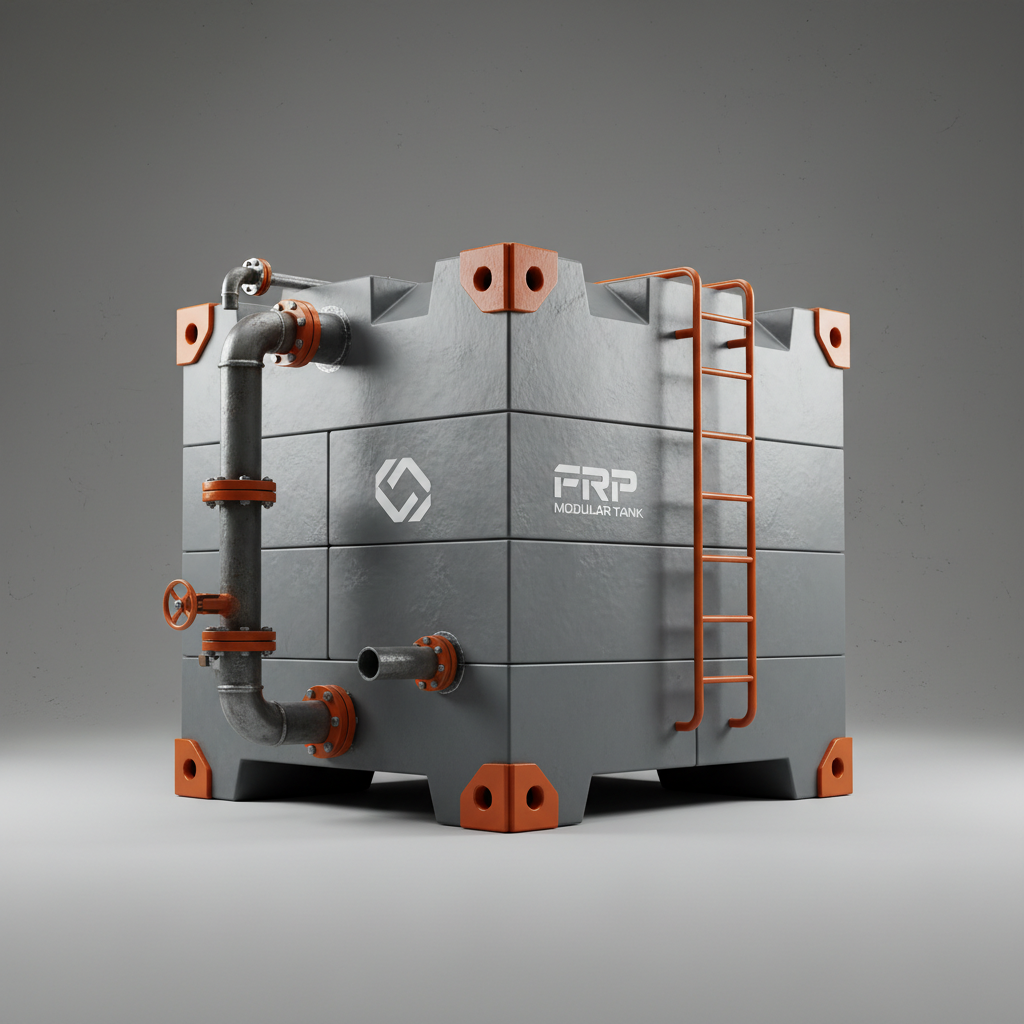
One cool advantage? These tanks come in various sizes and can be customized to fit tricky spaces or specific regulatory needs. From underground tanks to above-ground models, there’s flexibility for any setup.
Ease of Installation & Maintenance
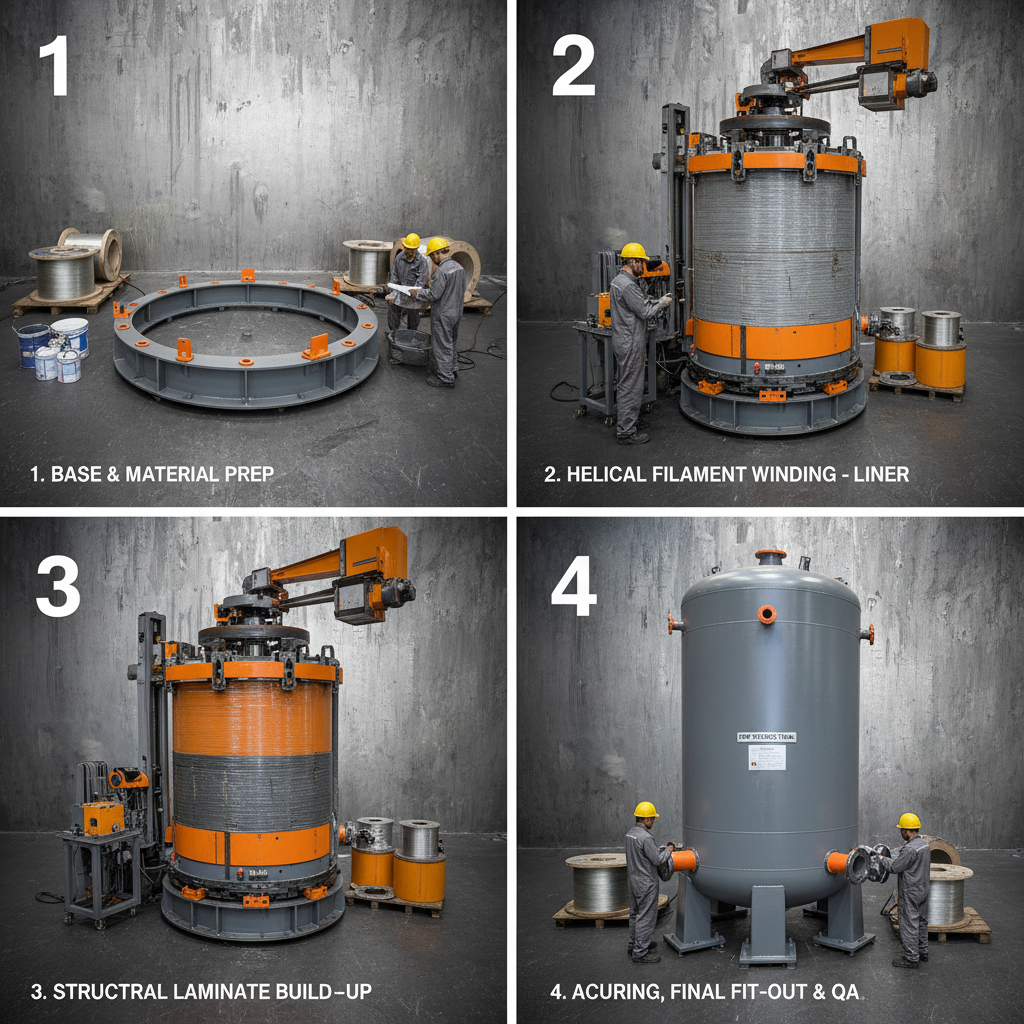
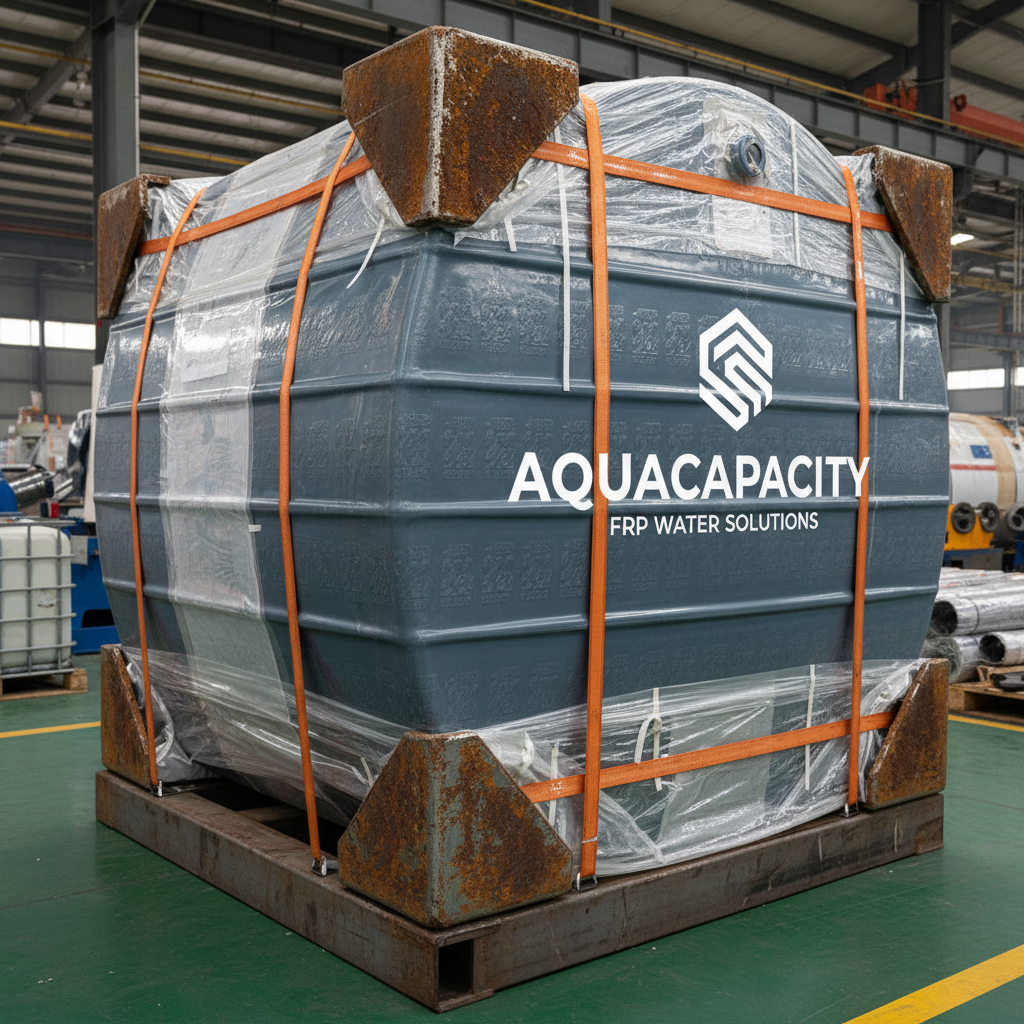
Lightweight compared to metal tanks, fiberglass tanks simplify transportation and installation. This is a huge boon in remote or difficult-access areas.
Mini takeaway: Combining longevity, safety, and tailored designs, fiberglass heating oil tanks meet tough demands across industries and geographies.
How and Where Are Fiberglass Heating Oil Tanks Used Globally?
These tanks pop up all over — from North America’s suburban homes to the oil-dependent industries of Northern Europe, and even in developing countries’ infrastructure projects. In post-disaster relief, for example, fiberglass heating oil tanks provide stable fuel storage that’s lightweight and fast to deploy.
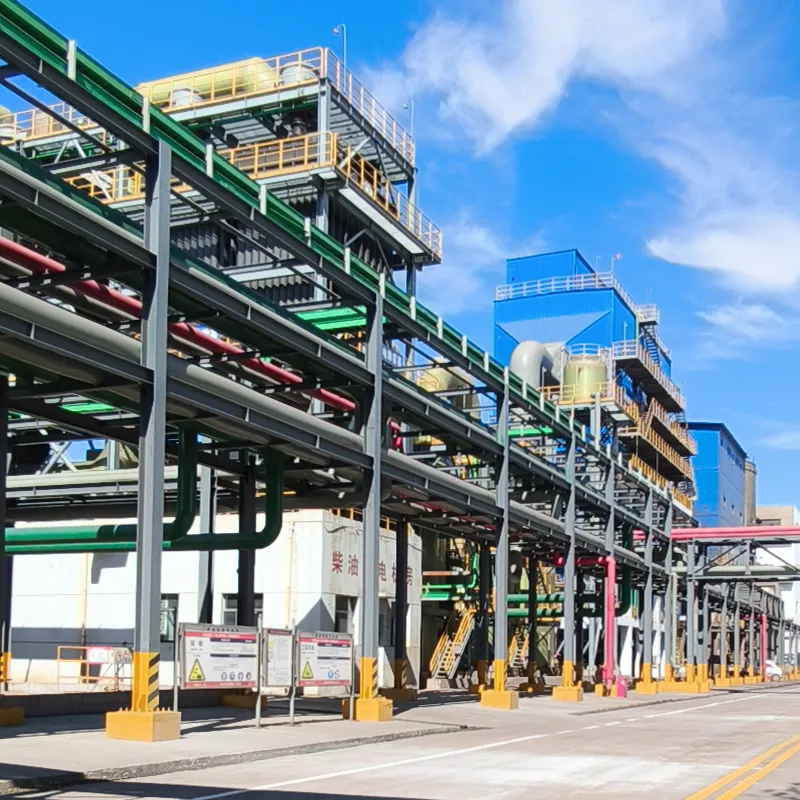
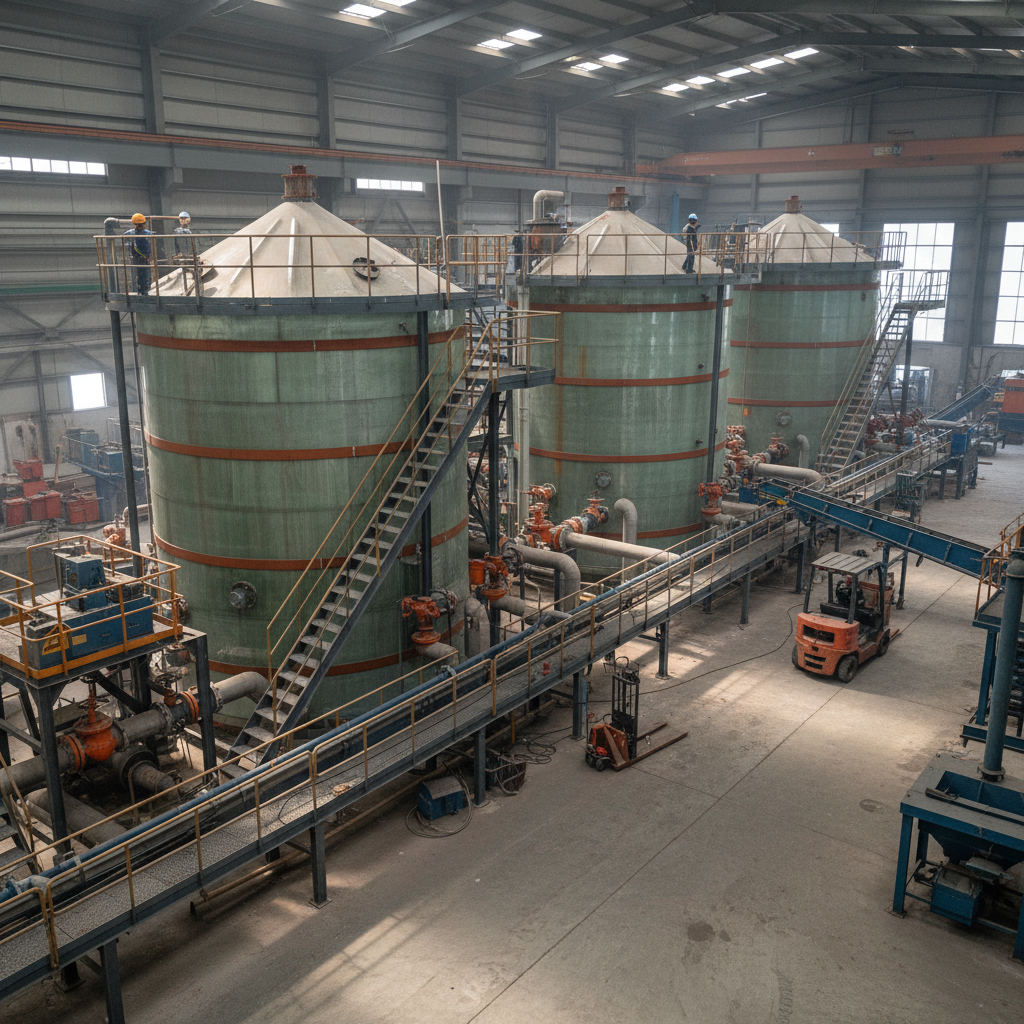
In industrial zones, they hold large volumes of heating oil powering generators or boilers. Remote Northern communities especially benefit from their resistance to freezing and environmental damage, elongating the heating season with minimal trouble.
Even the agricultural sector uses these tanks to fuel heating systems and equipment, given their reliability under changing outdoor conditions.
Advantages & Long-Term Value of Choosing Fiberglass Tanks
- Economic savings: Reduced maintenance and longer lifespan cut overall costs significantly.
- Environmental impact: Less risk of leaks protects groundwater and complies with strict environmental laws.
- Safety: Fire safety is enhanced by material properties that resist corrosion and containment of leaks.
- Social value: Fuel security in vulnerable communities means warmth, health, and dignity.
When you step back and look at how often these tanks quietly defend homes and ecosystems, their impact feels pretty meaningful.
Looking Ahead: Future Trends and Innovations in Fiberglass Heating Oil Tanks
With the push toward green energy and digital monitoring, the next-gen fiberglass tanks are integrating smart sensors that track oil levels, temperature, and leak detection in real time. Some companies are exploring hybrid composite materials combining fiberglass with bio-based resins to make tanks even more eco-friendly.
Regulatory bodies like ISO continue refining standards to encourage safer, more sustainable fuel storage solutions — driving innovation in manufacturing and installation methods.
Common Challenges & Practical Solutions
Fiberglass tanks aren’t without their hurdles: they can be more expensive upfront and occasionally face issues with UV degradation if poorly maintained outdoors. Installation errors can lead to stress cracks. However, many experts recommend routine inspections, proper UV protective coatings, and certified installers to overcome these challenges.
In regions with seismic activity, specialists reinforce tanks using flexible mounting systems to prevent rupture during earthquakes.
Product Specification Table: Typical Fiberglass Heating Oil Tank
| Specification | Details |
|---|---|
| Material | Fiberglass Reinforced Plastic (FRP) |
| Capacity | 500 to 5000 gallons |
| Wall Thickness | 0.25 to 0.5 inches |
| Design Features | Double wall, leak containment, UV protection |
| Installation | Above-ground or underground |
| Lifespan | 30-40 years (typical) |
Vendor Comparison: Leading Fiberglass Heating Oil Tank Providers
| Vendor | Custom Sizes | Warranty | Price Range | Special Features |
|---|---|---|---|---|
| FRP Tank Solutions | Yes | 10 years | $$$ | Smart sensor integration |
| SafeFuel Tanks | Limited | 15 years | $$ | Enhanced UV protection |
| EcoHeat Storage | Yes | 12 years | $$$ | Bio-resin composites |
Frequently Asked Questions About Fiberglass Heating Oil Tanks
1. How long does a fiberglass heating oil tank typically last?
Most fiberglass heating oil tanks have a lifespan of 30 to 40 years under normal conditions. Proper installation, regular inspection, and maintenance like UV protection can help maximize their longevity.
2. Are fiberglass heating oil tanks more expensive than steel tanks?
While initial costs for fiberglass tanks are generally higher than basic steel ones, the reduced maintenance, leak prevention, and longer lifespan often make them more cost-effective over time.
3. Can fiberglass heating oil tanks be installed underground?
Yes, many fiberglass tanks are designed for both above-ground and underground installation. Manufacturers ensure these tanks meet stringent safety and environmental standards for underground use.
4. What maintenance do fiberglass heating oil tanks require?
Routine inspections for cracks, UV damage, and fittings are recommended. Applying protective coatings and hiring certified professionals for installation or repair can prevent common issues.
5. How eco-friendly are fiberglass heating oil tanks compared to alternatives?
Fiberglass tanks reduce contamination risks and waste generated from frequent replacements. Emerging bio-composite materials in some tanks further enhance their environmental profile.
Conclusion: Why Fiberglass Heating Oil Tanks Are a Smart Choice
In a world where energy security, safety, and sustainability matter more than ever, fiberglass heating oil tanks stand out as an intelligent investment. They combine resilience with environmental responsibility — things that aren’t always easy to find in industrial materials. If you’re considering reliable fuel storage, these tanks deserve a serious look.
Ready to explore your options? Visit https://www.frpgrpmachine.com for top-quality fiberglass heating oil tank solutions tailored to your needs.