Durable Fibreglass Oil Tanks – Secure Fuel Storage Solutions | FRP GRP Machine
Why Fibreglass Oil Tanks Matter in Today’s World
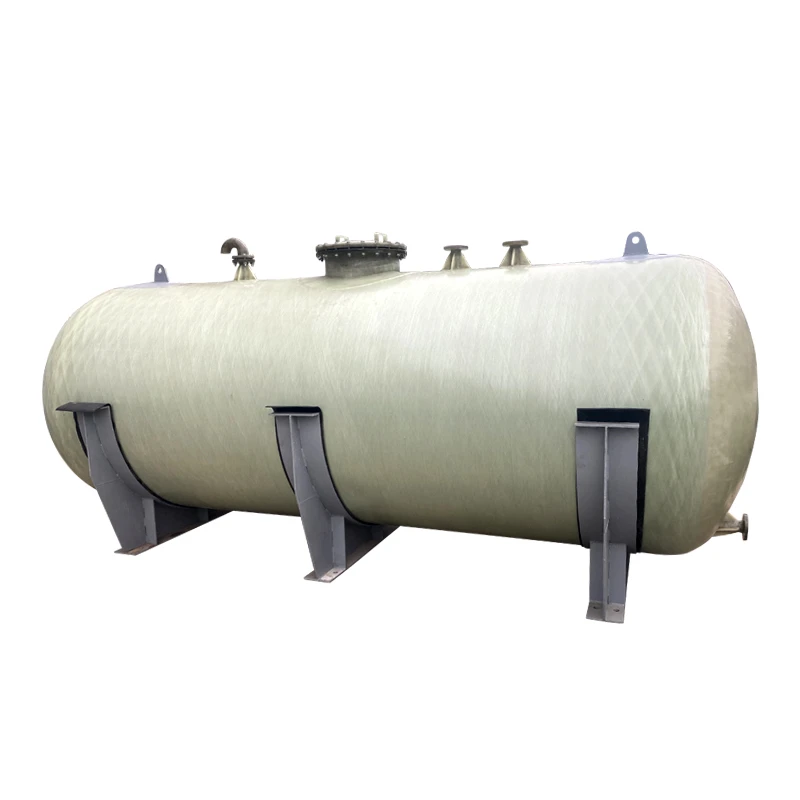
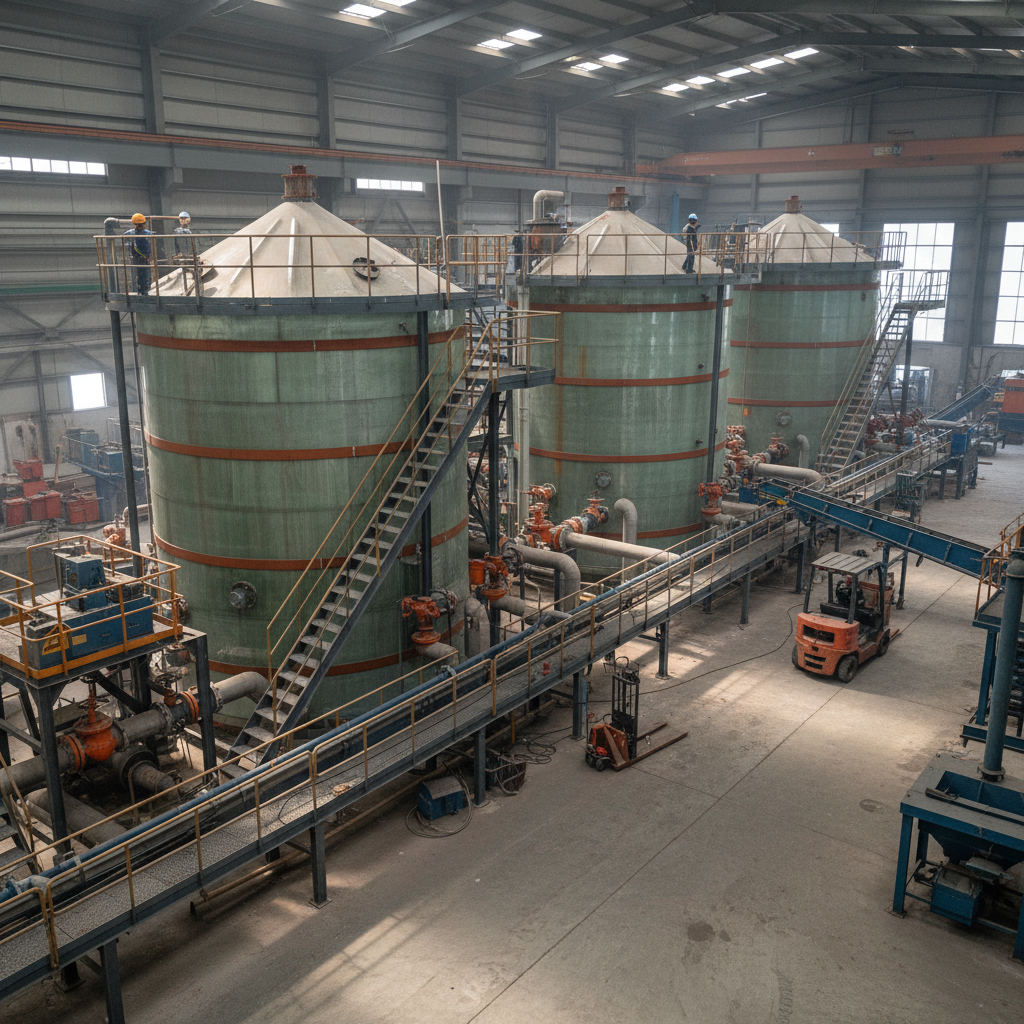
Fibreglass oil tanks might not grab headlines like the next shiny gadget or high-tech invention, but they quietly play a crucial role in how we store and manage vital petroleum products worldwide. Put simply, these tanks are used to safely hold oil and fuel for everything from residential heating systems to large-scale industrial needs. Understanding them is important not just for engineers or logistics managers — but for anyone interested in sustainable infrastructure, disaster relief, or energy storage innovations.
The Global Context: Storing Fuel Safely in an Unpredictable World
Around the globe, millions rely on diesel, heating oil, or lubricants that are stored in tanks made of various materials. According to the International Organization for Standardization (ISO), safety and durability standards for these containers are growing more stringent every year due to environmental risks and aging infrastructure.
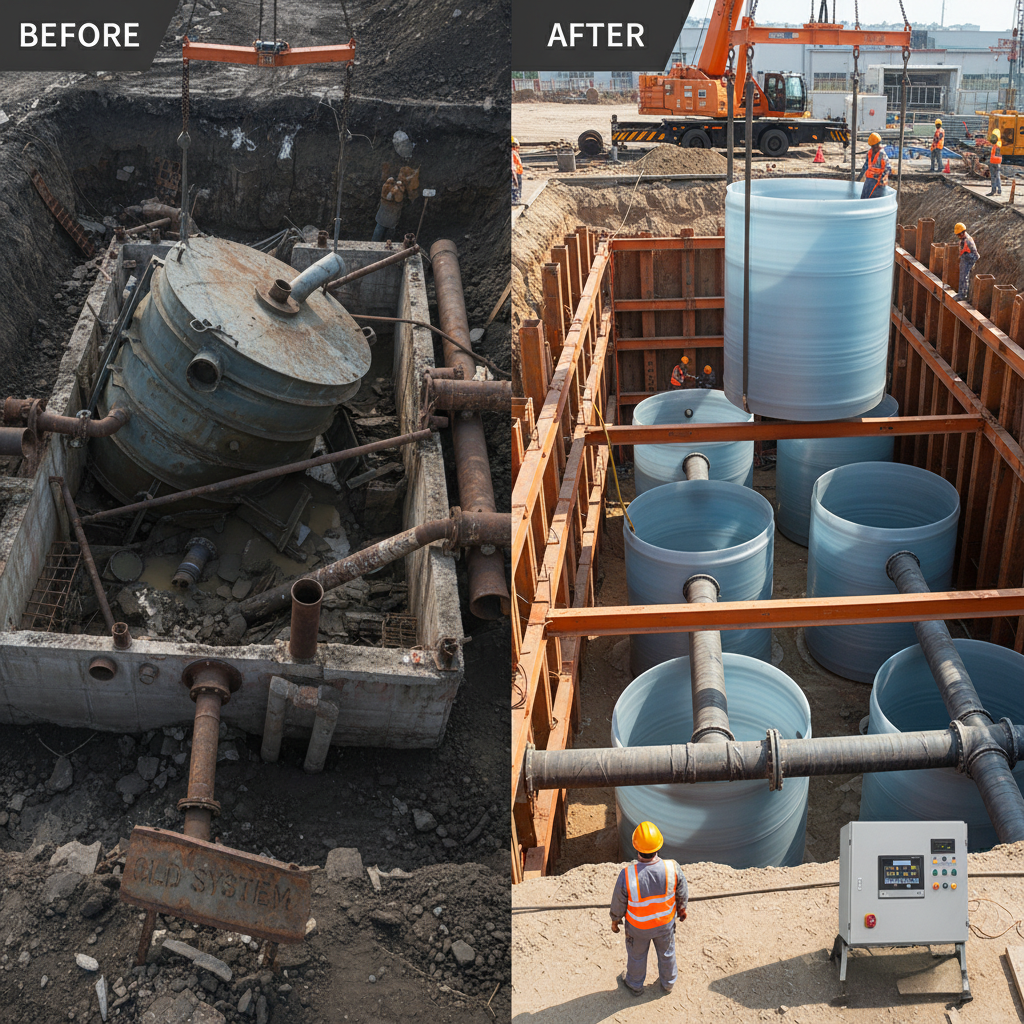
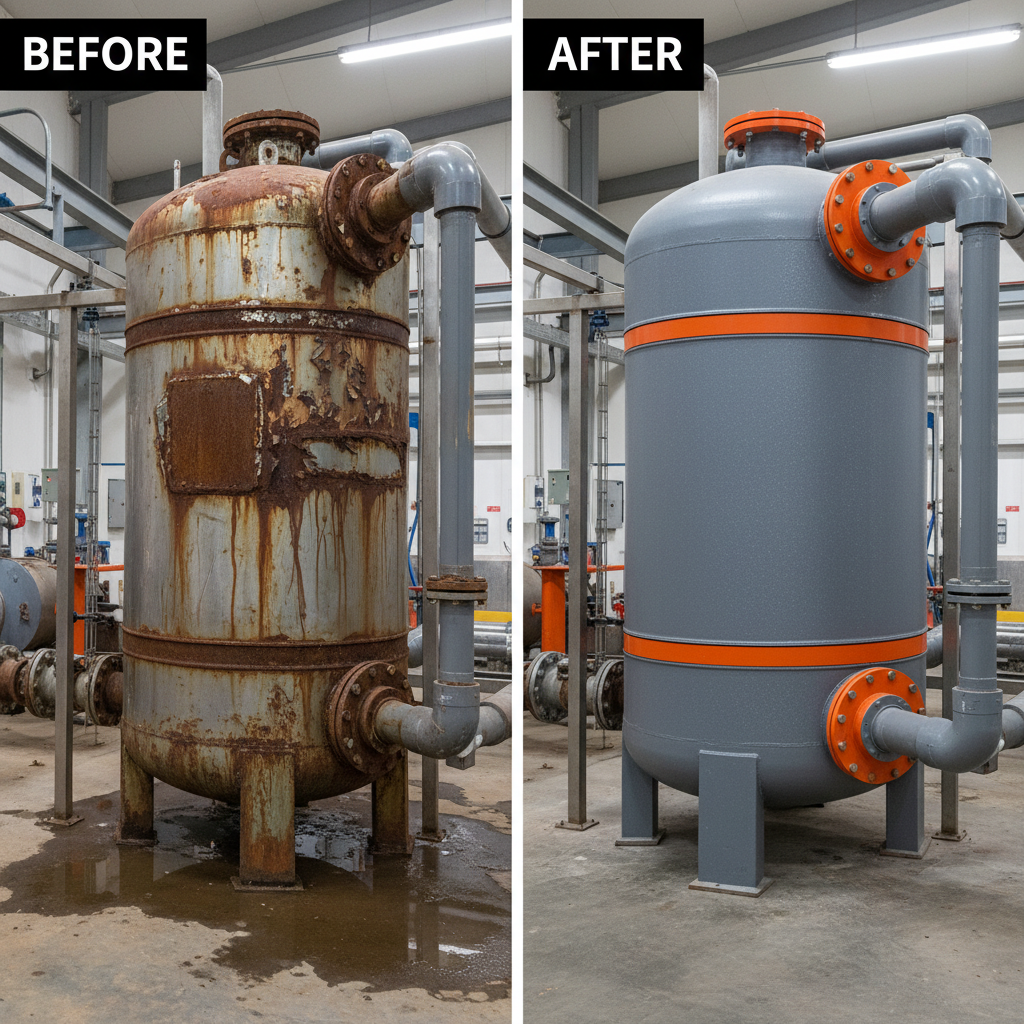
Now, why does the fibreglass oil tank come into focus here? Well… traditional steel tanks, though strong, are prone to corrosion, especially underground or in moist climates. That leads to leaks, environmental contamination, and costly repairs. Fibreglass tanks — made from composite materials — combine strength with corrosion resistance, often extending lifespan while reducing maintenance. Globally, with regulations tightening and environmental concerns rising, the fibreglass oil tank answers a growing need.
What Exactly Is a Fibreglass Oil Tank?
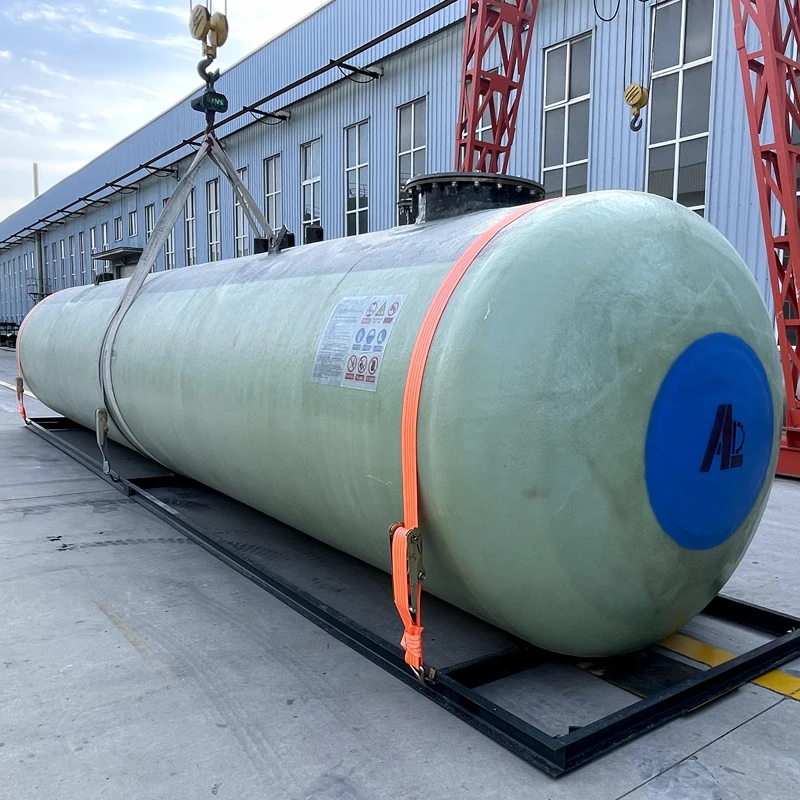
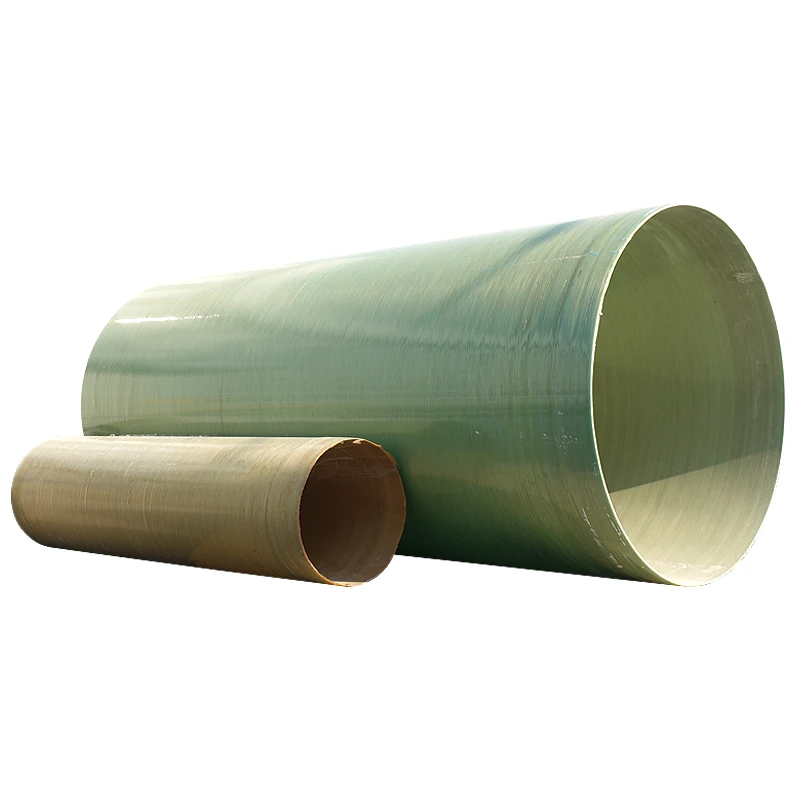
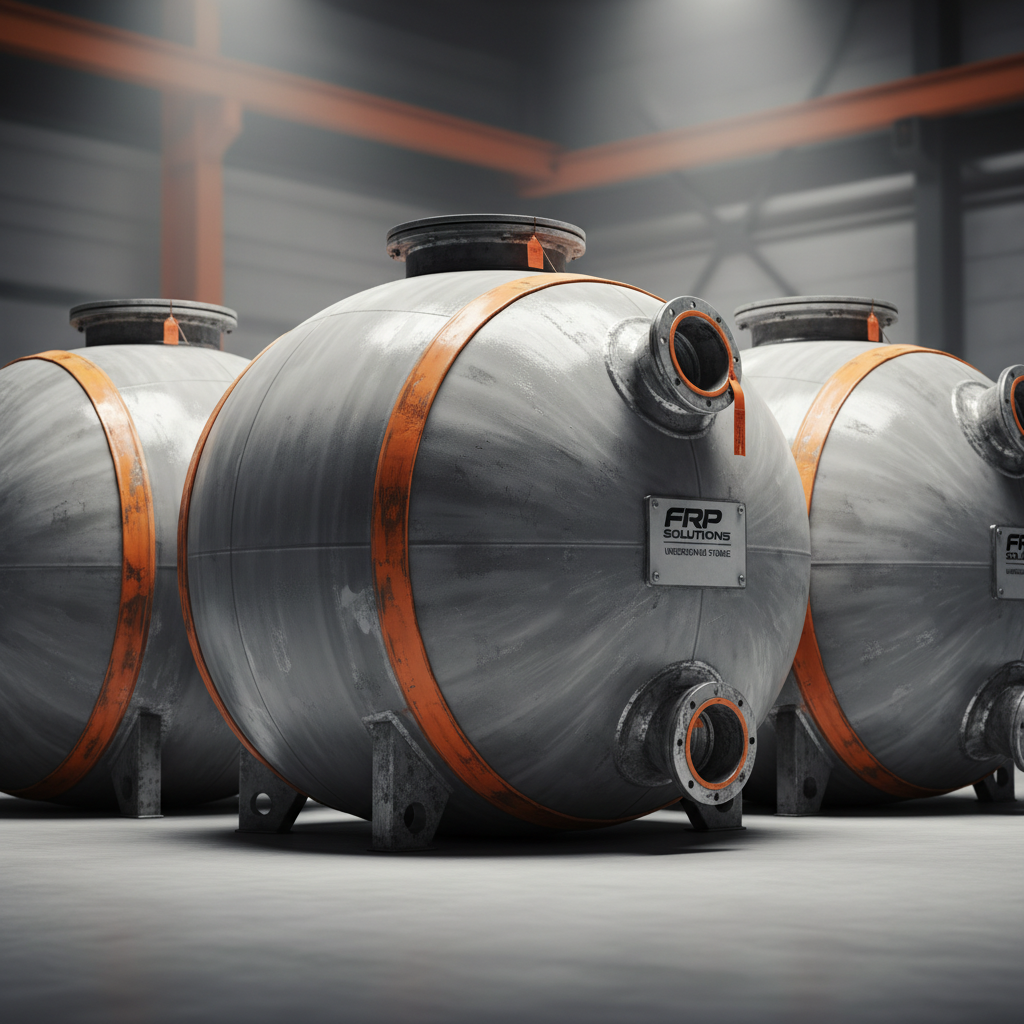
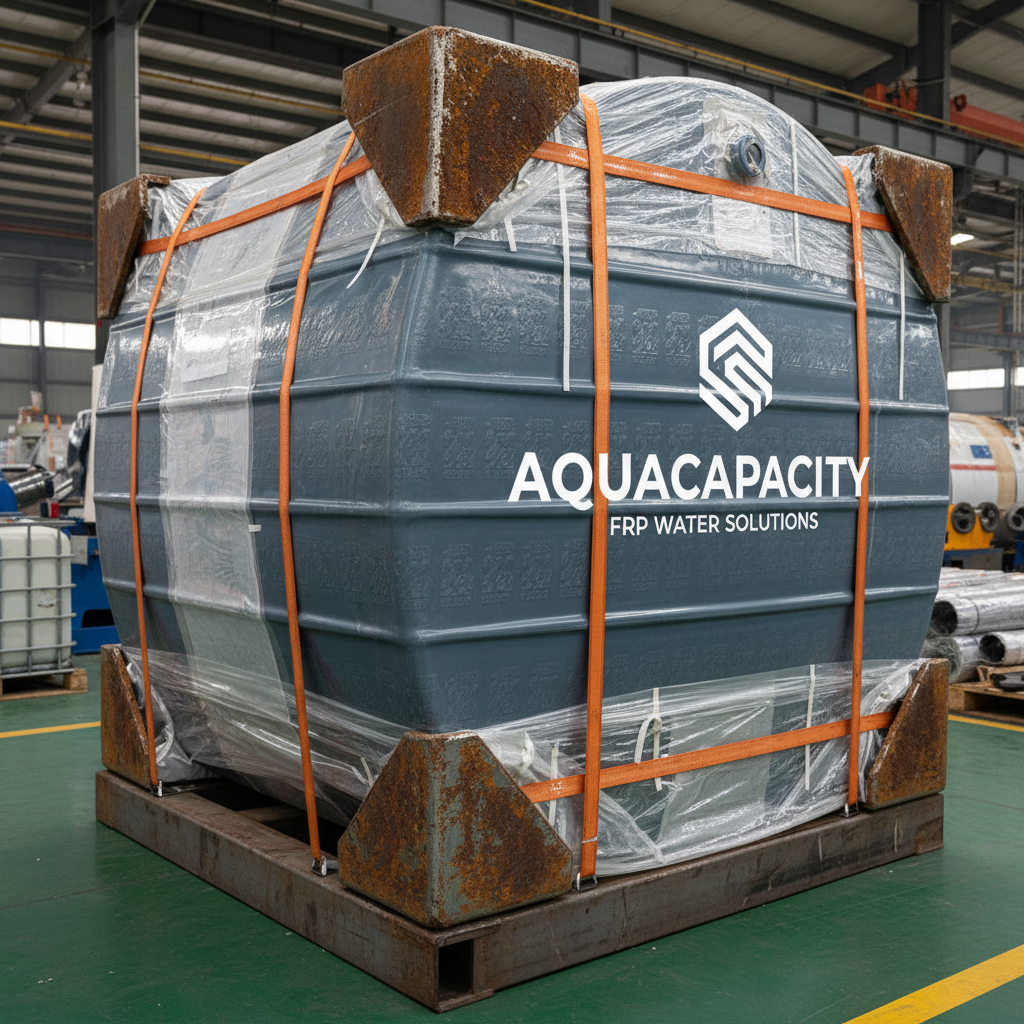
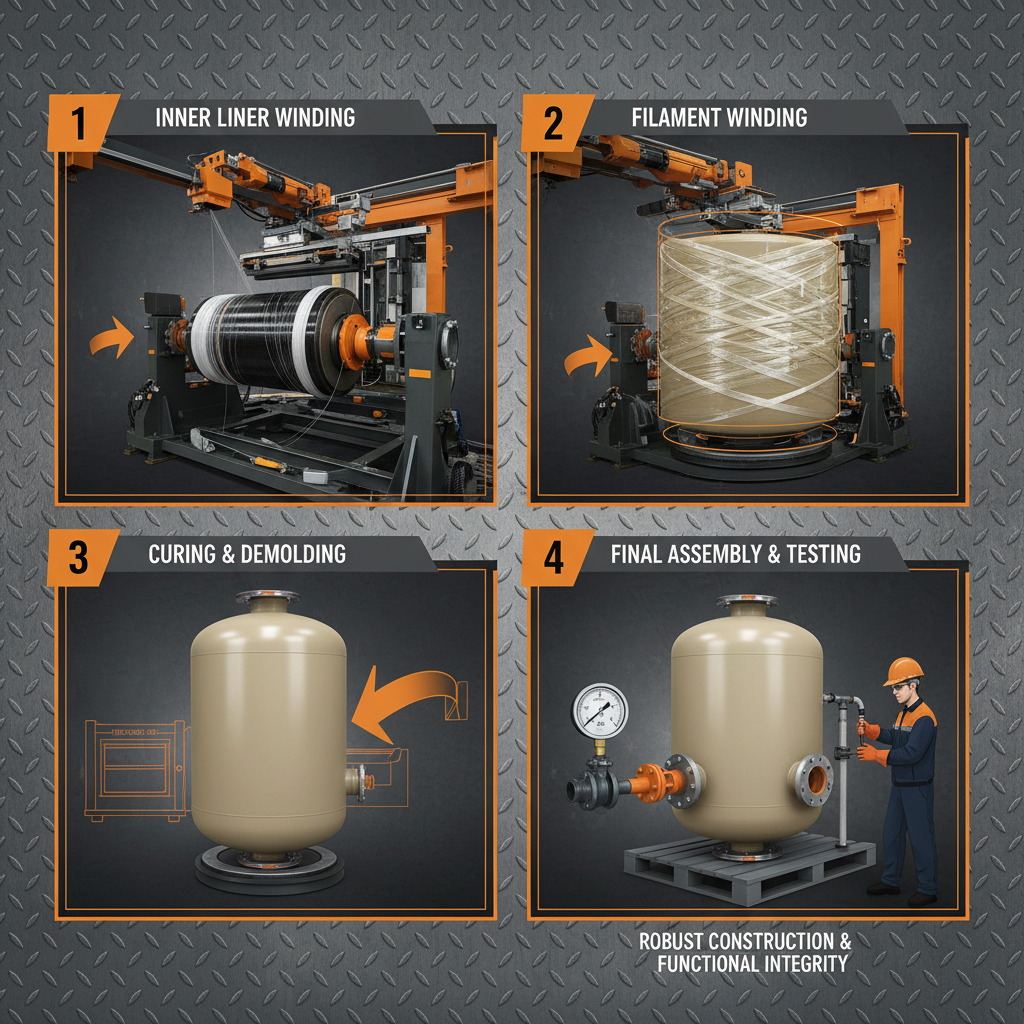
At its core, a fibreglass oil tank is a storage container constructed from layers of glass fibers embedded in a resin matrix. This composite structure resists chemical corrosion, stands up to UV, and offers lighter weight compared to steel alternatives. In simple terms: it’s a plastic-metal hybrid that’s tough, durable, and can be tailored to different sizes and shapes.
This technology dovetails nicely with modern industrial demands— whether fueling remote telecom towers, emergency generators, or heating systems in cold climates. It's also gaining ground in humanitarian efforts since these tanks are quick to install and less prone to contamination risks.
Core Features of Fibreglass Oil Tanks
Corrosion Resistance
Fibreglass doesn’t rust or degrade from moisture exposure, making these tanks especially valuable in wet or coastal regions.
Lightweight Construction
Compared to metal tanks, fibreglass is far lighter. This means easier transport and installation, a crucial factor if you’ve ever tried moving a heavy steel tank into a remote site.
Durability & Strength
Surprisingly strong, the layered fiber design means the tank can endure bumps, impacts, and shifting ground better than many expect.
Customization & Versatility
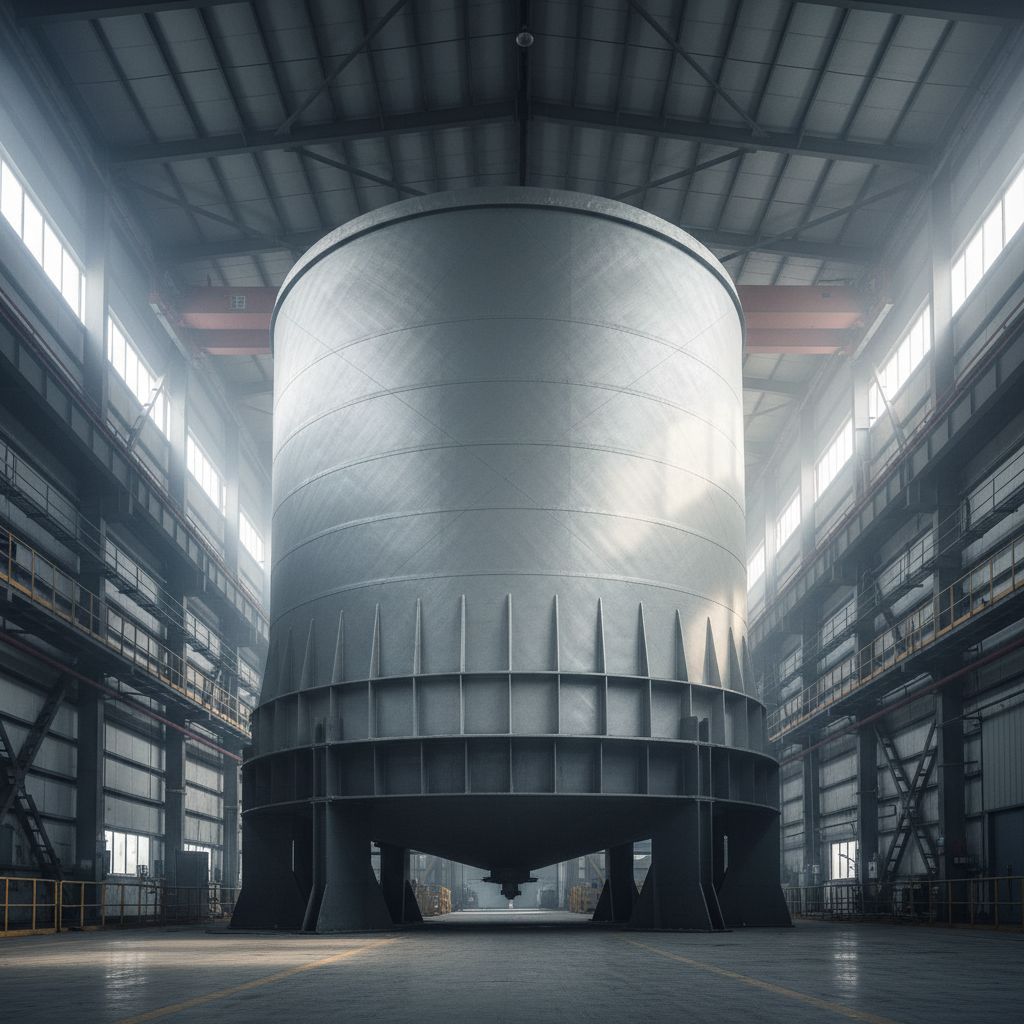
Fibreglass can be molded into various shapes and sizes, so whether you need a compact oil tank for a residential boiler or a massive container for industrial use, it’s adaptable.
Environmental Safety
Because of their chemical inertness, fibreglass tanks reduce contamination risk and often don’t require additional protective coatings like steel tanks do.
Cost Efficiency Over Time
While the initial price might be higher, lower maintenance and longer service life mean the total cost usually balances out — and often saves money in the long run.
Mini takeaway: These are not standard containers. They’re smart solutions designed to last and tackle common barriers in fuel storage.
How Fibreglass Oil Tanks Are Used Around the World
You’ll find these tanks quietly doing their job in all sorts of contexts:
- Remote energy sites: Telecom towers and off-grid power generators in rugged environments rely on fibreglass tanks for dependable fuel storage.
- Residential heating: In colder countries, fibreglass oil tanks supply heating oil safely without the rust risks of metal tanks underground or in basements.
- Disaster relief efforts: NGOs deploy mobile fibreglass tanks to store fuel for generators powering emergency clinics and shelters.
- Marine and offshore: Thanks to corrosion resistance, boats and offshore platforms often use these tanks for lubricant and diesel storage.
Regions with strong environmental regulations — like parts of Europe and North America — are increasingly favoring fibreglass tanks, as they help meet stricter guidelines.
Mini takeaway: Wherever fuel needs to be stored safely, especially in challenging or sensitive environments, these tanks shine.
Advantages & Long-Term Value of Fibreglass Oil Tanks
Let's break down why businesses and homeowners alike choose these tanks:
- Cost savings over time: Less corrosion means fewer repairs and replacements.
- Environmental peace of mind: Minimizes spill risks, protecting soil and groundwater.
- Safety and reliability: Fibreglass tanks are less prone to sudden failures — a big deal when flammable fuels are involved.
- Design flexibility: Can be installed above or below ground, indoors or outdoors.
- Enhanced durability: Resistant to UV rays, chemicals, and impacts.
On an emotional level, it’s comforting to know your fuel is stored in a container that isn’t likely to spring unexpected leaks or cause environmental harm. There’s a certain dignity in reliability.
Product Specification Table
| Attribute | Specification |
|---|---|
| Material | Fibreglass reinforced polyester (Composite) |
| Capacity Range | 500 litres to 20,000 litres (custom sizes available) |
| Corrosion Resistance | Excellent – non-metallic, no rust |
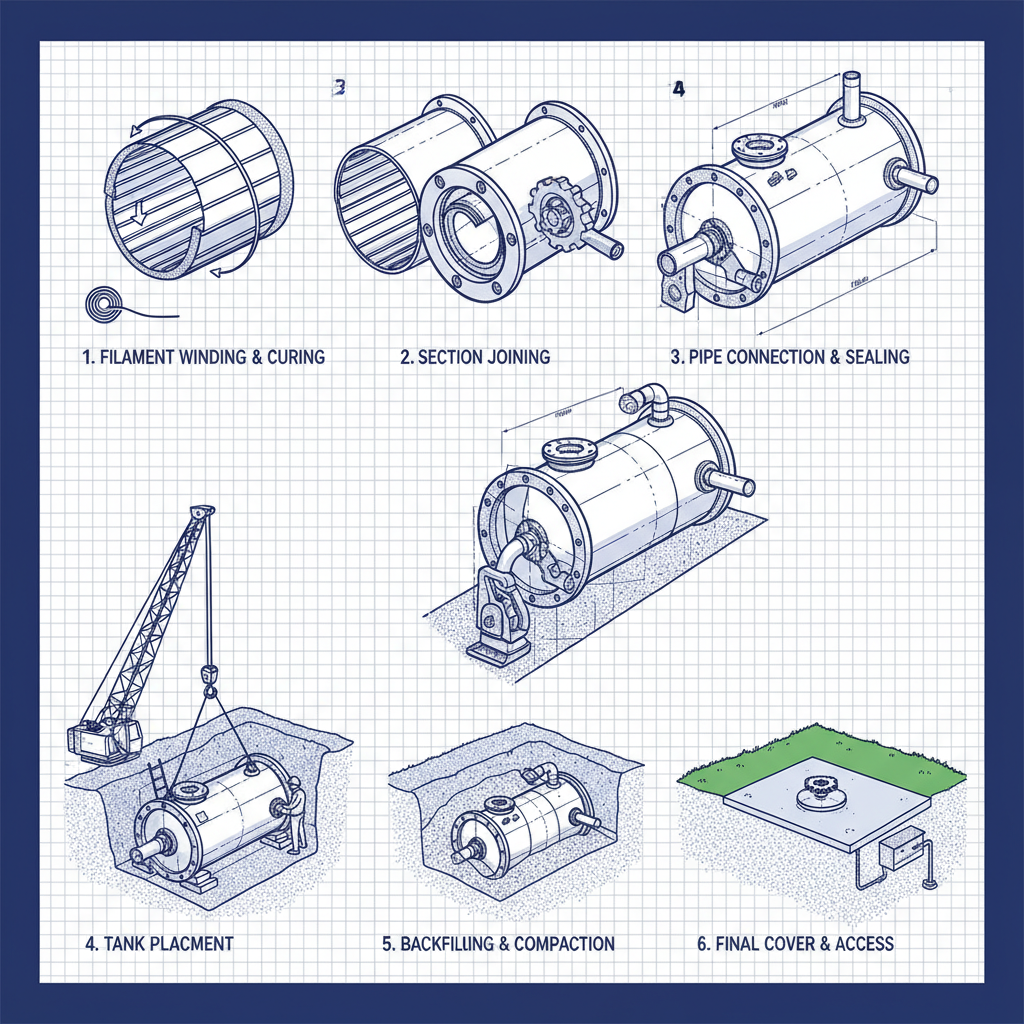
| Installation | Above ground, below ground, or partially buried |
| UV Protection | Integrated UV resistant gel coat |
| Temperature Range | -40°C to +80°C |
| Lifespan | 25+ years with proper maintenance |
Vendor Comparison: Leading Fibreglass Oil Tank Manufacturers
| Vendor | Price Range (USD) | Capacity Options | Customization | Warranty |
|---|---|---|---|---|
| FRP GRP Machine | 1000 – 25,000 | 500L to 20,000L | Full custom mold design | 10 years structural |
| TankCo Fibreglass | 1100 – 22,000 | 1000L to 15,000L | Standard sizes, minor mods | 8 years structural |
| ClearMarine Tanks | 1200 – 30,000 | 750L to 18,000L | Moderate customization | 7 years |
Emerging Innovations and Future Directions
From what I’ve observed, the fibreglass oil tank market isn’t standing still. Innovations include integrating sensor technology for digital fuel monitoring, combining fibreglass composites with bio-based resins for greener production, and applying anti-bacterial coatings for storing certain specialty oils.
Additionally, as governments push for stricter environmental compliance, we might see tanks designed for full recyclability or easier repairs on site. Some companies are even experimenting with modular tank designs that snap together onsite to scale capacity quickly.
Common Challenges and How They Are Being Tackled
Despite their benefits, fibreglass oil tanks face a few hurdles. For example, the upfront cost sometimes discourages smaller users, and complex repairs require trained technicians due to the nature of composite materials.
Solutions? Manufacturers offer better financing packages, warranties, and on-site support to ease purchase decisions. Advances in resin chemistry are making repairs simpler, too. And customer education is pivotal—when users understand the long-term savings and environmental benefits, they’re more likely to invest.
Frequently Asked Questions About Fibreglass Oil Tanks
- How long do fibreglass oil tanks typically last?
- With proper installation and maintenance, fibreglass oil tanks can last 25 years or more, far exceeding many steel equivalents that corrode faster.
- Are fibreglass tanks safe for underground installation?
- Yes. Fibreglass tanks are highly resistant to corrosion and do well underground if installed with proper bedding and protective measures according to local regulations.
- Can these tanks be customized for odd spaces or specific needs?
- Absolutely. One of the strengths of fibreglass is its flexibility in design, allowing customized shapes and sizes tailored to client requirements.
- What maintenance is needed for fibreglass oil tanks?
- Routine external inspections, ensuring no physical damage, and checking fittings and valves are typical. Internal cleaning is rarely needed but depends on usage.
- How environmentally friendly are fibreglass oil tanks?
- They significantly reduce leakage risk and often have coatings to protect from UV degradation, minimizing environmental impact over their lifespan compared to steel.
In Conclusion: A Smart Choice for the Long Haul
Choosing a fibreglass oil tank is more than just picking a container — it's investing in reliability, environmental safety, and long-term cost savings. Whether you’re managing fuel for a small home, a remote telecom site, or disaster relief operations, these tanks check many boxes.
If you want to explore your options or get a quote, don’t hesitate to visit fibreglass oil tank experts like FRP GRP Machine. It’s a small step with big potential rewards.