Nov 26,2025

Durable and Lightweight 20 Gallon Fiberglass Pressure Tanks | Benefits & Specs

Understanding the 20 Gallon Fiberglass Pressure Tank: Why It Matters Today

The 20 gallon fiberglass pressure tank might sound like an unassuming piece of industrial hardware, but its role in various industries—ranging from water systems to agriculture—is surprisingly vital. Globally, it’s a key component in ensuring consistent water pressure and storage, often where reliability and lightweight durability matter most. Whether it’s a remote village relying on a clean water system or a sprawling manufacturing plant that demands high-performance vessels, understanding how this tank works—and why fiberglass is chosen over metals—offers important clues about efficiency, cost management, and sustainability.

In a world increasingly conscious of resource management and environmental impact, knowing the benefits and applications of a 20 gallon fiberglass pressure tank is more than academic—it’s downright practical.

Setting the Scene: Why the 20 Gallon Fiberglass Pressure Tank Has Global Importance

Globally, water management systems and pressure vessels are a multibillion-dollar market [1]. According to the International Organization for Standardization (ISO), the demand for lightweight yet strong storage tanks in water and fluid control industries has surged by approximately 8% annually over the past decade. This reflects the growing efforts to improve infrastructure in developing regions, reduce maintenance costs, and increase lifespan in harsh environments.

But here’s the rub: traditional steel tanks, while strong, come with drawbacks—heavy weight, corrosion, and frequent maintenance. That’s where the fiberglass tank steps in, especially the compact 20 gallon size, which is perfect for smaller-scale applications yet still powerful enough to maintain system pressure and flow.

For example, NGOs working in disaster relief often need pressure tanks that can be quickly deployed, withstand tough conditions, and keep water flowing without complicated logistics. The 20-gallon fiberglass pressure tank can solve many of those challenges effectively.

Mini takeaway:

  • The 20 gallon fiberglass pressure tank is crucial in modern water management and fluid systems worldwide.
  • Its lightweight and corrosion-resistant design makes it especially valuable in both industrial and humanitarian contexts.

What Exactly Is a 20 Gallon Fiberglass Pressure Tank?

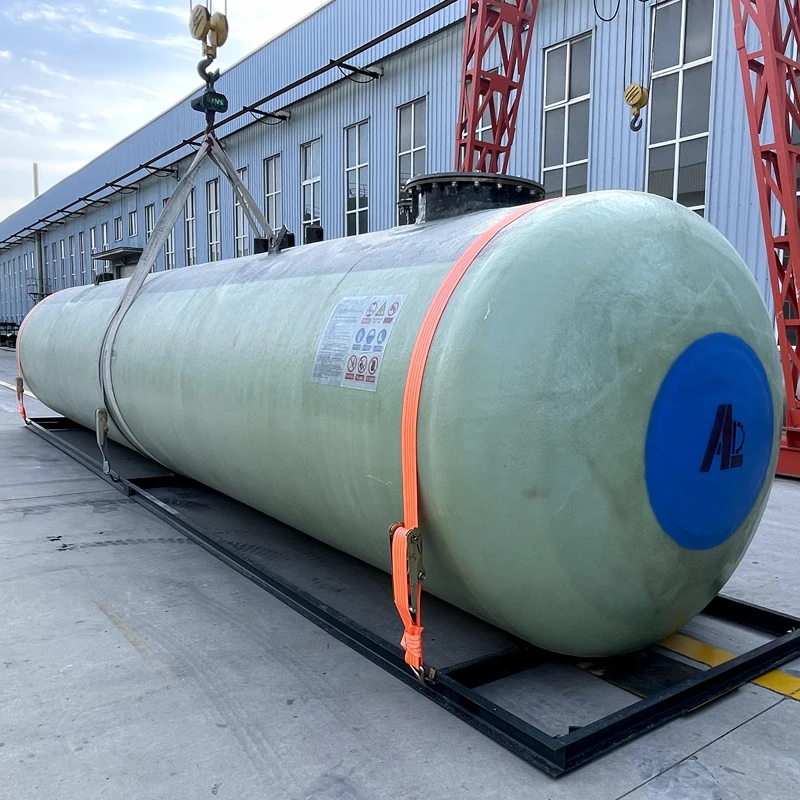
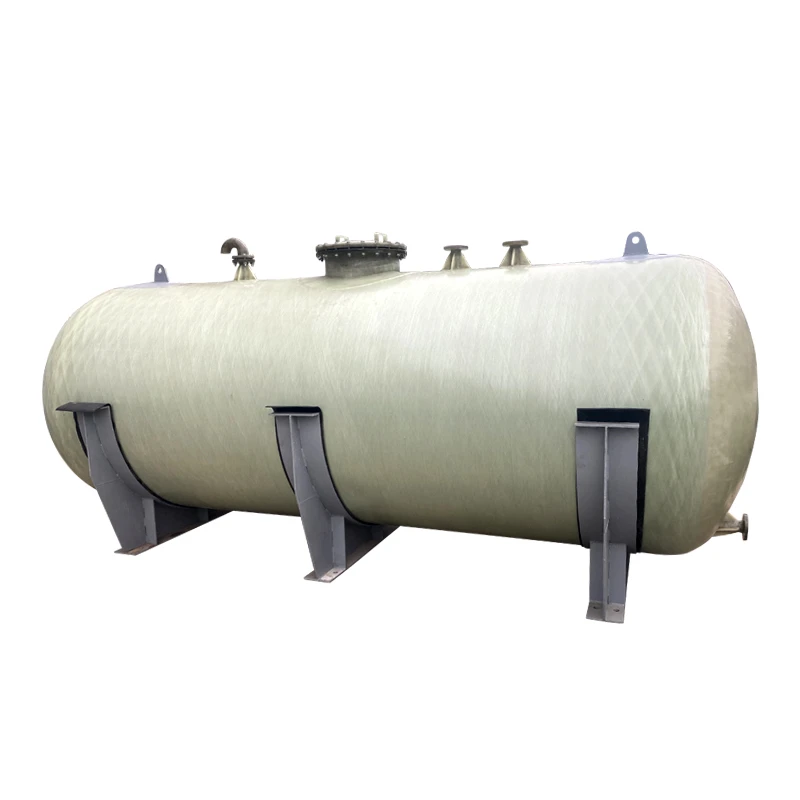
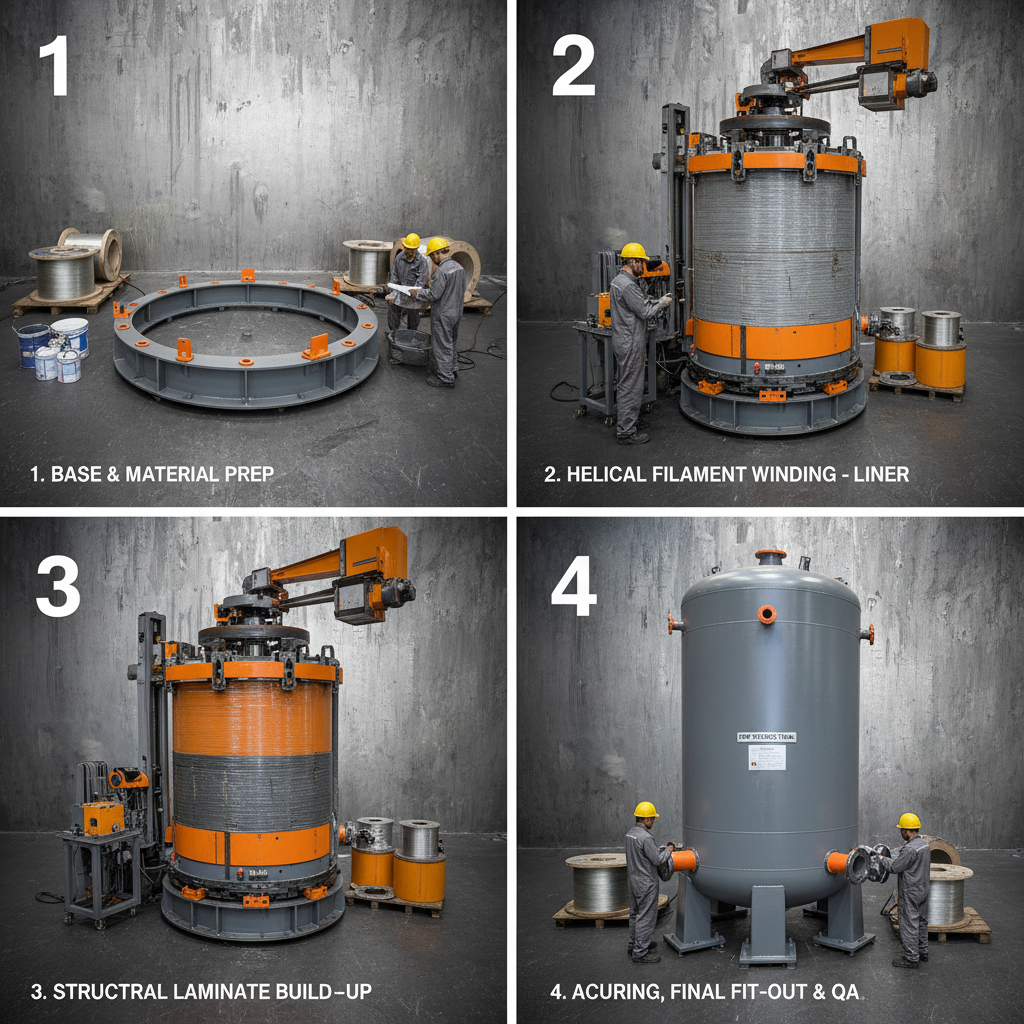
At its simplest, this tank is a vessel designed to store and pressurize fluids—usually water—using a tough yet lightweight shell made of fiberglass-reinforced plastic (FRP). The “20 gallon” part refers to its internal capacity, making it a medium-sized option for various pressure tank needs.

Fiberglass, compared to traditional metal, offers several distinct benefits: it resists rust, handles corrosion from chemicals and moisture gracefully, and reduces overall weight without sacrificing durability. This makes it highly adaptable for mobile setups, remote installations, and harsh environments.

It fits snugly into modern industries and humanitarian needs by providing a reliable pressure vessel that supports consistent flow rates in water pumps, irrigation systems, and fire suppression units. For many communities, especially those off-grid or in development phases, such tanks are the silent workhorses behind everyday convenience.

Mini takeaway:

  • The 20 gallon fiberglass pressure tank is a sturdy, corrosion-resistant container designed for pressurized fluid storage.
  • Its construction from fiberglass-reinforced plastic caters uniquely to durability and portability needs.

Key Features That Make This Pressure Tank a Go-To Choice

1. Durability and Corrosion Resistance

One of the most praised qualities of fiberglass tanks is their remarkable resistance to corrosion. Unlike steel tanks that often need coatings or cathodic protection, fiberglass tanks shrug off rust and chemical erosion. This means less downtime and fewer costly repairs over the tank’s lifespan.

2. Lightweight Portability

Weighing significantly less than their metal counterparts, 20 gallon fiberglass pressure tanks are easier to transport and install, especially in hard-to-reach locations. This is a game changer for NGOs, remote farms, and industrial sites where heavy equipment handling is limited.

3. Cost Efficiency Over Time

Though initial prices may be comparable or slightly higher than metal tanks, the savings come from minimal maintenance, longer life span, and reduced need for replacements. Frankly, many engineers say you get what you pay for—and fiberglass tanks pay back handsomely in durability.

4. Versatility in Applications

Designed to work with various pumping systems and fluid types, these tanks fit well in irrigation, potable water delivery, fire suppression, and even some chemical storage, assuming the fluids are compatible with fiberglass.

5. Environmental Sustainability

Fiberglass tanks can be designed to last decades, reducing waste generated from frequent replacements. Also, manufacturing improvements are lowering energy inputs, making them relatively eco-friendly compared to some metal options.

Mini takeaway:

  • Fiberglass tanks combine strength, light weight, and corrosion resistance for lasting efficiency.
  • They're practical in applications demanding mobility, reliability, and low upkeep.

Standard Specifications of a 20 Gallon Fiberglass Pressure Tank

Specification Details
Capacity 20 gallons (75.7 liters)
Material Fiberglass Reinforced Plastic (FRP)
Operating Pressure Up to 150 psi (approx. 10 bar)
Weight (Empty) About 30 lbs (13.6 kg)
Dimensions Approx. 24” height x 12” diameter
Temperature Range -20°F to 140°F (-29°C to 60°C)

How Does the 20 Gallon Fiberglass Pressure Tank Serve Globally?

You’ll find these tanks across multiple continents and industries:

  • Remote and Rural Water Systems: In parts of Africa and Asia, small community water systems use these tanks to stabilize pressure, ensuring taps don’t gush or sputter unpredictably.
  • Industrial Settings: Factories use them to maintain steady pressure for cooling, cleaning, or processing lines, particularly where space and weight restrictions are factors.
  • Post-Disaster Relief Operations: Organizations like the Red Cross rely on portable pressure tanks to rebuild water infrastructure quickly after floods or earthquakes.
  • Agriculture & Irrigation: Farmers in arid zones benefit from consistent water delivery to crops without mechanical strain on their pumps.

Oddly enough, despite its simplicity, the 20 gallon fiberglass pressure tank is often a linchpin in projects designed to improve water access and quality worldwide.

Mini takeaway:

  • These tanks play a crucial role in regions where water accessibility and pressure stability are challenges.
  • Diverse applications highlight their adaptability, from farms to factories to humanitarian aid.

Why Choose Fiberglass Pressure Tanks? The Long-Term Value

Beyond technical specs, there are advantages that resonate on both practical and emotional levels.

  • Reliability: Knowing the tank will withstand corrosion over years means less worry about leaks or failures during critical times.
  • Cost Savings: Lower maintenance and longer lifespan mean budgets stretch farther, whether for government projects or private owners.
  • Safety & Dignity: Consistent water pressure supports safe drinking water delivery, sanitation, and fire safety—tangible benefits affecting everyday life.
  • Environmental Responsibility: Durable, recyclable components reduce landfill waste and conserve resources.
  • Trust in Innovation: Newer materials and manufacturing methods keep pushing fiberglass pressure tanks ahead of traditional tanks in performance.

Comparing Vendors: Who Makes the Best 20 Gallon Fiberglass Pressure Tanks?

Vendor Material Quality Pressure Rating Warranty Pricing
FibroTanks Inc. High-grade FRP with UV resistance 150 psi 5 years $$$
AquaHold Solutions Standard FRP composite 140 psi 3 years $$
GreenFlow Tech Recycled FRP materials with green certification 130 psi 4 years $$

What's Next? Future Trends in Fiberglass Pressure Tanks

Advancements keep rolling in. For instance, research into nanomaterials and enhanced resin mixtures is promising even lighter tanks with higher pressure limits. Then there’s growing integration of IoT sensors to monitor pressure and temperatures in real time—ideal for remote sites needing predictive maintenance and faster troubleshooting.

Politically and environmentally, standards are tightening—meaning tanks made from recyclable and bio-based composites could become the norm. Frankly, it’s not just about holding water safely anymore, but doing so with an eye toward our planet’s future.

Challenges and How Industry Is Tackling Them

Fiberglass tanks are superb, but they’re not perfect. Common hurdles include susceptibility to impact damage (they’re strong but can crack), limitations when storing highly acidic or alkaline fluids, and variable quality among suppliers.

Innovatively, manufacturers are adding tougher protective coatings and reinforcing layers, plus offering modular repair kits for field fixes to extend service life without expensive replacements. Also, educating users on correct installation and maintenance reduces mishaps.

FAQ: Common Questions About 20 Gallon Fiberglass Pressure Tanks

What is the typical lifespan of a 20 gallon fiberglass pressure tank?
Generally, these tanks last between 10 to 20 years, depending on usage, environmental conditions, and maintenance. Fiberglass durability helps avoid corrosion-related failures common in metal tanks.
Can the tank handle potable water safely?
Yes, most fiberglass pressure tanks designed for water systems use food-grade resins and liners making them safe for potable water storage.
Are fiberglass tanks repairable if damaged?
Minor cracks or surface damage can often be repaired with specialized resin kits, but significant structural damage usually requires replacement to ensure safety.
How does the weight of a fiberglass tank compare to metal?
Fiberglass models typically weigh 40–60% less than equivalent metal pressure tanks, easing transport and installation.
Can these tanks be customized for different pressure ratings or sizes?
Yes, manufacturers offer custom sizing and pressure ratings, though the 20 gallon size is popular for balancing portability with capacity.

Wrapping Up: Why Investing in a 20 Gallon Fiberglass Pressure Tank Makes Sense

With its balance of durability, lightweight design, and cost-effectiveness, the 20 gallon fiberglass pressure tank is a smart choice for anyone involved in water systems, agriculture, relief operations, or industrial fluid management. It translates decades of materials innovation into reliable performance that keeps vital fluids flowing consistently, efficiently, and safely.

Want to explore quality options or customize your setup? Visit 20 gallon fiberglass pressure tank to learn more.

Final reflection:

Sometimes, the less flashy parts of infrastructure — like a fiberglass pressure tank — are exactly the hidden heroes that keep systems running smoothly. As we lean into innovation and sustainability, these components remind us that smarter materials and good design truly matter.
References:

  1. International Organization for Standardization (ISO)
  2. Wikipedia: Pressure Vessel
  3. UN Water Statistics and Reports
Upsell Products
Upsell News
Comprehensive Guide to FRP Fuel Tanks Benefits and Applications
Mar 12,2026
Comprehensive Guide to FRP Fuel Tanks Benefits and Applications
Fiber Reinforced Polymer (FRP) fuel tanks are rapidly gaining prominence as a robust and reliable alternative to traditional steel tanks. Offering significant advantages in terms of corrosion resistance, weight reduction, and design flexibility, they are becoming a go-to solution for a wide range of applications, from fuel storage at service stations to large-scale industrial facilities. This article delves into the benefits, applications, construction, and considerations when choosing an FRP fuel tank, providing a comprehensive overview for businesses and engineers. Investing in the right fuel storage solution is crucial for safety, compliance, and long-term cost efficiency. FRP fuel tanks offer a compelling set of advantages over traditional materials like steel. Their inherent resistance to corrosion is a primary benefit, significantly reducing maintenance costs and extending the tank's lifespan. Unlike steel, FRP won’t rust or corrode when exposed to fuels, water, or harsh environmental conditions. Furthermore, FRP is significantly lighter than steel – often by up to 60% – leading to easier installation, reduced transportation costs, and lower structural support requirements.
Comprehensive Guide to Durable Fibre Reinforced Plastic Tanks and Vessels
Mar 11,2026
Comprehensive Guide to Durable Fibre Reinforced Plastic Tanks and Vessels
In industries demanding robust, corrosion-resistant storage solutions, fibre reinforced plastic (FRP) tanks and vessels are increasingly becoming the material of choice. These tanks, crafted from materials like glass fibre reinforced polymer (GRP), offer superior performance compared to traditional materials like steel or concrete. This article delves into the benefits, applications, manufacturing processes, and considerations when choosing FRP tanks and vessels. We'll explore why they are a smart investment for various industrial needs. FRP is a composite material made by combining a polymer matrix (resin) with reinforcing fibres, typically glass, carbon, or aramid. This combination results in a material that is lightweight, incredibly strong, and highly resistant to corrosion. GRP, a common type of FRP using glass fibres, is particularly popular due to its cost-effectiveness and excellent chemical resistance. The properties of FRP can be tailored during manufacturing to meet specific application requirements.
Comprehensive Guide to Durable Double Wall FRP Tank Solutions for Industries
Mar 10,2026
Comprehensive Guide to Durable Double Wall FRP Tank Solutions for Industries
Double wall Fiber Reinforced Polymer (FRP) tanks are increasingly becoming the preferred choice for storing a wide range of chemicals and liquids across diverse industries. Offering superior corrosion resistance, durability, and safety compared to traditional materials like steel, these tanks are a valuable asset for any business dealing with potentially hazardous substances. This article will delve into the key features, benefits, applications, and considerations when choosing a double wall FRP tank, providing you with the information needed to make an informed decision. Investing in a reliable storage solution is crucial for operational efficiency and environmental responsibility. A double wall FRP tank consists of two layers of FRP material separated by a space. This design provides a critical layer of containment in the event of a leak or failure in the inner tank. The space between the walls can be monitored for leaks, allowing for early detection and preventing environmental contamination. The construction typically involves a resin matrix reinforced with fiberglass, offering excellent chemical resistance, and the ability to be customized for specific application requirements. These tanks offer a significantly enhanced safety profile compared to single-wall tanks.
Comprehensive Guide to FRP Water Storage Tank Solutions and Applications
Mar 09,2026
Comprehensive Guide to FRP Water Storage Tank Solutions and Applications
Fiber Reinforced Polymer (FRP) water storage tanks are increasingly becoming the preferred choice for a wide range of applications, from potable water storage to industrial chemical containment. Their lightweight nature, corrosion resistance, and durability offer significant advantages over traditional materials like steel and concrete. This article will explore the benefits, applications, and key considerations when choosing an FRP water storage tank, providing insights for engineers, project managers, and anyone involved in water management. Selecting the right tank is critical for ensuring long-term reliability and water quality. FRP tanks offer a compelling set of advantages. Their corrosion resistance is paramount, eliminating the need for costly linings and repairs often required with steel tanks. The lightweight nature of FRP significantly reduces installation costs, as less heavy machinery is needed.
Comprehensive Guide to FRP Tanks for Water Treatment and Their Applications
Mar 08,2026
Comprehensive Guide to FRP Tanks for Water Treatment and Their Applications
In the realm of water treatment, ensuring water quality and storage efficiency is paramount. FRP (Fiber Reinforced Polymer) tanks have emerged as a leading solution for various water treatment applications. These tanks offer a compelling blend of durability, corrosion resistance, and cost-effectiveness. This article will delve into the benefits, applications, types, and considerations when choosing an FRP tank for water treatment, providing a comprehensive overview for engineers, facility managers, and anyone involved in water treatment processes. Choosing the right tank is crucial for long-term performance and minimal maintenance. Compared to traditional tank materials like steel or concrete, FRP tanks offer significant advantages. Their lightweight nature simplifies installation and reduces transportation costs. Crucially, FRP is highly resistant to corrosion, even in aggressive chemical environments.
Comprehensive Guide to PP FRP Tanks for Corrosion Resistant Storage
Mar 07,2026
Comprehensive Guide to PP FRP Tanks for Corrosion Resistant Storage
Polypropylene (PP) Fiber Reinforced Polymer (FRP) tanks are becoming increasingly popular in a wide range of industries due to their exceptional corrosion resistance, durability, and cost-effectiveness. These tanks provide a robust and reliable solution for storing various chemicals, wastewater, and other corrosive substances. This article dives deep into the world of PP FRP tanks, exploring their benefits, applications, manufacturing processes, and factors to consider when choosing the right tank for your specific needs. Choosing the right tank is crucial for safe and efficient operations, and we'll guide you through the essential aspects of PP FRP tank technology. PP FRP tanks are constructed using a combination of polypropylene resin and reinforcing fibers, typically fiberglass. The polypropylene provides excellent chemical resistance, while the fiberglass adds strength and structural integrity. The layering of these materials creates a tank that is lightweight, yet incredibly durable and resistant to corrosion, impact, and UV degradation.
Comprehensive Guide to Choosing the Right Water Tank FRP for Your Needs
Mar 06,2026
Comprehensive Guide to Choosing the Right Water Tank FRP for Your Needs
Fiber Reinforced Plastic (FRP) water tanks are becoming increasingly popular for a wide range of applications, from agricultural irrigation to industrial water storage. Their durability, corrosion resistance, and lightweight nature offer significant advantages over traditional materials like steel or concrete. This article will explore the benefits of FRP water tanks, their various types, key considerations when choosing one, and the advantages of sourcing from a reputable manufacturer like FRPGRP Machine. Investing in a quality FRP water tank ensures long-term reliability and cost-effectiveness. FRP water tanks are constructed using a combination of synthetic resin matrices – typically polyester, vinyl ester, or epoxy – reinforced with fibers like fiberglass. This composite material yields a tank that is remarkably strong yet surprisingly lightweight. Compared to steel, FRP tanks don’t rust or corrode, significantly reducing maintenance costs and extending their lifespan. They’re also easier to install, requiring less heavy machinery, and can be molded into various shapes and sizes to suit specific project needs.
Comprehensive Guide to Tank FRP Solutions and Their WideRanging Applications
Mar 05,2026
Comprehensive Guide to Tank FRP Solutions and Their WideRanging Applications
Fiber Reinforced Polymer (FRP) tanks are increasingly becoming the preferred choice for storage and processing across various industries. These tanks offer a compelling alternative to traditional materials like steel, particularly when dealing with corrosive substances. This article dives into the world of tank FRP, exploring its benefits, applications, manufacturing processes, and key considerations when choosing the right tank for your needs. We'll examine why FRP tanks represent a smart, long-term investment for many businesses. Tank FRP refers to tanks constructed using a composite material – fiberglass (or other fibers) embedded in a polymer matrix, typically polyester, vinyl ester, or epoxy resin. This combination yields a tank that's lightweight, incredibly strong, and remarkably resistant to corrosion. Unlike steel tanks that require costly linings and frequent maintenance to combat rust, FRP tanks provide a long service life with minimal upkeep. They are ideal for storing a wide array of aggressive chemicals, wastewater, and other demanding fluids.
Comprehensive Guide to FRP Storage Tanks for Diverse Industrial Applications
Mar 04,2026
Comprehensive Guide to FRP Storage Tanks for Diverse Industrial Applications
Fiber Reinforced Polymer (FRP) storage tanks are increasingly popular across a diverse range of industries due to their exceptional durability, corrosion resistance, and cost-effectiveness. This article provides a detailed overview of FRP storage tanks, covering their construction, benefits, applications, and considerations for choosing the right tank for your specific needs. Whether you are involved in chemical processing, wastewater treatment, or any other industry requiring safe and reliable liquid storage, understanding FRP tanks is crucial. An FRP storage tank is a container constructed from a composite material consisting of a polymer matrix reinforced with fibers – typically fiberglass, carbon fiber, or aramid fiber. The polymer matrix, such as polyester, vinyl ester, or epoxy resin, binds the fibers together and provides environmental protection. The reinforcement fibers provide strength and rigidity. The combination of these materials results in a tank that is lightweight, incredibly strong, and highly resistant to corrosion.
Comprehensive Guide to FRP Water Tanks Applications and Long Term Benefits
Mar 03,2026
Comprehensive Guide to FRP Water Tanks Applications and Long Term Benefits
Fiber Reinforced Polymer (FRP) water tanks are increasingly becoming the preferred choice for water storage across a diverse range of industries. Offering a compelling alternative to traditional materials like steel and concrete, FRP tanks deliver superior corrosion resistance, lightweight construction, and long-term cost-effectiveness. This article provides an in-depth look at FRP water tanks, their applications, key benefits, and considerations for selecting the right tank for your specific needs. Explore how FRPGRPMachine delivers high-quality FRP solutions for water storage and beyond.
Buy Durable 5000 Gallon Fiberglass Water Tanks – Reliable, Corrosion-Resistant Storage
Nov 26,2025
Buy Durable 5000 Gallon Fiberglass Water Tanks – Reliable, Corrosion-Resistant Storage
Discover the benefits and applications of 5000 gallon fiberglass water tanks. Durable, lightweight, and corrosion-resistant solutions for industrial, agricultural, and humanitarian needs.
Exploring the Benefits and Uses of 300 Gallon Fiberglass Tanks for Industrial and Humanitarian Needs
Nov 25,2025
Exploring the Benefits and Uses of 300 Gallon Fiberglass Tanks for Industrial and Humanitarian Needs
Discover how 300 gallon fiberglass tanks deliver durable, cost-efficient, and sustainable liquid storage solutions globally. Learn key features, applications, and future trends.
Fiberglass Sewer Tanks: Durable, Lightweight Solutions for Modern Sanitation
Nov 25,2025
Fiberglass Sewer Tanks: Durable, Lightweight Solutions for Modern Sanitation
Explore how fiberglass sewer tanks revolutionize wastewater management with corrosion resistance, easy installation, and global applications. Learn benefits, trends, and FAQs.
Durable Rectangular Fiberglass Tanks for Industrial and Humanitarian Use | FRP Solutions
Nov 24,2025
Durable Rectangular Fiberglass Tanks for Industrial and Humanitarian Use | FRP Solutions
Explore the benefits, applications, and innovations of rectangular fiberglass tanks. Durable, lightweight, and corrosion resistant, perfect for water treatment and chemical storage.
Above Ground Fiberglass Storage Tanks: Durable, Sustainable Solutions for Global Storage Needs
Nov 24,2025
Above Ground Fiberglass Storage Tanks: Durable, Sustainable Solutions for Global Storage Needs
Discover how above ground fiberglass storage tanks offer corrosion-resistant, cost-efficient storage for water, chemicals, and fuels worldwide. Explore specs, applications, and future trends.
Durable & Lightweight GRP Storage Tanks for Global Industrial Use
Nov 24,2025
Durable & Lightweight GRP Storage Tanks for Global Industrial Use
Explore the advantages, applications, and innovations in GRP storage tanks—ideal for water, chemical, and fuel storage worldwide.
For More Details Pls Contact Us
Thank you for your interest in our gloves! We offer high-quality, durable, and comfortable gloves with fast delivery and competitive prices. For any questions or customization, feel free to contact us. We look forward to working with you!

If you are interested in our products, you can choose to leave your information here, and we will be in touch with you shortly.