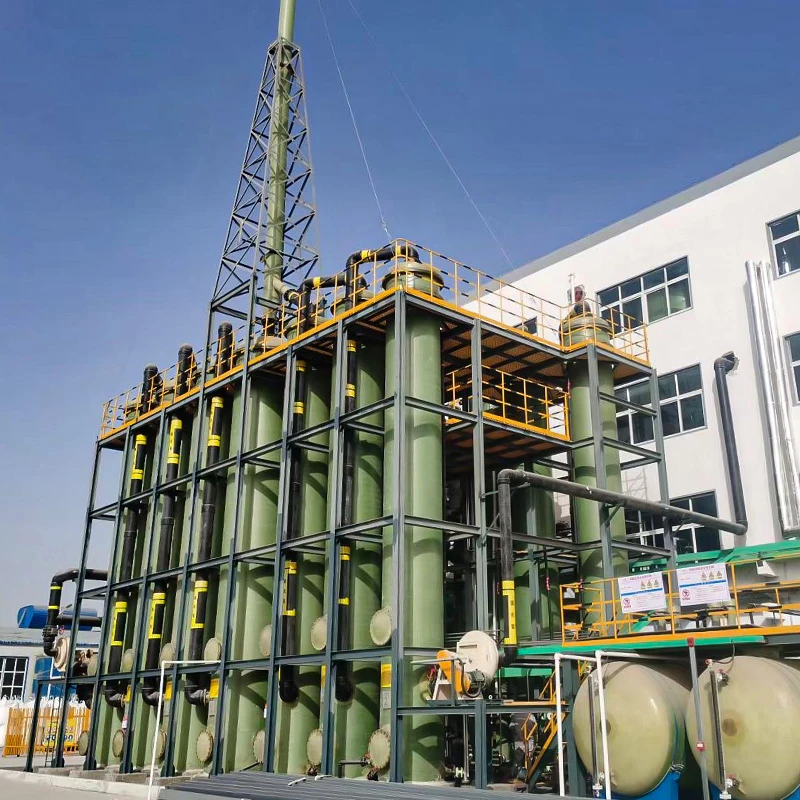
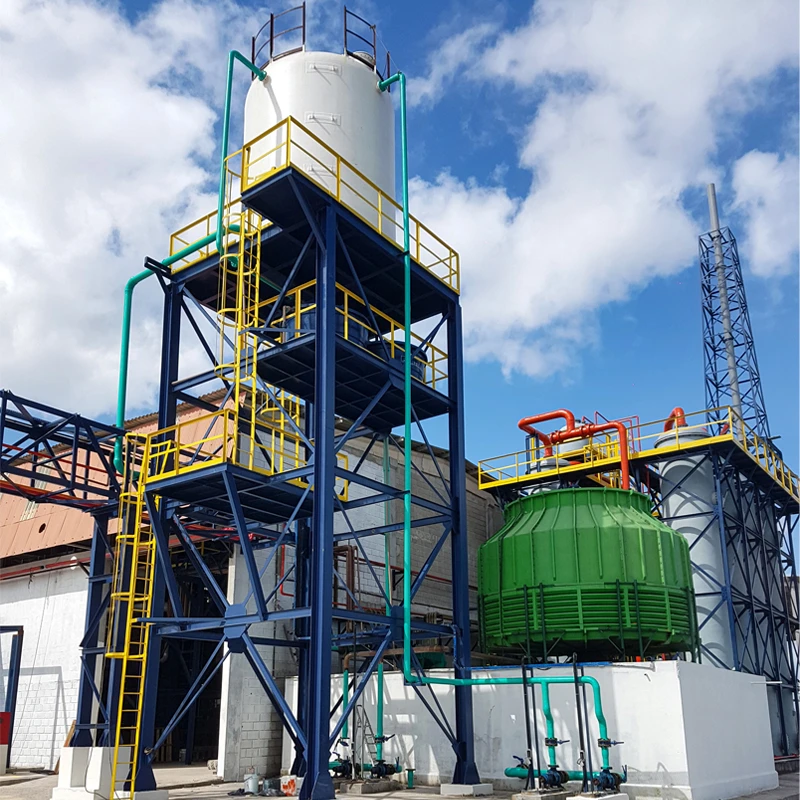
Fiberglass Home Heating Oil Tanks – Durable, Safe & Environmentally Friendly Storage Solutions
Understanding Fiberglass Home Heating Oil Tanks: What They Are and Why They Matter
When it comes to safely storing heating oil for residential use, fiberglass home heating oil tanks have quietly become the unsung heroes. But why should you care about this specific type of tank? Well, globally, the demand for clean, reliable, and safe fuel storage solutions is rising, whether for cold, rural homes in New England or remote villages depending on heating oil as their primary energy. Understanding fiberglass home heating oil tanks means getting familiar with innovations that tackle corrosion, environmental safety, and longevity — all of which affect your wallet and the planet.
Mini takeaway: Fiberglass tanks offer a modern, safer alternative to old metal tanks, addressing leak risks and maintenance headaches.
The Global Context: Why Fiberglass Tanks Are a Growing Necessity
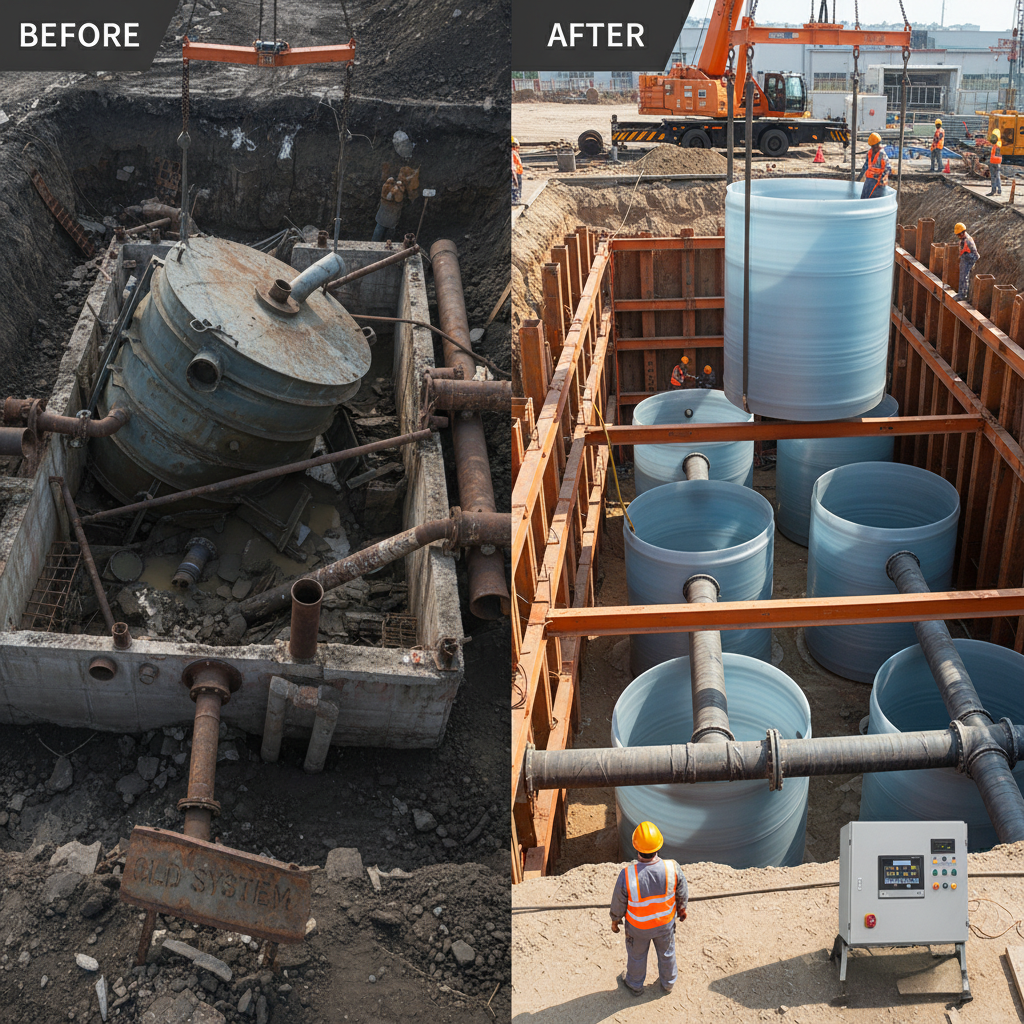
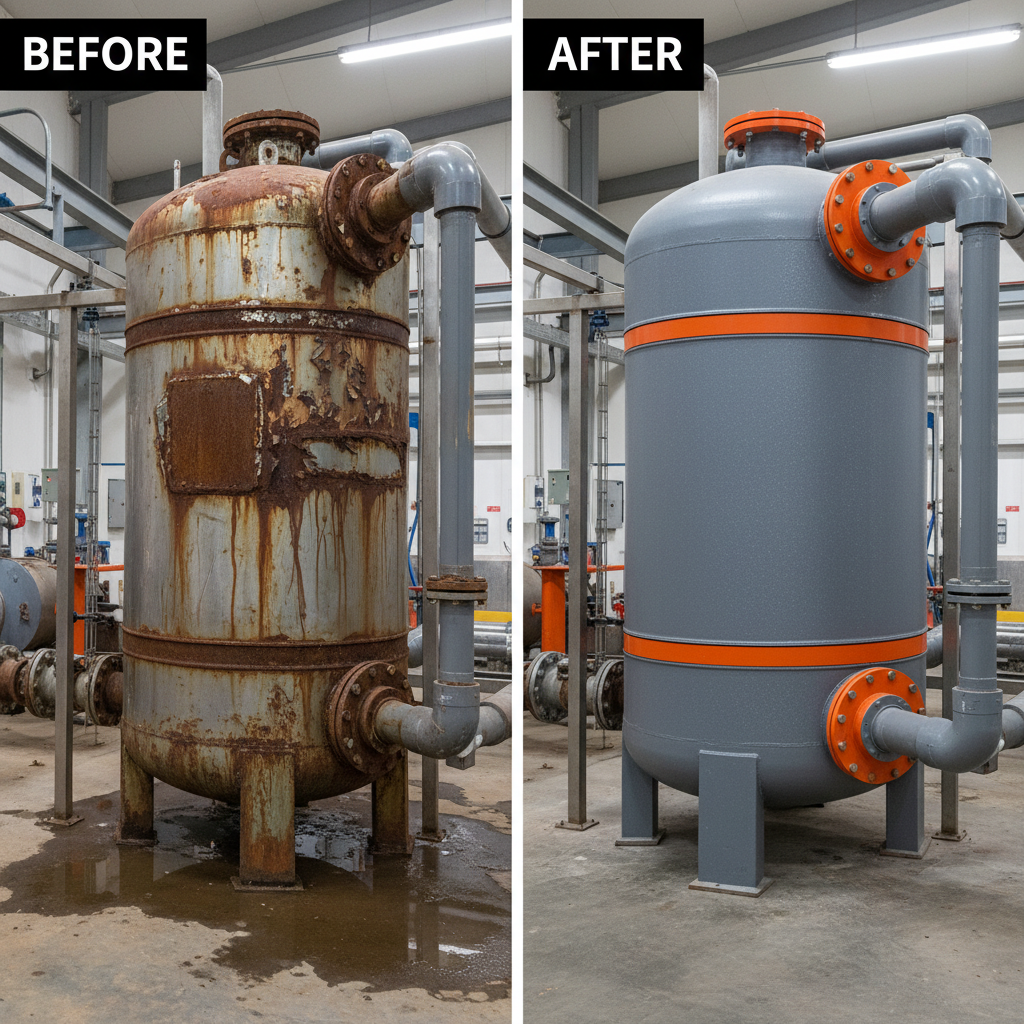
Globally, heating oil remains a vital energy source with approximately 3 million homes in the United States alone relying on it during winter months, according to the U.S. Energy Information Administration (EIA). Internationally, various cold climates from Northern Europe to parts of Asia still count on oil for home heating. But here’s the kicker — steel tanks, traditionally used for oil storage, suffer from corrosion and leaks, which pose environmental risks and costly cleanups.
The United Nations Environment Programme has emphasized that petroleum spills cause significant soil and groundwater contamination globally. So, the increased use of fiberglass home heating oil tanks is a direct response to these critical environmental and safety issues.
Mini takeaway: Globally, fiberglass tanks mitigate leaks and environmental hazards, making homes safer and supporting stricter environmental regulations.
What Exactly Are Fiberglass Home Heating Oil Tanks?
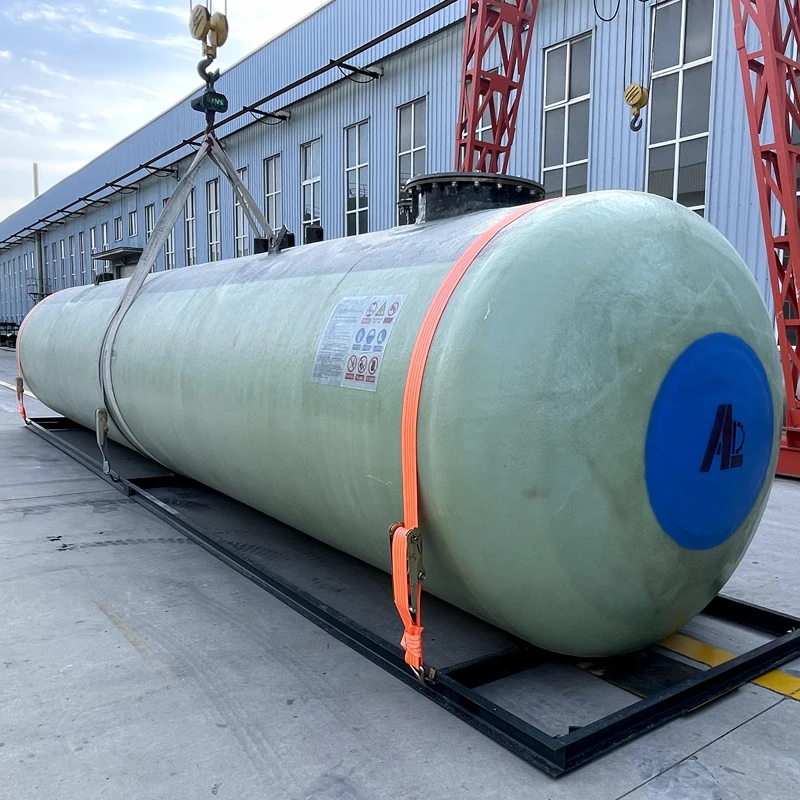
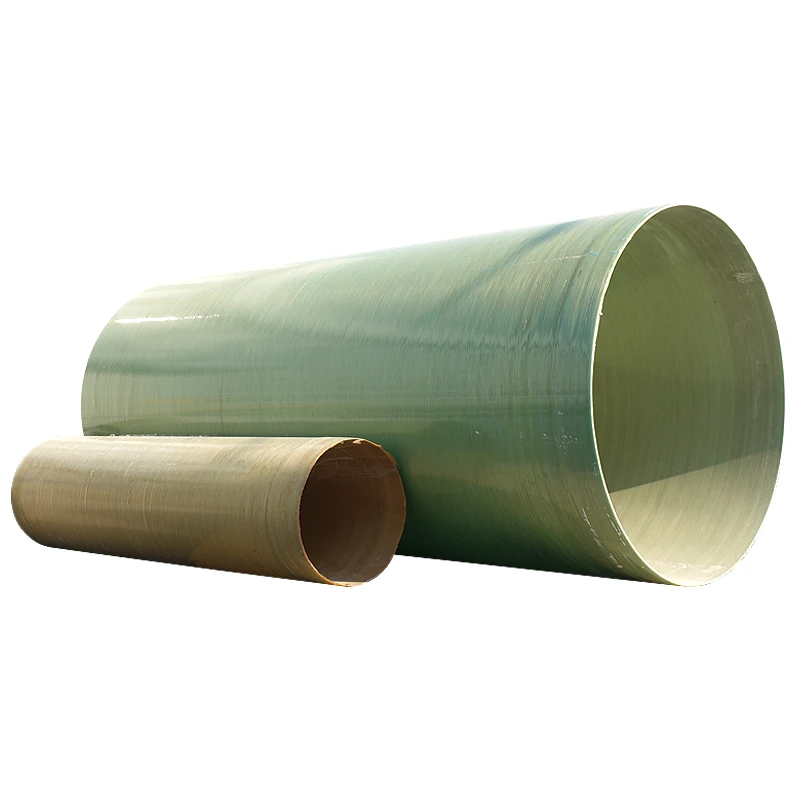
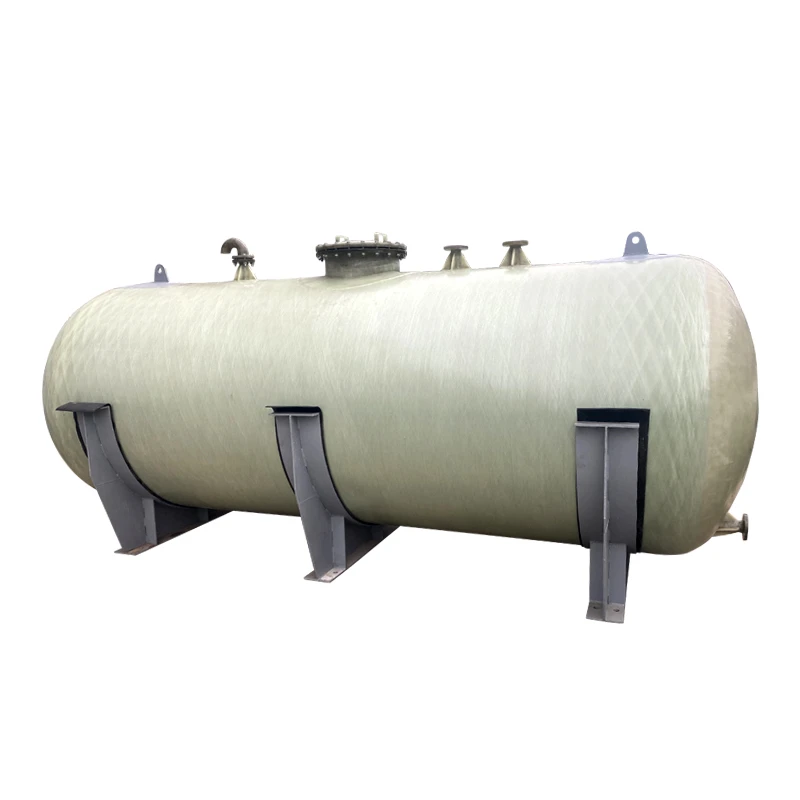
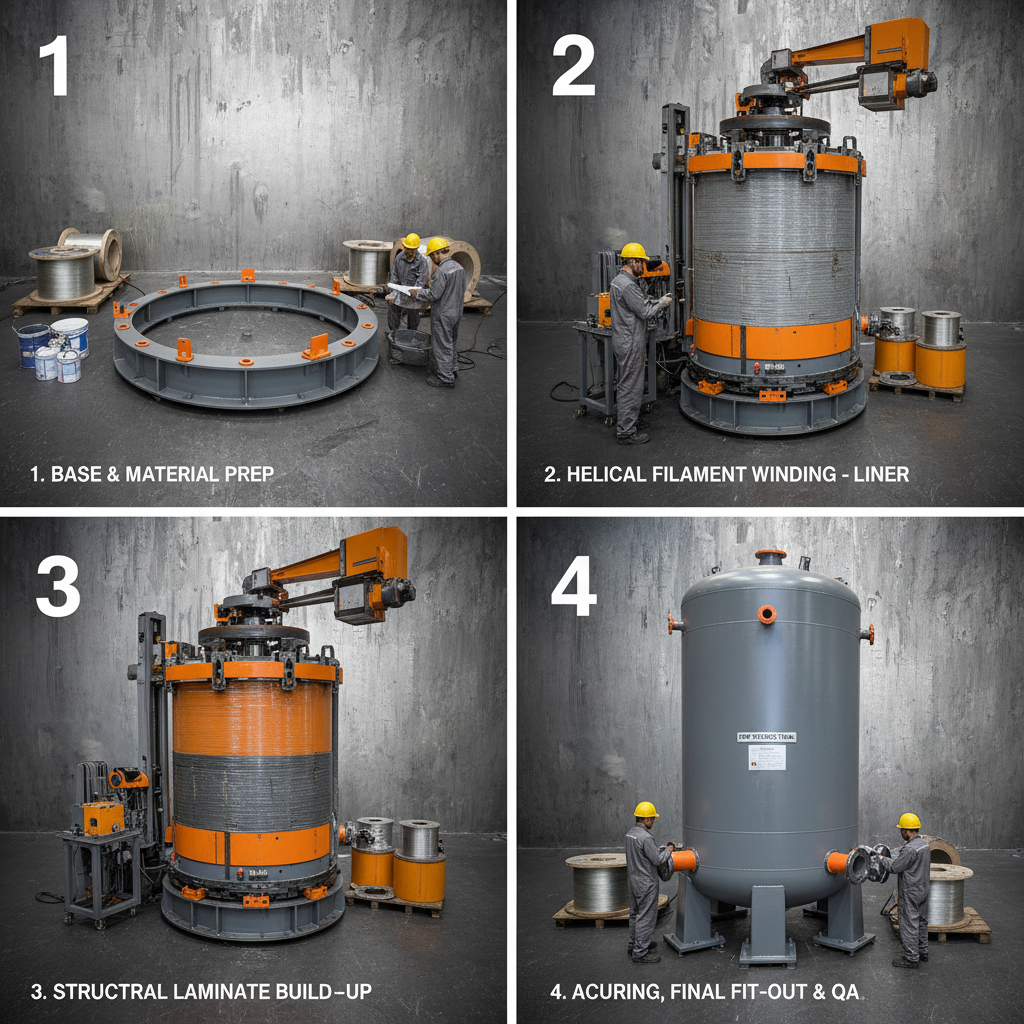
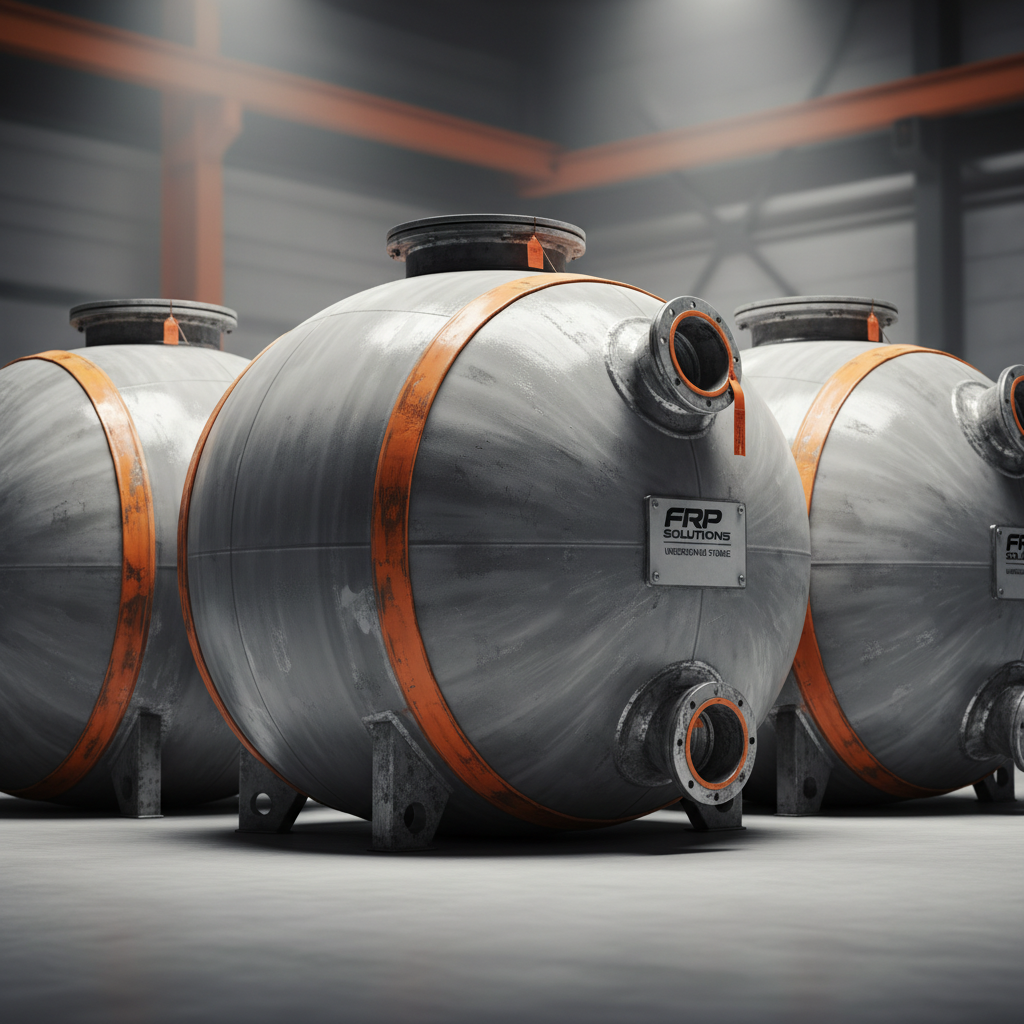
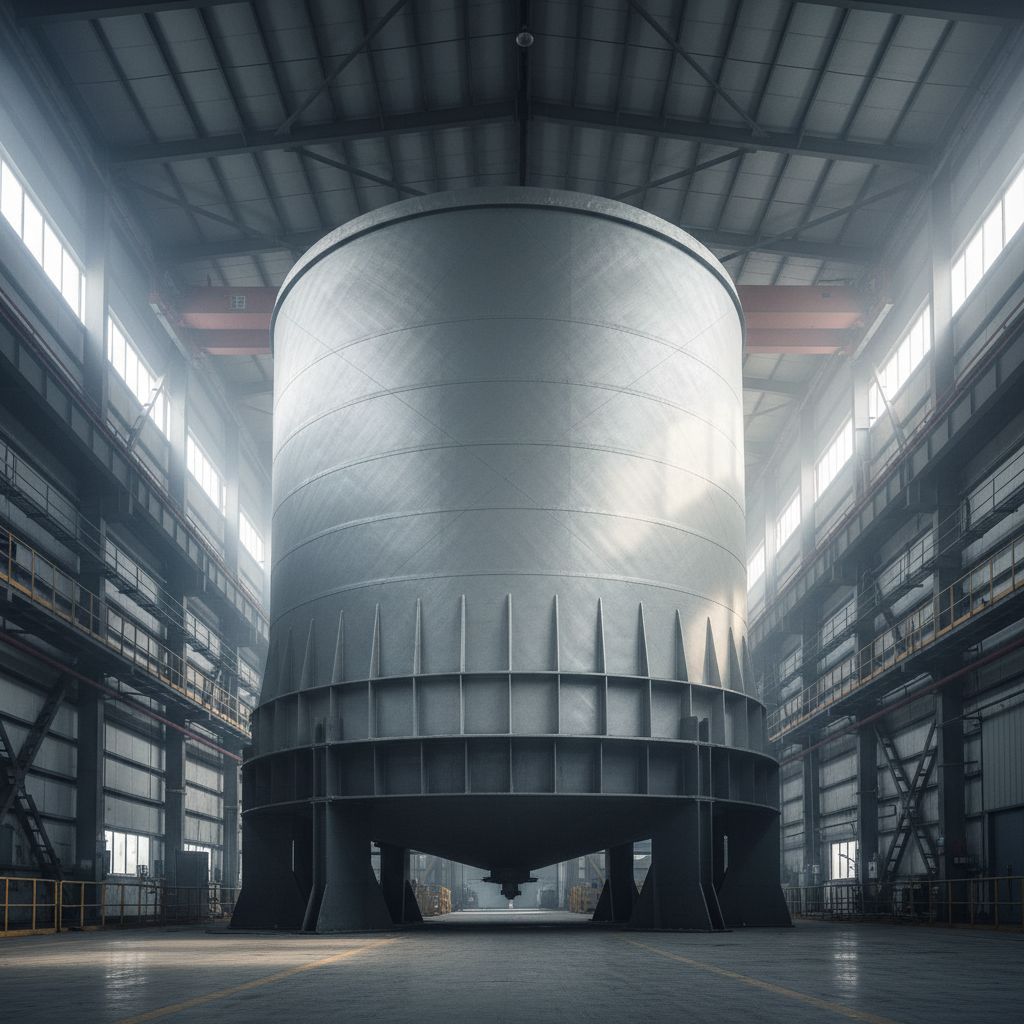
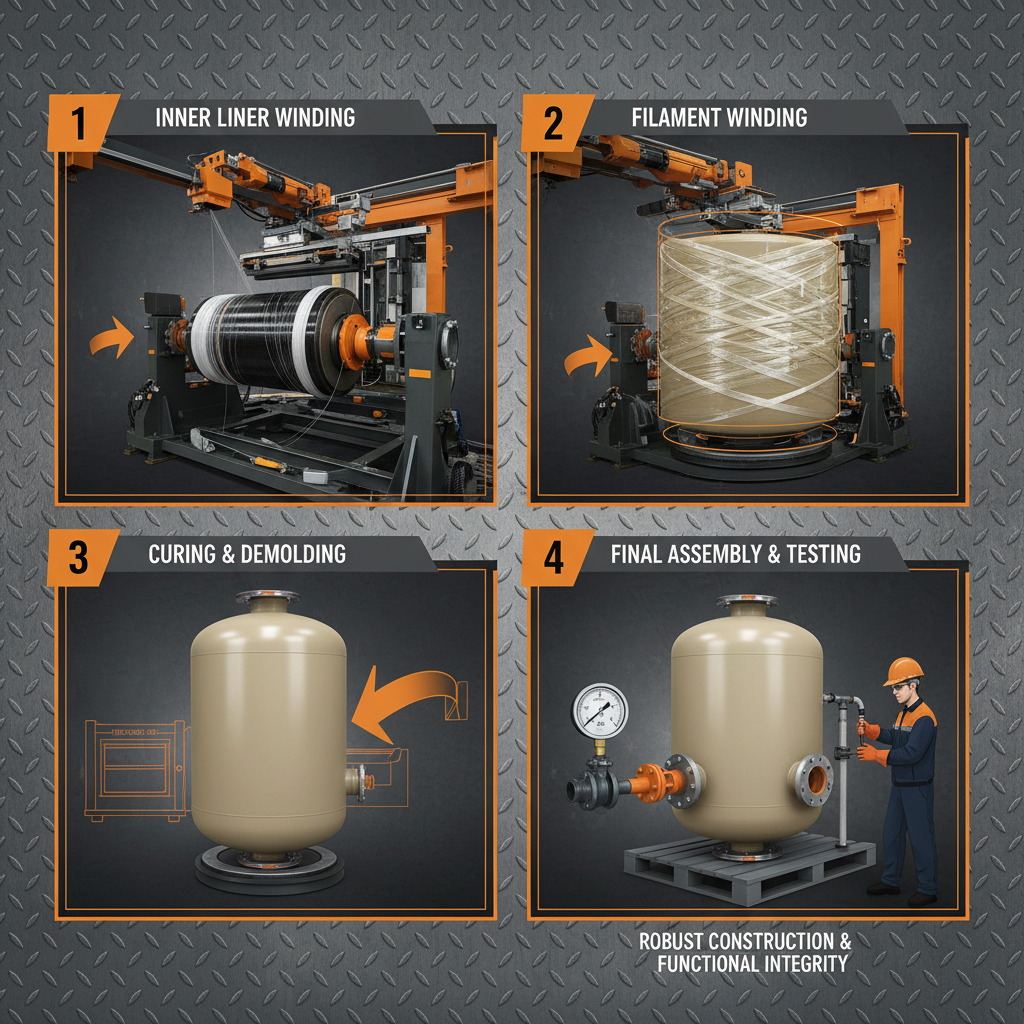
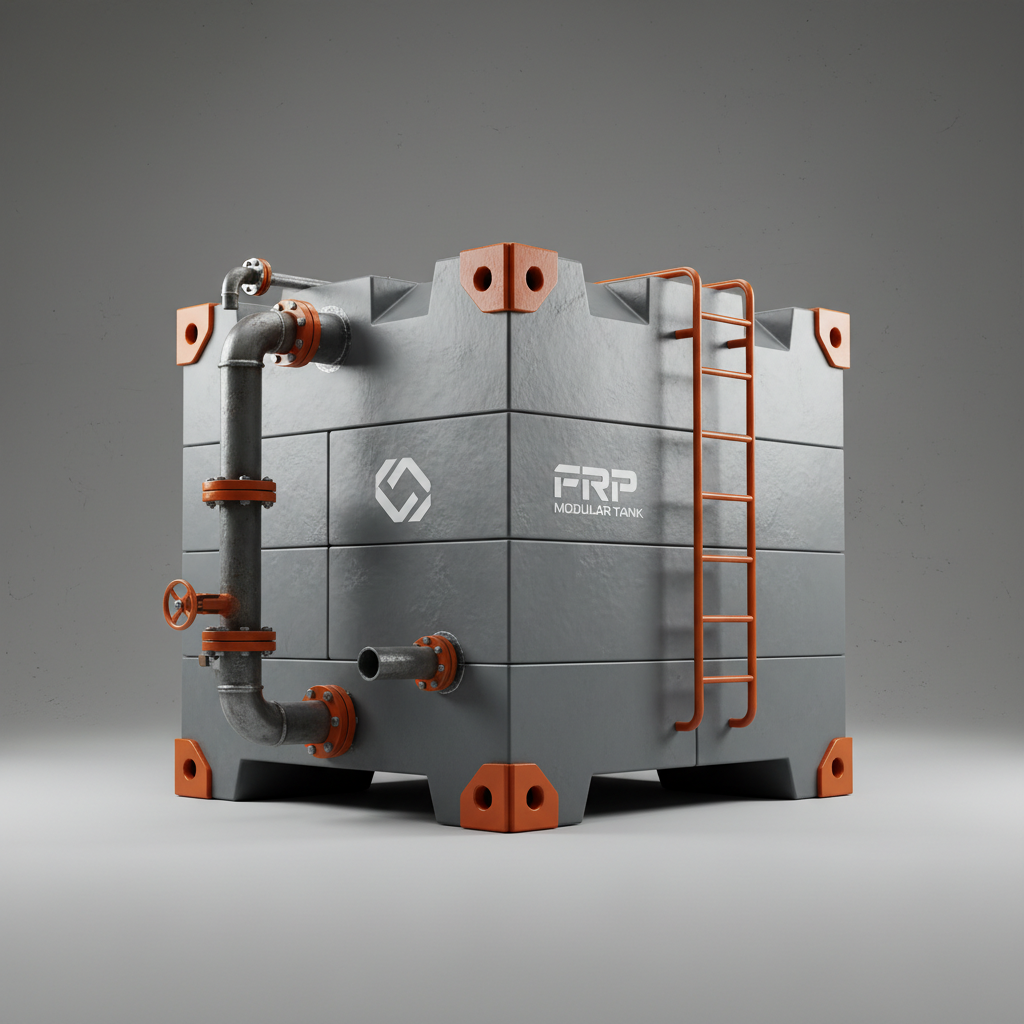
Simply put, a fiberglass home heating oil tank is a storage container made primarily from fiberglass-reinforced plastic (FRP). Unlike traditional steel tanks, these tanks are corrosion-resistant, lightweight, and amazingly durable. The fiberglass material is layered and cured into a robust shell that can hold thousands of gallons of heating oil without rusting or leaking — a godsend for residential users. These tanks meet industry standards like UL-142 or UL-2085 for safety.
Besides home heating, these tanks also play a role in industries that require dependable fuel storage — for example, remote industrial sites, emergency generators, and even humanitarian relief efforts where transporting fuel safely to isolated areas is essential.
Mini takeaway: Fiberglass tanks combine advanced materials engineering with practical safety improvements for everyday fuel storage.
Key Factors That Make Fiberglass Tanks Stand Out
Durability
Fiberglass tanks resist corrosion and cracking much better than steel, which means they often last 30+ years with minimal maintenance. This durability reduces replacement frequency and environmental risks.
Lightweight & Easy Installation
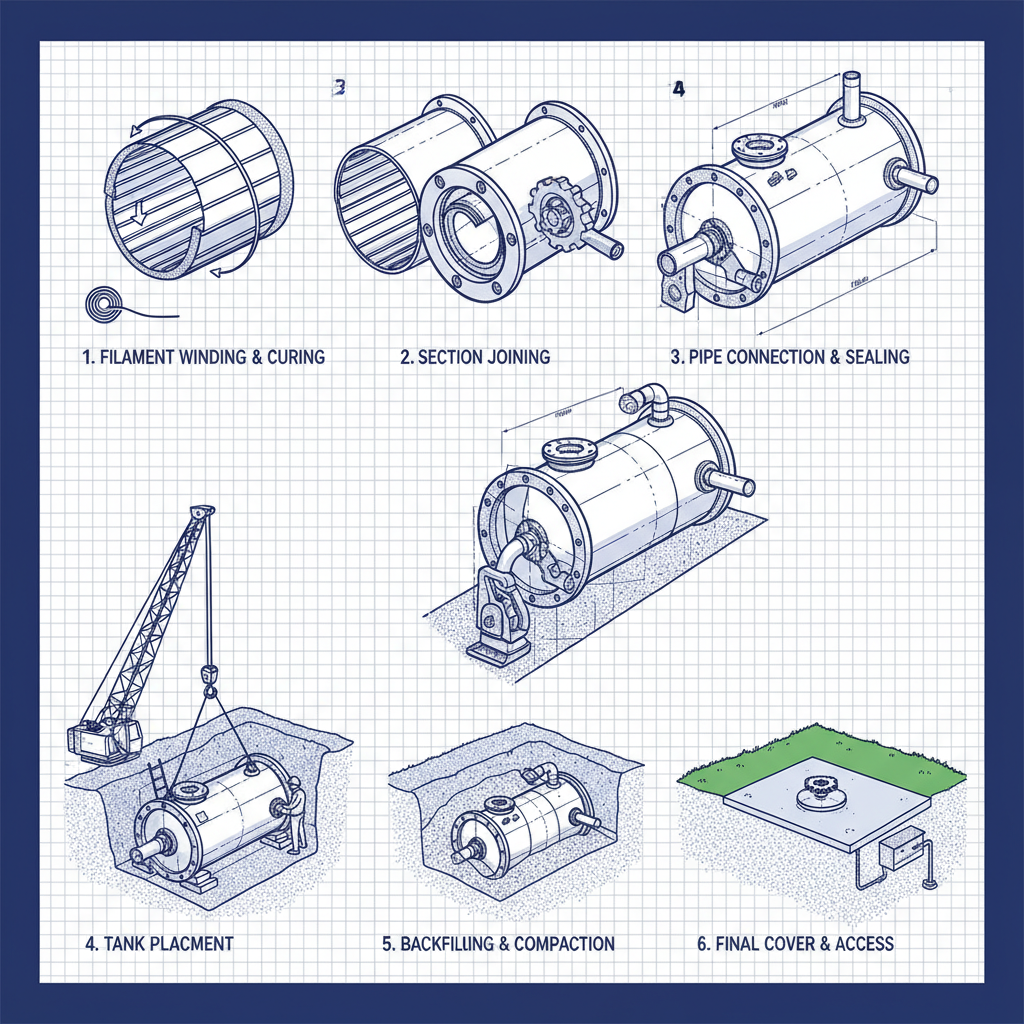
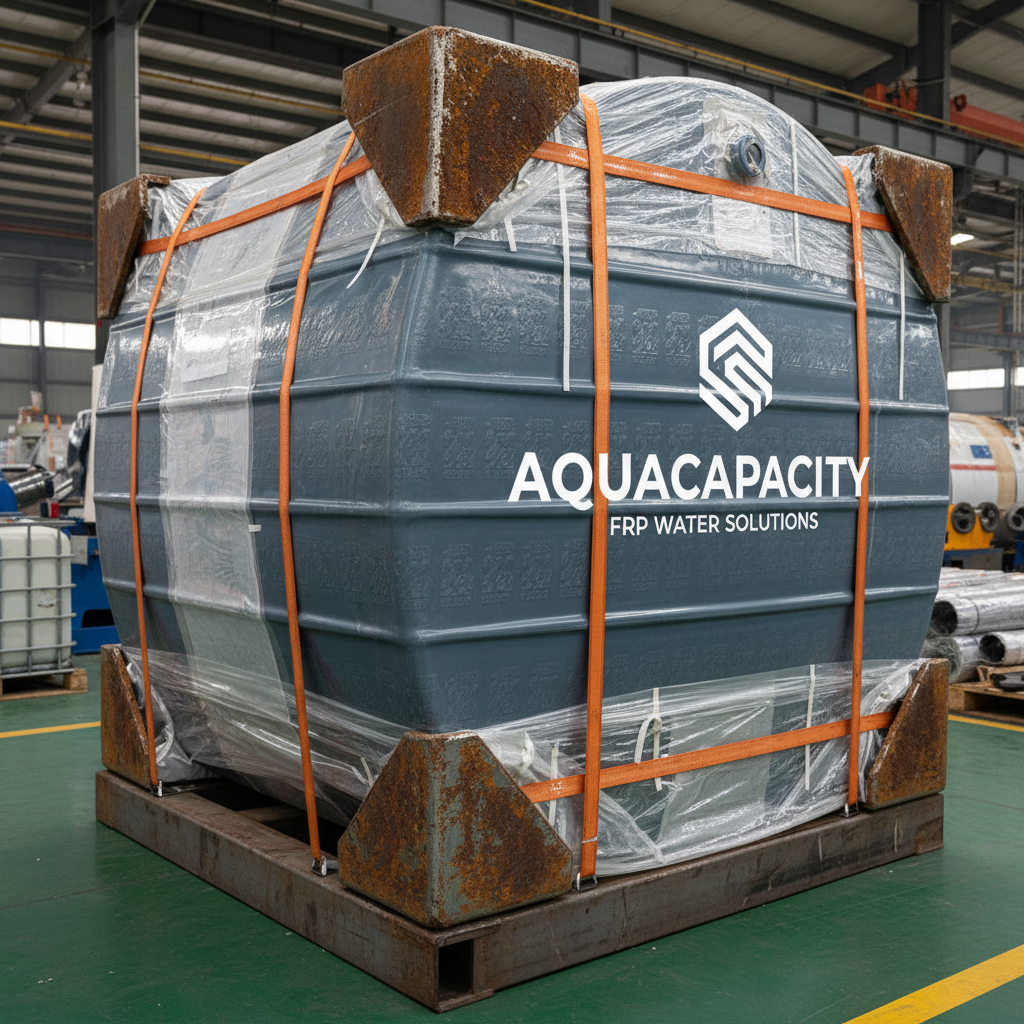
Fiberglass tanks are far lighter than steel, reducing transportation costs and allowing quicker onsite installation. homeowners and installers often note how much simpler and faster the setup is compared to bulky steel alternatives.
Cost Efficiency Over Time
While upfront costs for fiberglass tanks can be a bit higher, their longevity, low maintenance, and low risk of costly spills make them more economical in the big picture.
Environmental Safety
The non-corrosive nature and double-wall construction options mean fiberglass tanks drastically limit leaks, aligning with environmental safety laws and reducing liability worries.
Customization & Sizes
Fiberglass tanks come in numerous shapes and sizes — from compact 275-gallon tanks perfect for condos to huge 1,000-gallon models for large homes or facilities.
Mini takeaway: Durability, ease of installation, and environmental benefits make fiberglass tanks favored by modern homeowners and businesses.
Where and How Are Fiberglass Home Heating Oil Tanks Used Globally?
- Cold rural homes: In northeastern U.S., Canada, and Scandinavia, where heating oil is prevalent, fiberglass tanks reduce the hassle and danger of leaks during harsh winters.
- Post-disaster zones: After hurricanes or earthquakes, portable fiberglass tanks often supply emergency heating fuel to displaced families.
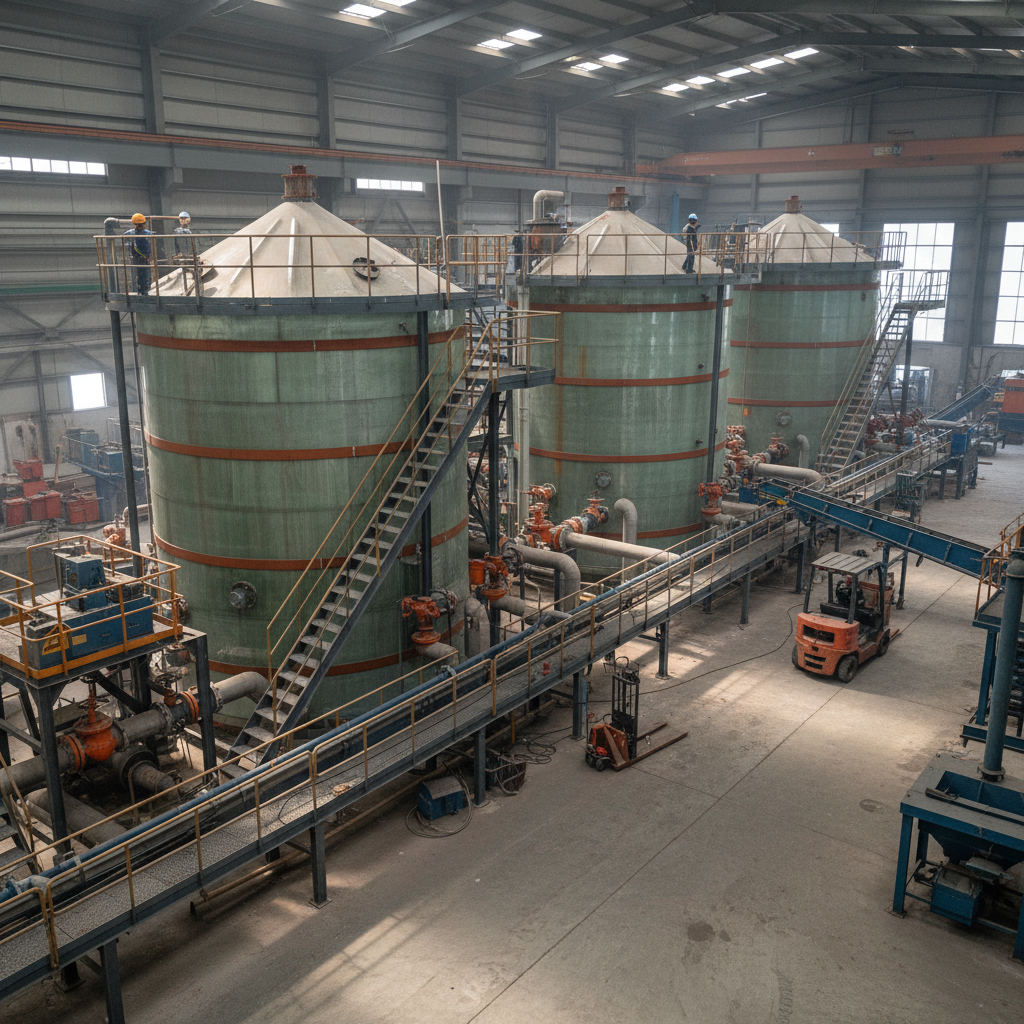
- Remote industrial sites: Many mining and construction operations worldwide rely on these tanks to fuel generators and equipment safely, where traditional steel tanks would corrode too quickly.
- Developing countries: Fiberglass tanks support programs providing heating fuels to communities without gas pipelines, helping reduce fuel handling risks.
Mini takeaway: From icy suburbs to disaster relief efforts, fiberglass tanks prove their value wherever safe, reliable fuel storage is crucial.
Advantages & Long-Term Value of Using Fiberglass Heating Oil Tanks
For homeowners and businesses alike, the shift to fiberglass tanks offers tangible benefits:
- Cost savings: Think fewer maintenance calls and no expensive spill cleanups.
- Peace of mind: Safety comes first — they minimize leaks and the unpleasant odors typical with aging steel tanks.
- Environmental stewardship: Using these tanks supports efforts to protect groundwater and soil.
- Reliability: They perform dependably over decades, a real comfort when winter’s chill sets in.
- Innovation driven: Modern production methods allow integration of monitoring sensors and digital alerts.
Mini takeaway: These tanks are an investment in safety, savings, and environmental care — a true triple-win.
What’s Next? Future Trends & Innovations
Though fiberglass home heating oil tanks are already advanced, new developments keep coming:
- Smart monitoring: Sensors embedded inside tanks will soon provide real-time oil levels and leak detection, accessible via smartphone apps.
- Improved composites: Hybrid materials combining fiberglass with eco-friendly resins are emerging, cutting environmental footprint while boosting strength.
- Regulatory shifts: Governments are pushing for better tank standards globally, encouraging wider fiberglass adoption.
- Integration with renewable fuels: Some tanks are being adapted to safely store biofuels or heating oil blends.
Mini takeaway: Digital and material innovations will keep these tanks relevant well into the sustainable energy era.
Challenges & Practical Solutions
Of course, fiberglass tanks come with a few challenges:
- Higher upfront costs: These can deter budget-conscious buyers, though lifecycle costs are favorable.
- Damage risks: Fiberglass is strong but can crack under severe impact.
- UV exposure: Prolonged sun exposure may degrade outer surfaces if not properly coated.
Luckily, manufacturers now offer UV-resistant coatings and reinforced designs to combat these issues. Application of protective barriers and routine inspection regimes help prolong life.
Mini takeaway: While not perfect, ongoing innovations and good maintenance make fiberglass tanks a safe bet.
Product Specification Table
| Feature | Specification | Typical Range |
|---|---|---|
| Material | Fiberglass-Reinforced Plastic (FRP) | N/A |
| Capacity | Single Wall: 275 - 1,000 gallons | Custom sizes available |
| Wall Thickness | 0.25 to 0.5 inches | Varies by size/model |
| Weight | Approx. 100-400 lbs | Depends on capacity |
| Certifications | UL-142, UL-2085 (for protected tanks) | Industry Standards |
Vendor Comparison of Popular Fiberglass Heating Oil Tanks
| Vendor | Price Range | Warranty | Special Features |
|---|---|---|---|
| TankPro FRP | $1,200 - $3,000 | 10 years | UV-resistant coating, double-wall options |
| SafeFuel Tanks | $1,500 - $3,500 | 12 years | Smart sensor integrations, custom colors |
| EcoStor FRP | $1,100 - $2,800 | 8 years | Eco-friendly resin mix, lightweight design |
Frequently Asked Questions About Fiberglass Home Heating Oil Tanks
- Are fiberglass heating oil tanks more expensive than steel ones?
- Yes, fiberglass tanks typically have a higher initial cost compared to traditional steel tanks. However, their corrosion resistance and longevity often lead to lower lifetime expenses, saving money on repairs, replacement, and environmental cleanup.
- Can fiberglass tanks be used outdoors safely?
- Absolutely. Most fiberglass tanks come with UV-resistant coatings and weatherproof seals ensuring they withstand outdoor elements for decades without degradation.
- How do I maintain a fiberglass home heating oil tank?
- Maintenance usually involves periodic inspection for cracks, cleaning vents, and monitoring fuel quality. Unlike steel tanks, you don’t have to worry about rust, but it’s good practice to check seals and fittings annually.
- Are fiberglass tanks compatible with biofuel blends?
- Many fiberglass tanks are compatible with certain biofuel blends, though it’s best to check manufacturer specifications as some biofuels can affect materials differently.
- Where can I buy fiberglass home heating oil tanks?
- You can find reputable suppliers online or through local dealers specializing in residential heating equipment. For detailed options, see fiberglass home heating oil tanks.
Wrapping It Up: The Long-Term Value of Fiberglass Heating Oil Tanks
Switching to fiberglass home heating oil tanks is more than just a technical upgrade — it’s a thoughtful move toward safer, cleaner, and more reliable energy storage. In real terms, it protects your home, your community’s environment, and your finances in the long run. If you’re considering an oil tank upgrade or installation, fiberglass tanks merit serious consideration.
For more in-depth information and purchase options, I’d suggest visiting our website to explore the latest models, certifications, and customization options that fit your needs.
It’s one of those improvements that seems subtle but tends to pay dividends for decades — which is rare in today’s world!
References: