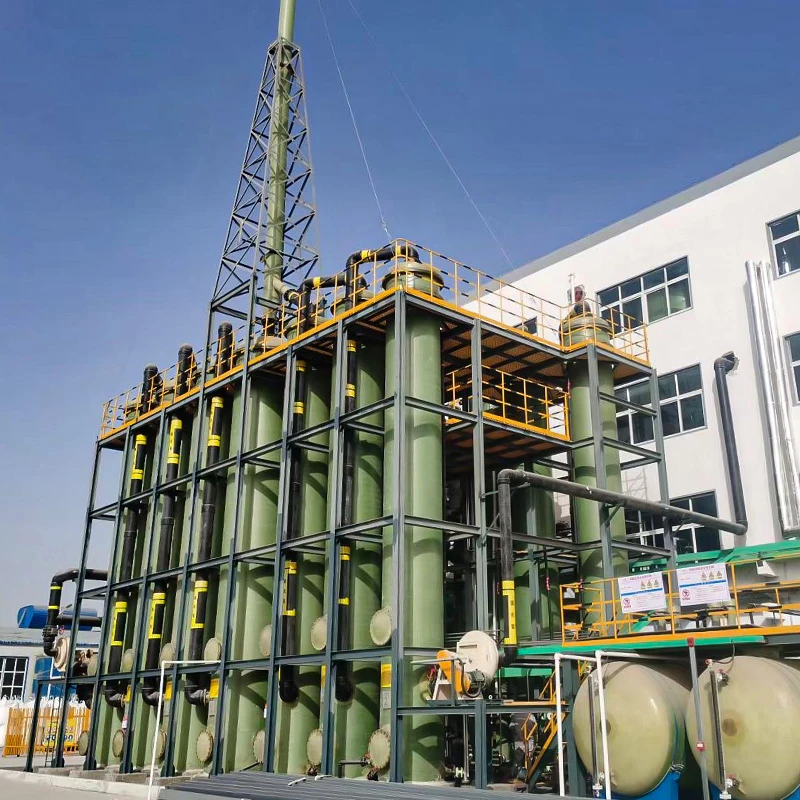
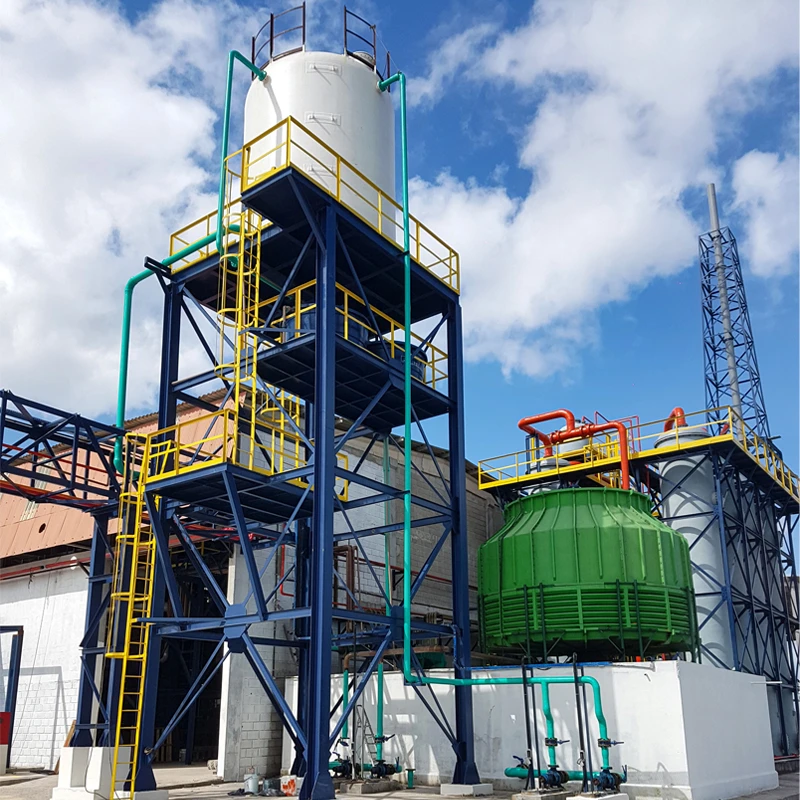
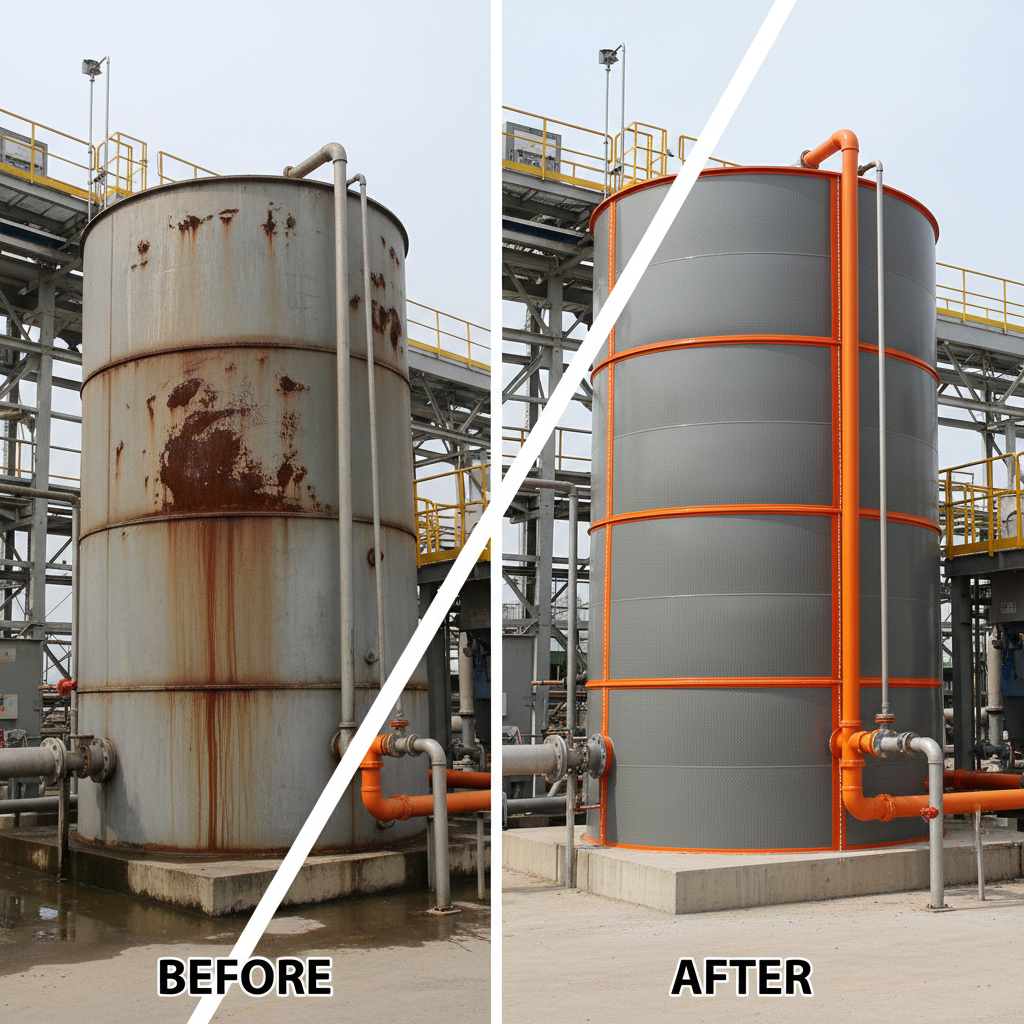
Fiberglass Lift Station Tank: Durable, Cost-Effective Water Infrastructure Solutions
The Fiberglass Lift Station Tank: Behind the Scenes of Modern Water Management
When you hear “fiberglass lift station tank,” what comes to mind? Probably not much, unless you're in the wastewater or municipal water business. But these unassuming tanks play a quietly vital role in managing our water infrastructure globally. As cities expand and sanitation standards rise, fiberglass tanks help solve some surprisingly complex challenges — from durability in corrosive environments to cost-efficiency and sustainability.
In a world where clean water access is still a luxury for millions, understanding these tanks isn't just for engineers; it’s just good sense. They make waste treatment more reliable, help protect the environment, and ultimately keep our homes healthier.
Why Fiberglass Lift Station Tanks Matter Globally
Global water stress is rising. According to the UN, over 2 billion people live in water-scarce areas today, and urban populations keep jumping (source: UN Water Scarcity Report). Many communities rely on lift stations — systems that pump wastewater uphill when gravity won’t do the trick. That’s where fiberglass lift station tanks step in.
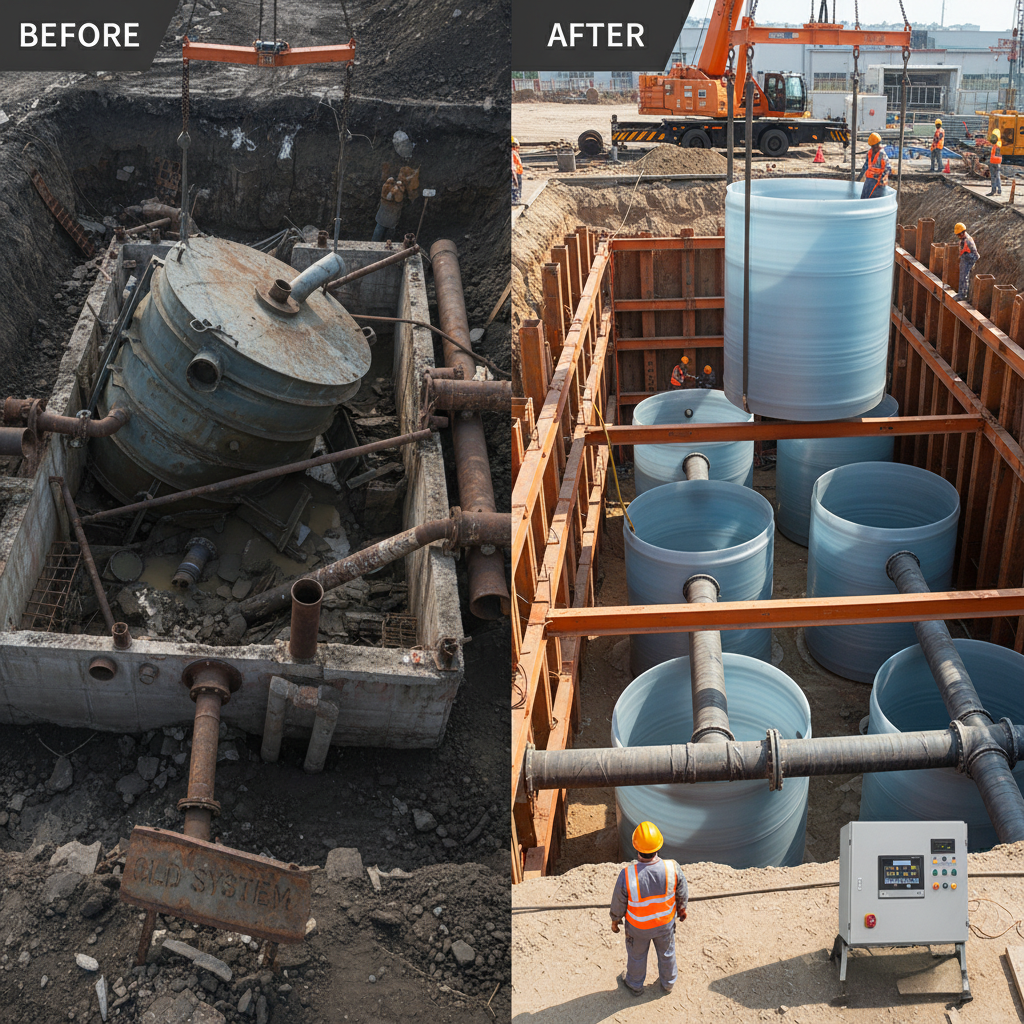
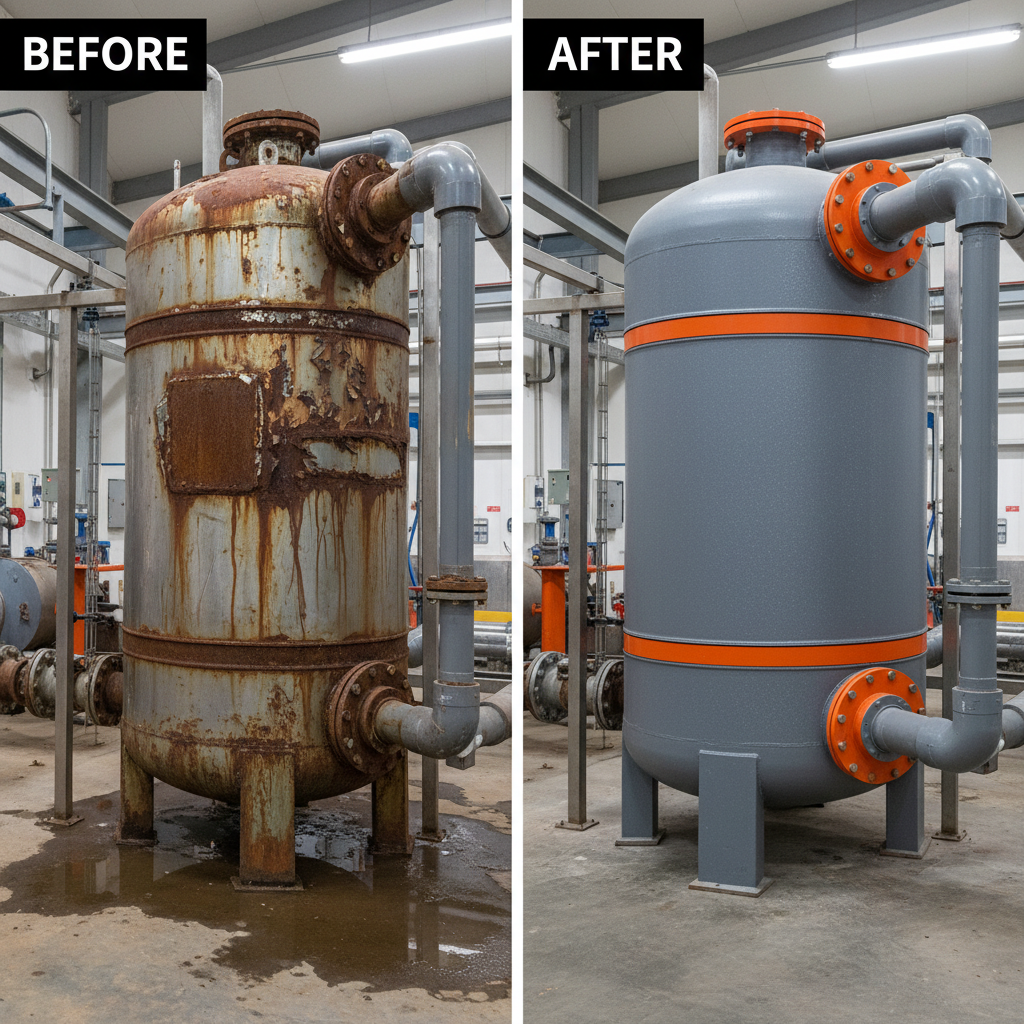
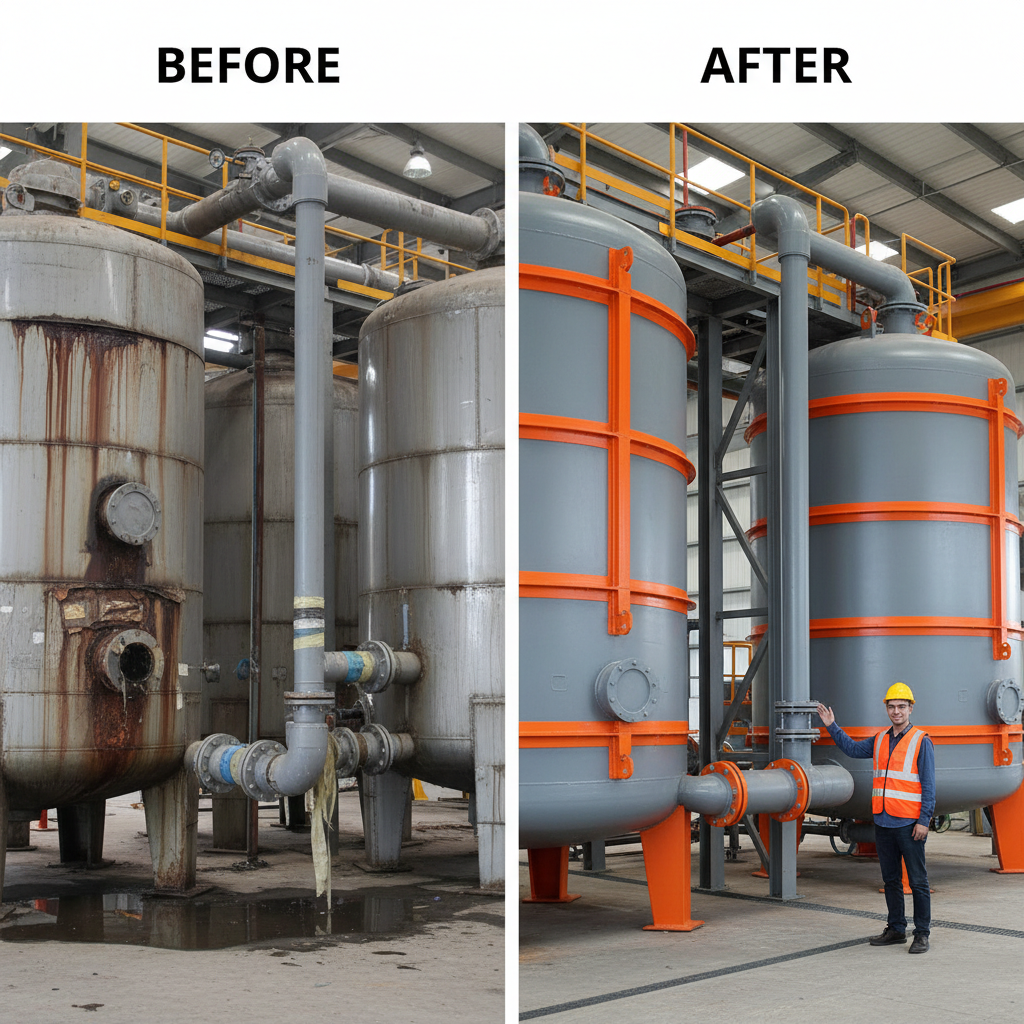
Unlike traditional concrete or steel tanks that can corrode, crack, or leak, fiberglass options offer a lightweight, corrosion-resistant solution that lasts decades. For municipalities and industrial sites worldwide, this means fewer repairs, reduced downtime, and safer water treatment processes.
But it’s not just about holding water. These tanks are often the heart of a network of pumps, valves, and controls that keep our waste moving towards treatment plants — no small feat when millions of gallons flow daily in places as diverse as suburban America, sub-Saharan Africa, or Southeast Asia.
Mini Takeaway:
- Fiberglass lift station tanks are integral to sustainable water infrastructure amid growing water scarcity challenges worldwide.
- They address common problems like corrosion and maintenance demands better than many traditional materials.
What Exactly Is a Fiberglass Lift Station Tank?
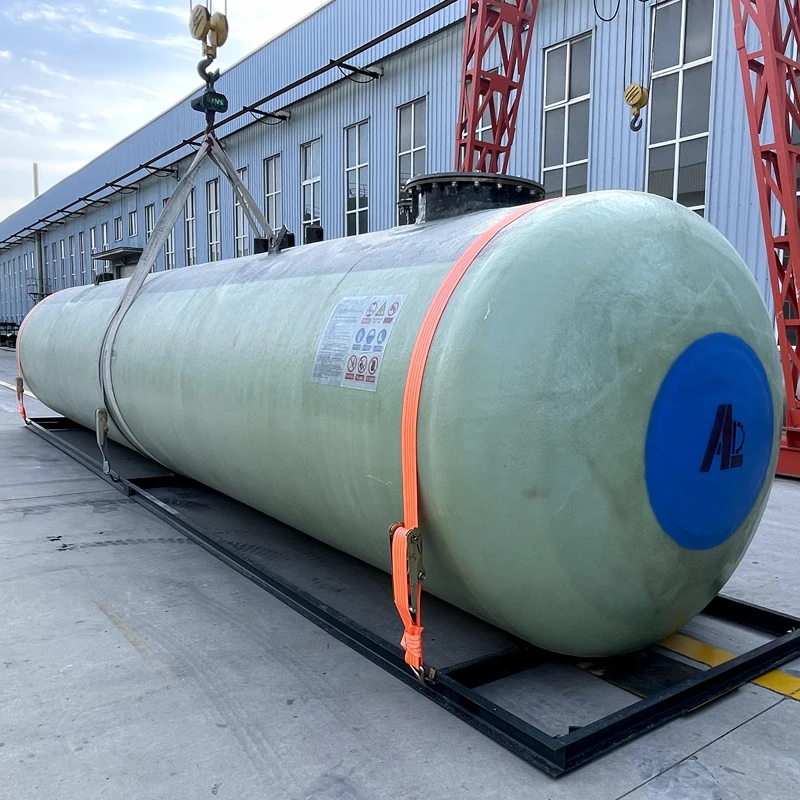
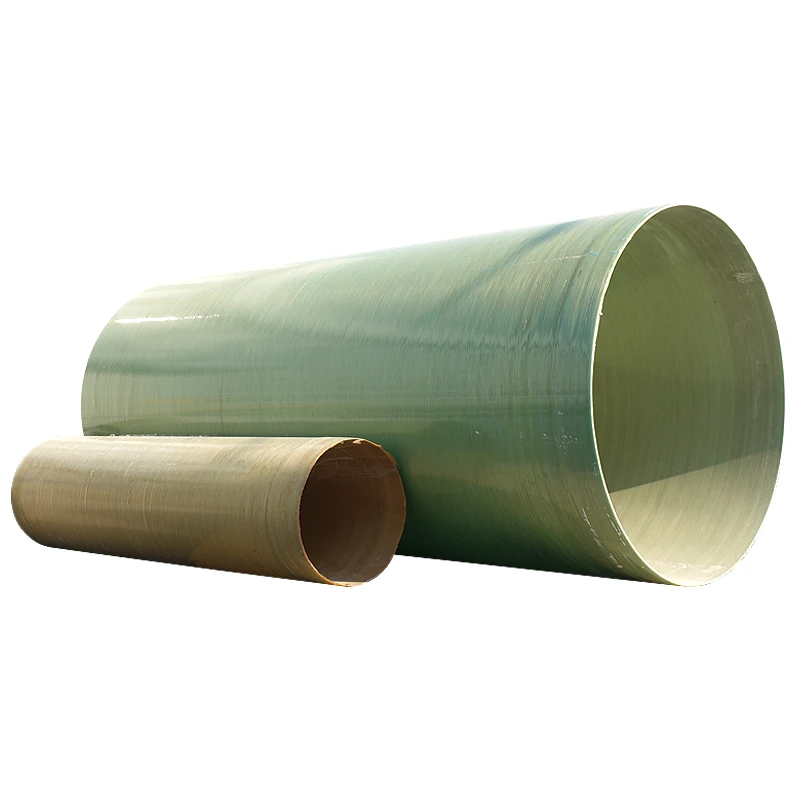
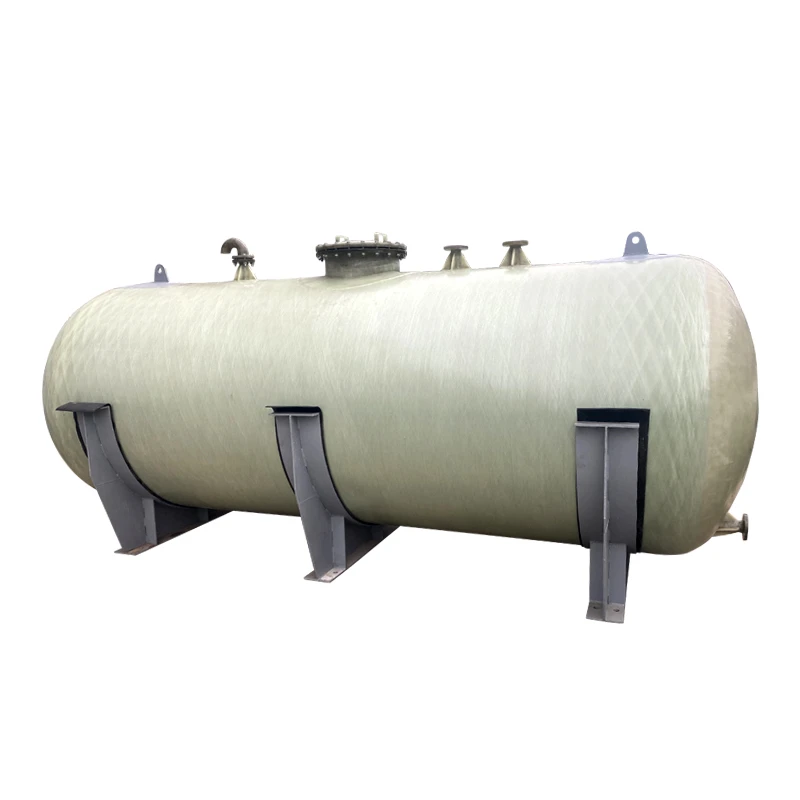
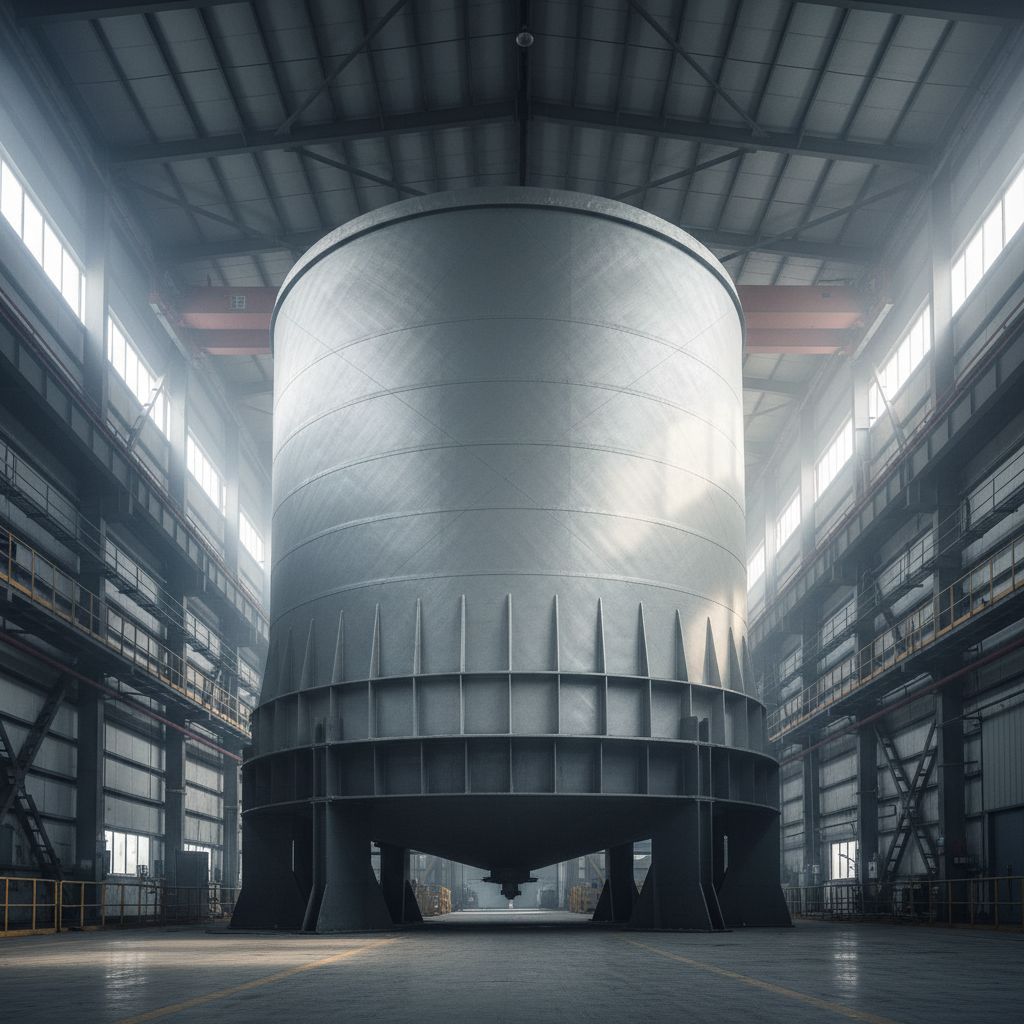
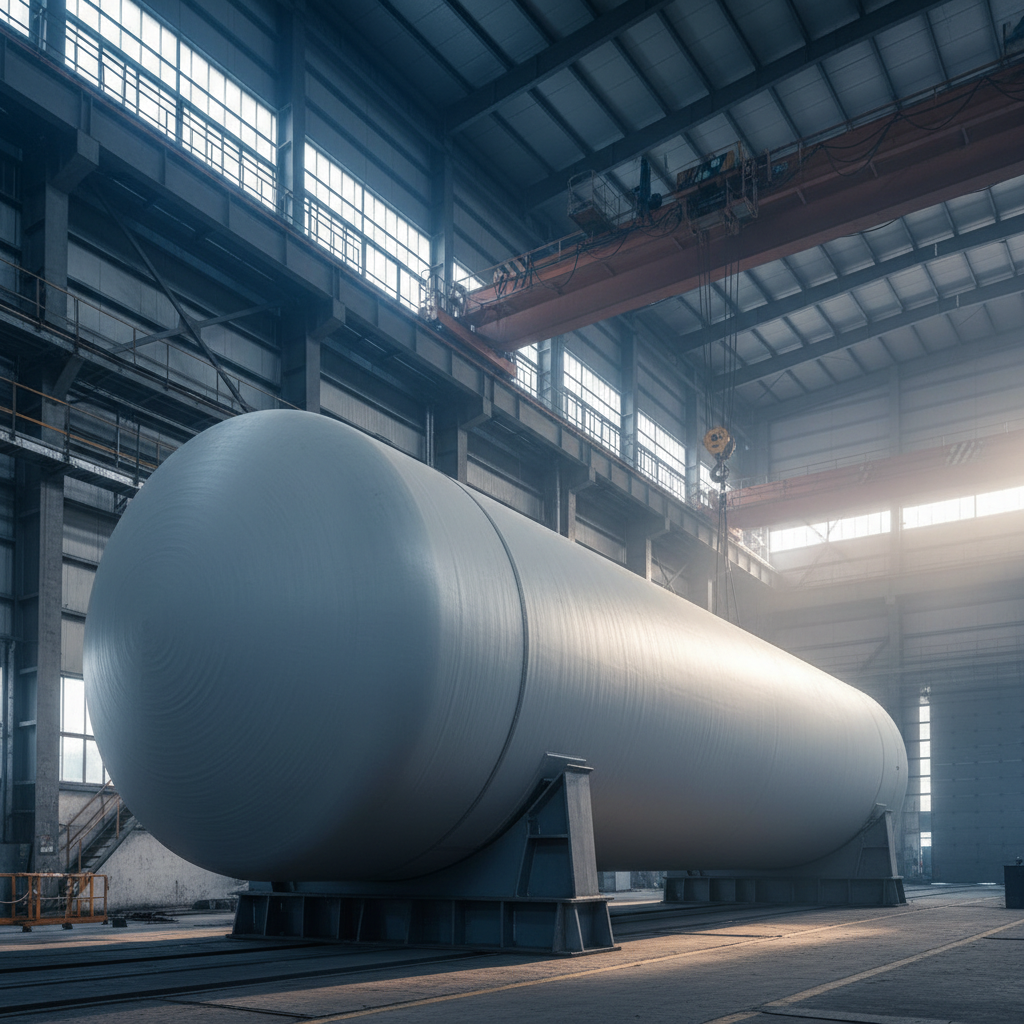
Simply put, a fiberglass lift station tank is a fiberglass-reinforced plastic (FRP) container designed to house wastewater pumping equipment and temporarily store sewage or stormwater until it can be lifted to a higher elevation for treatment or further transport.
Think of it as a tough, corrosion-proof reservoir that protects sensitive pumps from the harsh environment of wastewater. Because fiberglass is non-reactive and impermeable, it doesn’t degrade from chemicals or bacteria — a crucial feature when you consider the nasty stuff swirling inside.
And beyond wastewater, these tanks also find use in industrial plants, mining operations, and even remote regions where building heavy concrete facilities would be impractical or too costly.
Mini Takeaway:
- A fiberglass lift station tank is basically a rugged, corrosion-proof container for wastewater pumps and storage.
- Its material properties make it ideal for hostile, chemical-rich environments where traditional tanks might fail.
Key Features That Make These Tanks Stand Out
Durability Against Corrosion
Wastewater tends to be acidic and full of chemicals. Steel tanks rust, concrete cracks under constant exposure. Fiberglass’s resistance to chemical attack means it can last 30+ years with minimal degradation. Many engineers say it feels like investing once and forgetting forever, which is startling when you’re used to frequent patchwork.
Lightweight & Easy Installation
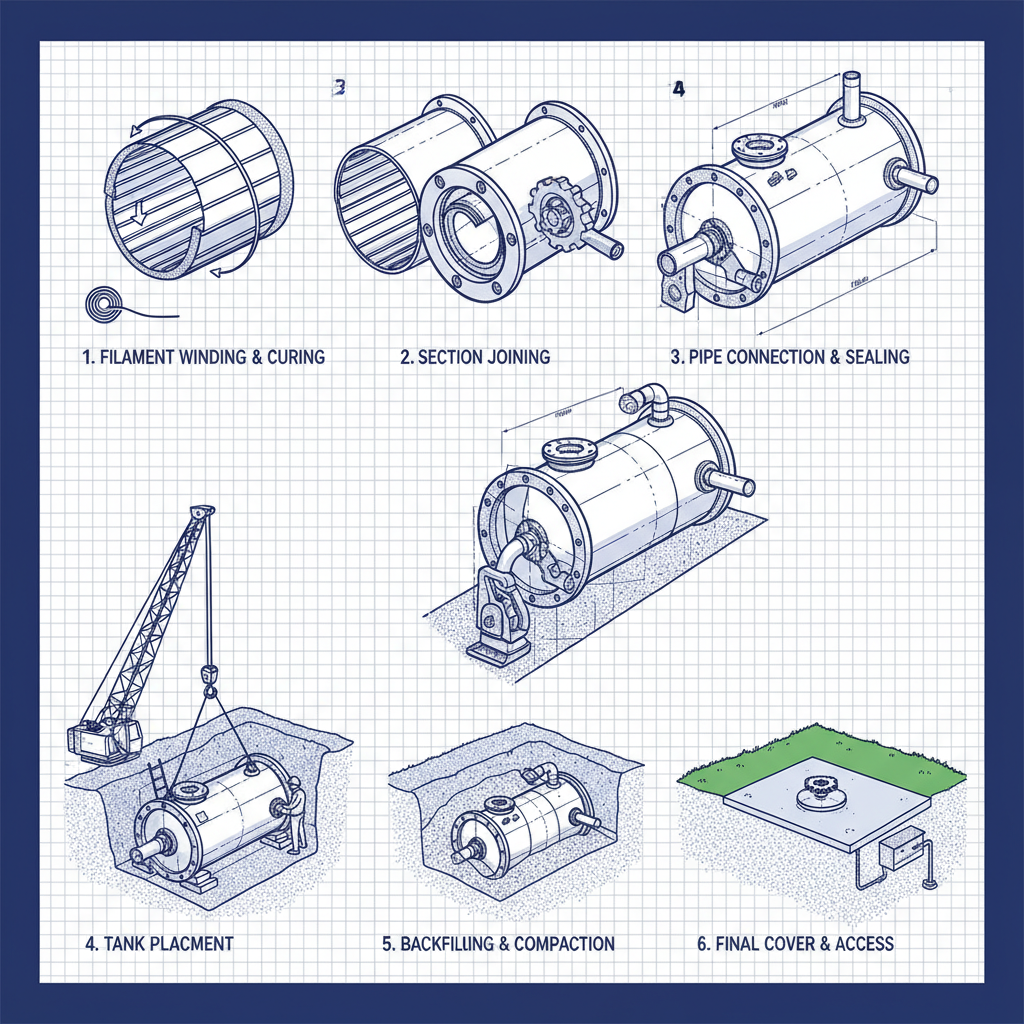
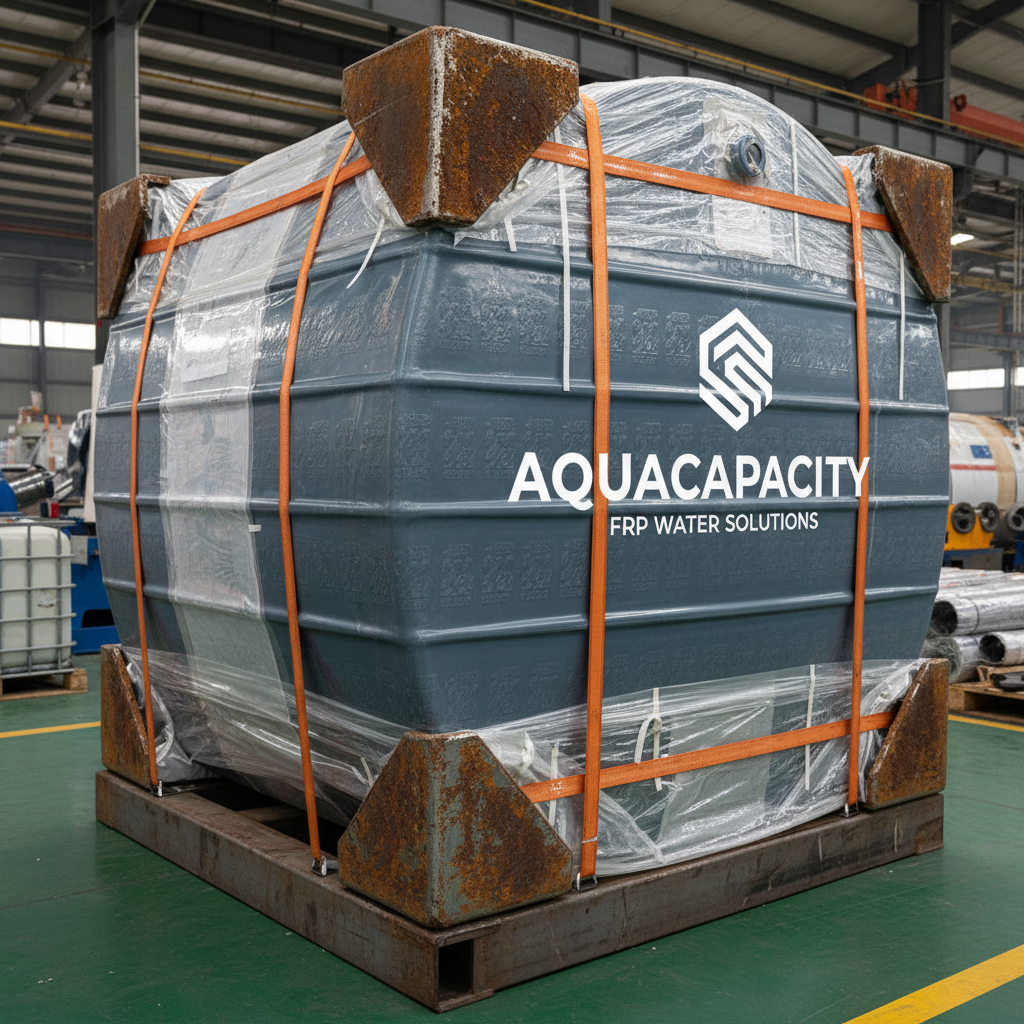
Fiberglass tanks are roughly 60% lighter than steel alternatives. This helps reduce shipping and installation costs. Some models can be installed in just a day or two, without heavy machinery or extensive site prep — a major boon in remote or tight urban areas.
Cost Efficiency Over Time
Initial costs tend to be higher compared to precast concrete, but lower maintenance and longer lifespan balance the scales. Most operators see a lower total lifecycle cost, especially when factoring in avoidance of leaks, corrosion repairs, and downtime.
Customizable Design
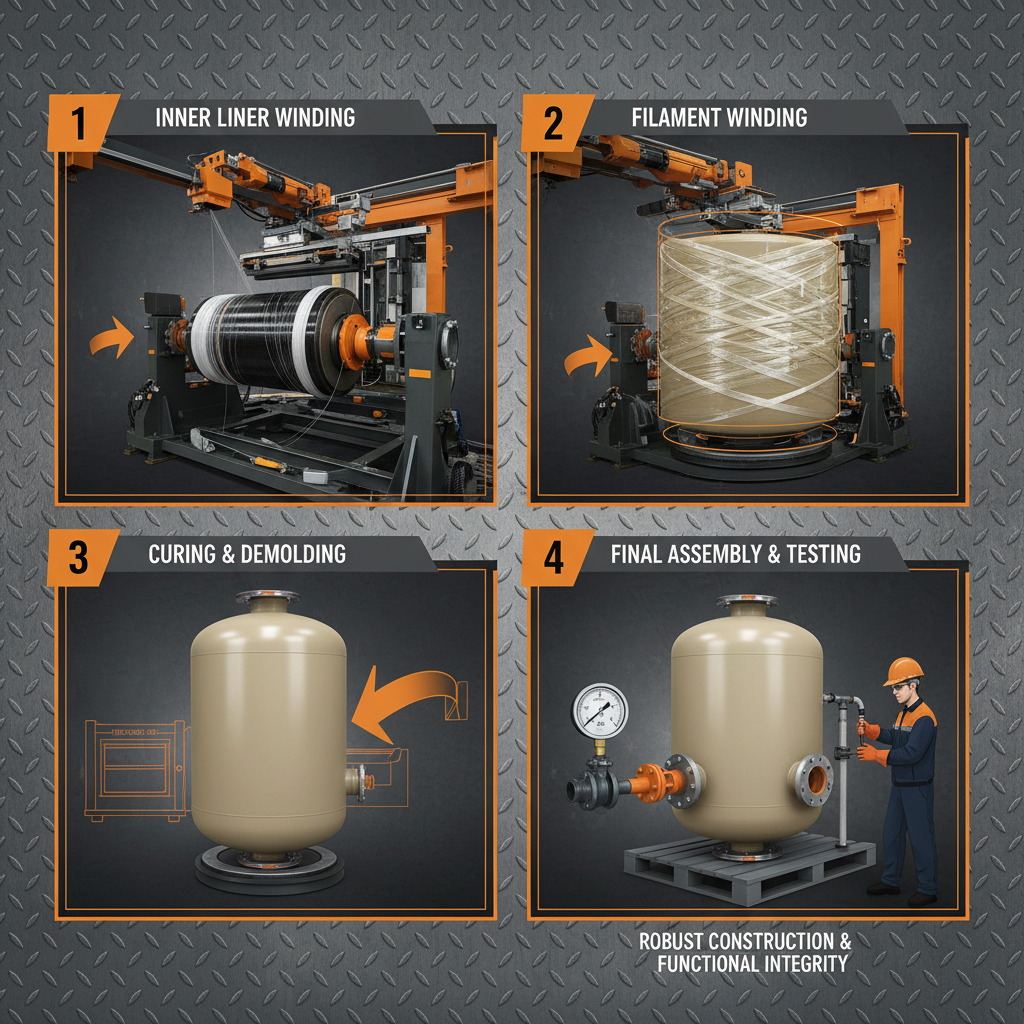
Fiberglass fabrication allows for various shapes, sizes, and integration of components like float switches or pressure sensors. This adaptability means owners can tailor a tank to specific flow rates, space constraints, and pump types.
Environmental Resistance
Because fiberglass doesn’t support microbial growth or release toxins if damaged, these tanks mitigate risks of contamination or hazardous leaks during extreme weather events — which are becoming all too common.
Mini Takeaway:
- Corrosion resistance and lightweight make fiberglass tanks practical and reliable.
- Customization and long-term cost savings make them appealing to diverse industries.
How Fiberglass Lift Station Tanks Are Used Around the World
These tanks have a surprisingly broad footprint. In North America and Europe, municipalities use them to upgrade aging water infrastructure, meeting new environmental regulations. In rapidly urbanizing Asia, fiberglass lift station tanks enable expansion into hilly or flood-prone zones where gravity flow isn’t an option.
Post-disaster relief organizations often deploy portable fiberglass lift stations to restore sewage systems quickly after floods or earthquakes. I came across a case in Indonesia, where after a tsunami, modular fiberglass stations helped restore sanitation within weeks — a life-saving intervention amid chaos.
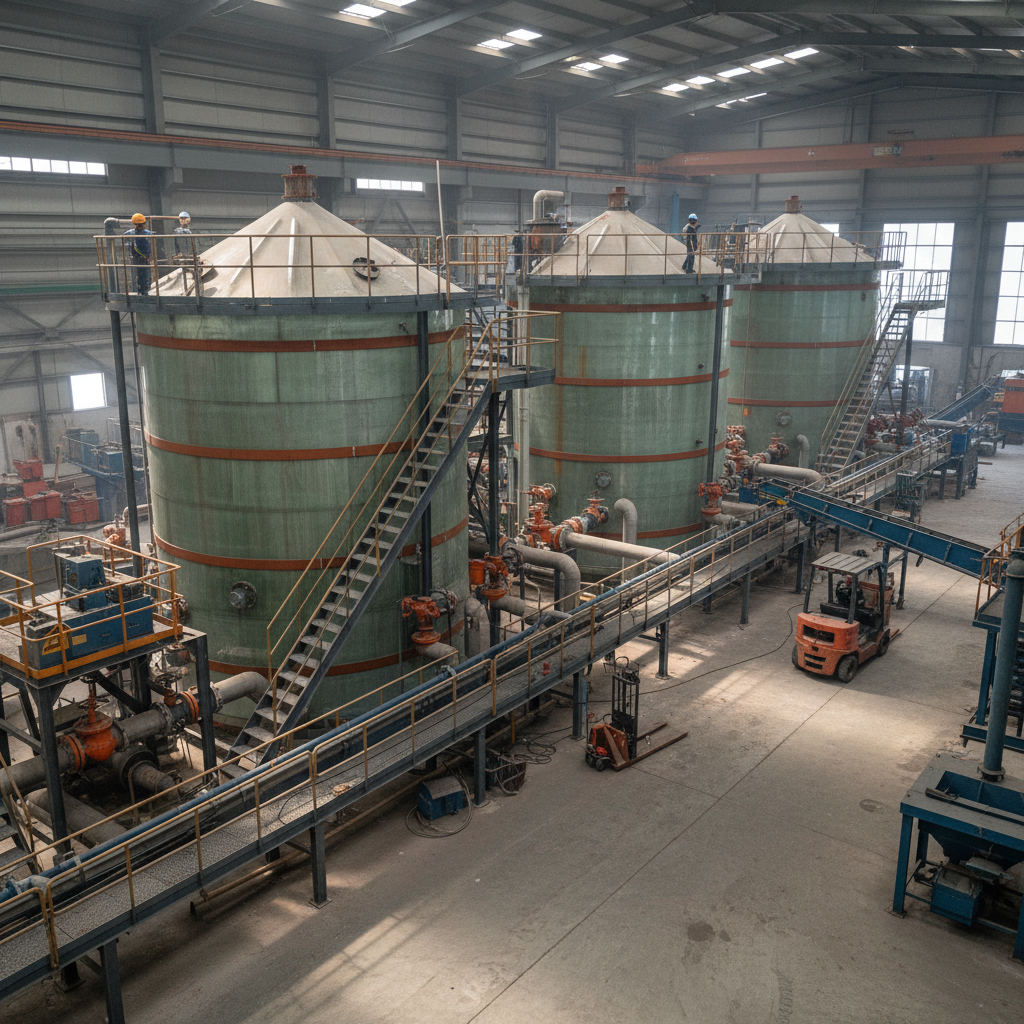
Industrial plants in mining or chemical processing often rely on customized fiberglass tanks resistant to harsh industrial effluents, ensuring safety and compliance with environmental permits.
Check out options like fiberglass lift station tank manufacturers who specialize in these diverse applications — it’s quite a technical art behind those glossy exteriors, honestly.
Mini Takeaway:
- Fiberglass lift station tanks serve diverse roles: municipal wastewater, disaster relief, and industrial sectors.
- They excel where conditions are tough or infrastructure needs to be quickly installed or upgraded.
Advantages and Long-Term Value of Investing in Fiberglass
Aside from the obvious technical merits, the tanks offer emotional reassurance too. Knowing your community won’t face sewage overflows during heavy rains or that a plant’s discharge meets safety standards fosters trust and public confidence.
The environmental benefits also resonate: less frequent replacements mean less waste and energy consumed in manufacturing. Many operators report reduced odors and better odor control with well-designed fiberglass tanks, improving quality of life nearby.
From a financial perspective, reduced downtime and maintenance cost savings justify upfront investment, particularly for mid-sized utilities or companies looking to innovate with sustainability in mind.
Mini Takeaway:
- Besides durability and cost-savings, these tanks boost community trust and environmental stewardship.
- They're not just containers; they're small but crucial components of healthy ecosystems.
Emerging Trends Shaping the Future of Fiberglass Lift Station Tanks
Innovation never rests. Recently, manufacturers are incorporating sensors and IoT devices into tank systems — enabling real-time monitoring of water levels, pump performance, and early leak detection. This digital transformation reduces manual checks and extends service life.
Sustainability also spurs developments in bio-based resins, aiming to lower carbon footprint during production. Some tanks integrate solar-powered pumps, aligning with green energy goals.
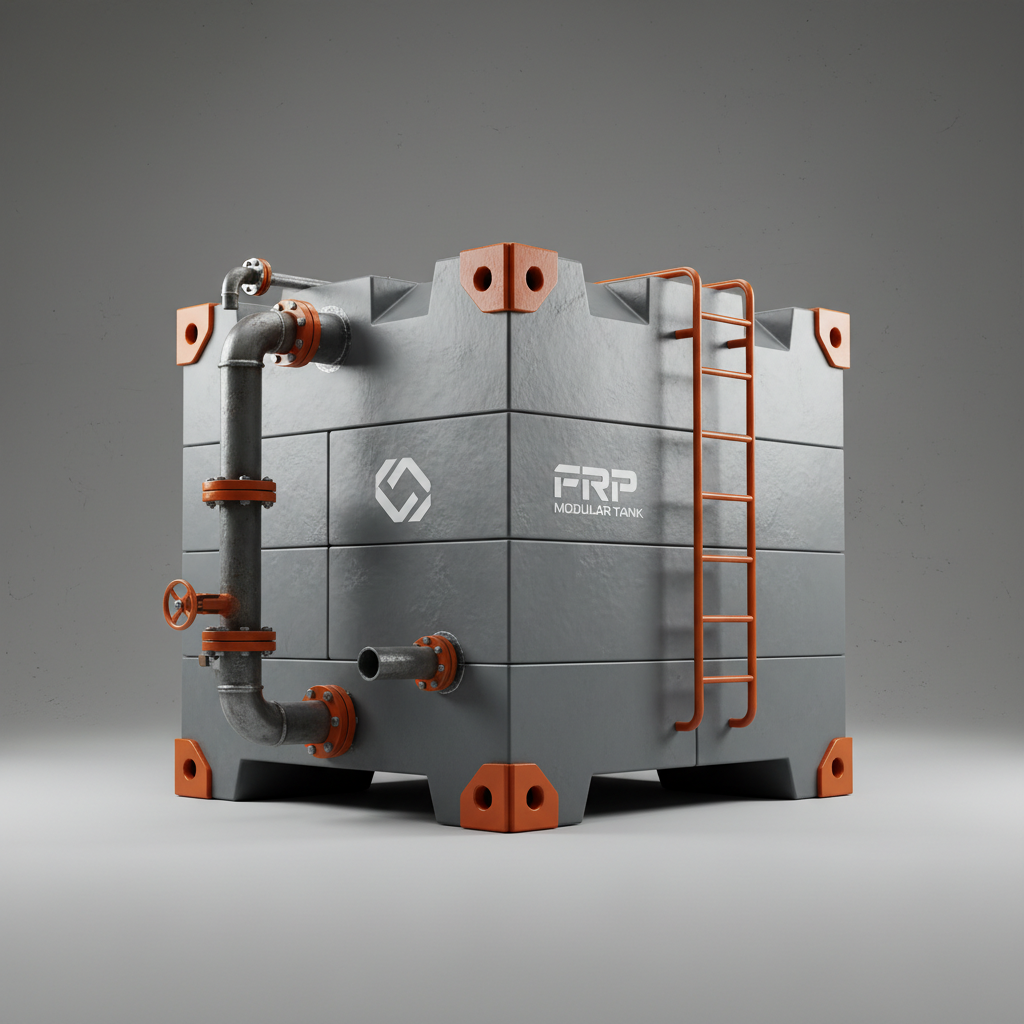
There's also growing interest in modular designs that can be easily expanded or relocated — a game-changer for fast-growing cities or emergency deployments.
Mini Takeaway:
- IoT integration and green materials are paving the way for smarter, greener lift station tanks.
- Flexibility and modularity will meet the demands of a rapidly changing infrastructure landscape.
Common Challenges & How Experts Address Them
Fiberglass tanks aren’t without quirks. One issue is UV degradation if tanks are exposed above ground too long, but modern UV-resistant coatings mostly solve this. Another challenge is ensuring tight seals on connections and inlets to prevent odor leaks — something that requires careful design and installation.
Cost can be a hurdle for smaller utilities, but financing models and government grants increasingly support sustainable infrastructure upgrades. Trained installers and engineers familiar with FRP materials are also essential to avoid mistakes, since repair requires specialized skills.
In many ways, the challenges today are stepping stones toward better standards and smarter water management overall.
Frequently Asked Questions About Fiberglass Lift Station Tanks
Q1: How long can a fiberglass lift station tank typically last?
A: With proper maintenance, these tanks can last 30 to 50 years due to their corrosion resistance and sturdy construction, outlasting many traditional materials.
Q2: Are fiberglass tanks suitable for extreme weather conditions?
A: Yes, fiberglass tanks resist corrosion, chemical attack, and with proper UV protection, can withstand harsh climates including heavy rain, heat, or cold.
Q3: Can fiberglass lift station tanks be customized for industrial applications?
A: Absolutely. They can be fabricated to various sizes, shapes, and include integrated fittings or sensors tailored to specific industrial effluent characteristics.
Q4: Is installation of fiberglass tanks complicated?
A: Generally, installation is quicker and easier than concrete or steel tanks due to their lighter weight, but it requires skilled technicians to ensure proper sealing and pump setup.
Specifications Snapshot
| Specification | Typical Value |
|---|---|
| Material | Fiberglass Reinforced Plastic (FRP) |
| Capacity Range | 500 to 20,000 gallons |
| Design Life | 30 - 50 years |
| Weight | 60% lighter than steel equivalents |
| Resistance | Corrosion, chemical, UV (with coating) |
| Typical Installation Time | 1-3 days on-site |
Comparing Top Fiberglass Lift Station Tank Vendors
| Vendor | Product Range | Customization | Lead Time | Notable Strength |
|---|---|---|---|---|
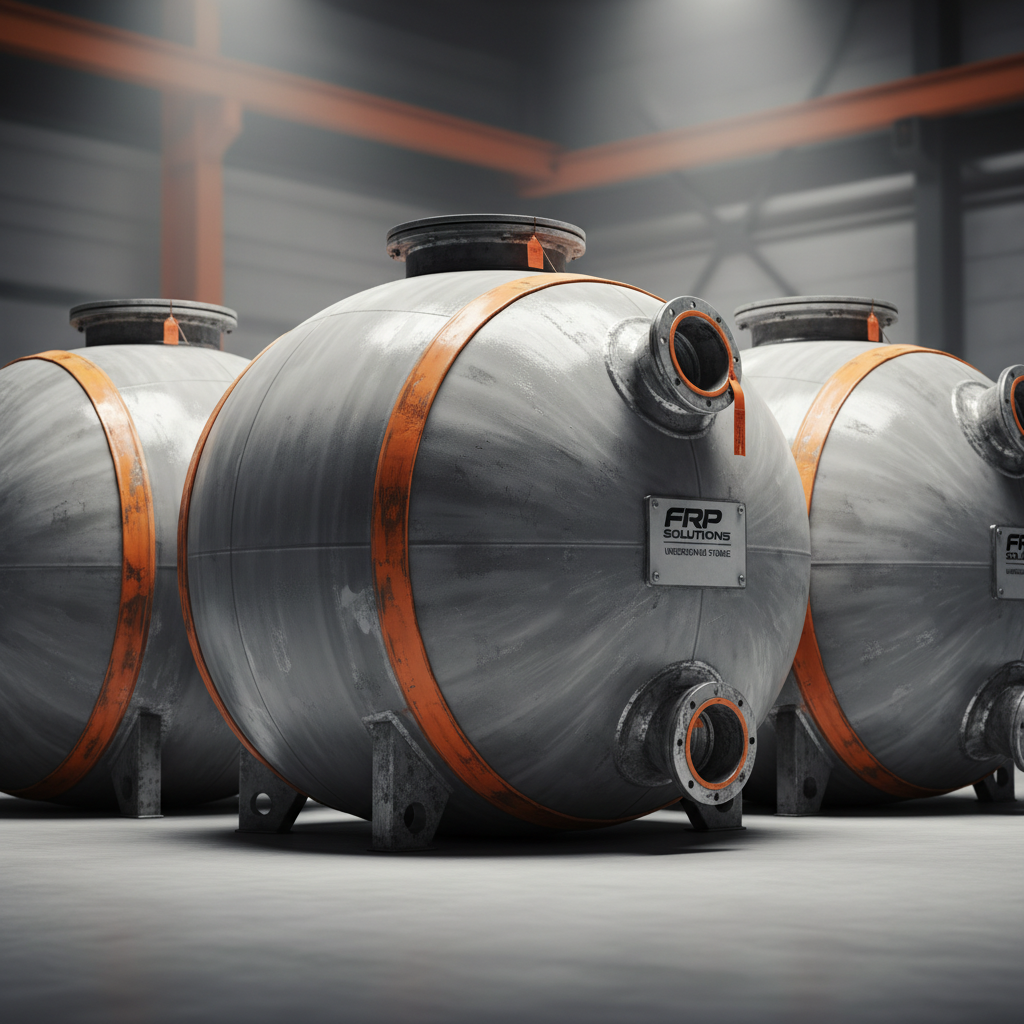
| FRP Solutions Inc. | 500-15,000 gal | High (custom fittings & instrumentation) | 4-6 weeks | Strong customer support & design consulting |
| Global Tank Works | 1,000-20,000 gal | Medium (standard models with options) | 6-8 weeks | Wide geographic presence, fast shipping |
| EcoFiberglass Systems | 750-12,000 gal | High (eco-friendly materials focus) | 5-7 weeks | Sustainability and smart tank integration |
Final Thoughts
Fiberglass lift station tanks might not be flashy, but they’re fundamental to modern water and wastewater management systems worldwide. Their durability, versatility, and ongoing innovations position them as a key technology in addressing global sanitation challenges.
Whether upgrading infrastructure in bustling cities or enabling sanitation in remote areas, these tanks help provide cleaner, safer communities. If you’re considering an investment in water infrastructure or curious about advancing your wastewater solutions, fiberglass lift station tank vendors offer a wealth of options tailored for your needs.
Ultimately, it feels like these tanks quietly do a lot of heavy lifting so we don’t have to — in a world thirsty for smart, reliable water management, that’s a big deal.