Fibreglass Water Cartage Tanks: Durable, Portable Solutions for Global Water Transport
Understanding Fibreglass Water Cartage Tanks: Durable Solutions for Global Water Transport
Fibreglass water cartage tanks might not be the headline-grabber you'd expect, but they play a crucial global role in securing clean water transport — especially where traditional infrastructure falters. As populations grow and climate unpredictability worsens, knowing the ins and outs of such tanks helps industries, relief organizations, and governments ensure safe, sustainable water delivery worldwide.
Why Fibreglass Water Cartage Tanks Matter Globally
Water scarcity affects over 2 billion people according to the UN, and transporting potable water safely from source to user remains a heavy challenge for remote communities, agricultural fields, and disaster zones. Here, fibreglass water cartage tanks shine by offering corrosion resistance, lightweight durability, and design versatility — highly relevant traits in adapting to global water transport needs.
For instance, the World Bank highlights that improved water storage and transport facilities reduce disease risks and economic losses in low-income regions. Though metal tanks have been the traditional choice, fibreglass's weatherproof nature and ease of repair have made it a rising favorite.
What Are Fibreglass Water Cartage Tanks?
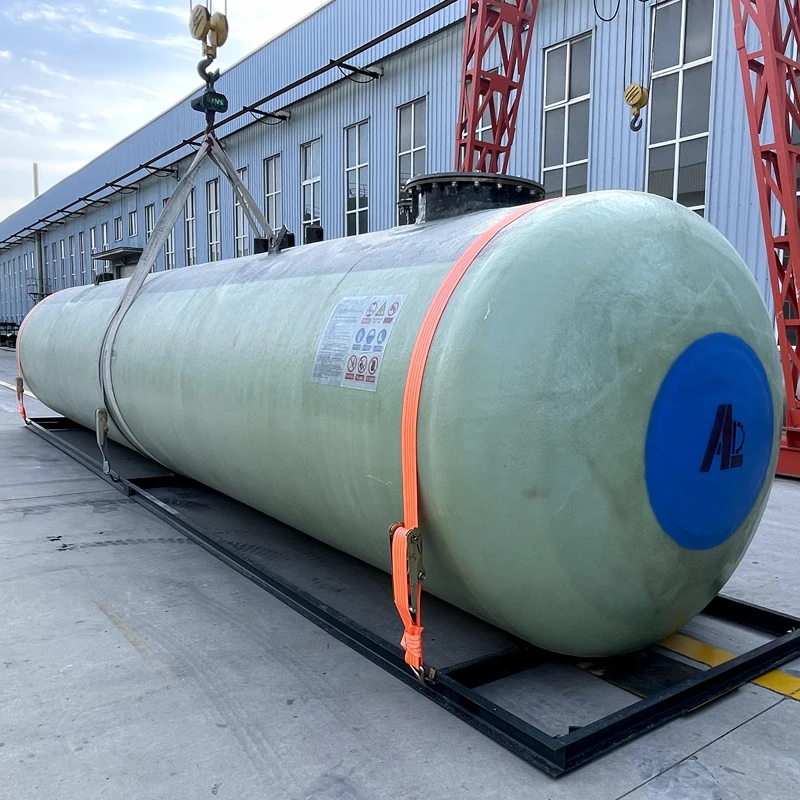
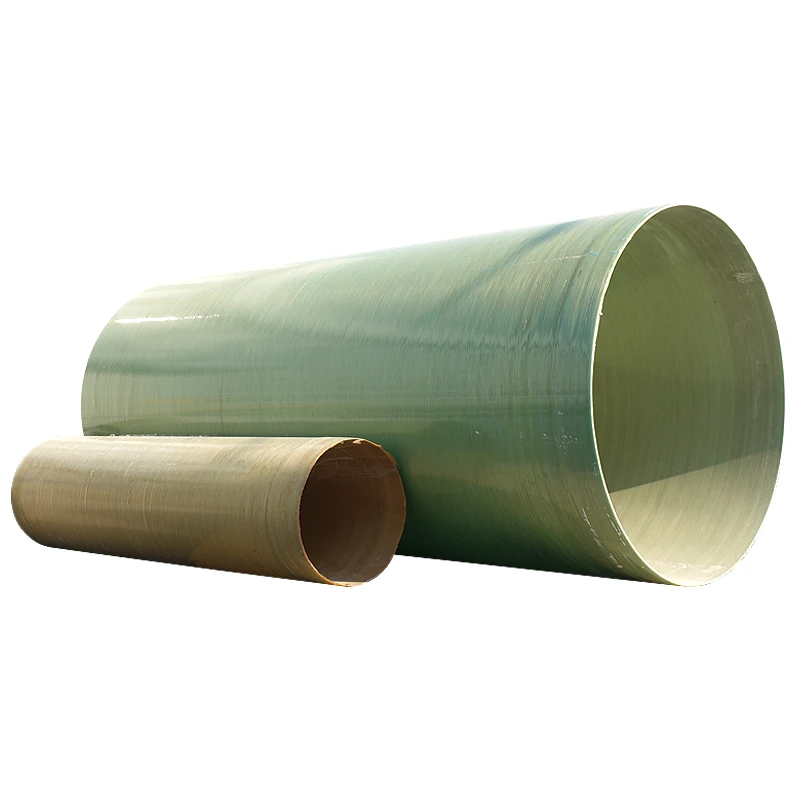
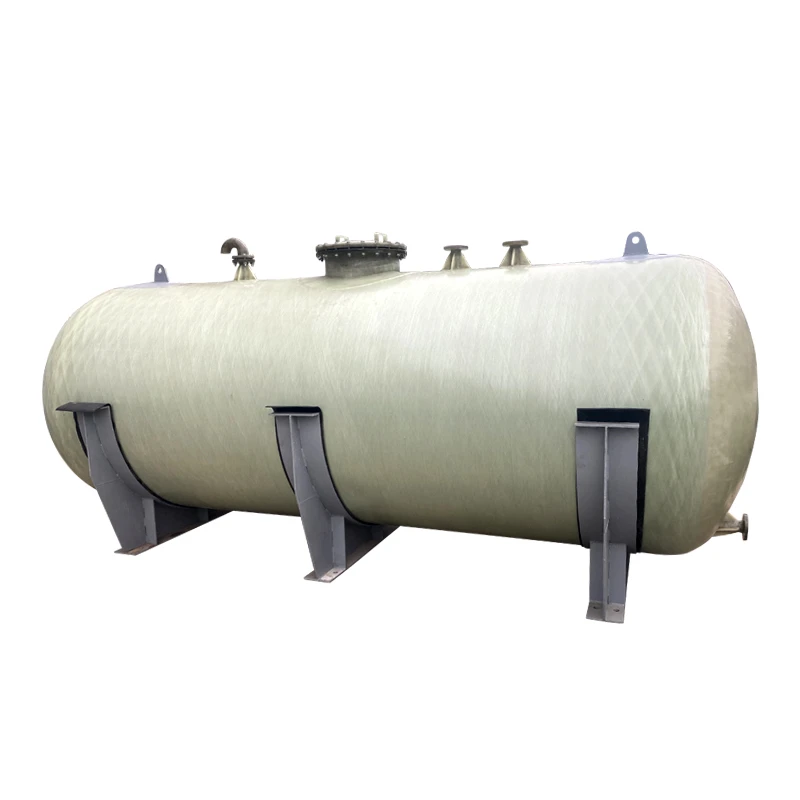
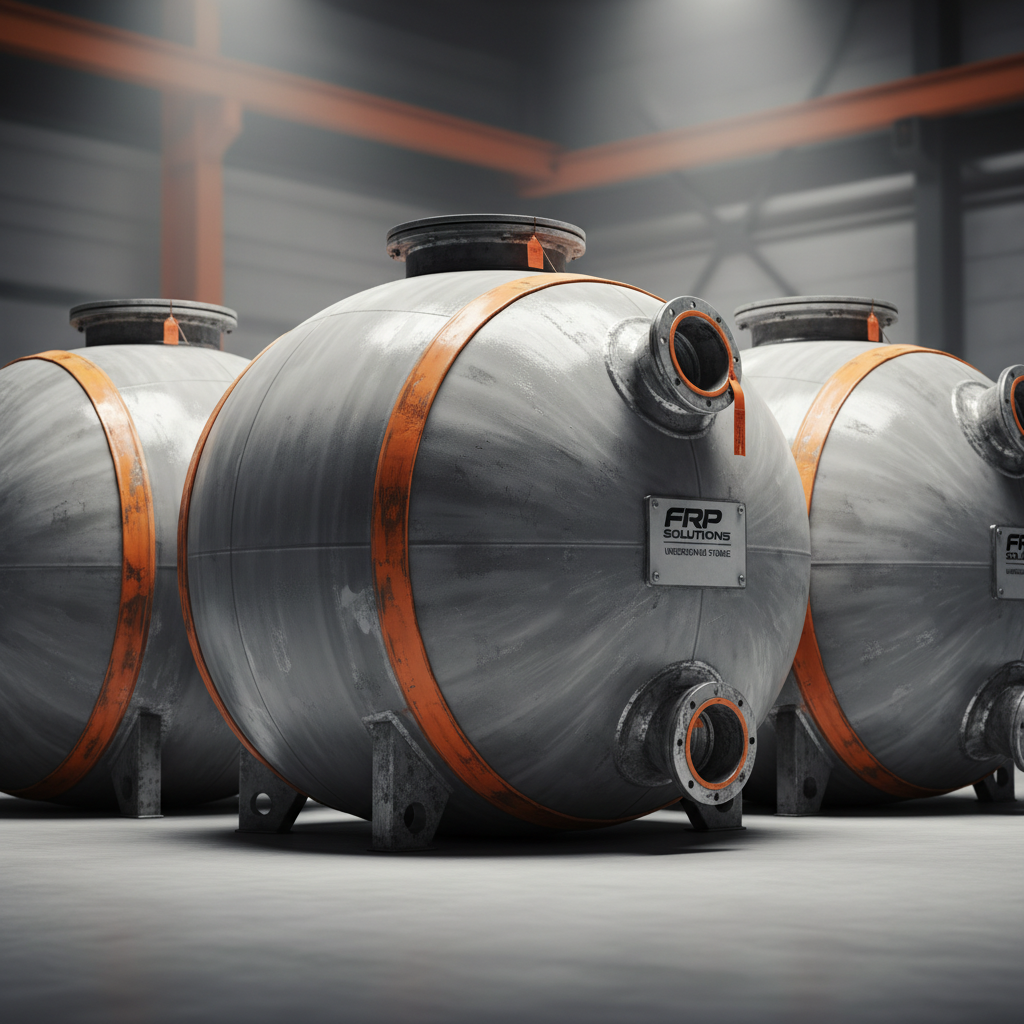
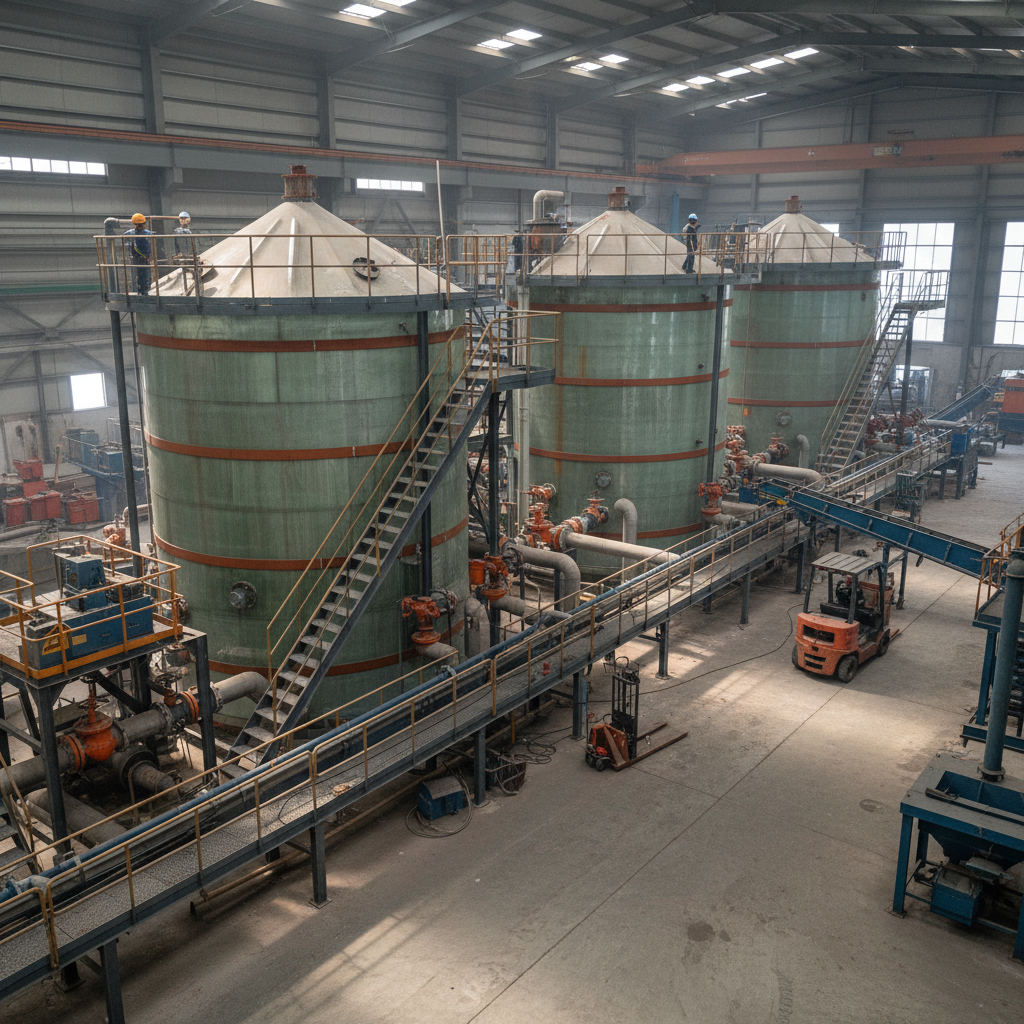
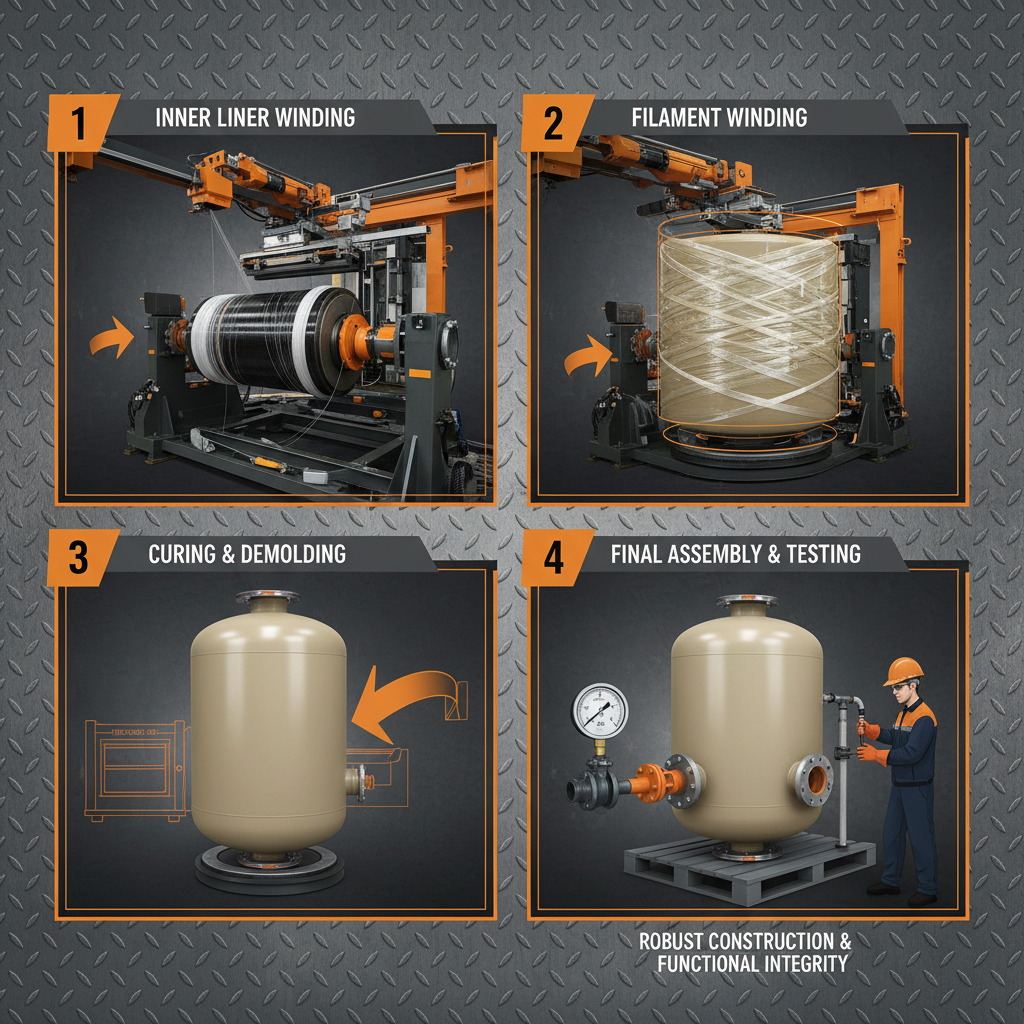
Simply put, these tanks are water containers made from fibreglass-reinforced plastics (sometimes called glass-reinforced plastics or GRP). Fibreglass's composite materials blend plastic resin and fine glass fibers to produce a strong, lightweight, and corrosion-resistant tank.
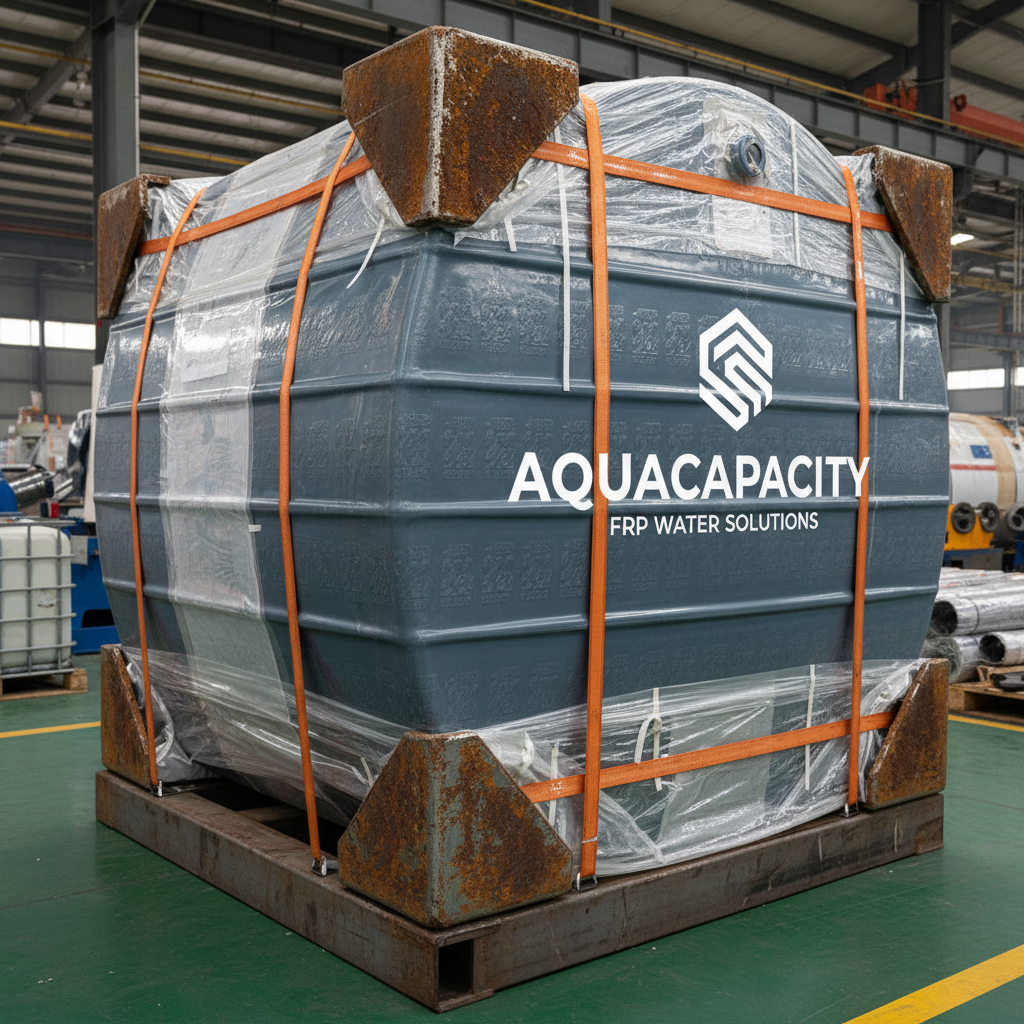
They're engineered specifically for cartage — meaning they are transportable water tanks designed to be moved by trucks, trailers, or even manually when smaller. This feature is especially relevant in humanitarian aid, emergency services, and industries where water access points are often on the move or temporary.
Key Aspects of Fibreglass Water Cartage Tanks
Durability and Corrosion Resistance
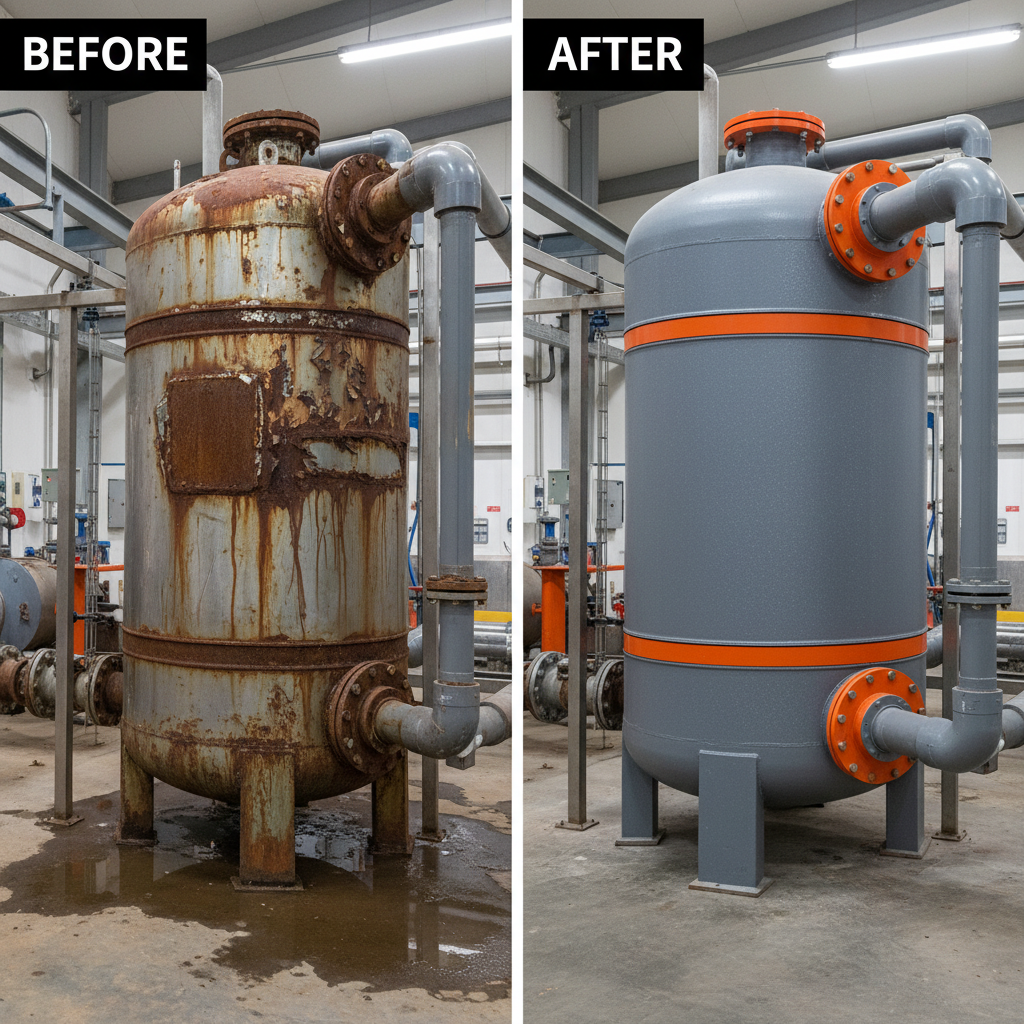
Unlike steel tanks that rust over time, fibreglass tanks resist corrosion even when exposed to chemicals or saline water. Their long lifespan means fewer replacements, reducing waste and operational costs.
Lightweight Design and Mobility
Fibreglass tanks weigh considerably less than metal counterparts, which makes transport easier and more fuel-efficient — a big deal when kilometers matter. Plus, this lighter weight means less stress on transport vehicles or mounting structures.
Scalability and Custom Sizes
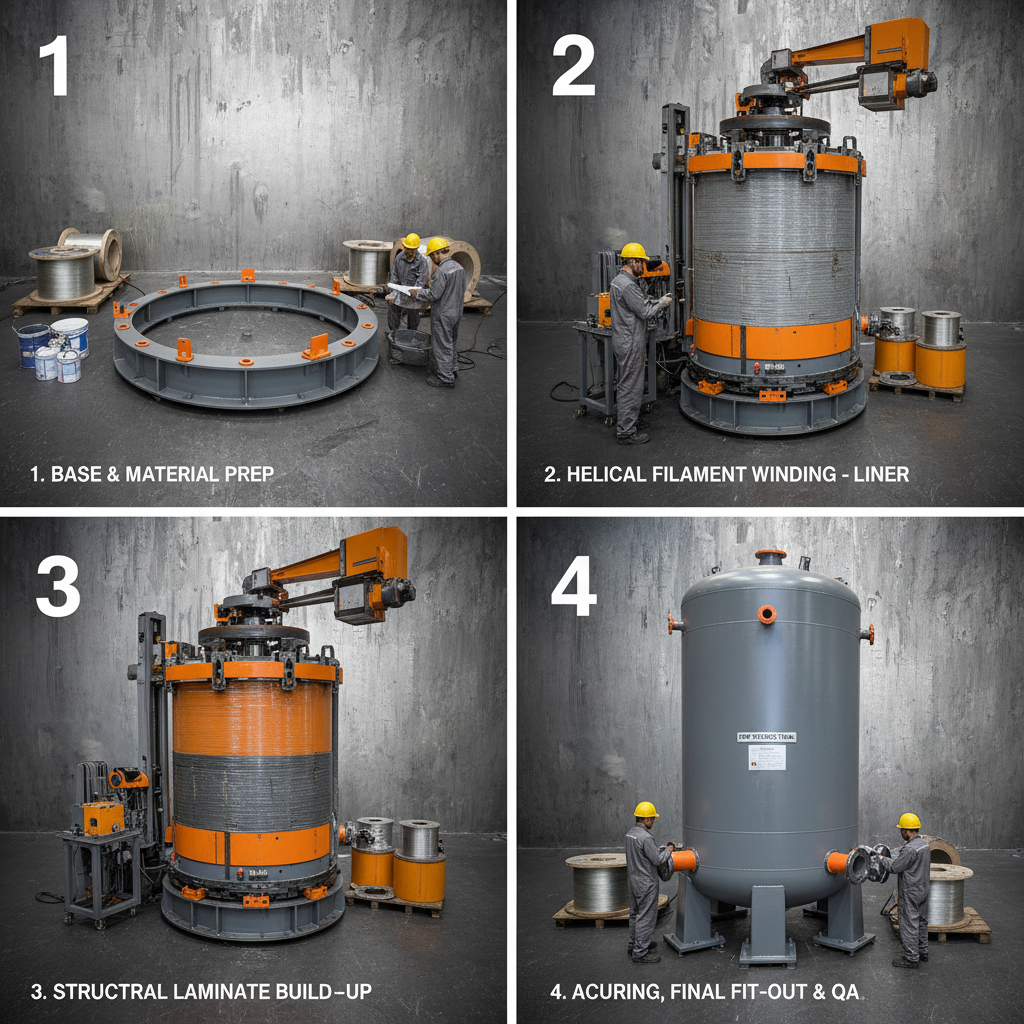
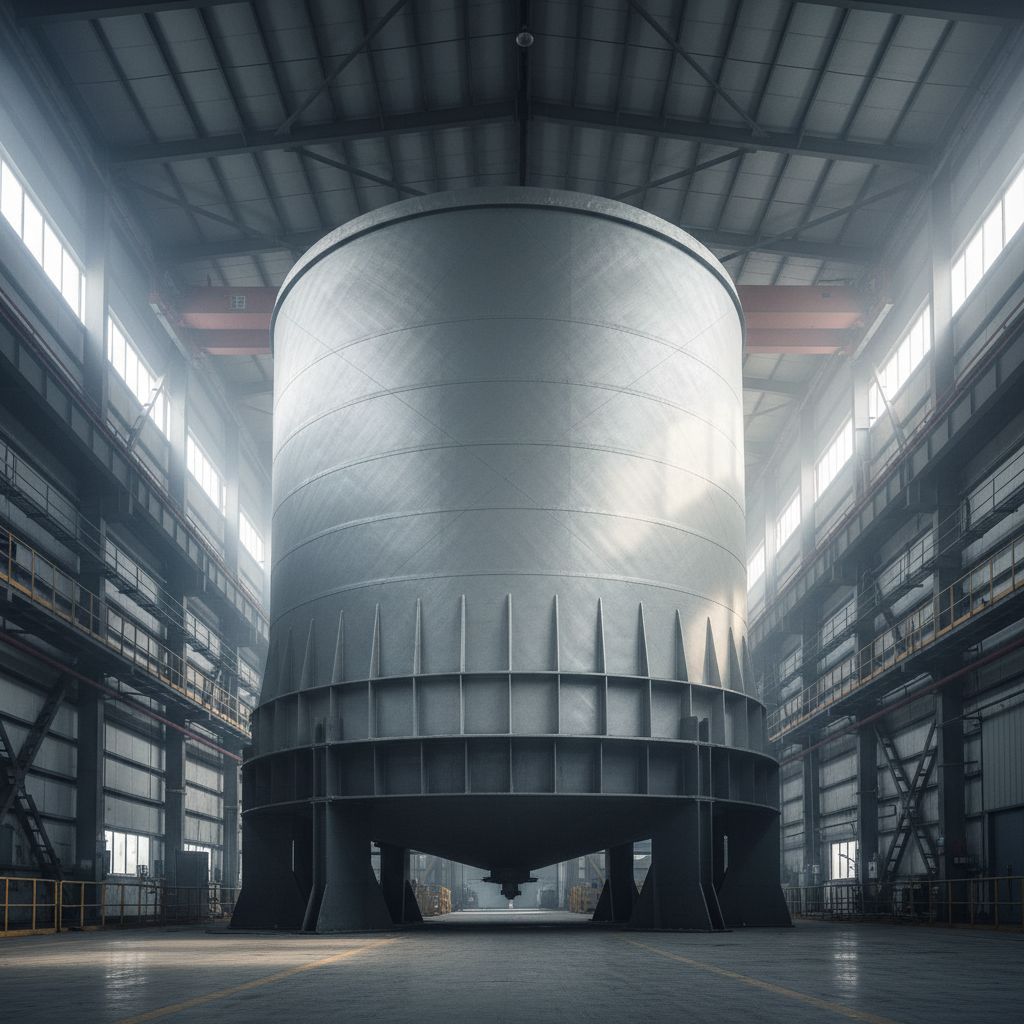
Need a small tank for a rural clinic or a massive one for an industrial site? Fibreglass manufacturing allows tailored sizes and shapes to fit various needs and vehicle mounts.
Cost Efficiency Over the Long Term
Initial costs can be slightly higher than plastic tanks, but when you factor in durability, fewer repairs, and longevity, fibreglass proves economical.
Environmental Sustainability
Fibreglass tanks are recyclable under certain conditions. Also, better durability means less frequent production and disposal, which lightly reduces environmental footprint.
Fibreglass Water Cartage Tank Specifications
| Specification | Typical Values | Notes |
|---|---|---|
| Material | Fibreglass Reinforced Plastic (FRP) | UV stabilized, corrosion resistant |
| Capacity Range | 500 L to 10,000 L | Custom sizes available |
| Weight | Up to 50% lighter than steel tanks | Varies by size and design |
| Operating Temperature | -40°C to 80°C | Suitable for diverse climates |
| Lifespan | 20+ years | With proper maintenance |
Global Use Cases: Where Fibreglass Water Cartage Tanks Come Into Play
- Disaster Relief: During floods or droughts, organizations like the Red Cross rapidly deploy these tanks for clean water access where infrastructure is compromised.
- Agricultural Operations: Farmers in arid regions of Australia or Africa use fibreglass tanks mounted on trucks for irrigation and livestock watering.
- Mining and Industrial Sites: Remote mines in Canada or South America rely on mobile water tanks to supply workers and manage dust suppression.
- Military and Remote Camps: Armed forces and research teams in areas like the Arctic require lightweight, durable tanks that endure extreme conditions.
Brief takeaway: Fibreglass water tanks truly shine where mobility, robustness, and water safety intersect — touching life and industry across continents.
Comparing Leading Fibreglass Water Cartage Tank Vendors
| Vendor | Material Quality | Customization | Delivery Speed | Price Range |
|---|---|---|---|---|
| FibroTanks Inc. | High-grade FRP | Full custom sizing | 2-4 weeks | $$$ |
| AquaCart USA | Standard FRP | Limited shapes | 1-2 weeks | $$ |
| Global Tank Solutions | Premium materials | Highly customizable | 3-5 weeks | $$$$ |
Long-Term Benefits of Using Fibreglass Water Cartage Tanks
From cost savings on repairs to improved safety standards, the advantages stack up. Imagine less downtime, fewer leak emergencies, and better taste and purity of stored water due to inert materials. Emotionally, there’s peace of mind: clean water is safe water, and these tanks help maintain that promise.
Plus, durability means fewer replacements — a subtle but important environmental gain in an era when sustainability is non-negotiable. Organizations nationwide have noted improved trust and regulatory compliance by switching to fibreglass tanks.
Innovations & Future Trends
Ongoing R&D points to integrating smart sensors that monitor water quality and volume remotely, reducing manual checks. Some manufacturers are experimenting with infused nanomaterials to further boost UV resistance and self-cleaning surfaces. On the policy side, stricter ISO standards (ISO 9001, ISO 24518) are setting quality benchmarks that push innovation forward.
And let’s not forget the green aspect: efforts to create recyclable and bio-based resins could reduce the environmental impact further — worth keeping an eye on as global sustainability pressures mount.
Challenges and Practical Solutions
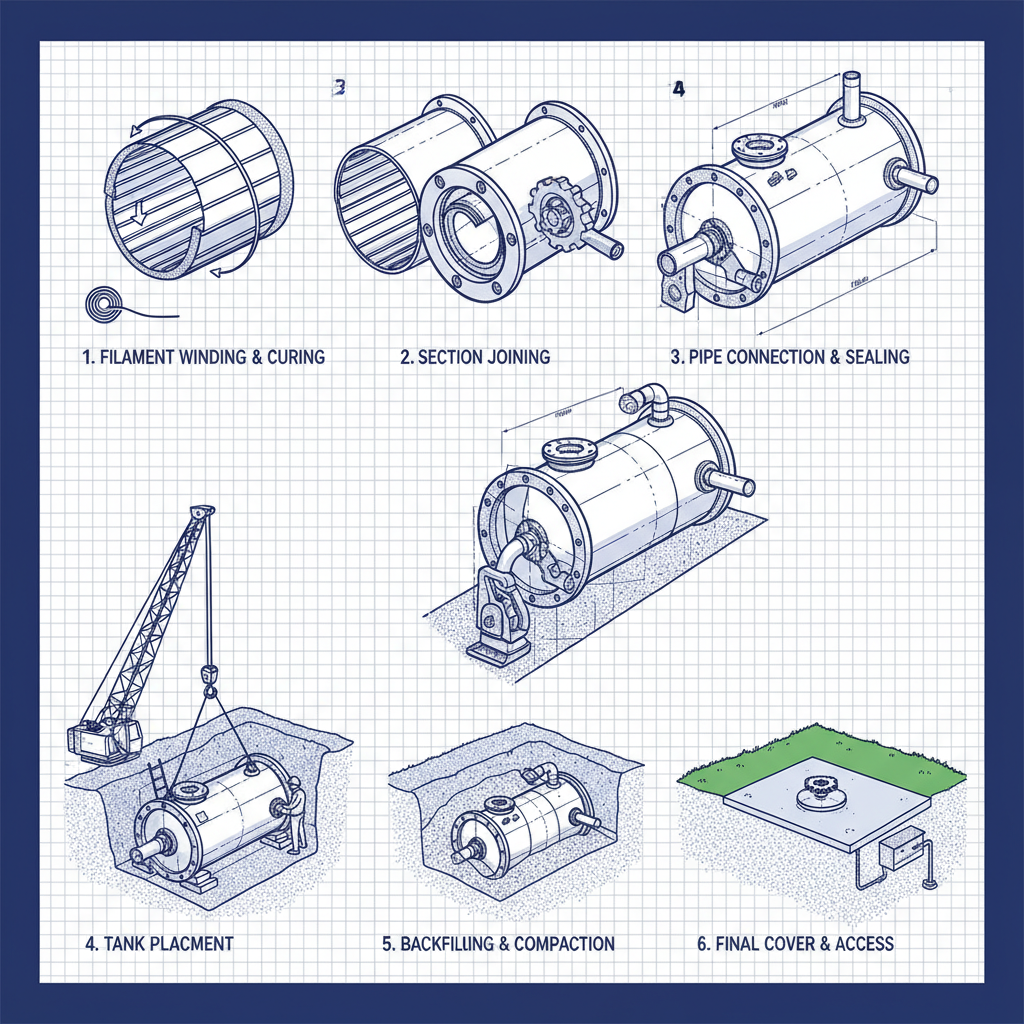
There are hurdles, of course. Fibreglass tanks can be vulnerable to impact damage or abrasion if not properly handled. Installation infrastructure and transport logistics might be complex in some regions. Countering these issues means investing in training for handlers and choosing modular designs that ease assembly and repair.
In real terms, many engineers advise routine inspections and timely minor repairs to extend tank life. Also, partnering with experienced vendors who understand local conditions usually smoothens operational challenges.
Frequently Asked Questions About Fibreglass Water Cartage Tanks
- How long do fibreglass water cartage tanks typically last?
- With proper maintenance, these tanks commonly last over 20 years. Resistant to corrosion and weathering, they outperform many metal or plastic alternatives.
- Are fibreglass tanks safe for drinking water transport?
- Yes, fibreglass tanks made with food-grade resins comply with potable water standards and do not leach harmful substances.
- Can these tanks be customized to fit specific vehicle mounts?
- Absolutely. Fibreglass manufacturing allows custom sizing and shaping to perfectly fit trailers, trucks, or portable platforms.
- What are the maintenance requirements?
- Routine checks for cracks or abrasions complemented by cleaning suffice. Repairs are straightforward and rarely require full replacements.
- Are fibreglass water tanks eco-friendly?
- They’re more eco-conscious than steel tanks because of durability and less frequent replacement. Plus, emerging recycling methods aim to improve their environmental footprint further.
Conclusion: The Smart Choice for Water Transport
In summary, fibreglass water cartage tanks combine durability, portability, and safety to meet the multifaceted demands of water transport worldwide. Whether you’re coordinating disaster relief, operating in harsh industrial environments, or improving rural water access, they’re a smart investment backed by solid material science and proven field results.
Interested in exploring fibreglass tank solutions? Visit our site at FRPGRP Machine to browse products and get expert advice tailored to your needs.
Oddly enough, once you get past the technical jargon, it feels like choosing these tanks is also choosing peace of mind — that’s no small thing when water’s involved.
References: