Fire Fiberglass Tank: Benefits, Applications, and Innovations in Safe Storage
Understanding Fire Fiberglass Tank: An Essential Asset in Modern Storage Solutions
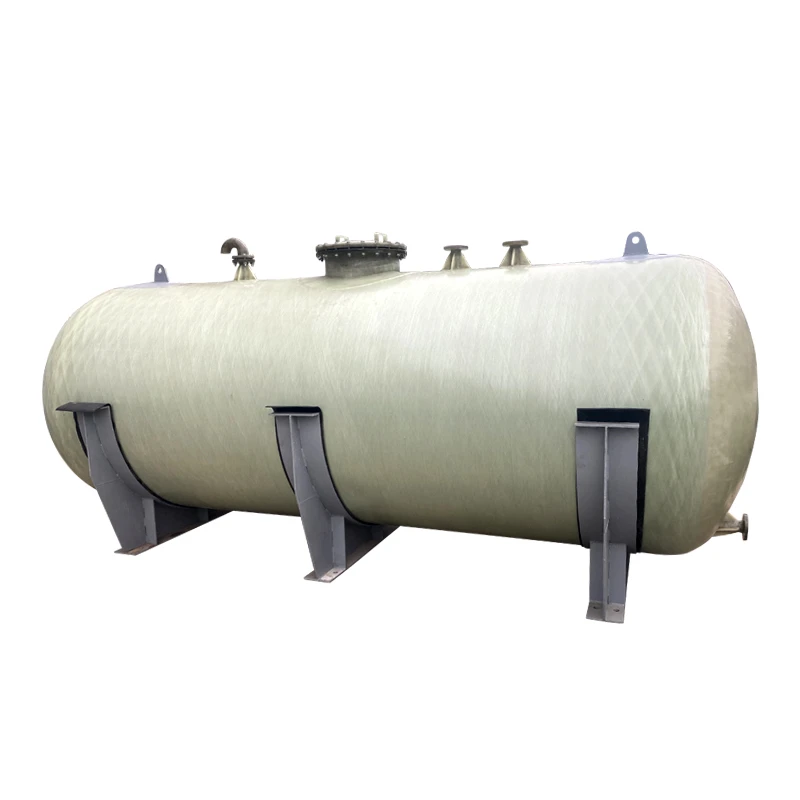
Fire fiberglass tanks—these sturdy, lightweight, and fire-resistant storage units—have become a quiet cornerstone in various industries globally. They merge durability with safety, addressing critical challenges in storing combustible or hazardous materials where traditional metal tanks might falter. But why should we pay close attention to these fire fiberglass tanks? Because they represent more than just containers; they symbolize progress toward safer, more sustainable storage, aligning with growing global standards and environmental concerns.
Introduction: Why Fire Fiberglass Tanks Matter on the Global Stage
Across industries such as chemical manufacturing, oil and gas, and even emerging sectors like biofuels, safe storage is paramount. According to ISO standards and reports by organizations like the United Nations Environment Programme (UNEP), industrial accidents due to flammable storage failures cost lives and billions in damages annually. Fire fiberglass tanks provide a promising solution by combining resistance to heat and corrosion. Oddly enough, despite their importance, many facilities worldwide still rely on outdated steel tanks, leading to inefficiency and greater risks.
Data from the World Bank’s Environmental Health division suggests an upward trend in regulations favoring non-metallic, fire-resistant tank options. Hence, understanding the role and benefits of fire fiberglass tanks is not just timely but crucial for manufacturers, safety engineers, and environmental managers alike.
What Is a Fire Fiberglass Tank?
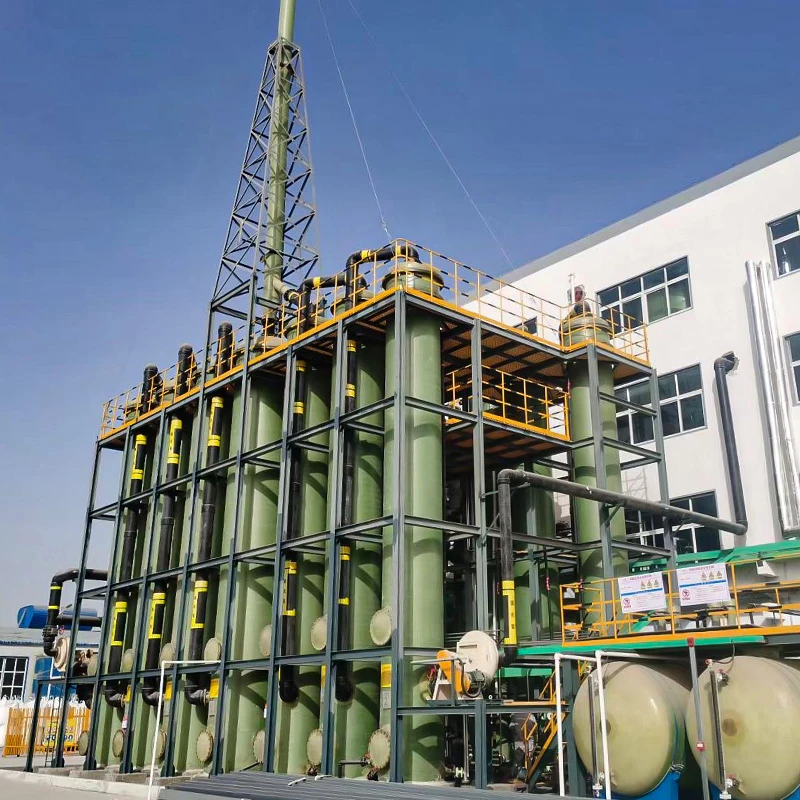
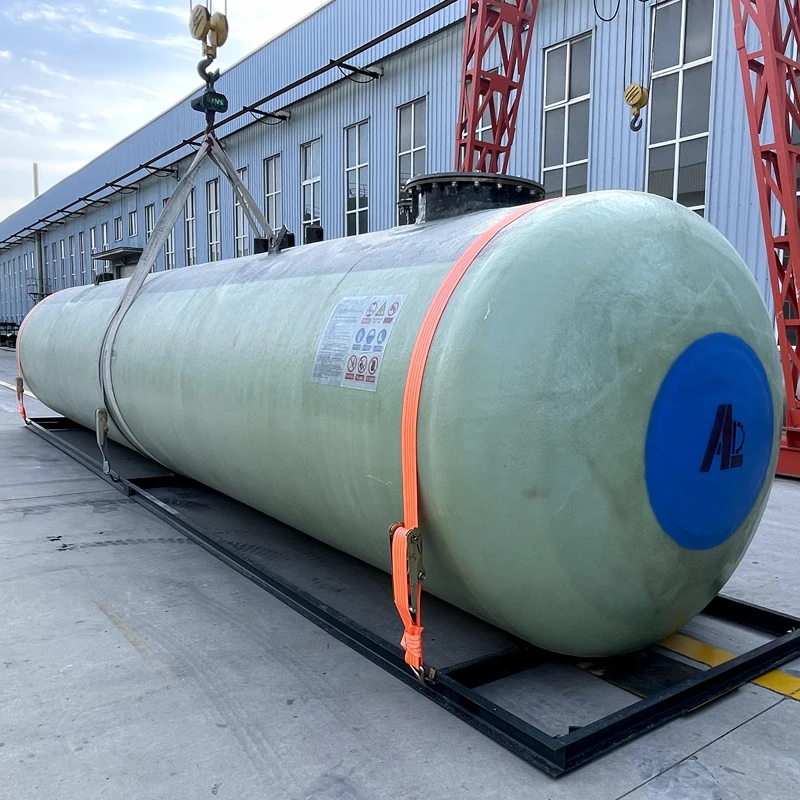
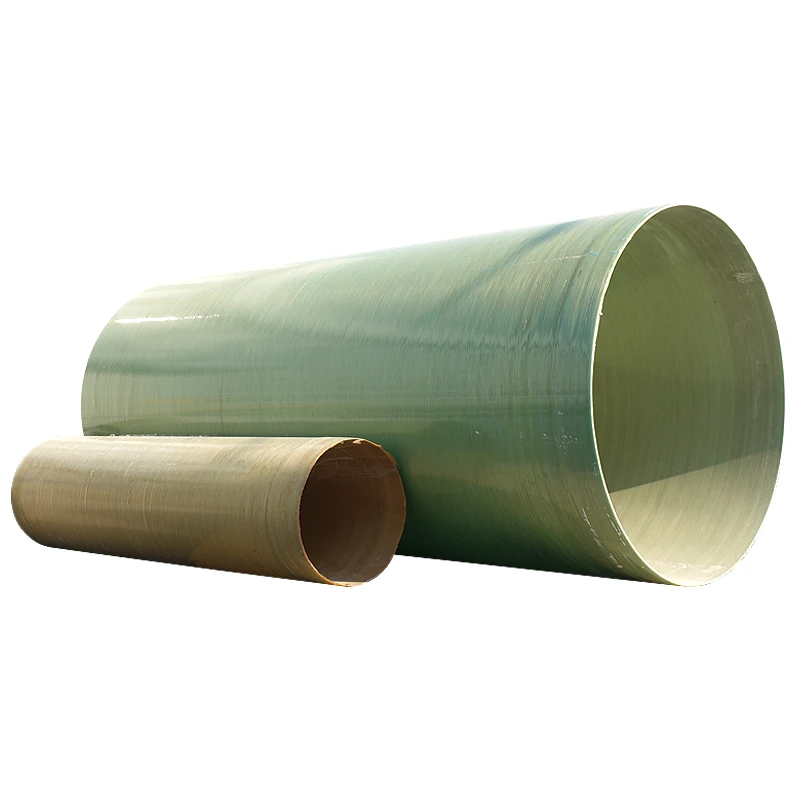
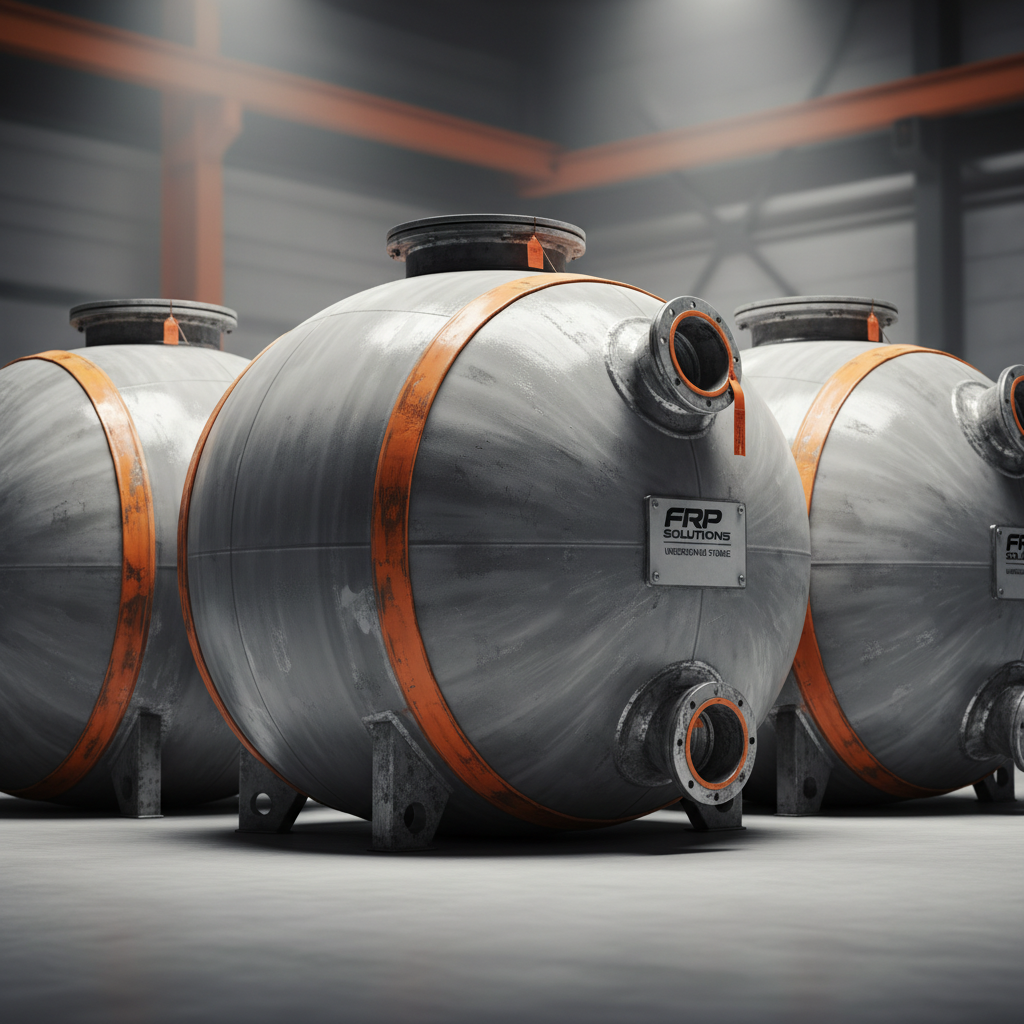
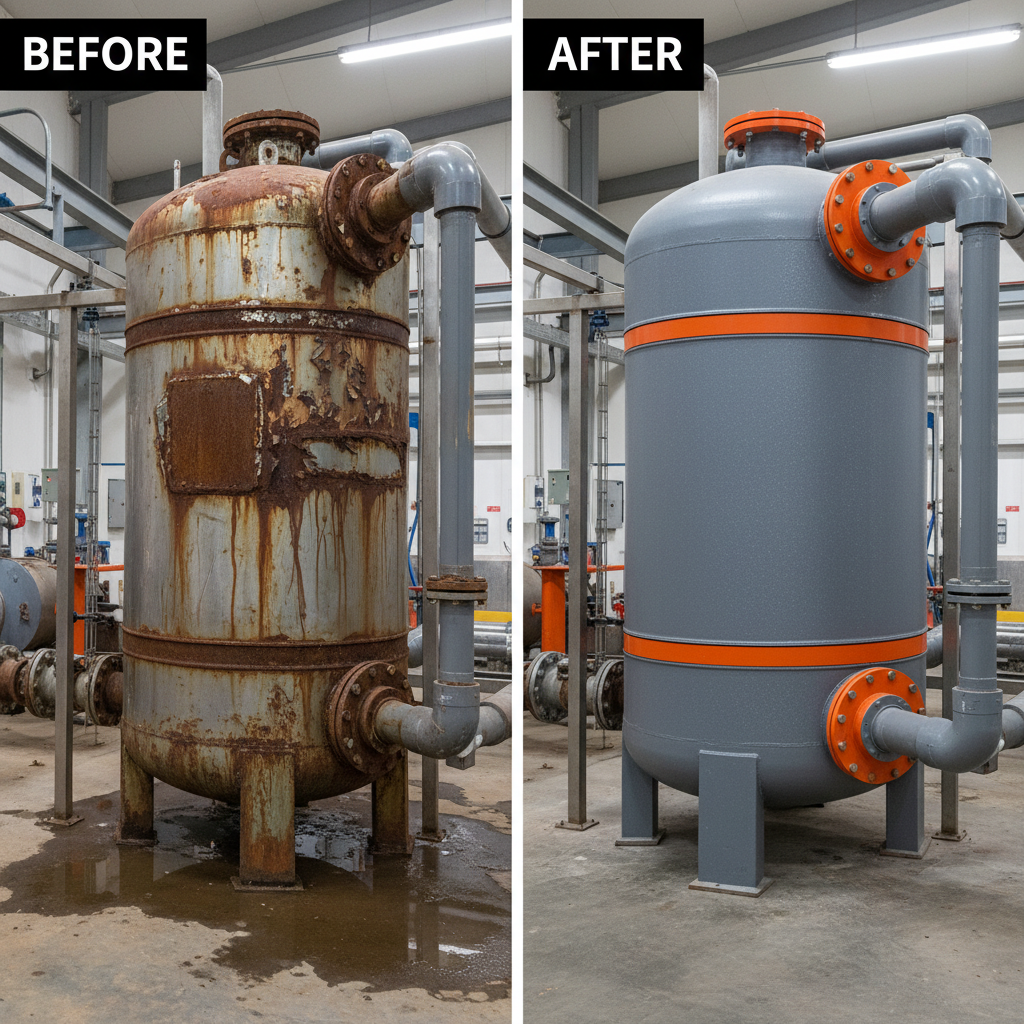
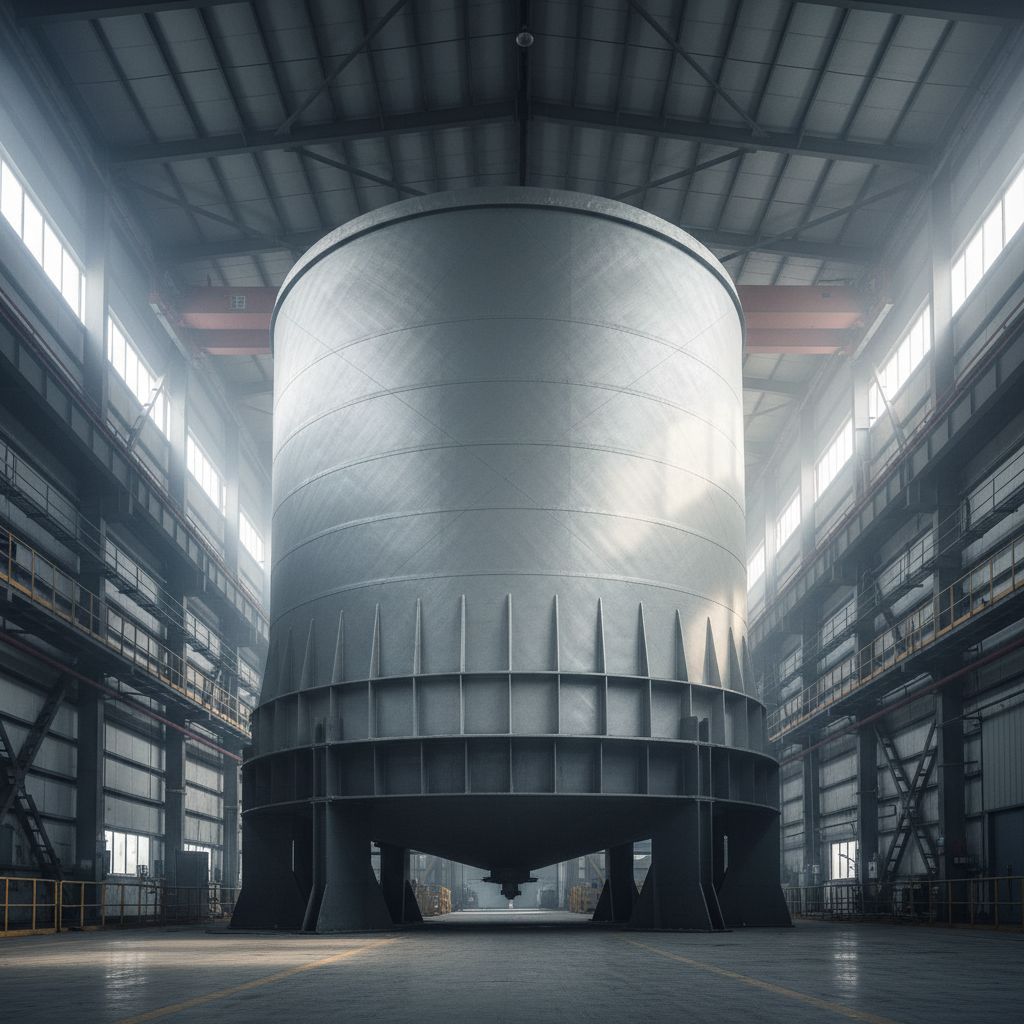
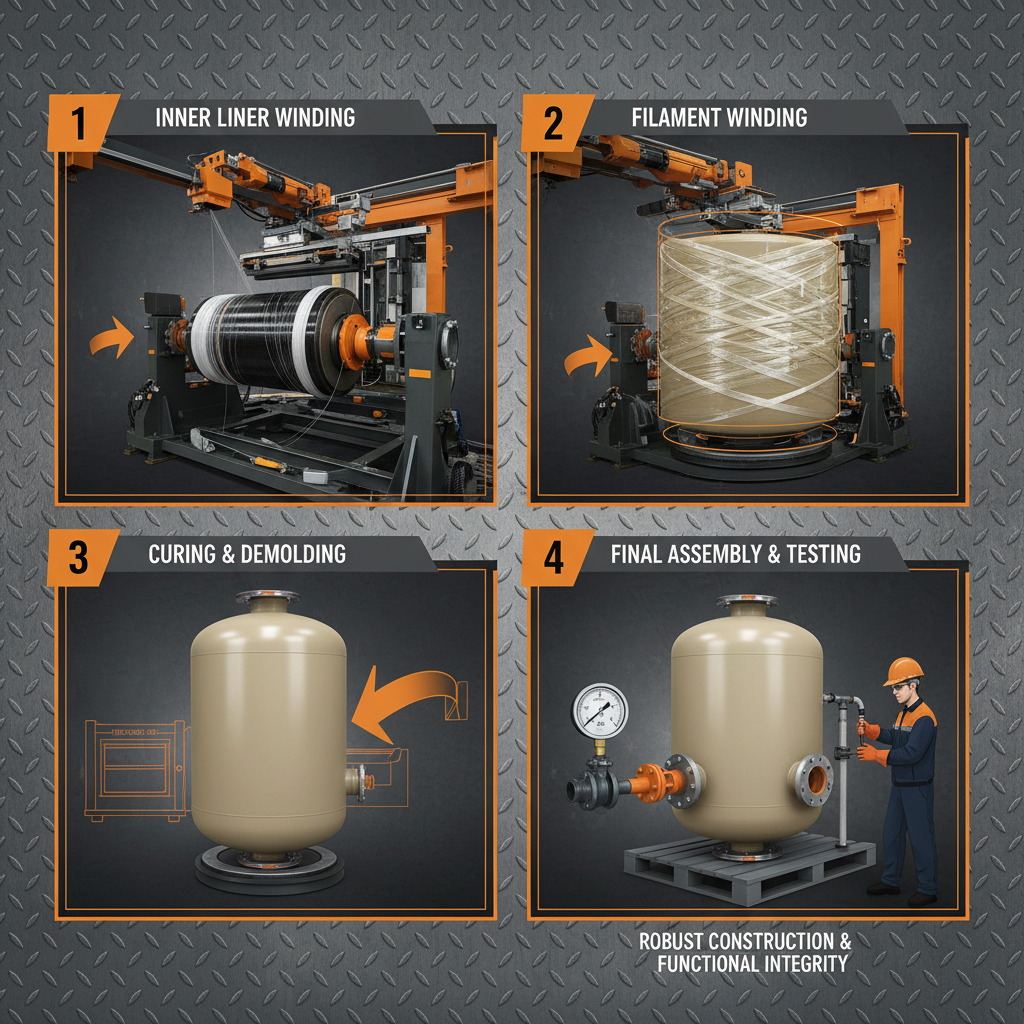
At its core, a fire fiberglass tank is a storage vessel crafted primarily from fiberglass-reinforced plastic (FRP) with added fire-retardant properties. What makes it “fire” resistant is often a specialized resin system or an external insulation layer designed to withstand elevated temperatures. Unlike metal tanks, these tanks don’t corrode or weaken over time under harsh chemical exposure or flame exposure, making them incredibly reliable.
They are widely used for storing flammable liquids, potable water, or corrosive chemicals, especially where safety regulations require stringent fire resistance. You could think of them as the modern answer to traditional storage concerns—combining the benefits of plastic composites with essential fire safety upgrades.
Core Components and Key Factors of Fire Fiberglass Tanks
1. Durability
One of the standout factors is their enhanced longevity. Fiberglass inherently resists rust, pitting, and chemical attack. When reinforced with fire-retardant additives, these tanks withstand thermal shocks better than conventional steel tanks.
2. Fire Resistance
Certified to standards such as UL 94 V-0, these tanks limit flame spread, preventing catastrophic failures during fire incidents. The materials used reduce the risk of toxic smoke as well.
3. Lightweight Structure
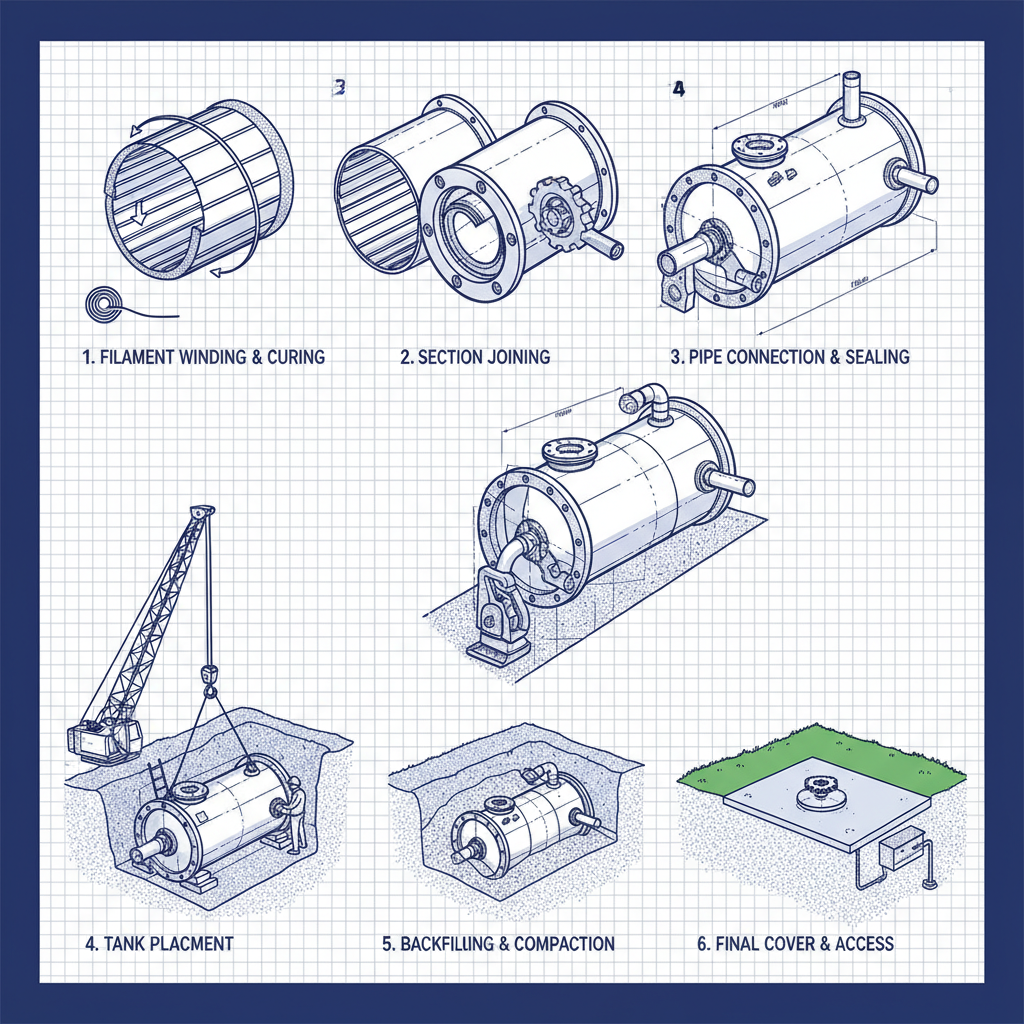
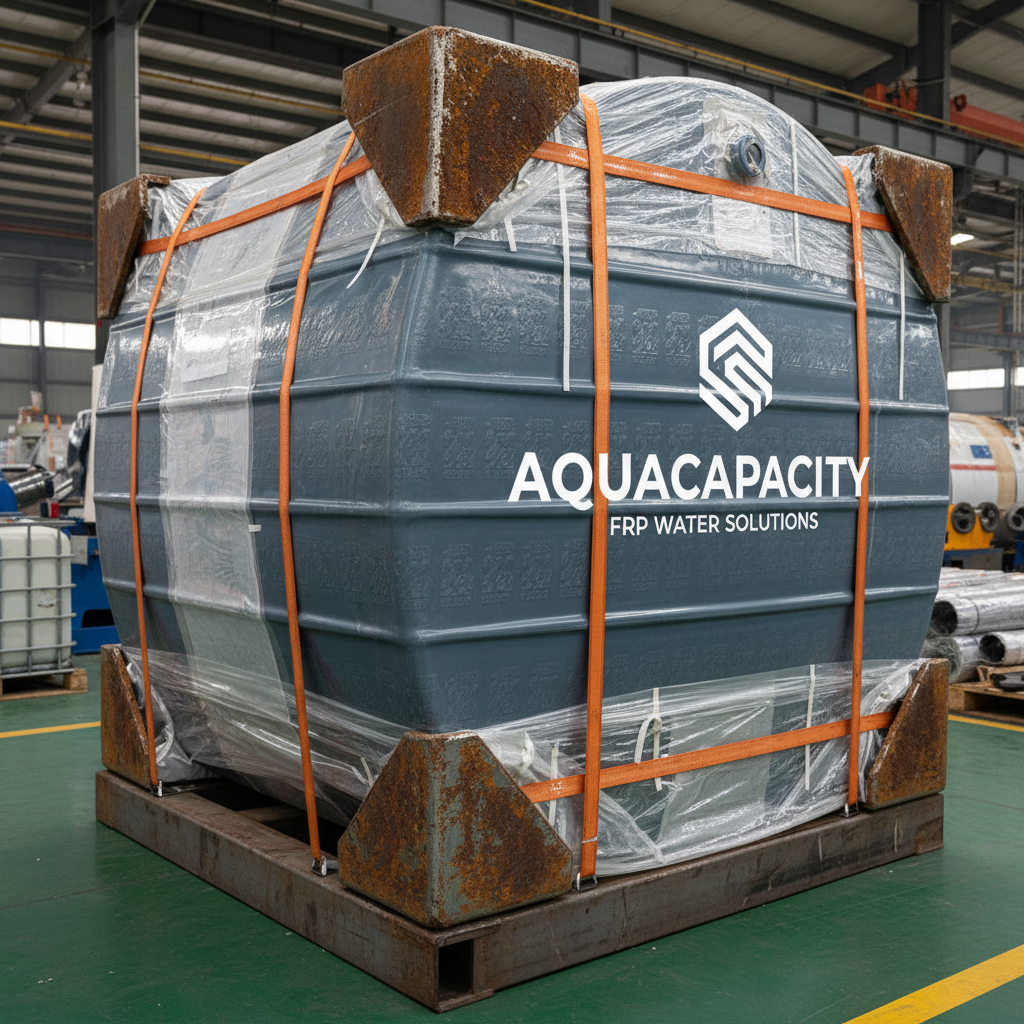
Fiberglass weighs significantly less than steel, making transportation, installation, and maintenance easier—critical in remote or disaster-affected zones.
4. Cost Efficiency
While initial costs may be higher than simple plastic tanks, their extended lifespan and low maintenance often mean a better return on investment (ROI).
5. Customizability
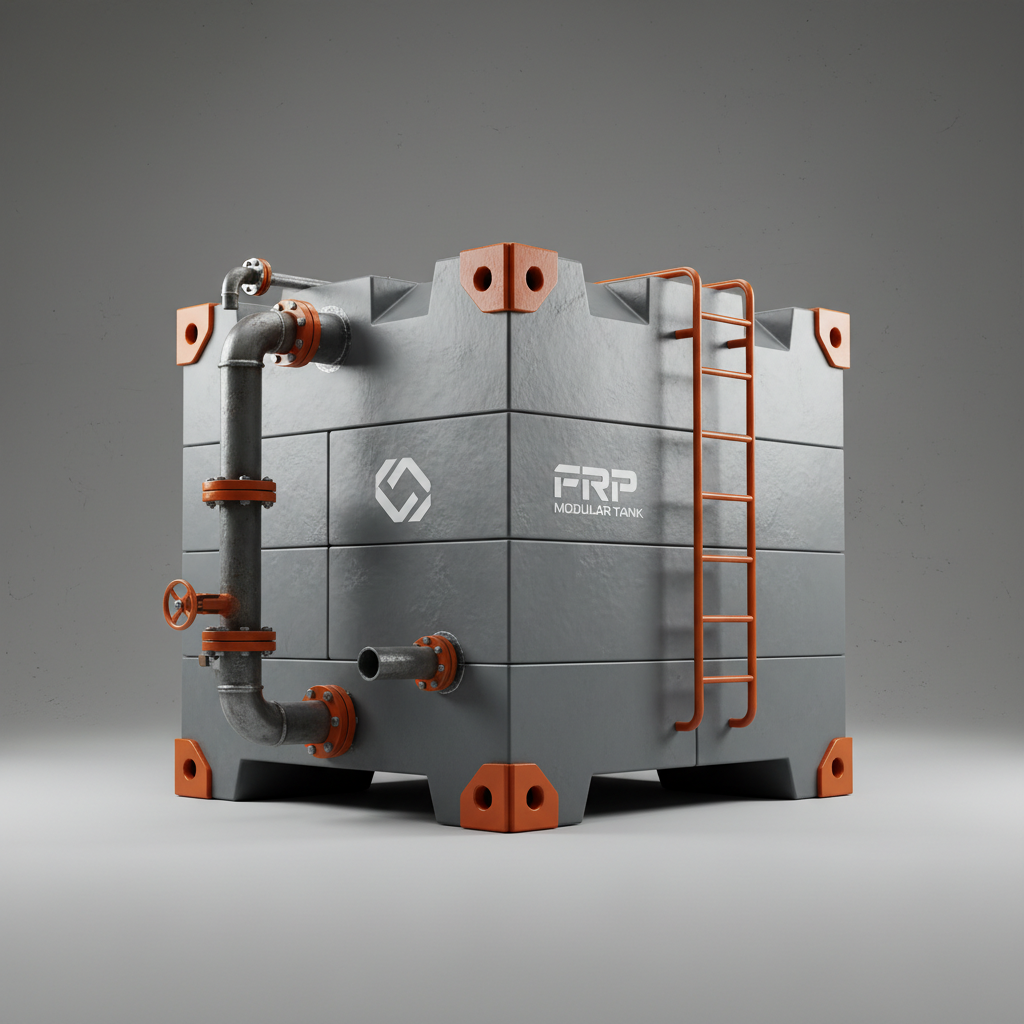
Manufacturers can tailor size, shape, and resin formulas to specific industry needs, ensuring these tanks meet local or international regulatory mandates.
| Feature | Specification |
|---|---|
| Material | Fiberglass reinforced with fire-retardant resin |
| Fire Resistance Rating | UL 94 V-0 combustible standard |
| Capacity Range | 1,000 to 100,000 liters |
| Operating Temperature | -40°C to +120°C |
| Common Uses | Storage of flammable liquids, chemicals, potable water |
Mini Takeaway: Fire fiberglass tanks combine tailored materials science with practical design to meet demanding environmental and safety specifications with impressive durability.
Global Applications and Real-World Use Cases
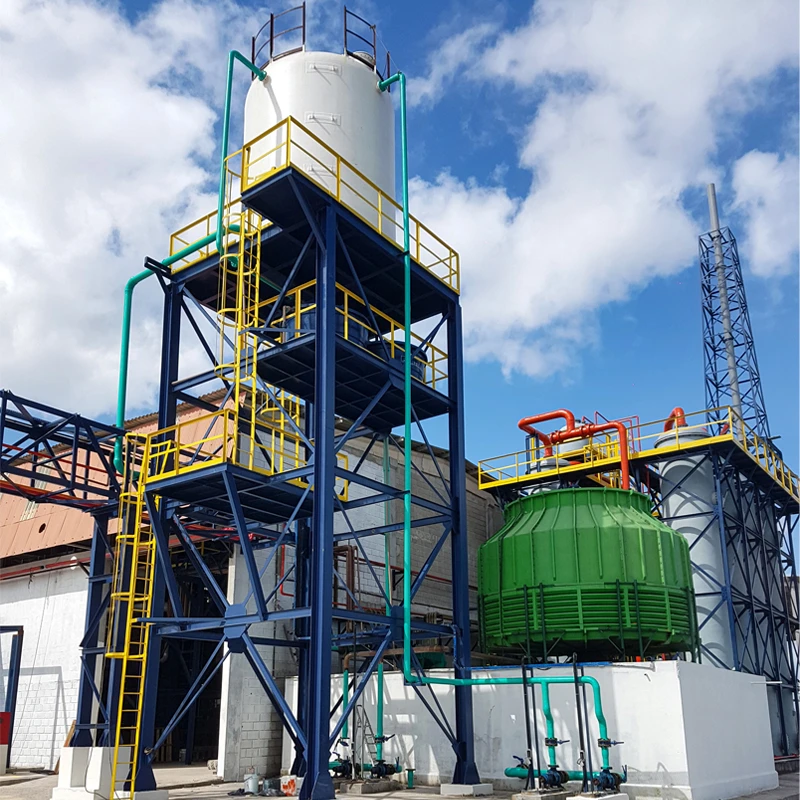
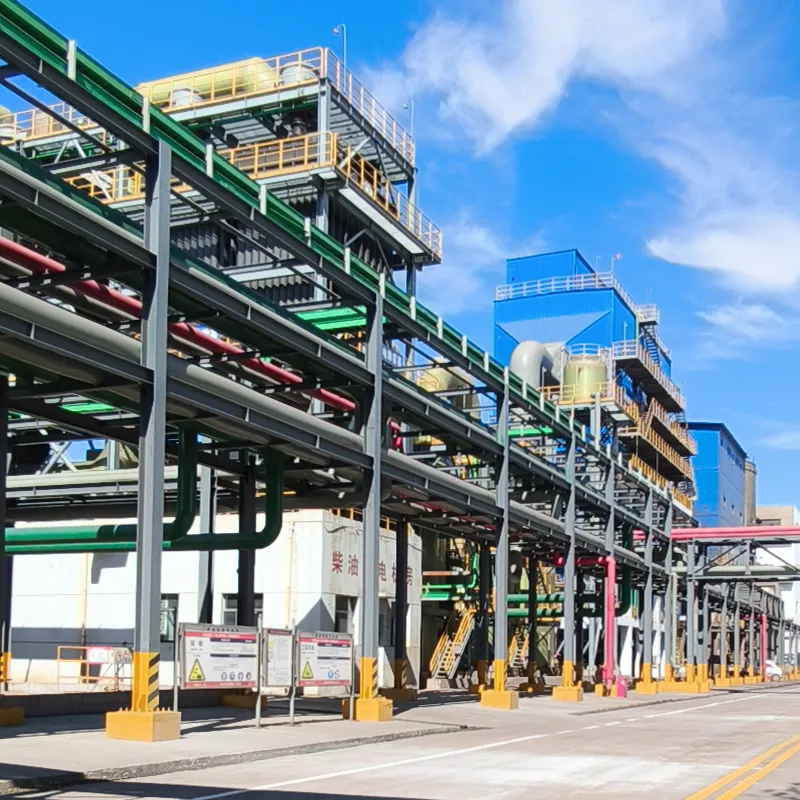
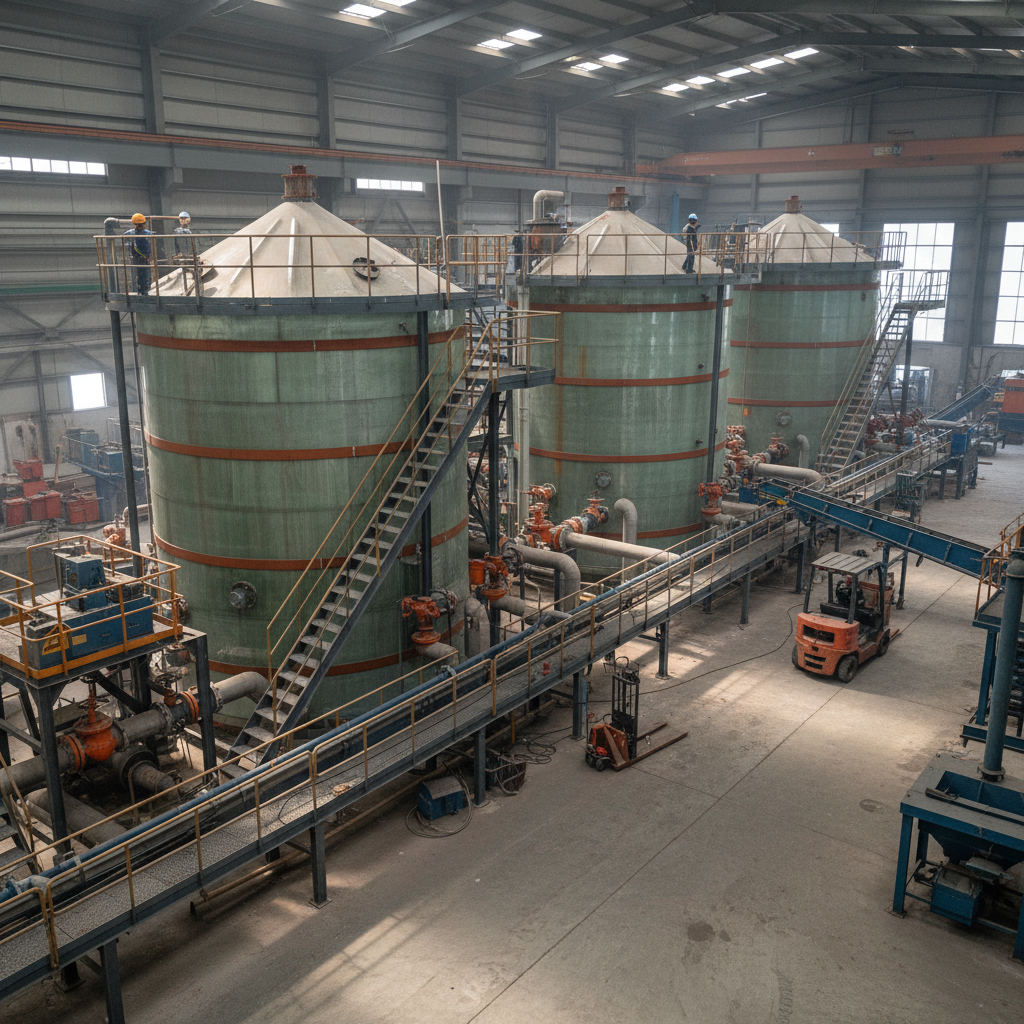
Industrial sectors worldwide embrace fire fiberglass tanks for their unique benefits. In the Middle East’s vast oil fields, these tanks safely store volatile liquids amid extreme temperatures. In Southeast Asia, companies rely on them during monsoon seasons where flooding exacerbates corrosion problems in steel tanks.
Fire fiberglass tanks also serve humanitarian efforts—for instance, during post-disaster relief operations where rapid deployment and reliable storage of potable water or fuel are vital. NGOs operating in remote, resource-scarce areas utilize these tanks due to their lightweight and durable nature. Engineers in European chemical plants, too, increasingly specify FRP tanks with fire-retardant formulations to comply with ever-stricter EU safety norms.
Interestingly, remote mining operations in Canada have seen a reduction in environmental leak risks by switching to fire fiberglass tanks, as they are less prone to fissures caused by freezing and thawing cycles.
Advantages and Long-Term Value
- Safety: Fire-resistant properties protect not just materials inside but workers and surrounding communities.
- Sustainability: FRP tanks require less frequent replacement, reducing waste and raw material consumption.
- Economic Efficiency: Cutting down on maintenance and repair costs saves money long term, despite modest upfront costs.
- Reliability: Consistent performance amid chemical and fire risks fosters trust across industries.
On an emotional level, the knowledge that hazardous materials are securely contained brings peace of mind to workers and local residents alike—something many easily overlook but that frankly matters a lot.
Emerging Trends and Innovations
Fire fiberglass tank technology doesn't stand still. Industry-watchers note an uptick in integrating nanomaterials that boost fire resistance and reduce weight further. Moreover, digital monitoring sensors embedded in tanks provide real-time data on internal conditions—helping preempt risks before they escalate.
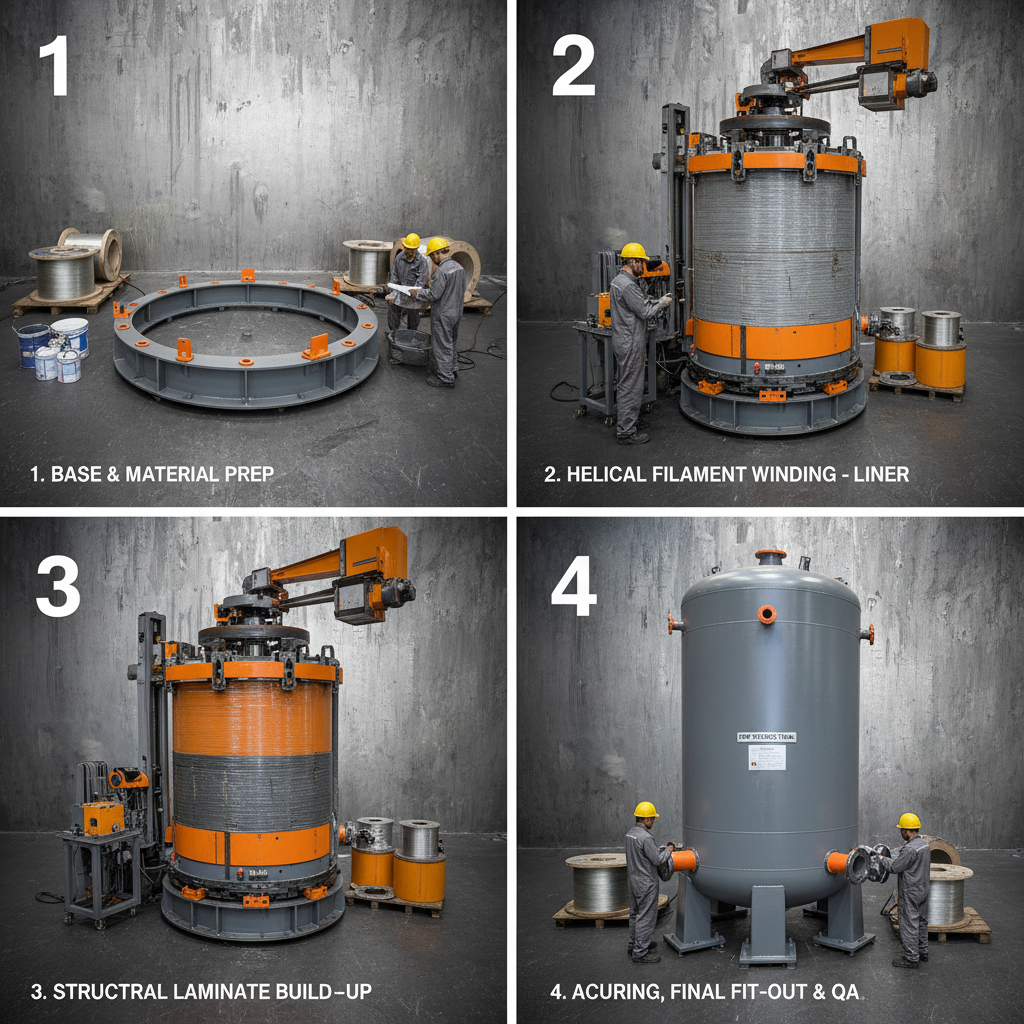
Green energy sectors, particularly biofuel storage, increasingly prefer these tanks due to their compatibility with environmentally friendly materials and easy adaptability. Regulations pushing for lower carbon footprints dovetail nicely with innovations in lightweight, recyclable FRP composites. Automation in manufacturing also lowers costs and improves quality control, making fire fiberglass tanks more accessible worldwide.
Challenges and Expert Solutions
Of course, no technology is free from hurdles. One challenge is the proper disposal or recycling of end-of-life fiberglass tanks, given their composite nature. Some experts advocate advancements in chemical recycling or developing biodegradable resins to address sustainability concerns.
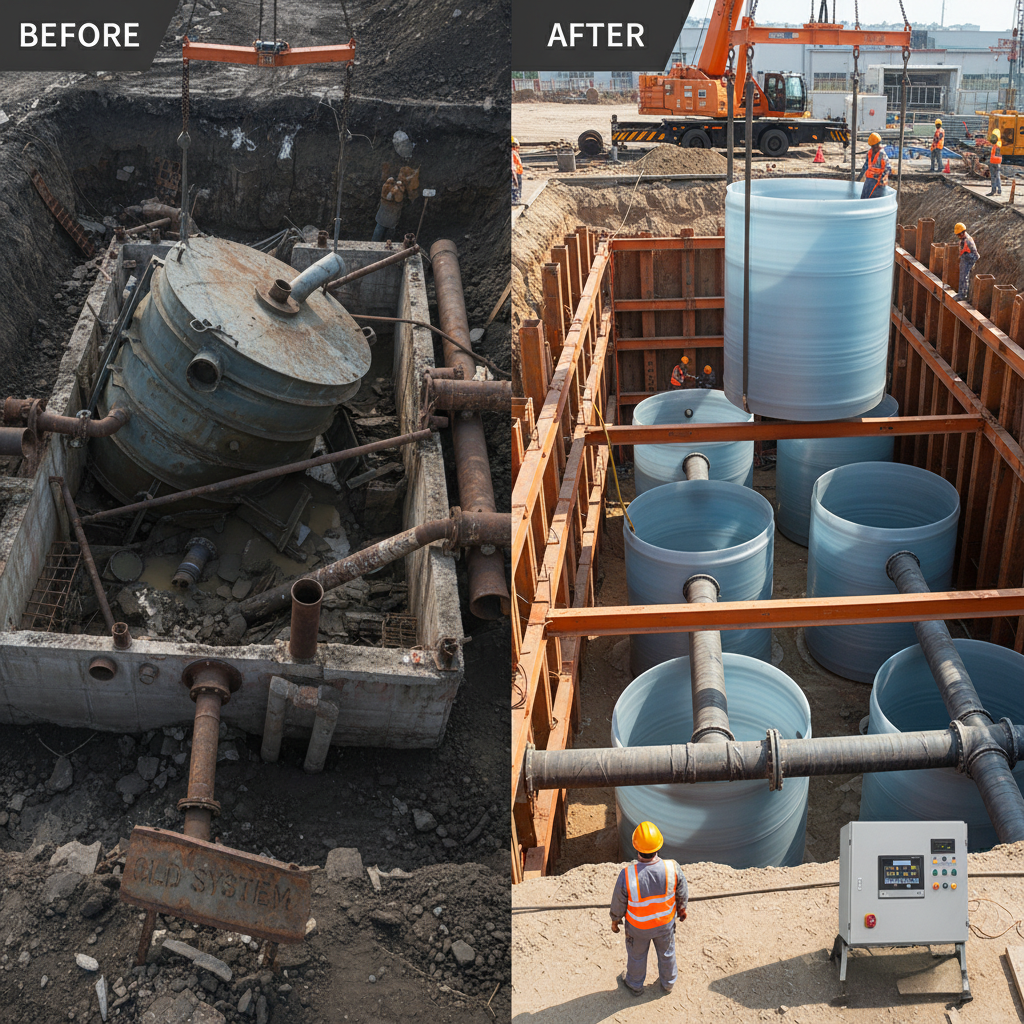
Additionally, awareness remains uneven; many small and medium enterprises still lack access to knowledge or funds to transition from steel or plastic tanks. Solutions include collaborations between governments, NGOs, and manufacturers to subsidize adoption in developing regions.
| Vendor | Fire Rating | Custom Options | Typical Delivery Time | Price Range |
|---|---|---|---|---|
| AlphaFRP Solutions | UL 94 V-0 | High (sizes, colors, coatings) | 4-6 weeks | $$$ |
| Beta Tanks Inc. | UL 94 HB | Medium (standard sizes) | 3-5 weeks | $$ |
| GammaComposites | UL 94 V-0 | Low (few standard models) | 2-4 weeks | $ |
Frequently Asked Questions About Fire Fiberglass Tanks
Q1: How do fire fiberglass tanks compare to traditional steel tanks in terms of maintenance?
A1: Fire fiberglass tanks require significantly less maintenance because they don’t rust or corrode like steel. Their composite structure resists chemical damage, reducing costly repairs. However, routine inspections for surface integrity and fittings are still essential.
Q2: Can fire fiberglass tanks be customized for different chemical storage needs?
A2: Absolutely. These tanks can be engineered with specialized resin systems and coatings tailored for specific chemicals, ensuring compatibility and safety across various industrial applications.
Q3: What is the expected lifespan of a fire fiberglass tank?
A3: With proper installation and maintenance, fire fiberglass tanks typically last 20-30 years, sometimes longer. Their resistance to environmental wear contributes to this long service life.
Q4: Are these tanks environmentally friendly?
A4: They offer sustainability advantages through durability and reduced need for replacements. However, recycling fiberglass composites remains challenging, though research into biodegradable resins is ongoing.
Q5: How can companies source these tanks internationally?
A5: Many manufacturers provide global shipping options. Partnering with trusted vendors who understand local regulations helps streamline customs and certification processes for safe importation.
Conclusion
Fire fiberglass tanks truly embody the intersection of safety, innovation, and sustainability in modern storage. Their unique properties address critical industry challenges with remarkable versatility and reliability. If you're considering a robust, fire-resistant solution for storing liquids—whether flammable, potable, or corrosive—exploring fire fiberglass tank options could be a game-changer for your operations.
Visit our website to learn more about how these tanks can elevate safety and efficiency in your projects.
A final reflection: In the shifting landscape of safety and environmental responsibility, fire fiberglass tanks feel like a smart, forward-looking choice that blends science with practical needs.