FRP Chemical: Global Insights, Applications & Future Trends
Understanding FRP Chemical: Why It Matters Globally
Fiber Reinforced Plastic Chemical (commonly called frp chemical) — it might sound a bit niche, but don’t be fooled. This versatile material plays a surprisingly huge role in industries worldwide. From water treatment plants to architectural panels, and even disaster relief infrastructure, frp chemicals are quietly underpinning crucial progress.
Globally, the demand for sustainable, lightweight, and resilient construction materials is rising sharply. According to the International Organization for Standardization (ISO), industries look for solutions that combine durability with cost-effectiveness. This is exactly where frp chemical comes into play, offering unique benefits to manufacturers and end-users alike.
Quick takeaway:
- FRP chemical is a key player in sustainable and resilient materials.
- It addresses industry challenges related to weight, corrosion, and durability.
- Understanding its applications can unlock innovation in multiple sectors.
Introduction: The Global Context of FRP Chemical
The growth of frp chemical usage is no coincidence. With infrastructures aging in developed countries and new construction booming in emerging economies, the global consumption of fiber-reinforced plastics is expected to cross $30 billion by 2025 (frp chemical market reports). Why? Because these materials solve a very real problem — traditional metals and concrete, though widely used, suffer from corrosion, heavy weights, and sometimes just poor adaptability.
Think of coastal cities fighting relentless saltwater corrosion, or manufacturers needing lightweight yet durable materials for transportation and storage. FRP chemical solutions are uniquely positioned to handle all that. It’s an industry game-changer, really.
Defining FRP Chemical: What Is It Exactly?
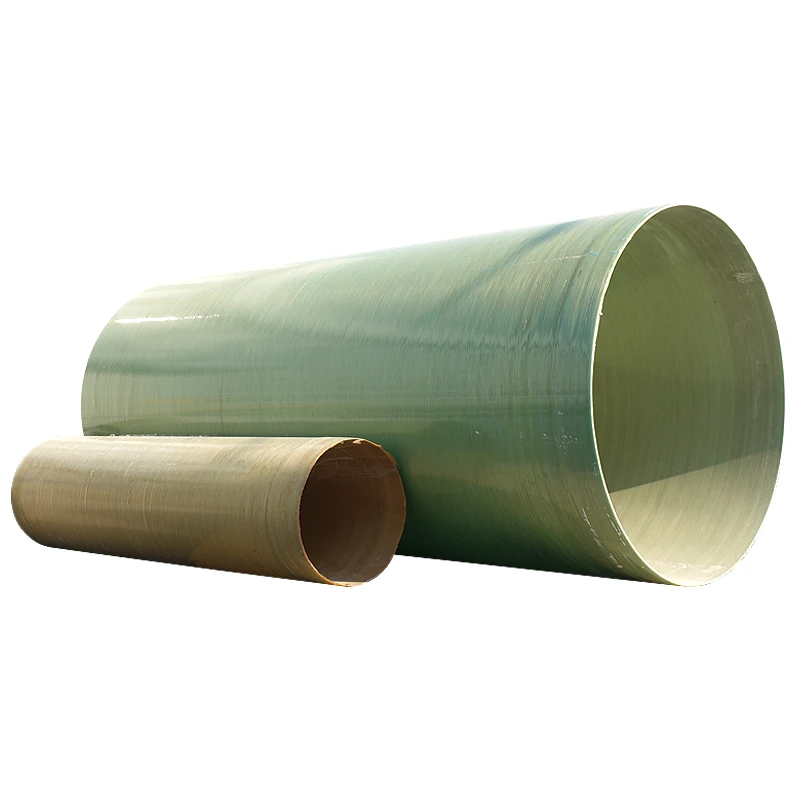
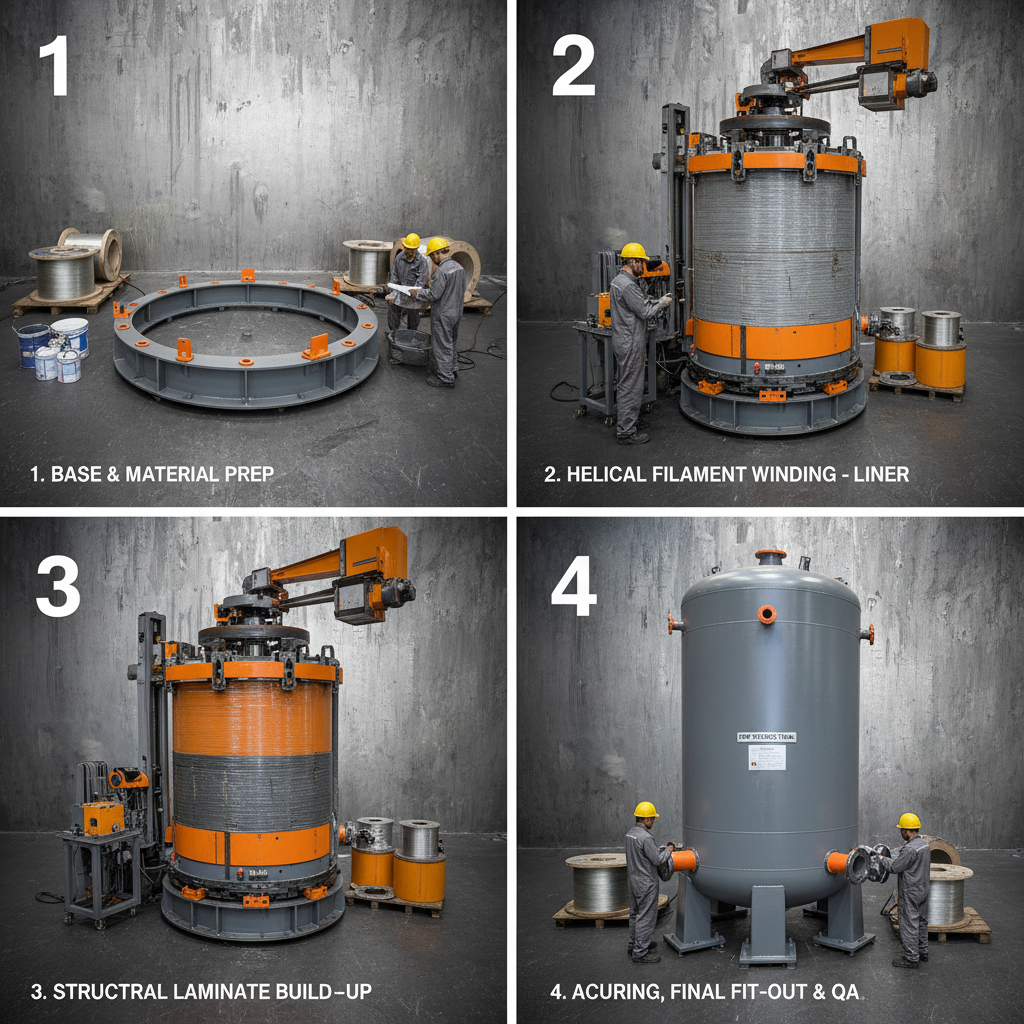
Simply put, FRP chemical refers to materials composed of a polymer matrix reinforced with fibers — mostly glass, carbon, or aramid — combined with chemical resins like epoxy or polyester. The result is a composite material that's lightweight but incredibly tough.
This mix means industries can create components with the strength of metals but without the weight or susceptibility to rust. It’s increasingly critical in modern manufacturing, environmental protection, and humanitarian applications where lasting, resilient structures are non-negotiable.
Key Factors or Core Components of FRP Chemical
Durability
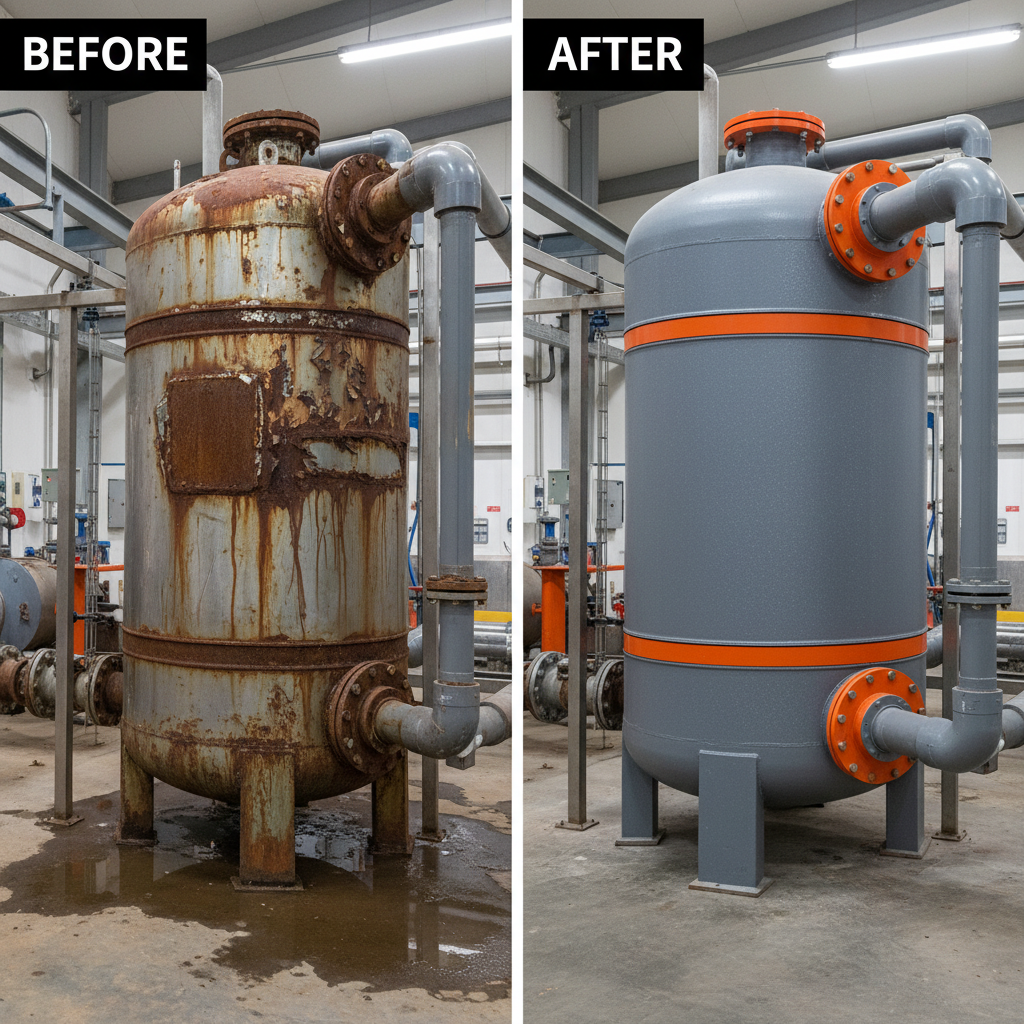
FRP’s resistance to corrosion, chemicals, and extreme weather makes it a top choice. Unlike steel, it won’t rust or degrade when exposed to harsh environments, which translates into longer product lifespans and less maintenance.
Lightweight Strength
One of the incredible aspects of frp chemicals is how strong they can be relative to their weight. This means easier transport, installation, and less structural load, which in turn reduces costs on foundations and reinforcement.
Cost Efficiency
Even if the initial cost of FRP materials might be slightly higher than traditional materials, the reduced maintenance and durability mean total lifecycle costs tend to be lower. Customers often notice savings over the product lifespan that justify the upfront investment.
Customization & Versatility
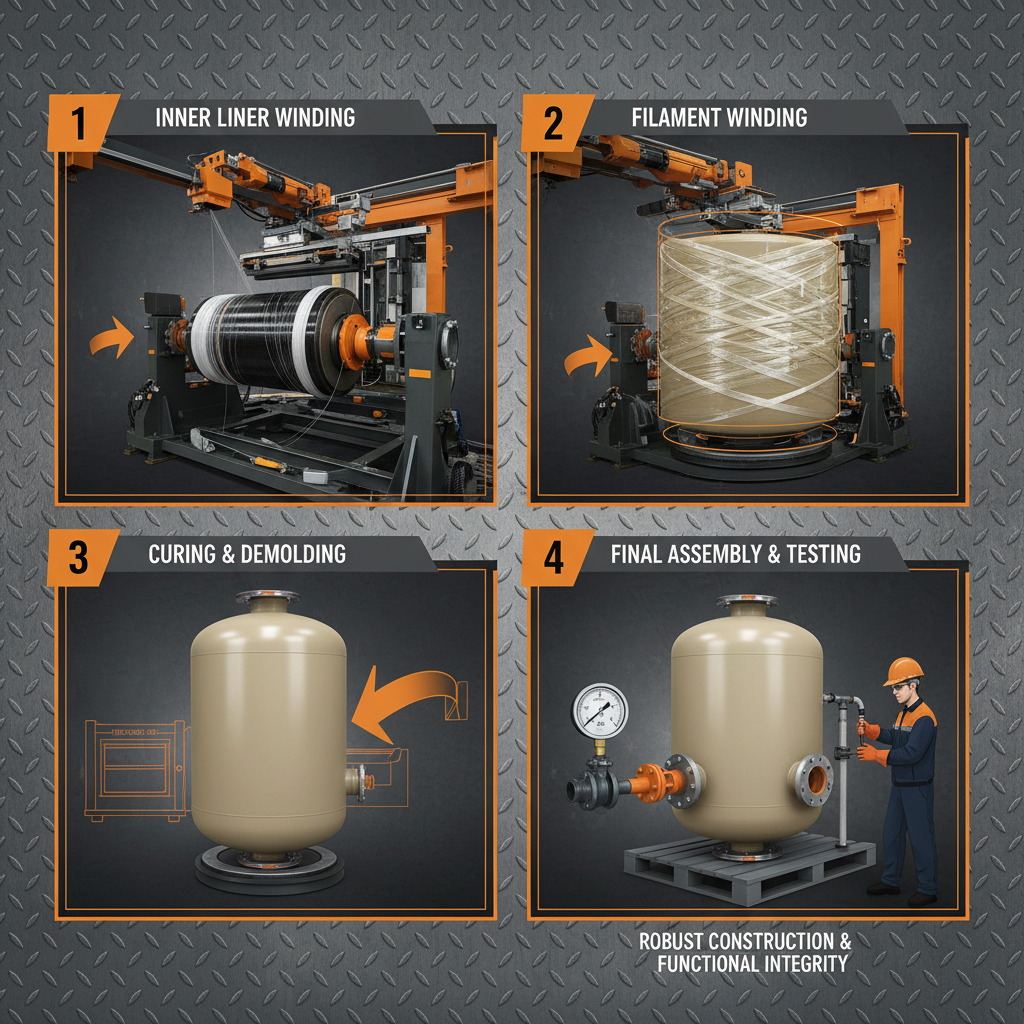
The processing versatility of FRP chemical allows manufacturers to mold these materials into complex shapes, perfect for unique industrial needs or architectural aesthetics.
Sustainability
As industries pivot towards eco-friendly options, FRP chemical composites cause less environmental harm through longevity and reduction of replacements and waste.
Mini-summary:
- FRP chemical composite advantages: durable, lightweight, cost-effective, customizable, sustainable.
- These factors create value for industrial users and end consumers alike.
Product Specification Table: Typical FRP Chemical Panel
| Parameter | Specification | Unit |
|---|---|---|
| Fiber Type | E-Glass | - |
| Resin System | Polyester | - |
| Tensile Strength | 340 | MPa |
| Density | 1.8 | g/cm³ |
| Thermal Resistance | 120 | °C |
| Water Absorption | % |
Global Applications & Use Cases of FRP Chemical
It’s one thing to know the specs, but where does frp chemical truly prove its worth? Oddly enough, it pops up in sectors you might not immediately expect.
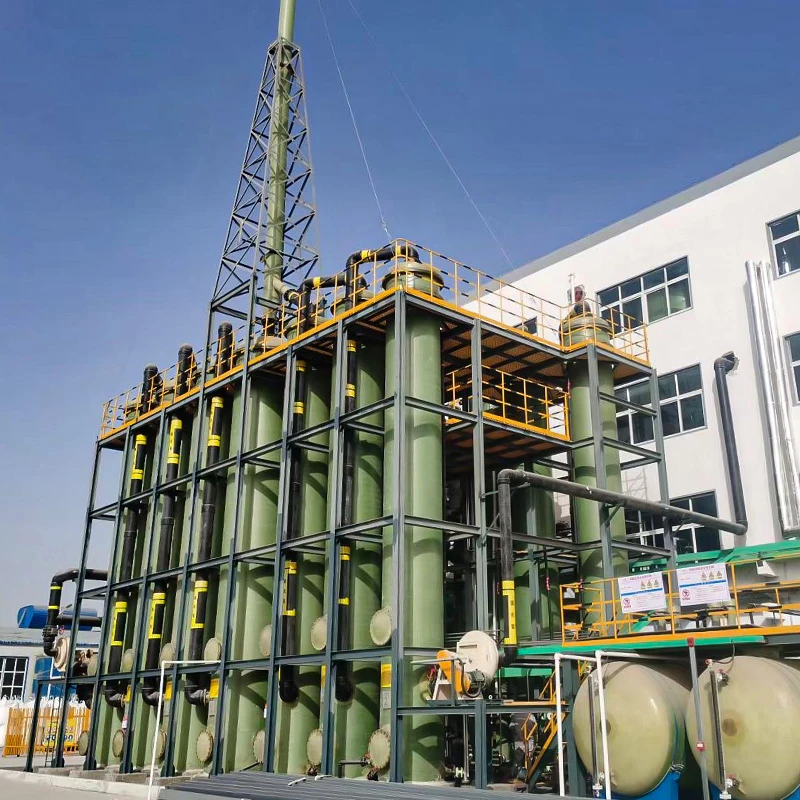
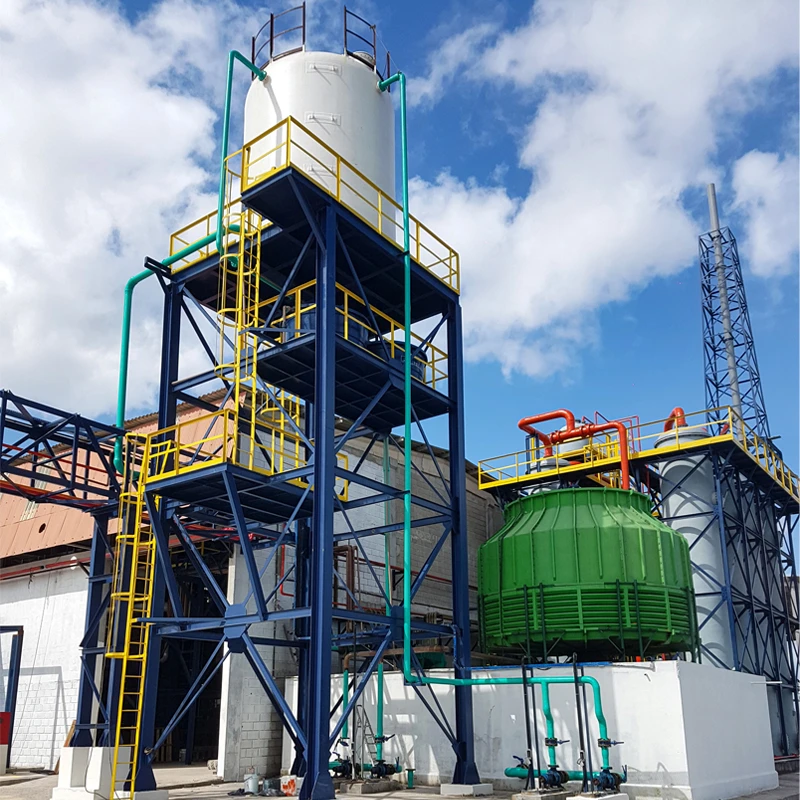
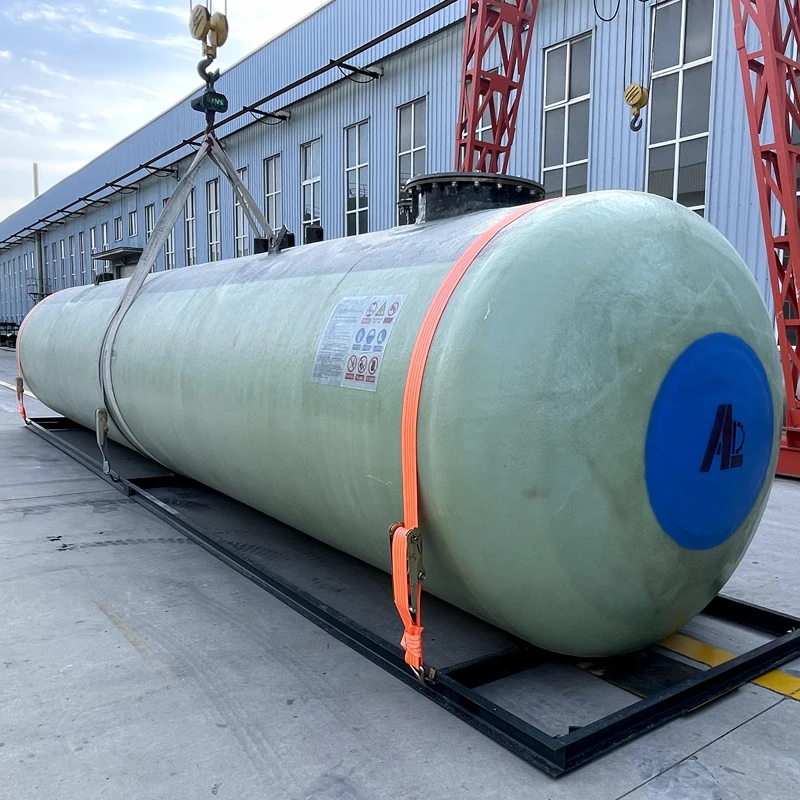
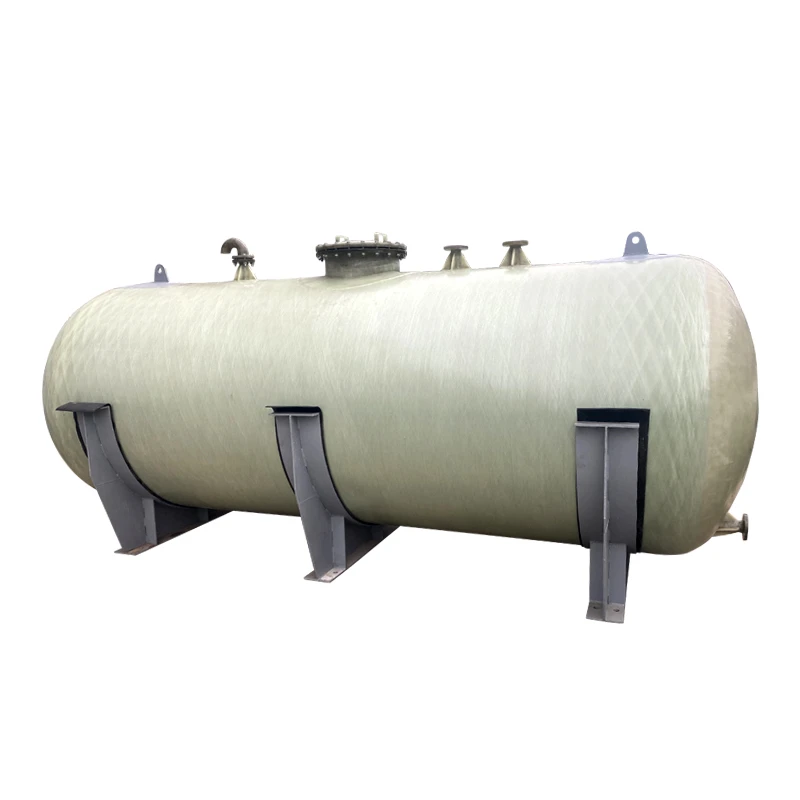
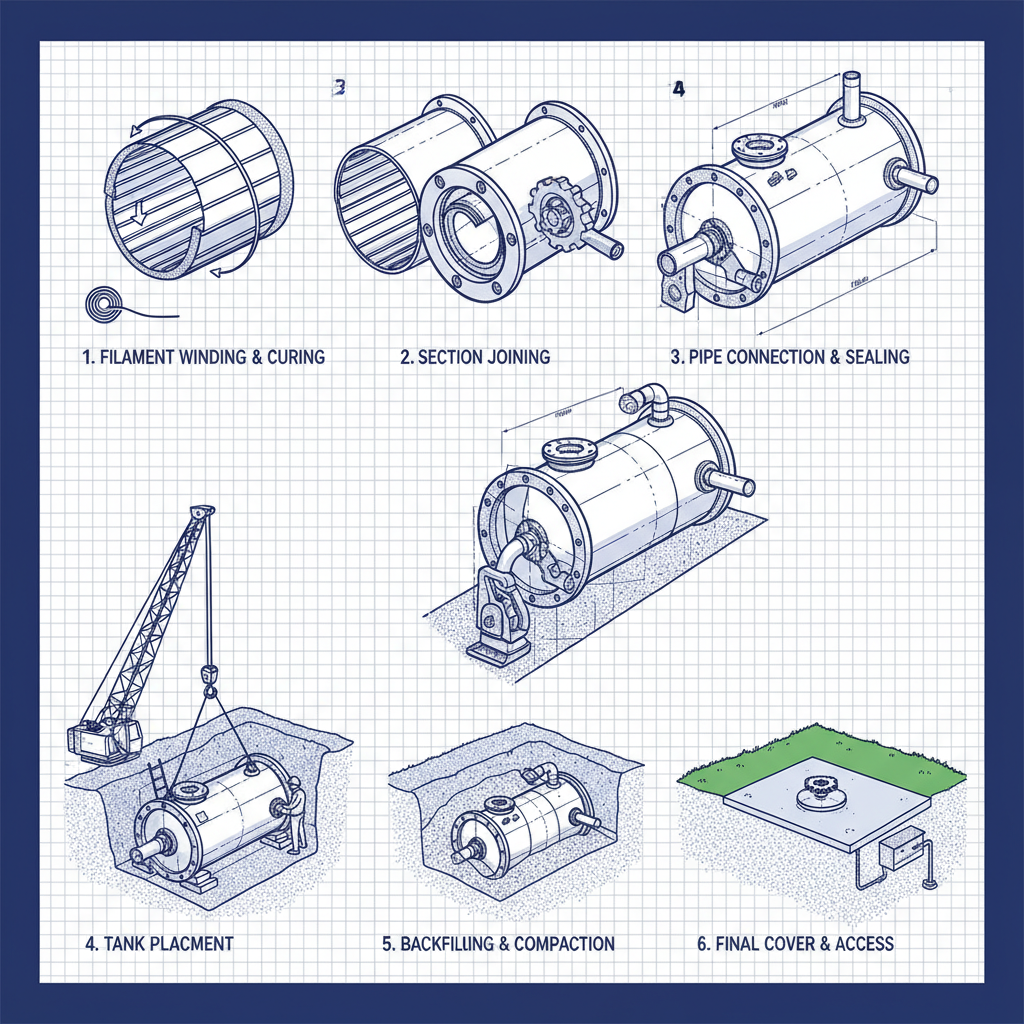
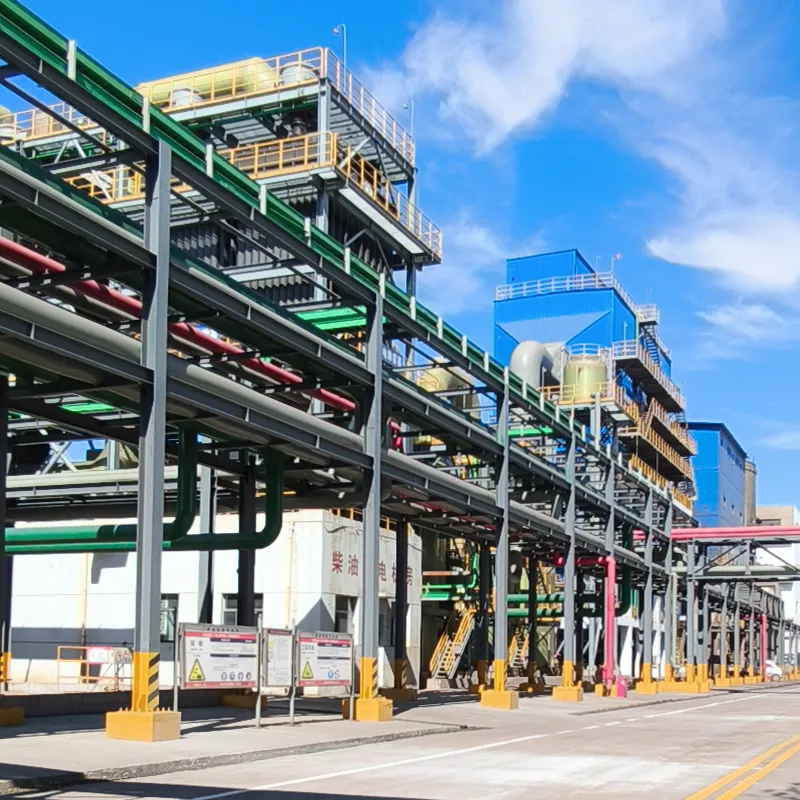
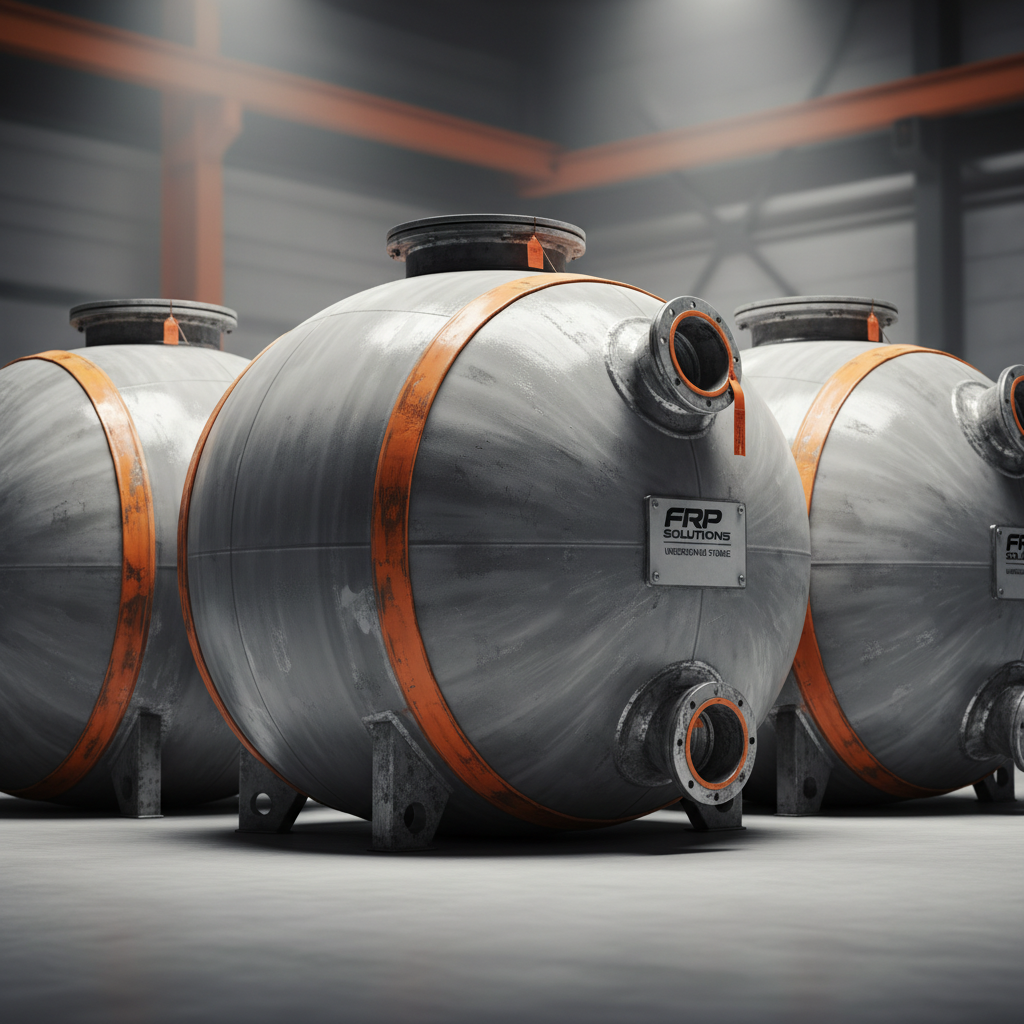
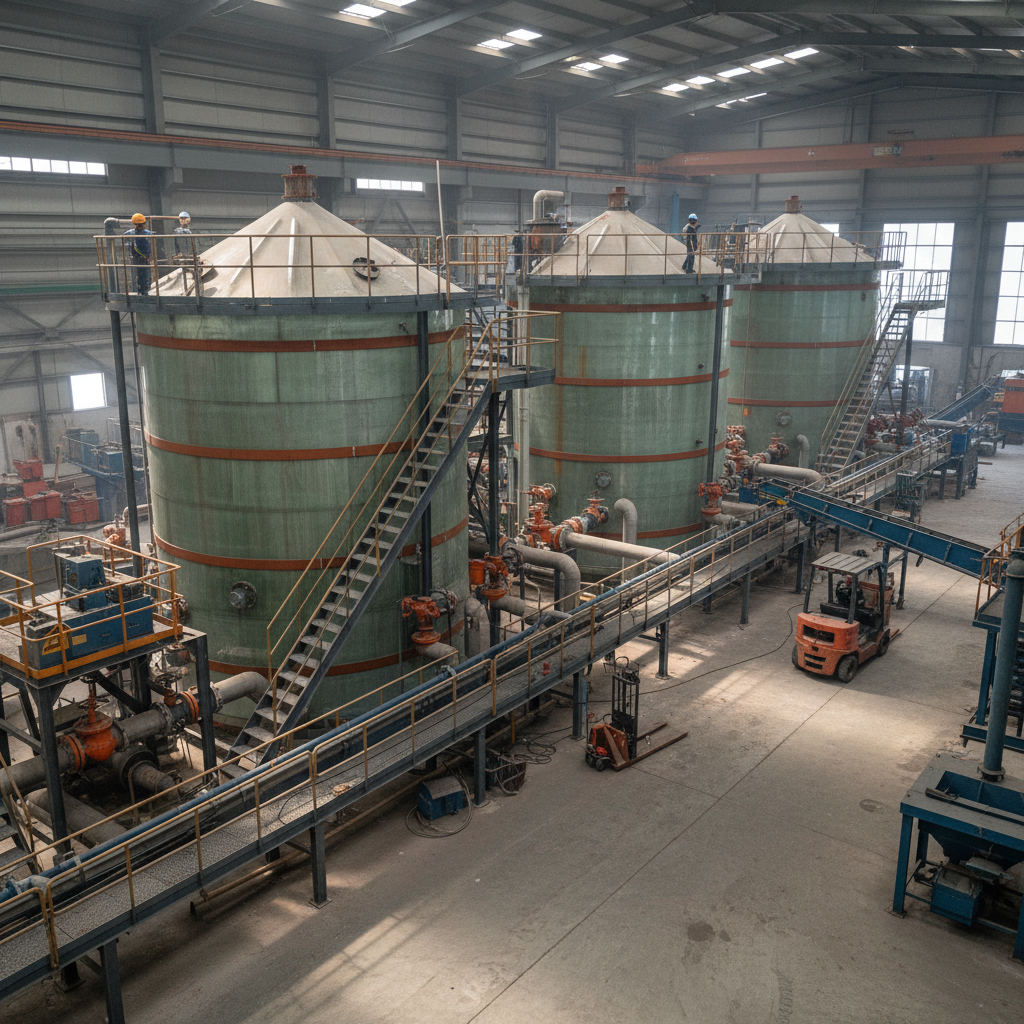
- Water Treatment and Storage: FRP Chemical tanks resist corrosion to chemicals and water, making them essential in safe water supply systems worldwide.
- Transportation Industry: Lightweight panels and components reduce fuel consumption in vehicles, from buses to trains and trucks.
- Construction and Architecture: FRP chemical panels serve as façade cladding, balconies, and roofing materials – both aesthetically pleasing and practical.
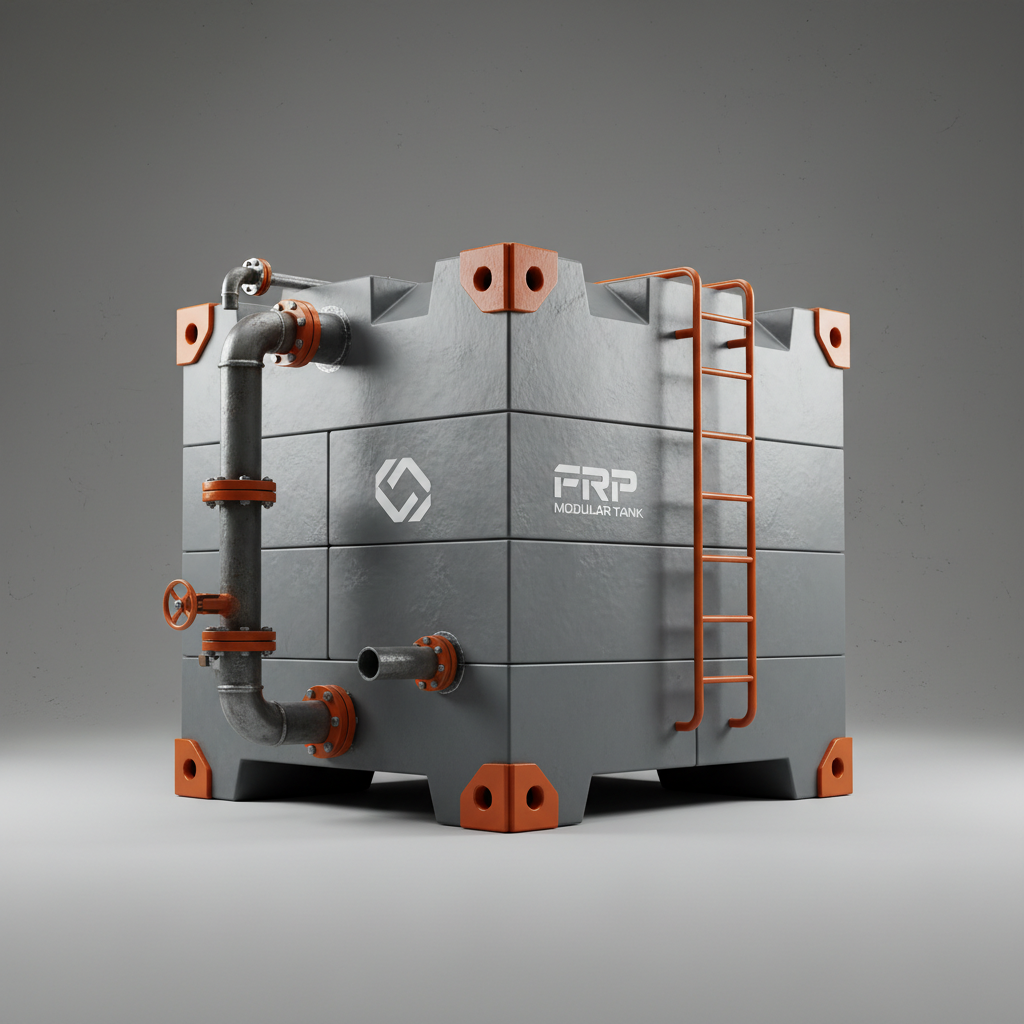
- Disaster Relief & Remote Infrastructure: Temporary shelters and modular components made with FRP chemical composites can be deployed swiftly and withstand harsh conditions.
For example, NGOs in Southeast Asia use FRP chemical components in flood-prone zones to build resilient community centers that survive monsoons but remain affordable.
Global vendor comparison table
| Vendor | Product Range | Customizability | Lead Time | Pricing |
|---|---|---|---|---|
| AlphaFRP Inc. | Tanks, panels, pipes | High | 4-6 weeks | $$$ |
| Global Composite Ltd. | Panels, sheets, reinforcement fibers | Medium | 2-4 weeks | $$ |
| EcoFRP Solutions | Eco-friendly resins, modular kits | High | 6-8 weeks | $$$$ |
Advantages & Long-Term Value of FRP Chemical
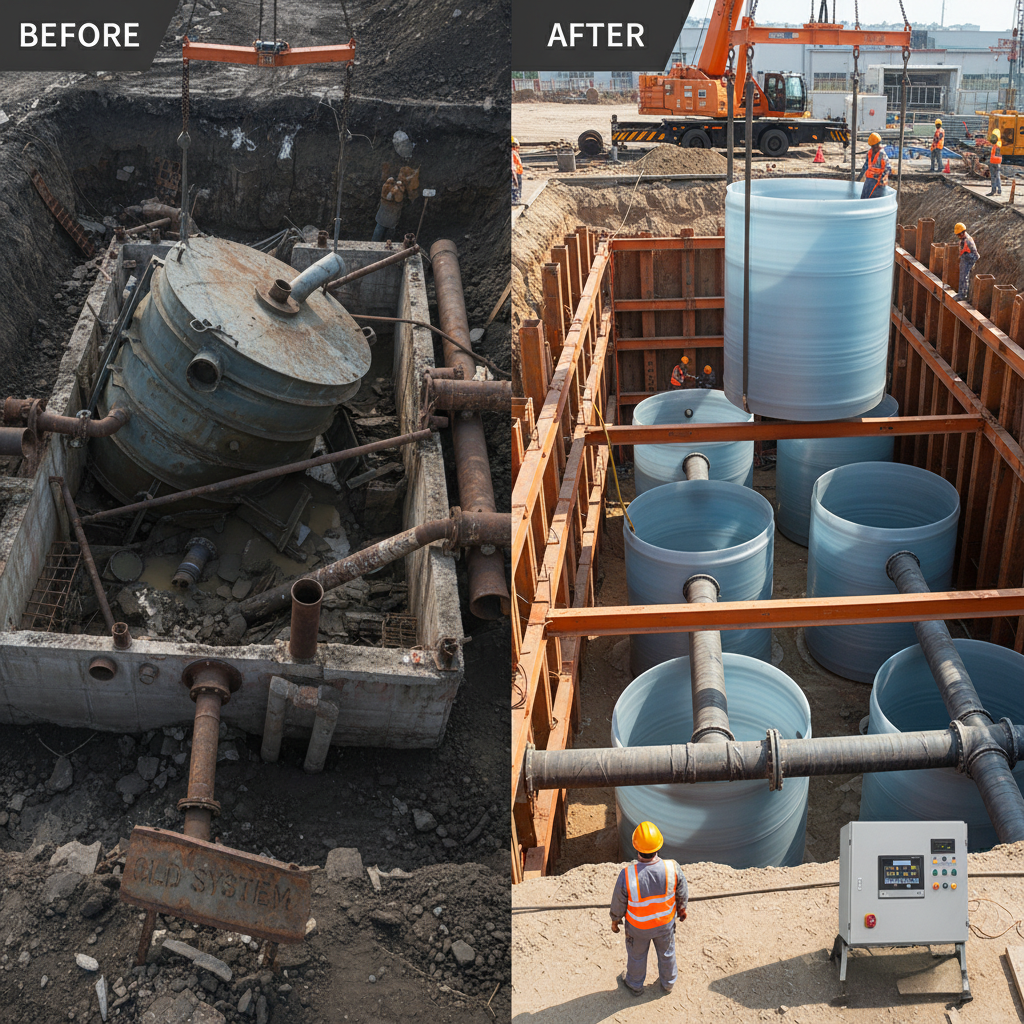
Let’s be frank: no material is perfect. But FRP chemical gets pretty close in many contexts. It offers reliable resistance to degradation, meaning products last decades instead of years. For businesses, this means fewer replacements, less downtime, and ultimately better return on investment.
On a social level, the fact that FRP chemical materials enable safer, resilient infrastructure means greater community dignity and peace of mind — especially in vulnerable settings. Emotionally, that builds trust we often overlook in engineering materials.
Sustainability-wise, longer lifecycles mean less resource consumption, helping industries align with international carbon reduction efforts (UN SDGs).
Future Trends & Innovations in FRP Chemical
The future looks bright for frp chemical composites. Innovations include:
- Bio-based Resins: Moving toward renewable resin sources to further reduce environmental impacts.
- Smart Composite Materials: Embedded sensors that monitor structural health in real-time.
- Automation in Manufacturing: 3D printing and AI-led fabrication for more precise, waste-free production.
- Hybrid Materials: Combining FRP with concrete or metals to optimize performance for specific applications.
These innovations will broaden the influence of FRP chemical materials in green energy, construction, and transport.
Challenges & Solutions in FRP Chemical Practice
Of course, there are hurdles. Environmental concerns around fiber recycling remain a sticking point. Also, manufacturing costs and technical skills sometimes limit adoption in smaller markets.
Experts suggest developing circular economy models to recycle or repurpose FRP waste. Industry partnerships focusing on training and local fabrication can also offset cost and knowledge barriers.
FAQ: Common Questions About FRP Chemical
- What makes FRP chemical materials better than traditional metals for construction?
- They offer superior corrosion resistance, are lighter, which reduces structural loads, and typically require less maintenance, all contributing to lifecycle cost savings.
- How long do FRP chemical products last in harsh environments?
- With proper design and maintenance, FRP composites can last 20–50 years, depending on exposure conditions and resin choice.
- Is FRP chemical environmentally friendly?
- While the products are durable and reduce frequent replacement, recycling challenges exist. However, newer bio-based resins and recycling efforts are making strides in sustainability.
- Can NGOs import FRP chemical solutions efficiently for disaster relief?
- Yes, many vendors offer modular, pre-fabricated kits designed for fast deployment. It’s important to partner with experienced suppliers familiar with international logistics.
Conclusion
In real terms, understanding and utilizing frp chemical composites unlocks opportunities for innovation, sustainability, and resilience across industries worldwide. If you want to explore how FRP chemicals can transform your projects, don't hesitate to visit our website: https://www.frpgrpmachine.com to learn more.
It feels like we’re just scratching the surface of this material’s potential. In years to come, frp chemical might well become the backbone of safer, smarter infrastructure everywhere.