Glass Fiber Tank – Durable, Cost-Effective Storage Solutions for Global Needs
Understanding the Glass Fiber Tank: Innovation in Storage Solutions
At first glance, a glass fiber tank might just seem like another bulky industrial container. But as industries worldwide move towards more resilient, cost-effective, and sustainable infrastructures, these tanks stand out as quiet heroes. Globally, the demand for superior storage solutions — especially for water, chemicals, and fuels — is soaring. According to a 2023 UN environmental report, reliable containment solutions play an increasingly critical role in water security and pollution control. In real terms, grasping the benefits of glass fiber tanks isn’t just a niche concern; it’s a practical pathway to better resource management and risk mitigation worldwide.
Why the Glass Fiber Tank Matters Globally
Glass fiber tanks are more than containers; they symbolize the intersection between advanced materials science and practical, large-scale application. The International Organization for Standardization (ISO) highlights that composite materials, including glass fiber reinforced plastics, help industries cut weight, improve corrosion resistance, and extend lifespan.
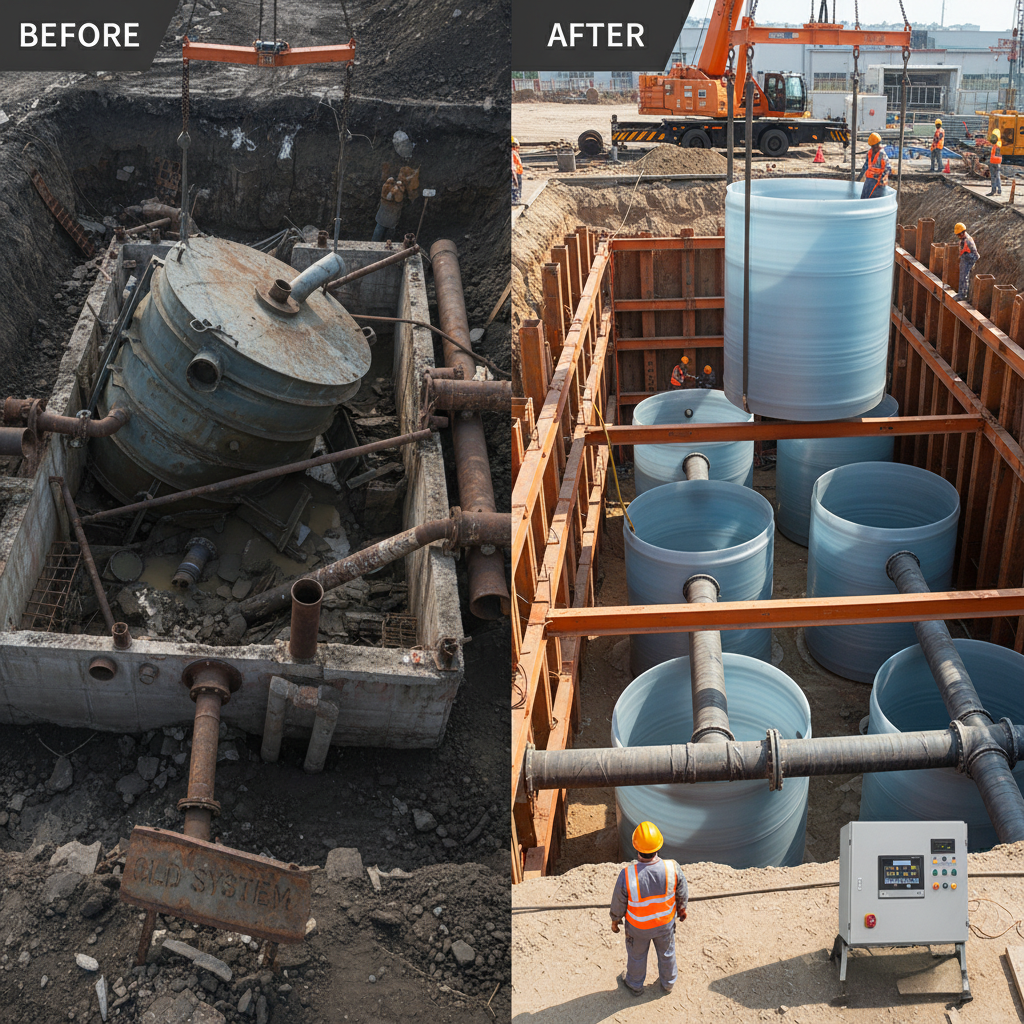
Facing growing challenges like climate-induced floods, chemical spills, and infrastructure aging, the world needs tanks that can last longer, curb contamination, and be deployed swiftly. That’s precisely the problem these tanks address — offering reliability where traditional materials might fail.
Defining the Glass Fiber Tank
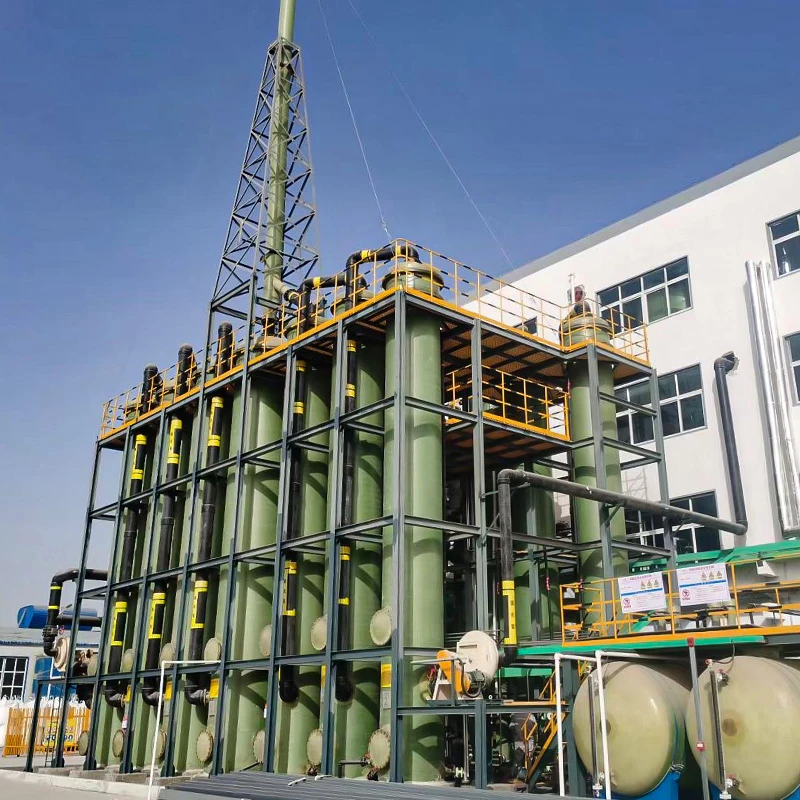
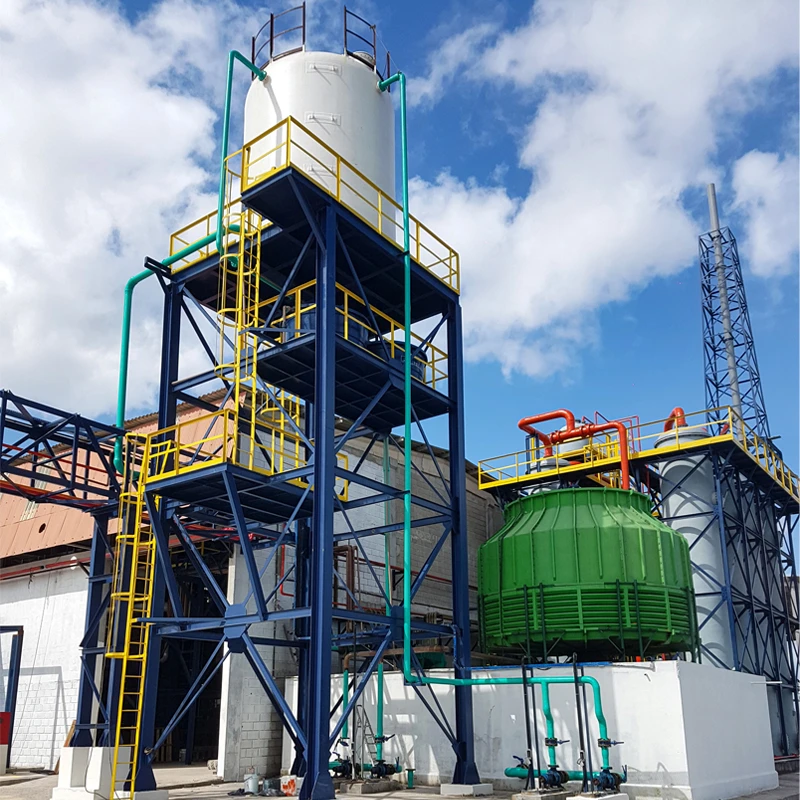
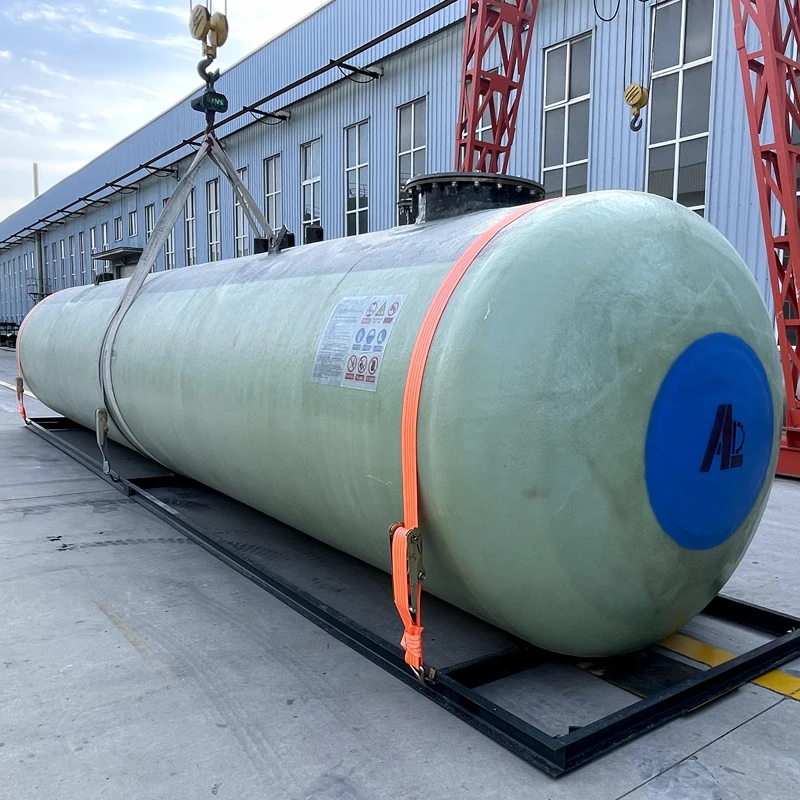
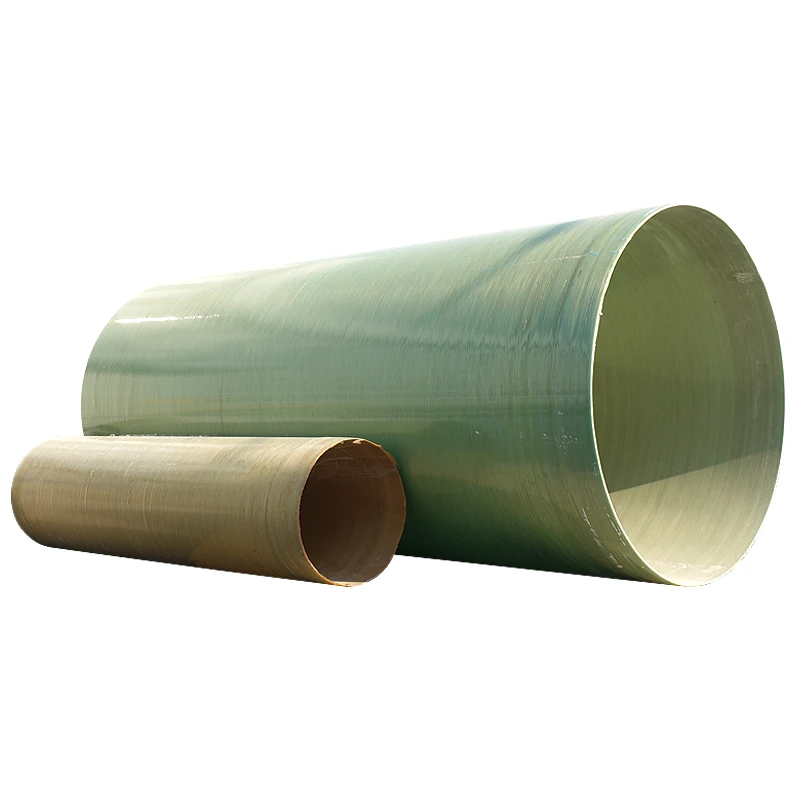
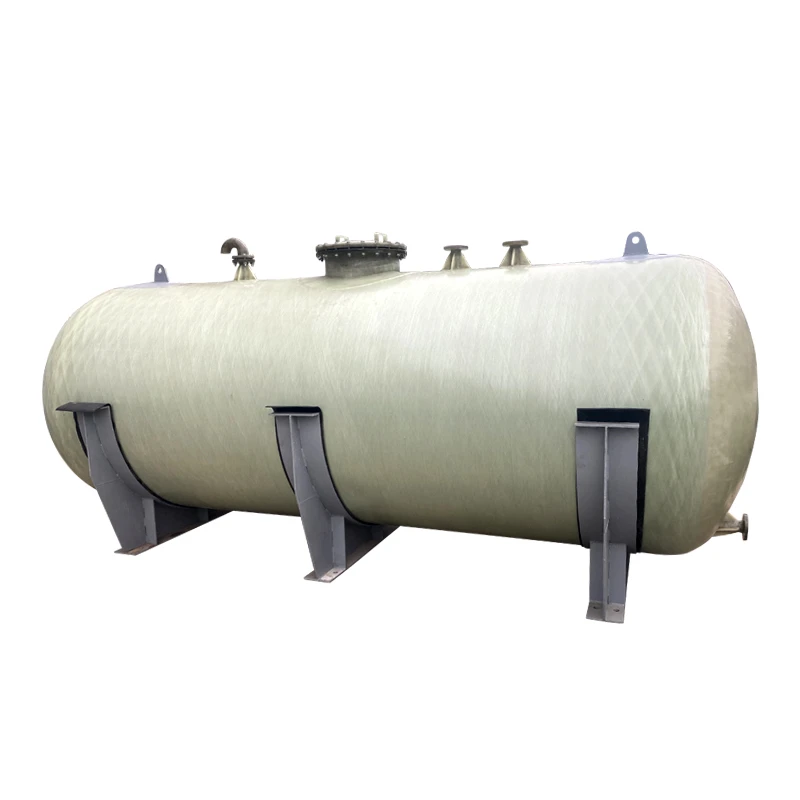
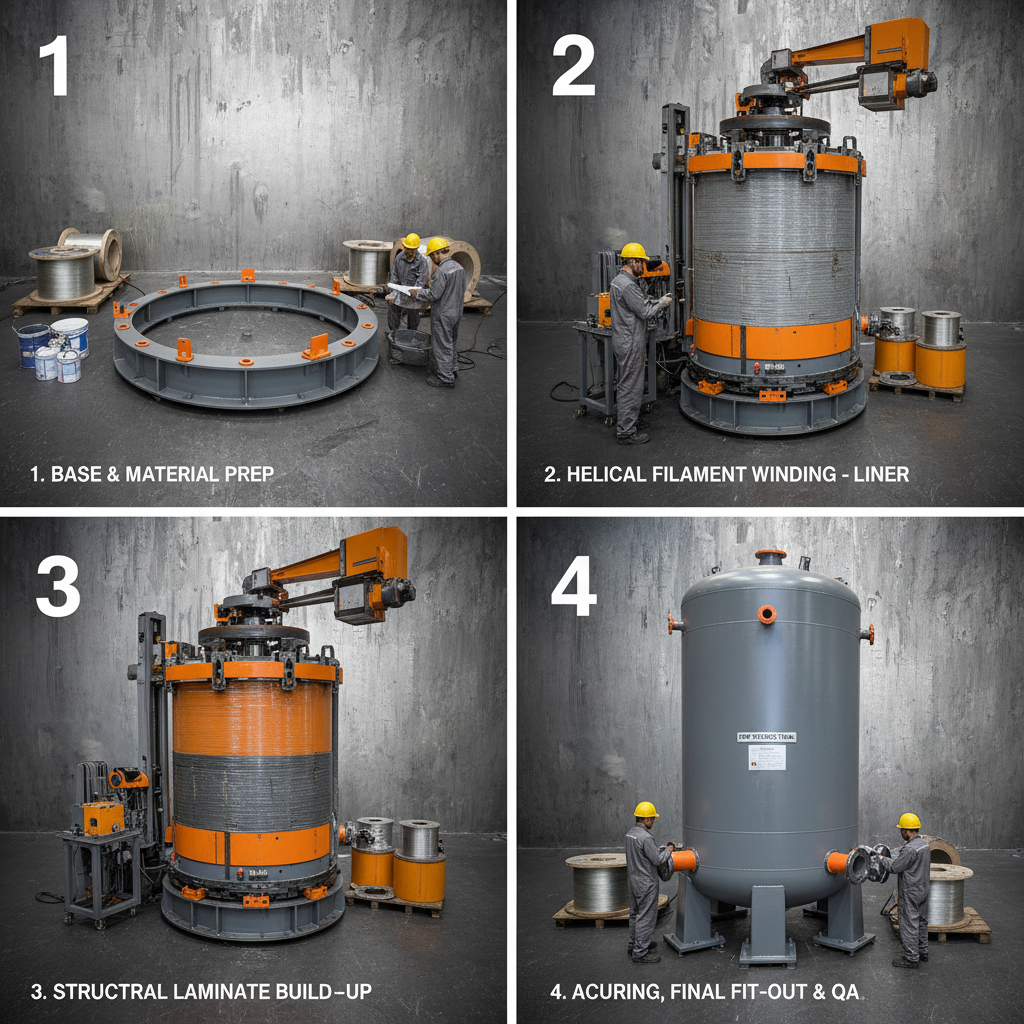
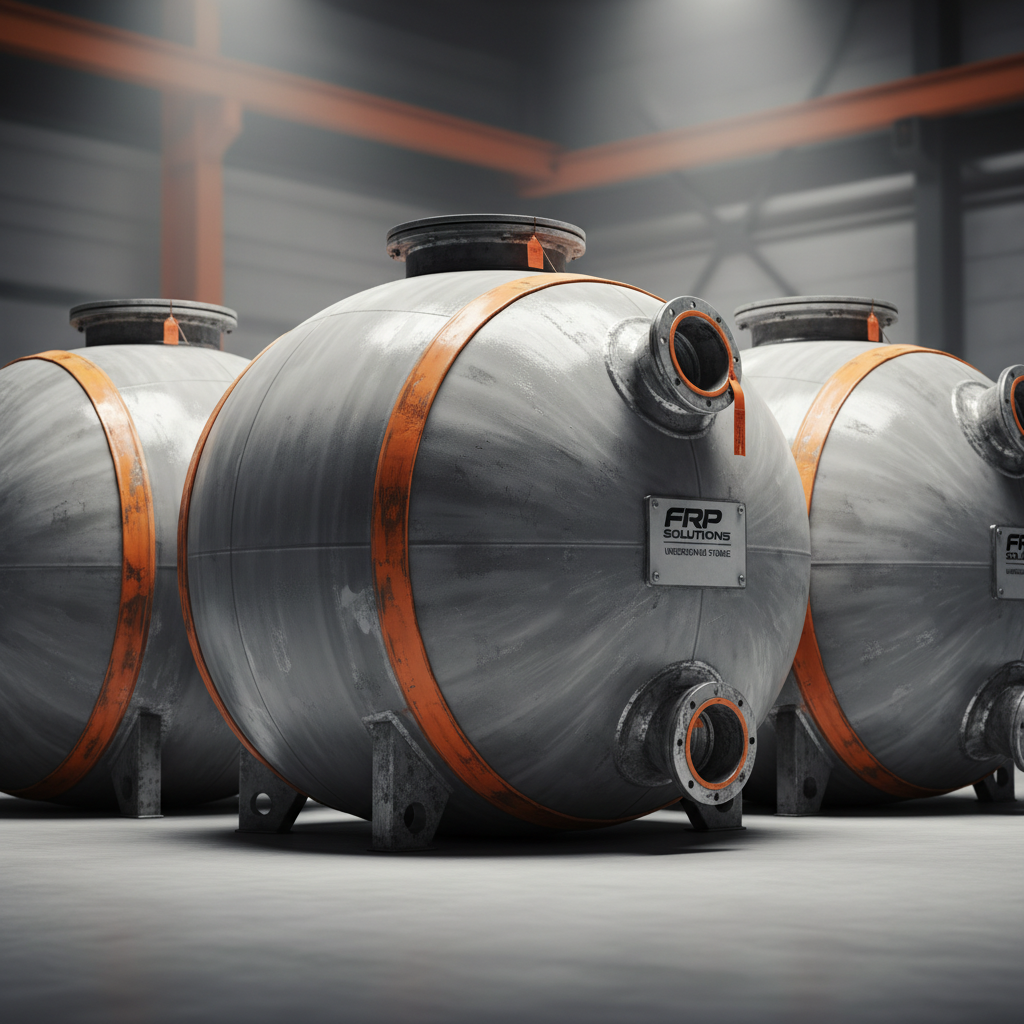
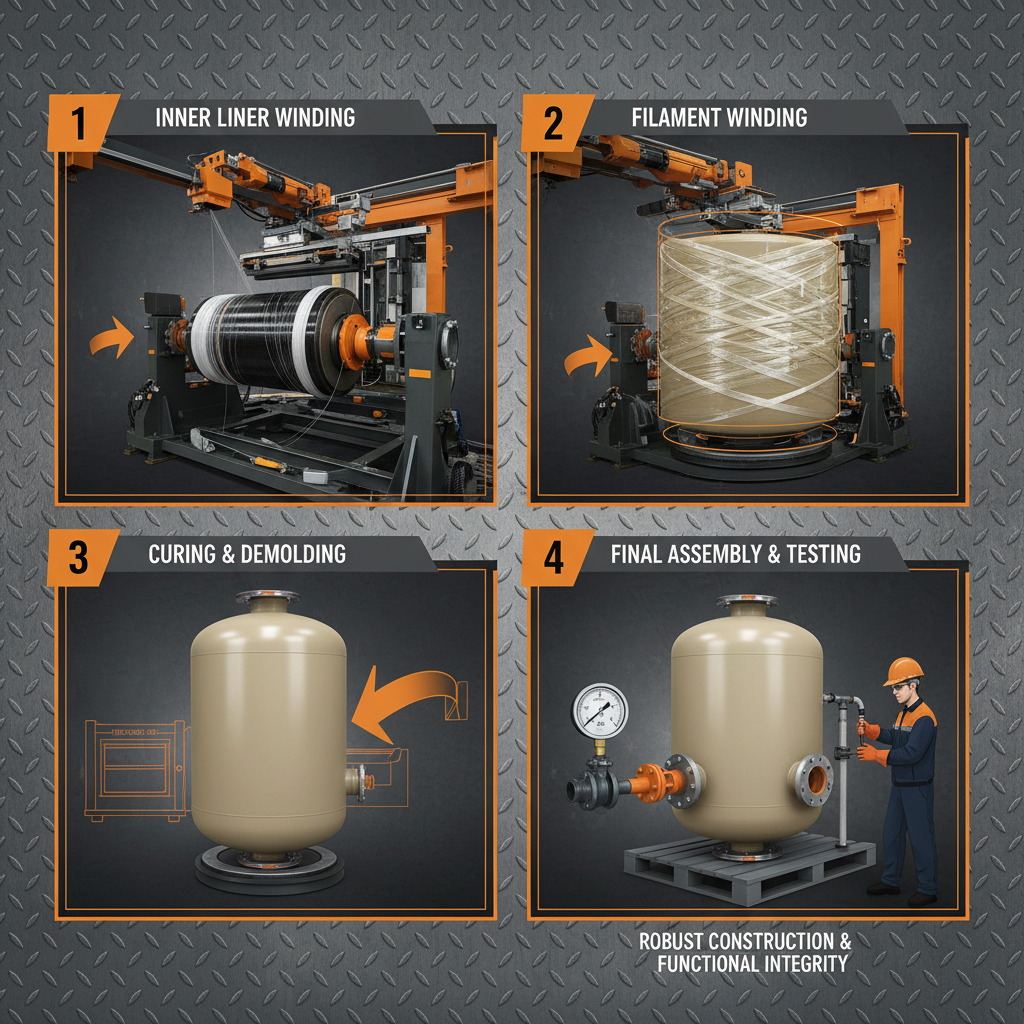
Simply put, a glass fiber tank is a storage vessel made from a composite material reinforced with fine glass fibers embedded in a resin matrix. This combination yields a lightweight yet remarkably strong product, resistant to corrosion, chemicals, and harsh weather conditions.
Industries ranging from agriculture to petrochemicals, and humanitarian organizations managing disaster relief water storage, increasingly rely on these tanks to provide safer and more adaptable solutions than conventional steel or concrete tanks.
Core Components and Key Factors
1. Durability
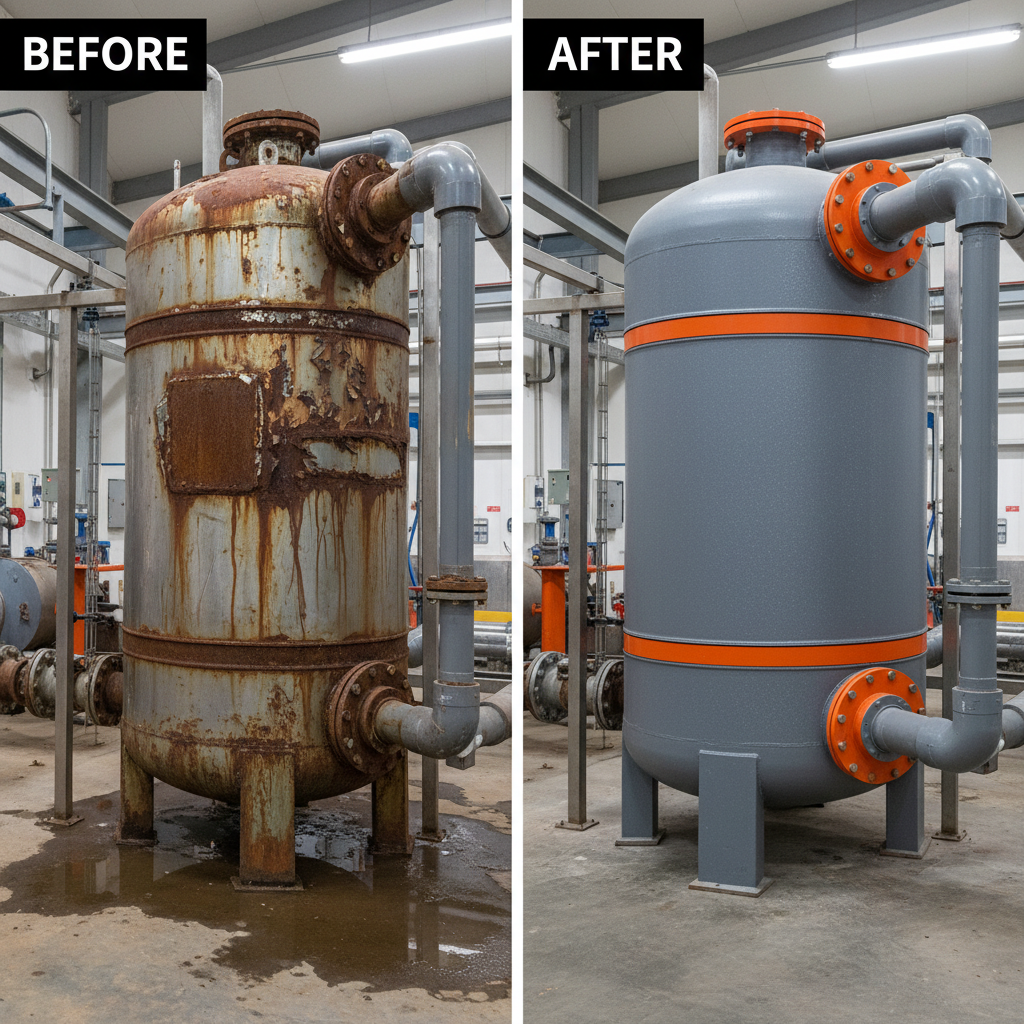
One of the most praised features is their exceptional resistance to corrosion and UV degradation. Unlike metal tanks that can rust or crack, glass fiber tanks often last decades with minimal maintenance.
2. Scalability and Design Flexibility
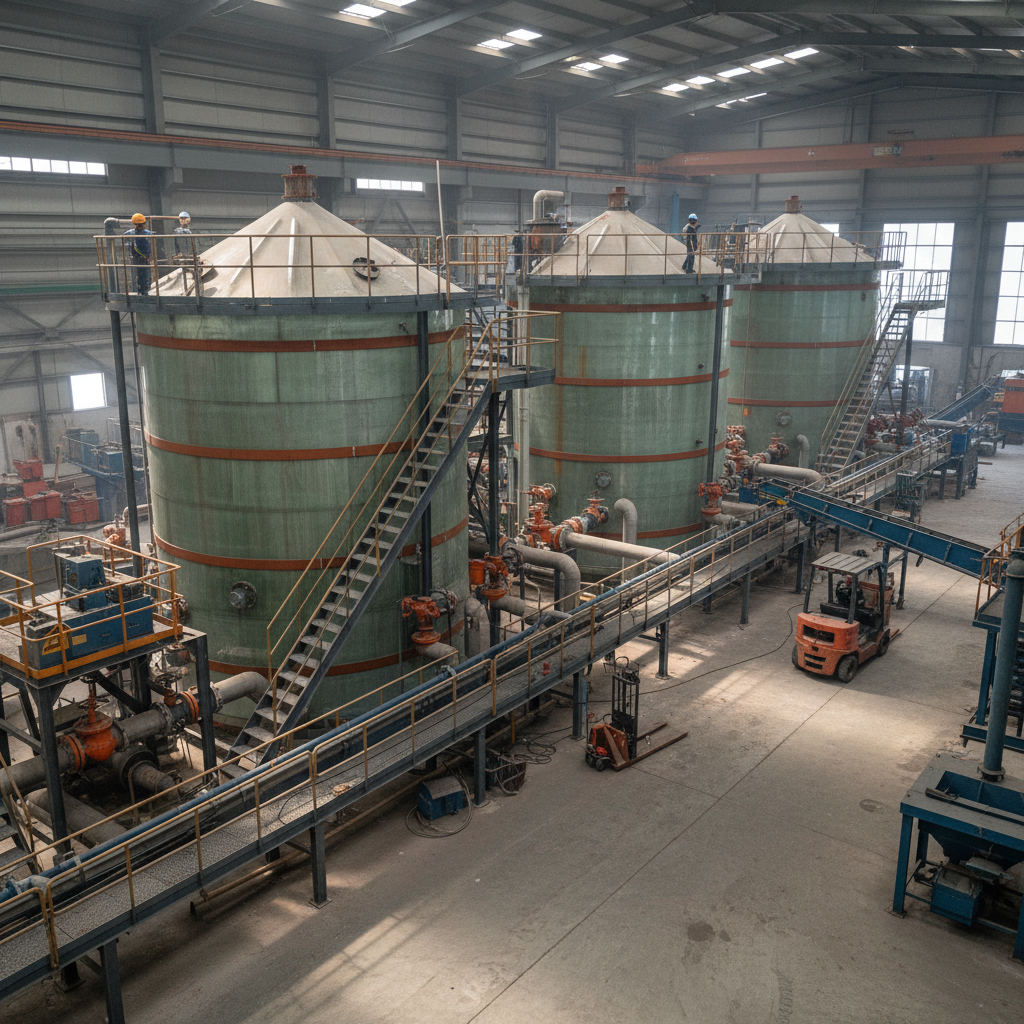
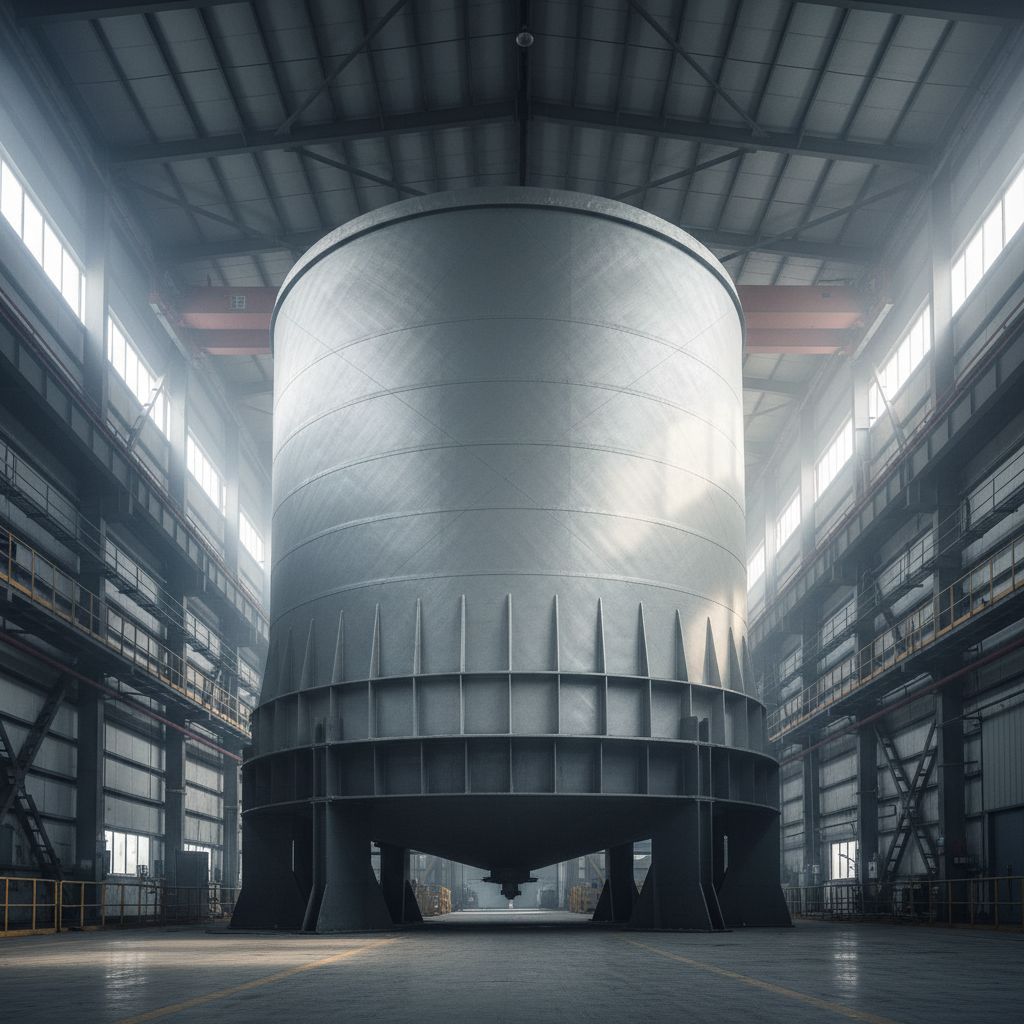
Manufacturers can tailor these tanks in sizes ranging from small portable units to massive, site-built reservoirs, suiting diverse applications.
3. Cost Efficiency
Although initial costs might be slightly higher than some alternatives, reduced maintenance needs and longer lifespans typically translate to lower total cost of ownership.
4. Lightweight Nature
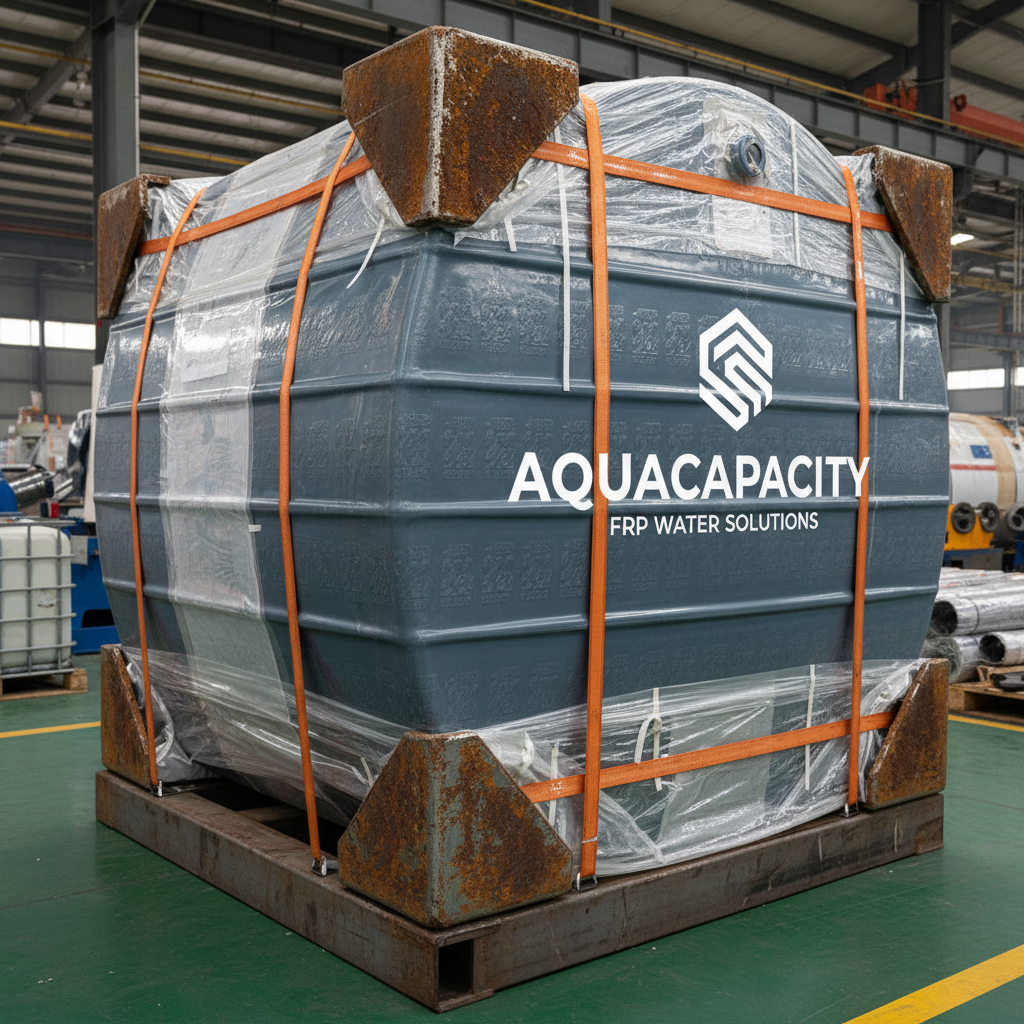
Transporting and installing these tanks is easier compared to metal or concrete counterparts, which matters a lot in remote or disaster-stricken areas.
5. Environmental Resistance
Resistance to saltwater, chemicals, and extreme temperatures allows their use in harsh coastal, industrial, or arid regions.
| Specification | Typical Range | Benefit |
|---|---|---|
| Material Composition | Glass fiber reinforced polyester resin | Corrosion & chemical resistance |
| Capacity | 100 to 50,000+ liters | Flexible usage scales |
| Weight | 0.3 to 0.7 kg per liter capacity | Easier transport & installation |
| Temperature Resistance | -40°C to 120°C | Suitable for extreme climates |
Global Applications & Real-World Use Cases
Glass fiber tanks find their way into a variety of sectors across continents:
- Water storage in arid regions: In Middle Eastern countries, these tanks serve fundamental roles in potable water reserves.
- Post-disaster relief operations: NGOs distribute portable glass fiber tanks to swiftly provide clean water in flood or earthquake zones.
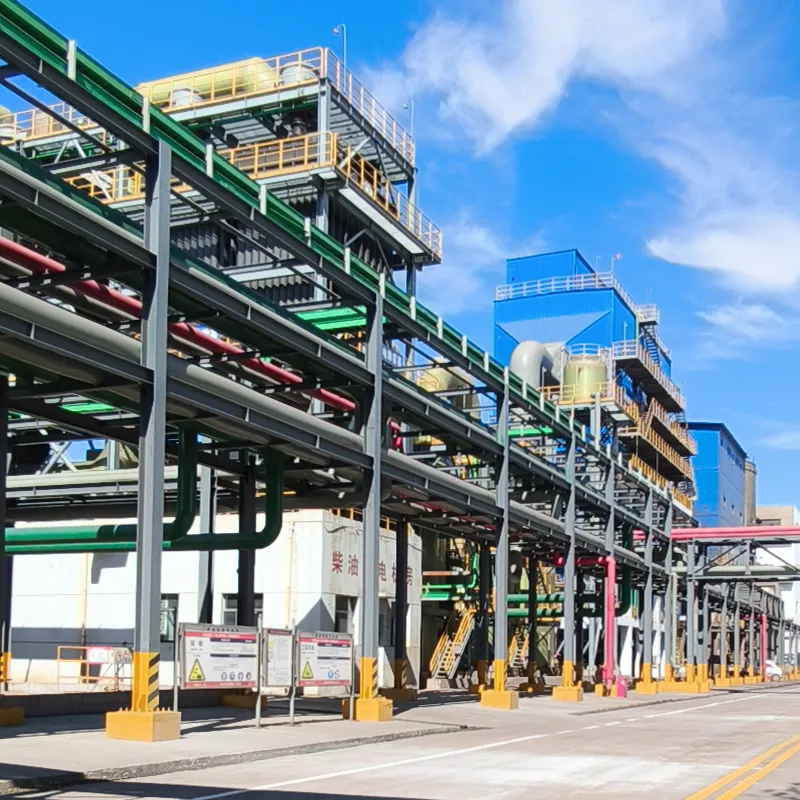
- Chemical and petrochemical industries: Coastal refineries in Southeast Asia prefer these tanks for their resistance to salt corrosion.
- Agricultural irrigation: Farmers across the Americas harness their robustness to manage seasonal water storage efficiently.
It’s oddly satisfying to realize that what feels like a simple container can be pivotal in sustaining entire communities or industries.
Advantages & Long-Term Value
The numbers don’t lie: the longevity and low maintenance costs of glass fiber tanks often make them the financially savvy choice. But there’s more than just dollars; the environmental footprint is smaller compared to steel tanks, thanks to less frequent replacement and avoidance of heavy, rust-prone metals.
Socially, these tanks enhance safety. Chemical industries avoid hazardous leaks; communities gain better access to clean water — improving dignity and health. In terms of innovation, their adaptability fosters trust among engineers and planners who value predictable, durable infrastructure.
Future Trends & Innovations
Looking ahead, the glass fiber tank sector isn’t standing still. Manufacturers experiment with bio-based resins, which would reduce petrochemical dependence, aligning with UN sustainability goals. Additive manufacturing and automation are beginning to influence custom shapes and faster production cycles. Digital integration like sensor-embedded monitoring tanks are also on the rise, enabling real-time tracking of liquid levels and tank integrity — especially useful in remote industrial sites.
Challenges & Solutions
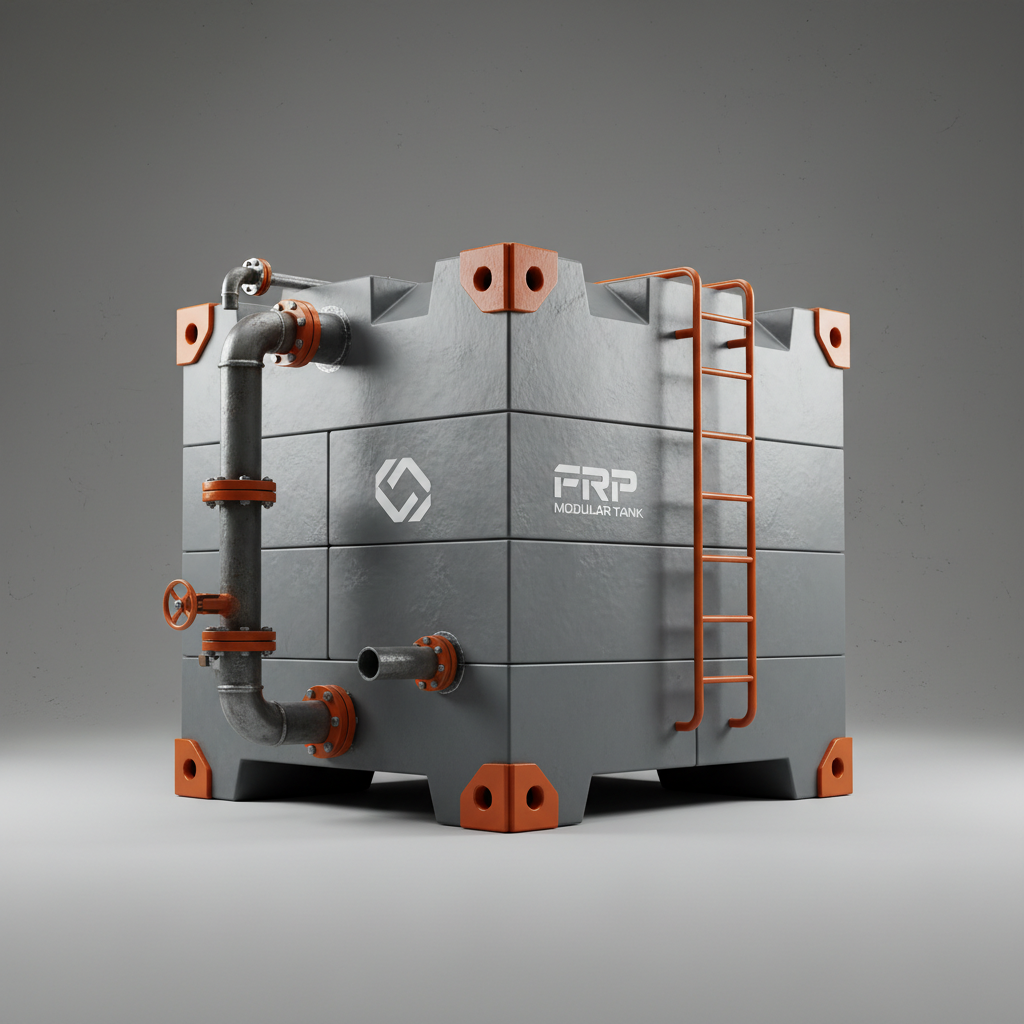
Of course, nothing’s perfect. Concerns persist regarding environmental disposal of composite materials after end-of-life, and initial cost hurdles can be steep for some buyers. However, industry experts suggest modular designs to ease transport and assembly costs. Recycling initiatives and developing resins with enhanced biodegradability are also active research areas that may alleviate environmental concerns.
FAQ: Frequently Asked Questions About Glass Fiber Tanks
- Q: How long can a typical glass fiber tank last?
- A: With proper maintenance, many glass fiber tanks last 20 to 30 years; some report lifespans even longer under ideal conditions.
- Q: Are glass fiber tanks safe for storing drinking water?
- A: Yes, when manufactured to relevant standards, these tanks are widely used for potable water, meeting health and safety regulations.
- Q: Can glass fiber tanks be transported easily to remote sites?
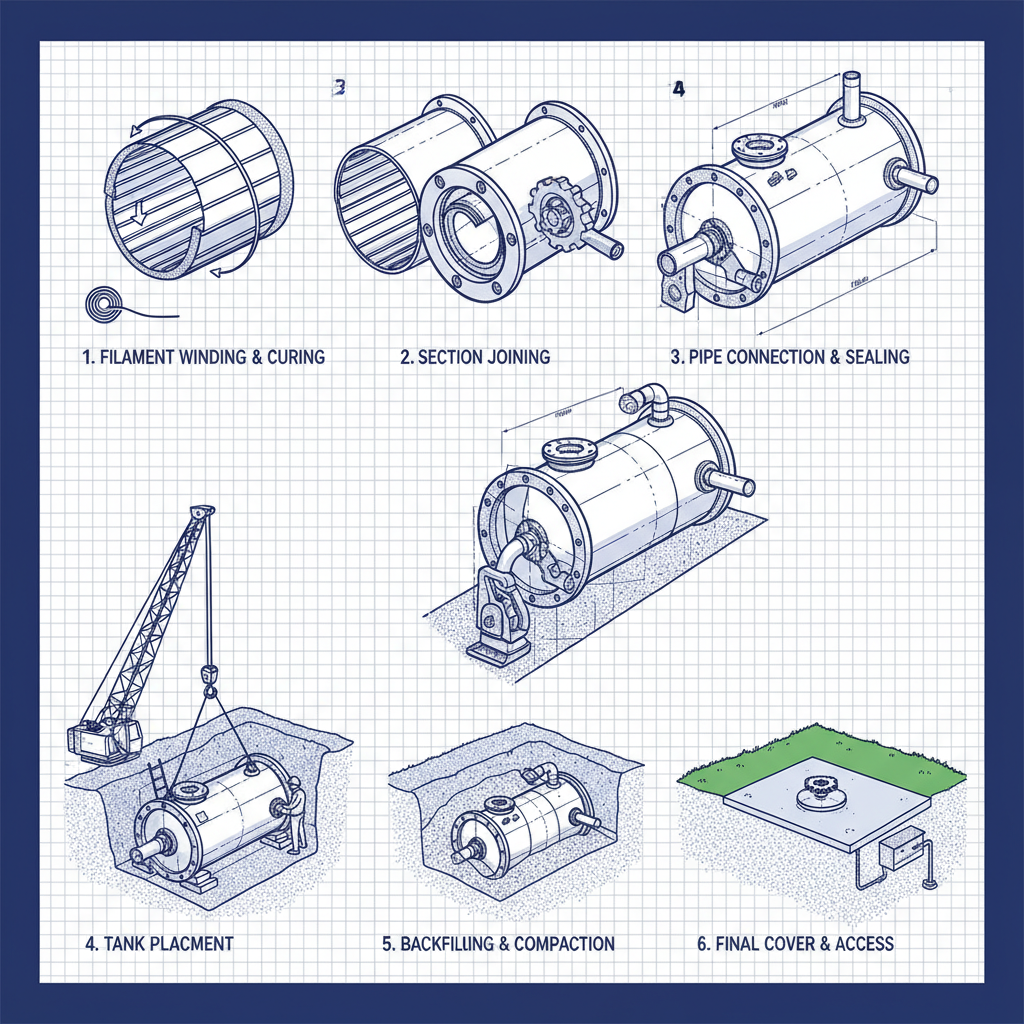
- A: Their lightweight nature makes them relatively easy to transport, even to difficult or disaster-stricken areas, often in modular sections.
- Q: Do these tanks require special maintenance?
- A: Maintenance is minimal compared to metal tanks—primarily inspections for resin surface damage or cracks, usually simple to repair on site.
- Q: How do glass fiber tanks compare in cost to steel tanks?
- A: Although upfront costs may be higher, lower maintenance and longer life often make them more cost-effective over time.
Vendor Comparison: Leading Glass Fiber Tank Manufacturers
| Vendor | Material Quality | Product Range | Lead Time | Typical Customers |
|---|---|---|---|---|
| FibraTanks Inc. | High-grade polyester resin with UV inhibitors | 100L to 30,000L, custom shapes | 4-6 weeks | Industrial, NGO, agricultural |
| EcoGlass Tanks | Bio-based resins in pilot stage | 500L to 10,000L | 6-8 weeks | Municipal, green construction |
| RapidFibers Ltd. | Standard polyester resin composite | 100L to 50,000L | 3-5 weeks | Oil & gas, emergency services |
Final Thoughts
In sum, the glass fiber tank embodies a subtle but essential advance in storage technology — blending durability, versatility, and growing sustainability. If you’re in industries demanding reliable containment or involved in global humanitarian efforts, understanding these tanks unlocks new possibilities.
Curious to explore how these innovative tanks can transform your storage needs? Take a closer look at glass fiber tank options and expert services there.
Oddly enough, sometimes the simplest tools quietly drive the biggest changes.
Mini takeaway: Glass fiber tanks meet modern storage demands with resilience and sustainability, making them indispensable globally.