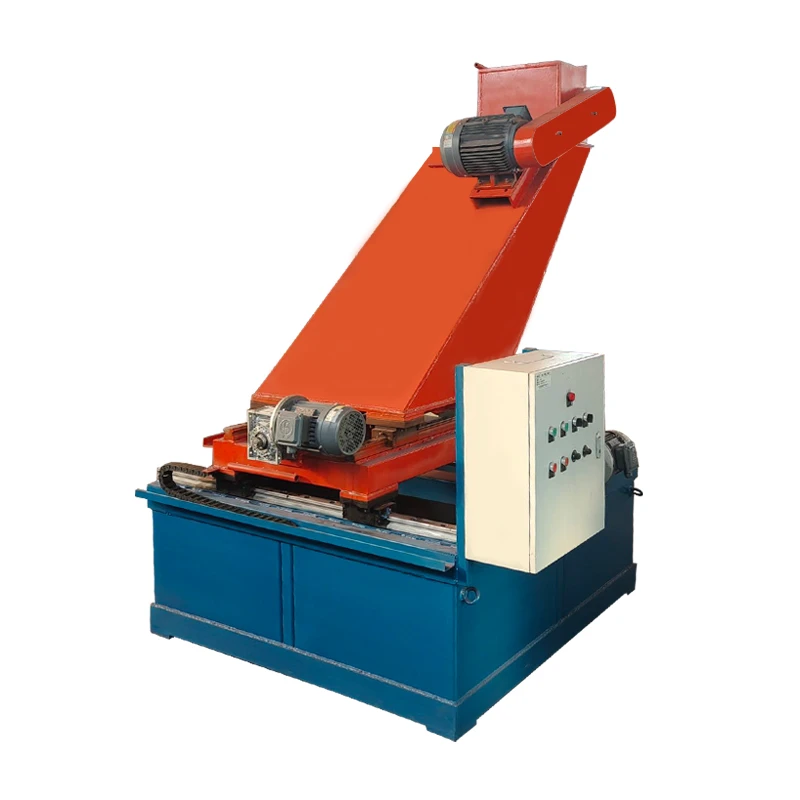
FRP Grating Machine: Efficient, High-Quality Molded Grating Production
Introduction to Advanced FRP Grating Manufacturing
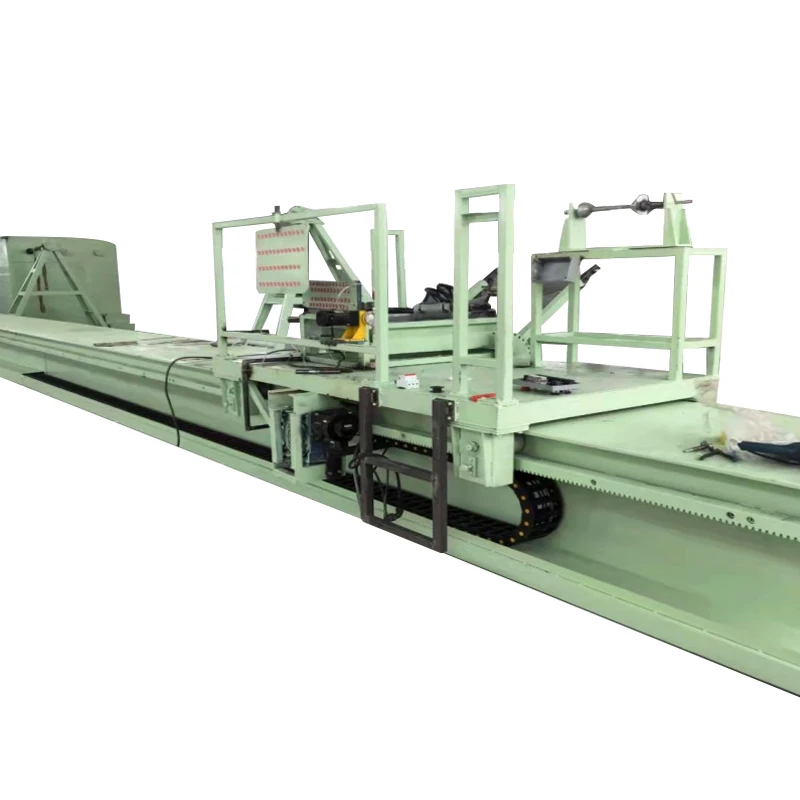
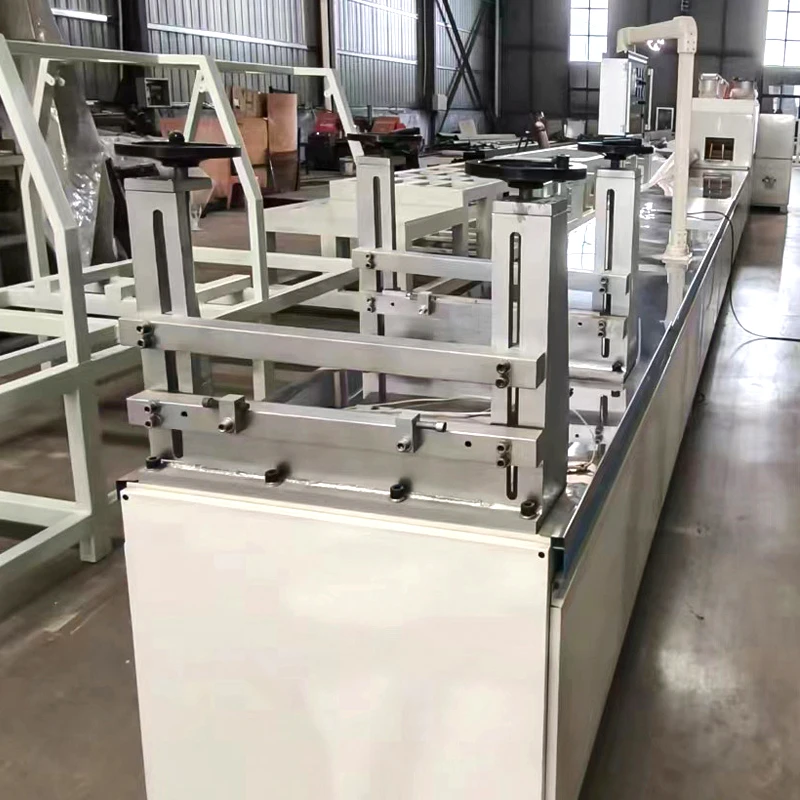
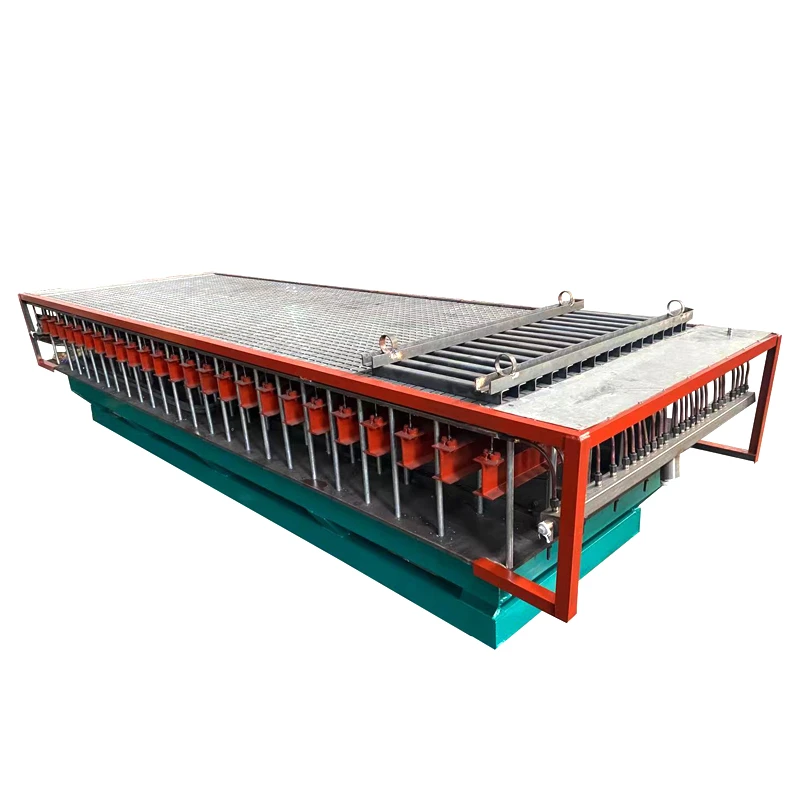
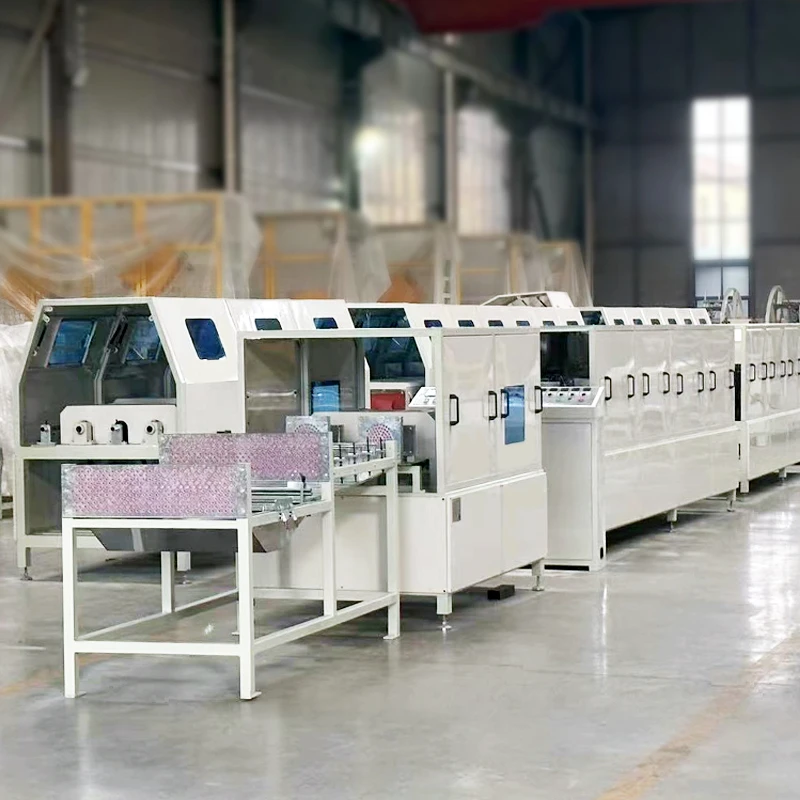
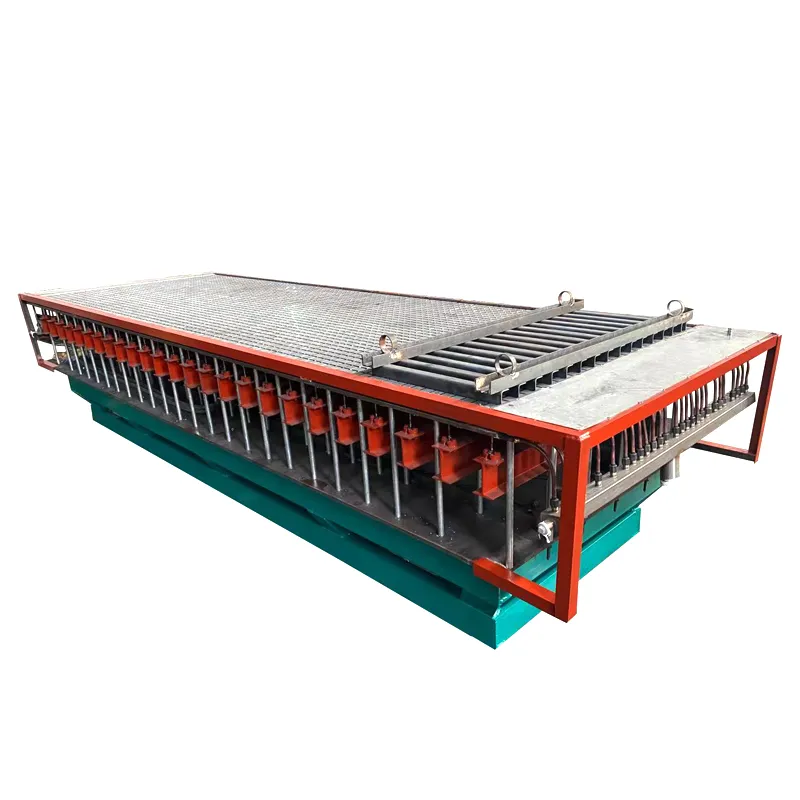
In the realm of modern industrial infrastructure, the demand for high-performance, corrosion-resistant, and durable materials is paramount. Fiber Reinforced Polymer (FRP) gratings have emerged as a superior alternative to traditional metal gratings, particularly in harsh environments. The heart of producing these advanced composite solutions lies in a sophisticated piece of machinery: the frp grating machine. This specialized equipment is engineered to precisely manufacture molded FRP gratings, ensuring consistency, structural integrity, and exceptional longevity. This article delves into the intricate details of these machines, covering their operational principles, technical advantages, diverse application scenarios, and the critical factors that contribute to their overall value proposition in the B2B landscape.
Industry Trends in FRP Grating Machine Technology
The global market for FRP products continues to expand, driven by increasing infrastructure investments, industrial expansion, and the need for sustainable and resilient materials. This growth directly fuels innovation in frp grating machine technology. Current trends emphasize higher levels of automation, enhanced energy efficiency, and greater precision in manufacturing processes. Smart manufacturing, integrating IoT capabilities for real-time monitoring and predictive maintenance, is becoming standard. Furthermore, there is a strong push towards developing versatile machines capable of processing a wider range of resin systems and fiber reinforcements, catering to niche applications requiring specific chemical resistance or mechanical properties. The evolution of the molded grating machine reflects an industry-wide commitment to delivering superior, cost-effective solutions for diverse industrial challenges.
Detailed Manufacturing Process Flow of FRP Grating
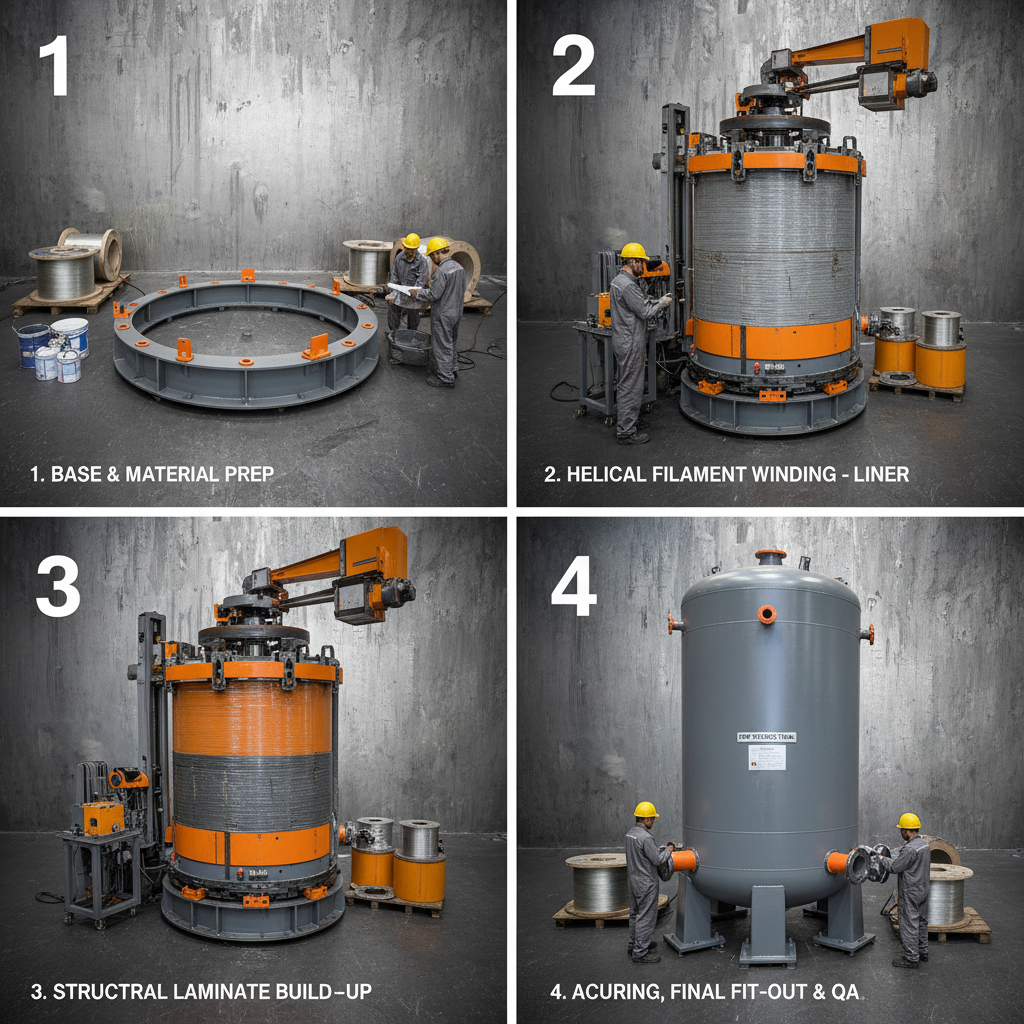
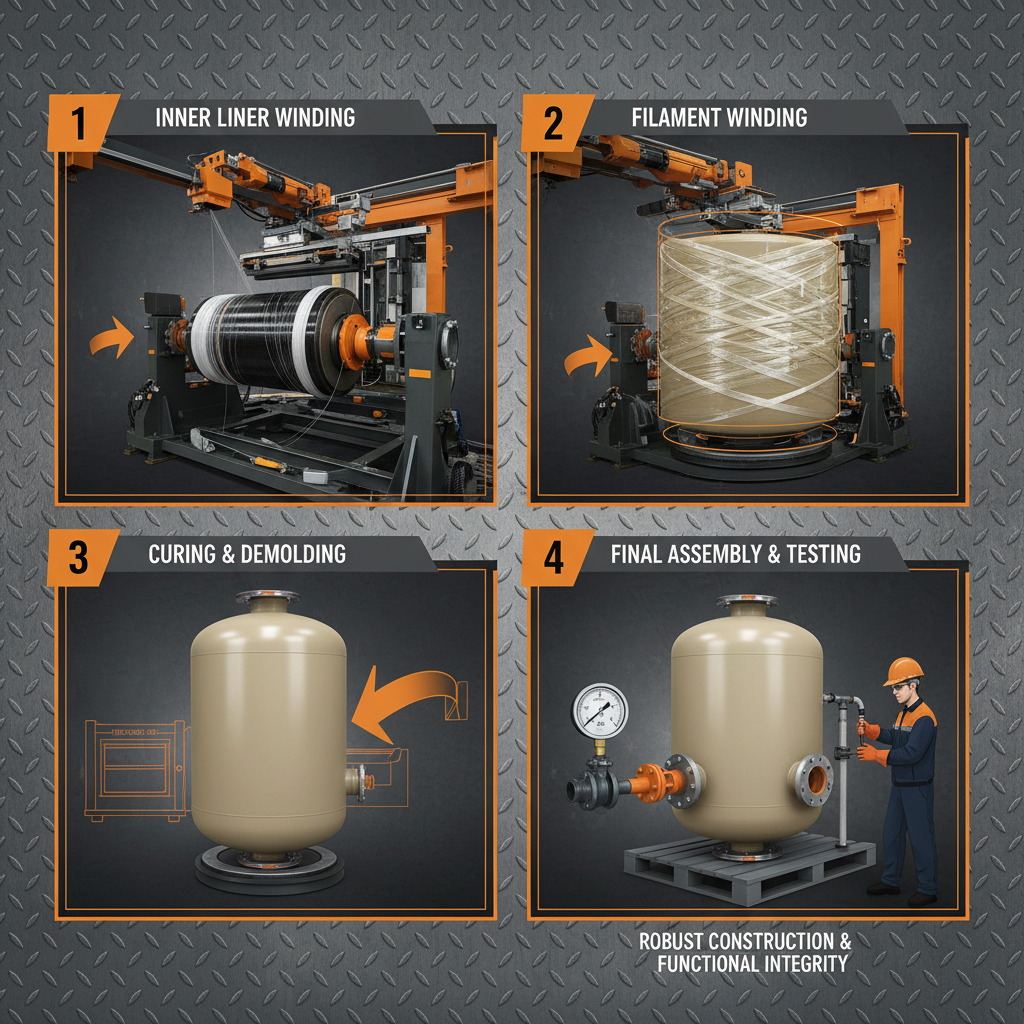
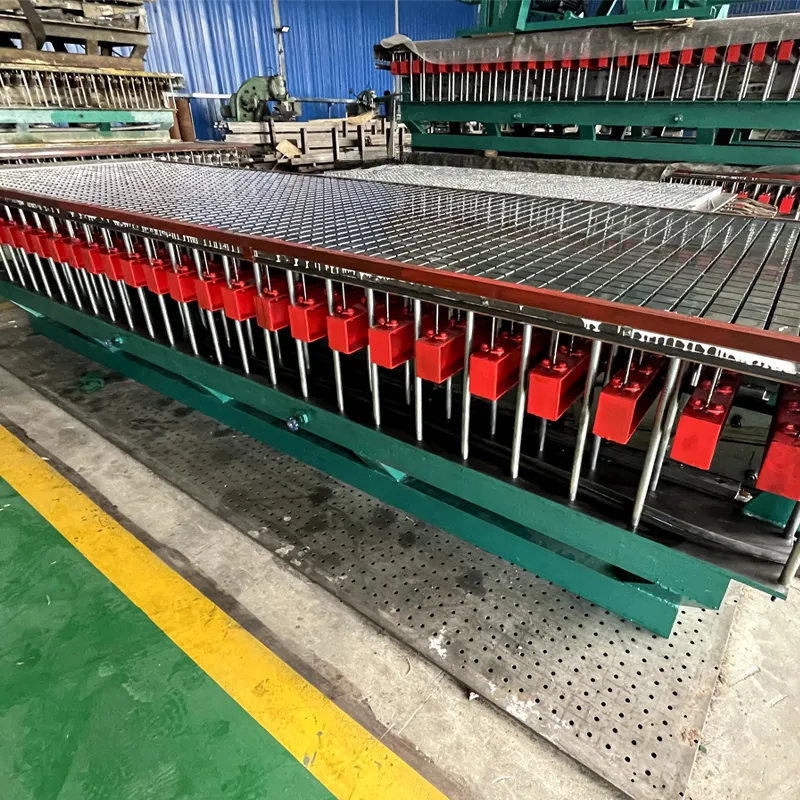
The production of high-quality FRP gratings by a modern frp grating machine involves a meticulously controlled process, primarily employing the continuous resin infusion and compression molding technique. This method ensures optimal fiber-to-resin ratio and homogeneous curing.
Process Steps:
- Raw Material Preparation:
This critical initial stage involves preparing the primary components: thermosetting resins (e.g., Isophthalic Polyester, Vinyl Ester, Phenolic), fiberglass rovings (typically E-glass or corrosion-resistant ECR-glass), and various additives such as UV inhibitors, fire retardants, and thixotropic agents. Resins are selected based on the end-product's required chemical resistance and mechanical properties. Fillers like aluminum trihydrate can be added to enhance fire retardancy.
- Mold Preparation:
The precisely engineered mold, typically constructed from robust steel or aluminum, is cleaned thoroughly and coated with a release agent. This ensures easy demolding of the cured grating and preserves the mold's integrity for repeated use.
- Resin Mixing and Impregnation:
Resin, catalyst, and other additives are accurately metered and mixed by an automated system. This prepared resin mixture is then continuously infused into the mold cavity, ensuring uniform saturation of the fiberglass rovings.
- Fiberglass Layup:
Continuous, bidirectional fiberglass rovings are automatically positioned within the mold, forming a grid pattern. This interlaced arrangement provides the grating with its exceptional strength in both primary and secondary load-bearing directions. The precise placement and tensioning of the rovings are crucial for achieving consistent structural performance.
- Curing Process:
Once the resin infusion and fiber layup are complete, the mold is subjected to controlled heat and, in some advanced systems, pressure. This triggers the exothermic polymerization of the resin, transforming the liquid composite into a solid, rigid FRP grating. The curing temperature and duration are meticulously controlled by the machine's PLC system to optimize cross-linking and minimize internal stresses.
- Demolding:
After the grating has fully cured and cooled, it is carefully extracted from the mold using an automated demolding mechanism. This step requires precision to prevent damage to the grating or the mold.
- Post-Curing and Finishing:
Some gratings may undergo a post-curing process in an oven to further enhance their mechanical properties and chemical resistance. Finally, the edges are trimmed, and any flash is removed through precise CNC machining or sanding, ensuring the grating meets exact dimensional specifications. Testing standards like ASTM E84 (Surface Burning Characteristics), ASTM D638 (Tensile Properties), and ASTM D790 (Flexural Properties) are often applied to ensure product quality. ISO 9001 certification for the manufacturing process underscores a commitment to consistent quality. The typical service life for FRP gratings produced by these machines ranges from 20 to 50 years, significantly outperforming traditional materials in corrosive environments and demonstrating substantial energy savings through reduced maintenance and replacement cycles.
Technical Specifications and Operational Parameters
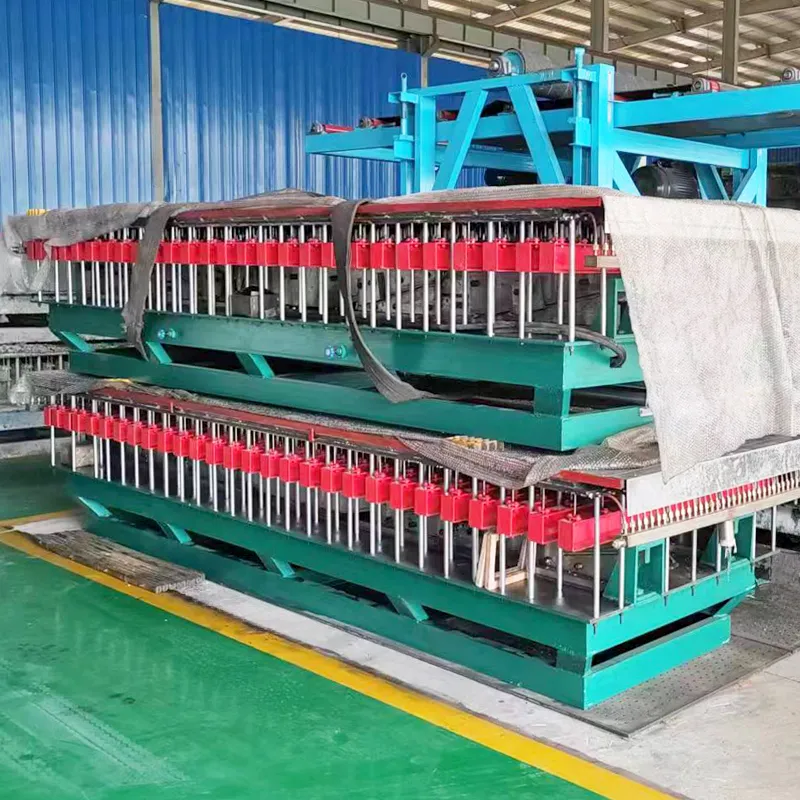
The performance and efficiency of a frp molded grating machine are defined by its technical specifications. Understanding these parameters is crucial for B2B buyers to select the optimal equipment for their production needs.
Typical FRP Grating Machine Specifications:
| Parameter | Specification |
|---|---|
| Machine Type | Automated Hydraulic Molded Grating Machine |
| Grating Size Range (Length) | Up to 4000 mm |
| Grating Size Range (Width) | Up to 1500 mm |
| Grating Thickness Range | 25 mm to 75 mm |
| Production Capacity (per cycle) | 1-2 standard grating panels (e.g., 1.22m x 3.66m) |
| Heating Method | Electric Heating Plates with Oil Circulation |
| Temperature Control Precision | ± 2°C |
| Control System | PLC with HMI Touchscreen Interface (e.g., Siemens, Allen-Bradley) |
| Hydraulic Pressure | Up to 250 Bar |
| Total Power Consumption | 20-50 kW (depending on size and features) |
| Machine Dimensions (L x W x H) | Approx. 5000 x 2000 x 3000 mm |
| Machine Weight | Approx. 15,000 - 25,000 kg |
| Key Materials Used in Machine Construction | High-grade structural steel, hardened chrome-plated hydraulic cylinders, heat-resistant components |
These specifications highlight the robust engineering and advanced control systems embedded within modern FRP grating manufacturing equipment, ensuring consistent product quality and efficient operation.
Technical Advantages and Performance Benchmarks
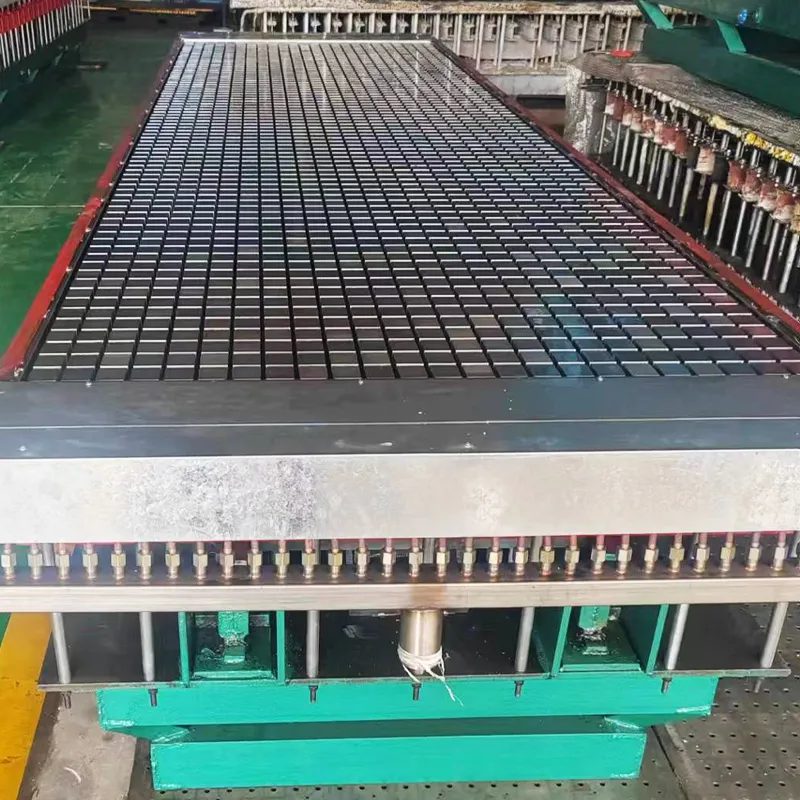
The advantages of investing in a high-quality frp grating machine extend beyond mere production capacity; they encompass superior product quality, operational efficiency, and long-term cost savings. These machines are designed to offer:
- High Degree of Automation: Advanced PLC-based control systems minimize manual intervention, reducing labor costs and human error. Automated resin mixing, fiber layup, and demolding processes ensure consistent production.
- Precise Temperature Control: Uniform heating across the mold is critical for complete and consistent curing of the resin, preventing warpage and ensuring optimal mechanical properties of the finished grating. Precision temperature control systems, often utilizing thermal oil circulation, maintain temperatures within a narrow tolerance.
- Uniform Product Quality: Through precise control over raw material metering, fiber distribution, and curing parameters, these machines produce gratings with consistent strength, corrosion resistance, and dimensional stability, meeting stringent industry standards like ANSI and ISO.
- Energy Efficiency: Modern heating systems and hydraulic power units are engineered for optimal energy consumption, reducing operational expenditures. Features such as insulated molds and efficient heat recovery systems contribute to lower energy footprints.
- Versatility in Material Processing: Capable of handling various resin systems (e.g., Isophthalic, Vinyl Ester, Phenolic) and fiberglass types, allowing manufacturers to produce gratings tailored for specific chemical resistance, fire retardancy, and load-bearing requirements.
- Enhanced Safety Features: Integrated safety interlocks, emergency stop buttons, and robust guarding ensure operator safety during all stages of the manufacturing process.
These technical attributes directly translate into the production of FRP gratings with superior mechanical properties, including high strength-to-weight ratio, excellent impact resistance, and long-term durability in aggressive environments, thus providing significant value to end-users.
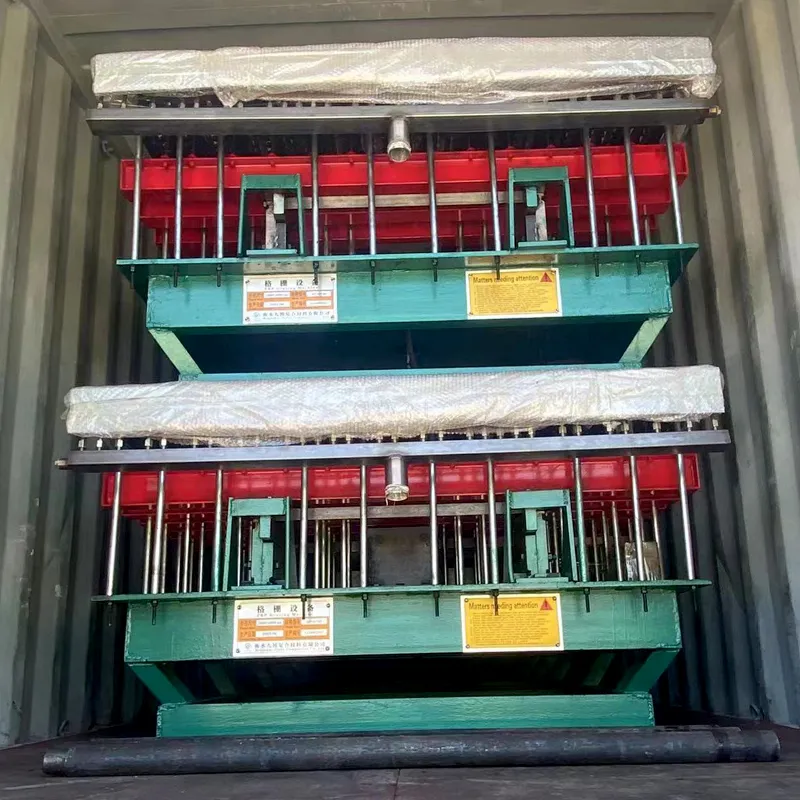
Application Scenarios and Target Industries
FRP gratings, produced by advanced machinery like the frp molded grating machine, are indispensable in a multitude of industrial sectors where traditional materials fail to meet stringent requirements for safety, durability, and cost-effectiveness. Their unique properties make them ideal for challenging environments.
Key Target Industries and Applications:
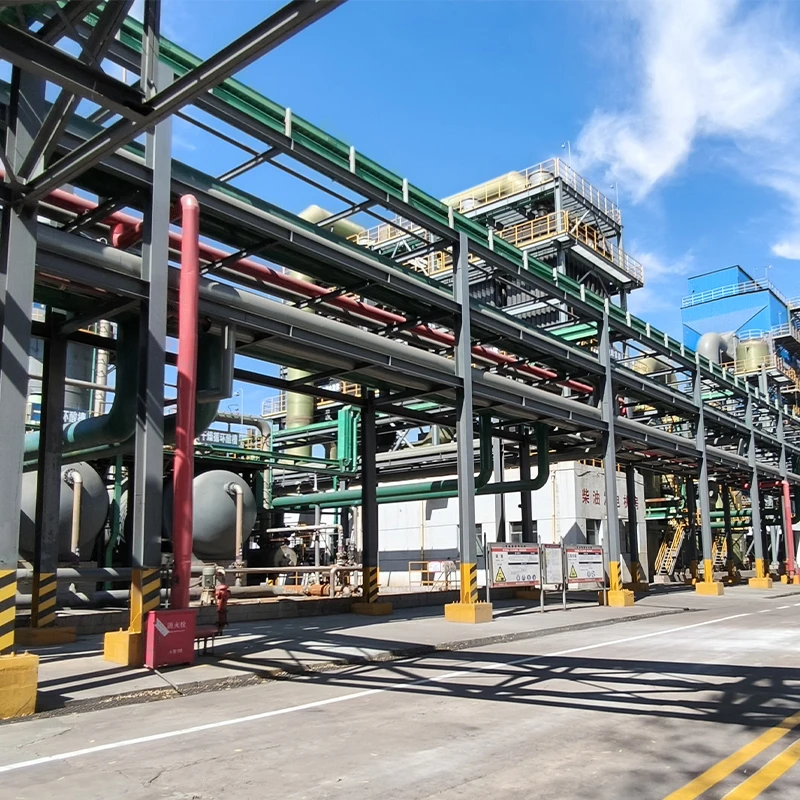
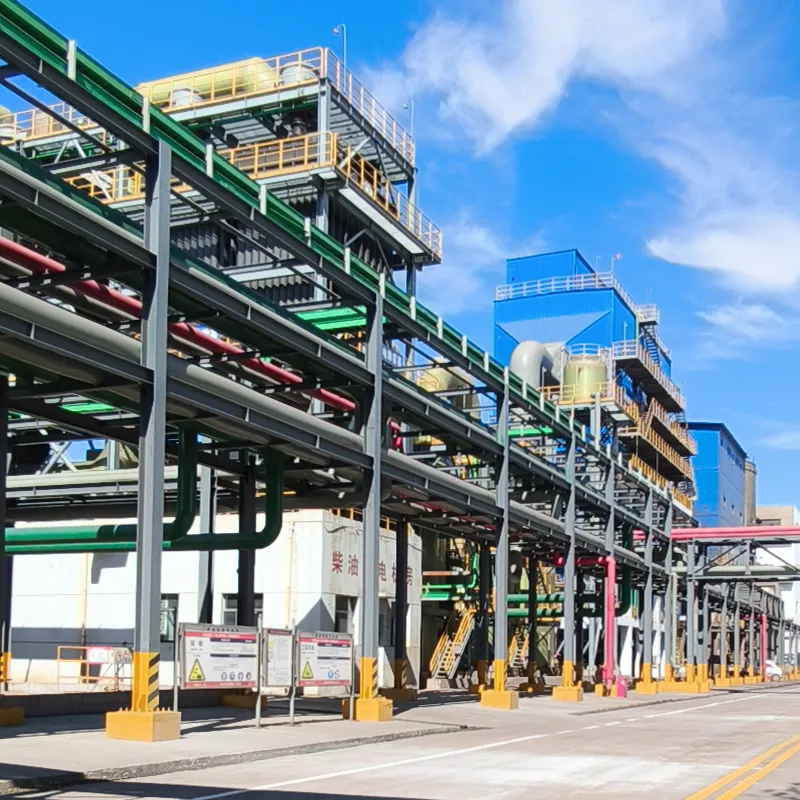
- Petrochemical and Chemical Processing: Used for elevated walkways, platforms, trench covers, and stair treads in areas exposed to highly corrosive acids, alkalis, and solvents. Their excellent chemical resistance ensures longevity and safety.
- Oil & Gas (Offshore and Onshore): Provides lightweight, anti-slip, non-conductive, and flame-retardant solutions for platforms, drilling rigs, and refineries, reducing maintenance downtime and enhancing worker safety.
- Water and Wastewater Treatment: Ideal for clarifier covers, grit chambers, filter media supports, and access platforms due to resistance to moisture, chlorine, and biological degradation.
- Power Generation: Applications include generator platforms, transformer areas, and cooling tower decks, benefiting from FRP's non-conductive properties and resistance to heat and chemicals.
- Mining and Metallurgy: Used in processing plants where exposure to abrasive materials and corrosive chemicals is common. FRP gratings offer superior wear resistance and prevent galvanic corrosion.
- Marine and Shipbuilding: Decks, gangways, and equipment platforms benefit from FRP's resistance to saltwater corrosion, UV radiation, and minimal weight, contributing to fuel efficiency.
- Food and Beverage Industry: Hygienic, easy-to-clean, and corrosion-resistant gratings are suitable for processing areas, wash-down zones, and cold storage facilities.
In these scenarios, FRP gratings deliver significant advantages such as corrosion resistance, superior strength-to-weight ratio, electrical non-conductivity, slip resistance, low thermal conductivity, and minimal maintenance, leading to substantial energy savings and operational efficiencies over their lifecycle.
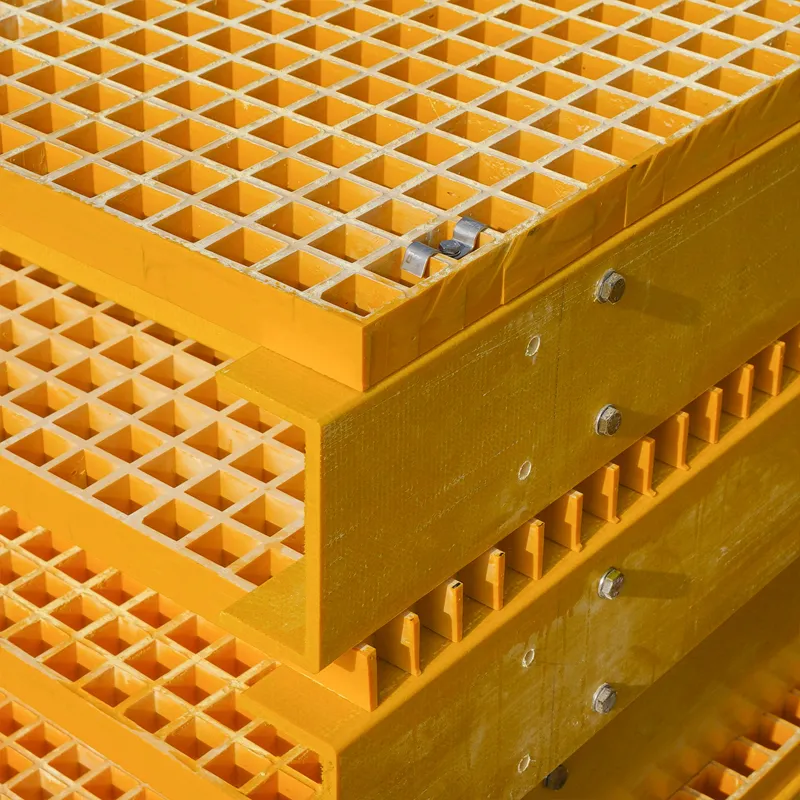
Vendor Comparison: Selecting the Right FRP Grating Machine
Choosing the right molded grating machine is a strategic decision that impacts production efficiency, product quality, and long-term profitability. A comprehensive comparison against leading vendors reveals key differentiators.
FRP Grating Machine Vendor Comparison:
| Feature/Parameter | Leading Manufacturer (Our Offering) | Competitor X (Established) | Competitor Y (Emerging) |
|---|---|---|---|
| Automation Level | Fully Automated PLC Control with HMI | High Automation, PLC Control | Semi-Automated with Manual Interventions |
| Mold Versatility (Size/Type) | Wide range, quick changeover, custom molds | Standard sizes, moderate versatility | Limited standard sizes only |
| Production Speed (Cycles/hour) | High (2-4 cycles/hour for standard size) | Medium (1-3 cycles/hour) | Low (0.5-1.5 cycles/hour) |
| Energy Efficiency | Optimized with advanced insulation and heating elements | Good, standard industry practices | Moderate, older heating technologies |
| Customization Options | Extensive (size, resin compatibility, integrated features) | Limited customization for specific needs | Minimal, mostly off-the-shelf |
| After-Sales Support | Global network, remote diagnostics, on-site, extensive spare parts | Regional support, standard spare parts | Basic, often third-party localized support |
| Certifications | ISO 9001:2015, CE, compliance with relevant ASTM standards | ISO 9001 | Basic quality control |
| Price Range | Premium (reflecting advanced features & support) | Mid-to-High range | Economical |
This comparison highlights the importance of evaluating not just the initial cost but also the long-term value, including operational efficiency, product consistency, and after-sales support, when investing in an FRP grating manufacturing solution.
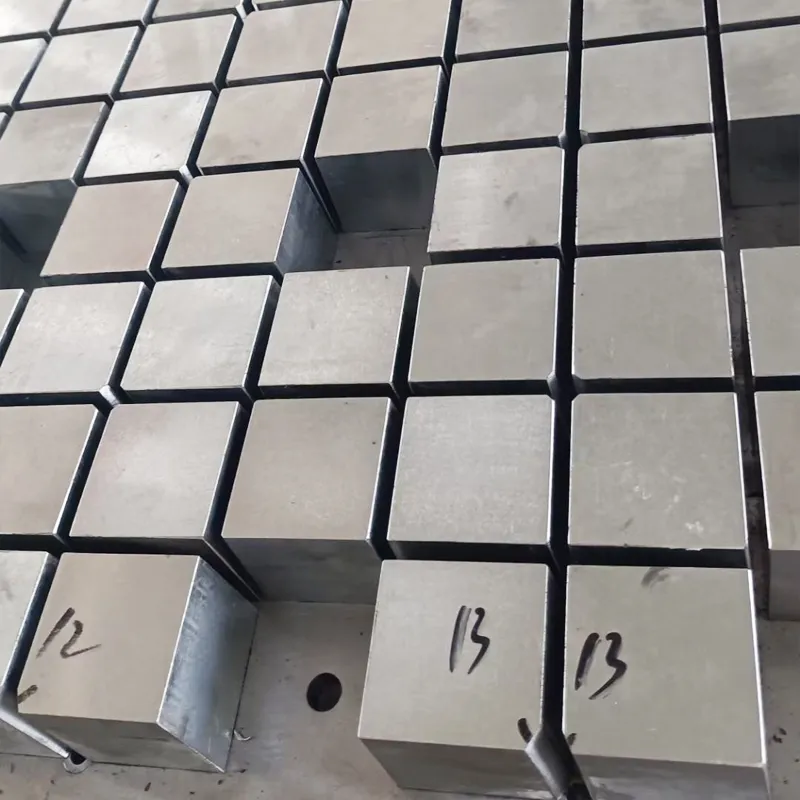
Customized Solutions for Specialized Production Needs
Recognizing that no two manufacturing operations are identical, leading providers of frp grating machine technology offer extensive customization options. These tailored solutions ensure that the machinery integrates seamlessly into existing production lines and meets unique product specifications.
Key Areas for Customization:
- Mold Size and Configuration: Machines can be engineered to accommodate non-standard grating panel dimensions, specific mesh patterns (square, rectangular, mini-mesh), or custom panel thicknesses, essential for niche applications or large-scale projects requiring unique structural elements.
- Resin System Compatibility: Customization extends to heating elements, resin mixing units, and curing profiles to optimally process various resin types, including specialty vinyl ester or phenolic resins, which demand precise thermal management.
- Automation Levels and Integration: From semi-automatic setups for lower volume production to fully integrated, lights-out manufacturing cells, the degree of automation can be tailored. This includes integration with robotics for material handling, automated cutting stations, and real-time production monitoring systems.
- Control System Personalization: PLC and HMI interfaces can be customized with specific language options, operational logic, and data reporting features to align with client-specific enterprise resource planning (ERP) or manufacturing execution systems (MES).
- Ancillary Equipment Integration: Options include specialized demolding systems, integrated post-curing ovens, automated cleaning stations, and material preparation units, creating a complete, optimized production line.
- Environmental Controls: Tailored ventilation systems, vapor recovery units, and waste management integration can be incorporated to meet specific environmental regulations and enhance workplace safety.
These customized solutions not only enhance efficiency and product quality but also allow manufacturers to differentiate their offerings in a competitive market, delivering gratings that perfectly match the demands of specialized industrial applications.
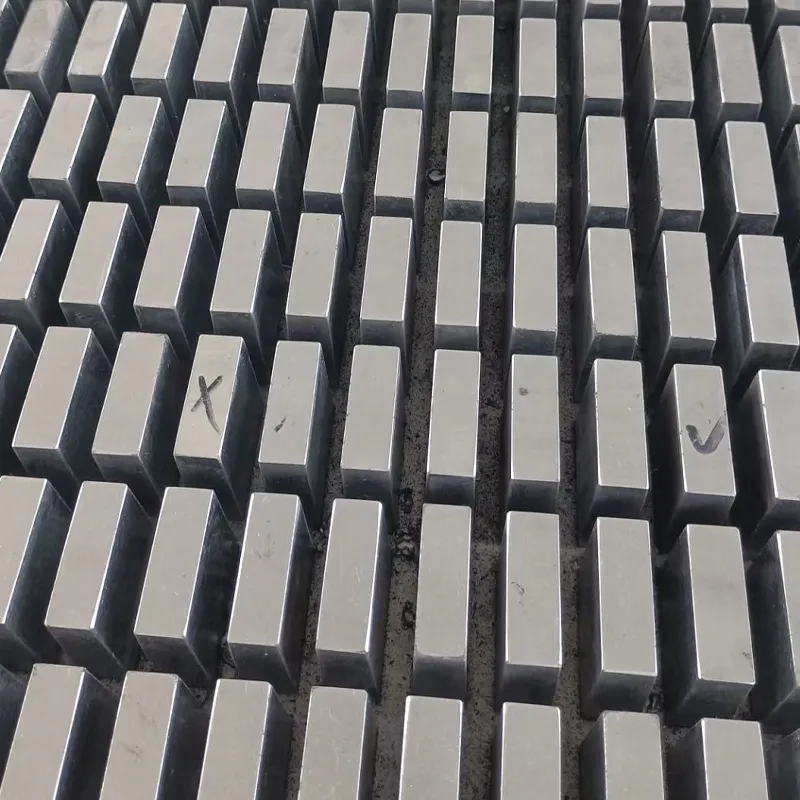
Application Case Studies: Real-World Impact
The effectiveness of a high-performance FRP grating machine is best illustrated through its real-world applications. Here are a few examples showcasing the tangible benefits delivered by quality FRP gratings manufactured with precision equipment.
Case Study 1: Petrochemical Plant Modernization
- Challenge: A large petrochemical complex faced recurring issues with steel gratings corroding rapidly in areas exposed to sulfuric acid vapors and high humidity, leading to frequent replacements and safety hazards.
- Solution: The plant invested in a new FRP grating manufacturing line using a sophisticated frp molded grating machine to produce vinyl ester gratings for their walkways, platforms, and trench covers.
- Outcome: After three years, the FRP gratings showed no signs of corrosion, significantly reducing maintenance costs by an estimated 70% and enhancing worker safety due to superior slip resistance and non-conductivity. The gratings are projected to last 25+ years, a dramatic improvement over the 3-5 year lifespan of steel.
Case Study 2: Municipal Wastewater Treatment Facility Upgrade
- Challenge: An aging wastewater treatment plant needed to replace deteriorating concrete and galvanized steel gratings in various processing areas, which were susceptible to chemical attack from hydrogen sulfide and chlorine.
- Solution: The facility opted for FRP gratings manufactured using an automated system, ensuring consistent quality of isophthalic polyester resin gratings for their walkways, clarifier access, and chemical storage areas.
- Outcome: The FRP gratings provided excellent resistance to the corrosive environment. Their lightweight nature simplified installation, reducing labor time by 40%. The non-conductive property eliminated electrical shock risks, and the integral anti-slip surface improved safety for personnel. The project achieved full compliance with local environmental and safety regulations.
Case Study 3: Offshore Wind Farm Access Platform
- Challenge: Construction of new offshore wind turbines required durable, lightweight, and corrosion-resistant access platforms that could withstand harsh marine conditions, including saltwater spray, high winds, and UV exposure. Traditional steel was too heavy and prone to corrosion.
- Solution: A manufacturer utilized a specialized frp molded grating machine to produce bespoke phenol-based gratings with specific fire-retardant properties and UV inhibitors.
- Outcome: The resulting FRP platforms offered exceptional corrosion resistance and a significantly lower weight profile (approximately 1/3 the weight of steel), simplifying transport and installation. The robust nature of the FRP material provided a safe and stable working surface, ensuring long-term structural integrity in a demanding environment with an expected service life exceeding 30 years.
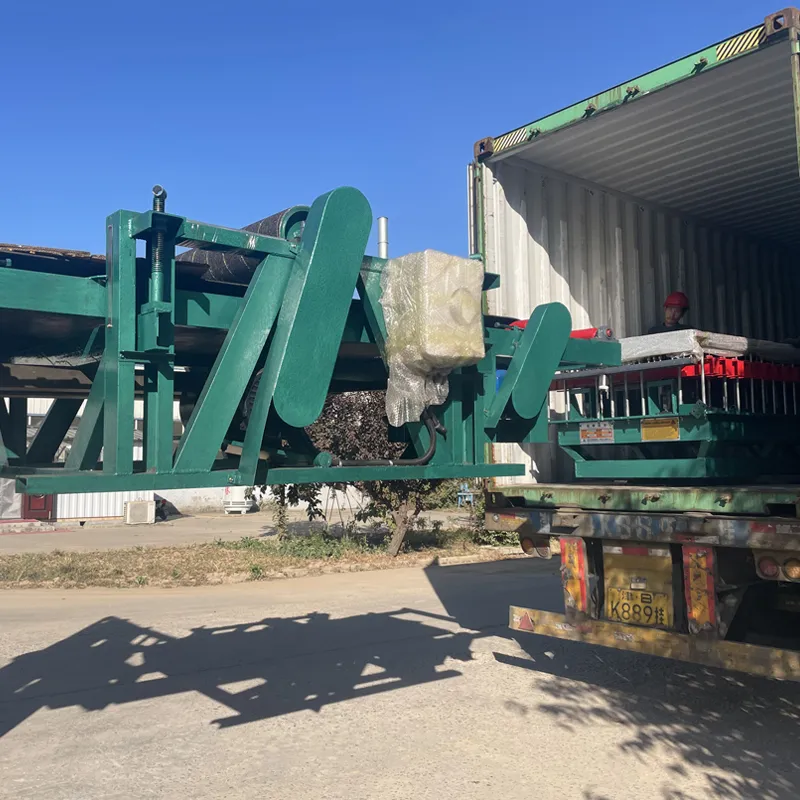
Authoritativeness: Certifications, Partnerships, and Quality Assurance
Establishing authoritativeness is critical in the B2B sector. Our commitment to excellence in frp grating machine manufacturing is underscored by adherence to international standards, robust quality control, and strategic partnerships.
Certifications and Compliance:
- ISO 9001:2015 Certification: Our manufacturing processes for FRP grating machines are certified to ISO 9001:2015, ensuring a consistently high standard of quality management from design to after-sales support.
- CE Mark: All our equipment carries the CE Mark, signifying compliance with European Union health, safety, and environmental protection directives, facilitating global market access.
- ASTM & ANSI Standards: The FRP gratings produced by our machines consistently meet or exceed relevant ASTM (e.g., ASTM D638, D790, E84) and ANSI standards for mechanical properties, fire resistance, and safety, providing assurance of product performance.
- FDA Compliance (for specific applications): For gratings used in food and beverage facilities, we ensure compatibility with resins that meet FDA requirements for incidental food contact, as verified by third-party testing.
Partnerships and Industry Standing:
- Strategic Collaborations: We actively collaborate with leading resin and fiberglass suppliers to integrate the latest material innovations into our machine designs, ensuring optimal processing and superior end-product performance.
- Client Portfolio: Our clientele includes prominent names in the petrochemical, water treatment, and marine industries globally, validating our machines' reliability and effectiveness in demanding applications.
- Decades of Experience: With over two decades of specialized experience in composite machinery manufacturing, we bring unparalleled expertise and innovation to every solution we provide.
Our adherence to these rigorous standards and our proven track record underscore our position as an authoritative and trusted provider in the FRP grating manufacturing sector.
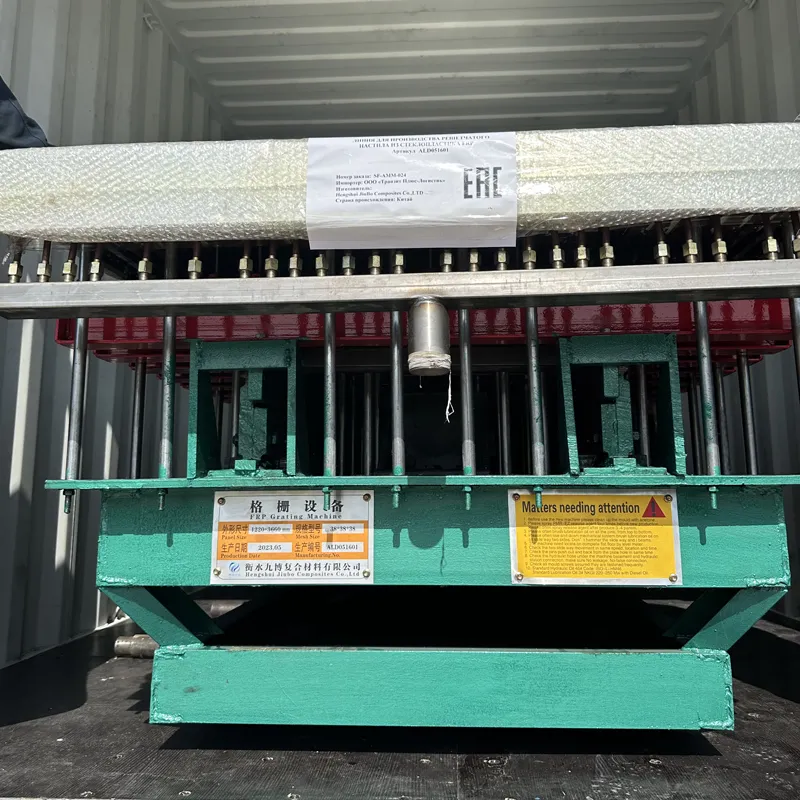
Trustworthiness: FAQ, Lead Time, Warranty & Support
Building trust is paramount. We provide clear, transparent information regarding our services, commitments, and support to ensure our clients have full confidence in their investment in our FRP grating machinery.
Frequently Asked Questions (FAQ):
- Q: What is the typical lead time for a new FRP Grating Machine?
A: Standard models typically have a lead time of 8-12 weeks from order confirmation to shipment. Customized machines may require 12-16 weeks, depending on complexity.
- Q: What warranty is offered with your FRP Grating Machines?
A: We provide a comprehensive 12-month warranty on all major mechanical and electrical components, extending to 24 months for critical structural elements. Detailed warranty terms are provided with each quotation.
- Q: What kind of after-sales support can we expect?
A: Our robust after-sales support includes 24/7 remote diagnostic assistance, telephone and email support, readily available spare parts, and on-site technical assistance by factory-trained engineers. We also offer maintenance contracts and training programs for your operating staff.
- Q: What kind of maintenance does a molded grating machine require?
A: Regular preventive maintenance is key. This includes daily cleaning of molds and resin systems, weekly inspection of hydraulic levels and electrical connections, monthly lubrication of moving parts, and annual calibration checks. Our maintenance manual provides a detailed schedule.
- Q: Can your machines produce gratings with specific fire ratings?
A: Yes, by utilizing appropriate fire-retardant resins (e.g., phenolic or specific vinyl esters) and additives, our machines can produce gratings designed to meet stringent fire performance standards such as ASTM E84 Class 1 and UL 94 V-0.
Lead Time and Fulfillment:
Our transparent order fulfillment process ensures timely delivery. Each project is assigned a dedicated project manager who provides regular updates from design validation through manufacturing, quality control, and final shipment. We leverage a global logistics network to ensure efficient delivery to your facility.
Customer Support Information:
For detailed consultations, technical inquiries, or to request a personalized quotation, please contact our expert sales team. You can reach us via email at sales@frpgrpmachine.com or visit our website at www.frpgrpmachine.com for more information and direct contact options. Our team is ready to assist you in finding the optimal solution for your FRP grating manufacturing needs.
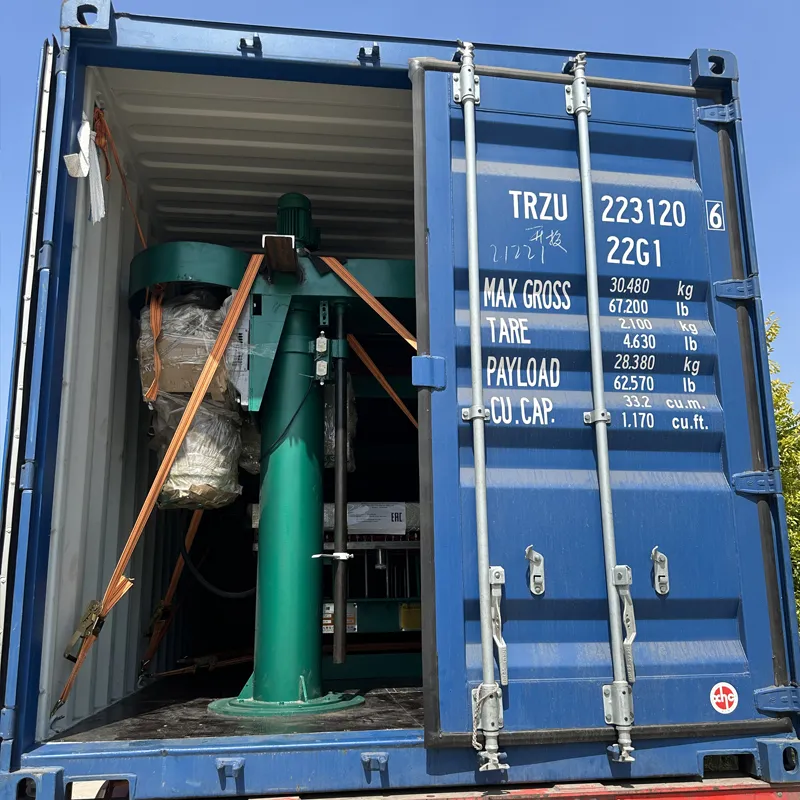
Conclusion
The advanced frp grating machine represents the pinnacle of modern composite manufacturing, offering unparalleled precision, efficiency, and versatility. As industries increasingly demand materials that offer superior corrosion resistance, high strength-to-weight ratios, and extended service life with minimal maintenance, FRP gratings stand out as the optimal choice. Investing in a state-of-the-art FRP grating machine not only ensures the production of high-quality, compliant gratings but also drives operational cost efficiencies and enhances safety across a multitude of critical industrial applications. Our commitment to innovation, quality assurance, and comprehensive customer support positions us as a trusted partner in empowering your success in the competitive FRP product market.
References
- ASTM International. (2023). Annual Book of ASTM Standards, Volume 08.01: Plastics (I): D1327-D4065. ASTM International.
- ISO. (2015). ISO 9001:2015 - Quality management systems - Requirements. International Organization for Standardization.
- Mallick, P. K. (2007). Fiber-Reinforced Composites: Materials, Manufacturing, and Design (3rd ed.). CRC Press.
- Gibson, R. F. (2012). Principles of Composite Material Mechanics (3rd ed.). CRC Press.
- Composite Industry Trends Report. (2022). Global Market Analysis of FRP Products and Manufacturing Technologies. Composite Materials Journal.