Jul 26,2025

High-Efficiency FRP Pultrusion Machine for Quality Profiles

Company: Hebei Aoliande Chemical Equipment Co., Ltd.
Website: www.frpgrpmachine.com
Email: bella@aldfrp.com   Phone: +8613303314492
Address: No. Room 211,706 Xinghua North Street, Jizhou District, Hengshui City, Hebei Province

The demand for FRP pultrusion machine and its derivative technologies, including fiberglass pultrusion machine and GRP pultrusion machine, has surged across global markets, from construction and infrastructure to marine and energy sectors. In this comprehensive guide, we'll explore the latest trends, technical parameters, and application scenarios of FRP pultrusion machine. As one of the leading pultrusion machine manufacturers, Hebei Aoliande Chemical Equipment Co., Ltd. brings both innovation and reliability to the forefront of the industry.

Overview of Hebei Aoliande Chemical Equipment Co., Ltd.

With over a decade of expertise, Hebei Aoliande Chemical Equipment Co., Ltd. (Aoliande) has become a synonymous name in high-performance pultrusion machine manufacturing. Recognized globally for precision, durability, and customizability, Aoliande provides comprehensive pultrusion solutions for customers seeking advanced FRP pultrusion machine technologies and efficient production lines.

Product Highlight: Frp Pultrusion Profile Machine
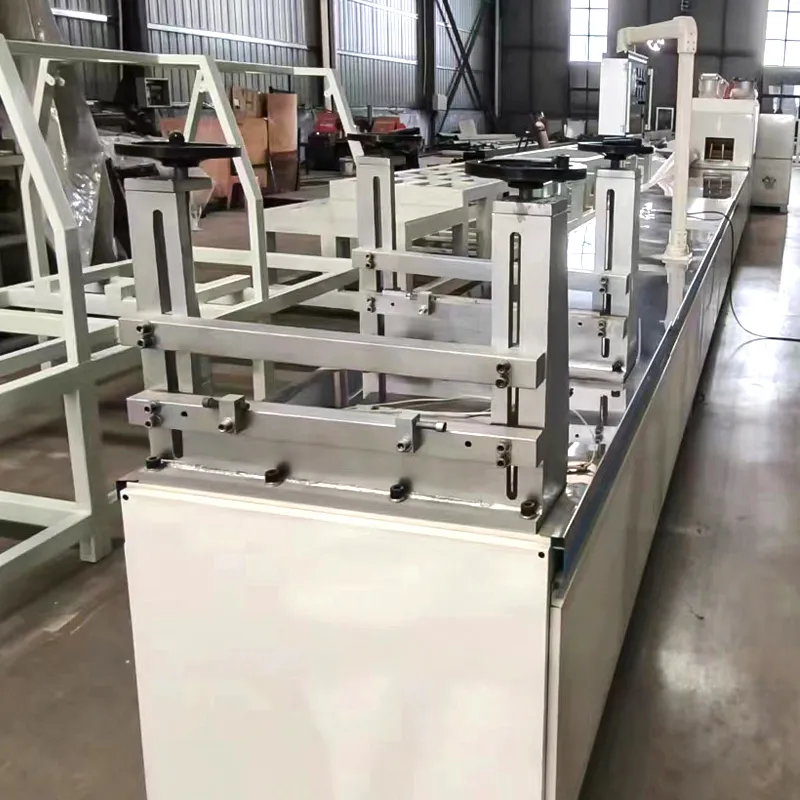
High-Efficiency FRP Pultrusion Machine for Quality Profiles

Product Name: Frp Pultrusion Profile Machine
Product Website: Click here
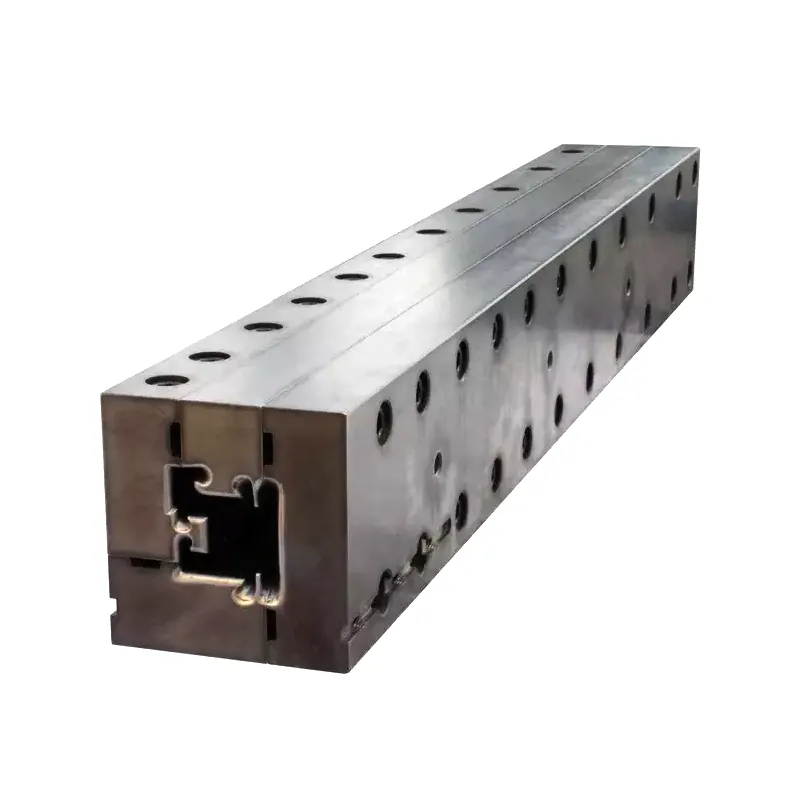
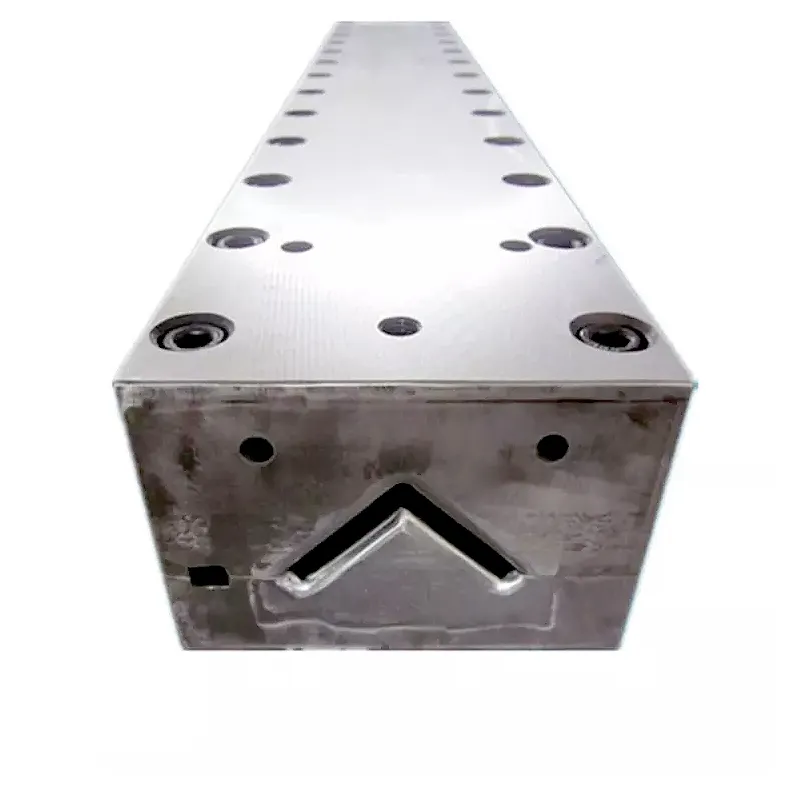
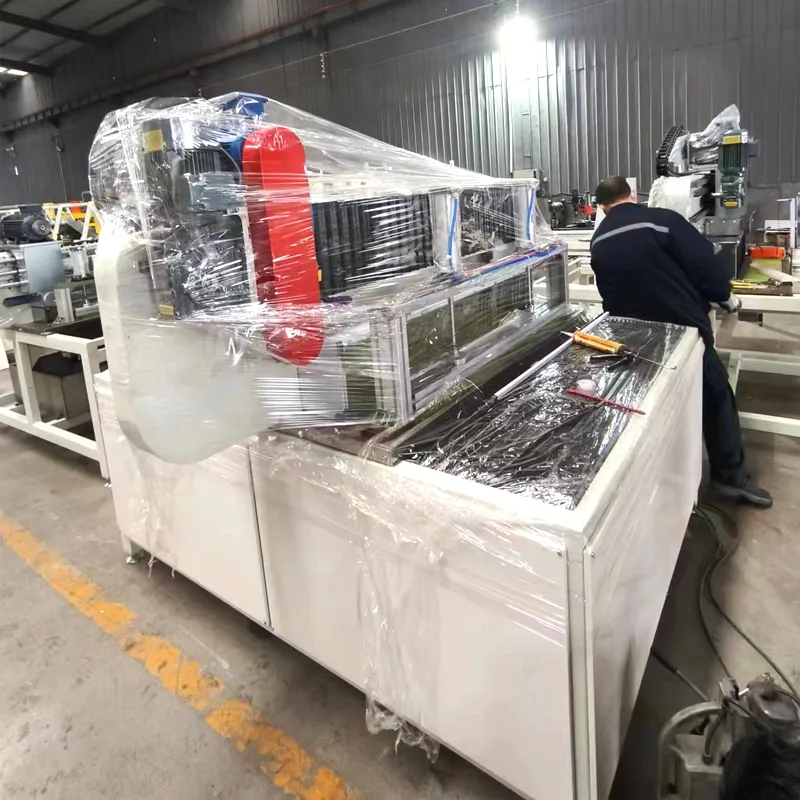
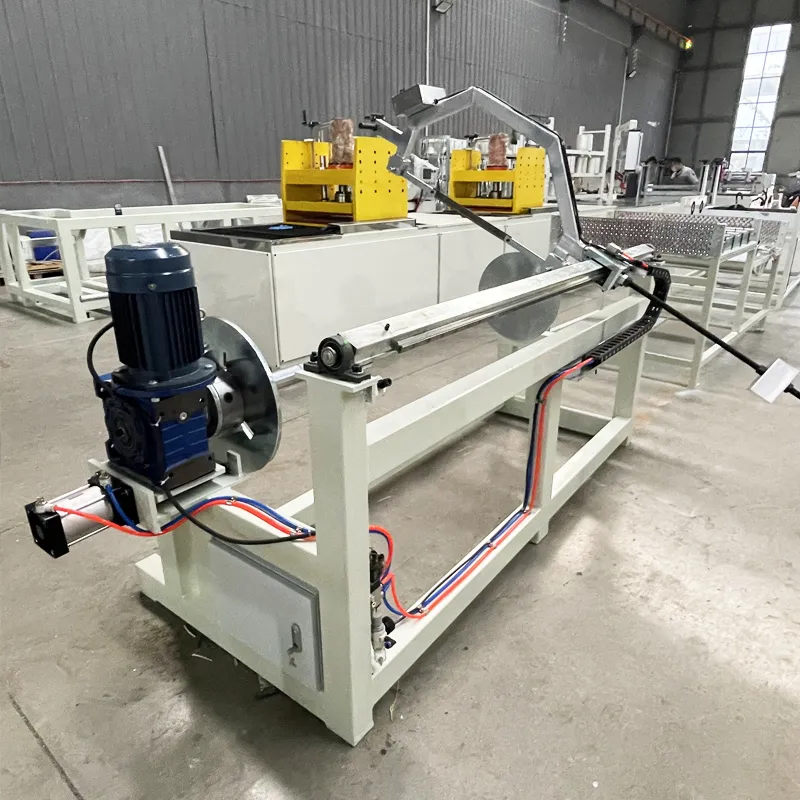
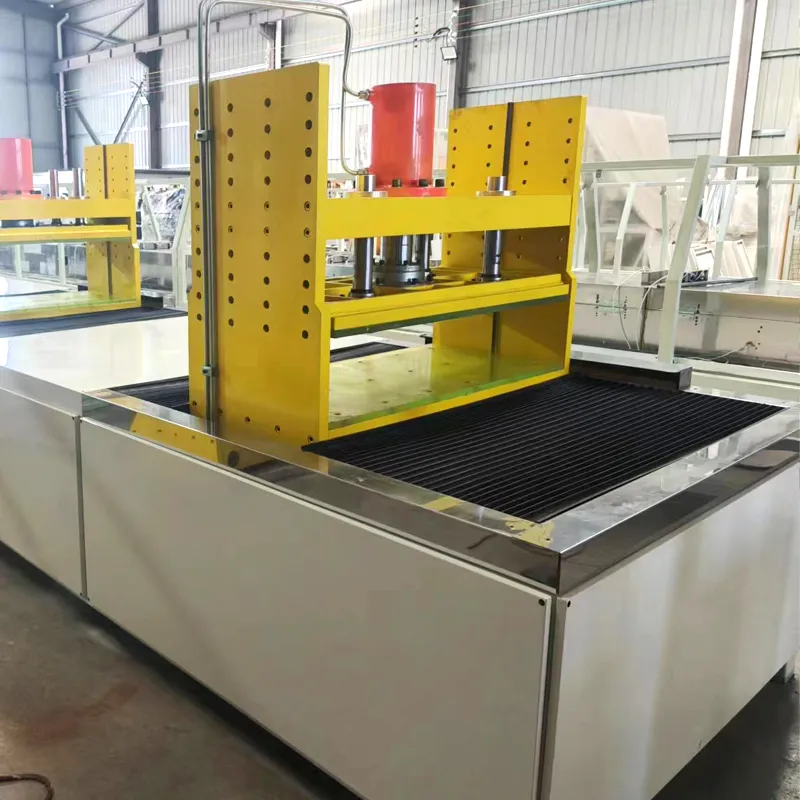
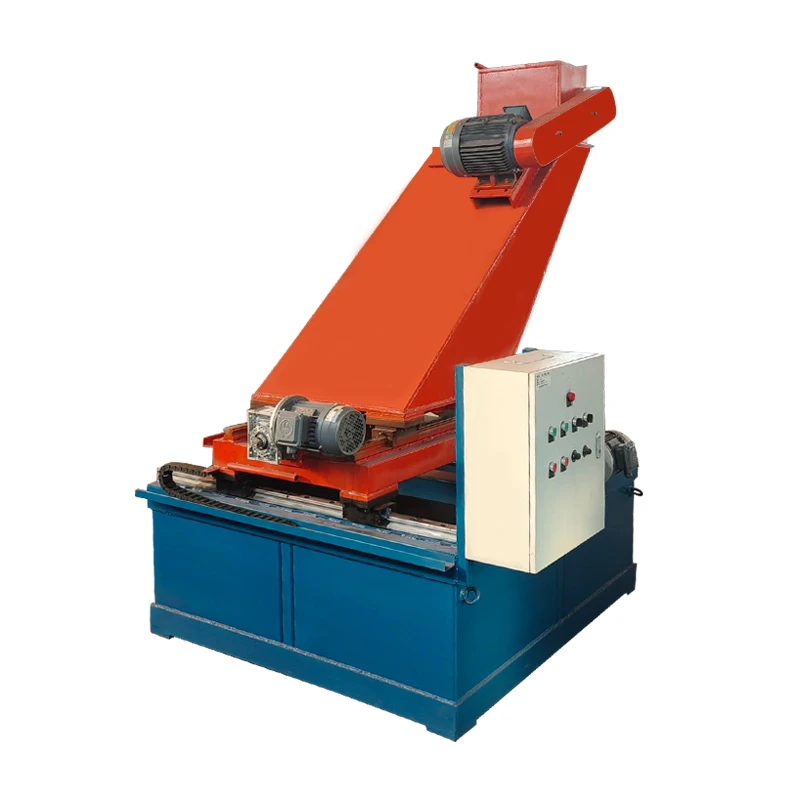
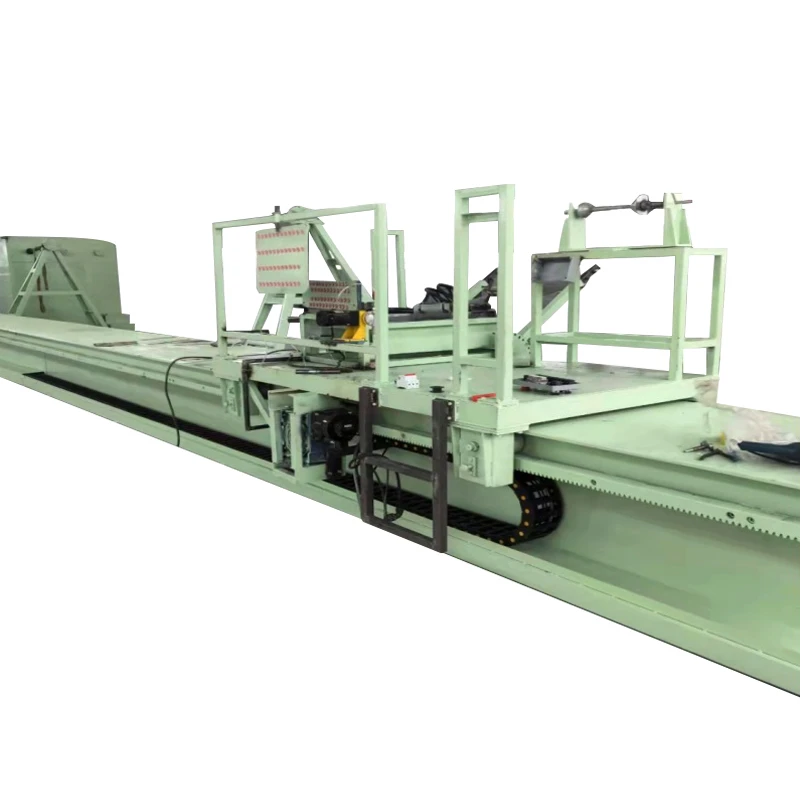
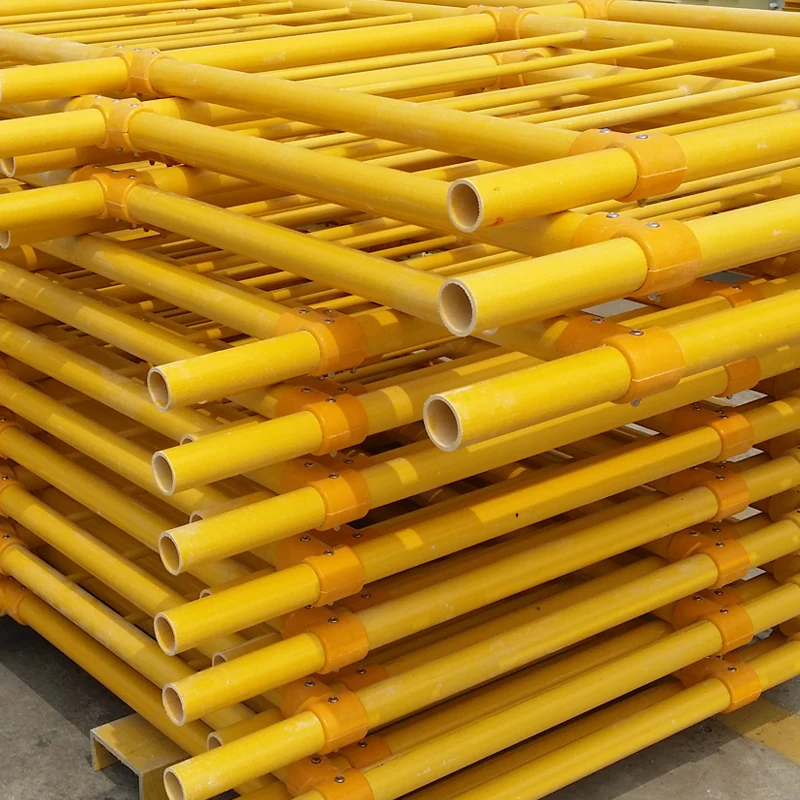
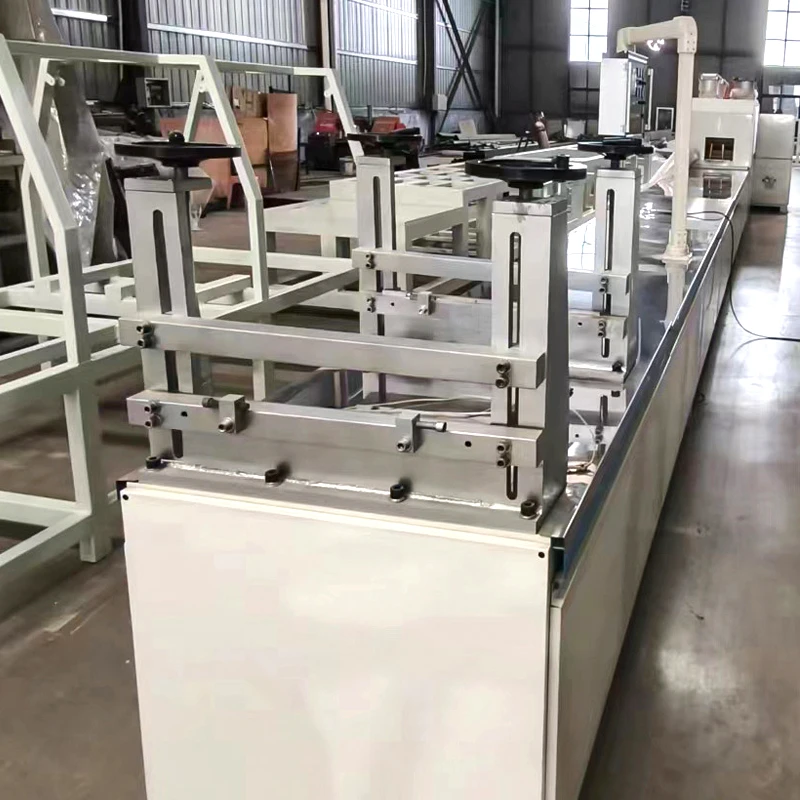
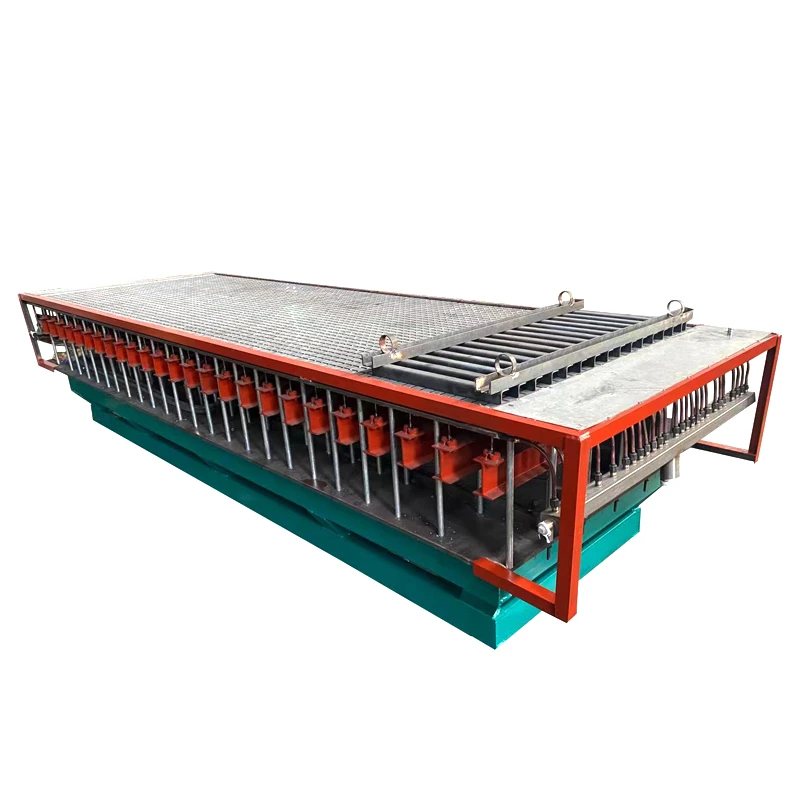
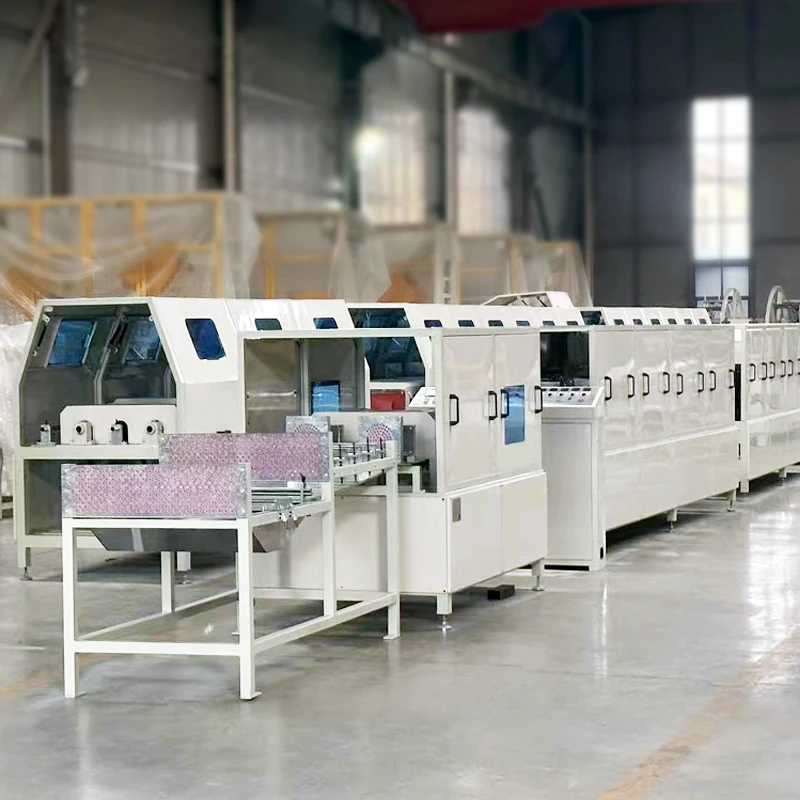
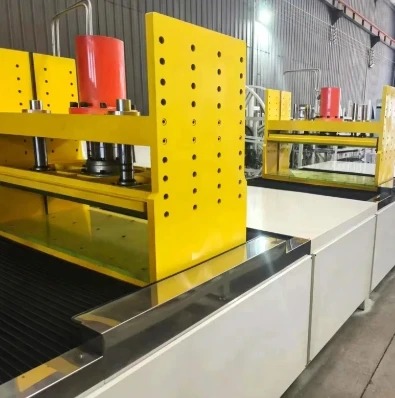
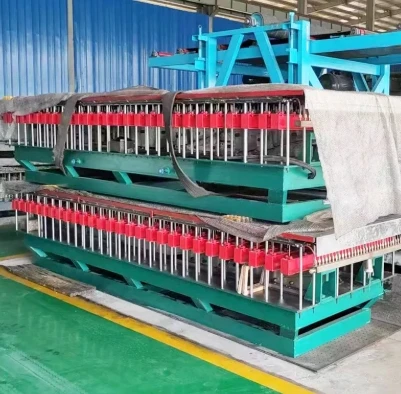
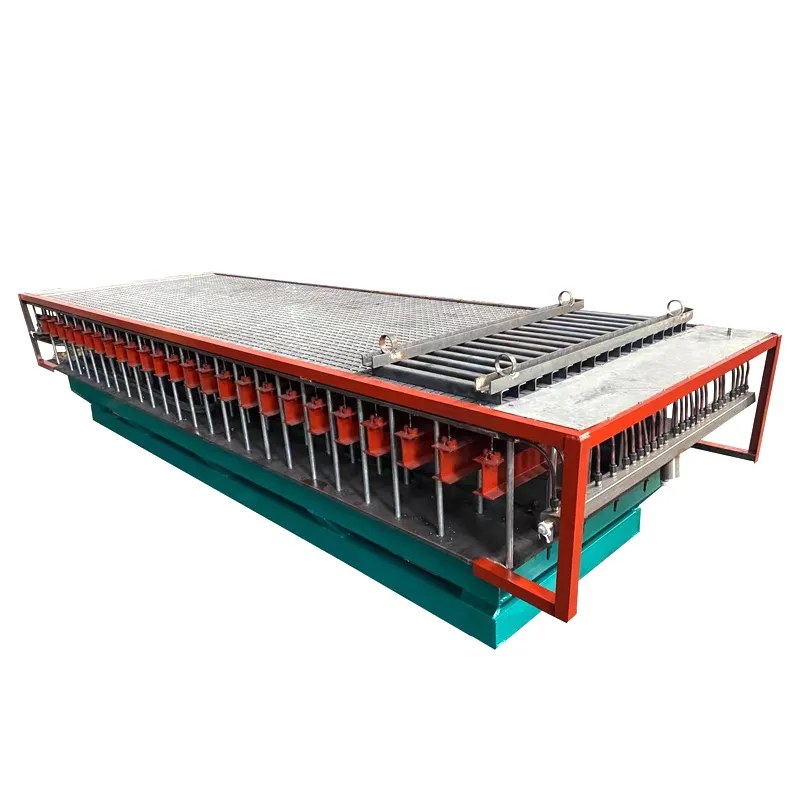
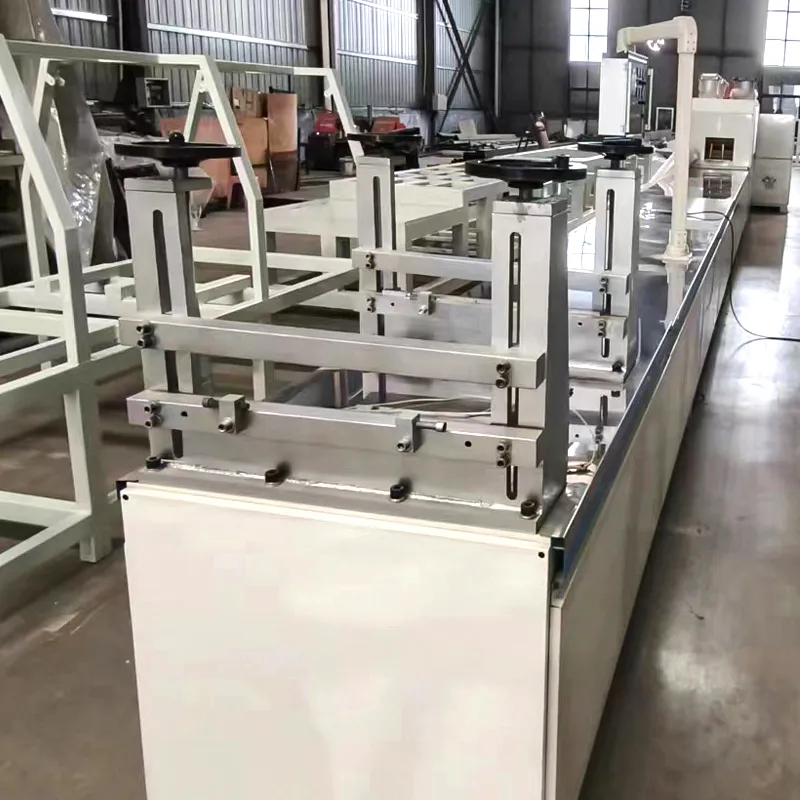
Introduction: The FRP pultrusion production line is powered by an advanced PLC system, featuring an intuitive LCD interface for full automation. This unit integrates hydraulic reciprocating traction and pneumatic fixed-length cutting, comprising a creel, dipping tank, mold table, tractor, cutting saw, support rack, and a smart control system. Compatible with customizable molds, it enables the production of diverse profiles — from wire troughs, rods, and I-beams, to square tubes, panels, bridges, and more.
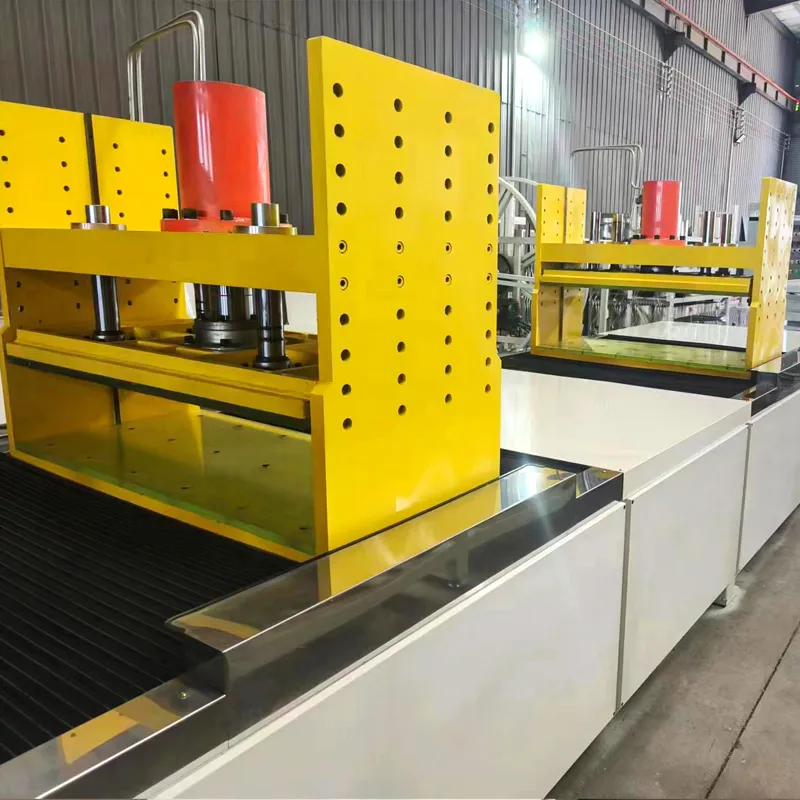
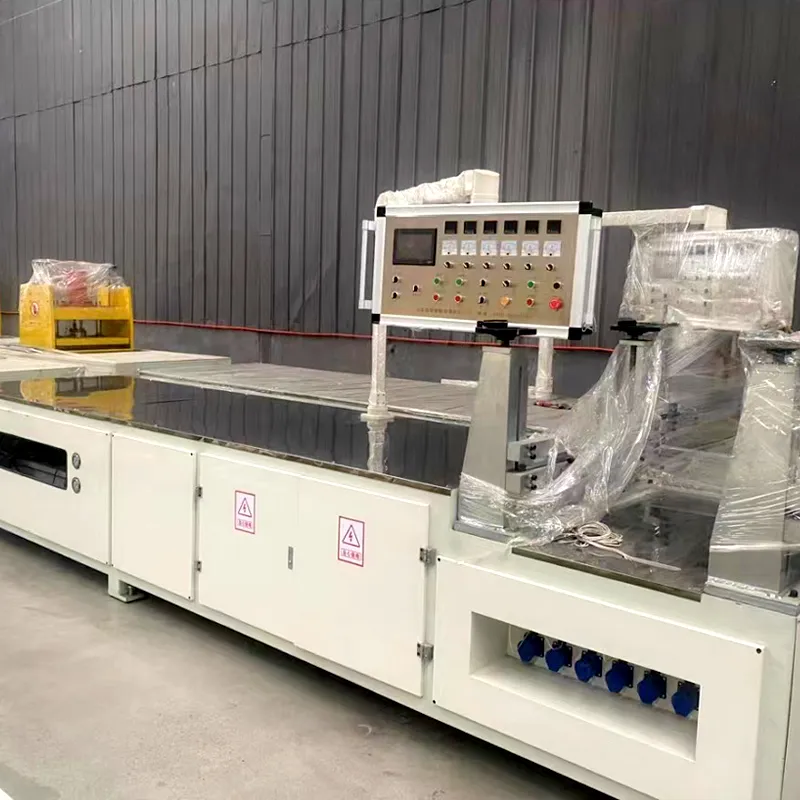
High-Efficiency FRP Pultrusion Machine for Quality Profiles High-Efficiency FRP Pultrusion Machine for Quality Profiles High-Efficiency FRP Pultrusion Machine for Quality Profiles High-Efficiency FRP Pultrusion Machine for Quality Profiles High-Efficiency FRP Pultrusion Machine for Quality Profiles High-Efficiency FRP Pultrusion Machine for Quality Profiles High-Efficiency FRP Pultrusion Machine for Quality Profiles High-Efficiency FRP Pultrusion Machine for Quality Profiles High-Efficiency FRP Pultrusion Machine for Quality Profiles High-Efficiency FRP Pultrusion Machine for Quality Profiles

Industry Trends in FRP Pultrusion Technology

The FRP pultrusion machine industry is rapidly evolving, driven by the need for lightweight, corrosion-resistant construction elements and the worldwide shift to composite infrastructure. Market research forecasts a CAGR of over 4.5% between 2024-2029 (source). The push for energy efficiency across industrial and infrastructural applications is propelling innovations such as energy-saving drive systems, multi-profile compatibility, and AI-integrated process control.

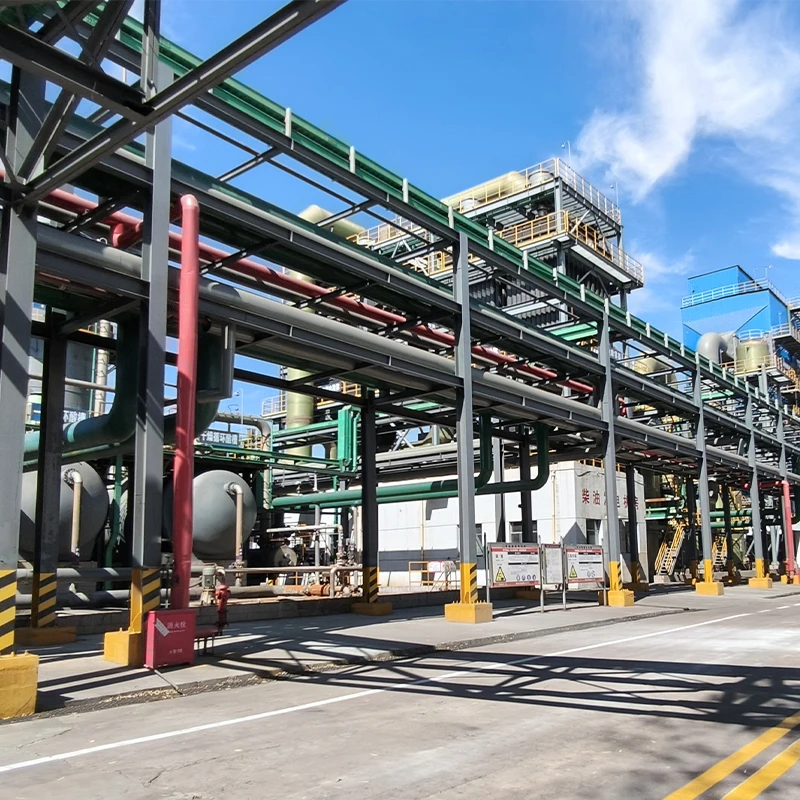
Global adoption is notable in sectors including power transmission, wind energy, transportation (especially metro rails and bridges), and urban infrastructure, owing to the superior mechanical performance and long-term economics of FRP, fiberglass, and GRP solutions (CompositesWorld).

Technical Parameter Table: FRP Pultrusion Machine

Parameter Typical Value Unit Remarks
Traction Force 20–50 kN Hydraulic, adjustable per profile
Traction Speed 0.1–1.2 m/min Variable frequency drive (VFD) control
Pultrusion Width 200–1200 mm Profile-dependent, multi-mold option
Pultrusion Height 40–600 mm Depends on die
Heating Method Electric, Oil, Steam - Customizable
Max. Power 25–60 kW Depending on model/configuration
Cutting Accuracy ±1.0 mm Pneumatic precision saw
Control System PLC + LCD - Full automation
Applicable Materials FRP, GRP, Fiberglass - Versatile media
Power Supply 380V, 50/60Hz - Industrial 3-phase
Production Profile Types I-beam, rod, angle, panel... - Customizable dies

Application Scenarios of FRP Pultrusion Machines

  • Construction & Civil Engineering: Structural profiles, gratings, bridges, facades.
  • Electrical: Cable trays, distribution boxes, transformer frames.
  • Urban Transport: Handrails, noise barriers, escalator supports, bridge decks.
  • Renewable Energy: Wind turbine blades, solar panel racks, utility poles.
  • Marine: Dock fenders, walkways, offshore structures with high anti-corrosion needs.
  • Industrial: Slider rails, machine frames, chemical storage structural supports.
  • Special Applications: Military, aerospace, environments needing non-magnetic or dielectric properties.

Technical Indicators Comparison: FRP Pultrusion Profile Machine

Professional FAQ: Key Terms in Pultrusion Technology

Q1: What materials are usually processed in an FRP pultrusion machine?
A: Typically, reinforced fibers such as E-glass, carbon fiber, or aramid are impregnated with resins like epoxy, polyester, or vinyl ester to create composite profiles.
Q2: How does the PLC control system optimize production?
A: The PLC automates synchronization, speed adjustment, profile cutting, and monitors key data, reducing labor cost and error rates. The LCD provides real-time process feedback and diagnostics.
Q3: What are common specifications for traction force?
A: Standard FRP pultrusion machine models offer 20–50 kN, sufficient for most large-profile continuous production. Custom units can exceed 60 kN for special applications.
Q4: What standards govern installation and safety of pultrusion lines?
A: Installation generally references EN 13706 (Europe) or ASTM D3917 (US) standards to ensure machine safety, profile tolerances, and environmental compliance.
Q5: What is the function of the reciprocating tractor in pultrusion?
A: It grips, pulls, and maintains steady fiber tension through the heated die, ensuring uniform profile quality. Hydraulic actuation provides high stability and speed control.
Q6: Can you customize profile sections with the same pultrusion machine?
A: Yes. By changing the die/mold and adjusting process settings, the same machine can produce various cross-sectional profiles, enhancing flexibility and cost efficiency.
Q7: How does fiberglass pultrusion machine compare to GRP pultrusion machines?
A: Both use glass fibers, but fiberglass is specific to glass reinforcement, while GRP (glass reinforced plastic) machines are designed for a broader range of resin/fiber combinations and higher structural requirements.

Why Choose Hebei Aoliande as Your Pultrusion Machine Partner?

  • Rich experience in pultrusion machine R&D and production since 2007.
  • Professional consultative design — seamlessly integrating customer requirements into fully customized FRP pultrusion machine solutions.
  • Global references across construction, energy, and marine sectors.
  • Strict compliance with CE, ISO, and international standards.
  • Full-stack project support: Technical onboarding, trials, after-sales, and remote diagnostics.
  • Efficient lead-times and competitive global delivery system.

For detailed technical consultations, or to discuss your next FRP pultrusion machine investment, contact Hebei Aoliande Chemical Equipment Co., Ltd. today at bella@aldfrp.com or call +8613303314492.
Upsell Products
Upsell News
Exploring the Benefits and Applications of FRP Horizontal Tanks for Storage Solutions
Mar 14,2026
Exploring the Benefits and Applications of FRP Horizontal Tanks for Storage Solutions
Fiber Reinforced Plastic (FRP) horizontal tanks are increasingly becoming the preferred choice for storage solutions across numerous industries. Known for their durability, corrosion resistance, and lightweight nature, these tanks offer a compelling alternative to traditional materials like steel. This article will delve into the intricacies of FRP horizontal tanks, exploring their applications, benefits, manufacturing processes, and key considerations for selecting the right tank for your needs. We’ll also discuss why choosing a reputable supplier like FRPGRPMachine ensures quality and reliability. FRP horizontal tanks are constructed using a combination of reinforcing fibers (such as fiberglass, carbon fiber, or aramid fiber) embedded in a polymer matrix (typically polyester, vinyl ester, or epoxy resin). The horizontal design allows for efficient use of space and facilitates easier installation and maintenance. The unique properties of FRP materials impart exceptional resistance to corrosion, chemicals, and UV radiation, making these tanks ideal for storing a wide variety of substances. They are manufactured through processes like filament winding, hand lay-up, and resin transfer molding, ensuring structural integrity and long-term performance.
Comprehensive Guide to FRP Fuel Tanks Benefits and Applications
Mar 12,2026
Comprehensive Guide to FRP Fuel Tanks Benefits and Applications
Fiber Reinforced Polymer (FRP) fuel tanks are rapidly gaining prominence as a robust and reliable alternative to traditional steel tanks. Offering significant advantages in terms of corrosion resistance, weight reduction, and design flexibility, they are becoming a go-to solution for a wide range of applications, from fuel storage at service stations to large-scale industrial facilities. This article delves into the benefits, applications, construction, and considerations when choosing an FRP fuel tank, providing a comprehensive overview for businesses and engineers. Investing in the right fuel storage solution is crucial for safety, compliance, and long-term cost efficiency. FRP fuel tanks offer a compelling set of advantages over traditional materials like steel. Their inherent resistance to corrosion is a primary benefit, significantly reducing maintenance costs and extending the tank's lifespan. Unlike steel, FRP won’t rust or corrode when exposed to fuels, water, or harsh environmental conditions. Furthermore, FRP is significantly lighter than steel – often by up to 60% – leading to easier installation, reduced transportation costs, and lower structural support requirements.
Comprehensive Guide to Durable Fibre Reinforced Plastic Tanks and Vessels
Mar 11,2026
Comprehensive Guide to Durable Fibre Reinforced Plastic Tanks and Vessels
In industries demanding robust, corrosion-resistant storage solutions, fibre reinforced plastic (FRP) tanks and vessels are increasingly becoming the material of choice. These tanks, crafted from materials like glass fibre reinforced polymer (GRP), offer superior performance compared to traditional materials like steel or concrete. This article delves into the benefits, applications, manufacturing processes, and considerations when choosing FRP tanks and vessels. We'll explore why they are a smart investment for various industrial needs. FRP is a composite material made by combining a polymer matrix (resin) with reinforcing fibres, typically glass, carbon, or aramid. This combination results in a material that is lightweight, incredibly strong, and highly resistant to corrosion. GRP, a common type of FRP using glass fibres, is particularly popular due to its cost-effectiveness and excellent chemical resistance. The properties of FRP can be tailored during manufacturing to meet specific application requirements.
Comprehensive Guide to Durable Double Wall FRP Tank Solutions for Industries
Mar 10,2026
Comprehensive Guide to Durable Double Wall FRP Tank Solutions for Industries
Double wall Fiber Reinforced Polymer (FRP) tanks are increasingly becoming the preferred choice for storing a wide range of chemicals and liquids across diverse industries. Offering superior corrosion resistance, durability, and safety compared to traditional materials like steel, these tanks are a valuable asset for any business dealing with potentially hazardous substances. This article will delve into the key features, benefits, applications, and considerations when choosing a double wall FRP tank, providing you with the information needed to make an informed decision. Investing in a reliable storage solution is crucial for operational efficiency and environmental responsibility. A double wall FRP tank consists of two layers of FRP material separated by a space. This design provides a critical layer of containment in the event of a leak or failure in the inner tank. The space between the walls can be monitored for leaks, allowing for early detection and preventing environmental contamination. The construction typically involves a resin matrix reinforced with fiberglass, offering excellent chemical resistance, and the ability to be customized for specific application requirements. These tanks offer a significantly enhanced safety profile compared to single-wall tanks.
Comprehensive Guide to FRP Water Storage Tank Solutions and Applications
Mar 09,2026
Comprehensive Guide to FRP Water Storage Tank Solutions and Applications
Fiber Reinforced Polymer (FRP) water storage tanks are increasingly becoming the preferred choice for a wide range of applications, from potable water storage to industrial chemical containment. Their lightweight nature, corrosion resistance, and durability offer significant advantages over traditional materials like steel and concrete. This article will explore the benefits, applications, and key considerations when choosing an FRP water storage tank, providing insights for engineers, project managers, and anyone involved in water management. Selecting the right tank is critical for ensuring long-term reliability and water quality. FRP tanks offer a compelling set of advantages. Their corrosion resistance is paramount, eliminating the need for costly linings and repairs often required with steel tanks. The lightweight nature of FRP significantly reduces installation costs, as less heavy machinery is needed.
Comprehensive Guide to FRP Tanks for Water Treatment and Their Applications
Mar 08,2026
Comprehensive Guide to FRP Tanks for Water Treatment and Their Applications
In the realm of water treatment, ensuring water quality and storage efficiency is paramount. FRP (Fiber Reinforced Polymer) tanks have emerged as a leading solution for various water treatment applications. These tanks offer a compelling blend of durability, corrosion resistance, and cost-effectiveness. This article will delve into the benefits, applications, types, and considerations when choosing an FRP tank for water treatment, providing a comprehensive overview for engineers, facility managers, and anyone involved in water treatment processes. Choosing the right tank is crucial for long-term performance and minimal maintenance. Compared to traditional tank materials like steel or concrete, FRP tanks offer significant advantages. Their lightweight nature simplifies installation and reduces transportation costs. Crucially, FRP is highly resistant to corrosion, even in aggressive chemical environments.
Comprehensive Guide to PP FRP Tanks for Corrosion Resistant Storage
Mar 07,2026
Comprehensive Guide to PP FRP Tanks for Corrosion Resistant Storage
Polypropylene (PP) Fiber Reinforced Polymer (FRP) tanks are becoming increasingly popular in a wide range of industries due to their exceptional corrosion resistance, durability, and cost-effectiveness. These tanks provide a robust and reliable solution for storing various chemicals, wastewater, and other corrosive substances. This article dives deep into the world of PP FRP tanks, exploring their benefits, applications, manufacturing processes, and factors to consider when choosing the right tank for your specific needs. Choosing the right tank is crucial for safe and efficient operations, and we'll guide you through the essential aspects of PP FRP tank technology. PP FRP tanks are constructed using a combination of polypropylene resin and reinforcing fibers, typically fiberglass. The polypropylene provides excellent chemical resistance, while the fiberglass adds strength and structural integrity. The layering of these materials creates a tank that is lightweight, yet incredibly durable and resistant to corrosion, impact, and UV degradation.
Comprehensive Guide to Choosing the Right Water Tank FRP for Your Needs
Mar 06,2026
Comprehensive Guide to Choosing the Right Water Tank FRP for Your Needs
Fiber Reinforced Plastic (FRP) water tanks are becoming increasingly popular for a wide range of applications, from agricultural irrigation to industrial water storage. Their durability, corrosion resistance, and lightweight nature offer significant advantages over traditional materials like steel or concrete. This article will explore the benefits of FRP water tanks, their various types, key considerations when choosing one, and the advantages of sourcing from a reputable manufacturer like FRPGRP Machine. Investing in a quality FRP water tank ensures long-term reliability and cost-effectiveness. FRP water tanks are constructed using a combination of synthetic resin matrices – typically polyester, vinyl ester, or epoxy – reinforced with fibers like fiberglass. This composite material yields a tank that is remarkably strong yet surprisingly lightweight. Compared to steel, FRP tanks don’t rust or corrode, significantly reducing maintenance costs and extending their lifespan. They’re also easier to install, requiring less heavy machinery, and can be molded into various shapes and sizes to suit specific project needs.
Comprehensive Guide to Tank FRP Solutions and Their WideRanging Applications
Mar 05,2026
Comprehensive Guide to Tank FRP Solutions and Their WideRanging Applications
Fiber Reinforced Polymer (FRP) tanks are increasingly becoming the preferred choice for storage and processing across various industries. These tanks offer a compelling alternative to traditional materials like steel, particularly when dealing with corrosive substances. This article dives into the world of tank FRP, exploring its benefits, applications, manufacturing processes, and key considerations when choosing the right tank for your needs. We'll examine why FRP tanks represent a smart, long-term investment for many businesses. Tank FRP refers to tanks constructed using a composite material – fiberglass (or other fibers) embedded in a polymer matrix, typically polyester, vinyl ester, or epoxy resin. This combination yields a tank that's lightweight, incredibly strong, and remarkably resistant to corrosion. Unlike steel tanks that require costly linings and frequent maintenance to combat rust, FRP tanks provide a long service life with minimal upkeep. They are ideal for storing a wide array of aggressive chemicals, wastewater, and other demanding fluids.
Comprehensive Guide to FRP Storage Tanks for Diverse Industrial Applications
Mar 04,2026
Comprehensive Guide to FRP Storage Tanks for Diverse Industrial Applications
Fiber Reinforced Polymer (FRP) storage tanks are increasingly popular across a diverse range of industries due to their exceptional durability, corrosion resistance, and cost-effectiveness. This article provides a detailed overview of FRP storage tanks, covering their construction, benefits, applications, and considerations for choosing the right tank for your specific needs. Whether you are involved in chemical processing, wastewater treatment, or any other industry requiring safe and reliable liquid storage, understanding FRP tanks is crucial. An FRP storage tank is a container constructed from a composite material consisting of a polymer matrix reinforced with fibers – typically fiberglass, carbon fiber, or aramid fiber. The polymer matrix, such as polyester, vinyl ester, or epoxy resin, binds the fibers together and provides environmental protection. The reinforcement fibers provide strength and rigidity. The combination of these materials results in a tank that is lightweight, incredibly strong, and highly resistant to corrosion.
Comprehensive Guide to FRP Water Tanks Applications and Long Term Benefits
Mar 03,2026
Comprehensive Guide to FRP Water Tanks Applications and Long Term Benefits
Fiber Reinforced Polymer (FRP) water tanks are increasingly becoming the preferred choice for water storage across a diverse range of industries. Offering a compelling alternative to traditional materials like steel and concrete, FRP tanks deliver superior corrosion resistance, lightweight construction, and long-term cost-effectiveness. This article provides an in-depth look at FRP water tanks, their applications, key benefits, and considerations for selecting the right tank for your specific needs. Explore how FRPGRPMachine delivers high-quality FRP solutions for water storage and beyond.
Buy Durable 5000 Gallon Fiberglass Water Tanks – Reliable, Corrosion-Resistant Storage
Nov 26,2025
Buy Durable 5000 Gallon Fiberglass Water Tanks – Reliable, Corrosion-Resistant Storage
Discover the benefits and applications of 5000 gallon fiberglass water tanks. Durable, lightweight, and corrosion-resistant solutions for industrial, agricultural, and humanitarian needs.
Exploring the Benefits and Uses of 300 Gallon Fiberglass Tanks for Industrial and Humanitarian Needs
Nov 25,2025
Exploring the Benefits and Uses of 300 Gallon Fiberglass Tanks for Industrial and Humanitarian Needs
Discover how 300 gallon fiberglass tanks deliver durable, cost-efficient, and sustainable liquid storage solutions globally. Learn key features, applications, and future trends.
Fiberglass Sewer Tanks: Durable, Lightweight Solutions for Modern Sanitation
Nov 25,2025
Fiberglass Sewer Tanks: Durable, Lightweight Solutions for Modern Sanitation
Explore how fiberglass sewer tanks revolutionize wastewater management with corrosion resistance, easy installation, and global applications. Learn benefits, trends, and FAQs.
Durable Rectangular Fiberglass Tanks for Industrial and Humanitarian Use | FRP Solutions
Nov 24,2025
Durable Rectangular Fiberglass Tanks for Industrial and Humanitarian Use | FRP Solutions
Explore the benefits, applications, and innovations of rectangular fiberglass tanks. Durable, lightweight, and corrosion resistant, perfect for water treatment and chemical storage.
Above Ground Fiberglass Storage Tanks: Durable, Sustainable Solutions for Global Storage Needs
Nov 24,2025
Above Ground Fiberglass Storage Tanks: Durable, Sustainable Solutions for Global Storage Needs
Discover how above ground fiberglass storage tanks offer corrosion-resistant, cost-efficient storage for water, chemicals, and fuels worldwide. Explore specs, applications, and future trends.
For More Details Pls Contact Us
Thank you for your interest in our gloves! We offer high-quality, durable, and comfortable gloves with fast delivery and competitive prices. For any questions or customization, feel free to contact us. We look forward to working with you!

If you are interested in our products, you can choose to leave your information here, and we will be in touch with you shortly.