Jul 18,2025

Revolutionizing Fuel Storage with Underground Fuel Storage Tanks: Eco-Friendly, Efficient, and Engineered for Safety

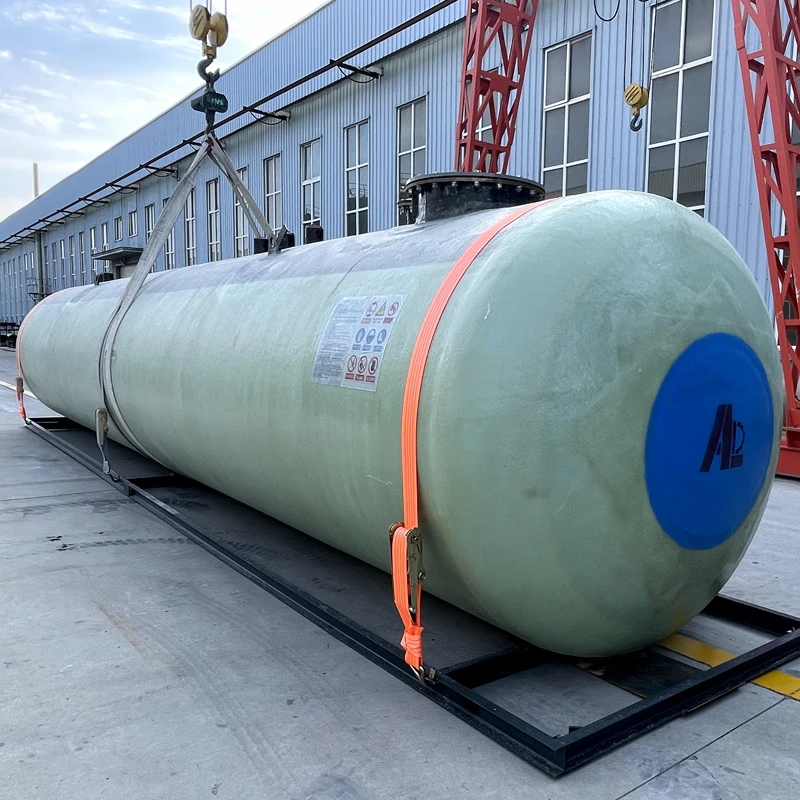
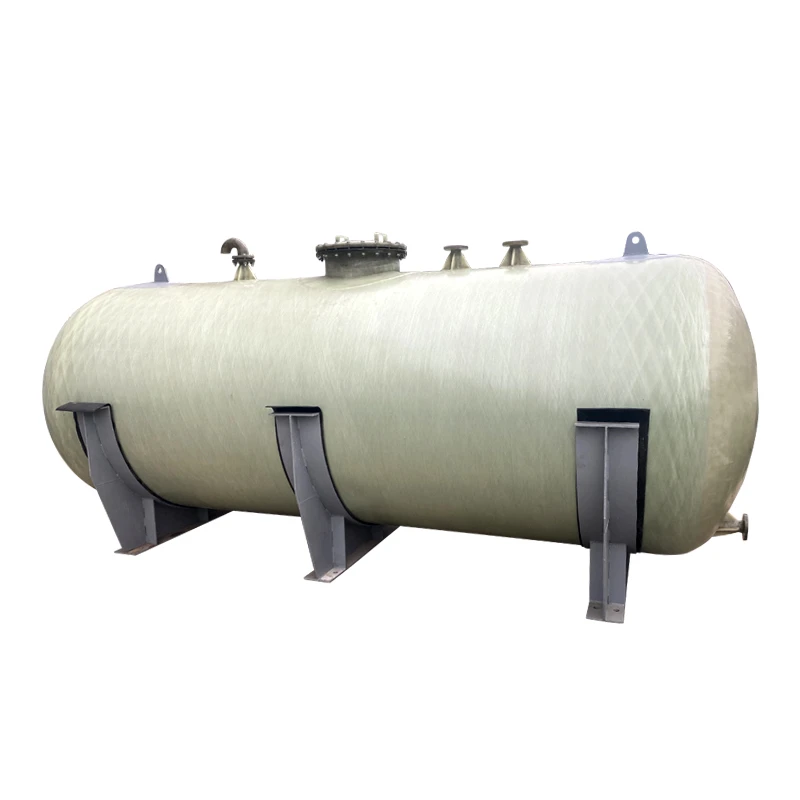
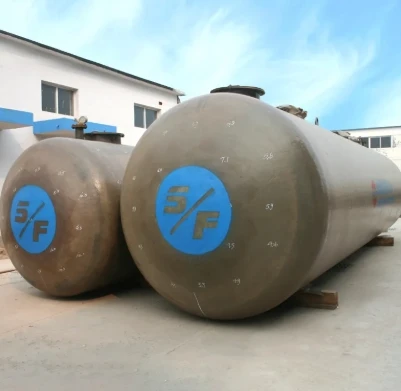
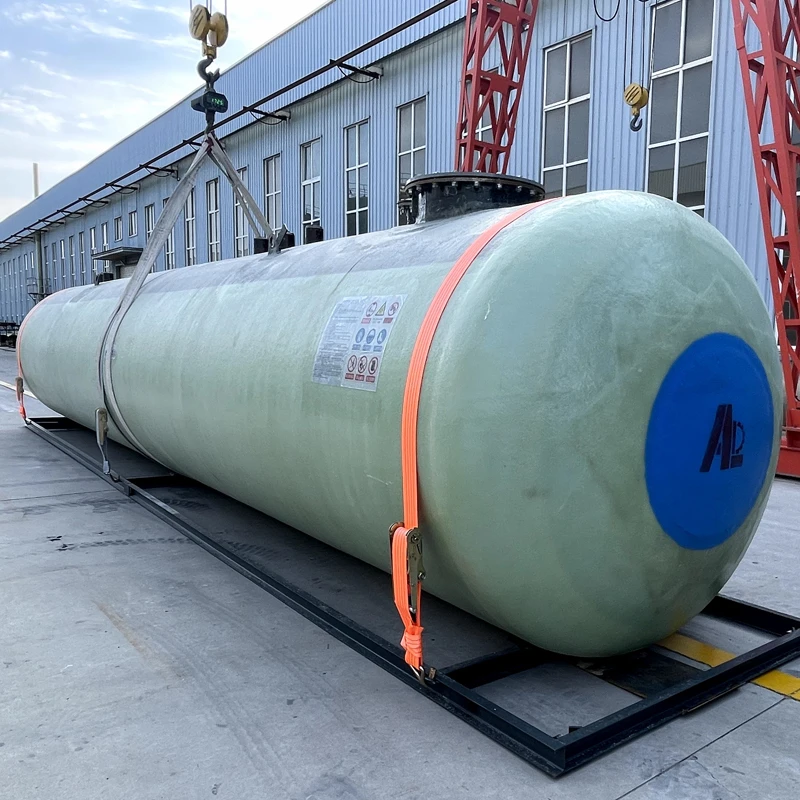
In today’s energy-focused world, the infrastructure that stores fuel is just as important as the fuel itself. Among the top innovations in this sector, underground fuel storage tanks stand out as the gold standard for safety, durability, and environmental protection. Whether it's a double fuel tank buried at a remote fueling station or a massive 1000 gallon double wall fuel tank under a bustling urban gas station, these solutions are reshaping how the world handles fuel storage. As double wall diesel fuel tank technology continues to evolve, more companies and municipalities are recognizing the immense advantages of going underground.


Underground Fuel Storage Tanks vs Ground Fuel Tanks: What’s the Real Difference?


When comparing underground fuel storage tanks to traditional above-ground tanks, the difference goes beyond location. One of the biggest factors driving the shift toward underground fuel storage tanks is space efficiency. Above-ground tanks take up valuable real estate and can be visually intrusive, whereas underground fuel storage tanks free up surface space for other uses.


In terms of safety, double fuel tank systems used underground are built with double-layered protection, making them significantly more resistant to leaks and environmental damage. Above-ground tanks, even when well-maintained, are more susceptible to temperature fluctuations, physical damage, and weather-related wear.


Moreover, 1000 gallon double wall fuel tank models installed underground provide better insulation and temperature control, making them especially beneficial in regions with extreme climates. These tanks often come with built-in leak detection systems, ensuring that any issues are immediately identified and mitigated.


Environmental Benefits of Underground Fuel Storage Tanks


In an age where sustainability is not just a trend but a necessity, underground fuel storage tanks provide an eco-conscious solution. Their design prevents fuel seepage into the soil and water table, a problem that has long plagued older, single-walled systems. By using double wall diesel fuel tank configurations, the risk of fuel contamination is drastically minimized.


A double fuel tank underground also shields the contents from UV exposure, which can accelerate the breakdown of fuel additives and release harmful vapors into the environment. With innovations in venting and monitoring systems, underground fuel storage tanks now contribute to lower emission levels around fuel-handling facilities.


From an installation perspective, modern underground fuel storage tanks come pre-coated with anti-corrosive linings, further enhancing their environmental safety. For businesses and municipalities focused on green certifications or sustainability goals, switching to a 1000 gallon double wall fuel tank system underground aligns with long-term ecological commitments.


Gas Stations and Their Dependence on Underground Fuel Storage Tanks


No fuel station can operate efficiently without the reliability and capacity provided by underground fuel storage tanks. Gas stations often rely on double fuel tank systems to safely store multiple types of fuel—such as gasoline and diesel—within a compact footprint.


The role of a 1000 gallon double wall fuel tank at a gas station is crucial. It provides ample storage while maintaining the integrity of the fuel, thanks to the double-wall structure that prevents external contaminants from affecting the stored product. This is especially important in urban or high-traffic areas where contamination risks are higher.


Additionally, double wall diesel fuel tank units used in gas stations enable long-term cost efficiency by reducing the need for frequent inspections or replacements. Their high durability translates into lower maintenance costs, making them an essential investment for modern fuel retailers.


Design Features and Smart Technology in Double Wall Diesel Fuel Tanks


Today’s underground fuel storage tanks are far from the basic steel drums of the past. Many double wall diesel fuel tank systems are equipped with smart sensors that monitor fuel levels, pressure, and temperature in real time. These systems can notify operators of anomalies immediately, reducing the chances of fuel theft or accidental leaks.


The modern double fuel tank also includes features such as cathodic protection, which prevents corrosion by using electric current systems. These additions significantly extend the service life of underground fuel storage tanks, often exceeding 30 years of reliable use.


Moreover, manufacturers now offer customization options. Whether it’s a 1000 gallon double wall fuel tank for a local gas station or a larger setup for a commercial fuel depot, the tanks can be tailored to meet specific capacity and regulatory needs, giving businesses greater control over their operations.


Underground Fuel Storage Tanks FAQs


Are underground fuel storage tanks more secure than above-ground tanks? 


Yes. Underground fuel storage tanks are generally more secure due to their hidden nature and protective construction. Their double wall diesel fuel tank design helps detect and contain leaks, offering a much safer alternative than exposed above-ground tanks.


How do double fuel tank systems reduce environmental risk? 


A double fuel tank incorporates two layers of steel or composite materials with a monitoring space in between. This structure prevents leaks from reaching the environment and allows for immediate detection, making underground fuel storage tanks safer for ecosystems.


What is the capacity of a typical underground 1000 gallon double wall fuel tank?


A 1000 gallon double wall fuel tank can hold up to 1,000 gallons of diesel, gasoline, or alternative fuels. Its double-wall design ensures structural integrity while meeting regulatory standards for underground fuel storage.


Can double wall diesel fuel tanks be customized for different fuel types?


Absolutely. Double wall diesel fuel tank systems can be configured for gasoline, biodiesel, ethanol blends, and more. These underground fuel storage tanks can also be segmented internally for multi-fuel storage, using double fuel tank technology.


Are underground fuel storage tanks suitable for remote or extreme environments?


Yes. Thanks to their insulation and corrosion-resistant construction, underground fuel storage tanks—especially 1000 gallon double wall fuel tank models—perform well in both hot and cold climates, making them ideal for remote fueling needs.
Upsell Products
Upsell News
Comprehensive Guide to FRP Fuel Tanks Benefits and Applications
Mar 12,2026
Comprehensive Guide to FRP Fuel Tanks Benefits and Applications
Fiber Reinforced Polymer (FRP) fuel tanks are rapidly gaining prominence as a robust and reliable alternative to traditional steel tanks. Offering significant advantages in terms of corrosion resistance, weight reduction, and design flexibility, they are becoming a go-to solution for a wide range of applications, from fuel storage at service stations to large-scale industrial facilities. This article delves into the benefits, applications, construction, and considerations when choosing an FRP fuel tank, providing a comprehensive overview for businesses and engineers. Investing in the right fuel storage solution is crucial for safety, compliance, and long-term cost efficiency. FRP fuel tanks offer a compelling set of advantages over traditional materials like steel. Their inherent resistance to corrosion is a primary benefit, significantly reducing maintenance costs and extending the tank's lifespan. Unlike steel, FRP won’t rust or corrode when exposed to fuels, water, or harsh environmental conditions. Furthermore, FRP is significantly lighter than steel – often by up to 60% – leading to easier installation, reduced transportation costs, and lower structural support requirements.
Comprehensive Guide to Durable Fibre Reinforced Plastic Tanks and Vessels
Mar 11,2026
Comprehensive Guide to Durable Fibre Reinforced Plastic Tanks and Vessels
In industries demanding robust, corrosion-resistant storage solutions, fibre reinforced plastic (FRP) tanks and vessels are increasingly becoming the material of choice. These tanks, crafted from materials like glass fibre reinforced polymer (GRP), offer superior performance compared to traditional materials like steel or concrete. This article delves into the benefits, applications, manufacturing processes, and considerations when choosing FRP tanks and vessels. We'll explore why they are a smart investment for various industrial needs. FRP is a composite material made by combining a polymer matrix (resin) with reinforcing fibres, typically glass, carbon, or aramid. This combination results in a material that is lightweight, incredibly strong, and highly resistant to corrosion. GRP, a common type of FRP using glass fibres, is particularly popular due to its cost-effectiveness and excellent chemical resistance. The properties of FRP can be tailored during manufacturing to meet specific application requirements.
Comprehensive Guide to Durable Double Wall FRP Tank Solutions for Industries
Mar 10,2026
Comprehensive Guide to Durable Double Wall FRP Tank Solutions for Industries
Double wall Fiber Reinforced Polymer (FRP) tanks are increasingly becoming the preferred choice for storing a wide range of chemicals and liquids across diverse industries. Offering superior corrosion resistance, durability, and safety compared to traditional materials like steel, these tanks are a valuable asset for any business dealing with potentially hazardous substances. This article will delve into the key features, benefits, applications, and considerations when choosing a double wall FRP tank, providing you with the information needed to make an informed decision. Investing in a reliable storage solution is crucial for operational efficiency and environmental responsibility. A double wall FRP tank consists of two layers of FRP material separated by a space. This design provides a critical layer of containment in the event of a leak or failure in the inner tank. The space between the walls can be monitored for leaks, allowing for early detection and preventing environmental contamination. The construction typically involves a resin matrix reinforced with fiberglass, offering excellent chemical resistance, and the ability to be customized for specific application requirements. These tanks offer a significantly enhanced safety profile compared to single-wall tanks.
Comprehensive Guide to FRP Water Storage Tank Solutions and Applications
Mar 09,2026
Comprehensive Guide to FRP Water Storage Tank Solutions and Applications
Fiber Reinforced Polymer (FRP) water storage tanks are increasingly becoming the preferred choice for a wide range of applications, from potable water storage to industrial chemical containment. Their lightweight nature, corrosion resistance, and durability offer significant advantages over traditional materials like steel and concrete. This article will explore the benefits, applications, and key considerations when choosing an FRP water storage tank, providing insights for engineers, project managers, and anyone involved in water management. Selecting the right tank is critical for ensuring long-term reliability and water quality. FRP tanks offer a compelling set of advantages. Their corrosion resistance is paramount, eliminating the need for costly linings and repairs often required with steel tanks. The lightweight nature of FRP significantly reduces installation costs, as less heavy machinery is needed.
Comprehensive Guide to FRP Tanks for Water Treatment and Their Applications
Mar 08,2026
Comprehensive Guide to FRP Tanks for Water Treatment and Their Applications
In the realm of water treatment, ensuring water quality and storage efficiency is paramount. FRP (Fiber Reinforced Polymer) tanks have emerged as a leading solution for various water treatment applications. These tanks offer a compelling blend of durability, corrosion resistance, and cost-effectiveness. This article will delve into the benefits, applications, types, and considerations when choosing an FRP tank for water treatment, providing a comprehensive overview for engineers, facility managers, and anyone involved in water treatment processes. Choosing the right tank is crucial for long-term performance and minimal maintenance. Compared to traditional tank materials like steel or concrete, FRP tanks offer significant advantages. Their lightweight nature simplifies installation and reduces transportation costs. Crucially, FRP is highly resistant to corrosion, even in aggressive chemical environments.
Comprehensive Guide to PP FRP Tanks for Corrosion Resistant Storage
Mar 07,2026
Comprehensive Guide to PP FRP Tanks for Corrosion Resistant Storage
Polypropylene (PP) Fiber Reinforced Polymer (FRP) tanks are becoming increasingly popular in a wide range of industries due to their exceptional corrosion resistance, durability, and cost-effectiveness. These tanks provide a robust and reliable solution for storing various chemicals, wastewater, and other corrosive substances. This article dives deep into the world of PP FRP tanks, exploring their benefits, applications, manufacturing processes, and factors to consider when choosing the right tank for your specific needs. Choosing the right tank is crucial for safe and efficient operations, and we'll guide you through the essential aspects of PP FRP tank technology. PP FRP tanks are constructed using a combination of polypropylene resin and reinforcing fibers, typically fiberglass. The polypropylene provides excellent chemical resistance, while the fiberglass adds strength and structural integrity. The layering of these materials creates a tank that is lightweight, yet incredibly durable and resistant to corrosion, impact, and UV degradation.
Comprehensive Guide to Choosing the Right Water Tank FRP for Your Needs
Mar 06,2026
Comprehensive Guide to Choosing the Right Water Tank FRP for Your Needs
Fiber Reinforced Plastic (FRP) water tanks are becoming increasingly popular for a wide range of applications, from agricultural irrigation to industrial water storage. Their durability, corrosion resistance, and lightweight nature offer significant advantages over traditional materials like steel or concrete. This article will explore the benefits of FRP water tanks, their various types, key considerations when choosing one, and the advantages of sourcing from a reputable manufacturer like FRPGRP Machine. Investing in a quality FRP water tank ensures long-term reliability and cost-effectiveness. FRP water tanks are constructed using a combination of synthetic resin matrices – typically polyester, vinyl ester, or epoxy – reinforced with fibers like fiberglass. This composite material yields a tank that is remarkably strong yet surprisingly lightweight. Compared to steel, FRP tanks don’t rust or corrode, significantly reducing maintenance costs and extending their lifespan. They’re also easier to install, requiring less heavy machinery, and can be molded into various shapes and sizes to suit specific project needs.
Comprehensive Guide to Tank FRP Solutions and Their WideRanging Applications
Mar 05,2026
Comprehensive Guide to Tank FRP Solutions and Their WideRanging Applications
Fiber Reinforced Polymer (FRP) tanks are increasingly becoming the preferred choice for storage and processing across various industries. These tanks offer a compelling alternative to traditional materials like steel, particularly when dealing with corrosive substances. This article dives into the world of tank FRP, exploring its benefits, applications, manufacturing processes, and key considerations when choosing the right tank for your needs. We'll examine why FRP tanks represent a smart, long-term investment for many businesses. Tank FRP refers to tanks constructed using a composite material – fiberglass (or other fibers) embedded in a polymer matrix, typically polyester, vinyl ester, or epoxy resin. This combination yields a tank that's lightweight, incredibly strong, and remarkably resistant to corrosion. Unlike steel tanks that require costly linings and frequent maintenance to combat rust, FRP tanks provide a long service life with minimal upkeep. They are ideal for storing a wide array of aggressive chemicals, wastewater, and other demanding fluids.
Comprehensive Guide to FRP Storage Tanks for Diverse Industrial Applications
Mar 04,2026
Comprehensive Guide to FRP Storage Tanks for Diverse Industrial Applications
Fiber Reinforced Polymer (FRP) storage tanks are increasingly popular across a diverse range of industries due to their exceptional durability, corrosion resistance, and cost-effectiveness. This article provides a detailed overview of FRP storage tanks, covering their construction, benefits, applications, and considerations for choosing the right tank for your specific needs. Whether you are involved in chemical processing, wastewater treatment, or any other industry requiring safe and reliable liquid storage, understanding FRP tanks is crucial. An FRP storage tank is a container constructed from a composite material consisting of a polymer matrix reinforced with fibers – typically fiberglass, carbon fiber, or aramid fiber. The polymer matrix, such as polyester, vinyl ester, or epoxy resin, binds the fibers together and provides environmental protection. The reinforcement fibers provide strength and rigidity. The combination of these materials results in a tank that is lightweight, incredibly strong, and highly resistant to corrosion.
Comprehensive Guide to FRP Water Tanks Applications and Long Term Benefits
Mar 03,2026
Comprehensive Guide to FRP Water Tanks Applications and Long Term Benefits
Fiber Reinforced Polymer (FRP) water tanks are increasingly becoming the preferred choice for water storage across a diverse range of industries. Offering a compelling alternative to traditional materials like steel and concrete, FRP tanks deliver superior corrosion resistance, lightweight construction, and long-term cost-effectiveness. This article provides an in-depth look at FRP water tanks, their applications, key benefits, and considerations for selecting the right tank for your specific needs. Explore how FRPGRPMachine delivers high-quality FRP solutions for water storage and beyond.
Buy Durable 5000 Gallon Fiberglass Water Tanks – Reliable, Corrosion-Resistant Storage
Nov 26,2025
Buy Durable 5000 Gallon Fiberglass Water Tanks – Reliable, Corrosion-Resistant Storage
Discover the benefits and applications of 5000 gallon fiberglass water tanks. Durable, lightweight, and corrosion-resistant solutions for industrial, agricultural, and humanitarian needs.
Exploring the Benefits and Uses of 300 Gallon Fiberglass Tanks for Industrial and Humanitarian Needs
Nov 25,2025
Exploring the Benefits and Uses of 300 Gallon Fiberglass Tanks for Industrial and Humanitarian Needs
Discover how 300 gallon fiberglass tanks deliver durable, cost-efficient, and sustainable liquid storage solutions globally. Learn key features, applications, and future trends.
Fiberglass Sewer Tanks: Durable, Lightweight Solutions for Modern Sanitation
Nov 25,2025
Fiberglass Sewer Tanks: Durable, Lightweight Solutions for Modern Sanitation
Explore how fiberglass sewer tanks revolutionize wastewater management with corrosion resistance, easy installation, and global applications. Learn benefits, trends, and FAQs.
Durable Rectangular Fiberglass Tanks for Industrial and Humanitarian Use | FRP Solutions
Nov 24,2025
Durable Rectangular Fiberglass Tanks for Industrial and Humanitarian Use | FRP Solutions
Explore the benefits, applications, and innovations of rectangular fiberglass tanks. Durable, lightweight, and corrosion resistant, perfect for water treatment and chemical storage.
Above Ground Fiberglass Storage Tanks: Durable, Sustainable Solutions for Global Storage Needs
Nov 24,2025
Above Ground Fiberglass Storage Tanks: Durable, Sustainable Solutions for Global Storage Needs
Discover how above ground fiberglass storage tanks offer corrosion-resistant, cost-efficient storage for water, chemicals, and fuels worldwide. Explore specs, applications, and future trends.
Durable & Lightweight GRP Storage Tanks for Global Industrial Use
Nov 24,2025
Durable & Lightweight GRP Storage Tanks for Global Industrial Use
Explore the advantages, applications, and innovations in GRP storage tanks—ideal for water, chemical, and fuel storage worldwide.
For More Details Pls Contact Us
Thank you for your interest in our gloves! We offer high-quality, durable, and comfortable gloves with fast delivery and competitive prices. For any questions or customization, feel free to contact us. We look forward to working with you!

If you are interested in our products, you can choose to leave your information here, and we will be in touch with you shortly.