The Benefits and Applications of GRP Insulated Water Tanks in Global Water Management
The Growing Importance of GRP Insulated Water Tanks
At first glance, discussing grp insulated water tanks might sound niche. Yet, as we face mounting water security challenges globally, the spotlight on reliable water storage solutions has never been brighter. These tanks are quietly transforming the way communities, industries, and humanitarian agencies manage water — keeping it safe, temperature-stable, and contamination-free. As climate change stirs unpredictability in water availability, the role of insulated storage surfaces as a crucial frontline defense.
Understanding how grp insulated water tank systems function and why they matter can unlock smarter management of one of the planet’s most vital resources.
Global Context: Why GRP Insulated Water Tanks Matter Worldwide
According to the United Nations’ 2023 World Water Development Report, nearly 2 billion people still lack access to safely managed drinking water — a stark reminder that water infrastructure is uneven and fragile in many regions. Industrial growth, population surges, and the effects of climate change fuel the need for resilient, sustainable water storage solutions that minimize both wastage and contamination risks.
Fiberglass Reinforced Plastic (GRP) insulated water tanks come in here as a modern fix for an age-old problem. They directly address critical issues like water temperature regulation, durability in harsh environments, and ease of deployment — factors especially vital in fast-growing urban centers, remote industrial sites, or emergency relief zones.
However, the challenge remains clear: how to ensure that stored water doesn’t become a liability — through heat damage, biological growth, or chemical leaching — especially in climates swinging between extremes?
Defining the GRP Insulated Water Tank
So, what exactly is a grp insulated water tank?
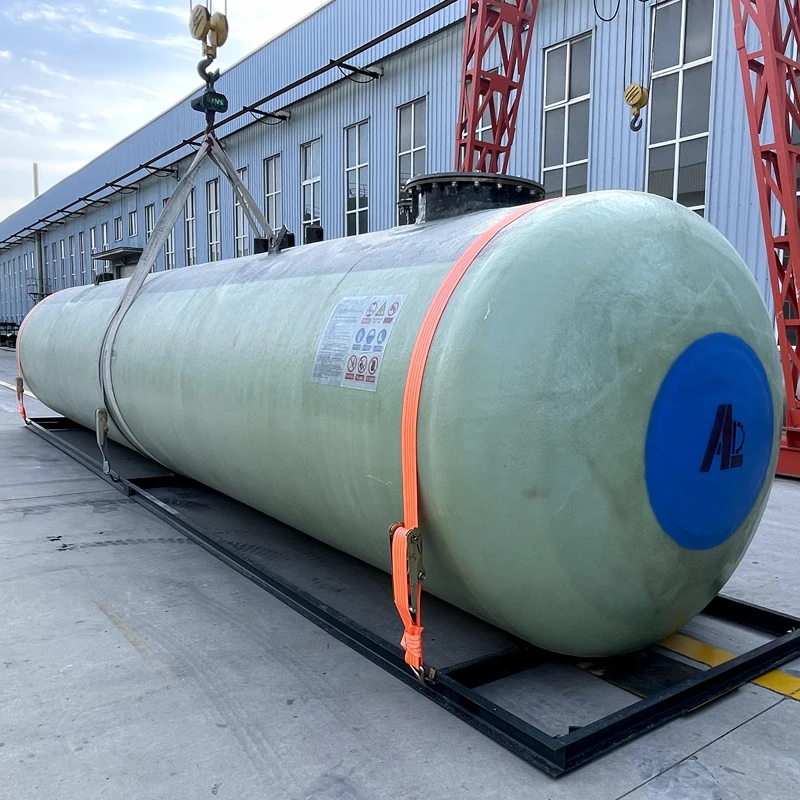
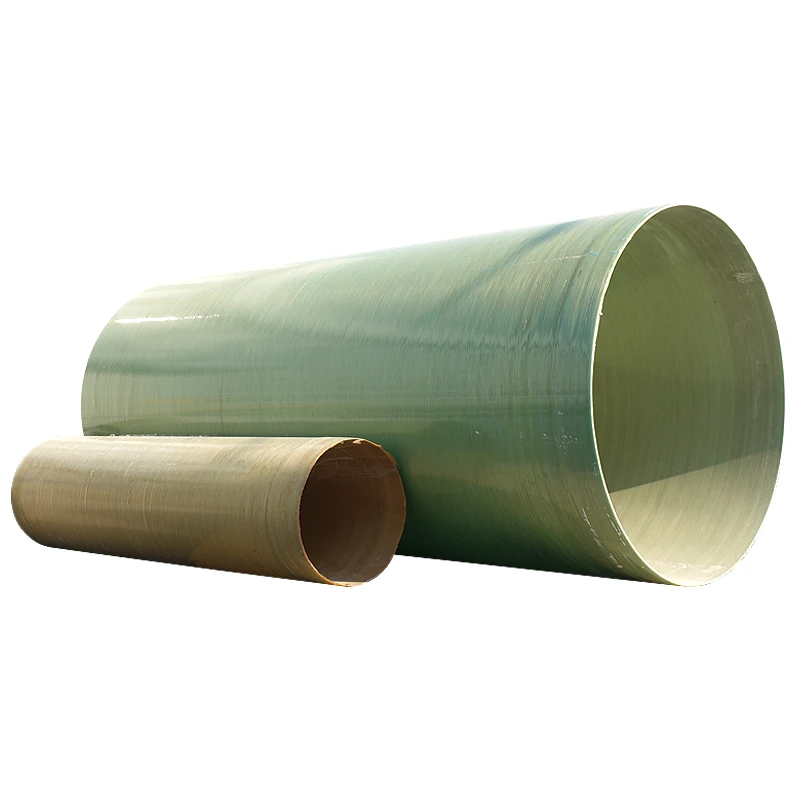
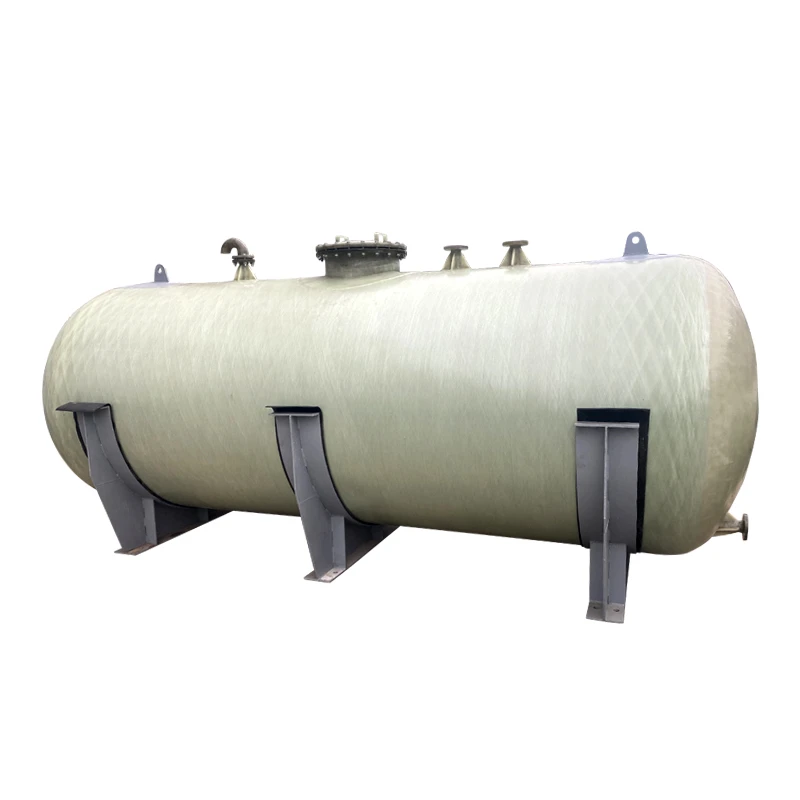
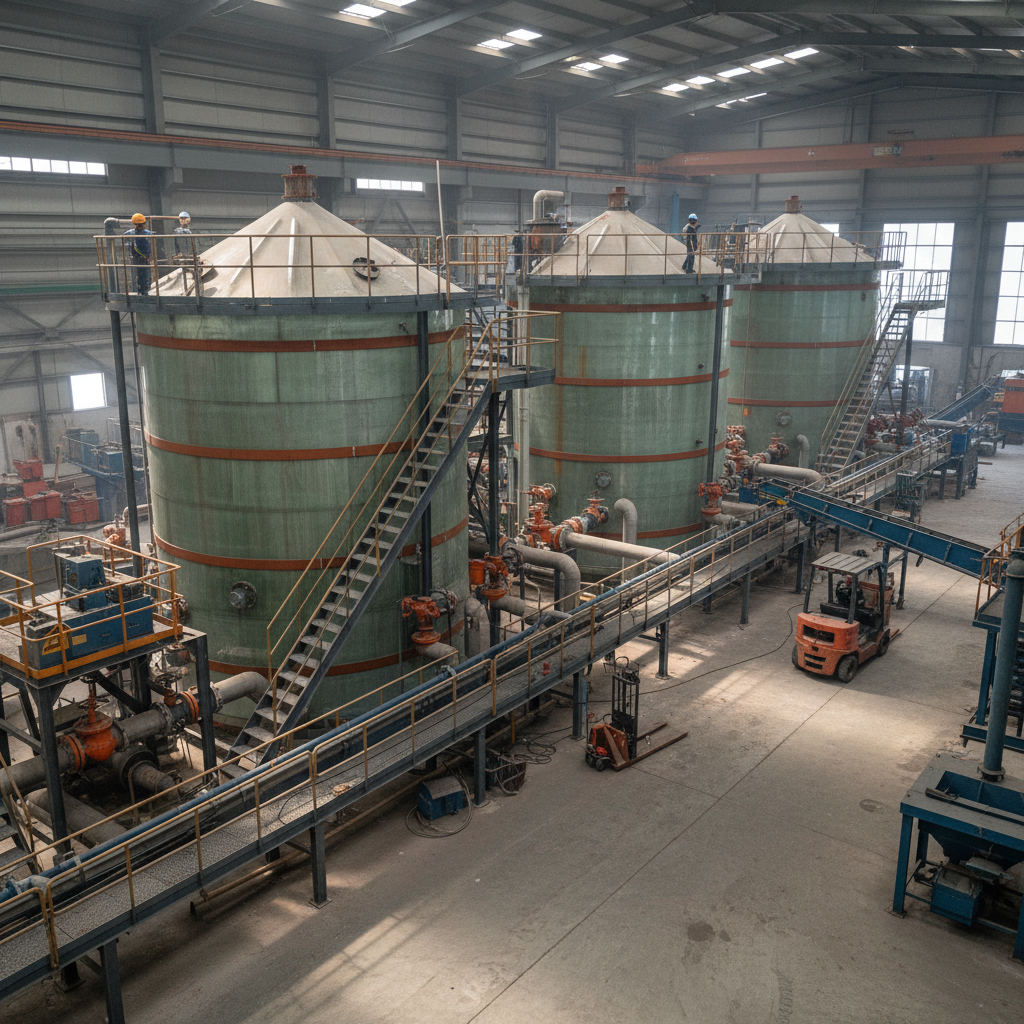
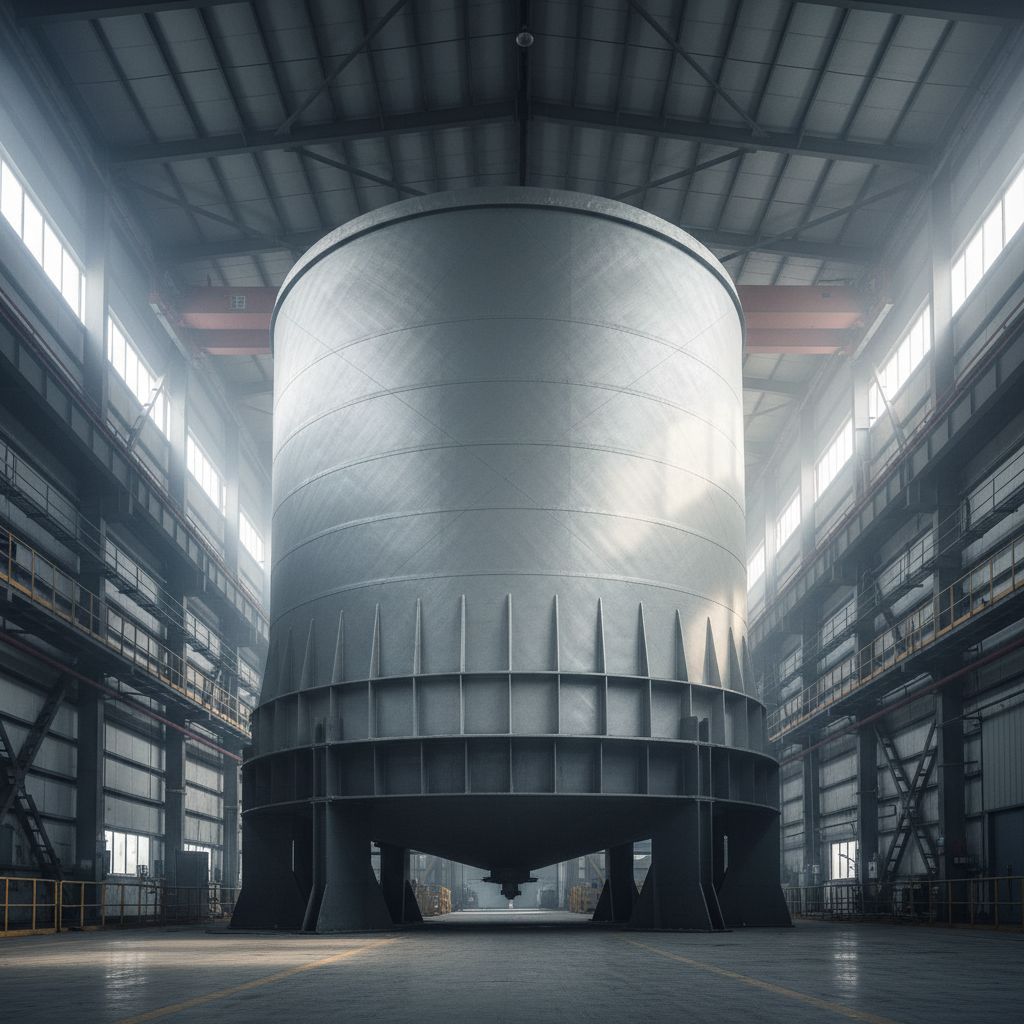
Put simply, it’s a water storage unit made primarily from Fiberglass Reinforced Plastic (GRP) composites with integrated insulation layers designed to maintain consistent water temperature. GRP is prized for its lightweight durability, corrosion resistance, and adaptability, while insulation (often polyurethane foam or similar materials) keeps the water from overheating or freezing, preserving quality over time.
This combination serves diverse sectors: potable water storage in municipalities, process water in factories, firefighting reserves, and temporary water supplies in humanitarian operations. The synergy of materials here aligns perfectly with contemporary demands for sustainable, modular, and reliable infrastructure.
Key Factors Making GRP Insulated Water Tanks Stand Out
1. Durability
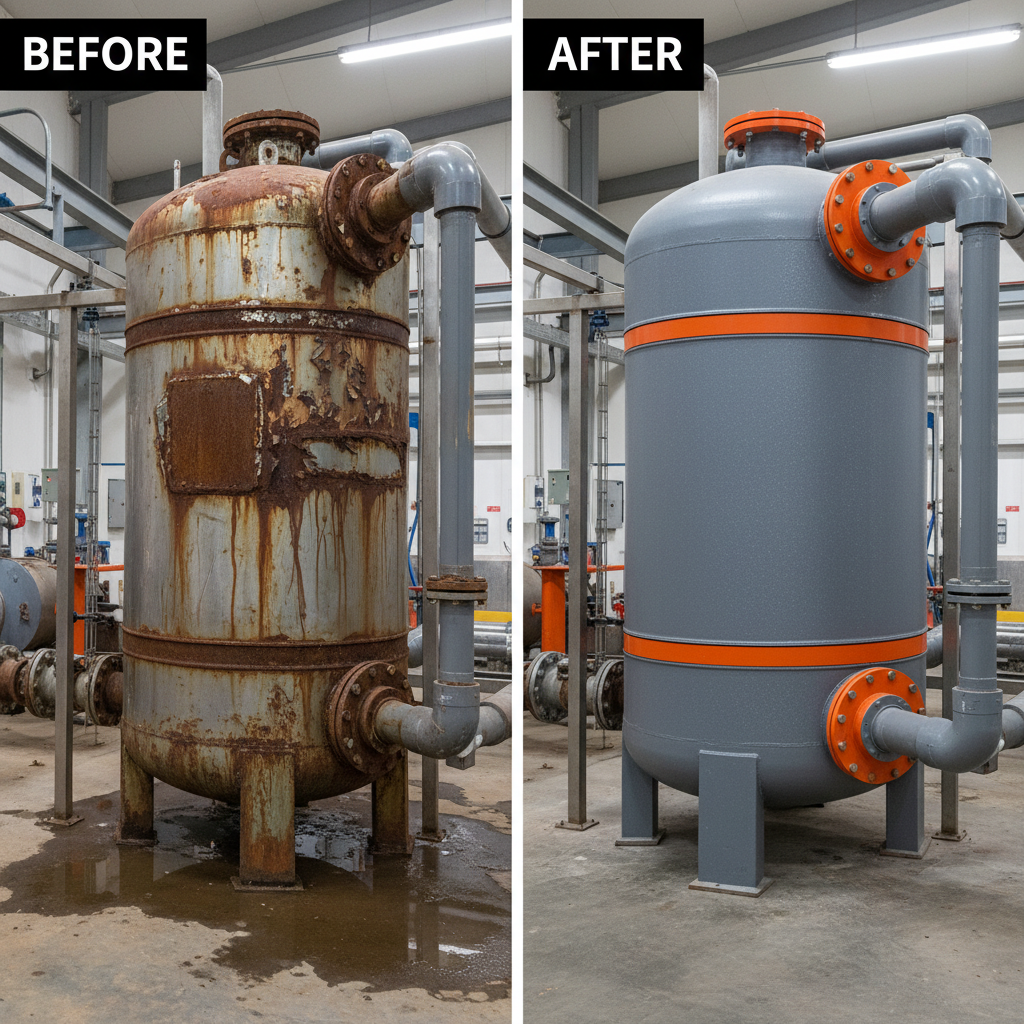
GRP tanks resist corrosion and UV damage better than steel or concrete alternatives. This longevity is vital for long-term projects and extreme environments like coastal zones or desert outposts. Roughly, a GRP tank can last 25+ years with basic maintenance.
2. Thermal Insulation
Integrated insulation reduces heat exchange dramatically, ensuring stored water remains stable even when external temperatures swing wildly. For industries requiring consistent temperatures — like pharmaceuticals or food processing — this is a game changer.
3. Lightweight & Modular Design
Compared to traditional materials, GRP tanks weigh less, simplifying transport and installation, especially in remote or disaster-stricken areas. Modules can be connected or customized, making scalability straightforward.
4. Chemical Resistance
They are less reactive with various chemicals, preventing contamination and preserving water purity — a must for hospitals, laboratories, and sensitive industrial uses.
5. Cost Efficiency Over Time
While upfront costs may be somewhat higher than basic tanks, the combined savings in maintenance, leak prevention, and longevity offset this in the long haul.
6. Eco-Friendly Potential
Recently, manufacturers have begun incorporating recycled resins and greener insulation products, improving the environmental footprint of GRP insulated tanks.
Global Use Cases: Where and How These Tanks Shine
- Post-Disaster Relief: Emergency teams use modular GRP tanks to supply potable water quickly after natural disasters when usual water lines are compromised.
- Industrial Settings: Food processing plants and chemical factories rely on consistent-temperature water storage to ensure product quality.
- Remote Communities: In arid regions of Africa and the Middle East, GRP tanks store rainfall or transported water safely without spoilage.
- Fire Protection: Industrial parks maintain insulated tanks filled for firefighting, crucial where water pressure varies.
- Urban Water Management: Cities in Southeast Asia use these tanks as buffer reservoirs during peak demand or pipe maintenance.
For example, a relief agency in Bangladesh credited GRP insulated tanks with reducing waterborne illness outbreaks during recent floods by preventing contamination and temperature-related spoilage.
Advantages and Long-Term Value of GRP Insulated Water Tanks
The benefits go beyond “just storage”: these tanks combine technical, economical, and social advantages into a single sturdy package.
- Cost savings: Less maintenance and longer lifespan mean fewer replacements — saving public budgets, NGOs, or businesses real money over years.
- Sustainability: Stable temperature reduces microbial growth, minimizing health risks and chemical usage.
- Safety & Trust: Clean, uncontaminated water builds confidence in communities and industries alike.
- Innovation Encouragement: The adaptability of GRP systems invites integrated sensors and smart tech — ushering in digital water management.
- Dignity and Access: Safe water storage uplifts human dignity in vulnerable locations, bringing a basic necessity closer to everyone.
Future Innovations and Trends Shaping GRP Tanks
Innovation is clearly accelerating:
- Green Materials: Recycled composites and bio-based resins reduce environmental impact.
- Smart Monitoring: Embedded IoT sensors track levels, temperature, and contamination in real-time.
- Hybrid Thermal Systems: Combining insulation with phase-change materials enhances temperature stability further.
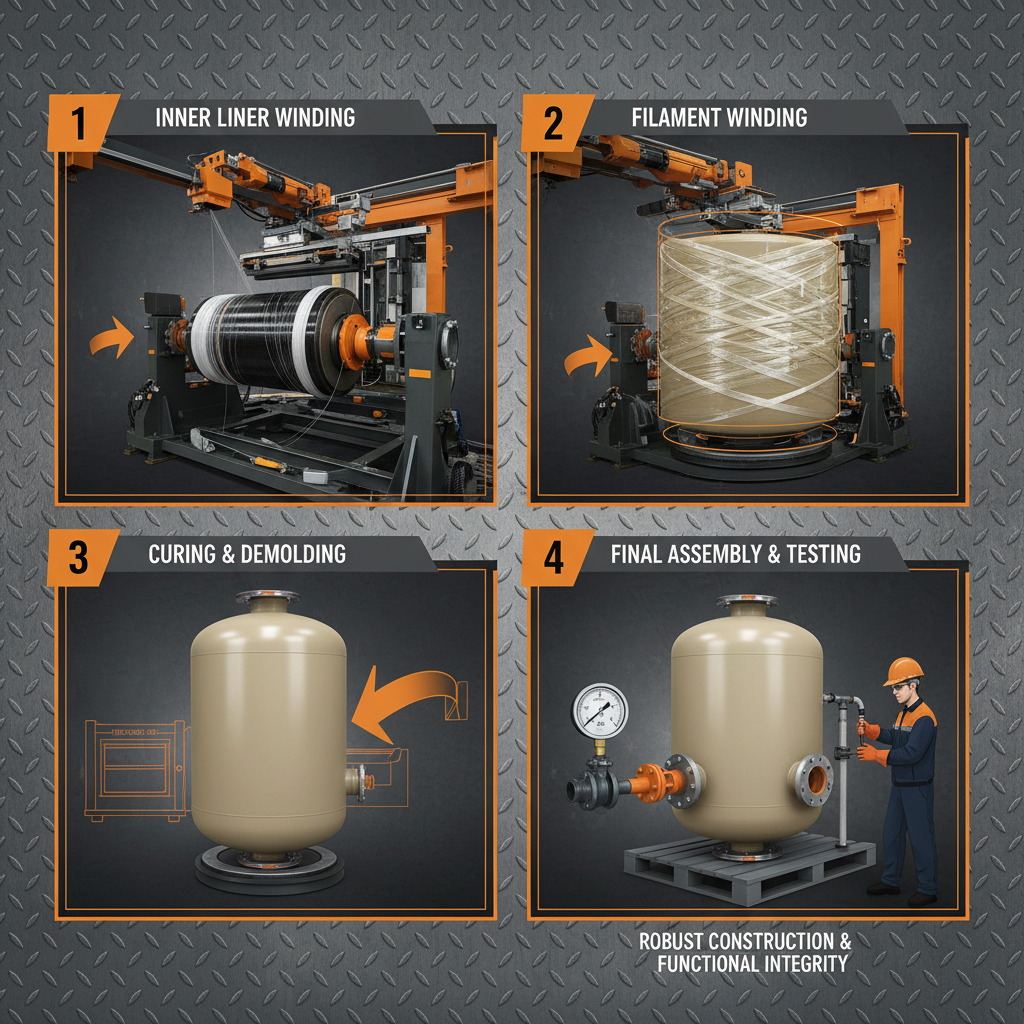
- Automated Manufacturing: Advanced molding and robotic assembly reduce production costs and customization time.
Looking forward, these tanks may become key players in sustainable urban water grids, coupling with solar water heaters or greywater recycling to amplify impact.
Challenges We Can't Ignore and How They're Tackled
No tech is perfect — even GRP insulated water tanks face hurdles:
- Initial Cost Concerns: Upfront price tags can intimidate budget-sensitive projects. Solution? Lifecycle cost analysis often reveals better long-term value, and new production techniques are driving prices down.
- Insulation Degradation: Some insulation materials lose performance over decades. Research into advanced polymers and coatings helps counter this.
- Customization Limits: While modular, extensive customization sometimes requires lead times. Emerging 3D printing and mold tech promise faster iterations.
Frequently Asked Questions About GRP Insulated Water Tanks
Q1: How long does a typical GRP insulated water tank last?
A well-maintained GRP tank can exceed 25 years in service, thanks to corrosion resistance and durable insulation. Regular inspections help maintain performance.
Q2: Can GRP insulated tanks be used for drinking water storage?
Absolutely. GRP materials are non-toxic and chemically stable, making them ideal for potable water storage when fabricated to certified standards.
Q3: How do these tanks perform in extreme temperatures?
The insulation layer significantly reduces temperature swings inside the tank, protecting stored water from freezing or overheating — even in deserts or tundras.
Q4: Are GRP insulated tanks eco-friendly?
Yes, particularly newer models using recycled composites and greener insulation products. Plus, their durability contributes to sustainability by reducing waste.
Q5: How portable are GRP insulated water tanks for emergency use?
They’re relatively lightweight and modular, allowing deployment in disaster zones or remote sites with limited infrastructure.
Conclusion: Why GRP Insulated Water Tanks Are a Smart Investment
GRP insulated water tanks offer a compelling mix of durability, thermal protection, and adaptability that align perfectly with the demands of today’s global water challenges. Whether it’s ensuring safe drinking water in vulnerable communities or supporting temperature-sensitive industrial processes, their role continues to grow.
If you’re intrigued by how these tanks could fit into your operations or projects, I suggest visiting https://www.frpgrpmachine.com for detailed guides, product specs, and expert advice.
Product Specification Table
| Specification | Description |
|---|---|
| Material | Fiberglass Reinforced Plastic (GRP) with polyurethane foam insulation |
| Capacity Range | 500 liters to 100,000 liters |
| Temperature Range | -20°C to 60°C storage temperature stability |
| Lifespan | Typically 25+ years with maintenance |
| UV Resistance | High resistance due to special gel coat layer |
| Certification | ISO 9001, NSF/ANSI 61 for potable water |
Vendor Comparison Table
| Vendor | Capacity Options | Customization Level | Lead Time | Price Range |
|---|---|---|---|---|
| FibroTech Tanks | 1,000L - 50,000L | Standard Modules + Custom Shapes | 6-8 weeks | $$$ |
| AquaSafe Systems | 500L - 100,000L | Highly Customizable | 8-10 weeks | $$$$ |
| GreenBuild Tanks | 2,000L - 75,000L | Eco-friendly Materials Focus | 7-9 weeks | $$$ |