Mar 31,2026

Comprehensive Guide to Frp Underground Storage Tanks for Reliable Storage Solutions

Frp Underground Storage Tanks: A Comprehensive Guide

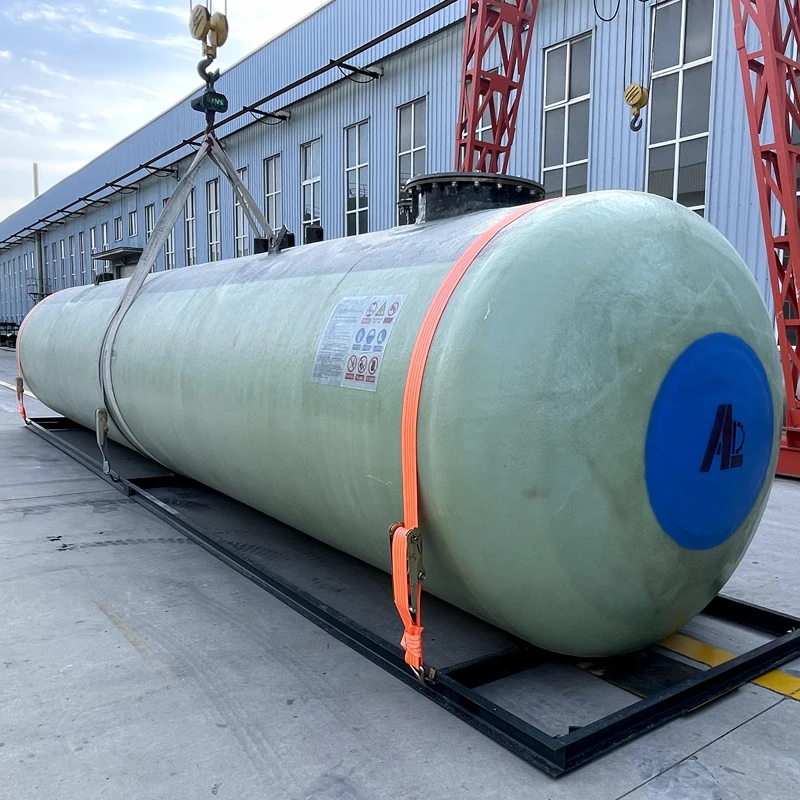
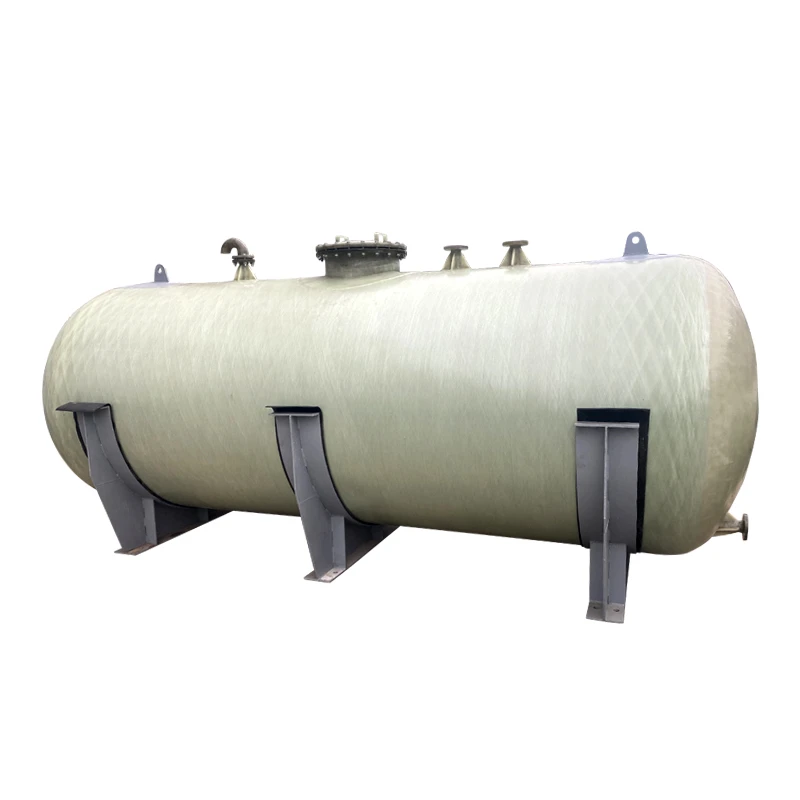
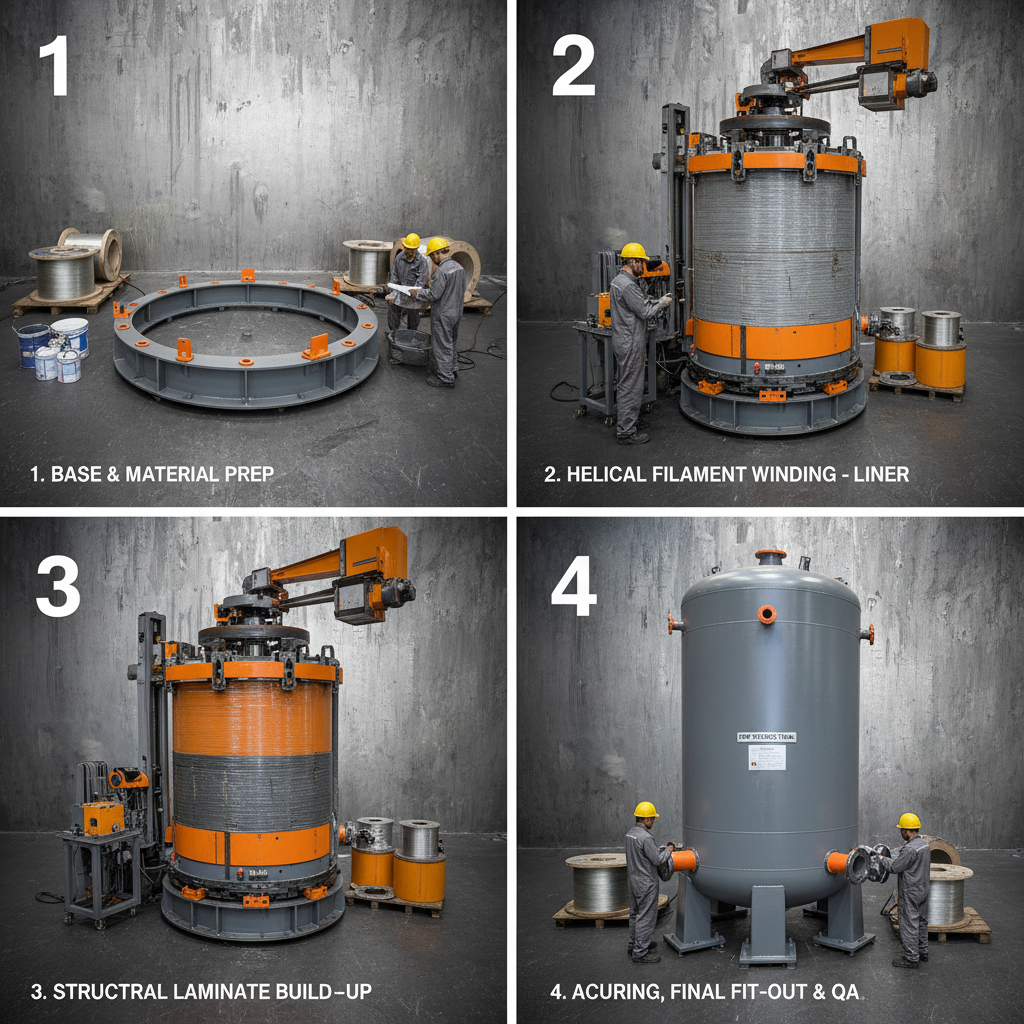
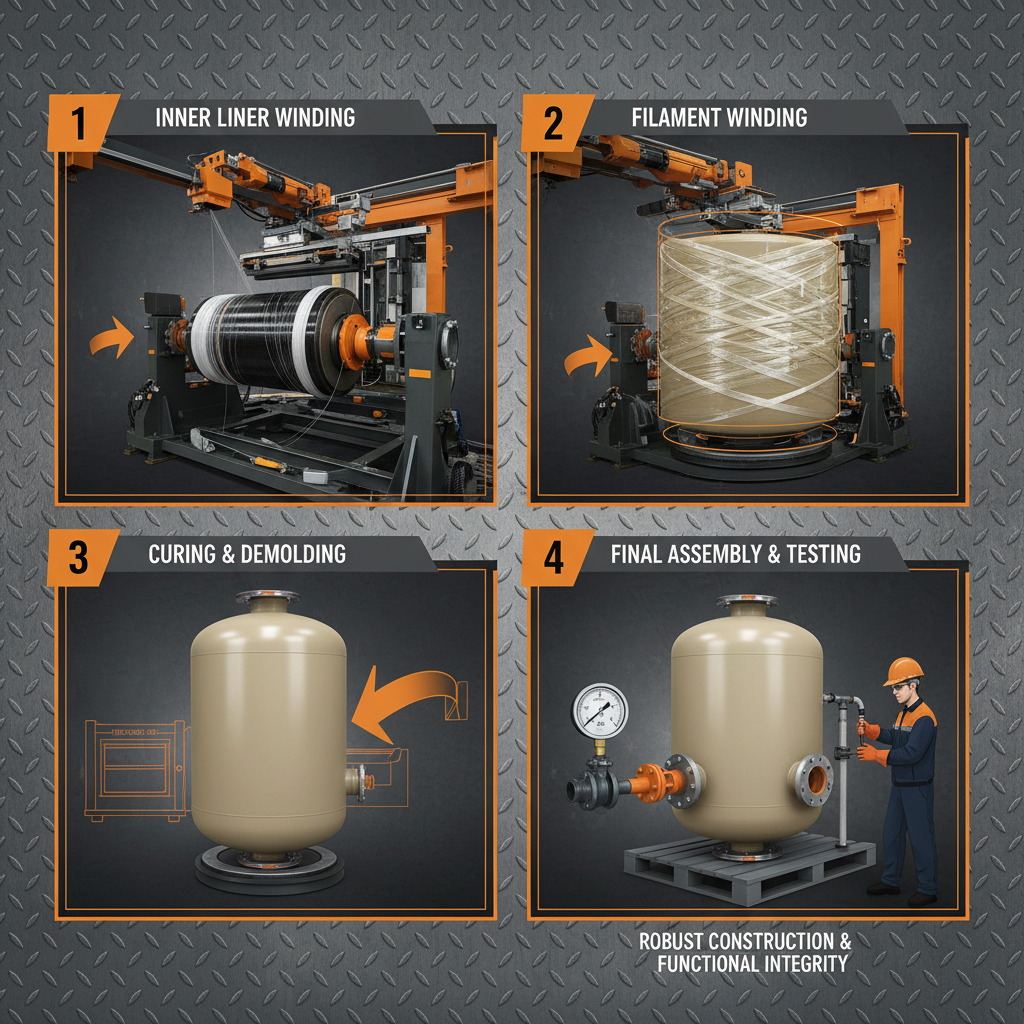
Fiberglass Reinforced Polymer (FRP) underground storage tanks are becoming increasingly popular for a wide range of applications, from fuel storage to wastewater management. Their corrosion resistance, lightweight nature, and durability offer significant advantages over traditional materials like steel. This article will provide an in-depth look at FRP underground storage tanks, covering their benefits, applications, installation, and maintenance. Understanding these aspects is crucial for making informed decisions about long-term storage solutions. Choosing the right tank ensures environmental protection and cost-effectiveness.
Comprehensive Guide to Frp Underground Storage Tanks for Reliable Storage Solutions

The Benefits of FRP Underground Storage Tanks

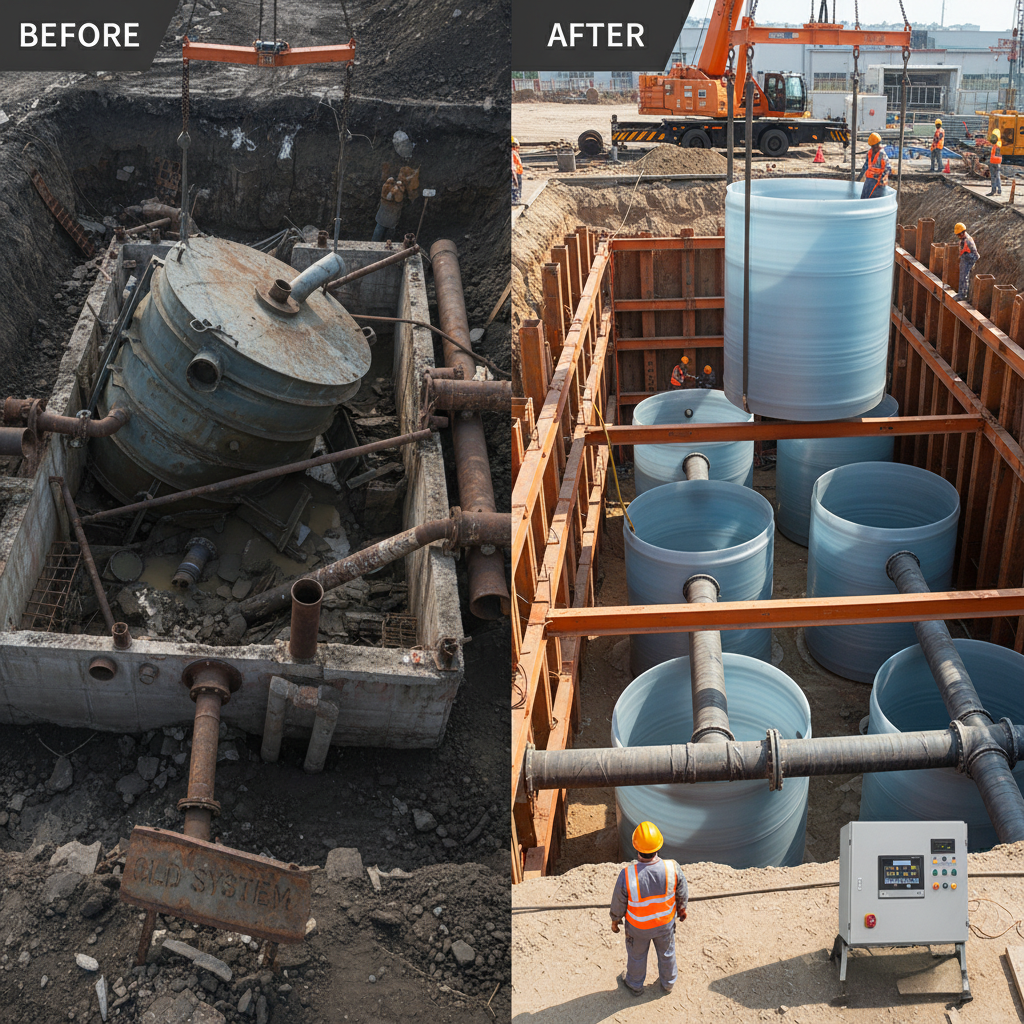
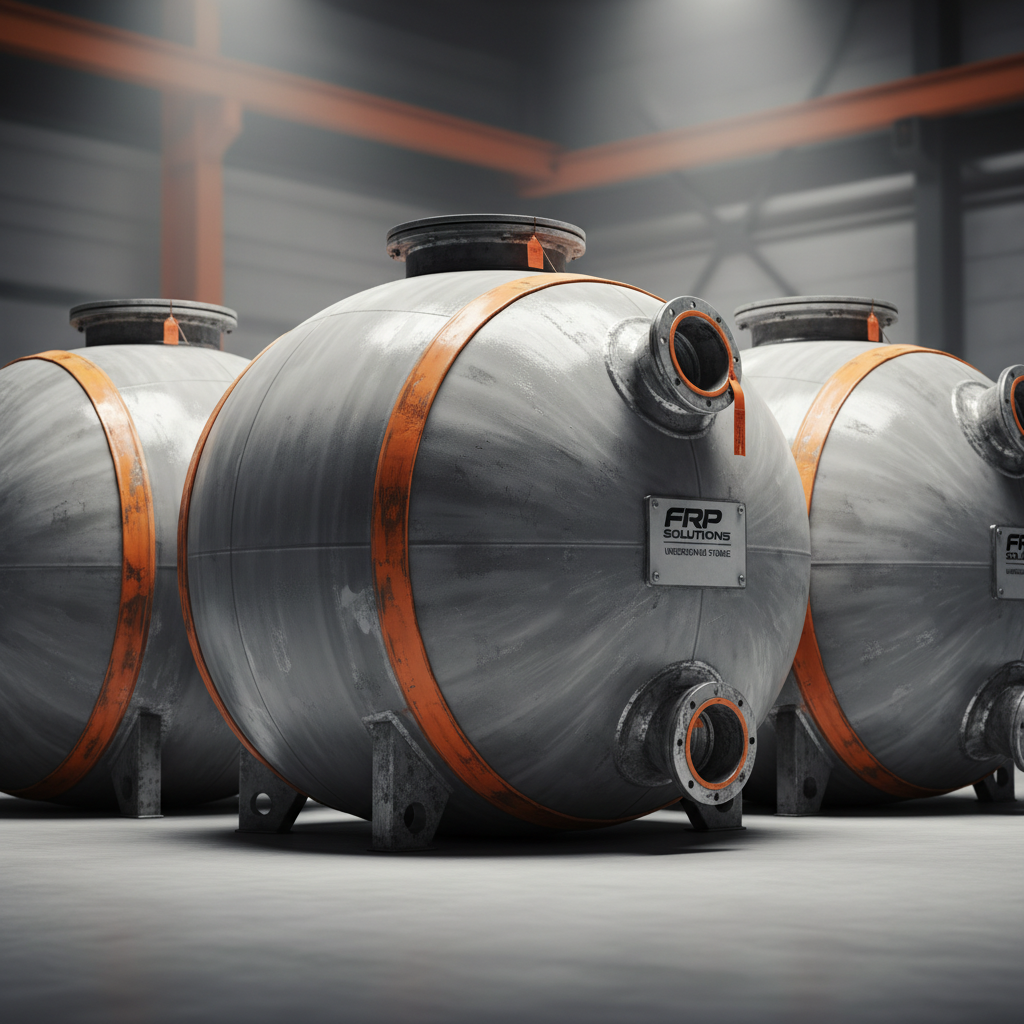
FRP tanks offer a compelling alternative to conventional storage options. One of the most significant advantages is their exceptional resistance to corrosion, even in highly aggressive environments. This dramatically extends the tank's lifespan and reduces maintenance costs. They are also significantly lighter than steel tanks, simplifying installation and reducing transportation expenses. Moreover, FRP is a non-conductive material, eliminating the risk of stray electrical currents causing damage or posing a safety hazard. Because they can be custom designed, they can accommodate a variety of shapes and sizes to suit specific site requirements. The long-term cost savings, due to reduced maintenance and increased longevity, make FRP underground storage tanks a smart investment.

Key Highlights: Superior corrosion resistance, lightweight construction, non-conductive material, custom design options, and long-term cost savings.

Applications of Frp Underground Storage Tanks

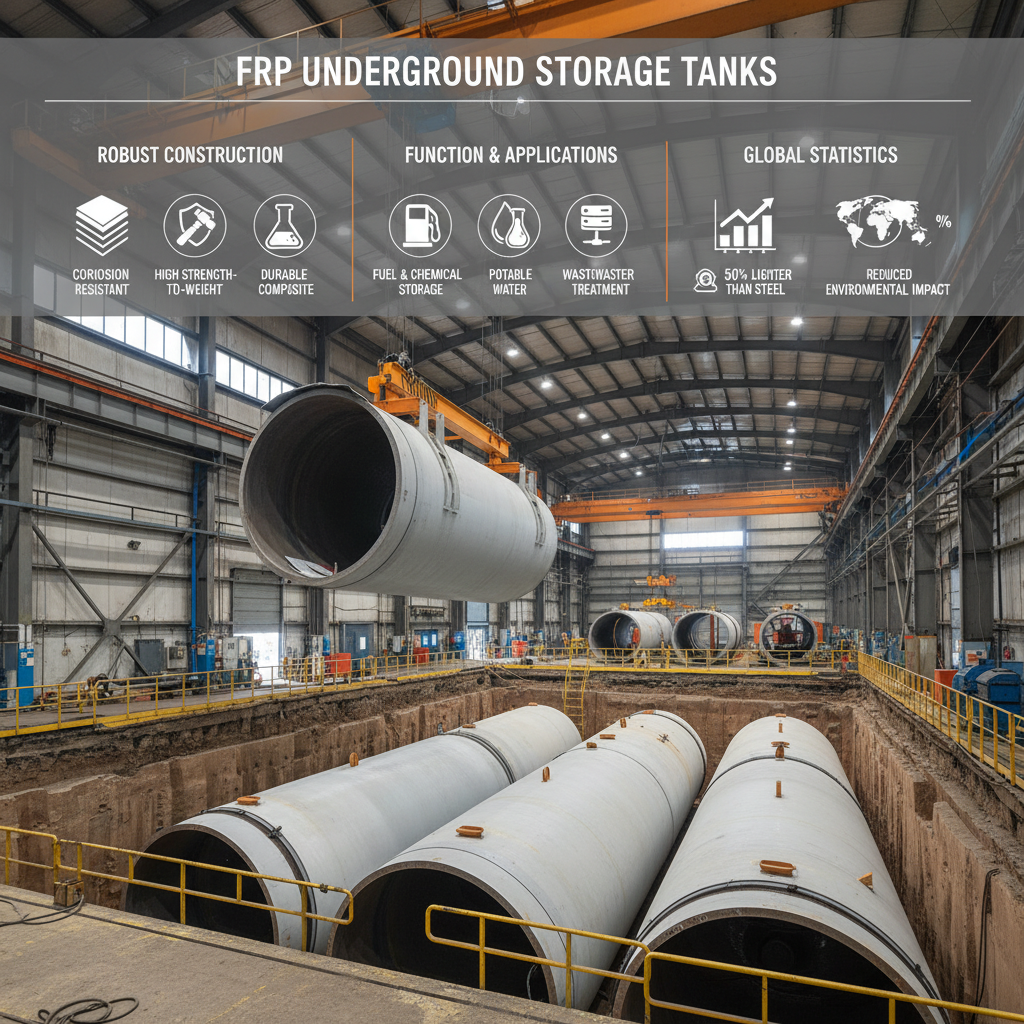
The versatility of FRP tanks lends them to a diverse range of applications. They are widely used for storing fuels such as gasoline, diesel, and ethanol, offering a safer and more environmentally friendly alternative to steel. They are also frequently employed in wastewater treatment plants for holding various types of effluent. Additionally, FRP tanks are ideal for storing chemicals, acids, and other corrosive substances. Other applications include rainwater harvesting, potable water storage, and agricultural applications like fertilizer storage. Their ability to resist degradation from a broad spectrum of substances makes them a preferred choice in industries prioritizing environmental protection and operational safety.

Common Applications:

• Fuel Storage (Gasoline, Diesel, Ethanol)

• Wastewater Treatment

• Chemical Storage

• Rainwater Harvesting

Frp vs. Steel Underground Storage Tanks: A Detailed Comparison

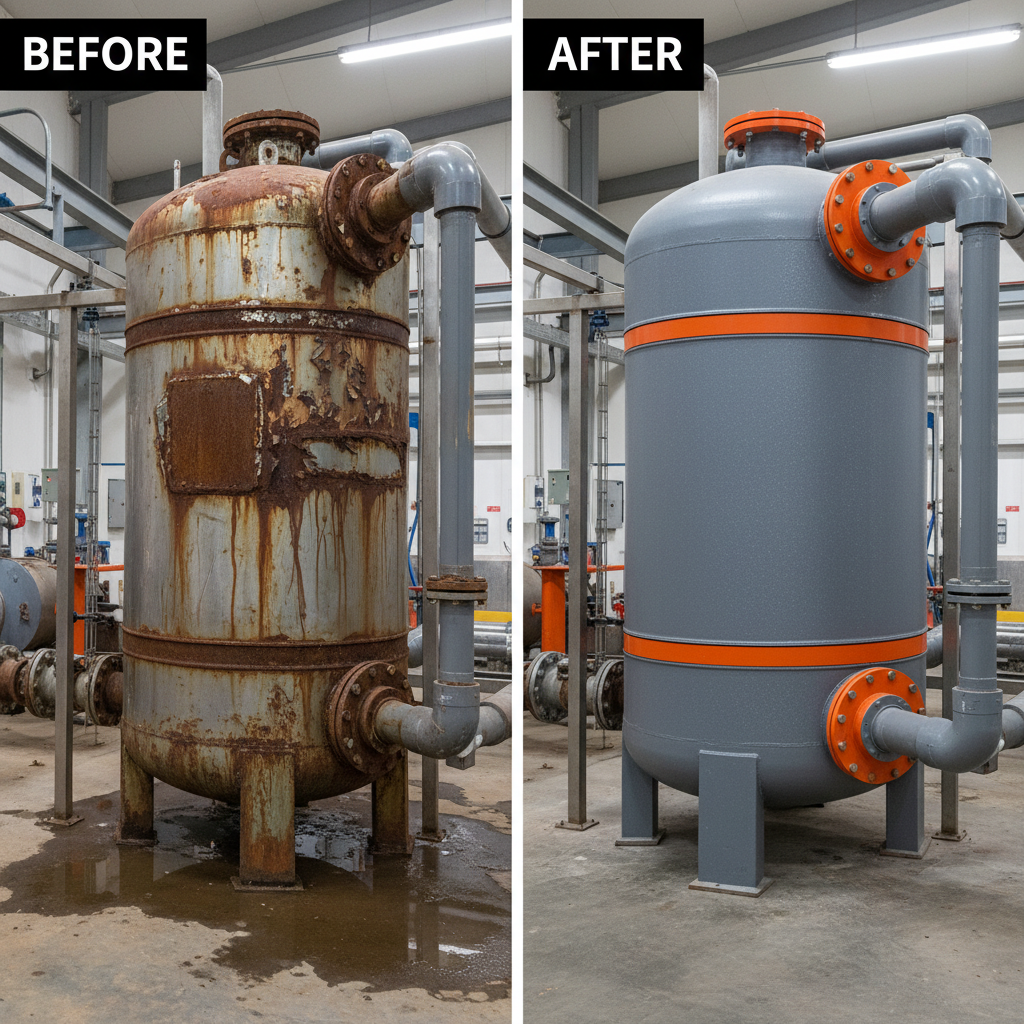
While steel tanks have been the traditional choice for underground storage, FRP tanks are rapidly gaining ground. The key differentiator lies in corrosion resistance. Steel is susceptible to rust and corrosion, requiring regular maintenance and eventual replacement. FRP, however, is inherently corrosion-resistant, significantly reducing maintenance costs and extending the tank’s lifespan. FRP tanks are also lighter, making installation easier and cheaper. While the initial cost of an FRP tank may be higher, the long-term cost of ownership is often lower due to reduced maintenance and increased durability.

Feature FRP Tank Steel Tank
Corrosion Resistance Excellent Poor (Requires Coating)
Weight Lightweight Heavy
Maintenance Low High (Coating, Repairs)
Lifespan 50+ Years 20-30 Years

Installation and Maintenance of Frp Underground Tanks

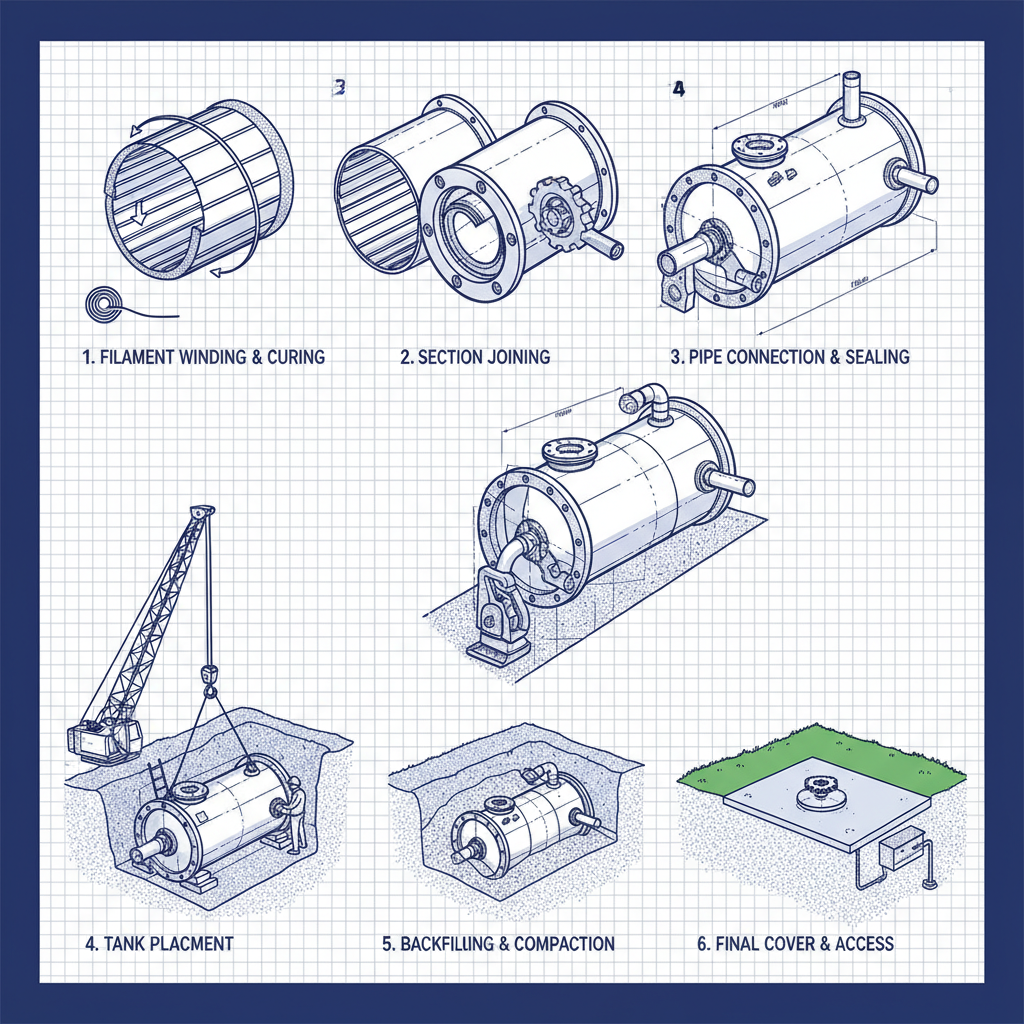
Proper installation is vital to ensure the longevity and integrity of an FRP tank. This typically involves careful site preparation, including soil compaction and leveling. The tank should be installed on a stable base and surrounded by appropriate backfill material. After installation, regular inspections are recommended to check for any signs of damage or leakage. Maintenance is generally minimal, primarily consisting of visual inspections and occasional cleaning. Contacting a qualified FRP tank installer is crucial for a successful and compliant installation process.
Comprehensive Guide to Frp Underground Storage Tanks for Reliable Storage Solutions

Choosing the Right FRP Tank Supplier

Selecting a reputable and experienced supplier is paramount. Look for a supplier that offers a wide range of tank sizes and configurations, as well as custom design capabilities. Ensure they adhere to industry standards and have a proven track record of quality and reliability. Consider factors such as warranty, technical support, and installation services. FRPGRPMACHINE is a trusted provider of high-quality FRP tanks and related equipment, offering expert guidance and comprehensive solutions.

Conclusion: A Sustainable and Reliable Storage Solution

Investing in FRP underground storage tanks represents a smart and sustainable solution for a wide range of storage needs. Their corrosion resistance, durability, and low maintenance requirements translate into long-term cost savings and environmental benefits. By choosing a reputable supplier and ensuring proper installation, you can enjoy years of reliable and worry-free operation.

Frequently Asked Questions (FAQs)

What types of liquids can be stored in FRP tanks?

FRP tanks are highly versatile and can store a wide variety of liquids, including fuels (gasoline, diesel, ethanol), water (potable and wastewater), chemicals (acids, bases, solvents), and fertilizers. However, it’s crucial to verify the tank’s compatibility with the specific liquid being stored, as some aggressive chemicals may require specialized resin systems. Consult with the tank manufacturer to ensure the chosen FRP material is suitable for your application. Improper chemical compatibility can lead to tank degradation and potential leaks.

What is the typical lifespan of an FRP underground storage tank?

With proper installation and maintenance, FRP underground storage tanks can have a lifespan of 50 years or more. Their resistance to corrosion is a major contributing factor to their longevity. Regular inspections, even if only visual, are crucial for identifying any potential issues early on. Avoiding mechanical damage during backfilling and ensuring appropriate cathodic protection (if applicable) can further extend the tank’s lifespan.

Are FRP tanks susceptible to leaks?

While FRP tanks are highly durable, leaks can occur if the tank is improperly installed, damaged during backfilling, or exposed to incompatible chemicals. Careful site preparation, proper installation techniques, and regular inspections are essential to prevent leaks. Modern FRP tanks often incorporate leak detection systems that can alert operators to potential problems. Furthermore, the seamless construction of many FRP tanks minimizes the risk of seam failures, a common source of leaks in steel tanks.

Do FRP tanks require cathodic protection?

FRP tanks are non-conductive and do not require cathodic protection in the same way that steel tanks do. Steel tanks are susceptible to corrosion and require cathodic protection to prevent rust. However, in certain applications, especially in highly corrosive soil conditions, a sacrificial anode may be used to protect any metallic components associated with the tank, such as fittings or nozzles.
Upsell Products
Upsell News
Durable FRP Vessel for Water Treatment and Industrial Filtration
Apr 16,2026
Durable FRP Vessel for Water Treatment and Industrial Filtration
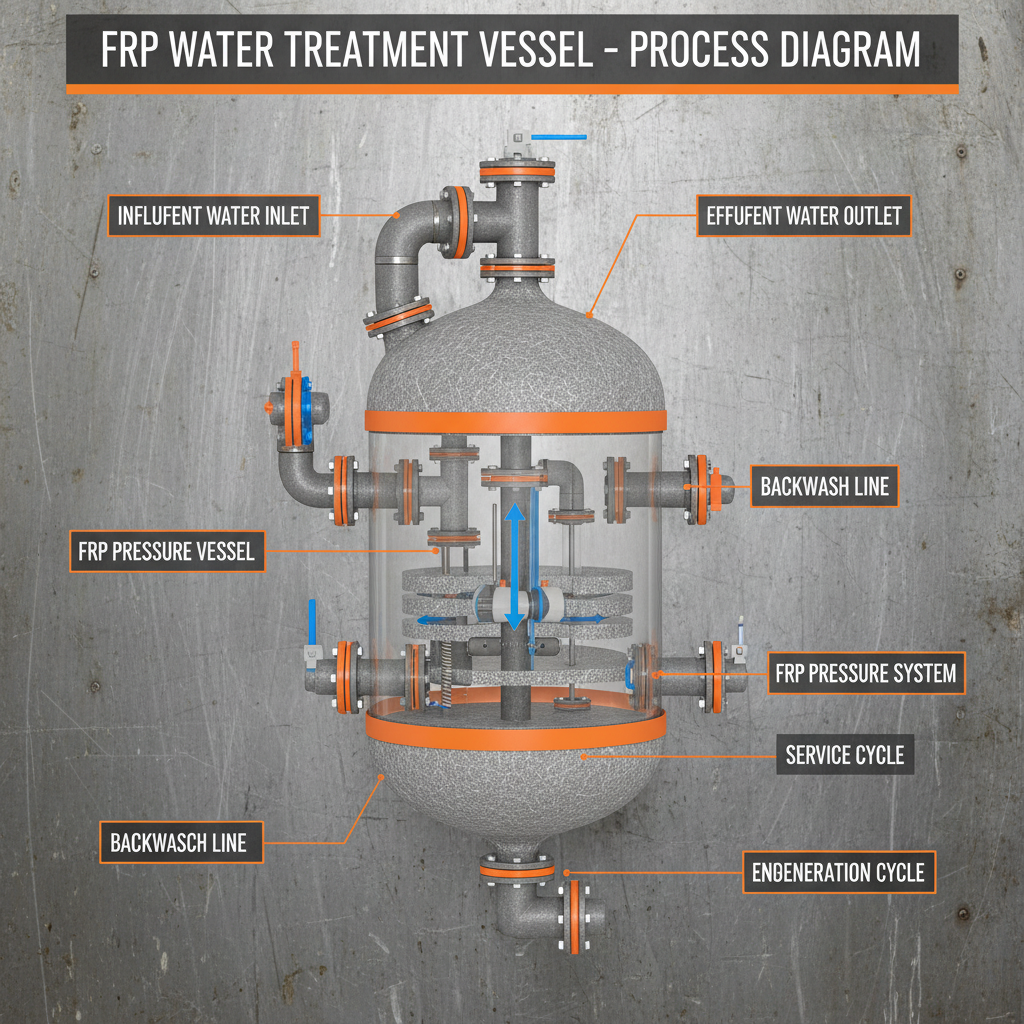
In the modern era of industrial and residential water purification, the choice of containment materials is critical for efficiency and longevity. An frp vessel for water treatment has emerged as the gold standard, replacing traditional steel tanks due to its superior corrosion resistance and lightweight properties. Whether you are dealing with desalination, softening, or filtration, using Fiber Reinforced Plastic (FRP) ensures that your system remains leak-proof and durable against aggressive chemicals. In this comprehensive guide, we will explore why FRP is the preferred choice for water treatment professionals worldwide and how to select the right vessel for your specific application.
Industrial Guide for Choosing the Right FRP Vertical Tank
Apr 09,2026
Industrial Guide for Choosing the Right FRP Vertical Tank
In today's industrial landscape, the storage of corrosive chemicals and aggressive liquids requires materials that can withstand extreme conditions without degrading. The frp vertical tank has emerged as a premier solution, offering an exceptional balance of strength, lightweight properties, and unmatched chemical resistance. Whether you are managing a water treatment plant or a chemical processing facility, understanding the nuances of Fiber Reinforced Plastic (FRP) is essential for ensuring operational safety and longevity. In this comprehensive guide, we will explore why vertical configurations are preferred and how these tanks outperform traditional metal alternatives.
Comprehensive Guide to FRP Underground Water Tank Solutions and Applications
Apr 07,2026
Comprehensive Guide to FRP Underground Water Tank Solutions and Applications
Fiberglass Reinforced Polymer (FRP) underground water tanks are becoming increasingly popular for a wide range of applications, from potable water storage to industrial wastewater containment. Their superior corrosion resistance, lightweight nature, and design flexibility make them an excellent alternative to traditional materials like concrete or steel. This article will delve into the benefits, applications, construction, and considerations for implementing FRP underground water tanks, providing a comprehensive overview for engineers, contractors, and project managers.
Comprehensive Guide to Frp Underground Water Storage Tanks and Their Applications
Apr 04,2026
Comprehensive Guide to Frp Underground Water Storage Tanks and Their Applications
When considering water storage solutions, particularly for industrial, agricultural, or municipal applications, frp underground water storage tanks stand out as a durable, cost-effective, and environmentally friendly option. These tanks are increasingly favored over traditional materials like concrete or steel due to their superior corrosion resistance, lighter weight, and ease of installation. This article delves into the benefits, applications, construction, and considerations when choosing an FRP tank, providing a detailed overview for potential buyers and project planners.
Sulfuric Acid Production Line - Hebei Aoliande|Efficient H2SO4 Plant Technology
Apr 01,2026
Sulfuric Acid Production Line - Hebei Aoliande|Efficient H2SO4 Plant Technology
Discover efficient H2SO4 plant technology and advanced sulfuric acid production solutions. Hebei Aoliande combines energy-saving furnace design and eco-friendly HCl recovery systems for sustainable industrial applications. Explore now: https://www.frpgrpmachine.com/sulfuric-acid-production-line-for-h2so4-plant.html
Sulfuric Acid Production Line - Hebei Aoliande|Efficient H2SO4 Plant Technology
Apr 01,2026
Sulfuric Acid Production Line - Hebei Aoliande|Efficient H2SO4 Plant Technology
Discover efficient H2SO4 plant technology and advanced sulfuric acid production solutions. Hebei Aoliande combines energy-saving furnace design and eco-friendly HCl recovery systems for sustainable industrial applications. Explore now: https://www.frpgrpmachine.com/sulfuric-acid-production-line-for-h2so4-plant.html
Sulfuric Acid Production Line - Hebei Aoliande|Efficient H2SO4 Plant Technology
Apr 01,2026
Sulfuric Acid Production Line - Hebei Aoliande|Efficient H2SO4 Plant Technology
Discover efficient H2SO4 plant technology and advanced sulfuric acid production solutions. Hebei Aoliande combines energy-saving furnace design and eco-friendly HCl recovery systems for sustainable industrial applications. Explore now: https://www.frpgrpmachine.com/sulfuric-acid-production-line-for-h2so4-plant.html
Sulfuric Acid Production Line - Hebei Aoliande|Efficient H2SO4 Plant Technology
Apr 01,2026
Sulfuric Acid Production Line - Hebei Aoliande|Efficient H2SO4 Plant Technology
Discover efficient H2SO4 plant technology and advanced sulfuric acid production solutions. Hebei Aoliande combines energy-saving furnace design and eco-friendly HCl recovery systems for sustainable industrial applications. Explore now: https://www.frpgrpmachine.com/sulfuric-acid-production-line-for-h2so4-plant.html
Sulfuric Acid Production Line - Hebei Aoliande|Efficient H2SO4 Plant Technology
Apr 01,2026
Sulfuric Acid Production Line - Hebei Aoliande|Efficient H2SO4 Plant Technology
Discover efficient H2SO4 plant technology and advanced sulfuric acid production solutions. Hebei Aoliande combines energy-saving furnace design and eco-friendly HCl recovery systems for sustainable industrial applications. Explore now: https://www.frpgrpmachine.com/sulfuric-acid-production-line-for-h2so4-plant.html
Sulfuric Acid Production Line - Hebei Aoliande|Efficient H2SO4 Plant Technology
Apr 01,2026
Sulfuric Acid Production Line - Hebei Aoliande|Efficient H2SO4 Plant Technology
Discover efficient H2SO4 plant technology and advanced sulfuric acid production solutions. Hebei Aoliande combines energy-saving furnace design and eco-friendly HCl recovery systems for sustainable industrial applications. Explore now: https://www.frpgrpmachine.com/sulfuric-acid-production-line-for-h2so4-plant.html
Comprehensive Guide to Frp Underground Storage Tanks for Reliable Storage Solutions
Mar 31,2026
Comprehensive Guide to Frp Underground Storage Tanks for Reliable Storage Solutions
Fiberglass Reinforced Polymer (FRP) underground storage tanks are becoming increasingly popular for a wide range of applications, from fuel storage to wastewater management. Their corrosion resistance, lightweight nature, and durability offer significant advantages over traditional materials like steel. This article will provide an in-depth look at FRP underground storage tanks, covering their benefits, applications, installation, and maintenance. Understanding these aspects is crucial for making informed decisions about long-term storage solutions.
Comprehensive Guide to Selecting the Ideal FRP Tank for Water Storage Solutions
Mar 28,2026
Comprehensive Guide to Selecting the Ideal FRP Tank for Water Storage Solutions
When it comes to reliable and durable water storage, FRP tanks for water are increasingly becoming the preferred solution for a wide range of applications. These tanks, constructed from Fiber Reinforced Polymer (FRP) materials, offer significant advantages over traditional storage options like steel or concrete. This article delves into the benefits, applications, and considerations when selecting an FRP tank for your water storage needs, providing a detailed overview for businesses and individuals alike.
Comprehensive Guide to Frp Tank and Vessel Applications and Manufacturing
Mar 26,2026
Comprehensive Guide to Frp Tank and Vessel Applications and Manufacturing
Fiber Reinforced Polymer (FRP) tanks and vessels are increasingly becoming the preferred choice for storage and processing across a multitude of industries. Their lightweight nature, corrosion resistance, and design flexibility offer significant advantages over traditional materials like steel. This article will delve into the intricacies of FRP tanks and vessels, exploring their applications, manufacturing processes, benefits, and considerations for selecting the right solution for your specific needs. We’ll also highlight why FRP tanks are a cost-effective and reliable long-term investment. FRP tanks and vessels are constructed from a combination of reinforcing fibers (such as fiberglass, carbon fiber, or aramid fiber) embedded in a polymer matrix (typically polyester, vinyl ester, or epoxy resin). This combination creates a composite material that boasts high strength-to-weight ratio, exceptional corrosion resistance, and the ability to be molded into complex shapes. They’re designed to safely contain a wide variety of liquids and gases, ranging from corrosive chemicals and water to food products and pharmaceuticals.
Optimizing Water Filtration with Durable FRP Sand Filter Vessels
Mar 24,2026
Optimizing Water Filtration with Durable FRP Sand Filter Vessels
In water treatment and filtration systems, the choice of filter vessel material is paramount. Fiber Reinforced Plastic (FRP), also known as Glass Reinforced Polymer (GRP), sand filter vessels are increasingly popular due to their superior corrosion resistance, lightweight nature, and cost-effectiveness. This article delves into the benefits, applications, design considerations, and factors to consider when selecting an FRP sand filter vessel. Whether you are involved in municipal water treatment, industrial wastewater management, or recreational water filtration, understanding FRP technology is essential for optimizing your filtration process. An FRP sand filter vessel is a containment unit designed to house filtration media, typically sand, gravel, and anthracite. These vessels are integral components in sand filtration systems used for removing suspended solids, turbidity, and other particulate matter from water. FRP construction involves layering glass fibers within a resin matrix (typically polyester or vinyl ester) to create a strong, durable, and chemically resistant shell. The strength and rigidity of the vessel are crucial for withstanding the pressure from the filtration media and the water flow.
Comprehensive Guide to FRP Round Tanks Applications and Benefits
Mar 21,2026
Comprehensive Guide to FRP Round Tanks Applications and Benefits
Fiber Reinforced Polymer (FRP) round tanks are increasingly becoming the preferred choice for storage solutions across a variety of industries. Their lightweight nature, corrosion resistance, and design flexibility offer significant advantages over traditional materials like steel. This article provides an in-depth look at FRP round tanks, exploring their applications, benefits, manufacturing processes, and key considerations when choosing the right tank for your needs. Whether you're in chemical processing, water treatment, or agriculture, understanding FRP round tanks is crucial for optimizing your storage infrastructure. FRP round tanks are constructed from a combination of reinforcing fibers (typically fiberglass, carbon fiber, or a blend) embedded in a polymer matrix (often polyester, vinyl ester, or epoxy resin). The round shape inherently provides excellent structural strength, distributing pressure evenly across the tank’s surface.
Comprehensive Guide to FRP Pressure Tanks Benefits and Applications
Mar 19,2026
Comprehensive Guide to FRP Pressure Tanks Benefits and Applications
Fiber Reinforced Polymer (FRP) pressure tanks are becoming increasingly popular in a wide range of industrial applications, offering a compelling alternative to traditional steel tanks. Known for their lightweight nature, corrosion resistance, and high strength-to-weight ratio, FRP tanks provide efficient and durable solutions for storing liquids and gases under pressure. This article will delve into the benefits, applications, construction, and key considerations when selecting an FRP pressure tank, helping you make an informed decision for your specific needs. Understanding the advantages of FRP technology can lead to significant cost savings and improved operational efficiency. Compared to steel, FRP pressure tanks offer several key advantages. The most significant is their superior corrosion resistance. Unlike steel, which is susceptible to rust and corrosion when exposed to various chemicals, FRP materials are inherently resistant to a wide range of corrosive substances. This translates to a longer lifespan, reduced maintenance costs, and increased safety. Furthermore, FRP is significantly lighter than steel, making installation easier and reducing transportation costs.
For More Details Pls Contact Us
Thank you for your interest in our gloves! We offer high-quality, durable, and comfortable gloves with fast delivery and competitive prices. For any questions or customization, feel free to contact us. We look forward to working with you!

If you are interested in our products, you can choose to leave your information here, and we will be in touch with you shortly.