Comprehensive Guide to Frp Underground Storage Tanks for Reliable Storage Solutions
Frp Underground Storage Tanks: A Comprehensive Guide
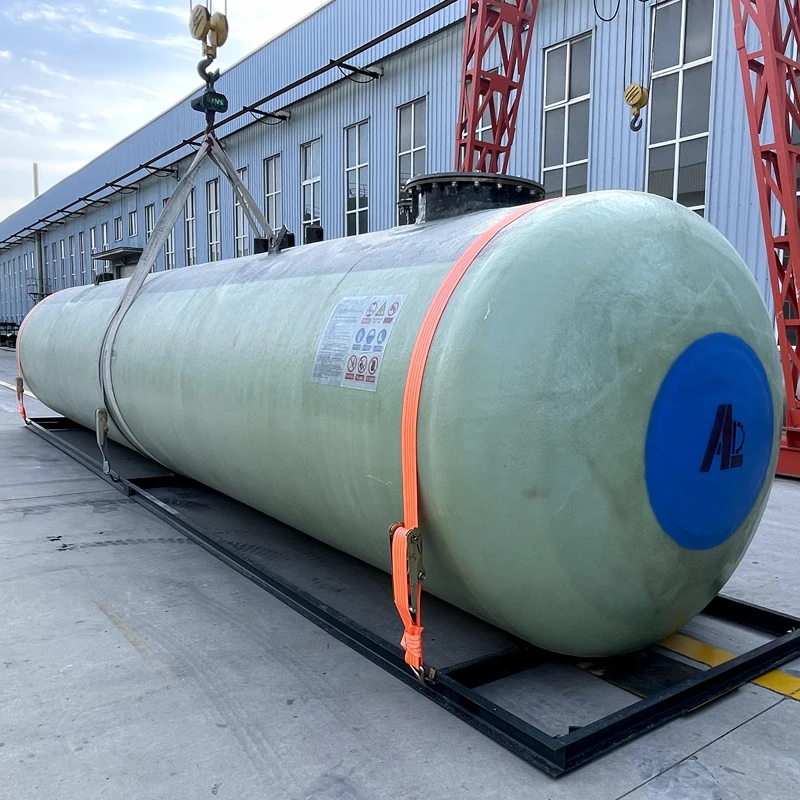
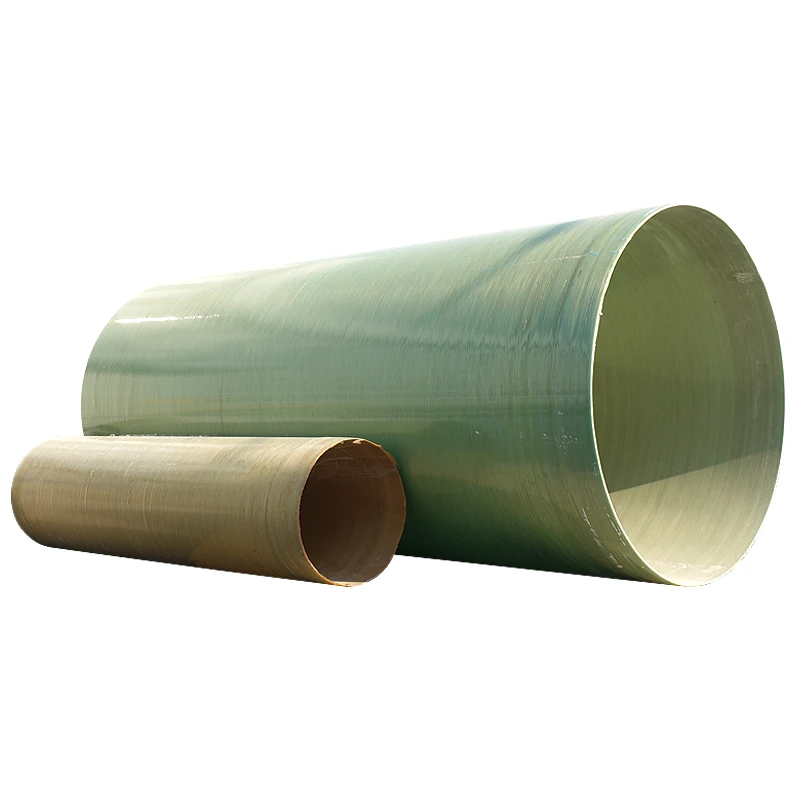
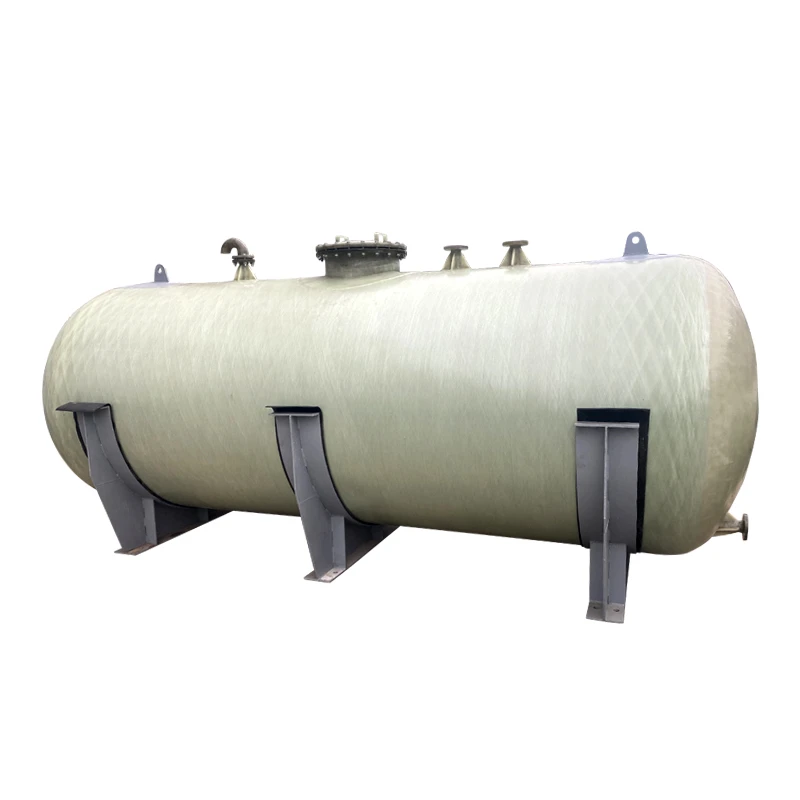
Fiberglass Reinforced Polymer (FRP) underground storage tanks are becoming increasingly popular for a wide range of applications, from fuel storage to wastewater management. Their corrosion resistance, lightweight nature, and durability offer significant advantages over traditional materials like steel. This article will provide an in-depth look at FRP underground storage tanks, covering their benefits, applications, installation, and maintenance. Understanding these aspects is crucial for making informed decisions about long-term storage solutions. Choosing the right tank ensures environmental protection and cost-effectiveness.
The Benefits of FRP Underground Storage Tanks
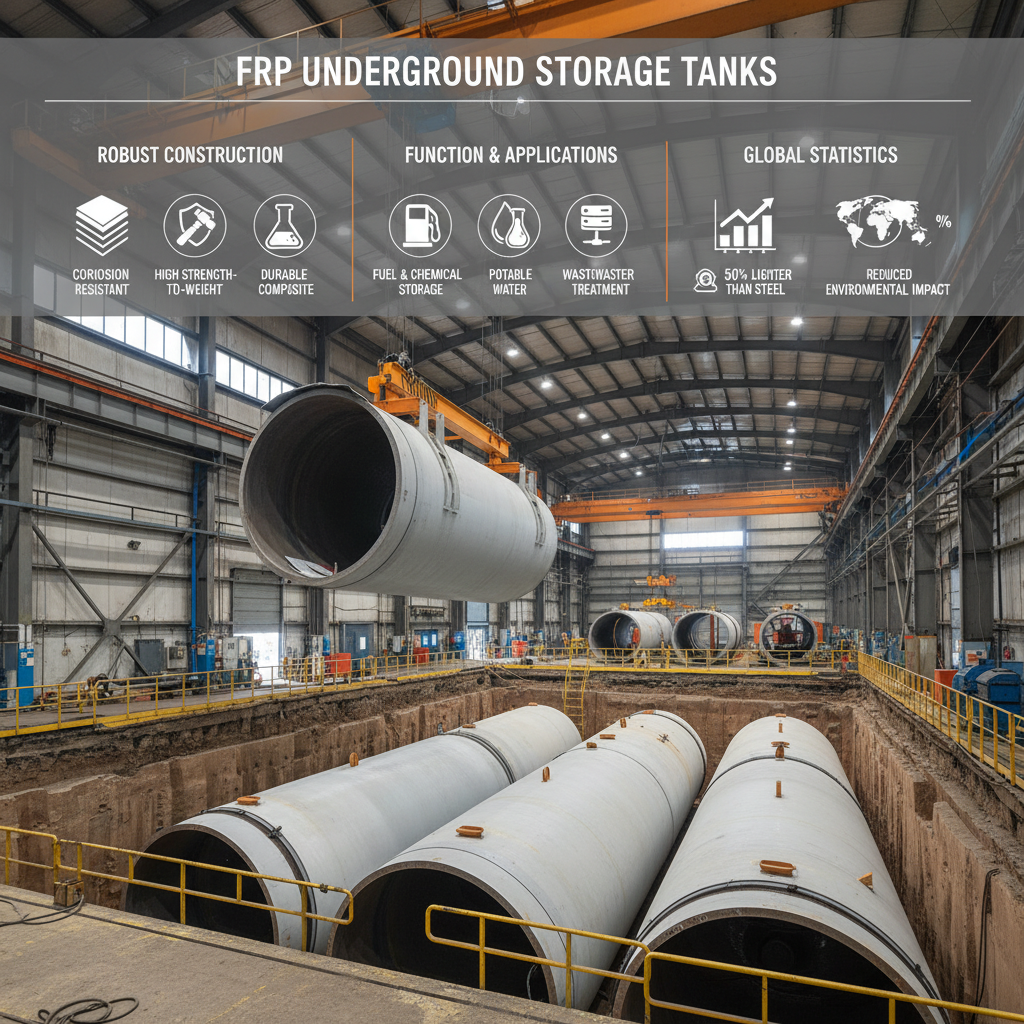
FRP tanks offer a compelling alternative to conventional storage options. One of the most significant advantages is their exceptional resistance to corrosion, even in highly aggressive environments. This dramatically extends the tank's lifespan and reduces maintenance costs. They are also significantly lighter than steel tanks, simplifying installation and reducing transportation expenses. Moreover, FRP is a non-conductive material, eliminating the risk of stray electrical currents causing damage or posing a safety hazard. Because they can be custom designed, they can accommodate a variety of shapes and sizes to suit specific site requirements. The long-term cost savings, due to reduced maintenance and increased longevity, make FRP underground storage tanks a smart investment.
Key Highlights: Superior corrosion resistance, lightweight construction, non-conductive material, custom design options, and long-term cost savings.
Applications of Frp Underground Storage Tanks
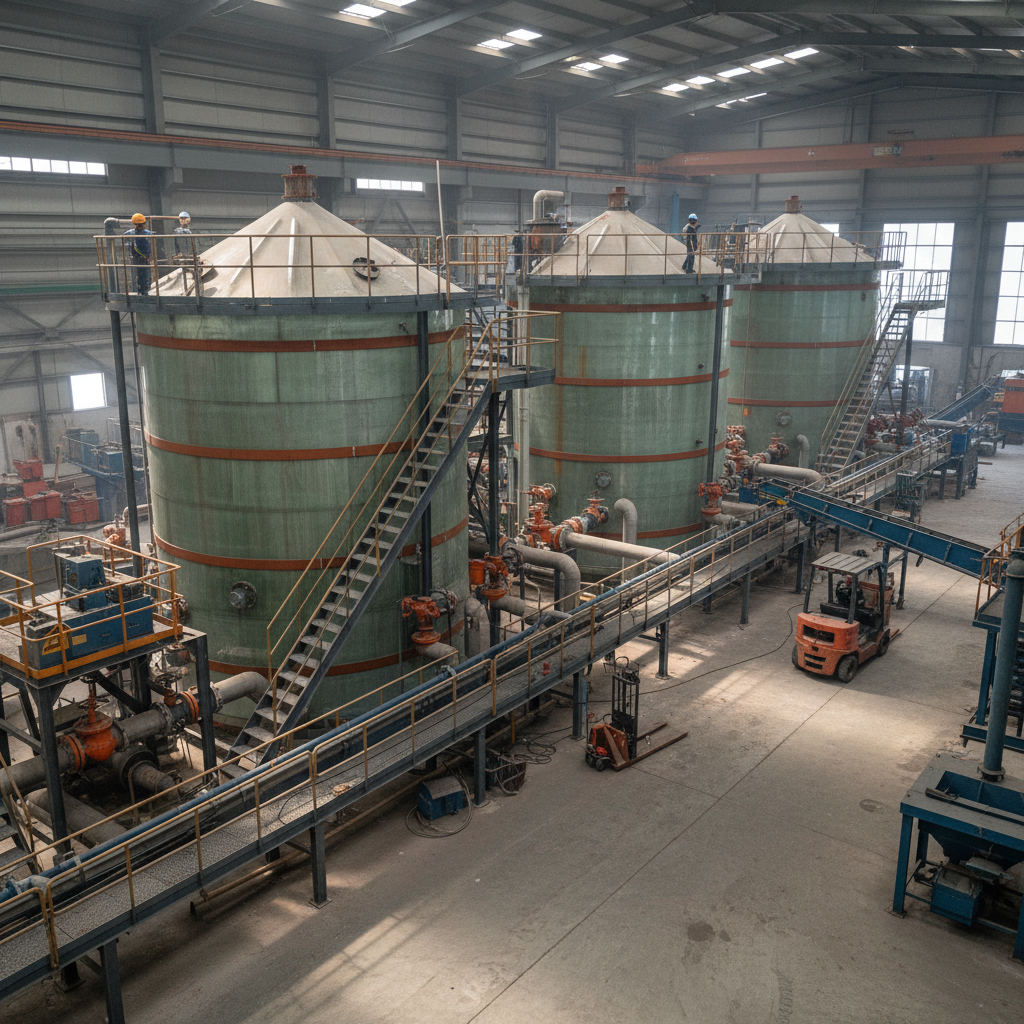
The versatility of FRP tanks lends them to a diverse range of applications. They are widely used for storing fuels such as gasoline, diesel, and ethanol, offering a safer and more environmentally friendly alternative to steel. They are also frequently employed in wastewater treatment plants for holding various types of effluent. Additionally, FRP tanks are ideal for storing chemicals, acids, and other corrosive substances. Other applications include rainwater harvesting, potable water storage, and agricultural applications like fertilizer storage. Their ability to resist degradation from a broad spectrum of substances makes them a preferred choice in industries prioritizing environmental protection and operational safety.
Common Applications:
• Fuel Storage (Gasoline, Diesel, Ethanol)
• Wastewater Treatment
• Chemical Storage
• Rainwater Harvesting
Frp vs. Steel Underground Storage Tanks: A Detailed Comparison
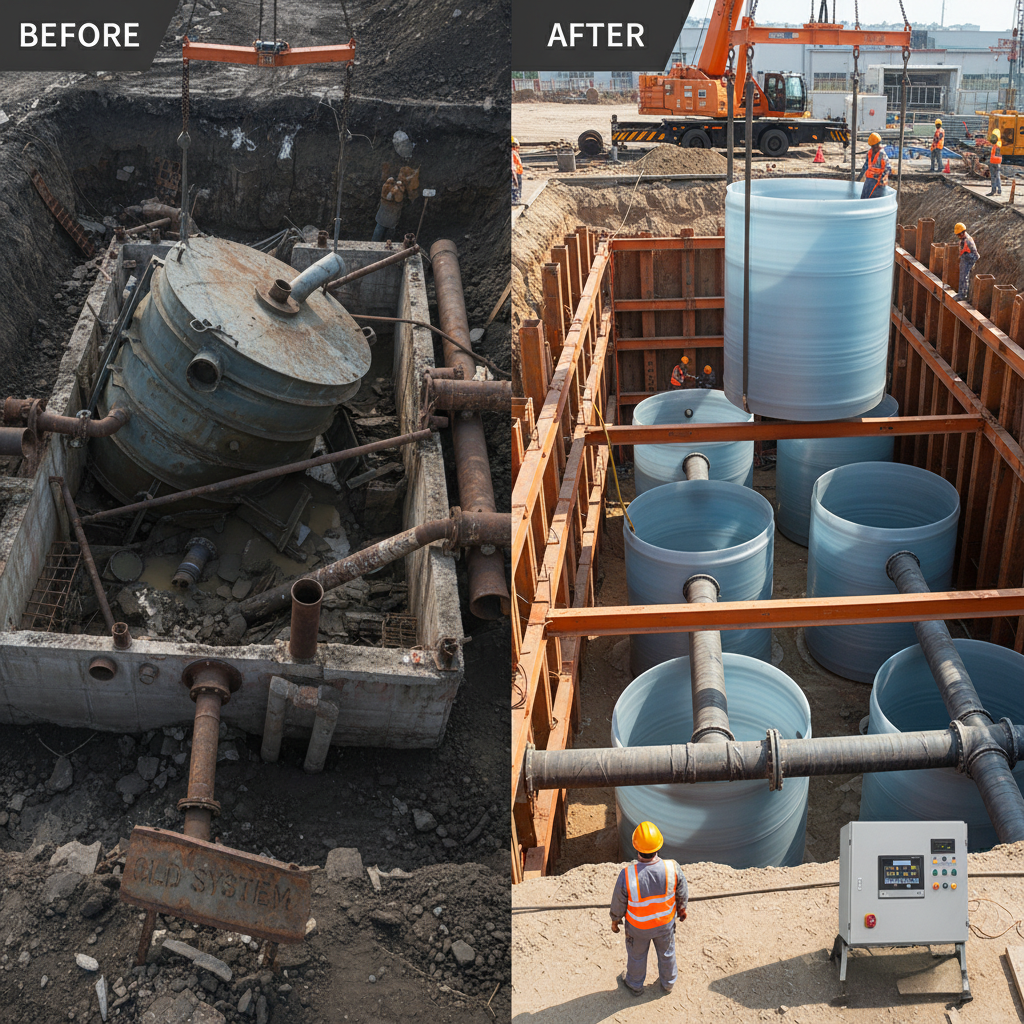
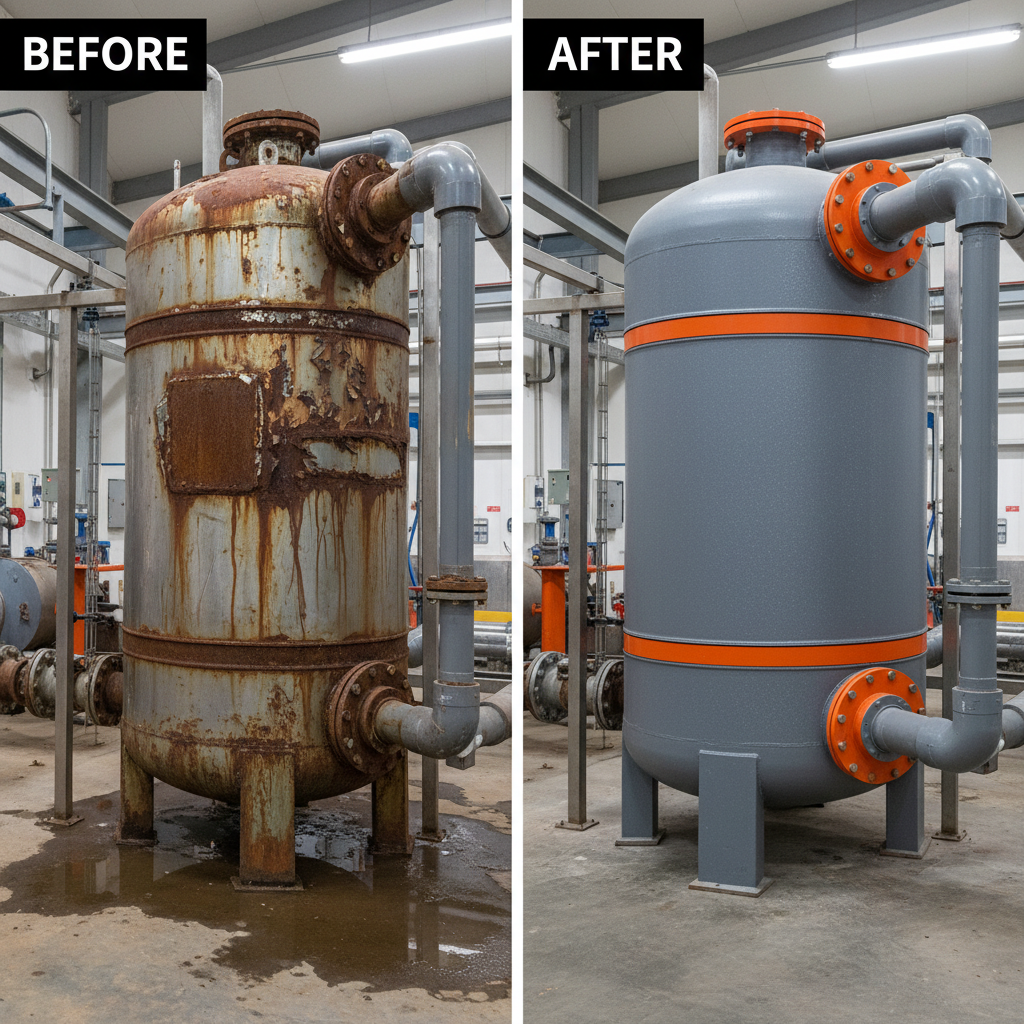
While steel tanks have been the traditional choice for underground storage, FRP tanks are rapidly gaining ground. The key differentiator lies in corrosion resistance. Steel is susceptible to rust and corrosion, requiring regular maintenance and eventual replacement. FRP, however, is inherently corrosion-resistant, significantly reducing maintenance costs and extending the tank’s lifespan. FRP tanks are also lighter, making installation easier and cheaper. While the initial cost of an FRP tank may be higher, the long-term cost of ownership is often lower due to reduced maintenance and increased durability.
Installation and Maintenance of Frp Underground Tanks
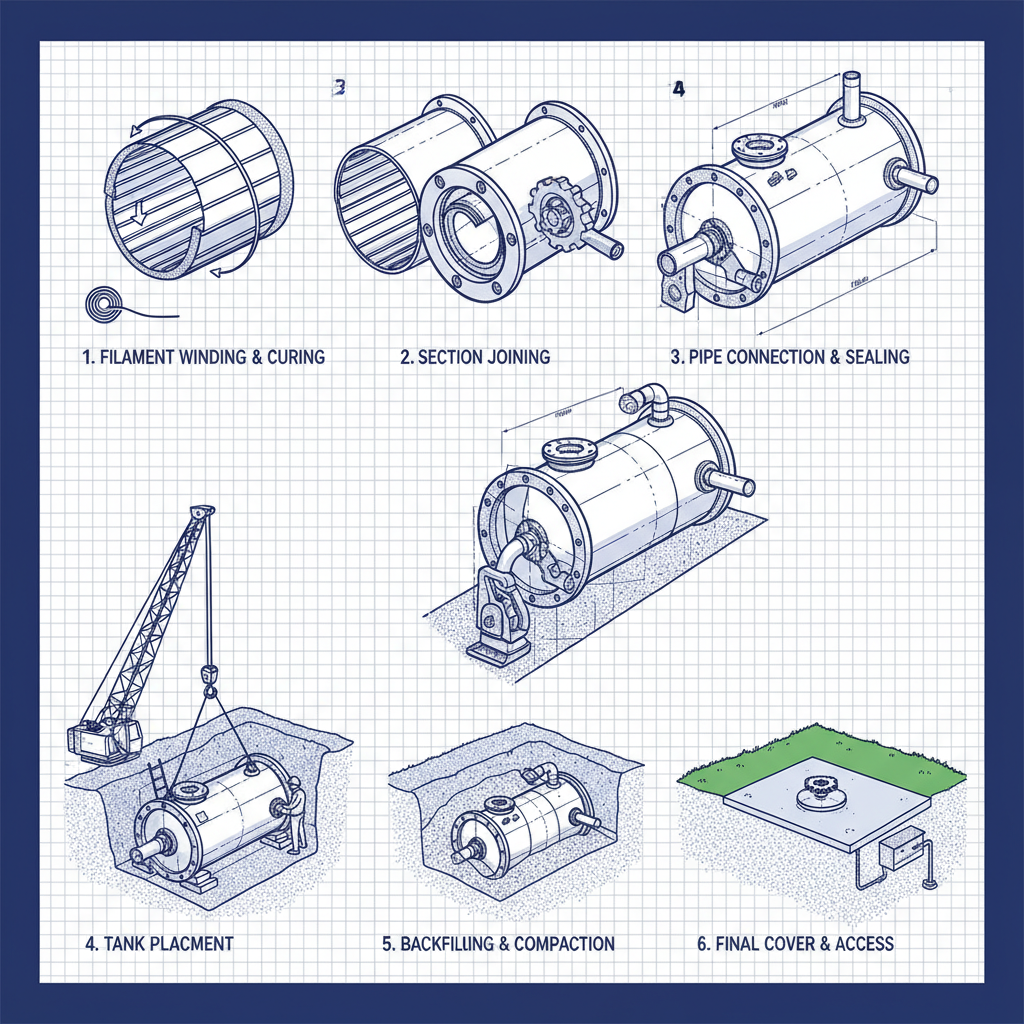
Proper installation is vital to ensure the longevity and integrity of an FRP tank. This typically involves careful site preparation, including soil compaction and leveling. The tank should be installed on a stable base and surrounded by appropriate backfill material. After installation, regular inspections are recommended to check for any signs of damage or leakage. Maintenance is generally minimal, primarily consisting of visual inspections and occasional cleaning. Contacting a qualified FRP tank installer is crucial for a successful and compliant installation process.
Choosing the Right FRP Tank Supplier
Selecting a reputable and experienced supplier is paramount. Look for a supplier that offers a wide range of tank sizes and configurations, as well as custom design capabilities. Ensure they adhere to industry standards and have a proven track record of quality and reliability. Consider factors such as warranty, technical support, and installation services. FRPGRPMACHINE is a trusted provider of high-quality FRP tanks and related equipment, offering expert guidance and comprehensive solutions.
Conclusion: A Sustainable and Reliable Storage Solution
Investing in FRP underground storage tanks represents a smart and sustainable solution for a wide range of storage needs. Their corrosion resistance, durability, and low maintenance requirements translate into long-term cost savings and environmental benefits. By choosing a reputable supplier and ensuring proper installation, you can enjoy years of reliable and worry-free operation.
Frequently Asked Questions (FAQs)
What types of liquids can be stored in FRP tanks?
FRP tanks are highly versatile and can store a wide variety of liquids, including fuels (gasoline, diesel, ethanol), water (potable and wastewater), chemicals (acids, bases, solvents), and fertilizers. However, it’s crucial to verify the tank’s compatibility with the specific liquid being stored, as some aggressive chemicals may require specialized resin systems. Consult with the tank manufacturer to ensure the chosen FRP material is suitable for your application. Improper chemical compatibility can lead to tank degradation and potential leaks.
What is the typical lifespan of an FRP underground storage tank?
With proper installation and maintenance, FRP underground storage tanks can have a lifespan of 50 years or more. Their resistance to corrosion is a major contributing factor to their longevity. Regular inspections, even if only visual, are crucial for identifying any potential issues early on. Avoiding mechanical damage during backfilling and ensuring appropriate cathodic protection (if applicable) can further extend the tank’s lifespan.
Are FRP tanks susceptible to leaks?
While FRP tanks are highly durable, leaks can occur if the tank is improperly installed, damaged during backfilling, or exposed to incompatible chemicals. Careful site preparation, proper installation techniques, and regular inspections are essential to prevent leaks. Modern FRP tanks often incorporate leak detection systems that can alert operators to potential problems. Furthermore, the seamless construction of many FRP tanks minimizes the risk of seam failures, a common source of leaks in steel tanks.
Do FRP tanks require cathodic protection?
FRP tanks are non-conductive and do not require cathodic protection in the same way that steel tanks do. Steel tanks are susceptible to corrosion and require cathodic protection to prevent rust. However, in certain applications, especially in highly corrosive soil conditions, a sacrificial anode may be used to protect any metallic components associated with the tank, such as fittings or nozzles.