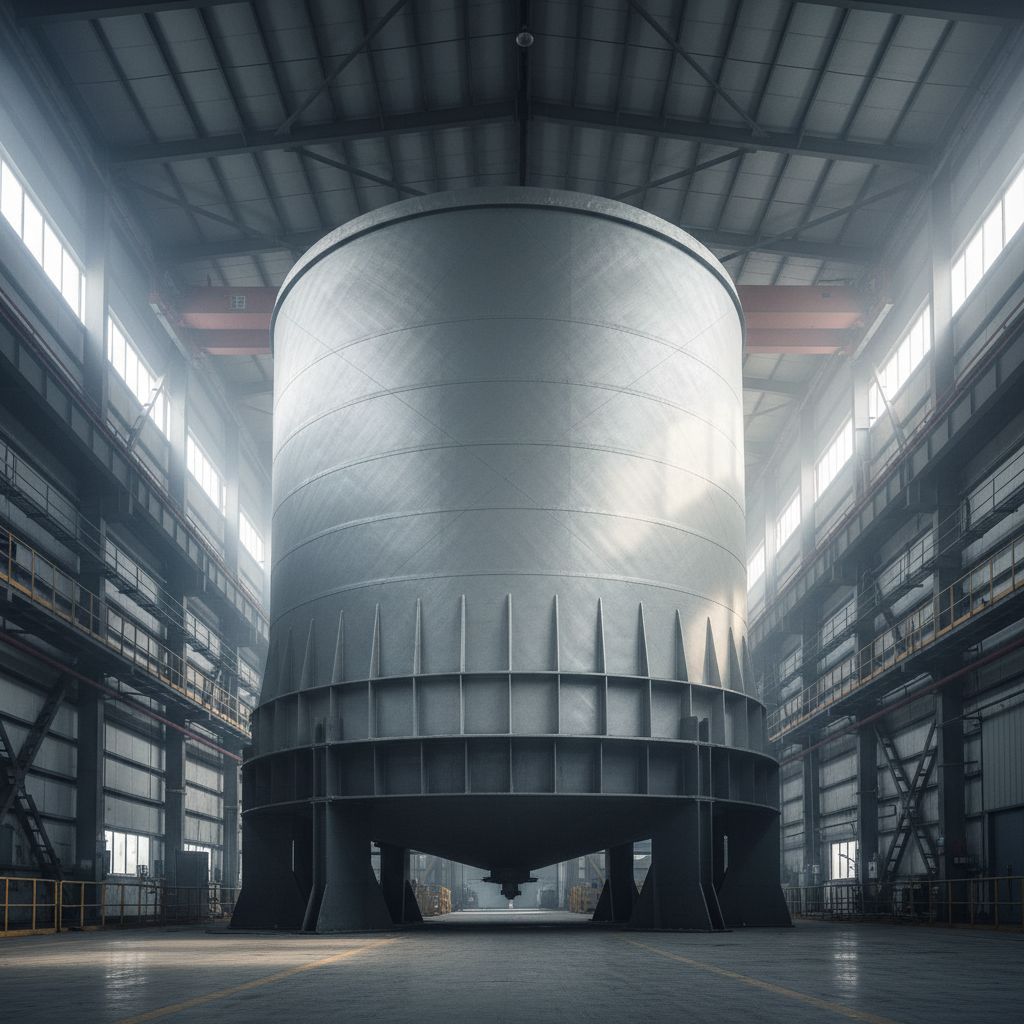
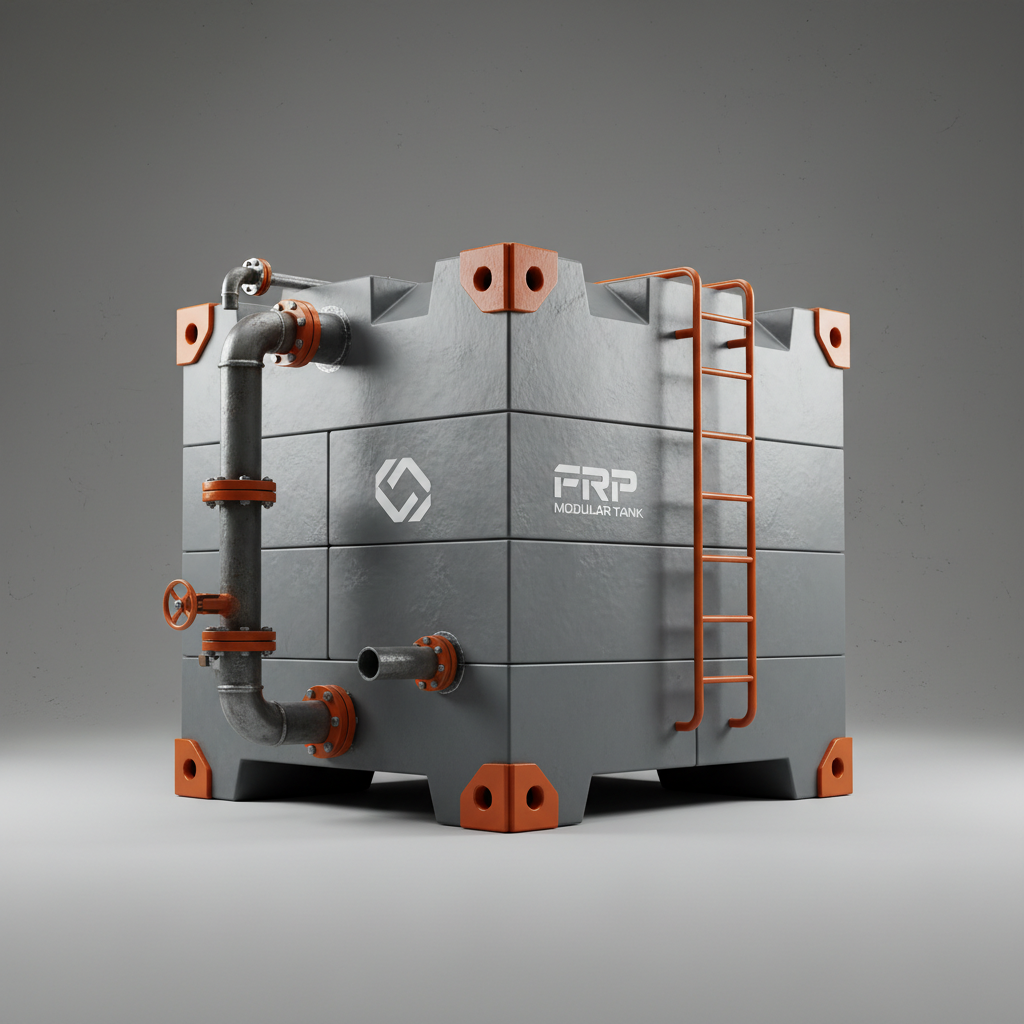
Comprehensive Guide to Selecting the Ideal FRP Tank for Water Storage Solutions
Choosing the Right FRP Tank for Water Storage: A Comprehensive Guide
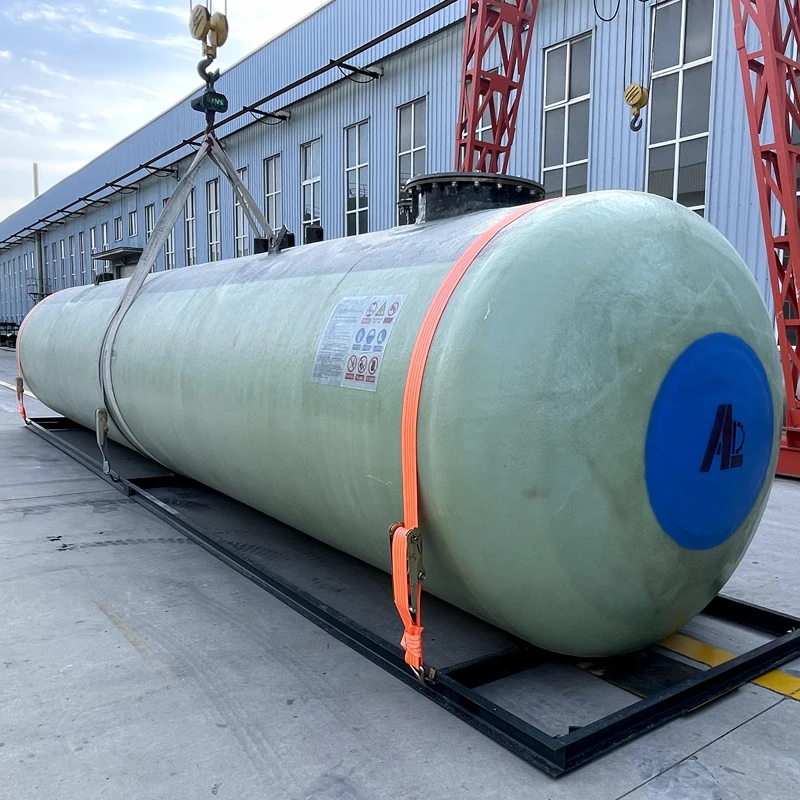
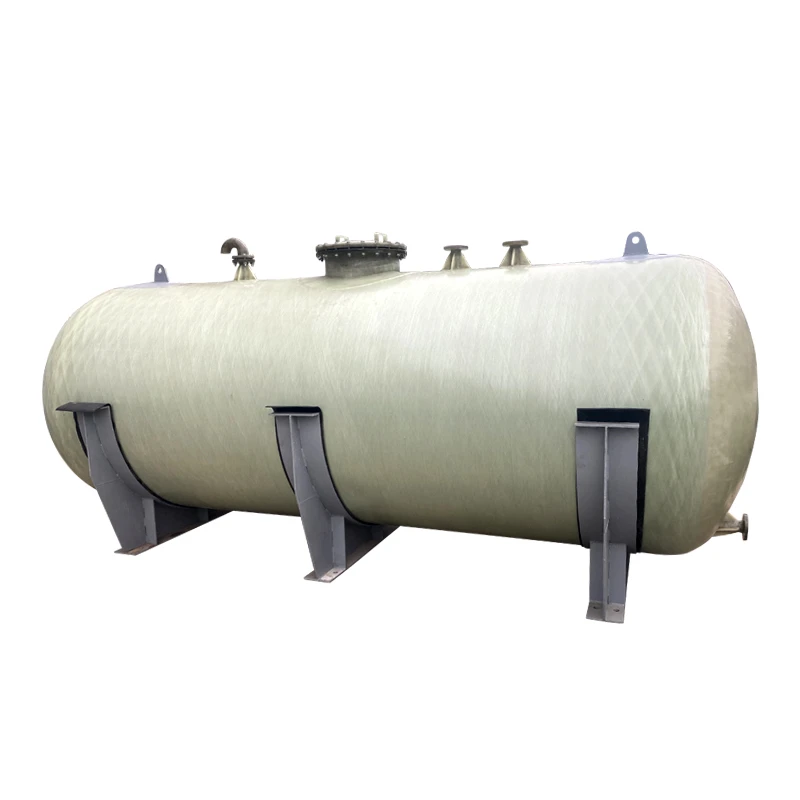
When it comes to reliable and durable water storage, FRP tanks for water are increasingly becoming the preferred solution for a wide range of applications. These tanks, constructed from Fiber Reinforced Polymer (FRP) materials, offer significant advantages over traditional storage options like steel or concrete. This article delves into the benefits, applications, and considerations when selecting an FRP tank for your water storage needs, providing a detailed overview for businesses and individuals alike. Choosing the right tank ensures long-term reliability, cost-effectiveness, and water quality preservation.
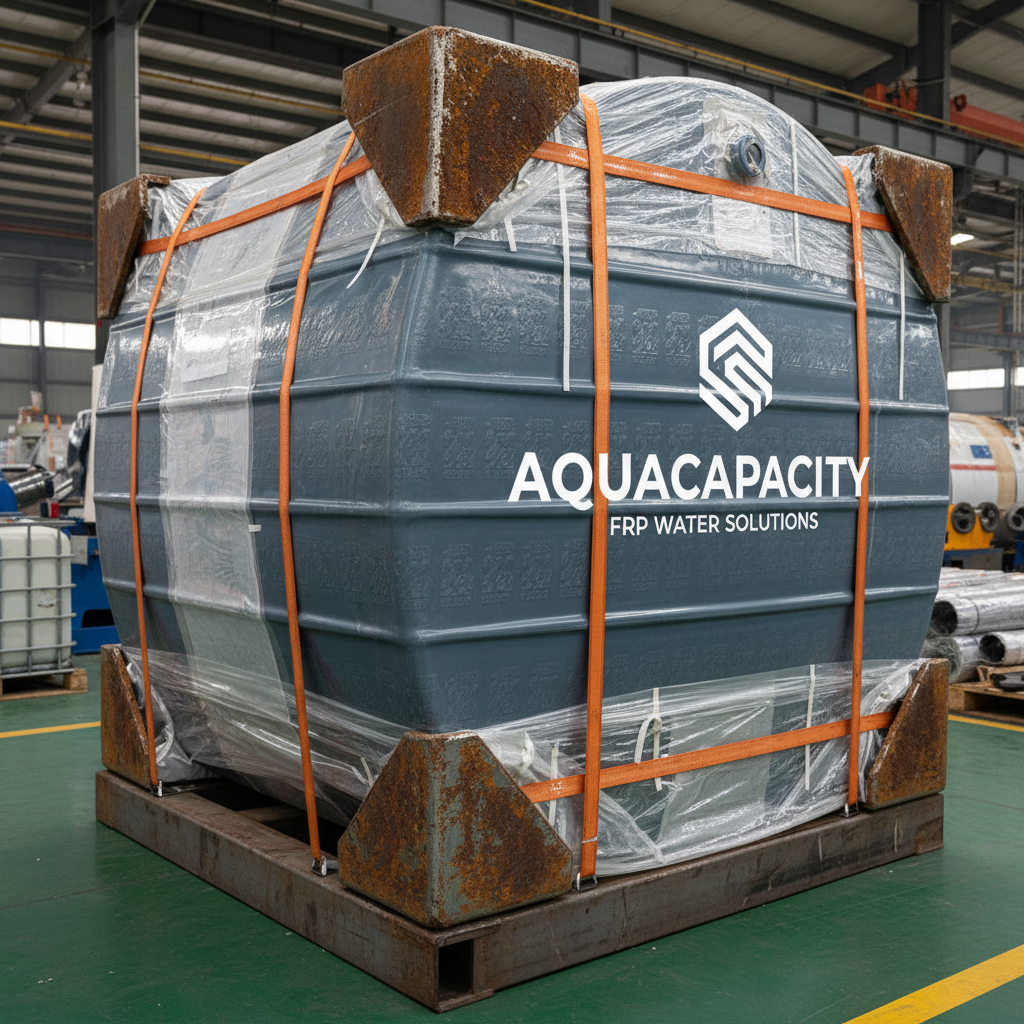
Understanding FRP Tanks: Materials and Construction
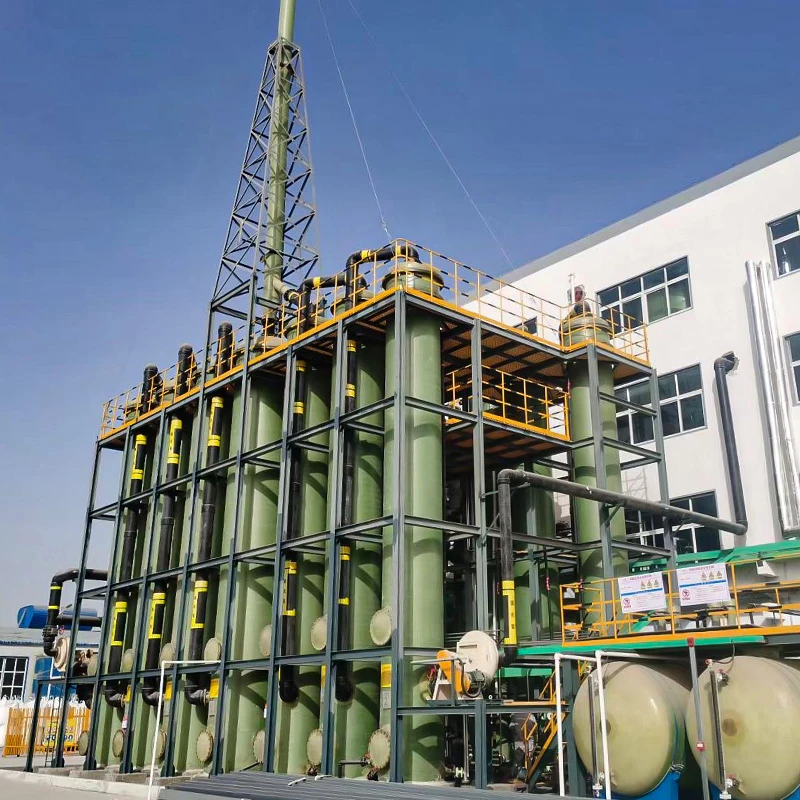
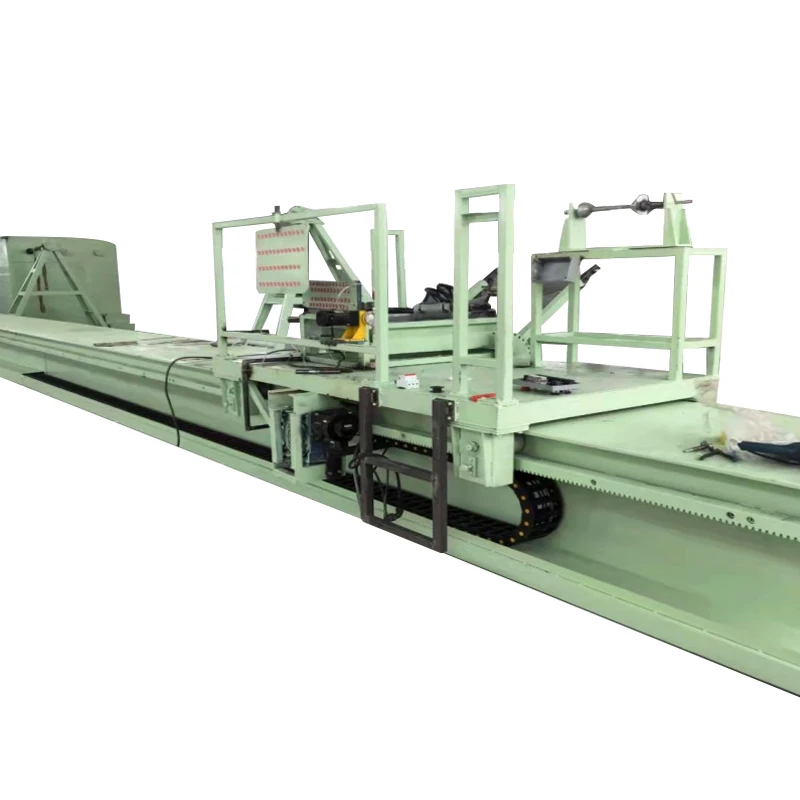
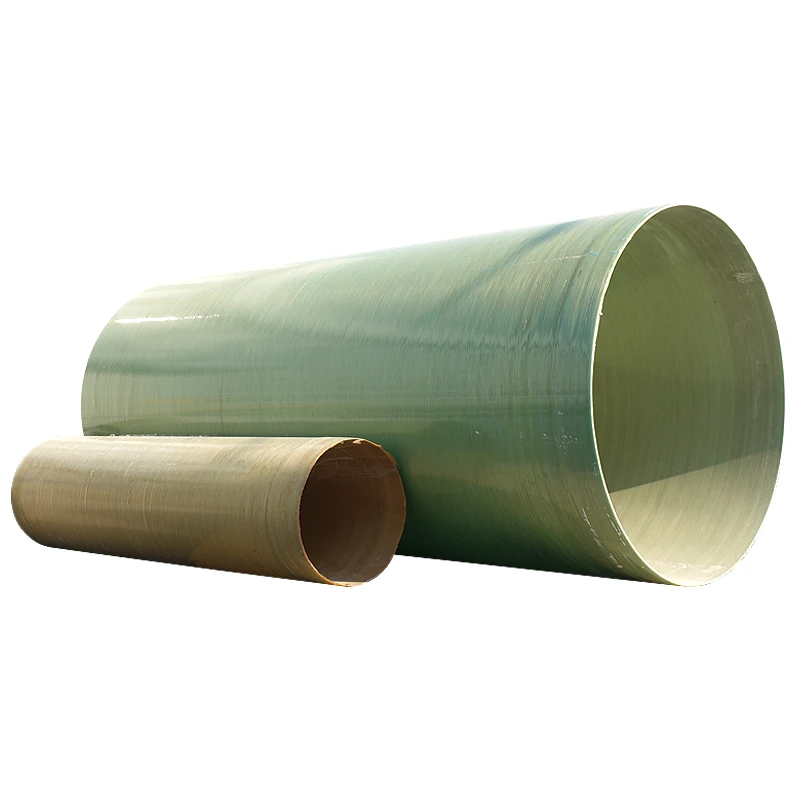
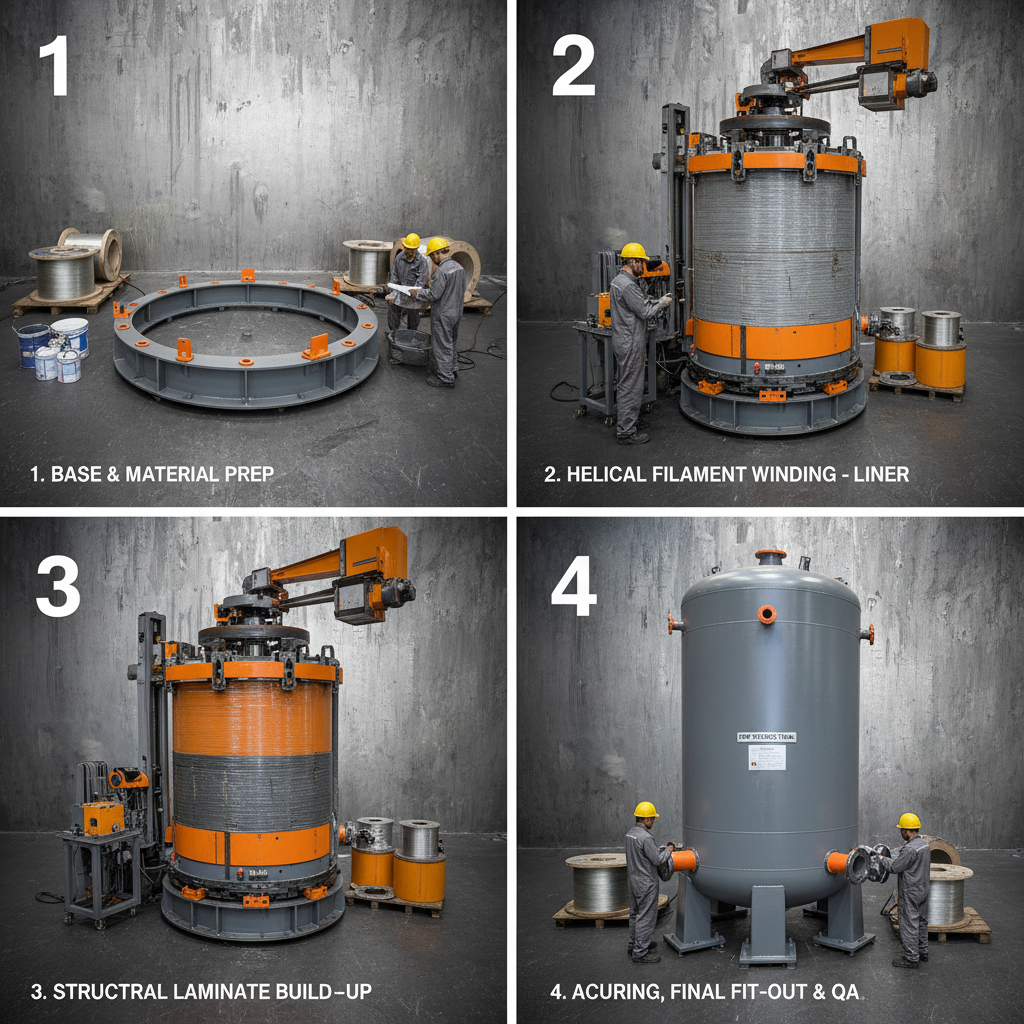
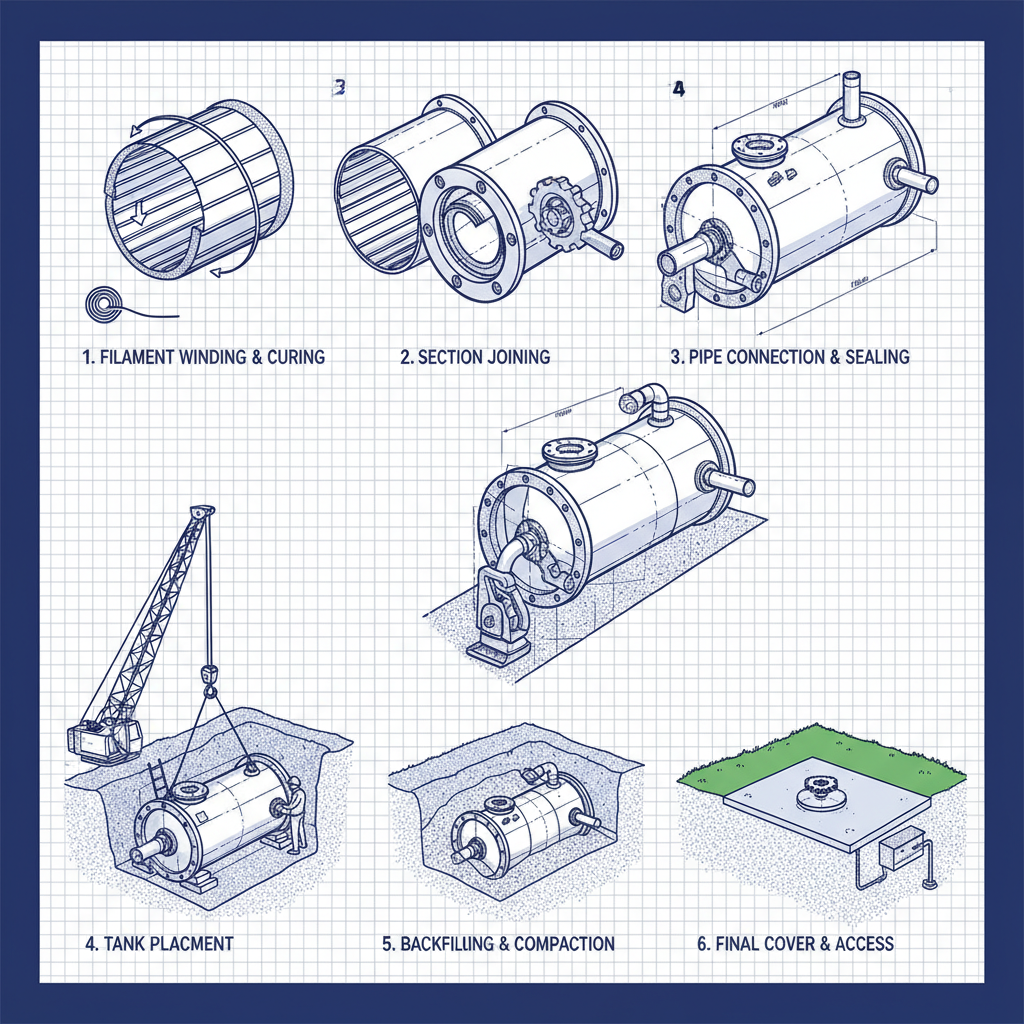
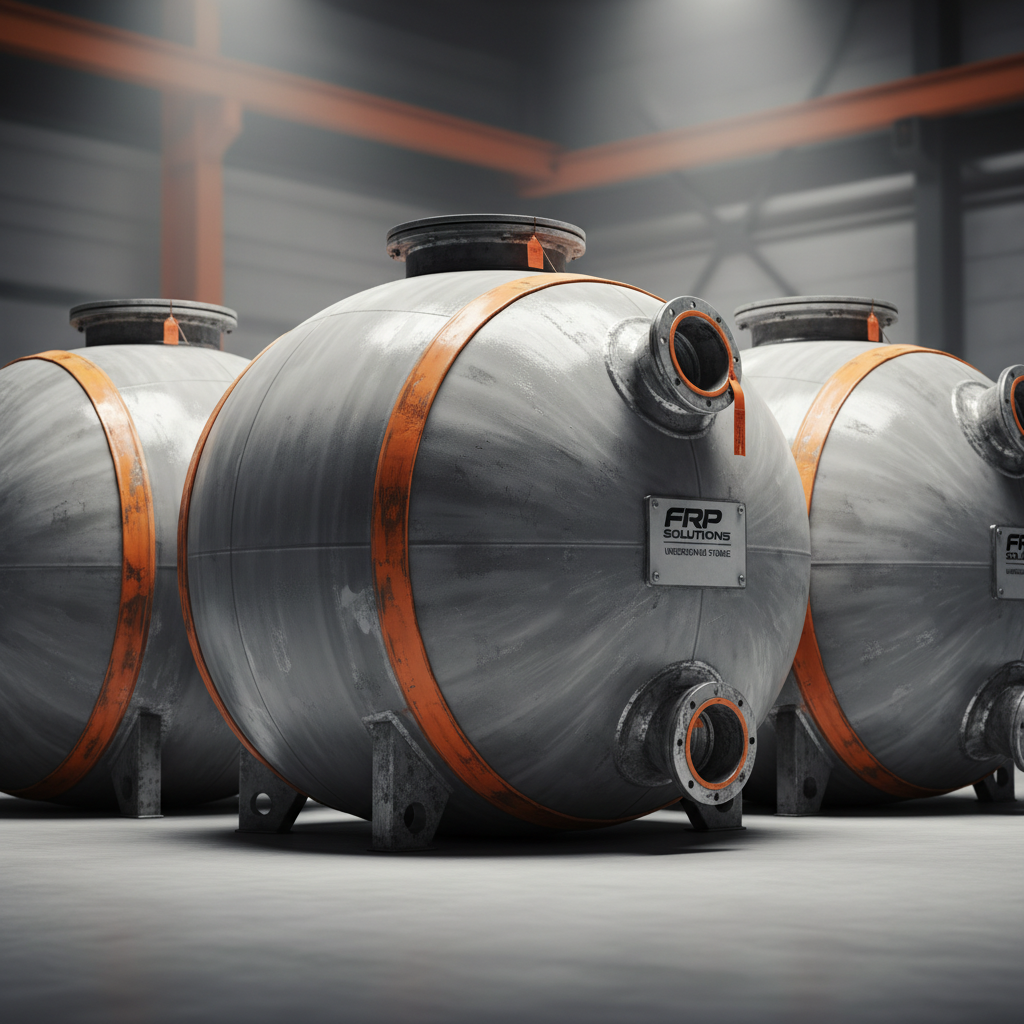
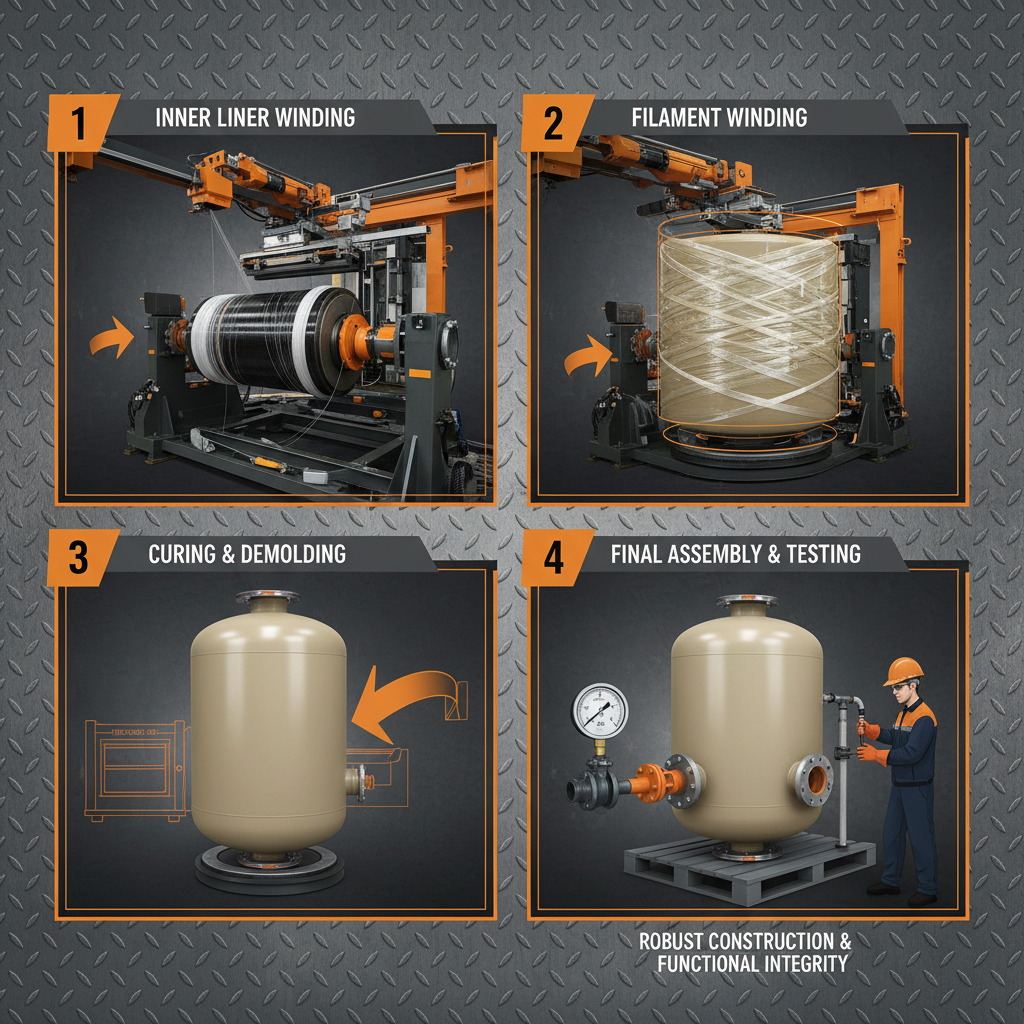
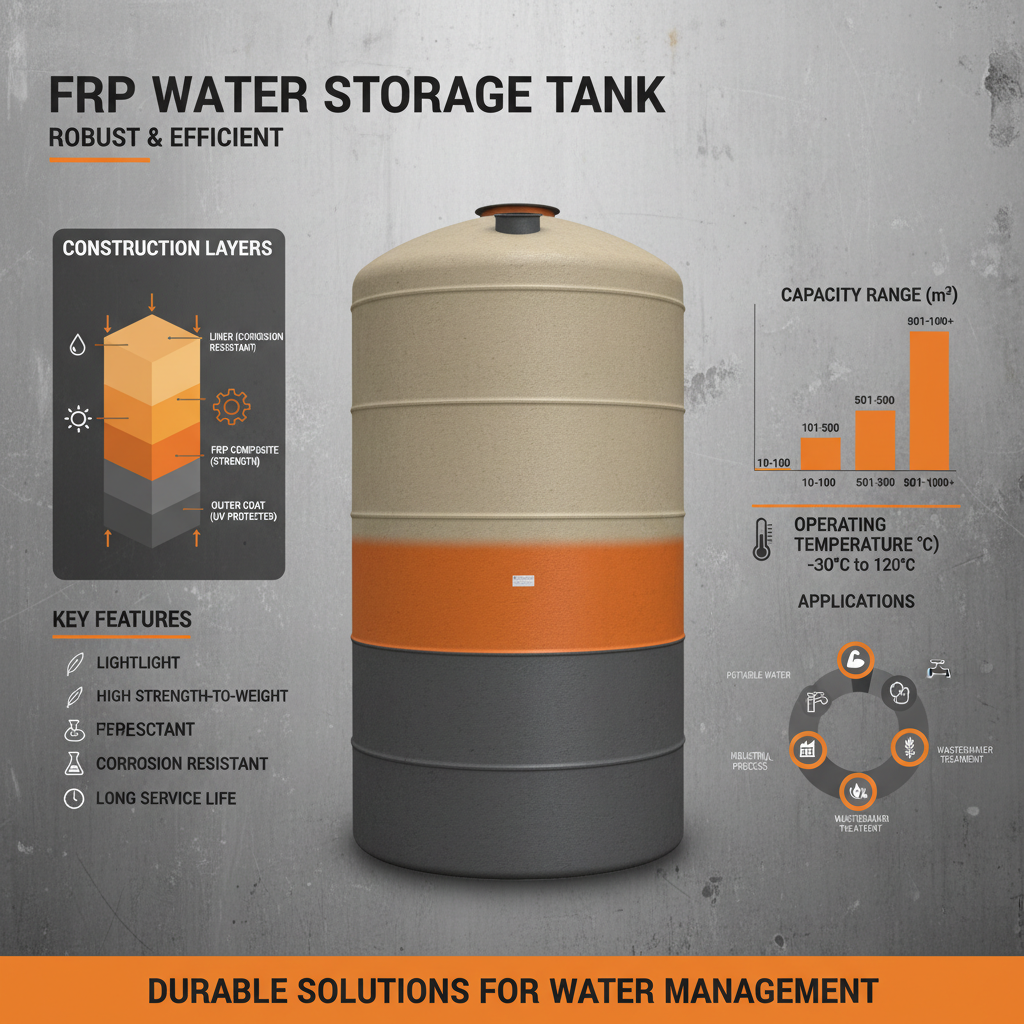
FRP tanks are manufactured using a combination of reinforcing fibers (typically fiberglass) and a polymer resin (such as polyester, vinyl ester, or epoxy). The resin binds the fibers together, creating a strong, lightweight, and corrosion-resistant structure. The specific materials used depend on the intended application and the chemical properties of the stored water. For potable water storage, tanks are often constructed with resins certified to NSF/ANSI Standard 61, ensuring they don't leach harmful substances into the water. The construction process involves layering the resin and fibers, often using automated winding or hand lay-up techniques, to create a seamless and durable tank shell. FRPGRPMachine specializes in manufacturing high-quality FRP tanks tailored to various water storage requirements.
Key Highlights: FRP tanks are lightweight, corrosion-resistant, and require minimal maintenance. They can be customized to specific sizes and shapes, and are suitable for a wide range of water storage applications.
Applications of FRP Tanks for Water Storage
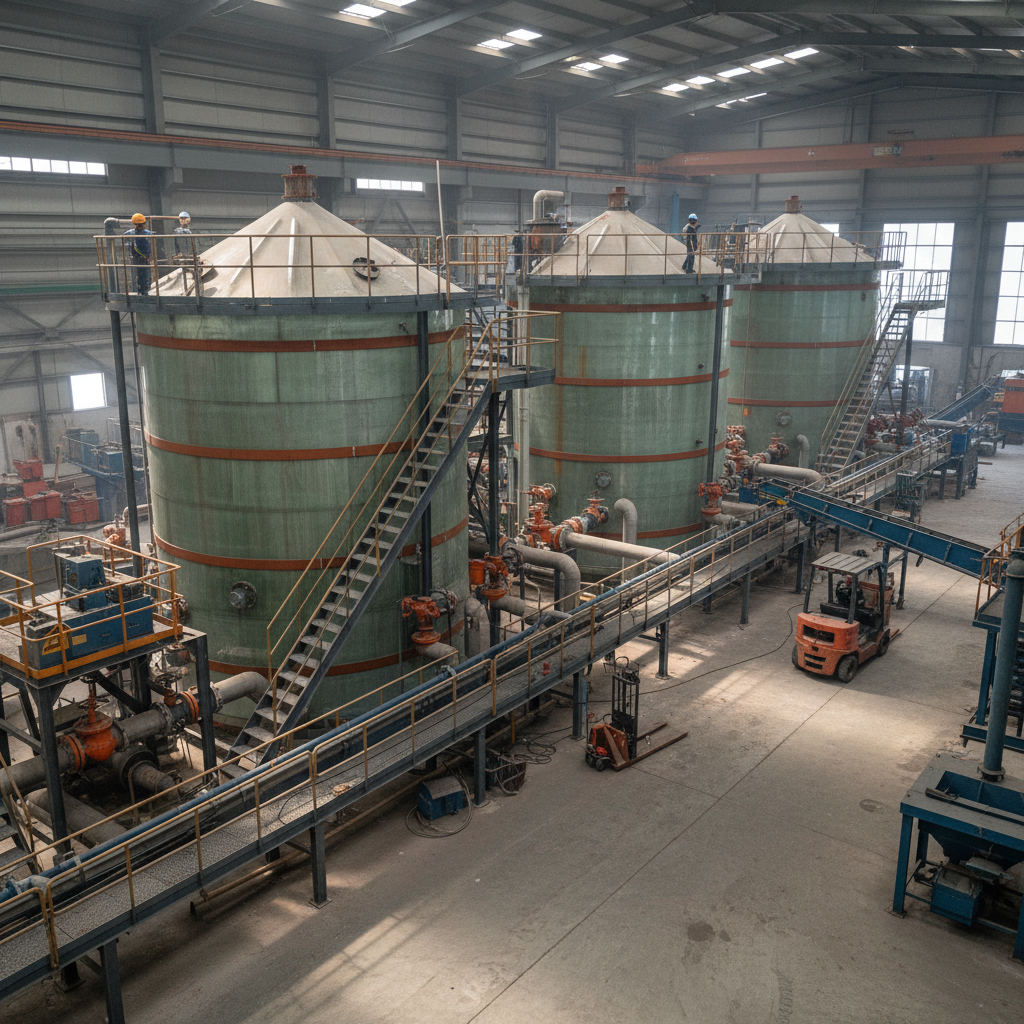
FRP tanks are incredibly versatile and find applications across numerous industries. Common uses include: Potable water storage for municipalities and residential communities; Agricultural water storage for irrigation and livestock; Industrial water storage for process water and cooling water; Rainwater harvesting for sustainable water management; and Fire suppression systems providing a reliable water source in emergencies. Their corrosion resistance makes them ideal for storing water with varying chemical compositions, and their lightweight nature simplifies installation and reduces transportation costs.
Application Benefits:
• Durable and long-lasting solution
• Lightweight and easy to install
• Corrosion-resistant, suitable for various water types
• Customizable to specific storage requirements
FRP Tank for Water vs. Traditional Materials: A Comparison
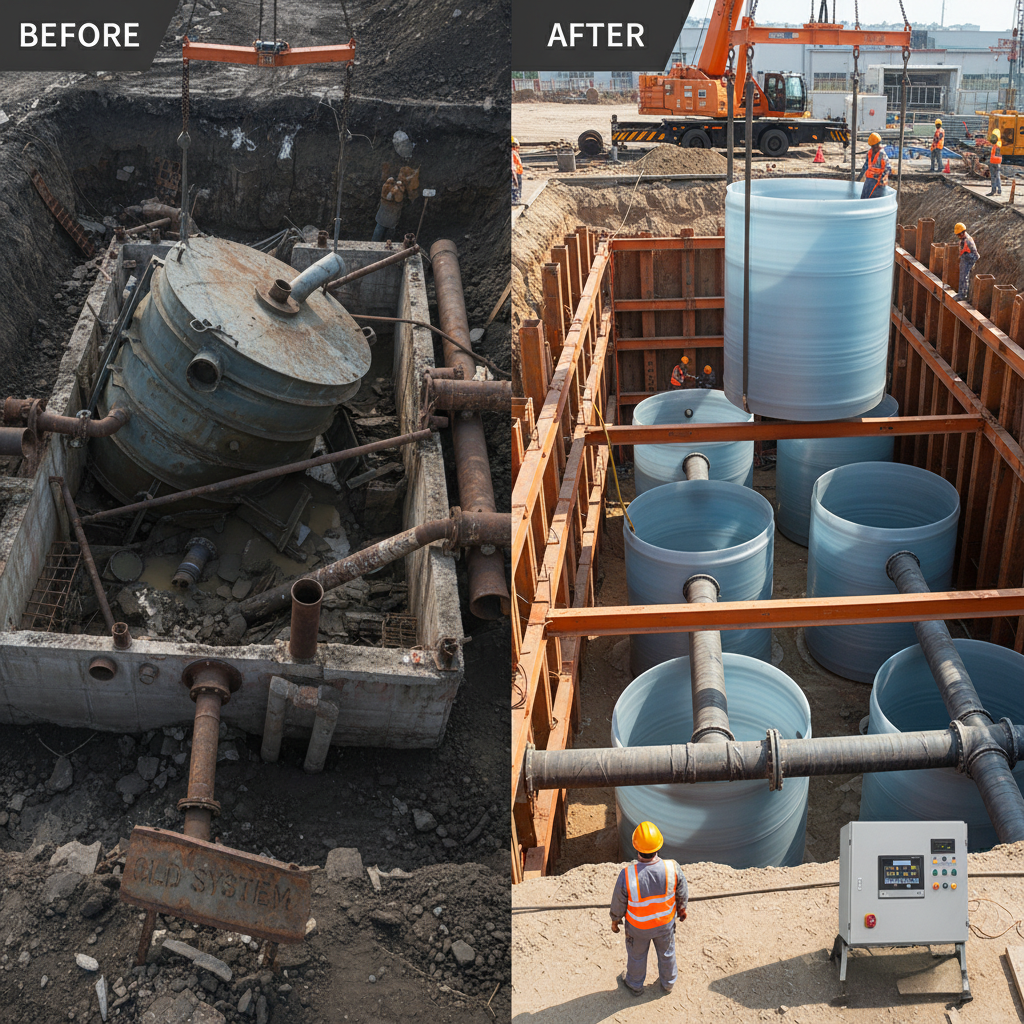
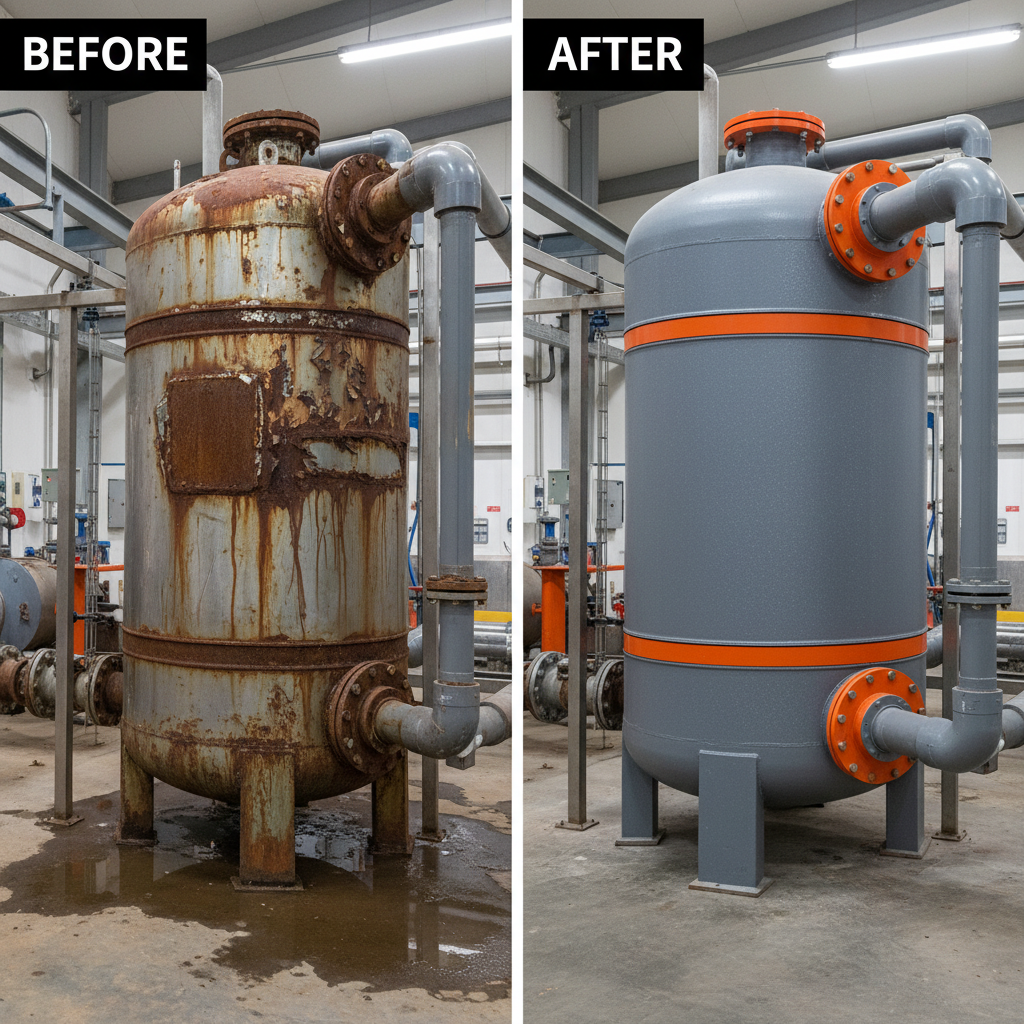
Compared to traditional water storage materials like steel and concrete, FRP tanks offer several distinct advantages. Steel tanks are susceptible to corrosion, requiring frequent maintenance and potentially leading to water contamination. Concrete tanks are heavy and prone to cracking, and can also affect water quality due to leaching. FRP tanks, on the other hand, are lightweight, corrosion-resistant, and require minimal maintenance, resulting in lower lifecycle costs and improved water quality. Selecting an FRP tank is a proactive step toward sustainable and cost-effective water storage.
Factors to Consider When Choosing an FRP Tank for Water
Selecting the appropriate FRP tank involves considering several key factors. The volume of water you need to store is the primary determinant of tank size. The type of water (potable, non-potable, corrosive) will influence the resin selection. The operating temperature and pressure requirements must also be factored in. Finally, local regulations and certifications, such as NSF/ANSI 61 for potable water, must be met. Working with a reputable manufacturer like FRPGRPMachine ensures you receive a tank that meets your specific needs and adheres to industry standards.
Conclusion: Investing in a Reliable Water Storage Solution
FRP tanks represent a superior solution for water storage, offering a compelling combination of durability, corrosion resistance, and cost-effectiveness. Whether you're a municipality, a farmer, or an industrial facility, choosing an FRP tank ensures a reliable and long-lasting water storage solution. By carefully considering your specific needs and partnering with a trusted manufacturer like FRPGRPMachine, you can confidently invest in a system that will provide years of dependable service.
Frequently Asked Questions (FAQs)
What is the typical lifespan of an FRP tank?
With proper maintenance and operation, an FRP tank can easily last 25-50 years or even longer. The lifespan is influenced by factors such as the quality of materials used, the specific resin type, the water being stored, and environmental conditions like UV exposure. Regular inspections for any signs of damage, such as cracks or delamination, are crucial for maximizing the tank's lifespan. Furthermore, avoiding overpressure and harsh chemical exposure will contribute to long-term durability.
Are FRP tanks suitable for storing drinking water?
Yes, FRP tanks are often an excellent choice for potable water storage, provided they are constructed using resins and materials certified to NSF/ANSI Standard 61. This certification ensures that the materials do not leach harmful substances into the water, maintaining its purity and safety for human consumption. It’s essential to verify that the tank manufacturer provides NSF/ANSI 61 certification documentation.
What maintenance is required for an FRP tank?
FRP tanks generally require minimal maintenance. Regular visual inspections for cracks, leaks, or structural damage are recommended. The exterior surface should be kept clean to prevent the growth of algae or mold. Avoid exposing the tank to extreme temperatures or direct impact. Periodic cleaning may be necessary to remove sediment buildup, depending on the water quality. Following the manufacturer's maintenance guidelines will ensure the longevity of the tank.
Can FRP tanks be customized to specific dimensions?
Yes, one of the significant advantages of FRP tanks is their customizability. Manufacturers like FRPGRPMachine can fabricate tanks to specific dimensions, shapes, and configurations to meet unique storage requirements. This includes custom fitting for pipes, nozzles, and other accessories. Customization ensures optimal space utilization and seamless integration into your existing infrastructure.