Industrial Guide for Choosing the Right FRP Vertical Tank
The Ultimate Guide to Choosing the Right FRP Vertical Tank
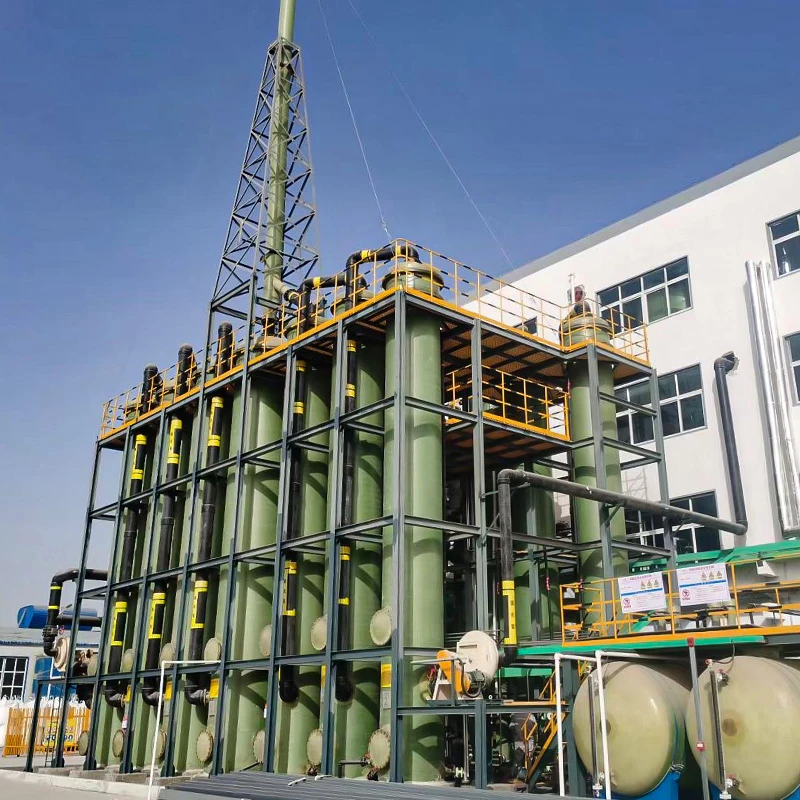
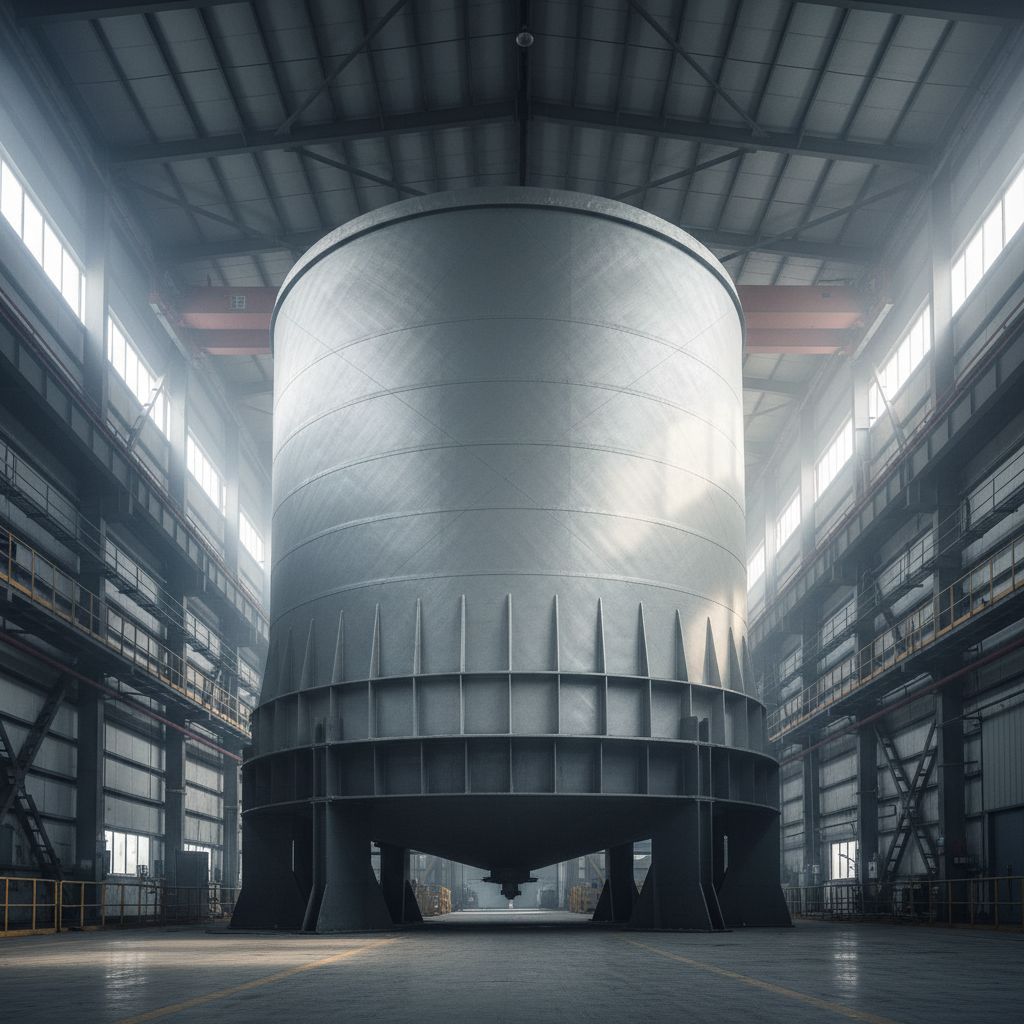
In today's industrial landscape, the storage of corrosive chemicals and aggressive liquids requires materials that can withstand extreme conditions without degrading. The frp vertical tank has emerged as a premier solution, offering an exceptional balance of strength, lightweight properties, and unmatched chemical resistance. Whether you are managing a water treatment plant or a chemical processing facility, understanding the nuances of Fiber Reinforced Plastic (FRP) is essential for ensuring operational safety and longevity. In this comprehensive guide, we will explore why vertical configurations are preferred and how these tanks outperform traditional metal alternatives.
Core Advantages of an FRP Vertical Tank
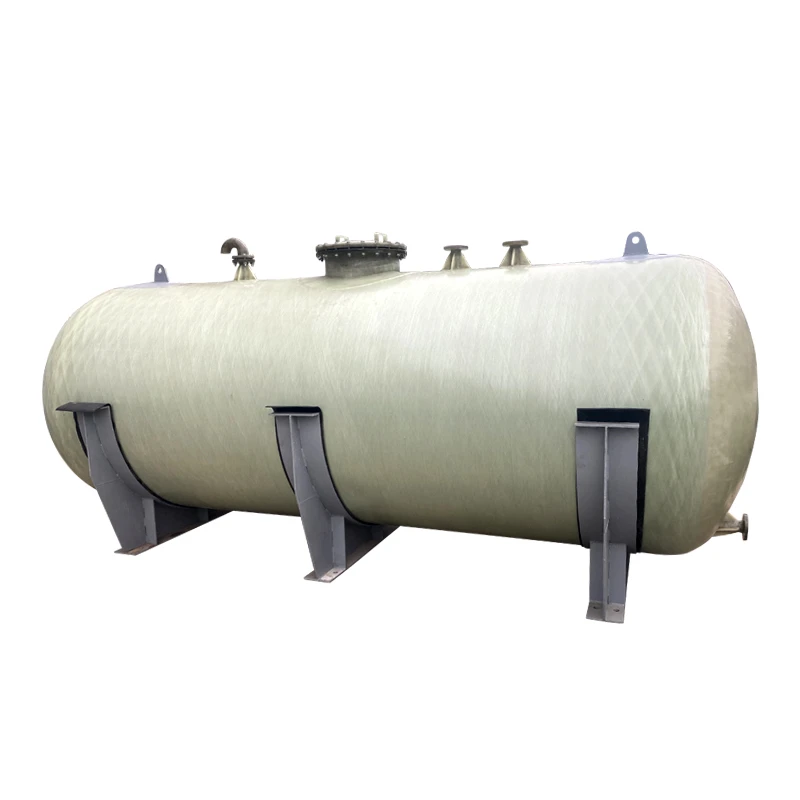
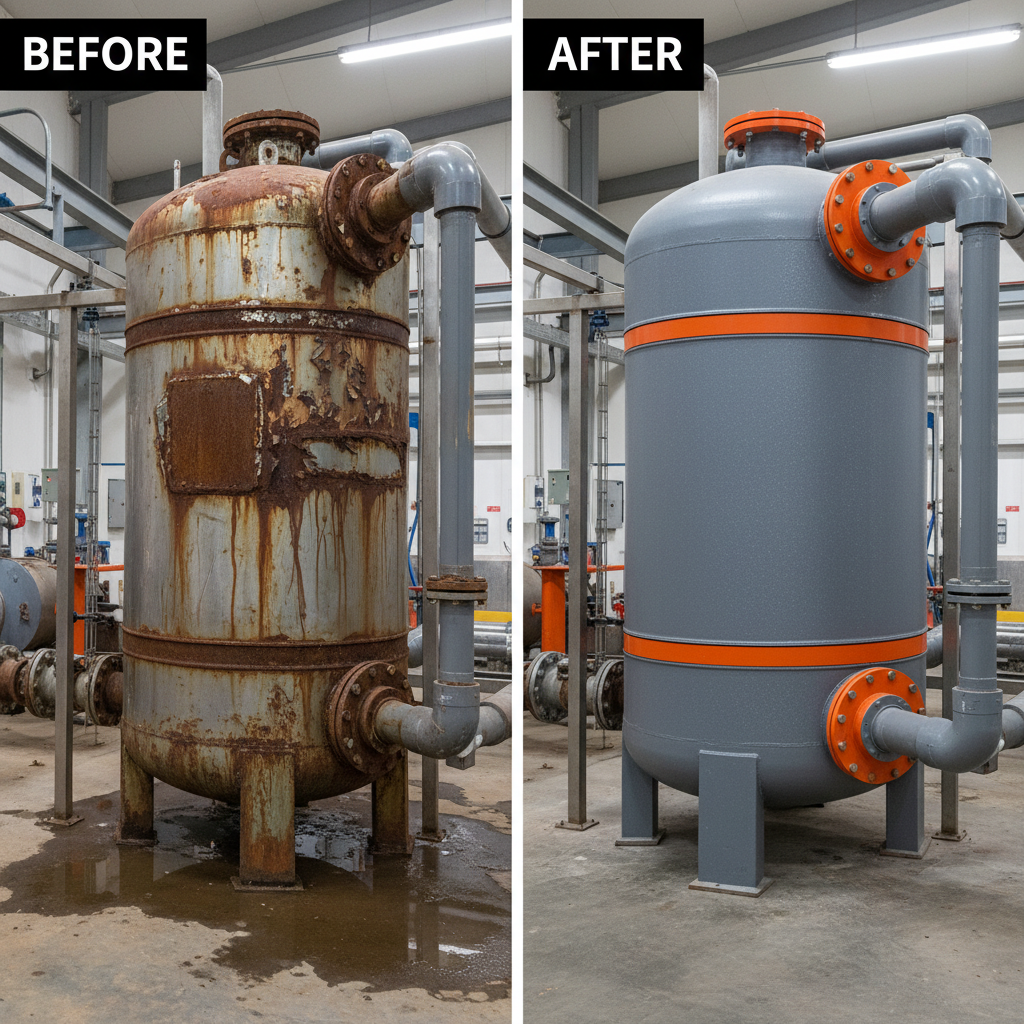
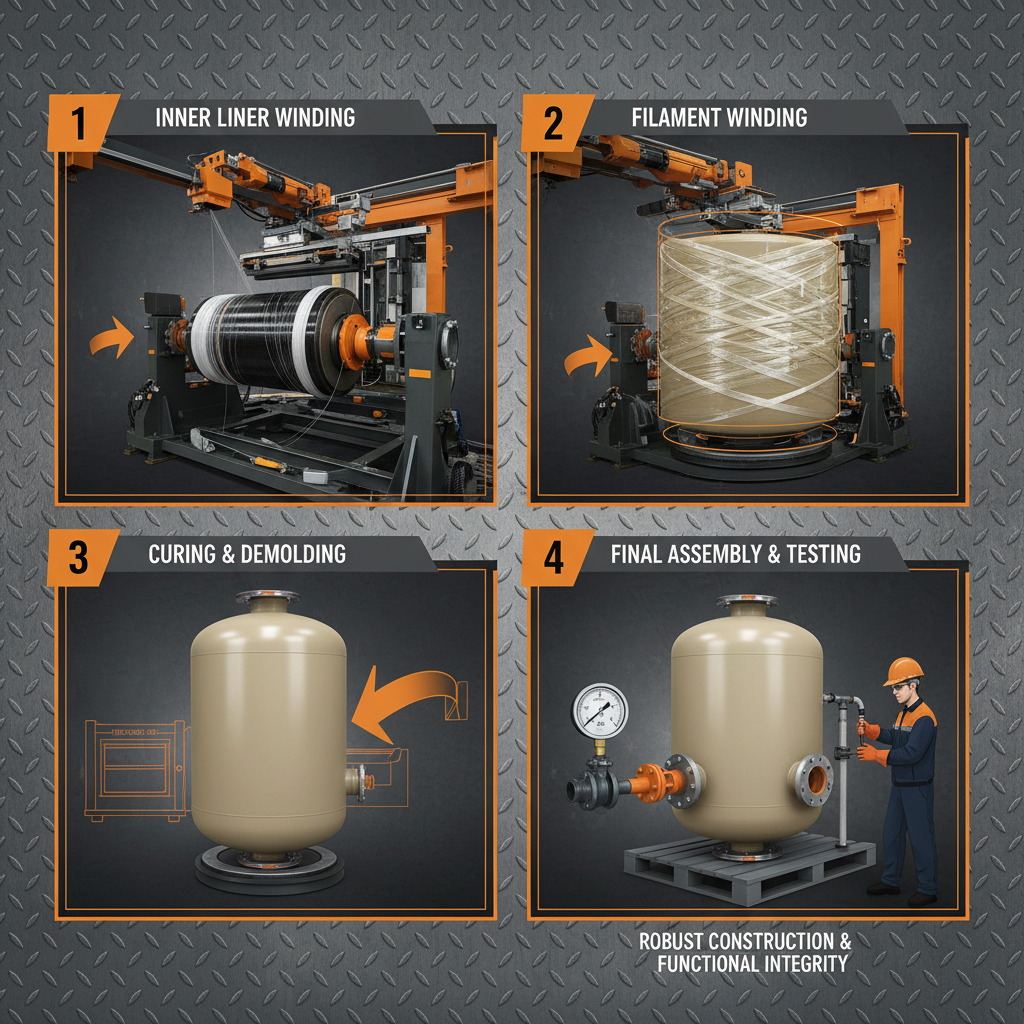
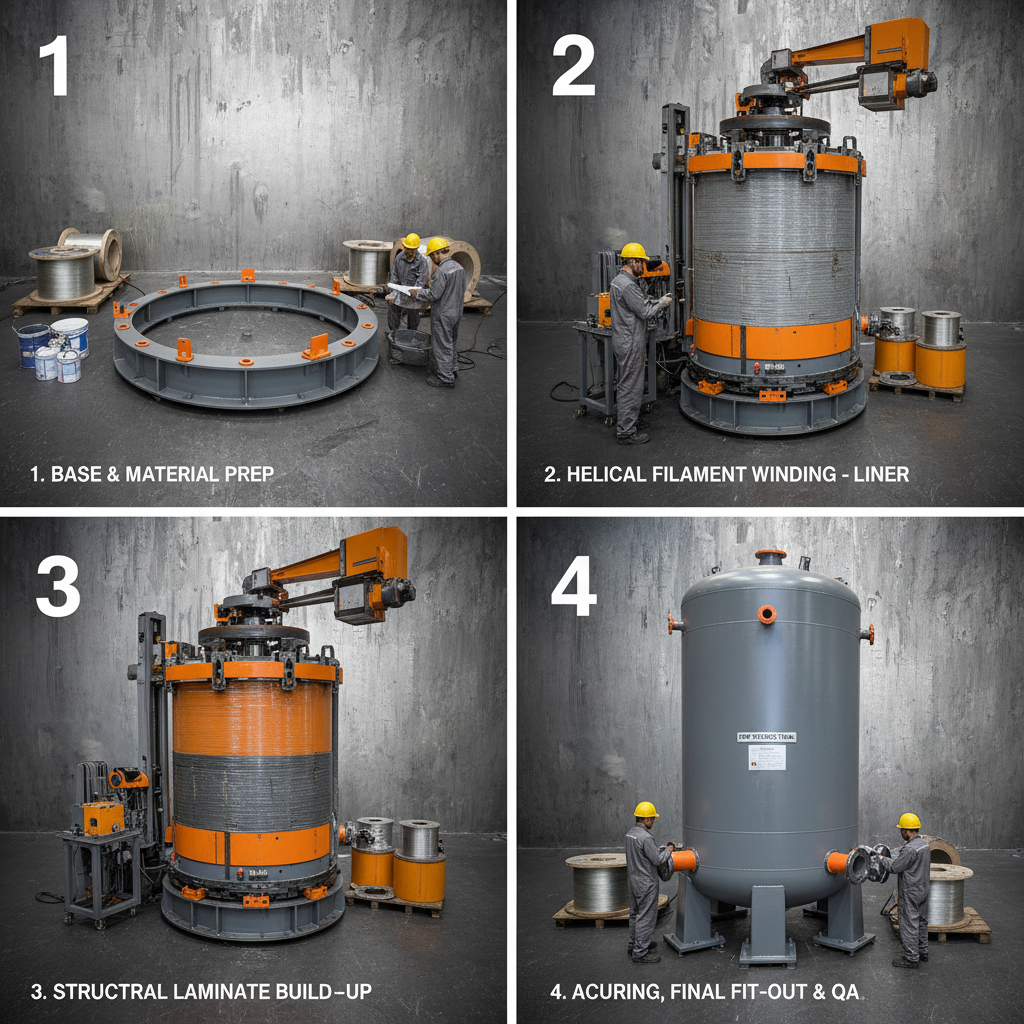
The primary appeal of an frp vertical tank lies in its composite nature. By combining high-strength glass fibers with a specialized polymer resin, these tanks achieve a strength-to-weight ratio that far exceeds stainless steel. Corrosion resistance is the standout feature; unlike metal tanks that rust or pit when exposed to acids and bases, FRP remains inert. Furthermore, the vertical design is strategically chosen to minimize the footprint of the installation, making it ideal for facilities where floor space is at a premium. This efficiency in space management, combined with the lack of need for expensive internal linings, makes FRP the most cost-effective choice for long-term chemical storage.
Key Highlights: FRP tanks are virtually maintenance-free, eliminating the need for periodic painting or cathodic protection. They are also non-conductive, which adds a layer of safety in environments with electrical hazards.
Material Comparison: FRP Vertical Tank vs. Stainless Steel
When deciding between materials, engineers often weigh the initial cost against the lifecycle value. While stainless steel is strong, it is susceptible to chloride stress corrosion cracking and requires significant weight support structures. In contrast, the frp vertical tank offers a seamless construction that eliminates weld-point vulnerabilities. Below is a detailed comparison highlighting why FRP is increasingly preferred for hazardous liquid storage.
Common Applications of FRP Vertical Storage
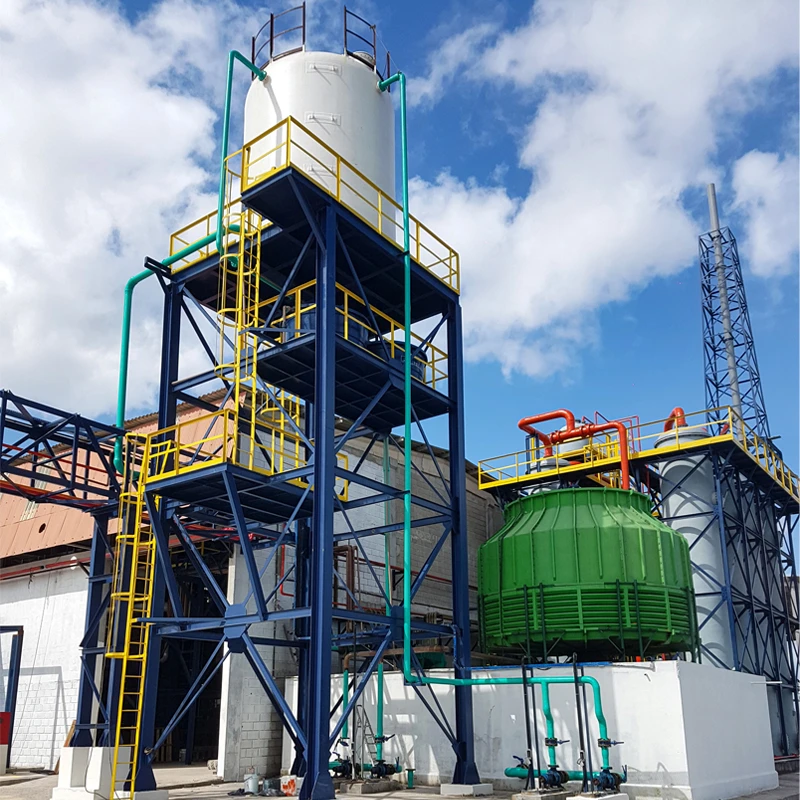
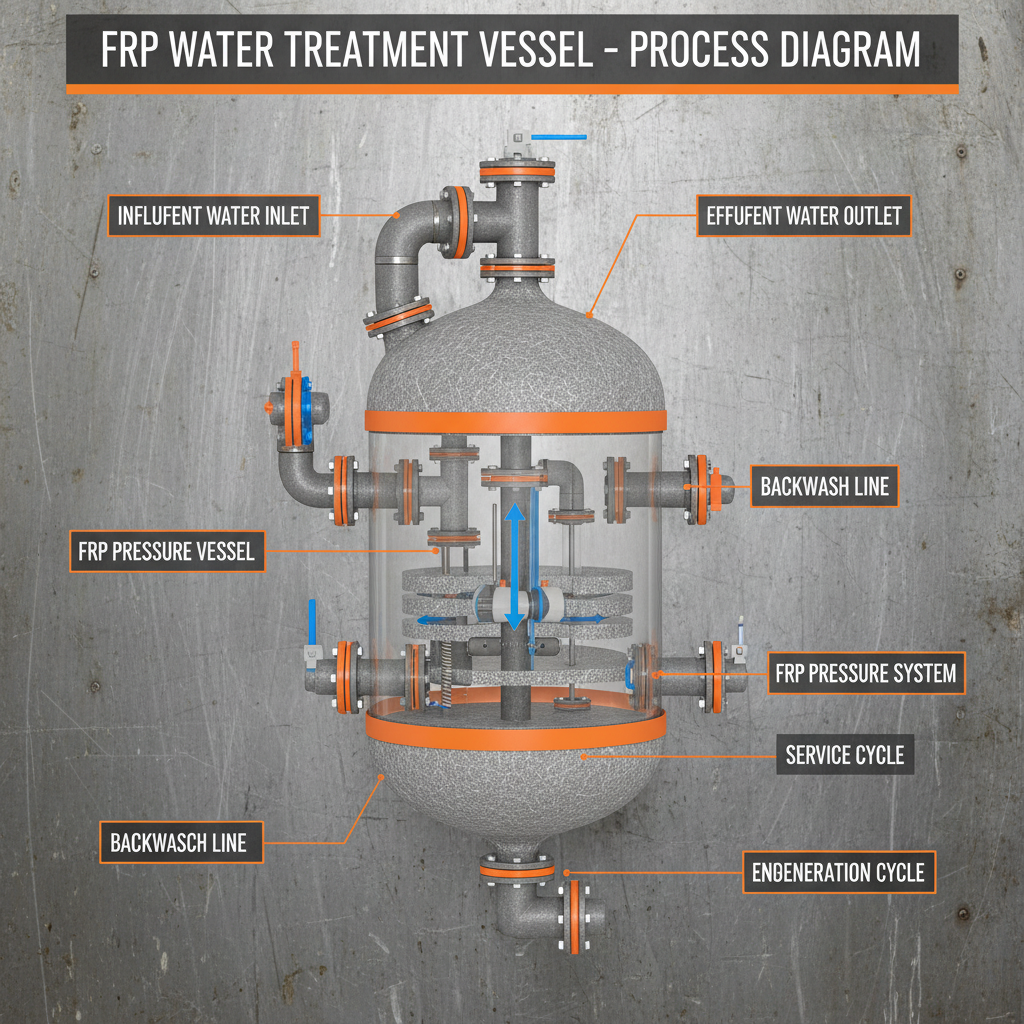
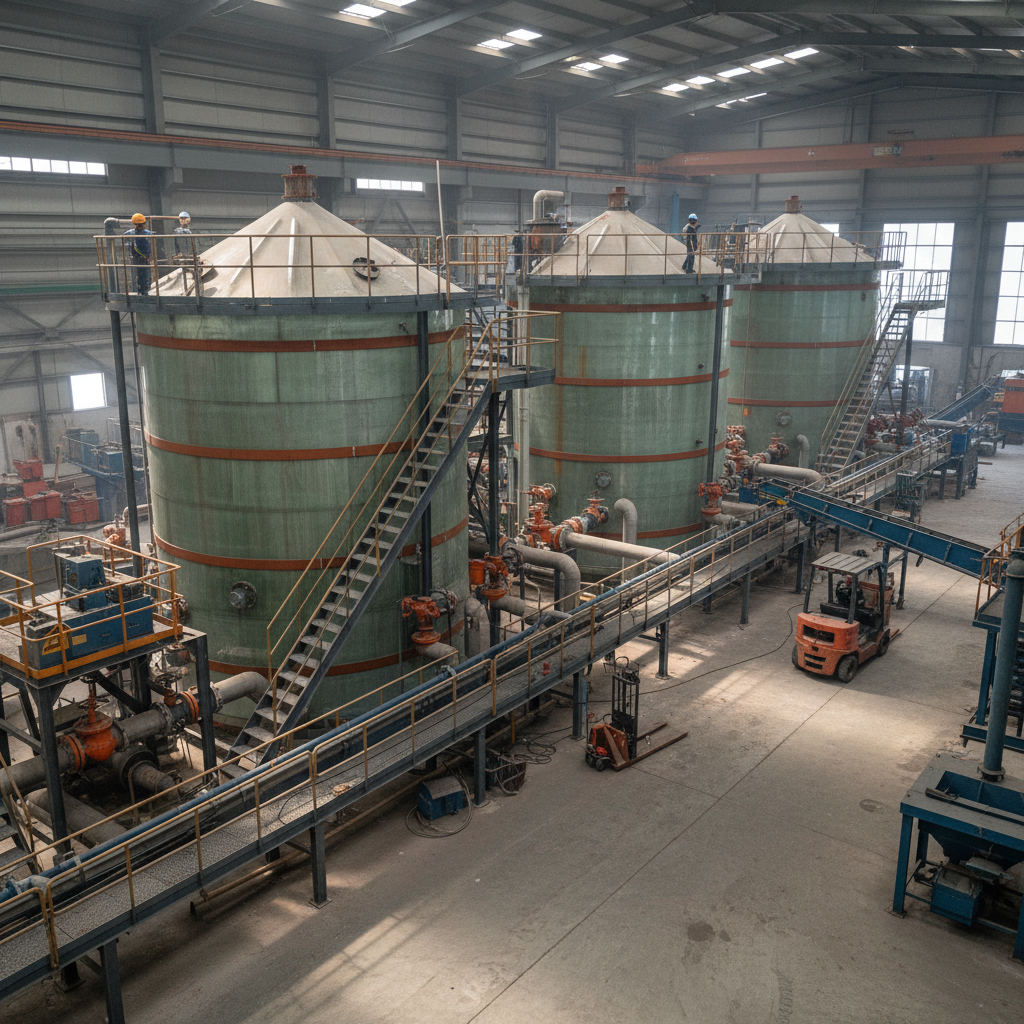
The versatility of the frp vertical tank allows it to serve a multitude of industries. In wastewater treatment, they are used for acidification and neutralization processes. In the agricultural sector, they store fertilizers and pesticides that would quickly eat through metal. Additionally, the pharmaceutical industry relies on them for high-purity liquid storage where contamination must be avoided at all costs. The ability to customize the resin liner (using Vinyl Ester or Epoxy) means these tanks can be tailored to the specific pH level of the stored medium.
Technical Specifications for FRP Vertical Tank Design
Designing an frp vertical tank requires precision engineering to handle hydrostatic pressure. The wall thickness is typically calculated based on the specific gravity of the liquid and the required safety factor. Most industrial tanks follow ASME RTP-1 or BS EN 13121 standards to ensure structural integrity. Below is a general specification table for standard industrial configurations:
Installation and Maintenance Best Practices
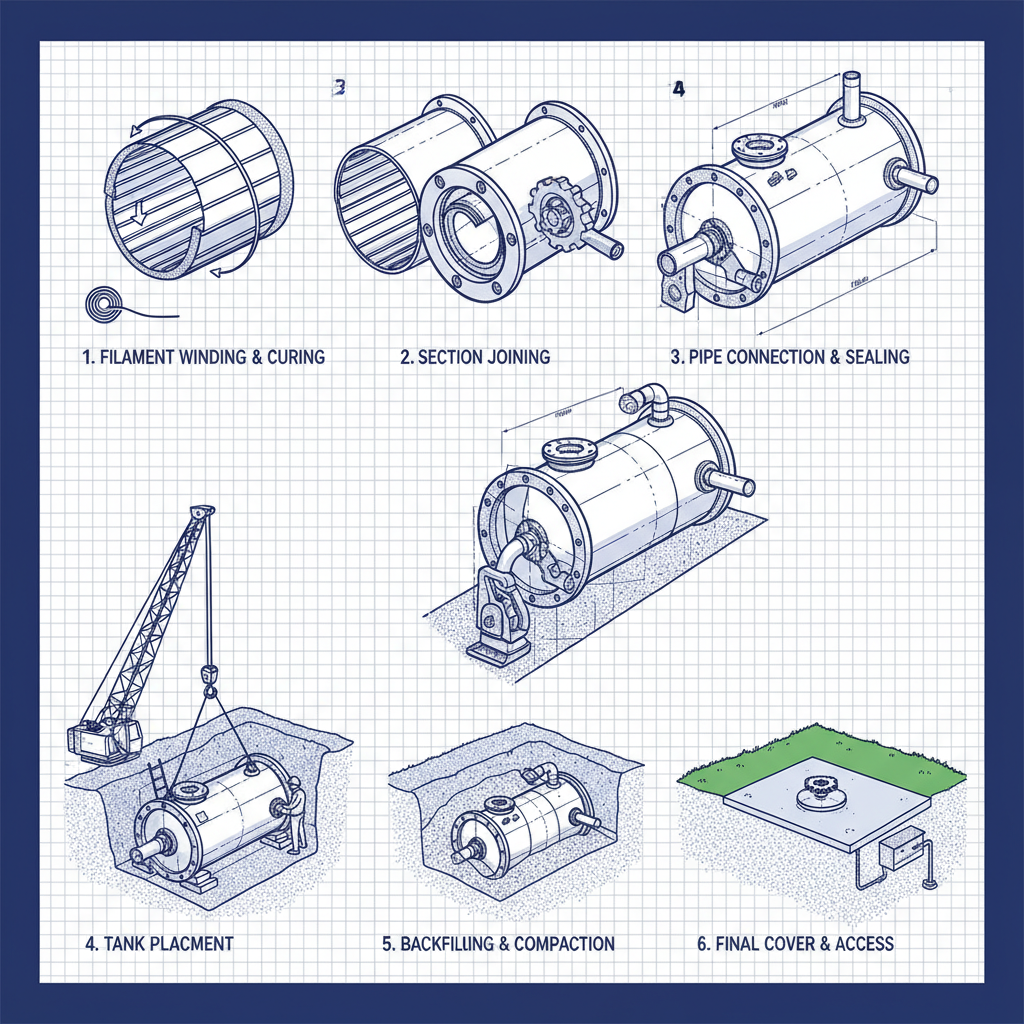
To maximize the lifespan of your frp vertical tank, proper installation is critical. The tank must be placed on a reinforced concrete pad that is perfectly level to avoid uneven stress distribution on the walls. Because FRP is lightweight, wind loads can be a factor for tall vertical tanks; therefore, securing the tank with appropriate anchor bolts is mandatory for outdoor installations. Maintenance is minimal, but periodic visual inspections for "star cracks" or UV degradation are recommended. Applying a UV-resistant gel coat or paint can further protect the structure from sunlight exposure in tropical climates.
Environmental Impact and Sustainability
Sustainability is becoming a core driver in industrial procurement. The production of an frp vertical tank typically requires less energy than the smelting and fabrication of heavy steel tanks. Moreover, because FRP tanks do not leak due to corrosion, they prevent hazardous chemicals from seeping into the soil and groundwater, significantly reducing the environmental risk. The long service life—often exceeding 20 to 30 years—means fewer replacements and less industrial waste, making it a green alternative for modern infrastructure.
Conclusion: The Strategic Value of FRP Storage
Investing in a high-quality frp vertical tank is more than just a purchase; it is a strategic move toward operational efficiency and safety. By eliminating the threat of corrosion, reducing maintenance overhead, and optimizing space, businesses can focus on their core production without worrying about storage failure. When durability, chemical resistance, and cost-effectiveness are the priorities, FRP is undoubtedly the superior choice for vertical liquid storage.
Frequently Asked Questions (FAQs)
How do I choose the right resin for my FRP vertical tank?
Choosing the right resin depends entirely on the chemical composition and temperature of the liquid you intend to store. For general water storage or mild chemicals, Isophthalic resin is usually sufficient. However, for highly corrosive acids, bases, or high-temperature fluids, Vinyl Ester or Epoxy resins are required due to their superior chemical resistance and thermal stability. We recommend consulting a chemical compatibility chart or speaking with the engineers at FRP GRP Machine to ensure the resin selected can withstand your specific operating conditions without degrading over time.
Can an FRP vertical tank be repaired if it gets damaged?
Yes, one of the greatest advantages of FRP is that it can be repaired in situ without the need for welding or heavy machinery. If a tank suffers a crack or abrasion, the damaged area is sanded down, and new layers of resin and glass fiber are applied to "patch" the structure. Once cured, the repair is chemically bonded to the original wall, restoring the tank's full structural integrity and leak-proof capability. This makes the lifecycle cost of FRP tanks much lower than those made of materials that require complete section replacements when damaged.
Is FRP safe for storing potable drinking water?
Absolutely. FRP is widely used in municipal water systems because it does not leach metallic ions or flavors into the water. However, for potable water applications, it is crucial to use "food-grade" resins and liners that are certified by health organizations (such as NSF/ANSI standards). These specialized resins ensure that no harmful styrene or chemicals migrate into the water. When specified correctly, an frp vertical tank provides a hygienic, non-toxic environment for long-term drinking water storage.
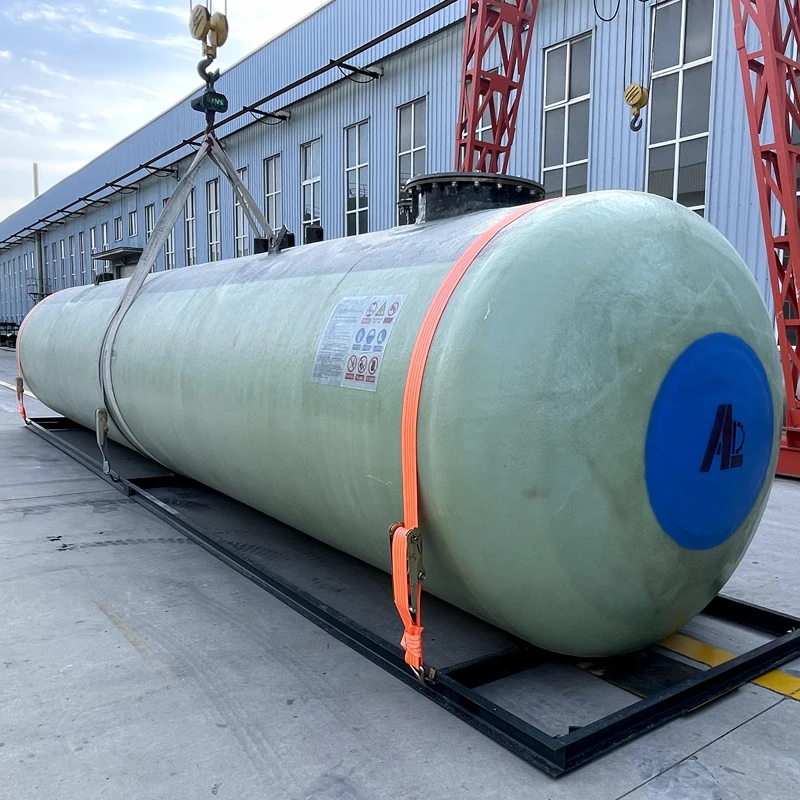
How long does the installation of a vertical FRP tank typically take?
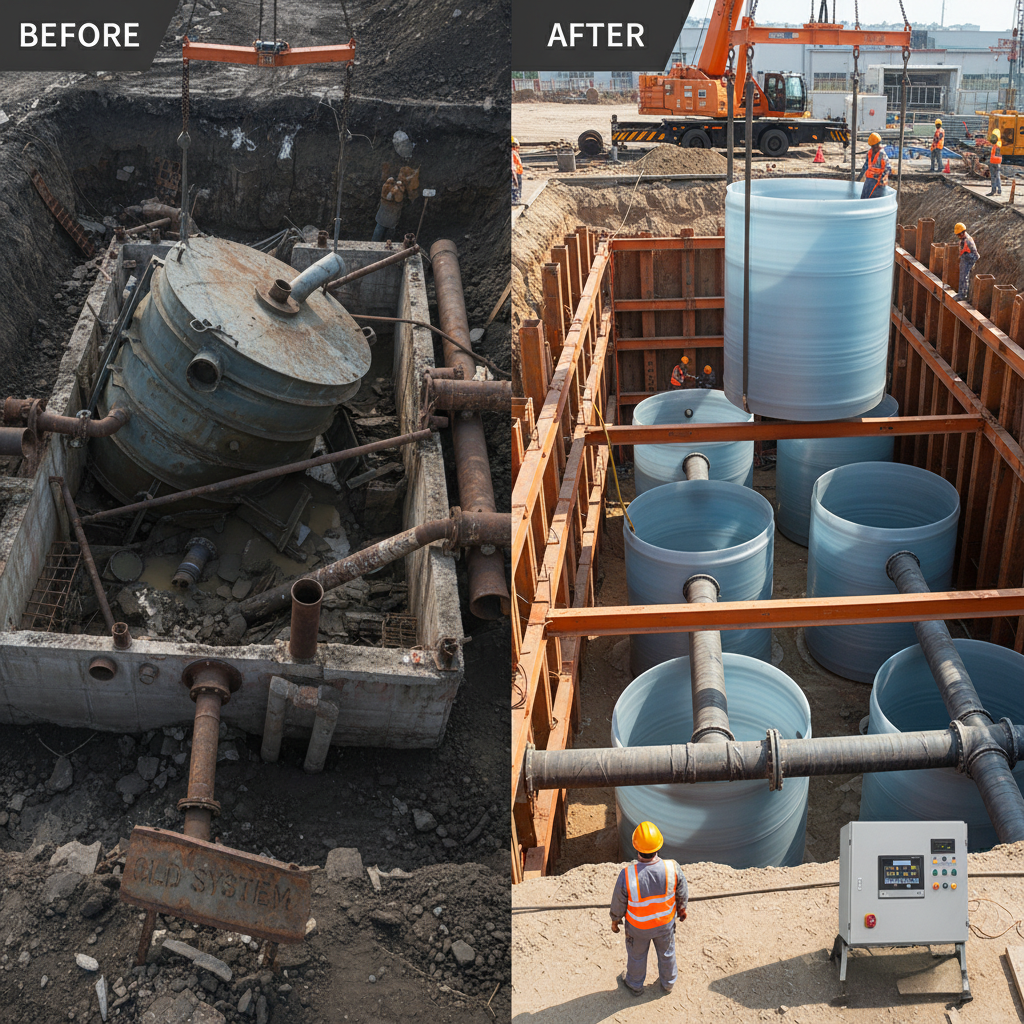
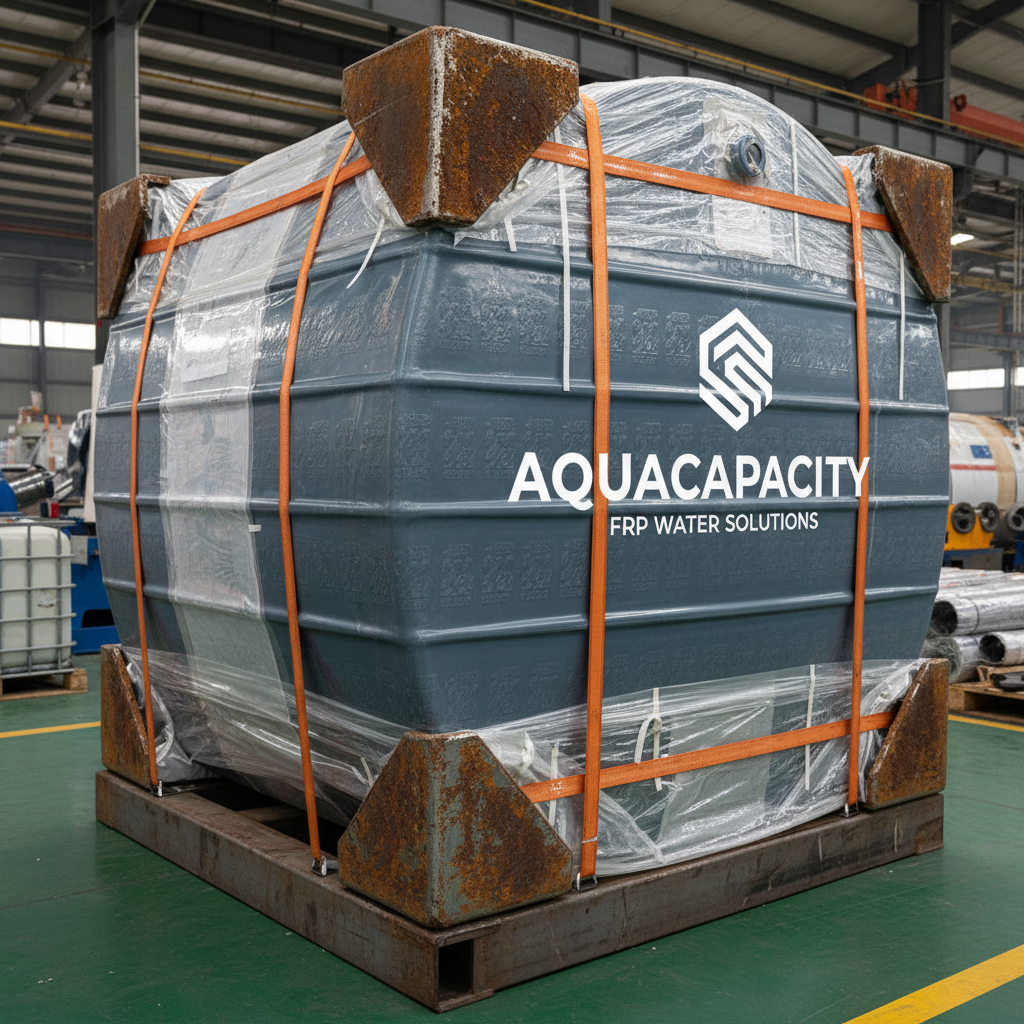
Installation is significantly faster than steel tanks because FRP units are often shipped as complete shells. Once the concrete foundation is cured, the tank can be hoisted into place using a crane and anchored in a matter of hours. The majority of the time is spent on connecting the piping and instrumentation. Because there is no on-site welding or painting required, the total downtime for the facility is minimized, allowing for a quicker return to full operational capacity compared to traditional metal storage solutions.