Mar 11,2026

Comprehensive Guide to Durable Fibre Reinforced Plastic Tanks and Vessels

Fibre Reinforced Plastic Tanks and Vessels: A Comprehensive Guide

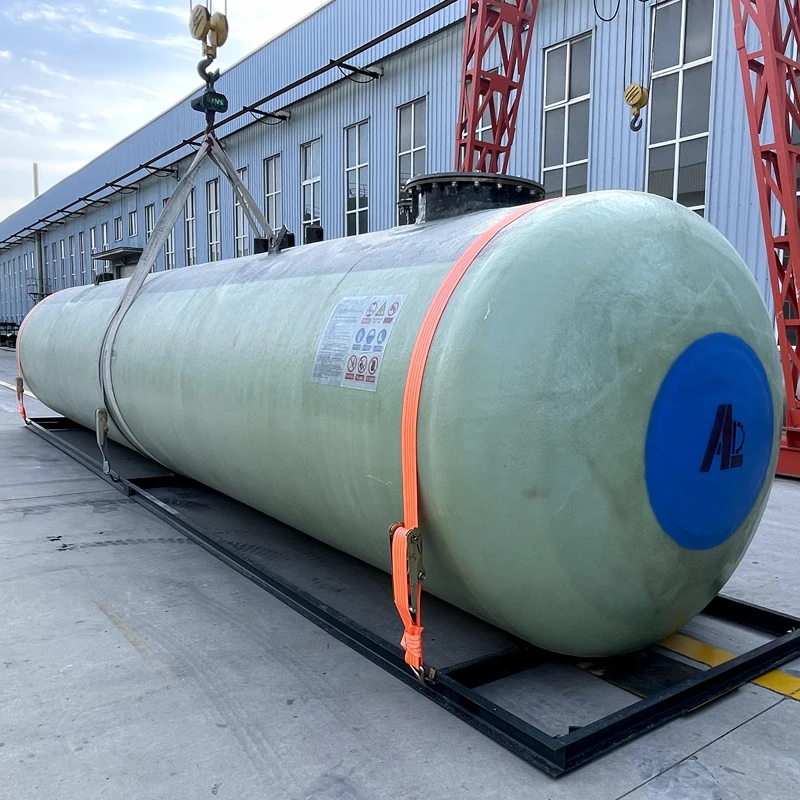
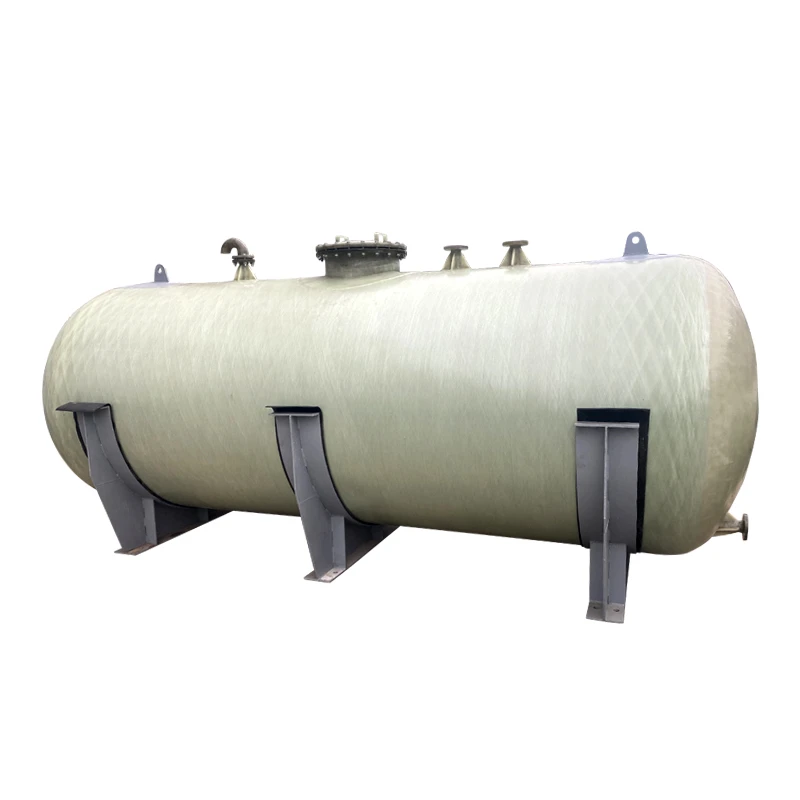
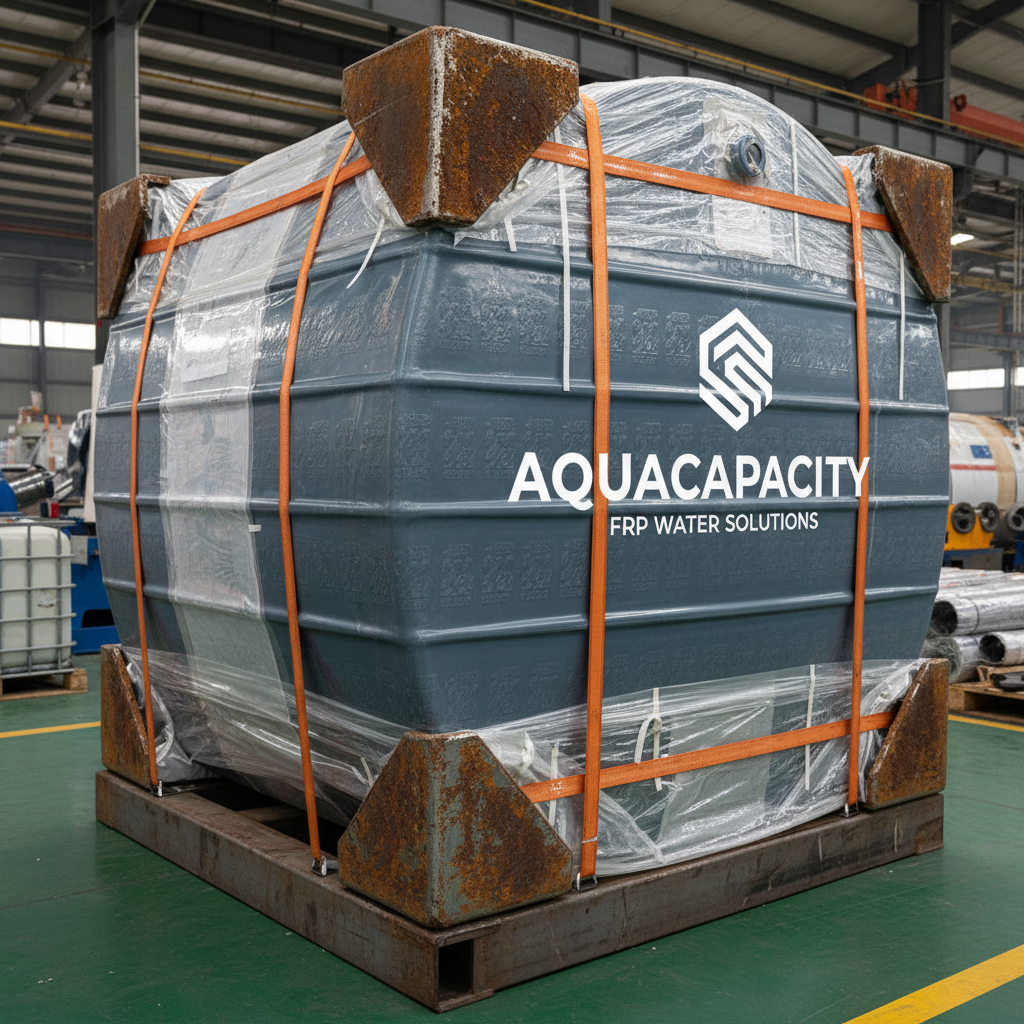
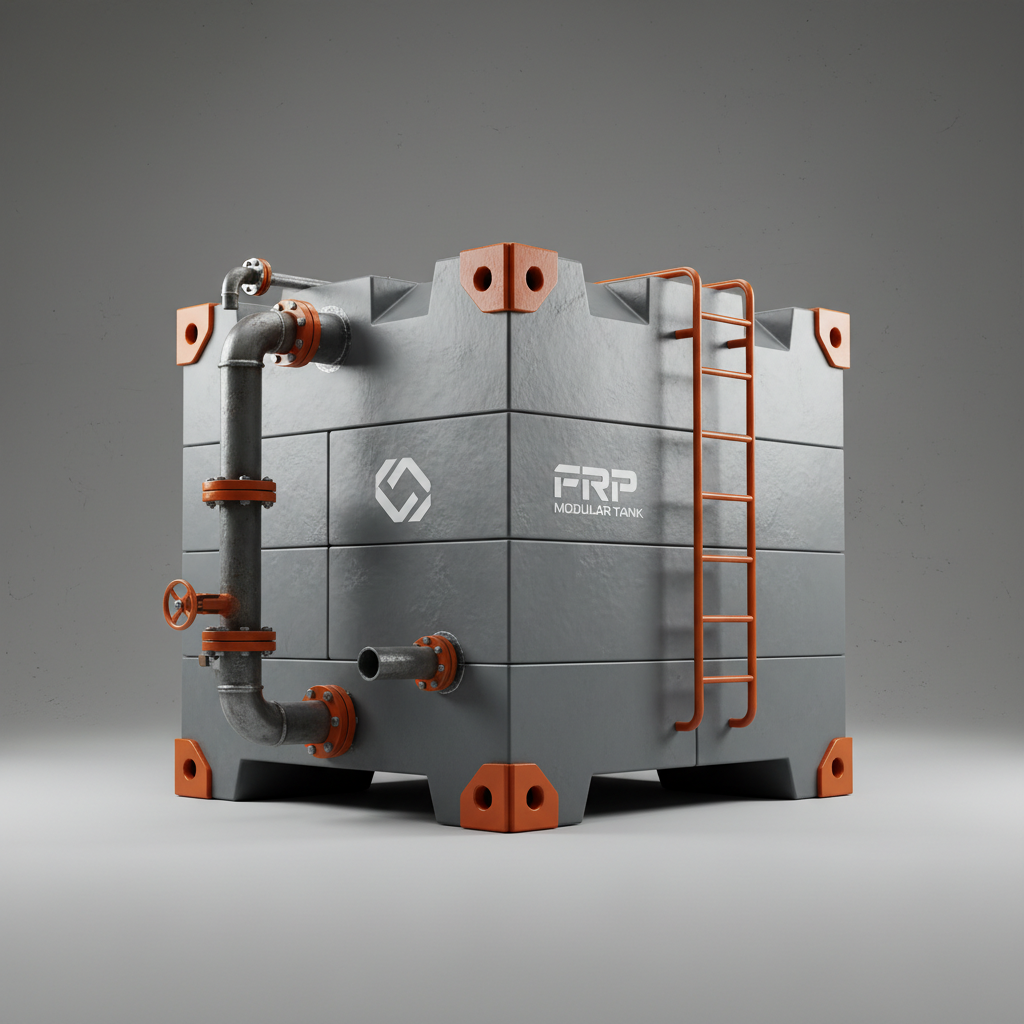
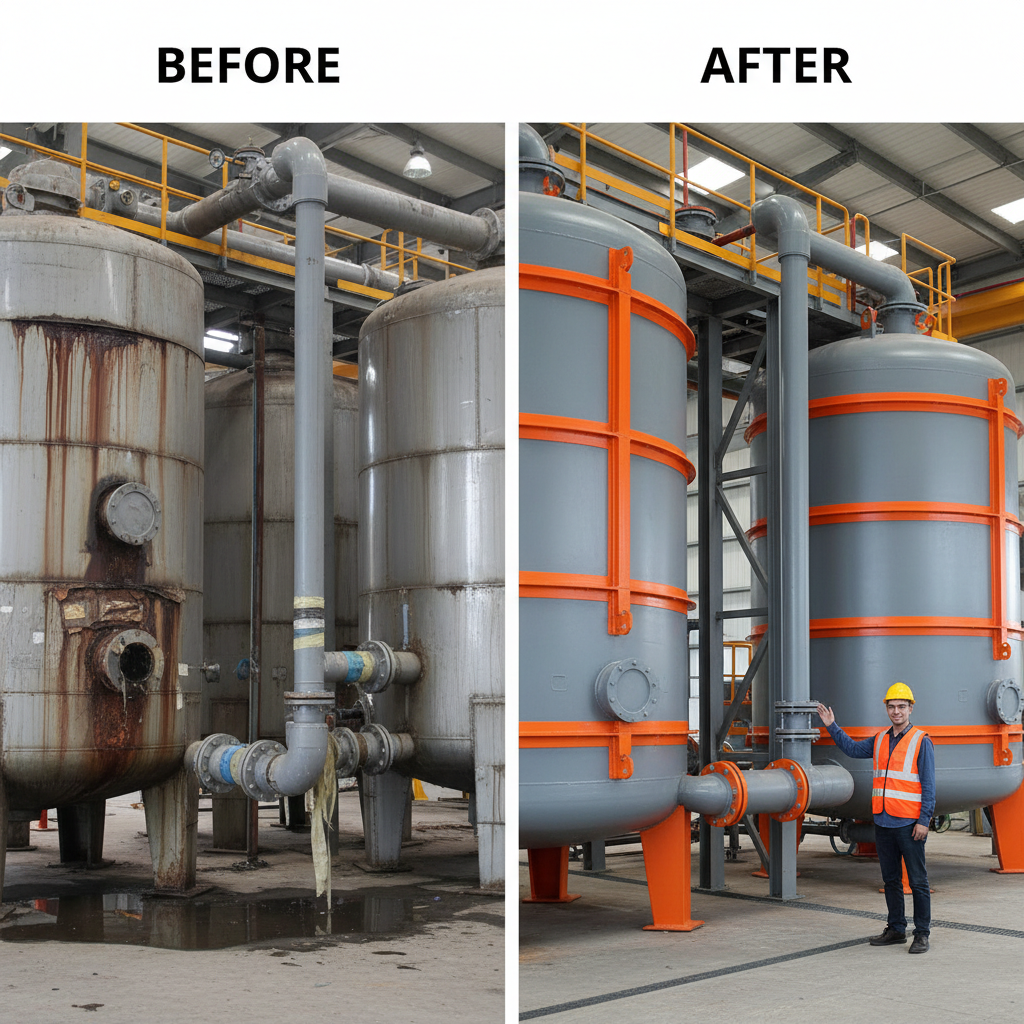
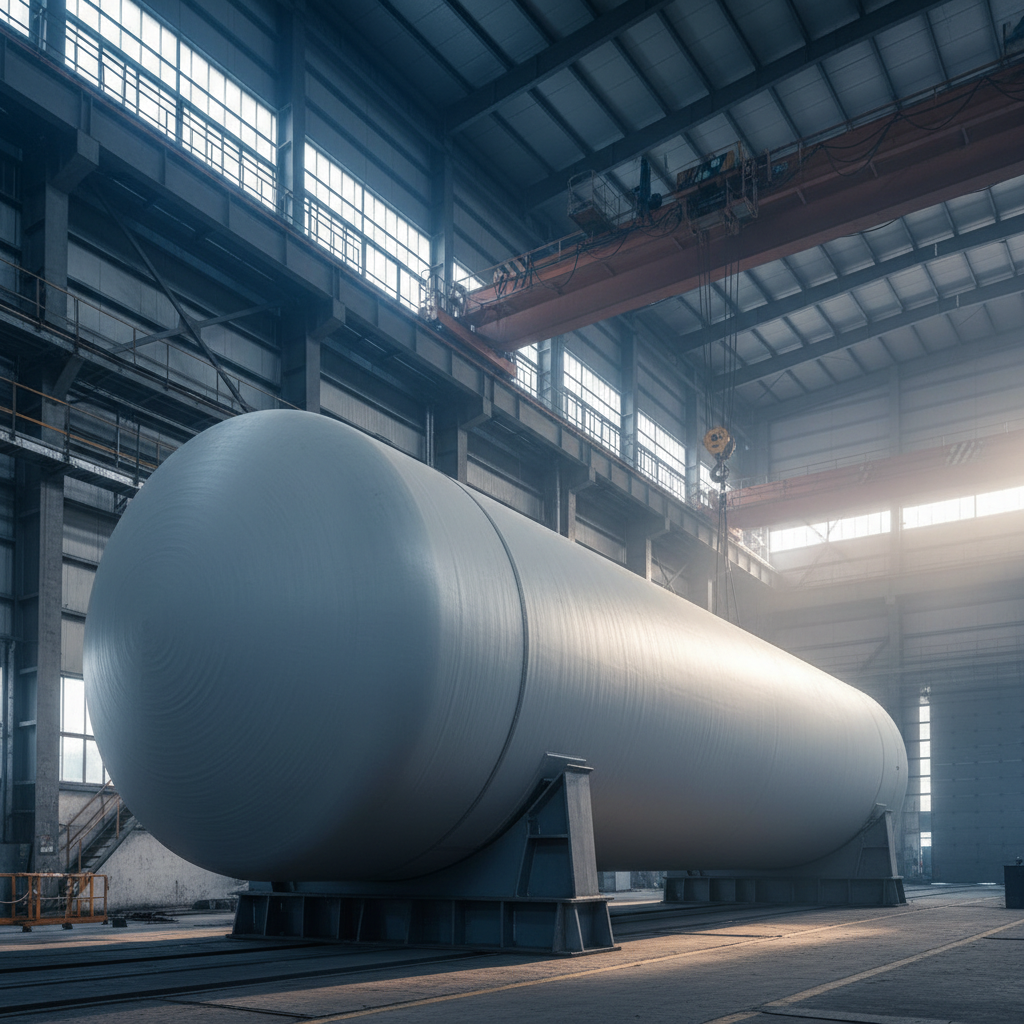
In industries demanding robust, corrosion-resistant storage solutions, fibre reinforced plastic (FRP) tanks and vessels are increasingly becoming the material of choice. These tanks, crafted from materials like glass fibre reinforced polymer (GRP), offer superior performance compared to traditional materials like steel or concrete. This article delves into the benefits, applications, manufacturing processes, and considerations when choosing FRP tanks and vessels. We'll explore why they are a smart investment for various industrial needs.
Comprehensive Guide to Durable Fibre Reinforced Plastic Tanks and Vessels

Understanding Fibre Reinforced Plastic (FRP)

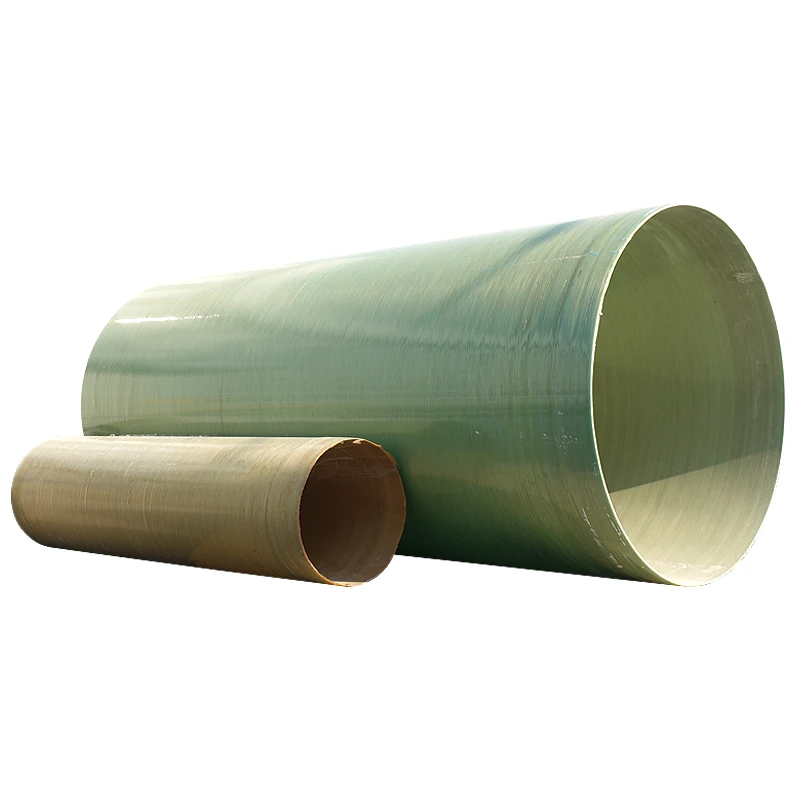
FRP is a composite material made by combining a polymer matrix (resin) with reinforcing fibres, typically glass, carbon, or aramid. This combination results in a material that is lightweight, incredibly strong, and highly resistant to corrosion. GRP, a common type of FRP using glass fibres, is particularly popular due to its cost-effectiveness and excellent chemical resistance. The properties of FRP can be tailored during manufacturing to meet specific application requirements. Choosing the right resin and fibre combination is key to optimizing performance and longevity.

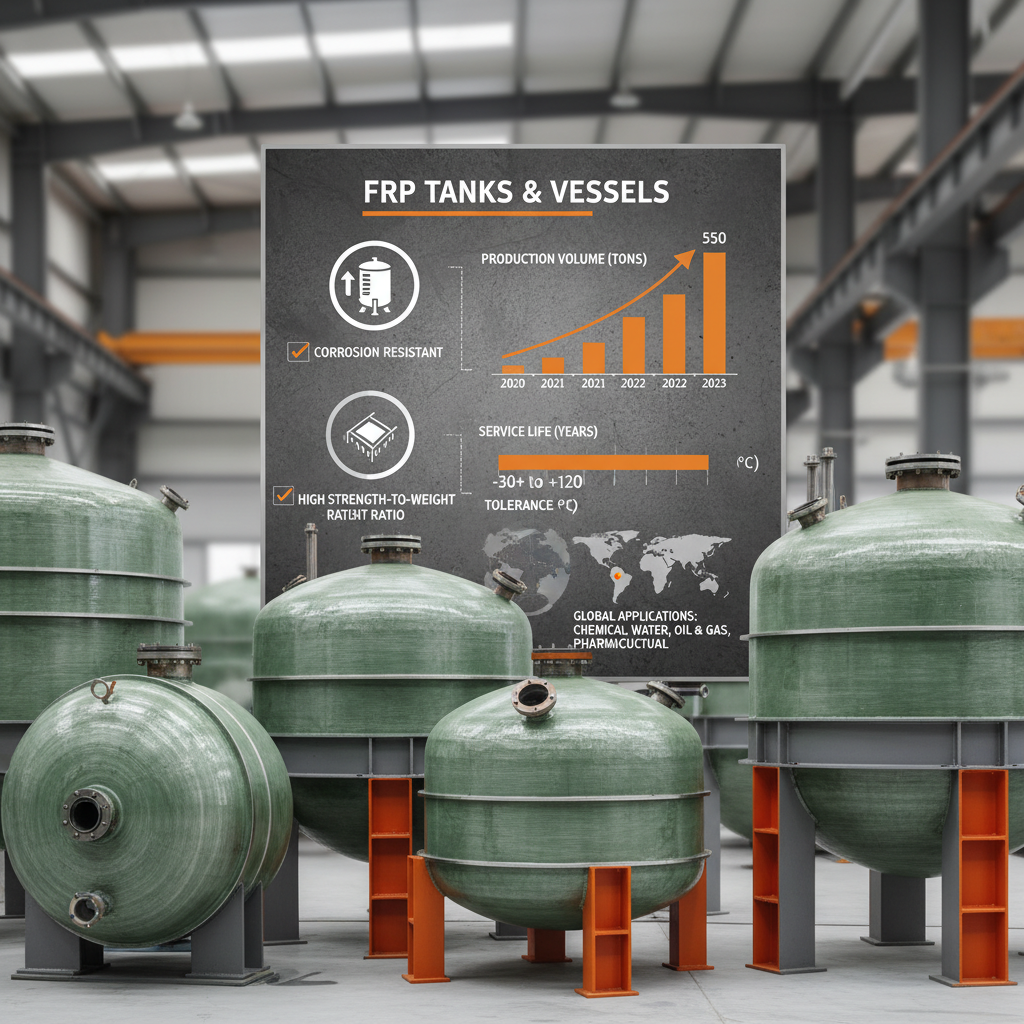
Key Benefits: Lightweight, high strength-to-weight ratio, corrosion resistance, design flexibility, low maintenance.

Applications of FRP Tanks and Vessels

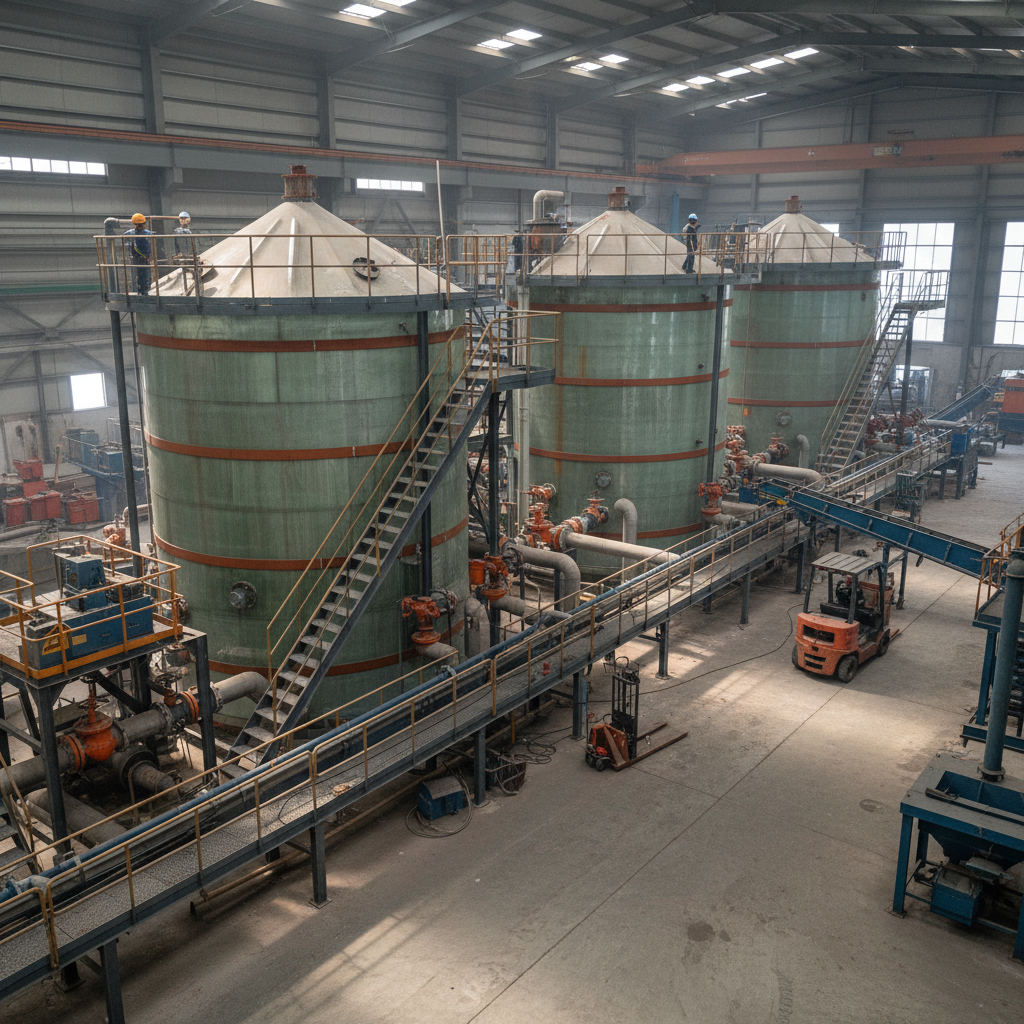
The versatility of FRP tanks and vessels leads to their widespread application across diverse industries. Common uses include chemical storage, water and wastewater treatment, oil and gas processing, pulp and paper manufacturing, and food and beverage production. They are ideal for storing corrosive substances like acids, alkalis, and solvents, where steel tanks would quickly deteriorate. Their lightweight nature also simplifies installation and reduces transportation costs. They are also frequently used in the agriculture sector for fertilizer and pesticide storage.

Common Applications:

• Chemical Storage

• Water and Wastewater Treatment

• Oil and Gas Processing

• Food and Beverage

FRP vs. Traditional Tank Materials: A Comparison

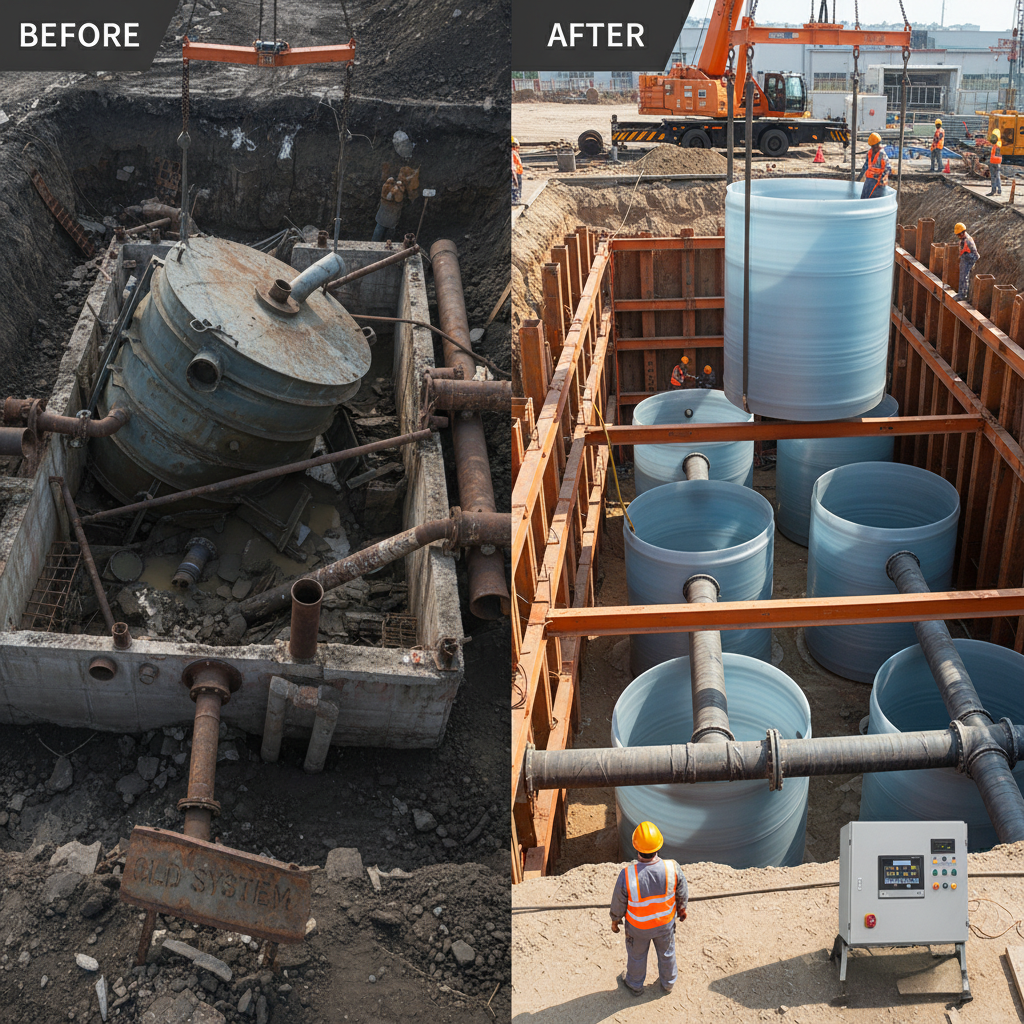
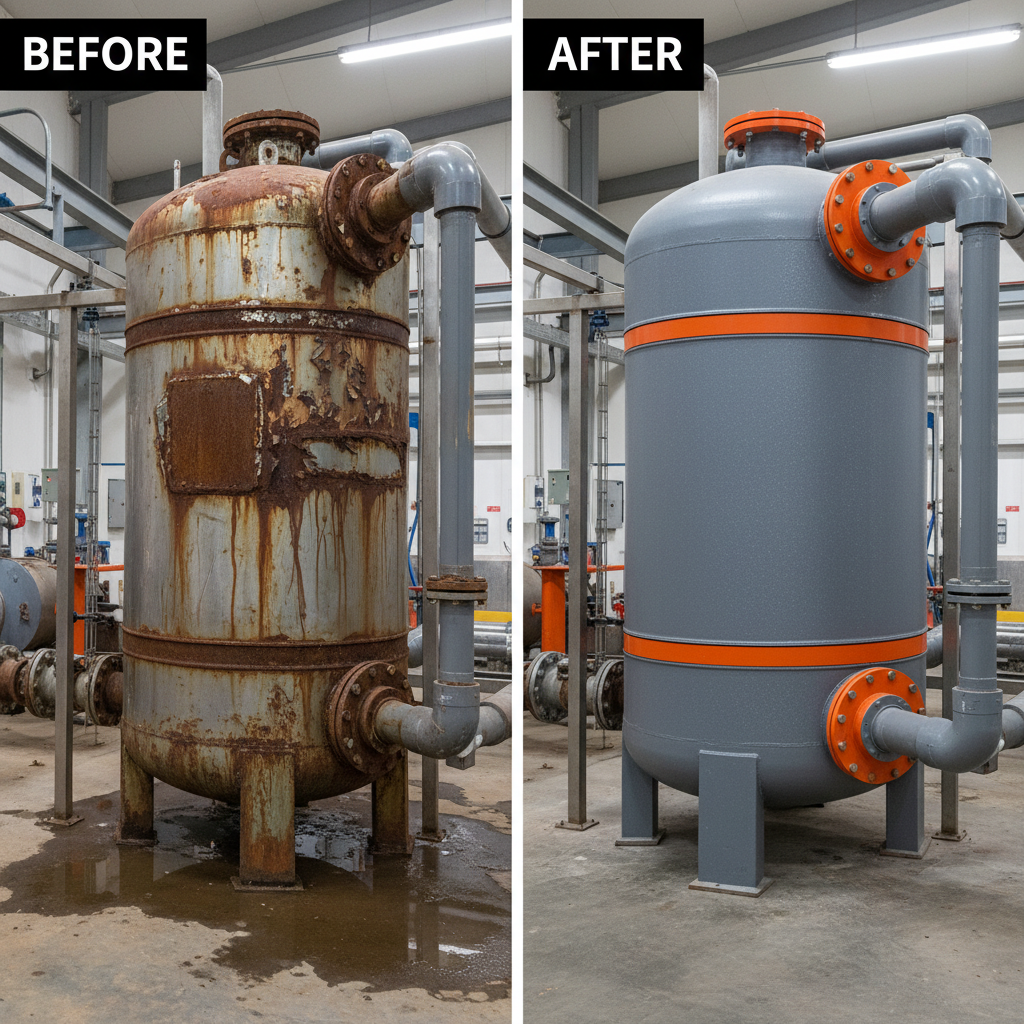
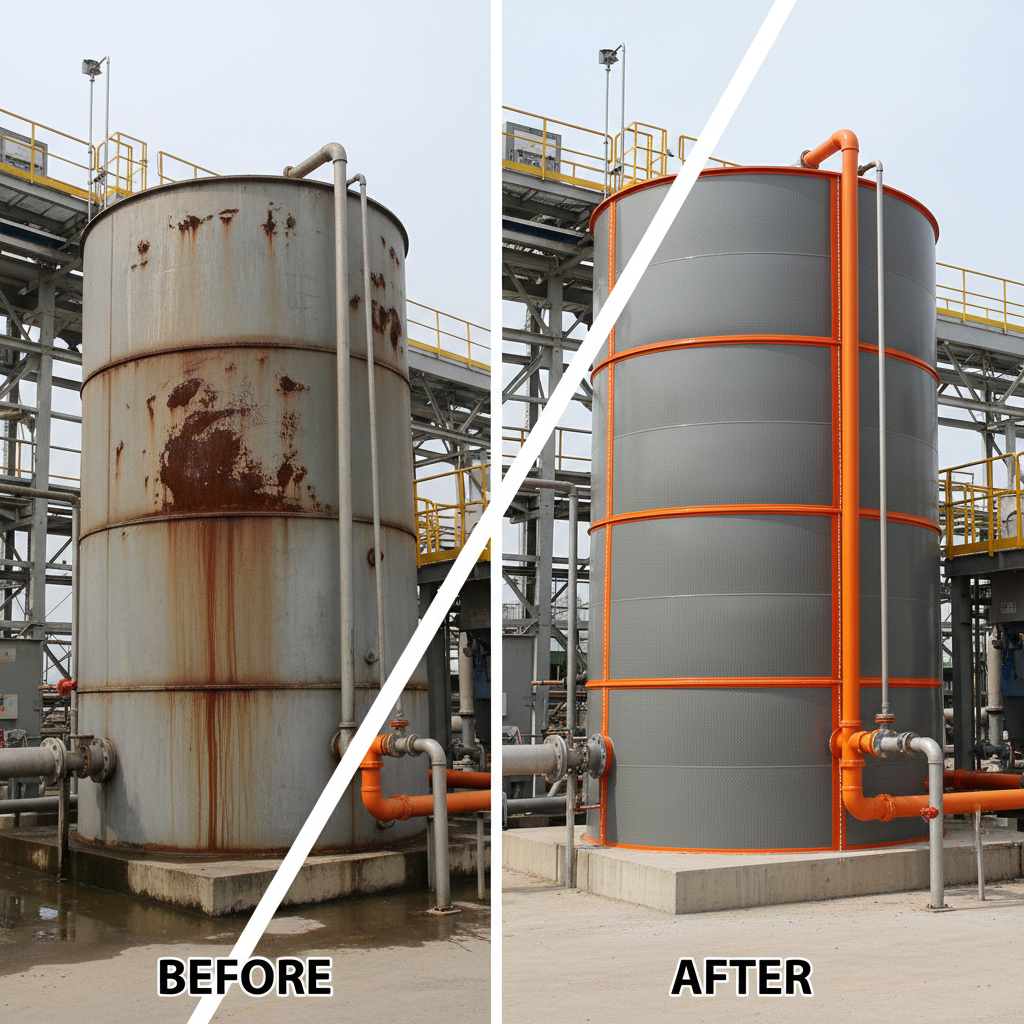
When evaluating storage tank options, it’s crucial to compare FRP to traditional materials like steel and concrete. Steel tanks are prone to corrosion, requiring regular painting and maintenance. Concrete tanks can crack and leak, and their weight presents installation challenges. FRP offers a compelling alternative with superior corrosion resistance, lower weight, and reduced maintenance requirements. Although the initial cost of an FRP tank might be higher, the long-term cost of ownership is often lower due to reduced maintenance and longer lifespan.

Feature FRP Steel Concrete
Corrosion Resistance Excellent Poor (requires coating) Fair (prone to cracking)
Weight Lightweight Heavy Very Heavy
Maintenance Low High (painting, repairs) Moderate (crack repairs)
Lifespan 20+ years 10-20 years (with maintenance) 15-30 years

Manufacturing Processes for FRP Tanks

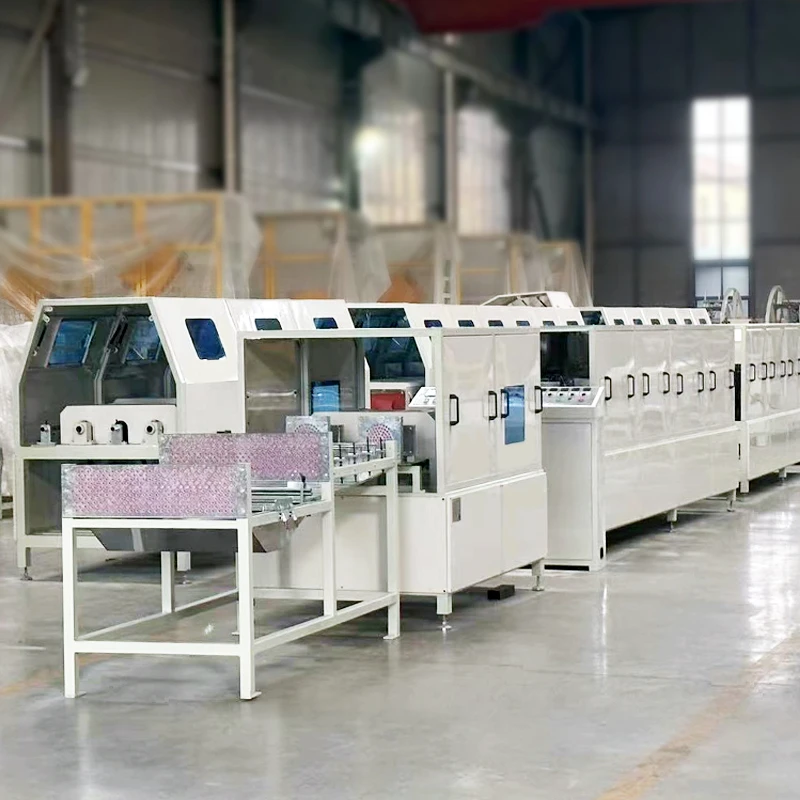
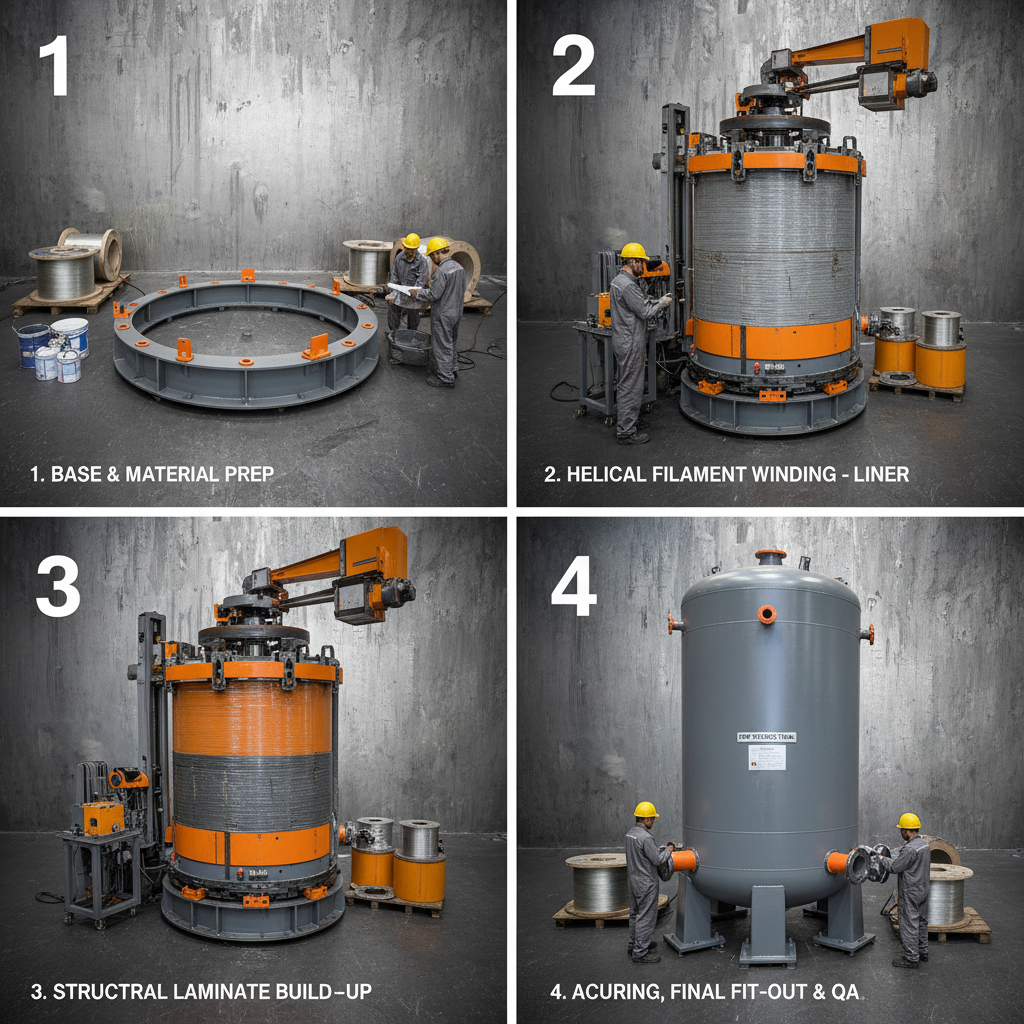
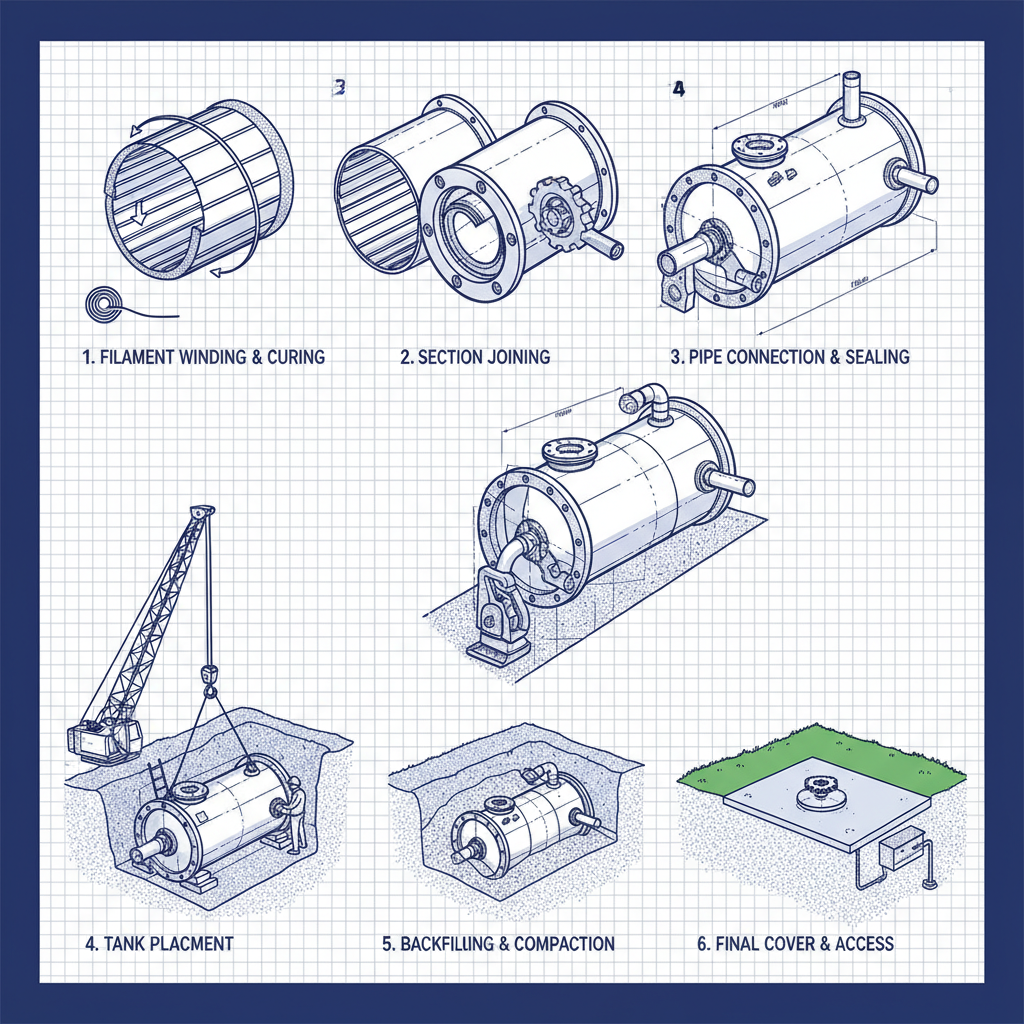
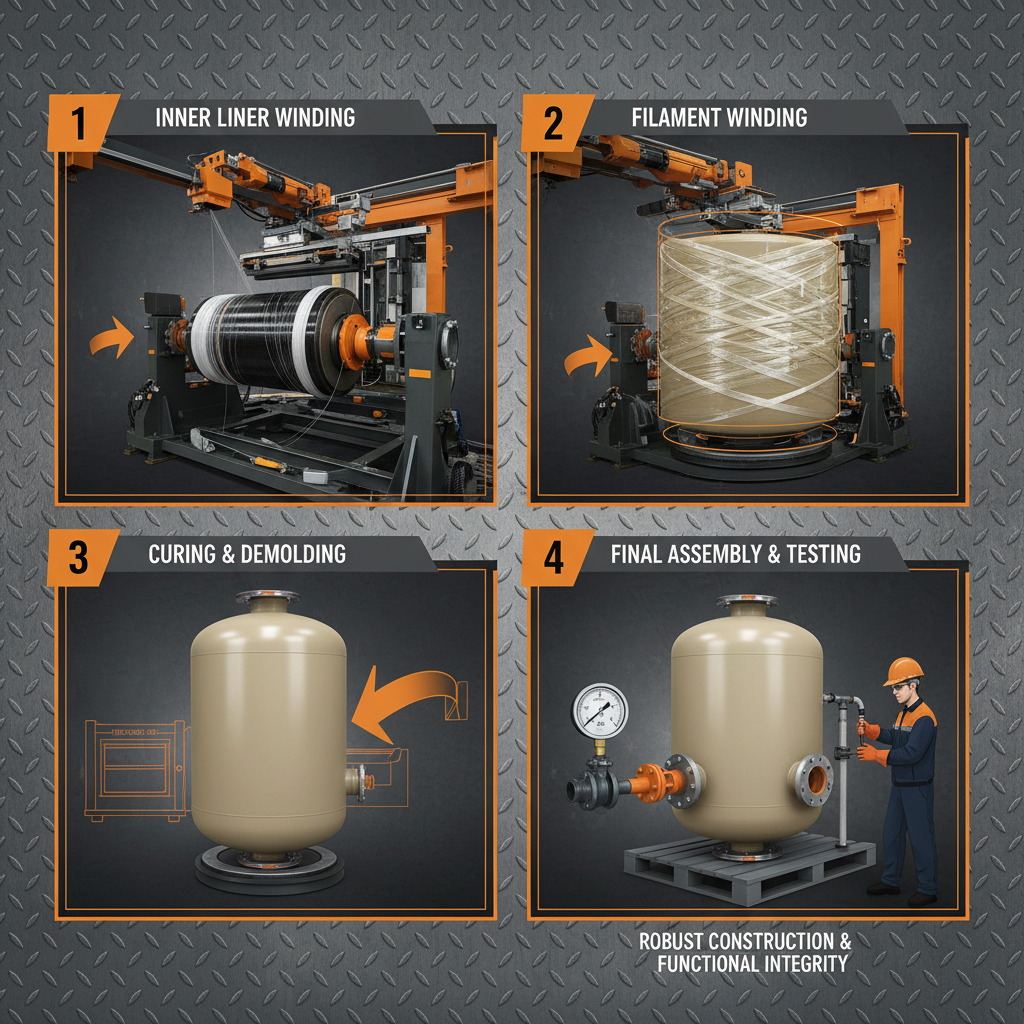
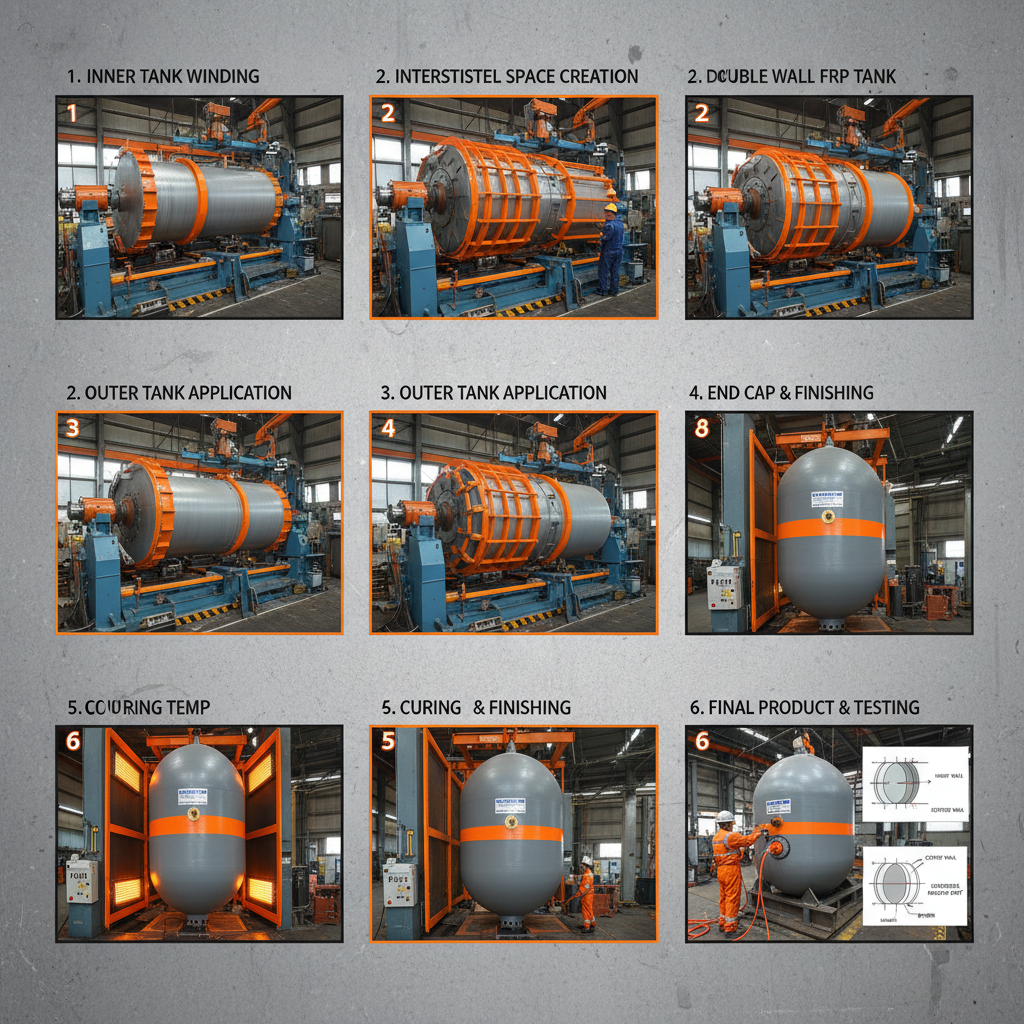
Several manufacturing methods are used to produce FRP tanks and vessels. Filament winding, hand lay-up, spray-up, and resin transfer molding (RTM) are the most common. Filament winding is ideal for cylindrical tanks, offering high strength and efficiency. Hand lay-up is suitable for smaller production runs and complex shapes. Spray-up is a cost-effective method for large tanks. RTM provides precise control over resin distribution and fibre content, resulting in high-quality parts. The choice of manufacturing process depends on factors such as tank size, shape, volume, and performance requirements.
Comprehensive Guide to Durable Fibre Reinforced Plastic Tanks and Vessels

Selecting the Right FRP Tank: Key Considerations

Choosing the appropriate FRP tank requires careful consideration of several factors. The chemical compatibility of the tank material with the stored substance is paramount. The operating temperature and pressure also influence material selection. Tank size and shape must align with storage volume and site constraints. Regulatory compliance, such as adherence to relevant industry standards, is crucial. Finally, consulting with an experienced FRP tank manufacturer like FRPGRPMachine ensures you receive a tailored solution that meets your specific needs.

Conclusion: Investing in Durable and Reliable FRP Solutions

Investing in FRP tanks and vessels represents a long-term commitment to durability, reliability, and cost-effectiveness. Their superior corrosion resistance, lightweight nature, and low maintenance requirements make them an ideal choice for a wide range of industrial applications. By partnering with a trusted manufacturer, you can ensure a customized solution that meets your specific needs and delivers lasting performance. Don't compromise on quality – choose FRP for your storage needs.

Frequently Asked Questions (FAQs)

What are the typical lead times for FRP tank fabrication?

Lead times for FRP tank fabrication vary depending on tank size, complexity, and current production schedules. Generally, smaller tanks can be delivered within 4-6 weeks, while larger or more complex tanks may require 8-12 weeks or longer. It's best to discuss your specific requirements with the manufacturer to get an accurate lead time estimate. Factors such as resin curing times and availability of raw materials can also impact the timeline.

What types of resins are commonly used in FRP tank construction?

Commonly used resins in FRP tank construction include polyester, vinyl ester, and epoxy. Polyester resins are the most cost-effective option and offer good chemical resistance for many applications. Vinyl ester resins provide enhanced chemical resistance, particularly against acids and alkalis. Epoxy resins offer the highest level of chemical resistance and mechanical strength, making them suitable for demanding environments. The choice of resin depends on the specific chemicals being stored and the operating conditions.

Can FRP tanks be repaired if damaged?

Yes, FRP tanks can often be repaired, depending on the extent and nature of the damage. Minor cracks and leaks can typically be patched with FRP repair kits. However, significant damage, such as large cracks or delamination, may require professional repair services. It's essential to assess the damage carefully and consult with an FRP repair specialist to ensure a safe and effective repair. Proper repair techniques are crucial to maintain the structural integrity of the tank.

Do FRP tanks require any special installation considerations?

FRP tanks are relatively lightweight compared to steel or concrete, which simplifies installation. However, proper foundation preparation is crucial to ensure stability and prevent settling. It's important to follow the manufacturer's recommendations for foundation requirements. Additionally, proper grounding and venting may be necessary, depending on the stored substance and local regulations. Professional installation is recommended to ensure a safe and compliant installation.
Upsell Products
Upsell News
Guide to Fiber Water Tank Price and FRP Storage Costs
Jul 01,2026
Guide to Fiber Water Tank Price and FRP Storage Costs
Understanding Fiber Water Tank Price: A Comprehensive Investment Guide When searching for a reliable liquid storage solution, understanding the factors that influence fiber water tank price is essential for optimizing your operational budget. Fiber-Reinforced Plastic FRP tanks have become the industry standard for water and chemical storage due to their exceptional corrosion resistance and structural integrity. Whether you are managing a municipal water project or an industrial chemical plant, selecting the right tank requires a balance between initial cost and long-term durability. In this guide, we will explore the variables that drive pricing and why FRP remains the most cost-effective choice
Guide to Fibreglass Water Tank Prices and FRP Investment
Jun 29,2026
Guide to Fibreglass Water Tank Prices and FRP Investment
Understanding Fibreglass Water Tank Prices: A Comprehensive Investment Guide When planning water storage for industrial or commercial applications, understanding the factors that influence fibreglass water tank prices is essential for optimizing your budget. Fibreglass Reinforced Plastic FRP tanks offer a superior alternative to steel or concrete due to their corrosion resistance and lightweight nature. Whether you are in the petroleum, chemical, or drainage industry, selecting a tank that balances cost with long-term durability is key. In this guide, we will explore the pricing drivers, technical advantages, and specifications of high-quality FRP storage solutions to help you make an informed purchasing decision.
Industrial Fiberglass Water Tank Price and Buyers Guide
Jun 27,2026
Industrial Fiberglass Water Tank Price and Buyers Guide
Analyzing Fiberglass Water Tank Price: A Comprehensive Buyers Guide When investing in industrial water storage, understanding the fiberglass water tank price is essential for effective budget planning and operational efficiency. Fiberglass Reinforced Plastic FRP tanks have become the gold standard in water quality pollution prevention and chemical storage due to their exceptional corrosion resistance and durability. Whether you are managing a municipal water system or a specialized manufacturing plant, choosing the right tank involves balancing initial costs with long-term lifecycle value. In this guide, we will break down the factors that influence pricing and why FRP is often the most cost-effective choice
Comprehensive Guide to GRP Sectional Water Tanks Prices and Quality
Jun 26,2026
Comprehensive Guide to GRP Sectional Water Tanks Prices and Quality
Selecting the right water storage solution is critical for industrial, commercial, and residential infrastructure. When evaluating grp sectional water tanks prices, it is essential to look beyond the initial sticker price and consider the total cost of ownership, including durability, installation ease, and maintenance. Glass Reinforced Plastic GRP tanks offer a superior alternative to traditional steel or concrete, providing exceptional corrosion resistance and modular flexibility. In this guide, we will explore the factors that influence pricing and why GRP remains the gold standard for modern water management.
Guide to Understanding FRP Tank Cost and Investment Value
Jun 25,2026
Guide to Understanding FRP Tank Cost and Investment Value
Understanding FRP Tank Cost: A Comprehensive Guide to Investment and Value When investing in industrial storage solutions, understanding the frp tank cost is essential for accurate budgeting and long-term operational planning. Fiber Reinforced Plastic FRP tanks offer an exceptional balance of corrosion resistance, structural strength, and longevity, making them the preferred choice for chemical, petroleum, and water treatment industries. While initial pricing can vary based on specifications, the total cost of ownership is often significantly lower than traditional steel tanks due to reduced maintenance. In this guide, we will explore the factors influencing pricing and the advanced machinery used to produce these high-performance vessels.
Best Industrial 500 gallon chemical tank for Storage and Safety
Jun 23,2026
Best Industrial 500 gallon chemical tank for Storage and Safety
Choosing the Best 500 Gallon Chemical Tank for Industrial Storage When managing hazardous materials or industrial fluids, the integrity of your storage system is non-negotiable. A high-quality 500 gallon chemical tank provides the perfect balance between capacity and footprint, making it an ideal choice for mid-sized operations, water treatment facilities, and chemical processing plants. Selecting the right material and design ensures not only the safety of your personnel but also the longevity of your assets. In this guide, we will explore the critical factors you need to consider to optimize your chemical storage efficiency and compliance.
Safe and Efficient Industrial Chemical Storage Tanks Guide
Jun 21,2026
Safe and Efficient Industrial Chemical Storage Tanks Guide
Maximizing Safety and Efficiency with Industrial Chemical Storage Tanks In the modern industrial landscape, the secure management of hazardous materials is not just a regulatory requirement but a critical safety priority. Selecting the right industrial chemical storage tanks is essential for preventing leaks, reducing environmental impact, and ensuring the longevity of your infrastructure. Whether you are dealing with highly corrosive acids or volatile solvents, the material composition and design of your storage system determine your operational risk. This guide explores the technical nuances of chemical storage to help you make an informed investment for your facility.
Best Guide to Choosing a Durable 200 Gallon Chemical Tank
Jun 20,2026
Best Guide to Choosing a Durable 200 Gallon Chemical Tank
The Ultimate Guide to Choosing a 200 Gallon Chemical Tank Finding the right storage solution for hazardous or corrosive substances is critical for industrial safety and operational efficiency. A 200 gallon chemical tank offers a versatile mid-size capacity, ideal for businesses that need a balance between space-saving design and sufficient volume for chemical processing. Whether you are dealing with acids, bases, or specialty solvents, the material composition of your tank determines its lifespan and your facilitys safety. In this guide, we will explore the technical specifications, material options, and best practices for maintaining these essential industrial assets.
Industrial Fiberglass Water Storage Tanks Guide for Efficiency
Jun 18,2026
Industrial Fiberglass Water Storage Tanks Guide for Efficiency
The Ultimate Guide to Fiberglass Water Storage Tanks for Industrial Use Selecting the right containment system is critical for maintaining water purity and operational efficiency. fiberglass water storage tanks have emerged as a superior alternative to traditional steel or concrete reservoirs. Combining high strength-to-weight ratios with exceptional corrosion resistance, these tanks are designed to withstand the harshest environmental conditions while ensuring the longevity of your infrastructure. Whether you are managing a municipal water system or an industrial chemical process, understanding the advantages of FRP Fiber Reinforced Plastic technology is the first step toward a sustainable storage solution.
Industrial Storage Guide for Modular Sectional Water Tanks
Jun 13,2026
Industrial Storage Guide for Modular Sectional Water Tanks
When managing large-scale water storage, efficiency and scalability are non-negotiable. Sectional water tanks offer a versatile and robust solution for industries requiring customized capacities and easy installation in restricted spaces. Unlike monolithic tanks, these systems are engineered from modular panels, allowing for precise sizing and seamless transport to remote sites. Whether it is for fire protection, potable water, or industrial processing, choosing the right tank configuration can significantly impact the longevity and reliability of your water infrastructure. In this guide, we explore why these modular systems are the preferred choice for modern engineering projects worldwide.
Industrial Safety Guide for Double Wall Chemical Tanks
Jun 11,2026
Industrial Safety Guide for Double Wall Chemical Tanks
In the world of industrial chemical storage, containment is not just a preferenceit is a critical safety requirement. double wall chemical tanks provide a sophisticated layer of security, ensuring that hazardous materials are contained even if the primary vessel fails. By utilizing a tank-within-a-tank design, these systems prevent catastrophic leaks, protect the surrounding environment, and ensure compliance with strict regulatory standards. Whether you are managing a water treatment plant or a chemical manufacturing facility, understanding the nuances of secondary containment is essential for operational longevity and risk mitigation.
High Efficiency and Durability of Fiberglass Storage Tanks
Jun 09,2026
High Efficiency and Durability of Fiberglass Storage Tanks
In the world of industrial liquid containment, choosing the right material is critical for safety, longevity, and cost-effectiveness. fiberglass storage tanks , also known as FRP Fiber Reinforced Plastic tanks, have emerged as the gold standard for storing corrosive chemicals, water, and hazardous materials. Unlike traditional metal tanks, fiberglass offers an unparalleled combination of strength and chemical inertness. Whether you are managing a municipal water system or a complex chemical processing plant, understanding the advantages of these advanced composite structures is essential for optimizing your infrastructure and reducing long-term maintenance costs.
Durable FRP Vessel for Water Treatment and Industrial Filtration
Apr 16,2026
Durable FRP Vessel for Water Treatment and Industrial Filtration
In the modern era of industrial and residential water purification, the choice of containment materials is critical for efficiency and longevity. An frp vessel for water treatment has emerged as the gold standard, replacing traditional steel tanks due to its superior corrosion resistance and lightweight properties. Whether you are dealing with desalination, softening, or filtration, using Fiber Reinforced Plastic (FRP) ensures that your system remains leak-proof and durable against aggressive chemicals. In this comprehensive guide, we will explore why FRP is the preferred choice for water treatment professionals worldwide and how to select the right vessel for your specific application.
Industrial Guide for Choosing the Right FRP Vertical Tank
Apr 09,2026
Industrial Guide for Choosing the Right FRP Vertical Tank
In today's industrial landscape, the storage of corrosive chemicals and aggressive liquids requires materials that can withstand extreme conditions without degrading. The frp vertical tank has emerged as a premier solution, offering an exceptional balance of strength, lightweight properties, and unmatched chemical resistance. Whether you are managing a water treatment plant or a chemical processing facility, understanding the nuances of Fiber Reinforced Plastic (FRP) is essential for ensuring operational safety and longevity. In this comprehensive guide, we will explore why vertical configurations are preferred and how these tanks outperform traditional metal alternatives.
Comprehensive Guide to FRP Underground Water Tank Solutions and Applications
Apr 07,2026
Comprehensive Guide to FRP Underground Water Tank Solutions and Applications
Fiberglass Reinforced Polymer (FRP) underground water tanks are becoming increasingly popular for a wide range of applications, from potable water storage to industrial wastewater containment. Their superior corrosion resistance, lightweight nature, and design flexibility make them an excellent alternative to traditional materials like concrete or steel. This article will delve into the benefits, applications, construction, and considerations for implementing FRP underground water tanks, providing a comprehensive overview for engineers, contractors, and project managers.
Comprehensive Guide to Frp Underground Water Storage Tanks and Their Applications
Apr 04,2026
Comprehensive Guide to Frp Underground Water Storage Tanks and Their Applications
When considering water storage solutions, particularly for industrial, agricultural, or municipal applications, frp underground water storage tanks stand out as a durable, cost-effective, and environmentally friendly option. These tanks are increasingly favored over traditional materials like concrete or steel due to their superior corrosion resistance, lighter weight, and ease of installation. This article delves into the benefits, applications, construction, and considerations when choosing an FRP tank, providing a detailed overview for potential buyers and project planners.
For More Details Pls Contact Us
Thank you for your interest in our gloves! We offer high-quality, durable, and comfortable gloves with fast delivery and competitive prices. For any questions or customization, feel free to contact us. We look forward to working with you!

If you are interested in our products, you can choose to leave your information here, and we will be in touch with you shortly.