Mar 12,2026

Comprehensive Guide to FRP Fuel Tanks Benefits and Applications

Understanding FRP Fuel Tanks: A Comprehensive Guide

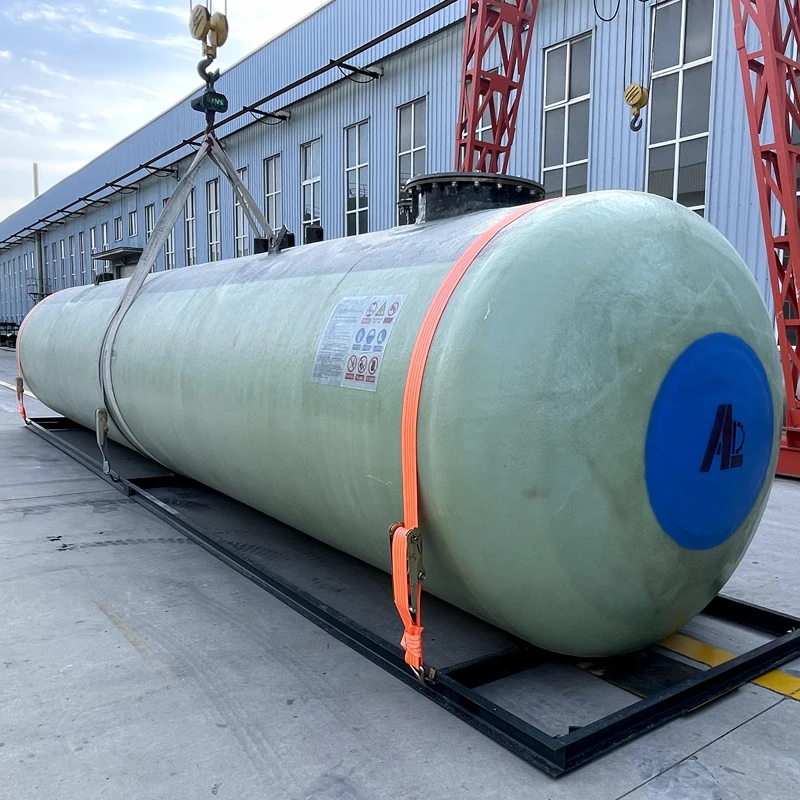
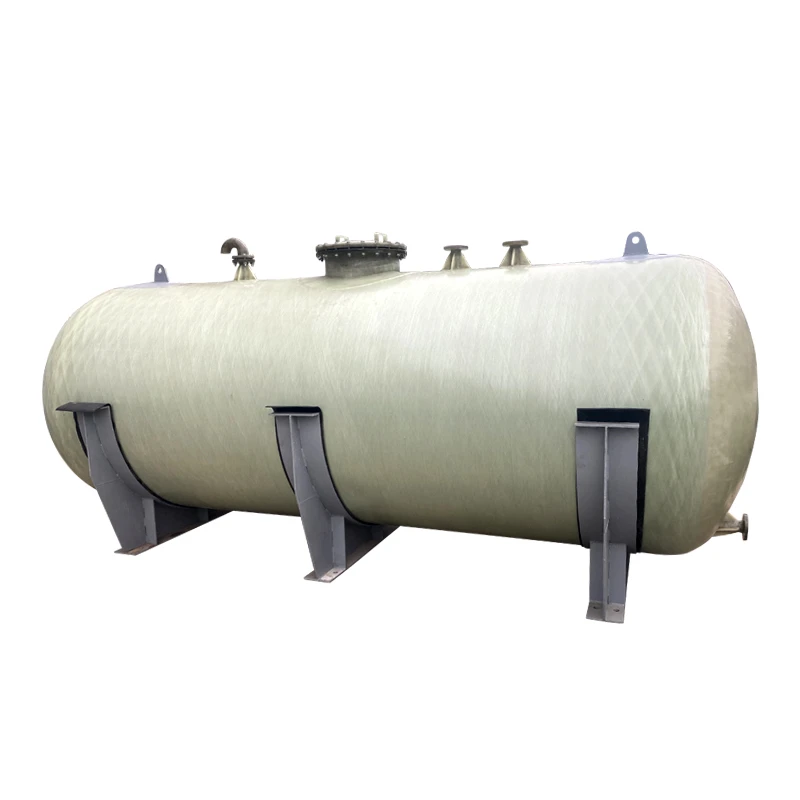
Fiber Reinforced Polymer (FRP) fuel tanks are rapidly gaining prominence as a robust and reliable alternative to traditional steel tanks. Offering significant advantages in terms of corrosion resistance, weight reduction, and design flexibility, they are becoming a go-to solution for a wide range of applications, from fuel storage at service stations to large-scale industrial facilities. This article delves into the benefits, applications, construction, and considerations when choosing an FRP fuel tank, providing a comprehensive overview for businesses and engineers. Investing in the right fuel storage solution is crucial for safety, compliance, and long-term cost efficiency.

Comprehensive Guide to FRP Fuel Tanks Benefits and Applications

The Core Benefits of FRP Fuel Tanks

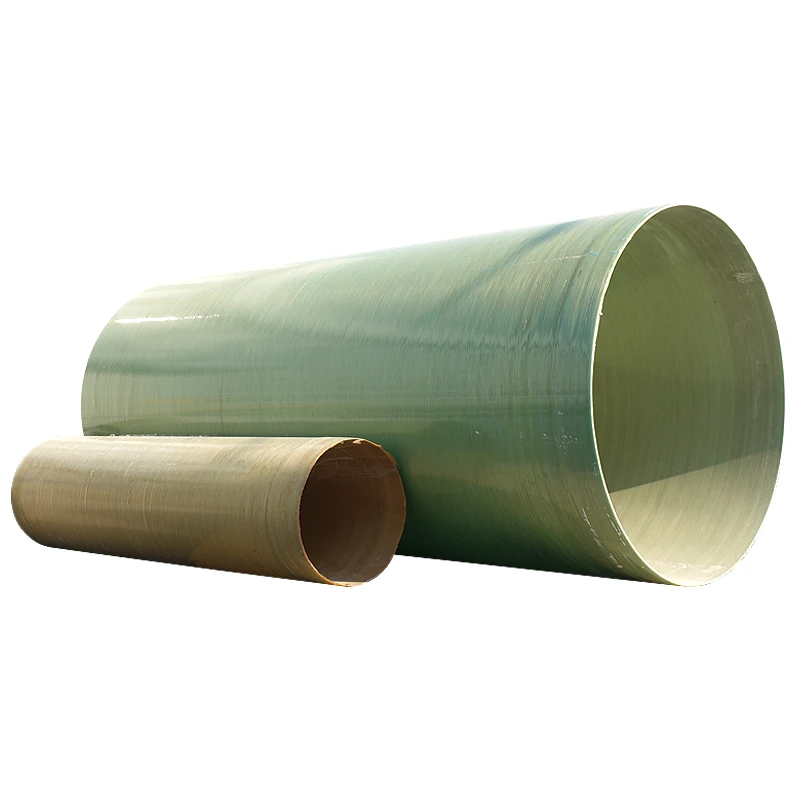
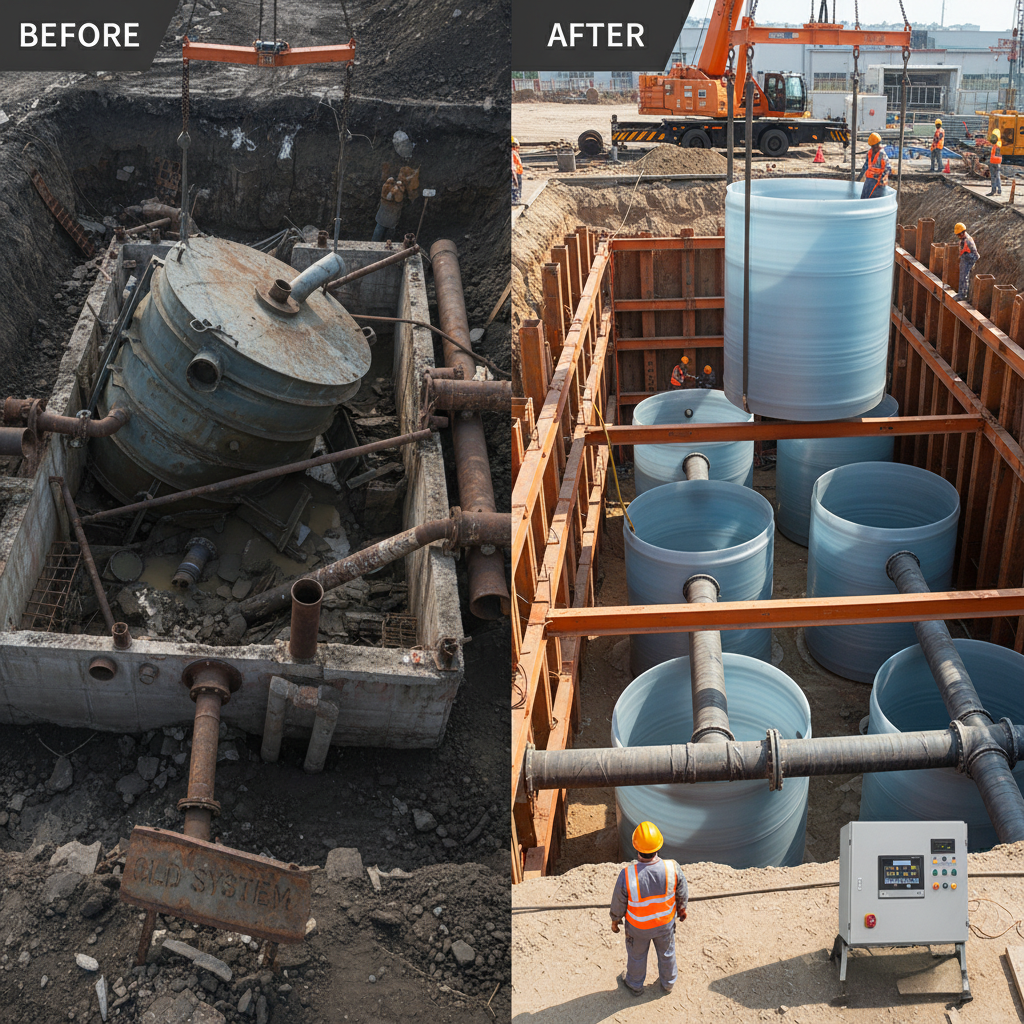
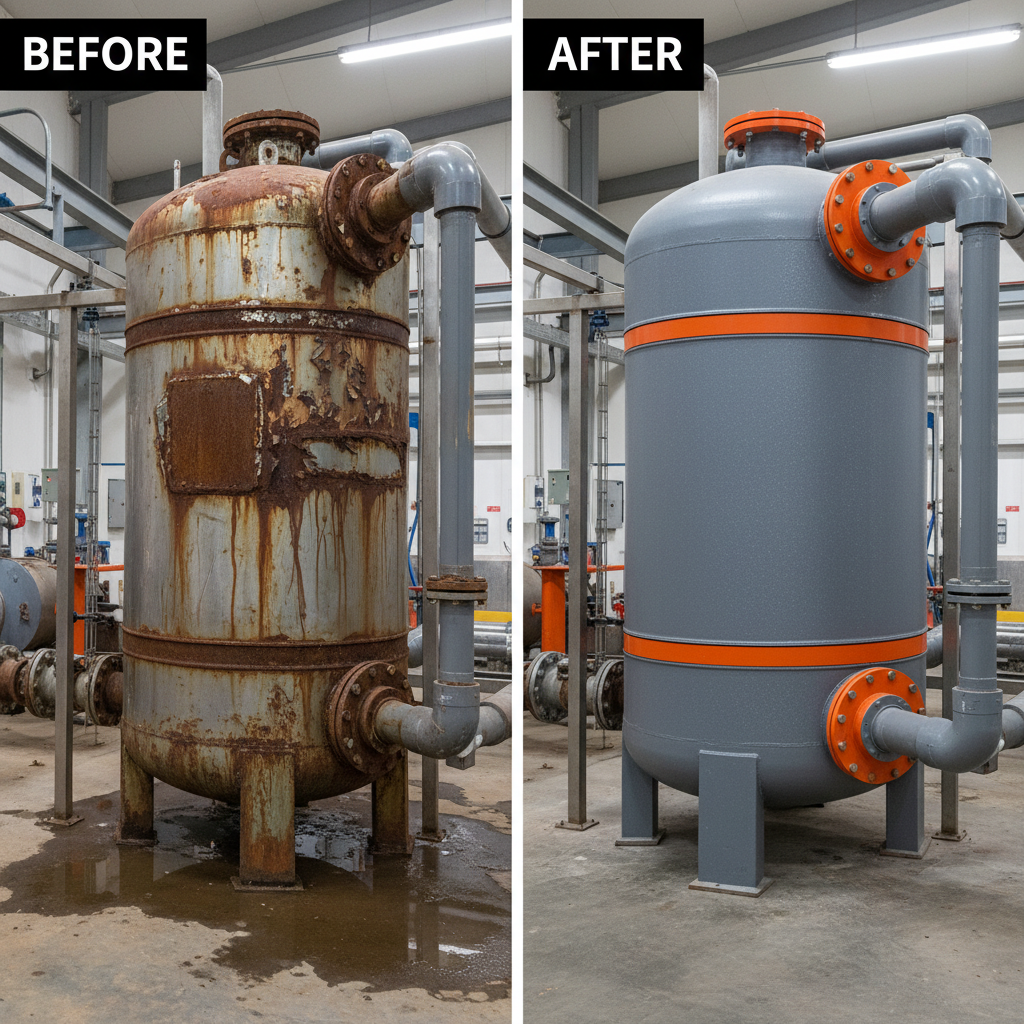
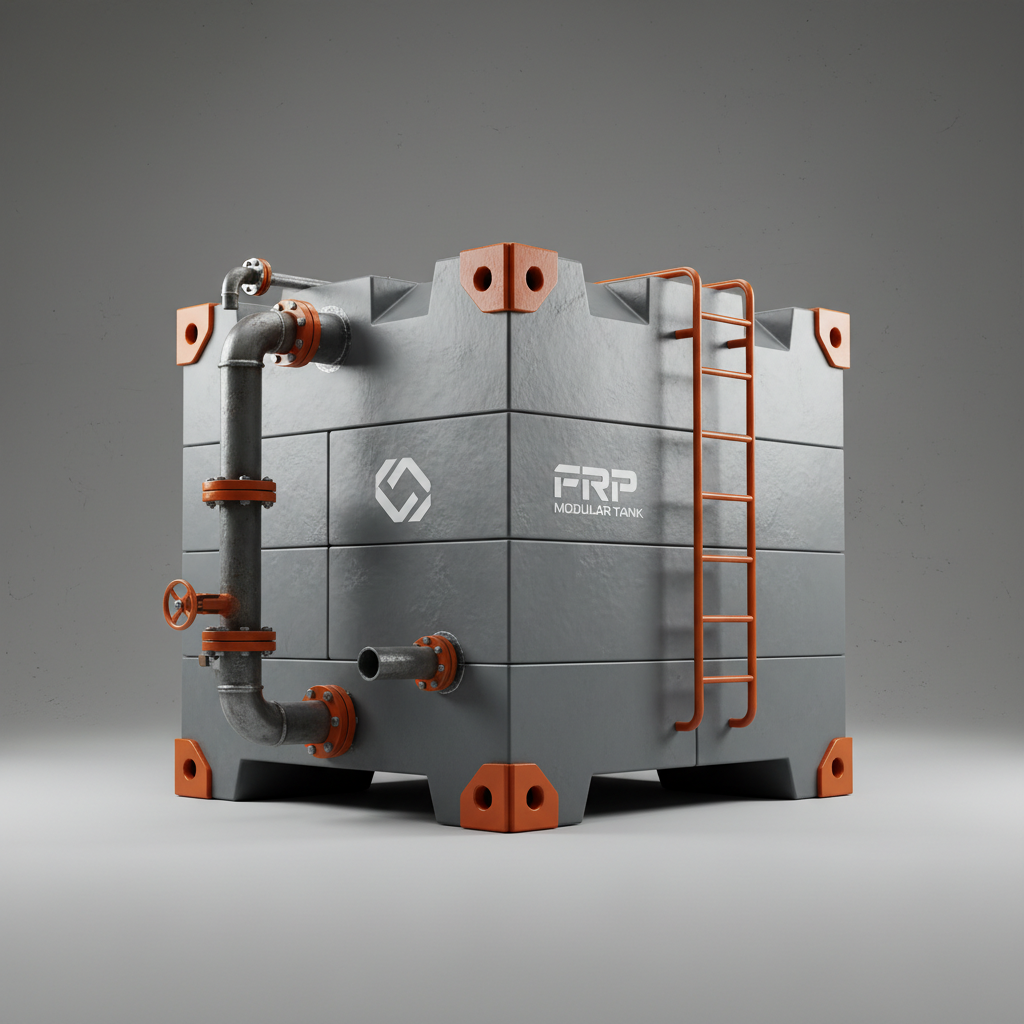
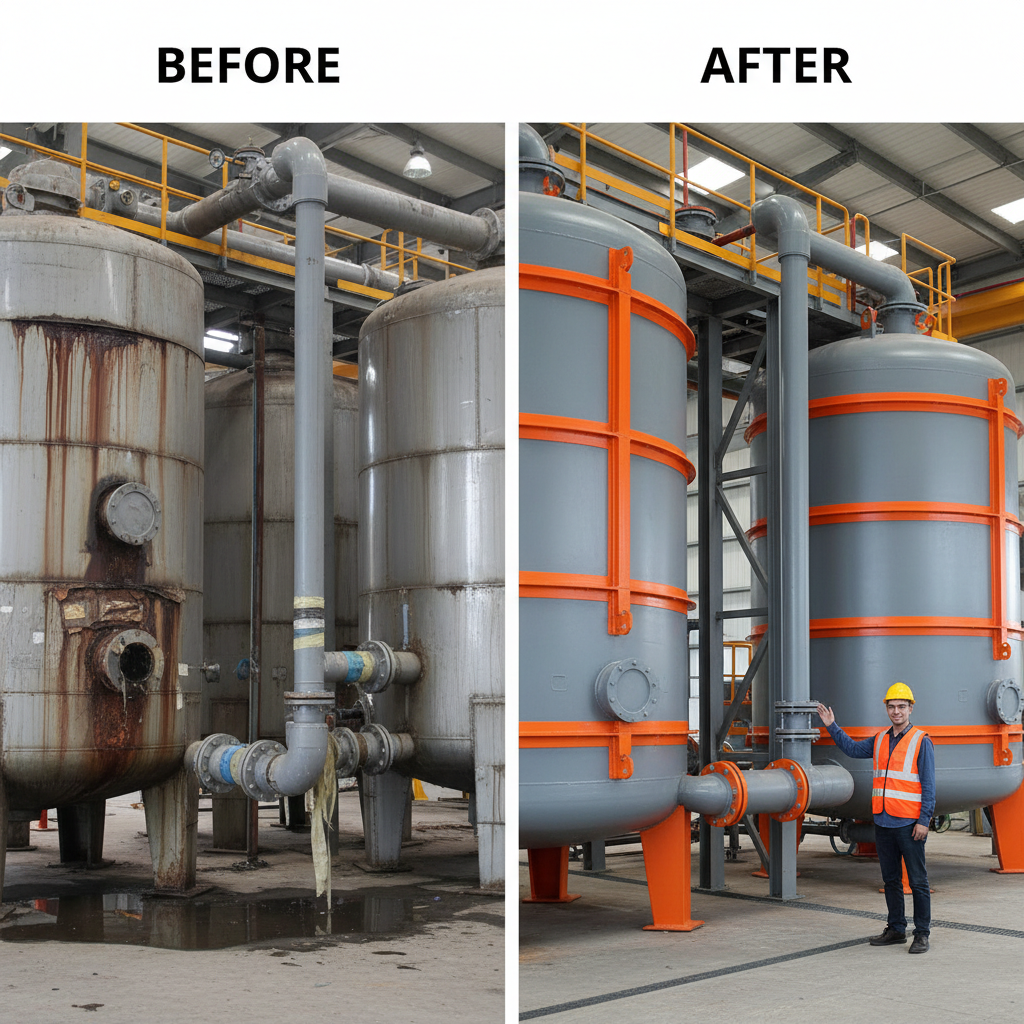
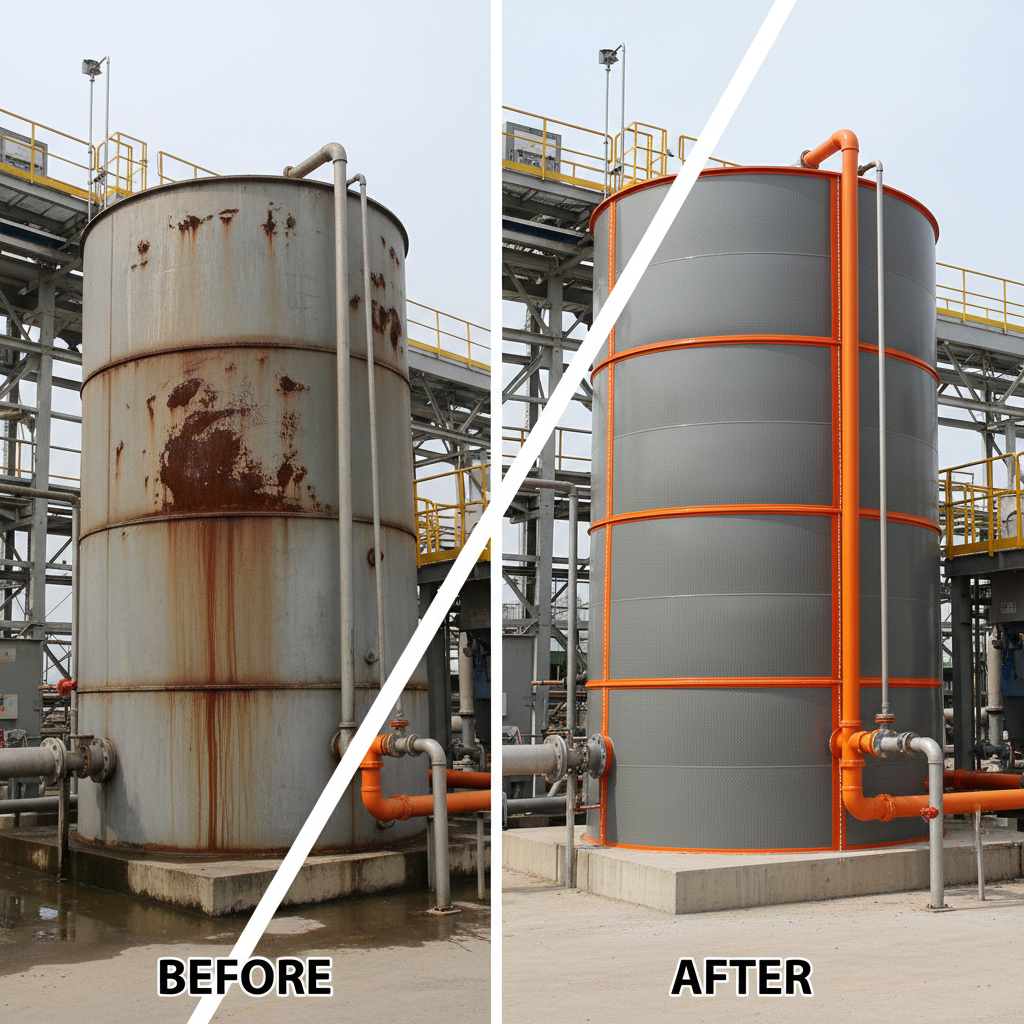
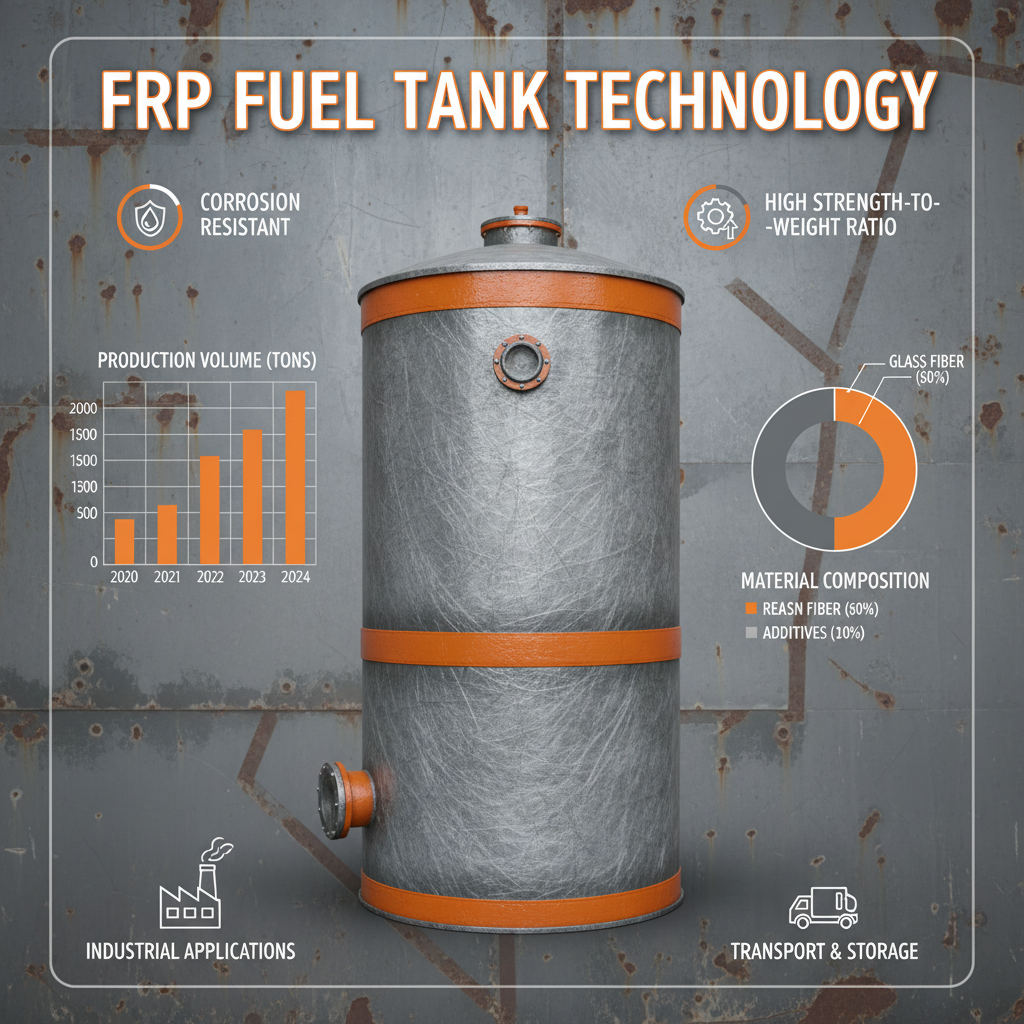
FRP fuel tanks offer a compelling set of advantages over traditional materials like steel. Their inherent resistance to corrosion is a primary benefit, significantly reducing maintenance costs and extending the tank's lifespan. Unlike steel, FRP won’t rust or corrode when exposed to fuels, water, or harsh environmental conditions. Furthermore, FRP is significantly lighter than steel – often by up to 60% – leading to easier installation, reduced transportation costs, and lower structural support requirements. The design flexibility of FRP allows for the creation of custom tank shapes and sizes to fit specific site constraints and storage needs. The advanced properties of FRP fuel tanks ensure long-term reliability and safety.

Key Highlights: FRP’s corrosion resistance, lightweight nature, and design flexibility make it an ideal choice for fuel storage solutions, reducing maintenance and extending lifespan.

Applications of FRP Fuel Tanks Across Industries

The versatility of FRP fuel tanks lends them to a diverse array of applications. They are commonly utilized at petrol stations for underground and above-ground fuel storage, providing a secure and leak-proof solution. In the agricultural sector, they are employed for storing diesel and other fuels used to power farm equipment. Industrial facilities rely on FRP tanks for storing bulk fuels for generators, heating systems, and manufacturing processes. Furthermore, FRP tanks are increasingly being used in emergency fuel storage systems and for remote locations where durability and low maintenance are critical. Choosing FRP tanks improves overall efficiency and reliability.

Application Benefits:

• Secure and leak-proof fuel storage

• Suitable for underground and above-ground installations

• Ideal for remote locations and emergency storage

• Long-term reliability and low maintenance

FRP Fuel Tank Construction: Materials and Processes

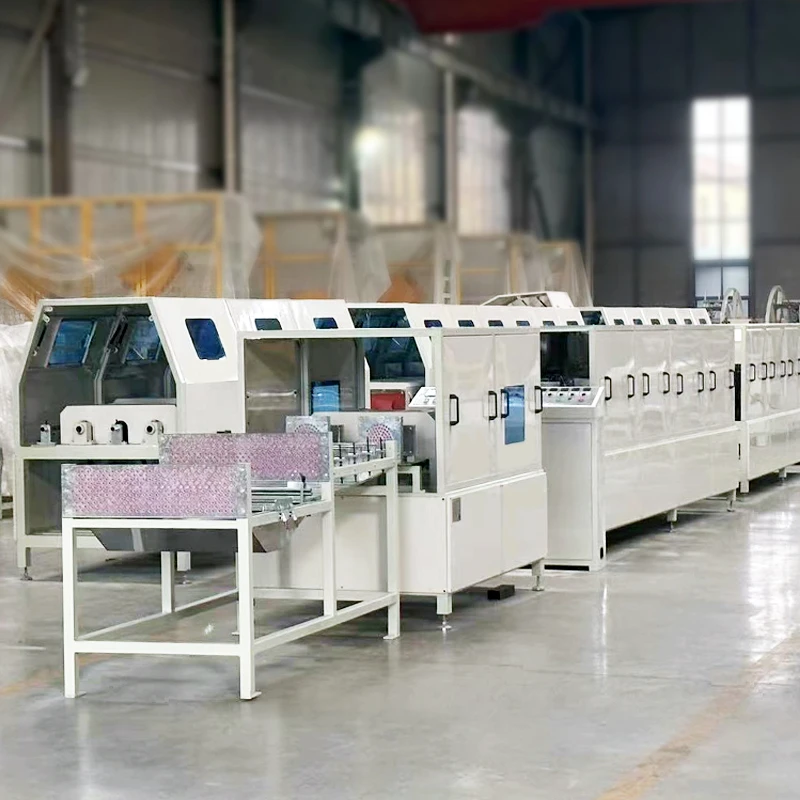
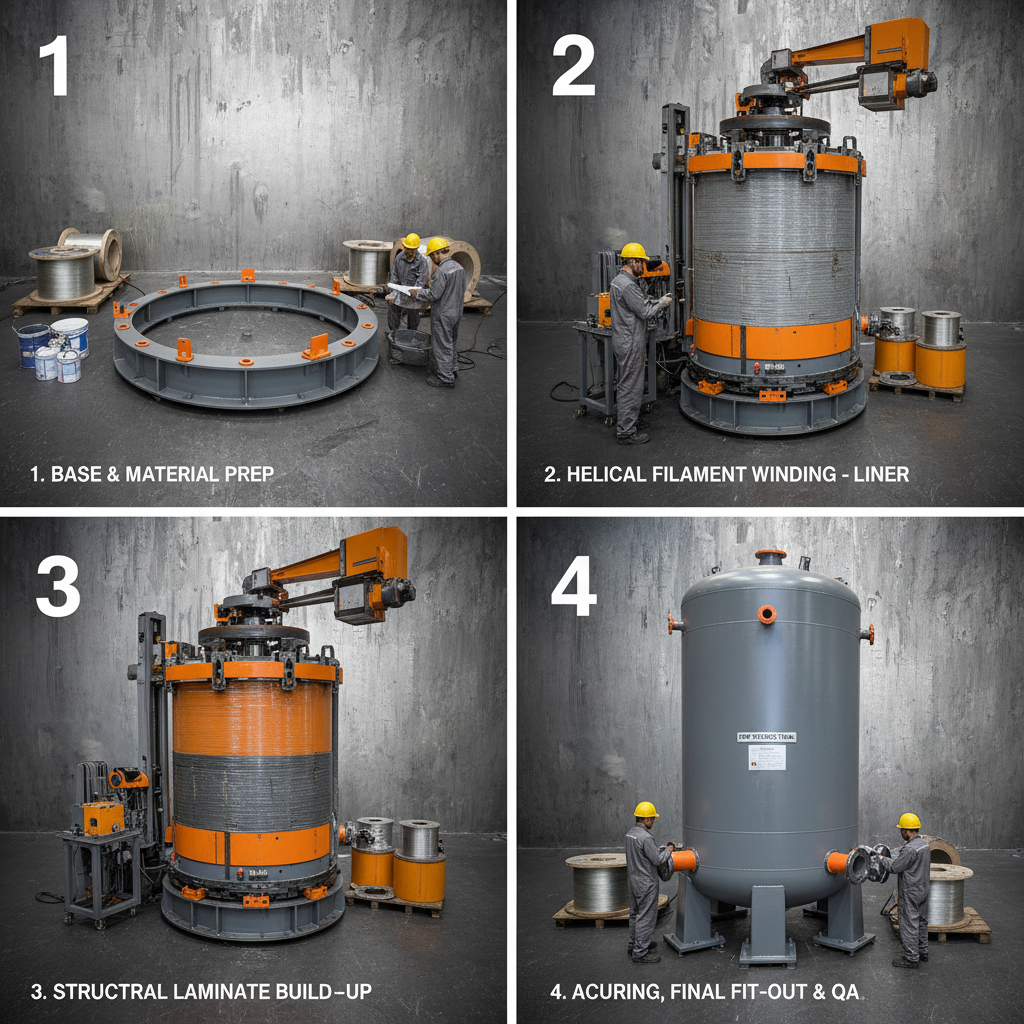
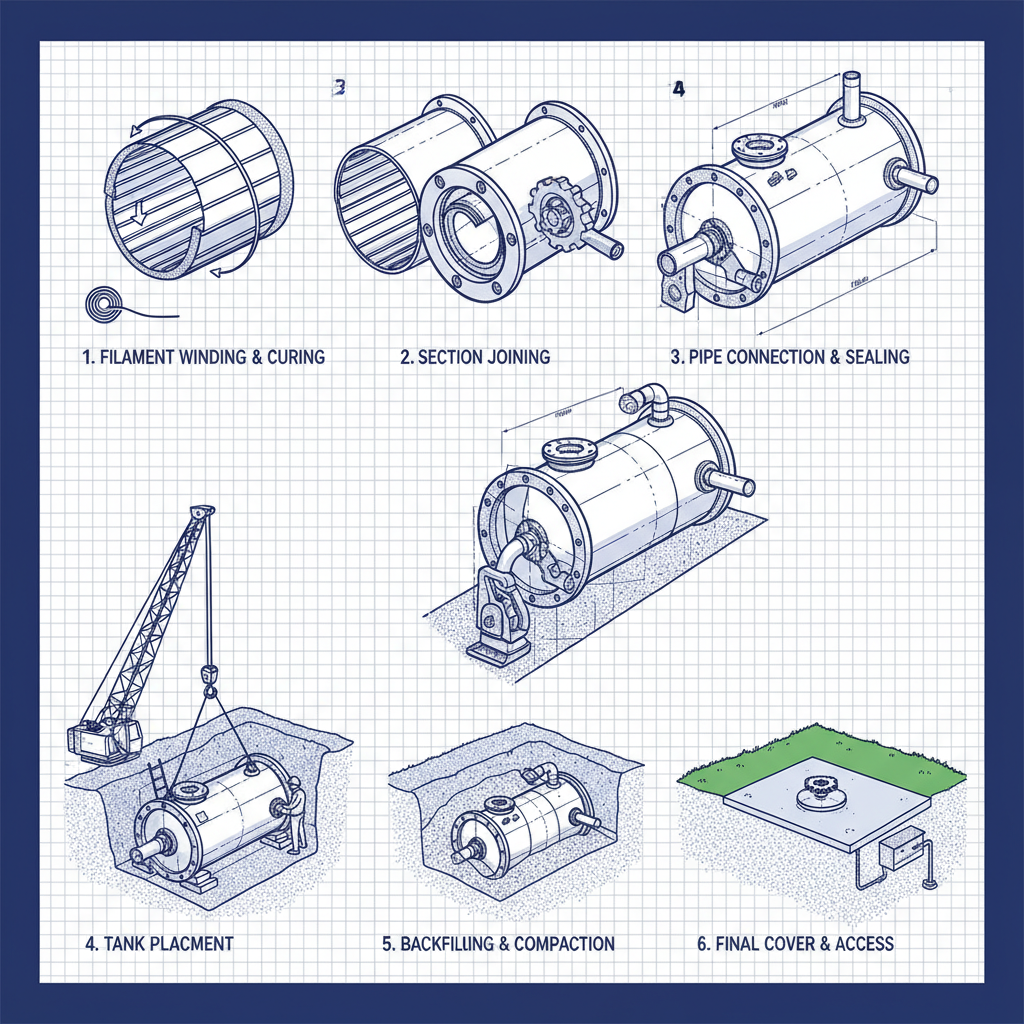
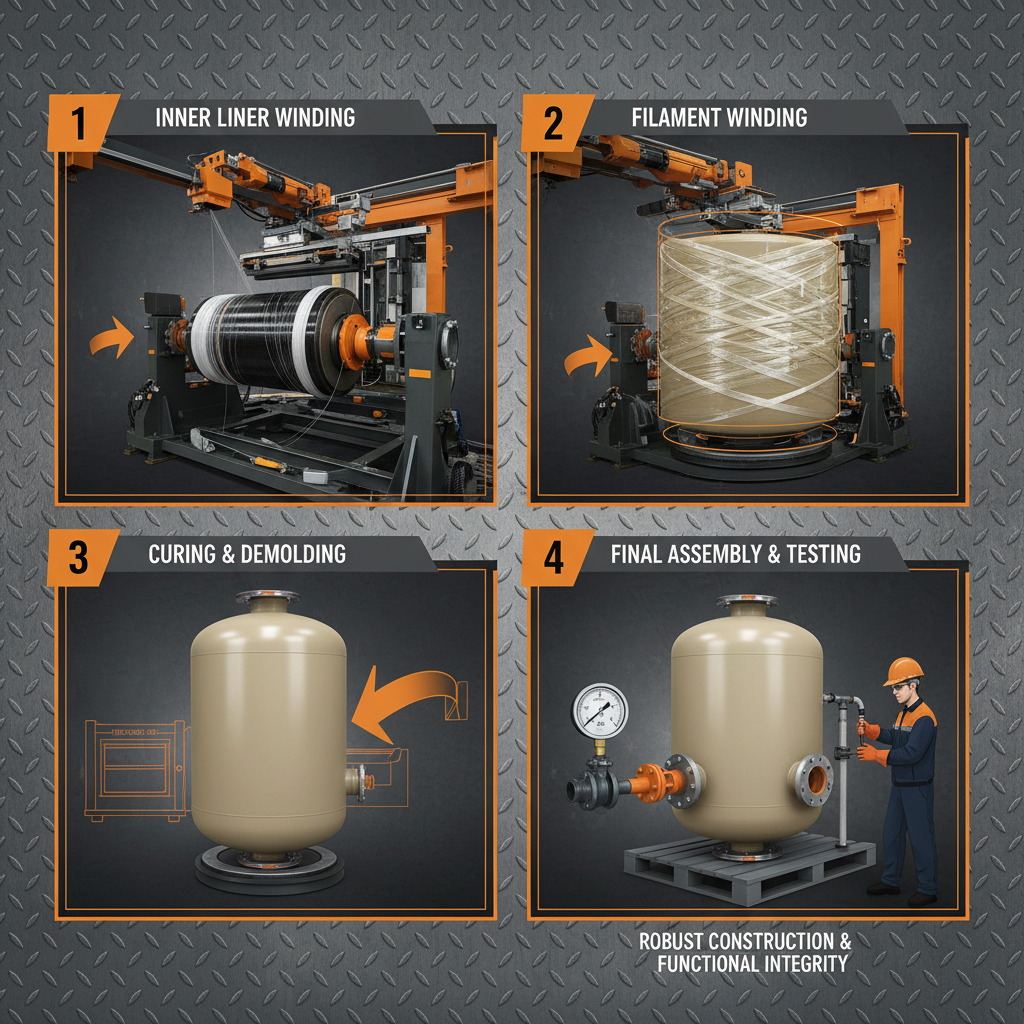
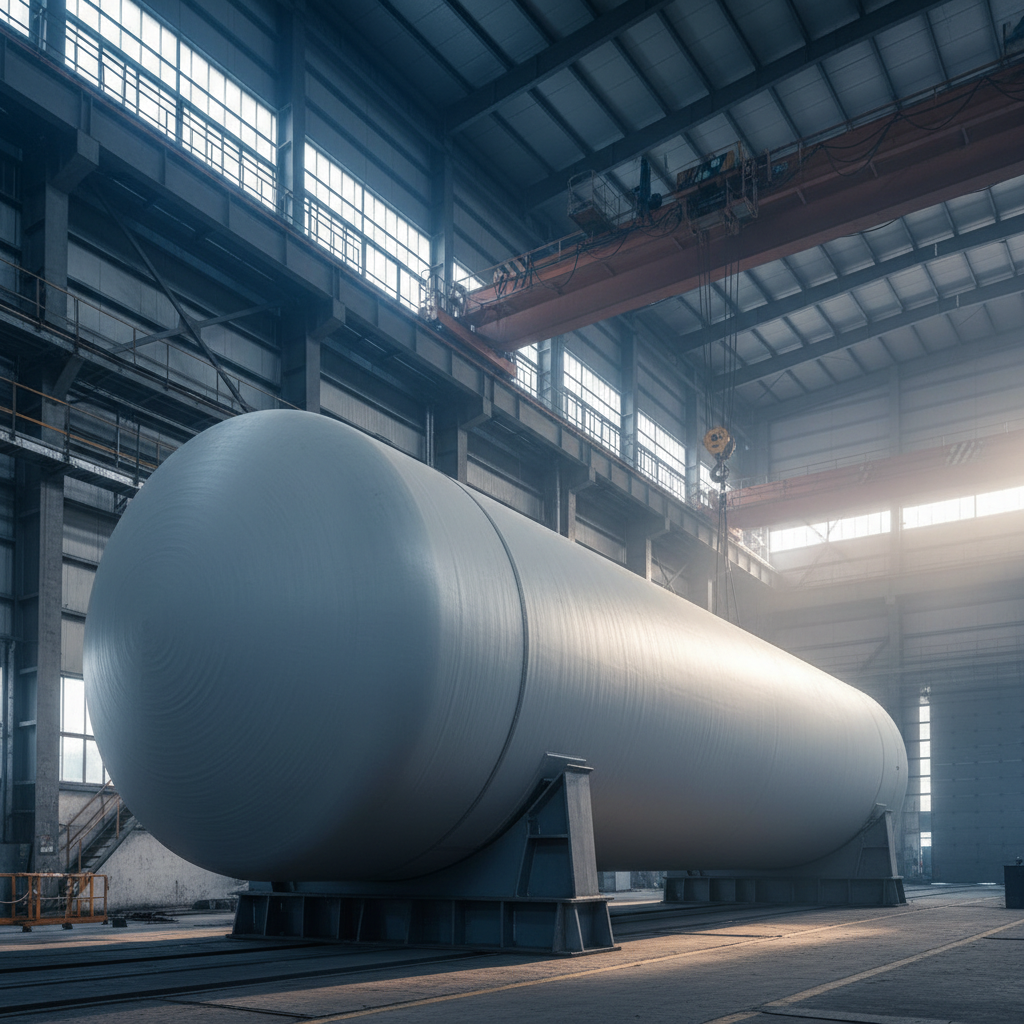
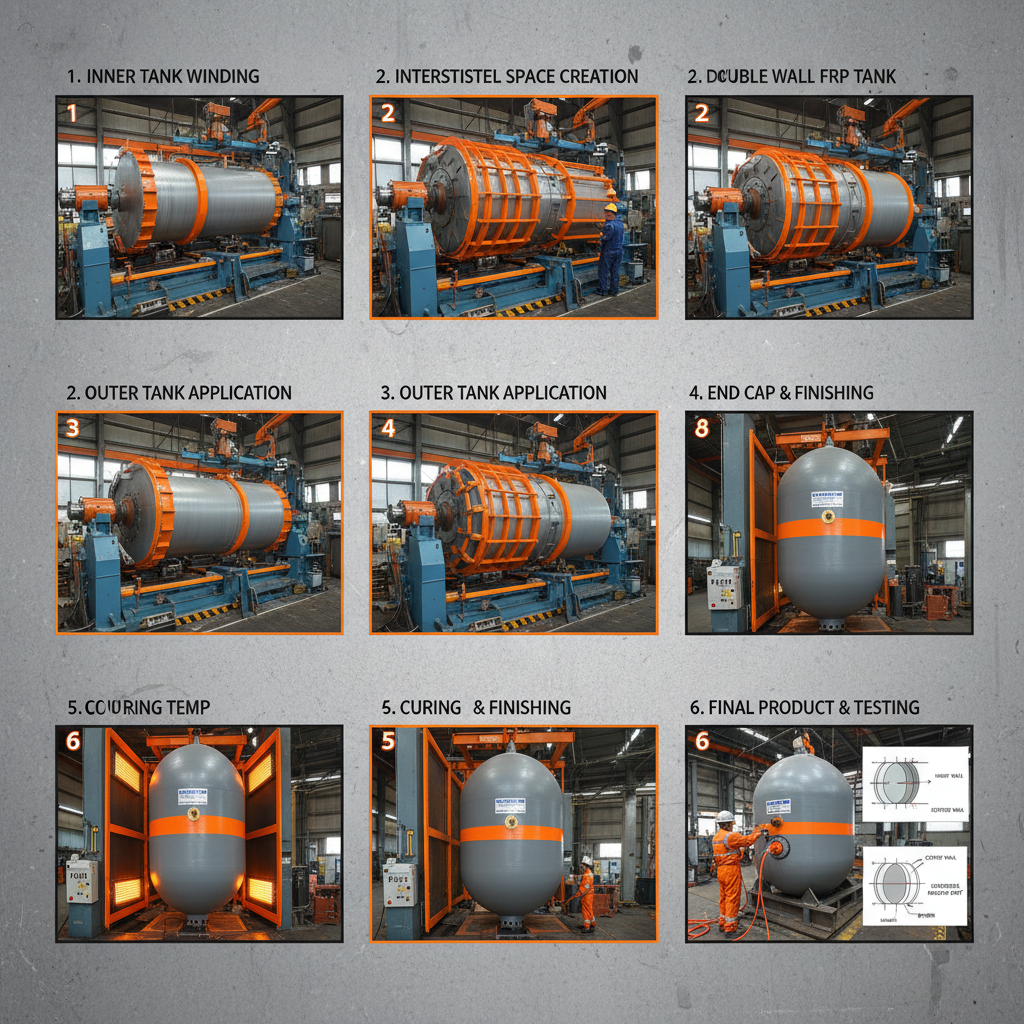
FRP fuel tanks are typically constructed using a combination of resin and reinforcing fibers. Common resins include polyester, vinyl ester, and epoxy, each offering varying levels of chemical resistance and mechanical strength. Reinforcing fibers, such as fiberglass, carbon fiber, or aramid fiber, provide structural support and enhance the tank's durability. The manufacturing process often involves filament winding, hand lay-up, or resin transfer molding. Filament winding is particularly well-suited for cylindrical tanks, while hand lay-up is often used for smaller, custom-shaped tanks. The selection of materials and processes depends on the specific application requirements and regulatory standards. FRP fuel tanks are manufactured to meet stringent quality control standards.
Comprehensive Guide to FRP Fuel Tanks Benefits and Applications

FRP vs. Steel Fuel Tanks: A Comparative Analysis

When evaluating fuel storage options, a direct comparison between FRP and steel tanks is crucial. Steel tanks are susceptible to corrosion, requiring regular painting and maintenance, whereas FRP tanks offer inherent corrosion resistance, minimizing these costs. FRP tanks are also significantly lighter, reducing installation and transportation expenses. While steel can be more cost-effective upfront, the long-term cost of ownership is often lower for FRP tanks due to their extended lifespan and reduced maintenance needs. The following table summarizes key differences:

Feature FRP Fuel Tank Steel Fuel Tank
Corrosion Resistance Excellent Poor, requires coating
Weight Lightweight (up to 60% lighter) Heavy
Maintenance Low High (painting, repairs)
Lifespan Long (25+ years) Shorter (15-20 years)

Key Considerations When Selecting an FRP Fuel Tank

Choosing the right FRP fuel tank requires careful consideration of several factors. First, assess your specific fuel storage needs, including the type of fuel, volume requirements, and environmental conditions. Ensure the tank meets all relevant regulatory standards and certifications. Select a reputable manufacturer with a proven track record of quality and reliability – like FRPGRPMachine. Consider the installation requirements and ensure proper site preparation. Finally, establish a regular inspection and maintenance schedule to ensure the tank's long-term integrity and safety.

Conclusion: Invest in a Reliable Fuel Storage Solution

Investing in an FRP fuel tank is a smart choice for businesses seeking a durable, reliable, and cost-effective fuel storage solution. With its inherent corrosion resistance, lightweight design, and design flexibility, FRP offers significant advantages over traditional steel tanks. By carefully considering your specific needs and selecting a reputable manufacturer, you can ensure a safe, compliant, and long-lasting fuel storage system.

Frequently Asked Questions (FAQs)

What types of fuels are compatible with FRP tanks?

FRP tanks are compatible with a wide range of fuels, including gasoline, diesel, kerosene, biofuels, and aviation fuels. However, it’s crucial to select the appropriate resin system based on the specific fuel being stored. Some fuels may require a resin with enhanced chemical resistance. Always consult with the manufacturer, like FRPGRPMachine, to ensure compatibility and prevent potential issues.

What safety standards do FRP fuel tanks adhere to?

FRP fuel tanks must meet stringent safety standards, which vary depending on the region and application. Common standards include UL 1746 for aboveground storage tanks and NFPA 30 for flammable and combustible liquids. Reputable manufacturers ensure their tanks are certified to meet these standards, providing peace of mind and ensuring compliance.

How do I inspect an FRP fuel tank for leaks?

Regular visual inspections are crucial for identifying potential leaks. Look for any signs of cracking, blistering, or discoloration on the tank's surface. Also, check the fittings and connections for tightness and corrosion. Consider using a leak detection system for added security. If you suspect a leak, contact a qualified professional immediately.

What is the typical lifespan of an FRP fuel tank?

With proper installation and maintenance, an FRP fuel tank can have a lifespan of 25 years or more. Unlike steel tanks that are prone to corrosion and require frequent repairs, FRP tanks offer long-term durability and minimal maintenance. Regular inspections and adherence to manufacturer's recommendations are key to maximizing the tank's lifespan.
Upsell Products
Upsell News
Guide to Fiber Water Tank Price and FRP Storage Costs
Jul 01,2026
Guide to Fiber Water Tank Price and FRP Storage Costs
Understanding Fiber Water Tank Price: A Comprehensive Investment Guide When searching for a reliable liquid storage solution, understanding the factors that influence fiber water tank price is essential for optimizing your operational budget. Fiber-Reinforced Plastic FRP tanks have become the industry standard for water and chemical storage due to their exceptional corrosion resistance and structural integrity. Whether you are managing a municipal water project or an industrial chemical plant, selecting the right tank requires a balance between initial cost and long-term durability. In this guide, we will explore the variables that drive pricing and why FRP remains the most cost-effective choice
Guide to Fibreglass Water Tank Prices and FRP Investment
Jun 29,2026
Guide to Fibreglass Water Tank Prices and FRP Investment
Understanding Fibreglass Water Tank Prices: A Comprehensive Investment Guide When planning water storage for industrial or commercial applications, understanding the factors that influence fibreglass water tank prices is essential for optimizing your budget. Fibreglass Reinforced Plastic FRP tanks offer a superior alternative to steel or concrete due to their corrosion resistance and lightweight nature. Whether you are in the petroleum, chemical, or drainage industry, selecting a tank that balances cost with long-term durability is key. In this guide, we will explore the pricing drivers, technical advantages, and specifications of high-quality FRP storage solutions to help you make an informed purchasing decision.
Industrial Fiberglass Water Tank Price and Buyers Guide
Jun 27,2026
Industrial Fiberglass Water Tank Price and Buyers Guide
Analyzing Fiberglass Water Tank Price: A Comprehensive Buyers Guide When investing in industrial water storage, understanding the fiberglass water tank price is essential for effective budget planning and operational efficiency. Fiberglass Reinforced Plastic FRP tanks have become the gold standard in water quality pollution prevention and chemical storage due to their exceptional corrosion resistance and durability. Whether you are managing a municipal water system or a specialized manufacturing plant, choosing the right tank involves balancing initial costs with long-term lifecycle value. In this guide, we will break down the factors that influence pricing and why FRP is often the most cost-effective choice
Comprehensive Guide to GRP Sectional Water Tanks Prices and Quality
Jun 26,2026
Comprehensive Guide to GRP Sectional Water Tanks Prices and Quality
Selecting the right water storage solution is critical for industrial, commercial, and residential infrastructure. When evaluating grp sectional water tanks prices, it is essential to look beyond the initial sticker price and consider the total cost of ownership, including durability, installation ease, and maintenance. Glass Reinforced Plastic GRP tanks offer a superior alternative to traditional steel or concrete, providing exceptional corrosion resistance and modular flexibility. In this guide, we will explore the factors that influence pricing and why GRP remains the gold standard for modern water management.
Guide to Understanding FRP Tank Cost and Investment Value
Jun 25,2026
Guide to Understanding FRP Tank Cost and Investment Value
Understanding FRP Tank Cost: A Comprehensive Guide to Investment and Value When investing in industrial storage solutions, understanding the frp tank cost is essential for accurate budgeting and long-term operational planning. Fiber Reinforced Plastic FRP tanks offer an exceptional balance of corrosion resistance, structural strength, and longevity, making them the preferred choice for chemical, petroleum, and water treatment industries. While initial pricing can vary based on specifications, the total cost of ownership is often significantly lower than traditional steel tanks due to reduced maintenance. In this guide, we will explore the factors influencing pricing and the advanced machinery used to produce these high-performance vessels.
Best Industrial 500 gallon chemical tank for Storage and Safety
Jun 23,2026
Best Industrial 500 gallon chemical tank for Storage and Safety
Choosing the Best 500 Gallon Chemical Tank for Industrial Storage When managing hazardous materials or industrial fluids, the integrity of your storage system is non-negotiable. A high-quality 500 gallon chemical tank provides the perfect balance between capacity and footprint, making it an ideal choice for mid-sized operations, water treatment facilities, and chemical processing plants. Selecting the right material and design ensures not only the safety of your personnel but also the longevity of your assets. In this guide, we will explore the critical factors you need to consider to optimize your chemical storage efficiency and compliance.
Safe and Efficient Industrial Chemical Storage Tanks Guide
Jun 21,2026
Safe and Efficient Industrial Chemical Storage Tanks Guide
Maximizing Safety and Efficiency with Industrial Chemical Storage Tanks In the modern industrial landscape, the secure management of hazardous materials is not just a regulatory requirement but a critical safety priority. Selecting the right industrial chemical storage tanks is essential for preventing leaks, reducing environmental impact, and ensuring the longevity of your infrastructure. Whether you are dealing with highly corrosive acids or volatile solvents, the material composition and design of your storage system determine your operational risk. This guide explores the technical nuances of chemical storage to help you make an informed investment for your facility.
Best Guide to Choosing a Durable 200 Gallon Chemical Tank
Jun 20,2026
Best Guide to Choosing a Durable 200 Gallon Chemical Tank
The Ultimate Guide to Choosing a 200 Gallon Chemical Tank Finding the right storage solution for hazardous or corrosive substances is critical for industrial safety and operational efficiency. A 200 gallon chemical tank offers a versatile mid-size capacity, ideal for businesses that need a balance between space-saving design and sufficient volume for chemical processing. Whether you are dealing with acids, bases, or specialty solvents, the material composition of your tank determines its lifespan and your facilitys safety. In this guide, we will explore the technical specifications, material options, and best practices for maintaining these essential industrial assets.
Industrial Fiberglass Water Storage Tanks Guide for Efficiency
Jun 18,2026
Industrial Fiberglass Water Storage Tanks Guide for Efficiency
The Ultimate Guide to Fiberglass Water Storage Tanks for Industrial Use Selecting the right containment system is critical for maintaining water purity and operational efficiency. fiberglass water storage tanks have emerged as a superior alternative to traditional steel or concrete reservoirs. Combining high strength-to-weight ratios with exceptional corrosion resistance, these tanks are designed to withstand the harshest environmental conditions while ensuring the longevity of your infrastructure. Whether you are managing a municipal water system or an industrial chemical process, understanding the advantages of FRP Fiber Reinforced Plastic technology is the first step toward a sustainable storage solution.
Industrial Storage Guide for Modular Sectional Water Tanks
Jun 13,2026
Industrial Storage Guide for Modular Sectional Water Tanks
When managing large-scale water storage, efficiency and scalability are non-negotiable. Sectional water tanks offer a versatile and robust solution for industries requiring customized capacities and easy installation in restricted spaces. Unlike monolithic tanks, these systems are engineered from modular panels, allowing for precise sizing and seamless transport to remote sites. Whether it is for fire protection, potable water, or industrial processing, choosing the right tank configuration can significantly impact the longevity and reliability of your water infrastructure. In this guide, we explore why these modular systems are the preferred choice for modern engineering projects worldwide.
Industrial Safety Guide for Double Wall Chemical Tanks
Jun 11,2026
Industrial Safety Guide for Double Wall Chemical Tanks
In the world of industrial chemical storage, containment is not just a preferenceit is a critical safety requirement. double wall chemical tanks provide a sophisticated layer of security, ensuring that hazardous materials are contained even if the primary vessel fails. By utilizing a tank-within-a-tank design, these systems prevent catastrophic leaks, protect the surrounding environment, and ensure compliance with strict regulatory standards. Whether you are managing a water treatment plant or a chemical manufacturing facility, understanding the nuances of secondary containment is essential for operational longevity and risk mitigation.
High Efficiency and Durability of Fiberglass Storage Tanks
Jun 09,2026
High Efficiency and Durability of Fiberglass Storage Tanks
In the world of industrial liquid containment, choosing the right material is critical for safety, longevity, and cost-effectiveness. fiberglass storage tanks , also known as FRP Fiber Reinforced Plastic tanks, have emerged as the gold standard for storing corrosive chemicals, water, and hazardous materials. Unlike traditional metal tanks, fiberglass offers an unparalleled combination of strength and chemical inertness. Whether you are managing a municipal water system or a complex chemical processing plant, understanding the advantages of these advanced composite structures is essential for optimizing your infrastructure and reducing long-term maintenance costs.
Durable FRP Vessel for Water Treatment and Industrial Filtration
Apr 16,2026
Durable FRP Vessel for Water Treatment and Industrial Filtration
In the modern era of industrial and residential water purification, the choice of containment materials is critical for efficiency and longevity. An frp vessel for water treatment has emerged as the gold standard, replacing traditional steel tanks due to its superior corrosion resistance and lightweight properties. Whether you are dealing with desalination, softening, or filtration, using Fiber Reinforced Plastic (FRP) ensures that your system remains leak-proof and durable against aggressive chemicals. In this comprehensive guide, we will explore why FRP is the preferred choice for water treatment professionals worldwide and how to select the right vessel for your specific application.
Industrial Guide for Choosing the Right FRP Vertical Tank
Apr 09,2026
Industrial Guide for Choosing the Right FRP Vertical Tank
In today's industrial landscape, the storage of corrosive chemicals and aggressive liquids requires materials that can withstand extreme conditions without degrading. The frp vertical tank has emerged as a premier solution, offering an exceptional balance of strength, lightweight properties, and unmatched chemical resistance. Whether you are managing a water treatment plant or a chemical processing facility, understanding the nuances of Fiber Reinforced Plastic (FRP) is essential for ensuring operational safety and longevity. In this comprehensive guide, we will explore why vertical configurations are preferred and how these tanks outperform traditional metal alternatives.
Comprehensive Guide to FRP Underground Water Tank Solutions and Applications
Apr 07,2026
Comprehensive Guide to FRP Underground Water Tank Solutions and Applications
Fiberglass Reinforced Polymer (FRP) underground water tanks are becoming increasingly popular for a wide range of applications, from potable water storage to industrial wastewater containment. Their superior corrosion resistance, lightweight nature, and design flexibility make them an excellent alternative to traditional materials like concrete or steel. This article will delve into the benefits, applications, construction, and considerations for implementing FRP underground water tanks, providing a comprehensive overview for engineers, contractors, and project managers.
Comprehensive Guide to Frp Underground Water Storage Tanks and Their Applications
Apr 04,2026
Comprehensive Guide to Frp Underground Water Storage Tanks and Their Applications
When considering water storage solutions, particularly for industrial, agricultural, or municipal applications, frp underground water storage tanks stand out as a durable, cost-effective, and environmentally friendly option. These tanks are increasingly favored over traditional materials like concrete or steel due to their superior corrosion resistance, lighter weight, and ease of installation. This article delves into the benefits, applications, construction, and considerations when choosing an FRP tank, providing a detailed overview for potential buyers and project planners.
For More Details Pls Contact Us
Thank you for your interest in our gloves! We offer high-quality, durable, and comfortable gloves with fast delivery and competitive prices. For any questions or customization, feel free to contact us. We look forward to working with you!

If you are interested in our products, you can choose to leave your information here, and we will be in touch with you shortly.