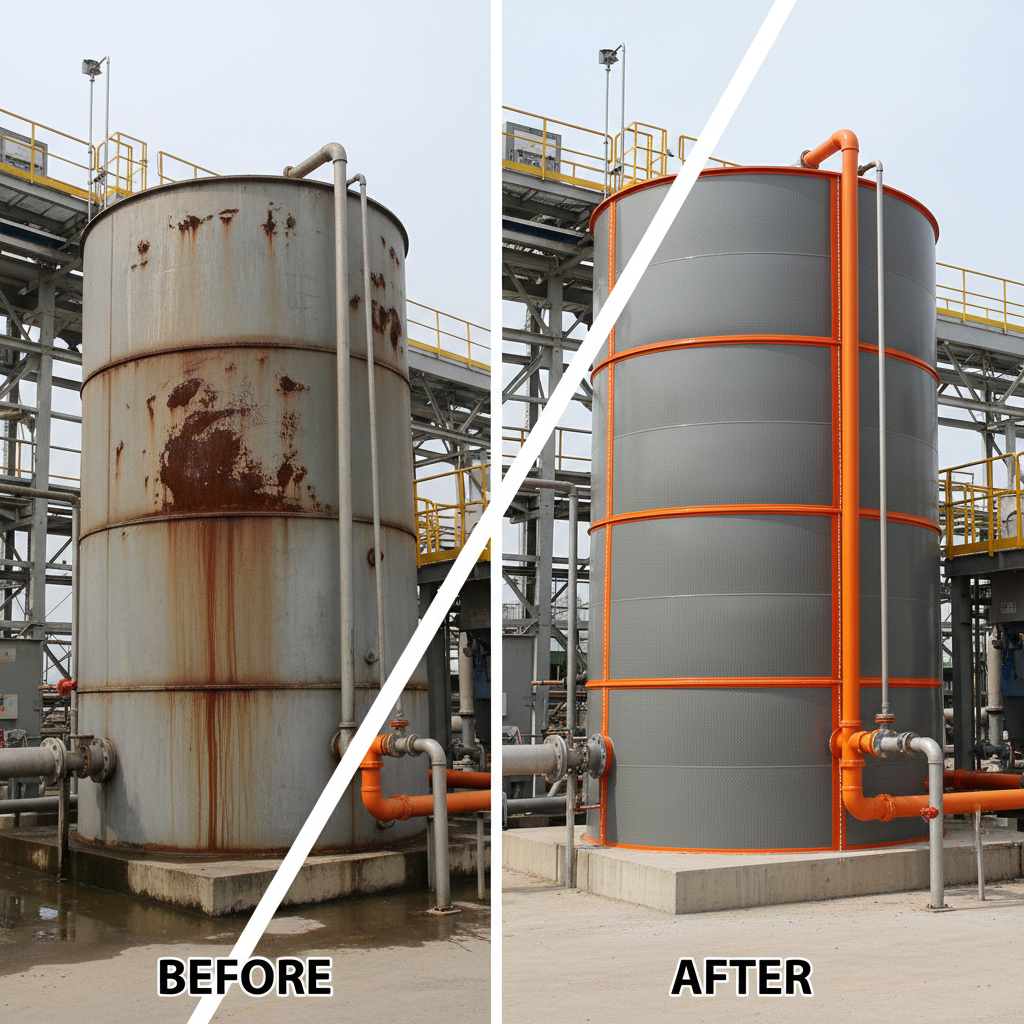
Double Wall Fuel Tank: Safe, Compliant, Durable—Need One?
Field notes on the SF double wall fuel tank: what’s changing underground
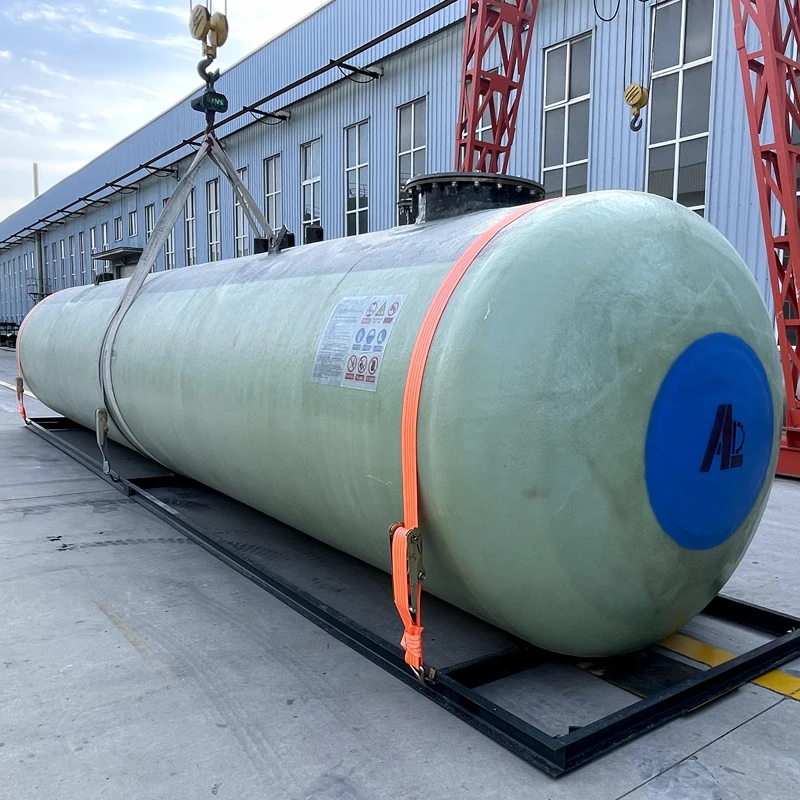
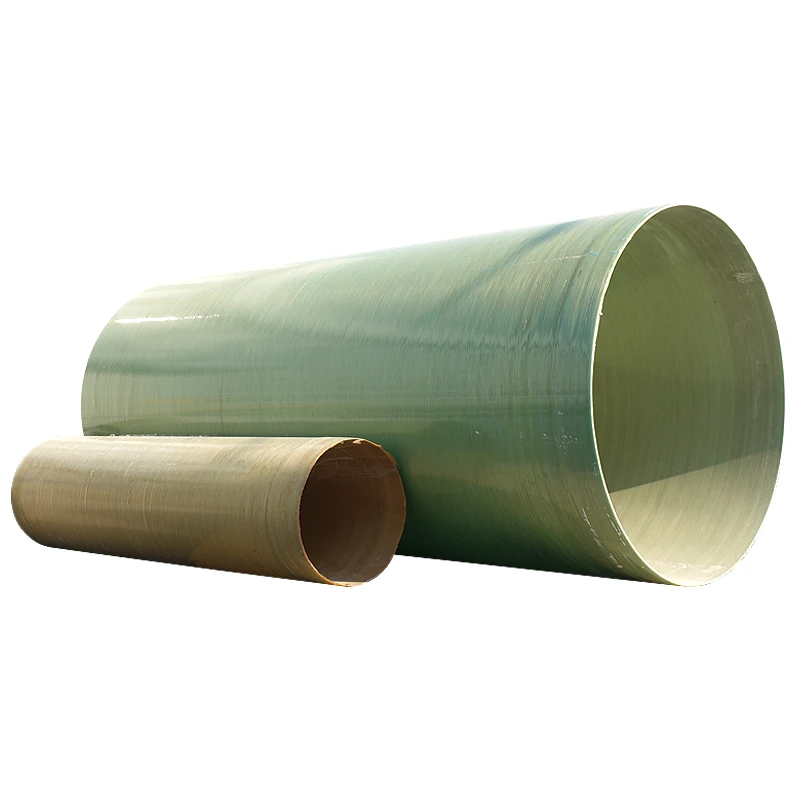
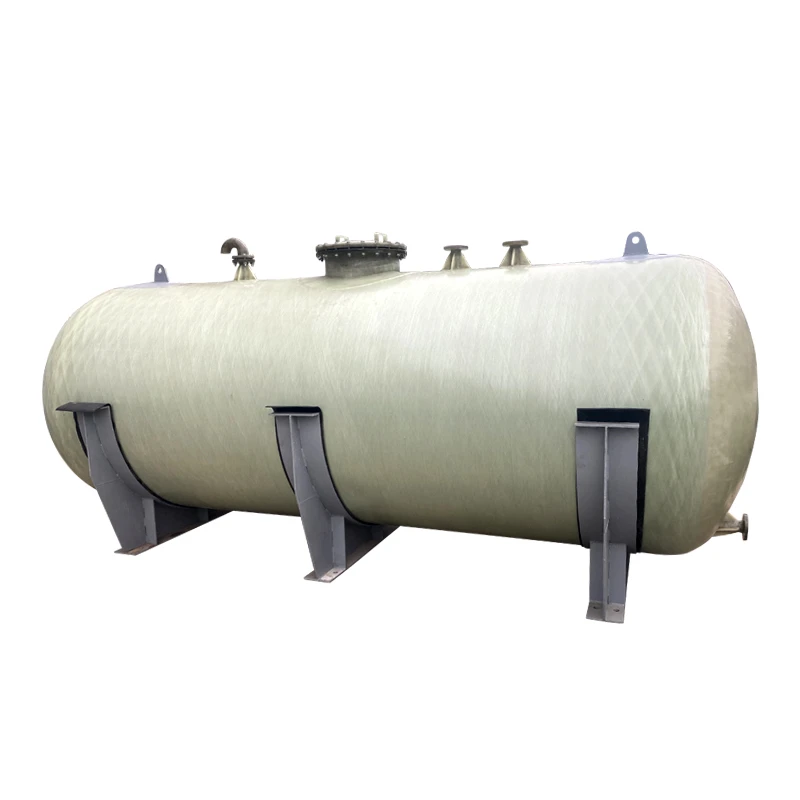
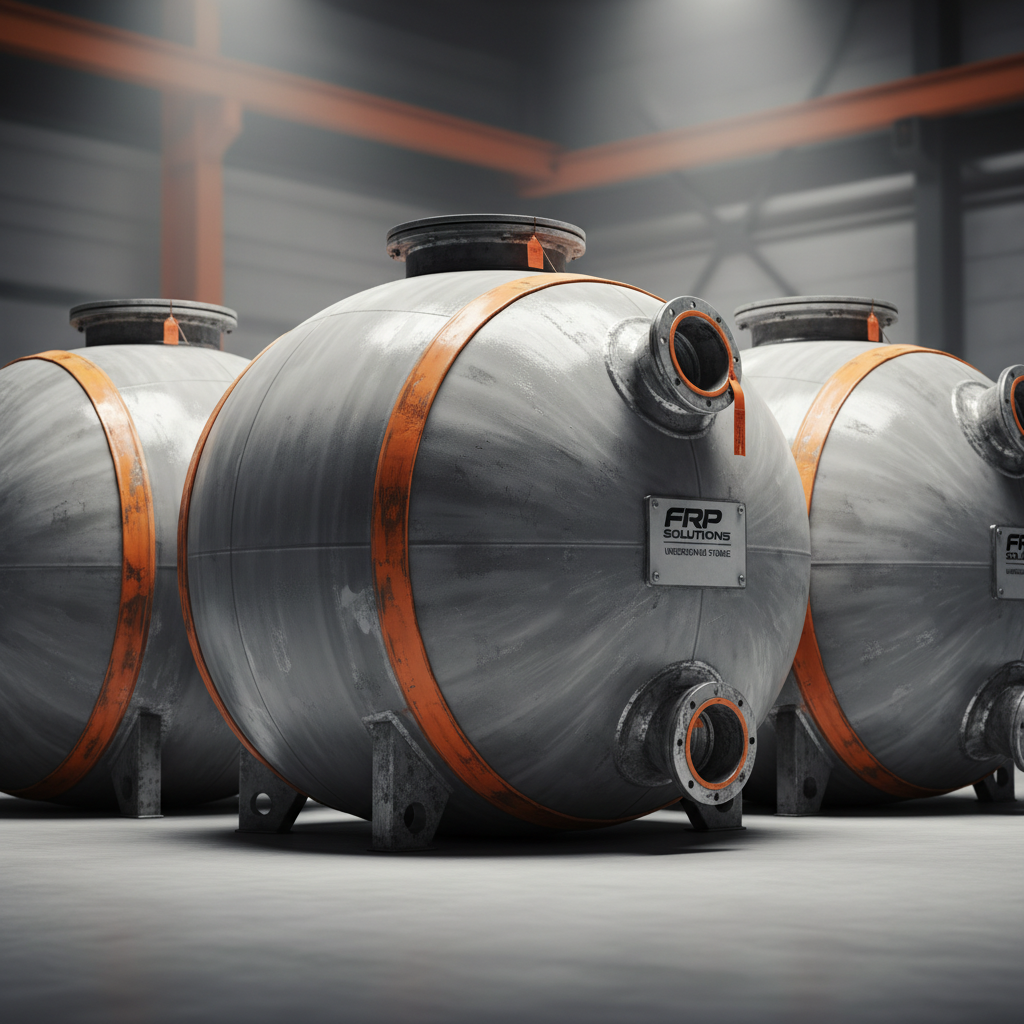
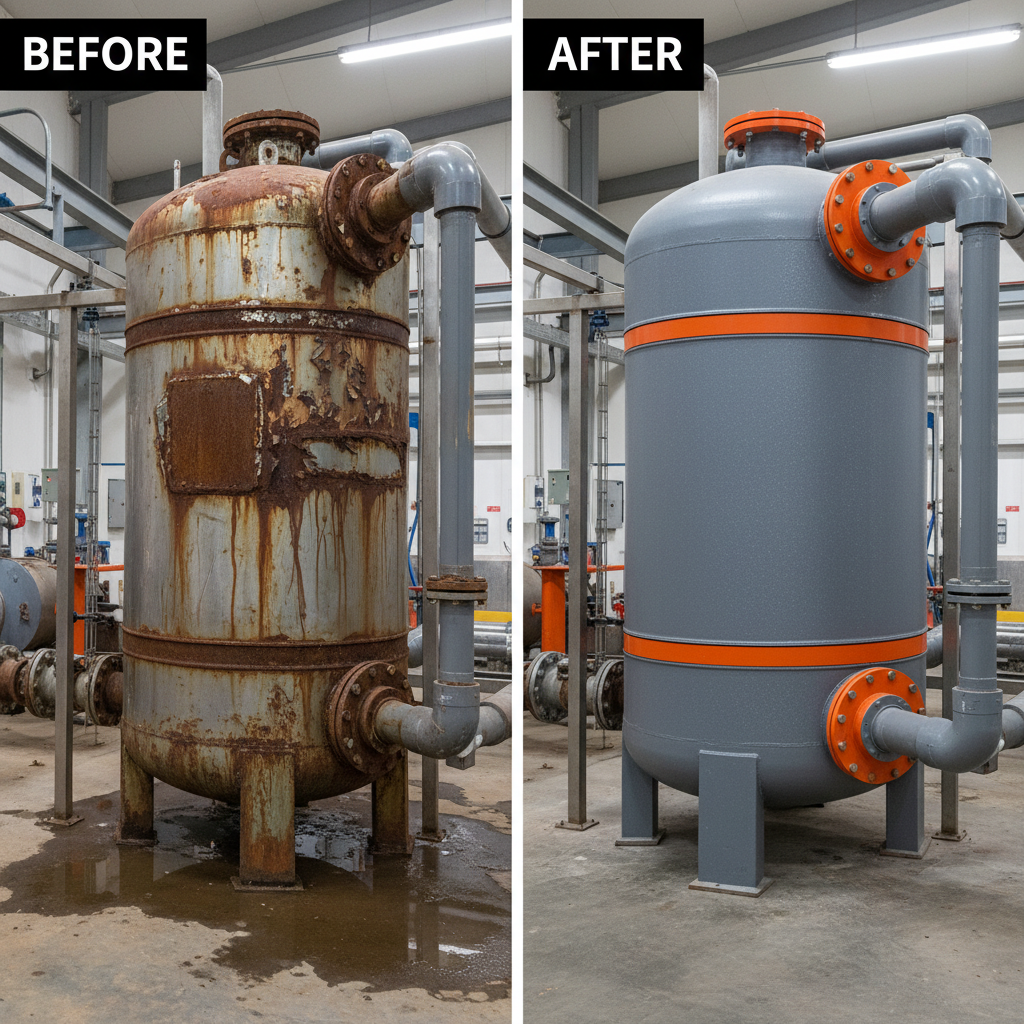
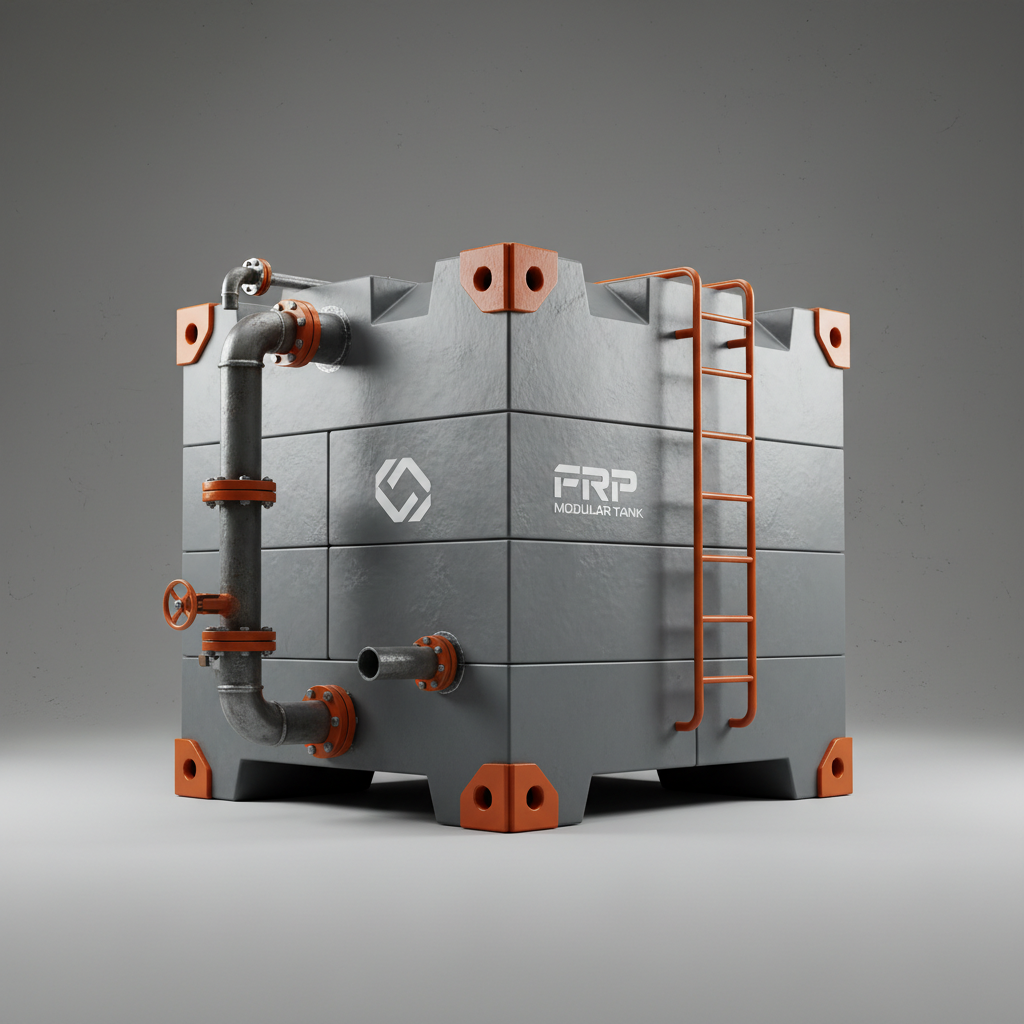
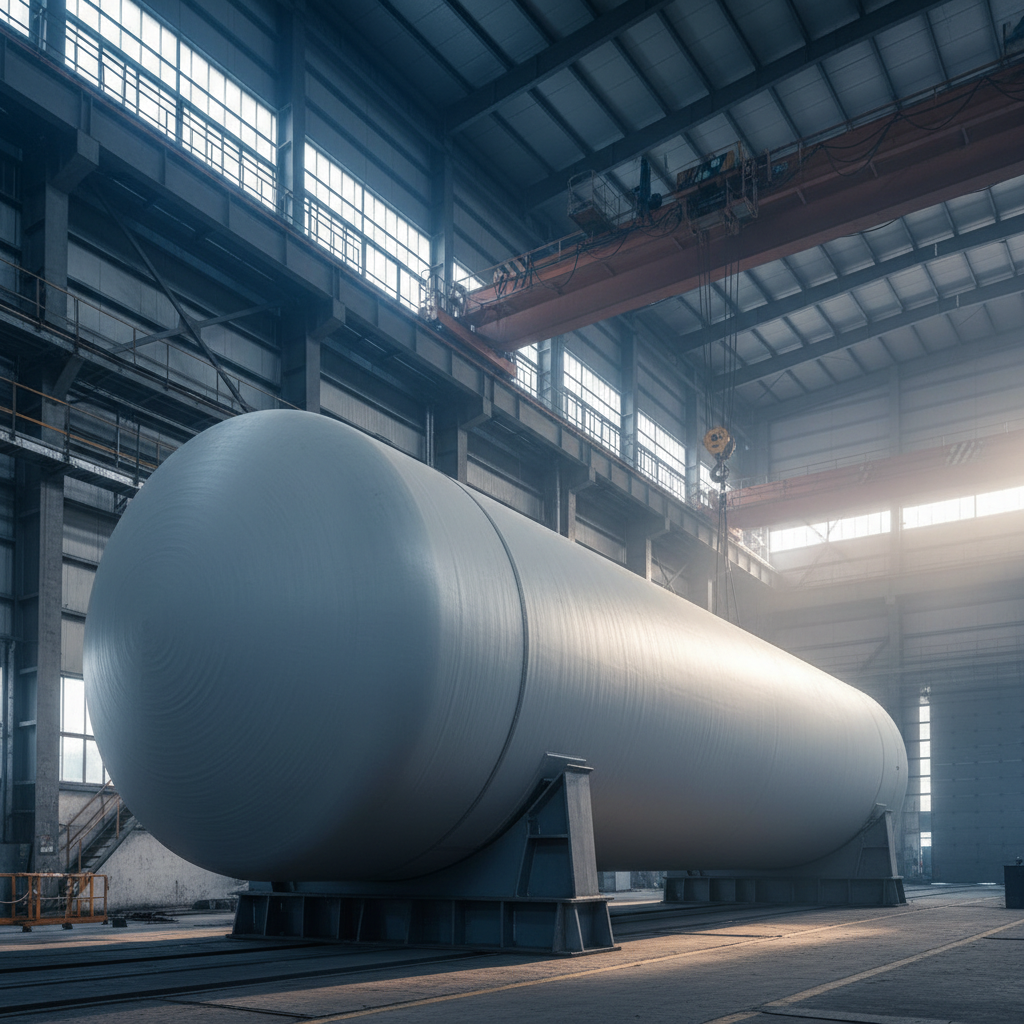
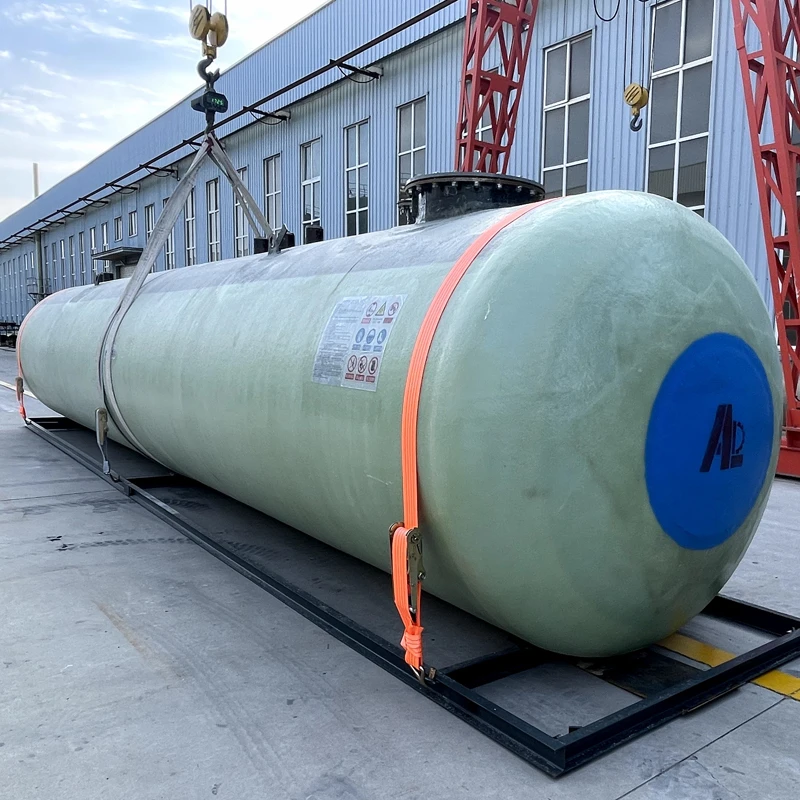
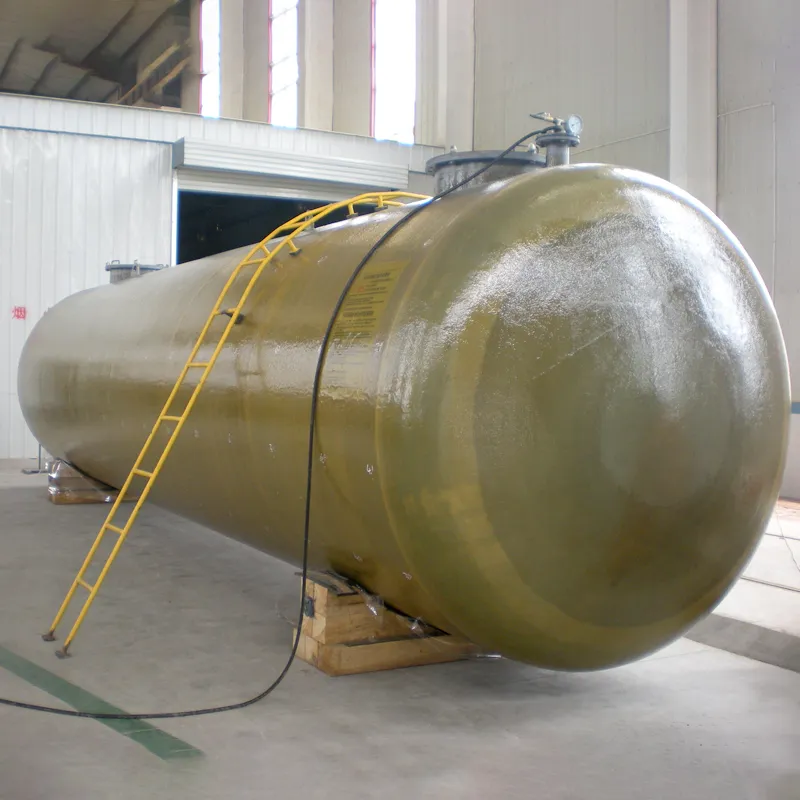
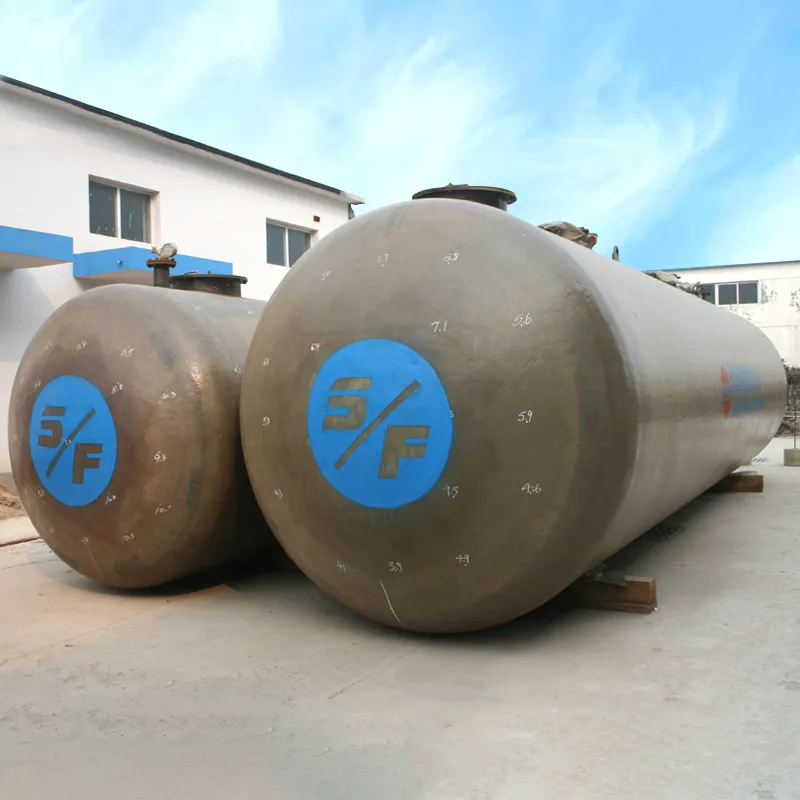
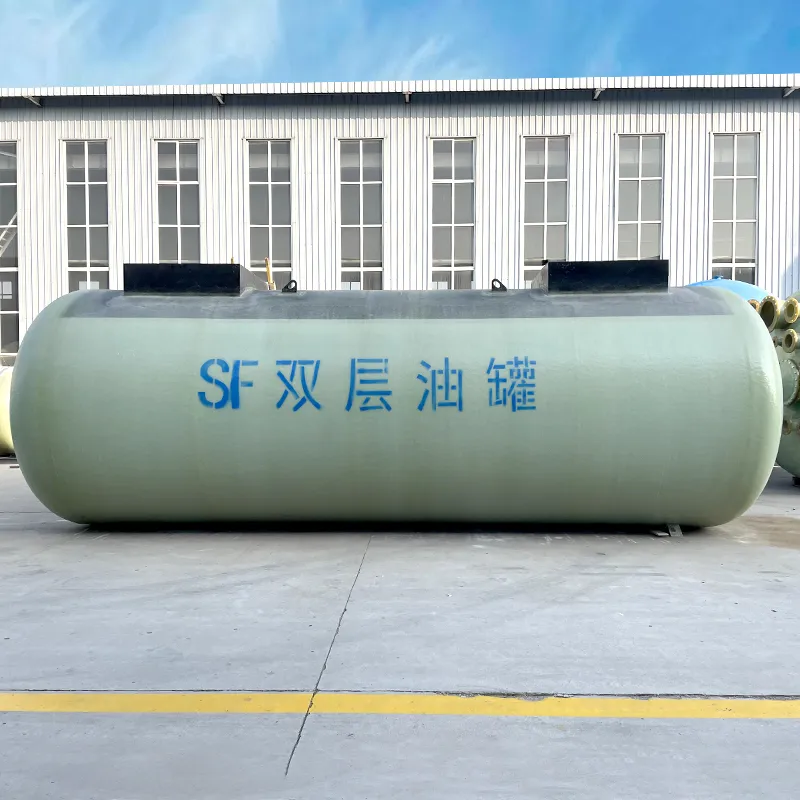
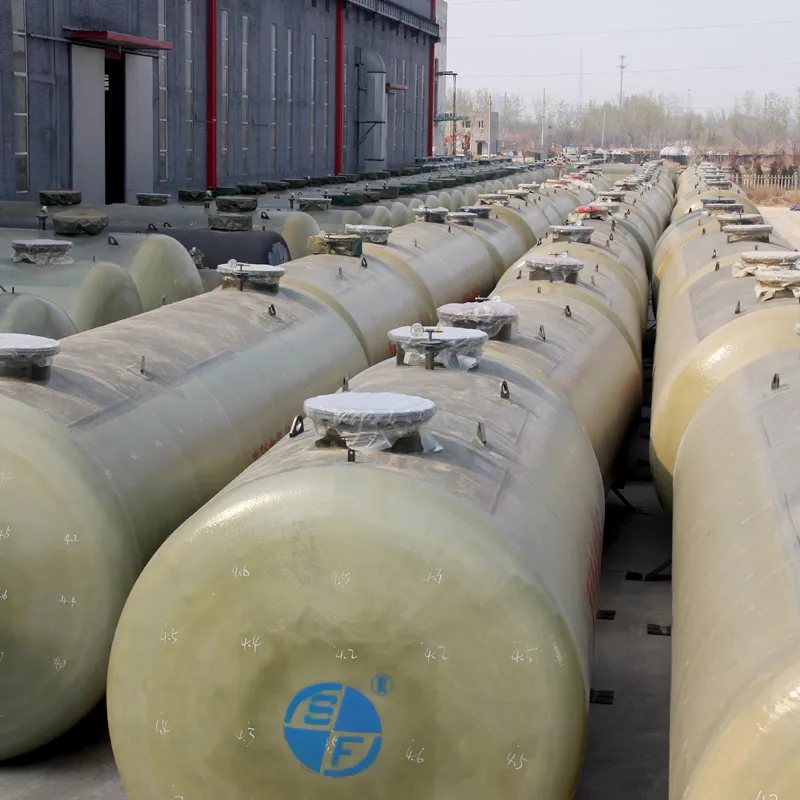
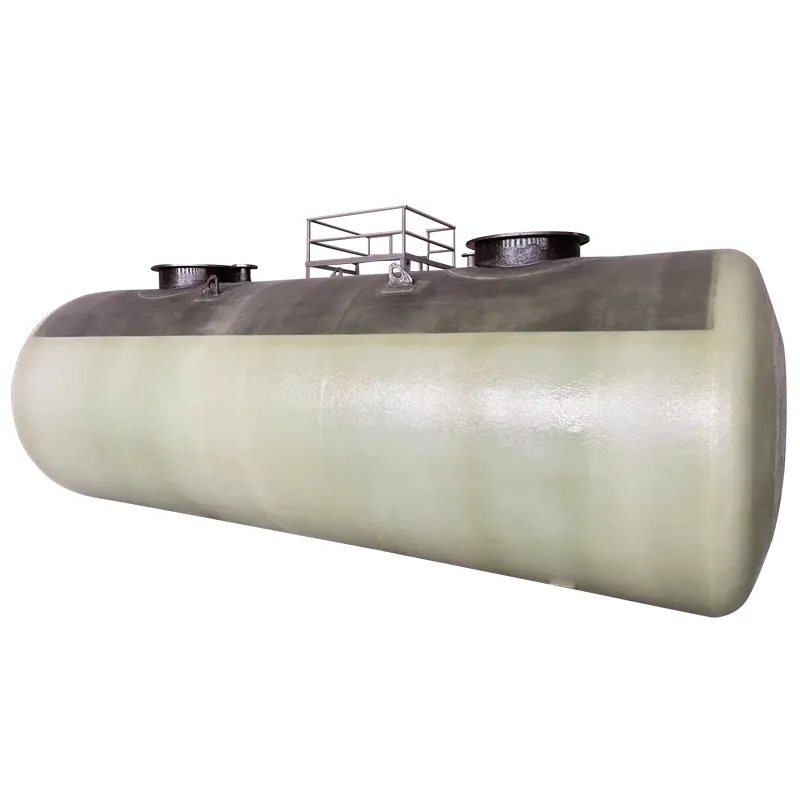
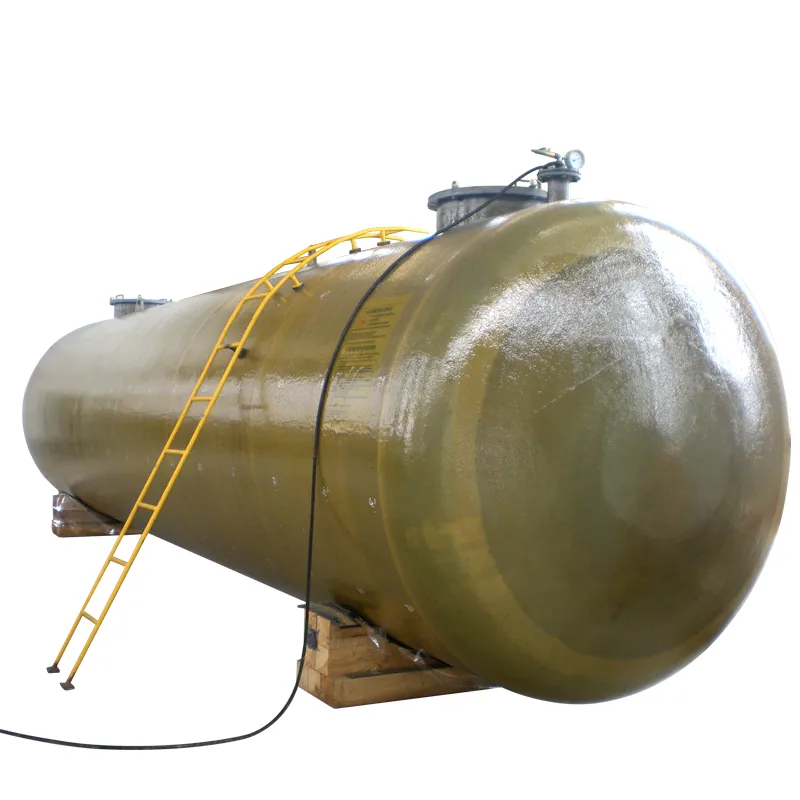
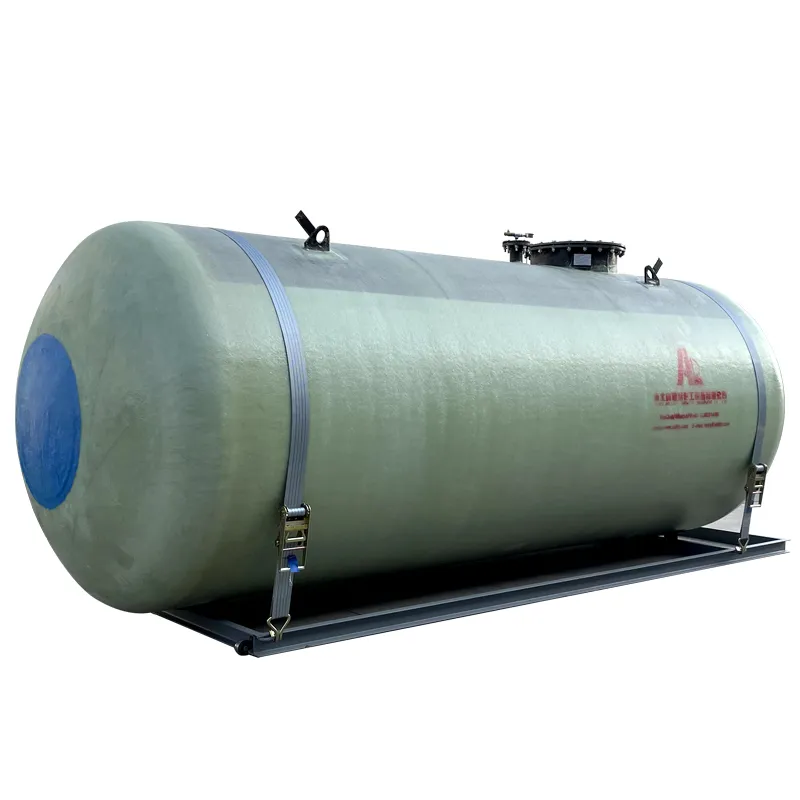
I’ve spent enough time around forecourts and backup gen-sets to know: fuel storage only gets noticed when it fails. The SF Double Wall Underground Fuel Tank For Sale caught my eye because it blends a steel inner shell (“S”) with a fiberglass outer (“F”). In practice, that means petroleum touches steel; soil and groundwater meet FRP—smart separation, lower corrosion risk, calmer environmental auditors.
Who buys it and why now
Trends are obvious: tighter leak regs, higher fuel volatility (hello, biodiesel blends), and site owners wanting 30-year service life without babysitting coatings. Many customers say interstitial monitoring gave them “sleep-at-night” value. And, surprisingly, contractors like the install speed compared with legacy single-wall steel + cathodic protection.
Quick spec snapshot
| Parameter | Typical value (≈, real-world may vary) |
|---|---|
| Capacities | 5–100 m³ common; custom larger on request |
| Inner shell | Carbon steel (e.g., Q235B), automatic welded, RT/UT spot checks |
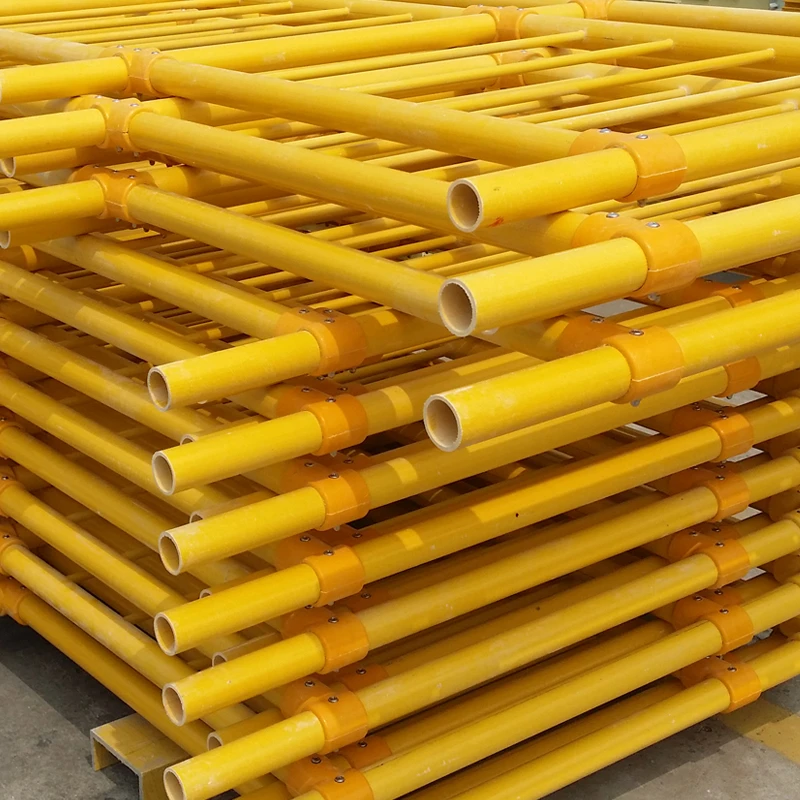
| Outer shell | FRP with vinyl ester resin; filament-wound FRP laminate |
| Interstitial space | Vacuum or pressure-monitored; EN 13160 leak detection compatible |
| Corrosion control | FRP isolation externally; internal epoxy options for ULSD/biofuels |
| Design life | ≈30 years with routine inspections |
| Standards (target) | UL 58, UL 1746, EPA 40 CFR Part 280, EN 13160 (leak detection) |
Process flow, testing, and the nerdy bits
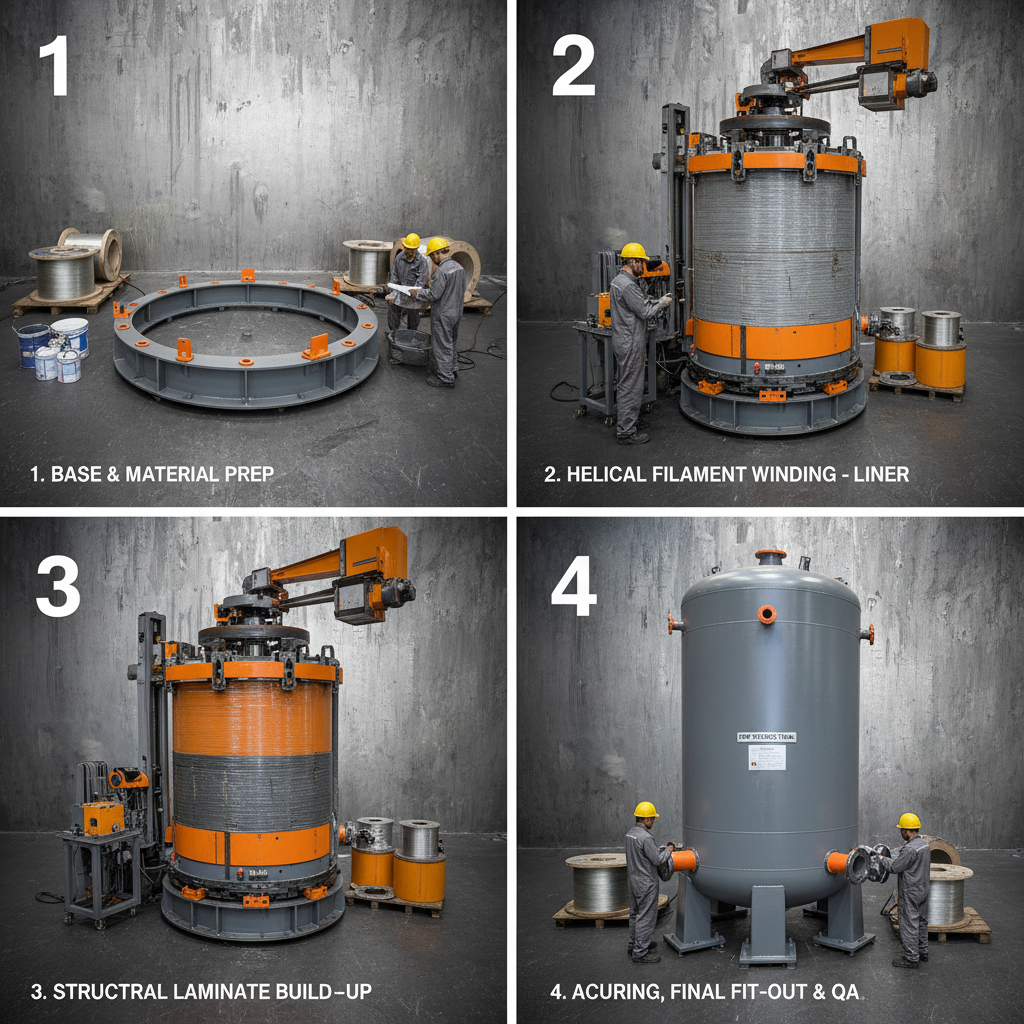
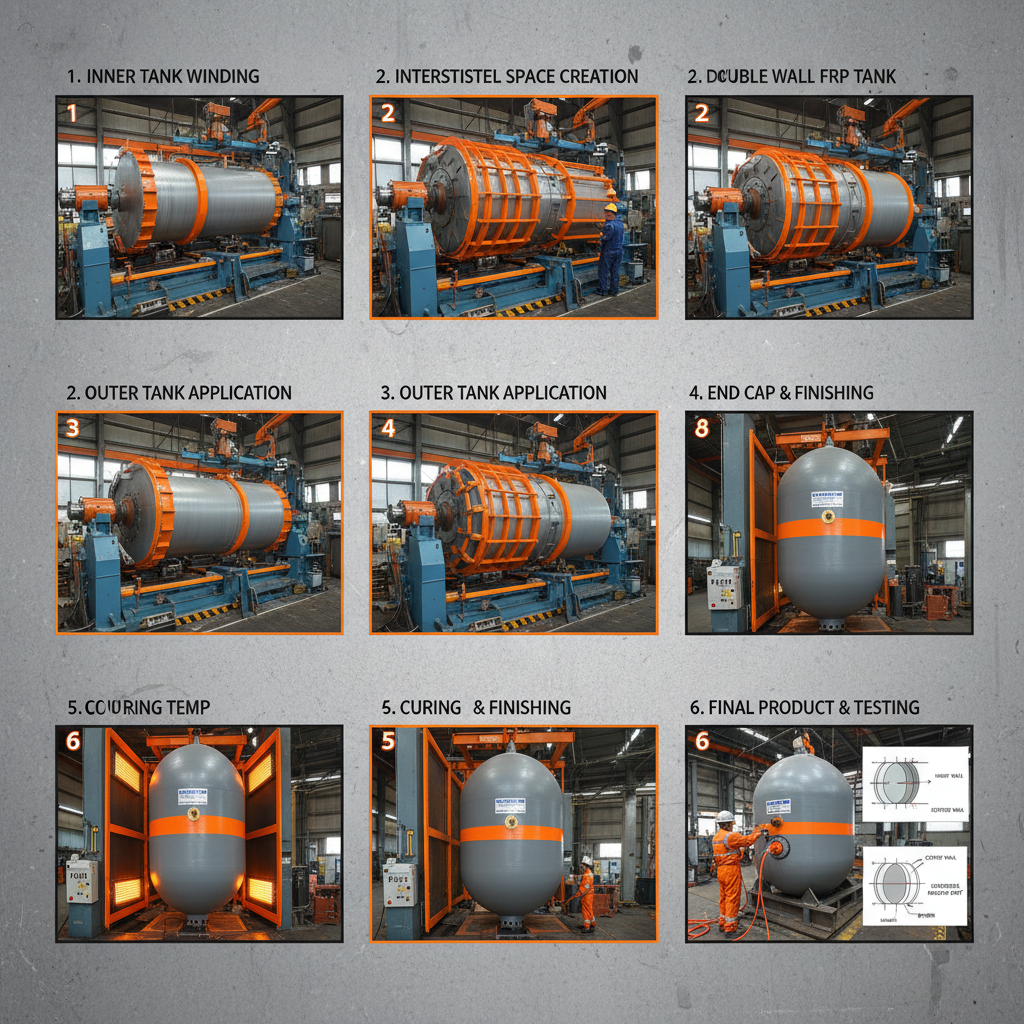
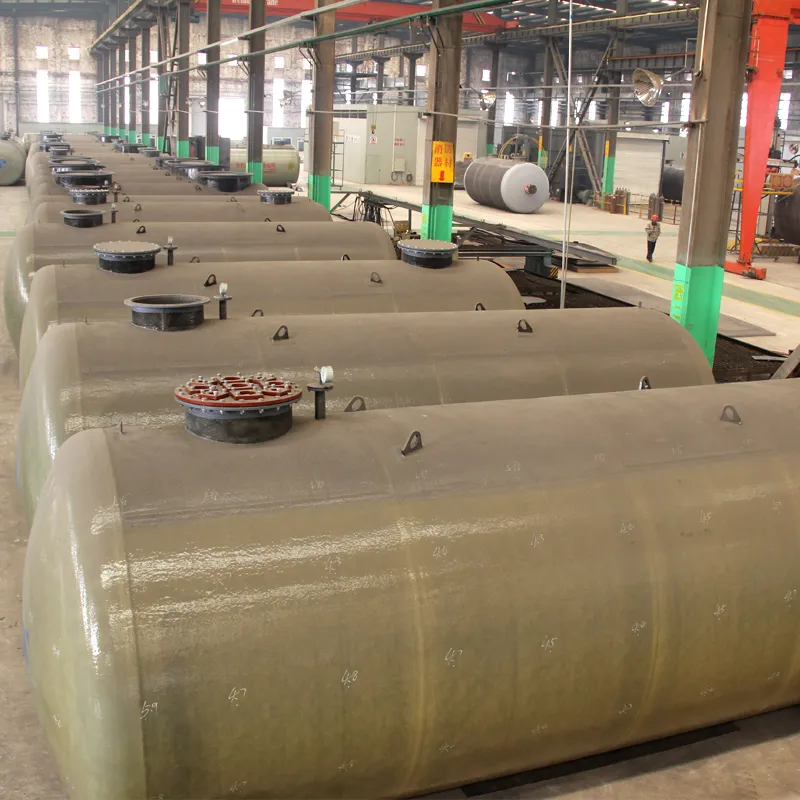
- Materials: steel plate prep (shot-blast SA 2.5), vinyl-ester FRP outer shell, glass roving.
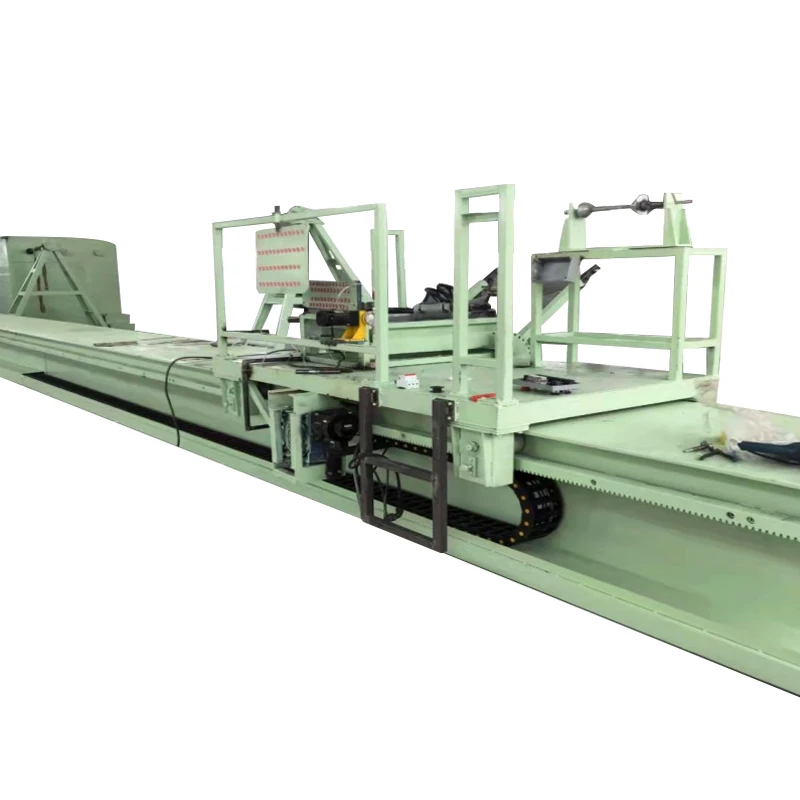
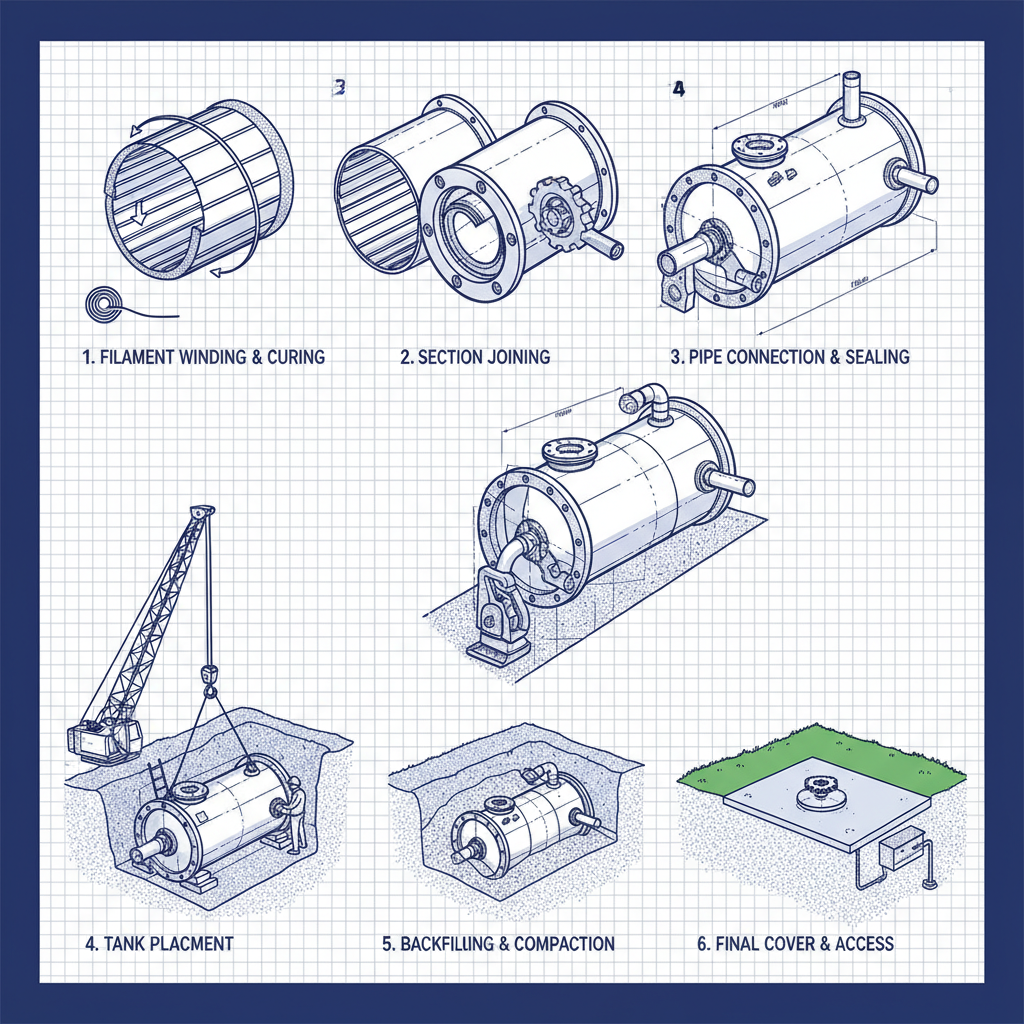
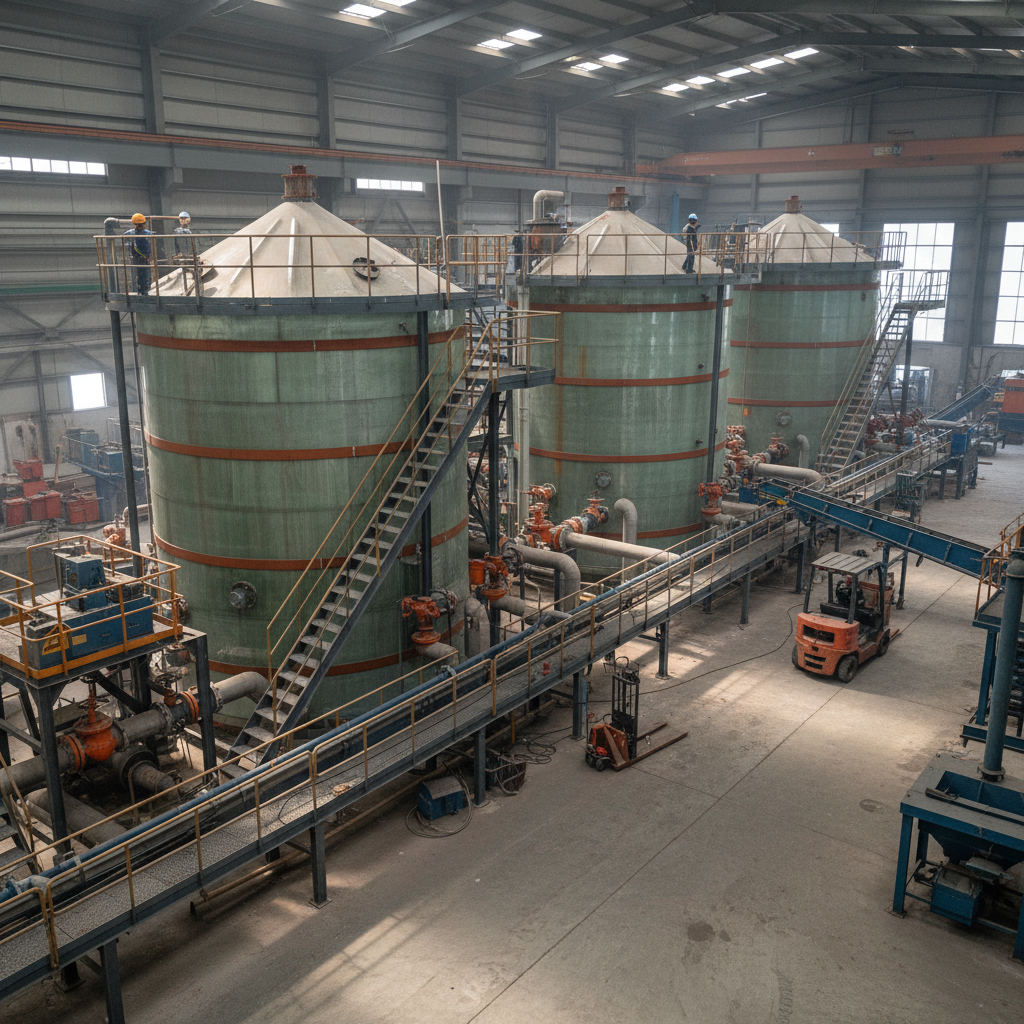
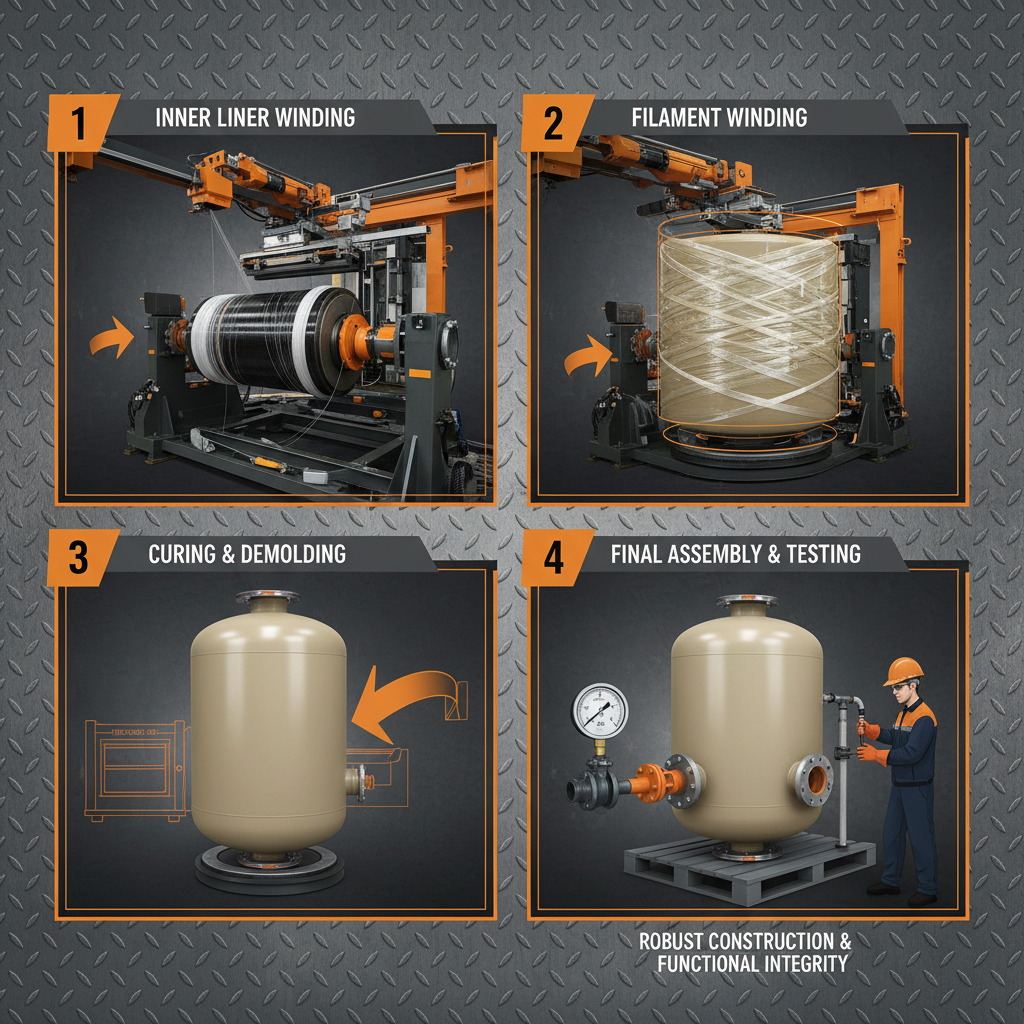
- Methods: automatic girth welding; FRP filament winding; post-cure cycle for resin.
- Testing: hydrostatic test at ≈1.3× design pressure; interstice vacuum hold test (≤1 mbar/h drop); holiday/spark testing on coatings; NDT on seams (RT/UT sample rate per WPS).
- Documentation: MTRs, WPS/PQR, factory QC records, leak test reports.
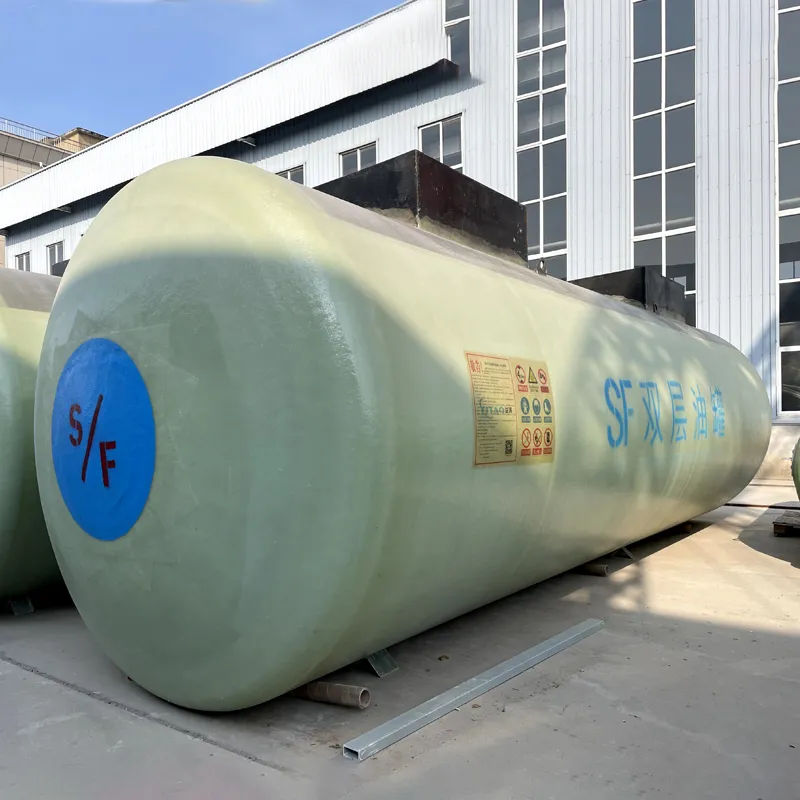
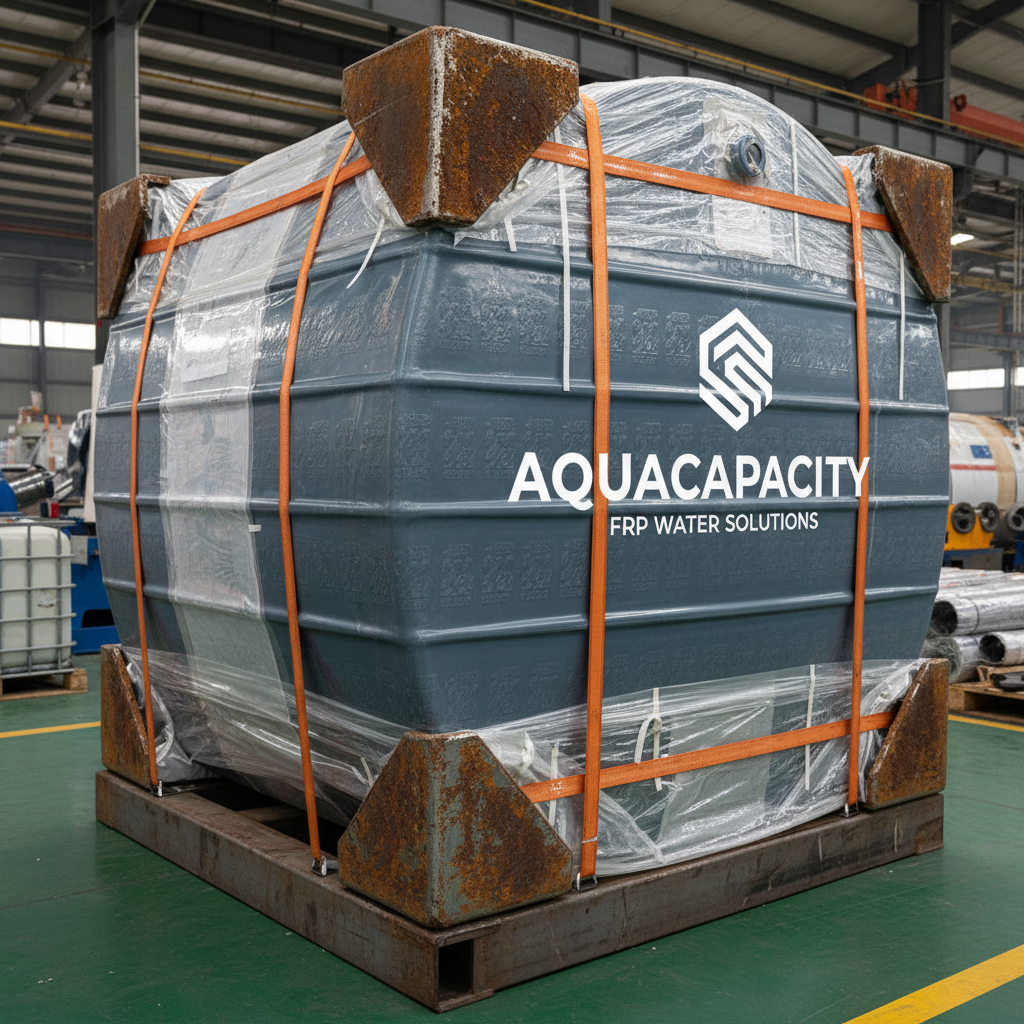
Origin matters for logistics: No. Room 211,706 Xinghua North Street, Jizhou District, Hengshui City, Hebei Province. Freight lanes from Hebei are reliable—lead times feel sane, to be honest.
Where it’s used
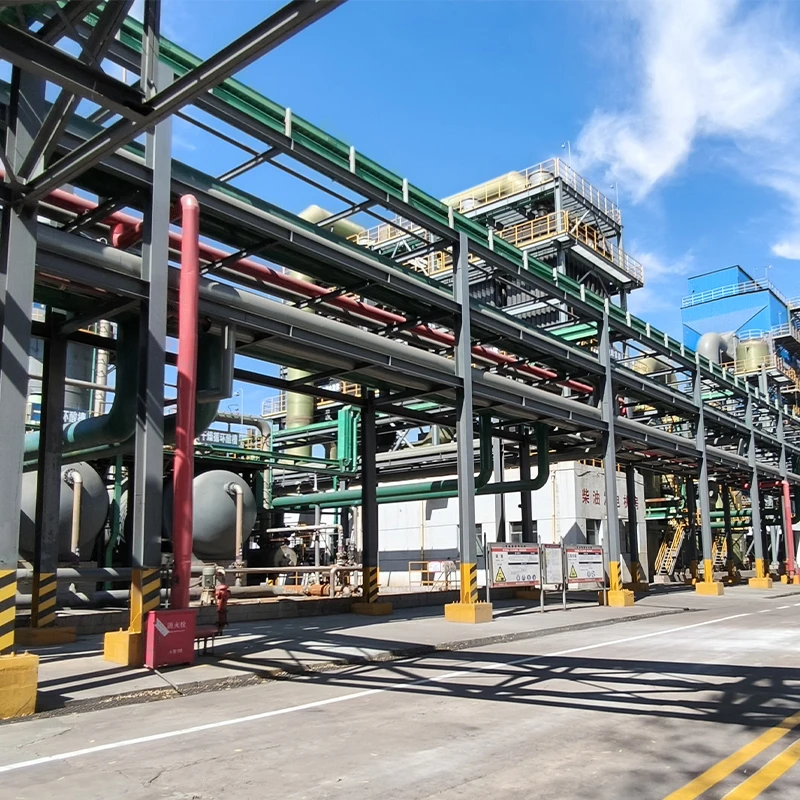
Fuel stations, data centers (diesel backup), ports, mining depots, municipal fleets, even airports. Anywhere a double wall fuel tank with monitored interstice cuts risk and paperwork.
Real-world feedback
- “Interstitial alarm caught a bad gasket during startup—cheap save.”
- “Groundwater around the site? FRP outer shell made permitting easier.”
- “Bio-blend B10 okay so far; we added internal epoxy just in case.”
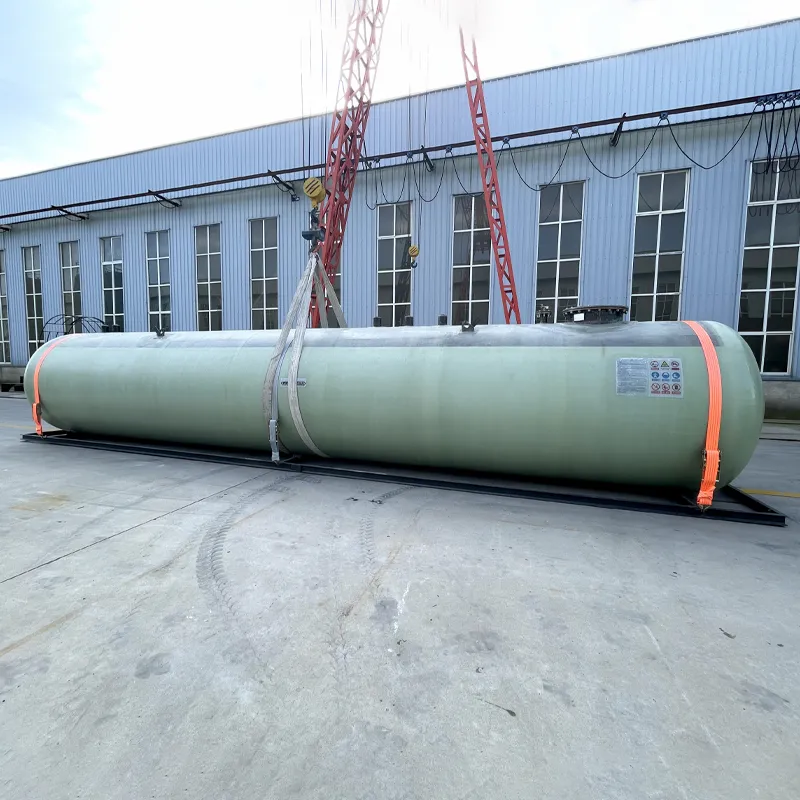
Vendor comparison (at a glance)
| Vendor/type | Construction | Certs/targets | Lead time | Price band | After-sales |
|---|---|---|---|---|---|
| SF tank (this model) | Steel inner + FRP outer | UL 58/1746, ISO 9001 | 4–8 weeks | $$ | Remote leak monitoring support |
| FRP-only UST | Dual FRP | UL 1316 | 6–10 weeks | $$$ | Strong corrosion immunity |
| Single-wall steel + CP | Steel + cathodic protection | UL 58 | 3–6 weeks | $ | Higher compliance overhead |
Customization menu
Options include manway sizes, nozzle maps, internal epoxy lining for biodiesel blends, sump integration, anodes (belt-and-suspenders), and telemetry-ready leak sensors. For colder regions, heat tracing stubs—yes, really—are being asked for more lately.
Case notes
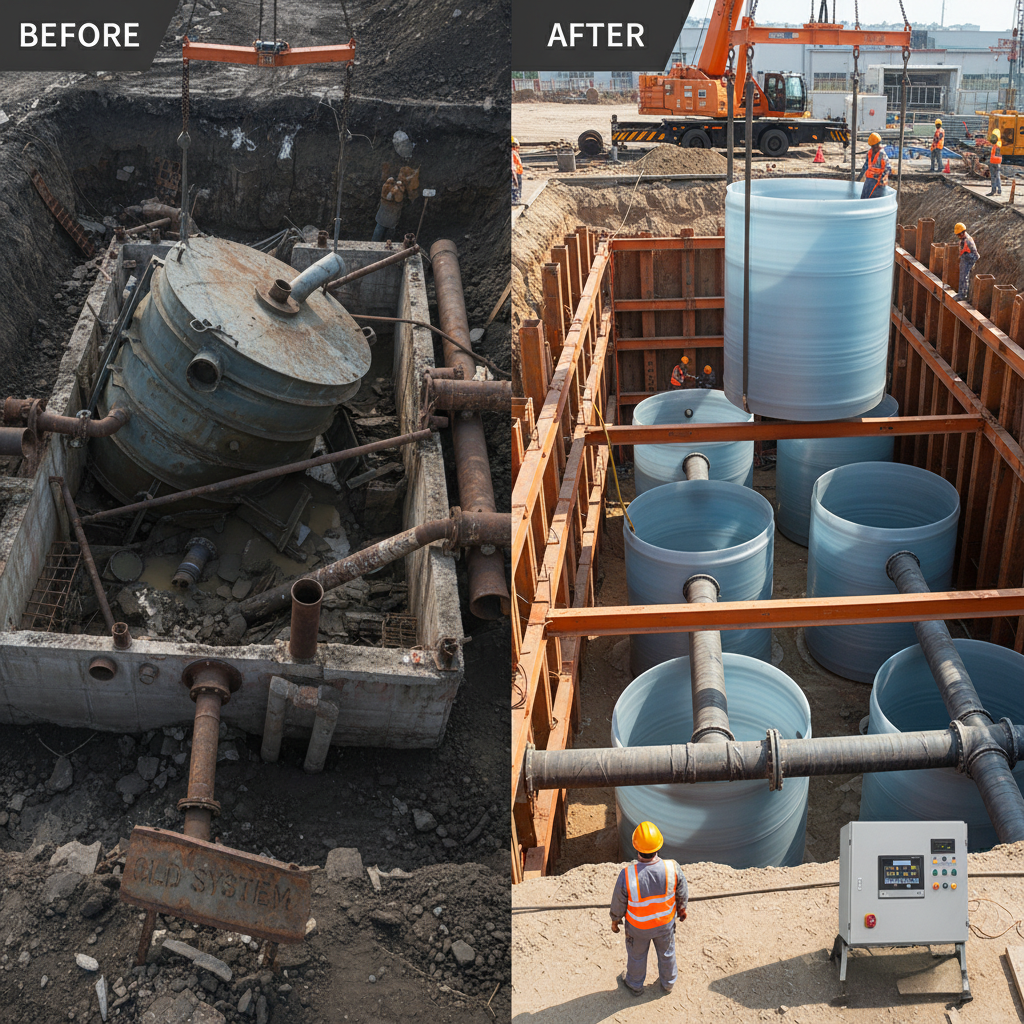
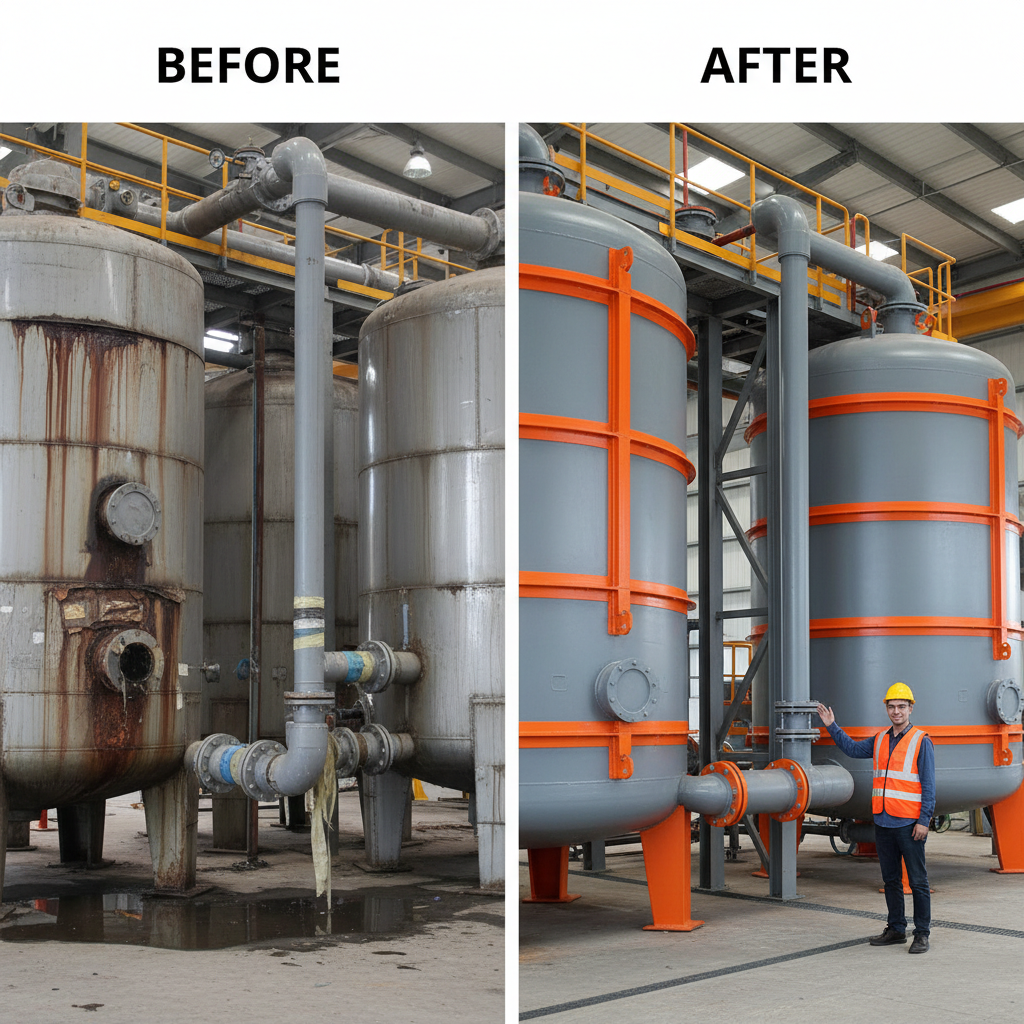
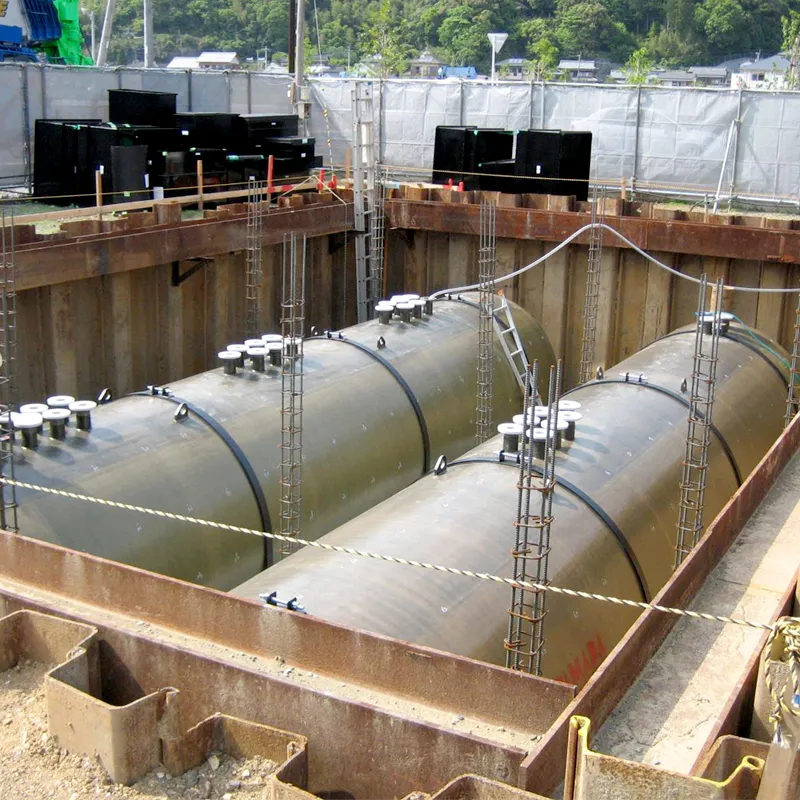
Retail station upgrade: 30 m³ double wall fuel tank swapped in over a weekend; interstice held vacuum 24h (no drop). Inspector ticked the box instantly.
Data center: twin 50 m³ diesel tanks; EN 13160 Class II leak detection; they liked the alarm relay into BMS. No drama since commissioning.
Compliance checklist (short version)
- Design to UL 58; external protection via UL 1746 methods.
- Install per PEI RP100 and local code; keep EPA 40 CFR Part 280 records.
- Commission: hydro test, interstitial leak test, ATG/leak sensor calibration.
If you need a pragmatic underground double wall fuel tank with serious leak defense and straightforward paperwork, this SF model is, actually, a balanced choice.