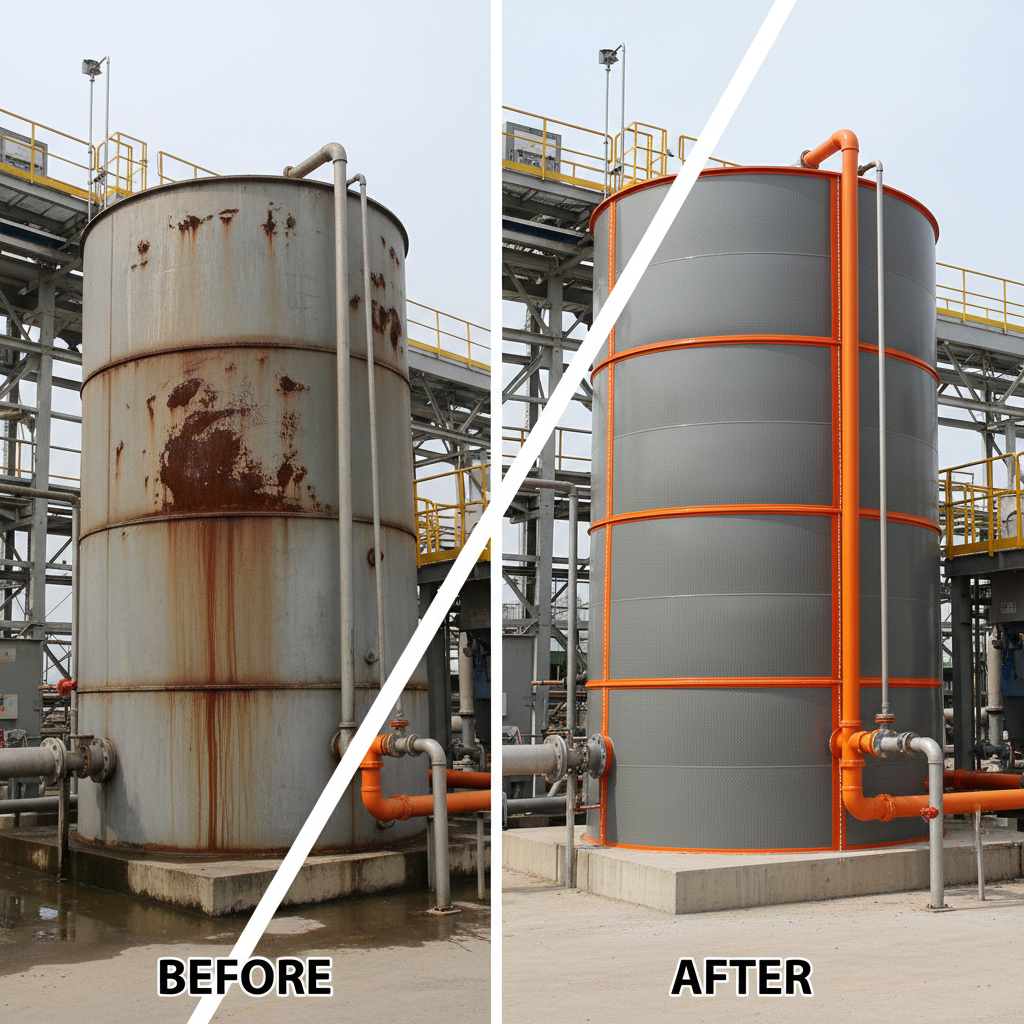
Double Wall Fuel Tanks: Safe & Compliant Fuel Storage
The Imperative Role of double wall fuel tank in Modern Industrial Applications
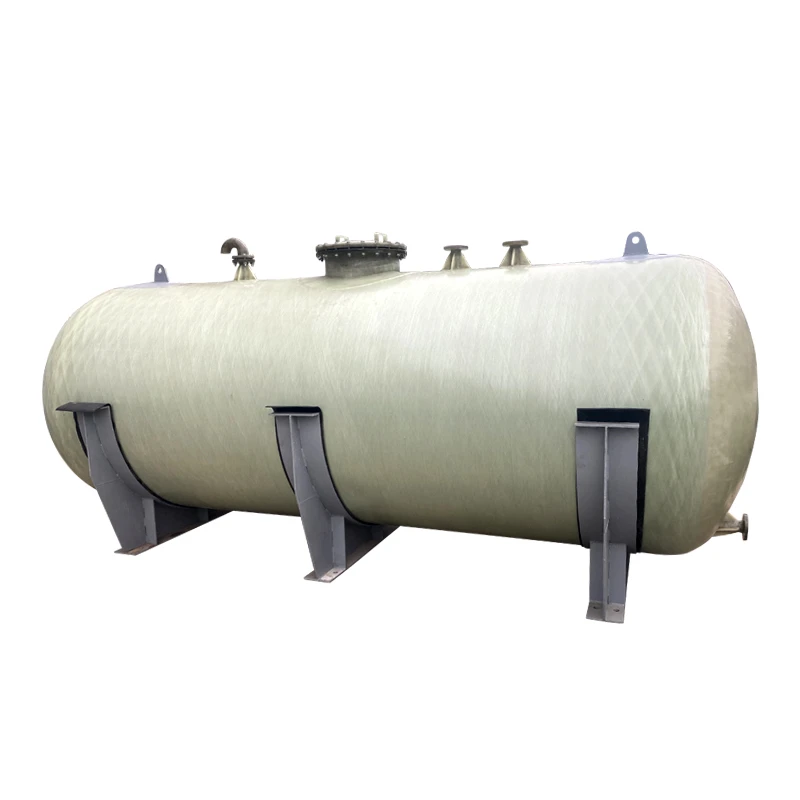
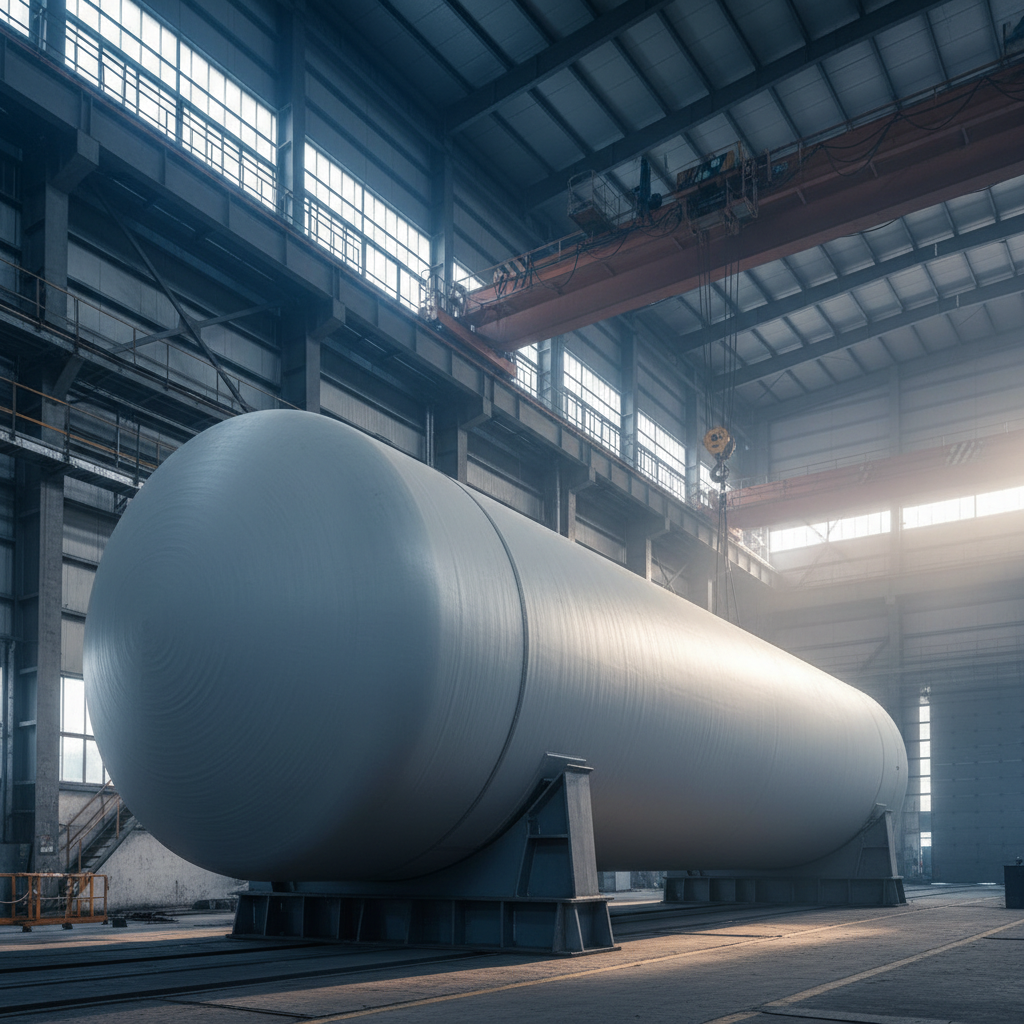
In an era of stringent environmental regulations and heightened safety standards, the demand for secure and reliable fuel storage solutions is paramount. The modern industrial landscape, spanning sectors from petrochemicals to logistics, relies heavily on robust infrastructure that prevents leaks, minimizes environmental impact, and ensures operational continuity. Among the myriad of storage options, the double wall fuel tank has emerged as the industry standard, offering unparalleled protection against potential hazards.
This comprehensive overview delves into the critical aspects of these advanced storage systems, highlighting their technical superiority, diverse applications, and the rigorous manufacturing processes that underpin their reliability. As businesses seek to optimize operations and mitigate risks, understanding the intricate details of underground fuel storage tanks becomes indispensable for informed decision-making.
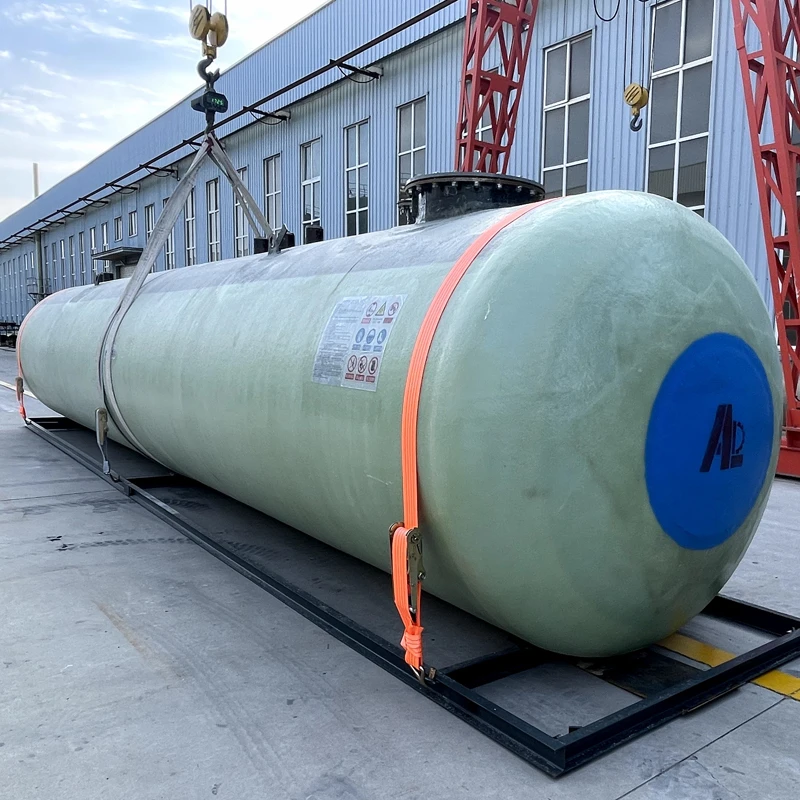
Industry Trends and Market Dynamics for Fuel Storage
The global market for fuel storage solutions is characterized by steady growth, driven by increasing energy consumption, infrastructure development, and a strong emphasis on environmental compliance. Key trends include:
- Enhanced Safety and Environmental Regulations: Governments worldwide are enforcing stricter regulations, such as those from the U.S. Environmental Protection Agency (EPA) and various European directives, mandating leak detection systems, secondary containment, and corrosion protection for fuel storage, making double wall fuel tanks for sale a preferred choice.
- Technological Advancements: Integration of smart monitoring systems, remote sensing, and advanced composite materials is revolutionizing tank design, offering real-time data on tank integrity, fuel levels, and potential issues.
- Transition to Alternative Fuels: While traditional fossil fuels remain dominant, the growing adoption of biofuels (e.g., ethanol, biodiesel) and hydrogen necessitates storage solutions compatible with their unique chemical properties, expanding the scope for specialized double wall fuel tank designs.
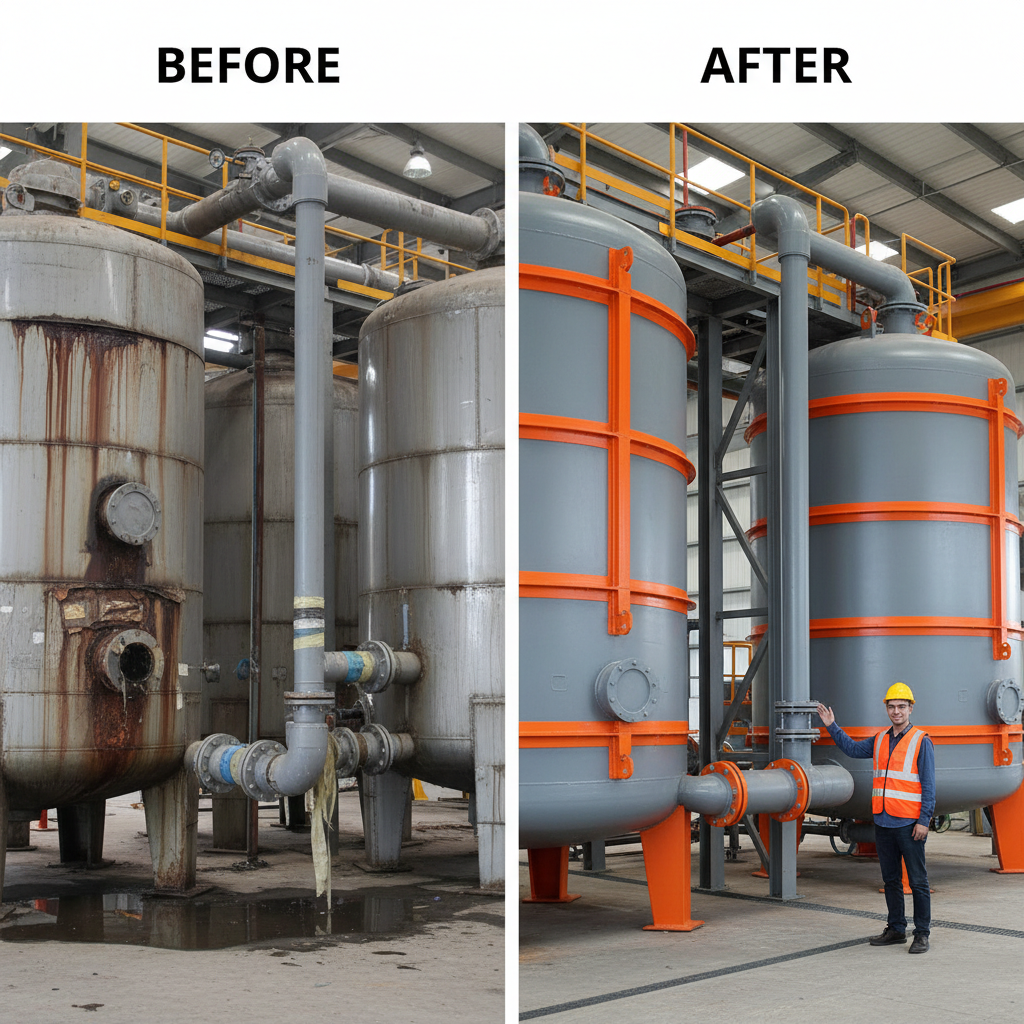
- Infrastructure Modernization: Aging storage infrastructure in many regions requires replacement with modern, more durable, and compliant tanks, fueling demand for new installations and upgrades.
According to a report by Grand View Research, the global fuel storage tank market size was valued at USD 2.15 billion in 2022 and is projected to grow at a compound annual growth rate (CAGR) of 4.5% from 2023 to 2030, largely driven by the adoption of safer and more durable solutions like the double wall fuel tank.
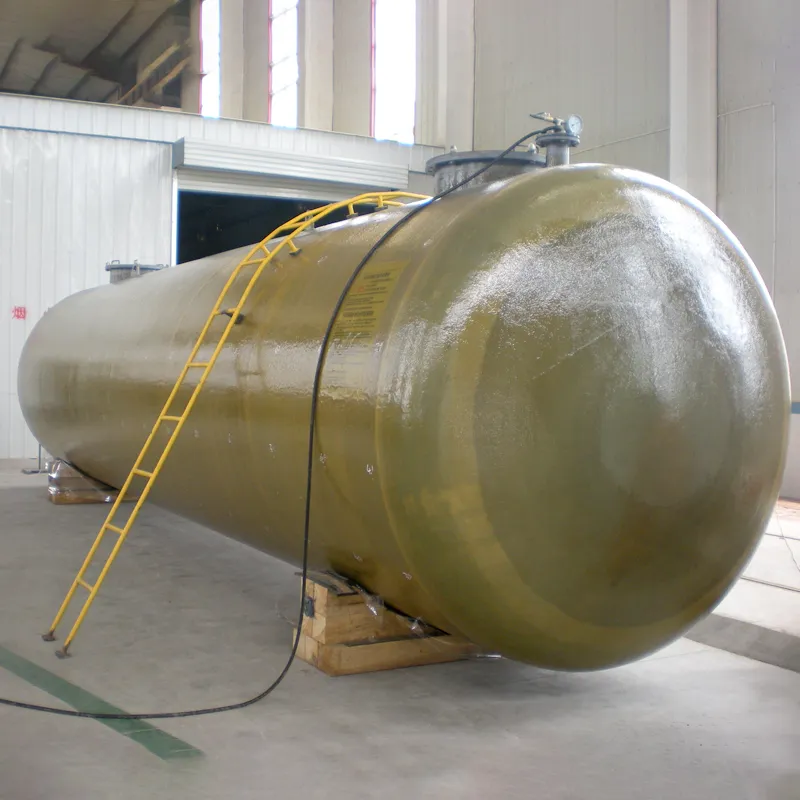
Detailed Manufacturing Process of a Double Wall Fuel Tank
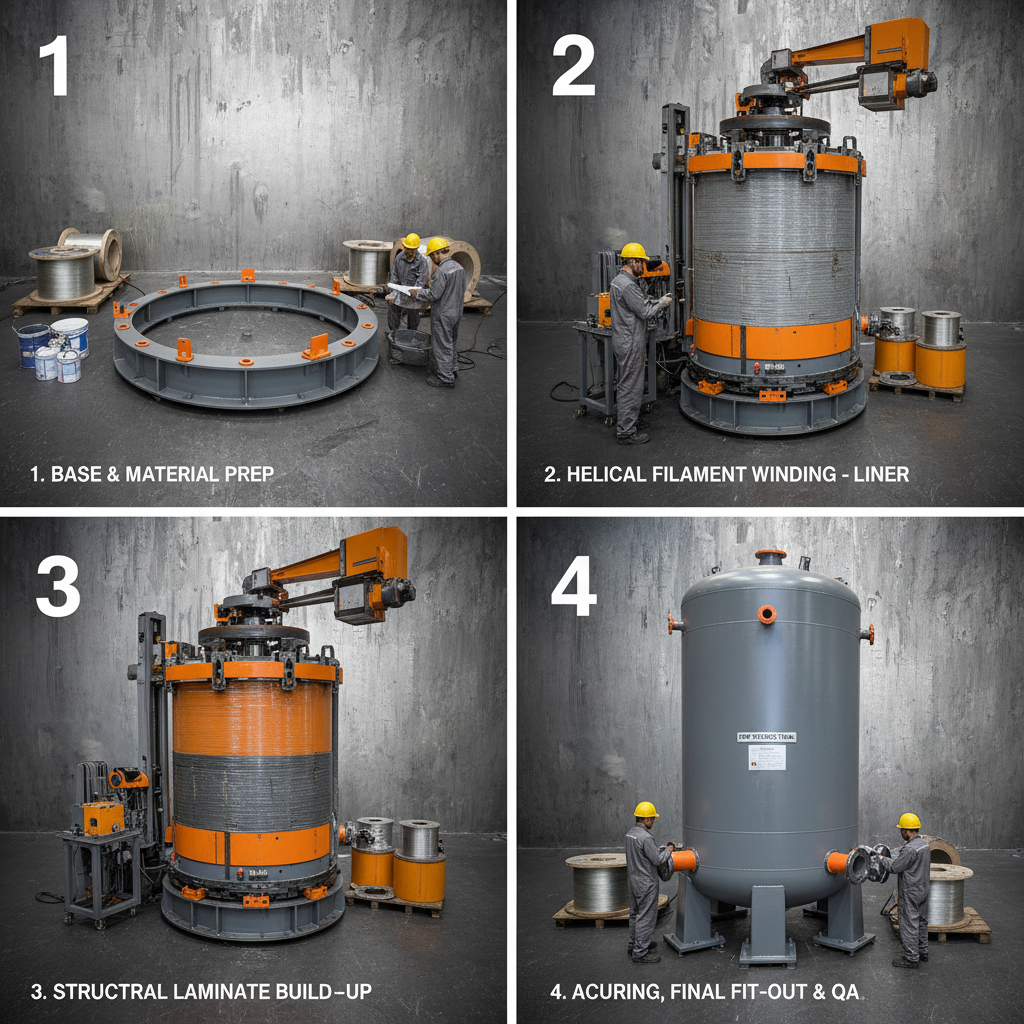
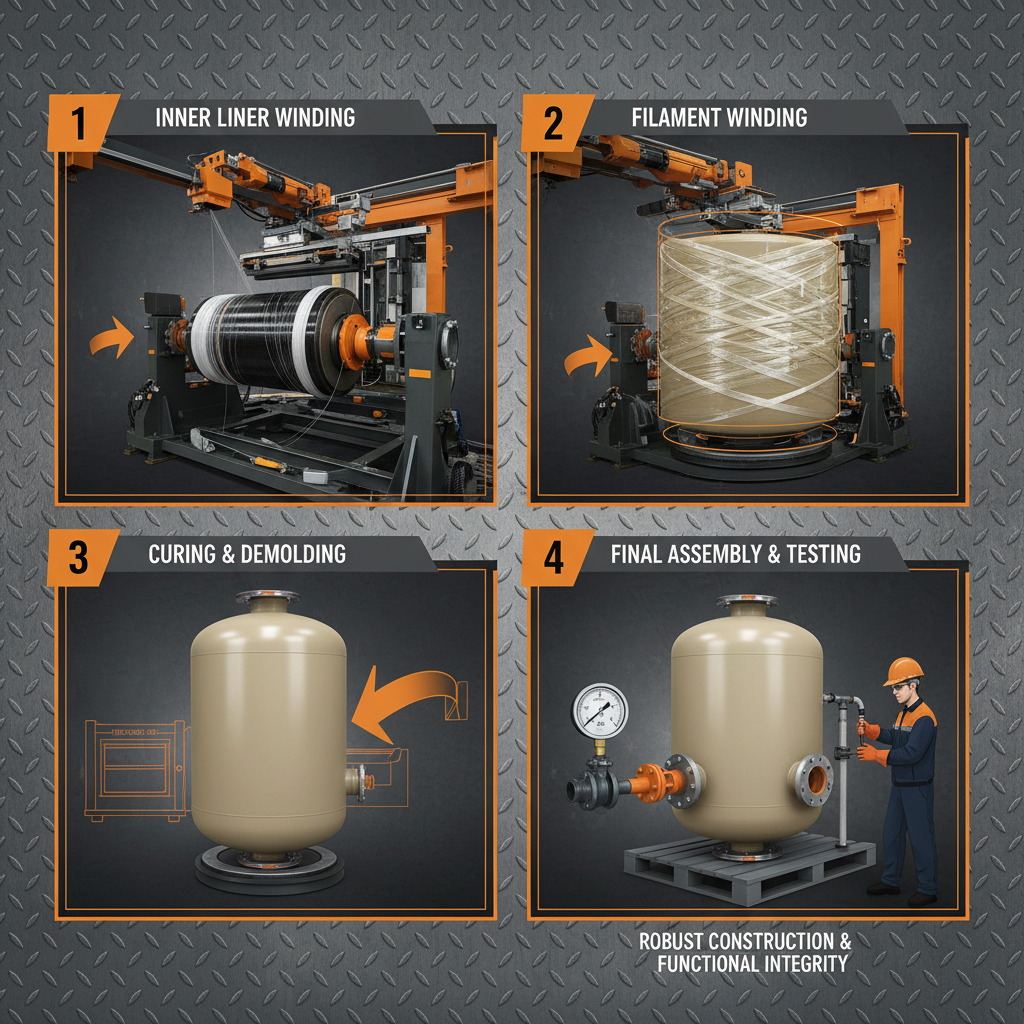
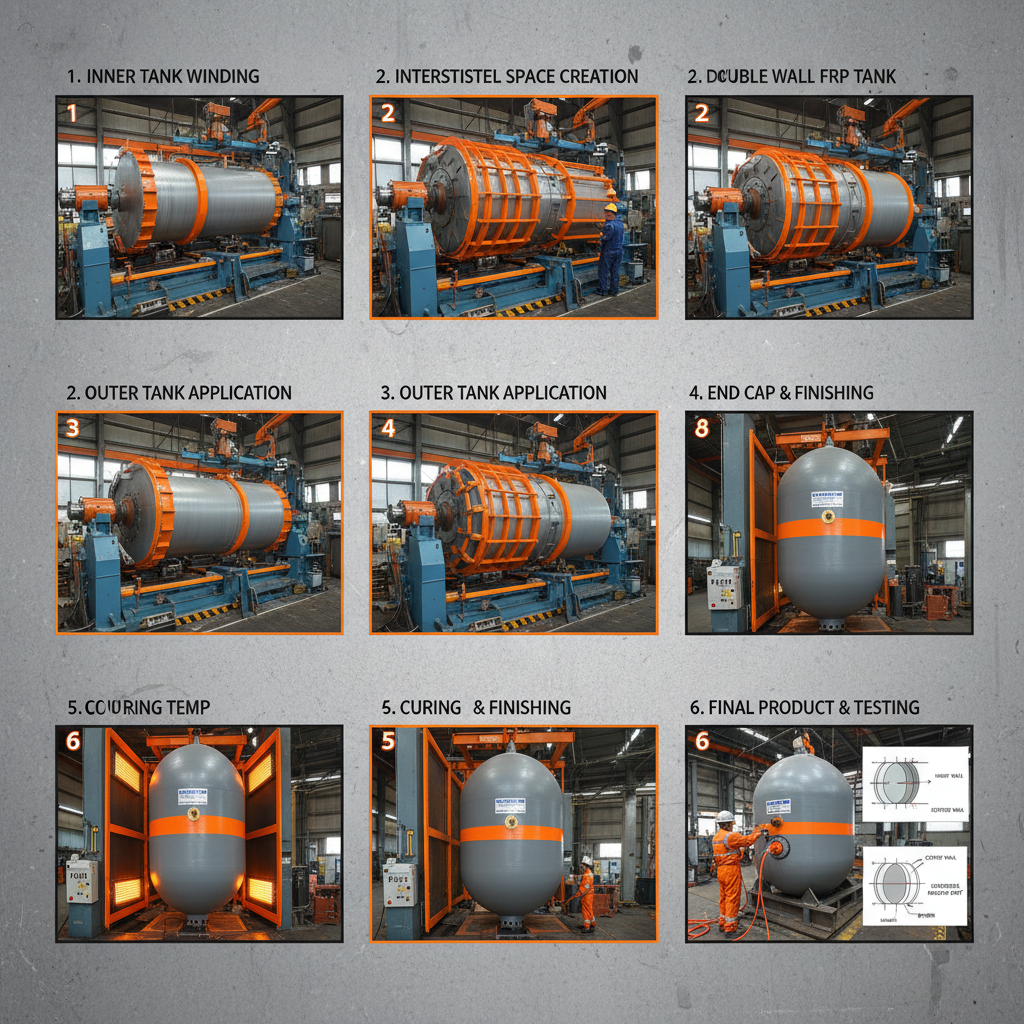
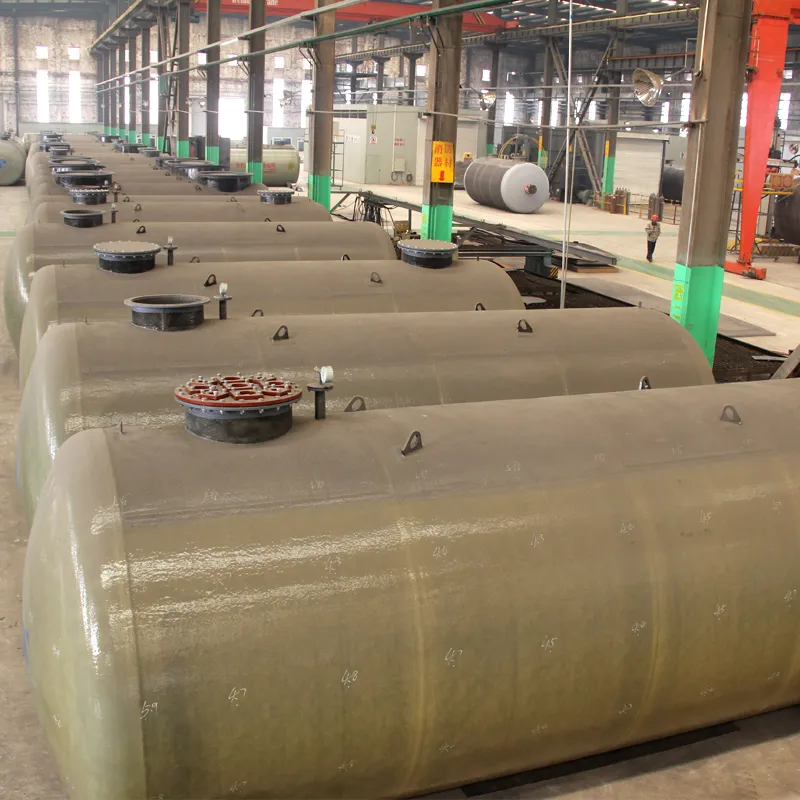
The production of a double wall fuel tank is a highly specialized process, ensuring structural integrity and longevity. This section outlines the typical steps involved, emphasizing materials, techniques, and quality control.
1. Material Selection and Preparation
- Inner Tank Material: Typically made from high-strength carbon steel (e.g., SA-283 Grade C, SA-516 Grade 70) or stainless steel for corrosive fuels. For FRP-steel (SF) tanks, the inner layer is steel.
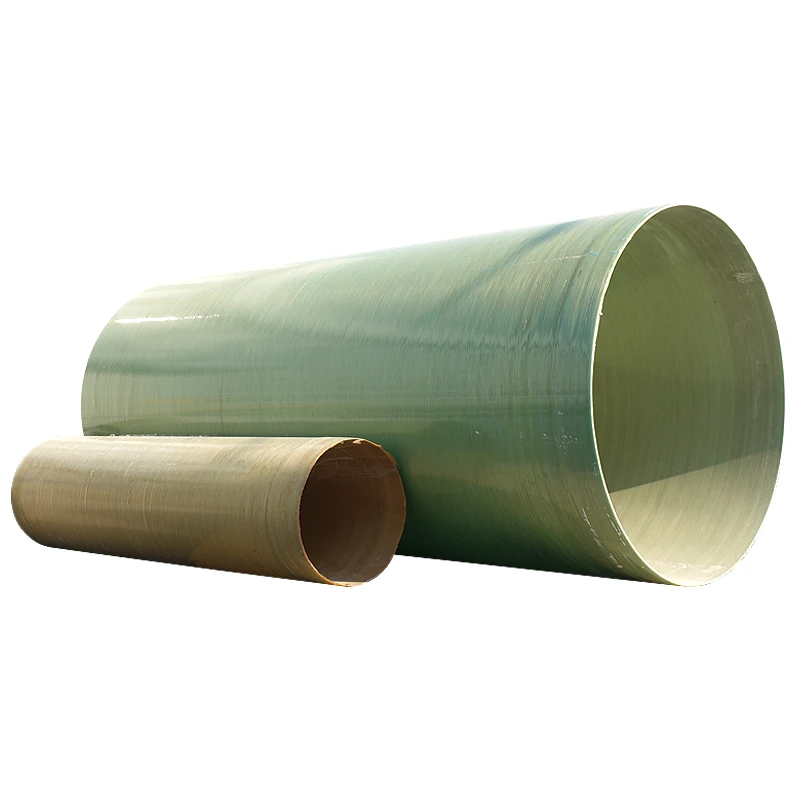
- Outer Tank (Secondary Containment) Material: Can be carbon steel, fiberglass reinforced plastic (FRP), or a combination. For SF tanks, this is an FRP layer, providing excellent corrosion resistance and dielectric properties.
- Coatings: Internal epoxy linings for corrosion protection, external anti-corrosion coatings for steel components.
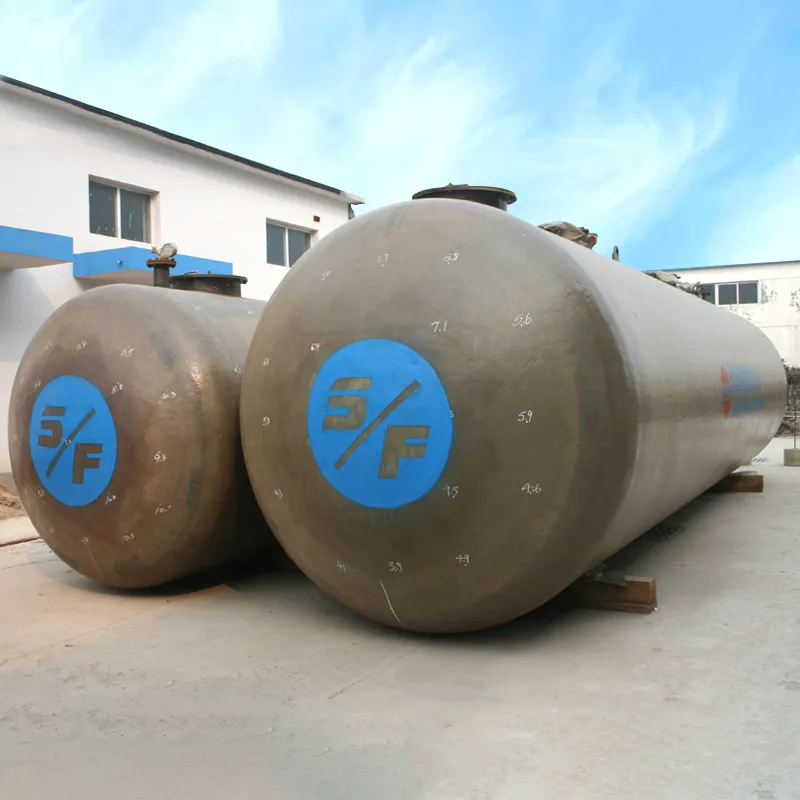
2. Inner Tank Fabrication
- Plate Cutting & Rolling: Steel plates are precisely cut and then rolled into cylindrical shells using specialized machinery.
- Welding: Longitudinal seams are welded using automated Submerged Arc Welding (SAW) or Gas Metal Arc Welding (GMAW) processes. End caps (domes) are dished and flanged, then welded to the cylindrical body. All welds undergo Non-Destructive Testing (NDT) such as ultrasonic testing or radiography to ensure integrity.
- Nozzle & Manway Installation: Openings for filling, dispensing, venting, and access are cut and reinforced. Nozzles and manways are then welded into place, adhering to API 650 or UL 142 standards.
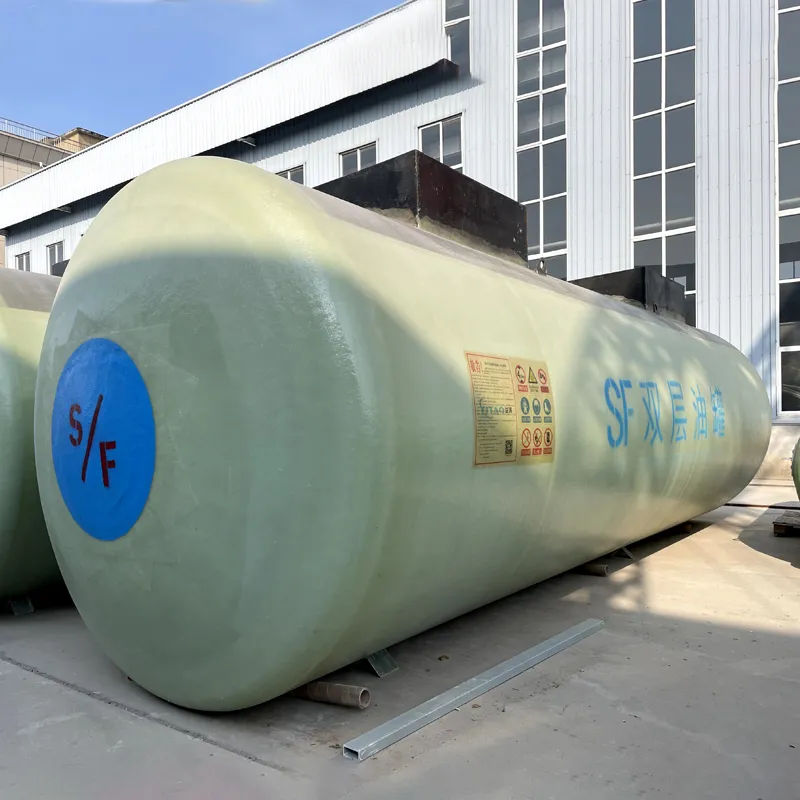
3. Outer Tank (FRP Layer) Application for SF Tanks
- Surface Preparation: The steel inner tank surface is thoroughly cleaned, sandblasted, and primed to ensure optimal adhesion for the FRP layer.
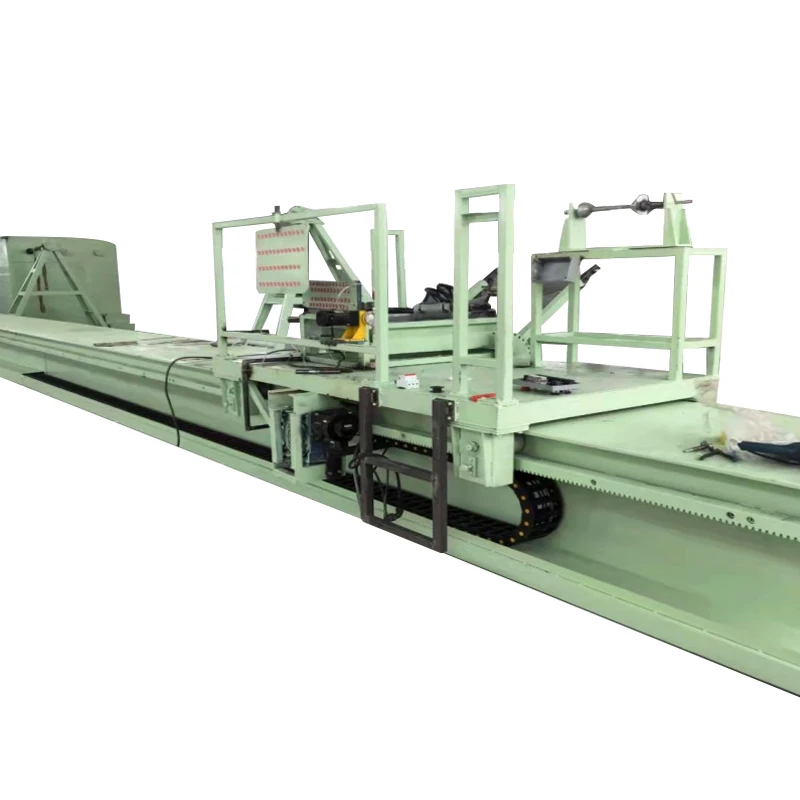
- Resin and Fiber Application: A specialized winding machine applies layers of high-strength fiberglass roving impregnated with thermosetting resins (e.g., isophthalic polyester or vinyl ester). This process is carefully controlled to achieve uniform thickness and structural strength.
- Curing: The FRP composite is cured under controlled temperature and humidity conditions to achieve its final mechanical properties.
- Interstitial Space Creation: A precise annular space is maintained between the inner steel tank and the outer FRP jacket, typically filled with sand or left as a vacuum space for leak detection.
4. Testing and Quality Assurance
- Hydrostatic Testing: The inner tank is filled with water and pressurized to detect leaks and confirm structural integrity, adhering to standards like UL 58 or EN 12285-1.
- Pneumatic Testing: The interstitial space is pressurized with air or inert gas to verify the integrity of the secondary containment and leak detection system.
- Vacuum Testing: For some designs, a vacuum is applied to the interstitial space to confirm its seal.
- Spark Testing (for FRP): The FRP layer is checked for pinholes or defects using a high-voltage spark tester.
- Visual Inspection & Certification: Each tank undergoes final visual inspection and is certified to relevant industry standards (e.g., UL 1746, CAN/ULC-S603.1, ISO 9001 for manufacturing).
5. Coating and Finishing
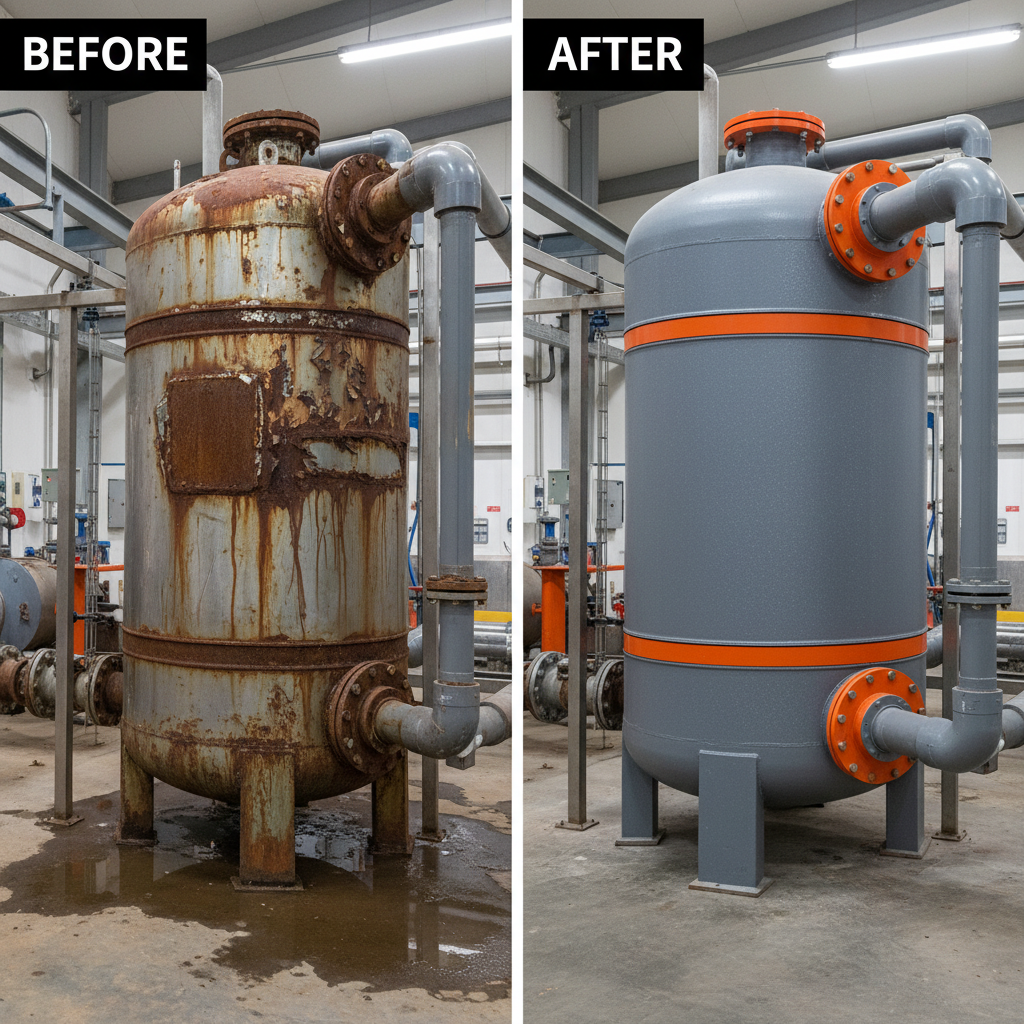
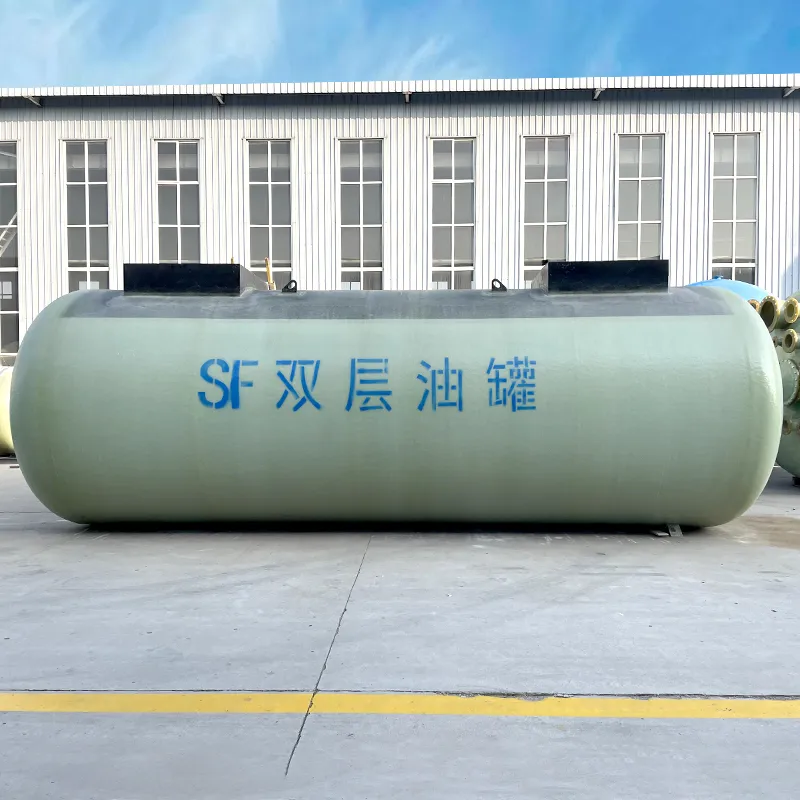
- External Protection: For buried steel tanks, cathodic protection systems (sacrificial anodes or impressed current) are often applied, along with protective coatings (e.g., epoxy, polyurethane) to prevent corrosion. For SF tanks, the FRP outer layer inherently provides superior corrosion resistance.
- Internal Linings: Depending on the stored medium, the inner tank may receive specialized internal linings to enhance chemical resistance or prevent contamination.
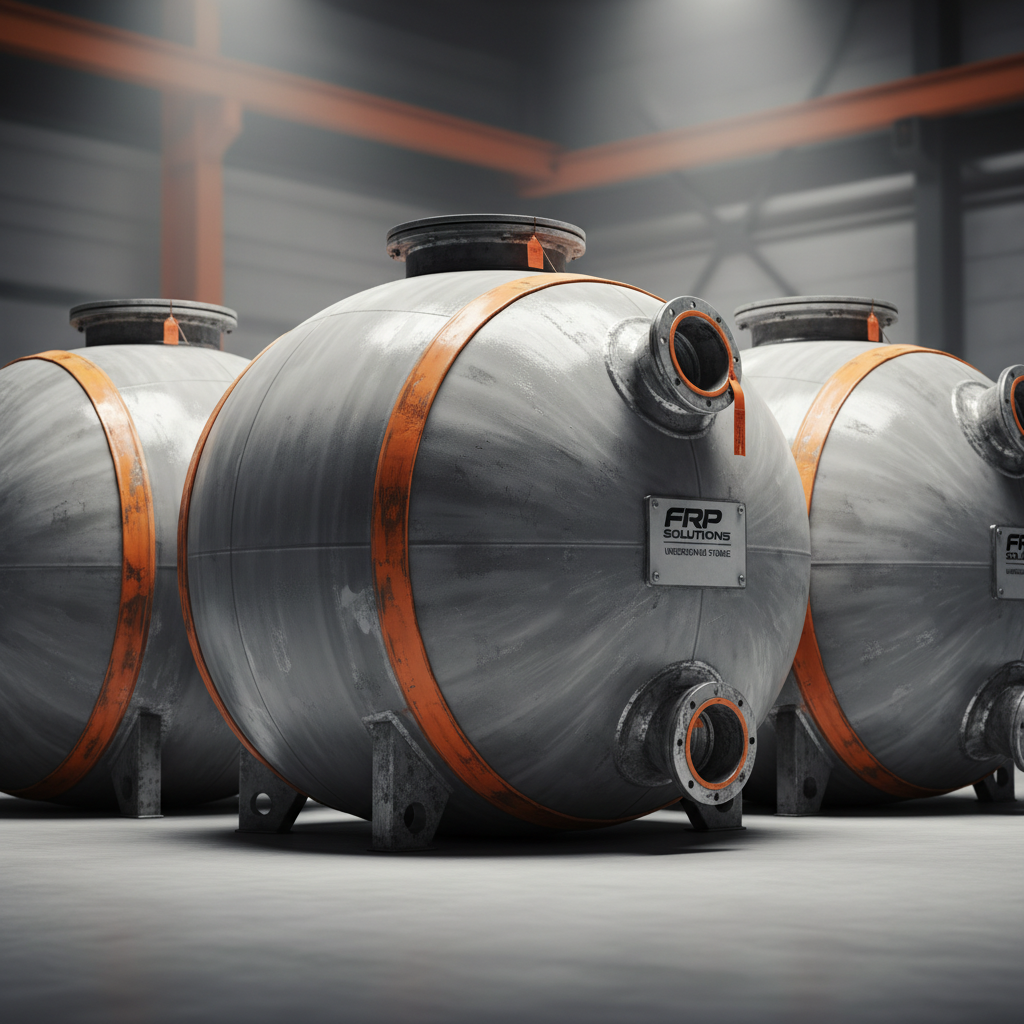
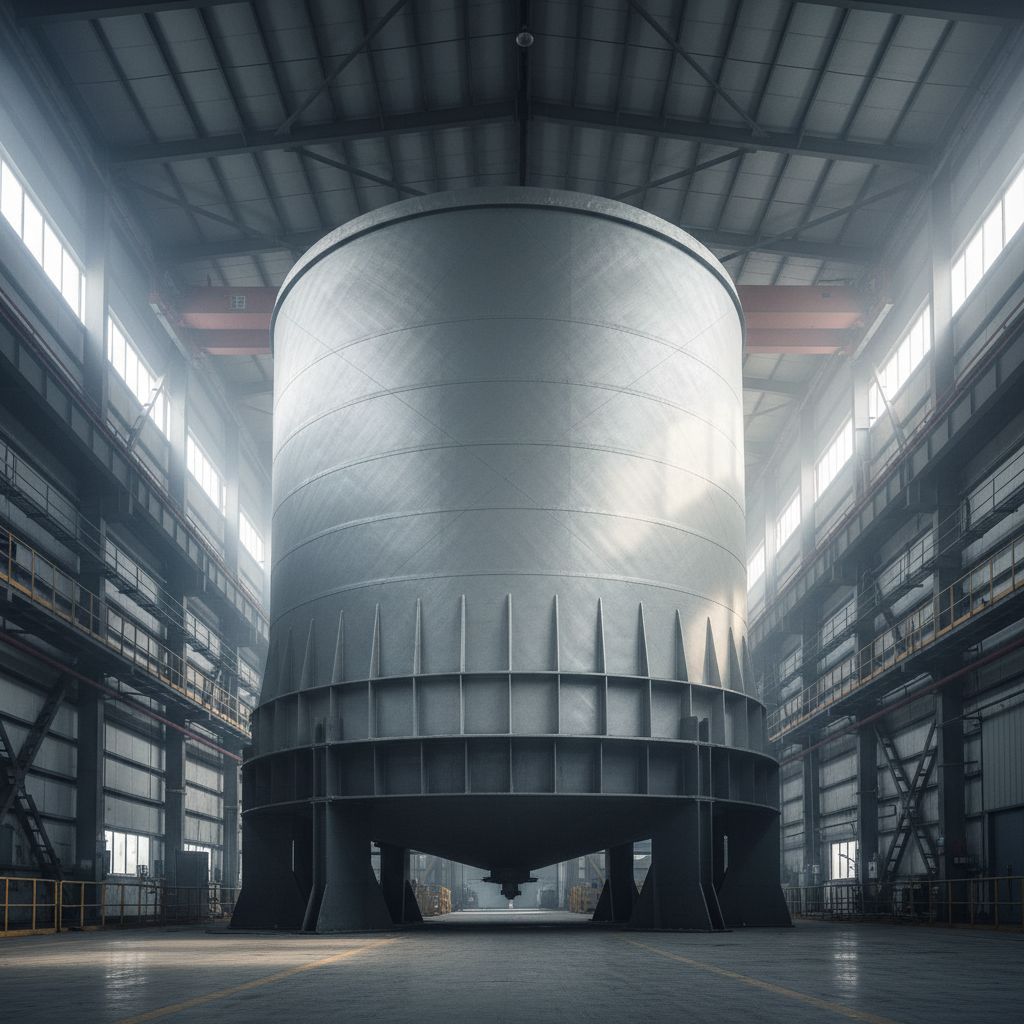
The result is a meticulously engineered double wall fuel tank designed for an extended service life, typically exceeding 30 years for underground applications, and offering superior performance in target industries such as petrochemical, transportation, power generation, and military installations.
Technical Specifications and Parameters
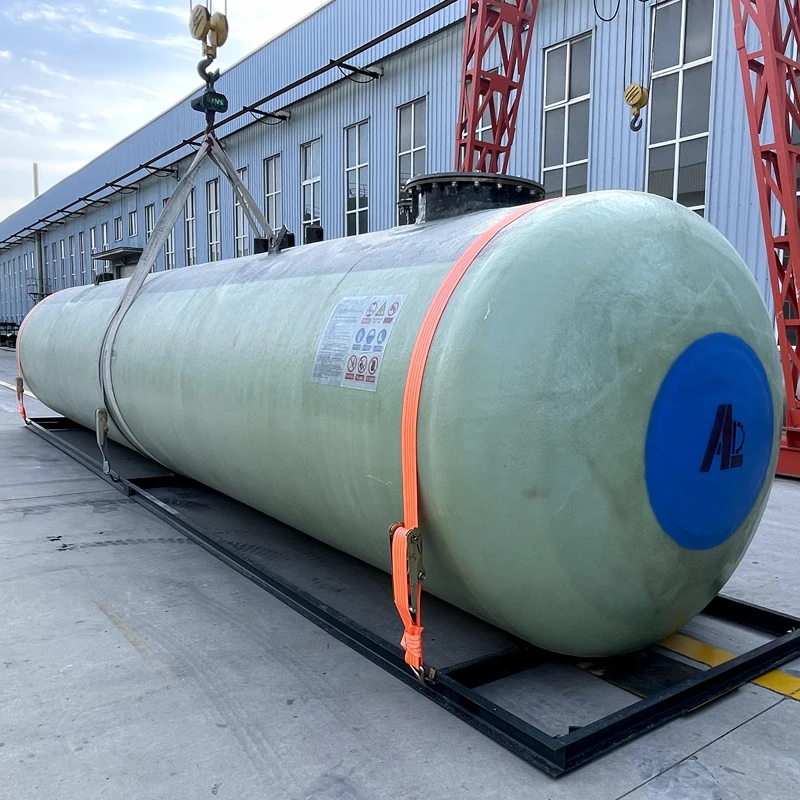
Understanding the technical specifications of a double wall fuel tank is crucial for proper selection and integration. Here are typical parameters for an SF (Steel-FRP) double wall underground fuel tank:
Typical SF Double Wall Underground Fuel Tank Specifications
| Parameter | Description / Value |
|---|---|
| Tank Type | SF Double Wall Underground Fuel Tank |
| Inner Tank Material | Q235-B Carbon Steel / SA-283 Gr. C / SA-516 Gr. 70 |
| Outer Tank Material | FRP (Fiberglass Reinforced Plastic) with Isophthalic Polyester Resin |
| Capacity Range | 5,000 to 100,000 Liters (approx. 1,300 to 26,400 Gallons). Common sizes include 500 gallon double wall fuel tank and 100 gallon double wall fuel tank, often used for smaller, localized applications. |
| Design Pressure | Atmospheric to 0.1 MPa (typical) |
| Operating Temperature | -20°C to +50°C (subject to specific fuel properties) |
| Interstitial Space | 3-6 mm (vacuum or liquid monitoring capable) |
| Standards Compliance | UL 1746, UL 58, EN 12285-1, AS 1692, BS EN 13160, PEI RP100 |
| Corrosion Protection | FRP outer layer for cathodic protection; optional internal linings |
| Service Life | >30 years (with proper installation and maintenance) |
These specifications ensure that the double wall fuel tank offers superior structural integrity and corrosion resistance, crucial for long-term underground storage.
Application Scenarios and Technical Advantages
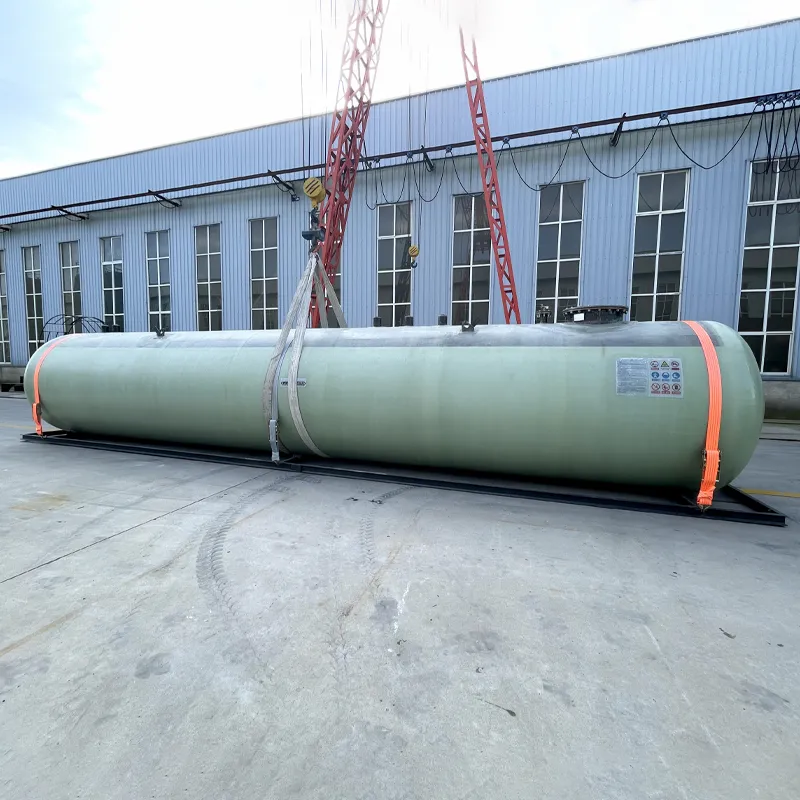
The inherent safety and durability of double wall fuel tanks make them indispensable across a wide array of demanding applications.
Key Application Scenarios:
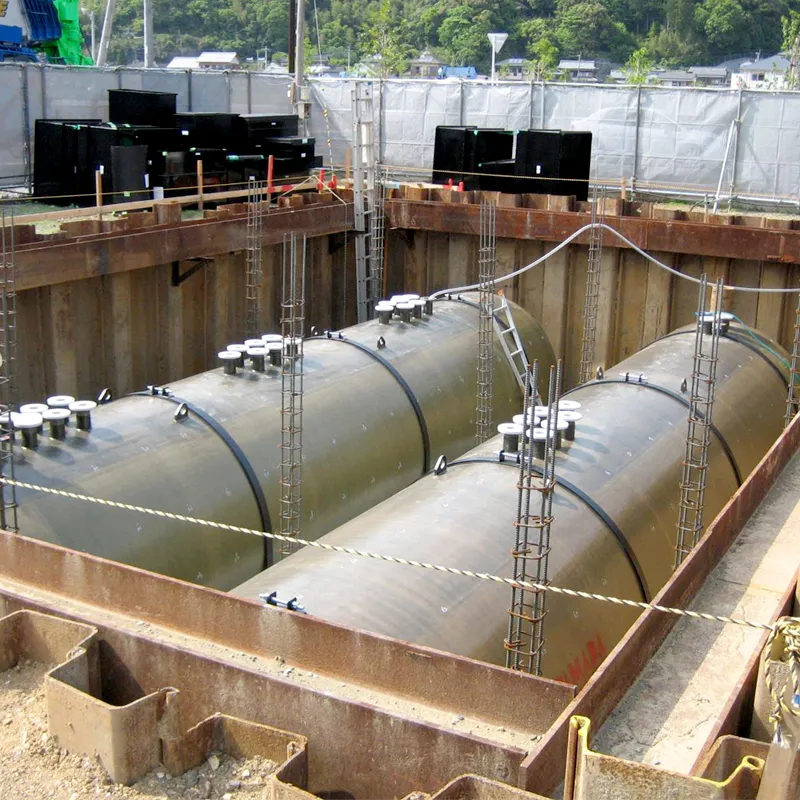
- Petrochemical Industry: Storage of gasoline, diesel, aviation fuel, and other petroleum products at refineries, distribution terminals, and service stations. The secondary containment prevents contamination of soil and groundwater.
- Transportation Hubs: Fueling stations at airports, seaports, and large trucking depots require large capacity, reliable underground fuel storage tanks to support continuous operations.
- Power Generation: Backup diesel or fuel oil storage for generators in hospitals, data centers, and critical infrastructure, ensuring uninterrupted power supply.
- Mining and Construction: On-site fuel storage for heavy machinery and vehicles in remote or environmentally sensitive areas.
- Military & Government: Secure and compliant fuel depots for strategic reserves and operational support.
- Industrial Facilities: Storage of various process chemicals, oils, and other hazardous liquids where environmental protection is critical.
Technical Advantages:
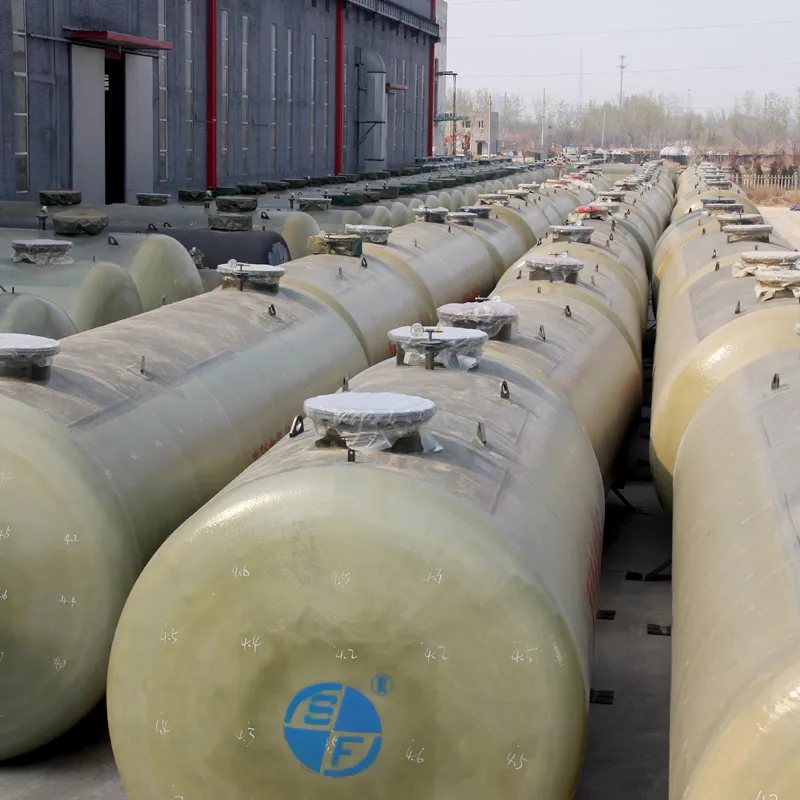
- Superior Leak Prevention: The dual-layer design provides inherent secondary containment. If the primary tank leaks, the secondary tank contains the product, preventing environmental release and allowing time for detection and repair.
- Enhanced Corrosion Resistance: Especially for SF tanks, the external FRP layer offers exceptional resistance to soil chemicals, stray currents, and galvanic corrosion, significantly extending the service life compared to single-wall steel tanks.
- Integrated Leak Monitoring: The interstitial space can be continuously monitored for leaks using liquid sensors or pressure/vacuum gauges, providing early warning and complying with regulatory requirements.
- Environmental Protection: Minimized risk of soil and groundwater contamination, reducing potential liabilities and costly remediation efforts. This makes them ideal underground fuel storage tanks for sensitive areas.
- Regulatory Compliance: Meets or exceeds most international and national environmental protection agency (EPA) standards for underground storage tanks (USTs).
- Longer Service Life: Due to robust materials and corrosion protection, these tanks offer a lifespan often exceeding 30 years, providing a better return on investment.
- Fire Safety: The robust construction and underground placement contribute to enhanced fire safety by containing flammable liquids below ground.
These advantages underscore why the double wall fuel tank is the preferred choice for responsible and secure fuel management in critical infrastructure projects.
Vendor Comparison: Selecting the Right Double Wall Fuel Tank
Choosing a supplier for double wall fuel tanks involves evaluating several critical factors beyond just price. Here's a comparison table focusing on key differentiators among manufacturers:
Double Wall Fuel Tank Vendor Comparison Factors
| Feature/Criterion | Leading Manufacturer A (Example) | Our Offering (Example) | Other Reputable Vendor (Example) |
|---|---|---|---|
| Product Range | Steel-only, limited FRP options | SF (Steel-FRP) primary focus, extensive capacity options (e.g., from 100 gallon double wall fuel tank to 100,000L) | FRP-only, some steel options |
| Certifications | UL 58, ISO 9001 | UL 1746, UL 58, ISO 9001, CE, local environmental compliance | CSA B603, UL 58 |
| Customization | Limited nozzle configurations | High flexibility in dimensions, nozzle placement, internal compartments, and monitoring systems | Standard sizes only |
| Corrosion Protection | External coatings, optional cathodic protection | Integral FRP jacket (superior passive protection), optional active cathodic for steel components | Fiberglass material (inherent resistance) |
| Lead Time | 8-12 weeks for custom orders | 4-8 weeks for standard, 8-16 weeks for complex custom designs | 6-10 weeks standard |
| After-Sales Support | Standard warranty, remote support | Extended warranty, global installation guidance, 24/7 technical support, spare parts availability | Regional service centers |
When considering double wall fuel tanks for sale, evaluating these parameters ensures you select a partner who not only provides high-quality products but also offers comprehensive support and customization capabilities.
Customized Solutions for Specialized Fuel Storage Needs
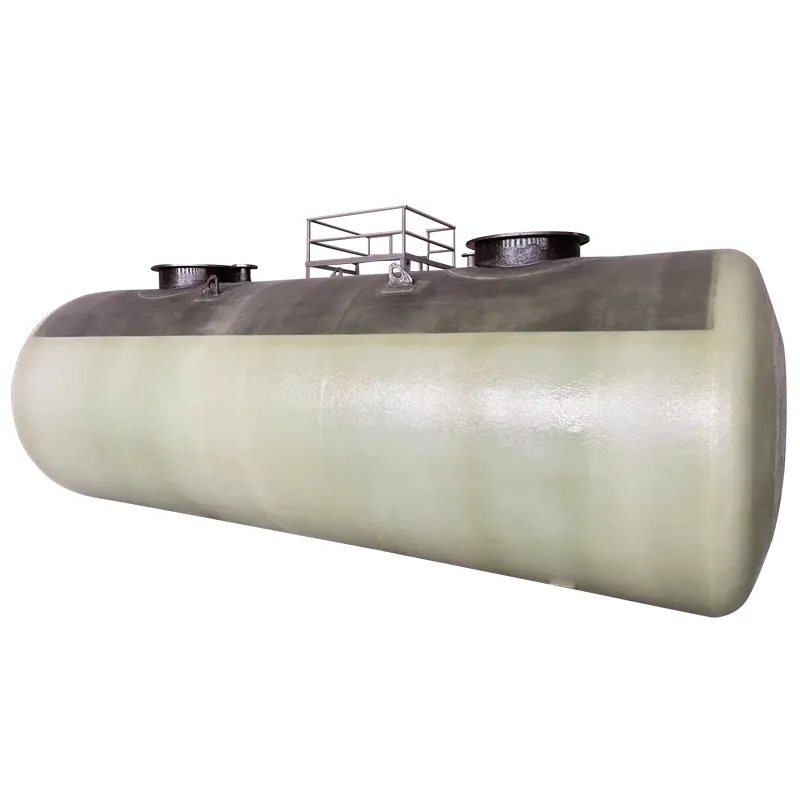
While standard configurations address many requirements, specific industrial applications often demand tailored solutions for underground fuel storage tanks. Our capabilities extend to designing and manufacturing bespoke double wall fuel tank systems to meet unique operational, spatial, and regulatory challenges.
Customization Options Include:
- Varied Dimensions and Capacities: From compact 100 gallon double wall fuel tank units for ancillary equipment to multi-compartment tanks exceeding 100,000 liters, accommodating diverse site layouts and storage volumes.
- Multi-Compartment Tanks: Designed to store different fuel types (e.g., gasoline and diesel) within a single tank structure, optimizing space and reducing installation costs. Each compartment maintains independent primary and secondary containment.
- Specialized Nozzles and Fittings: Custom placement, size, and type of access ports, sumps, and piping connections to integrate seamlessly with existing or specialized fueling systems.
- Enhanced Corrosion Protection: Beyond standard FRP, options include advanced internal linings for specific aggressive chemicals or specialized external coatings for extreme soil conditions.
- Integrated Monitoring Systems: Custom-designed leak detection, overfill prevention, and fuel management systems tailored to client operational protocols and regulatory reporting requirements.
- Site-Specific Engineering: Tanks engineered to withstand unique seismic, hydrostatic, or traffic loading conditions based on detailed site analyses.
Our engineering team works closely with clients from conceptual design through to manufacturing and installation support, leveraging years of expertise in material science and pressure vessel fabrication. This collaborative approach ensures that the final double wall fuel tank solution not only meets but exceeds performance expectations, delivering long-term value and peace of mind.
Application Case Studies
Real-world implementations demonstrate the effectiveness and reliability of double wall fuel tanks.
Case Study 1: Major Airport Fueling Infrastructure Upgrade
Client: International Airport Authority
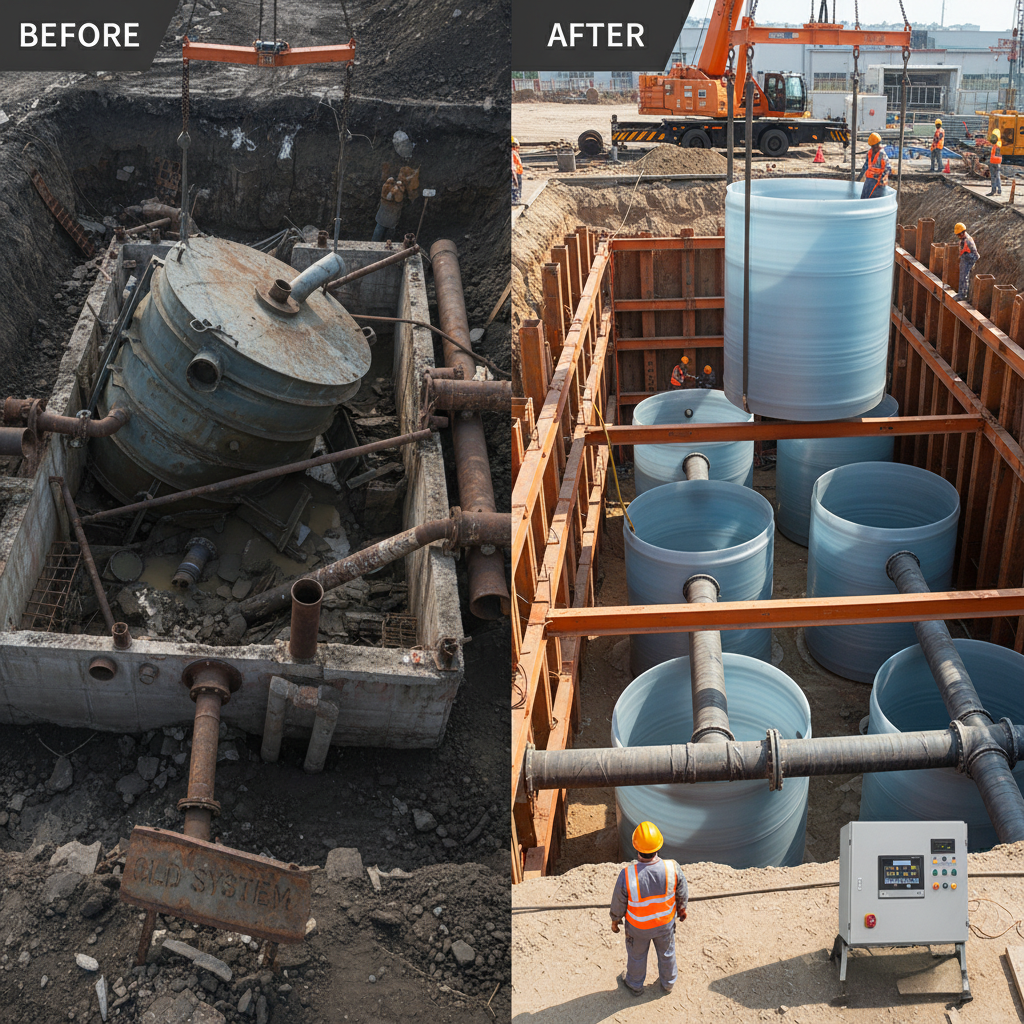
Challenge: Replace aging single-wall underground tanks with modern, high-capacity, environmentally compliant storage for jet fuel, minimizing operational disruption during installation.
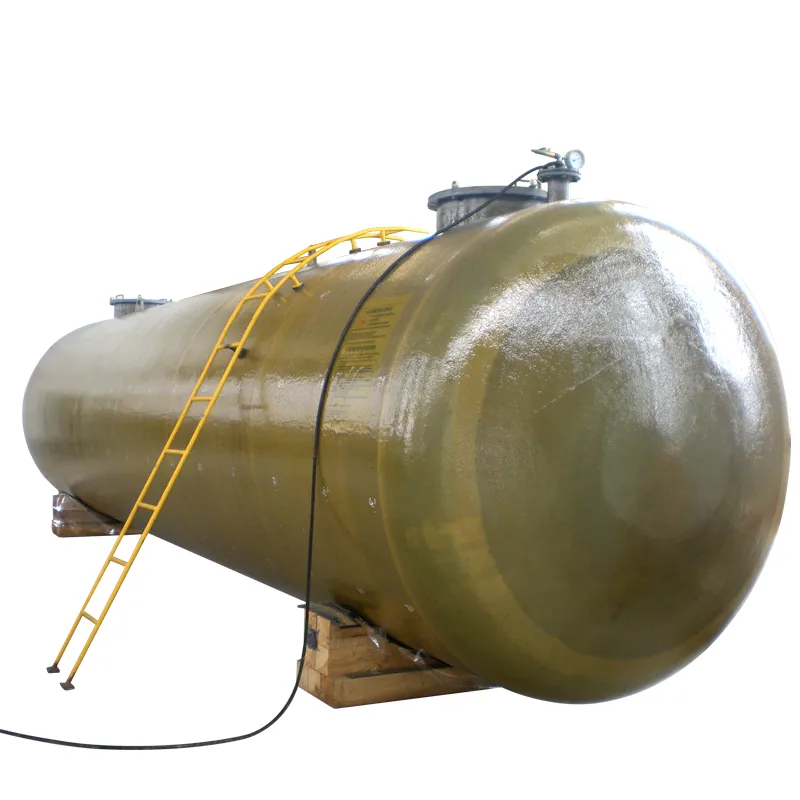
Solution: Supplied and assisted with the installation of six 50,000-liter (approx. 13,200-gallon) SF double wall fuel tanks. Each tank featured integrated leak detection and remote monitoring capabilities. The FRP outer layer provided robust protection against aggressive airport soil conditions and stray electrical currents. Custom-engineered access points facilitated integration with the existing fuel pipeline network.
Outcome: The upgrade significantly enhanced environmental safety and operational reliability. The interstitial monitoring system provided real-time assurance of tank integrity, meeting stringent aviation fuel storage regulations (e.g., API 1632, JIG standards). The project was completed on schedule, minimizing impact on airport operations.
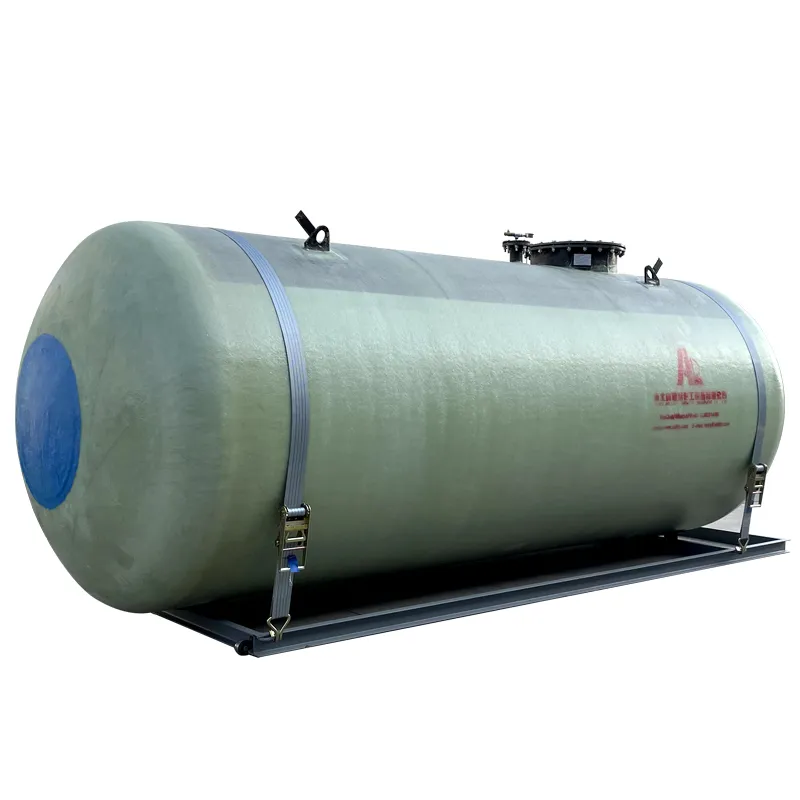
Case Study 2: Remote Mining Operation Fuel Depot
Client: Large-scale Mining Corporation
Challenge: Establish a durable, secure, and environmentally sound fuel storage facility in a remote, harsh climate for diesel and lubricants, requiring minimal maintenance and maximum operational uptime.
Solution: Provided three 20,000-liter (approx. 500 gallon double wall fuel tank equivalent in capacity for each segment, but overall larger for the site) SF double wall fuel tanks specifically designed for extreme temperature fluctuations and heavy vehicle traffic above ground. The FRP exterior offered superior protection against chemical spills and harsh weather. Tanks were fitted with robust anti-siphon valves and integrated fuel management sensors accessible via satellite uplink.
Outcome: The tanks provided a reliable and secure fuel supply, drastically reducing the risk of environmental contamination in a sensitive ecosystem. The minimal maintenance requirements of the SF design proved invaluable in the remote location, contributing to consistent mining operations.
(Re-using image for visual interest)
Client Feedback:
"The installation of the new double wall fuel tanks has significantly improved our environmental compliance standing and provided our team with immense peace of mind. The integrated monitoring systems are a game-changer for proactive maintenance." - Head of Facilities, Major Logistics Company
"We've been using these tanks for over 15 years in our most demanding locations, and their durability and resistance to harsh conditions are unmatched. A truly reliable solution for underground fuel storage tanks." - Operations Director, National Petrochemical Distributor
Trust and Support: FAQ, Lead Time, Warranty, and Customer Service
Frequently Asked Questions (FAQ)
-
Q: What is the primary advantage of a double wall fuel tank over a single-wall tank?
A: The primary advantage is the secondary containment barrier. If the inner tank develops a leak, the outer wall contains the fuel, preventing environmental contamination and providing time for detection and repair.
-
Q: Are your double wall fuel tanks compliant with specific industry standards?
A: Yes, our tanks meet or exceed major international standards including UL 1746, UL 58, EN 12285-1, AS 1692, and are manufactured under ISO 9001 quality management systems. Specific certifications can be provided upon request.
-
Q: How is leak detection managed with a double wall fuel tank?
A: The interstitial space between the inner and outer walls is equipped with a monitoring port. This space can be continuously monitored by an automatic leak detection system using liquid sensors, pressure sensors, or vacuum gauges, providing immediate alerts in case of a breach.
-
Q: What is the typical lead time for a custom double wall fuel tank order?
A: Standard tank configurations typically have a lead time of 4-8 weeks. For complex, customized designs, lead times can range from 8-16 weeks depending on engineering requirements and material sourcing. We strive to provide accurate timelines upon project specification.
-
Q: What warranty is provided with your double wall fuel tanks?
A: Our double wall fuel tanks come with a comprehensive warranty typically covering material and workmanship for 10-30 years, depending on the specific product and installation. Detailed warranty terms are provided with each quotation.
(Re-using image for visual interest)
After-Sales Support and Service
Our commitment extends beyond delivery. We offer a full suite of after-sales support services to ensure the long-term performance and reliability of your underground fuel storage tanks:
- Technical Assistance: 24/7 technical support hotline for troubleshooting and expert advice.
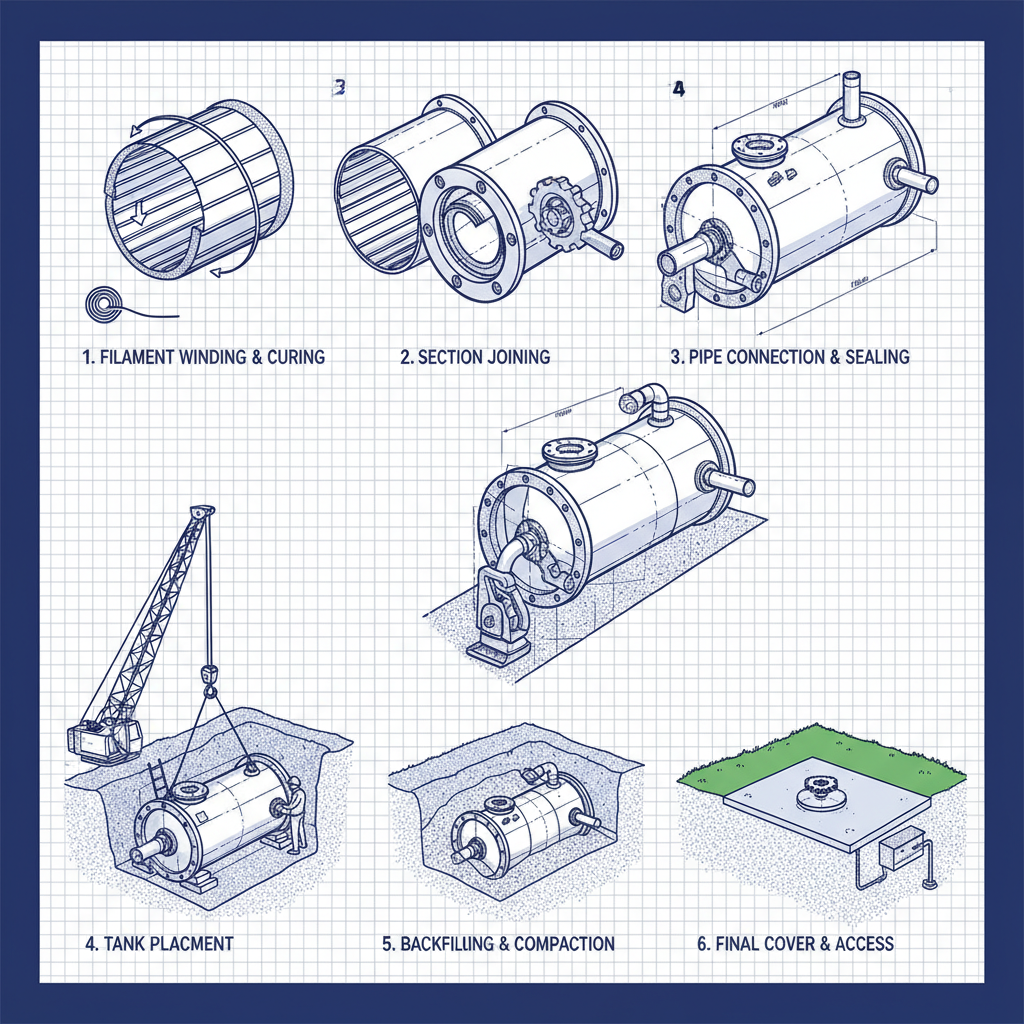
- Installation Guidance: Detailed installation manuals and remote support for proper tank placement and connection.
- Spare Parts: Availability of genuine spare parts and components to ensure quick repairs and minimal downtime.
- Maintenance Programs: Recommendations for preventative maintenance to maximize tank lifespan and uphold warranty conditions.
We are dedicated to building lasting partnerships through reliable products and unwavering customer support, reinforcing the trust our clients place in our double wall fuel tank solutions.
Conclusion
The selection of an appropriate fuel storage solution is a critical decision impacting operational efficiency, environmental compliance, and long-term cost. The advanced design and robust construction of the double wall fuel tank, particularly the SF (Steel-FRP) variant, offer an unparalleled combination of safety, durability, and regulatory compliance. Investing in these state-of-the-art underground fuel storage tanks is a strategic move for any organization committed to responsible fuel management and sustainable operations.
From stringent manufacturing processes and adherence to international standards to extensive customization options and dedicated after-sales support, the value proposition of a high-quality double wall fuel tank is clear. As industries evolve and environmental regulations tighten, these tanks will continue to serve as the cornerstone of secure and efficient fuel infrastructure globally.
References
- U.S. Environmental Protection Agency (EPA). "Underground Storage Tanks (USTs) Laws and Regulations." Available at: www.epa.gov/ust
- Grand View Research. "Fuel Storage Tank Market Size, Share & Trends Analysis Report." Available at: www.grandviewresearch.com/industry-analysis/fuel-storage-tank-market
- American Petroleum Institute (API). "API Standard 650: Welded Tanks for Oil Storage." Available at: www.api.org
- Underwriters Laboratories (UL). "UL 1746: External Corrosion Protection Systems for Steel Underground Storage Tanks." Available at: www.ul.com
- International Organization for Standardization (ISO). "ISO 9001: Quality Management Systems – Requirements." Available at: www.iso.org