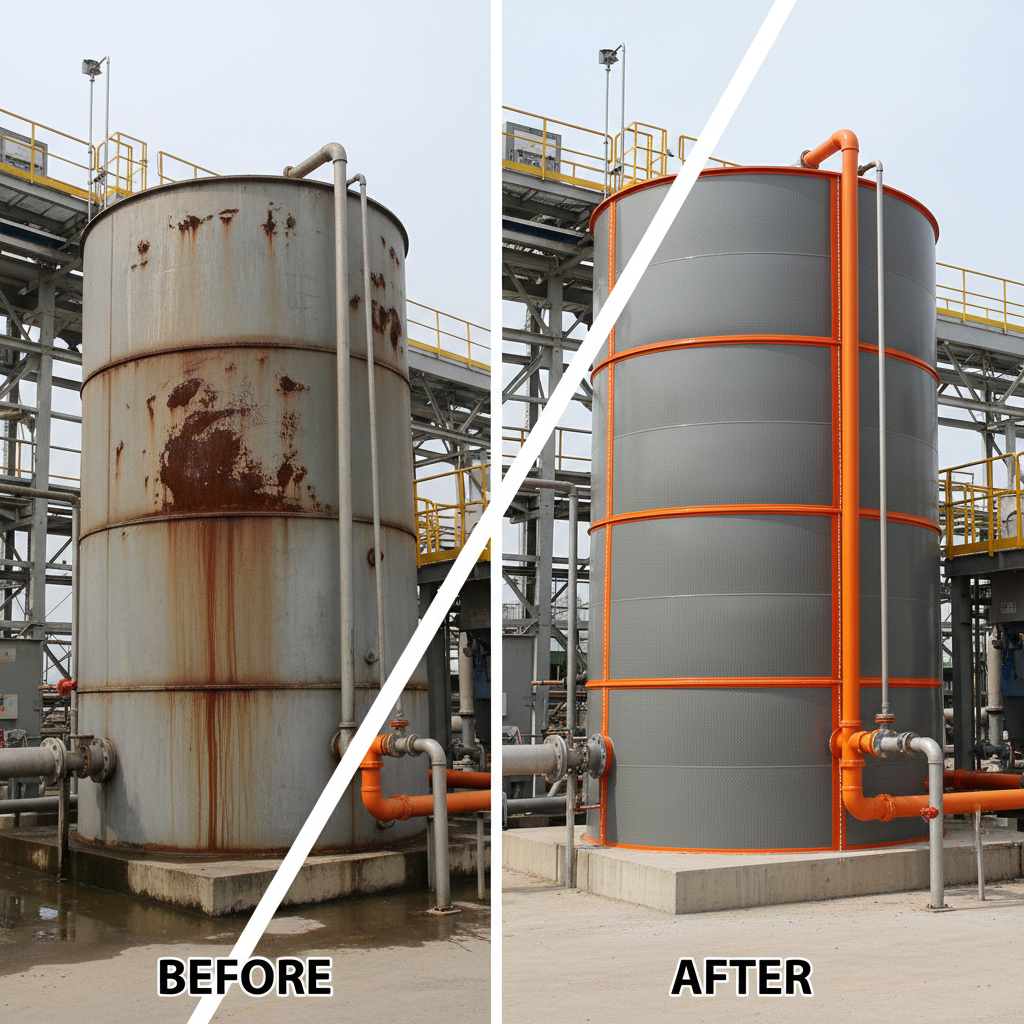
Durable and Portable 200 Gallon Fiberglass Tanks for Water Storage Solutions
Why the 200 Gallon Fiberglass Tank Still Matters Globally
Water storage solutions may not sound glamorous, but they’re absolutely critical everywhere from sprawling industries to remote villages. The 200 gallon fiberglass tank is a quiet workhorse in that world, combining durability, portability, and cost-effectiveness in one neat package. In an era where climate change and infrastructure pressures strain water access worldwide, tanks like these become linchpins for survival, industry, and sustainable development.
Understanding the impact and workings of this often-overlooked product casts new light on global water resilience – something the UN and World Bank continually emphasize as a development priority. So let's dive into what makes the 200 gallon fiberglass tank an essential piece of this puzzle.
The Global Context: A Tank for Today's Water Challenges
The UN's World Water Development Report estimates that by 2025, two-thirds of the world population could face water scarcity. Industrial expansion, unpredictable weather, and population growth exacerbate this issue. Tank storage helps buffer these stresses, giving communities and industries some breathing room to cope with supply interruptions.
Specifically, the 200 gallon fiberglass tank represents an ideal balance between size and portability. It's large enough to store a meaningful amount of water but still manageable for transport and installation. When emergency responders or industrial operators require rapid deployment or modular setups, variants of these tanks are the go-to choice. But the challenges don’t stop at availability:
- How to ensure long-term durability?
- How to maintain water quality?
- How to keep costs sustainable?
These are the real-life questions around which tank designs evolve.
What Exactly is a 200 Gallon Fiberglass Tank?
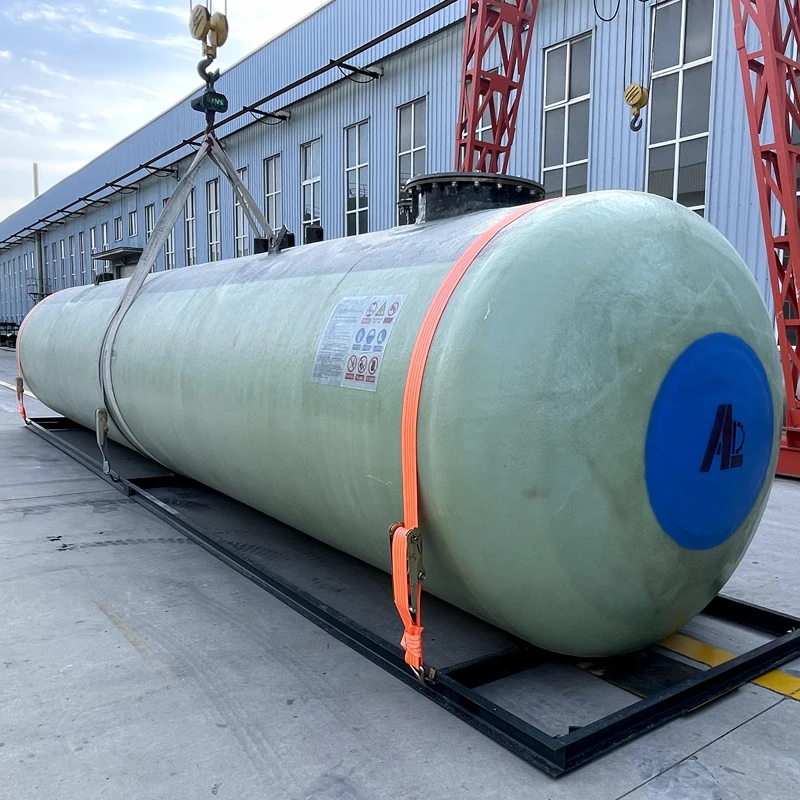
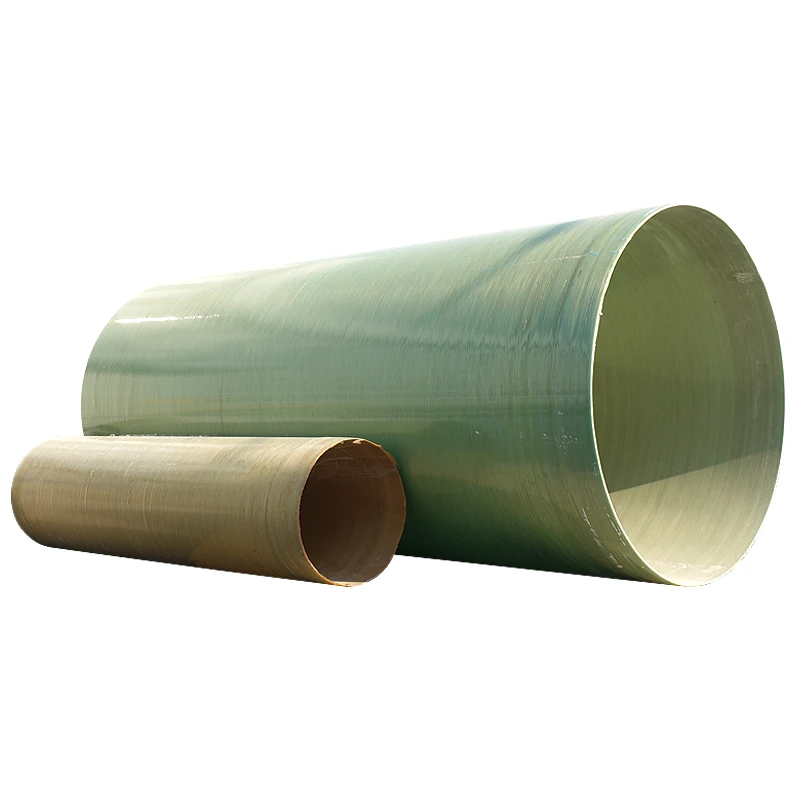
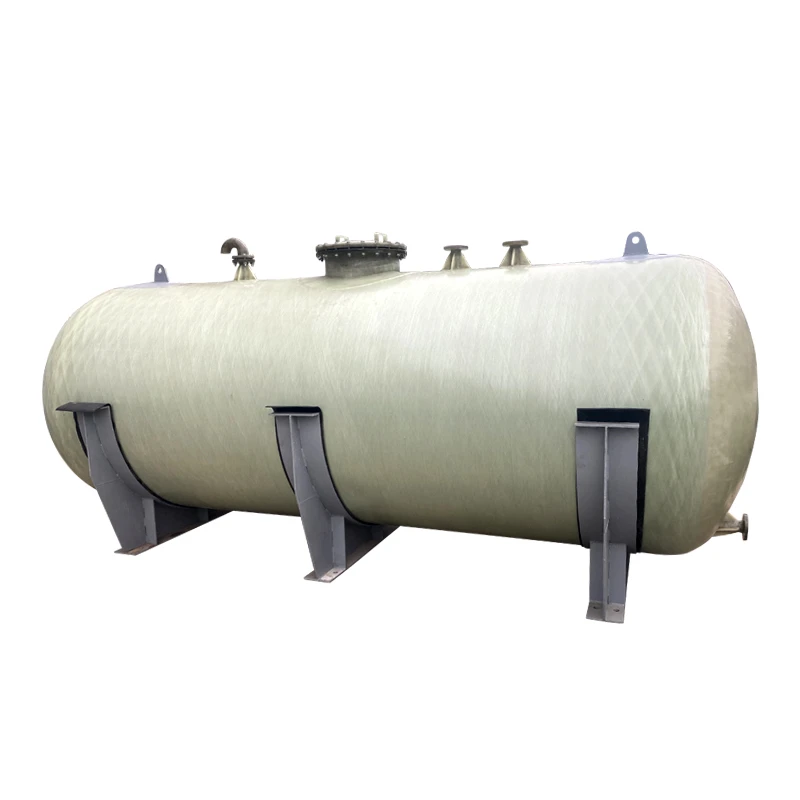
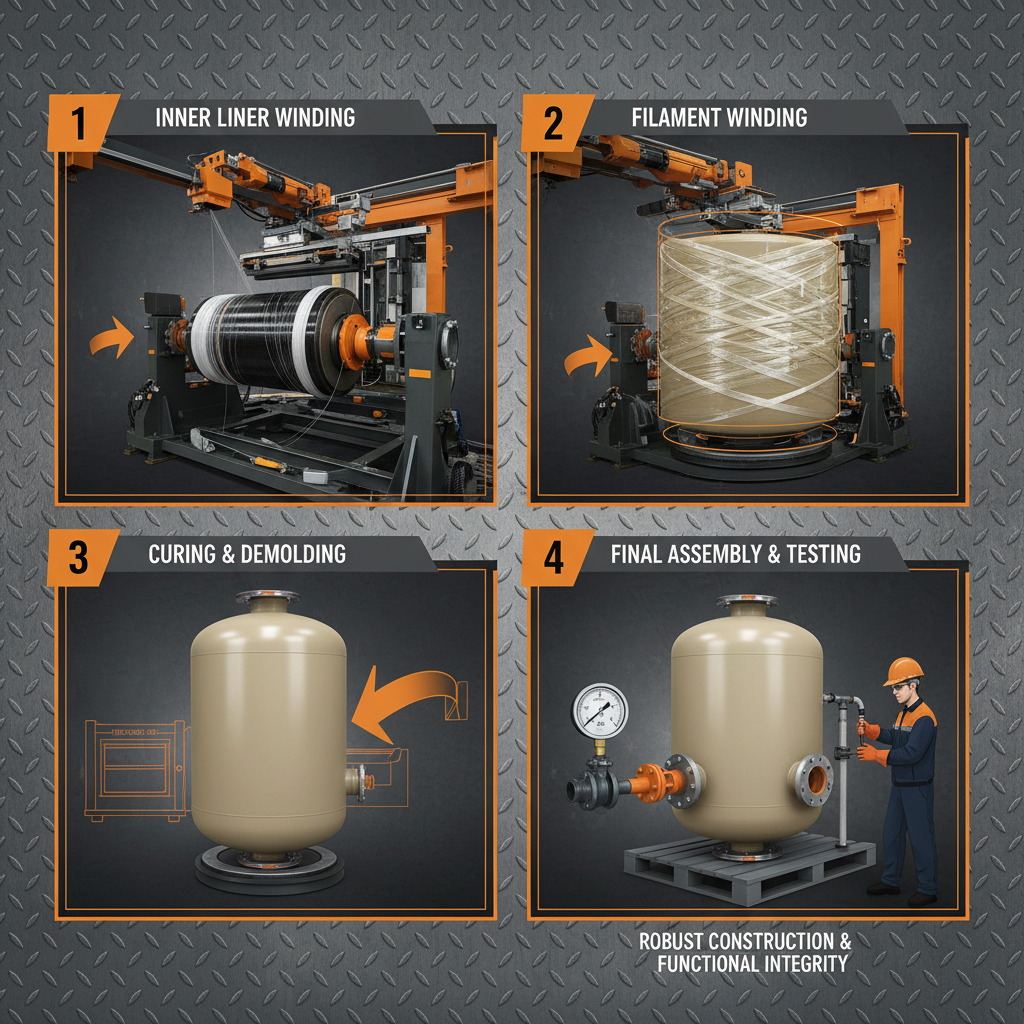
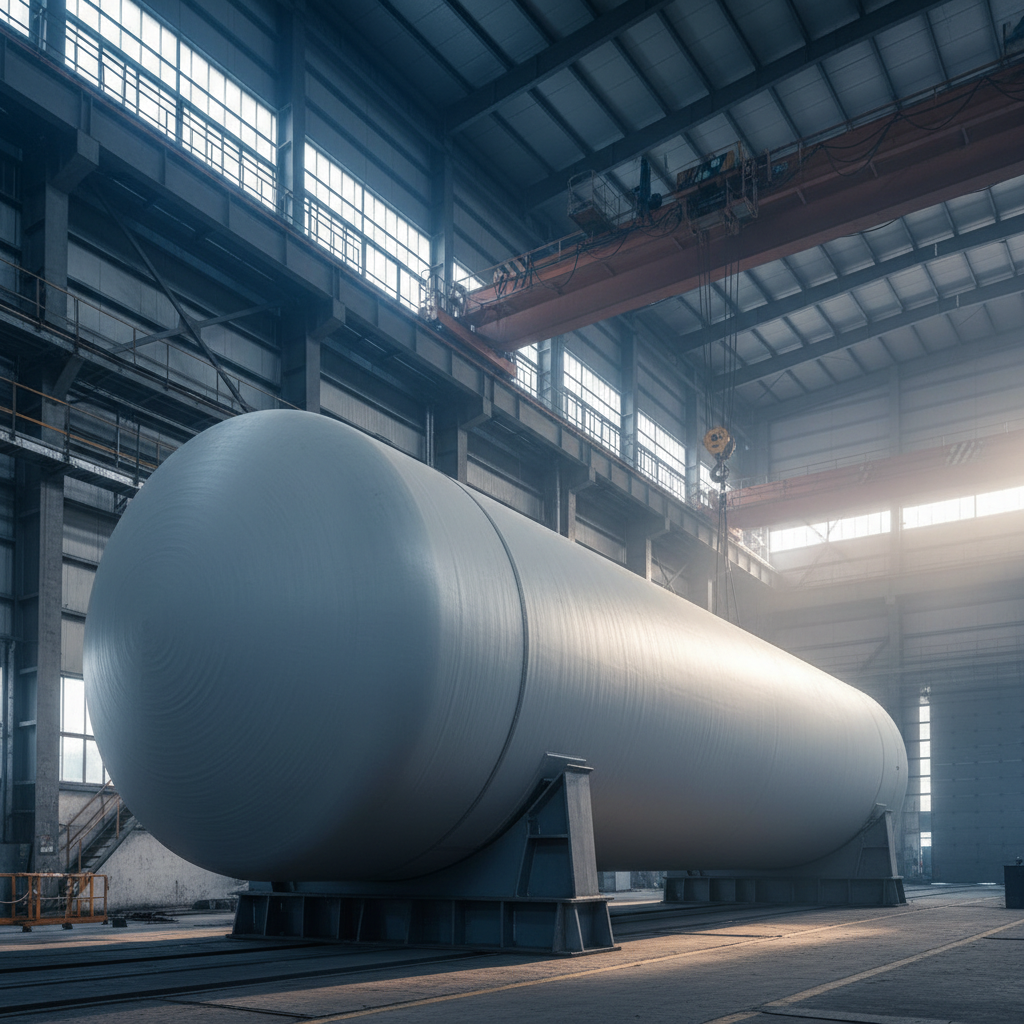
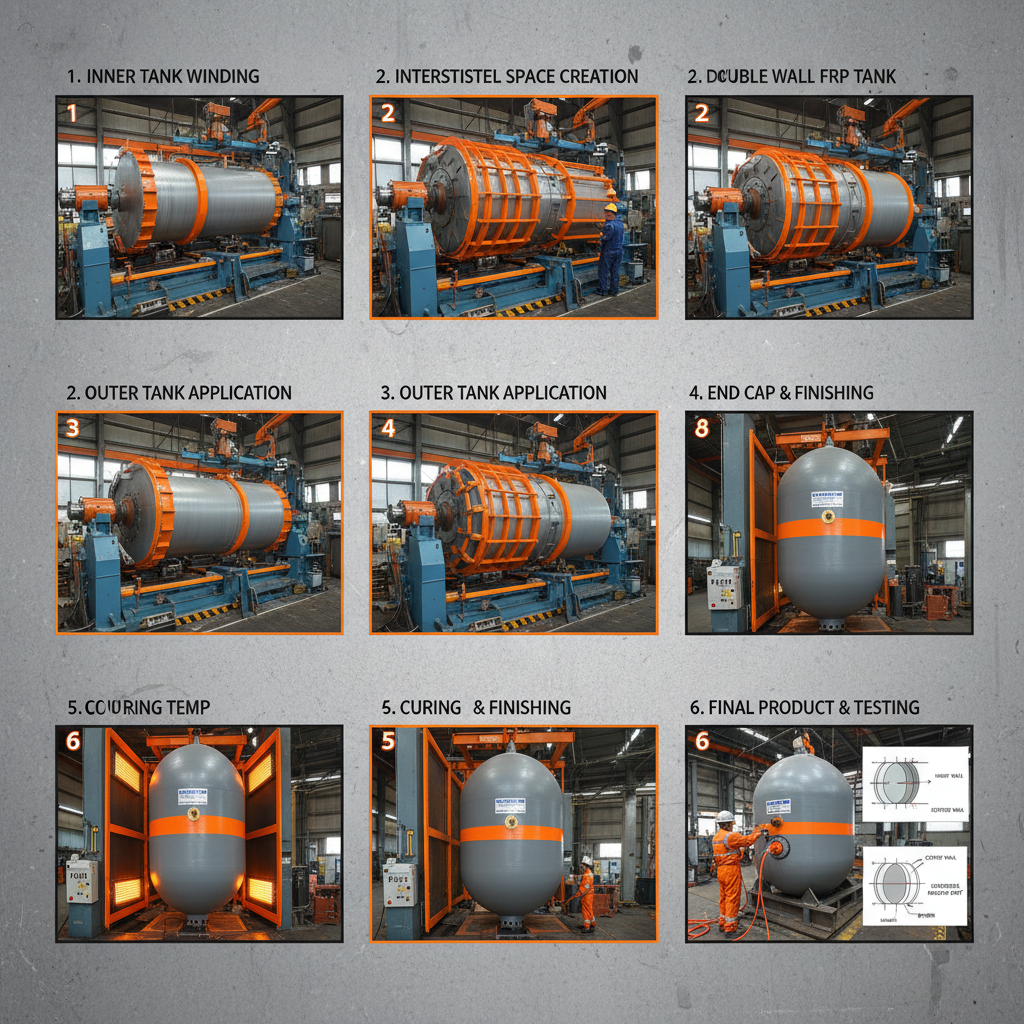
Put simply, a 200 gallon fiberglass tank is a container crafted from fiberglass reinforced plastic (FRP), designed to hold around 200 gallons (roughly 757 liters) of liquid—usually water or chemicals. Fiberglass makes these tanks lightweight yet tough, resistant to corrosion, UV rays, and many harsh chemicals.
This combination makes them invaluable in diverse settings: from storing potable water in humanitarian aid projects to holding industrial liquids. Unlike metal tanks, which rust easily or plastic tanks that may degrade faster, fiberglass offers longevity paired with ease of maintenance.
Mini Takeaway:
These tanks stand out because they blend durability with mobility, filling a niche indispensable for both emergency and industrial needs.
Key Features of the 200 Gallon Fiberglass Tank
Durability and Corrosion Resistance
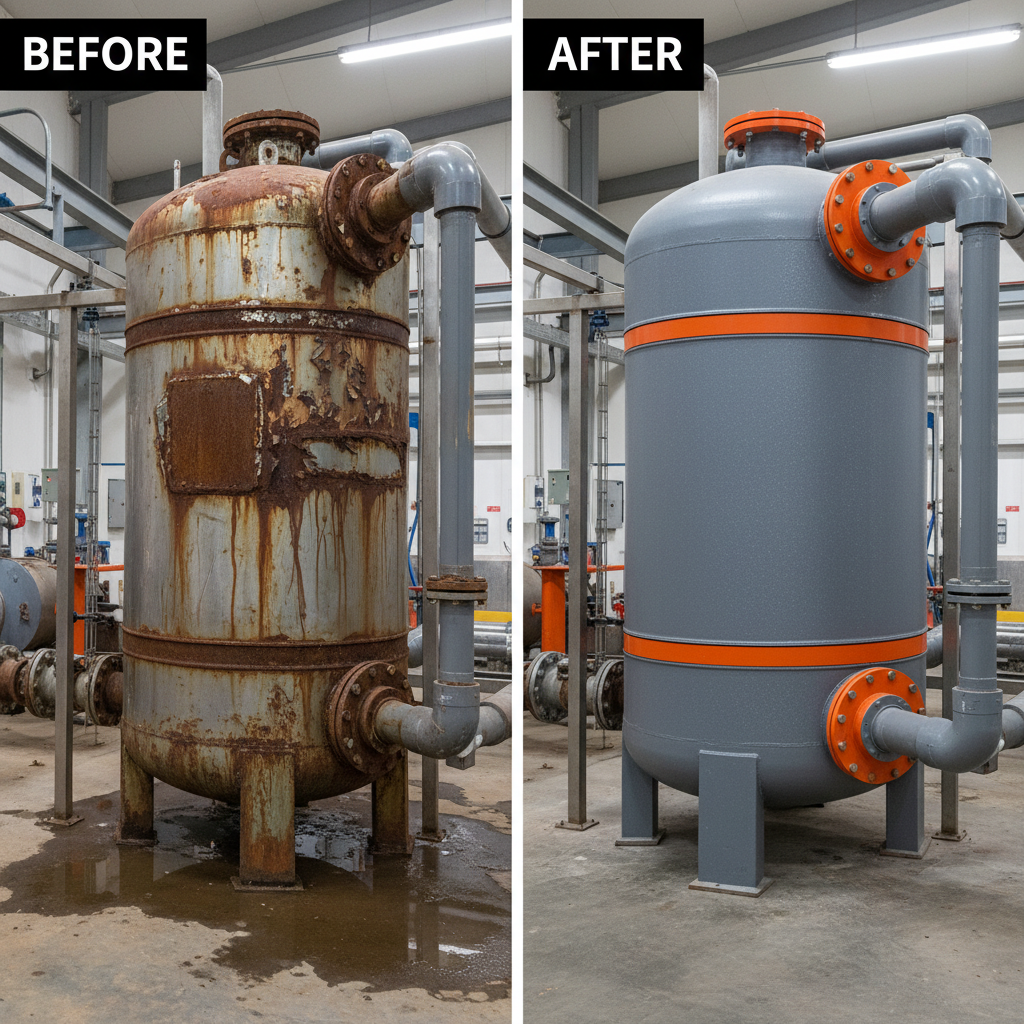
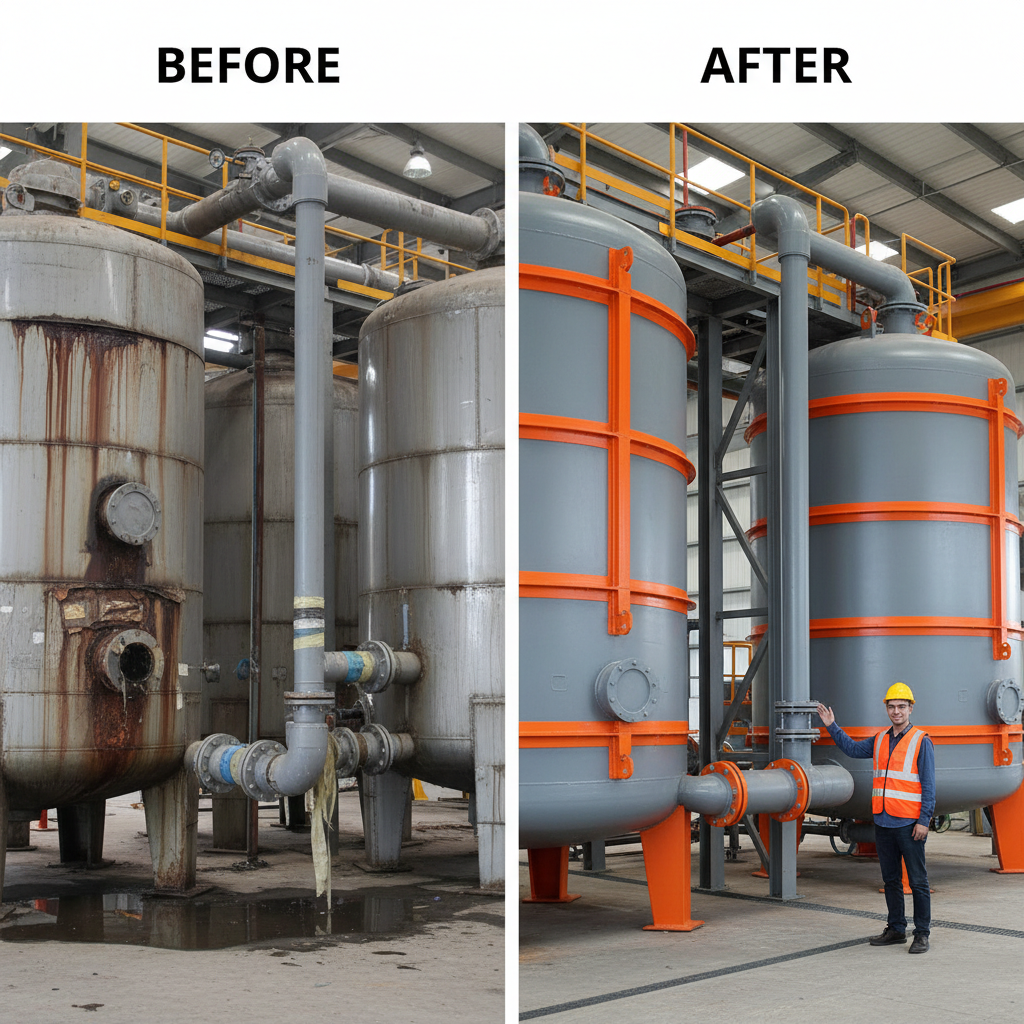
The strongest selling point has to be its resistance to corrosion. Fiberglass doesn’t rust, rot, or crack easily. Even after years exposed to sun, rain, or harsh chemicals, these tanks still hold strong — a critical factor when replacing or repairing tanks isn’t quick or simple.
Lightweight yet Strong Design
Fiberglass tanks are much lighter than metal counterparts of equal volume. This attribute makes transportation, installation, and relocation easier, particularly important in disaster zones or rough terrains where heavy machinery might be limited.
Cost Efficiency Over Time
While upfront costs can be slightly higher than simple plastic tanks, the longevity and low maintenance costs of fiberglass tanks more than make up for it. Over several years, the total cost of ownership usually ends up lower, which speaks volumes for budget-conscious operations.
Safe for Potable Water and Chemicals
Given their inert surfaces, fiberglass tanks can be certified safe for drinking water storage and various chemicals alike. This versatility opens doors for multiple industries requiring secure and contamination-free storage.
Customization and Sizes
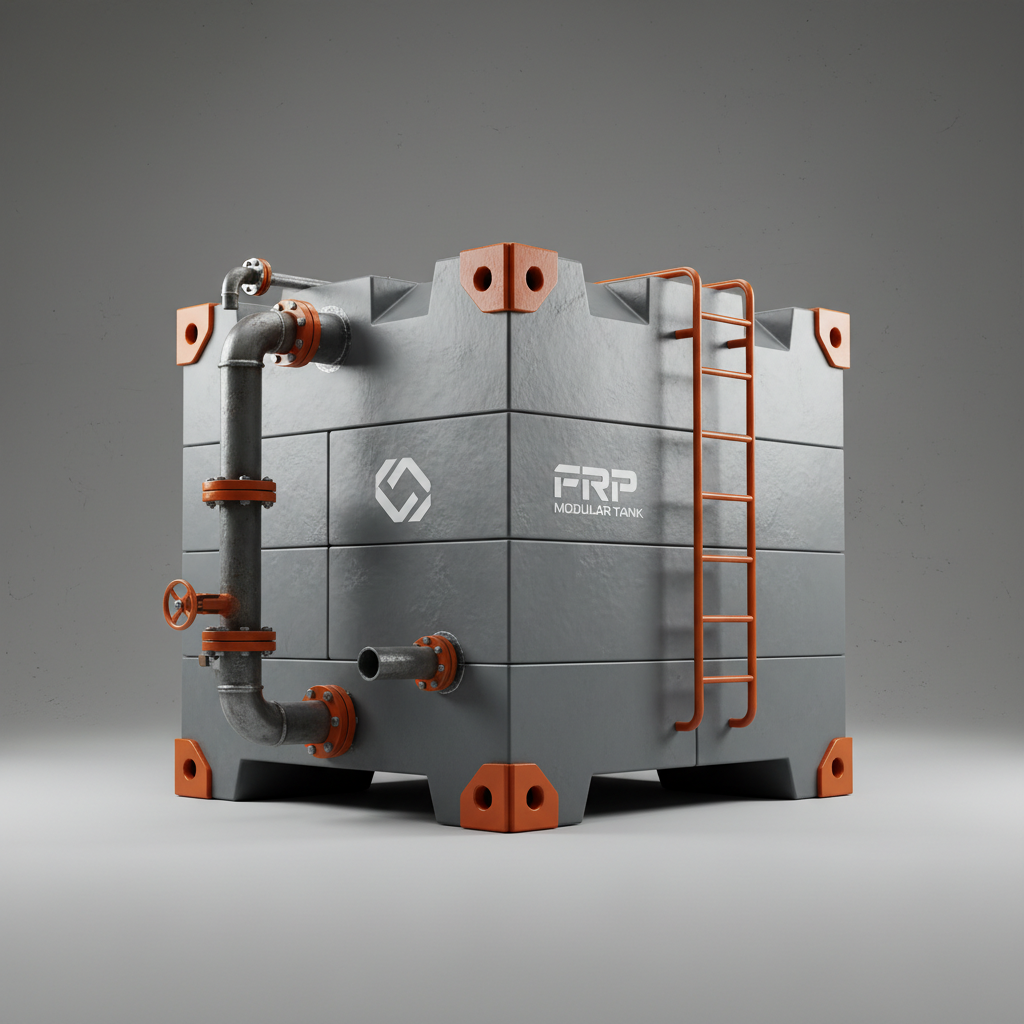
Although 200 gallons is a standard size, manufacturers often customize dimensions and fittings to meet precise industry needs, enhancing practical adaptability.
Maintenance and Longevity
Cleaning and upkeep of fiberglass tanks are straightforward compared to steel tanks, which often require repainting or anti-corrosive treatments. I’d say this reduces not only labor but environmental impact from coatings or chemical treatments.
Mini Takeaway:
Its technical strengths boil down to long-lasting resilience and practical adaptability — those qualities you just don’t want to skimp on when water storage is mission-critical.
Specifications of a Typical 200 Gallon Fiberglass Tank
| Parameter | Detail |
|---|---|
| Material | Fiberglass Reinforced Plastic (FRP) |
| Capacity | 200 gallons (~757 liters) |
| Dimensions (approx.) | 48" diameter × 60" height (customizable) |
| Weight (empty) | ~60 lbs (27 kg) |
| Chemical resistance | High (various acids, alkalis) |
| UV Resistance | Good, with gel coat finish |
| Intended use | Water storage, chemical storage, emergency relief |
Where Do 200 Gallon Fiberglass Tanks Fit in the World?
Industries ranging from agriculture to manufacturing rely heavily on medium-scale water storage tanks. In regions like sub-Saharan Africa, these tanks store safe drinking water in remote villages, sometimes set up as part of NGO water projects. In Southeast Asia, manufacturers use them in factories handling corrosive chemicals because fiberglass handles chemical contact better than many metals or plastics.
In emergency contexts, such as after hurricanes or floods, responders deploy these tanks quickly to supply clean water, often mounted on vehicles or trucks thanks to their manageable size and weight. Frankly, their portability can be a lifesaver.
- Post-disaster relief: Portable water tanks help maintain safe drinking water supplies.
- Remote industrial zones: Fuel chemical storage where infrastructure is minimal.
- Agricultural irrigation: Stable water sources during dry seasons.
Mini Takeaway:
In short, wherever there’s a need for reliable, medium-volume liquid storage without heavy infrastructure, the 200 gallon fiberglass tank shows up.
Comparing Top Vendors of 200 Gallon Fiberglass Tanks
| Vendor | Price Range | Customization Options | Warranty | Delivery Timeframe |
|---|---|---|---|---|
| FRP Global | $600 - $850 | Size, fittings, color, accessories | 5 years | 2 - 3 weeks |
| AquaSafe Tanks | $550 - $800 | Standard sizes only, limited fittings | 3 years | 1 - 2 weeks |
| Duraflex Tanks | $700 - $950 | Fully customizable, chemical resistant coatings | 7 years | 3 - 4 weeks |
Advantages and Long-Term Benefits of Fiberglass Tanks
For industries or communities planning years ahead, these tanks represent an investment worth considering. Their resistance to corrosion and UV means less downtime, fewer replacements, and fewer surprises — all critical for maintaining trust and safety. Sustainability also benefits since fewer tanks need manufacture and disposal.
On a human level, using reliable tanks prevents the tragic consequences of contaminated water or supply interruptions. It’s a blend of engineering, trust, and dignity — something you don’t often hear linked to storage tanks, but it fits.
Future Trends: What's Next for the 200 Gallon Fiberglass Tank?
Here’s where it gets exciting. Innovations such as incorporating nanomaterial coatings for improved anti-microbial properties are under research. Integrating smart sensors to monitor water quality or levels remotely is slowly gaining traction, fitting in with the wider Internet of Things revolution.
Environmental sustainability also shapes future designs — attempts to use recycled fiberglass and bio-based resins aim to reduce the carbon footprint of these tanks. We might soon see them not just as static storage but as part of smart water management ecosystems.
Challenges & How They're Being Addressed
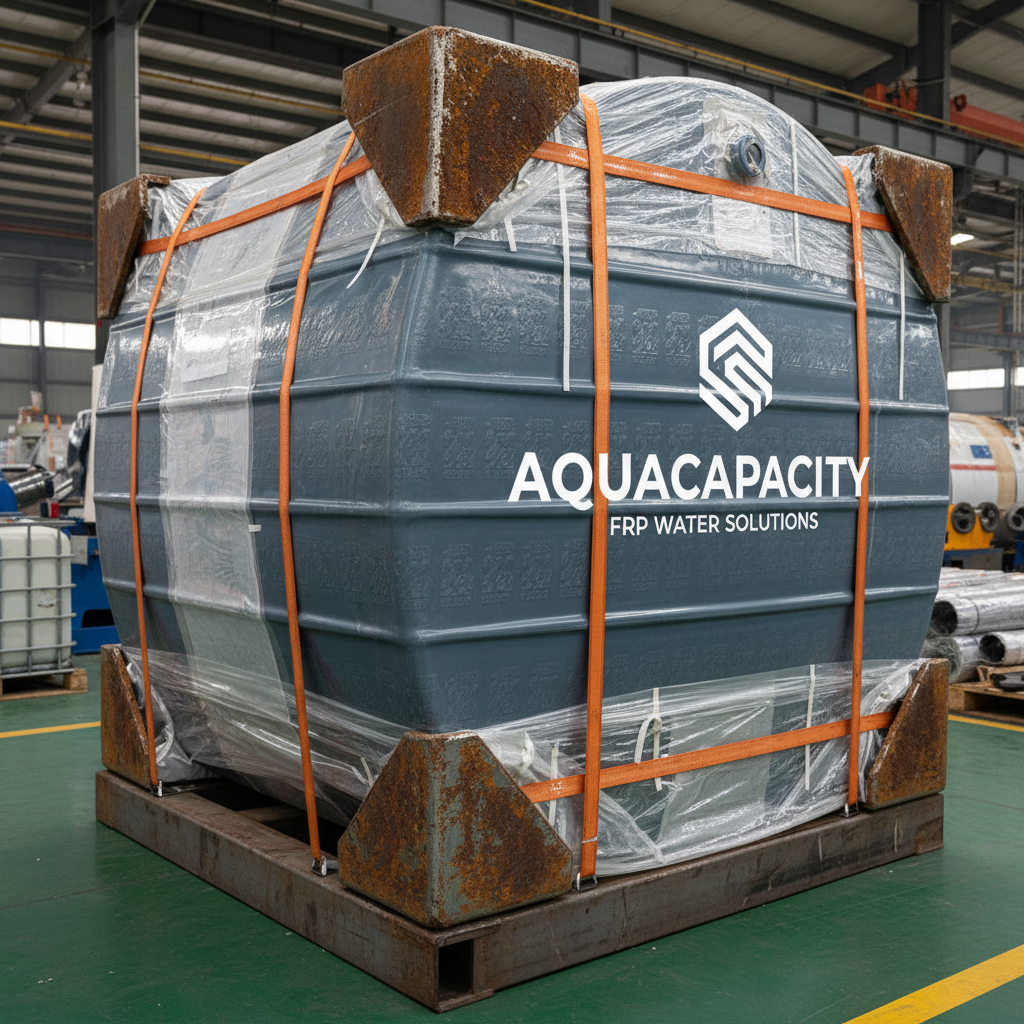
Fiberglass tanks, while robust, aren’t completely foolproof. UV degradation can eventually occur if gel coats wear off. Improper installations may also cause stress points leading to cracks. Shipping damages or rough handling sometimes reduces lifespan — that human factor is hard to engineer away.
Resolver? More rigorous quality control, improved training for field engineers, and better packaging standards mitigate these issues. Also, developing standardized testing per ISO protocols helps ensure consistent quality worldwide.
Frequently Asked Questions About 200 Gallon Fiberglass Tanks
- What materials make these tanks resistant to corrosion?
- The use of fiberglass reinforced plastic (FRP) combines glass fibers and resin to create a non-reactive, corrosion-resistant tank surface that better withstands chemicals and weathering than metal alternatives.
- Can these tanks be used for drinking water storage?
- Absolutely. When manufactured with food-grade resins and proper gel coats, 200 gallon fiberglass tanks are safe for potable water, commonly used in humanitarian and rural water systems.
- How portable are these tanks for emergency use?
- Thanks to their relatively light weight (around 60 lbs empty) and compact size, these tanks can be transported by standard vehicles and quickly installed on-site without heavy machinery.
- What kind of maintenance do fiberglass tanks require?
- They need regular inspection for any surface damage, cleaning to prevent biofilm buildup, and occasional re-coating depending on exposure, but overall maintenance is less intensive than metal tanks.
- Are custom sizes or fittings available?
- Many suppliers offer customization to tailor fittings, dimensions, and coatings to specific industry needs, enhancing the tank’s versatility and function.
Conclusion: A Practical Investment in Water Security
In a world increasingly shaped by water availability challenges, the 200 gallon fiberglass tank remains a reliable, versatile, and cost-effective solution. Its balance of durability, portability, and adaptability makes it an indispensable asset — whether you’re an industrial operator, a humanitarian organization, or a rural community leader.
Exploring this product brought home how sometimes, the simplest structures carry the most weight in global resilience. If you’re interested in reliable water storage that’s proven over decades, don't miss out: 200 gallon fiberglass tank options await your inspection and inquiry.