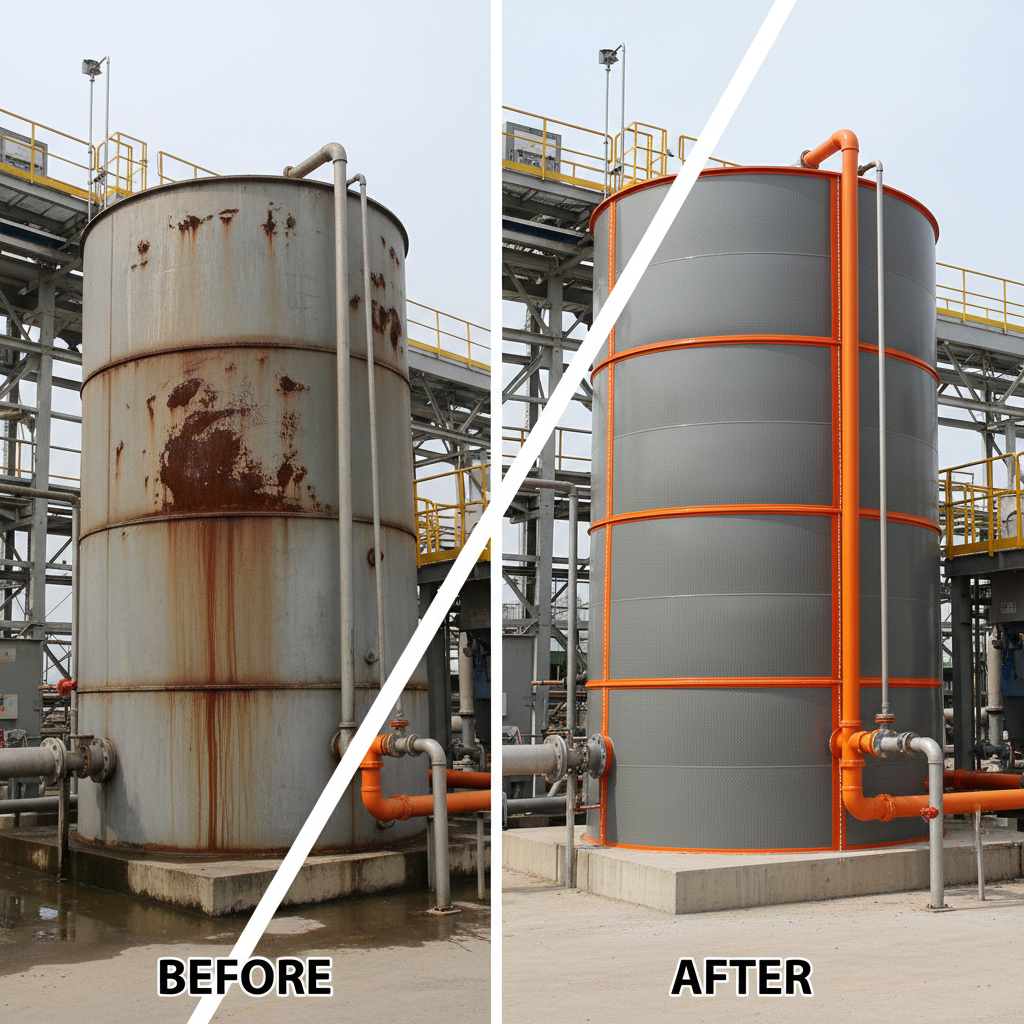
Durable Fiberglass Sump Tanks for Industry & Environment | Reliable Liquid Storage Solutions
Why Fiberglass Sump Tanks Matter in Today’s World
If you’re not deeply familiar with industrial tanks, "fiberglass sump tank" might sound like just another piece of equipment. But this seemingly simple container plays a surprisingly big role on a global scale. These tanks store liquids — often wastewater or chemicals — safely underground or out of sight, which is critical for industries, disaster relief, and environmental safety.
Understanding fiberglass sump tanks means grasping how industries prevent spills, protect communities, and comply with increasingly strict environmental regulations worldwide. So whether you’re a plant manager, an environmental engineer, or just curious about infrastructure, this is a topic with tangible impacts on safety and sustainability.
Mini takeaway: Fiberglass sump tanks are unsung heroes protecting facilities and ecosystems globally by safely managing liquid storage.
The Global Context: Why Fiberglass Sump Tanks Are Gaining Attention
Across continents, industries from petrochemical plants in the Middle East to wastewater management systems in Europe increasingly depend on fiberglass sump tanks. According to the International Organization for Standardization (ISO), regulations on containment to prevent leakage losses have tightened sharply over the past decade (ISO 9001:2015).
UN data reveals that industrial contamination from outdated storage systems affects millions of people yearly. In that light, switching to reliable and corrosion-resistant tanks is no longer optional but mandatory in many regions. Also, the growth of urban infrastructure and industrial zones in Asia-Pacific means the demand for sustainable containment solutions, like fiberglass sump tanks, is rapidly rising.
Yet challenges remain: how do you ensure these tanks withstand harsh chemicals, last decades underground, and remain cost-effective? The search for answers is driving both innovation and adoption worldwide.
Mini takeaway: The global push for safer, sustainable liquid containment highlights fiberglass sump tanks as a go-to option for meeting modern regulations and environmental goals.
What Exactly Is a Fiberglass Sump Tank?
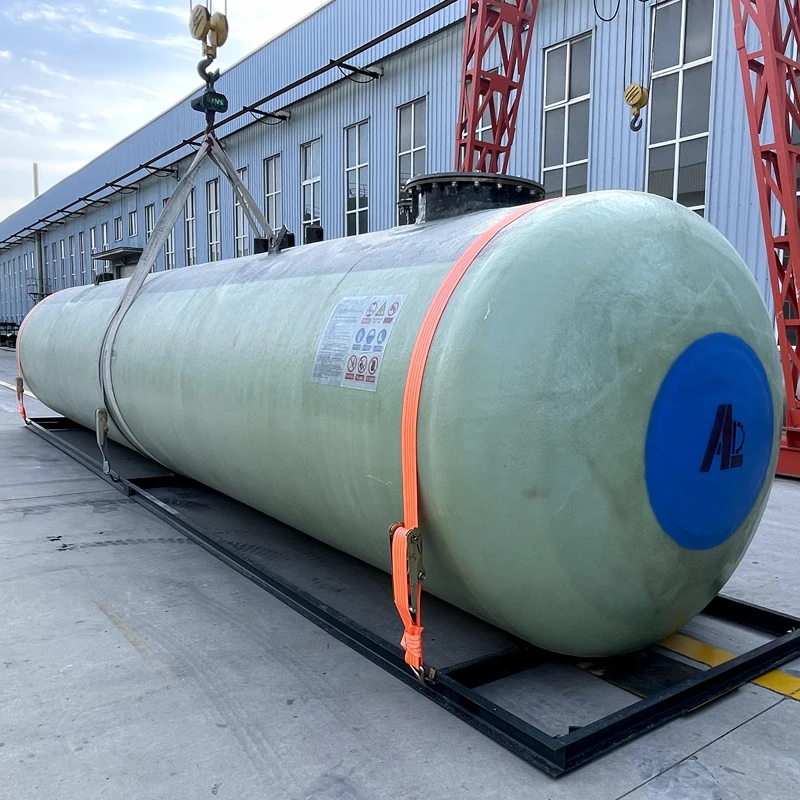
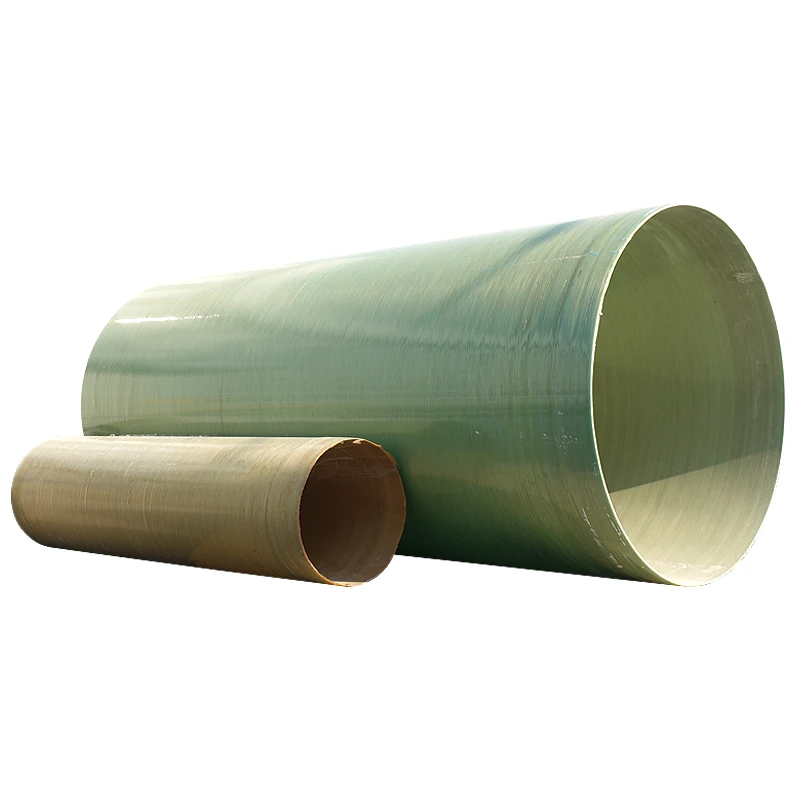
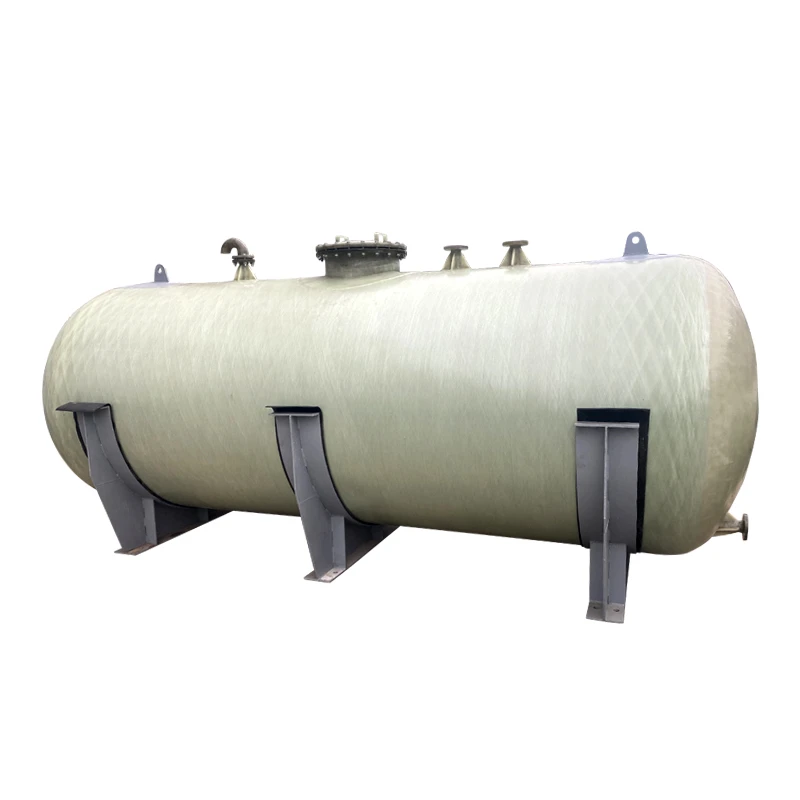
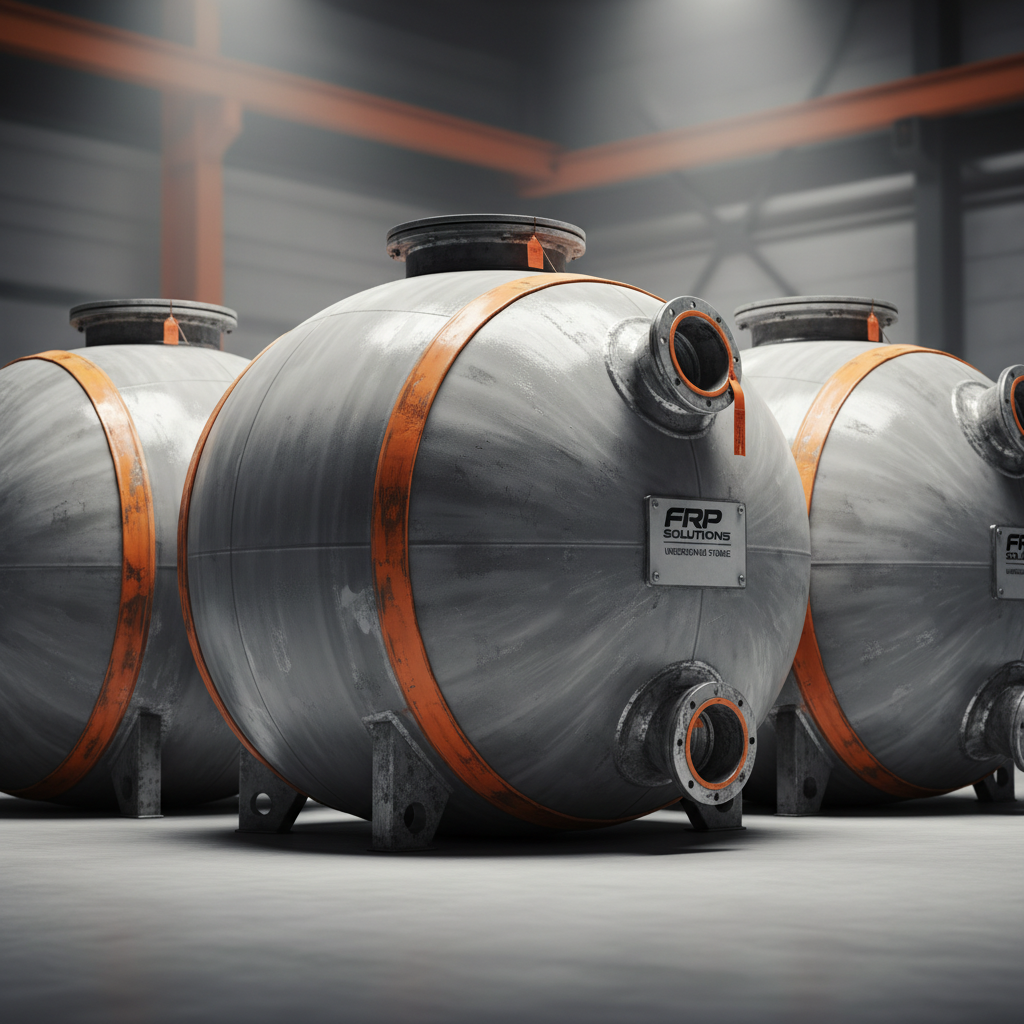
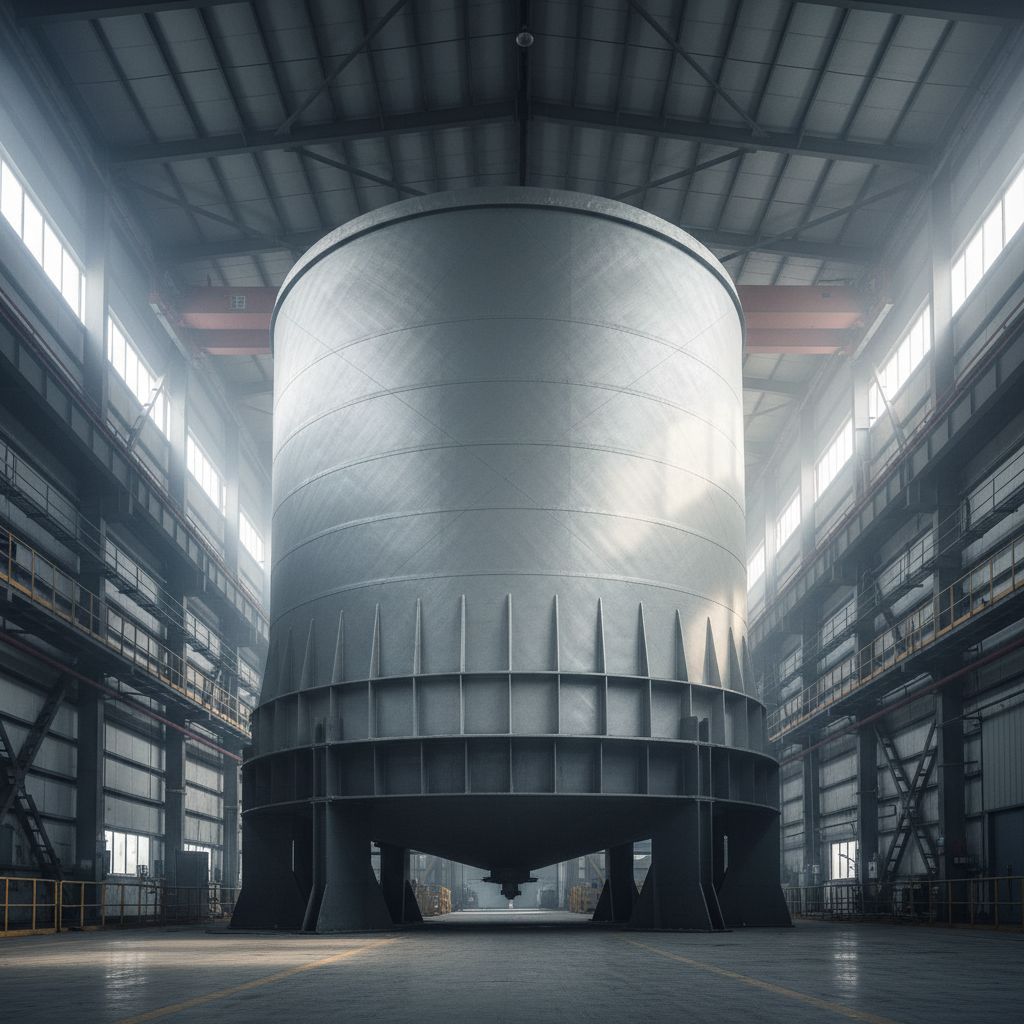
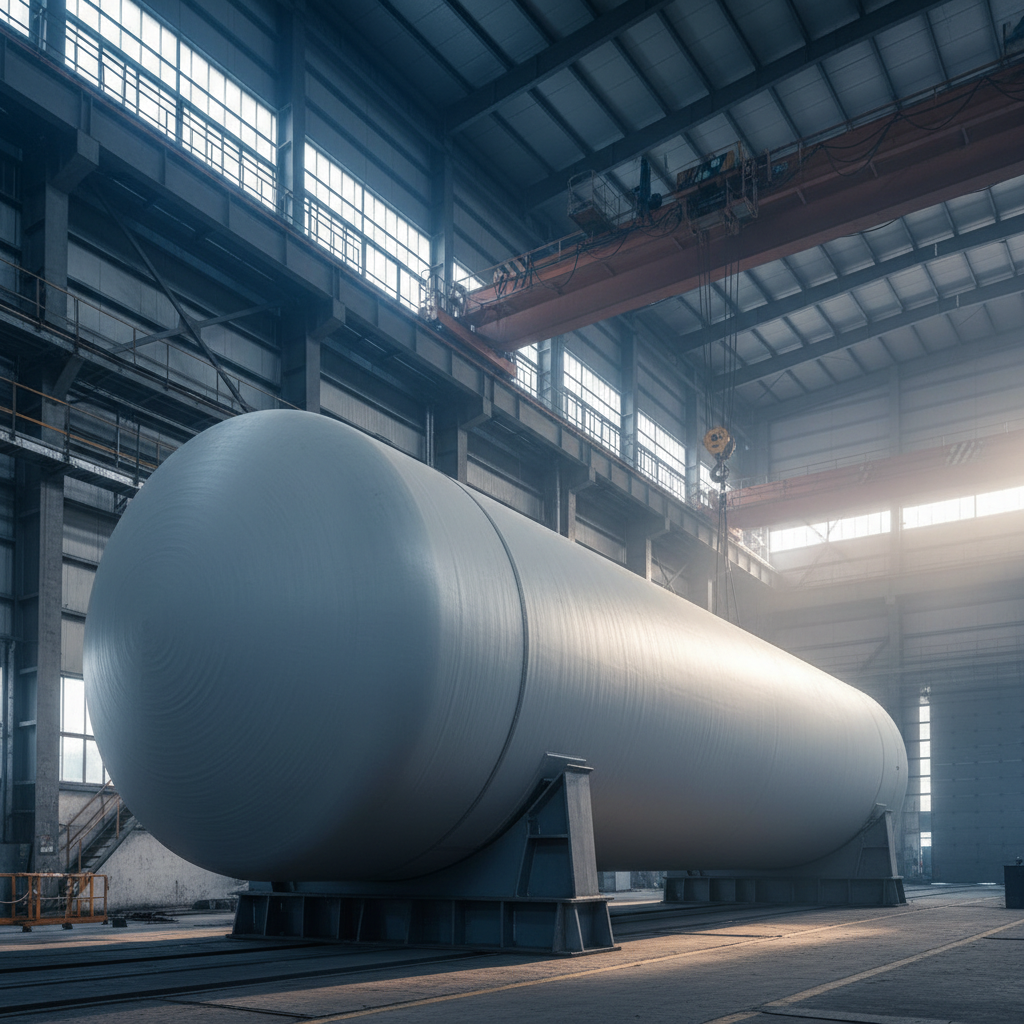
At its core, a fiberglass sump tank is a rigid, corrosion-resistant container made primarily from fiberglass reinforced plastic. It’s designed to sit below or above ground, collecting, holding, and often isolating hazardous or wastewater liquids for treatment or disposal.
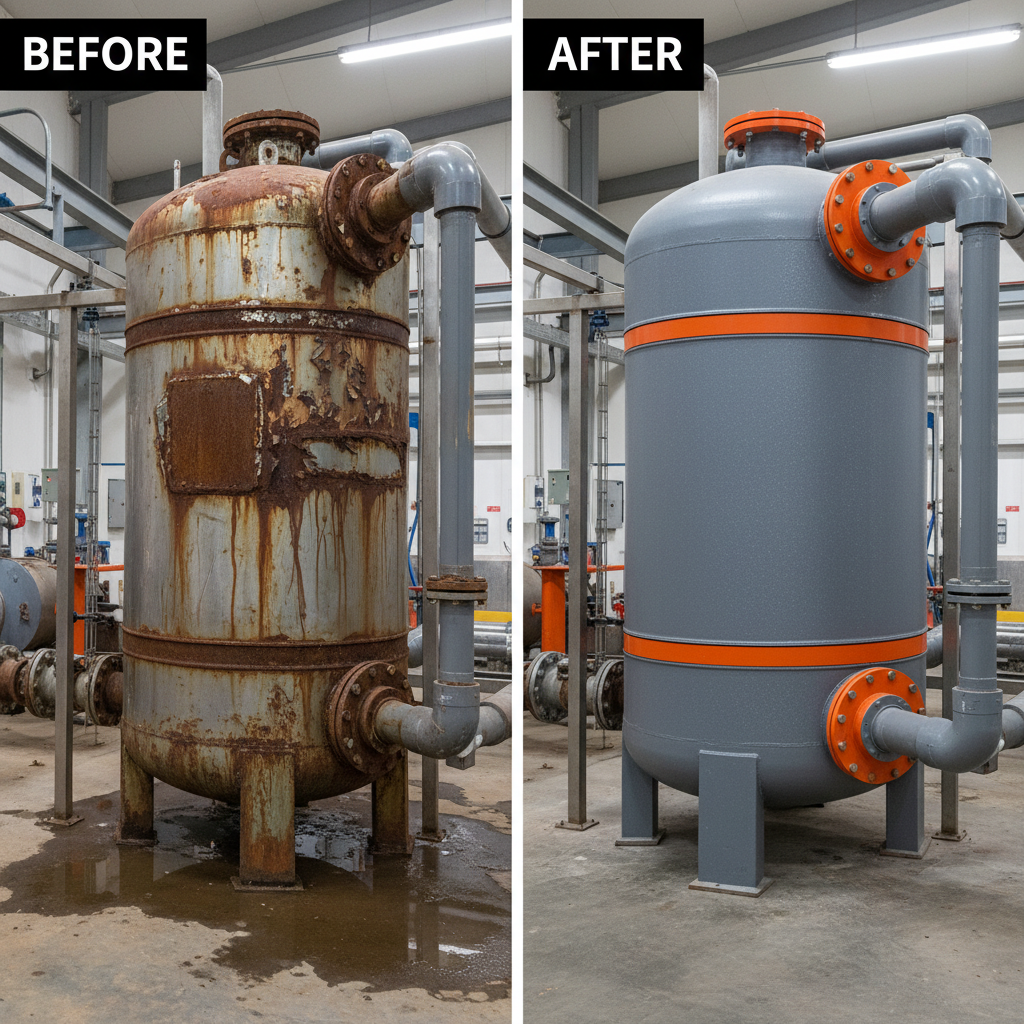
Think of it as a robust, watertight bucket but engineered to survive decades of chemical exposure, underground pressure, and weather extremes. Unlike metal tanks, which rust and degrade, fiberglass stores liquids safely with a minimal maintenance footprint.
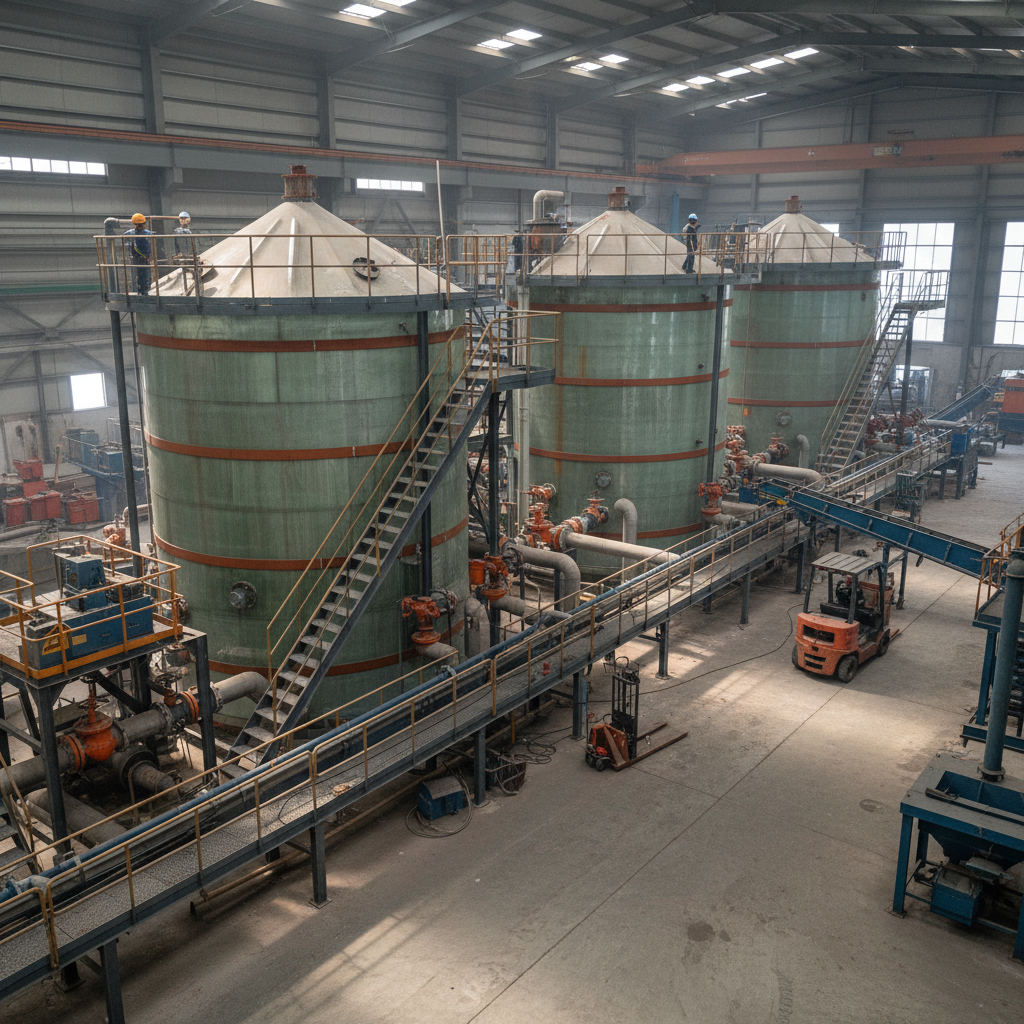
Industries from manufacturing to sewage treatment rely on these tanks not just because they’re tough, but because they help protect workers, nearby populations, and the environment.
fiberglass sump tank manufacturers emphasize this reliability as key—especially in sensitive applications like chemical plants or remote field stations.
Mini takeaway: Simply put, fiberglass sump tanks are durable, chemical-resistant containers specially made for liquid containment where safety and longevity matter.
Key Features That Define Fiberglass Sump Tanks
1. Durability Against Corrosion
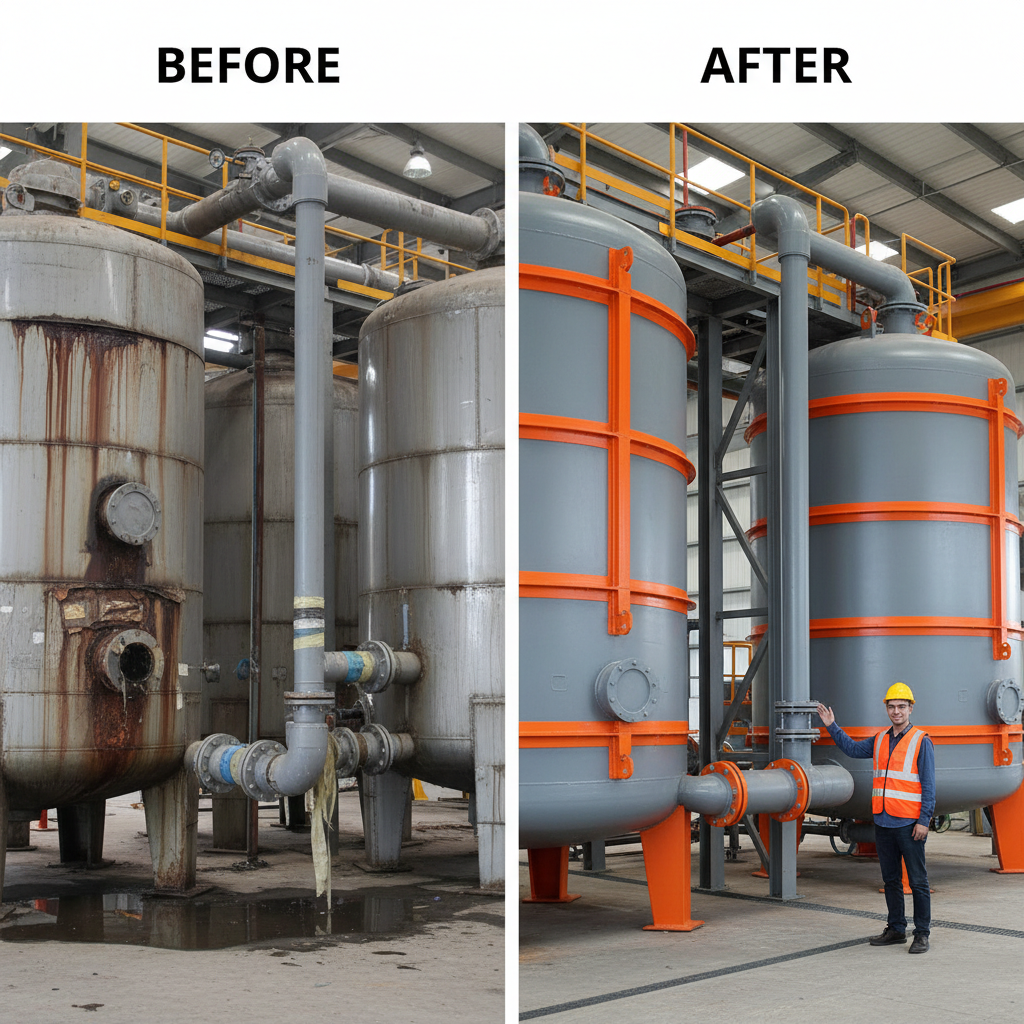
Fiberglass’s non-metallic composition means it resists rust and chemical attacks that shorten the life of steel tanks. Many engineers note this dramatically reduces maintenance cycles, which right there saves time and money. Plus, a fiberglass sump tank can handle acids, alkalis, and solvents that would eat through metal.
2. Lightweight and Easy Installation
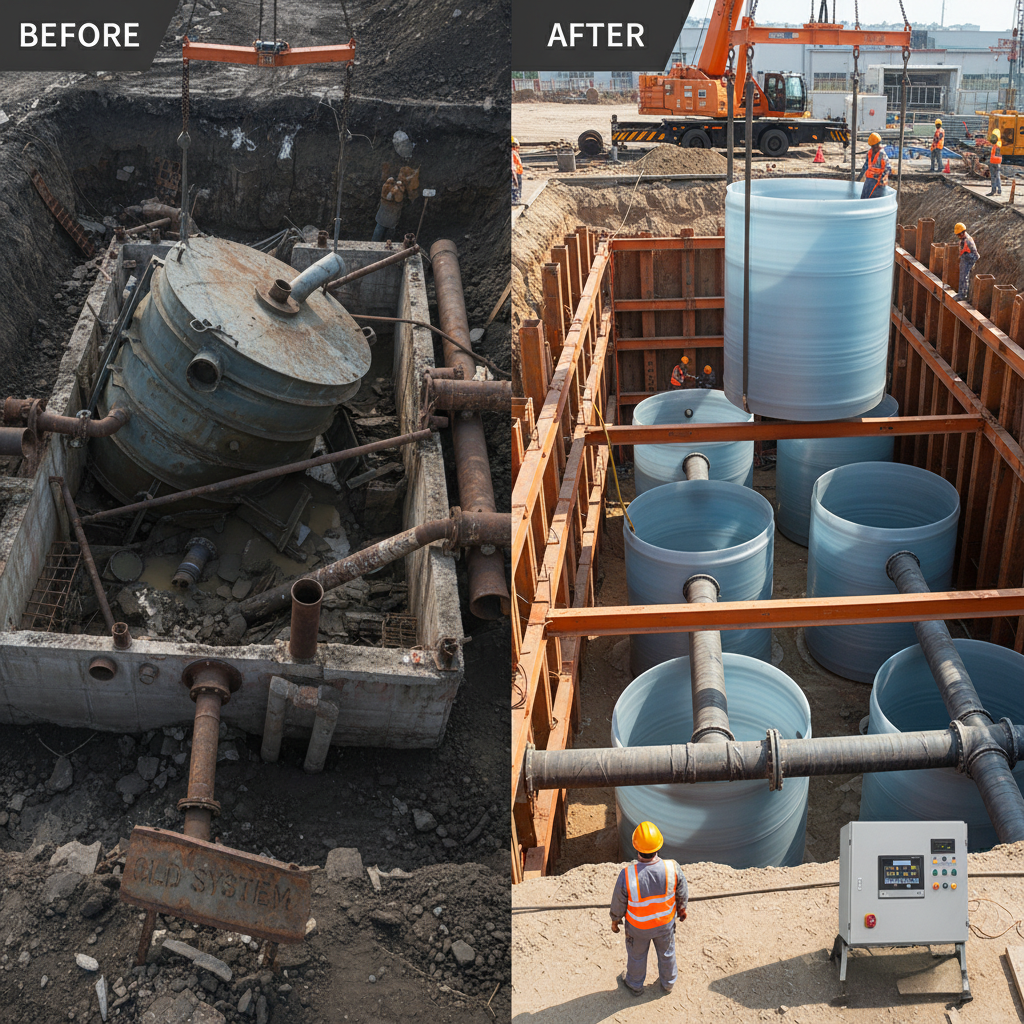
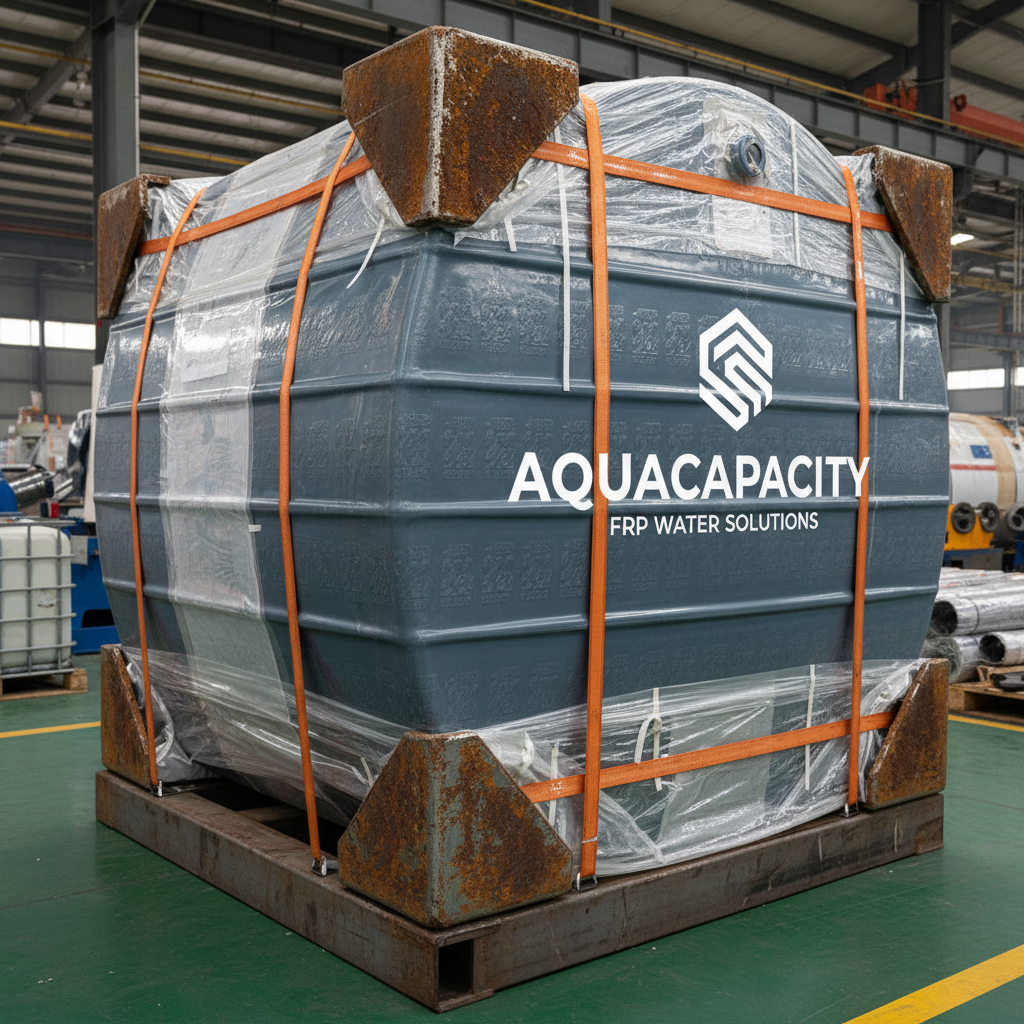
Surprisingly, these tanks weigh far less than their metal counterparts, making transportation and installation easier — especially useful in remote or disaster-affected areas where heavy machinery isn’t an option.
3. Structural Integrity and Sealing
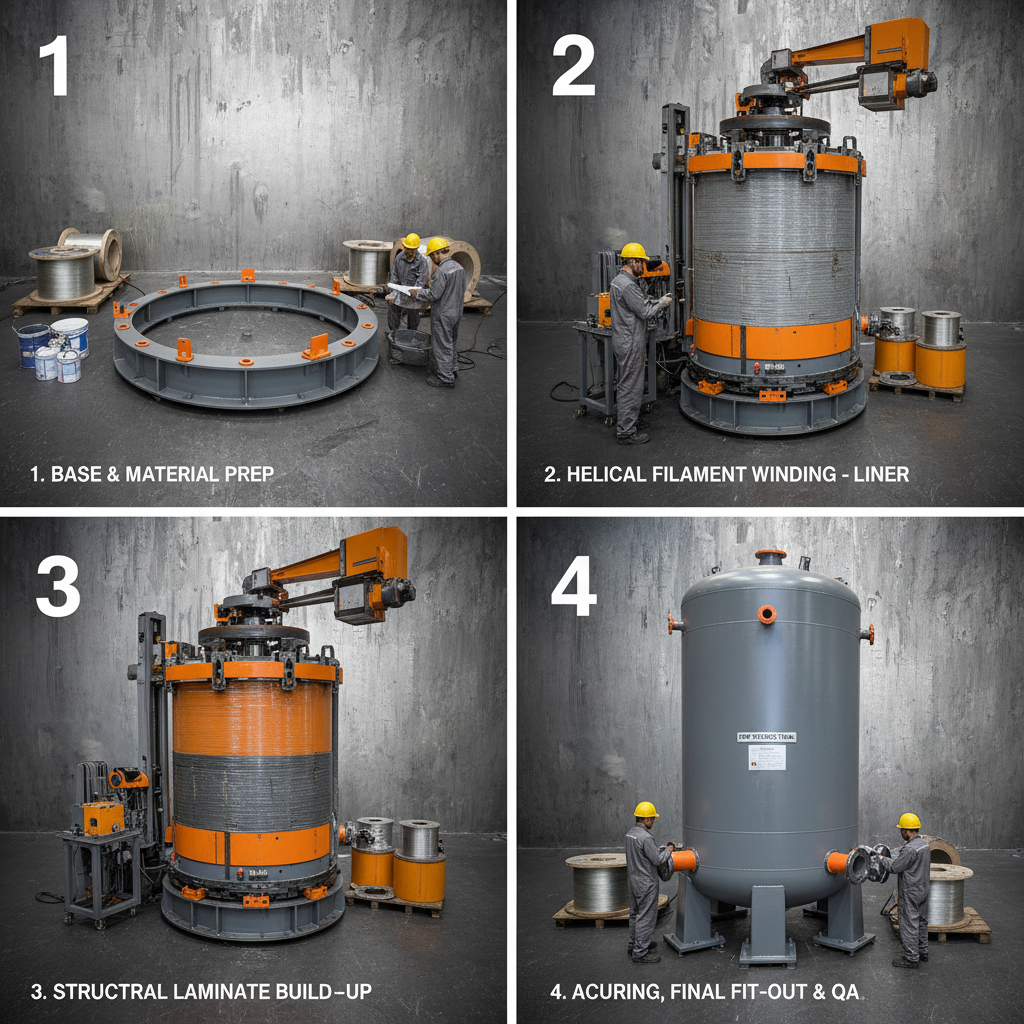
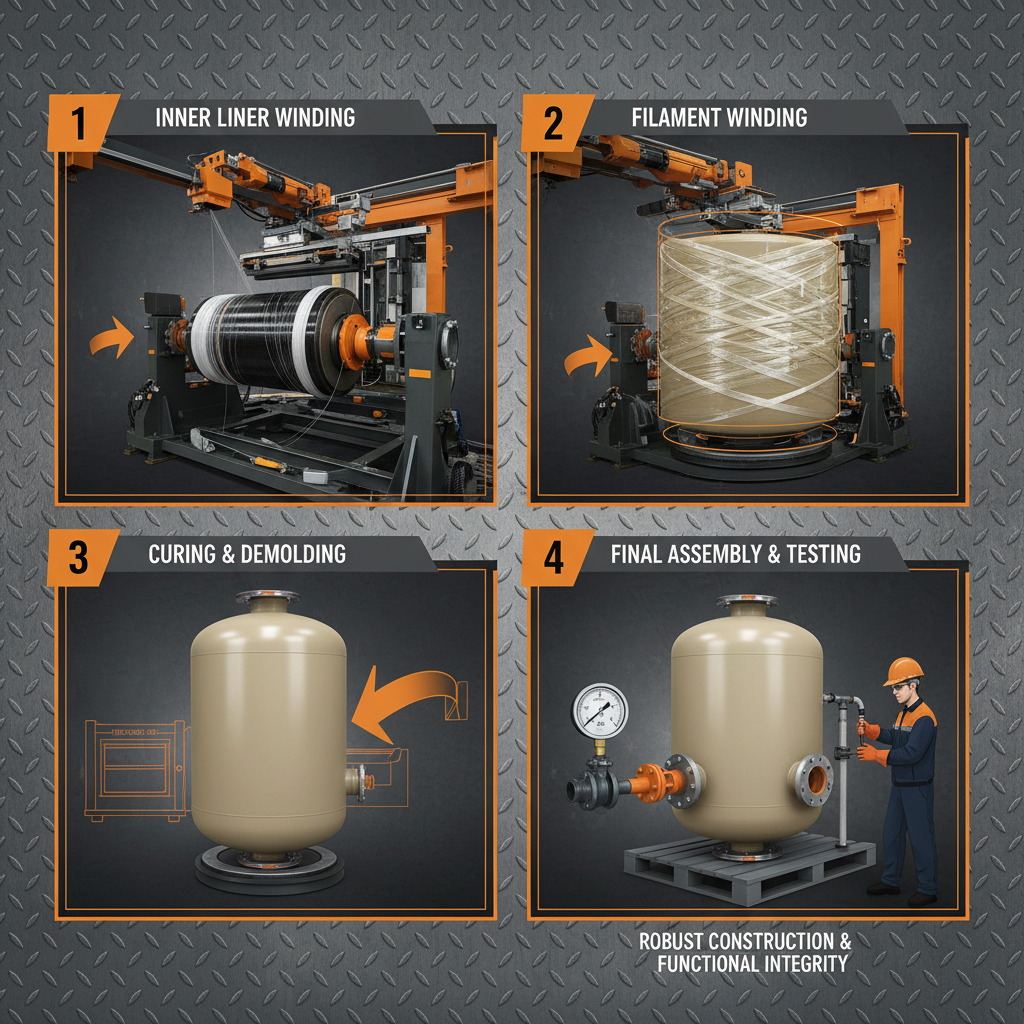
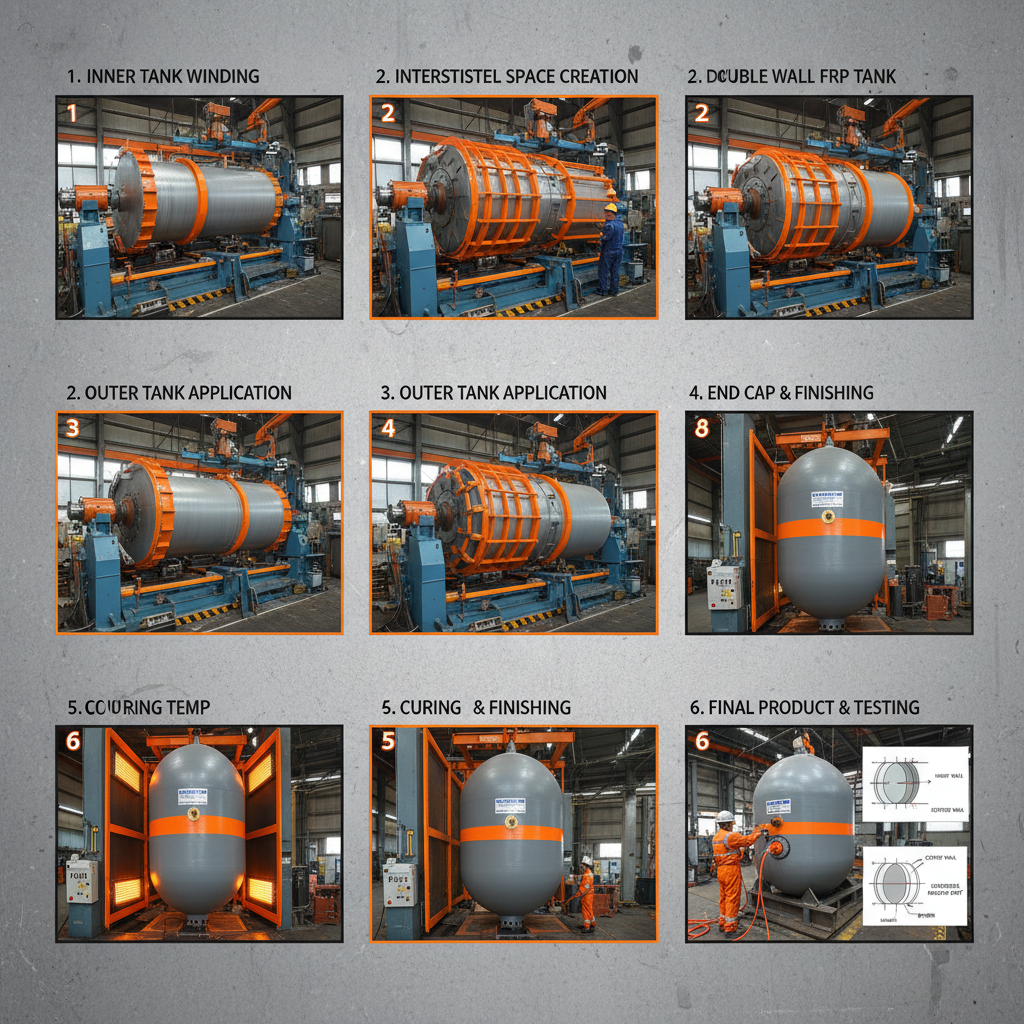
Thanks to precise molding techniques, the tanks are seamless and leak-resistant — crucial when holding hazardous waste or sensitive liquids. The flexibility of fiberglass also means tanks can handle slight ground movement without cracking.
4. Cost Efficiency Over Time
While initial costs may be higher than some plastic options, lifecycle costs are often much lower due to minimal repairs, no corrosion prevention coatings, and longer product life.
5. Scalability and Customization
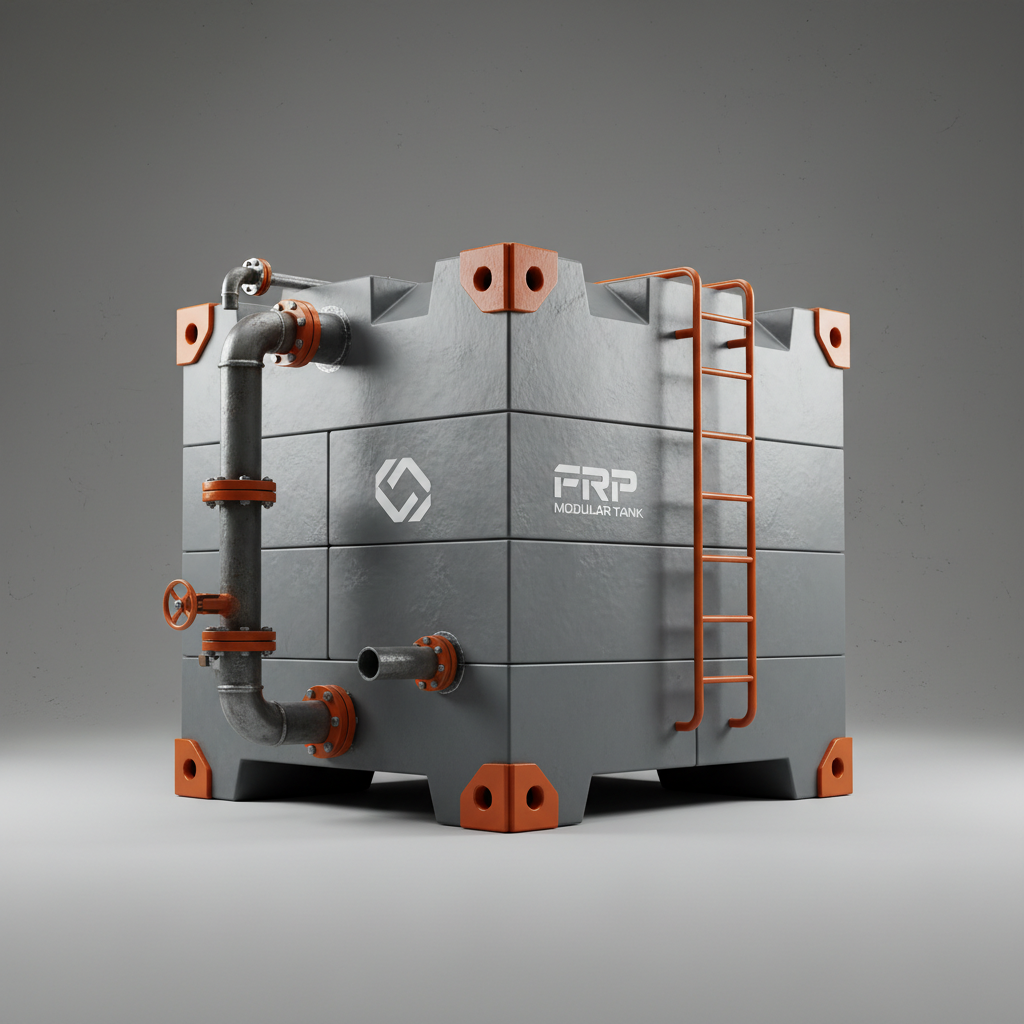
Many manufacturers offer modular designs, allowing clients to scale and customize tanks for specific volumes, shapes or access points — reflecting real-world practicalities.
6. Environmental Resistance
These tanks perform well under UV exposure and extreme temperatures, a bonus for outdoor or exposed installations.
Mini takeaway: Durability, light weight, chemical resistance, and customization collectively make fiberglass sump tanks uniquely suited for challenging industrial applications.
Global Applications: Where and How Fiberglass Sump Tanks Are Used
- Wastewater Treatment Plants: Widely used in North America and Europe, fiberglass sump tanks store and isolate sludge and treated water before discharge.
- Petrochemical and Chemical Industries: In the Gulf region, tanks handle oils and solvents where corrosion resistance is paramount.
- Disaster Relief Operations: NGOs deploy portable fiberglass tanks to store contaminated water or fuel in crisis zones, where infrastructure is minimal.
- Agriculture: Farms worldwide utilize them for liquid fertilizer storage, benefiting from corrosion resistance in wet environments.
- Remote Industries: Mining camps and remote power generation stations often choose fiberglass tanks for their ease of transport and ruggedness.
One interesting anecdote is from a Southeast Asian NGO which reported that portable fiberglass sump tanks cut contamination risks by 40% during recent flood relief campaigns — a testament to adaptability in crisis.
Mini takeaway: Fiberglass sump tanks are versatile assets, fitting diverse needs from municipal systems to emergency humanitarian responses.
Advantages and Long-Term Value of Fiberglass Sump Tanks
In real terms, their combination of durability and reduced upkeep means facilities save money not just on repairs but also environmental compliance fines. And beyond hard numbers, many operators report a palpable peace of mind — knowing their containment won’t fail unexpectedly.
Socially, these tanks contribute to safer work environments, lowering exposure risks for workers and nearby residents. For industries with tight safety profiles, this trust is invaluable.
From a sustainability standpoint, fiberglass tanks’ longevity means fewer replacements and less waste. Some suppliers now offer recyclable resins, aiming for a circular lifecycle.
All together, the emotional and logical factors make fiberglass sump tanks a compelling investment for responsible organizations.
Emerging Trends and Innovations on the Horizon
Technological advances include enhanced resin formulations adding flame retardancy or biofouling resistance. Meanwhile, IoT sensors embedded in tanks allow real-time liquid level and integrity monitoring — a game changer for remote facilities.
Applications interface with broader sustainability goals, like capturing and reusing wastewater or integrating tanks into renewable energy systems.
Even policy shifts worldwide echo in tank design, with stricter safety rules prompting manufacturers to innovate constantly.
Challenges and How the Industry Is Addressing Them
Of course, fiberglass sump tanks aren’t perfect. Some engineers caution about their susceptibility to impact damage if not handled carefully. Also, early designs sometimes lacked UV protection, though this is largely solved now.
Pricing remains a sticking point for small operators, but financing models, leasing options, and modular kits are easing this barrier.
Innovative coatings and hybrid composites are tackling the trade-offs between toughness and weight, and training programs improve installation quality worldwide.
FAQ: Everything You’ve Wondered About Fiberglass Sump Tanks
Q1: How long do fiberglass sump tanks typically last underground?
A1: With proper installation and maintenance, these tanks can last 20 to 30 years or more. Their resistance to corrosion and environmental degradation is a key factor contributing to this longevity.
Q2: Are fiberglass sump tanks customizable for unique industrial needs?
A2: Absolutely. Modern manufacturers offer customizable sizes, shapes, and features to match site-specific requirements, including reinforcement layers and integrated access points.
Q3: How do fiberglass tanks compare environmentally to traditional steel tanks?
A3: Fiberglass tanks often have a smaller environmental footprint over their lifecycle due to reduced maintenance, longer lifespan, and increasingly recyclable materials.
Q4: Can fiberglass sump tanks be used in extreme temperature regions?
A4: Yes, they’re engineered to withstand wide temperature ranges without losing structural integrity, making them suitable for hot deserts or cold climates.
Q5: What is the typical installation time for a fiberglass sump tank?
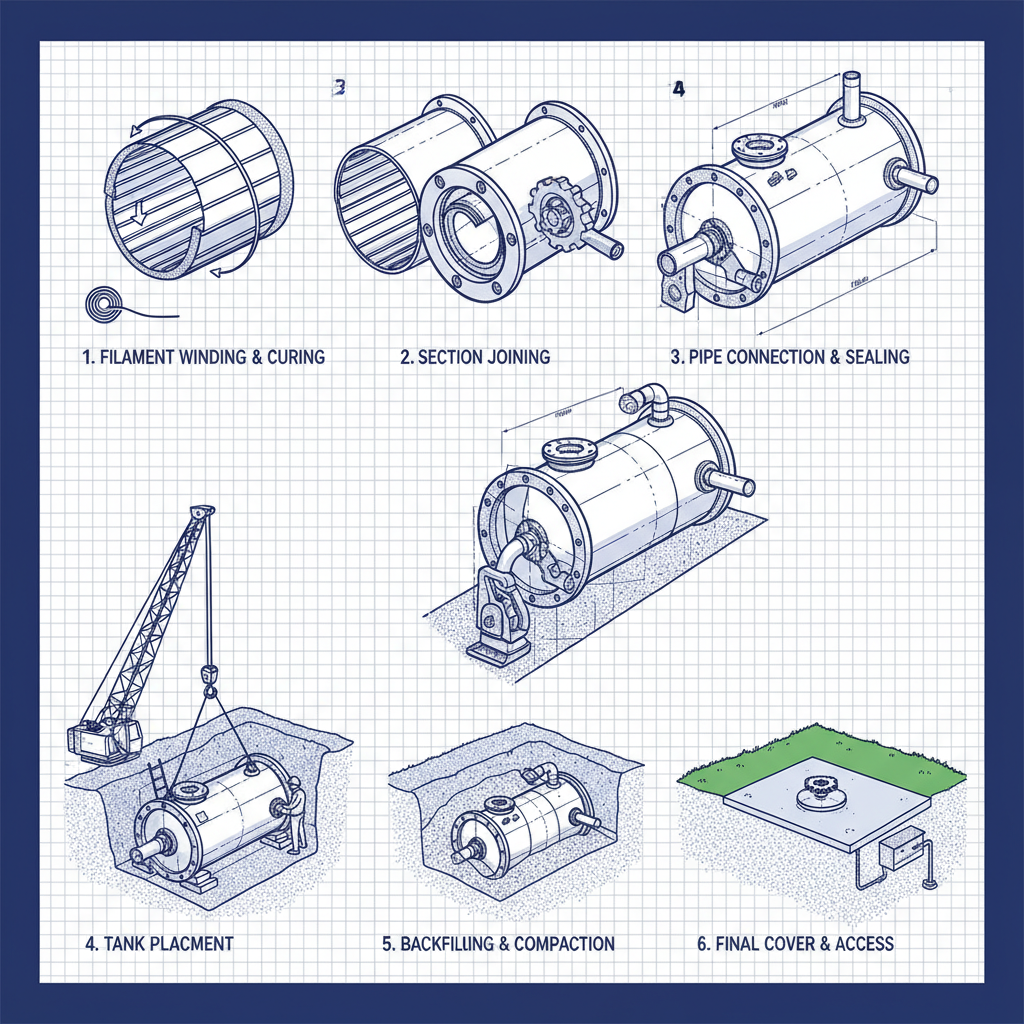
A5: Thanks to their lighter weight and modular designs, installation often takes just a few hours to a day, significantly faster than heavy steel alternatives.
Product Specification Table: Typical Fiberglass Sump Tank Features
| Specification | Detail |
|---|---|
| Material | Fiberglass Reinforced Plastic (FRP) |
| Capacity Range | 500 to 10,000 gallons (custom sizes available) |
| Temperature Range | -40°C to 80°C (-40°F to 176°F) |
| Chemical Resistance | Acids, Alkalis, Solvents |
| Lifespan | 20+ years |
| Installation Time | Few hours to 1 day |
Vendor Comparison: Top Fiberglass Sump Tank Manufacturers
| Manufacturer | Product Range | Customization Level | Price Range | Lead Time |
|---|---|---|---|---|
| FRP Global Tanks | 500-10000 gal, modular | High | $$$ | 4-6 weeks |
| AquaFiber Tech | 1000-8000 gal, standard sizes | Medium | $$ | 3-5 weeks |
| SumpSafe Industries | 300-5000 gal, portable units | High | $$$ | 2-4 weeks |
Wrapping Up: Why You Should Consider a Fiberglass Sump Tank
To pull all this together, fiberglass sump tanks are more than just containers. They embody a careful balance of engineering, safety, and sustainability. They solve real-world problems from contamination risk to maintenance cost while aligning with global trends in environmental responsibility.
If you’re looking at improving your liquid storage systems or working in an industry that demands reliability under tough conditions, these tanks deserve serious attention.
For those ready to explore options or get customized solutions, I suggest visiting our website for the latest in fiberglass sump tank innovations and expert guidance.
In the end, it’s often the unseen infrastructure like sump tanks that quietly shapes healthier, safer, and more sustainable industries worldwide.