Jul 08,2025

High-Quality Fiberglass Reinforced Plastic Tanks Durable FRP Vessels for Industrial Use

  • Introduction to fiberglass reinforced plastic tanks
  • The technology behind fibre reinforced plastic tanks and vessels
  • Comparative analysis of leading manufacturers
  • Customization capabilities and options
  • Applications and case studies across industries
  • Environmental and operational benefits
  • Conclusion: Why choose fiberglass reinforced plastic tanks

fiberglass reinforced plastic tanks

(fiberglass reinforced plastic tanks)


Introduction to Fiberglass Reinforced Plastic Tanks: Industry Evolution and Demand

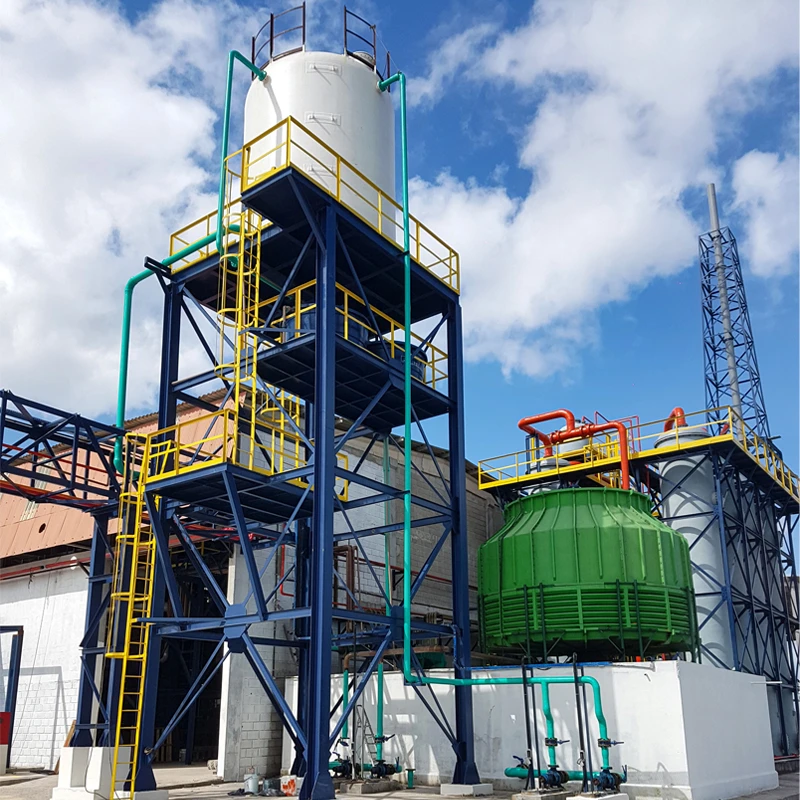
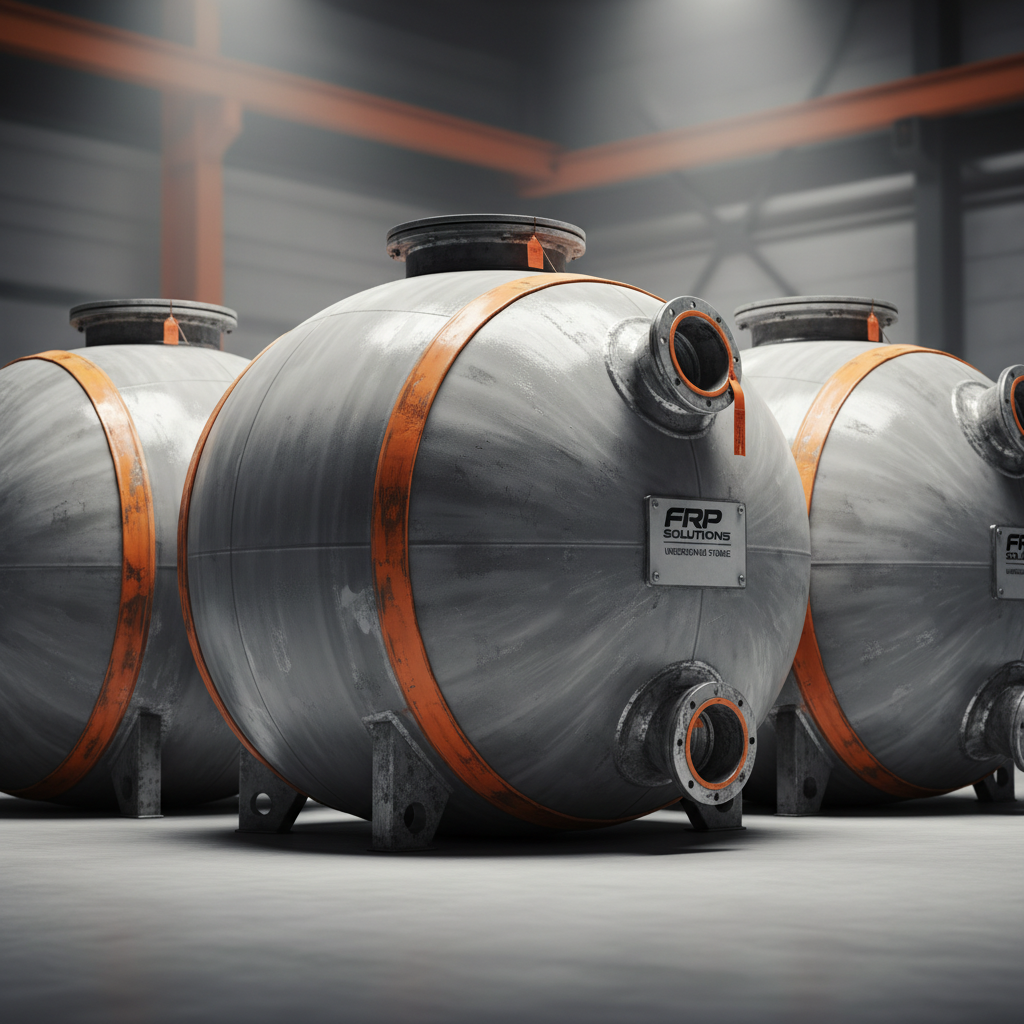
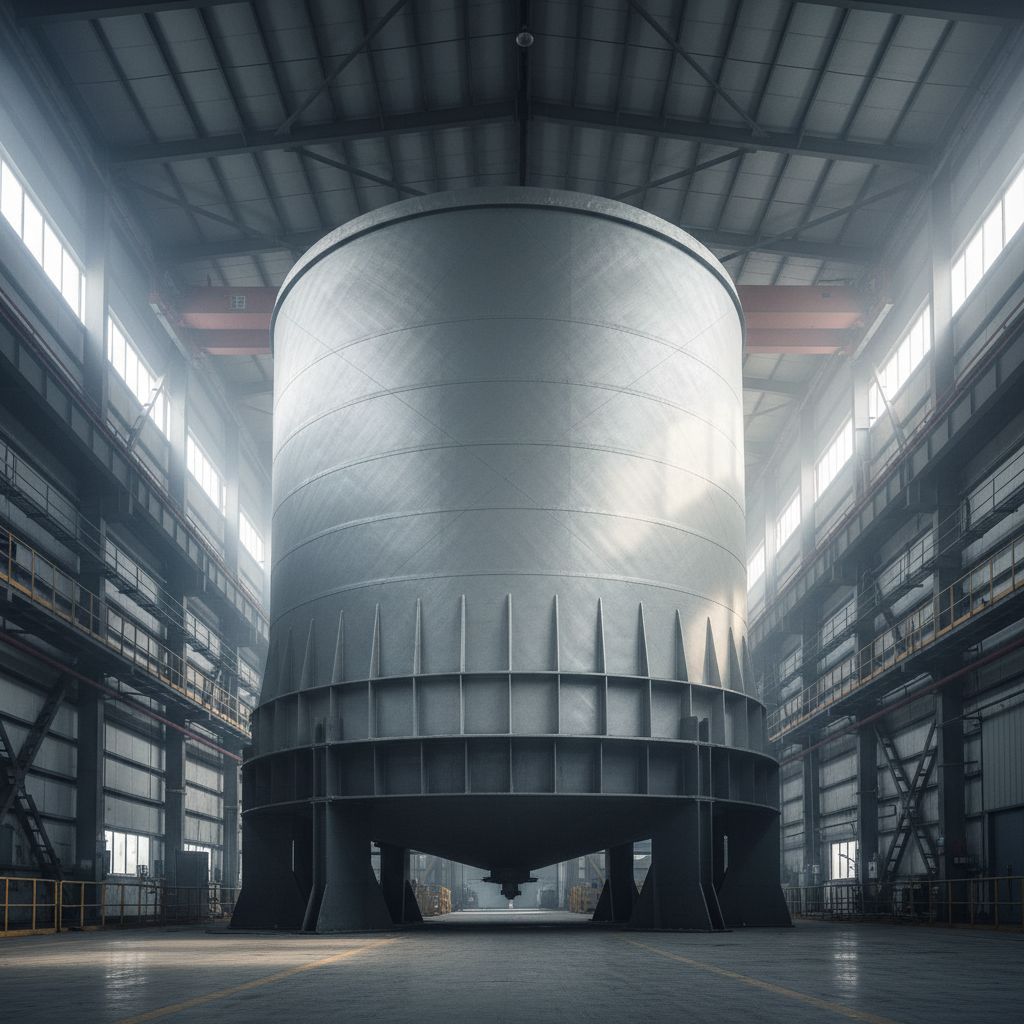
Over recent decades, fiberglass reinforced plastic tanks (FRP tanks) have become the backbone of critical storage solutions in industries ranging from chemicals to food processing. The global market for fibre reinforced plastic tanks and vessels exceeded USD 2.5 billion in 2022 and is projected to reach USD 4.1 billion by 2028, growing at a CAGR of 7.6%.1 This robust growth is driven by stringent industry standards, corrosion resistance demands, and evolving regulations regarding material sustainability. Unlike traditional steel or concrete counterparts, FRP tanks offer a weight reduction of up to 70%, contributing to easier transportation and installation. Additionally, maintenance costs are reduced by 60% on average over a tank’s lifecycle due to exceptional chemical resistance and structural longevity.2

The Technology Behind Fibre Reinforced Plastic Tanks and Vessels

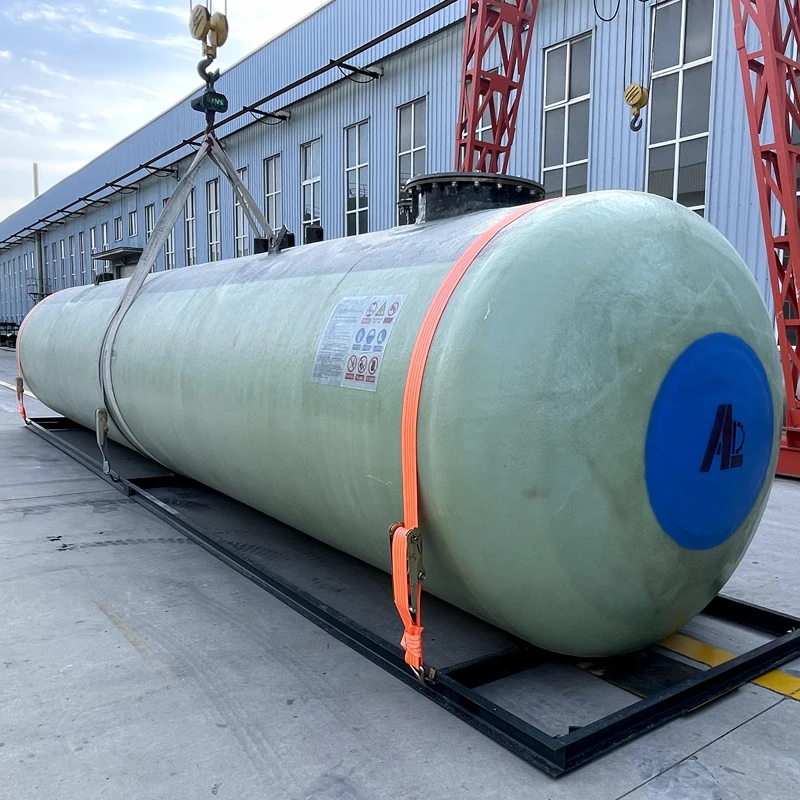
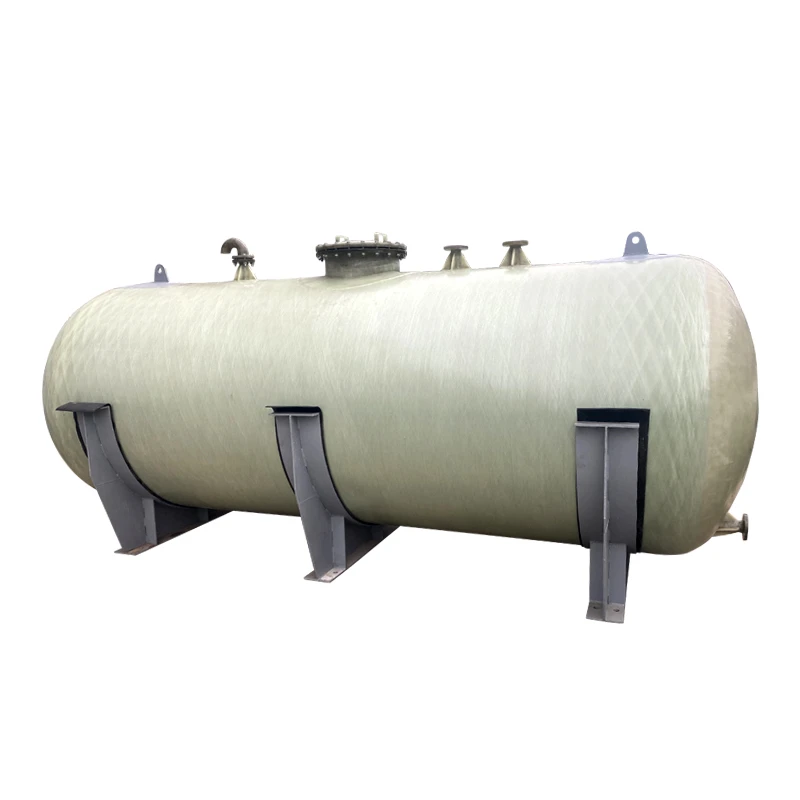
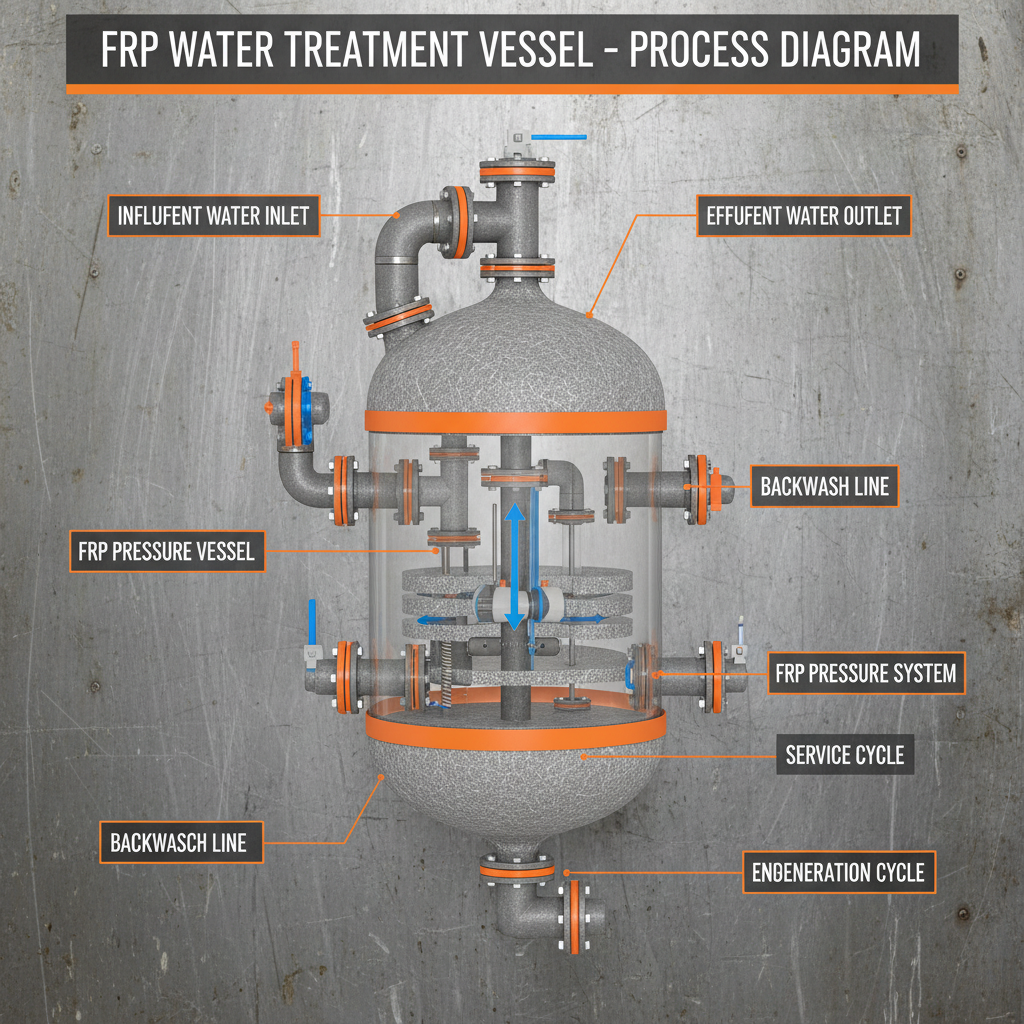
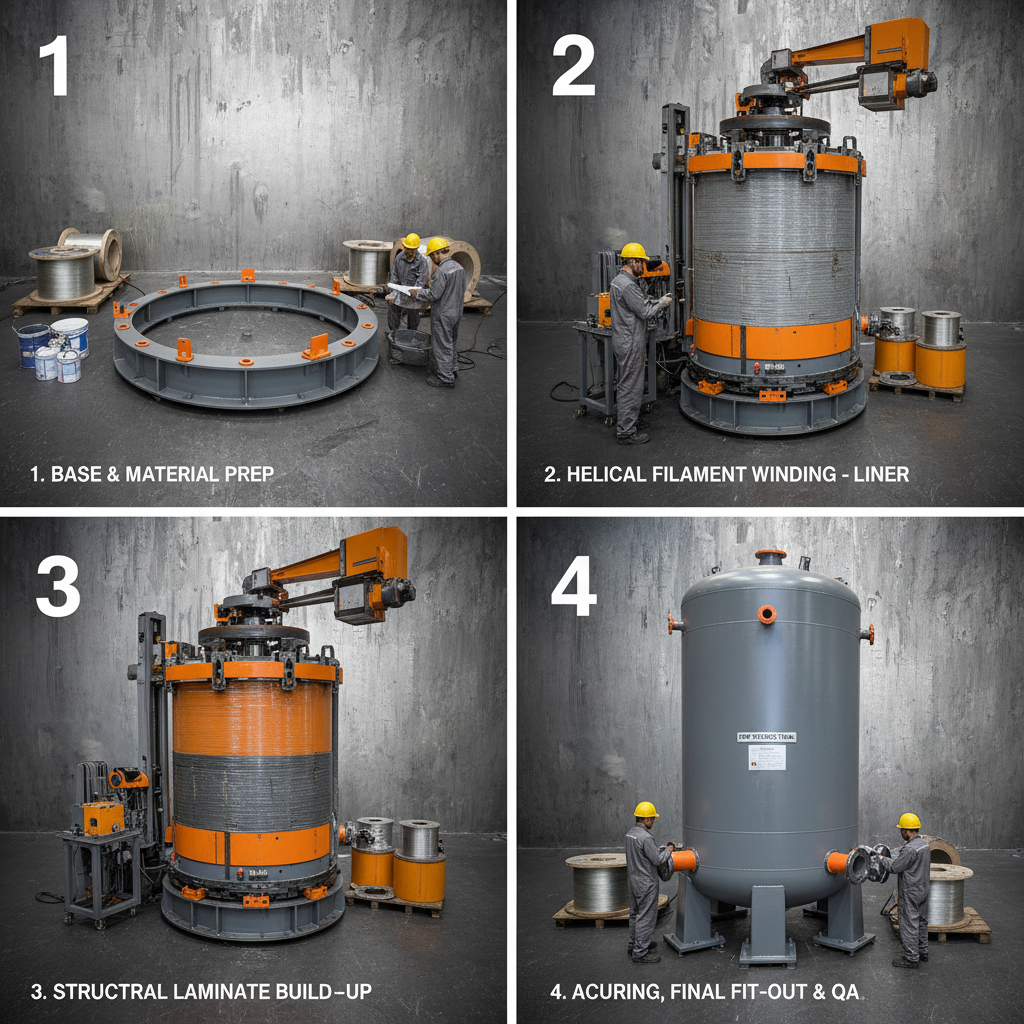
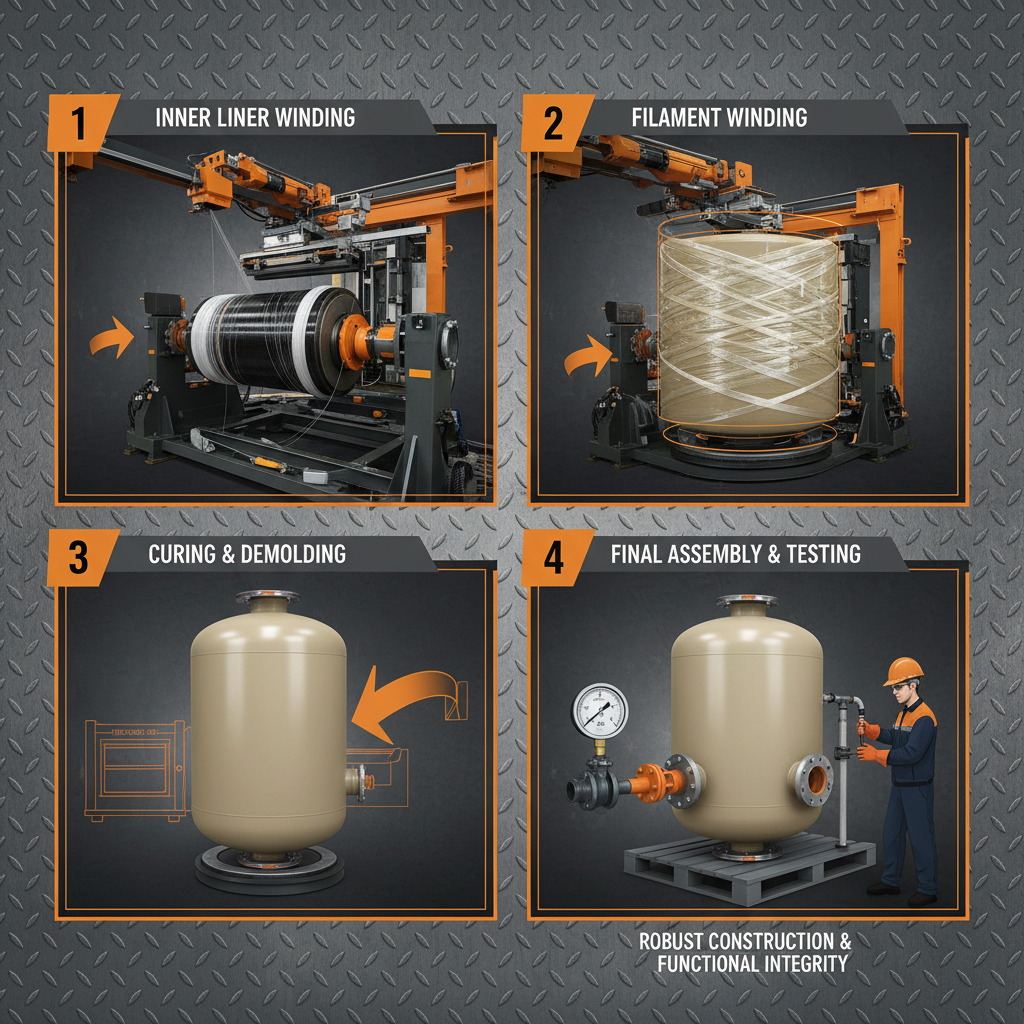
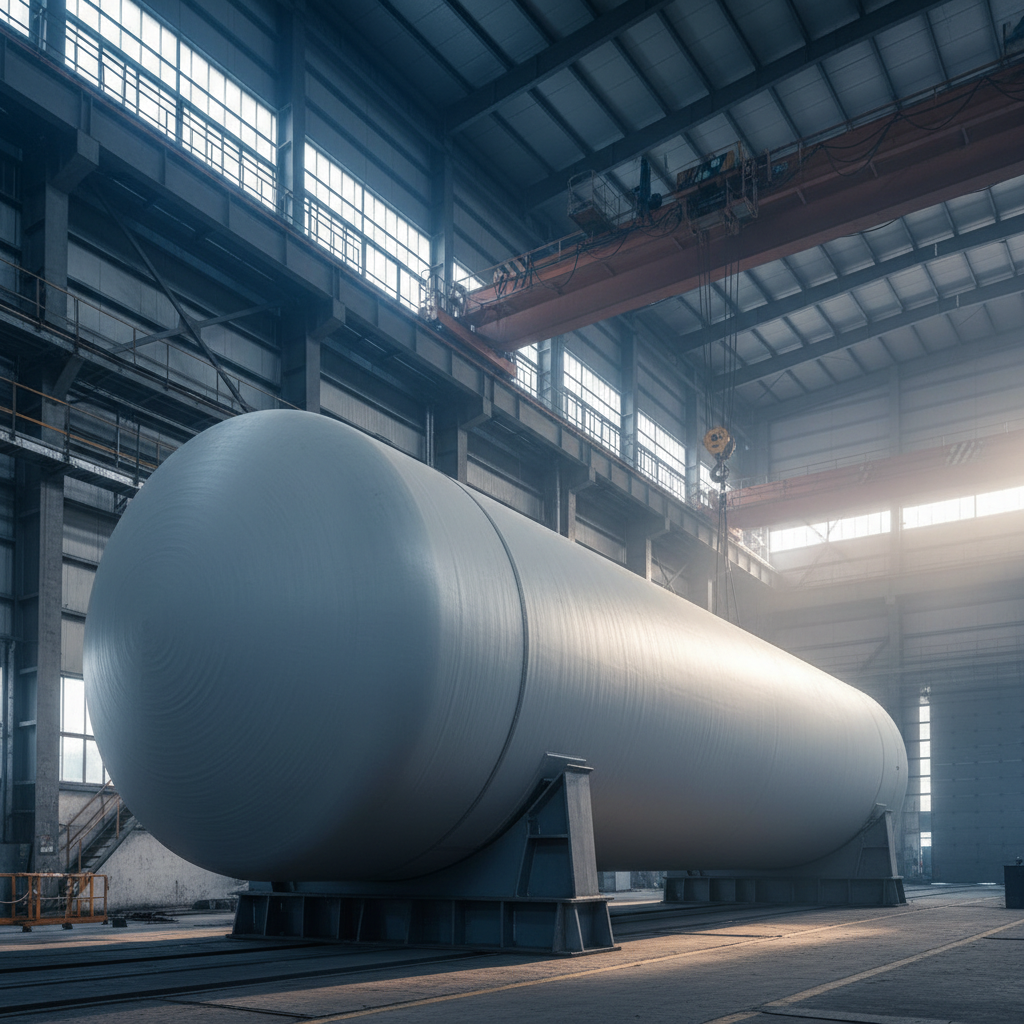
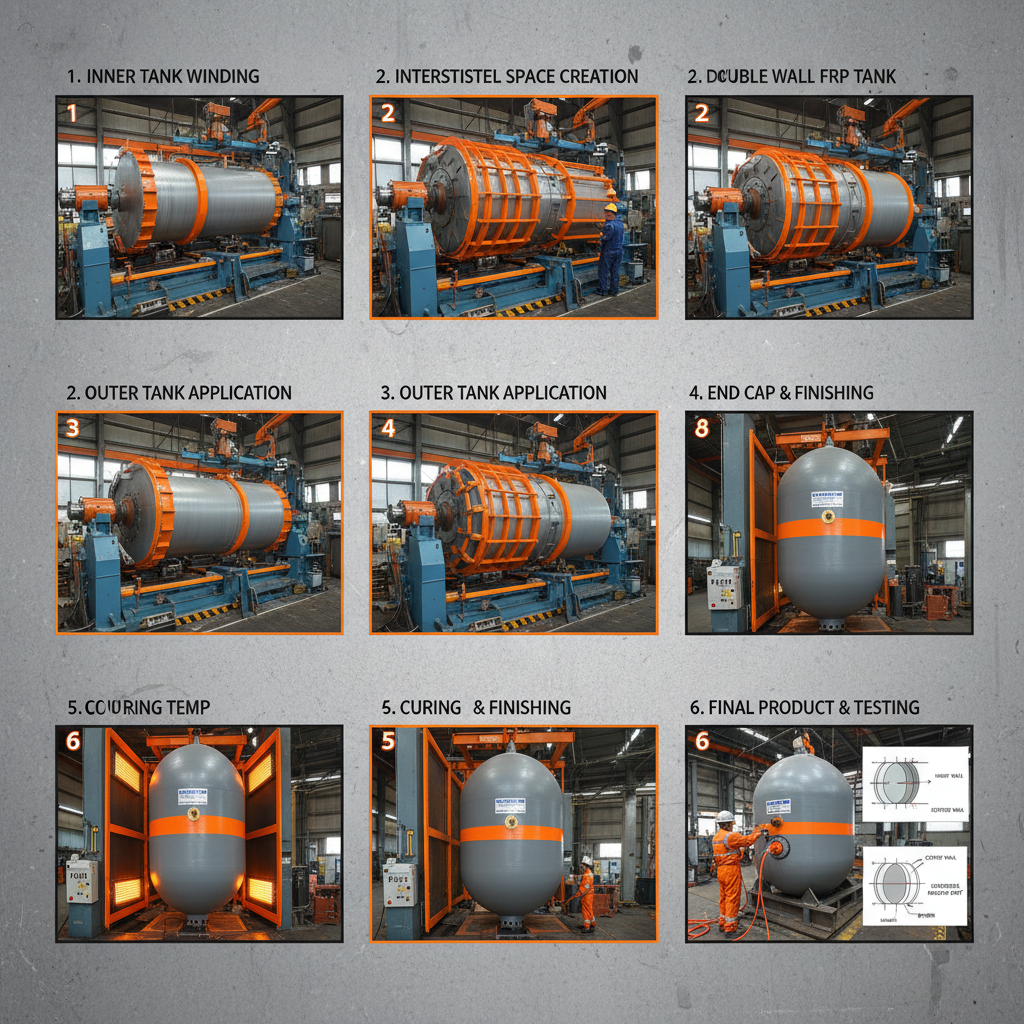
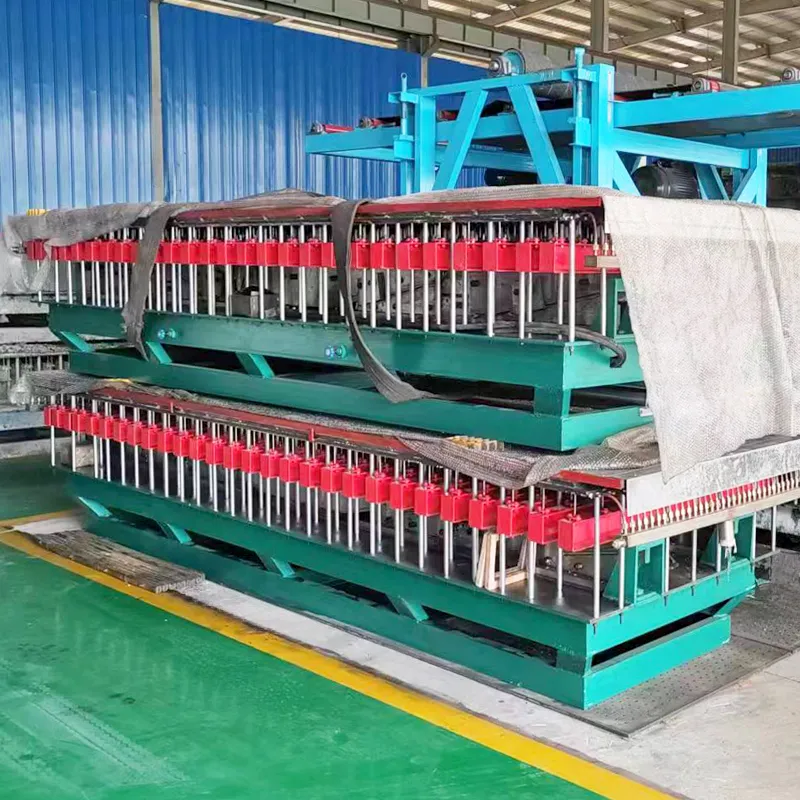
At the core of FRP tank technology is the potent synergy between glass fiber reinforcements and a polymer matrix, typically thermosetting resins such as epoxy, vinyl ester, or polyester. These materials are meticulously layered and cured, resulting in containers that boast tensile strengths exceeding 1,000 MPa and flexural strengths above 900 MPa.3 The design flexibility—cylindrical, rectangular, horizontal, or vertical—makes them ideal for safe storage of aggressive acids, alkalis, potable water, and even food-grade ingredients. Internal linings can be engineered for special requirements such as UV or thermal resistance, utilizing laminate thickness calculations and finite element analysis to ensure precise mechanical properties. Automated filament winding and hand lay-up techniques guarantee uniformity and repeatability, aligning with ASTM D3299 and BS4994 standards for pressure and atmospheric tanks.

Comparative Analysis of Leading Manufacturers

To aid in procurement decisions, the following table presents a comparative analysis of four globally established FRP tank manufacturers, focusing on production capacities, certifications, warranty offerings, and after-sales services:

Manufacturer Annual Output (Units) Key Certifications Standard Warranty After-sales Support Custom Design Capabilities
ProTank Solutions 10,000 ISO 9001, NSF/ANSI 61, ASME RTP-1 10 Years 24/7 Onsite, Online Monitoring Yes - Up to 500,000 gal
FiberServe Industries 6,500 ISO 14001, API 650 FRP, FDA 5 Years Phone, Annual Inspection Yes - Modular Configurations
EcoTank Manufacturing 8,200 WRAS, UL 1316, ATEX 8 Years Email, Video Support Yes - Nonstandard Geometries
PlastiGlass Engineering 12,000 EN 13121, PED, GOST 12 Years 24/7 Global Field Team Yes - High-pressure Designs

This comparison highlights how the choice of supplier impacts long-term operability and compliance outcomes. Products certified to standards such as NSF/ANSI 61 and API 650 offer proven assurances in potable water and petroleum industries, ensuring safe containment and operational integrity.

Customization Capabilities and Options

No two storage requirements are identical, and the adaptability of fiberglass reinforced plastic leads the industry in tailored solutions. Modern FRP suppliers empower clients with computer-aided design (CAD), allowing vessels to be engineered down to the flange, nozzle, and interior lining specifications. Common customization options include:

  • Volume capacities ranging from 100 liters to over 1,000,000 liters
  • Wall thicknesses from 4 mm up to 60+ mm for pressure or vacuum resistance
  • Dual laminate designs (FRP with thermoplastic liners) for highly corrosive storage
  • Specialized linings for thermal, UV, or abrasion protection
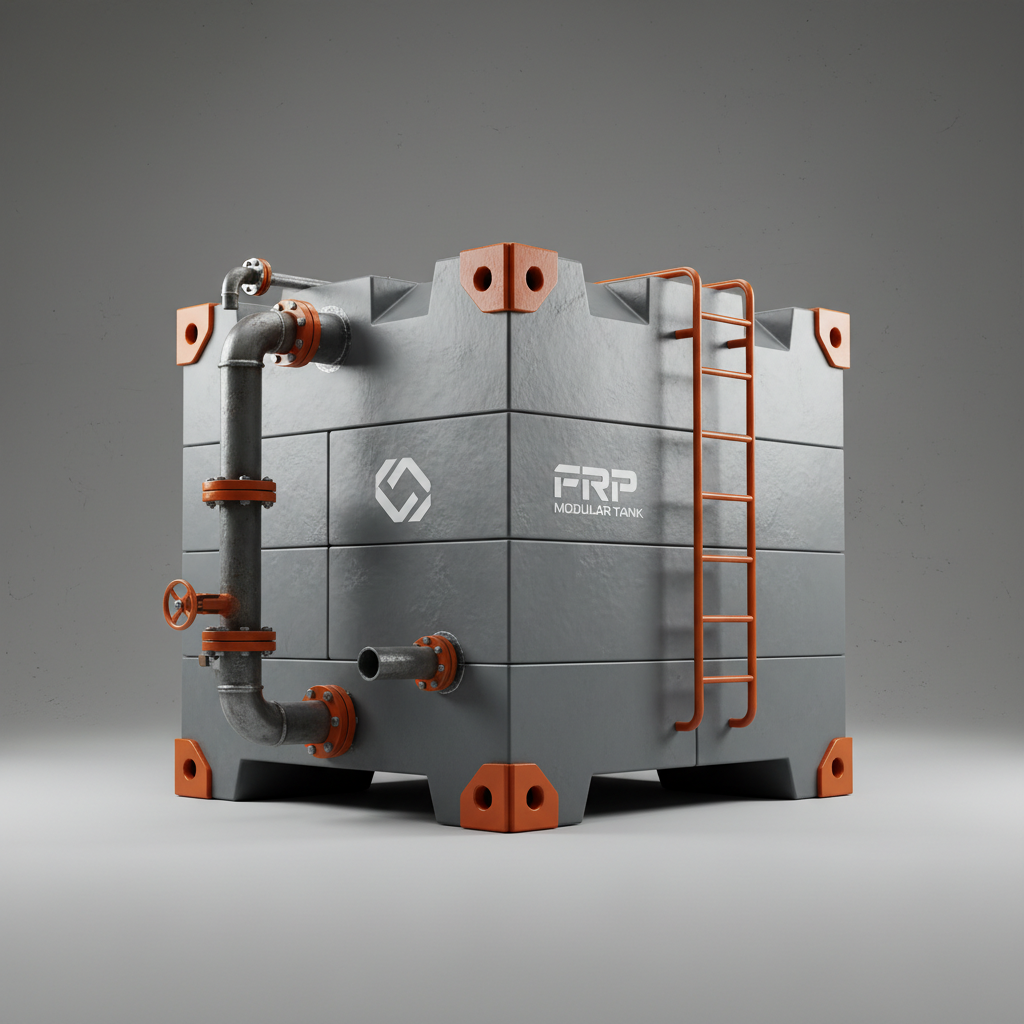
  • Horizontal or vertical orientations, modular panelized tanks
  • Embedded sensors for level and leak detection
  • Integrated sumps, manways, and support legs or saddles

Customization is also available for extreme temperatures (from -60°C to +120°C operating ranges), seismic zones, and wind load compliance. In complex scenarios, finite element modeling is employed to validate custom tank integrity before manufacturing.

Applications and Case Studies Across Industries

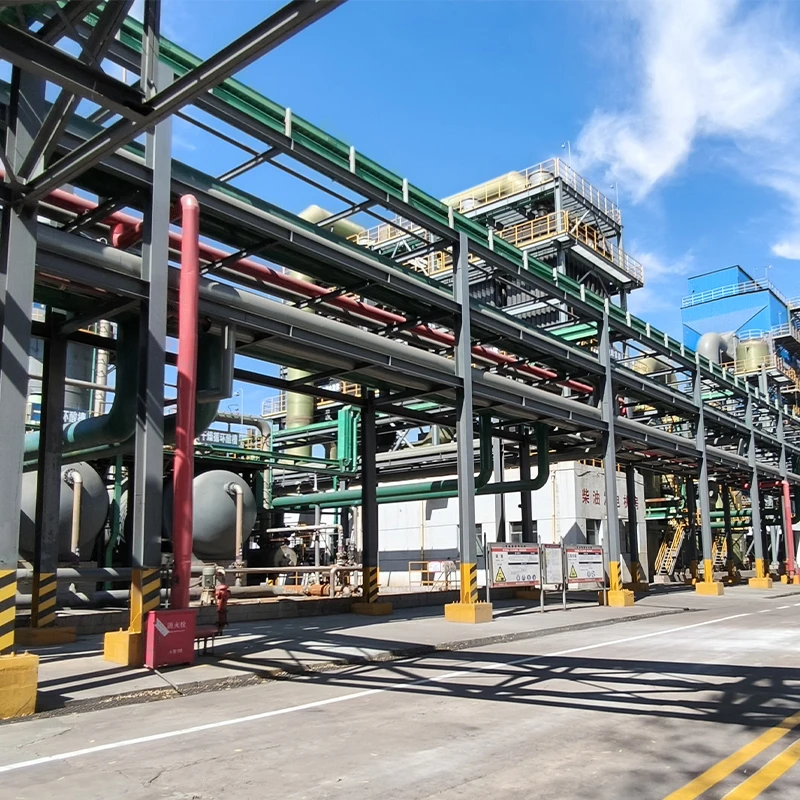
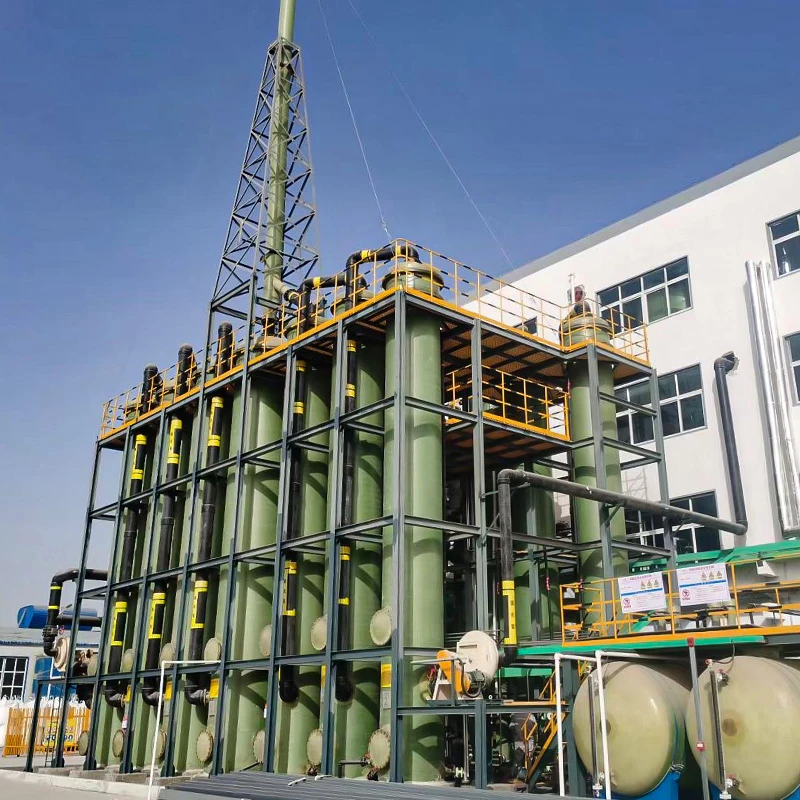
The versatility of fibre reinforced plastic tanks and vessels is showcased in a vast array of industrial and municipal applications:

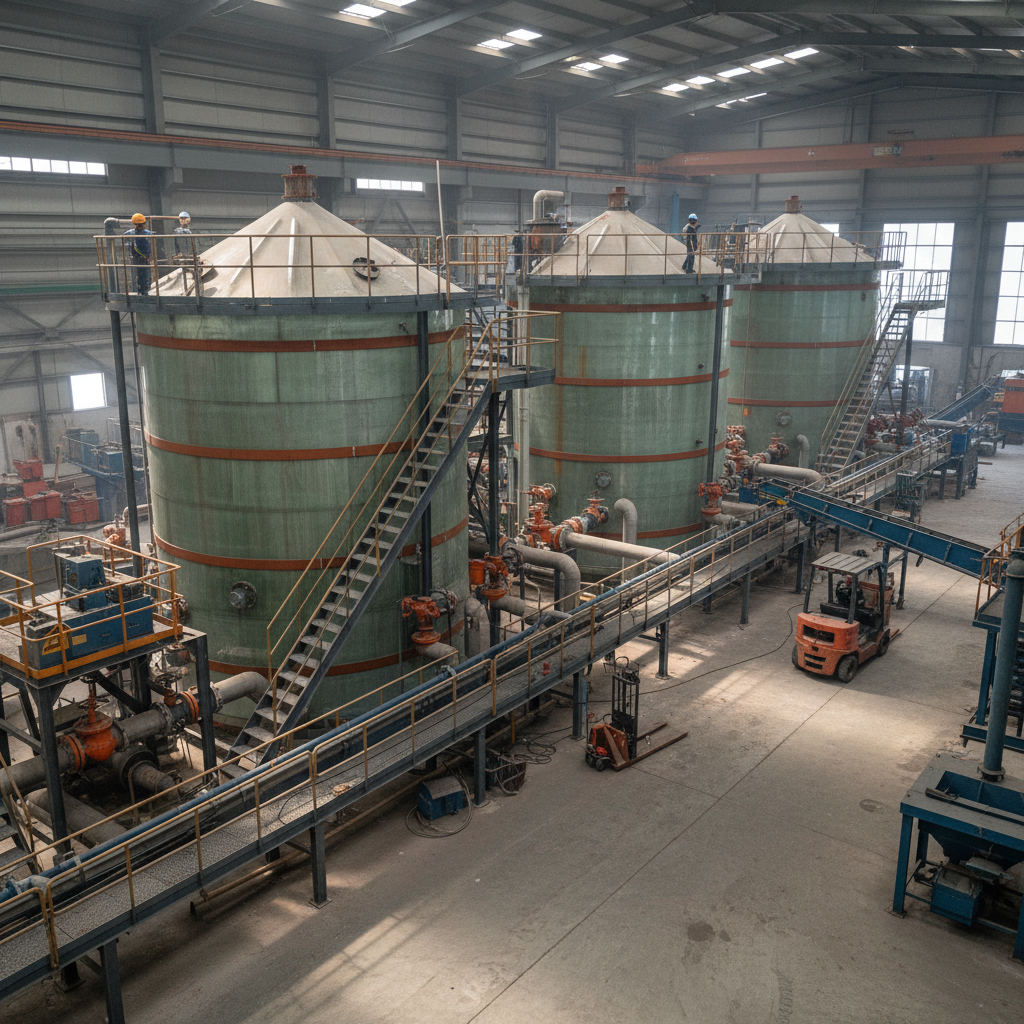
  • Chemical Processing: FRP tanks endure aggressive solvents, acids, and corrosives. For example, a leading fertilizer plant in Texas deployed 16 x 50,000-gallon FRP acid storage tanks, which reduced maintenance downtime by over 65% versus previous steel tanks.
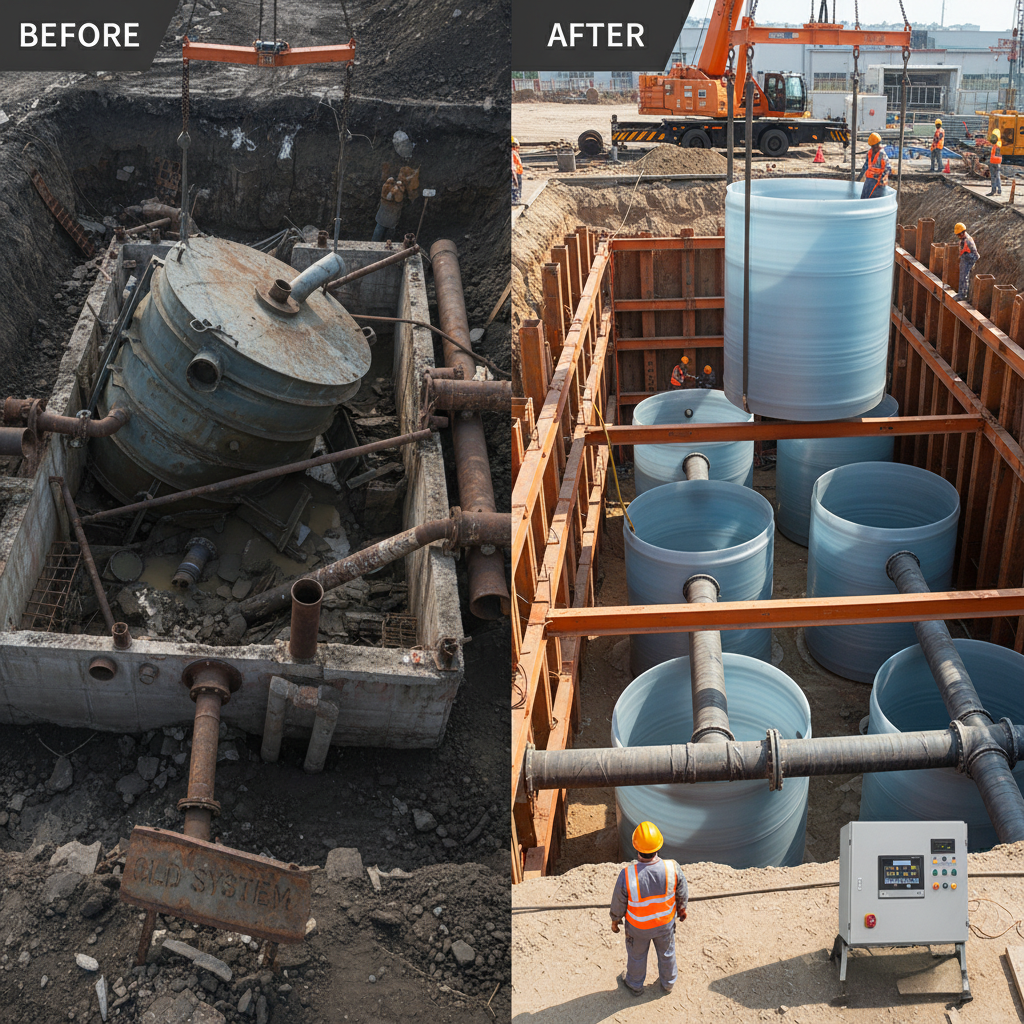
  • Water and Wastewater Treatment: Municipalities widely use FRP vessels. A city in Northern Europe replaced failing concrete clarifiers with FRP clarifiers, reporting a 15-year lifespan extension and a 78% reduction in structural failures.
  • Food & Beverage: Hygienic-grade, FDA-compliant FRP tanks safely store syrups and juices in large beverage operations across Southeast Asia, providing contamination-free payloads and easier sterilization.
  • Pharmaceutical: Cleanroom-ready FRP vessels with smooth liners are widely used for active ingredient containment and process intermediates, helping a multination pharma group in India achieve a near-zero microbiological risk in storage.
  • Energy & Power: Lightweight FRP solutions have replaced metal tanks on offshore platforms in the North Sea, slashing deck loads and decreasing corrosion-related leaks by 91% in harsh saltwater environments.

Case studies consistently demonstrate improved lifecycle costs, enhanced safety metrics, and compliance achievements, positioning FRP as the premier choice in mission-critical storage.

Environmental and Operational Benefits

FRP tank technology delivers both ecological and economic value. Unlike metals, the primary raw materials are non-toxic, and manufacturing processes continually strive for reduced VOC emissions and energy consumption per unit produced. FRP tanks are fully recyclable and their thermal insulation properties reduce condensation and minimize heat loss, especially when compared to single-walled steel or aluminum tanks. Operators benefit from:

  • Service life exceeding 30 years, validated by field results
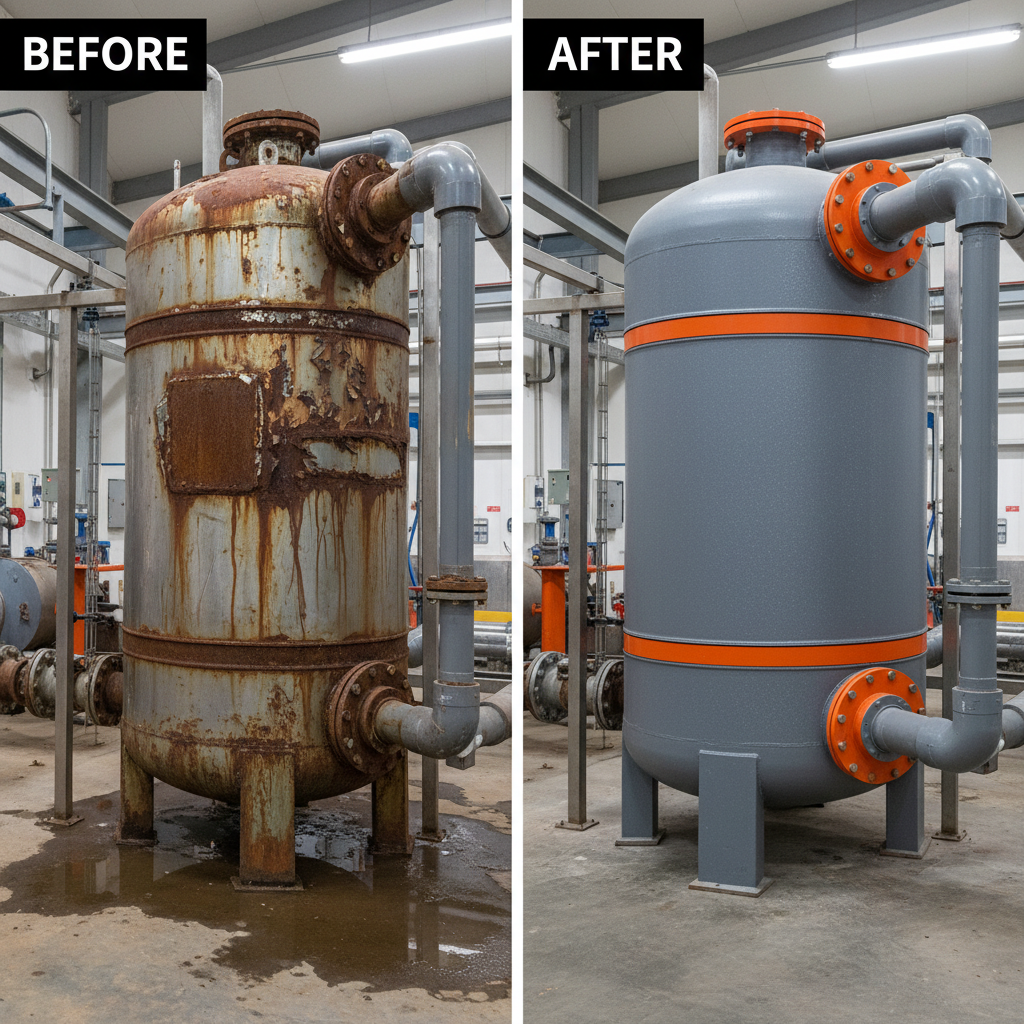
  • Chemical resistance performance that virtually eliminates internal coating renewal
  • Downtime reduction by an average of 55% due to lower failure rates
  • Lower insurance premiums thanks to enhanced containment reliability
  • Lightweight design contributing to decreased crane and foundation costs, typically 40% less than equivalent metals
  • Compatibility with sustainability initiatives—many vendors offer tanks manufactured from up to 35% recycled content

The operational footprint also shrinks, with modular installations enabling rapid commissioning even in confined sites, and remote monitoring options reducing manual inspection intervals.

Conclusion: Why Choose Fiberglass Reinforced Plastic Tanks

In summary, fiberglass reinforced plastic tanks offer unmatched versatility and durability, evolving year-on-year in response to complex industrial storage demands. The latest advancements in materials science and automation have resulted in vessel designs that outperform legacy solutions in safety, environmental impact, and maintenance savings. With proven records across sectors such as chemical processing, water treatment, food & beverage, and energy production, these storage solutions deliver long-term value supported by leading global manufacturers. Decision-makers benefit not only from robust compliance credentials and adaptive customization but also from quantifiable lifecycle savings, making FRP tanks the strategic choice for the future of reliable and sustainable storage infrastructure.

fiberglass reinforced plastic tanks

(fiberglass reinforced plastic tanks)

FAQS on fiberglass reinforced plastic tanks

Q: What are fiberglass reinforced plastic tanks?

A: Fiberglass reinforced plastic tanks are storage containers made from plastic strengthened with fiberglass fibers. This combination provides high strength, corrosion resistance, and lightweight properties. They are commonly used for storing chemicals, water, and other liquids.

Q: What advantages do fibre reinforced plastic tanks and vessels offer over traditional tanks?

A: Fibre reinforced plastic tanks and vessels are highly resistant to corrosion, lightweight, and durable compared to metal or concrete tanks. They require less maintenance and have a longer lifespan. These benefits make them ideal for industrial and chemical storage applications.

Q: Are fiberglass reinforced plastic tanks suitable for storing drinking water?

A: Yes, fiberglass reinforced plastic tanks can be safely used for storing drinking water. They are non-toxic, durable, and do not react with water, ensuring water quality. Always ensure the tank meets potable water standards for your region.

Q: How long do fiberglass reinforced plastic tanks typically last?

A: Fiberglass reinforced plastic tanks usually last 20 to 30 years or more with proper maintenance. Their corrosion resistance significantly extends their service life compared to metal tanks. Regular inspections help ensure optimal performance and longevity.

Q: Can fiberglass reinforced plastic tanks be customized in size and shape?

A: Yes, fiberglass reinforced plastic tanks can be custom-built to meet specific size, shape, and capacity requirements. Manufacturers offer a wide range of designs for various industrial and commercial needs. Customization ensures the tank fits the intended space and usage perfectly.
Upsell Products
Upsell News
Guide to Fiber Water Tank Price and FRP Storage Costs
Jul 01,2026
Guide to Fiber Water Tank Price and FRP Storage Costs
Understanding Fiber Water Tank Price: A Comprehensive Investment Guide When searching for a reliable liquid storage solution, understanding the factors that influence fiber water tank price is essential for optimizing your operational budget. Fiber-Reinforced Plastic FRP tanks have become the industry standard for water and chemical storage due to their exceptional corrosion resistance and structural integrity. Whether you are managing a municipal water project or an industrial chemical plant, selecting the right tank requires a balance between initial cost and long-term durability. In this guide, we will explore the variables that drive pricing and why FRP remains the most cost-effective choice
Guide to Fibreglass Water Tank Prices and FRP Investment
Jun 29,2026
Guide to Fibreglass Water Tank Prices and FRP Investment
Understanding Fibreglass Water Tank Prices: A Comprehensive Investment Guide When planning water storage for industrial or commercial applications, understanding the factors that influence fibreglass water tank prices is essential for optimizing your budget. Fibreglass Reinforced Plastic FRP tanks offer a superior alternative to steel or concrete due to their corrosion resistance and lightweight nature. Whether you are in the petroleum, chemical, or drainage industry, selecting a tank that balances cost with long-term durability is key. In this guide, we will explore the pricing drivers, technical advantages, and specifications of high-quality FRP storage solutions to help you make an informed purchasing decision.
Industrial Fiberglass Water Tank Price and Buyers Guide
Jun 27,2026
Industrial Fiberglass Water Tank Price and Buyers Guide
Analyzing Fiberglass Water Tank Price: A Comprehensive Buyers Guide When investing in industrial water storage, understanding the fiberglass water tank price is essential for effective budget planning and operational efficiency. Fiberglass Reinforced Plastic FRP tanks have become the gold standard in water quality pollution prevention and chemical storage due to their exceptional corrosion resistance and durability. Whether you are managing a municipal water system or a specialized manufacturing plant, choosing the right tank involves balancing initial costs with long-term lifecycle value. In this guide, we will break down the factors that influence pricing and why FRP is often the most cost-effective choice
Comprehensive Guide to GRP Sectional Water Tanks Prices and Quality
Jun 26,2026
Comprehensive Guide to GRP Sectional Water Tanks Prices and Quality
Selecting the right water storage solution is critical for industrial, commercial, and residential infrastructure. When evaluating grp sectional water tanks prices, it is essential to look beyond the initial sticker price and consider the total cost of ownership, including durability, installation ease, and maintenance. Glass Reinforced Plastic GRP tanks offer a superior alternative to traditional steel or concrete, providing exceptional corrosion resistance and modular flexibility. In this guide, we will explore the factors that influence pricing and why GRP remains the gold standard for modern water management.
Guide to Understanding FRP Tank Cost and Investment Value
Jun 25,2026
Guide to Understanding FRP Tank Cost and Investment Value
Understanding FRP Tank Cost: A Comprehensive Guide to Investment and Value When investing in industrial storage solutions, understanding the frp tank cost is essential for accurate budgeting and long-term operational planning. Fiber Reinforced Plastic FRP tanks offer an exceptional balance of corrosion resistance, structural strength, and longevity, making them the preferred choice for chemical, petroleum, and water treatment industries. While initial pricing can vary based on specifications, the total cost of ownership is often significantly lower than traditional steel tanks due to reduced maintenance. In this guide, we will explore the factors influencing pricing and the advanced machinery used to produce these high-performance vessels.
Best Industrial 500 gallon chemical tank for Storage and Safety
Jun 23,2026
Best Industrial 500 gallon chemical tank for Storage and Safety
Choosing the Best 500 Gallon Chemical Tank for Industrial Storage When managing hazardous materials or industrial fluids, the integrity of your storage system is non-negotiable. A high-quality 500 gallon chemical tank provides the perfect balance between capacity and footprint, making it an ideal choice for mid-sized operations, water treatment facilities, and chemical processing plants. Selecting the right material and design ensures not only the safety of your personnel but also the longevity of your assets. In this guide, we will explore the critical factors you need to consider to optimize your chemical storage efficiency and compliance.
Safe and Efficient Industrial Chemical Storage Tanks Guide
Jun 21,2026
Safe and Efficient Industrial Chemical Storage Tanks Guide
Maximizing Safety and Efficiency with Industrial Chemical Storage Tanks In the modern industrial landscape, the secure management of hazardous materials is not just a regulatory requirement but a critical safety priority. Selecting the right industrial chemical storage tanks is essential for preventing leaks, reducing environmental impact, and ensuring the longevity of your infrastructure. Whether you are dealing with highly corrosive acids or volatile solvents, the material composition and design of your storage system determine your operational risk. This guide explores the technical nuances of chemical storage to help you make an informed investment for your facility.
Best Guide to Choosing a Durable 200 Gallon Chemical Tank
Jun 20,2026
Best Guide to Choosing a Durable 200 Gallon Chemical Tank
The Ultimate Guide to Choosing a 200 Gallon Chemical Tank Finding the right storage solution for hazardous or corrosive substances is critical for industrial safety and operational efficiency. A 200 gallon chemical tank offers a versatile mid-size capacity, ideal for businesses that need a balance between space-saving design and sufficient volume for chemical processing. Whether you are dealing with acids, bases, or specialty solvents, the material composition of your tank determines its lifespan and your facilitys safety. In this guide, we will explore the technical specifications, material options, and best practices for maintaining these essential industrial assets.
Industrial Fiberglass Water Storage Tanks Guide for Efficiency
Jun 18,2026
Industrial Fiberglass Water Storage Tanks Guide for Efficiency
The Ultimate Guide to Fiberglass Water Storage Tanks for Industrial Use Selecting the right containment system is critical for maintaining water purity and operational efficiency. fiberglass water storage tanks have emerged as a superior alternative to traditional steel or concrete reservoirs. Combining high strength-to-weight ratios with exceptional corrosion resistance, these tanks are designed to withstand the harshest environmental conditions while ensuring the longevity of your infrastructure. Whether you are managing a municipal water system or an industrial chemical process, understanding the advantages of FRP Fiber Reinforced Plastic technology is the first step toward a sustainable storage solution.
Industrial Storage Guide for Modular Sectional Water Tanks
Jun 13,2026
Industrial Storage Guide for Modular Sectional Water Tanks
When managing large-scale water storage, efficiency and scalability are non-negotiable. Sectional water tanks offer a versatile and robust solution for industries requiring customized capacities and easy installation in restricted spaces. Unlike monolithic tanks, these systems are engineered from modular panels, allowing for precise sizing and seamless transport to remote sites. Whether it is for fire protection, potable water, or industrial processing, choosing the right tank configuration can significantly impact the longevity and reliability of your water infrastructure. In this guide, we explore why these modular systems are the preferred choice for modern engineering projects worldwide.
Industrial Safety Guide for Double Wall Chemical Tanks
Jun 11,2026
Industrial Safety Guide for Double Wall Chemical Tanks
In the world of industrial chemical storage, containment is not just a preferenceit is a critical safety requirement. double wall chemical tanks provide a sophisticated layer of security, ensuring that hazardous materials are contained even if the primary vessel fails. By utilizing a tank-within-a-tank design, these systems prevent catastrophic leaks, protect the surrounding environment, and ensure compliance with strict regulatory standards. Whether you are managing a water treatment plant or a chemical manufacturing facility, understanding the nuances of secondary containment is essential for operational longevity and risk mitigation.
High Efficiency and Durability of Fiberglass Storage Tanks
Jun 09,2026
High Efficiency and Durability of Fiberglass Storage Tanks
In the world of industrial liquid containment, choosing the right material is critical for safety, longevity, and cost-effectiveness. fiberglass storage tanks , also known as FRP Fiber Reinforced Plastic tanks, have emerged as the gold standard for storing corrosive chemicals, water, and hazardous materials. Unlike traditional metal tanks, fiberglass offers an unparalleled combination of strength and chemical inertness. Whether you are managing a municipal water system or a complex chemical processing plant, understanding the advantages of these advanced composite structures is essential for optimizing your infrastructure and reducing long-term maintenance costs.
Durable FRP Vessel for Water Treatment and Industrial Filtration
Apr 16,2026
Durable FRP Vessel for Water Treatment and Industrial Filtration
In the modern era of industrial and residential water purification, the choice of containment materials is critical for efficiency and longevity. An frp vessel for water treatment has emerged as the gold standard, replacing traditional steel tanks due to its superior corrosion resistance and lightweight properties. Whether you are dealing with desalination, softening, or filtration, using Fiber Reinforced Plastic (FRP) ensures that your system remains leak-proof and durable against aggressive chemicals. In this comprehensive guide, we will explore why FRP is the preferred choice for water treatment professionals worldwide and how to select the right vessel for your specific application.
Industrial Guide for Choosing the Right FRP Vertical Tank
Apr 09,2026
Industrial Guide for Choosing the Right FRP Vertical Tank
In today's industrial landscape, the storage of corrosive chemicals and aggressive liquids requires materials that can withstand extreme conditions without degrading. The frp vertical tank has emerged as a premier solution, offering an exceptional balance of strength, lightweight properties, and unmatched chemical resistance. Whether you are managing a water treatment plant or a chemical processing facility, understanding the nuances of Fiber Reinforced Plastic (FRP) is essential for ensuring operational safety and longevity. In this comprehensive guide, we will explore why vertical configurations are preferred and how these tanks outperform traditional metal alternatives.
Comprehensive Guide to FRP Underground Water Tank Solutions and Applications
Apr 07,2026
Comprehensive Guide to FRP Underground Water Tank Solutions and Applications
Fiberglass Reinforced Polymer (FRP) underground water tanks are becoming increasingly popular for a wide range of applications, from potable water storage to industrial wastewater containment. Their superior corrosion resistance, lightweight nature, and design flexibility make them an excellent alternative to traditional materials like concrete or steel. This article will delve into the benefits, applications, construction, and considerations for implementing FRP underground water tanks, providing a comprehensive overview for engineers, contractors, and project managers.
Comprehensive Guide to Frp Underground Water Storage Tanks and Their Applications
Apr 04,2026
Comprehensive Guide to Frp Underground Water Storage Tanks and Their Applications
When considering water storage solutions, particularly for industrial, agricultural, or municipal applications, frp underground water storage tanks stand out as a durable, cost-effective, and environmentally friendly option. These tanks are increasingly favored over traditional materials like concrete or steel due to their superior corrosion resistance, lighter weight, and ease of installation. This article delves into the benefits, applications, construction, and considerations when choosing an FRP tank, providing a detailed overview for potential buyers and project planners.
For More Details Pls Contact Us
Thank you for your interest in our gloves! We offer high-quality, durable, and comfortable gloves with fast delivery and competitive prices. For any questions or customization, feel free to contact us. We look forward to working with you!

If you are interested in our products, you can choose to leave your information here, and we will be in touch with you shortly.